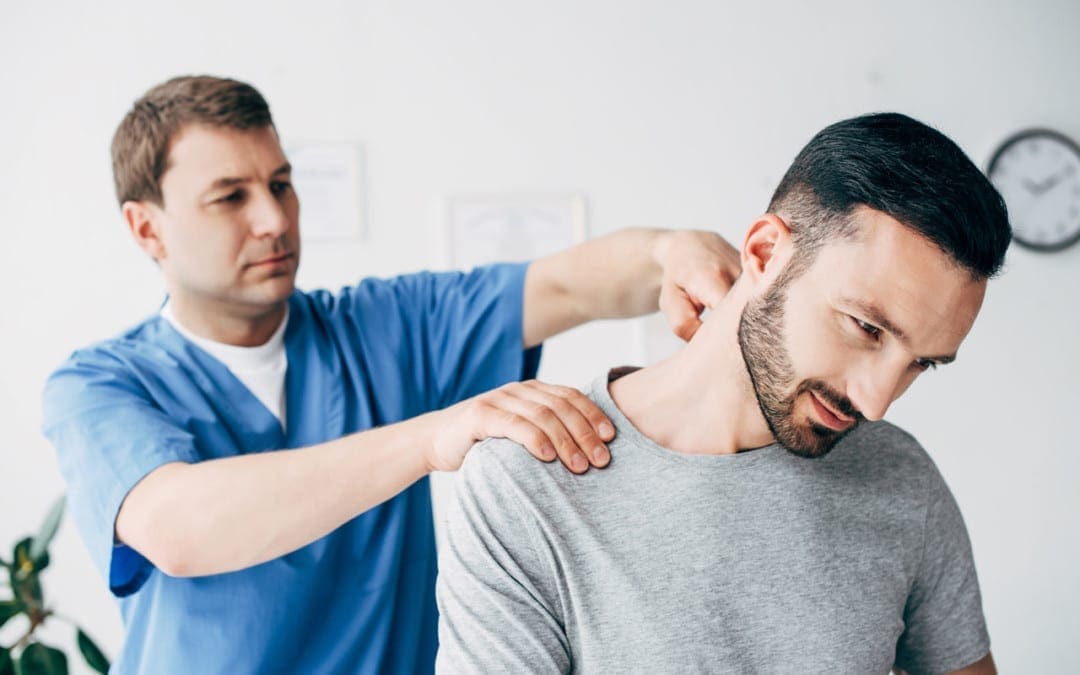
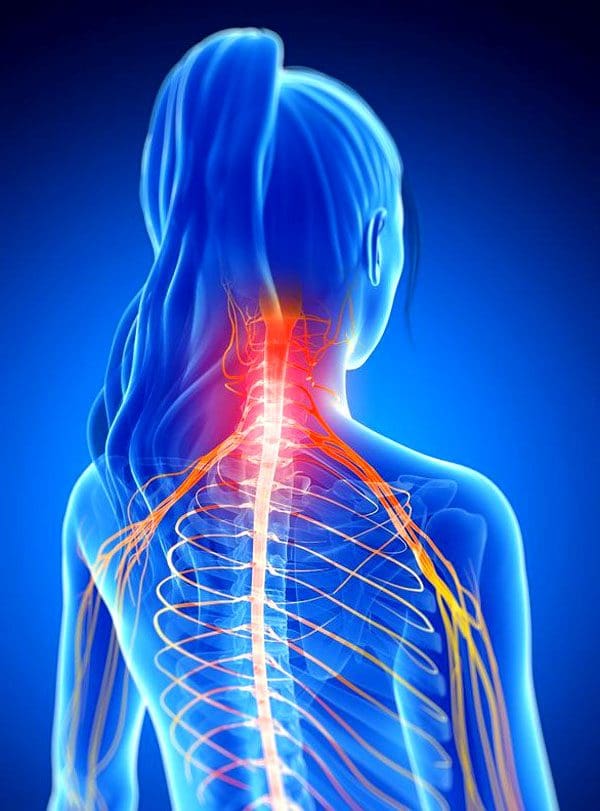
Tremors are extremely rare, but they can result from spinal compression and not necessarily a brain condition like Parkinson’s disease. Tremors are abnormal, involuntary body movements with various causes, most of which are connected to the brain and not the spine. A study reports that more than 75% of individuals with Parkinson’s experienced a resting tremor, and about 60% experience tremors while moving. Sometimes the spine is the contributor caused by compression of the spinal cord.
Spinal Compression Study
A 90-year-old man was hospitalized after having tremors, with Parkinson’s being the initial diagnosis. The tremors progressed to the point where the man could not feed himself or walk without support. The case became the focus of a medical report published by physicians in the Department of Orthopaedic Surgery, Division of the Spine, Singapore Tan Tock Seng Hospital. Along with the tremors, symptoms progressed to:
Difficulty with fine motor skills like buttoning a shirt.
However, it was ruled out because the patient was not presenting with other Parkinson’s symptoms.
For individuals with cervical spondylotic myelopathy tremors, surgery can be used to help the condition. However, with cervical myelopathy, there is often some permanent damage. Individuals have shown that post-surgery and decompression, symptoms still present, maybe not as much, but there will be a need for a symptom management plan.
Prevention
The best way to prevent tremors associated with cervical spondylotic myelopathy is to minimize the strain on the spine that can lead to herniated discs and/or other spinal injuries. The discs in the spine degenerate, dry out and start cracking with age, increasing the risk of rupture. If a tremor develops, contact a doctor, spine specialist, or chiropractor to help diagnose the condition. These doctors can perform physical and neurological tests to determine the cause and treatment options.
Body Composition
Aging Health
Steady weight gain throughout life can lead to adult-onset diabetes. This is partly caused by having more body fat and progressive muscle loss. Loss of skeletal muscle mass is linked to insulin resistance that involves:
The less muscle is available, the less insulin sensitive the body becomes.
As insulin sensitivity decreases, the body becomes more resistant, increasing risk factors for type II diabetes.
This can lead to osteoporosis, where the old bone is reabsorbed more and less new bone is created.
Both men and women can experience decreased muscle mass that can lead to:
Thinner bones
Weaker bones
Increased risk of osteoporosis and severe injury from falls.
To help prevent these issues, it is recommended to:
It is recommended to space out protein intake across meals rather than consuming it all at once. This helps to ensure the proper amount is acquired.
Monitoring body composition regularly can help minimize muscle mass loss and fat mass gain as the body ages.
A regular strength training routine will help strengthen bones muscles and maintain optimal circulation.
References
Heusinkveld, Lauren E et al. “Impact of Tremor on Patients With Early Stage Parkinson’s Disease.” Frontiers in neurology vol. 9 628. 3 Aug. 2018, doi:10.3389/fneur.2018.00628
Jancso, Z et al. “Differences in weight gain in hypertensive and diabetic elderly patients primary care study.” The Journal of nutrition, health & aging vol. 16,6 (2012): 592-6. doi:10.1007/s12603-011-0360-6
Srikanthan, Preethi, and Arun S Karlamangla. “Relative muscle mass is inversely associated with insulin resistance and prediabetes. Findings from the third National Health and Nutrition Examination Survey.” The Journal of clinical endocrinology and metabolism vol. 96,9 (2011): 2898-903. doi:10.1210/jc.2011-0435
Tapia Perez, Jorge Humberto et al. “Treatment of Spinal Myoclonus Due to Degenerative Compression Myelopathy with Cervical Spinal Cord Stimulation: A Report of 2 Cases.” World neurosurgery vol. 136 (2020): 44-48. doi:10.1016/j.wneu.2019.12.170
Individuals talk about how they don’t sleep much because they have so much to do and can operate/function on only 5 or 6 hours of sleep and are surprised when they develop serious health problems and mental health issues. However, inadequate sleep is a big deal. Depriving the body and mind of proper sleep leads to all kinds of health problems that include:
Chiropractors focus on whole-body health, are specialists in the musculoskeletal system, and take a multifaceted approach to treat fatigue and inadequate sleep. They can help with sleep problems and other health factors by bringing the body back into alignment/balance, improving circulation, nerve energy flow, and nervous system function. This includes chiropractic adjustments and therapeutic massage.
Spinal Adjustments
Misalignment of the cervical spine could be contributing to issues breathing and getting into a deep sleep.
Spinal realignment can help with better sleep.
Posture Analysis and Sleep Positions
Posture is a significant part of optimal health, especially when breathing correctly.
A chiropractor can analyze and correct any posture misalignments.
They can also advise how best to sleep, so the airway does not become obstructed during the night.
Health Factors
A recommendation for fatigue and inadequate sleep is to lose weight if overweight or obese.
A trained nutritionist or health coach can help develop healthy eating and lifestyle habits.
Less Stress and Plenty of Sleep
The combination of spinal adjustments and therapeutic massage can generate significant benefits to help keep the body healthy. Chiropractic adjustments have been found to release stress-reducing hormones like oxytocinand neurotensin. And therapeutic massage has been shown to improve inadequate sleep patterns, as well as:
Jamison, Jennifer R. “Insomnia: does chiropractic help?.” Journal of manipulative and physiological therapeutics vol. 28,3 (2005): 179-86. doi:10.1016/j.jmpt.2005.02.013
Jehan, Shazia et al. “Obstructive Sleep Apnea and Obesity: Implications for Public Health.” Sleep medicine and disorders: international journal vol. 1,4 (2017): 00019.
Kashani, Fahimeh, and Parisa Kashani. “The effect of massage therapy on the quality of sleep in breast cancer patients.” Iranian journal of nursing and midwifery research vol. 19,2 (2014): 113-8.
Kingston, Jana et al. “A review of the literature on chiropractic and insomnia.” Journal of chiropractic medicine vol. 9,3 (2010): 121-6. doi:10.1016/j.jcm.2010.03.003
All of these can deplete the body of nutrients and drain the body’s energy. As a result, individuals can be distracted throughout the day, unable to leave the house, and unable to accomplish regular tasks. Gastrointestinal stress can be caused by a variety of factors, including:
Unhealthy diet
Interrupted sleep patterns
Work/school changes
Headaches
Medications
Fibromyalgia
Digestive issues are commonly associated with poor nutrition, but there could be an underlying cause in the spine and nervous system. Chiropractic can help manage gastrointestinal stress and stomach problems.
Spinal Subluxation and Gastrointestinal Stress
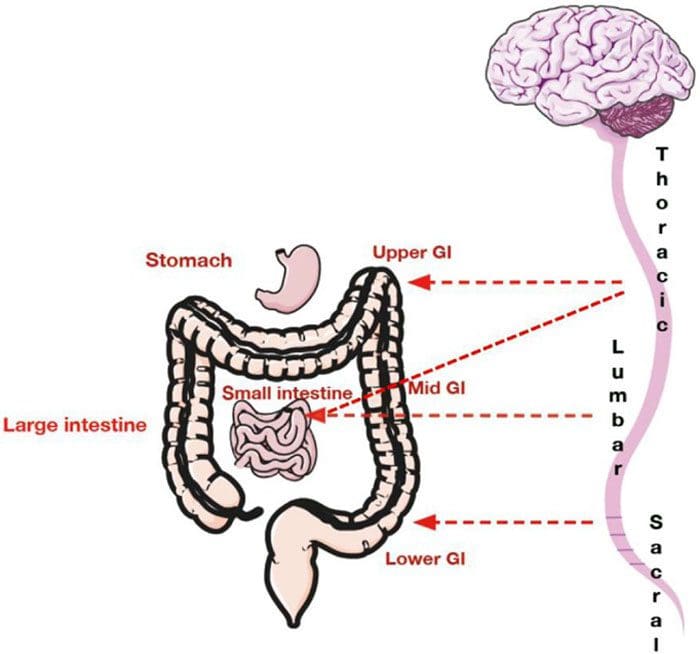
The nervous system controls every function that the body performs, including digestion. The spine communicates with the stomach directly. The thoracic mid-back and lumbar low-back regions of the spine are responsible for regulating the rate of how food is physically broken down and digested. A subluxation or spinal misalignment can interfere with vital information transmissions from the brain to the digestive tract compromising digestive function.
Subluxation
Subluxation refers to a misalignment of the vertebrae that can cause health issues with the nerves in the spine, directly affecting digestion. If the vertebrae are out of alignment, this causes a misfire in the signals being sent to the nerves of the digestive system. This can cause problems for the body absorbing nutrients, vitamins, and minerals from food. Because of this, no matter how healthy the diet is, individuals can still suffer from digestive issues.
Chiropractic
Many individuals deal with stress through meditation, breathing exercises, physical activity/exercise, and diet adjustments.
Lifestyle adjustments help counter the effects of stress, but if the nervous system is blocked from spinal misalignment, disrupting vital nerve flow through the body, specifically the digestive tract, gastrointestinal stress will continue to cause damage and malfunction. Individuals with:
Have experienced how chiropractic treatment corrects and helps manage symptoms.
Body Composition
Viscous and Nonviscous Fiber
Another way of classifying fiber is by its viscosity or thickness. Certain types of soluble fiber are thicker and are more likely to form firmer, stickier gels when mixed with water. When digesting food that consists of thick fiber it increases the thickness of the gel substance that passes through the gut. As a result, it reduces appetite because it makes the body feel fuller longer. Viscous fibers include:
Angus, Katherine et al. “What effect does chiropractic treatment have on gastrointestinal (GI) disorders: a narrative review of the literature.” The Journal of the Canadian Chiropractic Association vol. 59,2 (2015): 122-33.
Qu, Liuxin et al. “Irritable bowel syndrome treated by traditional Chinese spinal orthopedic manipulation.” Journal of traditional Chinese medicine = Chung i tsa chih ying wen pan vol. 32,4 (2012): 565-70. doi:10.1016/s0254-6272(13)60072-2
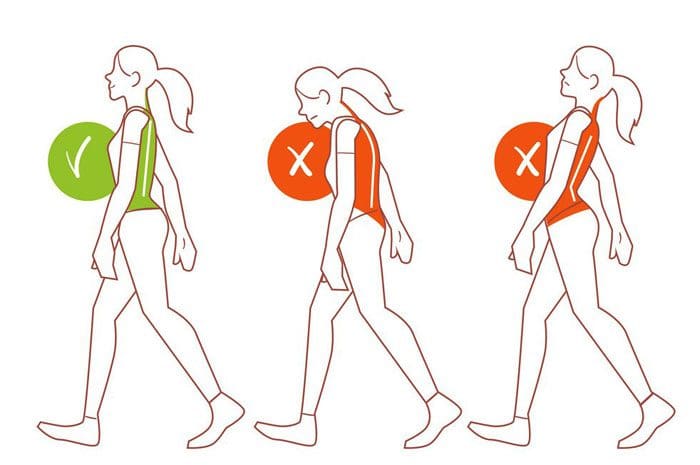
Most individuals don’t think about how they walk or whether they are walking with the correct posture. Knowing how to walk with the proper technique and posture can help:
Ensure the bones and joints maintain proper alignment.
Decrease abnormal wear and tear on the joints, muscles, and ligaments from awkward positions.
Prevent neck, back, hip, and leg pain.
Reduce muscle aches and fatigue.
Reduce injury risk.
Improve balance, stability, and mobility.
Walking with the correct technique and posture is not complicated but requires individuals to stay aware of standing and moving.
Correct Posture
Walking is a physical activity that involves the whole body. It helps to focus on each part of the body to understand how to walk correctly fully.
Head-Up
Focus on standing straight with the chin parallel to the ground and ears aligned above the shoulders.
Imagine the head being pulled gently upwards by an invisible string attached to the sky/ceiling.
This can help prevent dropping the head into the chest while walking.
Maintain eyes forward and gaze.
Focus on an area about 10 to 20 feet ahead when walking.
Straighten and Extend the Spine
Focus on extending the spine while walking.
Avoid slouching, hunching, or leaning forward. This stresses the back muscles.
Relaxed Shoulders Down and Back
The shoulders have a role with posture and technique. Shoulders that are tense or hunched forward can strain the muscles and joints in the shoulders, upper back, and neck. When walking, perform the following:
Raise the shoulders as high as they will go in a shrugging motion, then let them fall and relax.
Shoulder shrugs will help relieve tightness or tension.
This places the shoulders in a natural position that allows for easy arm movement.
Keep the shoulders loose and relaxed.
Shoulder shrugs while walking can help ensure that the shoulders are relaxed and in the correct position.
Swing the Arms
Walking correctly can be helped by gently swinging the arms back and forth at the sides.
Make sure to swing the arms from the shoulders, not from the elbows.
Do not swing the arms across the body.
Do not swing the arms up too high.
Keep them around the midsection, not around the chest.
Engage the Body’s Core
The core muscles have an essential role and help the body move with ease.
To prevent injury or overuse wear and tear on the muscles and joints, it is recommended to avoid the following:
Looking down too frequently
Looking down at the ground or phone too much places unnecessary strain on the neck.
Do not take long strides
The power comes from pushing off of the rear leg.
Overstriding places stress on the lower leg joints.
Rolling or swinging the hips
The hips should stay as level as possible.
Slouching
This will help avoid back and shoulder strain.
Wearing the wrong shoes
Wear the right shoes when walking for more than a few minutes.
Shoes should fit comfortably.
Provide arch and heel support.
Well-cushioned to absorb the shock of the feet hitting the ground.
Benefits of Correct Posture
The physical and mental benefits of proper posture and optimal walking technique include:
Alleviation of muscle and joint pain
Walking properly will avoid placing unnecessary stress and strain on the muscles, ligaments, and joints.
Increased energy
Walking with incorrect/awkward posture can wear out the muscles faster, whereas walking with proper form helps conserve energy.
Improved breathing
Walking with the shoulders back allows the lungs to fill and expand fully. This makes breathing more manageable and efficient.
Improved circulation
When the body is properly aligned and moving correctly, it’s easier for the blood to circulate throughout the body.
Digestion improvement
When the internal organs are not compressed from awkward postures, the body digests food more efficiently and increases blood flow to the digestive tract.
Enhanced core strength
The abdominal muscles gain strength and power from walking correctly.
Reduced headaches
Keeping the head straight, not bending forward, can help reduce neck strain, leading to reduced headaches.
Improved balance
Correct posture improves balance and less prone to falling.
Correct gait and posture are not complicated but do take some practice to develop healthy habits. For any issues with gait or back problems, talk to a doctor, physical therapist, or chiropractor about technique improvement.
Body Composition
Ten-Thousand Steps Speed and Distance
Before deciding to put in the walking distance and time, speed also needs to be considered. Calories burned from walking depend on the intensity, or speed, of the walk. The average walking speed is about 3 miles per hour and the number of calories burned depends on walking speed.
A leisure 30-minute walk at two mph yields a burn of 102 calories
Moderate intensity of 3.5 mph in the same 30-minute walk increases to burn 157 calories.
The faster the pace, the greater the heart rate.
The more calories are burned covering the same distance.
However, reaching 10,000 steps can almost entirely be irrelevant if not careful with a stable caloric intake.
References
Buldt, Andrew K et al. “The relationship between foot posture and lower limb kinematics during walking: A systematic review.” Gait & posture vol. 38,3 (2013): 363-72. doi:10.1016/j.gaitpost.2013.01.010
Common posture mistakes and fixes. (2019). nhs.uk/live-well/exercise/common-posture-mistakes-and-fixes/
The cost of being on your toes. (2010). Archive.unews.utah.edu/news_releases/the-cost-of-being-on-your-toes/
Hackford, Jessie et al. “The effects of walking posture on affective and physiological states during stress.” Journal of behavior therapy and experimental psychiatry vol. 62 (2019): 80-87. doi:10.1016/j.jbtep.2018.09.004
Perfecting your walking technique. (n.d.). health.harvard.edu/exercise-and-fitness/perfecting-your-walking-technique
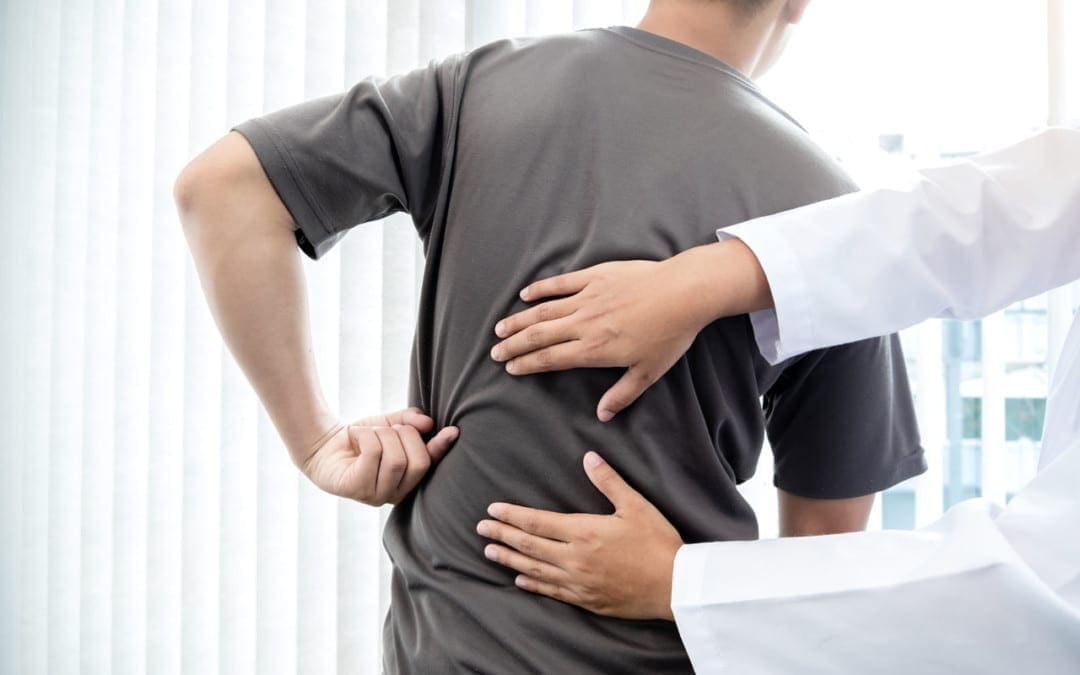
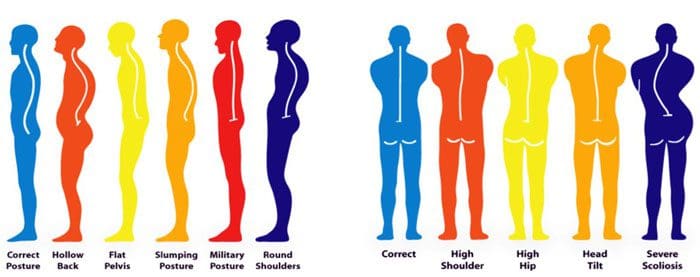
Improper posture affects the whole body and can lead to various pain issues throughout the body. Correcting posture is recommended before trying to correct it when pain begins to present. If pain is presenting, chiropractic treatment will bring relief, stabilize the spine, realign/balance the body, and educate the individual on maintaining proper posture through stretches, exercises, physical therapy, and lifestyle adjustments.
Improper posture symptoms
Neck Pain
Discomfort, stiffness, tightness, and pain are common when sitting at a workstation. This comes from a forward head/head jutting position. The head pushes forward and is not aligned with the shoulders. This means that the neck takes on a compromised position. The head forward position places significant strain on the neck muscles. Because of this neck discomfort and pain often occur later in the afternoon and evening. If not sure whether head jutting is taking place, try placing the chin to the chest. If not able or if there is discomfort/pain in the upper back, there is some forward head jutting.
Shoulder Discomfort and Pain
When we sit for extended periods, the body relaxes muscles that would normally be used if standing. One set of muscles is in the upper back. This causes slouching with a rounded upper back/shoulders. The more time the body stays in any one position, the more it begins to conform to the unhealthy position. This also causes pain in the upper, front part of the shoulders. The pain is noticeable when trying to bring the arm/s overhead or when trying to perform exercises like pushups or pullups.
Regular Headaches
Regular headaches are another symptom of improper posture. Forward head posture is usually a contributor combined with the long hours sitting or standing. However, headaches can be caused by a variety of causes that include:
Stress
Tension
Dehydration
Low Back, Tailbone Discomfort, and Pain
Lower back pain is a very common symptom of improper posture. For individuals under 40, pain and discomfort present because of improper posture while sitting or standing and a lack of stretching and exercise. Sitting for a long time causes the muscles that bring the thighs towards the chest, known as the hip flexors to be consistently flexed, with no relief. This causes the hip flexors to shorten and tighten. This pulls the pelvis out towards the front of the body, creating an exaggerated spinal curve.
Buttocks or Stomach Pushes Outward
Take a look at the body’s profile, does the butt and/or stomach stick out? If so this could be hyperlordosis also known as Donald duck posture. This can come from wearing high heels too much, the body having to carry extra weight in the stomach area, and sometimes this comes from pregnancy. Sometimes, this happens when individuals stand with their knees locked. This causes the rear end and/or belly to push out.
Correcting Improper Posture
The main problem with correcting posture is the ability to maintain proper posture. Many individuals go back to the unhealthy positioning without recognizing that they are doing it. There are devices to help correct poor posture habits. This could be a brace or harness that detects when the body is slouching and vibrates to let the individual return to a proper position.
Chiropractic Care and Physical Therapy
The most effective and thorough way to correct years of improper posture is to see a professional chiropractor. A complete diagnosis, inspection, and analysis of an individual’s posture when sitting, standing, walking, and running will be done. They will educate the individual on correct posture, how to achieve and maintain it. If pain is presenting, the chiropractor will take steps to correct any subluxations, misalignments, and develop a personalized treatment plan, to heal the body first. Treatment modalities can include:
Chiropractic adjustments
Physical therapy
Massage
Heat therapy
Infrared
Ultrasound
TENS device
Health coaching
Nutritional advice
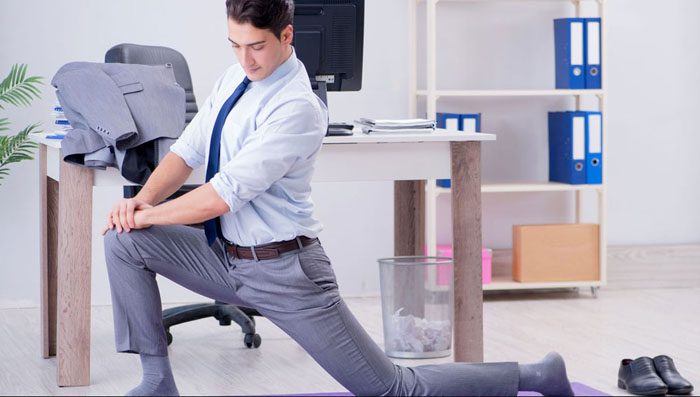
Once the body has healed and is moving freely, the doctor will recommend exercises and stretching programs to do at home. This will improve and help maintain proper posture. An experienced musculoskeletal professional will keep the body balanced and prevent further injuries.
Body Composition
Hydrating the body with water or a sports drink
Many individuals prefer drinking sports drinks during and after physical activities, sports, and exercise. Many are opposed to water because of the lack of taste, while sports drinks have taste and added electrolytes. But many sports drinks have added ingredients and sugars. This makes them not the best choice for individuals trying to lose calories. Take a look at some of the additional ingredients:
Electrolytes
Minerals, like potassium, sodium, and magnesium, have an electric charge that helps maintain the body’s ionic balance. The body loses electrolytes when sweating. A sports drink can help replace the lost electrolytes.
Carbohydrates
Most of the carbohydrates come from sugars. Carbohydrates are one of the body’s energy sources and sports drinks are designed to refuel the body after hard physical activity.
Amino acids
These are protein building blocks. Drinking a sports drink after an intense workout can help the body recover quicker. Therefore, some of the additional ingredients in sports drinks offer hydration extras that water on its own cannot. However, water should always be the first drink of choice. But there are certain times when a sports drink is what the body needs.
When participating in high-intensity physical activities, workouts, sports that last longer than 45 minutes to an hour. Here a sports drinks can help replenish the body’s electrolytes better than water.
Individuals that sweat high levels of sodium (look for sweat stains/rings on skin or clothing) can benefit from re-hydrating with a sports drink.
Endurance athletes, triathletes, marathon runners, long-distance athletes, etc can also benefit from a sports drink, from the increased fluid loss.
In these activities, athletes should make sure the sports drink they are consuming contains carbohydrates and electrolytes.
Disclaimer
The information herein is not intended to replace a one-on-one relationship with a qualified health care professional, licensed physician, and is not medical advice. We encourage you to make your own health care decisions based on your research and partnership with a qualified health care professional. Our information scope is limited to chiropractic, musculoskeletal, physical medicines, wellness, sensitive health issues, functional medicine articles, topics, and discussions. We provide and present clinical collaboration with specialists from a wide array of disciplines. Each specialist is governed by their professional scope of practice and their jurisdiction of licensure. We use functional health & wellness protocols to treat and support care for the musculoskeletal system’s injuries or disorders. Our videos, posts, topics, subjects, and insights cover clinical matters, issues, and topics that relate to and support, directly or indirectly, our clinical scope of practice.* Our office has made a reasonable attempt to provide supportive citations and has identified the relevant research study or studies supporting our posts. We provide copies of supporting research studies available to regulatory boards and the public upon request. We understand that we cover matters that require an additional explanation of how it may assist in a particular care plan or treatment protocol; therefore, to further discuss the subject matter above, please feel free to ask Dr. Alex Jimenez or contact us at 915-850-0900.
Dr. Alex Jimenez DC, MSACP, CCST, IFMCP*, CIFM*, CTG*
email: [email protected]
phone: 915-850-0900
Licensed in Texas & New Mexico
References
Hao, Ning et al. “Enhancing creativity: Proper body posture meets proper emotion.” Acta Psychologica vol. 173 (2017): 32-40. doi:10.1016/j.actpsy.2016.12.005
Jaromi, Melinda et al. “Treatment and ergonomics training of work-related lower back pain and body posture problems for nurses.” Journal of clinical nursing vol. 21,11-12 (2012): 1776-84. doi:10.1111/j.1365-2702.2012.04089.x
O’Connor B. Sitting Disease: The New Health Epidemic. The Chopra Center Web site. http://www.chopra.com/articles/sitting-disease-the-new-health-epidemic. Accessed January 7, 2017.
Individuals experiencing radiculopathy in and around the neck notice it immediately often driving them to the medicine cabinet. This condition presents with:
Acute pain
Numbness
Muscle spasms
However, medication will only help relieve the pain temporarily but it won’t alleviate what is causing the radiculopathy. This is because pain medication/s can exacerbate the condition by blocking the pain signals with the root nerve issue never being resolved. Chiropractic is a complete solution that specifically mobilizes the cervical joints where nerve impingement is happening. The objective is to help individuals understand the underlying cause of the acute pain induced by radiculopathy and provide long-term pain relief through cervical joint mobilization.
Radiculopathy Pain
To determine what cervical nerve bundles are being affected by a subluxation or vertebral compression a chiropractor needs to isolate the pain. This is accomplished through a description of symptoms, radiological imaging to provide visual confirmation, and an examination of the affected area. Isolating the pain allows the chiropractor to determine the extent of misalignment and how much the nerve is being compressed. This will help in the development of a customized treatment plan. A chiropractor will be able to see and feel the degree of pressure being placed on the nerve or bundle of nerves.
Mobilizing The Cervical Joints
Chiropractors approach this directly based on the individual and the severity of the case. The most common joint mobilizations include:
Low-impact adjusting will shift the misaligned vertebrae back into place
Adjustments to the opposite non-painful area will help counterbalance stress in the spine
Radiculopathy improvement consists of:
The cervical spine is stabilized through bracing and posture supports
Isometric exercises will recondition the neck, shoulders, and upper back
Range of motion exercises will prevent any subtle compression/s
Corrective restoration of the cervical spine’s curve
The spine returns to normal during cervical joint mobilization and alleviates radiculopathy immediately and long term.
Proper chiropractic care will correct the affected nerve bundle, and stabilize the cervical spine to prevent/resist:
Compression
Translation
Subluxation
Other shifts that can occur
Chiropractic Mobilization Long Term Relief
A pinched nerve should not be treated with over-the-counter medications for long-term health. Corrective chiropractic mobilization is a recommended course of action for alleviating this and other musculoskeletal conditions. Chiropractic understands the nature and severity of radiculopathy as well as developing the proper customized treatment plan that will bring optimal results.
Body Composition
DASH Diet Example
Breakfast
3/4 cup bran flakes cereal with 1 banana and 1 cup low-fat milk
1 slice whole-wheat bread with 1 tsp. unsalted butter
1 orange
1 cup coffee
Lunch
Sandwich 2 slices of whole-wheat bread
3 oz. grilled thin chicken breast
2 slices low-fat cheese
1 tbsp. mustard
Salad
1/2 cup chopped/diced cucumbers
1/2 cup chopped/diced tomatoes
1 tablespoon sunflower seeds
1 teaspoon low-calorie non-cream dressing
1/2 cup fruit cocktail with no sugar
Snack
1/3 cup unsalted almonds
Dinner
3 oz. lean beef with 2 tbsp. fat-free, low sodium gravy
The information herein is not intended to replace a one-on-one relationship with a qualified health care professional, licensed physician, and is not medical advice. We encourage you to make your own health care decisions based on your research and partnership with a qualified health care professional. Our information scope is limited to chiropractic, musculoskeletal, physical medicines, wellness, sensitive health issues, functional medicine articles, topics, and discussions. We provide and present clinical collaboration with specialists from a wide array of disciplines. Each specialist is governed by their professional scope of practice and their jurisdiction of licensure. We use functional health & wellness protocols to treat and support care for the musculoskeletal system’s injuries or disorders. Our videos, posts, topics, subjects, and insights cover clinical matters, issues, and topics that relate to and support, directly or indirectly, our clinical scope of practice.* Our office has made a reasonable attempt to provide supportive citations and has identified the relevant research study or studies supporting our posts. We provide copies of supporting research studies available to regulatory boards and the public upon request. We understand that we cover matters that require an additional explanation of how it may assist in a particular care plan or treatment protocol; therefore, to further discuss the subject matter above, please feel free to ask Dr. Alex Jimenez or contact us at 915-850-0900.
Dr. Alex Jimenez DC, MSACP, CCST, IFMCP*, CIFM*, CTG*
email: [email protected]
phone: 915-850-0900
Licensed in Texas & New Mexico
Evid Based Complement Alternat Med. 2015. Complementary and Alternative Medicine for the Management of Cervical Radiculopathy: An Overview of Systematic Reviews. Available at: https://www.ncbi.nlm.nih.gov/pmc/articles/PMC4541004/
The feet are the foundation of the body. The feet carry the body’s entire weight allowing for movement with ease. The feet are a complex structure that consists of:
Bones
Joints
Muscles
Ligaments
Tendons
Nerve endings
Because of this, the feet are a high-impact area taking the everyday forces that come from:
Balancing
Walking
Running
Stopping
Twisting
Shifting positions
Tiptoe reaching
Common Symptoms
Symptoms commonly caused by foot issues include:
Soreness
Stiffness
Leg pain
Muscle Weakness
Poor balance
Flat feet, fallen arches, injuries, bone spurs, and other issues can cause problems with the rest of the body. The most common are:
Back Problems
When foot issues are present it’s common to change walking postures to avoid pain and discomfort. Individuals often do not realize they are doing it until the awkward postures begin to present with pain and discomfort. Overcompensation combined with unhealthy walking patterns can cause back pain. This is because the spine is becoming misaligned. Balance of the body is crucial. When something shifts the proper balance, the whole spine can shift out of alignment. This is especially true for individuals with flat feet. Flat feet can cause the ankle/s to lose alignment. This leads to problems up the body, from the knees to the hips to the spine and neck.
Joint Pain
Imbalances cause the feet and spine to not absorb shocks from everyday activity properly. This means the rest of the body, especially the joints, have an added job of absorbing the shock/impact. As time goes on the stress and shock can lead to severe ankle, knee, hip discomfort/pain, and malfunctions.
Posture Imbalance
These misalignments cause imbalance and posture problems. When the feet have lost the proper anchoring and alignment, overall posture and balance become affected. This increases the risk for dangerous slip and fall accidents that can exacerbate or cause new injuries.Posture problems are usually the result of the body trying to redistribute weight to reduce the pain and because it works then becomes a bad habit.
Referred and Radiating Pain
The muscles, tendons, and ligaments of the feet connect to the rest of the body. Any pain/issues like calf pain or weakness in the feet can begin to present in the lower leg since that is where the soft tissue is most closely connected.
Foot Problems/Issues
The most common foot problems podiatrists see that lead to the aforementioned ailments.
Flat Feet
Flat feet also known as fallen arches. This is a condition where the feet lack or have lost the arch when standing. This can be quite uncomfortable and creates weight distribution problems. It can be a genetic condition but is also be the result of wearing shoes without arch support for a prolonged time.
Corns and Bunions
Corns are round circles of thick skin on the toes, or on the soles of the feet. The body forms them naturally to prevent blisters, but they could be the result of poorly fitting shoes. Typically they are not painful when they form, but can become irritated over time. Bunions are bumps on the side of the big toe that can cause a bending inward toward the other toes, creating a painful angle. This can cause severe irritation and inflammation in the bump and toes. These can be genetic or caused by structural problems. But they can be caused by tight-fitting shoes or excess pressure on the feet for prolonged periods.
Hammertoe
Hammertoe, also known as mallet toe, is a condition that makes one or more of the toes pointing down rather than straight. Walking can cause pain, and movement of the toe can reduce or stop completely. This is caused by arthritis or an injury, it can be genetic, or the result of poor footwear.
Plantar Fasciitis
This condition causes pain that goes from the bottom of the heel to the middle of the foot. It is caused by inflammation of the plantar fascia ligament also located in this area. There is a wide range of pain levels that can range from dull to stabbing. It is often caused by poor footwear with no arch support that has been worn for long periods when walking, standing, and running. Weight gain is another cause, as the added weight could be too much for the foot to manage, causing strain.
Shoes
Individuals that wear high heels, shoes that are the wrong size, or other uncomfortable footwear consistently will more likely develop the aforementioned issues. Shoes with proper support are essential to optimal foot and body health because they evenly distribute the weight of the body lessening the impact from everyday activities.
Foot Orthotics
Another recommended option for alleviating foot issues is custom foot orthotic inserts. These can be fit into any shoe, and are customized to an individual’s feet. They’re affordable, and allow individuals to wear their shoes without pain.
Chiropractic & Physical Therapy
Chiropractic and physical therapy can help alleviate the pain that is resultant from foot problems. Seeing a podiatrist can treat the root cause of the condition, but the rest of the body could need chiropractic readjusting from the misalignment/s.
Custom Orthotics
Heat-related illnesses
Heat-related illnesses vary in their severity, but even light symptoms need immediate action to correct the problem before it does become severe.
Heat cramps
When exercising in the heat painful cramps can present. The affected muscle/s might feel hard, spasm, or generate sharp pain. The body temperature could still be within normal limits.
Heat syncope
Syncope is a loss of consciousness, that is usually recognized as exercise-related collapse. However, before this happens, there may be a feeling of lightheadedness or fainting. This happens when temperatures are high and the individual has been standing or exercising for a long time. The same can occur when standing up quickly after sitting for a long time.
Heat exhaustion
Heat exhaustion happens when the body temperature exceeds normal limits and rises as high as 104. This can cause nausea, weakness, cold, fainting, headaches, and vomiting. The body continues to sweat, but the skin may feel cold and clammy.
Heatstroke and Sunstroke
Heat exhaustion untreated leads to heatstroke or sunstroke. The body’s core temperature is greater than 104 degrees and in a life-threatening emergency. The skin is no longer capable of sweating and can feel dry or moist. Individuals can become confused, irritable, and experience heart arrhythmias. Immediate medical emergency treatment is necessary to stop brain damage, organ failure, and death.
Disclaimer
The information herein is not intended to replace a one-on-one relationship with a qualified health care professional, licensed physician, and is not medical advice. We encourage you to make your own health care decisions based on your research and partnership with a qualified health care professional. Our information scope is limited to chiropractic, musculoskeletal, physical medicines, wellness, sensitive health issues, functional medicine articles, topics, and discussions. We provide and present clinical collaboration with specialists from a wide array of disciplines. Each specialist is governed by their professional scope of practice and their jurisdiction of licensure. We use functional health & wellness protocols to treat and support care for the musculoskeletal system’s injuries or disorders. Our videos, posts, topics, subjects, and insights cover clinical matters, issues, and topics that relate to and support, directly or indirectly, our clinical scope of practice.* Our office has made a reasonable attempt to provide supportive citations and has identified the relevant research study or studies supporting our posts. We provide copies of supporting research studies available to regulatory boards and the public upon request. We understand that we cover matters that require an additional explanation of how it may assist in a particular care plan or treatment protocol; therefore, to further discuss the subject matter above, please feel free to ask Dr. Alex Jimenez or contact us at 915-850-0900.
Dr. Alex Jimenez DC, MSACP, CCST, IFMCP, CIFM, CTG*
email: [email protected]
phone: 915-850-0900
Licensed in Texas & New Mexico
IFM's Find A Practitioner tool is the largest referral network in Functional Medicine, created to help patients locate Functional Medicine practitioners anywhere in the world. IFM Certified Practitioners are listed first in the search results, given their extensive education in Functional Medicine