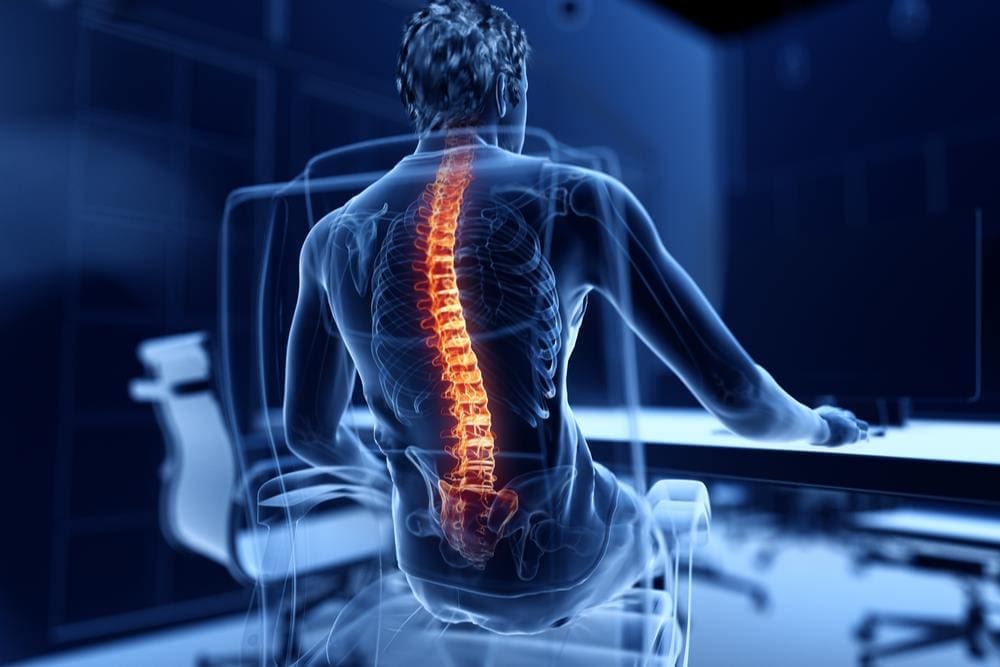
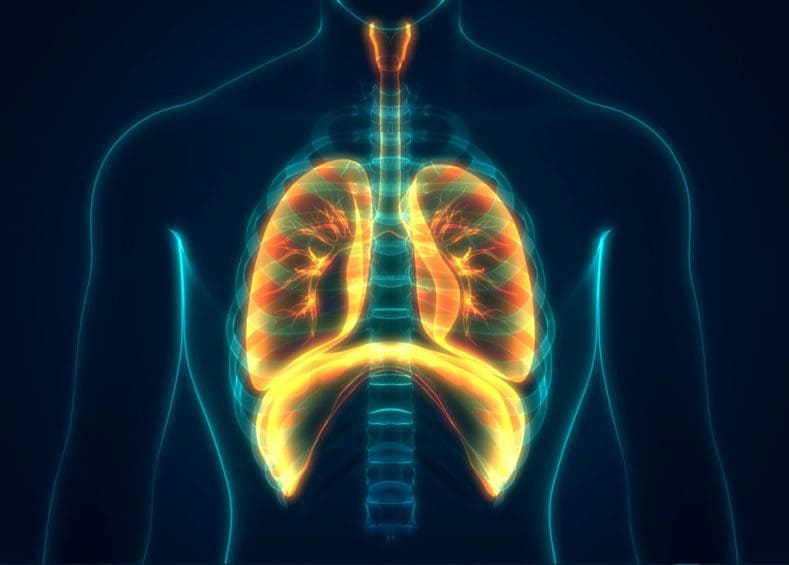
Back discomfort symptoms include stiffness, spasms, tenderness, and headaches often caused by unhealthy posture and overuse muscle strain. Breathing back discomfort can be caused by injuries to the spinal musculoskeletal system, conditions and/or disease in the back, lungs, or heart, and other conditions unrelated to the back. When taking a breath, the intercostal muscles surrounding the rib cage contract, expanding the chest and allowing the lungs to fill with air. These muscles directly affect the spine, which is why back issues can present when breathing. Chiropractic care, decompression, and massage therapy, combined with a functional medicine approach, can realign the spine, release tight muscles, and restore function.
Breathing Back Discomfort
A problem in the back could be a root cause for discomfort and back problems while breathing.
Spinal Conditions
Scoliosis
Scoliosis causes the spine to curve sideways, either in one direction, creating a C shape, or generating an S shape in two directions.
The curvature can be so minimal that it cannot be seen or so severe that it can be life-threatening. Most scoliosis cases fall in between.
Taking deep breaths can cause discomfort and pain because the spine curvature puts extra strain on certain muscles meant to support the body’s weight in tandem with other muscles that have limited function or are no longer functioning.
The condition normally begins in adolescence but can start later in life.
Scoliosis treatment varies depending on the severity.
Monitor
A spinal physician will monitor the individual for mild curvature, as sometimes the process stops before it becomes serious. This is known as the wait-and-see, what-happens approach.
Kyphosis is another curve in the back that is supposed to be there.
Instead of curving like scoliosis, kyphosis causes a curve forward in the thoracic spine/upper back.
Problems arise when the curve is too pronounced.
This curve can come from unhealthy posture, Scheuermann’s disease, or being born with it.
Kyphosis causes breathing back discomfort by straining the muscles in the upper back, which are used for each breath.
Treatment often involves chiropractic and/or physical therapy to restore proper curvature and reduce inflammation.
A back brace could be prescribed if discomfort and pain continue.
Spinal fusion could be recommended for severe cases.
Lungs
The lungs and the spine are close to each other, which is why back discomfort and problems with breathing are connected.
Pneumonia
Pneumonia is an infection in the lungs that causes the tiny sacks known as alveoli to fill with fluid.
This is where the body takes oxygen from the inhaled air to the bloodstream.
The infection causes inflammation and discomfort symptoms in and around the chest and back while taking deep breaths.
Lung Cancer
Lung cancer can cause back issues and pain.
Frequently coughing causes the muscles around the ribs and back to become overused and strained from the jerking and heaving.
The strained muscles cause discomfort and pain when taking a breath.
Tumors can push on sensitive nerves in the back, causing inflammation and pain.
Pleurisy
There is a thin layer of protective tissue surrounding the lungs called pleura.
Pleurisy describes the layer becoming infected and/or inflamed, which causes discomfort symptoms in the back when breathing.
Pleurisy can be caused by injury, infection, or cancer.
Individuals with autoimmune disorders are more at risk of developing the condition.
Pneumothorax
Pneumothorax describes a full or partial lung collapse, usually on one side.
The lung can collapse as a result of severe illness or injury.
The lung collapses because air gets between the pleura and the lung and not allowing the lung to expand.
Pain with breathing is a common indicator of pneumothorax.
Individuals with this condition also experience severe shortness of breath and chest pain on one side.
Pulmonary Embolism
A pulmonary embolism occurs when a blood clot gets stuck in an artery, blocking blood flow to part of the lung.
The lungs will display signs of distress through back pain when trying to take a deep breath.
This is a life-threatening condition that causes chest pain, coughing up blood, a heart rate over 100 beats per minute, dizziness or leg swelling, and painful breathing; get to an emergency room immediately.
Heart
Heart Attack
The nerves associated with pain in the muscles and bones differ from those surrounding the organs, including the heart.
However, a heart attack can cause back pain as the nerves of the heart travel along the same path as spinal nerves, specifically in the upper back.
The brain can misinterpret pain signals from the same roots that supply peripheral nerves in the chest, arm, jaw, and back.
Because they share nerve pathways, the upper back can present with pain during a heart attack.
Aortic Dissection
The largest artery in the body is called the aorta.
It comes off the top of the heart and then drops to supply blood to the rest of the body.
Sometimes, the vessel can get a small tear in the chest area, which grows from the blood circulation pressure.
Aortic dissection can cause intense back pain while breathing.
Chiropractic care, decompression, and massage therapy combined with functional medicine can help realign the spine, stretch and loosen the overused and strained muscles, and provide postural training and nutritional planning to help alleviate symptoms and restore function.
Deep Breathing Back Pain
References
Costumbrado J, Ghassemzadeh S. Spontaneous Pneumothorax. [Updated 2022 Jul 25]. In: StatPearls [Internet]. Treasure Island (FL): StatPearls Publishing; 2022 Jan-. Available from: https://www.ncbi.nlm.nih.gov/books/NBK459302/
Floman, Y., Burnei, G., Gavriliu, S. et al. Surgical management of moderate adolescent idiopathic scoliosis with ApiFix®: a short peri- apical fixation followed by post-operative curve reduction with exercises. Scoliosis 10, 4 (2015). https://doi.org/10.1186/s13013-015-0028-9
Hunter MP, Regunath H. Pleurisy. [Updated 2022 Jul 4]. In: StatPearls [Internet]. Treasure Island (FL): StatPearls Publishing; 2022 Jan-. Available from: https://www.ncbi.nlm.nih.gov/books/NBK558958/
Mansfield JT, Bennett M. Scheuermann Disease. [Updated 2022 Aug 21]. In: StatPearls [Internet]. Treasure Island (FL): StatPearls Publishing; 2022 Jan-. Available from: https://www.ncbi.nlm.nih.gov/books/NBK499966/
Raitio A, Syvänen J, Helenius I. Vertebral Body Tethering: Indications, Surgical Technique, and a Systematic Review of Published Results. Journal of Clinical Medicine. 2022; 11(9):2576. https://doi.org/10.3390/jcm11092576
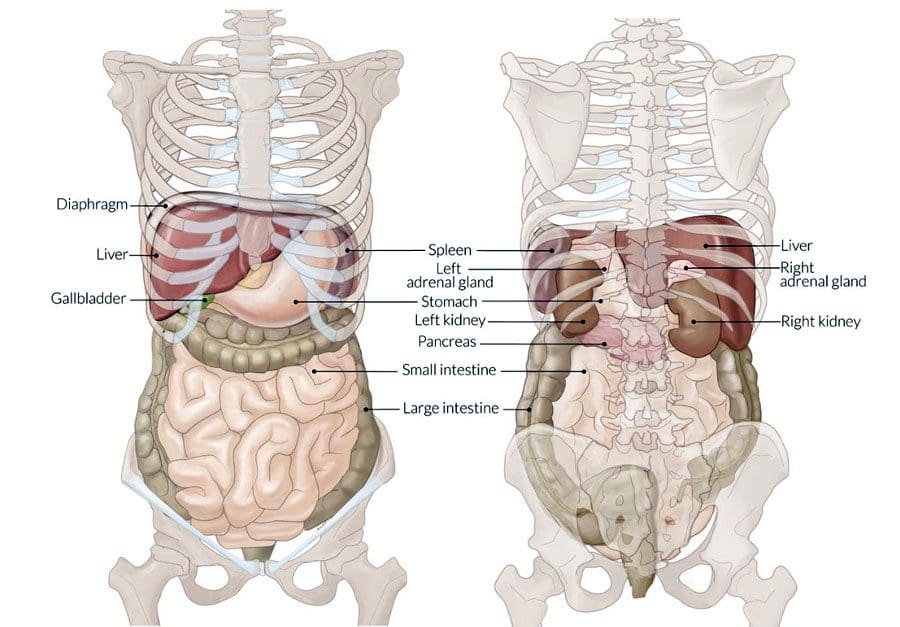
Back pain is one of the most common reasons individuals go to a doctor, massage therapist, physiotherapist, osteopath, and chiropractor. Various health conditions, some spine-related, others not, list back pain as a symptom. Many of these conditions begin in the stomach or abdominal cavity, which leads to stomach and back pain. Stomach and back pain happening simultaneously, independently, or in combination could be caused by gut problems, back issues, or something completely different. Understanding what causes these two types of pain simultaneously can help figure out a treatment plan.
Stomach Back Pain Causes
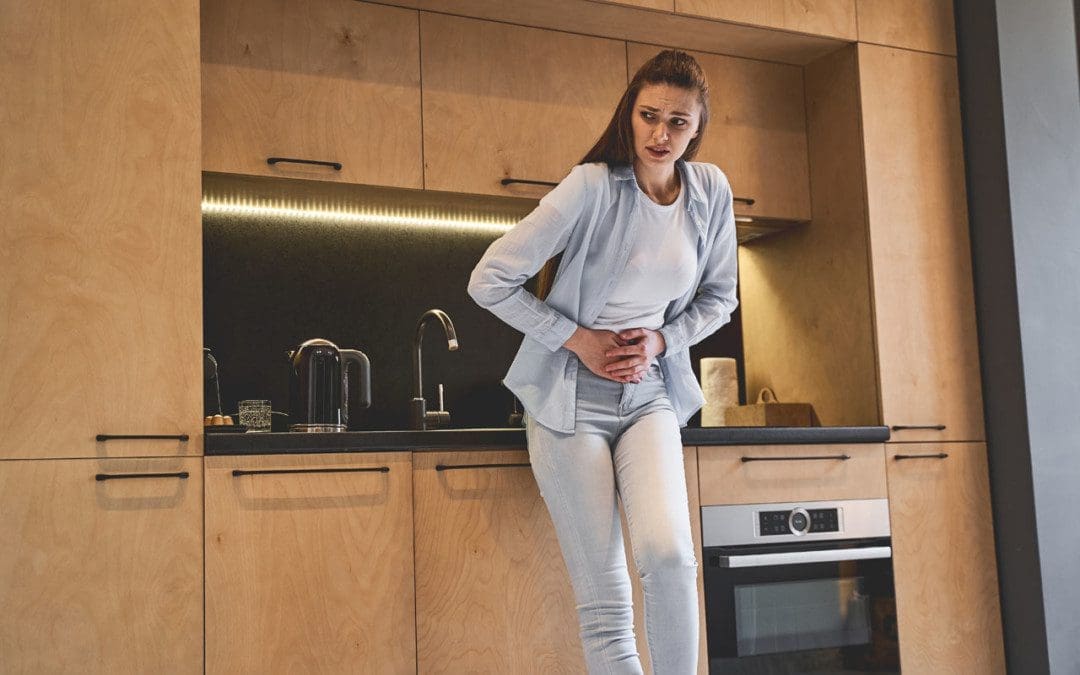
Problems in the abdominal cavity and stomach issues can cause back pain and vice versa. Symptoms can also include referred pain when the pain is felt in one part of the body but is caused by pain or injury in another area. Stomach back pain causes depend on the type of condition/s that can include:
Appendicitis
Inflammation in the appendix can cause sudden sharp pain in the abdomen.
It presents mostly in the lower right area of the abdomen but can appear in or spread to other sites, especially the back.
A chiropractic functional medicine team can work with an individual’s primary physician or specialist to develop a personalized treatment plan to alleviate back pain symptoms, re-balance the body, strengthen the musculoskeletal system and restore function.
Ford AC, Talley NJ. Chapter 122, Irritable Bowel Syndrome. Feldman M (ed.). Sleisenger and Fordtran’s Gastrointestinal and Liver Disease. 11th ed. Elsevier: 2021. 2008-2020. https://www.clinicalkey.com/#!/content/book/3-s2.0-B9780323609623001223?scrollTo=%23hl0001104
Inadomi JM, Bhattacharya R, Hwang JH, Ko C. Chapter 7, The Patient with Gas and Bloating. Yamada’s Handbook of Gastroenterology. 4th ed. John Wiley & Sons; 2019. https://doi.org/10.1002/9781119515777.ch7
Kliegman RM, St Geme JW, Blum NJ, et al. Chapter 378, Pancreatitis. Nelson Textbook of Pediatrics. 21st ed. Elsevier; 2020. 2074-2080. https://www.clinicalkey.com/#!/content/book/3-s2.0-B9780323529501003783
Krames E, Mousad DG. Spinal Cord Stimulation Reverses Pain and Diarrheal Episodes of Irritable Bowel Syndrome: A Case Report. Neuromodulation. 2004 Mar 22;7(2):82-88. https://doi.org/10.1111/j.1094-7159.2004.04011.x
Sifri CD, Madoff LC. Chapter 78, Appendicitis. Mandell, Douglas, and Bennett’s Principles and Practice of Infectious Diseases. 9th ed. Bennett JA (ed.). Elsevier; 2020. 1059-1063. https://www.clinicalkey.com/#!/content/book/3-s2.0-B9780323482554000783
Stephen Norman Sullivan, “Functional Abdominal Bloating with Distention,” International Scholarly Research Notices, vol. 2012, Article ID 721820, 5 pages, 2012. https://doi.org/10.5402/2012/721820
Wang DQH, Afdhal NH. Chapter 65, Gallstone Disease. Feldman M (ed.). Sleisenger and Fordtran’s Gastrointestinal and Liver Disease. 11th ed. Elsevier: 2021. 1016-1046. https://www.clinicalkey.com/#!/content/book/3-s2.0-B9780323609623000655?scrollTo=%23hl0001772
Weisman, Michael H et al. “Axial Pain and Arthritis in Diagnosed Inflammatory Bowel Disease: US National Health and Nutrition Examination Survey Data.” Mayo Clinic proceedings. Innovations, quality & outcomes vol. 6,5 443-449. 16 Sep. 2022, doi:10.1016/j.mayocpiqo.2022.04.007
Whorwell PJ. Chapter 13, Abdominal Bloating. Irritable Bowel Syndrome: Diagnosis and Clinical Management. Emmanuel A, Quigley EMM (eds.). John Wiley & Sons; 2013. https://doi.org/10.1002/9781118444689.ch13
Yarze JC, Friedman LS. Chapter 12, Chronic Abdominal Pain. Feldman M (ed.). Sleisenger and Fordtran’s Gastrointestinal and Liver Disease. 11th ed. Elsevier; 2021. 158-167. https://www.clinicalkey.com/#!/content/book/3-s2.0-B9780323609623000126?scrollTo=%23hl0000408
Look how young children position their backs. There is a natural S curve, and their movements are effortless. As the body ages, too much sitting, slouching, and inactivity can cause muscle fatigue and tension leading to posture issues. Rounded shoulders describe a resting position that has shifted the shoulders out of the body’s natural alignment, which can worsen if left untreated. Chiropractic care can realign the shoulders, as well as the spine, and restore musculoskeletal health to optimum levels.
Rounded Shoulders
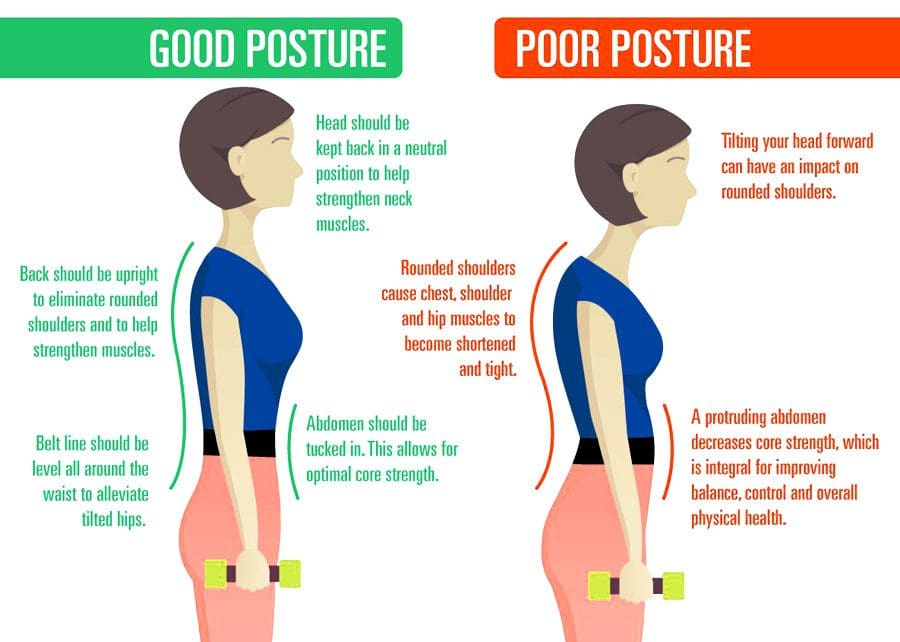
Rounded shoulders are an excessive thoracic kyphosis referring to an uneven forward rounding or curvature of the middle and upper back. Rounded shoulders shift out of proper alignment with the spine, causing posture-related problems like shoulder/neck/back discomfort, tightness, stiffness, and pain. Overall unhealthy posture contributes to the following:
The head constantly being in a forward or backward position
Headaches
Body aches and pains
Muscle fatigue
Chronic back soreness
Bent knees when standing or walking
Body movement dysfunction
Joint problems
Potbelly
Rounded shoulders
Body responses to rounded shoulders include:
Chronic musculoskeletal aches and pains
Breathing problems
Limited body function
Impaired mobility performance
Increased mental and musculoskeletal stress
Causes
Rounded shoulders are typically caused by unhealthy posture, but can also be caused by muscle imbalances from, for example, overfocusing on building chest strength but neglecting the core and upper back. Other causes include:
Standing and sitting for long periods
Stress
Lack of physical activity
Environmental factors
Too much exercise, sports, and physical activities
Musculoskeletal Imbalance
Postural imbalances anywhere in the body can cause rounded shoulders.
For example, when an individual tilts their head forward to look at their phone, the upper back has to round forward to hold the head. Constantly tilting can begin to generate an unhealthy muscle memory causing the neck and shoulder muscles to remain in a semi-flexed position that starts to become the norm.
Another example is when the arms are held out and in front for prolonged periods, like driving, typing, and cooking, the chest muscles get shortened. As time goes on, this causes the shoulder blades to move forward on the ribcage, making the upper back and shoulder area hunch awkwardly and unhealthily.
Stress
When the brain perceives a threat, the body physically prepares to take action through the fight or flight response. Common reactions include:
Jaw tensing
Tightening the abdominal muscles
Holding one’s breath
Rounding the shoulders
Stressors can include:
Job worries
Money issues
Relationship problems
Family responsibilities
All can cause changes in the body that result in rounded shoulders.
Environmental Factors
Respiratory conditions like asthma, COPD, and allergies can affect the body’s breathing and the ability of the diaphragm to contract and relax correctly.
Ribcage restrictions caused by chronic breathing problems can result in the thoracic/middle back tightening up, causing excessive shoulder rounding.
Exercise and Physical Activities
Exercise and physical activities can contribute to rounded shoulders because of the long periods of spinal flexion. These can include:
Bike riding, martial arts, and swimming.
Knitting requires the arms to be out in front.
Gardening requires kneeling and being hunched over.
Chiropractic Treatment
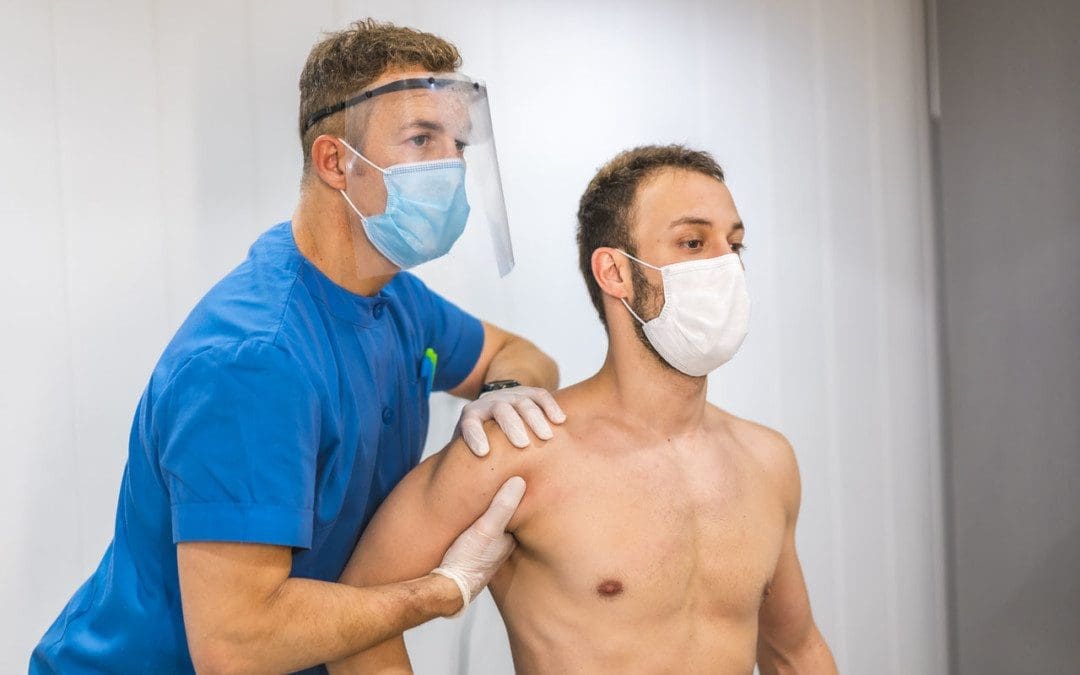
Chiropractic adjustments, therapeutic massage, and decompression therapy can unlock tight shoulder and chest muscles. A chiropractor uses gentle targeted adjustments to relieve pain, restore function, and retrain the muscles.
The doctor will look at the individual’s resting position while standing.
An individual with slumped shoulders can slouch, even when standing up straight.
Their hands will likely face behind them, with their thumbs pointed at each other.
Once the adjustments are made, a correct standing posture will make the hands face the body with the thumbs facing ahead.
Exercises will be recommended to strengthen the core and stretches to maintain the adjustments.
Posture Chiropractic
References
Fathollahnejad, Kiana, et al. “The effect of manual therapy and stabilizing exercises on forward head and rounded shoulder postures: a six-week intervention with a one-month follow-up study.” BMC musculoskeletal disorders vol. 20,1 86. 18 Feb. 2019, doi:10.1186/s12891-019-2438-y
Go, Seong-Uk, and Byoung-Hee Lee. “Effects of scapular stability exercise on shoulder stability and rehabilitative ultrasound images in office workers.” Journal of physical therapy science vol. 28,11 (2016): 2999-3002. doi:10.1589/jpts.28.2999
Kwon, Jung Won, et al. “Changes in upper-extremity muscle activities due to head position in subjects with a forward head posture and rounded shoulders.” Journal of physical therapy science vol. 27,6 (2015): 1739-42. doi:10.1589/jpts.27.1739
Lee, Do Youn, et al. “Changes in rounded shoulder and forward head posture according to exercise methods.” Journal of physical therapy science vol. 29,10 (2017): 1824-1827. doi:10.1589/jpts.29.1824
Park, Sang-In, et al. “Effects of shoulder stabilization exercise on pain and functional recovery of shoulder impingement syndrome patients.” Journal of physical therapy science vol. 25,11 (2013): 1359-62. doi:10.1589/jpts.25.1359
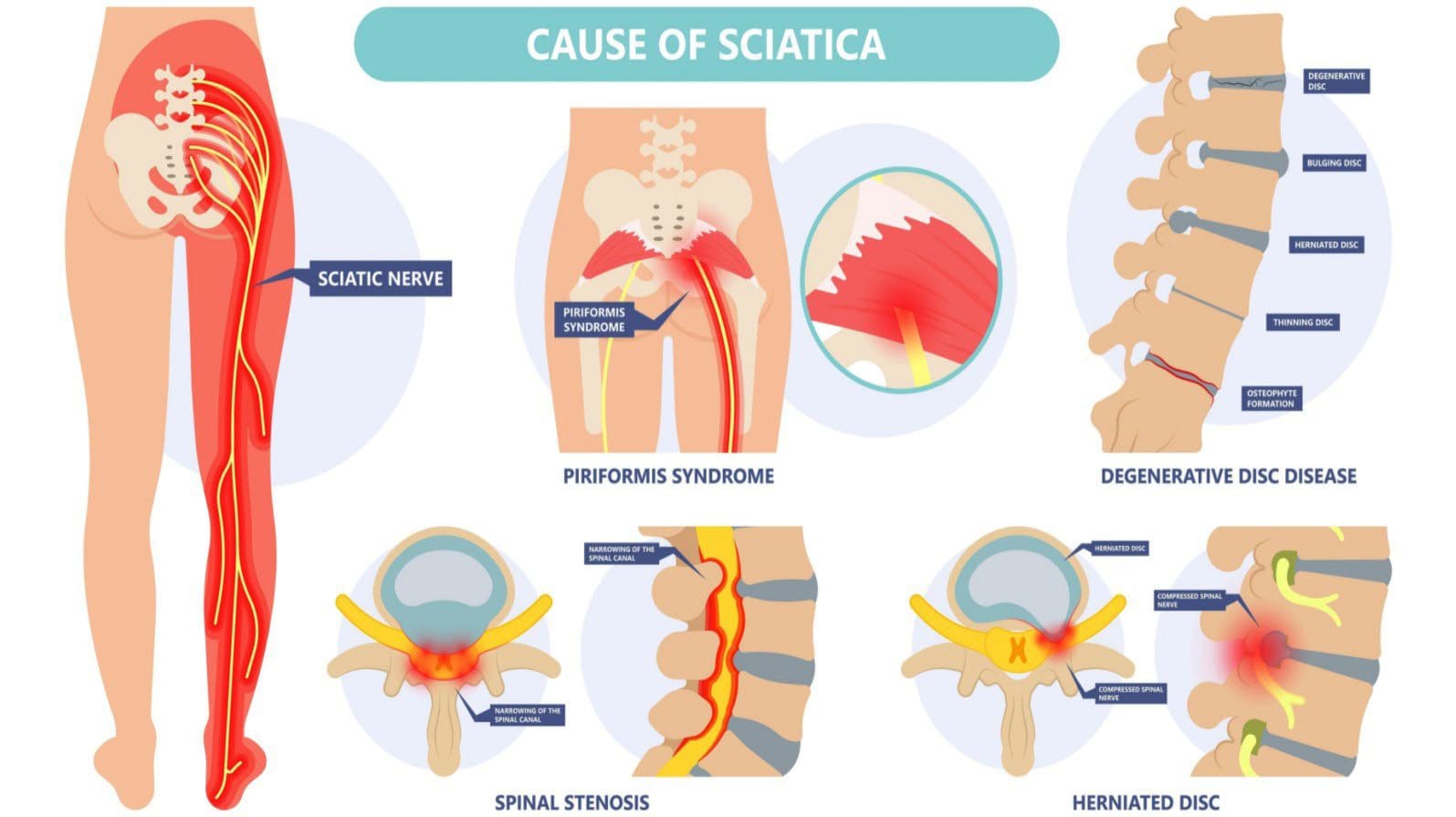
Sciatica is common and affects up to 40% of the general population. Different types include acute, chronic, alternating, and bilateral sciatica. The sciatic nerve comprises three specific nerve roots in the lower back. The three nerves originate in the L4 and L5 vertebrae and the sacrum, just below the vertebrae. The nerve then branches off and runs through the back of each thigh. Injury, compression, or irritation of these nerves can cause various symptoms, including numbness, tingling, electrical shooting pain, and muscle spasms in the low back, the leg, and the foot. Chiropractic care can realign the spine, relax the muscles, release compression and relieve sciatica.
Acute, Chronic, Alternating, and Bilateral Sciatica
Acute
Acute pain can be brought on by sudden irritation to the nerves that have become pinched, compressed, or a combination.
Causes a constant burning or shooting sensation through the low back, buttocks, down the leg, and possible hip discomfort.
It becomes worse when sitting.
It can cause immediate and short-term pain lasting for 1-2 weeks.
Chronic
Chronic sciatica can last for months or years on and off or continuously.
It can be caused or worsened by inflammatory conditions like rheumatoid arthritis, injuries, infections, and spinal misalignment issues.
It can resolve but will come back without treatment or lifestyle and activity adjustments.
Bilateral
Sciatica typically takes place in one leg; it has been known to be bilateral and experienced in both legs.
This type of sciatica is rare but can occur from degenerative changes in the vertebrae and/or the discs at several spinal levels.
If there is pain in both legs, it is likely not a herniation but degenerative changes like spinal stenosis.
The symptoms can range from infrequent to irritating to severe and debilitating.
Weakness may be felt in the leg and foot, or a feeling of heaviness, making it difficult to lift the foot off the floor.
Alternating
Alternating sciatica affects both legs alternately. It is usually connected to bilateral sciatica that switches sides.
This type is rare and can result from degenerative problems in the sacroiliac joint, the joint connecting the spine to the hips, or sacroiliac arthritis.
Spinal Sources
Sciatica occurs when L4, L5, and/or S1 nerve roots are affected.
L4 Nerve Root
Pain in the hip, thigh, inner medial areas or the knee, and the calf.
Weakness in the thigh and hip muscles.
Reduced knee-jerk reflex.
Loss of sensation around the calf.
L5 Nerve Root
Pain in the buttock and the outer area of the thigh.
Weakness in the buttock and leg muscles.
Difficulty moving the ankle and lifting the big toe upward.
Loss of sensation between the big toe and the second toe.
S1 Nerve Root
Known as classic sciatica.
Pain in the buttock, back of the calf, and side of the foot.
Fatigue in the buttock and foot muscles.
Difficulty and discomfort raising the heel off the ground or walking on tiptoes.
Loss of sensation in the foot’s outer side, including the third, fourth, and fifth toes.
Chiropractic care can directly address the root cause of the problem, treat the cause, and alleviate the symptoms. Chiropractic manipulation is recommended by the American College of Physiciansas a first line of treatment for back pain before medication, muscle relaxants, injections, and surgery. Treatments to address sciatic nerve impingement:
Ice/Cold Therapy
Reduces inflammation and swelling.
Prepares the patient for massage and adjustments.
Therapeutic Tissue Massage
This therapy promotes muscle relaxation and lessens the muscle spasm/recoil response.
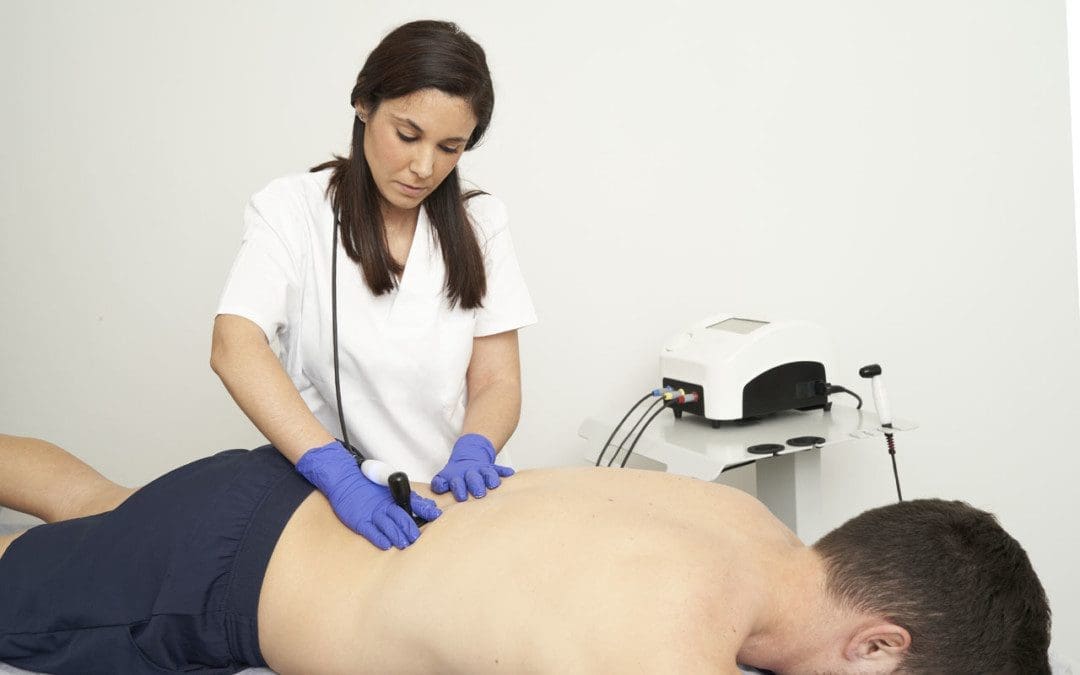
Ultrasound
Soothing heat created by sound waves penetrates the muscles, increases circulation, and relaxes the muscles to alleviate spasms, stiffness, and pain.
Transcutaneous Electrical Nerve Stimulation/Tens Unit
A muscle stimulation machine applies electrical impulses to relax the muscles and untangle muscle knots.
Spinal Manipulation
This process realigns the spine to move properly and restores vertebral health.
Stretches and Exercises
This ensures treatment will last once treatment has or is coming to an end.
Spinal Decompression
Pulls and stretches the body to release any compression on the nerve roots and infuse circulation back into the discs.
The pressure is taken off the sciatic nerve, and routine adjustments will retrain the muscles to maintain their re-alignment. The duration of treatment will vary based on the root cause of sciatica. Each treatment plan is tailored to the individual patient’s situation.
Severe and Complex Sciatica Syndromes
References
Davis D, Maini K, Vasudevan A. Sciatica. [Updated 2022 May 6]. In: StatPearls [Internet]. Treasure Island (FL): StatPearls Publishing; 2022 Jan-. Available from: https://www.ncbi.nlm.nih.gov/books/NBK507908/
Hernández C.P., Sanchez N., Navarro-Siguero A., Saldaña M.T. (2013) What is Sciatica and Radicular Pain?. In: Laroche F., Perrot S. (eds) Managing Sciatica and Radicular Pain in Primary Care Practice. Springer Healthcare, Tarporley. https://doi.org/10.1007/978-1-907673-56-6_1
Kumar, M. Epidemiology, pathophysiology and symptomatic treatment of sciatica: A review. nt. J. Pharm. Bio. Arch. 2011, 2.
Ngnitewe Massa R, Mesfin FB. Herniation, Disc. [Updated 2018 Oct 27]. In: StatPearls [Internet]. Treasure Island (FL): StatPearls Publishing; 2019 Jan-. Available from: https://www.ncbi.nlm.nih.gov/books/NBK441822/
Ombregt L. The dural concept. In: A System of Orthopaedic Medicine. Elsevier; 2013:447-472.e4. doi:10.1016/b978-0-7020-3145-8.00033-8
Witenko, Corey, et al. “Considerations for the appropriate use of skeletal muscle relaxants for the management of acute low-back pain.” P & T : a peer-reviewed journal for formulary management vol. 39,6 (2014): 427-35.
Wright R, Inbody SB. Radiculopathy and Degenerative Spine Disease. In: Neurology Secrets. Elsevier; 2010:121-130. doi:10.1016/b978-0-323-05712-7.00007-6
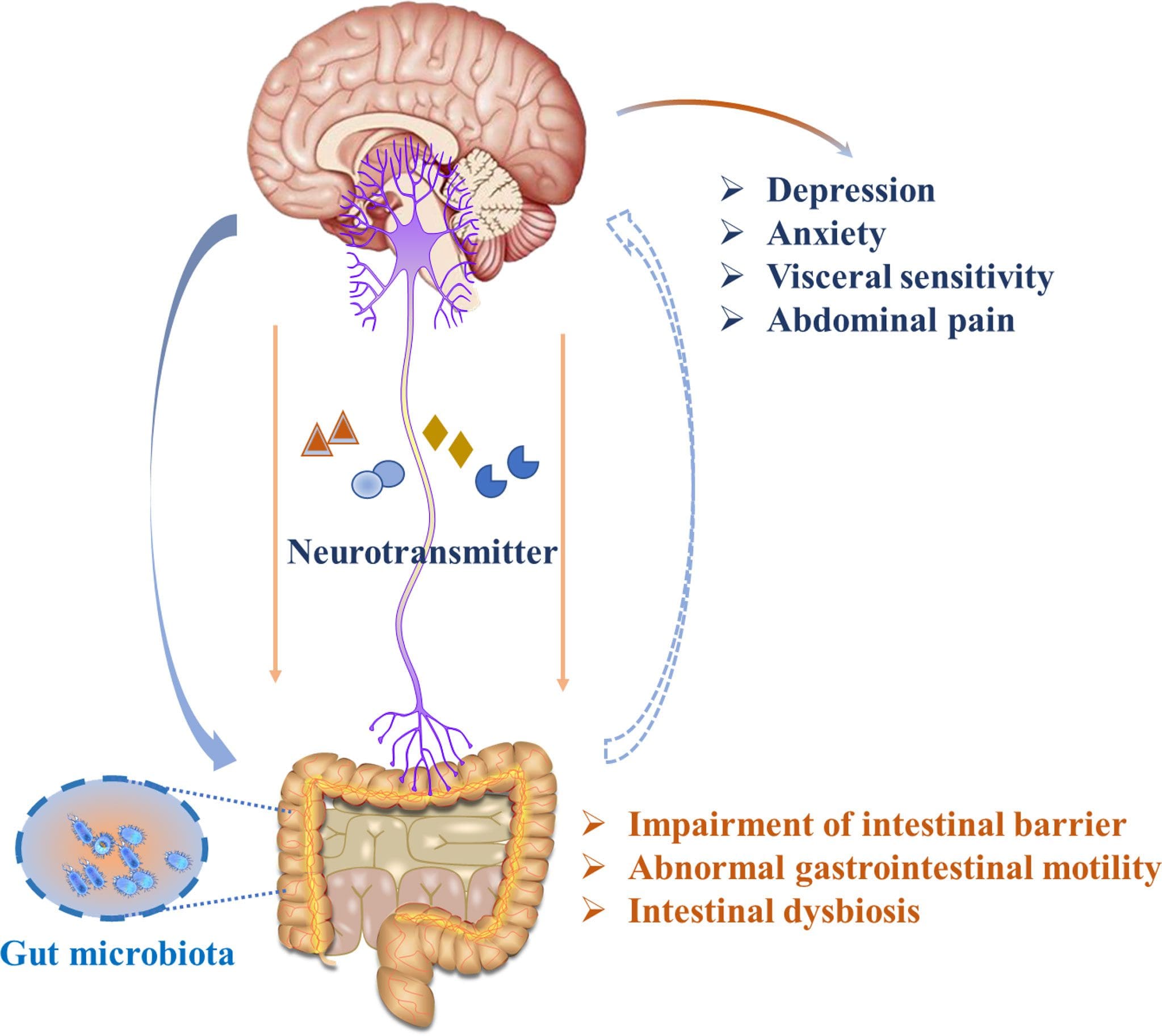
The body works by ensuring that the brain in the central nervous system and the gut in the gut system are metabolizing homeostasis and regulating the immune system for optimal functionality. With the gut-brain axis having a bi-directional partnership in relaying the information back and forth, the body can function normally without any disturbances that can harm the body. However, various factors can affect the brain, and the gut as disorders like inflammation, bacterial overgrowth, and food sensitivities can affect the intestinal walls. When gut disorders affect the body, the corresponding muscles and tissues also become affected through visceral pain. Today’s article looks at the gut microbiota’s role in the body, how visceral pain affects the gut microbiota, and how pelvic pain with abdominal bloating is associated with gut disorders. We refer patients to certified, skilled providers specializing in osteopathic and chiropractic treatments. We also guide our patients by referring to our associated medical providers based on their examination when it’s appropriate. We find that education is critical for asking insightful questions to our providers. Dr. Alex Jimenez DC provides this information as an educational service only. Disclaimer
Can my insurance cover it? Yes, it may. If you are uncertain, here is the link to all the insurance providers we cover. If you have any questions or concerns, please call Dr. Jimenez at 915-850-0900.
How The Gut Microbiome Helps The Body
Have you experienced inflammatory effects located in your gut? Have you felt muscle stiffness around the pelvic region of your body? Have you experienced bloating or other abdominal issues that are affecting your body? These could be signs that could be affecting your gut microbiota. Research studies have mentioned that the gut microbiota in the body plays a vital role in influencing beneficial bacteria in the intestines while supporting the body’s homeostasis and regulating metabolism. The gut system is sustainable from environmental factors that cause dysbiosis and numerous gut disorders affecting the host’s body structure. Additional research also mentioned that when various ecological factors do affect the gut system, it can alter the gut’s composition and threaten to impose on the gut’s integrity. When the gut system begins to be involved, the rest of the body starts to be dysfunctional. Corresponding muscles, tissues, and organs will experience pain and other disorders that can make people feel like something is off with their bodies. At the same time, their gut system is being affected.
Visceral Reflexes Overview- Video
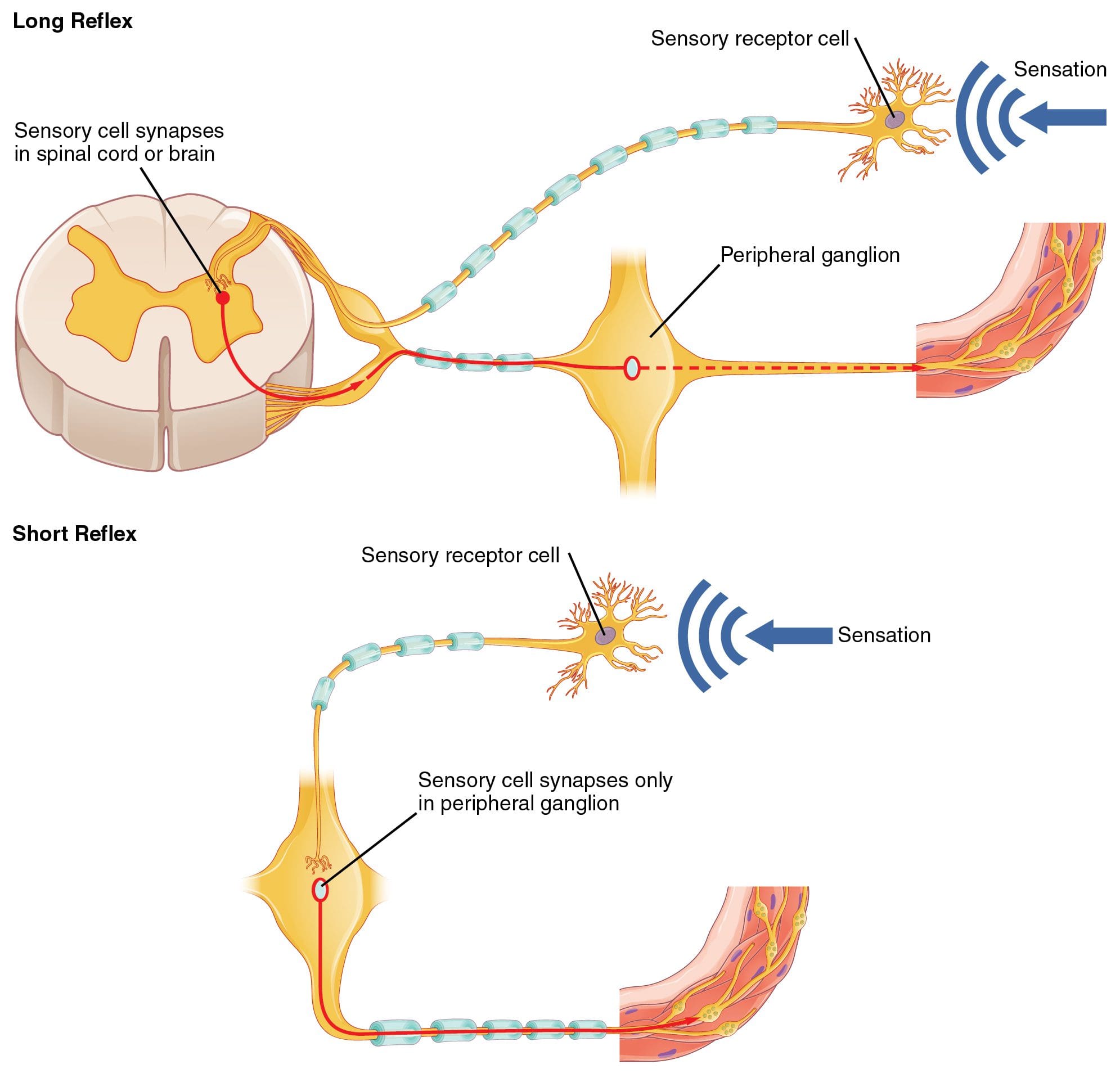
Have you felt gut disorders affecting your joints or muscles? Have you been feeling dysfunctional in your urinary tract? Or what about cardiovascular issues that seem to cause problems in your arms or legs? Many of these symptoms are caused by visceral pain where the visceral reflexes are damaged and affect the corresponding muscles in the body. The video above explains how visceral reflexes work in the body and how they send information to the brain when changes affect the connected components in the body. Research shows that when gut issues impact visceral pain, it can affect the mechanics mediating visceral nociception. Whenever gut issues move the visceral reflexes, it can cause nerve termination to the spinal cord, and gastrointestinal factors like inflammation and oxidative stress will begin to rise in the body.
Visceral Pain & The Gut Microbiome
Whenever environmental factors affect the gut microbiota, it can cause the body to become dysfunctional and correspond with the affected muscles, tissues, joints, and organs suffering from gut disorders. Research studies have found that the gastrointestinal tract receives a dual innervation from the spinal neuron and the vagus nerve. When the gastrointestinal system becomes dysfunctional and starts promoting inflammatory markers that affect the viscerosomatic nerves, these nerves can become hypersensitive. Research studies have defined visceral pain as one of the most prevalent pains associated with gut disorders. When it comes to visceral pain and the gut impacting the body, many people experience the pain coming from their internal organs and hurting their quality of life. Additional research studies have noticed that hypersensitive visceral pain can cause functional and morphological alteration in the gut and nervous systems. This will cause other disorders that become affected by gut issues caused by visceral pain.
Pelvic Pain & Abdominal Bloating Associated With Gut Disorders
Research studies have mentioned that when the viscerosomatic nerves become hypersensitive due to gut disorders, it can affect the lower gastrointestinal organs and joints like the vagal, pelvic, and splanchnic afferents. When the gut system is experiencing issues like inflammation and stress, which causes the visceral nerves to be hypersensitive, many people will begin to experience pelvic pain and abdominal bloating associated with gut disorders. For pelvic pain, research studies found that pelvic pain occurs when there are peripheral somatic neuropathies start to mimic inner organs pathology. At the same time, the visceral pathology can change the peripheral somatic nerves to cause more pain in the pelvic region in the lower abdomen. As for abdominal bloating, research studies have concluded that alterations in the viscerosomatic reflexes cause abdominal wall protrusion. This causes the gut intestinal walls to be bloated and cause discomfort to the individual, and eventually causes pelvic pain as both are associated with gut disorders affecting the viscerosomatic nerves.
Conclusion
The gut system helps the body by regulating the body’s homeostasis and metabolizing the immune system. When environmental factors affect the gut system, they can also affect the corresponding muscles, tissues, joints, and organs. This is known as visceral pain, where the viscerosomatic nerves are damaged due to gut issues like stress or inflammation that are the products of gut disorders. When alternations in the viscerosomatic nerves or the intestinal walls, it can cause dysfunction in the body, like pelvic pain and abdominal bloating that can cause discomfort to the individual. By figuring out what is causing these issues affecting the gut, the body will begin to heal itself.
References
Azpiroz, Fernando, and Juan-R Malagelada. “Abdominal Bloating.” Gastroenterology, U.S. National Library of Medicine, Sept. 2005, https://pubmed.ncbi.nlm.nih.gov/16143143/.
Farmer, Adam D, and Qasim Aziz. “Gut Pain & Visceral Hypersensitivity.” British Journal of Pain, SAGE Publications, Feb. 2013, https://www.ncbi.nlm.nih.gov/pmc/articles/PMC4590155/.
Hills, Ronald D, et al. “Gut Microbiome: Profound Implications for Diet and Disease.” Nutrients, MDPI, 16 July 2019, https://www.ncbi.nlm.nih.gov/pmc/articles/PMC6682904/.
Lucarini, Elena, et al. “Deepening the Mechanisms of Visceral Pain Persistence: An Evaluation of the Gut-Spinal Cord Relationship.” Cells, MDPI, 24 July 2020, https://www.ncbi.nlm.nih.gov/pmc/articles/PMC7464824/.
Perry, C P. “Peripheral Neuropathies Causing Chronic Pelvic Pain.” The Journal of the American Association of Gynecologic Laparoscopists, U.S. National Library of Medicine, May 2000, https://pubmed.ncbi.nlm.nih.gov/10806280/.
Pusceddu, Matteo M, and Melanie G Gareau. “Visceral Pain: Gut Microbiota, a New Hope?” Journal of Biomedical Science, BioMed Central, 11 Oct. 2018, https://www.ncbi.nlm.nih.gov/pmc/articles/PMC6182804/.
Sikandar, Shafaq, and Anthony H Dickenson. “Visceral Pain: The Ins and Outs, the Ups and Downs.” Current Opinion in Supportive and Palliative Care, U.S. National Library of Medicine, Mar. 2012, https://www.ncbi.nlm.nih.gov/pmc/articles/PMC3272481/.
Thursby, Elizabeth, and Nathalie Juge. “Introduction to the Human Gut Microbiota.” The Biochemical Journal, Portland Press Ltd., 16 May 2017, https://www.ncbi.nlm.nih.gov/pmc/articles/PMC5433529/.
Vermeulen, Wim, et al. “Neuroanatomy of Lower Gastrointestinal Pain Disorders.” World Journal of Gastroenterology, Baishideng Publishing Group Co., Limited, 28 Jan. 2014, https://www.ncbi.nlm.nih.gov/pmc/articles/PMC3921524/.
The body has many nerve roots that are intertwined and coming out from the spinal cord, which is part of the nervous system. One of the main components of the nervous system is the vagus nerve, which is part of the parasympathetic nervous system as it helps inform the brain about the state of the inner organs in the body. The vagus nerve helps maintain the body’s metabolism and homeostasis from diseases and injuries that occur either inside or outside the body. Many inner organs, muscles, or tissues get affected when a person has suffered from an injury or developed infections in their body. They can cause many symptoms that can dysfunction the body. It can affect the spine, nerve roots, internal organs, and joints, making the individual feel a sense of hopelessness. Today’s article will look at the unique connection of viscerosomatic reflexes and how it affects the body, as well as how viscerosomatic pain can affect the spine causing the individual many spinal issues. We refer patients to certified, skilled providers specializing in osteopathic and chiropractic treatments. We also guide our patients by referring to our associated medical providers based on their examination when it’s appropriate. We find that education is critical for asking insightful questions to our providers. Dr. Alex Jimenez DC provides this information as an educational service only. Disclaimer
Can my insurance cover it? Yes, it may. If you are uncertain, here is the link to all the insurance providers we cover. If you have any questions or concerns, please call Dr. Jimenez at 915-850-0900.
What Are Viscerosomatic Reflexes?
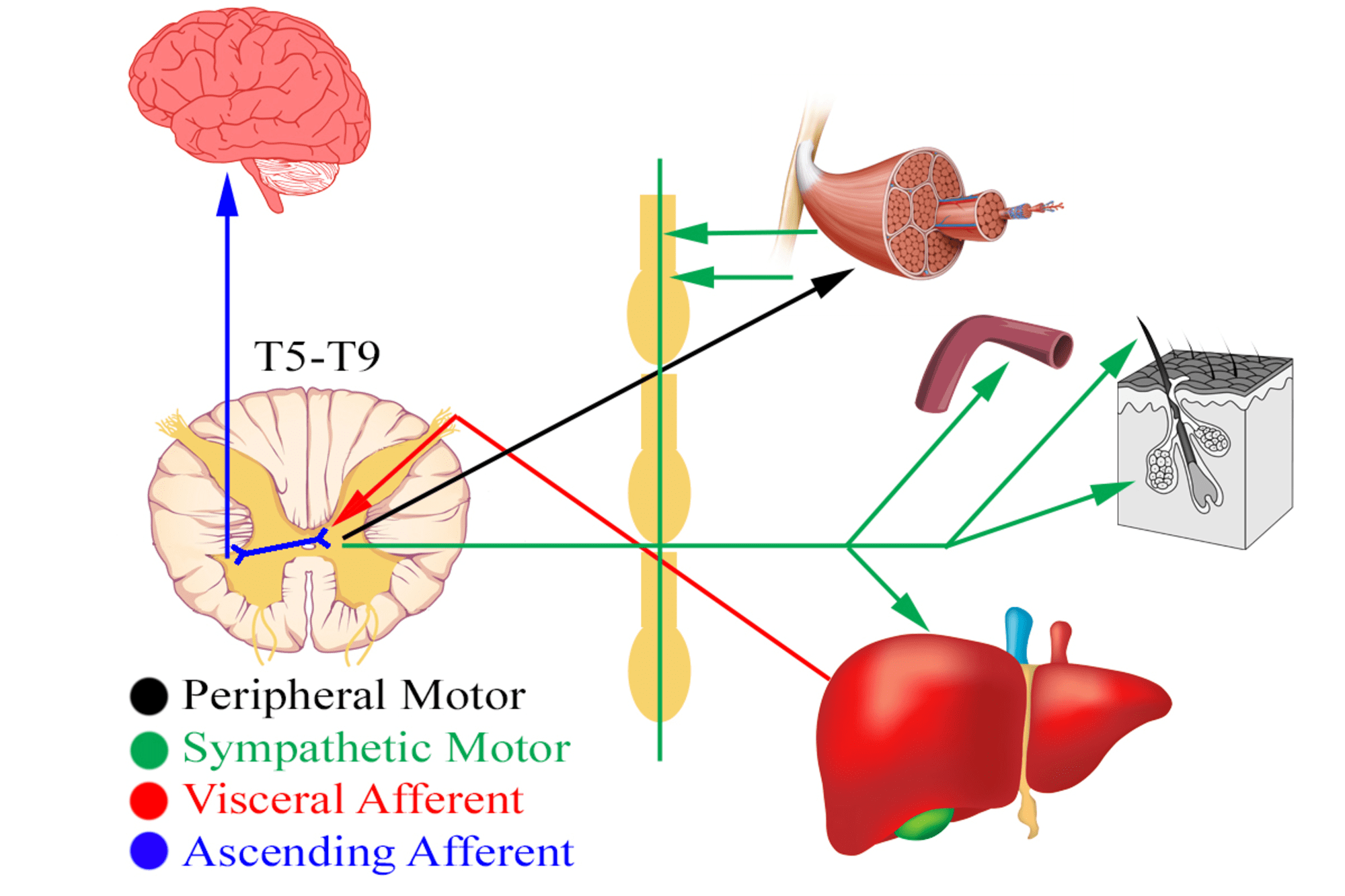
Have you experienced pain in your arms, legs, or back? How about feeling dysfunctional in your urinary tract? Have you noticed that not only your chest has started to hurt but also your gut and lower back? Many of these are signs of you having pain due to your viscerosomatic reflexes in your body. Research studies have defined viscerosomatic as regular visceral activity in the body stimulated by the somatosensory nerves that can help recognize abnormal viscerosomatic reflexes. These nerves are connected to the central nervous system, which travels through the spinal cord and can affect the body. The best example is when a doctor is giving a reflex test and uses a rubber mallet to hit the knee to see if a person still has reflexes in their body. Since the vagus nerve is part of the parasympathetic nervous system, when it becomes damaged, it can cause numerous effects on the body research studies have found that any visceral disturbances that are affecting the human body can cause an increase in muscle tension and decrease the pain in the corresponding spinal ligament that can restrict the muscle mobility to the tissues and affecting either the motor or sympathetic nerve. This causes the body to experience pain affecting one part of the body to the corresponding affected nerve.
How Does It Affect The Body?
Since the body has so many connections like the gut-brain axis, which helps regulate the body’s metabolism and homeostasis, the endocrine system that allows the transport of hormones to the rest of the muscles, tissues, and organs through the nerve roots, and the nerve roots themselves are connected as they help with the sensory-motor function with the arms and legs, so the body can move around. When these connections are being damaged and start to affect the rest of the body, it can lead to other health problems that do affect the body. Research studies have found that when the body is suffering from visceral pain in the organs can affect different areas. A couple of examples include:
Bladder issues affecting the perineal area
Cardiovascular disorders causing arm and neck pain
GI disorders causing discomfort
Even though visceral pain’s effects are not life-threatening, it can dampen a person’s mood by causing a negative impact associated with distress, sleep, and work disturbances, and even causing sexual dysfunction in the body.
An Overview Of Viscerosomatic Reflexes-Video
Have you experienced cardiovascular issues that are causing arm and neck pain? Have you been feeling some discomfort in your gut or your pelvic area? Have you been experiencing pain that is negatively impacting your quality of life? This could be due to viscerosomatic pain affecting your body and causing these symptoms. The video above explains how the viscerosomatic reflexes are connected to their corresponding muscles and organs. When the body is suffering from issues that affect the related muscles, it is known as viscerosomatic pain. Research studies have shown that individuals suffering from viscerosomatic pain will have multifaceted problems in the viscerosomatic reflexes. This type of pain does affect the spinal neurons causing the visceral neurons to become overly sensitive in the body and the affected areas.
How Does Viscerosomatic Pain Affect The Spine?
Research studies have found that viscerosomatic can affect the spine by affecting the gut system. Many individuals that are suffering from IBS (irritable bowel syndrome) will often complain about being in pain in their torso areas. They don’t realize that processing the visceral and somatic stimuli can cause the gut to become hypersensitive and affect the spinal cord neurons to overlap. Another research study has mentioned that pelvic pain in an individual can cause more symptoms that involve many organ systems causing visceral symptoms combined with somatovisceral convergence. When viscerosomatic pain affects many body parts, it can be difficult for a diagnosis to be conducted.
Conclusion
The body has many nerve roots that connect the body by branching out of the spine and providing sensory-motor functions to the corresponding muscles and tissues. When the body becomes injured, it can cause nerve not only damage to the body but also affect the muscles and organs. This is known as viscerosomatic pain and can be challenging to diagnose due to its being multifaceted with multiple symptoms. This pain can cause the affected organs to become hypersensitive and impact a person’s quality of life. When the body starts healing from viscerosomatic pain, the effects will become less for the individual as they heal the affected organs.
References
Bath, Megan, and Justin Owens. “Physiology, Viscerosomatic Reflexes.” In: StatPearls [Internet]. Treasure Island (FL), StatPearls Publishing, 8 May 2022, https://www.ncbi.nlm.nih.gov/books/NBK559218/.
Hoffman, Donna. “Understanding Multisymptom Presentations in Chronic Pelvic Pain: The Inter-Relationships between the Viscera and Myofascial Pelvic Floor Dysfunction.” Current Pain and Headache Reports, U.S. National Library of Medicine, Oct. 2011, https://pubmed.ncbi.nlm.nih.gov/21739128/.
Sengupta, Jyoti N. “Visceral Pain: The Neurophysiological Mechanism.” Handbook of Experimental Pharmacology, U.S. National Library of Medicine, 2009, https://www.ncbi.nlm.nih.gov/pmc/articles/PMC3156094/.
Sikandar, Shafaq, and Anthony H Dickenson. “Visceral Pain: The Ins and Outs, the Ups and Downs.” Current Opinion in Supportive and Palliative Care, U.S. National Library of Medicine, Mar. 2012, https://www.ncbi.nlm.nih.gov/pmc/articles/PMC3272481/.
Silva, Andréia Cristina de Oliveira, et al. “Effect of Osteopathic Visceral Manipulation on Pain, Cervical Range of Motion, and Upper Trapezius Muscle Activity in Patients with Chronic Nonspecific Neck Pain and Functional Dyspepsia: A Randomized, Double-Blind, Placebo-Controlled Pilot Study.” Evidence-Based Complementary and Alternative Medicine : ECAM, Hindawi, 11 Nov. 2018, https://www.ncbi.nlm.nih.gov/pmc/articles/PMC6252226/.
Verne, G Nicholas, et al. “Viscerosomatic Facilitation in a Subset of IBS Patients, an Effect Mediated by N-Methyl-D-Aspartate Receptors.” The Journal of Pain, U.S. National Library of Medicine, Sept. 2012, https://www.ncbi.nlm.nih.gov/pmc/articles/PMC3489925/.
The central nervous system – CNScontrols body and mind functions, voluntary movements, including walking, and involuntary movements, specifically the breakdown of foods and waste removal. Studies have found associations between spinal problems and gastrointestinal-GI tract/stomach issues that include:
Abdominal pain
Constipation
Difficulty controlling bowel movements
Diarrhea
Nausea
Vomiting
Treating the underlying cause through chiropractic, non-surgical spinal decompression, and health coaching can bring pain relief, realign/heal the spine and alleviate stomach issues.
Spinal Problems and Stomach Issues
The spinal cord sends nerve signals throughout the body, including to and from the digestive system. Two types of nerves control the digestive system, extrinsic and intrinsic.
Extrinsic nerves
Connect the digestive organs with the brain and spinal cord.
Release chemicals that contract or relax the digestive system muscles.
The nerves relay signals to speed up or slow down the food’s movement through the gut.
The intrinsic system can function independently and work without communication from the extrinsic nerves. However, the stomach and esophagus/food pipe depends on information from the extrinsic nerves. If there is injury, damage, or interference with the extrinsic nerve supply to the stomach, it can lead to stomach issues. Spinal cord injuries and compressed or herniated discs interrupt the communication between nerves/systems, which can lead to digestive and bowel problems, including:
Feeling full quickly after eating.
Stomach pain
Constipation
Decreased appetite
Difficulty moving waste through the colon or large intestine
Hard stools
Tenesmus – the sensation/feeling of having to have a bowel movement even though there is none.
Herniated Discs
Herniated disc/s usually occurs in the neck or low back spinal area. Symptoms include:
Neck pain
Back pain
Pain spreads from the lower back through the buttocks, legs, and feet.
Pain spreads from the neck through the shoulders, arms, and hands.
Muscle weakness
Muscle spasms
Tingling or burning sensations
Numbness
Chiropractic Spinal Decompression
Chiropractic decompression therapy stretches the spine and manipulates its position to take pressure off the nerves and spinal discs. The decompression process creates negative pressure in the discs that retract herniated or bulging discs, allowing oxygen, water, and other healing nutrients to enter the disc and throughout the spine. The spinal decompression will help alleviate the stomach issues. Consultation from a health coach/nutritionist will recommend a diet that will aid in the disc/s healing, which is anti-inflammatory and easily digestible until the stomach problems are fully resolved.
DRX Patient Testimonials
References
Browning, Kirsteen N, and R Alberto Travagli. “Central nervous system control of gastrointestinal motility and secretion and modulation of gastrointestinal functions.” Comprehensive Physiology vol. 4,4 (2014): 1339-68. doi:10.1002/cphy.c130055
Holmes, Gregory M, and Emily N Blanke. “Gastrointestinal dysfunction after spinal cord injury.” Experimental neurology vol. 320 (2019): 113009. doi:10.1016/j.expneurol.2019.113009
Lara, F J Pérez, et al. “Thoracic disk herniation, a not infrequent cause of chronic abdominal pain.” International surgery vol. 97,1 (2012): 27-33. doi:10.9738/CC98.1
Papadakos, Nikolaos, et al. “Thoracic disc prolapse presenting with abdominal pain: case report and review of the literature.” Annals of the Royal College of Surgeons of England vol. 91,5 (2009): W4-6. doi:10.1308/147870809X401038
IFM's Find A Practitioner tool is the largest referral network in Functional Medicine, created to help patients locate Functional Medicine practitioners anywhere in the world. IFM Certified Practitioners are listed first in the search results, given their extensive education in Functional Medicine


 Stomach Back Pain Causes