For individuals, does knowing about food condiments nutritional values help with overall health?
Food Condiments
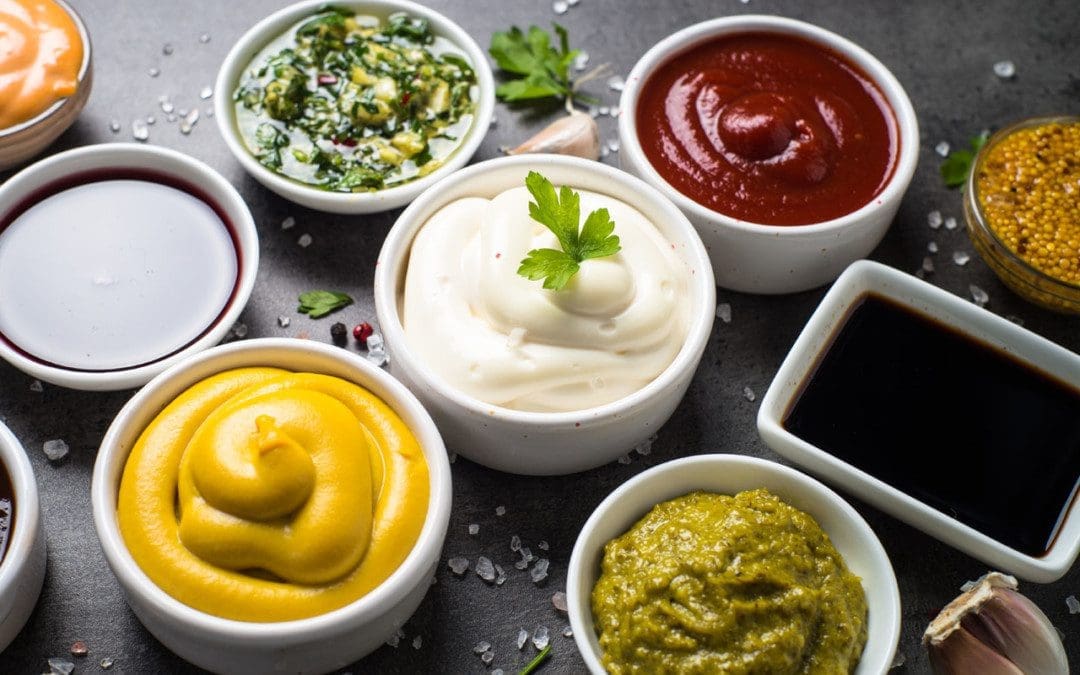
Condiment options go beyond the standard mayonnaise, ketchup, and mustard. Today there are various options to use as toppers, to marinate, tenderize, increase flavor, and add an appeal to the dish. Most condiments don’t provide much nutrition, but some do contain healthy ingredients like herbs, spices, heart-healthy fats, and antioxidants.
Healthy
The food condiments that are made the healthiest are those that are low in calories and unhealthy fat and they are made with less or no processed additives and quality ingredients that provide health benefits.
Pico de Gallo
This is a low-calorie, low-fat, nutrient-dense salsa that can zest up any meal.
It is made with tomatoes, onions, jalapeños, and lime.
Easily make your own to control sodium levels.
Top salads, vegetables, or protein with the salsa to add flavor.
Use as a dip for fresh raw vegetables as a snack.
Mustard
Mustard is a very low-calorie – 5 calories in 1 teaspoon, low-carbohydrate, and fat-free condiment that can increase the flavor of food by adding a sweet, sour, or spicy kick.
Most traditional mustards – yellow and spicy – are made with mustard seed, distilled vinegar, garlic powder, onion powder, salt, spices, and turmeric.
This means that mustard contains little or insignificant calories, fat, protein, and carbohydrate in one serving.
Studies have shown that turmeric can provide health benefits from a compound called curcumin.
Preclinical studies suggest that curcumin can act as an antioxidant and has anti-inflammatory, anticancer, and neuroprotective properties. (Abrahams S, et al., 2019)
Flavored mustards, like honey flavor, can contain added sugars, therefore, it is recommended to read the label before eating.
Balsamic, red or white wine or apple cider vinegar can be used on side dishes, salads, sandwiches, and to marinate.
This condiment ranges from 0 calories to 10 calories per tablespoon and contains no sodium.
Studies have shown that apple cider vinegar can reduce fasting blood sugar in individuals at risk for type 2 diabetes. (Johnston CS, Quagliano S, White S. 2013)
Hot Sauce
Hot sauce is made from red chili peppers.
Top eggs, vegetables, or whole grains with a few dashes.
Studies suggest that adding spice can help satisfy hunger, help curb appetite and possibly speed up metabolism. (Emily Siebert, et al., 2022)
Read labels as sauces can contain added sugars.
Ketchup
Because of its carbohydrate and sugar content, ketchup is a condiment that needs to be portion-controlled, especially for individuals with diabetes who are following a modified nutritional plan.
Although much of the fat is unsaturated/healthy type, it can be hard to portion control this food condiment, which can result in excess calorie intake.
Barbecue Sauce
Barbecue sauce is moderate in calories, around 60 in two tablespoons, but it can contain a large amount of sodium and sugar.
Most brands can contain 10 to 13 grams of sugar/equivalent to 3 teaspoons and 280 to 350 milligrams of sodium.
The recommended serving size is two tablespoons.
Individuals trying to watch calorie and sugar intake are recommended to stick to one serving.
Sour Cream
Sour cream contains 60 calories and 6 grams of fat in two tablespoons.
Regularly consuming saturated fat has been linked with heart disease, high cholesterol, and diabetes.
A healthy substitute for sour cream can be a tablespoon or two of low-fat or non-fat plain Greek yogurt.
Regardless of the healthy or non-healthy food condiments, it is recommended not to drown the food in them and stick to the recommended serving sizes.
Benefits of Healthy Diet and Chiropractic Care
References
Abrahams, S., Haylett, W. L., Johnson, G., Carr, J. A., & Bardien, S. (2019). Antioxidant effects of curcumin in models of neurodegeneration, aging, oxidative and nitrosative stress: A review. Neuroscience, 406, 1–21. https://doi.org/10.1016/j.neuroscience.2019.02.020
Spicy brown mustard. FoodData Central. U.S. Department of Agriculture.
Johnston CS, Quagliano S, White S. Vinegar ingestion at mealtime reduced fasting blood glucose concentrations in healthy adults at risk for type 2 diabetes. J Funct Foods. 2013;5(4):2007-2011. doi:10.1016/j.jff.2013.08.003
Siebert, E., Lee, S. Y., & Prescott, M. P. (2022). Chili pepper preference development and its impact on dietary intake: A narrative review. Frontiers in nutrition, 9, 1039207. https://doi.org/10.3389/fnut.2022.1039207
Ketchup. FoodData Central. U.S. Department of Agriculture.
Caesar dressing. FoodData Central. U.S. Department of Agriculture.
Vinaigrette. FoodData Central. U.S. Department of Agriculture.
Mayonnaise. FoodData Central. U.S. Department of Agriculture.
Sour cream, regular. FoodData Central. U.S. Department of Agriculture.
Gender identity is a wide spectrum. Can learning the language used to describe various gender identities and non-binary pronouns help explain the difference between gender expression and help in inclusivity?
Non-Binary
Non-binary is a term used that describes individuals who do not identify exclusively as male or female. The term addresses various gender identities and expressions that are outside of the traditional gender binary system, which categorizes individuals as either male or female.
Definition
Non-binary individuals are those whose gender identity and/or expression fall outside of the traditional binary categories of a man or woman. (Human Rights Campaign. (n.d.))
Some non-binary individuals identify as a blend of male and female; others identify as a gender different from male or female; some do not identify with any gender.
The term “non-binary” can also be “enby”/phonetic pronunciation of the letters NB for non-binary, although not every non-binary individual uses this term.
Transgender individuals and non-binary individuals are two distinct groups that are related.
There are some transgender/trans individuals who are non-binary, however, most transgender individuals identify as either male or female. (National Center for Transgender Equality. 2023)
To understand the difference, it can help to know the meanings of transgender, cisgender, and nonbinary: (GLAAD. 2023)
Transgender
An individual who identifies with a gender different from the one assigned at birth.
For example, someone assigned male at birth/AMAB, but identifies as a female is a transgender woman.
Cisgender
An individual whose gender identity follows the one they were assigned at birth.
For example, someone assigned female at birth/AFAB and identifies as a woman.
Non-binary
An individual who identifies with a gender outside the traditional binary of male and female.
This can include individuals who identify as genderqueer, agender, or genderfluid and others.
Using Pronouns
Using non-binary pronouns is a way to show respect and validation for an individual’s gender identity. Here are some recommendations on how to use pronouns: (National Center for Transgender Equality. 2023)
Ask for the individual’s pronouns
It’s recommended to avoid assuming an individual’s pronouns based on appearance or stereotype.
If unsure of someone’s pronouns, ask respectfully.
“What pronouns do you use?”
“Can you share your pronouns with me?”
Practice using the pronouns
Once you know an individual’s pronouns, practice using them.
This can be accomplished by using their pronouns when referring to them in conversation, emails, written forms, and/or other types of communication.
If you make a mistake, apologize and make the correction.
Gender-neutral language
If unsure of an individual’s pronouns, or if someone uses gender-neutral pronouns like they/them, use gender-neutral language instead of gendered language.
For example, instead of saying he or she, you can say they or their name.
Continue Learning
Learn as much as possible about identities and pronouns to better understand and support the LGBTQ+ community.
Injury Medical Chiropractic and Functional Medicine Clinic wants to help create a more inclusive and affirming environment for everyone.
Are treatments more successful when patients know key terms that describe their back pain and associated conditions?
Nerve Pain Types
When individuals need to better understand their spine diagnosis, being able to distinguish between key terms can make a significant difference in understanding the development of a personalized treatment plan. Terms that describe back pain and various associated conditions can include:
Sciatica
Radiating and Referred pain
Radiculopathy
Radiculitis
Neuropathy
Neuritis
Causes of Back Pain
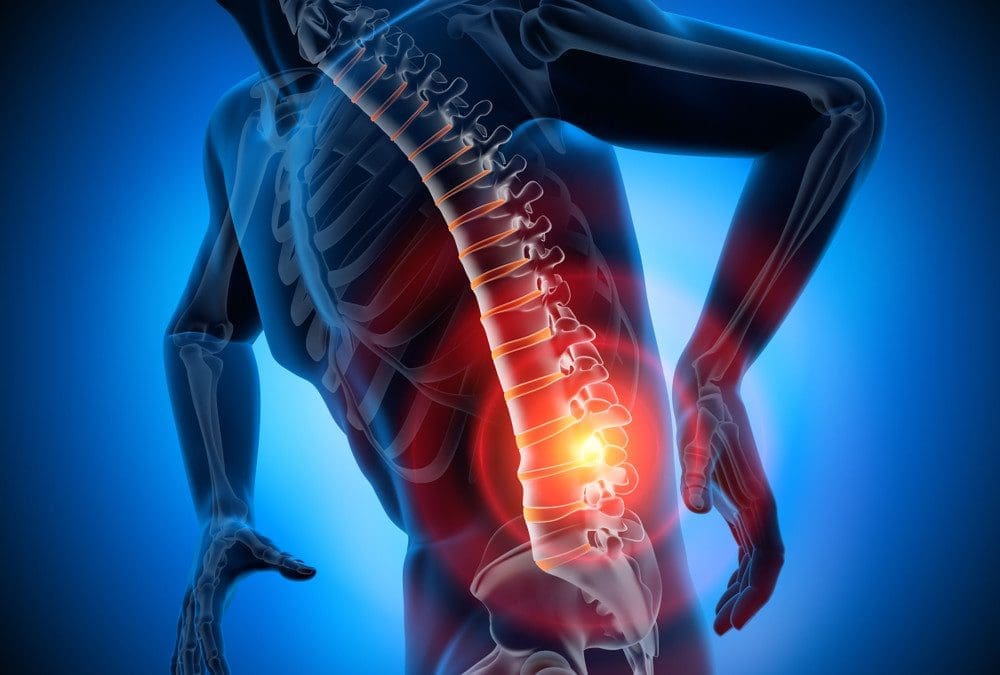
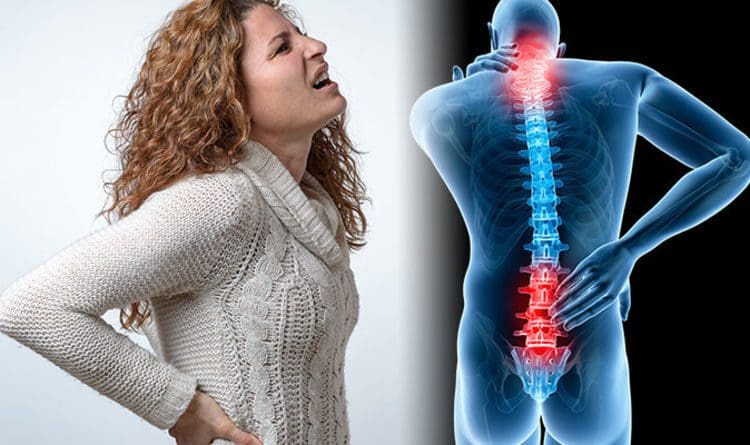
Back pain symptoms are most commonly caused by the continued practice of unhealthy/poor posture and overcompensated and weakened muscles. Even for individuals that exercise regularly, the movement choices that are made throughout the day can disrupt the way the muscles, tendons, ligaments, and fascia function to maintain proper body alignment.
Injuries to, and conditions of, the structures of the spinal column like the bones, discs, and nerves, are generally more serious than posture problems and soft tissue-related pain.
Depending on the diagnosis, structural problems can cause symptoms related to nerve compression, irritation, and/or inflammation. (Michigan Medicine, 2022)
Spine and Nervous System
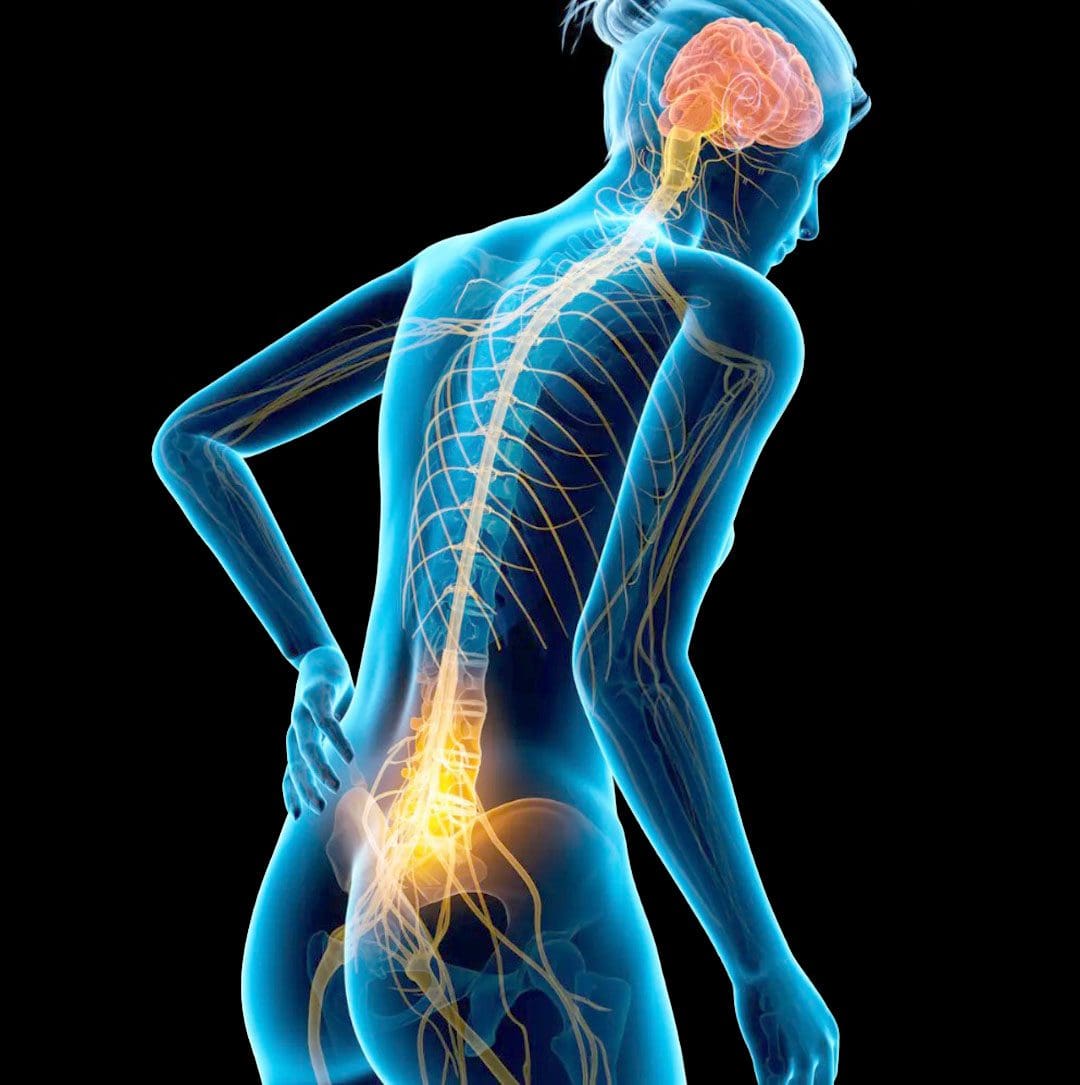
The peripheral nerves extend out to the extremities with sensation and movement capabilities.
Nerve roots exit the spinal canal which is part of the peripheral nervous system.
The branching of nerves from the spinal cord and exit out of the foramina occurs at every level of the spine.
Terms
There are different medical terms when getting a spine diagnosis or going through the treatment process.
Radiculopathy
Radiculopathy is an umbrella term, describing any disease process that affects a spinal nerve root and is something that’s happening to the body.
When a healthcare provider informs you that your pain is due to radiculopathy, a number of more specific diagnoses, clinical signs, and symptoms may be included as part of the description.
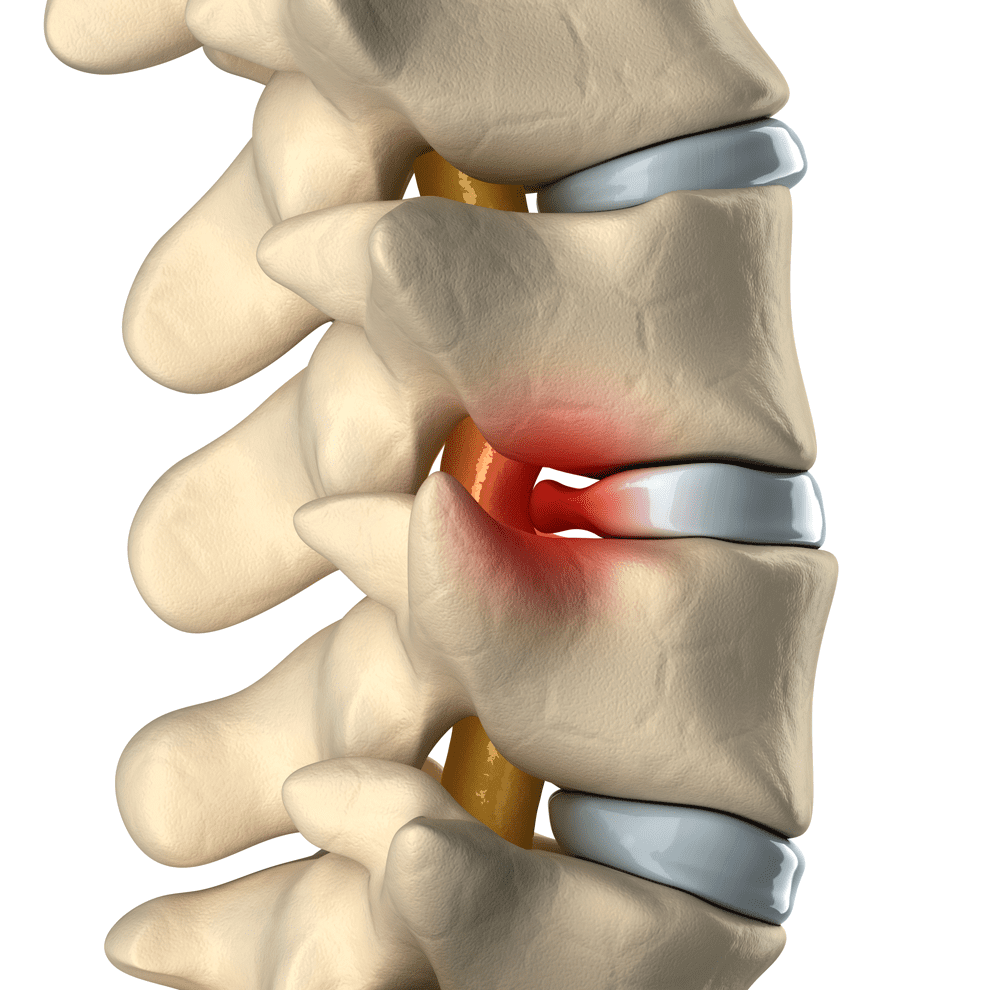
Common causes of radiculopathy include herniated disc/s and spinal stenosis.
Less common causes can include a synovial cyst or tumor that presses on the nerve root. (Johns Hopkins Medicine, 2023)
Radiculopathy can occur in the neck, low back, or in the thoracic area.
Often, radiculopathy is brought on by some form of compression of the nerve root.
For example, extruded material from a herniated disc can land on a nerve root, causing pressure to build.
This can cause symptoms associated with radiculopathy, including numbness, weakness, pain, or electrical sensations. (Johns Hopkins Medicine, 2023)
Even though there’s a spinal nerve root on either side of the spinal column, injury, trauma, or issues stemming from degeneration affect the nerves in an asymmetric fashion. Degenerative changes, known as normal wear and tear, typically occur in this fashion. Using the previous herniated disc example, the material that leaks from the disc structure tends to travel in one direction. When this is the case, the symptoms tend to be experienced on the side where the nerve root makes contact with the disc material, but not the other side. (American Association of Neurological Surgeons, 2023)
Radiculitis
Radiculitis is a form of radiculopathy but it is about inflammation and not compression. (Johns Hopkins Medicine, 2023)
Radicu– refers to the spinal nerve root.
The suffix – itis refers to inflammation.
The word refers to a spinal nerve root that is inflamed and/or irritated rather than compressed.
In disc herniations, it is the gel substance that contains various chemicals that is inflammatory.
When the gel substance makes contact with nerve roots, an inflammatory response is triggered. (Rothman SM, Winkelstein BA 2007)
Radiating or Referred Pain
Radiating pain follows the path of one of the peripheral nerves that transmit sensory information like heat, cold, pins and needles, and pain.
Referred pain is experienced in a different area of the body that is away from the pain source which tends to be an organ. (Murray GM., 2009)
It can be brought on by myofascial trigger points or visceral activity.
An example of referred pain is symptoms in the jaw or arm when an individual is having a heart attack. (Murray GM., 2009)
Radicular
The terms radicular pain and radiculopathy tend to get confused.
Radicular pain is a symptom of radiculopathy.
Radicular pain radiates from the spinal nerve root to either part or all the way down the limb/extremity.
However, radicular pain does not represent the complete symptoms of radiculopathy.
Radiculopathy symptoms also include numbness, weakness, or electrical sensations like pins and needles, burning, or shock that travels down the extremity. (Johns Hopkins Medicine, 2023)
Neuropathy
Neuropathy is another umbrella term that refers to any dysfunction or disease that affects the nerves.
It’s usually classified according to the cause, like diabetic neuropathy, or the location.
Neuropathy can occur anywhere in the body – including the peripheral nerves, the autonomic nerves/organ nerves, or nerves that are located inside the skull and innervate the eyes, ears, nose, etc.
Peripheral nerves are the long, thin strands that supply sensation, feeling, and movement impulses to all areas of the body located outside the central nervous system.
Piriformis syndrome is where a tight buttock/piriformis muscle constricts the sciatic nerve, which runs underneath. (Cass SP. 2015)
Chiropractic
Chiropractic adjustments, non-surgical decompression, MET, and various massage therapies can relieve symptoms, release stuck or trapped nerves and restore function. Through the treatments, the chiropractor and therapists will explain what is happening and why they are using a specific technique. Knowing a little about how the neuromusculoskeletal system operates can help the healthcare provider and the patient in developing and adjusting effective treatment strategies.
Sciatica During Pregnancy
References
Michigan Medicine. Upper and Middle Back Pain.
American Academy of Neurological Surgeons. Anatomy of the Spine and Peripheral Nervous System.
Johns Hopkins Medicine. Health Conditions. Radiculopathy.
American Association of Neurological Surgeons. Herniated Disc.
American Academy of Orthopaedic Surgeons. OrthoInfo. Cervical Radiculopathy (Pinched Nerve).
Rothman, S. M., & Winkelstein, B. A. (2007). Chemical and mechanical nerve root insults induce differential behavioral sensitivity and glial activation that are enhanced in combination. Brain Research, 1181, 30–43. https://doi.org/10.1016/j.brainres.2007.08.064
Murray G. M. (2009). Guest Editorial: referred pain. Journal of applied oral science: Revista FOB, 17(6), i. https://doi.org/10.1590/s1678-77572009000600001
American Academy of Orthopaedic Surgeons. OrthoInfo. Carpal Tunnel Syndrome.
Bostelmann, R., Zella, S., Steiger, H. J., & Petridis, A. K. (2016). Could Spinal Canal Compression be a Cause of Polyneuropathy? Clinics and practice, 6(1), 816. https://doi.org/10.4081/cp.2016.816
Cleveland Clinic. Mononeuropathy.
American Association of Neurological Surgeons. Glossary of Neurosurgical Terminology.
National Institutes of Health. U.S. National Library of Medicine. Medline Plus. Peripheral Nerve Disorders.
Cleveland Clinic. Spinal Stenosis.
Cass S. P. (2015). Piriformis syndrome: a cause of non-discogenic sciatica. Current sports medicine reports 14(1), 41–44. https://doi.org/10.1249/JSR.0000000000000110
Can decompression relieve intervertebral disc stress from individuals dealing with lumbar issues, restoring spinal mobility?
Introduction
The spine’s intervertebral disc acts like a shock absorber to the spine when axial overload is placed on the spine. This allows many individuals to carry, lift, and transport heavy objects without feeling discomfort or pain throughout the day. It is crucial that the spine not only stays functional but also provides stability and mobility for the intervertebral discs to allow these motions. However, as the body ages naturally, so do the intervertebral discs, as they lose water retention and begin to crack under pressure. To this point, the intervertebral discs start not to be functional as normal or traumatic actions cause pain-like issues to the spine and can lead to a life of disability. When repetitive motions cause unwanted pressures, the intervertebral discs become compressed and, over time, can lead to pain-like spinal issues. At the same time, the surrounding muscles, tissues, ligaments, and joints start to get affected in the lumbar region, which then leads to low back pain conditions associated with the lower extremities. Today’s article looks at intervertebral disc stress, how it affects spinal mobility, and how treatments like spinal decompression can restore spinal mobility while reducing intervertebral disc stress. At the same time, we work hand-in-hand with certified medical providers who use our patient’s information to treat and mitigate pain-like symptoms associated with intervertebral disc stress. We also inform them that non-surgical treatments like decompression can help mitigate pressure on the spinal discs. We also explain to them how decompression can help restore spinal mobility to the body and how the treatment can be added to their routine. We encourage our patients to ask essential and important questions while seeking education from our associated medical providers about their pain. Dr. Alex Jimenez, D.C., incorporates this information as an educational service. Disclaimer
Intervertebral Disc Stress
Have you been experiencing radiating pain shooting down to your legs that is making it difficult to walk? Do you often feel muscle aches and strains from holding heavy objects that you have to lean your back a bit to relieve the pain? Or do you feel pain in one location in your body that travels to a different location? Many of these pain-like scenarios are correlated with intervertebral disc stress on the spine. In a normal healthy body, the intervertebral disc has to take on the spinal load when the body is in an abnormal position without pain or discomfort. However, as the body ages naturally, the intervertebral discs degenerate over time, and the intradiscal pressure within the spinal disc cavity decreases. (Sato, Kikuchi, & Yonezawa, 1999) To that point, the body and intervertebral discs begin to become stiff over time, causing the surrounding muscles, ligaments, and tissues to be overstretched and ache when unwanted pressure starts to cause musculoskeletal issues to develop over time. At the same time, degeneration and aging have a causal relationship, which causes dramatic changes to the composition and structure of the spinal disc. (Acaroglu et al., 1995) These changes cause stress on the intervertebral disc, which then causes the spine to be less mobile.
How Does It Affect Spinal Mobility
When the intervertebral disc is dealing with mechanical stress from unwanted pressure, as stated earlier, it can develop into dramatic changes to its composition and structure. When people are dealing with spinal mobility issues, it causes segmental instability, which then causes influence the entire lumbar motion of the spine and causes the intervertebral disc to be highly stressed and cause disability. (Okawa et al., 1998) When high ‘stress’ is concentrated within the intervertebral discs, over time, it can cause musculoskeletal pain to the lumbar spine, leading to further disruption to the lower extremities. (Adams, McNally, & Dolan, 1996) When there is degeneration within the intervertebral disc associated with mechanical stress, it can affect the spine’s mobility function. For working individuals, it can have a huge impact on them. When dealing with stress correlated with the intervertebral discs, individuals will develop low back pain problems that can cause a huge burden when they are getting treated. Low back pain associated with intervertebral disc stress can cause a socioeconomic risk factor for lumbar pain and disability. (Katz, 2006) When dealing with low back problems, people will find temporary remedies to continue working while dealing with the pain until they have to be admitted for treatment. This causes an unnecessary stress factor for the individual because they would have to take time off work to feel better. However, it is important to get treated for intervertebral disc stress early on before more issues begin to occur, as there are non-surgical treatments that are cost-effective and safe to restore spinal mobility.
Why Choose Chiropractic-Video
When it comes to treating low back pain associated with intervertebral disc stress, many individuals try out many home remedies and treatments to alleviate the pain. However, those at-home treatments provide temporary relief. Individuals who are experiencing spinal mobility issues can find the relief they are looking for by incorporating non-surgical therapies into their daily routines. Non-surgical treatments are cost-effective and can provide a positive outcome to many individuals as their health and wellness plans can be personalized. (Boos, 2009) This allows the individual to finally find the relief they seek and create a positive relationship with their primary doctor. Non-surgical treatments can also be combined with other therapies to relieve the individual’s pain further and reduce the chances of the problem returning. Treatments like chiropractic care, massage therapy, and spinal decompression are some non-surgical treatments that can help mitigate intervertebral stress and restore spinal mobility. The video above explains how these treatments can find the root cause of the problem and address the issues in a safe and positive environment.
How Decompression Relieves Intervertebral Disc Stress
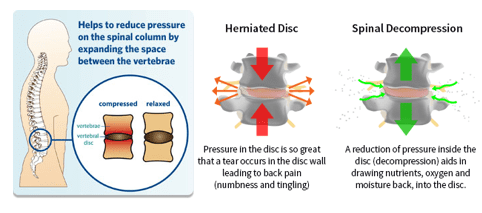
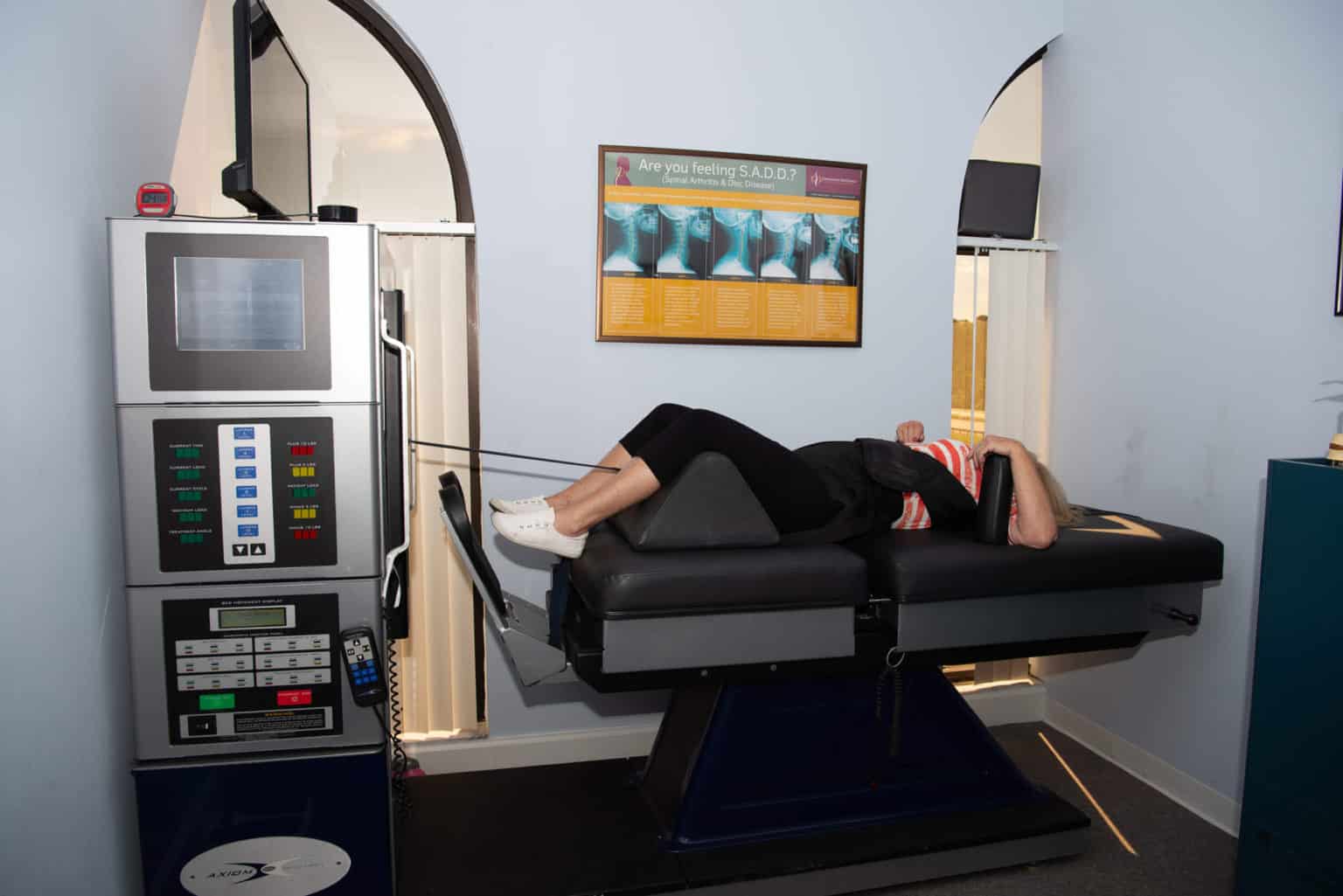
Non-surgical treatments like spinal decompression can help with reducing the intervertebral disc stress that is causing low back pain issues in the lumbar region. Spinal decompression uses gentle traction on the spine to reduce the stress on the intervertebral disc. Spinal decompression allows many people to reduce their chances of going to surgery for their pain and, after a few sessions, have the pain intensity decreased significantly. (Ljunggren, Weber, & Larsen, 1984) Additionally, spinal decompression can create negative intradiscal pressure in the spinal column by allowing the nutrients and fluids to rehydrate the affected disc while promoting the body’s natural healing process. (Sherry, Kitchener, & Smart, 2001)
Decompression Restoring Spinal Mobility
Spinal decompression can also help restore spinal mobility to the lumbar region. When pain specialists incorporate spinal decompression into their practices, they can help by using various techniques to restore joint mobility. When pain specialists start to use these different techniques on the individual’s body, they can help stretch out the surrounding muscles, ligaments, and tissues that were affected around the spine and help restore mobility to the joint. (Gudavalli & Cox, 2014) Combined with spinal decompression, these techniques allow the individual to be more mindful of their bodies and alleviate the pain they have been dealing with for a while. By incorporating decompression as part of their routine, many individuals can return to their activities pain-free without worrying.
References
Acaroglu, E. R., Iatridis, J. C., Setton, L. A., Foster, R. J., Mow, V. C., & Weidenbaum, M. (1995). Degeneration and aging affect the tensile behavior of human lumbar anulus fibrosus. Spine (Phila Pa 1976), 20(24), 2690-2701. https://doi.org/10.1097/00007632-199512150-00010
Adams, M. A., McNally, D. S., & Dolan, P. (1996). ‘Stress’ distributions inside intervertebral discs. The effects of age and degeneration. J Bone Joint Surg Br, 78(6), 965-972. https://doi.org/10.1302/0301-620x78b6.1287
Boos, N. (2009). The impact of economic evaluation on quality management in spine surgery. Eur Spine J, 18 Suppl 3(Suppl 3), 338-347. https://doi.org/10.1007/s00586-009-0939-3
Gudavalli, M. R., & Cox, J. M. (2014). Real-time force feedback during flexion-distraction procedure for low back pain: A pilot study. J Can Chiropr Assoc, 58(2), 193-200. https://www.ncbi.nlm.nih.gov/pubmed/24932023
Katz, J. N. (2006). Lumbar disc disorders and low-back pain: socioeconomic factors and consequences. J Bone Joint Surg Am, 88 Suppl 2, 21-24. https://doi.org/10.2106/JBJS.E.01273
Ljunggren, A. E., Weber, H., & Larsen, S. (1984). Autotraction versus manual traction in patients with prolapsed lumbar intervertebral discs. Scand J Rehabil Med, 16(3), 117-124. https://www.ncbi.nlm.nih.gov/pubmed/6494835
Okawa, A., Shinomiya, K., Komori, H., Muneta, T., Arai, Y., & Nakai, O. (1998). Dynamic motion study of the whole lumbar spine by videofluoroscopy. Spine (Phila Pa 1976), 23(16), 1743-1749. https://doi.org/10.1097/00007632-199808150-00007
Sato, K., Kikuchi, S., & Yonezawa, T. (1999). In vivo intradiscal pressure measurement in healthy individuals and in patients with ongoing back problems. Spine (Phila Pa 1976), 24(23), 2468-2474. https://doi.org/10.1097/00007632-199912010-00008
Sherry, E., Kitchener, P., & Smart, R. (2001). A prospective randomized controlled study of VAX-D and TENS for the treatment of chronic low back pain. Neurol Res, 23(7), 780-784. https://doi.org/10.1179/016164101101199180
Can chiropractic treatment protocols diagnose what’s causing head pressure in individuals, and provide effective treatment?
Head Pressure
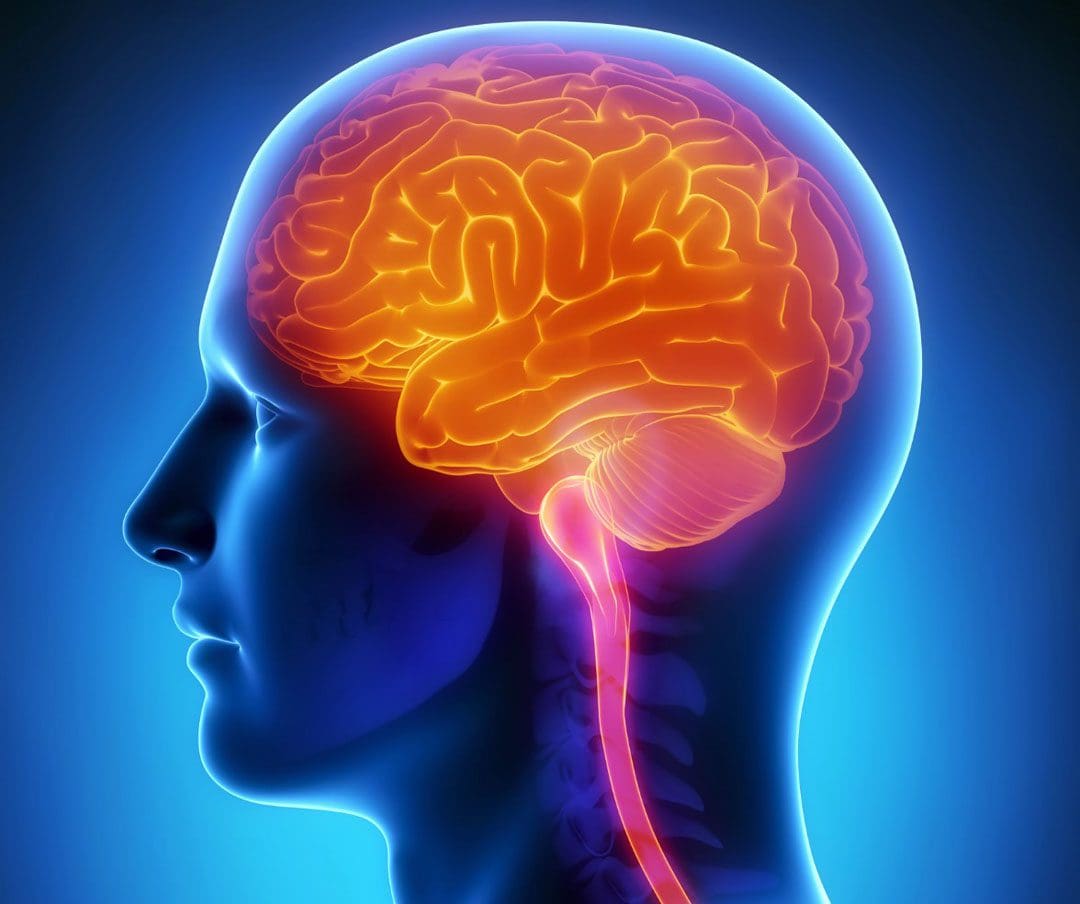
Head pressure can have various causes and symptoms that affect different areas depending on whether the cause is a headache, allergies, injury, illness, or disease. The location of the pressure or pain can help a doctor of chiropractic determine the cause.
The underlying factor is usually not life-threatening, but the pressure that has built can be the result of serious conditions like a head injury or brain tumor.
Chiropractic care, which includes a combination of spinal manipulation, active and passive exercises, and massage, is often used for headache management and prevention. (Moore Craig, et al., 2018)
Chiropractic therapy is often sought out for tension and cervicogenic headaches, migraines, and each responds differently to the treatment.
The Head
The head is made up of a complex system of lobes, sinuses/channels, blood vessels, nerves, and ventricles. (Thau L, et al., 2022)
The pressure of these systems is regulated and any disruption to this balance can be noticeable.
Diagnosis can be difficult to figure out what is causing discomfort or head pressure.
Pain, pressure, irritability, and nausea are all symptoms that can occur with headaches. (Rizzoli P, Mullally W. 2017)
Head pressure can also occur only at times when standing up, bending down to pick up an object, or otherwise changing posture in some way that blood pressure is affected.
Chiropractic Treatment
The Injury Medical team will develop a personalized treatment plan to help relieve pressure symptoms through a multidisciplinary approach that can include. (Moore Craig, et al., 2018)
Moore, C., Leaver, A., Sibbritt, D., & Adams, J. (2018). The management of common recurrent headaches by chiropractors: a descriptive analysis of a nationally representative survey. BMC neurology, 18(1), 171. https://doi.org/10.1186/s12883-018-1173-6
Schizodimos, T., Soulountsi, V., Iasonidou, C., & Kapravelos, N. (2020). An overview of the management of intracranial hypertension in the intensive care unit. Journal of Anesthesia, 34(5), 741–757. https://doi.org/10.1007/s00540-020-02795-7
Wall M. (2017). Update on Idiopathic Intracranial Hypertension. Neurologic Clinics, 35(1), 45–57. https://doi.org/10.1016/j.ncl.2016.08.004
How efficient is spinal decompression to alleviate pain-like symptoms in many individuals with low back pain?
Introduction
Low back pain is a common condition that affects many people worldwide. It can cause discomfort and prevent individuals from returning to their normal routines. The pain can be specific or non-specific, depending on the severity of the symptoms. It can also be associated with other musculoskeletal conditions, such as sciatica, DDD, and osteoarthritis, affecting the spine’s mobility and stability. Fortunately, treatments are available to reduce the pain and associated symptoms while relieving the lumbar spinal region. At the same time, working with certified medical providers who use our patients’ information to treat individuals experiencing pain-like symptoms associated with low back pain. We inform them that non-surgical treatments like decompression can help reduce the progression of low back pain and its associated pain-like symptoms. At the same time, we also explain to them how adding decompression to their routine can alleviate the pain-like symptoms. We encourage our patients to ask essential questions while seeking education from our associated medical providers about their situation. Dr. Alex Jimenez, D.C., provides this information as an educational service. Disclaimer
The Burden Of Low Back Pain
Do you often experience muscle stiffness and aches from excessive sitting at your desk job? Do you feel excruciating pain in your hips and low back after a long day of moving heavy objects? Or do you feel constant pain after moving from one location to another, only to find relief when resting? Many of these scenarios are a normal routine associated with low back pain for many working people. Since low back pain is common worldwide, it can greatly impact many individuals trying to alleviate it. For many individuals dealing with low back pain, it can be an economic burden, and it causes unnecessary stress to the working individual. (Maetzel & Li, 2002) When a person is dealing with low back pain and is working, it can lead to work disability which then cascades to frequent doctor visits to missing time off work to eventually short-term disability. At the same time, low back pain has many potential, either normal or traumatic factors affecting the region of the lower back, hips, and buttocks. Many individuals with low back pain noticed the corresponding relationship between the genetic and environmental factors that often correspond to where the pain is localized. (Manek & MacGregor, 2005)
Low back pain can often develop at an early age and be associated with serious pathologies (Jones & Macfarlane, 2005) that can correlate with environmental factors that lead to spinal misalignment or subluxation. Low back pain covers a huge spectrum of pain-like conditions that are frequently overlapped and can be prone to different stressors that can impact the body while becoming a challenge to diagnose when getting treated. (Knezevic et al., 2021) However, many individuals with low back pain can find relief from not only the economic burden of low back pain but also find the right therapies to alleviate pain-like symptoms associated with low back pain from their bodies.
Body In Balance- Video
When it comes to treating low back pain, many individuals will go to their primary doctors for a physical examination to determine where the pain radiates in the lumbar region. (Chou, Qaseem, et al., 2007) At the same time, the individual’s primary doctor should assess what factors are the causes for the development of low back pain and come up with a customized treatment plan to reduce the pain from the lumbar region while also working with other medical professionals to kick start the person’s health and wellness journey. Numerous non-surgical treatments are cost-effective, safe, and non-pharmacological when alleviating low back pain. They can provide positive, beneficial results after a few sessions of treatments to reduce low back pain. Non-surgical treatments like chiropractic care, massage therapy, spinal decompression, and physical therapy can help relieve many individuals with low back pain. The video above explains how these treatments, combined with the right tools, can help bring balance back into the body.
The Efficacy Of Spinal Decompression
When reducing the effects of low back pain, non-surgical treatments are cost-effective and safe for many individuals with low back pain. Many non-surgical therapies are efficient for chronic or acute low back pain and can be combined with numerous therapies to reduce the chances of low back pain from returning in the future. (Chou, Huffman, et al., 2007) Non-surgical treatments like spinal decompression are efficient for low back pain as it helps stretch the tight, shortened muscles in the lumbar region and reduce any pain-like symptoms associated with low back pain.
How Spinal Decompression Alleviates Low Back Pain
Now how would spinal decompression alleviate low back pain? Well, since low back pain has many factors that can contribute to its development, one of these factors that can contribute to low back pain is compressed intervertebral discs. When the spinal discs are compressed, they can become herniated under pressure and aggravate the spinal nerve root, leading to low back pain symptoms. With spinal decompression, individuals will be strapped to a traction machine and have their bodies gently pulled to reduce pressure off the aggravated nerve and pull the disc back into its original position. To that point, spinal decompression allows mobility back to the lower extremities and improves stability in the lumbar region. (Meszaros et al., 2000) Additionally, decompression can help reduce the effects of low back pain, whether done manually or through a traction machine that allows negative pressure into the spine while allowing the body to heal itself and rehydrate the spinal discs naturally. (Macario et al., 2008) With spinal decompression combined with other therapies, many people can return to work pain-free while being more mindful of how they listen to their bodies.
References
Chou, R., Huffman, L. H., American Pain, S., & American College of, P. (2007). Nonpharmacologic therapies for acute and chronic low back pain: a review of the evidence for an American Pain Society/American College of Physicians clinical practice guideline. Ann Intern Med, 147(7), 492-504. https://doi.org/10.7326/0003-4819-147-7-200710020-00007
Chou, R., Qaseem, A., Snow, V., Casey, D., Cross, J. T., Jr., Shekelle, P., Owens, D. K., Clinical Efficacy Assessment Subcommittee of the American College of, P., American College of, P., & American Pain Society Low Back Pain Guidelines, P. (2007). Diagnosis and treatment of low back pain: a joint clinical practice guideline from the American College of Physicians and the American Pain Society. Ann Intern Med, 147(7), 478-491. https://doi.org/10.7326/0003-4819-147-7-200710020-00006
Jones, G. T., & Macfarlane, G. J. (2005). Epidemiology of low back pain in children and adolescents. Arch Dis Child, 90(3), 312-316. https://doi.org/10.1136/adc.2004.056812
Knezevic, N. N., Candido, K. D., Vlaeyen, J. W. S., Van Zundert, J., & Cohen, S. P. (2021). Low back pain. The Lancet, 398(10294), 78-92. https://doi.org/10.1016/s0140-6736(21)00733-9
Macario, A., Richmond, C., Auster, M., & Pergolizzi, J. V. (2008). Treatment of 94 Outpatients With Chronic Discogenic Low Back Pain with the DRX9000: A Retrospective Chart Review. Pain Practice, 8(1), 11-17. https://doi.org/10.1111/j.1533-2500.2007.00167.x
Maetzel, A., & Li, L. (2002). The economic burden of low back pain: a review of studies published between 1996 and 2001. Best Pract Res Clin Rheumatol, 16(1), 23-30. https://doi.org/10.1053/berh.2001.0204
Manek, N. J., & MacGregor, A. J. (2005). Epidemiology of back disorders: prevalence, risk factors, and prognosis. Curr Opin Rheumatol, 17(2), 134-140. https://doi.org/10.1097/01.bor.0000154215.08986.06
Meszaros, T. F., Olson, R., Kulig, K., Creighton, D., & Czarnecki, E. (2000). Effect of 10%, 30%, and 60% body weight traction on the straight leg raise test of symptomatic patients with low back pain. J Orthop Sports Phys Ther, 30(10), 595-601. https://doi.org/10.2519/jospt.2000.30.10.595
Should individuals increase their intake of black pepper to help with various health issues like fighting inflammation, strengthening the immune system, and improving digestion?
Black Pepper
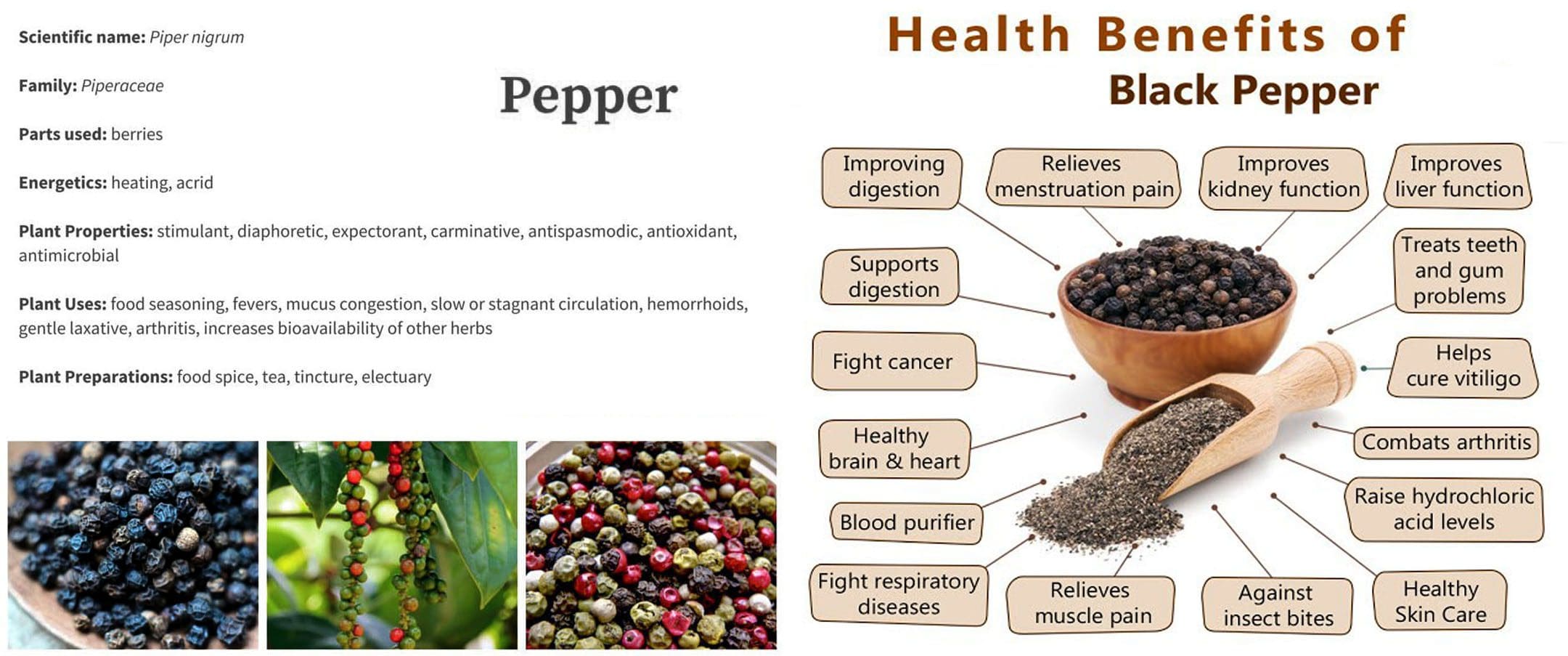
One of the most popular spices, black pepper offers anti-inflammatory and pain-reducing effects. Piperine is the compound that gives black pepper its flavor, helps prevent inflammation, (Gorgani Leila, et al., 2016), and helps to increase the absorption of selenium, vitamin B12, and turmeric. (Dudhatra GB, et al., 2012) Piperine has been found to be almost as effective as prednisolone – a common medication for arthritis – in reducing symptoms.
Black pepper has been used in ancient Ayurvedic medicine for thousands of years because of its concentration of beneficial plant compounds. (Johns Hopkins Medicine, 2023)
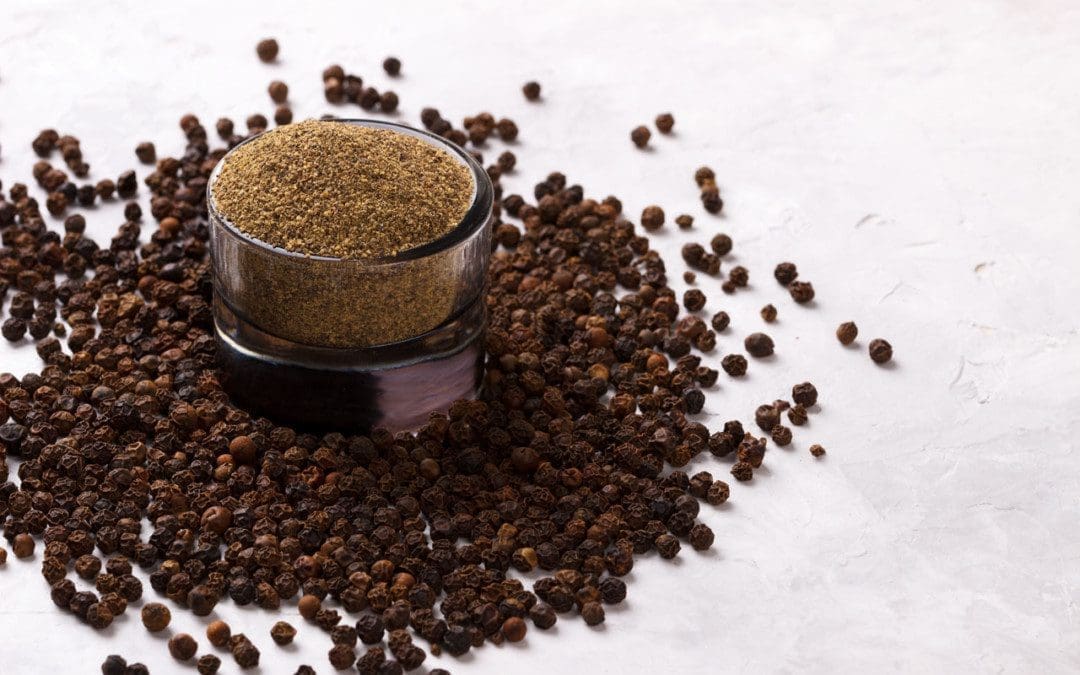
Pepper is made by grinding peppercorns, which are dried berries from the vine Piper nigrum.
The plant is a tall woody plant with small flowers that bloom a yellowish-red color.
It has a sharp and mildly spicy flavor that goes with all kinds of dishes.
Inflammation is the immune system’s response to injury, illness, or any mental or physical stressor, that triggers the body’s healing and repair process. However, long-term inflammation can lead to various health problems and, in individuals that begin to develop arthritis, joint degeneration. Damage to the body’s pain processors can exacerbate pain and other uncomfortable symptoms.
Chronic inflammation can be a cause of diabetes, arthritis, asthma, and heart disease.
While the anti-inflammatory effects have not been extensively studied in humans, there are several mouse studies that show promising results.
In one study, treatment for arthritis with piperine resulted in less joint swelling and decreased inflammation markers. (Bang JS, Oh DH, Choi HM, et al., 2009)
Antioxidants
The active compound, piperine is rich in antioxidants, which prevent or delay the free radical damaging effects from exposure to pollution, smoke, and the sun.
In one study, rats with a diet of concentrated black pepper had less free radical damage than a group that did not ingest concentrated black pepper. (Vijayakumar RS, Surya D, Nalini N. 2004)
Brain Function Improvement
Piperine has been shown to decrease symptoms associated with Parkinson’s and Alzheimer’s and improve brain function. (Ramaswamy Kannappan, et al., 2011)
Studies show piperine increased memory as well as the ability to decrease the production of amyloid plaques, which are damaging proteins associated with Alzheimer’s disease.
Blood Sugar Control Improvement
Studies suggest that piperine can improve blood sugar and improve insulin sensitivity.
In one study, individuals with insulin resistance took a piperine supplement for 8 weeks.
After 8 weeks, improvements were seen in the response to the insulin hormone to remove glucose from the blood (Rondanelli M, et al., 2013)
Improved Nutrient Absorption
Black pepper is considered to have the ability to bind and activate with other foods for improved positive health effects.
It increases the absorption of certain nutrients such as calcium, turmeric, selenium, and green tea.
It is often recommended to consume calcium or selenium with a source of black pepper and to ensure any turmeric supplement you take contains black pepper. (Shoba G, et al., 1998)
Storage
Whole peppercorns sealed in a container and stored in a cool, dry place can last up to a year.
Over time ground black pepper loses its flavor, therefore it is recommended to use within 4 to 6 months.
Allergic Reactions
If you believe you are allergic to black pepper, see a healthcare professional who can perform testing to determine the root cause of symptoms.
Allergies can present as tingling or itching in the mouth, hives, abdominal pain, and possible nausea and vomiting.
Symptoms can also include wheezing, congestion, and/or swelling of the lips, tongue, mouth, and throat.
Black pepper can be substituted with spices like chili powder, cayenne pepper, and allspice.
The Healing Diet
References
Gorgani, L., Mohammadi, M., Najafpour, G. D., & Nikzad, M. (2017). Piperine-The Bioactive Compound of Black Pepper: From Isolation to Medicinal Formulations. Comprehensive reviews in food science and food safety, 16(1), 124–140. https://doi.org/10.1111/1541-4337.12246
Dudhatra, G. B., Mody, S. K., Awale, M. M., Patel, H. B., Modi, C. M., Kumar, A., Kamani, D. R., & Chauhan, B. N. (2012). A comprehensive review on pharmacotherapeutics of herbal bio-enhancers. TheScientificWorldJournal, 2012, 637953. https://doi.org/10.1100/2012/637953
Platel, K., & Srinivasan, K. (2016). Bioavailability of Micronutrients from Plant Foods: An Update. Critical reviews in food science and nutrition, 56(10), 1608–1619. https://doi.org/10.1080/10408398.2013.781011
Kunnumakkara, A. B., Sailo, B. L., Banik, K., Harsha, C., Prasad, S., Gupta, S. C., Bharti, A. C., & Aggarwal, B. B. (2018). Chronic diseases, inflammation, and spices: how are they linked? Journal of translational medicine, 16(1), 14. https://doi.org/10.1186/s12967-018-1381-2
Bang, J. S., Oh, D. H., Choi, H. M., Sur, B. J., Lim, S. J., Kim, J. Y., Yang, H. I., Yoo, M. C., Hahm, D. H., & Kim, K. S. (2009). Anti-inflammatory and antiarthritic effects of piperine in human interleukin 1beta-stimulated fibroblast-like synoviocytes and in rat arthritis models. Arthritis research & therapy, 11(2), R49. https://doi.org/10.1186/ar2662
Lobo, V., Patil, A., Phatak, A., & Chandra, N. (2010). Free radicals, antioxidants, and functional foods: Impact on human health. Pharmacognosy reviews, 4(8), 118–126. https://doi.org/10.4103/0973-7847.70902
Vijayakumar, R. S., Surya, D., & Nalini, N. (2004). Antioxidant efficacy of black pepper (Piper nigrum L.) and piperine in rats with high-fat diet-induced oxidative stress. Redox report: communications in free radical research, 9(2), 105–110. https://doi.org/10.1179/135100004225004742
Kannappan, R., Gupta, S. C., Kim, J. H., Reuter, S., & Aggarwal, B. B. (2011). Neuroprotection by spice-derived nutraceuticals: you are what you eat! Molecular neurobiology, 44(2), 142–159. https://doi.org/10.1007/s12035-011-8168-2
Rondanelli, M., Opizzi, A., Perna, S., Faliva, M., Solerte, S. B., Fioravanti, M., Klersy, C., Cava, E., Paolini, M., Scavone, L., Ceccarelli, P., Castellaneta, E., Savina, C., & Donini, L. M. (2013). Improvement in insulin resistance and favorable changes in plasma inflammatory adipokines after weight loss associated with two months’ consumption of a combination of bioactive food ingredients in overweight subjects. Endocrine, 44(2), 391–401. https://doi.org/10.1007/s12020-012-9863-0
Shoba, G., Joy, D., Joseph, T., Majeed, M., Rajendran, R., & Srinivas, P. S. (1998). Influence of piperine on the pharmacokinetics of curcumin in animals and human volunteers. Planta medica, 64(4), 353–356. https://doi.org/10.1055/s-2006-957450
IFM's Find A Practitioner tool is the largest referral network in Functional Medicine, created to help patients locate Functional Medicine practitioners anywhere in the world. IFM Certified Practitioners are listed first in the search results, given their extensive education in Functional Medicine