Is applying ice the best option for individuals who experience an acute back strain injury?
Temperature Treatment
Ice temperature treatment, also known as cryotherapy or cold therapy, is a treatment that uses freezing temperatures to reduce pain and swelling. It can be applied in a variety of ways, including:
Ice packs:
Ice massage
Coolant sprays
Whirlpools
Ice baths
Ice is usually recommended for acute injuries and is a common and simple way to treat pain and swelling. Individuals can buy freezable gel packs or make their own with ice cubes in a plastic bag or towel. Heat therapy tends to be used more with chronic issues involving muscle spasms to increase blood circulation.
How Ice Relieves Pain and Reduces Inflammation
Ice temperature treatment works by:
Narrowing blood vessels slows blood circulation to the injured area and soft tissues and reduces swelling.
Reduced blood flow also helps control excessive swelling.
Ice has a short-term analgesic-numbing effect. The coldness numbs nerve endings, relieving pain symptoms.
Relieving the pain allows the muscles to relax.
Controlling blood circulation helps control pain by reducing the flow of irritating chemicals that can inundate the injury site. These chemicals are a natural and the correct response to inflammation, but the ice keeps them in check to help control pain.
After a Back Injury
For a back strain injury, ice and anti-inflammatory medication like NSAIDs are the first line of treatment during the inflammatory phase, which usually lasts 24 to 72 hours. Because heat can increase inflammation by increasing blood circulation, it is not recommended as an initial treatment. After the first few days, most doctors and pain specialists recommend using ice or heat, depending on the individual’s preference. While researchers continue to investigate the best ways to treat acute injuries, most doctors still recommend ice as the first line of defense for back injuries.
A review of studies evaluated 20 different treatment categories to learn about their safety and effectiveness. (McIntosh G. & Hall H. 2011) Treatments included over-the-counter pain medications, acupuncture, McKenzie exercises, other back exercises, and temperature treatments. Regarding temperature treatment, the review found moderate evidence that using a heat wrap 5 days after the injury could help relieve pain. However, there was not enough evidence to support the effectiveness of any of the temperature treatments, necessitating more research. (McIntosh G. & Hall H. 2011)
Physical Therapy and Activity
The review found that prolonged rest should be avoided, and gentle exercise and a progressive return to physical activity should be encouraged to achieve the best outcomes for pain relief and restoring function. Staying active significantly reduces time off from work and chronic disability for up to 1 year compared to traditional medical treatment. (McIntosh G. & Hall H. 2011) Research also found that introducing physical therapy early on could expedite recovery. Mobility work, targeted exercises, and strengthening exercises have been shown to relieve pain, reduce injury recurrence, and improve overall function. More research supports physical activity and exercise as effective treatment options for acute lower back strains. However, further research regarding temperature treatments is required. (French S. D. et al., 2006) (See Q. Y. et al., 2021)
Injury Medical Chiropractic and Functional Medicine Clinic
It is important to talk with a healthcare provider to determine the cause and extent of the injury to provide individualized patient education regarding treatment. This can include physical therapy, rest, health coaching, medication, and surgery, which may be recommended in certain cases. Overcoming these limitations is possible. Injury Medical Chiropractic and Functional Medicine Clinic works with primary healthcare providers and specialists to develop an optimal health and wellness solution. We focus on what works for you to relieve pain, restore function, prevent injury, and help mitigate the pain through spinal adjustments that help the body realign itself. They can also work with other medical professionals to integrate a treatment plan to resolve musculoskeletal issues.
Beyond the Surface: Understanding the Effects of Personal Injury
References
McIntosh, G., & Hall, H. (2011). Low back pain (acute). BMJ clinical evidence, 2011, 1102.
French, S. D., Cameron, M., Walker, B. F., Reggars, J. W., & Esterman, A. J. (2006). A Cochrane review of superficial heat or cold for low back pain. Spine, 31(9), 998–1006. https://doi.org/10.1097/01.brs.0000214881.10814.64
See, Q. Y., Tan, J. B., & Kumar, D. S. (2021). Acute low back pain: diagnosis and management. Singapore Medical Journal, 62(6), 271–275. https://doi.org/10.11622/smedj.2021086
Individuals don’t have to memorize or overthink every vitamin, mineral, or macronutrient. Can having a basic understanding of the role different nutrients play in overall health and daily function help make food decisions easier?
Nutrients The Body Needs
Nutrients, in general, are substances that provide nourishment for growth and the maintenance of life. There are six categories of nutrients, all of which are necessary to sustain life.
Categories
Carbohydrates
Fats
Minerals
Proteins
Vitamins
Water
Macronutrients vs. Micronutrients
Categorizing nutrients makes remembering easy and allows for comparison and contrast. Nutrients are grouped by size or how they function in the body. There are two groups: micronutrients and macronutrients, with water usually left alone in a group.
Carbohydrates, Proteins, and Fats
They are macronutrients because they are large energy nutrients and provide the fuel the body needs to function.
Fiber is a carbohydrate the body can’t digest, so it doesn’t provide energy or structure assistance. However, it is necessary for digestive system function. (US National Library of Medicine, 2023)
Two types are soluble fiber, which dissolves in water, and insoluble fiber, which doesn’t.
Vitamins and Minerals
They are called micronutrients because they’re smaller.
They are essential nutrients, but the body only needs little bits.
Micronutrients are classified by whether they’re fat or water-soluble.
Vitamins A, D, E, and K are fat-soluble.
B-complex vitamins and C are water-soluble.
Minerals are grouped as major or trace minerals, depending on how much of each is necessary. Nutrients can also be grouped by whether or not they are organic, meaning organic chemistry, not organic farming or food production. Water and minerals are inorganic; the rest are organic because they contain carbon atoms.
Importance
Nutrients are necessary for proper health and development for the following reasons.
Energy Production
Carbohydrates, fats, and proteins provide energy (measured in calories) for the body’s daily and night biochemical reactions (Academy of Nutrition and Dietetics, 2024). Fat has more calories than carbohydrates or protein; one gram of fat has nine calories, and carbohydrates or protein have four calories per gram.
Maintain Body Structures
Fats, proteins, and minerals build and maintain tissues, organs, and other structures, including bones and teeth.
The body can convert any extra carbohydrates into fat stored in adipose tissue.
The body can also store carbohydrates as glycogen in the muscles and liver and use them as energy.
When the tanks are full, the body stores carbohydrates as fat.
Regulate Body Functions
Nutrients assist in body function regulation.
All regulate body functions such as sweating, temperature, metabolism, blood pressure, thyroid function, and more.
When all different functions are balanced, the body is in homeostasis.
Phytonutrients
Phytonutrients are not included in the major classes but are chemical compounds found in plants that can provide potential health benefits. (Gupta C., & Prakash D. 2014) There are various names they go by, such as flavonoids, phytochemicals, flavones, isoflavones, catechins, and anthocyanidins, and commonly include beta-carotene, lycopene, and resveratrol. (The Foundation for Fresh Produce, 2024) Ongoing studies are investigating the role they play in human health. However, because they typically occur in nutritious foods, it can be challenging to know how much of the benefits come from the regular nutrients or the phytonutrients.
Injury Medical Chiropractic and Functional Medicine Clinic
A balanced diet looks different for everyone. Learning about how nutrients maintain body health will help when choosing foods and planning meals. Consuming various products like fruits and vegetables, grains, proteins, healthy fats, and sweets and treats in moderation. Injury Medical Chiropractic and Functional Medicine Clinic works with primary healthcare providers and specialists to develop a personalized treatment plan through an integrated approach to treating injuries and chronic pain syndromes, improving flexibility, mobility, and agility programs to relieve pain and help individuals return to optimal function. Our providers use an integrated approach to create personalized care plans for each patient and restore health and function to the body through nutrition and wellness, functional medicine, acupuncture, Electroacupuncture, and sports medicine protocols. If the individual needs other treatment, they will be referred to a clinic or physician best suited for them. Dr. Jimenez has teamed up with top surgeons, clinical specialists, medical researchers, nutritionists, and health coaches to provide the most effective clinical treatments.
Eat Right, Feel Better
References
US National Library of Medicine. (2023). Dietary fiber. Retrieved from https://medlineplus.gov/dietaryfiber.html
Academy of Nutrition and Dietetics. (2024). Essential Nutrients. https://www.eatright.org/health/essential-nutrients
Gupta, C., & Prakash, D. (2014). Phytonutrients as therapeutic agents. Journal of complementary & integrative medicine, 11(3), 151–169. https://doi.org/10.1515/jcim-2013-0021
The Foundation for Fresh Produce. (2024). What Are Phytonutrients? https://fruitsandveggies.org/stories/what-are-phytochemicals/
While some disc herniations don’t cause symptoms, individuals who are overweight with a herniated disc may experience obesity pressure symptoms such as pain, weakness, numbness, or tingling. Can implementing a physical therapy and weight loss treatment program help individuals find relief?
Obesity Pressure
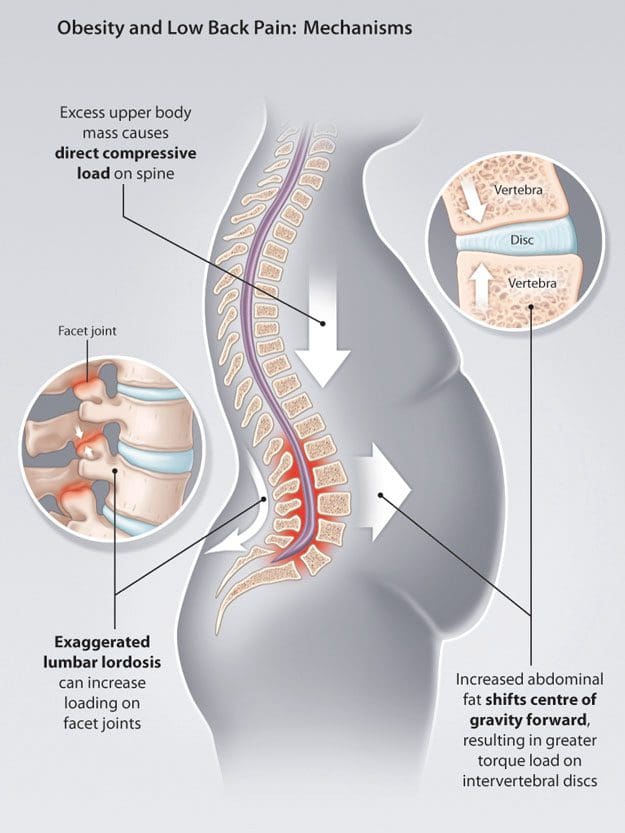
Obesity is one major factor that can contribute to a herniated disc and chronic back pain. When the body has to carry added weight, it can lead to obesity pressure on the intervertebral discs and affect posture and spine position. Researchers have found that other factors, such as inflammation or metabolic changes associated with obesity, can also be involved. (Sheng B. et al., 2017) For individuals who are overweight, weight loss can help resolve a herniated disc combined with physical therapy and can significantly increase herniated disc prevention. (Tokmak M. et al., 2015)
Spine Problems
According to Dr. Alexander Jimenez, owner and head chiropractor at Injury Medical Chiropractic and Functional Medicine Clinic, “When the position of the pelvis and lumbar spine shift out of alignment and become altered, it can profoundly contribute to advanced wearing away of outer fibers in the back region of the discs. These outer fibers house and protect the soft material that cushions and absorbs shock in the spine. Over time, the obesity pressure wear and tear on the fibers can cause chronic pain and microscopic radial tears, leading to a complete rupture.” A rupture causes the soft material to leak, irritate, and inflame surrounding nerve roots. Most herniated discs occur between the sides and back of the vertebra.
Movement Problems
Obesity makes movement difficult, often causing symptoms like shortness of breath and/or early fatigue and exhaustion even with minimal physical activity.
Physical therapy and exercise help relieve obesity and disc herniation.
However, the obesity pressure and herniation pain can make it hard to participate in cardiovascular exercises on a regular basis.
Diagnosis Complications
Obesity can interfere with the diagnosis and treatment of spinal diseases.
This is because weight restrictions and certain imaging tests, like a spinal MRI, can be difficult or impossible to obtain.
A physical examination might not be able to identify signs of nerve compression if an individual is obese. These factors can delay diagnosis.
Disc Position and Posture
Obesity is not the only thing that places pressure on the discs. An individual’s body position significantly influences the health of the shock-absorbing cushions. Sitting generates the most pressure, followed by standing, while lying on your back places the least strain on the discs and, depending on the injury, may help relieve symptoms.
Symptoms depend on the location of the herniation.
The two most common locations are the cervical spine/neck area and the lumbar spine/lower back.
Disc herniations in the neck can affect the arms.
Disc herniations in the lower back affect the buttocks and legs.
Injury Medical Chiropractic and Functional Medicine Clinic
See a healthcare provider if you’re experiencing any of these symptoms. If it is a herniated disc causing symptoms, you might be started on 6 weeks of conservative treatment. This can include physical therapy, rest, health coaching, medication, and surgery, which may be recommended in certain cases. Overcoming these limitations is possible. Injury Medical Chiropractic and Functional Medicine Clinic works with primary healthcare providers and specialists to develop an optimal health and wellness solution. We focus on what works for you to relieve pain, restore function, prevent injury, and help mitigate the pain through spinal adjustments that help the body realign itself. They can also work with other medical professionals to integrate a treatment plan to resolve musculoskeletal issues.
Weight Loss Techniques
References
Sheng, B., Feng, C., Zhang, D., Spitler, H., & Shi, L. (2017). Associations between Obesity and Spinal Diseases: A Medical Expenditure Panel Study Analysis. International journal of environmental research and public health, 14(2), 183. https://doi.org/10.3390/ijerph14020183
Tokmak, M., Altiok, I. B., Guven, M., Aras, A. B., & Cosar, M. (2015). Spontaneous Regression of Lumbar Disc Herniation After Weight Loss: Case Report. Turkish neurosurgery, 25(4), 657–661. https://doi.org/10.5137/1019-5149.JTN.9183-13.1
Can the short-term potato diet be a solution for individuals trying to lose weight?
Potato Diet
There is no one-size-fits-all approach to a healthy lifestyle diet. A successful nutrition plan needs to be personalized to the individual. Potatoes are an excellent source of fiber, vitamins, and minerals and are the primary source of calories in this diet. The potato diet has variations, but followers eat plain potatoes for several days in the diet’s simplest form.
What Can Be Eaten?
While there are variations, all potato diets are vegan, low in dietary fat, and encourage eating until satisfied. Instead of weighing portions or counting calories, individuals are encouraged to eat until full. The potato diet encourages volume eating, when individuals fill up on foods that are naturally lower in calories. Eating a large volume leaves the body feeling full, though fewer calories are eaten throughout the day.
Potato Types
The variety of potatoes allowed depends on the version of the potato diet being followed. Some require sticking to plain white potatoes, while a more forgiving version allows other varieties, such as yellow, red, and sweet potatoes.
Plant-based Foods, Low-Calorie, and Whole
In its purest form, the diet does not allow for other food besides potatoes, even fruits and vegetables. However, looser forms of the potato diet are designed to be more sustainable in the long term. Depending on the version of the potato diet being followed, individuals may be able to consume unprocessed foods in their whole form. However, potatoes should make up the bulk of the plate even when other foods are permitted. The additional foods are supplements to the potatoes for their nutritional content and include:
Fruits
Grains
Legumes
Vegetables
Condiments and Seasonings
Condiments, sauces, and seasonings are limited to small quantities of low-fat condiments like mustard and homemade ketchup. Salt is allowed to season the potatoes, but not a lot. Generally, sauces and seasonings should be made with fat-free ingredients and kept to a minimum.
Beverages
Water, plain tea, and plain coffee are the only beverages allowed on the potato diet. Staying hydrated is essential, so drinking plenty of water is encouraged.
What Is Restricted?
Depending on the diet version, certain foods are not allowed. In the strictest form, individuals eat only plain potatoes for several days.
Added Fats
Because the potato diet is low-fat, it strictly prohibits animal products and fats such as vegetable oils. Fats are a dense source of calories; even small amounts add up quickly. However, healthy fats can promote the absorption of potato nutrients. Because it is designed for maximum weight loss over a short period, the diet restricts added fats like:
Butter
Vegetable oil
Avocado
Nuts
Seeds
Processed and Refined Foods
The diet encourages eating whole, unprocessed foods during the plan’s duration. Processed foods are usually high in calories, fat, and sodium and are lower in nutrients than whole foods. For example, a baked potato is more nutritious than tater tots, fries, and potato chips, even though all are made with potatoes. Others include:
Bread
Cereal
Crackers
Muffins
Pasta
Doughnuts
Animal Products
All variations of the potato diet are vegan. While following the diet, all animal products are restricted and include:
Eggs
Dairy
Meat
Poultry
Fish
Seafood
Preparation
The diet is designed to be followed short-term for quick weight loss, so there is no meal schedule. Followers can eat breakfast, lunch, dinner, and snacks until full. Typically, individuals participate for two to five days, though some may follow the diet for up to a week. The potato preparation method is as important as the type of potato. It is recommended to use cooking methods that do not require added fat, such as boiling, steaming, baking, and roasting.
How many potatoes to eat in a day depends on the individual. A general recommendation is to eat approximately two to five pounds daily. Consuming enough calories in this diet is important since it is restrictive, and followers may not get enough nutrients if they eat too few calories. An extremely low-fat or fat-free diet is not sustainable. (Harvard Health Publishing, Harvard Medical School, 2021)
Pros
The potato diet can help with short-term weight loss and reduce fat and sodium intake, as well as a few other health benefits and include the following:
Weight Loss
The diet is designed for weight loss.
It is effective because it is naturally low in fat and calories.
Short-term
Individuals who prefer shorter diets for quick results may appreciate that the diet lasts two to five days.
Improve Digestion
Some like the diet for digestive benefits.
Potatoes are easy to digest, making this food gentle on the gastrointestinal tract.
Potatoes contain a rich source of fiber, which keeps food moving smoothly through the digestive system.
Easy to Follow
Mono diets are the easiest to follow.
It is easy to understand what is allowed and what to avoid.
Individuals who struggle with complicated rules will appreciate the simplicity.
Cons
The potato diet can come with health risks that include the following:
Sustainability
Eating only one food, even a root vegetable, is not sustainable.
Unbalanced
Many nutrient-rich foods are not allowed.
Though potatoes are nutritious, they lack some essential nutrients.
The diet can result in nutritional deficiencies.
Short-term Weight Loss
The weight loss may not be sustainable since the diet is followed for a few days.
Any weight lost during the diet may not be kept off long-term.
This may be water weight, which is different from losing body fat.
Once the individual returns to their normal lifestyle, they may regain some or all of the weight lost and possibly gain weight.
Discourages Healthy Eating
A nutrient-dense diet is rich in various foods.
The potato diet is nutritionally unbalanced and discourages healthy eating habits.
Injury Medical Chiropractic and Functional Medicine Clinic
This is a restrictive diet that is not meant to be followed long-term. Before starting a new diet plan, consult a healthcare provider or a registered dietitian, especially if underlying health conditions exist. Injury Medical Chiropractic and Functional Medicine Clinic works with primary healthcare providers and specialists to develop a personalized treatment plan through an integrated approach to treating injuries and chronic pain syndromes, improving flexibility, mobility, and agility programs to relieve pain and help individuals return to optimal function. Our providers use an integrated approach to create personalized care plans for each patient and restore health and function to the body through nutrition and wellness, functional medicine, acupuncture, Electroacupuncture, and sports medicine protocols. If the individual needs other treatment, they will be referred to a clinic or physician best suited for them. Dr. Jimenez has teamed up with top surgeons, clinical specialists, medical researchers, nutritionists, and health coaches to provide the most effective clinical treatments.
Functional Nutrition and Lifestyle Change
References
Harvard Health Publishing, Harvard Medical School. (2021). Know the facts about fats. https://www.health.harvard.edu/staying-healthy/know-the-facts-about-fats
Schaumberg, K., & Anderson, D. (2016). Dietary restraint and weight loss as risk factors for eating pathology. Eating behaviors, 23, 97–103. https://doi.org/10.1016/j.eatbeh.2016.08.009
U.S. Department of Health and Human Services and U.S. Department of Agriculture. (2020). 2020–2025 Dietary Guidelines for Americans. Retrieved from https://www.dietaryguidelines.gov/sites/default/files/2020-12/Dietary_Guidelines_for_Americans_2020-2025.pdf
Sleep is vital at all ages, but what is the amount of sleep for older individuals?
Amount of Sleep For Older Individuals
Individuals 65 and older are still recommended to get the same amount of sleep as younger adults. (National Council on Aging, 2023) As the body ages, it still needs around 7–9 hours of sleep, but how an individual sleeps is what changes. Older individuals begin to sleep lighter, and their sleep is broken up, causing them to wake up more at night. This can be due to natural changes in the internal body clock, medications, health conditions like arthritis or sleep apnea, or a combination. Older adults often face sleep barriers that are less common in younger individuals, like disabilities and chronic illnesses, and nearly half of adults aged 75 and above have a disability. Aging also shifts the circadian rhythm, causing older individuals to fall asleep and wake up earlier. Melatonin begins to decline with age, starting in the 30s, which can affect body temperature regulation and disrupt the sleep-wake cycle. (Hood S. & Amir S. 2017)
Healthy Sleep and Healthy Aging
Research found that older individuals who sleep poorly have an increased risk of:
As the body ages, a consistent, healthy amount of sleep prepares you for all the ups and downs. Healthy sleep maintains:
Overall health
Mental health
Mood
Memory
Improves cognitive function
Enhances emotional resilience
Supports heart health
Increases immune system function
Keeps energy levels steady.
Well-rested individuals are less likely to have falls or accidents because their focus and coordination are optimal.
Sleeping Healthier as You Age
Maintaining healthy sleep hygiene and being more mindful of routines will improve sleep patterns. This includes:
Going to bed and waking up at the same time every day.
Avoiding long naps during the day.
Monitoring nutrition and physical activity levels.
Creating a calming bedtime routine like meditation and reading.
Keeping the bedroom dark, cool, and quiet.
Reducing caffeine or alcohol, especially in the evening, can affect sleep patterns.
Sleep aids can help for short periods and should be combined with cognitive behavioral therapy and used with caution in the long term to prevent possible dependency. Medications can help by addressing health issues that impact sleep, like pain, depression, or anxiety. However, some medicines can have side effects that alter or worsen sleep patterns.
Injury Medical Chiropractic and Functional Medicine Clinic
Therefore, older individuals still need 7–9 hours of sleep every night to maintain and enhance mental, physical, and emotional well-being, reducing risks associated with aging. Injury Medical Chiropractic and Functional Medicine Clinic works with primary healthcare providers and specialists to develop an optimal health and wellness solution. We focus on what works for you to relieve pain, restore function, and prevent injury. Regarding musculoskeletal pain, specialists like chiropractors, acupuncturists, and massage therapists can help mitigate the pain through spinal adjustments that help the body realign itself. They can also work with other medical professionals to integrate a treatment plan to resolve musculoskeletal issues.
Enhancing Health
References
National Council on Aging. (2023). How Sleep Impacts the Top Age-Related Health Concerns. https://www.ncoa.org/adviser/sleep/chronic-conditions-and-sleep/
Hood, S., & Amir, S. (2017). The aging clock: circadian rhythms and later life. The Journal of clinical investigation, 127(2), 437–446. https://doi.org/10.1172/JCI90328
Stone, K. L., & Xiao, Q. (2018). Impact of Poor Sleep on Physical and Mental Health in Older Women. Sleep medicine clinics, 13(3), 457–465. https://doi.org/10.1016/j.jsmc.2018.04.012
Individuals who have been injured or ill or have a chronic disability may be having difficulty performing everyday activities. Can recreation therapy help rehabilitate injuries and manage chronic conditions?
Recreation Therapy
Living with a chronic disability or functional limitation due to an illness or injury can significantly impact an individual’s quality of life. Working with a team of rehabilitation professionals can help improve mobility and the ability to complete everyday tasks comfortably. A recreational therapist is one professional who helps regain emotional and functional well-being. A recreational therapist is a healthcare professional who helps individuals maximize physical and emotional health through recreational activities. Also known as therapeutic recreation, the therapist will use activities to help move and feel better. A physical or occupational therapist uses exercises to improve functional mobility, and a recreational therapist uses recreational activities to help regain mobility and improve well-being. Activities can include:
Playing games
Outdoor activities
Hiking
Puzzles
Horseback riding
Cooking
Therapy
A healthcare specialist uses activity-based interventions to help individuals move and feel better after injury or illness or if they have a chronic disability. The interventions and therapies are based on recreational activities the individual likes and are designed to help recover physical, functional, and emotional health. Recreational therapists are trained to evaluate an individual’s condition and intervene in ways that help maximize social, mental, and physical health. The main goal is to reduce depression and anxiety and to help individuals socialize comfortably. (American Therapeutic Recreation Association, 2024)
Activities
Therapeutic recreation involves engaging in specific activities to help individuals regain their confidence and independence. Examples of activities can include: (American Therapeutic Recreation Association, 2024)
Painting or drawing
Dancing
Sports programs
Cooking
Community outings
Group exercise classes
The key to a positive experience is that the activity should be specific to the individual’s emotional and physical needs and capabilities and something the individual would want to do as an activity.
Other Types of Therapy
Individuals may be familiar with other types of therapists, like physical and occupational therapists. These professionals help individuals regain pain-free functional mobility after injury or illness. For individuals who cannot move their upper extremities after falling, the physical therapist can measure their shoulder range of motion and strength and develop a personalized treatment program. Recreation therapists are similar; they meet with patients regularly to help them recover from injuries or positively socialize with their community. During the initial meeting, they will evaluate the individual’s condition and learn how their emotional and physical needs prevent them from achieving maximal potential. (American Therapeutic Recreation Association, 2024) The patient and therapist will engage in activities to help move and feel better during therapy. During the activity, the therapist may suggest adjustments or ideas that improve movement and ability to interact with the environment.
Who Can Benefit?
Individuals of all ages and abilities with physical and psychological conditions can benefit from working with a recreational therapist. Children, teenagers, adults, and older individuals who have a disability, either temporary or permanent, can engage in recreation therapy as part of a rehabilitation and recovery program. (American Therapeutic Recreation Association, 2024)
Benefits
Whenever engaging in any healthcare activity or treatment, ask if that treatment can help your specific condition. A review of the use of recreational dance in children and young people ages 5 to 21 found evidence of the benefits of the therapy, which included: (Burkhardt J, Brennan C. 2012)
Decreased anxiety
Improve self-image
Improved cardiovascular fitness
Decreased obesity
Improved bone health
Another study examined health improvements in individuals injured in military service after a week-long recreational therapy wellness retreat. The participating service members’ results showed significant improvement in outcome measures for post-traumatic stress disorder, stress, anxiety, and depression. The health improvements remained three and six months after completing the recreation therapy. This shows that therapeutic recreation may offer significant emotional and psychological benefits to injured military service members’ long-term health and an effective treatment to improve the well-being of injured or disabled individuals with limited negative side effects. (Townsend J, Hawkins BL, Bennett JL, et al., 2018)
Professional Background
Most therapists have a bachelor’s degree in recreational or leisure studies, focusing on art, psychology, and music classes. Upon graduation, students can take a national exam and become Certified Therapeutic Recreation Specialists/CTRS. (Hoss M.A.K, 2019) Once certified, therapists must regularly take continuing education classes and undergo a recertification process every five years.
Receiving Therapy Services
To start working with a recreational therapist, visit your healthcare provider and request a referral. They can ensure the treatment is appropriate for the specific injury and/or condition and should be able to help find a therapist. (American Therapeutic Recreation Association, 2024) Individuals in an inpatient hospital will likely spend time with a recreational therapist at some point. Just like working with a physical or occupational therapist to help individuals move better, working with a recreation therapist while in rehabilitation may be an everyday occurrence to help reintegrate into the community after discharge.
Insurance Coverage
One question regarding recreational therapy is, will my insurance cover the services of a recreational therapist?
For individuals with Medicare insurance, recreational therapy is a covered service for individuals with certain diagnoses and settings.
Therapeutic recreation is a covered rehabilitation service for individuals in an inpatient rehabilitation facility.
Individuals who receive outpatient recreational therapy should ensure they have a prescription and letter of medical necessity from a physician to qualify for Medicare reimbursement. (American Therapeutic Recreation Association, 2024)
Individuals with private insurance should call their insurance provider and inquire about coverage for recreation therapy.
Individuals who do not have insurance can expect to pay $100-$150 per session.
Injury Medical Chiropractic and Functional Medicine Clinic
Working in therapeutic recreation may help decrease anxiety and depression, improve the sense of well-being, and improve function in daily tasks. (Townsend J, Hawkins BL, Bennett JL, et al., 2018) Always consult your healthcare provider before beginning new treatment methods. Injury Medical Chiropractic and Functional Medicine Clinic works with primary healthcare providers and specialists to develop an optimal health and wellness solution. We focus on what works for you to relieve pain, restore function, and prevent injury. Regarding musculoskeletal pain, specialists like chiropractors, acupuncturists, and massage therapists can help mitigate the pain through spinal adjustments that help the body realign itself. They can also work with other medical professionals to integrate a treatment plan to resolve musculoskeletal issues.
Integrative Healthcare
References
American Therapeutic Recreation Association. Association, A. T. R. (2024). What is Recreational Therapy? https://www.atra-online.com/about-rt
American Therapeutic Recreation Association. Association, A. T. R. (2024). Who We Are. https://www.atra-online.com/who-we-are
Burkhardt, J., & Brennan, C. (2012). The effects of recreational dance interventions on the health and well-being of children and young people: A systematic review. Arts & Health, 4(2), 148–161. https://doi.org/10.1080/17533015.2012.665810
Townsend, J., Hawkins, B. L., Bennett, J. L., Hoffman, J., Martin, T., Sotherden, E., … Duregger, C. (2018). Preliminary long-term health outcomes associated with recreation-based health and wellness programs for injured service members. Cogent Psychology, 5(1). https://doi.org/10.1080/23311908.2018.1444330
Hoss, PhD, CTRS, FACHE, FDRT, M. A. K. (2019). Recreational therapy workforce: An update. American Journal of Recreation Therapy, 18(3), 9–15. https://doi.org/10.5055/ajrt.2019.0191
De Vries, DHA, MPA, CTRS, D. (2014). Regulatory requirements for recreational therapy in nursing homes. American Journal of Recreation Therapy, 13(1), 25–30. https://doi.org/10.5055/ajrt.2014.0063
Can healthy noodle alternatives and heart-healthy ingredients help make cholesterol-friendly pasta dishes for individuals trying to lower and manage cholesterol levels?
Pasta and Cholesterol
Pasta, like other refined carbohydrates such as white bread and rice, can increase cholesterol levels. Although pasta does not contain cholesterol, it is high in carbohydrates, which can increase the amount of calories and fat in one’s diet and contribute to high cholesterol levels. Since some types of carbohydrates can affect cholesterol levels, the goal is to eat the right pasta and healthier sauces and sides. Even for those following a cholesterol-lowering diet, there’s no reason you can’t enjoy meals containing pasta occasionally.
The Pasta and Cholesterol Link
Pasta made from white flour is considered a refined carbohydrate because it is high in carbs and low in fiber. Research has shown that a diet high in refined carbohydrates is associated with increased levels of triglycerides and LDL (unhealthy) cholesterol in the blood. (Yu, D. et al., 2013) (Bhardwaj B., O’Keefe E. L., and O’Keefe J. H. 2016) High levels of blood fats increase the risk of developing heart disease. Examples of refined carbohydrates include:
White rice
Breakfast cereals
Potato Chips
White bread
Pastries
Pizza
One cup of dry pasta has 0 milligrams of cholesterol but is high in carbohydrates, with around 43 grams per serving (U.S. Department of Agriculture, 2018). Eating foods high in saturated fats and refined carbohydrates can raise cholesterol levels.
Choosing Healthy Alternatives
Choosing healthier options that are cholesterol-friendly can make pasta healthy. Pasta labeled whole wheat or whole grain is darker than white flour pasta, which contains more fiber and can lower cholesterol levels and reduce the risk of heart disease. (American Heart Association, 2024) The label will show the carbohydrate and fiber content per serving.
Alternatives
Alternatives that are lower in carbohydrates and/or higher in protein and fiber include:
Spaghetti squash
Spiralized vegetables like zucchini, carrots, and butternut squash.
Shirataki noodles are made from the konjac plant.
Chickpea pasta
Black bean pasta
Red lentil pasta
Edamame pasta
Vegetables
Vegetables are heart-healthy and are a great addition to pasta dishes. Vegetables that pair well with pasta include:
Peppers
Onion
Zucchini
Spinach
Broccoli
Asparagus
Add a few olives, which contain healthy monounsaturated fats. (Rocha J., Borges N., and Pinho O. 2020) Mix vegetables and pasta in equal amounts to create a lower-carb, fiber-dense dish that will keep cholesterol levels low and maintain a healthy heart.
Cheese and Low-Fat Cheese
It is common to incorporate cheese. While cheese contains calcium and adds flavor and texture, it also adds saturated fat. The American Heart Association recommends that saturated fats make up less than 6% of daily calories because of their role in heart health and high cholesterol risks. (American Heart Association, 2024) Instead, use a small amount of cheese, such as Romano or cheddar, and add a small amount of low-fat cheese that includes:
Parmesan cheese
Part-skim mozzarella cheese
Low-fat ricotta
Low-fat cottage cheese
Lean Meats
Sausage and ground beef are common additions but are also a source of saturated fat that could raise cholesterol levels. (American Heart Association, 2024) So, when possible, limit red meat and sausage or use a low-fat sausage alternative that is chicken or turkey-based, and add heart-healthy options, which include:
Beans
Shrimp
Turkey
Chicken
Salmon
Make It Herbaceous and Spicy
Spices can enhance the taste of a dish. Many herbs and spices commonly used in pasta dishes, such as parsley, oregano, garlic, and basil, contain healthy nutrients and don’t add any fat or calories. Spice up a pasta dish to taste with a little heart-healthy olive oil and spices to create a light coating on the noodles. (Rocha J., Borges N., and Pinho O. 2020) One tablespoon of olive oil contains nearly 120 calories and 14 grams of fat. (U.S. Department of Agriculture, 2019)
Healthy Sauces
Sauces are important, but an unhealthy one can introduce extra sugar and fat. Plenty of healthy sauces are at the store, but check the label as some contain extra salt, sugar, and fat, which are not heart-healthy. (U.S. Department of Health and Human Services and U.S. Department of Agriculture. 2015) Try to limit the use of creamy sauces, such as cheese and alfredo sauces, as they are a source of added fat and are high in saturated fat. An alternative is to dress the pasta with sautéd olive oil and sliced cherry tomatoes. Sauteing helps soften the tomatoes and release extra flavor into the oil.
Injury Medical Chiropractic and Functional Medicine Clinic
So, experiment with healthy pasta, various vegetables, lean meat, and healthy sauces to add flavor and make your next pasta dish delicious and cholesterol-friendly. Injury Medical Chiropractic and Functional Medicine Clinic focuses on and treats injuries and chronic pain syndromes through personalized care plans that improve ability through flexibility, mobility, and agility programs to relieve pain. Our providers use an integrated approach to create customized care plans for each patient and restore health and function to the body through nutrition and wellness, functional medicine, acupuncture, Electroacupuncture, and sports medicine protocols. If the individual needs other treatment, they will be referred to a clinic or physician best suited for them. Dr. Jimenez has teamed up with top surgeons, clinical specialists, medical researchers, nutritionists, and health coaches to provide the most effective clinical treatments.
Chiropractic, Fitness, and Nutrition
References
Yu, D., Shu, X. O., Li, H., Xiang, Y. B., Yang, G., Gao, Y. T., Zheng, W., & Zhang, X. (2013). Dietary carbohydrates, refined grains, glycemic load, and risk of coronary heart disease in Chinese adults. American journal of epidemiology, 178(10), 1542–1549. https://doi.org/10.1093/aje/kwt178
Bhardwaj, B., O’Keefe, E. L., & O’Keefe, J. H. (2016). Death by Carbs: Added Sugars and Refined Carbohydrates Cause Diabetes and Cardiovascular Disease in Asian Indians. Missouri medicine, 113(5), 395–400.
U.S. Department of Agriculture. FoodData Central. (2018). Pasta, dry, enriched. Retrieved from https://fdc.nal.usda.gov/fdc-app.html#/food-details/169736/nutrients
American Heart Association. (2024). Whole grains, refined grains, and dietary fiber. https://www.heart.org/en/healthy-living/healthy-eating/eat-smart/nutrition-basics/whole-grains-refined-grains-and-dietary-fiber
Rocha, J., Borges, N., & Pinho, O. (2020). Table olives and health: a review. Journal of nutritional science, 9, e57. https://doi.org/10.1017/jns.2020.50
American Heart Association. (2024). Saturated fat. https://www.heart.org/en/healthy-living/healthy-eating/eat-smart/fats/saturated-fats
U.S. Department of Agriculture. FoodData Central. (2019). Oil, olive, extra virgin. Retrieved from https://fdc.nal.usda.gov/fdc-app.html#/food-details/748608/nutrients
U.S. Department of Health and Human Services and U.S. Department of Agriculture. (2015). Dietary Guidelines for Americans. 8th Edition. Retrieved from https://odphp.health.gov/our-work/nutrition-physical-activity/dietary-guidelines/previous-dietary-guidelines/2015
IFM's Find A Practitioner tool is the largest referral network in Functional Medicine, created to help patients locate Functional Medicine practitioners anywhere in the world. IFM Certified Practitioners are listed first in the search results, given their extensive education in Functional Medicine