How is eucalyptus tea made, and what are its health benefits?
Eucalyptus Tea
Eucalyptus tea is an herbal tea made from the leaves of the Australian eucalyptus tree. It is drunk as a hot tea and is commonly used to treat cold and flu symptoms. It can also be combined with other teas as a tonic. Researchers have been studying its benefits.
Eucalyptus Tree
There are different varieties of eucalyptus trees. The blue gum or Australian fever tree is a fast-growing tree that produces long grey-greenish leaves whose glands contain essential oil to prepare eucalyptus tea and oil. Eucalyptus tea is made from crushed leaves of the tree, not from the oil. The hot drink is sometimes called eucalyptus leaves tea to avoid confusion. The tea has a pale green color and a strong scent that can be described as woody or piney and clean or fresh. The smell is familiar to many because many lip balms and skin creams are made with eucalyptus.
Making The Tea
Eucalyptus or loose-leaf tea bags can be purchased in grocery stores, health markets, and online. Follow the instructions provided on the box. Eucalyptus leaves can be prepared for tea at home, but it must be prepared with leaves and not with eucalyptus oil, as using the oil can produce harmful side effects.
Home Preparation
To make the tea, use one dried eucalyptus leaf (around a teaspoon).
Add the crushed leaf to the bottom of an eight-ounce teacup.
Heat water to 194-205 Fahrenheit if using a temperature-controlled teapot.
Or bring water to a boil and let it sit for a minute to reduce the temperature.
Pour six ounces of water over the tea leaves.
Let the leaves steep for as long as desired, up to 10 minutes.
Breathe in the vapors while the tea is steeping.
Strain loose leaves from the cup before drinking.
Adding honey to the tea will increase sugar, sweetness, and calories. However, if you drink the tea to soothe a sore throat, the honey can also help ease symptoms. (Allan G. M. and Arroll B. 2014) The tea can also be blended with peppermint and chamomile (manzanilla) to increase its soothing properties.
Caffeine
Eucalyptus tea is not a traditional tea and is not made from Camellia sinensis plant leaves, like black or green tea. It is brewed from just the leaves of the eucalyptus tree, which do not contain any caffeine, making the tea completely caffeine-free. However, the vapors can be described as bright and refreshing.
Health Benefits
Most scientific research on eucalyptus’s health benefits uses the oil rather than the tea. The oil is much more concentrated, so drinking the tea is unlikely to provide the same benefits. However, according to a study, the leaves contain flavonoids and tannins that provide antioxidant and anti-inflammatory properties. (Panche A. N., Diwan A. D., and Chandra S. R. 2016)
Eucalyptus tea is commonly used as an inhalant to relieve cold or flu symptoms. Its vapors are often described as healing because inhaling them helps open up congested airways. However, there isn’t enough evidence to recommend using eucalyptus for cold. (American Lung Association, 2024) In addition to treatment for the common cold, eucalyptus has gained a variety of other health benefits, including (Dhakad A. K. et al., 2018)
Headache relief
Asthma treatment
Bronchitis treatment
Diabetes treatment
Reduce dental plaque and bad breath
Help treat liver and gallbladder problems
Prevent insect bites
Eliminate head lice
Toothpaste, mouthwash, bath products, and body creams made with eucalyptus are commonly found in stores.
Side Effects
Eucalyptus leaves are generally safe when consumed in the small amounts found in foods. However, there isn’t enough information to determine whether supplements containing larger amounts of eucalyptus leaf are safe when taken by mouth. Consulting with a healthcare provider before using this or any other herbal treatment is always recommended.
Injury Medical Chiropractic and Functional Medicine Clinic
Injury Medical Chiropractic and Functional Medicine Clinic focuses on and treats injuries and chronic pain syndromes through personalized care plans that improve ability through flexibility, mobility, and agility programs to relieve pain. Our providers use an integrated approach to create customized care plans for each patient and restore health and function to the body through nutrition and wellness, functional medicine, acupuncture, Electroacupuncture, and sports medicine protocols. If the individual needs other treatment, they will be referred to a clinic or physician best suited for them. Dr. Jimenez has teamed up with top surgeons, clinical specialists, medical researchers, nutritionists, and health coaches to provide the most effective clinical treatments.
Assessing Patients in a Chiropractic Setting
References
Allan, G. M., & Arroll, B. (2014). Prevention and treatment of the common cold: making sense of the evidence. CMAJ : Canadian Medical Association journal = journal de l’Association medicale canadienne, 186(3), 190–199. https://doi.org/10.1503/cmaj.121442
Panche, A. N., Diwan, A. D., & Chandra, S. R. (2016). Flavonoids: an overview. Journal of nutritional science, 5, e47. https://doi.org/10.1017/jns.2016.41
American Lung Association. (2024). Facts About the Common Cold. https://www.lung.org/lung-health-diseases/lung-disease-lookup/facts-about-the-common-cold
Dhakad, A. K., Pandey, V. V., Beg, S., Rawat, J. M., & Singh, A. (2018). Biological, medicinal and toxicological significance of Eucalyptus leaf essential oil: a review. Journal of the science of food and agriculture, 98(3), 833–848. https://doi.org/10.1002/jsfa.8600
How is fat turned into energy to be used as fuel for individuals working to improve their health and physical abilities?
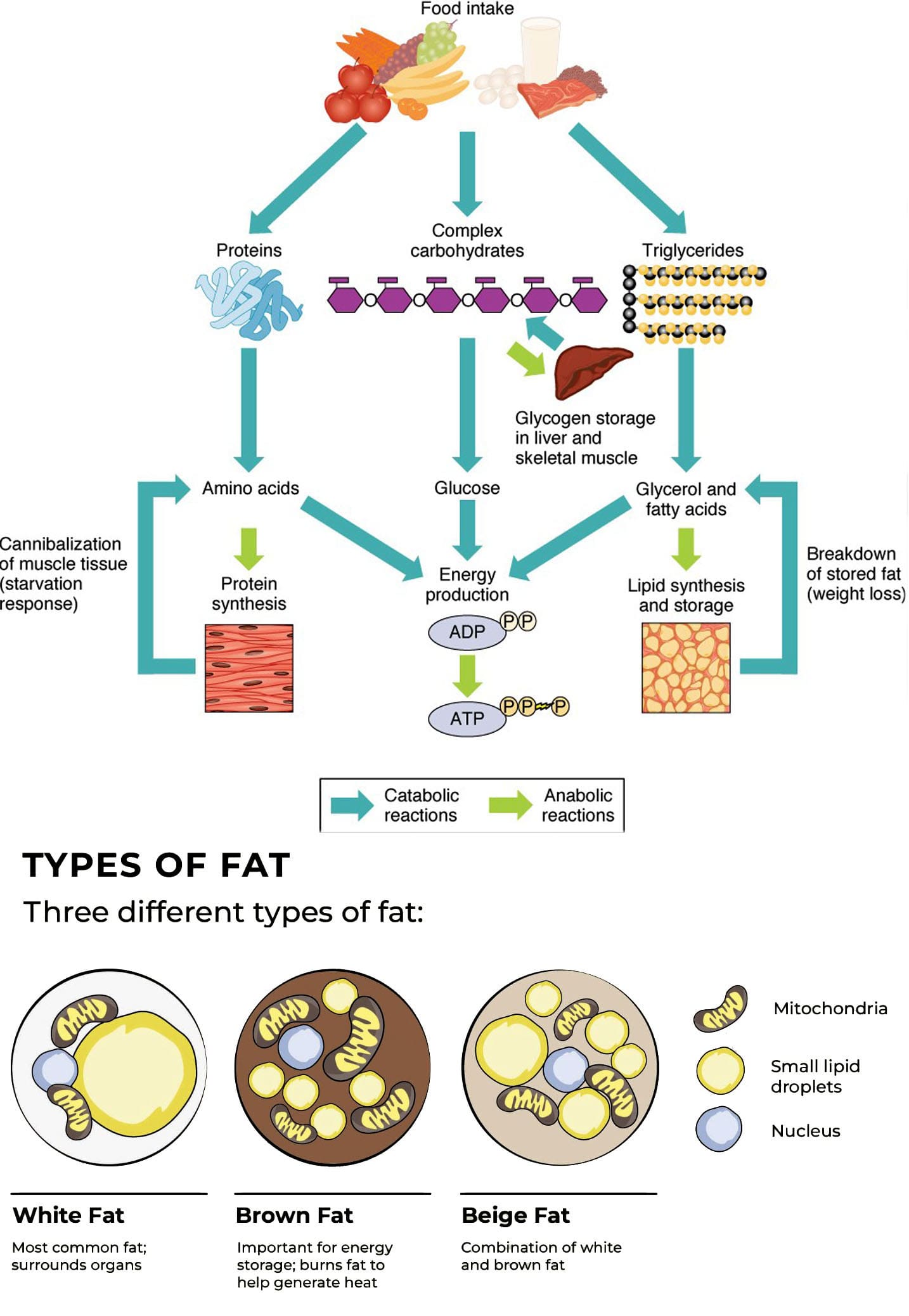
Fat Into Energy Conversion
Fat is an essential component of a diet that fuels physical activity, work, exercise, etc. Its calorie density is the highest of all nutrients, and fat’s unlimited storage capacity makes it the body’s largest energy reserve. Fat is essential for longer, slower, lower-intensity endurance physical activities and exercises like walking and cycling.
What Is Fat?
Everything eaten is made up of:
Macronutrients
Protein
Carbohydrates
Fat
Micronutrients
Vitamins
Minerals
These are converted to energy, helping to fuel all bodily functions.
Dietary fat has been blamed for various health problems, but it is an essential nutrient for optimal health. The adipose tissue/stored fat provides cushion and insulation to internal organs, protects nerves, circulates vitamins A, D, E, and K through the body, and is the largest stored energy reserve. Stored body fat is different from dietary fat. Body fat is only stored when more calories are consumed than used from all foods, not just from dietary fats. There is an optimal level of body fat for health and regular physical and athletic activity.
Types
Researchers and scientists are learning more and more about body fat/adipose tissue and its roles in the body. Two well-known types are white fat and brown fat.
White fat is responsible for energy storage and metabolic functions like insulin sensitivity.
White fat can transition to brown fat under certain cold temperatures. (Rabiee A. 2020)
Beige fat is another type that scientists are still learning about.
When Fat Is Burned
When fat is used as fuel, the fatty acids inside the fat cell are broken down and released into the system as water and carbon dioxide. (MacLean P. S. et al., 2015) The body uses the water for hydration, and the carbon dioxide is exhaled through the lungs. The remaining fat cell shrinks as it is depleted of its fatty acids. The fat into energy conversion also produces heat.
Fat for Fuel
Fat is the main fuel source for long-duration, low—to moderate-intensity physical activities and exercise like endurance sports. Even during high-intensity activities and training, where carbohydrates are the main fuel source, the body still needs fat to help access the stored carbohydrates or glycogen. Using fat to fuel activity includes three key components which include:
Digestion
Fat is slow to digest and convert into a usable form of energy.
The process can take up to six hours.
Transportation
After the body breaks down the fat, it needs time to transport it to the working muscles before it can be used as energy.
Conversion
Converting stored body fat into energy takes increased oxygen, requiring decreased physical activity and exercise intensity.
This is why timing when and how much fat is consumed is important for its full potential. Eating foods high in fat immediately before or during intense physical work activity or exercise is not recommended. First, the job, chore, or workout will be done before the fat can be used as energy. And second, it can cause uncomfortable gastrointestinal symptoms like nausea, vomiting, and diarrhea.
Fat Loss Optimization
For individuals trying to alter body fat composition, the most important thing is to adopt a safe and effective physical activity and exercise routine and to eat a balanced diet of nutrient-dense foods that provide adequate amounts of macronutrients, including dietary fat.
Macronutrient
Low-carbohydrate and high-fat diets, like the ketogenic and Paleo diets, all work on the same premise: Lower carbohydrate intake, high fat intake, and moderate to high protein intake lead to burning body fat as the primary fuel source while engaging in physical activity or exercising. There is some scientific evidence that long-term low-carb/high-fat diets are safe and may help improve metabolic risk factors for chronic disease. Some studies on these diets have shown them to be beneficial for performance in endurance sports, but several months of adaptation to a low-carb/high-fat diet are required for metabolic changes to occur. (Chang C. K., Borer K., and Lin P. J. 2017))
High-Intensity Interval Training
High-intensity interval training is an efficient way to convert fat to energy. In a study, overweight individuals were able to convert body fat to energy in half the time using HIIT vs. aerobic activity alone (Zhang H. et al., 2017). HIIT specifically converts visceral fat, typically white adipose tissue, often found in the midsection. (Mittal B. 2019) HIIT also helps increase muscle mass and resting metabolism. (Thyfault J. P. and Bergouignan A. 2020) However, any exercise regimen that helps increase muscle mass provides these beneficial effects.
Injury Medical Chiropractic and Functional Medicine Clinic
At Injury Medical Chiropractic and Functional Medicine Clinic, we focus on what works for you to relieve pain, restore function, prevent injury, and better the body. Through research methods and total wellness programs, individuals can condition themselves to excel in physical activity or sports through proper fitness and nutrition. Regarding musculoskeletal pain, specialists like chiropractors, acupuncturists, and massage therapists can help mitigate the pain through spinal adjustments that help the body realign itself. They can also work with other medical professionals to integrate a treatment plan to resolve musculoskeletal issues.
Integrative Medicine and Chiropractic Care
References
Richard, A. J., White, U., Elks, C. M., & Stephens, J. M. (2000). Adipose Tissue: Physiology to Metabolic Dysfunction. In K. R. Feingold, B. Anawalt, M. R. Blackman, A. Boyce, G. Chrousos, E. Corpas, W. W. de Herder, K. Dhatariya, K. Dungan, J. Hofland, S. Kalra, G. Kaltsas, N. Kapoor, C. Koch, P. Kopp, M. Korbonits, C. S. Kovacs, W. Kuohung, B. Laferrere, M. Levy, E. A. McGee, R. McLachlan, M. New, J. Purnell, R. Sahay, A. S. Shah, F. Singer, M. A. Sperling, C. A. Stratakis, D. L. Trence, & D. P. Wilson (Eds.), Endotext. https://www.ncbi.nlm.nih.gov/pubmed/32255578
Rabiee A. (2020). Beige Fat Maintenance; Toward a Sustained Metabolic Health. Frontiers in endocrinology, 11, 634. https://doi.org/10.3389/fendo.2020.00634
MacLean, P. S., Higgins, J. A., Giles, E. D., Sherk, V. D., & Jackman, M. R. (2015). The role for adipose tissue in weight regain after weight loss. Obesity reviews : an official journal of the International Association for the Study of Obesity, 16 Suppl 1(Suppl 1), 45–54. https://doi.org/10.1111/obr.12255
Chang, C. K., Borer, K., & Lin, P. J. (2017). Low-Carbohydrate-High-Fat Diet: Can it Help Exercise Performance?. Journal of human kinetics, 56, 81–92. https://doi.org/10.1515/hukin-2017-0025
Zhang, H., Tong, T. K., Qiu, W., Zhang, X., Zhou, S., Liu, Y., & He, Y. (2017). Comparable Effects of High-Intensity Interval Training and Prolonged Continuous Exercise Training on Abdominal Visceral Fat Reduction in Obese Young Women. Journal of diabetes research, 2017, 5071740. https://doi.org/10.1155/2017/5071740
Mittal B. (2019). Subcutaneous adipose tissue & visceral adipose tissue. The Indian journal of medical research, 149(5), 571–573. https://doi.org/10.4103/ijmr.IJMR_1910_18
Thyfault, J. P., & Bergouignan, A. (2020). Exercise and metabolic health: beyond skeletal muscle. Diabetologia, 63(8), 1464–1474. https://doi.org/10.1007/s00125-020-05177-6
An axillary nerve injury can cause pain, weakness, and shoulder mobility loss. Can physical therapy help restore and maintain shoulder joint flexibility?
Axillary Nerve
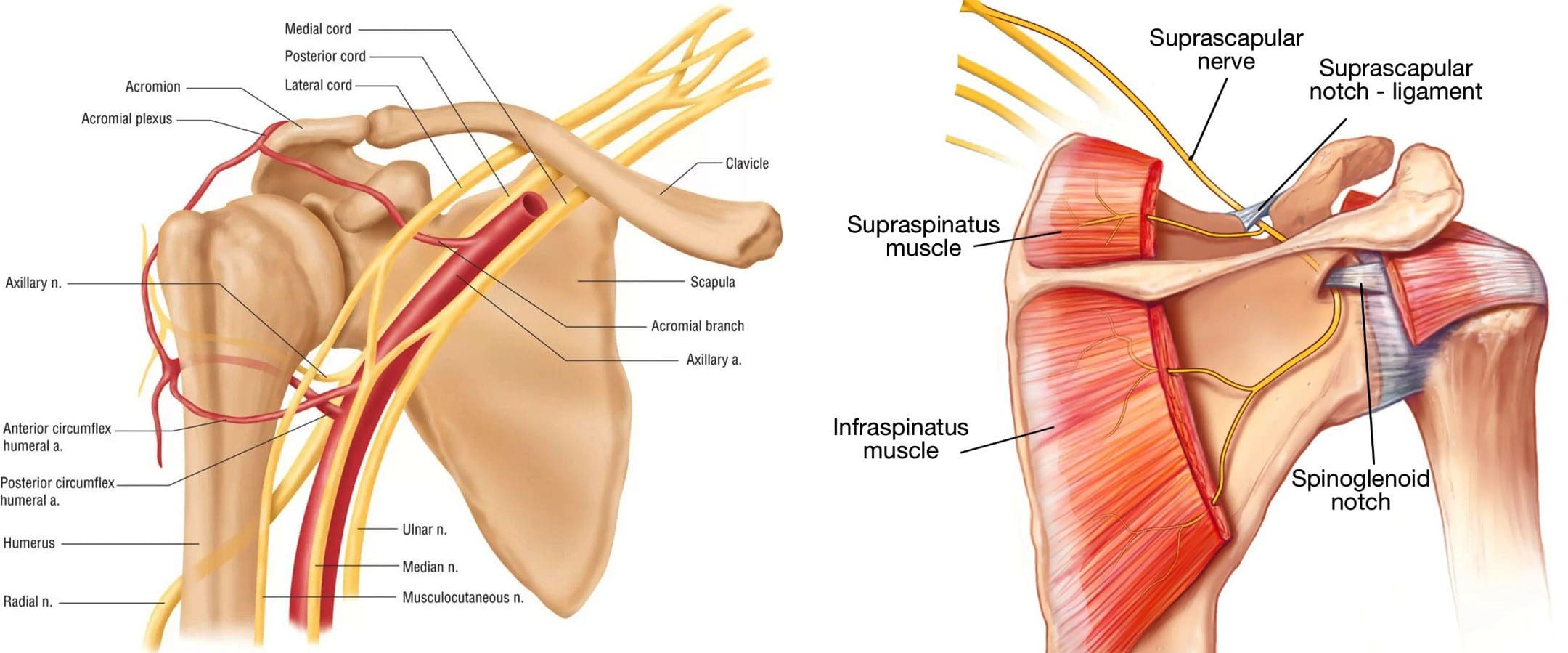
The axillary nerve, or the circumflex nerve, is a peripheral nerve that runs through the shoulder and supports movement and sensation in the upper limbs. It originates in the neck at the brachial plexus, a network of nerves that extends from the neck and upper torso to the shoulders and arms. Its primary purpose is to supply nerve function to the shoulder joint and three muscles in the arm and also innervates some skin in the region.
Anatomy
Except for the cranial nerves, all the body’s nerves branch off from the spinal cord, emerge from between vertebrae and continue to branch off as they travel to various muscles and other structures. The axillary nerve is named after the axilla, the medical name for the armpit. Individuals have two, one on each side. After leaving the spinal column, the axillary nerve runs behind the axillary artery and continues to the shoulder blade’s lower edge of the subscapularis muscle. It winds back and travels down the arm along the posterior humeral circumflex artery, which then passes through the quadrangular space (a small area of the shoulder blade just above the armpit where there is a gap in the muscles that allows nerves and blood vessels to pass through to the arm before it divides into terminal branches, which are:
Anterior Division
Supplies motor innervation to the deltoid’s anterior and middle heads, allowing the arm to abduct or move away from the body.
It winds around the neck of the humerus/funny bone, goes beneath the deltoid muscle, and then connects to the forward edge of the deltoid.
A few small cutaneous branches serve the skin in that area.
Posterior Division
Innervates the teres minor muscles and the lower part of the deltoid.
It enters the deep fascia and becomes the superior lateral cutaneous nerve.
It then wraps around the lower edge of the deltoid, connects to the skin over the lower two-thirds of the muscle, and covers the long head of the triceps brachii.
Articular Branch
Comes from the trunk of the axillary nerve and enters the glenohumeral joint, which is in the shoulder, below the subscapularis muscle.
Anatomical Variations
In a case report, healthcare providers noted an incidence of the nerve branching directly off the upper trunk of the brachial plexus rather than the posterior cord. (Subasinghe S. K. and Goonewardene S. 2016) In this case, it innervated the subscapularis muscle, latissimus dorsi, and the deltoid and teres minor muscles and also had a communicating branch to the posterior cord. Another case documented multiple abnormalities in the course of the axillary nerve in an individual with pain and severely limited shoulder mobility. (Pizzo R. A. et al., 2019) During reverse shoulder arthroplasty, the surgeon discovered that the axillary nerve ran beside the coracoid process instead of underneath and stayed close to the subscapularis muscle instead of traveling through the quadrangular space. The case noted earlier reports of axillary nerves not running through the quadrangular space. In those cases, the nerve pierced the subscapularis muscle or split into branches before reaching the quadrangular space.
Function
The axillary nerve functions as a motor nerve that controls movement and a sensory nerve that controls sensations like touch or temperature.
Motor
As a motor nerve, the axillary nerve innervates three muscles in the arm and includes:
Deltoid
Allows flexing of the shoulder joint and rotating the shoulder inward.
Long Head of the Triceps
It runs down the back of the outer arm, allowing straightening, pulling the upper arm toward the body, or extending it backward.
The radial nerve can also innervate this muscle.
Teres Minor
One of the rotator cuff muscles starts outside the shoulder and runs diagonally along the bottom edge of the shoulder blade.
It works with other muscles to allow for the external rotation of the shoulder joint.
Sensory
In its sensory role, the nerve carries information to the brain from the following:
Glenohumeral joint or the ball-and-socket joint in the shoulder.
The skin on the lower two-thirds of the deltoid muscle through the superior lateral cutaneous branch.
Injuries and Conditions
Problems with the axillary nerve can be caused by injuries anywhere along the arm and shoulder and by disease. Common injuries include:
Dislocations
Of the shoulder joint, which can cause axillary nerve palsy.
Fracture
Of the surgical neck of the humerus.
Compression
This stems from walking with crutches, also known as crutch palsy.
Direct Trauma
This can be from an impact sports, work, automobile accident, collision, or laceration.
Added Pressure
This can be from wearing a cast or splint.
Surgical Accidental Injury
An injury or damage can come from shoulder surgery, especially arthroscopic surgery on the inferior glenoid and capsule.
Quadrangular Space Syndrome
This is where the axillary nerve is compressed where it passes through that space, which is most common in athletes who perform frequent overhead motions)
Nerve Root Damage
Between the fifth and sixth cervical vertebrae, where the nerve emerges from the spinal cord, which can be caused by traction, compression, spinal disc prolapse, or a bulging disc.
Systemic Neurological Disorders
Example – multiple sclerosis
Erb’s Palsy
A condition often is the result of a birth injury called shoulder dystocia, in which a baby’s shoulder/s becomes stuck during childbirth.
Axillary Nerve Palsy
Damage can result in a type of peripheral neuropathy that can cause weakness in the deltoid and teres minor muscles.
This can result in losing the ability to lift the arm away from the body and weakness in various shoulder movements.
If the damage is severe enough, it can cause paralysis of the deltoid and other minor muscles, resulting in flat shoulder deformity, in which individuals cannot lay their shoulders flat when lying down.
Axillary nerve damage also can lead to a change, reduction, or loss of sensation in a small part of the arm just below the shoulder.
Nerve Injury Statistics
Three times more common in men than women.
It may be present in as many as 65% of shoulder injuries.
The risk of injury due to dislocation is significantly increased after age 50.
Tests
If a healthcare provider suspects a problem with axillary nerve function, they’ll test the shoulder’s range of motion and skin sensitivity. A difference in the range of motion between the shoulders can indicate a nerve injury. Individuals may be sent for electromyography and a nerve conduction study to verify nerve palsy. In some cases, an MRI and/or X-rays may be ordered, especially if the cause of possible nerve damage is unknown.
Rehabilitation
Depending on the severity and cause of the injury, non-surgical treatments may be recommended, with surgery as a last resort. Non-surgical treatment can include some combination of immobilization, rest, ice, physical therapy, and anti-inflammatory meds. Physical treatment typically lasts about six weeks and focuses on strengthening and stimulating the muscles to prevent joint stiffness, which can impair long-term function.
Surgery
If conservative treatments don’t work, surgery may be recommended, especially if several months have passed without improvement. Surgical outcomes are generally better if surgery is performed within six months of the injury, and regardless of the time frame, the prognosis is considered positive in about 90% of cases. Surgical procedures performed for axillary nerve dysfunction or injury include:
Neurolysis
This procedure involves targeted damage/degeneration of nerve fibers, interrupts the nerve signals, and eliminates pain while the damaged area heals.
Neurorrhaphy
This procedure stitches a severed nerve back together.
Nerve Grafting
Grafting involves transplanting a portion of another nerve, usually the sural nerve, to reconnect severed nerves.
This helps, especially when the damaged portion is too large to be repaired by neurorrhaphy.
It allows a pathway for signals and encourages the regrowth of nerve axons.
Neurotization or Nerve Transfer
Similar to grafting but used when the nerve is too damaged to heal.
This procedure involves transplanting a healthy but less important nerve, or a portion of a nerve, to replace the damaged one and restore function.
Injury Medical Chiropractic and Functional Medicine Clinic
Injury Medical Chiropractic and Functional Medicine Clinic works with primary healthcare providers and specialists to develop an optimal health and wellness solution. We focus on what works for you to relieve pain, restore function, and prevent injury. Regarding musculoskeletal pain, specialists like chiropractors, acupuncturists, and massage therapists can help mitigate the pain through spinal adjustments that help the body realign itself. They can also work with other medical professionals to integrate a treatment plan to resolve musculoskeletal issues.
Shoulder Pain Chiropractic Treatment
References
Subasinghe, S. K., & Goonewardene, S. (2016). A Rare Variation of the Axillary Nerve Formed as Direct Branch of the Upper Trunk. Journal of clinical and diagnostic research : JCDR, 10(8), ND01–ND2. https://doi.org/10.7860/JCDR/2016/20048.8255
Pizzo, R. A., Lynch, J., Adams, D. M., Yoon, R. S., & Liporace, F. A. (2019). Unusual anatomic variant of the axillary nerve challenging the deltopectoral approach to the shoulder: a case report. Patient safety in surgery, 13, 9. https://doi.org/10.1186/s13037-019-0189-1
The vastus lateralis is a muscle on the outside part of the thigh. Injuries to the muscle include strains, tendinitis, femoral nerve compression, and others. Can rehabilitation like heat and ice, massage, and strength and mobility exercises help individuals return to normal activities and function?
Vastus Lateralis Muscle
The vastus lateralis is the largest of the four quadriceps muscles on the thigh’s outer portion. The vastus lateralis helps extend the knee joint and maintain the knee position when walking or running. The vastus lateralis functions to work with the other quad muscles to help extend the knee joint.
Anatomy
Most muscles are attached to bone points of attachment, called the origin and insertion points. The vastus lateralis origin and insertion points are as follows (Vieira, EPL. 2017)
Origin
The origin is on the upper inter-trochanteric line of the femur or thigh bone.
It also arises from the base of the greater trochanter and the linea aspera, the supracondylar ridge, and the lateral intermuscular septum.
Insertion
From its origin, the muscle courses down the lateral thigh and inserts as part of the lateral quadriceps tendon on the tibial tubercle, an elevated portion of the upper shin.
The muscle is a large, flat structure with different attachments and a flat aponeurosis or sheath of connective tissue on the outer thigh.
The femoral nerve from lower back levels two, three, and four controls or innervates the muscle.
Blood supply to the muscle goes through the lateral circumflex femoral artery of the upper thigh.
Function
The muscle works with the other quadriceps muscles to extend or straighten the knee. The quads are responsible for functional activities like walking, running, climbing stairs, and getting up from a seated position. The vastus lateralis and the iliotibial band, which courses down the lateral thigh next to this muscle, form the lateral wall of the thigh. The vastus lateralis is on the opposite side of the vastus medialis muscle on the inner portion of the thigh. These muscles work together to maintain the appropriate position of the patella/kneecap in the femoral groove of the thigh bone. Malfunctioning these muscles properly can lead to knee pain from patellofemoral stress syndrome. (American Academy of Orthopaedic Surgeons, 2024)
Conditions
Many different injuries and conditions can affect the vastus lateralis and quad muscles, especially in athletes or active individuals. These injuries can cause vastus lateralis pain and other problems. (Timothy J. Von Fange, 2024) Some of the injuries and conditions include:
Patellofemoral Stress Syndrome – PFSS
This occurs when the kneecap tracks improperly in the femoral groove of the knee joint.
This leads to pain and difficulty when walking and running.
Vastus Lateralis Strain
A sudden force on the thigh can cause the quad muscle to be strained.
If the vastus lateralis suffers a pull injury, individuals may have pain, muscle swelling, thigh bruising, and walking difficulties.
Patellar Tendinitis
Irritation of the quad tendon that courses over the kneecap can cause patellar tendinitis.
Femoral Nerve Compression Weakness
The femoral nerve may become pinched or irritated from a herniated disc, lumbar stenosis, or arthritis.
Pain, numbness, tingling, or weakness in the thigh may result.
Iliotibial Band Friction Syndrome
Tight or weak muscles can irritate the IT band, and the vastus lateralis muscle can be affected.
Injury Rehabilitation
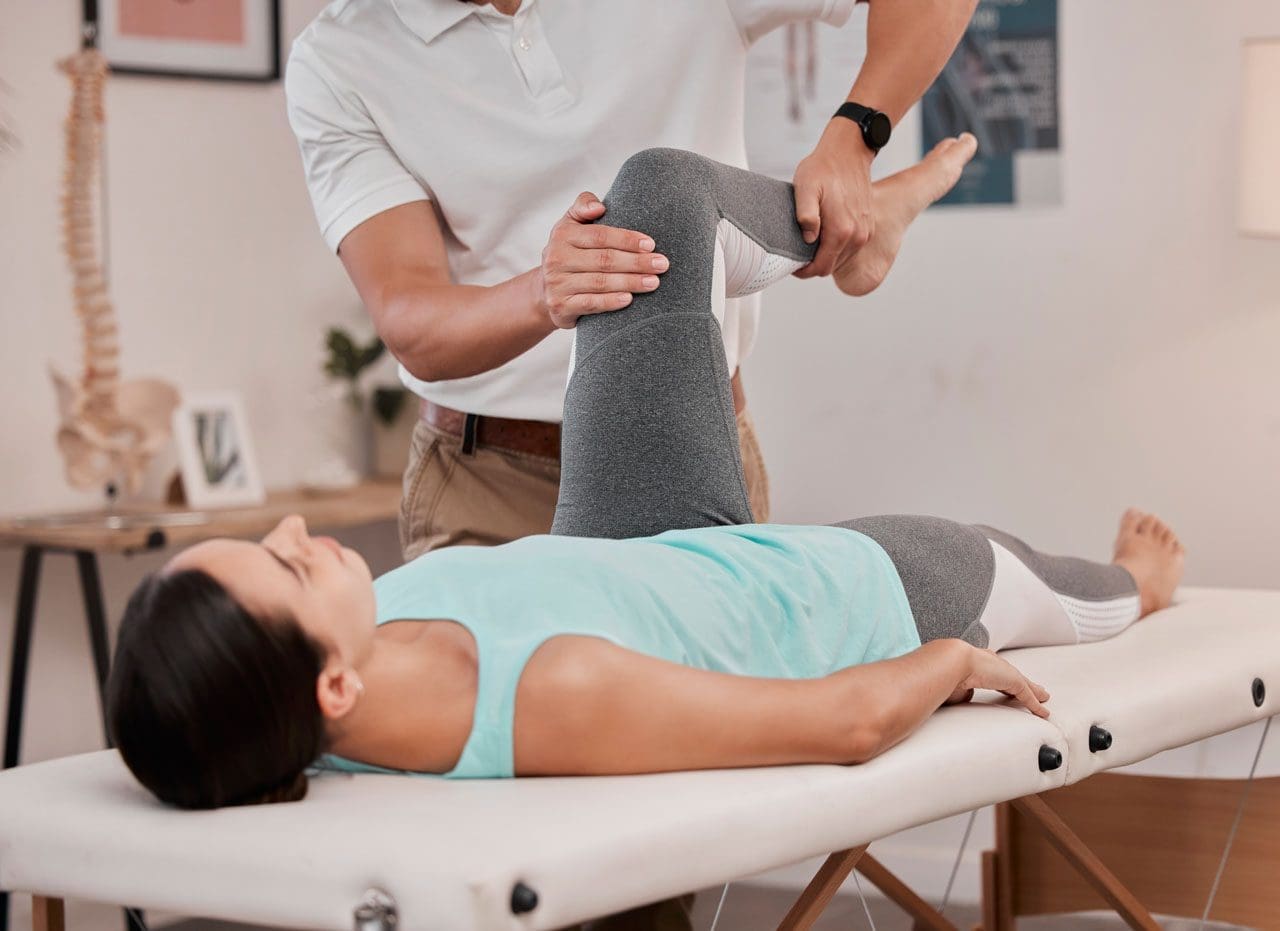
Injury to the vastus lateralis or quad muscles can cause pain, swelling of the thigh, or limited walking ability. Various treatments are available to help expedite recovery. A primary healthcare provider may recommend working with a physical therapy team. Self-care techniques can include:
Heat and Ice
Ice may be applied to the lateral thigh the first few days after injury to control pain and decrease swelling and inflammation.
Ice should be applied for 10 to 15 minutes.
Individuals may switch to heat two to three days after to promote circulation and improve tissue mobility.
Heat should be applied for 10 to 15 minutes.
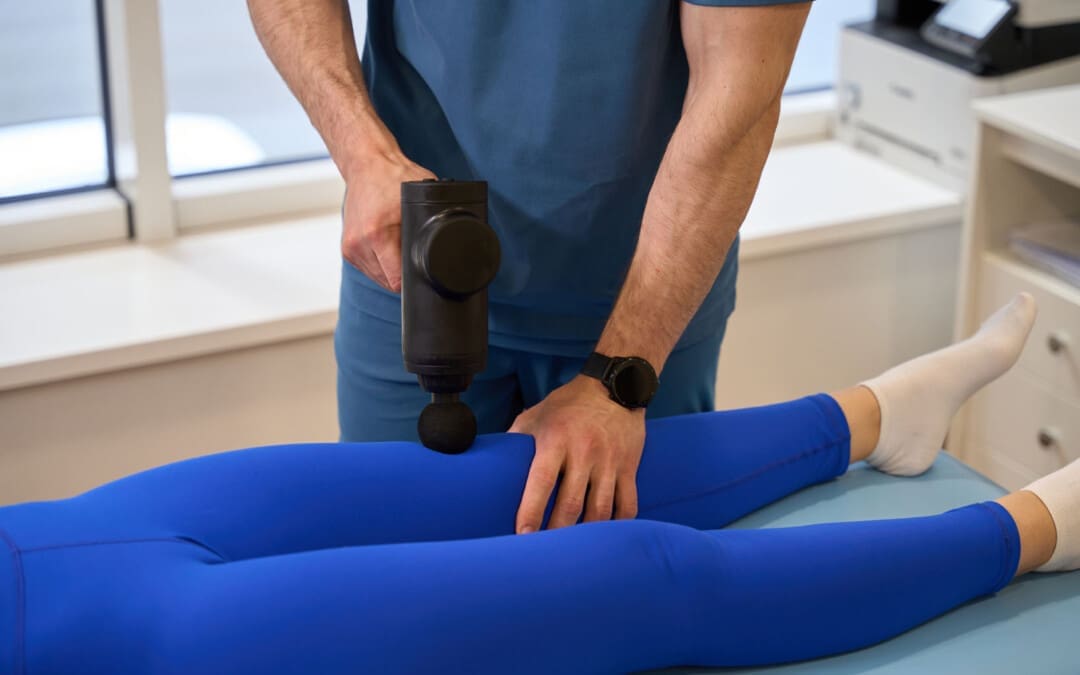
Massage
Massage can help decrease pain and promote circulation.
Massage techniques can improve tissue mobility before stretching to help improve quadriceps motion.
Exercises and Stretching
A physical therapy team will prescribe certain exercises and stretches to help regain strength and range of motion. After an injury, quad stretching can improve the mobility and function of the muscle group.
Prone Towel Quad Stretch
Lie on your stomach and place a towel or strap around the ankle.
Bend the knee up, and gently pull on the towel to bend the knee fully.
A pulling sensation should be felt in the front of the thigh.
Hold the stretch for 30 seconds and release.
Repeat three times.
Half-kneeling Quad and Hip Flexor Stretch
Kneel on one knee.
Slowly move forward until a stretch is felt in the front of the hip and thigh.
Hold this position for 30 seconds.
Relax back to the starting position.
Repeat three times.
Back Exercises
If femoral nerve irritation coming from the lower back is causing thigh pain or weakness, exercises to release the nerve may be helpful and can include:
Prone press-ups
Supine lumbar flexion
Lumbar side glides
The exercises are designed to relieve pressure on the lumbar nerve, and postural correction exercises may be performed to maintain decompression.
Strengthening
Weakness to the vastus laterals and quads may be causing injury, and strengthening exercises may be prescribed during rehabilitation and can include:
Hip-strengthening exercises
Straight leg raises
Leg extension exercises
Lunges
Squats
Strengthening exercises should be done two to four times weekly with appropriate rest between sessions.
Balance exercises and sport-specific plyometric training may be recommended to ensure the quad functions normally.
Most quadriceps and vastus lateralis muscle injuries heal within six to eight weeks.
Recovery may be shorter or longer depending on the nature of the injury.
Injury Medical Chiropractic and Functional Medicine Clinic
By understanding the anatomy and function of the vastus lateralis muscle, a healthcare provider can help individuals understand their specific injury and develop a treatment program to rehabilitate the muscle properly. At Injury Medical Chiropractic and Functional Medicine Clinic, we focus on what works for you and strive to develop fitness and better the body through research methods and total wellness programs. These natural programs use the body’s ability to achieve improvement goals, and athletes can condition themselves to excel in their sport through proper fitness and nutrition. Our providers use an integrated approach to create personalized programs, often including Functional Medicine, Acupuncture, Electro-Acupuncture, and Sports Medicine principles.
Knee Injury Chiropractor
References
Vieira EPL. (2017). Anatomic study of the portions long and oblique of the vastus lateralis and vastus medialis muscles. J Morphol Sci., 28(4), 0-. http://www.jms.periodikos.com.br/article/587cb49f7f8c9d0d058b47a1/pdf/jms-28-4-587cb49f7f8c9d0d058b47a1.pdf
American Academy of Orthopaedic Surgeons. (2024). Patellofemoral pain syndrome. https://orthoinfo.aaos.org/en/diseases–conditions/patellofemoral-pain-syndrome/
Timothy J Von Fange. (2024). Quadriceps muscle and tendon injuries. UpToDate. https://www.uptodate.com/contents/quadriceps-muscle-and-tendon-injuries/print
Ramírez-delaCruz, M., Bravo-Sánchez, A., Esteban-García, P., Jiménez, F., & Abián-Vicén, J. (2022). Effects of Plyometric Training on Lower Body Muscle Architecture, Tendon Structure, Stiffness, and Physical Performance: A Systematic Review and Meta-analysis. Sports medicine – open, 8(1), 40. https://doi.org/10.1186/s40798-022-00431-0
Does an individual’s ideal daily intake of vegetables depend on age, sex, and activity level?
Daily Serving of Vegetables
Vegetables are vital to a healthy diet. Every type offers various nutrients in a unique combination of vitamins, minerals, and phytochemicals. Plus, they are low in fat and calories and packed with fiber. The U.S. Department of Agriculture and other health organizations recommend eating a variety for optimal health. An age guide recommends the number of cups of vegetables that babies and older adults should consume daily. The U.S. Centers for Disease Control and Prevention reports that very few individuals meet the vegetable consumption guidelines, putting them at risk for chronic diseases like diabetes and heart disease. (U.S. Centers for Disease Control and Prevention, 2017)
What Is a Serving?
Current Dietary Guidelines recommend 2 1/2 cups of vegetables or nine servings daily. However, the amount varies by age. Serving sizes are also based on the type of vegetable. Overall, individuals are recommended to consume a variety each day. For most vegetables, a serving equals the amount that will fill one measuring cup. However, a serving of raw leafy greens like spinach and lettuce is two cups (U. S. Department of Agriculture, 2020), and eight ounces of vegetable juice also counts as one cup serving. For those who don’t have a measuring cup or kitchen scale, here are some one-cup equivalents for certain vegetables.
One large tomato
One medium potato
One large ear of corn
One large sweet pepper
One large sweet potato
Two medium carrots
Five or six broccoli florets
Another way is to use tablespoons—one cup contains around 16 tablespoons, which can be used when calculating servings for babies, toddlers, and young children.
Babies
Most babies are ready to eat solid foods between four and six months. There’s no ideal order, so starting with vegetables is fine. Starting babies with foods like peas, carrots, and squash could help encourage a preference for these foods that will carry on into adulthood, as babies tend to gravitate toward sweet flavors and may only want applesauce and pears, which could lead to not wanting to eat vegetables. It is recommended to start with a few teaspoons at a time. Eventually, they will eat about three or four tablespoons of baby food, like cereal or purees, a few times a day, which can fill about half a cup.
Toddlers 2-3
Toddlers age two to three should consume one cup of vegetables each day. If that sounds like a lot, remember that one cup can be spread throughout the day—it doesn’t have to be finished in a single meal. It also means one cup of various vegetables, not just one type. For example, some baby carrots during breakfast, steamed broccoli for lunch, and roasted sweet potatoes with dinner. Each serving can include four tablespoons that will become one serving. And if the only vegetable the toddler will eat is corn, that’s okay. There are also ways to disguise vegetables so they will eat them, like spinach or kale, which can disappear into a fruit smoothie. Children under five can choke on uncooked fruits and vegetables, so make sure whatever form is safe.
Young Children 4-8
Boys and girls in this age group should eat one and a half cups of vegetables daily. Regarding preparation, it’s fine to eat raw and cooked veggies. However, four-year-olds are still at risk of choking on raw vegetables. Cut carrots, bell peppers, and other vegetables into pieces no larger than a half-inch long so they won’t get stuck in their throat if inadvertently swallowed without chewing properly. And steamed, baked, and roasted vegetables are the healthiest.
Tweens 9-13
During the tween years, nutritional needs vary slightly based on sex. The recommended daily amount for girls is at least two cups. For boys, the recommendation is at least two and a half cups. Tweens of either gender who are especially active benefit from eating more than the suggested minimum. Research shows that boys eat fewer vegetables and fruits than girls. (Bere E. et al., 2008) Offer as much variety of vegetables and ways to prepare to find the ones they enjoy most.
Teens 14-18
Teenage girls should eat at least two and a half cups of vegetables daily, and boys eat at least three cups. Active teens who get 30 minutes of exercise daily may need more. However, it can be harder to monitor their vegetable intake as kids get older and spend more time eating away from home. In all family meals, try to include a variety of healthy prepared vegetables like:
Raw in salads
Steamed
Roasted
Baked as a side dish
Folded into omelets
Added to soups and stews
Layered on pizzas
Make it easy for teenagers to have vegetables between meals. Pre-cut carrots, celery, and bell peppers can be kept front and center in the fridge alongside hummus or guacamole for dipping.
Young Adults 19-30
The recommended daily amount of vegetables for individuals ages 19 to 30 is the same as for teens: at least three cups daily for men and at least two and a half cups for women. Those who exercise should include more. If a busy lifestyle makes getting all the vegetables needed difficult, take advantage of options like smoothies, including vegetables, pre-tossed salads, and prepped-for-cooking vegetables at the store. They may be more expensive, but if the time saved makes it easier to eat vegetables, it may be worth it, and eventually, individuals will learn how to prepare their own. Kitchen gadgets, like a smoothie blender, can help with faster preparations.
Adults 31-50
As with young adults, the amount of vegetables should be at least two and a half cups daily for women, three cups for men, and more for those who work out or are physically active.
Older Adults 51-Up
Because the body’s metabolism slows down, individuals 51 and older are advised to cut calories to prevent weight gain. This also applies to calories from vegetables. Women 51 and older should consume around two cups of vegetables daily, and men should consume around two and a half cups. Active older adults should continue to factor in the amount of physical activity with vegetable intake. Individuals should talk to their doctor or see a nutritionist if they want more specific guidance on what to include in their diet.
Injury Medical Chiropractic and Functional Medicine Clinic
Injury Medical Chiropractic and Functional Medicine Clinic providers use an integrated approach to create personalized care plans for each patient and restore health and function to the body through nutrition and wellness, functional medicine, acupuncture, Electroacupuncture, and sports medicine protocols. If the individual needs other treatment, they will be referred to a clinic or physician best suited for them. Dr. Jimenez has teamed up with top surgeons, clinical specialists, medical researchers, nutritionists, and health coaches to provide the most effective clinical treatments.
Nutrition Fundamentals
References
U.S. Centers for Disease Control and Prevention. (2017). Only 1 in 10 adults get enough fruits or vegetables. Retrieved from https://archive.cdc.gov/#/details?url=https://www.cdc.gov/media/releases/2017/p1116-fruit-vegetable-consumption.html
U. S. Department of Agriculture. (2020). Vegetables. Retrieved from https://www.myplate.gov/eat-healthy/vegetables
Bere, E., Brug, J., & Klepp, K. I. (2008). Why do boys eat less fruit and vegetables than girls?. Public health nutrition, 11(3), 321–325. https://doi.org/10.1017/S1368980007000729
For individuals with chronic pain conditions, what are the risks of developing peptic ulcers?
NSAIDs and Peptic Ulcers
A peptic ulcer is a sore in the lining of the stomach or duodenum, the first area of the small intestine. The most common symptom is a burning stomach pain that may come and go for several days or weeks. Other symptoms include:
Feeling full
Feeling bloated
Belching
Heartburn
Nausea
Stress and spicy foods can worsen ulcers but do not cause them.
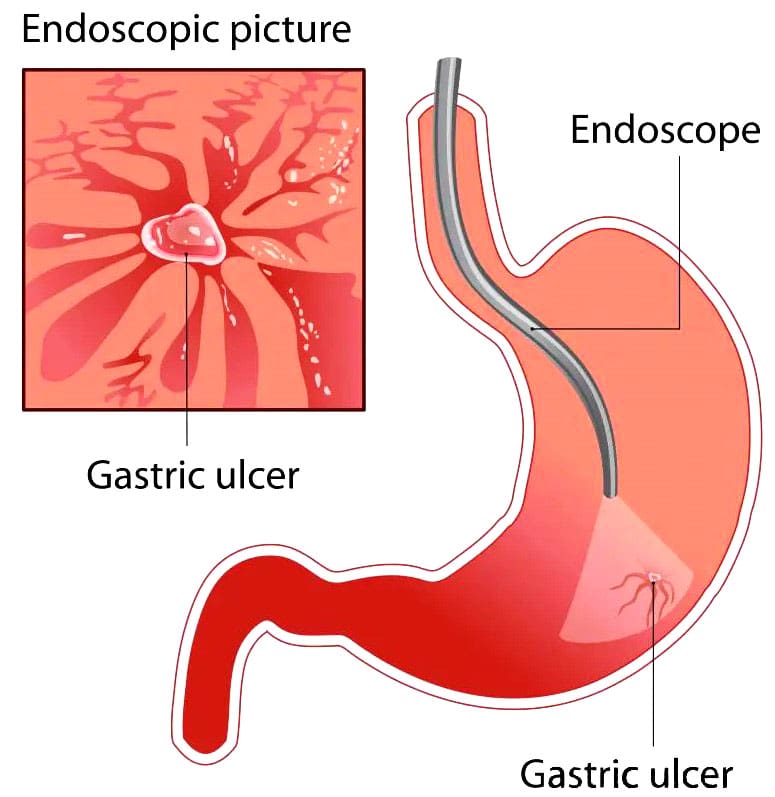
A peptic ulcer is a sore that occurs in the mucosal lining of the stomach, small intestine, or esophagus. It is caused by stomach acids or other digestive juices damaging the stomach or duodenum lining. When the ulcer is in the stomach, it might also be called a gastric ulcer. The acid can create a painful open sore that may bleed. The most common cause of a peptic ulcer is a type of bacteria called Helicobacter pylori (H. pylori). A second, less common cause of peptic ulcers is the use of non-steroidal anti-inflammatory medications or NSAIDs like aspirin, ibuprofen, and naproxen. (Fashner J. & Gitu A. C. 2015) Using over-the-counter NSAIDs for the occasional headache or achy back won’t cause a peptic ulcer. Rather, peptic ulcer disease is something that can occur with longer-term use, especially at high doses, such as for chronic pain associated with arthritis or other inflammatory conditions. (National Institute of Diabetes and Digestive and Kidney Diseases, 2022)
NSAIDs and Ulcer Development
NSAIDs can cause ulcers because they can interfere with the stomach’s ability to protect itself from gastric acids as they slow the production of protective mucus in the stomach and change its structure. (National Institute of Diabetes and Digestive and Kidney Diseases, 2022) While these acids are vital to the digestive process, they can compromise the stomach’s protective barriers. The stomach has three protections against gastric acid:
Foveolar cells that line the stomach produce a protective mucus.
Bicarbonate is produced by the foveolar cells, which help neutralize stomach acid.
Blood circulation aids in repairing and renewing cells in the stomach’s mucosal layer.
Specific lipids called prostaglandins, which the body makes, affect pain receptors. NSAIDs work to reduce pain by blocking enzymes involved in the production of certain prostaglandins. Prostaglandins also protect the stomach’s mucosal layer, which can be broken when depleted. Suppressing the body’s natural defenses against gastric acids can lead to inflammation in the stomach lining. Over time, this can cause a capillary blood vessel to rupture, causing bleeding and the development of an open, ulcerative sore. (Bjarnason I. et al., 2018)
Symptoms
A peptic ulcer may cause symptoms in the digestive tract, but some individuals may have no symptoms. The most common symptom is upper abdominal pain, which can feel dull or burning. The pain can range in severity, with some experiencing mild discomfort and others having severe pain. Most of the time, the pain will occur after a meal, but it might also happen at night for some. It could go on from a few minutes to a few hours. (National Institute of Diabetes and Digestive and Kidney Diseases, 2022) Other symptoms are less common but can include:
Bloating
Burping
Gas
Nausea
Vomiting
Loss of appetite
Weight loss
Feeling sick in the stomach.
Feeling full after even a small meal.
In rare cases, individuals with peptic ulcers may see blood in their stool or have black stools because blood is present. Blood coming from one or more peptic ulcers could also be visible in vomit. Call a healthcare provider right away if there is blood in stool or vomit, as this can be a sign of excessive bleeding or other serious problems. (National Institute of Diabetes and Digestive and Kidney Diseases, 2022)
Diagnosis
When peptic ulcer symptoms occur, a healthcare provider may order several tests to determine the cause. For individuals who are receiving NSAIDs for chronic pain, a healthcare provider may already have a high suspicion that the medication is the cause or is contributing to peptic ulcer disease. Because infection with H. pylori is the most common cause, it is normally ruled out through a breath, blood, or stool test. (National Institute of Diabetes and Digestive and Kidney Diseases, 2022) Tests to look for ulcers inside the upper digestive tract can include:
Upper GI Series
Patients drink a barium substance to help the internal organs appear on imaging.
A series of X-rays are taken.
Upper Endoscopy
A flexible tube with a camera is used to look inside the esophagus, the stomach, and the duodenum.
All NSAIDs have the potential to cause indigestion, gastric bleeding, and ulcers. However, some individuals are more susceptible to developing peptic ulcer disease than others. Peptic ulcers caused by NSAIDs are more likely to occur in individuals who: (National Institute of Diabetes and Digestive and Kidney Diseases, 2022)
Are 70 or older
Have a history of ulcers
Take corticosteroids
Take high-dose NSAIDs
Take NSAIDs regularly for a long time
Take more than two types of NSAIDs
Use aspirin daily, including low-dose aspirin, for cardioprotective purposes.
Take blood thinners
Drink alcohol regularly
Smoke
Studies suggest that 25% of those who use NSAIDs long-term will develop an ulcer, but only a small percentage will go on to develop serious complications. (Lanza F. L. et al., 2009)
Treatment
NSAID-induced ulcers usually heal once the NSAID is stopped. Certain treatments may be recommended to expedite the healing process depending on the severity of the peptic ulcer. In severe cases, surgery may be recommended to repair the damage.
Medications
A healthcare provider may recommend taking one or more medications. Over-the-counter options may include:
Antacids help neutralize stomach acid.
A proton pump inhibitor or PPI, such as omeprazole, lowers acid levels in the stomach. (Begg M. et al., 2023)
The bigger problem for individuals is how to manage pain when the medications are discontinued. For individuals with chronic pain, this may require the help of a physical therapy team, including a pain management healthcare provider. Certain medications called COX inhibitors could be used to control pain for some. COX inhibitors have been shown to work for pain relief and are associated with fewer digestive side effects than other types of NSAIDs. These meds have also been shown to have cardiovascular side effects, however, so it’s usually recommended they be used at the lowest dosage. (Scarpignato C. et al., 2015)
Lifestyle Adjustments
Lifestyle adjustments may be recommended to heal peptic ulcers, including:
Avoiding foods that worsen symptoms.
Avoiding caffeine
Avoiding alcohol
Quitting smoking
Surgery
In some cases, surgery may be recommended, but this is more often the case when there are complications as a result of the ulcer, such as:
Avoiding long-term and high-dose use of NSAIDs or not using these medications can help protect and prevent peptic ulcers. For individuals who have to take an NSAID due to a condition they are trying to manage, a healthcare provider may prescribe one of the meds used to treat peptic ulcers to prevent them from occurring. Some believe that spicy food and stress cause ulcers, but that has been discredited. (Cleveland Clinic, 2022) Most individuals who take NSAIDs will not experience peptic ulcer disease. (Drini M. 2017) However, those who have chronic pain and who are receiving high doses should be aware of the potential.
Injury Medical Chiropractic and Functional Medicine Clinic
Individuals who have any concerns about the use of NSAIDs and how the digestive system will be affected should ask a healthcare provider if there are ways to prevent ulcers and if those measures should be implemented while receiving high doses of NSAIDs. Left untreated, ulcers can lead to complications, which is why it is important to get a diagnosis and receive treatment. Injury Medical Chiropractic and Functional Medicine Clinic works with primary healthcare providers and specialists to develop an optimal health and wellness solution. We focus on what works for you to relieve pain, restore function, and prevent injury. Regarding musculoskeletal pain, specialists like chiropractors, acupuncturists, and massage therapists can help mitigate the pain through spinal adjustments that help the body realign naturally.
Root Causes of Gut Dysfunction
References
Fashner, J., & Gitu, A. C. (2015). Diagnosis and Treatment of Peptic Ulcer Disease and H. pylori Infection. American family physician, 91(4), 236–242.
National Institute of Diabetes and Digestive and Kidney Diseases. (2022). Peptic ulcers (stomach ulcers). Retrieved from https://www.niddk.nih.gov/health-information/digestive-diseases/peptic-ulcers-stomach-ulcers
Bjarnason, I., Scarpignato, C., Holmgren, E., Olszewski, M., Rainsford, K. D., & Lanas, A. (2018). Mechanisms of Damage to the Gastrointestinal Tract From Nonsteroidal Anti-Inflammatory Drugs. Gastroenterology, 154(3), 500–514. https://doi.org/10.1053/j.gastro.2017.10.049
Lanza, F. L., Chan, F. K., Quigley, E. M., & Practice Parameters Committee of the American College of Gastroenterology (2009). Guidelines for prevention of NSAID-related ulcer complications. The American journal of gastroenterology, 104(3), 728–738. https://doi.org/10.1038/ajg.2009.115
Begg, M., Tarhuni, M., N Fotso, M., Gonzalez, N. A., Sanivarapu, R. R., Osman, U., Latha Kumar, A., Sadagopan, A., Mahmoud, A., & Khan, S. (2023). Comparing the Safety and Efficacy of Proton Pump Inhibitors and Histamine-2 Receptor Antagonists in the Management of Patients With Peptic Ulcer Disease: A Systematic Review. Cureus, 15(8), e44341. https://doi.org/10.7759/cureus.44341
Scarpignato, C., Lanas, A., Blandizzi, C., Lems, W. F., Hermann, M., Hunt, R. H., & International NSAID Consensus Group (2015). Safe prescribing of non-steroidal anti-inflammatory drugs in patients with osteoarthritis–an expert consensus addressing benefits as well as gastrointestinal and cardiovascular risks. BMC medicine, 13, 55. https://doi.org/10.1186/s12916-015-0285-8
Lee, C. W., & Sarosi, G. A., Jr (2011). Emergency ulcer surgery. The Surgical clinics of North America, 91(5), 1001–1013. https://doi.org/10.1016/j.suc.2011.06.008
Cleveland Clinic. (2022). Can stress give you an ulcer? https://health.clevelandclinic.org/can-stress-give-you-an-ulcer
Drini M. (2017). Peptic ulcer disease and non-steroidal anti-inflammatory drugs. Australian prescriber, 40(3), 91–93. https://doi.org/10.18773/austprescr.2017.037
For pregnant individuals, dehydration during pregnancy increases the risk of health problems for the individual and the fetus. Is it possible to prevent dehydration by drinking more water and managing morning sickness?
Pregnancy Dehydration
Maintaining proper hydration is an important part of a healthy pregnancy. Dehydration during pregnancy can occur for several reasons. A pregnant body needs more water to support the increased physical demands. Pregnant individuals need more water than non-pregnant ones and risk losing more water throughout the day. (American College of Obstetricians and Gynecologists, 2023) Pregnant individuals need eight to 12 glasses of water daily to prevent dehydration. Risks of dehydration during pregnancy include:
Low amniotic fluid levels and preterm contractions.
Early symptoms can include decreased urination, increased thirst, and dry mouth.
Serious symptoms can include dizziness, confusion, fainting, and low blood pressure.
In severe cases, intravenous/IV intervention may be required to replenish fluids.
The body’s physiological changes during pregnancy cause it to require more water. Pregnant individuals need more water and lose more water throughout the day. Dehydration happens when the body loses more water than it takes in. Factors that contribute to dehydration during pregnancy include: (Song, Y. et al., 2023)
Increased Blood Volume
A pregnant body requires increased blood circulation.
Blood volume increases as much as 30% to 45%.
The body needs more water to keep up with the increased volume.
Changes In The Urinary System
The kidneys often increase slightly in size during pregnancy.
This causes changes in the urinary system, causing the body to lose more water.
Changes In The Respiratory System
The increased demands on the body cause increased breathing.
Each time the body exhales, it loses water through the breath.
Increased Metabolism
Pregnancy causes the adrenal and thyroid functions to become slightly hyperactive.
This leads to increased metabolism and sweating.
When the body loses water through sweat, dehydration risks increase.
Increased Nutrition
A pregnant individual requires 300 extra daily calories, which increases to 450 additional daily calories in late pregnancy.
Eating more means the individual needs added hydration to support digestion and prevent constipation.
Morning Sickness
Nausea and vomiting are common.
Morning sickness causes fluid loss, increasing the risk of dehydration.
If the body does not acquire enough water when mildly dehydrated further symptoms can present and include fatigue, dizziness, feeling overheated, and having Braxton Hicks contractions or tightening and release of the uterus that are not from labor contractions. (Mulyani E. Y. et al., 2021)
Emergency Symptoms
Severe dehydration can lead to serious pregnancy complications and require immediate medical care. Emergency signs and symptoms include: (National Library of Medicine, 2023)
Irritability
Confusion
Sunken eyes
Fainting
Low or no urine
Low blood pressure
Rapid heart and breathing rate
Shock
Risks
Staying hydrated is essential, and hydration status affects health and pregnancy outcomes. When pregnant, the body needs extra water to produce enough amniotic fluid, which fills the amniotic sac with the fetus. When amniotic levels are low, the fetus has little room to grow and move. This can lead to delayed growth and development and potential umbilical cord issues. If the umbilical cord becomes compressed, the baby cannot receive oxygen and nutrients, which can quickly lead to an emergency. (Song, Y. et al., 2023) Chronic, untreated dehydration during pregnancy increases the risk of complications and can include (Aziz M. M. et al., 2018) (Song Y. et al., 2023)
Preterm contractions
Decreased birth weight and length
Reduced head circumference and chest circumference
Neural tube defects – malformations in early development of the brain and spine.
Low milk production
Rehydrating and Adding Electrolytes
Individuals must drink eight to 12 glasses of water daily to prevent dehydration (American College of Obstetricians and Gynecologists, 2020). Rehydration with water and electrolytes, essential minerals the body needs for normal function, may also be recommended. Ask a healthcare provider if they recommend consuming electrolytes through sports drinks, Pedialyte, coconut water, or electrolyte powders.
Drink between meals if drinking water is difficult because of nausea or feeling full.
Always have a water bottle, and drink what is possible when nausea is not manifesting.
Other recommended sources can include milk, natural fruit juices, and broth.
To reduce water loss, avoid high-caffeine or sugar drinks.
Take frequent breaks and drink more water when in the heat.
Minor Dehydration Treatment
Most pregnant individuals can safely treat mild dehydration at home. Call a healthcare provider if there are any concerns about symptoms. To treat minor dehydration, rest in a cool area and replenish fluids. Drink water, a sports drink, or a rehydration solution like Pedialyte. If symptoms do not improve, contact a healthcare provider. (Song Y. et al., 2023)
Injury Medical Chiropractic and Functional Medicine Clinic
Fortunately, treating and preventing dehydration is possible by drinking plenty of water throughout the day, avoiding drinks with caffeine or sugar, and taking frequent breaks. Injury Medical Chiropractic and Functional Medicine Clinic works with primary healthcare providers and specialists to develop an optimal health and wellness solution. We focus on what works for you to relieve pain, restore function, and prevent injury. Regarding musculoskeletal pain, specialists like chiropractors, acupuncturists, and massage therapists can help mitigate the pain through spinal adjustments that help the body realign itself. They can also work with other associated medical professionals to integrate a treatment plan to improve the body’s flexibility and mobility and resolve musculoskeletal issues.
Pregnancy and Sciatica: How Chiropractic Can Help
References
American College of Obstetricians and Gynecologists. (2023). Nutrition during pregnancy. https://www.acog.org/womens-health/faqs/nutrition-during-pregnancy
Mulyani, E. Y., Hardinsyah, Briawan, D., Santoso, B. I., & Jus’at, I. (2021). Effect of dehydration during pregnancy on birth weight and length in West Jakarta. Journal of nutritional science, 10, e70. https://doi.org/10.1017/jns.2021.59
Song, Y., Zhang, F., Lin, G., Wang, X., He, L., Li, Y., Zhai, Y., Zhang, N., & Ma, G. (2023). A Study of the Fluid Intake, Hydration Status, and Health Effects among Pregnant Women in Their Second Trimester in China: A Cross-Sectional Study. Nutrients, 15(7), 1739. https://doi.org/10.3390/nu15071739
American College of Obstetricians and Gynecologists. (2023). Morning sickness: nausea and vomiting. https://www.acog.org/womens-health/faqs/morning-sickness-nausea-and-vomiting-of-pregnancy
National Library of Medicine. MedlinePlus. (2023). Dehydration. Retrieved from https://medlineplus.gov/dehydration.html
Aziz, M. M., Kulkarni, A., Tunde-Agbede, O., Benito, C. W., & Oyelese, Y. (2018). Are Women With Threatened Preterm Labor More Dehydrated Than Women Without It? Journal of obstetric, gynecologic, and neonatal nursing: JOGNN, 47(5), 602–607. https://doi.org/10.1016/j.jogn.2018.05.006
American College of Obstetricians and Gynecologists. (2020). How much water should I drink during pregnancy? https://www.acog.org/womens-health/experts-and-stories/ask-acog/how-much-water-should-i-drink-during-pregnancy
IFM's Find A Practitioner tool is the largest referral network in Functional Medicine, created to help patients locate Functional Medicine practitioners anywhere in the world. IFM Certified Practitioners are listed first in the search results, given their extensive education in Functional Medicine