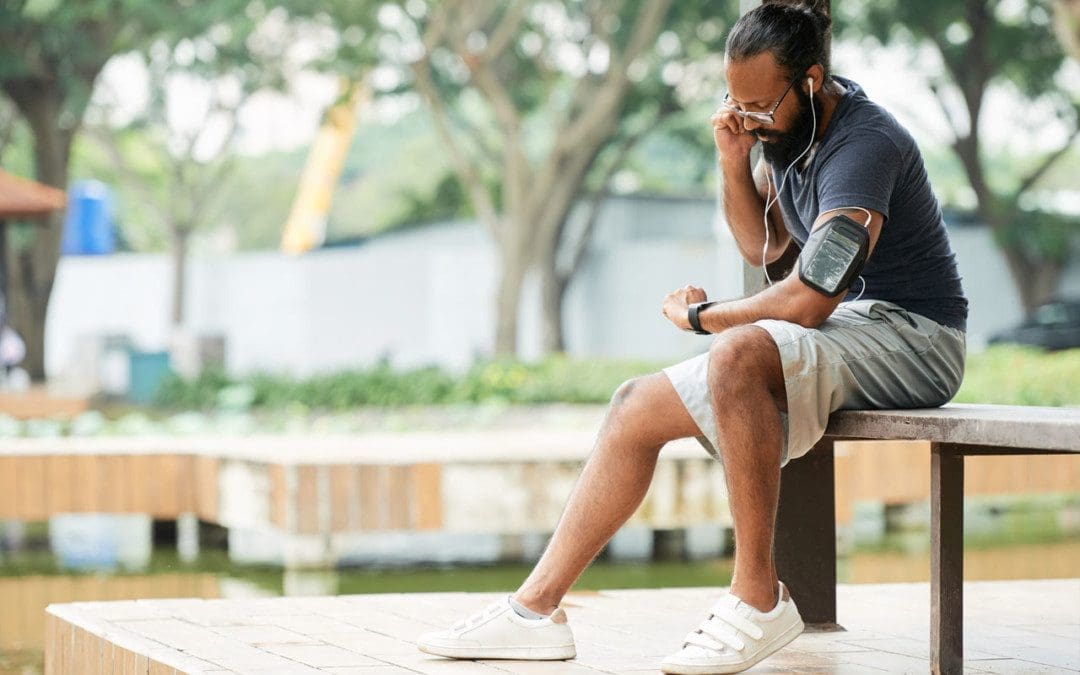
High Blood Pressure and Physical Activity: Blood pressure flows throughout the body to meet metabolic demands. During periods of physiological stress like physical activity, exercise, or feeling overwhelmed, blood pressure can increase for a short period but is not considered dangerous or unhealthy. However, when an individual’s baseline resting blood pressure readings stay high, the risk of developing serious health conditions increases. High blood pressure is reversible with lifestyle adjustments and physical activity for a more healthy and sustainable level.
High Blood Pressure and Physical Activity
Everything individuals need to know and understand about high blood pressure includes:
Common causes
Healthy readings
Monitoring pressure
Beneficial activities to lower blood pressure and improve health.
Blood pressure measures the force exerted on the circulatory system. Blood pressure changes throughout the day, depending on the following:
Nutrition
Activity levels
Stress levels
Medical comorbidities
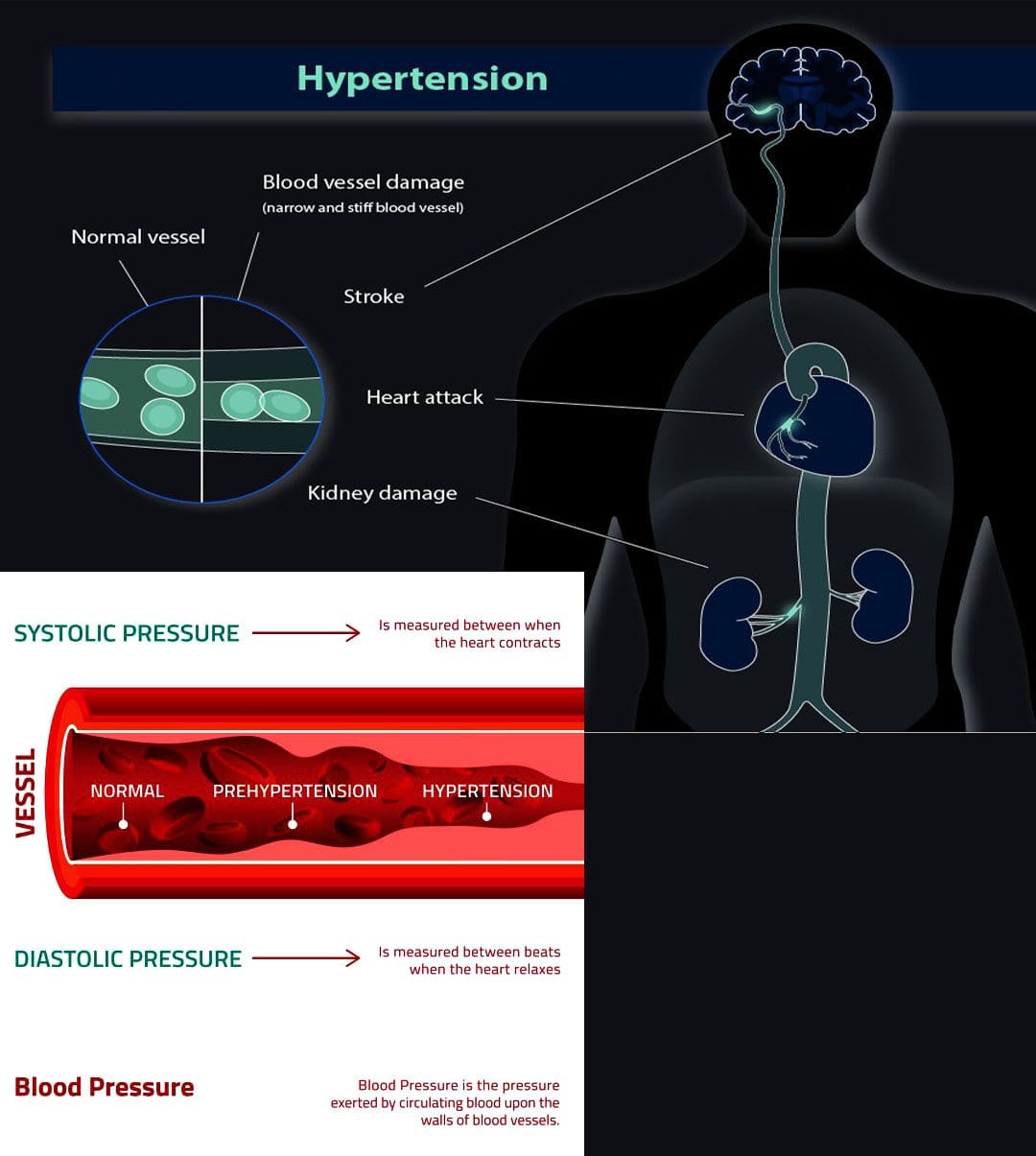
Unlike heart rate or temperature, blood pressure is two separate measurements. Typically seen as a fraction, for example – 120/80 mmHg, each number gives the medical provider information about the function and health of the vascular system:
Systolic
Written as the top number of the measurement, systolic blood pressure refers to the force exerted against the blood vessels during a heartbeat.
This value represents the highest pressure on the arteries, veins, and capillaries.
Diastolic
The bottom number/measurement, the diastolic reading, represents the pressure the vascular system is subjected to between heartbeats.
In most cases, elevated diastolic blood pressure values are seen in individuals with high systolic blood pressure.
Readings
According to the CDC, a healthy blood pressure reading is 120/80 mmHg. As blood pressure changes throughout the day, it is recommended to have a baseline level/when at rest to remain as close as possible to these values. When baseline levels remain high, the risk of developing serious medical complications increases. Criteria for different stages of diagnosis include:
Elevated blood pressure – 120-129 mmHg / 80 or less mmHg.
Stage 1 hypertension – 130-139 mmHg / 80-89 mmHg.
Stage 2 hypertension – 140 or higher mmHg / 90 or higher mmHg.
Prolonged exposure to high pressure damages the vessels and heart.
Measurements
The first step to assessing baseline blood pressure is taking regular and accurate readings. An automatic blood pressure cuff and monitor at home can record readings to determine baseline values. Various factors can contribute to inaccurate readings. Here are a few tips for avoiding inaccuracy:
Keep the arm being measured at the height of the heart.
Avoid taking blood pressure after exercise or stress.
Double-check readings on the opposite arm when possible.
Try to take readings at a similar time during a rest period.
After each reading, record values in a journal for the primary care provider.
Performing daily blood pressure readings for a few weeks can be beneficial to determine baseline levels.
Physical Activity
Aerobic activities increase the body’s need for oxygen. Getting the muscles active and moving during physical activity increases the demand for oxygen, which is why breathing and heart rate increase. The cardiovascular system includes the heart, arteries, and veins. Additional stress is added when the system goes through aerobic activity to maintain metabolic levels, improving strength and endurance. Regular aerobic exercise can decrease high baseline pressure because a stronger heart and vascular system do not need to exert as much energy to maintain cell function. Aerobic activities include:
Brisk Walking
A low-impact aerobic exercise, brisk walking, has been shown to reduce baseline systolic blood pressure in individuals who participated in supervised walking sessions over six months.
Gardening
Gardening activities like digging and lifting are considered moderate-intensity exercises. It is a recommended low-impact option for individuals of all ages.
Bicycle Riding
Cycling has been shown to offer short and long-term benefits for managing blood pressure.
It is common for pressure to increase while biking; studies have shown that regular cycling can reduce baseline systolic and diastolic blood pressure over six months.
It is recommended to start slow. As confidence builds and cardiovascular endurance increases, longer and more regular bike rides become easier to integrate into a routine.
Dancing
All forms of dancing can help to improve cardio endurance and strength, which has been shown to reduce systolic and diastolic blood pressure readings.
Whether line dancing, partner dancing, or dancing alone, dancing regularly can help reduce stress and blood pressure levels.
Hypertension Nutrition
References
Cardoso, Crivaldo Gomes Jr, et al. “Acute and chronic effects of aerobic and resistance exercise on ambulatory blood pressure.” Clinics (Sao Paulo, Brazil) vol. 65,3 (2010): 317-25. doi:10.1590/S1807-59322010000300013
Conceição, Lino Sergio Rocha, et al. “Effect of dance therapy on blood pressure and exercise capacity of individuals with hypertension: A systematic review and meta-analysis.” International journal of cardiology vol. 220 (2016): 553-7. doi:10.1016/j.ijcard.2016.06.182
Hollingworth, M et al. “Dose-response associations between cycling activity and risk of hypertension in regular cyclists: The UK Cycling for Health Study.” Journal of human hypertension vol. 29,4 (2015): 219-23. doi:10.1038/jhh.2014.89
Mandini, Simona, et al. “Walking and hypertension: greater reductions in subjects with higher baseline systolic blood pressure following six months of guided walking.” PeerJ vol. 6 e5471. 30 Aug. 2018, doi:10.7717/peerj.5471
Sapra A, Malik A, Bhandari P. Vital Sign Assessment. [Updated 2022 May 8]. In: StatPearls [Internet]. Treasure Island (FL): StatPearls Publishing; 2022 Jan-. Available from: https://www.ncbi.nlm.nih.gov/books/NBK553213/
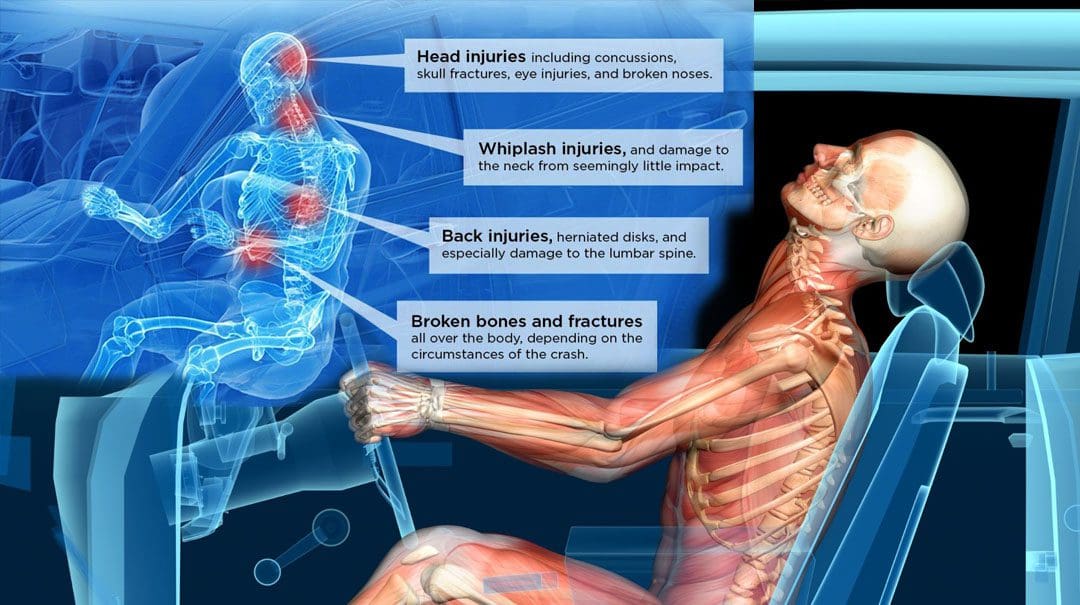
The NHTSA records show that rear-end collisions are the most common and make up 30% of all traffic accidents, crashes, and collisions. Rear-end collisions can come out of nowhere. One moment a driver is waiting at a stop or light, and suddenly they are catapulted forward by the intense force of another vehicle/s resulting in serious and sustaining injuries that can impact an individual’s physical capabilities. Rear-end collision injuries most commonly affect the neck and back. This is because of the excessive force and intense shifting and whipping the body goes through. Chiropractic care, massage, and decompression therapy can realign the body, relax the muscles, release compressed nerves, expedite recovery, and restore mobility and function.
Rear-End Collision Injuries
Rear-end collision injuries can range from mild to serious, and what seems like a minor pull can result in a severe injury. The most common injuries include:
Pre-existing conditions such as degenerative disc disease can worsen.
Collision Types
A rear-end collision can occur in several ways. The most common types include:
Tailgating
When drivers in the rear follow another motorist too closely, and the lead motorist slows down or has to stop quickly, the rear driver hits the vehicle because there was not enough adequate time and distance to stop.
Slow Speed Collisions
Slow-speed/low-impact collisions or fender benders can result in spinal injuries and concussions.
They can also lead to facial and head injuries from sudden airbag deployment.
Vehicle Pile-Ups
A single rear-end collision on a busy street or interstate highway can cause a chain reaction of multiple-vehicle collisions.
These accidents can cause devastating injuries.
Causes
Causes that can take attention away from the road include:
Speeding
Distracted driving – Talking or texting.
Tailgating
Looking at something like an accident while driving by.
Symptoms of rear-end collision injuries may not immediately present following an accident. It can take 24 to 48 hours for discomfort symptoms to come on and sometimes longer. The adrenaline rush allows the individual not to experience the physical symptoms, which is why individuals think they’re fine when they are not. Ignoring signs increases the risk of permanent injury. A herniated disc, for example, left untreated, can lead to permanent nerve damage. Chiropractic treatment for rear-end collisions is one of the most effective options available. A chiropractor manipulates the spine to realign the spinal cord, allowing the body to decrease inflammatory cytokine production, which reduces the inflammatory response. Specific techniques and various tools can realign individual vertebrae, restore joint flexibility, and break up the scar tissue so the areas can heal faster.
The Spine In A Rear-End Auto Accident
References
Chen, Feng, et al. “Investigation on the Injury Severity of Drivers in Rear-End Collisions Between Cars Using a Random Parameters Bivariate Ordered Probit Model.” International journal of environmental research and public health vol. 16,14 2632. 23 Jul. 2019, doi:10.3390/ijerph16142632
Davis, C G. “Rear-end impacts: vehicle and occupant response.” Journal of manipulative and physiological therapeutics vol. 21,9 (1998): 629-39.
Dies, Stephen, and J Walter Strapp. “Chiropractic treatment of patients in motor vehicle accidents: a statistical analysis.” The Journal of the Canadian Chiropractic Association vol. 36,3 (1992): 139–145.
Garmoe, W. “Rear-end collisions.” Archives of physical medicine and rehabilitation vol. 79,8 (1998): 1024-5. doi:10.1016/s0003-9993(98)90106-x
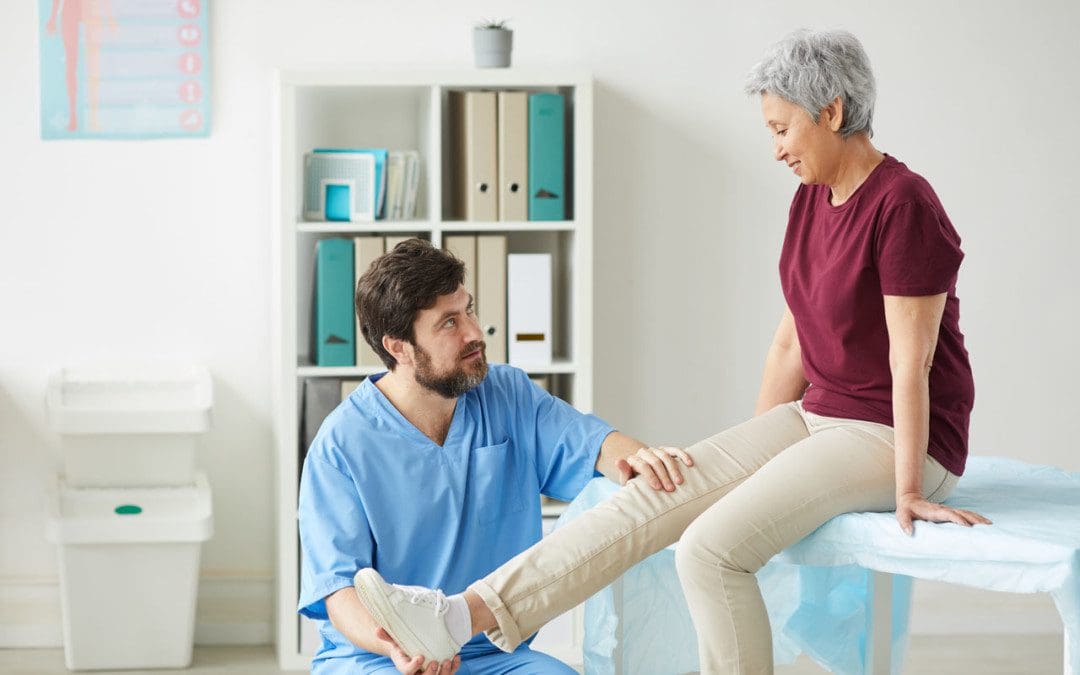
Arteries carry blood from the heart to the rest of the body. The veins transport blood back to the heart, and the valves in the veins stop the blood from flowing backward. When the veins have difficulties sending blood from the limbs back to the heart, this is known as venous insufficiency. With this condition, the blood does not flow back properly to the heart, causing blood to accumulate in the veins of the legs. Chiropractic care, therapeutic massage, and functional medicine can increase and improve circulation and help manage symptoms.
Venous Insufficiency
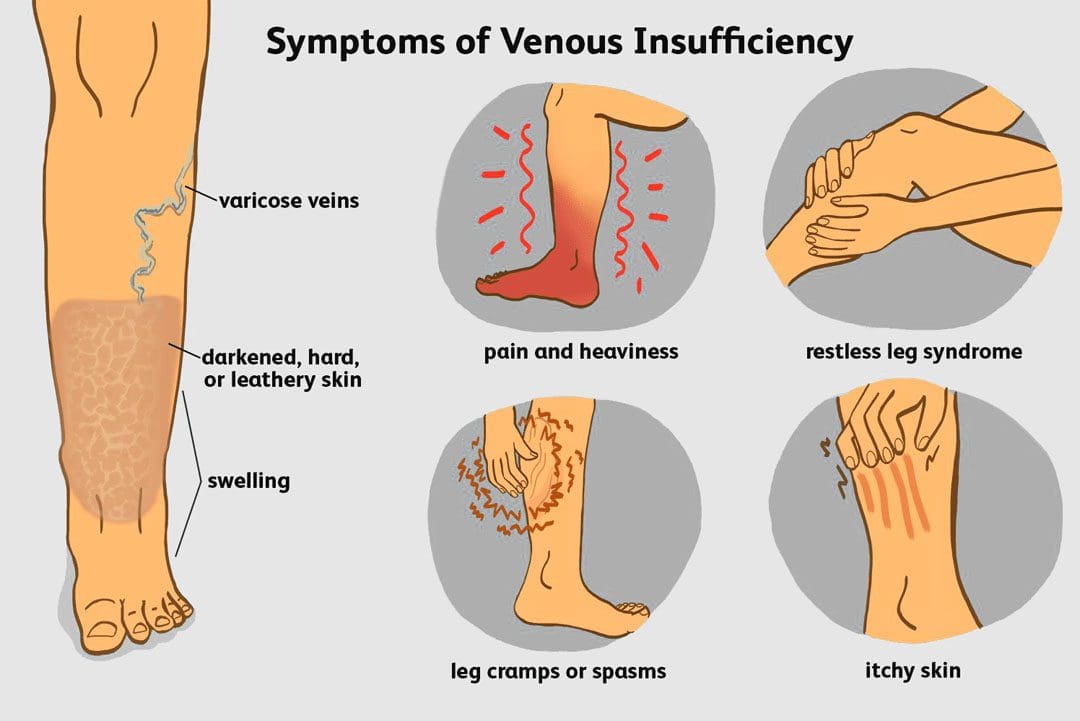
The circulatory system is responsible for transporting blood, oxygen, and nutrients to the cells in the body. This system consists of the heart, arteries, veins, and capillaries. When blood circulation is restricted, it can lead to a buildup of toxins and waste products, which can cause various health problems, including fatigue, muscle cramps, and dizziness. Unhealthy circulation can also contribute to other health conditions like heart disease, stroke, and diabetes. The most common causes of venous insufficiency include:
Blood clots
Varicose veins
A family history of venous insufficiency.
Deep vein thrombosis.
When forward flow through the veins is obstructed, such as in the case of a blood clot, blood builds up below the clot, which can lead to venous insufficiency.
In varicose veins, the valves can be missing or damaged, and blood leaks back through the defective valves.
In some cases, weakness in the leg muscles that push blood forward can also contribute to venous insufficiency.
Venous insufficiency is more common in women than men and is more likely in adults over 50.
Circulation Symptoms
There are different symptoms associated with unhealthy circulation, and can include:
A doctor will perform a physical examination and take a complete medical history. They may order imaging tests to locate the source of the problem. These tests may include a venogram or a duplex ultrasound.
Venogram
A doctor will insert an intravenous contrast dye into the veins.
Contrast dye causes the blood vessels to appear opaque on the X-ray image, which helps the doctor see them on the image.
This dye will give the doctor a clear image of the blood vessels.
Duplex Ultrasound
A duplex ultrasound tests the speed and direction of blood circulation in the veins.
A technician will place gel on the skin and press a small hand-held instrument on and around the area.
The instrument uses sound waves that bounce back to a computer and produce images of blood circulation.
Treatment
Treatment will depend on various factors, including the reason for the condition and individual health status and history. Other factors a doctor will consider include:
These special stockings apply pressure on the ankle and lower leg.
They help improve blood circulation and reduce leg swelling.
Compression stockings come in a range of prescription strengths and lengths.
Strategies
Treatments can include several methods.
Improving Circulation
Chiropractic adjustments and vascular massage therapy on the legs can help improve blood circulation. Massage therapies such as vascular and lymphatic drainage massages aim to increase circulation, improve tissue nutrition, and can benefit patients with varicose veins and chronic venous insufficiency.
The technique for lymphatic drainage involves light strokes to move lymph fluid into lymph vessels.
The technique used to improve circulation involves short strokes to move blood from the valves to the veins.
However, massage therapy is not for all patients with vein diseases and conditions.
Massage therapy is not recommended for patients with advanced-stage vein disease, in which large and bulging veins, ulcerations, and discoloration are present.
Massaging the area could cause the weakened veins to burst, worsening the condition.
Massage therapy is also unsafe for patients with deep vein thrombosis (DVT), as it could dislodge a clot and cause it to travel.
Medications
Medications may be prescribed. These include:
Diuretics – medications that draw extra fluid from the body and are excreted through the kidneys.
Anticoagulants – medicines that thin the blood.
Pentoxifylline – medicine that helps improve blood circulation.
Surgery
More serious cases may require surgery. A doctor may suggest one of the following surgical procedures:
Surgical repair of the veins or valves.
Removing the damaged vein.
Minimally invasive endoscopic surgery – The surgeon inserts a thin tube with a camera to see and tie off damaged veins.
Laser surgery – A treatment that uses laser light to fade or close off damaged veins.
Vein bypass – A healthy vein is transplanted from a different body area. Generally used only in the upper thigh and as a last option for severe cases.
Venous Insufficiency: What You Need To Know
References
Annamaraju P, Baradhi KM. Pentoxifylline. [Updated 2022 Sep 19]. In: StatPearls [Internet]. Treasure Island (FL): StatPearls Publishing; 2022 Jan-. Available from: https://www.ncbi.nlm.nih.gov/books/NBK559096/
Evrard-Bras, M et al. “Drainage lymphatique manuel” [Manual lymphatic drainage]. La Revue du praticien vol. 50,11 (2000): 1199-203.
FIELDS, A. “Leg cramps.” California medicine vol. 92,3 (1960): 204-6.
Felty, Cindy L, and Thom W Rooke. “Compression therapy for chronic venous insufficiency.” Seminars in vascular surgery vol. 18,1 (2005): 36-40. doi:10.1053/j.semvascsurg.2004.12.010
Mayo Clinic Staff. (2017). Varicose veins.mayoclinic.org/diseases-conditions/varicose-veins/diagnosis-treatment/drc-20350649
Patel SK, Surowiec SM. Venous Insufficiency. [Updated 2022 Aug 1]. In: StatPearls [Internet]. Treasure Island (FL): StatPearls Publishing; 2022 Jan-. Available from: https://www.ncbi.nlm.nih.gov/books/NBK430975/
Youn, Young Jin, and Juyong Lee. “Chronic venous insufficiency and varicose veins of the lower extremities.” The Korean journal of internal medicine vol. 34,2 (2019): 269-283. doi:10.3904/kjim.2018.230
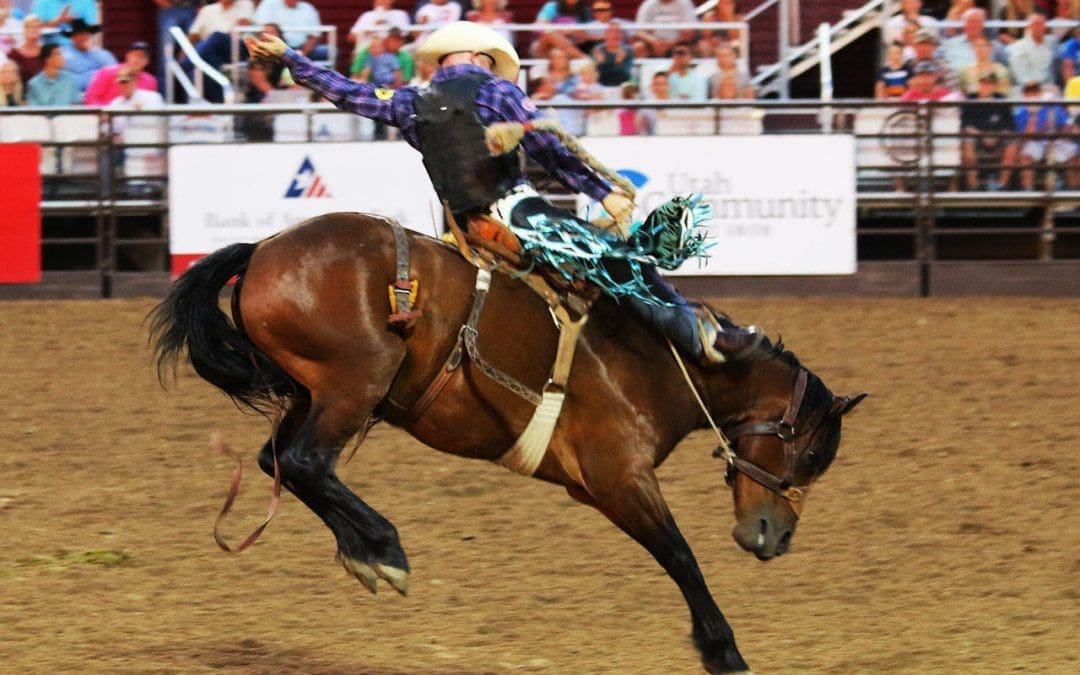
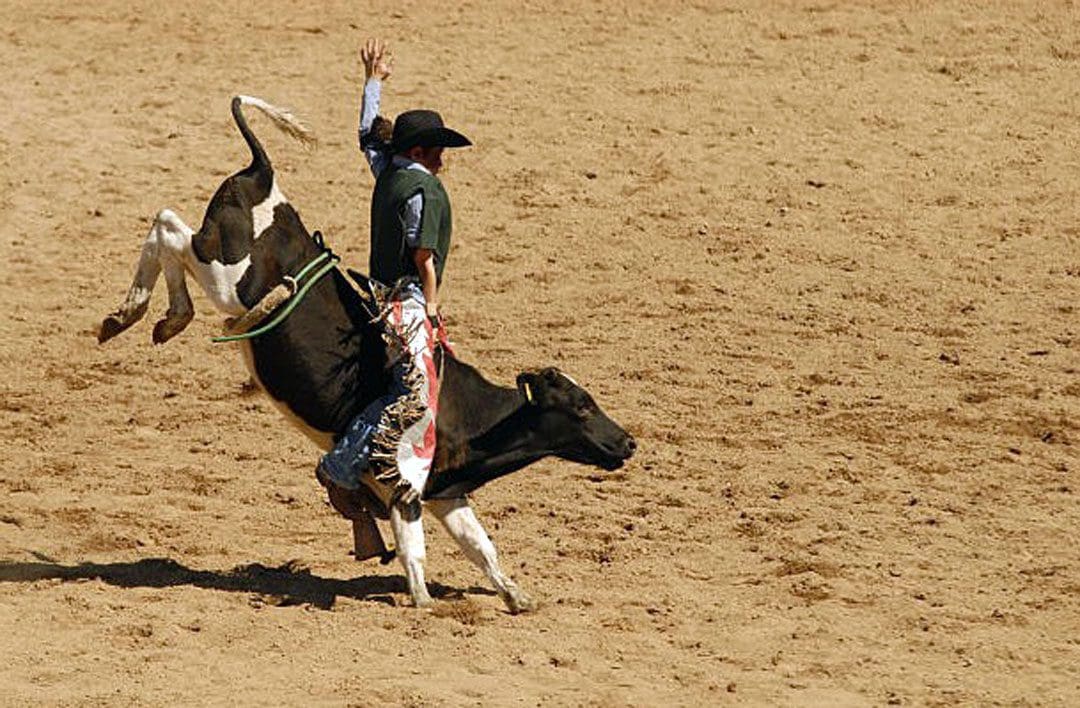
Rodeo Training: Rodeo has become a sport that is now open to anyone, and there are even programs for weekend warriors. Like all sports, it can offer a rewarding experience but can be dangerous. As the sport grows, individuals and spectators realize the importance of being strong, mobile, and durable. Individuals need to assess their health and ability and be in top shape due to the demands this sport places on the body. Here we look at the muscle groups needed in this sport.
Rodeo Training
Fitness has always had a place in rodeo and all equine sports, but it wasn’t paid much attention. Professional rodeo instructors recommend incorporating a strength, conditioning, and personal training regimen, to keep rodeo athletes, including bull riders, steer wrestlers, and calf ropers, in top form. Even for weekend warriors and hobbyists, increasing strength and mobility will make the hobby much more enjoyable.
Body Strength
The core strength of the abdominals and lower back is very important. The connection between the upper and lower body and groin strength has to be strong for the athletes to stay on the animal and control their bodies as the animal runs, shifts, and jumps. The focus should be on every muscle needed to move with proper form and control and learning how your body moves.
Upper Body
Scapula Stabilizers
These muscles help control the shoulder blade and maintain a healthy posture.
These muscles aid the rotator cuff and deltoid muscles to upwardly or downwardly rotate the shoulder blade/scapula while the shoulder joint/arm is moving overhead, behind the back, or reaching away from the trunk.
Strengthening these muscle groups prevents the rounding of the shoulders and provides strength when dealing with a strong animal.
Roughstock riders use these muscles to maintain pressure when lifting their rigging, reign, or rope while maintaining a square posture.
This muscle group needs strengthening, but it is equally important to ensure they’re flexible throughout the chest.
Many individuals have strong chest muscles, but there may be an imbalance of strength and flexibility, causing unhealthy posture.
The spine and stabilizer muscles cannot work to maintain proper posture or stabilize if the chest muscles are too tight.
The focus is maintaining balance in the chest’s mobility while ensuring they are strong enough to handle the force.
Core
Abdominal Muscles
Four major groups comprise the abdominal muscle group, including the rectus abdominis, internal and external oblique, and transversus abdominis.
These muscles work together with the spine and back muscles to help create core stability.
Core strength is not as important as core stability in rodeo sports.
The core fundamentals of riding require the hips, pelvis, and low back to move with the animal.
These muscles coordinate with each other to produce stability.
Focusing only on strength causes rigid or stiff riding.
Being excessively rigid through the abdominals and back muscles prevents shock absorption and can lead to lower back symptoms.
Lower Body
Hip Adductors
These inner thigh muscles include the gracilis, obturator externus, adductor brevis, longus, and magnus.
These muscles should typically be the strongest because of their natural riding use.
Problems with these muscles happen because the athletes generally don’t ride horses recreationally and don’t know how to strengthen them.
This leads to various injuries throughout the pelvic floor and hips.
Balance is required as the muscles can be too weak or too strong.
Where riders begin to depend/rely too much on them can lead to imbalances with the upper and lower body muscles.
Too much use/gripping with the adductors can lead to over-rotation of the hip, resulting in the toes-out walking gait and musculoskeletal issues.
Hip Abductors
The outer thigh/hip muscles are the gluteus medius, gluteus minimus, and tensor fasciae latae/TFL.
They move the leg away from the body and help rotate at the hip joint.
The abductors are necessary for staying stable when walking or standing on one leg.
They help stabilize the hip and pelvis and maintain proper leg alignment, allowing correct leg movements without excessive shifting in the saddle.
Sitting in the saddle with more pressure on one side or leaning to one side when jumping will cause an imbalance in the hip abductors.
Hip Extensors
These are the posterior/back and hip/thigh muscles and are made up of the gluteus maximus and the hamstrings.
These are the most powerful muscles in the body and are responsible for giving the horse the cues to perform what they need to.
Strong hamstrings and glutes allow the rider to exert appropriate pressure through the legs to move the horse from a walk, trot, lope, run, and direction change.
The gluteus maximus acts as a buffer between the hamstrings and the lower back muscles.
Weakened gluteus maximus muscles can cause tight hamstrings that shift the pelvis and begin pulling on the low back muscles.
Building strength and mobility throughout the hip extensors will prevent injury.
Understanding which muscles are responsible for each part of the movements needed to compete in this sport is essential. However, rodeo sports are learned by doing, and it is recommended to go to a rodeo school or rodeo clinics as there is no substitute for experience. Some schools hold numerous classes around the country. These are usually taught by championship athletes and are a great way to try rodeo in a safe and controlled learning environment.
Rodeo Training: What It Takes
References
Meyers, Michael C, and C Matthew Laurent Jr. “The rodeo athlete: injuries – Part II.” Sports medicine (Auckland, N.Z.) vol. 40,10 (2010): 817-39. doi:10.2165/11535330-000000000-00000
Sinclair Elder, Amanda J, and Rachel Tincknell. “Epidemiology of Hip Injuries in Professional Rodeo: A 4-Year Analysis.” Orthopedic journal of sports medicine vol. 8,10 2325967120959321. 27 Oct. 2020, doi:10.1177/2325967120959321
Sinclair, Amanda J, and Jack W Ransone. “Physical activity and its relationship to rodeo injury and success.” Journal of strength and conditioning research vol. 18,4 (2004): 873-7. doi:10.1519/14623.1
Watts, Melinda, et al. “Characteristics of Injury in Collegiate Rodeo.” Clinical journal of sports medicine: official journal of the Canadian Academy of Sports Medicine vol. 32,2 (2022): e145-e150. doi:10.1097/JSM.0000000000000904
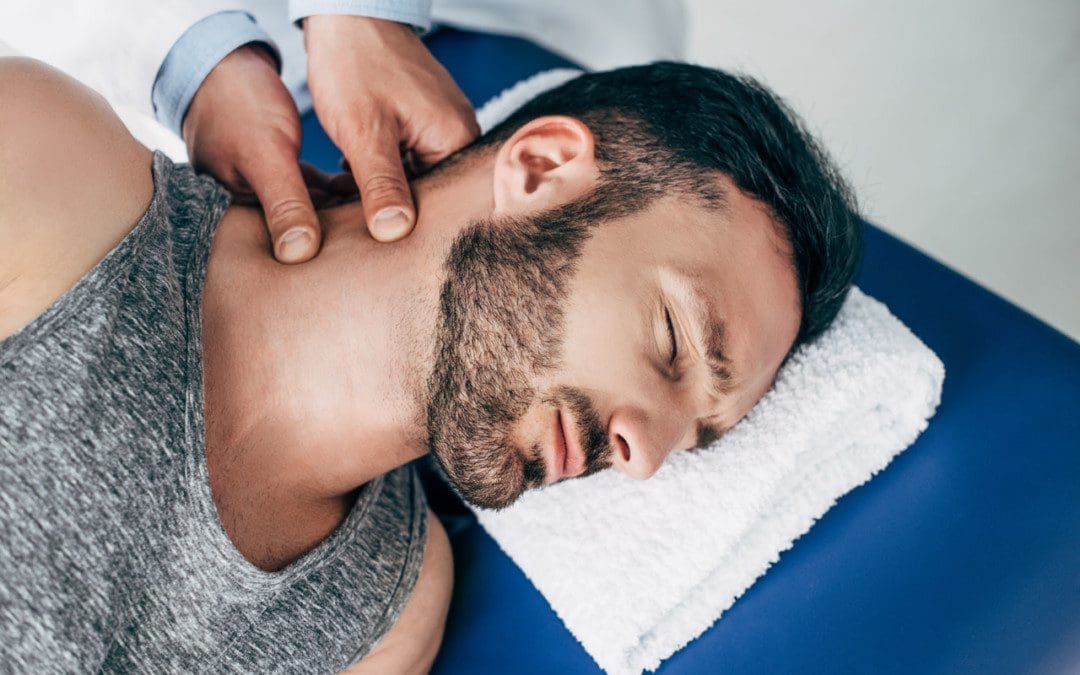
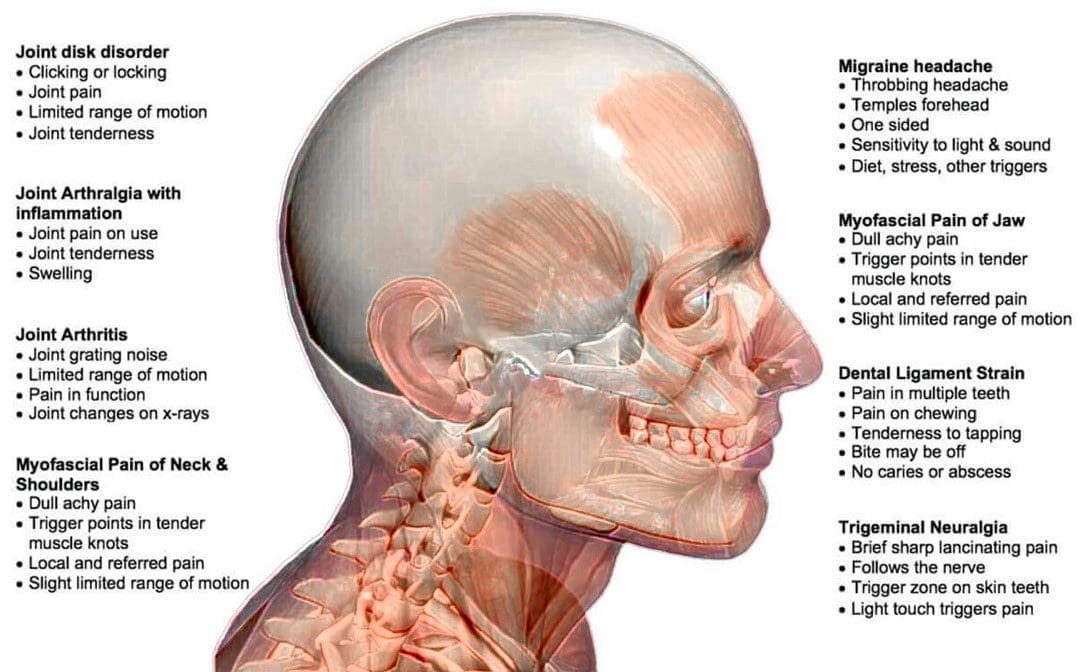
Bruxism is an abnormal jaw clenching or grinding of the teeth, either while awake or during sleep. This can cause neck and shoulder tension caused by excess pressure on the neck and jaw muscles. Individuals may not realize they have bruxism until a dentist notices excess wear and tear or a chiropractor examines their symptoms. Bruxism can play a role in temporomandibular disorders. Doctors and dentists agree that factors like stress increase the likelihood of jaw clenching. Dentists usually recommend a mouth guard to prevent grinding. Chiropractic care, massage, and decompression therapy can relieve symptoms, release and relax the muscles, realign the spine, and restore function.
Bruxism
There is awake bruxism and sleep bruxism. A tight jaw generates tension extending to the neck, shoulder, and upper back muscles. Over time, that excess strain irritates the joints, causing inflammation. Jaw clenching and teeth grinding can lead to health issues like damaged teeth, neck, shoulder, and upper back pain symptoms, and tension headaches.
Symptoms
Signs and symptoms can include:
Face, jaw, neck, and upper back aches, tightness, and soreness.
Tired or tight jaw muscles.
Headaches that start in the temples.
What feels like earache pain symptoms.
Damage from clenching on the inside of the cheek.
Increased tooth sensitivity.
Teeth that are loose, flattened, chipped, or fractured.
Sleep problems.
Risk Factors
Emotional tension – Stress, anxiety, frustration, and anger.
An unhealthy lifestyle – smoking, excess drinking, caffeine, etc., disrupts brain and cardiovascular functions.
Medications
Chiropractic Care for Jaw Clenching
If there is a jaw clenching or grinding issue, it is recommended to see a dentist for a professional diagnosis. Then a chiropractor can develop a personalized treatment plan that utilizes massage and decompression therapy to re-position the jaw, stretch, release and relax the muscles. They will recommend exercises to strengthen and maintain the relaxed jaw muscles and awareness exercises to help identify triggers and prevent clenching.
Jaw Exercises
References
Capellini, Verena Kise, et al. “Massage therapy in managing myogenic TMD: a pilot study.” Journal of applied oral science: Revista FOB vol. 14,1 (2006): 21-6. doi:10.1590/s1678-77572006000100005
Kuhn, Monika, and Jens Christoph Türp. “Risk factors for bruxism.” Swiss dental journal vol. 128,2 (2018): 118-124.
Nishida, Norihiro et al. “Stress analysis of the cervical spinal cord: Impact of the morphology of spinal cord segments on stress.” The journal of spinal cord medicine vol. 39,3 (2016): 327-34. doi:10.1179/2045772315Y.0000000012
Ohayon, M M et al. “Risk factors for sleep bruxism in the general population.” Chest vol. 119,1 (2001): 53-61. doi:10.1378/chest.119.1.53
Santos Miotto Amorim, Cinthia, et al. “Effectiveness of two physical therapy interventions, relative to dental treatment in individuals with bruxism: study protocol of a randomized clinical trial.” Trials vol. 15 8. 7 Jan. 2014, doi:10.1186/1745-6215-15-8
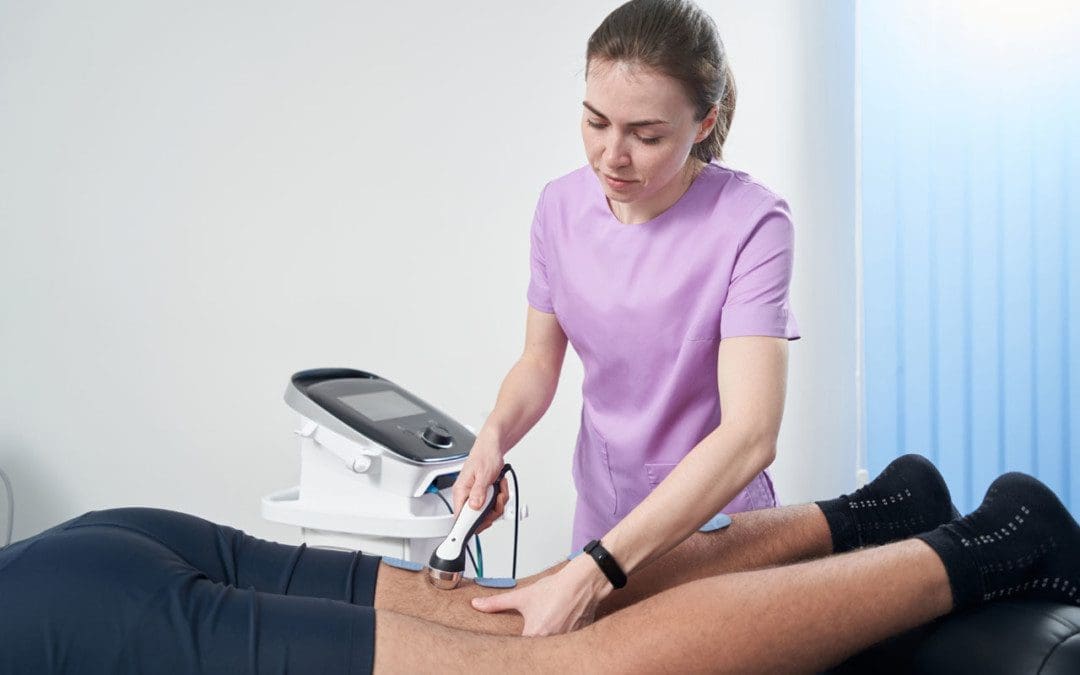
Hamstring syndrome is a condition where the sciatic nerve gets pinched between the hamstring muscles and the pelvic bone or by the tissue bands that connect the hamstring muscles causing compression on and around the nerve. It is seen in individuals that play sports that involve running, kicking, or jumping, in middle-aged individuals engaged in daily activities that have suffered falls, and in individuals that sit for many hours. Chiropractic care, massage, and decompression therapy can relieve the symptoms, release the trapped nerve, relax and stretch the muscles, and restore function.
Hamstring Muscles Trapped Sciatic Nerve
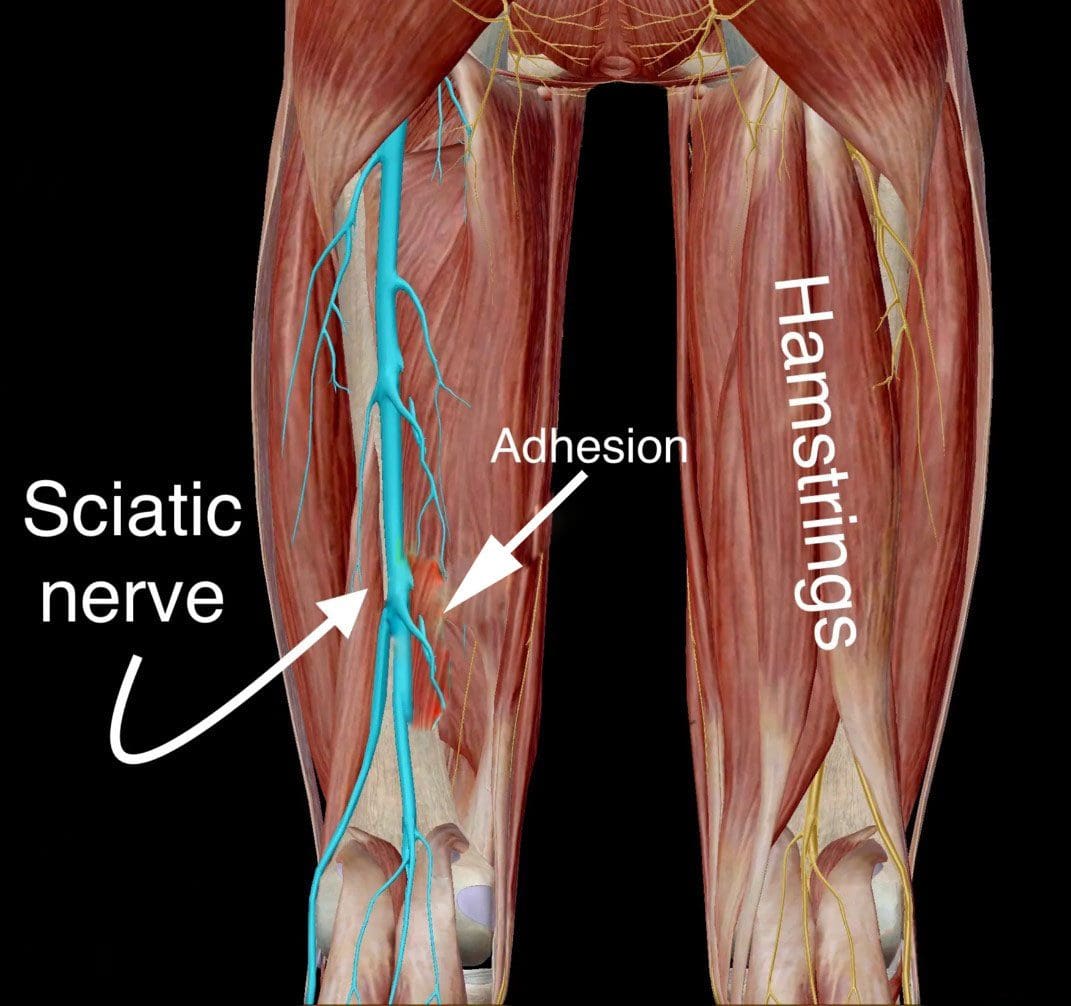
Three muscles make up the hamstrings in the back of the thigh. The sciatic nerve runs from the low back down the leg into the foot. A trapped sciatic nerve can cause various symptoms and sensations in the back of the leg, hip, buttock, and foot. It may hurt to sit down or stretch the legs out, and there is usually tightness in and/or around the buttock and back of the leg. The symptoms typically recede when lying on your back.
Cause
Regular wear and tear on the back muscles and hamstrings can contribute to the condition.
Often the sciatic nerve and/or the sheath surrounding the sciatic nerve gets trapped and irritated as it travels around the ischial tuberosity. The ischial tuberosities are known as the sit bones.
The area where the sciatic nerve runs down the back of the leg can become narrowed, leading to nerve irritation and stinging, numbing, and tingling sensations.
The injury often happens during sudden, quick, forceful movements that overstretch the tendons and/or muscles but can also happen during slow movements.
Movement agitates the pulling and rubbing of the nerve on the muscles.
A non-painful pull or pop of the hamstrings can cause the muscles to spasm and wrap around the nerve.
Symptoms
Symptoms usually include the following:
Leg pain that worsens when sitting.
Intense electrical shooting pain that makes it hard to stand or move.
Difficulties moving the leg or foot.
Numbness and weakness in and around the leg.
Tingling or burning sensations running down the leg.
Persistent pain on one side of the lower back.
Chiropractic Care
Chiropractic treatment can relieve the symptoms and release the trapped nerve. Treatment includes:
Accurate Diagnosis – A chiropractor will examine and review physical activity, work, and medical history.
Ice and Heat therapies will stop the swelling and increase blood flow.
Massage therapy relaxes the muscles and increases circulation.
Decompression therapy incrementally and gently stretches the body.
Chiropractic adjustments realign and reset the body.
Targeted stretches and exercises will keep the muscles loose and increase strength.
Nutritional recommendations will help reduce inflammation and prevent flare-ups.
Hamstrings and Sciatic Nerve Relationship
References
Lohrer, Heinz, et al. “Nerve entrapment after a hamstring injury.” Clinical journal of sports medicine: official journal of the Canadian Academy of Sports Medicine vol. 22,5 (2012): 443-5. doi:10.1097/JSM.0b013e318257d76c
Mattiussi, Gabriele, and Carlos Moreno. “Treatment of proximal hamstring tendinopathy-related sciatic nerve entrapment: presentation of an ultrasound-guided “Intratissue Percutaneous Electrolysis” application.” Muscles, ligaments and tendons journal vol. 6,2 248-252. 17 Sep. 2016, doi:10.11138/mltj/2016.6.2.248
McGregor, Catriona, et al. “Traumatic and overuse injuries of the ischial origin of the hamstrings.” Disability and rehabilitation vol. 30,20-22 (2008): 1597-601. doi:10.1080/09638280701786138
Saikku, Kari, et al. “Entrapment of the proximal sciatic nerve by the hamstring tendons.” Acta orthopaedica Belgica vol. 76,3 (2010): 321-4.
There are various reasons for getting sick, but stress is one of the most common. Stress from family, work, school, traveling, etc., wreaks havoc on the body and mind. Working odd or different hours and staying up late disrupts routines and schedules and can generate significant stress. Trying to keep on top of everything and still trying to manage the usual responsibilities and duties can result in a weakened immune system that contributes to persistent illnesses. Chiropractic care combined with functional medicine can strengthen the immune system and restore optimal function.
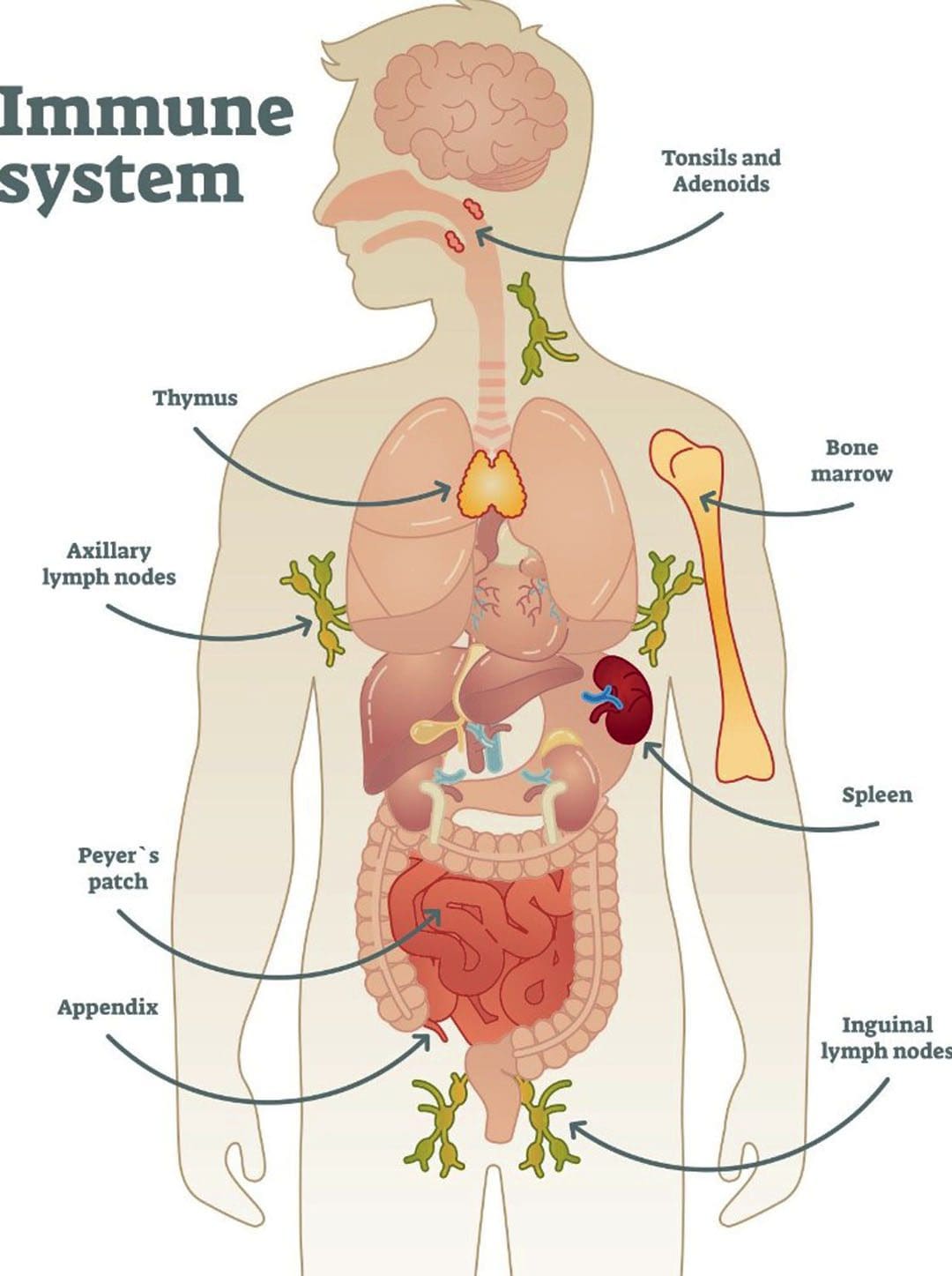
Weakened Immune System
The immune system is a network of organs, white blood cells, proteins/antibodies, and chemicals. It protects the body from bacteria, viruses, parasites, and fungi that cause infection, illness, and disease. It’s normal for healthy adults to get sick a few times a year, but constantly being sick signals a weakened immune system. Individuals with weak immune systems also experience digestion issues. This could be constipation or frequent diarrhea. Approximately 70% of the immune system is in the gastrointestinal tract, where the healthy/beneficial bacteria and microorganisms live. If the amount of healthy bacteria is low, it is harder to protect the body from viruses, chronic inflammation, or autoimmune disorders.
Properly Working
When the immune system works properly, it can tell which cells are the body’s and which substances are foreign and don’t belong there.
It activates, mobilizes, and destroys the outside germs.
After exposure, the immune system stores the germs’ identities to develop antibodies to protect the body.
Depleted Immunity
Chronic stress wears down and prematurely ages the immune system. When the body must constantly adapt to changes from stress, it makes the immune system less responsive.
Depleted immunity is when the cells that should be ready to activate and fight viruses and bacteria are low in numbers.
Ongoing stress, over time, can make the body more vulnerable to illnesses, from colds and flu to chronic diseases like diabetes and heart disease.
High-stress levels can cause depression and anxiety, leading to higher levels of inflammation.
Chiropractic Restoration
Chiropractic care can help strengthen the body’s natural ability to heal and recover from illness by realigning the spine, improving circulation, and releasing toxins. Chiropractic works on the central nervous system, which comprises the spine and brain. As proper function and communication are restored, the central and peripheral nervous systems work together to help control the body’s ability to perceive and handle internal and external stress. Injury Medical Chiropractic and Functional Medicine Clinic treatment include:
Massage therapy
Spinal realignment
Decompression therapy
Health Coaching
Nutritional assistance
Stress Impact
References
Childs, Caroline E et al. “Diet, and Immune Function.” Nutrients vol. 11,8 1933. Aug 16, 2019, doi:10.3390/nu11081933
InformedHealth.org [Internet]. Cologne, Germany: Institute for Quality and Efficiency in Health Care (IQWiG); 2006-. How does the immune system work? [Updated 2020 Apr 23]. Available from: https://www.ncbi.nlm.nih.gov/books/NBK279364/
Nicholson, Lindsay B. “The immune system.” Essays in biochemistry vol. 60,3 (2016): 275-301. doi:10.1042/EBC20160017
Segerstrom, Suzanne C, and Gregory E Miller. “Psychological stress and the human immune system: a meta-analytic study of 30 years of inquiry.” Psychological bulletin vol. 130,4 (2004): 601-30. doi:10.1037/0033-2909.130.4.601
IFM's Find A Practitioner tool is the largest referral network in Functional Medicine, created to help patients locate Functional Medicine practitioners anywhere in the world. IFM Certified Practitioners are listed first in the search results, given their extensive education in Functional Medicine


 Weakened Immune System






