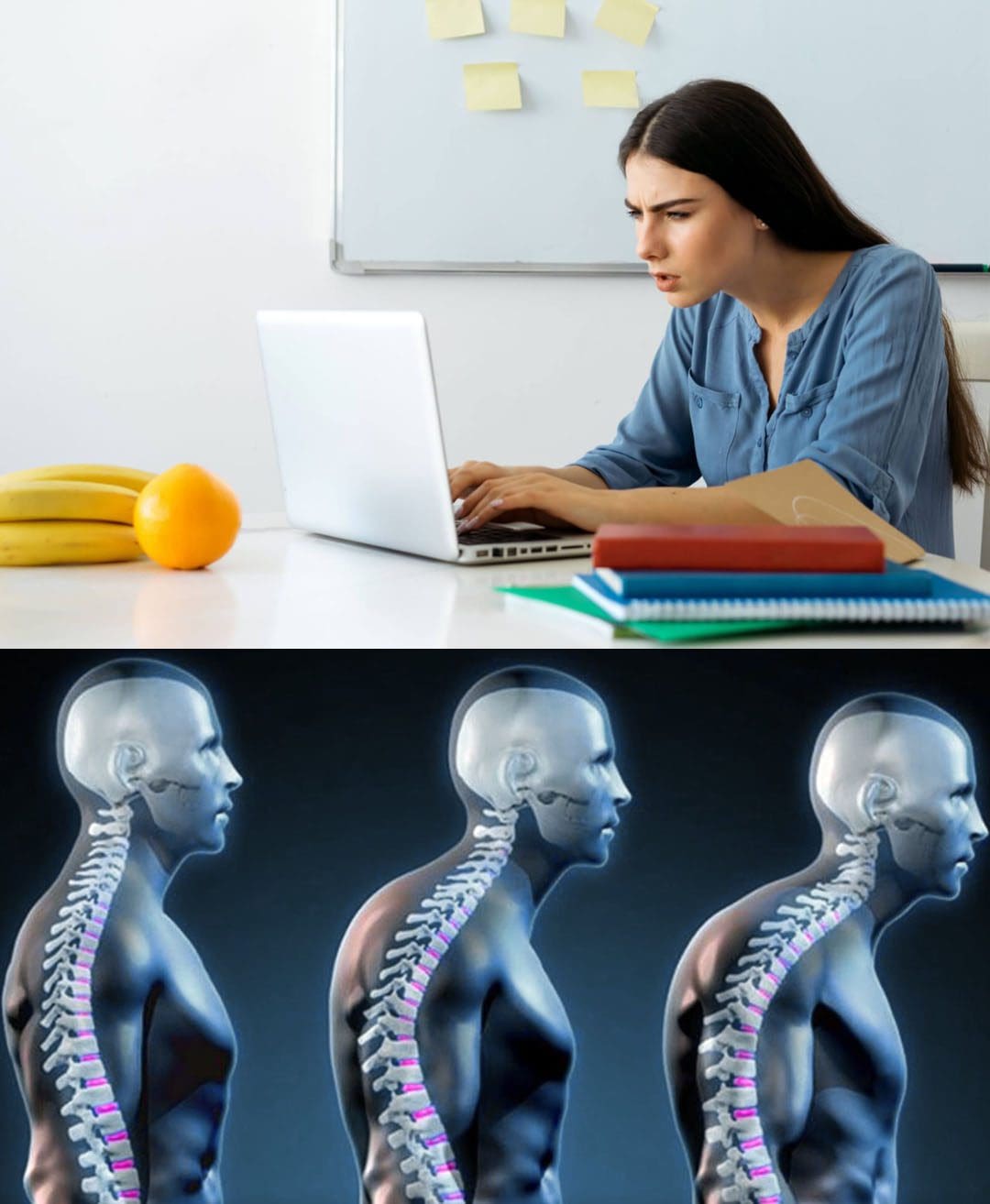
Shoulder and neck discomfort, pain, and headaches could be caused by vision problems and eye strain that require corrective glasses, contact lenses, or an updated prescription. Spending long periods of activity involving eye usage, like driving, reading/writing reports, studying plans, instructions, reviewing charts, orders, etc., on mobile devices and computer screens fatigues the eyes. Individuals with tired eyes try to reduce eye strain by tilting their head or neck and hunching forward, which results in an unhealthy posture. And for individuals that need glasses squinting and straining the eyes also leads to unhealthy postures, directly contributing to neck and shoulder pain and headaches. Injury Medical Chiropractic and Functional Medicine Clinic can repair and heal musculoskeletal injuries and refer patients to the proper specialist, in this case, an eye care professional.
Vision Problems
Like any muscle, the eyes can be overworked, causing unconscious tensing of the neck, upper back, and shoulder muscles, leading to muscle tension in the back of the skull. The tense muscles can cause blood flow and circulation restriction. Individuals compensate by tilting the head towards one shoulder, craning the neck, or leaning/hunching. This can help for a little while but does not relieve muscle soreness, headaches, or migraines, as well as the throbbing around the temples or the fact that it will keep happening. Individuals learn to live with the pain and push through it. This is unhealthy and can lead to serious, chronic musculoskeletal conditions that can cascade into other health problems. For individuals, the symptoms they are experiencing are common in conditions they may have been previously or currently diagnosed with, including:
Neck Strain
The risk of neck strain or injury comes with the overuse of the neck muscles and tendons.
This results in neck pain, tenderness, and a decreased range of motion.
With vision problems, individuals have additional stress on their neck muscles as they tilt their heads to relieve the discomfort.
Neck Muscle Spasms
When the muscles in the neck involuntarily tighten, it can cause sharp or sudden pain; this is referred to as a muscle spasm.
Individuals can experience muscle spasms for minutes, hours, or even days.
Constantly tilting the head to one side to realign vision can cause overuse and strain on the neck muscles, resulting in muscle spasms.
Torticollis/Wry Neck
With torticollis, individuals will likely have a head tilt and experience neck muscle tenderness, stiffness, and pain.
Chiropractic Treatment
Chiropractors are experts in relieving discomfort symptoms and restoring the neuromusculoskeletal system to optimal function. They help reduce inflammation and muscle spasms through heat, cold, stretches and exercises, and electrical stimulation to expedite healing. They also retrain individuals on posture training eliminating the need to tilt the head and being more aware of body positioning.
As primary care doctors, chiropractors can refer their patients to specialists.
Chiropractors work with a wide range of medical professionals, depending on the needs of their patients.
When neck and shoulder discomfort and headaches become chronic and do not heal or improve, they could be vision problems.
By treating the vision misalignment, pressure can be relieved in the neck and shoulders, reducing and eliminating spasms.
Beyond Medicine
References
Bryans, Roland, et al. “Evidence-based guidelines for the chiropractic treatment of adults with headache.” Journal of manipulative and physiological therapeutics vol. 34,5 (2011): 274-89. doi:10.1016/j.jmpt.2011.04.008
Gowrisankaran, Sowjanya, and James E Sheedy. “Computer vision syndrome: A review.” Work (Reading, Mass.) vol. 52,2 (2015): 303-14. doi:10.3233/WOR-152162
Kaur, Kirandeep, et al. “Digital Eye Strain- A Comprehensive Review.” Ophthalmology and therapy vol. 11,5 (2022): 1655-1680. doi:10.1007/s40123-022-00540-9
Lodin, Camilla, et al. “Eye- and neck/shoulder-discomfort during visually demanding experimental near work.” Work (Reading, Mass.) vol. 41 Suppl 1 (2012): 3388-92. doi:10.3233/WOR-2012-0613-3388
Richter, Hans O. “Neck pain brought into focus.” Work (Reading, Mass.) vol. 47,3 (2014): 413-8. doi:10.3233/WOR-131776
Zetterberg, Camilla et al. “Neck/shoulder discomfort due to visually demanding experimental near work is influenced by previous neck pain, task duration, astigmatism, internal eye discomfort, and accommodation.” PloS one vol. 12,8 e0182439. 23 Aug. 2017, doi:10.1371/journal.pone.0182439
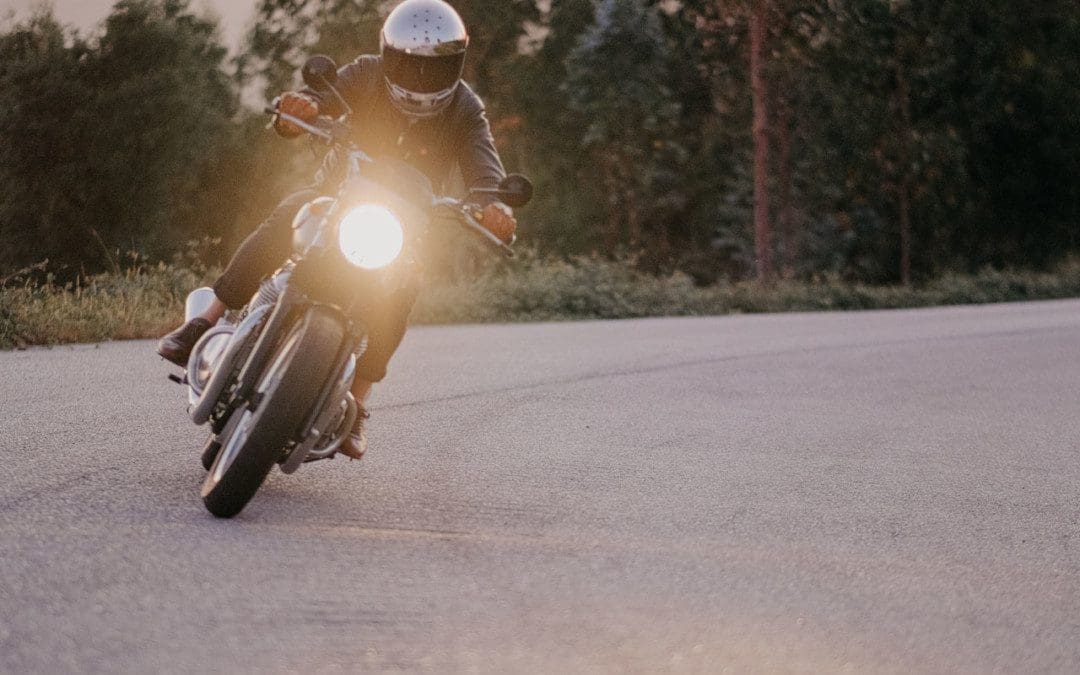
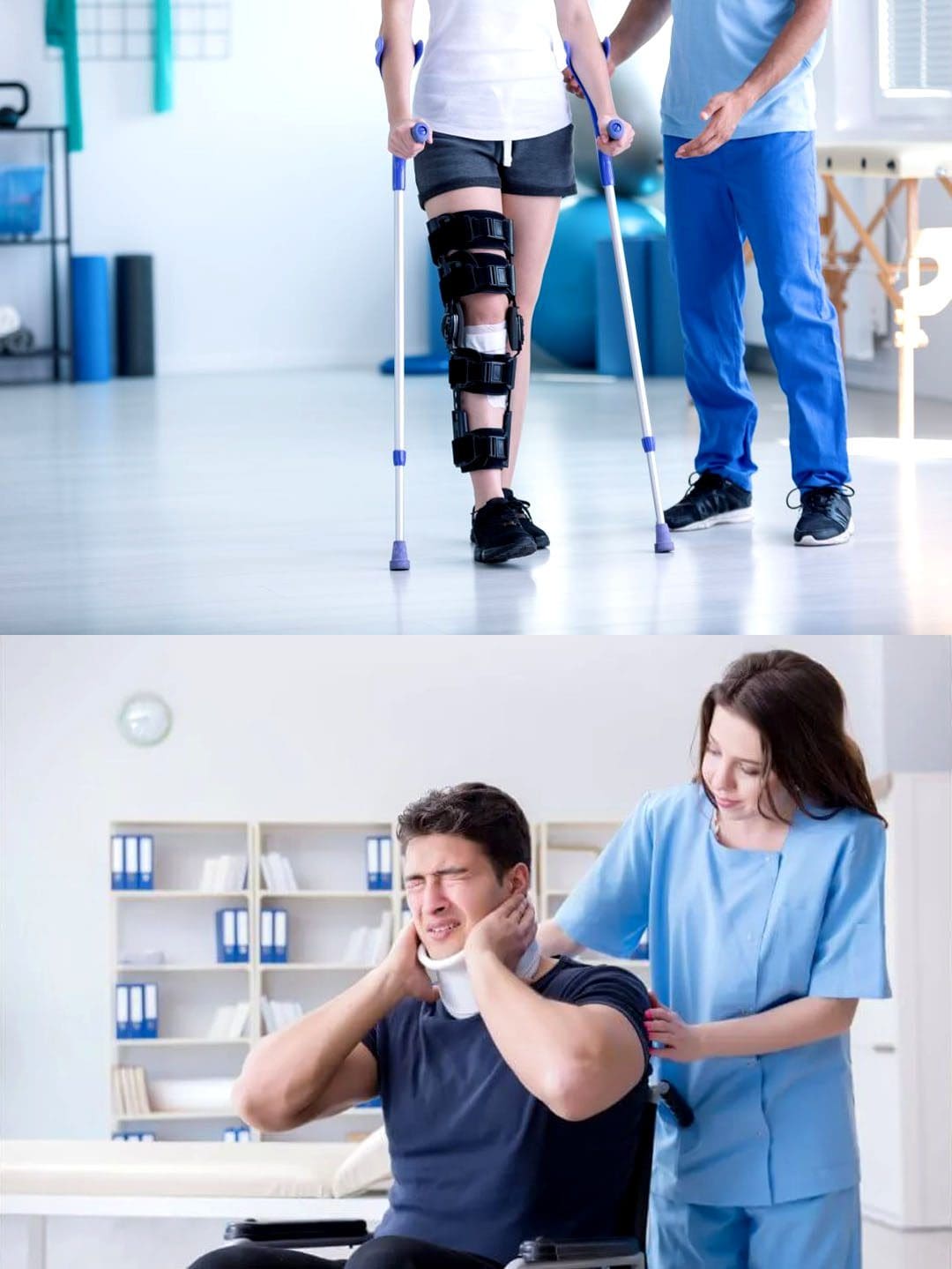
Injuries after a motorcycle crash include contusions, skin abrasions, soft tissue injuries to tendons, ligaments, and muscles, sprains, strains and tears, facial and jaw fractures, traumatic brain injury, broken bones, misalignment, neck and back injuries, and biker’s arm. The Injury Medical Chiropractic and Functional Medicine Team can develop a comprehensive view of the sustained injuries to create a personalized treatment plan to reduce inflammation, increase flexibility, correct misalignments, rehabilitate the body, relax, stretch, and strengthen the musculoskeletal system, and restore mobility and function.
Motorcycle Crash Injuries
Motorcycle crash injuries are not easy to recover from. Acute soft tissue injuries caused by sudden trauma are common, as well as herniated discs, pelvis, and spinal misalignments that can have a cascading effect on the rest of the body.
Pelvic Misalignment
The pelvis comprises the pubic joint in the front and two sacroiliac joints in the back.
The sacroiliac joints work to connect the pelvis to the spine.
The pelvis also connects various muscles, including the pelvic floor and hip.
When the hip sustains a crash/collision impact or the impact causes the individual to fall on their hip, the hip or pelvis can become misaligned. Pelvic misalignment is one of the leading causes of severe back problems and pain. To realign the pelvis, a chiropractor will develop a physical therapy program that will include the following:
Therapeutic massage to relax the muscles and increase blood circulation.
Directed stretching of tight and overactive muscles.
Strengthening or reactivating weak and inhibited muscles.
Exercises to train proper pelvis positioning awareness.
Neck Injuries
In addition to whiplash, spinal misalignment to the vertebrae in the neck can occur. A chiropractor can help restore the range of motion. The treatment team will develop a therapy program in addition to chiropractic. The primary focus is to improve the flexibility and strength of the neck. The common types of physical therapy include:
Massage.
Neck stretches.
Back strengthening.
Core strengthening.
Leg and Foot Injuries
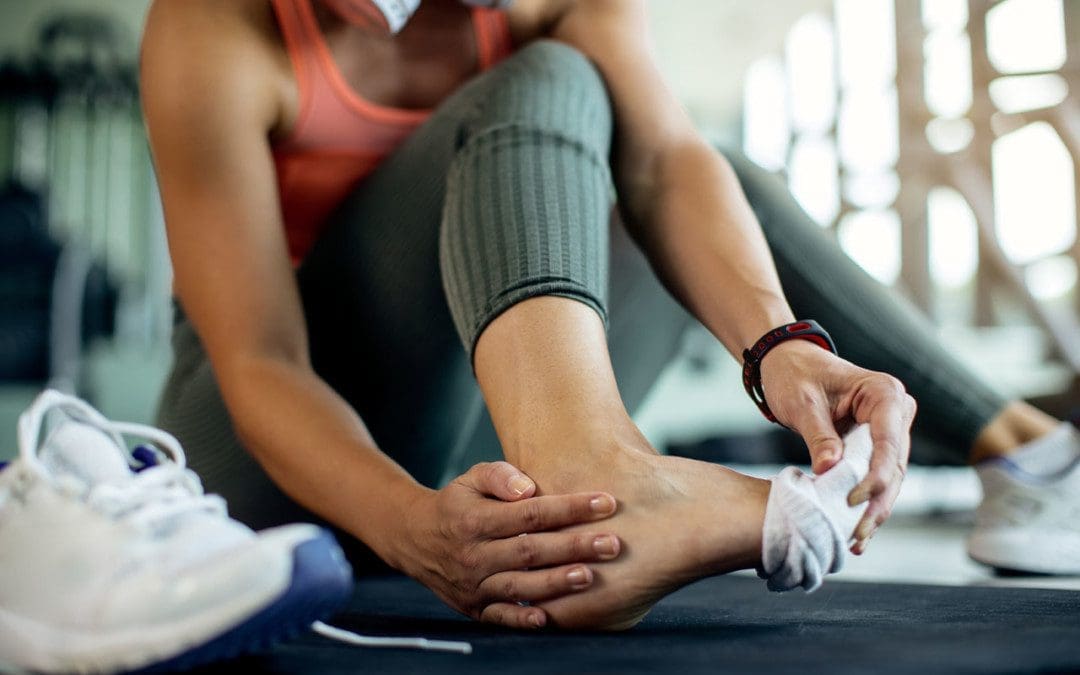
Extremity injuries frequently occur, particularly to the feet and legs, and include:
Sprains.
Strains.
Muscle tears.
Road Rash.
Bone fractures.
The therapy team will build a treatment plan that works through each system up the foot, knee, and hip. This plan will help heal soft tissue injuries by applying techniques like massage therapy and at-home exercises.
Rider’s Arm
Motorcyclists may extend their hands out to protect themselves from the impact when falling. This position can lead to injuries that affect the shoulders, arms, wrists, and hands. The physical therapy team can help heal soft tissue injuries and increase mobility using mobilization. Chiropractic can restrengthen damaged shoulder muscles, support torn ligaments, and treat tissue damage.
This hands-on technique involves easing a joint or muscle through normal movement patterns to release and relax stiffness and increase mobility.
Manual adjustments, deep tissue massage, exercise, and hot/cold therapy help restore health and mobility and expedite recovery.
Injury Rehabilitation
References
Dischinger, Patricia C et al. “Injury patterns and severity among hospitalized motorcyclists: a comparison of younger and older riders.” Annual proceedings. Association for the Advancement of Automotive Medicine vol. 50 (2006): 237-49.
Mirza, M A, and K E Korber. “Isolated rupture of the anterior tibialis tendon associated with a fracture of the tibial shaft: a case report.” Orthopedics vol. 7,8 (1984): 1329-32. doi:10.3928/0147-7447-19840801-16
Petit, Logan, et al. “A review of common motorcycle collision mechanisms of injury.” EFORT open reviews vol. 5,9 544-548. 30 Sep. 2020, doi:10.1302/2058-5241.5.190090
Sander, A L et al. “Mediokarpale Instabilitäten der Handwurzel” [Mediocarpal instability of the wrist]. Der Unfallchirurg vol. 121,5 (2018): 365-372. doi:10.1007/s00113-018-0476-9
Tyler, Timothy F et al. “Rehabilitation of soft tissue injuries of the hip and pelvis.” International journal of sports physical therapy vol. 9,6 (2014): 785-97.
Vera Ching, Claudia, et al. “Traumatic tracheal injury after a motorcycle accident.” BMJ case reports vol. 13,9 e238895. 14 Sep. 2020, doi:10.1136/bcr-2020-238895
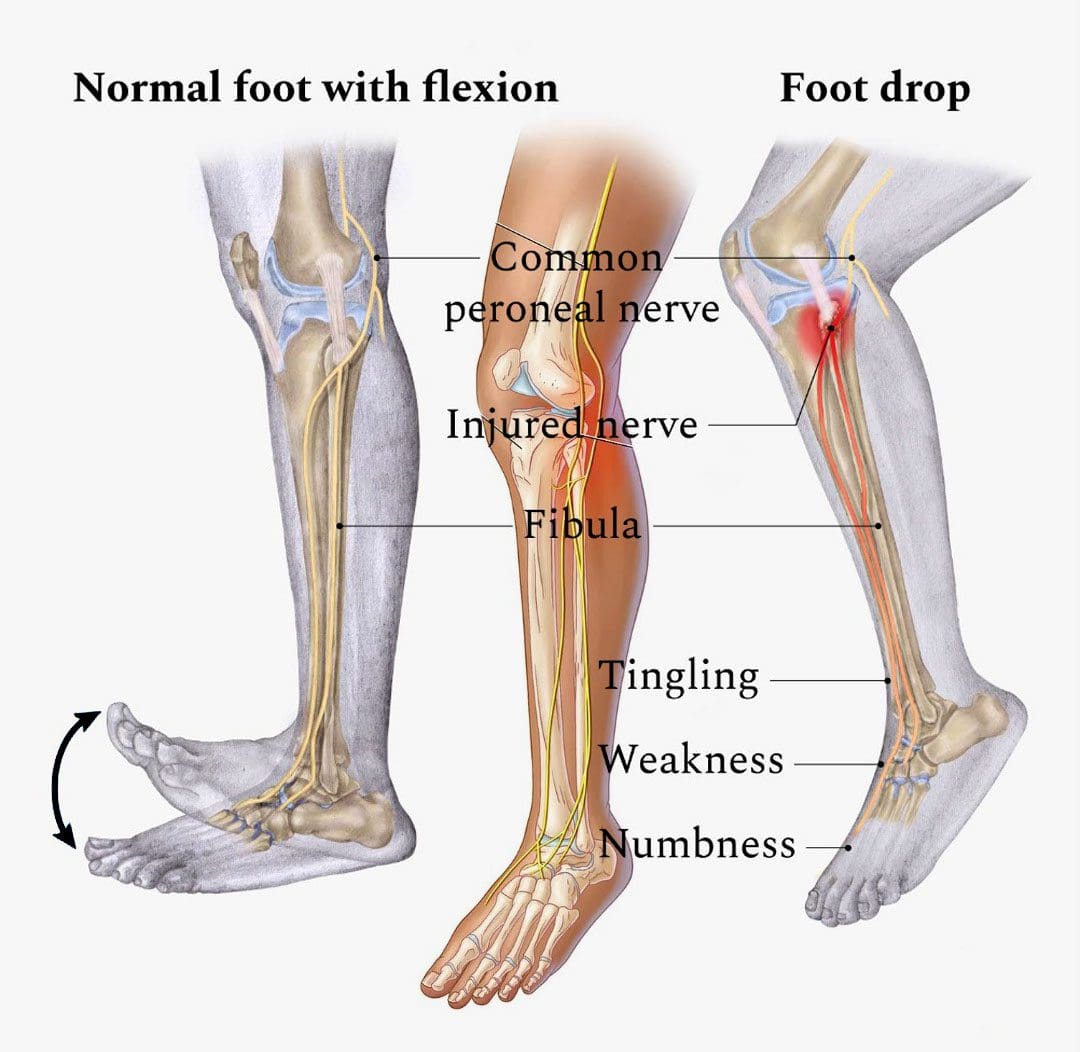
A peroneal nerve injury/peroneal neuropathy can be caused by direct trauma to the outer knee with symptoms and sensations of numbness, tingling, pins-and-needles sensations, pain, or weakness in the foot that can cause a condition known as foot drop. Chiropractic can perform spinal manipulation, realignment, and decompression to restore the nerve’s function. They can also help with walking and mobility by providing muscle strengthening and stretching exercises to correct abnormal gait caused by foot drop and increase the range of motion in the ankle.
Peroneal Nerve Injury
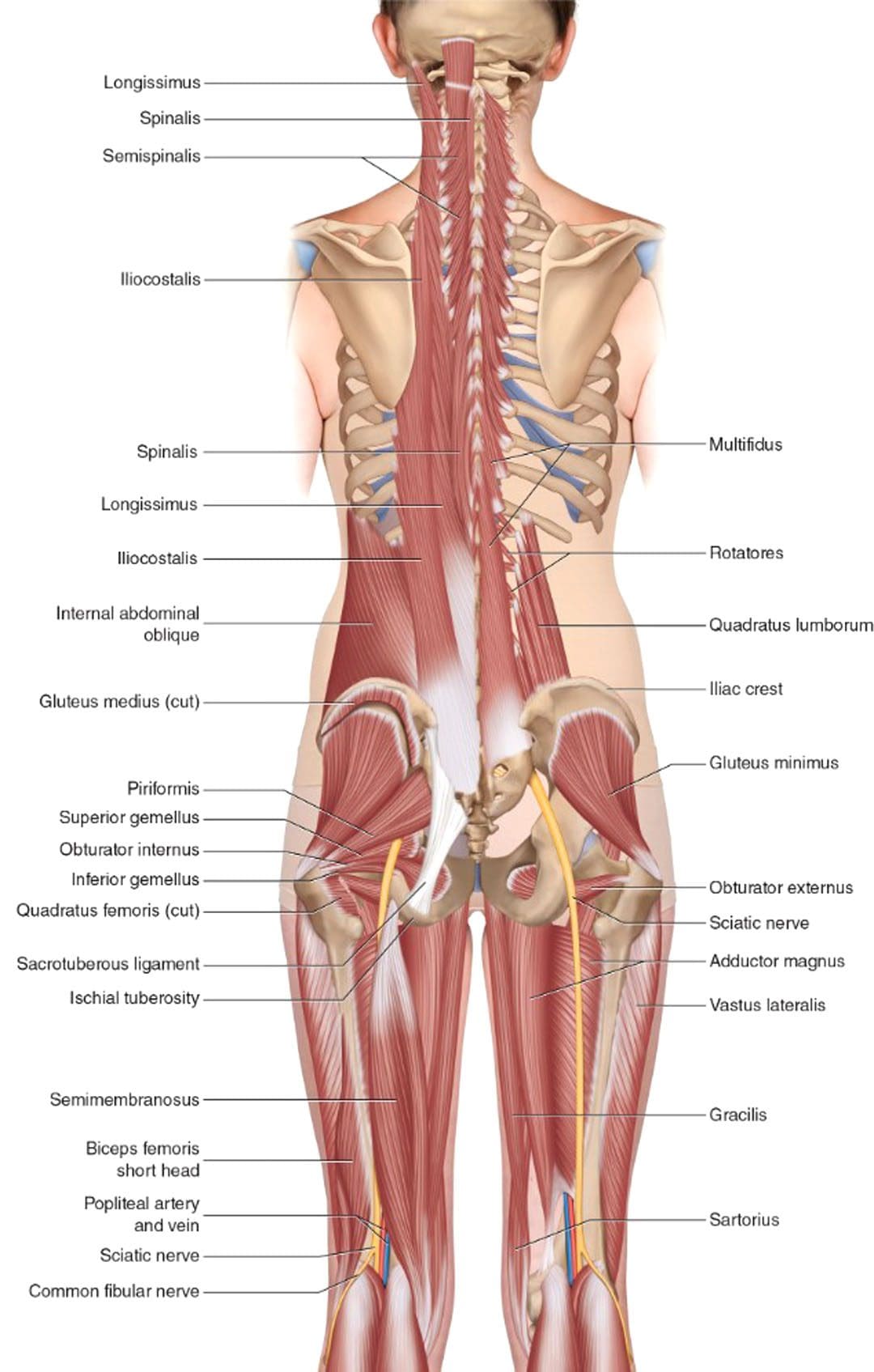
The peroneal nerve begins near the sciatic nerve at the glutes/hip and buttocks. It travels down the back of the thigh to the knee, which wraps around the front of the leg and extends into the feet to the toes. It provides sensory input from the lateral aspect of the lower leg and the top of the foot. It also provides motor input to the muscles responsible for lifting the foot off the ground lifting the toes and ankles and turning the foot outwards.
Causes
Structural problems in the spine or misalignment can affect the functionality of the nervous system and lead to peroneal neuropathy. Traumatic nerve injury causes include musculoskeletal injury, peroneal nerve paralysis, compression, or laceration. Injuries by trauma and nerve compression include:
Compression of the nerve in the leg.
Knee dislocation.
Knee or hip replacement surgery.
Knee or leg fracture. Fractures of the tibia or fibula, especially in the areas closer to the knee, can injure the nerve.
Ankle fracture.
Blood clot.
Compression by a nerve sheath tumor or cyst.
Certain underlying medical conditions can cause symptoms of peroneal nerve injury. It is recommended to be evaluated by a medical professional who can diagnose and offer appropriate treatment options. Neurologic disorders that can cause similar symptoms:
Herniated lumbar disc
Multiple sclerosis
Parkinson’s disease
Amyotrophic lateral sclerosis – ALS or Lou Gehrig’s disease.
Metabolic syndromes – diabetes, alcohol abuse, exposure to toxins.
Symptoms
Nerve injury symptoms include:
Numbness, tingling, or loss of sensation in the top of the foot or outer part of the lower leg.
Inability to flex toes or ankles upward/dorsiflexion.
Inability to flex the ankle to take a step forward.
Inability to move the foot.
Weakness in foot eversion/rotating outward.
Flopping or slapping sounds when walking.
Gait changes – dragging the toes or lifting the knee higher than the other to raise the foot off the ground.
Tripping often.
Pain in the foot or lower leg.
Diagnosis
In diagnosing a peroneal nerve injury, a healthcare provider examines the leg and analyzes symptoms. Tests can include:
Imaging tests – CT scan, ultrasound, or MRI.
Magnetic resonance – MR – neurography is a specialized high-resolution MRI of the nerves.
An electromyogram measures how muscles react to nerve stimulation.
Treatment for a peroneal nerve injury depends on the severity and can be surgical or non-surgical. Non-surgical options include orthotic footwear, chiropractic care, and physical therapy. A physical therapy program could consist of the following:
Icing
Massage
Manual manipulation
Stretching
Strengthening exercises
Mobilization exercises
Balancing exercises
Ankle bracing
Ankle taping
Shoe inserts – splints, braces, or orthotics can improve gait.
Longo, Diego, et al. “The Muscle Shortening Maneuver: a noninvasive approach to treating peroneal nerve injury. A case report.” Physiotherapy theory and practice, 1-8. 31 Jul. 2022, doi:10.1080/09593985.2022.2106915
Milenković, S S, and M M Mitković. “Common peroneal nerve schwannoma.” Hippokratia vol. 22,2 (2018): 91.
Radić, Borislav et al. “PERIPHERAL NERVE INJURY IN SPORTS.” Acta clinica Croatica vol. 57,3 (2018): 561-569. doi:10.20471/acc.2018.57.03.20
Thatte H et al. (2022). Electrodiagnostic evaluation of peroneal neuropathy. ncbi.nlm.nih.gov/books/NBK563251/
T Francio, Vinicius. “Chiropractic care for foot drop due to peroneal nerve neuropathy.” Journal of bodywork and movement therapies vol. 18,2 (2014): 200-3. doi:10.1016/j.jbmt.2013.08.004
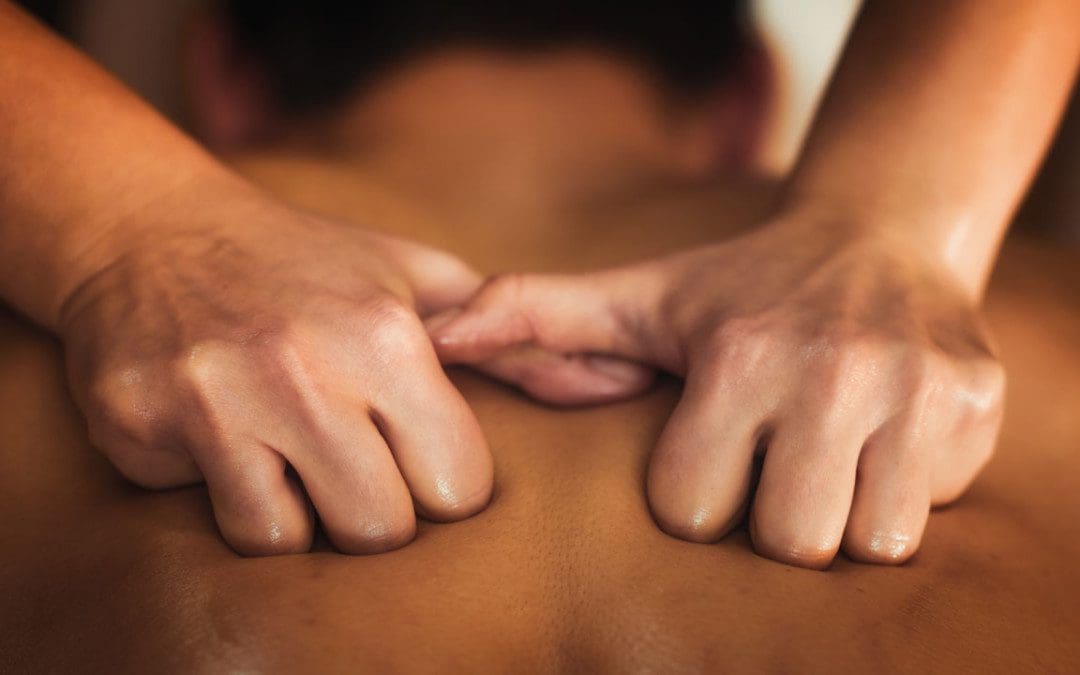
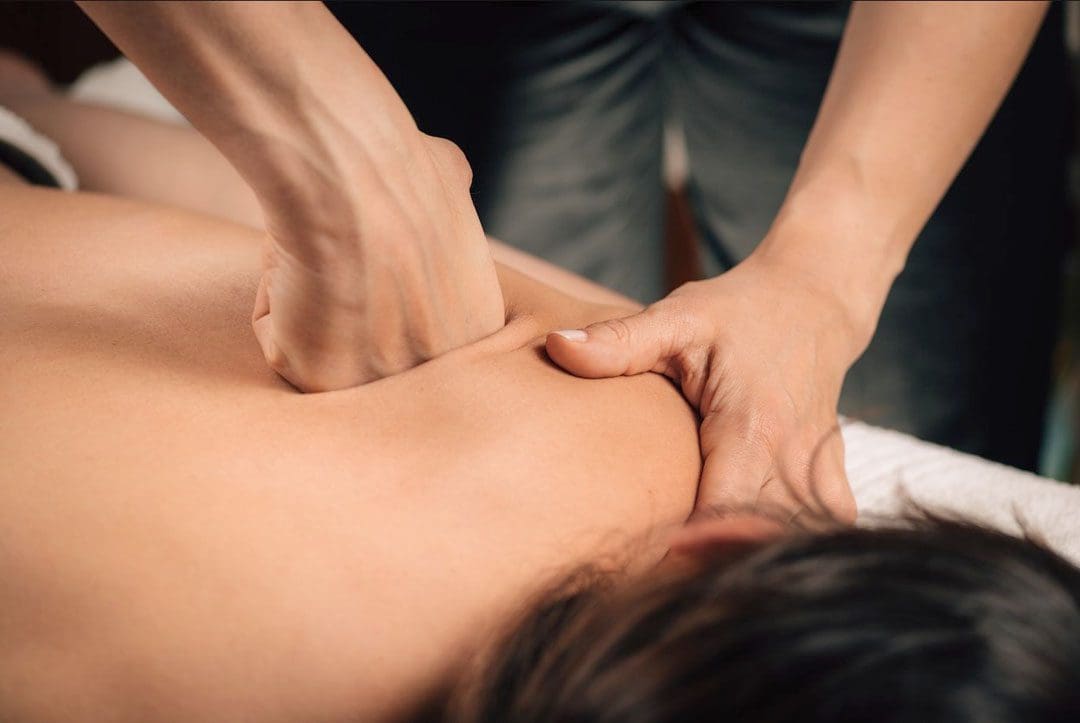
Massage is part of integrative medicine and can be used for various medical conditions. In massage therapy, a therapist rubs and kneads the body’s soft tissues, including muscle, connective tissue, tendons, ligaments, and skin. The therapist varies the amount of pressure and movement. Individuals often start feeling the effects right away. One of the benefits is increased temperature. Increased temperature amplifies blood flow and circulation, enabling muscular and connective tissues to release restriction, and muscle tightness, relieve tension, and improve movement. A massage therapist will use different techniques to increase the temperature to treat various conditions.
Increased Temperature
Some patients want to know why their muscles heat up or burn during a massage. Muscles burn because of the accumulation of waste in the cells. The waste products are released as a result of massage. The muscles release lactate, a byproduct of glucose. The effects of deep tissue massage are almost the same as the effects of exercise. During the massage:
The demand for oxygen in the tissues increases.
Because of this, blood flow circulation to these tissues increases.
This is necessary to supply oxygen and glucose.
It excretes waste substances and toxins.
Muscle heat or burn during massage differs for everybody. Some individuals don’t feel it at all. The session can be so intense that the muscles can’t clear the lactate/toxins fast enough, causing the burning sensation.
Fascia Circulation
The temperature of the fascia can also be increased. Fascia is the thick, fibrous layer of connective tissues beneath the skin that can often become restrictive. Increased temperature in the superficial and deep tissues releases, relaxes, and loosens tight, tense, shortened, and/or injured areas, allowing muscular tissues to increase in elasticity, flexibility, and relaxation. Heart rate is raised, improving circulation and increasing the delivery of oxygen and nutrients to the affected areas and the rest of the body.
Myofascial release involves slowly applying pressure to the area using flattened hands and fingers.
The slow, soft pressure increases the temperature of the fascia.
As the hands and fingers get deeper within, they slowly move around, spreading the fascia.
This releases the tightness and relieves the pain.
An individual’s posture can improve when the temperature is increased. Muscular tension and tightness can cause increased pain symptoms, not allowing healthy posture.
Muscle Burn Relief
Rehydrate
Drink plenty of water after the session is over.
Water maintains proper circulation for excreting waste products and nourishes the muscle cells with fresh nutrients and oxygen.
Avoid coffee and alcohol as they increase urination and blood osmolality and dehydrate the body.
Stretching
Stretching before and after a session can relieve muscle soreness.
Stretching exercises increase blood flow.
Stimulates the release of synovial fluid around the joints.
Sleep
Get plenty of rest after a session.
The body knows how to restore itself; during sleep, it reduces cortisol secretion.
It increases the stimulation of antioxidative hormones to go after free radicals.
Herbal Remedies
Herbal remedies like ginger, garlic, cloves, and cinnamon increase blood circulation, reducing pain and swelling.
They have anti-inflammatory properties that help with muscle burn and soreness.
After a session, a little peppermint or CBD oil can relieve the sore parts.
Chiropractic Success Story
References
Dion LJ, et al. Development of a hospital-based massage therapy course at an academic medical center. International Journal of Therapeutic Massage and Bodywork. 2015; doi:10.3822/ijtmb.v8i1.249.
Massage therapy: What you need to know. National Center for Complementary and Integrative Health. https://www.nccih.nih.gov/health/massage-therapy-what-you-need-to-know. Accessed Jan. 5, 2021.
Rodgers NJ, et al. A decade of building massage therapy services at an academic medical center as part of a healing enhancement program. Complementary Therapies in Clinical Practice. 2015; doi:10.1016/j.ctcp.2015.07.004.
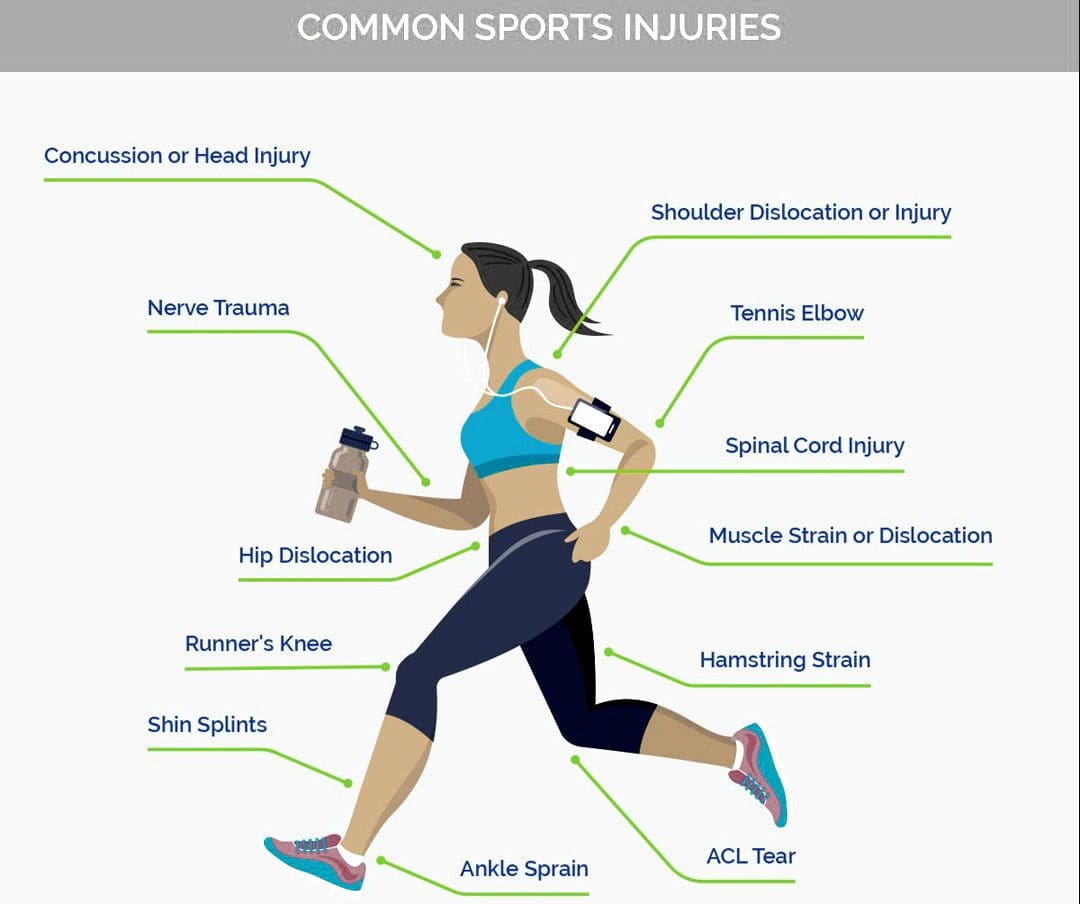
Too much running can lead to burnout and injuries for even the most hard-core runners and running enthusiasts. Cross-training can be a great way to work through unmotivated phases. Beginners and experienced runners will hit periods when they become bored or uninspired to run. Individuals dealing with injuries need to take time off from running during recovery. Once they are healed enough to engage in physical activity, doctors, trainers, physical therapists, and sports chiropractors recommend low-impact cross-training activities, like swimming or water running/aqua jogging, to lessen the stress on the muscles and joints and help injured athletes maintain their fitness and cope with the frustration of not being able to participate.
Cross Training
Cross-training is any sport or physical activity/exercise that supplements an athlete’s main sport. Whether a beginner or veteran, it balances the muscle groups because it strengthens muscles that don’t get worked out and/or are used less during running. This decreases the chances of worsening the injury and prevents future injuries. Added benefits:
Improves other areas of the body.
Improves cardiovascular fitness.
Cross-training can help avoid getting bored with running.
Gives runners a mental break.
Individuals can continue to train while letting injuries heal.
Individuals dealing with an injury may need to train more frequently as part of a rehabilitation and strength training treatment plan. A doctor, chiropractor, or physical therapist will recommend how much cross-training and type of activities will be the most beneficial for the specific injury.
Activities
Swimming
Swimming is an excellent cross-training activity because it’s not weight-bearing, giving the leg muscles and joints a break.
It builds strength and endurance and improves flexibility.
It balances working the upper body while giving the legs a break.
Swimming is a good way to recover after a long run.
Helps individuals prone to running injuries or are healing from an injury.
Relaxing and meditative.
Water Running
Water running can help with injuries and/or be used in strength training.
It’s also a great way to run during hot and humid weather.
Cycling or Spinning
Cycling and spin classes are low-impact.
Provide increased cardiovascular fitness and strength.
Exercises other muscle groups, especially the quads, and glutes.
Elliptical Training
An elliptical machine provides a whole-body cardiovascular workout with the feel of cross-country skiing, stair climbing, and walking.
The machine can be programmed to move forward or backward to work all the major muscles in the legs.
The muscles used are similar to those used when running.
It is a low-impact alternative when injured.
Pilates
Pilates is a form of exercise that emphasizes core strength and flexibility.
Pilates can help increase flexibility, reduce tight muscles, and be recommended for active recovery.
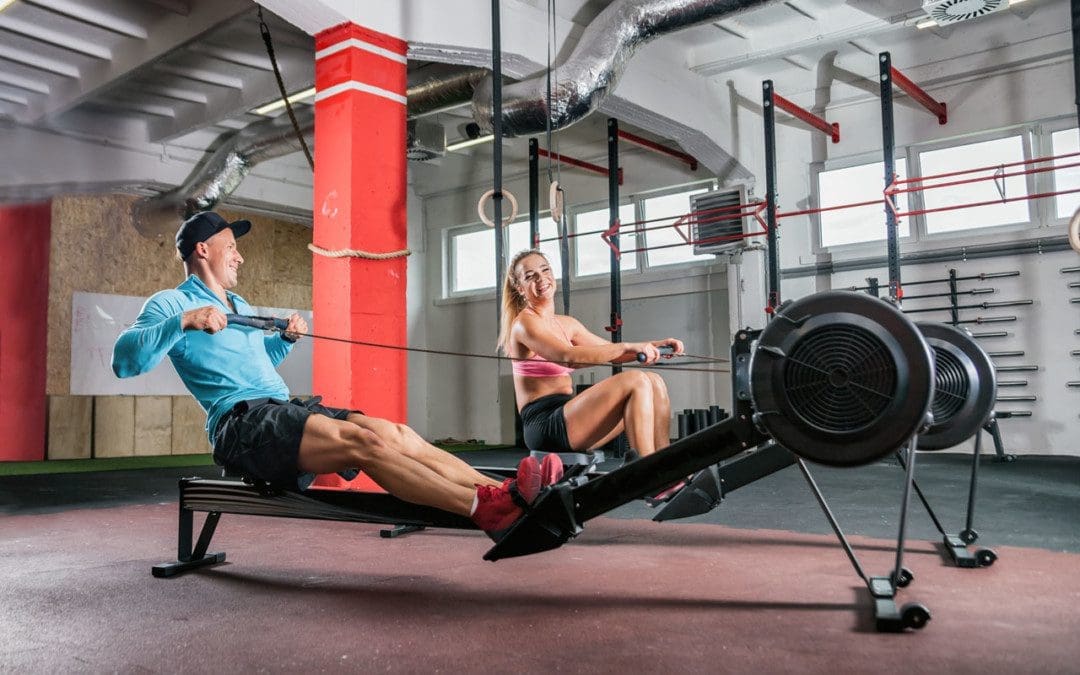
Rowing
Rowing is an excellent cardiovascular, low-impact activity.
Yoga provides some of the same benefits as strength training.
Uses body weight as resistance to strengthen and stretch muscles.
Improves flexibility and mobility.
Way to relax after an intense run or workout.
Taking Time Off
Taking days off from running each week to participate in cross-training activities can help maintain motivation.
Recreational runners can supplement three to four days of running with two to three days of cross-training.
Competitive runners who run four to six days a week can substitute low-intensity cross-training for a light run or a rest day one to two days a week.
It helps runners add more exercise without risking overuse injuries.
Increases muscle strength and flexibility, and core stability.
Fitness Health
References
Alves de Araújo, Maria Erivânia, et al. “The effectiveness of the Pilates method: reducing the degree of non-structural scoliosis, and improving flexibility and pain in female college students.” Journal of bodywork and movement therapies vol. 16,2 (2012): 191-8. doi:10.1016/j.jbmt.2011.04.002
Baltich, Jennifer, et al. “The effects of isolated ankle strengthening and functional balance training on strength, running mechanics, postural control and injury prevention in novice runners: design of a randomized controlled trial.” BMC musculoskeletal disorders vol. 15 407. 4 Dec. 2014, doi:10.1186/1471-2474-15-407
Casado, Arturo, et al. “Training Periodization, Methods, Intensity Distribution, and Volume in Highly Trained and Elite Distance Runners: A Systematic Review.” International journal of sports physiology and performance vol. 17,6 (2022): 820-833. doi:10.1123/ijspp.2021-0435
Claudino, João Gustavo, et al. “CrossFit Overview: Systematic Review and Meta-analysis.” Sports medicine – open vol. 4,1 11. 26 Feb. 2018, doi:10.1186/s40798-018-0124-5
Schlegel, Petr. “CrossFit® Training Strategies from the Perspective of Concurrent Training: A Systematic Review.” Journal of sports science & medicine vol. 19,4 670-680. 19 Nov. 2020
Tanaka, H, and T Swensen. “Impact of resistance training on endurance performance. A new form of cross-training?.” Sports medicine (Auckland, N.Z.) vol. 25,3 (1998): 191-200. doi:10.2165/00007256-199825030-00005
Maintaining a healthy and well-balanced nutritional plan is recommended for overall health. When the body is nourished healthily, it will perform optimally. Stress is part of daily life, and certain foods can enhance the body’s ability to handle stress, help target physical and emotional states, and protect the brain. The Injury Medical Chiropractic and Functional Medicine Clinic Team can provide therapeutic massage to increase circulation, and relax the mind and body, adjustments to restore any misalignments, and nutritional support and health coaching for total wellness.
Foods For Stress
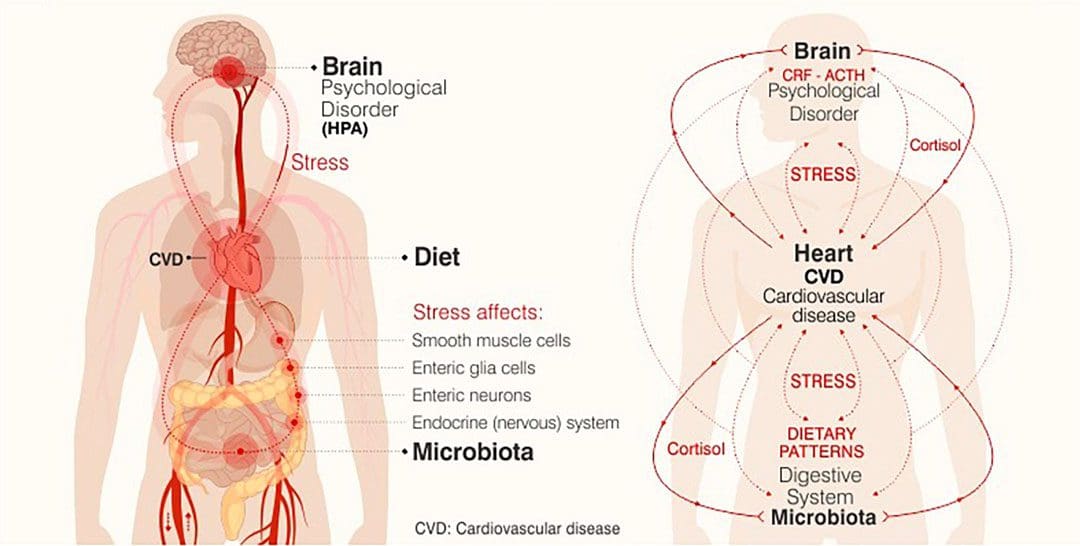
Anxiety is a widespread condition affecting millions of individuals. Trying to lower stress levels includes self-care, sleep management, physical activity, and incorporating foods to reduce cortisol levels, the primary hormone responsible for stress.
Cortisol
Cortisol has a variety of functions that include:
Manages how the body uses carbohydrates, fats, and proteins.
Sleep cycle regulation.
Blood pressure regulation.
Increases blood sugar.
Decreases inflammation.
Cortisol is sometimes known as the stress hormone because the adrenal gland releases it when experiencing stress or when the body is under physical stress/inflammation. It is the key to managing the fight-or-flight instinct and is healthy for a short period as a protective mechanism providing the energy needed to respond to short-term stress. However, the long-term release of cortisol generates tension in the body, leading to chronic inflammation and raised blood pressure. Learning how to manage stress is necessary for lowering cortisol levels.
Symptoms
Symptoms vary and are different for everybody.
Physical
Exhaustion.
Sleep problems.
Headaches.
Muscle tension.
Jaw clenching.
Aches and pains.
Chronic illness from a weakened immune system.
Stomach or digestive problems.
High blood pressure.
Chest pain or a feeling like the heart is racing.
Dizziness.
Shaking.
Emotional and mental
Irritability and or anxiousness.
Sadness.
Depression.
Panic attacks.
Foods
The objective is to reduce inflammation, thus reducing cortisol levels. Recommended foods for stress include foods high in magnesium, vitamin B, Omega-3 fatty acids, protein, and foods that benefit the gut. Here are a few.
Magnesium
Magnesium is highly beneficial in reducing inflammation, metabolizing cortisol, and relaxing the mind and body.
Dark chocolate.
Bananas.
Broccoli.
Spinach.
Avocados.
Pumpkin seeds.
Vitamin B
Vitamin B12 can help with the metabolism of cortisol.
The key to lowering stress is a whole-body approach that includes exercise, proper sleep, and managing chronic diseases like diabetes, hypertension, and obesity, all of which can put the body in a prolonged state of inflammation. Incorporating these foods into a nutritional plan can help relieve stress naturally.
Impact of Stress
References
Aucoin, Monique, and Sukriti Bhardwaj. “Generalized Anxiety Disorder and Hypoglycemia Symptoms Improved with Diet Modification.” Case reports in psychiatry vol. 2016 (2016): 7165425. doi:10.1155/2016/7165425
Errisuriz, Vanessa L et al. “Perceived stress and dietary choices: The moderating role of stress management.” Eating behaviors vol. 22 (2016): 211-216. doi:10.1016/j.eatbeh.2016.06.008
Norwitz, Nicholas G, and Uma Naidoo. “Nutrition as Metabolic Treatment for Anxiety.” Frontiers in psychiatry vol. 12 598119. 12 Feb. 2021, doi:10.3389/fpsyt.2021.598119
Serafini, Mauro, and Ilaria Peluso. “Functional Foods for Health: The Interrelated Antioxidant and Anti-Inflammatory Role of Fruits, Vegetables, Herbs, Spices and Cocoa in Humans.” Current pharmaceutical design vol. 22,44 (2016): 6701-6715. doi:10.2174/1381612823666161123094235
Zellner, Debra A et al. “Food selection changes under stress.” Physiology & behavior vol. 87,4 (2006): 789-93. doi:10.1016/j.physbeh.2006.01.014
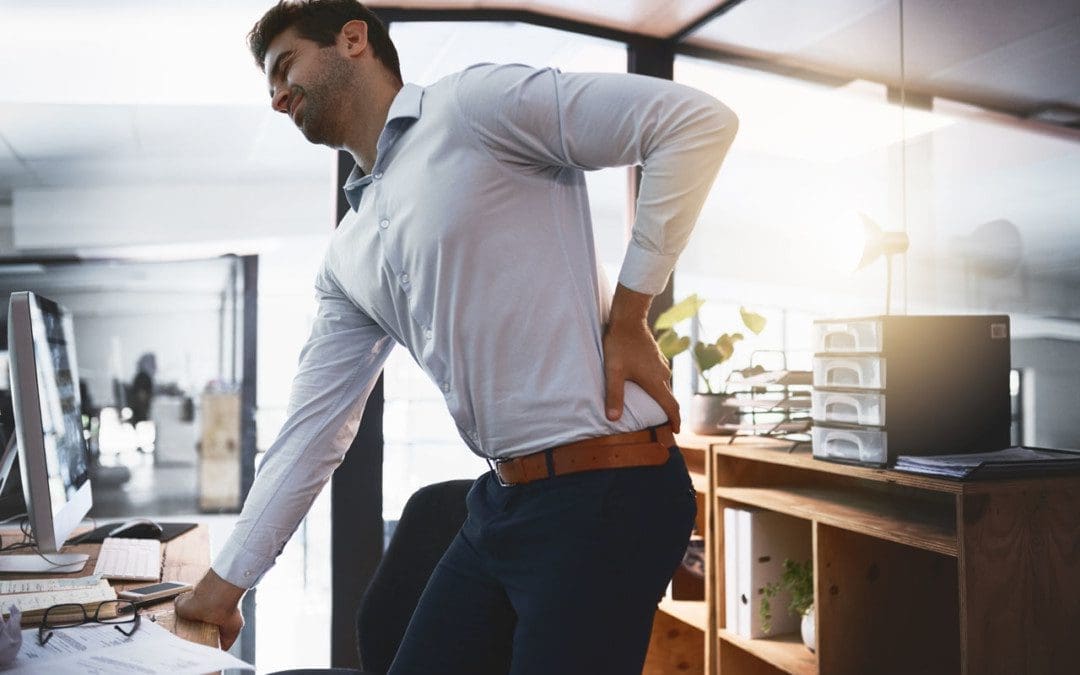
The lumbar/low back muscles support the upper body’s weight and are involved in moving, twisting, bending, pushing, pulling, and reaching. These repetitive actions can result in a lumbar strain, which is muscle damage or injury to the tendons or muscles of the lower back, causing spasms, soreness, and pain. A lumbar strain can be the source of severe pain symptoms; it can be debilitating and, if left untreated, can lead to chronic conditions. Injury Medical Chiropractic and Functional Medicine Clinic can relieve symptoms, realign the body, relax, rehabilitate, strengthen muscles, and restore function.
Lumbar Strain
The lumbar vertebra makes up the region of the spine in the lower back. Sudden injuries or overuse injuries can damage the tendons and muscles. Lumbar muscle strain is caused when the muscle fibers are abnormally stretched or torn. Lumbar strain can be acute/sudden or chronic/lingering. A strain that has been present for days or weeks is referred to as acute. It is considered chronic if it has persisted for over three months. It can occur at any age but is most common in individuals in their forties. Increased risk factors can include:
Weakened back or abdominal muscles can cause
Tight hamstrings can pull the low back muscles down.
Excessive lower back curvature.
Forward-tilted pelvis.
Symptoms
Lumbar strain can have varied signs and symptoms depending on the location, damage, and cause of injury. The damage can range from simple overstretching injuries to partial or complete tears of varying degrees. The tears cause inflammation in the surrounding area, resulting in back spasms and difficulty moving. A muscle spasm is a cramp caused by a sudden and involuntary contraction or twitch and can be one of the symptoms of a lumbar strain. Other symptoms can include:
Muscle spasms either with activity or when resting.
Stiffness in the low back.
Difficulty standing or walking, with slight relief when resting.
Trouble doing simple tasks like bending or climbing stairs.
Low back pain can radiate into the buttocks without affecting the legs.
The lower back may be tender and sore to the touch.
Decreased muscle strength.
Restricted or limited range of motion.
Inability to maintain healthy posture because of stiffness and/or pain.
Discomfort symptoms that persist.
Discomfort ranges from mild aches to sharp, debilitating pain.
Intermittent flare-ups.
Causes
There are often multiple underlying risk factors contributing to the injury or damage. A few of the most common causes:
Depending on the severity, a doctor or health care provider could recommend chiropractic treatment and physical therapy. The chiropractor will perform an evaluation, combined with the doctor’s diagnosis, to develop a customized/personalized treatment plan. Treatment may include:
Ice and heat therapy
Massage to stimulate blood circulation
Percussive muscle stimulation
Pelvic traction
Ultrasound
Stretching exercises
Exercises to do at home for long-term relief.
It is a safe option to loosen tight back muscles, relieve pain, and promote lower back healing.
Spine Injuries In Sports
References
Ball, Jacob R et al. “Lumbar Spine Injuries in Sports: Review of the Literature and Current Treatment Recommendations.” Sports medicine – open vol. 5,1 26. 24 Jun. 2019, doi:10.1186/s40798-019-0199-7
Domljan, Z et al. “Lumbalni strain-sindromi” [Lumbar strain syndromes]. Reumatizam vol. 38,5-6 (1991): 33-4.
Li, H et al. “Rehabilitation effect of exercise with soft tissue manipulation in patients with a lumbar muscle strain.” Nigerian journal of clinical practice vol. 20,5 (2017): 629-633. doi:10.4103/njcp.njcp_126_16
Williams, Whitney, and Noelle M Selkow. “Self-Myofascial Release of the Superficial Back Line Improves Sit-and-Reach Distance.” Journal of sport rehabilitation vol. 29,4 400-404. 18 Oct. 2019, doi:10.1123/jsr.2018-0306
IFM's Find A Practitioner tool is the largest referral network in Functional Medicine, created to help patients locate Functional Medicine practitioners anywhere in the world. IFM Certified Practitioners are listed first in the search results, given their extensive education in Functional Medicine


 Cross Training