Can many individuals with sleep issues incorporate natural botanicals to get a good night’s sleep and reduce stress?
Why Sleep Is Important?
Often, many people are constantly on the move and trying to find ways to rest and relax; however, in today’s world, many individuals are still experiencing various sleep issues that are not fulfilling them to achieve the full 8 hours of restful sleep. How often have you experienced fatigue throughout the day due to staying up late working on a project? Do you doom scroll on your phone while lying in bed at night that you accidentally stayed up late? Or do chronic health issues keep you up at night, which makes sleep difficult? When it comes to understanding why sleep is important, many people do not realize that sleep plays a huge role in cognitive functioning, mental health, and creativity. (Charest & Grandner, 2020) When environmental factors start to impact the body over time, it can lead to the development of sleep disorders. Environmental factors like stress can affect the circadian rhythm, causing dysregulation and sleep disorders. (Agorastos & Olff, 2021) However, there is some good news: there are various natural ways to help relax the body, get the full recommended amount of sleep without medications, and even help many people stay asleep longer. We associate with certified medical providers who inform our patients of the benefits of getting the full recommended amounts of sleep to reduce the stress affecting the body. While asking important questions to our associated medical providers, we advise patients to integrate natural ways to reduce stress and sleep disorders to ensure proper sleeping habits. Dr. Alex Jimenez, D.C., envisions this information as an academic service. Disclaimer.
Balancing Body & Metabolism- Video
Natural Botanicals & Remedies To Promote Sleep
When it comes to incorporating healthy sleeping habits, many individuals have found natural remedies to not only stay asleep but also reduce any stressors associated with environmental factors. Many people trying to make small changes in their sleeping habits can do some of the following:
Have the room be in a comfortable, cool temperature
Additionally, herbal botanicals can help relax the body and ensure proper sleep. Almost all natural botanicals are found in teas and supplements at the local grocery store. Below are some botanicals that can help many individuals get quality sleep.
Valerian
As a native to Europe and Asia, valerian is a perennial flowering plant with a unique and long history in traditional medicine, as it is used as a sedative and an anxiolytic. However, it has many sleep-promoting effects. (Yeom & Cho, 2024) The unique characteristic of valerian is that it interacts with the neurotransmitter GABA, as it is used to reduce sleep onset latency and increase sleep quality. (Bruni et al., 2021) The valerian plant can be utilized in a tea or a supplement as it is given to individuals for about 2 weeks at a time for its beneficial effects to start to work.
Ashwagandha
Known as winter cherry and located in India, ashwagandha has numerous health properties that can help many people with multiple ailments. The entire plant has been marketed in many forms and is common in pills and capsules as it possesses anti-inflammatory and antioxidant properties. (Cheah et al., 2021) Additionally, ashwagandha in small dosages can help improve cognitive function and immunity and reduce cortisol levels to help relax the body. (Park et al., 2023) Sleep can come easily to the individual when the body is relaxed after taking ashwagandha.
Chamomile
A common herb that can be used in teas, oils, or extracts, chamomile has been used as a sedative, mild analgesic, and sleep medication as it induces relaxation. (“Chamomile,” 2012) In tea form, this herb can become the most relaxing drink to sip at night and make a person sleepy. At the same time, when people drink chamomile, its soothing, beneficial properties can relieve and target the receptors in their central nervous system, causing them to be stressed and anxious, thus calming them down.
Lavender
As one of the most popular herbs everyone uses, from teas to aromatherapy, lavender is a multipurpose plant with many beneficial properties that can help anyone. Lavender has two main components, linalool, and linalyl, with sedative, antinociceptive, and anti-spasmolytic effects to stimulate the parasympathetic system. (Hamzeh et al., 2020) This, in turn, can help relax the body with its calming aroma and provide beneficial results for individuals dealing with insomnia. In its essential oil form, lavender can help increase the total amount of NREM (non-rapid eye movement) and reinforce a person’s sleep ability. (Ren et al., 2025) By making small changes and incorporating these natural botanicals to provide better sleep quality, many people will notice their bodies becoming more relaxed, their minds less anxious, and finally get that full 8 hours of sleep they deserve because sleep is for everyone, not the weak.
Bruni, O., Ferini-Strambi, L., Giacomoni, E., & Pellegrino, P. (2021). Herbal Remedies and Their Possible Effect on the GABAergic System and Sleep. Nutrients, 13(2). https://doi.org/10.3390/nu13020530
Charest, J., & Grandner, M. A. (2020). Sleep and Athletic Performance: Impacts on Physical Performance, Mental Performance, Injury Risk and Recovery, and Mental Health. Sleep Med Clin, 15(1), 41-57. https://doi.org/10.1016/j.jsmc.2019.11.005
Cheah, K. L., Norhayati, M. N., Husniati Yaacob, L., & Abdul Rahman, R. (2021). Effect of Ashwagandha (Withania somnifera) extract on sleep: A systematic review and meta-analysis. PLOS ONE, 16(9), e0257843. https://doi.org/10.1371/journal.pone.0257843
Hamzeh, S., Safari-Faramani, R., & Khatony, A. (2020). Effects of Aromatherapy with Lavender and Peppermint Essential Oils on the Sleep Quality of Cancer Patients: A Randomized Controlled Trial. Evid Based Complement Alternat Med, 2020, 7480204. https://doi.org/10.1155/2020/7480204
Park, C. W., Hong, K. B., Suh, H. J., & Ahn, Y. (2023). Sleep-promoting activity of amylase-treated Ashwagandha (Withania somnifera L. Dunal) root extract via GABA receptors. J Food Drug Anal, 31(2), 278-288. https://doi.org/10.38212/2224-6614.3456
Ren, Y. L., Chu, W. W., Yang, X. W., Xin, L., Gao, J. X., Yan, G. Z., Wang, C., Chen, Y. N., Xie, J. F., Spruyt, K., Lin, J. S., Hou, Y. P., & Shao, Y. F. (2025). Lavender improves sleep through olfactory perception and GABAergic neurons of the central amygdala. J Ethnopharmacol, 337(Pt 3), 118942. https://doi.org/10.1016/j.jep.2024.118942
Yeom, J. W., & Cho, C. H. (2024). Herbal and Natural Supplements for Improving Sleep: A Literature Review. Psychiatry Investig, 21(8), 810-821. https://doi.org/10.30773/pi.2024.0121
Can acupuncture be an effective treatment for anxiety and panic disorders in addition to other treatments, like therapy and/or medication?
Acupuncture For Anxiety and Panic Disorders
Considered one of the most popular types of alternative medicine, acupuncture has grown in popularity as a way to treat a variety of mental health conditions, including depression, post-traumatic stress disorder (PTSD), and other anxiety disorders. With the growth in popularity, more research has been focused on treatment for panic and anxiety symptoms. (Pilkington K. 2010)
Acupuncture can enhance personal wellness.
Acupuncture is generally safe and has few side effects.
It can help reduce physical and mental symptoms like tension, pain, and rapid heart rate.
Other alternative medicine practices include yoga, therapeutic massage, herbal medicines, and aromatherapy.
Traditional Chinese Medicine
Acupuncture is a healing technique originating from traditional Chinese medicine (TCM). The practice is based on the concept that medical conditions and mental health disorders are caused by an imbalance in the energy and circulation of the body’s vital life energy, known as chi or qi (National Institute for Complementary and Integrative Health, 2022). When the body and mind function properly, energy flows optimally through the channels/meridians at certain points throughout the body. Like tight or spasming muscles, energy or circulation becomes congested in different meridian pathways, leading to disease or disorders. The goal of acupuncture is to restore the health and balance of these channels.
How It Works
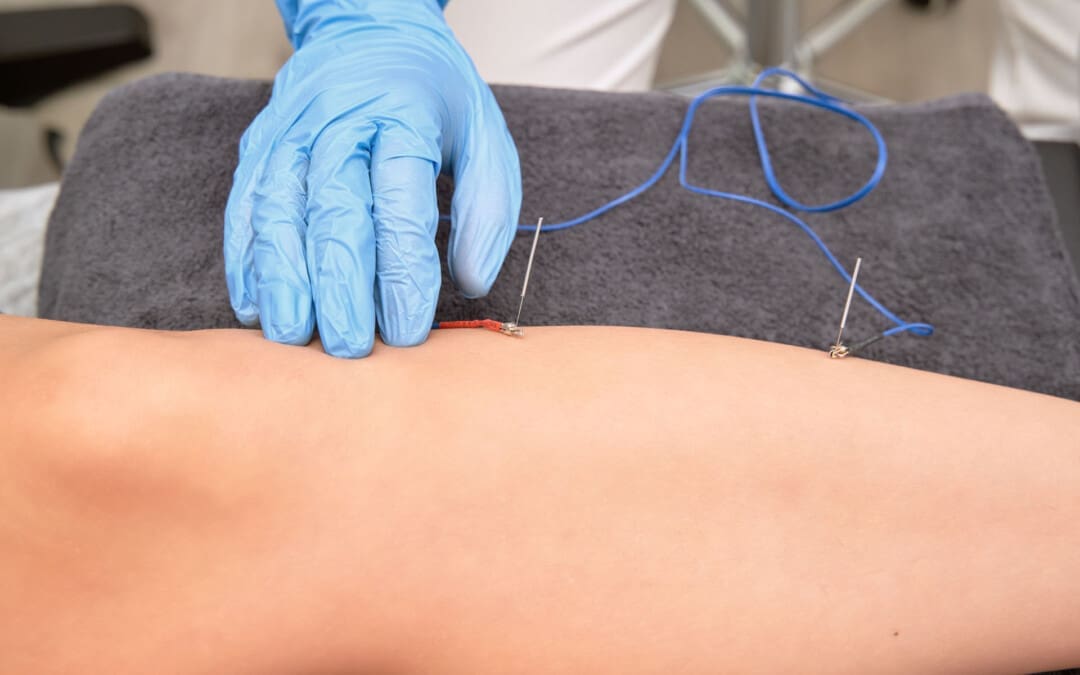
During acupuncture treatment sessions, small needles are placed along specific body areas, known as acupuncture points. These areas are thought to be where energy blockage occurs. The needles, which come in various thicknesses and lengths, stimulate and open blocked energy channels. Experts have conceptualized acupuncture from a neuroscience perspective, where nerves, muscles, and connective tissues are stimulated, and neurochemicals are released.
Acupuncture can help regulate the nervous system.
It can stimulate the body’s feel-good hormones and reduce stress hormones.
It can help deactivate the analytical brain, which is responsible for anxiety and worries.
Clinical trials examining acupuncture for anxiety and panic disorders have shown some positive results. (Pilkington K. 2010) Acupuncturists and medical professionals are still not clear exactly why it may help with anxiety, but some research has noted that acupuncture appears to have a calming effect. More research studies are needed to prove the effectiveness of acupuncture for anxiety disorders. (Kim Y. K. 2019)
Getting Treated
What it can help with:
Agoraphobia
Generalized anxiety disorder (GAD)
Panic disorder
Phobias
Selective mutism
Separation anxiety disorder
Social anxiety disorder
If you are interested in treating your anxiety and panic symptoms through acupuncture, the first step is to consult your main healthcare provider. Professional acupuncture practitioners are on websites, including the National Certification Commission for Acupuncture and Oriental Medicine and the American Academy of Medical Acupuncture. The use of acupuncture continues to rise, making it more readily available. Since it has been evaluated for effectiveness and is available through many hospitals, some insurance policies may cover some acupuncture treatments.
Injury Medical Chiropractic and Functional Medicine Clinic
Acupuncture can help relieve symptoms of anxiety, stress, pain, discomfort, tightness, and poor circulation. Injury Medical Chiropractic and Functional Medicine Clinic can help individuals recover and build optimal health and wellness solutions with primary healthcare providers and specialists. We focus on what works for you to relieve pain, restore function, prevent injury, and help mitigate issues through adjustments that help the body realign itself. They can also work with other medical professionals to integrate a treatment plan to resolve musculoskeletal problems.
Discovering The Benefits of Chiropractic Care
References
Pilkington K. (2010). Anxiety, depression, and acupuncture: A review of the clinical research. Autonomic neuroscience : basic & clinical, 157(1-2), 91–95. https://doi.org/10.1016/j.autneu.2010.04.002
National Institute for Complementary and Integrative Health. (2022). Acupuncture: Effectiveness and Safety. Retrieved from https://www.nccih.nih.gov/health/acupuncture-effectiveness-and-safety
Kim Y. K. (2019). Panic Disorder: Current Research and Management Approaches. Psychiatry investigation, 16(1), 1–3. https://doi.org/10.30773/pi.2019.01.08
For individuals wanting to try acupuncture for various health conditions but aren’t sure?
Is Acupuncture Painful?
Acupuncture is a procedure where extremely fine needles are inserted into pressure points in the body. A traditional Chinese medicine technique used to alleviate pain and enhance physical and emotional well-being. (Harvard Health, 2023) It can be beneficial for anyone dealing with persistent painful conditions, such as back pain, sciatica, arthritis-related discomfort, headaches, and post-surgery pain. It’s also a supportive option for individuals experiencing hot flashes and generalized inflammation, making it a versatile choice for holistic health. People undergoing acupuncture experience minimal pain, usually mild pressure or soreness during or after. However, choosing an experienced practitioner and communicating with them during the treatment is the best way to avoid increased pain.
When Performed Correctly, It Should Not Hurt
Many fear that acupuncture will be painful. However, this is not the case because the procedure uses extremely fine needles. One study of pediatric patients found that 87% reported minimal to no pain while having the treatment (Gold J. I. et al., 2023). Improper needle placement is one of the most common reasons that patients experience pain during or after treatment (Johns Hopkins Medicine, 2025). This is why it is important to be treated by a licensed practitioner who is well-versed in treating specific conditions.
Soreness After Treatment
It is relatively uncommon to experience pain after receiving acupuncture. About 10% of individuals experience minor soreness after the treatment (Kelly R. B. & Willis J. 2019). The soreness is typically felt in the areas where the needles were inserted.
Situations When Pain Can Present
A small group of those who undergo acupuncture may experience some pain. It is most frequently seen in the following: (Harvard Health, 2023)
The acupuncturist is inexperienced and inserts the needle incorrectly or not in the right area.
The needles are inserted more deeply than normal or with too much pressure.
The patient has a lower pain threshold and/or is more sensitive to needles.
The practitioner uses higher gauge/thicker needles.
It is important for individuals who have not had acupuncture before to discuss the procedure and any concerns with their provider beforehand. The acupuncturist may be able to perform a trial needle insertion to provide a preview of the treatment. During the initial session, they may use fewer needles or target a smaller area. Constantly communicate with the acupuncturist during the treatment. This allows them to adjust the needles causing soreness or discontinue the procedure if there is increased pain.
Acupuncture Process
Modern medicine explains acupuncture’s benefits. When the needles are inserted, they stimulate the release of endorphins, opioids, immune system cells, and neurohormones. These chemicals help reduce and relieve pain and modify how the body perceives it. They may also impact blood pressure, body temperature, and central nervous system function. (Harvard Health, 2023)
Pressure Points: Is Acupuncture Painful On Certain Body Parts?
Acupuncture can cause some increased soreness in certain body areas. This is especially true when needles are inserted into less muscle or fat regions. For example, hand or foot acupuncture can occasionally cause increased pain (Kaiser Permanente, 2021). Thin individuals with less soft tissue may also experience a stinging sensation as needles are inserted. Communication with the provider is the key to making the acupuncture sessions as comfortable as possible.
During A Session
The first acupuncture session may consist of the following:
The practitioner goes over medical history and current symptoms.
The practitioner examines the body and may also examine the tongue to assess for any present imbalances.
The patient will lie or sit on a table.
Sterilized needles are inserted into the affected areas one at a time.
In some situations, heat or electrical stimulation may also be used to enhance its effects. (Johns Hopkins Medicine, 2025)
Most cases of soreness after treatment will resolve in one to three days. During this time, here are a few recommendations to alleviate any soreness symptoms:
Apply ice to the areas of soreness.
Gently stretch the sore areas.
Increase fluid intake.
Soak in a warm bath with Epsom salts or magnesium oil.
Perform light aerobic exercise.
Take over-the-counter anti-inflammatory medication if recommended by a physician. (University of Georgia, N.D.)
Find a Licensed Acupuncturist
Most states have an online directory of licensed acupuncturists that can help find a local provider. Some national acupuncture associations also maintain lists of members who are board-certified. For example, this directory searches for certified acupuncturists through the National Certification Commission for Acupuncture and Oriental Medicine. (National Certification Commission for Acupuncture and Oriental Medicine, 2024)
Injury Medical Chiropractic and Functional Medicine Clinic
Therefore, acupuncture is not painful and can help relieve symptoms such as anxiety, stress, pain, discomfort, tightness, and poor circulation. Injury Medical Chiropractic and Functional Medicine Clinic can help individuals recover and build optimal health and wellness solutions with primary healthcare providers and specialists. We focus on what works for you to relieve pain, restore function, prevent injury, and help mitigate issues through adjustments that help the body realign itself. They can also work with other medical professionals to integrate a treatment plan to resolve musculoskeletal problems.
Beyond Adjustments: Chiropractic and Integrative Healthcare
References
Harvard Health Publishing. (2023). Acupuncture. https://www.health.harvard.edu/a_to_z/acupuncture-a-to-z
Gold, J. I., Kobylecka, M., Ngo, N. H., Lin, C. T., & Hurray, C. N. (2023). Does Acupuncture Hurt? A Retrospective Study on Pain and Satisfaction during Pediatric Acupuncture. Children (Basel, Switzerland), 10(11), 1774. https://doi.org/10.3390/children10111774
Kelly, R. B., & Willis, J. (2019). Acupuncture for Pain. American family physician, 100(2), 89–96.
Kaiser Permanente. (2021). Acupuncture 101: here’s what you can expect. https://healthy.kaiserpermanente.org/health-wellness/healtharticle.acupuncture-101
University of Georgia. (N.D.). Dry needling. https://healthcenter.uga.edu/healthtopics/dryneedling/
National Certification Commission for Acupuncture and Oriental Medicine. (2024). Directory: Feel Confident About Finding a Qualified Practitioner. https://directory.nccaom.org/#
For individuals looking to improve their gut and overall health, can drinking chamomile manzanilla tea help?
Chamomile Manzanilla Tea
Chamomile (Manzanilla is Spanish for chamomile) is a herb that belongs to the Asteraceae family. Chamomile tea is made from the dried flowers of the chamomile plant steeped in hot water and is used as a natural remedy for various health issues. The tea can calm upset stomach, relieve anxiety, improve sleep, and reduce muscle spasms or flatulence. (Srivastava J. K., Shankar E., & Gupta S. 2010) It is caffeine-free and often drunk before bed because it can calm the brain and help with sleep. It also contains natural plant compounds that promote antioxidant activity, which may help reduce the risk of certain diseases. The nutrients it contains, vitamins A and B, magnesium, manganese, potassium, calcium, iron, copper, and zinc, can help manage diabetes, menstrual pain, and sleep problems.
Types
There are two kinds of chamomile: German, also known as wild or Hungarian chamomile and Roman chamomile. Each type is believed to provide various benefits.
German Chamomile
This type is believed to provide help with a wide range of conditions, including travel sickness, flatulence, diarrhea, ADHD, stomach upset, restlessness, and insomnia.
It is sometimes also used in cosmetics and soaps.
Roman Chamomile
This type may relieve heartburn, loss of appetite, menstrual discomfort, and other conditions.
Roman chamomile is also used as a fragrance in perfumes and tobacco products.
The tea can be made with either type. However, many medical sources that report the health benefits of manzanilla tea focus on German chamomile. (Srivastava J. K., Shankar E., & Gupta S. 2010)
Preparation
Chamomile Manzanilla tea is sold in tea bags and loose-leaf varieties. It is prepared like most traditional teas.
Place a tea bag or infuser containing about one tablespoon of loose tea leaves in a teacup. Or place loose tea leaves at the bottom of a cup.
Heat water to 194-205 F.
Bring water to a boil and let it sit for a minute to reduce the temperature slightly.
Pour water over the tea bag, infuser, or tea leaves.
Let the tea leaves steep for as long as desired, up to four or five minutes.
Remove the tea bag or infuser or strain loose leaves from the cup before drinking.
Optional: add a small amount of milk, honey, or sugar to sweeten the drink.
Benefits
Chamomile tea is believed to have calming properties, and individuals consume the beverage in times of stress to reduce anxiety or before bed to induce sleep. (Srivastava J. K., Shankar E., & Gupta S. 2010)
A study in the Journal of Advanced Nursing found that drinking chamomile tea helped postpartum women alleviate depression and sleep better. (Chang S. M. & Chen C. H. 2016)
Other reports say that chamomile helps to relieve gastrointestinal conditions such as upset stomach, gas, and diarrhea. However, the National Institutes of Health National Center for Complementary and Integrative Health explains that insufficient research has been conducted to ensure these health benefits are certain. (National Center for Complementary and Integrative Health, 2024)
Side Effects
Individuals allergic to ragweed, chrysanthemums, marigolds, or daisies may experience an allergic reaction to chamomile manzanilla tea. They should also avoid drinking the tea if they are on warfarin or any blood thinners or if they are taking a sedative. Chamomile may increase the risk of side effects if taking cyclosporine or cytochrome P450 substrate meds. (Colombo D., Lunardon L., & Bellia G. 2014) If unsure if drinking chamomile manzanilla tea may interfere with medication, speak to a healthcare provider.
Injury Medical Chiropractic and Functional Medicine Clinic
Injury Medical Chiropractic and Functional Medicine Clinic providers use an integrated approach to create customized care plans for each patient and restore health and function to the body through nutrition and wellness, chiropractic adjustments, functional medicine, acupuncture, Electroacupuncture, and sports medicine protocols. If the individual needs other treatment, Dr. Jimenez has teamed up with top surgeons, clinical specialists, medical researchers, nutritionists, and health coaches to provide the most effective clinical treatments.
From Inflammation to Healing
References
Srivastava, J. K., Shankar, E., & Gupta, S. (2010). Chamomile: A herbal medicine of the past with bright future. Molecular medicine reports, 3(6), 895–901. https://doi.org/10.3892/mmr.2010.377
Chang, S. M., & Chen, C. H. (2016). Effects of an intervention with drinking chamomile tea on sleep quality and depression in sleep disturbed postnatal women: a randomized controlled trial. Journal of advanced nursing, 72(2), 306–315. https://doi.org/10.1111/jan.12836
National Center for Complementary and Integrative Health. (2024). Chamomile. Retrieved from https://www.nccih.nih.gov/health/chamomile
Colombo, D., Lunardon, L., & Bellia, G. (2014). Cyclosporine and herbal supplement interactions. Journal of toxicology, 2014, 145325. https://doi.org/10.1155/2014/145325
Stress on the lower back during pregnancy often leads to back (upper, middle, lower), sciatica, and leg pain. Can you use a massage gun while pregnant?
Pregnancy Massage Gun Use
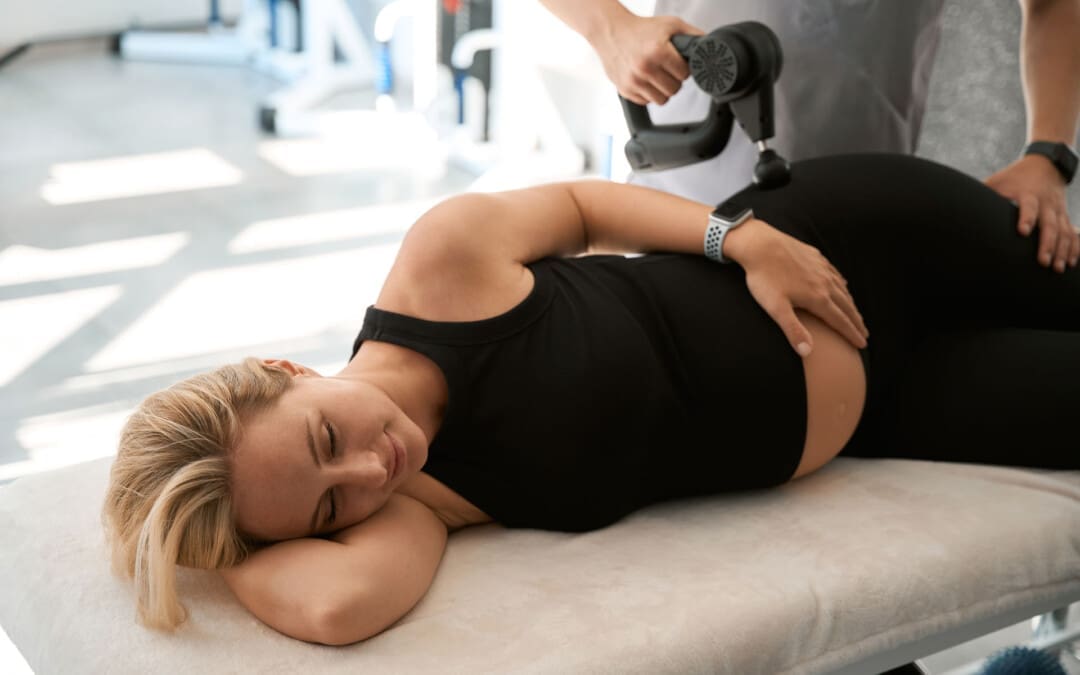
Pregnant women often experience back, hip, and leg pain along with symptoms such as swelling (edema), muscle spasms, cramps, and fatigue, which interfere with daily functions and sleep. Pregnancy massage gun use is a safe and helpful form of stress and tension relief, so long as healthcare providers and safety precautions are followed and sensitive areas are avoided. Massage guns use percussion and vibration to create a form of massage that can relieve tension, stiffness, and muscle soreness, break up tissue adhesions, and reduce inflammation. Moreover, pregnancy massage can provide relaxation and pain relief for muscles and joints that are adapting to a growing, changing body. Traditional massage therapy and massage gun therapy have been shown to help reduce muscle soreness and pain. (Imtiyaz S., Veqar Z., & Shareef M. Y. 2014) The benefits of pregnancy massage gun use include:
However, it is essential to discuss massage gun use with a healthcare professional and follow safety precautions when using massage guns during pregnancy.
Benefits
While there is no specific research on the benefits of massage guns for pregnant individuals, studies have demonstrated the general benefits of massage during pregnancy, including deep tissue massage. Therapeutic massage effectively reduces pregnancy discomforts and pain and is a safe and affordable method of pain relief. (El-Hosary EA, Abbas Soliman HF, El-Homosy SM. 2016) Researchers believe this relief helps improve the health of mother and baby in ways that include. (El-Hosary EA, Abbas Soliman HF, El-Homosy SM. 2016) (Mueller S. M., & Grunwald M. 2021)
Improves cardiovascular health
Overall circulation improves
Increases serotonin and dopamine levels
Decreases chronic back pain
Relieves muscle aches and joint pains
Improves sleep patterns
Increases energy
Reduces anxiety
Increases immune response
Enhances sense of well-being and mood
Reduces risk of preterm delivery
Massage Gun Safety
Pregnancy massage gun use is generally safe for those who do not have preexisting conditions. (Mueller S. M., & Grunwald M. 2021) However, there are no studies on the safety of massage guns or other massage tools for pregnant individuals. It is recommended to discuss the use of massage guns with a doctor before use.
Individuals with high-risk factors, such as bleeding, pre-term contractions, and preeclampsia, should avoid using massage guns unless a doctor clears them to do so.
Preeclampsia
This condition causes a rise in blood pressure that can be serious.
It typically develops around 20 weeks of pregnancy or later.
Deep Vein Thrombosis – DVT
Avoid using a massage gun if there is a history of deep vein thrombosis.
Blood volume increases during pregnancy, and leg circulation can be poor.
Certain hormones that prevent hemorrhage during delivery can cause blood to clot more easily.
Using a massage gun on areas with potential blood clots may release the clot, leading to a life-threatening embolism. (Sutham K. et al., 2020)
Compression socks are a better alternative for relieving leg pain and swelling, but follow the healthcare provider’s recommendations.
Placenta Previa, Accrete, or Abruption
These conditions involve the placenta, which can lead to bleeding.
Gestational Diabetes
High blood sugar levels do not necessarily mean individuals cannot use a massage gun during pregnancy.
However, speak to a doctor and monitor blood sugar before use.
How to Use
Although there are no specific expert directions for the use of massage guns during pregnancy, there are guidelines to consider while using the device. This includes:
Never place the massage gun directly over bones, nerves, or joints.
Avoid using the device around injured, swollen, or painful areas.
Avoid using a massage gun directly on the abdomen.
Start by trying a light 10- to 15-second pass over sore or tight areas.
Perform three to five sweeps over the location, then move on to another.
Be careful not to keep the gun on a single area too long, as you could overwork the muscle, leading to bruising and irritation.
The recommended time for leaving the massager in one area is two minutes.
Stop using the massage gun if there is unusual pain, sensations, or discomfort.
Injury Medical Chiropractic and Functional Medicine Clinic
Massage during pregnancy can help relieve symptoms such as anxiety, stress, pain, discomfort, tightness, and poor circulation. Regular massage can help improve sleep and can even benefit the baby. However, it is recommended to consult with a doctor about using a massage gun before trying it out. Injury Medical Chiropractic and Functional Medicine Clinic can help individuals recover and regain the benefits of quality rest through healthy sleep practices and lifestyle accommodations. We build optimal health and wellness solutions with primary healthcare providers and specialists. We focus on what works for you to relieve pain, restore function, prevent injury, and help mitigate issues through adjustments that help the body realign itself. They can also work with other medical professionals to integrate a treatment plan to resolve musculoskeletal problems.
Pregnancy and Sciatica: How Chiropractic Helped
References
Imtiyaz, S., Veqar, Z., & Shareef, M. Y. (2014). To Compare the Effect of Vibration Therapy and Massage in Prevention of Delayed Onset Muscle Soreness (DOMS). Journal of clinical and diagnostic research: JCDR, 8(1), 133–136. https://doi.org/10.7860/JCDR/2014/7294.3971
American Massage Therapy Association. (2011). Pregnancy Massage. https://www.amtamassage.org/publications/massage-therapy-journal/massage-and-pregnancy/
El-Hosary EA, Abbas Soliman HF, El-Homosy SM. (2016). Effect of Therapeutic Massage on Relieving Pregnancy Discomforts. IOSR Journal of Nursing and Health Science., 5(4), 57-64. https://doi.org/10.9790/1959-0504025764
Mueller, S. M., & Grunwald, M. (2021). Effects, Side Effects and Contraindications of Relaxation Massage during Pregnancy: A Systematic Review of Randomized Controlled Trials. Journal of Clinical Medicine, 10(16), 3485. https://doi.org/10.3390/jcm10163485
American Massage Therapy Association. (2018). Massage and pregnancy: A powerful combination. https://www.amtamassage.org/publications/massage-therapy-journal/massage-and-pregnancy-a-powerful-combination/
Sutham, K., Na-Nan, S., Paiboonsithiwong, S., Chaksuwat, P., & Tongsong, T. (2020). Leg massage during pregnancy with unrecognized deep vein thrombosis could be life-threatening: a case report. BMC pregnancy and childbirth, 20(1), 237. https://doi.org/10.1186/s12884-020-02924-w
Hospital for Special Surgery. Surgery, H. F. S. (2021). What you should know about using a massage gun. https://www.hss.edu/article_how-to-use-massage-gun.asp
What is the recommended way to choose a mattress for individuals with back pain?
Back Pain Mattress
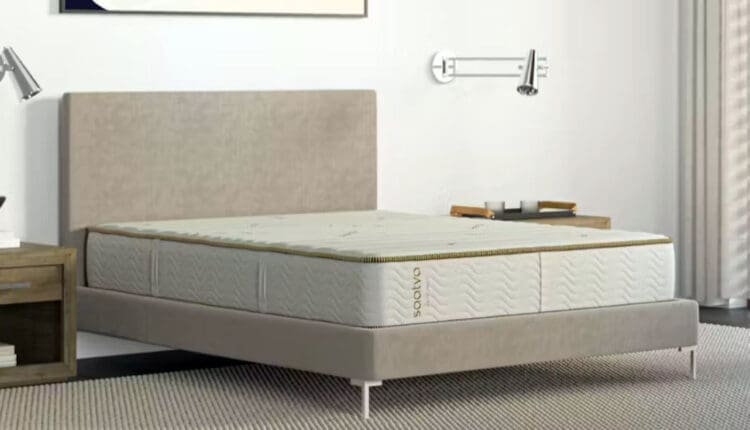
When choosing a back pain mattress, one size does not fit all in selecting one for those with spine pain. Several other factors play a role, as well. However, whether a firm or soft mattress is the best option for individuals whose back pain keeps them up at night, most health experts say the choice is yours and that the mattress that makes you feel most comfortable is likely the best option. The research says that medium firmness seems to provide the most painless sleep. A review gathered information from 24 controlled trials where participants used soft, medium-firm, firm, or custom-inflated mattresses. The results showed that medium-firm and self-adjusted mattresses were best for sleep comfort, quality, and spinal alignment. (Radwan A. et al., 2015)
Medical Status
Selecting the back pain mattress best suited to your spinal condition is more than just how hard or soft the mattress is. Individuals and their healthcare providers should thoroughly review their medical history to tailor the mattress to their needs. Before purchasing a mattress, check the following:
Age
Medical history
Injuries current and past
Current diagnosis or diagnoses
Disease and/or Conditions
Sleeping preferences
For example, symptoms of spinal stenosis tend to present themselves when one is standing and walking but not when lying down. For this reason, mattress firmness is not a big issue only for people with spinal stenosis. However, it must be taken into consideration for those who have degeneration along with spinal stenosis.
Individuals with spinal arthritis without stenosis, disc problems, or non-specific back pain need to consider the relative firmness or softness of the back pain mattress. People with these conditions do better with more support, i.e., a firmer mattress. While everyone needs some back support when they sleep, those who have undergone multiple back surgeries often need less. The tissues have been altered and may be stiffer after several surgeries. In this case, a softer mattress may be more suitable and comfortable.
Mattress Age
Mattress springs break down over time, which makes the bed softer. This can aggravate the spine and back muscles. Based on this, investing in a new mattress makes sense, or pain and stiffness can worsen with the current one. While this will vary among individuals, medical research may help shed some light: A study measured the comfort and quality of sleep for 27 participants with low back pain and stiffness. The participants recorded their sleep comfort and quality in their beds for 21 days and then with a new prescribed mattress and bedding system, which they used for 12 weeks. The study found that the participants showed significant and progressive improvement in back pain and stiffness on the new mattresses and improved sleep quality significantly. (Jacobson B. H. et al., 2010)
Sleeping Position
The position usually slept in makes a difference in the support needed for the back pain mattress. Some recommendations for back sleepers, side and fetal position sleepers, and stomach sleepers:
Side Sleepers
Most people are side sleepers.
They sleep in the fetal position with their knees drawn up toward their chest.
This position tends to place pressure on the hips and shoulders.
For side and fetal sleepers, a slightly softer mattress is recommended.
The foam the mattress is made of conforms to the body, especially in the thoracic and lumbar regions of the spine.
Stomach Sleepers
For the stomach sleeper, soft mattresses can irritate the back.
A soft mattress encourages the abdomen to sink into the bed.
The resulting position is known to increase the arch in the lower back and cause pain.
A medium-firm surface is good for stomach sleepers.
The idea is to derive support from the chosen mattress without the abdominal sinking.
The sinking effect is amplified if you have a large abdomen.
For thin individuals, sinking may not be as much of an issue.
Back Sleepers
For support, place a thin, rolled towel or pillow under the knees and lower back of those who sleep on their backs.
A pillow/s under these areas will help support them and provide more comfort.
Researchers divided the participants according to their usual sleep position. They were assigned to a medium-firm mattress with foam and latex layering based on their preferred sleep position. The participants rated their sleep comfort and quality daily for three months. The researchers found that the new mattresses improved back pain and stiffness. For this reason, they concluded that sleep surfaces relate to sleep discomfort and that replacing a mattress with one uniquely suitable to your spinal condition can reduce and relieve pain. (Jacobson B. H. et al., 2010)
Injury Medical Chiropractic and Functional Medicine Clinic
Choosing the right back pain mattress ultimately comes down to personal preference. Individuals should try various mattresses and see which one they like best. Individuals who struggle with sleep or other sleep disorders that impact their ability to get restful sleep should consult with their healthcare provider about getting an assessment and treatment. Injury Medical Chiropractic and Functional Medicine Clinic can help individuals recover and regain the benefits of quality rest through healthy sleep practices and lifestyle accommodations. We build optimal health and wellness solutions with primary healthcare providers and specialists. We focus on what works for you to relieve pain, restore function, prevent injury, and help mitigate issues through adjustments that help the body realign itself. They can also work with other medical professionals to integrate a treatment plan to resolve musculoskeletal problems.
Chiropractic Care Can Transform Pain Into Relief
References
Radwan, A., Fess, P., James, D., Murphy, J., Myers, J., Rooney, M., Taylor, J., & Torii, A. (2015). Effect of different mattress designs on promoting sleep quality, pain reduction, and spinal alignment in adults with or without back pain; systematic review of controlled trials. Sleep health, 1(4), 257–267. https://doi.org/10.1016/j.sleh.2015.08.001
Jacobson, B. H., Boolani, A., Dunklee, G., Shepardson, A., & Acharya, H. (2010). Effect of prescribed sleep surfaces on back pain and sleep quality in patients diagnosed with low back and shoulder pain. Applied ergonomics, 42(1), 91–97. https://doi.org/10.1016/j.apergo.2010.05.004
Can understanding the anatomy and function of the long thoracic nerve help individuals make informed healthcare decisions after an injury to the nerve?
Long Thoracic Nerve
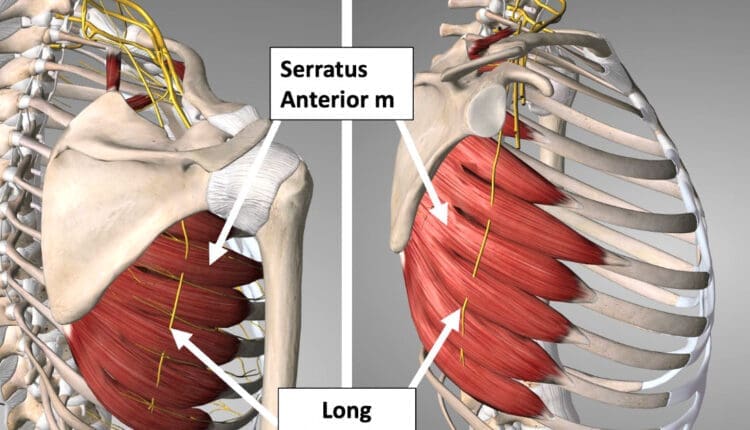
Also referred to as the posterior thoracic nerve, the long thoracic nerve/LTN is a thin superficial nerve that runs from the cervical spine to the chest wall side of the trunk. It supplies motor function to the thorax’s serratus anterior muscle, helping stabilize the shoulder blade. Injury to this nerve can cause limited or abnormal shoulder and shoulder blade motion, including difficulty raising the arm during overhead reaching.
Anatomy
The long thoracic nerve originates from the ventral rami of cervical nerves C5, C6, and C7. (Waxenbaum JA, Reddy V, Bordoni B. 2023) In some individuals, the root from C7 is absent; in others, a small nerve root branches from C8. The nerve roots from C5 and C6 go through the medial scalene muscle to join the C7 nerve. It travels behind the brachial plexus axillary artery and vein and courses down the lateral side of the thorax. The long thoracic nerve terminates at the lower portion of the serratus anterior muscle, sending small nerve tendrils to each muscle’s projections, which attach to the ribs. Because the long thoracic nerve is located on the lateral side of the chest, it is vulnerable to injury during sports or surgical procedures. The nerve also has a smaller diameter than other cervical and brachial plexus nerves, which increases its potential for injury.
Function
The long thoracic nerve attaches to the underside of the shoulder blade and inserts as muscular slips into the ribs. It supplies motor function to the serratus anterior muscle, essential for normal shoulder motion. When it contracts, it pulls the shoulder blade against the ribs and thorax, helping to move and stabilize the arm as it moves forward and up during shoulder motions. Injury to the long thoracic nerve causes a condition called scapular winging. This occurs when the serratus anterior muscle becomes weakened or paralyzed after injury. (Lung K, St Lucia K, Lui F. 2024)
Susceptibility to Injury
The LTN is relatively unprotected and can be damaged by several things, including:
Heavy backpacks
Sports
Activities the body is not used to, like digging
Using crutches
Conditions
Injury to the long thoracic nerve may occur as a result of trauma, lifting heavy weights above the shoulder, or a surgical procedure. Surgical procedures that may place the nerve at risk for injury may include: (Lung K, St Lucia K, Lui F. 2024)
Axillary lymph node dissection
Improperly placed intercostal drains
Chest tube placements
Mastectomy
Thoracotomy
The long thoracic nerve is protected during these procedures by the surgeon and proper surgical technique, but occasionally, difficulties arise during surgery, and the nerve may become injured. Individuals may also have an anatomical variance that places their nerves in varying positions. The surgeon may not see it and accidentally injure their nerves during surgery.
The superficial long thoracic nerve may also be injured during sports or trauma to the trunk. A blow to the side or a sudden overhead stretch to the shoulder may be enough to damage the nerve, paralyzing the serratus anterior muscle.
Weakness or paralysis of the serratus anterior muscle will result in a winged scapula. To test for this:
Stand about two feet from a wall, facing it.
Place both hands on the wall and gently push against it.
If one of the shoulder blades sticks out abnormally, it could be a winged scapula.
Have a family member or friend stand behind you and check the shoulder blade position.
If you suspect a winged scapula, visit a physician who can assess the condition and determine if there is a long thoracic nerve injury.
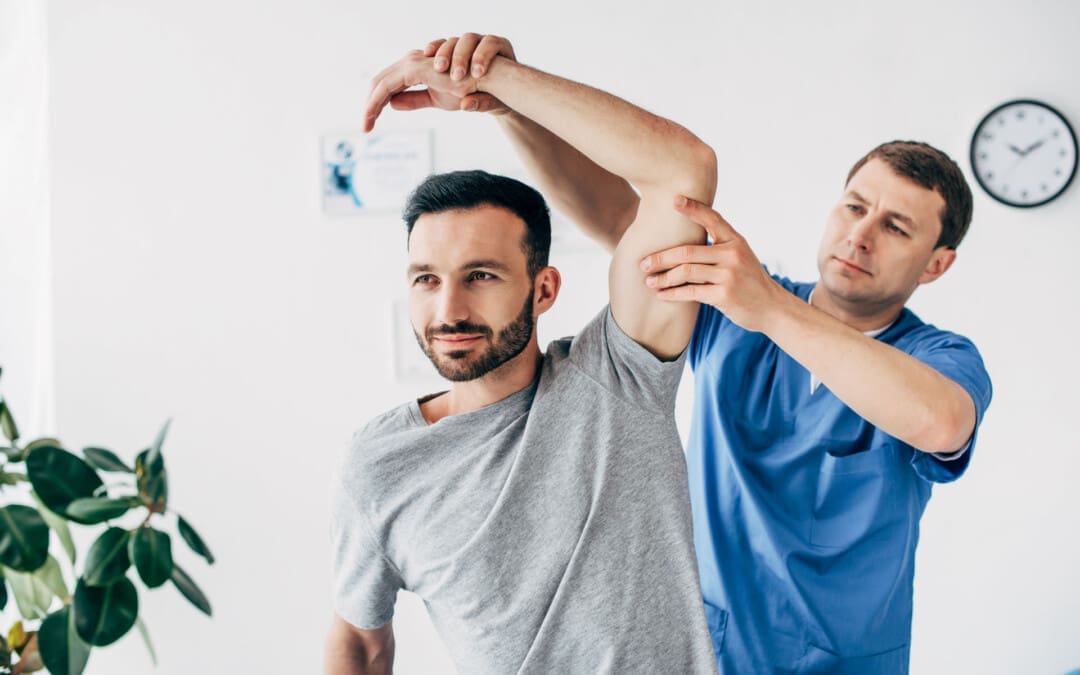
Winging the scapula may result in difficulty lifting the arm overhead. The serratus anterior muscle works with other scapular stabilizers, such as the upper trapezius and levator scapula, to properly position the shoulder blade when lifting the arm. Failure of the serratus to stabilize the shoulder blade may make lifting the arm impossible.
Clinical examination is usually used to diagnose a long thoracic nerve injury. X-rays and MRIs cannot show the nerve injury directly, although an MRI can show some secondary signs to help confirm the diagnosis. An electromyographic or EMG test may also be performed to examine the function of the long thoracic nerve.
Treatment and Rehabilitation
Treatment for LTN pain and reduced movement may include:
Rest
Heat or ice
Anti-inflammatory pain medication
Neck support or a pillow
Avoiding strenuous activity and driving
If the long thoracic nerve is severely injured and the serratus anterior is completely paralyzed, the best course of action is to be active and monitor the condition. Full recovery of arm function can take one to two years. If permanent nerve injury has occurred, surgery may be an option to restore shoulder motion and function. Several different kinds of surgery can be used to address winged scapula. (Vetter M. et al., 2017)
One involves transferring the pectoralis major tendon to the scapula (Vetter M. et al., 2017) so it functions as the serratus.
Often, the tendon has to be lengthened, which may be done using part of the hamstring tendon.
After surgery, individuals will likely wear a sling on their arm for a few weeks, and then gentle range-of-motion exercises will be initiated.
After eight to ten weeks, gentle progressive strengthening of the new tendon can begin.
Full shoulder motion and strength recovery are expected six to 12 months after surgery.
Lie on your back and raise both arms toward the ceiling.
Make a fist and punch up toward the ceiling.
Ensure the motion is steady and deliberate, and keep the elbow straight.
Hold the position for three seconds, then slowly lower the arm to the starting position.
Perform 10 to 15 repetitions.
Holding a small dumbbell in your hands can make the exercise more challenging.
Pushup
Lie on your stomach and place your hands flat on the ground by your shoulders as if you were going to perform a pushup.
Perform a pushup and press further, allowing the shoulder blades to wrap around the thorax.
Hold this position for three seconds, and slowly release.
Perform 10 to 15 reps.
If this is too difficult, perform the pushup against a wall to reduce the effect of gravity on the exercise.
Scapular Winging in Depth
References
Waxenbaum, J. A., Reddy, V., & Bordoni, B. (2024). Anatomy, Head and Neck: Cervical Nerves. In StatPearls. https://www.ncbi.nlm.nih.gov/pubmed/30844163
Lung, K., St Lucia, K., & Lui, F. (2024). Anatomy, Thorax, Serratus Anterior Muscles. In StatPearls. https://www.ncbi.nlm.nih.gov/pubmed/30285352
Vetter, M., Charran, O., Yilmaz, E., Edwards, B., Muhleman, M. A., Oskouian, R. J., Tubbs, R. S., & Loukas, M. (2017). Winged Scapula: A Comprehensive Review of Surgical Treatment. Cureus, 9(12), e1923. https://doi.org/10.7759/cureus.1923
Berthold, J. B., Burg, T. M., & Nussbaum, R. P. (2017). Long Thoracic Nerve Injury Caused by Overhead Weight Lifting Leading to Scapular Dyskinesis and Medial Scapular Winging. The Journal of the American Osteopathic Association, 117(2), 133–137. https://doi.org/10.7556/jaoa.2017.025
IFM's Find A Practitioner tool is the largest referral network in Functional Medicine, created to help patients locate Functional Medicine practitioners anywhere in the world. IFM Certified Practitioners are listed first in the search results, given their extensive education in Functional Medicine