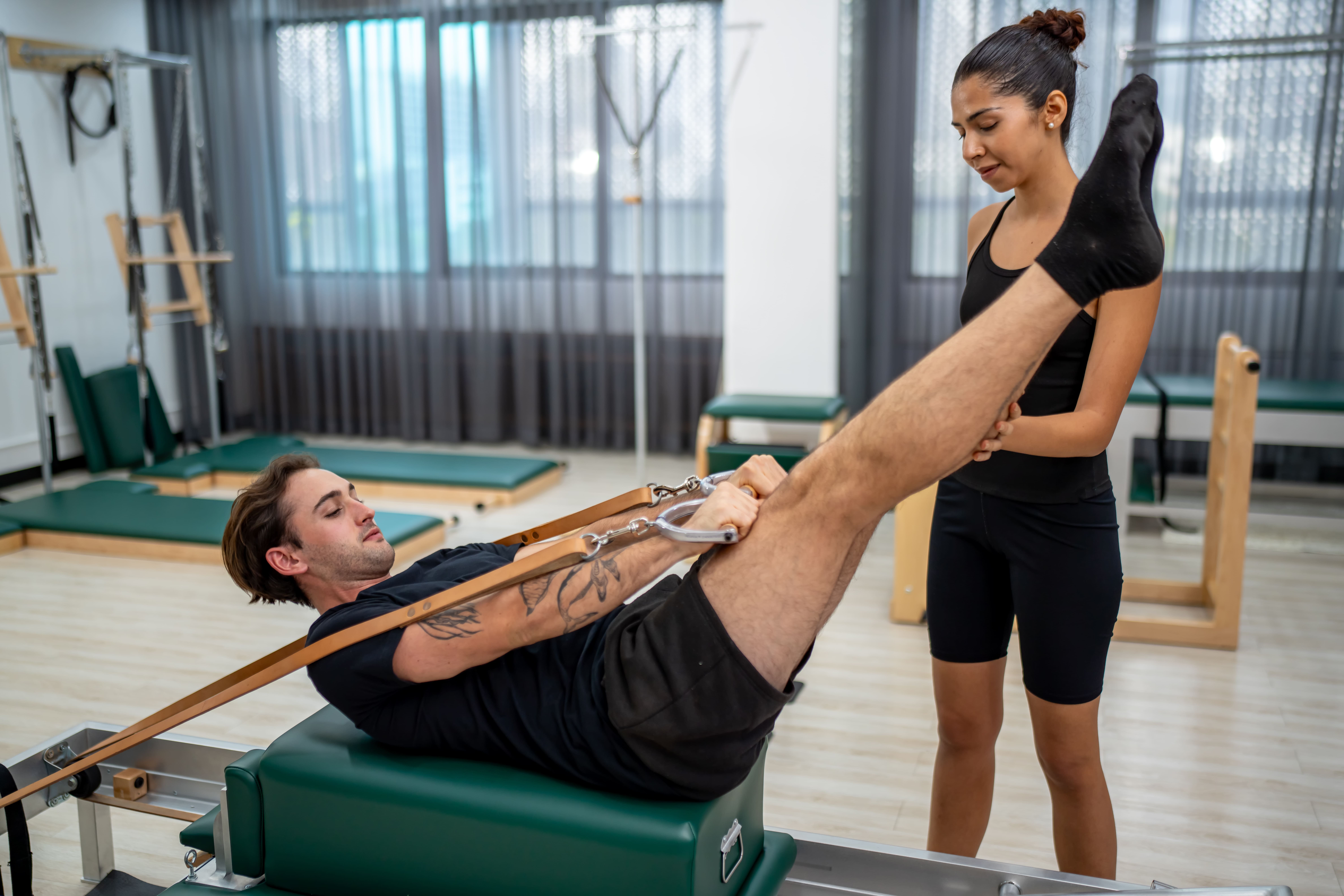
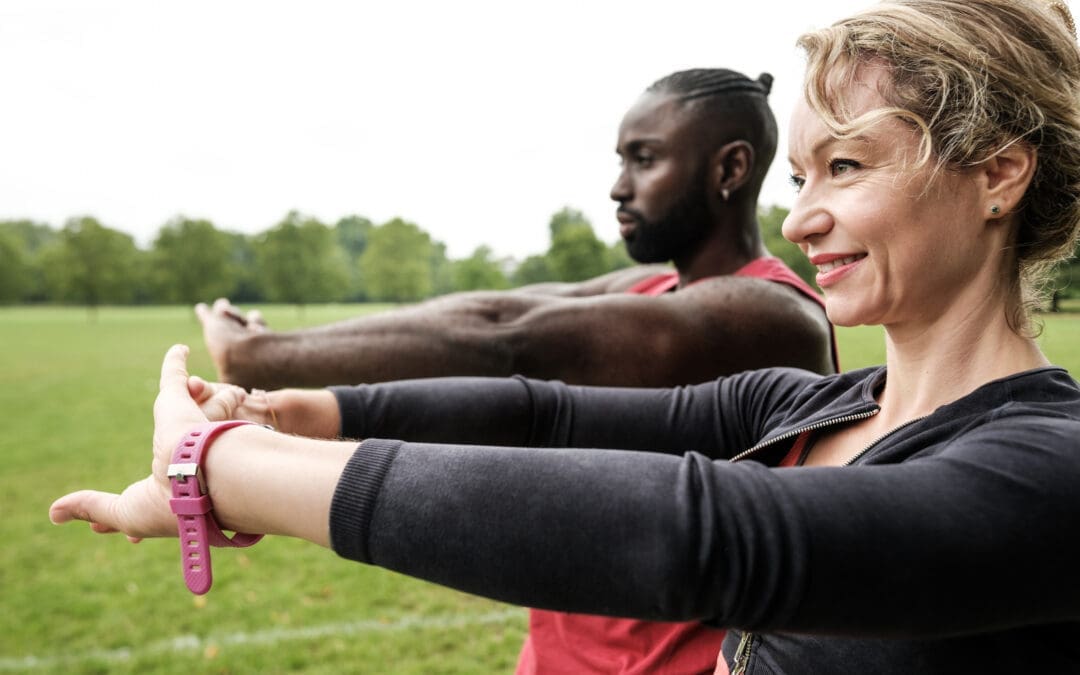
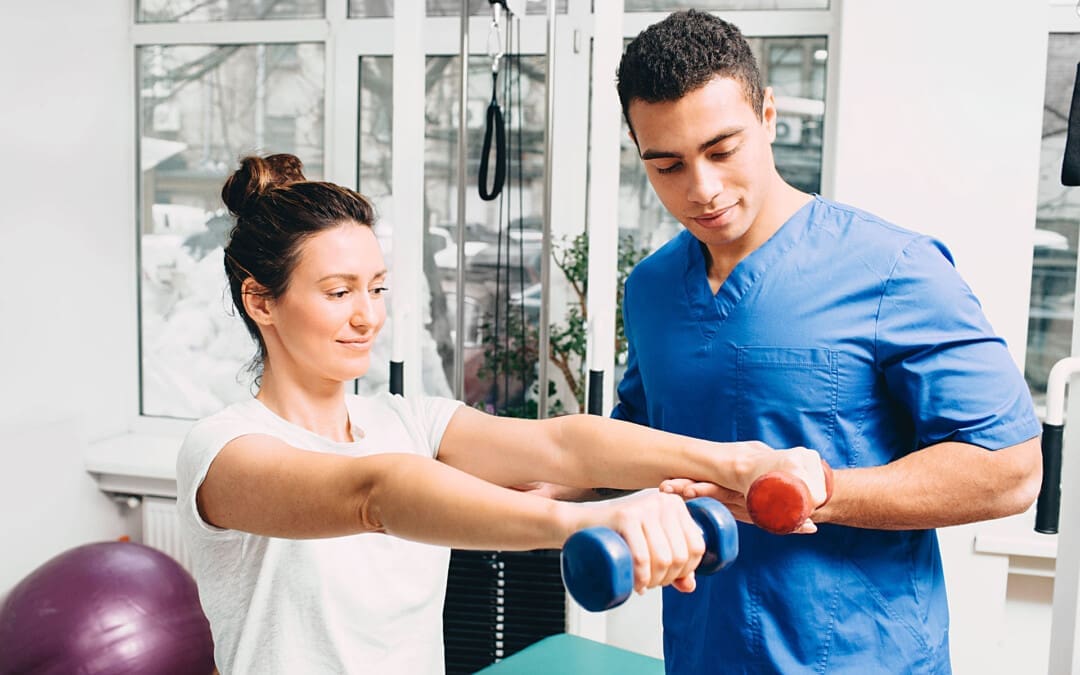
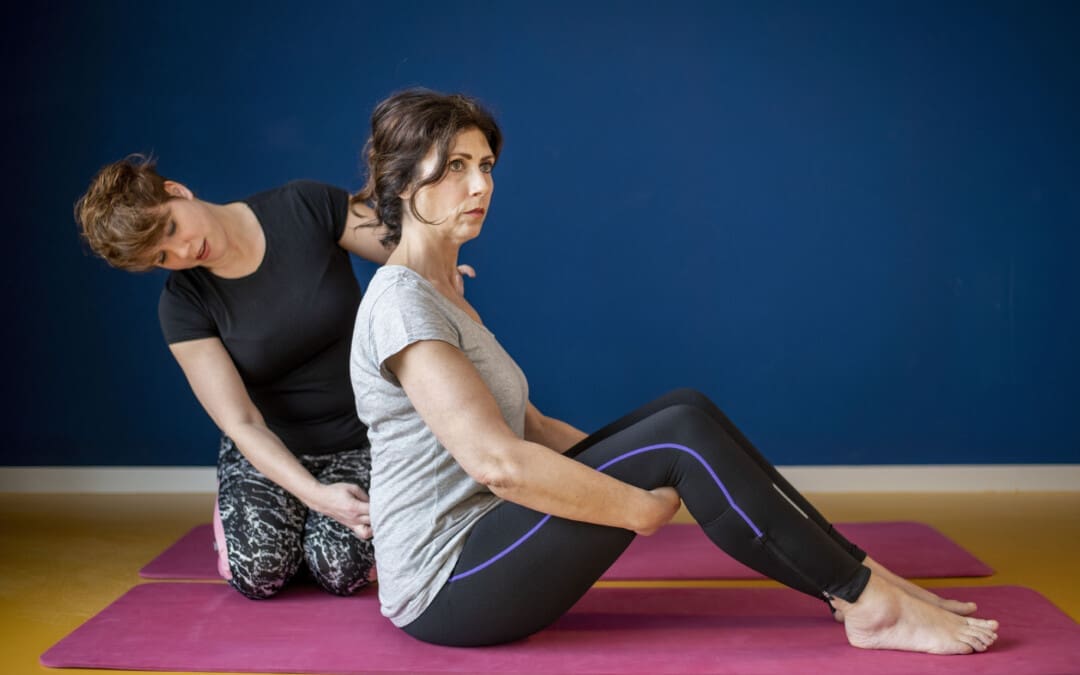
Join the body-strengthening movement for a healthier you. Discover how Pilates can transform your body and fitness level.
Pilates Power: Easing Inflammation with Strength, Chiropractic Care, and Daily Wellness Tips
Hey, health nuts! Think of your body as a busy town where inflammation acts like an unexpected roadblock. It’s important for signaling problems, but it can be a pain when it stops everything. Now, imagine Pilates, the graceful exercise system that came from a dancer’s idea, swooping in like a hero to clear the way and restore smooth flow. When you combine it with exercises that build strength and chiropractic care, you have a powerful trio that can help with musculoskeletal problems and get you on the road to better health. In this in-depth guide (more than 5,000 words of clear, interesting information), we’ll explore how Pilates and strength training can help with inflammation, environmental stress, and work with chiropractic knowledge to keep you moving without pain. Dr. Alexander Jimenez, DC, APRN, FNP-BC, a top doctor in El Paso, will help us with some clinical advice. We’ll also add some humor to make it more fun. This is your guide to feeling great, whether you’re dealing with back pain or healing from an injury. You don’t need any fancy equipment, but a mat can help!
We’ll make it easy enough for a high school student to understand, with useful tips and facts backed by science. Pilates and chiropractic care could be the answer to your problems if inflammation is making you slow down. Let’s get going!
What Is Inflammation and Why Does It Matter?
Let’s go over the basics first. When something goes wrong, inflammation is like a fire alarm going off. It protects your body. When you hurt your wrist or get sick, your immune system sends white blood cells, chemicals, and fluids to the area, which can make it red, swollen, warm, or painful (Cleveland Clinic, n.d.). This is a clutch move for a healthy body: it traps germs, clears away damaged tissue, and starts healing while keeping everything in balance, which is called homeostasis (Yale Medicine, 2020).
Think about this: Carrying heavy boxes puts a lot of stress on your lower back. Inflammation comes in quickly, bringing blood full of nutrients to fix the damage. Injuries might last longer than a bad pop song stuck in your head, and infections could take over. It controls your immune system, which helps you fight off germs, and it even helps your muscles heal after a workout—your body saying, “Let’s get stronger!” (Vanderbilt Medicine, 2015). But if it stays too long, it can cause serious problems like arthritis, heart disease, or chronic pain (Yale Medicine, 2022). So, inflammation is like your body’s security guard. It can handle threats well, but it can also cause problems if it starts acting up.
Why does inflammation make you swell? Your body is having a “stop the invaders” block party, and it’s getting puffy, but someone has to clean up afterward!
Acute vs. Chronic Inflammation: What’s the Difference?
Let’s split it up into two parts: acute and chronic inflammation. Acute inflammation is the quick responder, like a superhero rushing in to save the day and then leaving after a few hours or days (Harvard Health, 2020). A pulled muscle hurts, swells, and then goes back to normal. It’s your body’s way of getting blood and immune cells to the site of injury faster.
Chronic inflammation, on the other hand, is like an unwanted guest who stays too long, simmering for months or years and possibly hurting tissues (Cleveland Clinic, n.d.). Autoimmune disorders, persistent irritants, or unresolved acute injuries can all cause chronic neck pain or sciatica (NCBI, 2023).
The main differences are that acute conditions are short, helpful, and temporary, while chronic conditions are long, harmful, and persistent. Acute helps repair by improving blood flow and cleaning up (Physiopedia, n.d.). Chronic conditions drain energy, cause constant pain, and raise the risk of getting sick (Encompass Health, 2021). Time to laugh: Acute inflammation is like a quick cameo in a big movie. It only lasts for one scene. Long-term? It’s the reboot that no one wanted, and it just keeps going on and on!
This knowledge shapes recovery: ice for sudden flare-ups and holistic methods like Pilates for long-term battles.
Environmental Factors Fueling Inflammation and Musculoskeletal Issues
Your environment isn’t just where you live; it’s also a significant factor in inflammation and musculoskeletal problems. Pollution, diet, stress, and daily habits can all make things worse (Nature Medicine, 2019). Polluted air introduces harmful chemicals into your body, which can cause oxidative stress and inflammation, making your muscles tight or putting stress on your joints (The University of Queensland, n.d.). It’s like your body is fighting a sneaky bad guy that pollutes it.
Diet is very important: Processed foods, sugars, and unhealthy fats can worsen inflammation, which can, in turn, worsen back pain or herniated discs. Antioxidant-rich foods like greens or berries can help calm it down (PMC, 2019). Pesticides and metals can get into your gut and cause systemic inflammation, which puts stress on your spine and joints (ScienceDirect, 2013). Stress raises cortisol levels, worsening inflammation and causing muscles to tense, which in turn worsens neck or shoulder pain (Northwestern University, 2017).
Other causes include smoking, which irritates tissues; being overweight, which puts pressure on joints and sends inflammatory signals; and poor posture from desk jobs or repetitive tasks, which strains your spine and causes chronic pain (PMC, 2019). Poor nutrition and other things that happen early in life can even lead to musculoskeletal problems in adults (Northwestern University, 2017). Environmental triggers make pain and inflammation worse in conditions like fibromyalgia (CGH Journal, 2024). Be careful when you laugh: Do you spend all day hunched over a desk? Your spine is begging for a break from the chair torture that makes it hurt!
Make smart choices like eating better, dealing with stress, or doing Pilates or other movement-based activities to fight back. We’ll talk more about that next.
Pilates isn’t just for people who like to work out or dance; it’s a great way for anyone who wants to reduce inflammation and build strength without pain. Joseph Pilates came up with this exercise system to work on your “powerhouse”—your core, hips, glutes, and lower back. It builds a strong, flexible base for your spine (El Paso Back Clinic, n.d.). Pilates is great for relieving stress on the muscles and bones because it uses controlled, flowing movements to stretch and strengthen them. This is different from intense workouts that can make you sore.
How does it deal with inflammation? Pilates improves circulation by sending oxygen to tissues to help reduce swelling and strengthens deep stabilizing muscles to support joints, which helps relieve stress from factors such as bad posture or repetitive movements (Siler, 2000). Because it doesn’t put stress on inflamed areas and focuses on mindful movement, it lowers cortisol levels and calms systemic inflammation (El Paso Back Clinic, n.d.). It’s like a chill pill for your body, and it’s great for everyone, from office workers to those recovering from an injury.
Humor: Pilates is like a tropical vacation for your muscles. It stretches and strengthens them, telling inflammation to take a break. No leotard needed!
Siler, B. (2000). The Pilates body: The ultimate at-home guide to strengthening, lengthening, and toning your body—without machines. Broadway Books.
How Pilates and Body-Strengthening Exercises Reduce Musculoskeletal Issues
Pilates and strength-building exercises work well together to help with musculoskeletal problems caused by inflammation. Here’s the clinical news: Pilates works on the core and stabilizing muscles, like the transversus abdominis and multifidus, which help the spine and ease joint strain (Siler, 2000). This fixes problems caused by activities like sitting for long periods or doing the same thing repeatedly, which can make muscles tight and tissues inflamed (PMC, 2019). Strength exercises, such as bodyweight movements, enhance resilience in muscles and joints, alleviating pain caused by stressors like obesity or inadequate ergonomics (Shah et al., 2015).
Pilates’ controlled movements make joints more flexible and muscles more flexible, which can help with conditions like sciatica or low back pain by putting less pressure on nerves and tissues (Cunha et al., 2018). Strength exercises add load-bearing capacity, countering wear-and-tear from environmental toxins or stress-induced tension (Northwestern University, 2017). They work together to improve circulation, eliminate inflammatory markers, and help your muscles remember how to hold themselves up, which is important for long-term relief (El Paso Back Clinic, n.d.).
Pilates is like your body’s zen master, stretching you out, and strength exercises are like a tough love coach building muscle. Together, they tell inflammation to hit the bench!
Chiropractic Care: A Head Start on Your Wellness Journey
Chiropractic care is the best way to get ready for your Pilates and strength-training workouts. It will help you live a pain-free, active life. Chiropractic adjustments realign the spine and joints, which lowers nerve pressure and improves blood flow. This helps lower inflammation and ease pain in the muscles and joints (Cleveland Clinic, n.d.). This works especially well for conditions like sciatica, neck pain, or herniated discs, where environmental stressors like bad posture or repetitive strain make symptoms worse (Western Reserve Hospital, n.d.).
Dr. Alexander Jimenez, DC, APRN, FNP-BC, a top doctor in El Paso, says that the best way to treat inflammation is to combine chiropractic adjustments with exercises like Pilates (DrAlexJimenez.com, n.d.). His method, which you can read about at https://dralexjimenez.com/, uses advanced imaging (like MRIs) and dual-scope procedures to find the source of injuries and make sure that treatment plans are accurate. Chiropractic helps with alignment, Pilates builds core strength, and body exercises make you more resilient. Together, these three things help you get a head start on health by easing pain and stopping future flare-ups.
Chiropractic care is like giving your spine a pep talk, while Pilates and strength training prepare it for the day.
Pilates and Body-Strengthening Exercises You Can Do at Home or the Gym
Ready to get moving? Here are five Pilates and body-strengthening exercises you can do at home or the gym to reduce musculoskeletal issues and inflammation. These are beginner-friendly, with modifications, and align with Dr. Jimenez’s insights on mobility and recovery (El Paso Back Clinic, n.d.).
1. Pilates Hundred
What It Does: Strengthens the core, improves circulation, and reduces lower back strain.
How to Do It: Lie on your back, legs extended or bent at 90 degrees (easier option). Lift your head and shoulders slightly, arms extended by your sides. Pump your arms up and down while inhaling for 5 counts and exhaling for 5 counts, aiming for 100 pumps. Keep your core engaged.
Why It Helps: Boosts blood flow to reduce inflammation and strengthens the powerhouse to support your spine (Siler, 2000).
Tip: Start with 50 pumps if you’re new, and keep your lower back pressed to the mat to avoid strain.
2. Bodyweight Squats
What It Does: Strengthens glutes, quads, and core, easing knee and hip stress.
How to Do It: Stand with feet hip-width apart, toes slightly out. Lower your hips as if sitting in a chair, keeping your chest up and knees over toes. Return to standing. Do 3 sets of 10-12 reps.
Why It Helps: Builds lower body strength to counter posture-related inflammation and supports joint stability (Shah et al., 2015).
Tip: Hold onto a chair for balance if needed, and don’t let knees collapse inward.
3. Pilates Roll-Up
What It Does: Stretches the spine and strengthens the core, reducing back pain.
How to Do It: Lie flat, arms extended overhead. Slowly roll up to a seated position, reaching for your toes, then roll back down with control. Do 5-8 reps.
Why It Helps: Enhances spinal flexibility and core stability, countering stress-induced tension (El Paso Back Clinic, n.d.).
Tip: Bend knees slightly for beginners, and move slowly to avoid jerking.
4. Plank
What It Does: Builds full-body strength, especially core and shoulders, to support posture.
How to Do It: Start in a push-up position, forearms on the ground, elbows under shoulders. Keep your body in a straight line, core tight, for 20-30 seconds. Repeat 3 times.
Why It Helps: Stabilizes the spine, reducing inflammation from poor posture or repetitive strain (Siler, 2000).
Tip: Drop to your knees for a modified version, and avoid sagging hips.
5. Pilates Side-Lying Leg Lift
What It Does: Strengthens hips and glutes, easing sciatica and lower back pain.
How to Do It: Lie on your side, legs stacked and straight. Lift your top leg slowly to hip height, then lower with control. Do 10-12 reps per side.
Why It Helps: Stabilizes the pelvis, reducing strain on the lower spine and nerves (Cunha et al., 2018).
Tip: Place a hand on the floor for balance, and keep movements smooth to avoid jerking.
Humor: These exercises are like giving your body a standing ovation—strengthening, stretching, and telling inflammation to take a bow and exit stage left!
Chiropractic Care: A Head Start on Your Wellness Journey
Chiropractic care is the best way to get ready for your Pilates and strength-training workouts. It will help you live a pain-free, active life. Chiropractic adjustments lower nerve pressure and improve blood flow by realigning the spine and joints. This helps reduce inflammation and relieve musculoskeletal pain (Cleveland Clinic, n.d.). This works best for conditions like sciatica, neck pain, or herniated discs, where factors such as bad posture or repetitive strain worsen the symptoms (Western Reserve Hospital, n.d.).
Dr. Alexander Jimenez, DC, APRN, FNP-BC, a top doctor in El Paso, stresses the importance of integrative care that combines chiropractic adjustments with exercises like Pilates to treat the root causes of inflammation (DrAlexJimenez.com, n.d.). His method, which you can read about at https://dralexjimenez.com/, uses advanced imaging (like MRIs) and dual-scope procedures to find the exact source of an injury, ensuring that the treatment plans are accurate. This combination of chiropractic for alignment, Pilates for core strength, and body exercises for resilience gets you started on your path to health by relieving pain and stopping future flare-ups.
Chiropractic care is like giving your spine a pep talk, and Pilates and strength training are like the training montage. Your body is ready to star in its own comeback story!
Dr. Alexander Jimenez’s Expertise in Injury Recovery
Dr. Alexander Jimenez is a well-known personal injury doctor in El Paso who combines his knowledge of chiropractic and functional medicine (LinkedIn, n.d.). He uses advanced imaging techniques, like MRIs and X-rays, and dual-scope procedures, which combine clinical exams with diagnostic tools, to find the source of injuries like whiplash or herniated discs. This accuracy makes sure that treatments are focused, which helps reduce pain and inflammation (Dr. Alex Jimenez, n.d.).
Dr. Jimenez also connects medical care and legal paperwork by writing detailed reports for injury claims. Because of his more than 30 years of experience, which you can read about at https://www.linkedin.com/in/dralexjimenez/, he is the best person to see for injuries from accidents. He uses non-invasive methods like adjustments, Pilates, and strength training to help people regain their mobility and energy.
Funny: Dr. Jimenez is like a superhero for your health. He uses high-tech imaging to figure out what’s wrong with you and Pilates to get it out of town!
Everyday Tweaks to Kickstart Your Wellness Journey
Dr. Jimenez’s clinical insights, drawn from https://dralexjimenez.com/, emphasize small, sustainable changes to reduce inflammation and musculoskeletal issues:
Nutrition: Add bromelain-rich pineapple or supplements to your diet to fight inflammation (Hikisz & Bernasinska-Slomczewska, 2021).
Movement: Incorporate 10-15 minutes of Pilates or strength exercises daily to strengthen your core and improve posture.
Posture: Set up an ergonomic workspace to counter desk-related strain.
Stress Management: Practice mindfulness or deep breathing to lower cortisol and muscle tension.
Hydration: Drink plenty of water to support tissue repair and reduce inflammation.
These tweaks, combined with regular chiropractic check-ins, build resilience against environmental stressors like pollution or repetitive tasks (El Paso Back Clinic, n.d.).
Humor: Think of these tweaks as your body’s daily tune-up—like giving your car a quick oil change to keep inflammation from revving up!
This look at Pilates, body-strengthening exercises, and chiropractic care shows a strong, evidence-based way to deal with inflammation and musculoskeletal problems. You can start a wellness journey that will help you stay healthy and mobile for a long time by dealing with environmental triggers and using Dr. Jimenez’s integrative knowledge. These strategies give you the tools you need to deal with stress, heal from injuries, and do well in an active community like El Paso.
Disclaimer: This article is only for informational purposes and is not a replacement for professional medical advice, diagnosis, or treatment. Before starting any new exercises, supplements, or treatments, especially if you already have a health problem, always talk to a qualified healthcare professional. The information comes from research and should be taken seriously when making health choices. Results are different, and there are no guarantees.
Chiropractic care can help you achieve better posture and reduce pain through targeted therapies for muscle imbalances.
Managing Muscle Imbalances with Chiropractic Care and Integrative Therapies
When opposing muscle groups, such as the quadriceps and hamstrings or the chest and upper back muscles, have different levels of strength, flexibility, or activation, it’s called a muscular imbalance. These imbalances increase the risk of injury, disrupt normal movement patterns, and lead to poor posture. If left untreated, muscular imbalances that impact both the upper and lower limbs may lead to discomfort, decreased mobility, and chronic illnesses. Effective nonsurgical methods to address these imbalances, encourage the body’s natural healing process, and avoid long-term consequences include massage therapy, acupuncture, targeted exercises, chiropractic adjustments, and integrative medicine. Drawing on professional insights and evidence-based research, this comprehensive book examines the origins of muscle imbalances, the clinical application of chiropractic therapy, and effective exercises for repair.
Understanding Muscle Imbalances
Muscle imbalances occur when one muscle group is stronger, weaker, or less flexible than its counterpart, resulting in improper alignment and movement. For instance, tight hip flexors paired with weak glutes can cause pelvic tilt, contributing to lower back pain. Similarly, overdeveloped chest muscles and weak upper back muscles may result in forward shoulder posture, a key feature of upper crossed syndrome. These imbalances can cause discomfort, limit performance, and increase the risk of injury during daily activities or exercise.
Chiropractic care, combined with integrative therapies, addresses these issues holistically. According to experts in musculoskeletal health, “Muscle imbalances often lead to compensatory patterns that strain joints and tissues, causing pain and dysfunction” (Jimenez, n.d.). By focusing on joint alignment, muscle balance, and nervous system function, chiropractic care helps restore harmony to the body, reducing pain and improving quality of life.
Causes of Muscle Imbalances
Several factors contribute to muscle imbalances, impacting both upper and lower extremities. Identifying these causes is essential for effective prevention and treatment.
1. Improper Exercise Routines
Many workout programs overemphasize certain muscle groups, such as the chest or quadriceps, while neglecting their opposites, like the upper back or hamstrings. For example, performing frequent bench presses without complementing them with rows can strengthen the chest while weakening the back, potentially leading to rounded shoulders (Jimenez, n.d.). Research on scapular stabilization exercises shows that imbalanced routines can worsen upper crossed syndrome, characterized by forward head posture and rounded shoulders (Nitayarak et al., 2021).
2. Sedentary Lifestyle and Poor Posture
Prolonged sitting, especially with poor posture, tightens some muscles while weakening others. For instance, prolonged sitting shortens the hip flexors and weakens the glutes, causing pelvic tilt and lower back pain. Similarly, slouching at a desk tightens chest muscles and weakens the upper back, contributing to forward head posture (Jimenez, n.d.).
3. Repetitive Movements
Repetitive tasks, such as typing, running, or cycling, can overwork specific muscles while underutilizing others. Athletes performing repetitive motions may develop imbalances between the quadriceps and hamstrings, increasing the risk of injuries like hamstring strains (Silvers-Granelli et al., 2021).
4. Injuries and Compensation
Injuries often lead to compensatory movement patterns that create imbalances. For example, favoring one leg after an ankle sprain can weaken the injured side and overwork the opposite, potentially leading to chronic imbalances even after the injury has healed (Jimenez, n.d.).
5. Structural and Anatomical Factors
Structural issues, such as scoliosis or glenoid retroversion, can contribute to muscle imbalances. A study in a fetal lamb model suggested that abdominal wall muscle imbalances may contribute to the development of scoliosis (Kawaguchi et al., 2021). Similarly, imbalances in the rotator cuff muscles have been linked to posterior humeral head subluxation, which increases the risk of arthritis (Mitterer et al., 2021).
6. Systemic Factors
Chronic conditions, such as chronic obstructive pulmonary disease (COPD), can cause muscle dysfunction due to deconditioning, inflammation, or oxidative stress, thereby weakening both respiratory and peripheral muscles (Gea et al., 2013).
7. Myofascial Trigger Points
Myofascial trigger points (MTrPs), or muscle “knots,” can alter muscle activation patterns, contributing to imbalances. A study found that MTrPs in the upper trapezius were associated with increased masticatory muscle activity, affecting the broader musculoskeletal system (Ginszt et al., 2022).
Can Core Exercises Help with Back Pain?-Video
Clinical Rationale for Chiropractic Care
Chiropractic care is a cornerstone of nonsurgical treatment for muscle imbalances, addressing both symptoms and underlying causes. Experts emphasize that chiropractic care focuses on restoring joint function, muscle balance, and nervous system communication, rather than just alleviating pain (Jimenez, n.d.). Here’s why it’s effective:
1. Restoring Joint Mobility
Muscle imbalances often cause restricted joint motion, or subluxations, which exacerbate compensatory patterns. Chiropractic adjustments realign joints, reducing stress on muscles and allowing balanced function. For example, spinal adjustments can correct pelvic tilt caused by tight hip flexors and weak gluteal muscles, thereby alleviating lower back pain (Wilczyński et al., 2020).
2. Enhancing Nervous System Function
The nervous system regulates muscle activation and coordination. Subluxations can disrupt nerve signals, leading to muscle weakness or overactivity. Chiropractic adjustments enhance nervous system function, ensuring proper muscle coordination and signaling. “A well-aligned spine supports optimal muscle coordination and healing,” notes a musculoskeletal specialist (Jimenez, n.d.).
3. Reducing Muscle Tension and Pain
Chiropractic techniques, such as soft tissue manipulation and myofascial release, reduce muscle tension and deactivate trigger points. These methods relax tight muscles, such as the pectoralis minor in upper crossed syndrome, thereby improving flexibility and reducing pain (Nitayarak et al., 2021).
4. Promoting Natural Healing
Chiropractic care enhances blood flow, reduces inflammation, and supports tissue repair, thereby aiding recovery from injuries such as hamstring strains and preventing long-term imbalances (Silvers-Granelli et al., 2021).
5. Integrating with Other Therapies
Chiropractic care is often combined with massage therapy, acupuncture, and targeted exercises to provide a comprehensive approach. Massage releases tight muscles, while acupuncture reduces pain and inflammation, complementing adjustments (Jimenez, n.d.).
6. Emphasizing Patient Education
Clear communication empowers patients to understand their condition and actively participate in recovery. Providing personalized exercise plans and explaining the role of therapies ensures long-term success. “Educating patients about their imbalances fosters adherence to treatment,” experts say (Jimenez, n.d.).
Exercises to Correct Muscle Imbalances
Targeted exercises strengthen weak muscles, stretch tight ones, and improve coordination. Below are evidence-based exercises for the upper and lower extremities, suitable for home or gym use, inspired by clinical approaches and research (Jimenez, n.d.; Nitayarak et al., 2021; Wilczyński et al., 2020).
Upper Body Exercises
These exercises address imbalances such as forward head posture and rounded shoulders, which are common in upper crossed syndrome.
Gently tuck chin toward chest, creating a “double chin” without tilting the head.
Hold for 5 seconds, repeat 10–12 times.
Benefits: Corrects forward head posture and strengthens deep neck flexors (Jimenez, n.d.).
Lower Body Exercises
These exercises target imbalances in the lower extremities, such as weak glute muscles or tight hip flexors, which can contribute to lower back pain or knee injuries.
Glute Bridge (Strengthens Glutes, Stretches Hip Flexors)
Equipment: None
Instructions:
Lie on your back with knees bent, feet flat on the floor, hip-width apart.
Lift hips toward the ceiling, squeezing glutes at the top.
Hold for 2 seconds, then lower slowly.
Perform 3 sets of 12–15 repetitions.
Benefits: Strengthens glutes, stabilizes pelvis, and reduces hip flexor tightness (Wilczyński et al., 2020).
Hip Flexor Stretch (Stretches Hip Flexors)
Equipment: None
Instructions:
Kneel on one knee with the other foot in front, forming a 90-degree angle.
Gently push your hips forward to feel a stretch in the front of your kneeling hip.
Hold for 20–30 seconds, then switch sides and repeat 2–3 times.
Benefits: Increases hip flexor flexibility, reducing pelvic tilt (Jimenez, n.d.).
Hamstring Curl with Resistance Band (Strengthens Hamstrings)
Equipment: Resistance band
Instructions:
Lie face down with a resistance band looped around one ankle and anchored to a stable object.
Bend your knee to pull the band toward your glutes, then slowly return to the starting position.
Core strength stabilizes the spine and pelvis, preventing compensatory imbalances.
Plank (Strengthens Core)
Equipment: None
Instructions:
Lie face down, then prop yourself up on your forearms and toes, keeping your body in a straight line.
Hold for 20–60 seconds, depending on ability, repeat 3 times.
Benefits: Strengthens transverse abdominis and core muscles, supporting spinal alignment (Wilczyński et al., 2020).
Dead Bug (Strengthens Core, Improves Coordination)
Equipment: None
Instructions:
Lie on your back with your arms extended toward the ceiling and your knees bent at a 90-degree angle.
Slowly extend one arm overhead and the opposite leg toward the floor, keeping lower back pressed into the ground.
Return to the starting position and repeat on the other side.
Perform 3 sets of 10–12 repetitions per side.
Benefits: Enhances core stability and coordination, reducing lower back strain (Jimenez, n.d.).
Integrative Therapies for Muscle Imbalances
Complementary therapies enhance chiropractic care, addressing muscle imbalances holistically.
1. Massage Therapy
Massage targets tight muscles and trigger points, improving flexibility and reducing pain. Deep tissue massage can help release tension in the upper trapezius, addressing imbalances associated with cervical myofascial pain (Ginszt et al., 2022).
2. Acupuncture
Acupuncture reduces pain and inflammation by stimulating specific points, complementing chiropractic adjustments by promoting muscle relaxation and recovery (Jimenez, n.d.).
3. Functional Medicine
Functional medicine addresses systemic factors, such as nutrition, inflammation, and hormonal imbalances, that contribute to muscle dysfunction. Assessing diet and stress levels can support muscle health and overall recovery (Jimenez, n.d.).
Preventing Long-Term Complications
Untreated muscle imbalances can lead to chronic pain, joint degeneration, and reduced mobility. For example, rotator cuff imbalances may contribute to posterior humeral head subluxation, thereby increasing the risk of arthritis (Mitterer et al., 2021). Similarly, lumbar-pelvic imbalances can exacerbate low back pain (Wilczyński et al., 2020). Early intervention with chiropractic care, exercises, and integrative therapies helps prevent these complications, thereby maintaining optimal function.
The Role of Communication
Effective communication between healthcare providers and patients is essential for achieving successful outcomes. Educating patients about their imbalances, explaining the benefits of treatment, and providing personalized plans help foster adherence. “When patients understand their condition, they’re more committed to their recovery,” notes a musculoskeletal expert (Jimenez, n.d.).
Conclusion
Muscle imbalances, caused by improper exercise, poor posture, repetitive movements, injuries, structural issues, systemic factors, or trigger points, can lead to pain and dysfunction in the upper and lower extremities. Chiropractic care, combined with targeted exercises, massage, acupuncture, and functional medicine, offers a nonsurgical solution to restore balance, reduce pain, and prevent long-term issues. Exercises such as scapular retractions, glute bridges, and planks are practical tools that can be used at home or in the gym. By prioritizing joint mobility, nervous system function, and patient education, this integrative approach promotes lasting health and mobility.
For more information or to seek care, contact a musculoskeletal specialist at 915-850-0900.
References
Ginszt, M., Zieliński, G., Szkutnik, J., Wójcicki, M., Wyszyńska, J., & Majcher, P. (2022). Cervical myofascial pain is associated with an imbalance of masticatory muscle activity. International Journal of Environmental Research and Public Health, 19(3), 1577. https://doi.org/10.3390/ijerph19031577
Gea, J., Pascual, S., Casadevall, C., Orozco-Levi, M., & Barreiro, E. (2013). Pathophysiology of muscle dysfunction in COPD. Journal of Applied Physiology, 114(9), 1222–1234. https://doi.org/10.1152/japplphysiol.00981.2012
Grace, T. G., Sweetser, E. R., Nelson, M. A., Ydens, L. R., & Skipper, B. J. (1984). Isokinetic muscle imbalance and knee-joint injuries: A prospective blind study. The Journal of Bone and Joint Surgery. American Volume, 66(5), 734–740. https://pubmed.ncbi.nlm.nih.gov/6725320/
Kawaguchi, K., Obayashi, J., Ohyama, K., Zuccollo, J., & Pringle, K. C. (2021). Muscle imbalance as a cause of scoliosis: A study in a fetal lamb abdominal wall defect model. Pediatric Surgery International, 37(12), 1755–1760. https://doi.org/10.1007/s00383-021-05000-2
Mitterer, M., Matis, N., Gassenbauer, C., Redl, I., & Svehlik, M. (2021). Muscle volume imbalance may be associated with static posterior humeral head subluxation. BMC Musculoskeletal Disorders, 22(1), 279. https://doi.org/10.1186/s12891-021-04146-3
Nitayarak, H., Charntaraviroj, P., & Bumrerraj, S. (2021). Effects of scapular stabilization exercises on posture and muscle imbalances in women with upper crossed syndrome: A randomized controlled trial. Journal of Back and Musculoskeletal Rehabilitation, 34(6), 1031–1040. https://doi.org/10.3233/BMR-200088
Silvers-Granelli, H. J., Cohen, M., Espregueira-Mendes, J., & Mandelbaum, B. (2021). Hamstring muscle injury in the athlete: State of the art. Journal of ISAKOS, 6(3), 170–181. https://doi.org/10.1136/jisakos-2017-000145
Wilczyński, J., Nowakowska, K., & Zorena, K. (2020). Dynamics of changes in isometric strength and muscle imbalance in the treatment of women with low back pain. BioMed Research International, 2020, 6139535. https://doi.org/10.1155/2020/6139535
Discover the impact of stretching & flexibility on joint pain relief. Incorporate these tips into your routine for optimal results.
Chiropractic Care and Stretching: A Holistic Approach to Joint Pain Relief
Joint pain can transform routine tasks like walking, lifting, or sitting into daunting challenges. Whether it’s a persistent ache in your knees, stiffness in your shoulders, or discomfort in your back, joint pain affects countless individuals globally. Fortunately, nonsurgical solutions such as chiropractic care, combined with stretching and flexibility exercises, provide a natural and effective way to manage pain, enhance mobility, and improve overall well-being. These methods address both symptoms and underlying causes, promoting long-term healing and a better quality of life.
This comprehensive guide explores the clinical rationale for integrating chiropractic care with stretching to alleviate joint pain. We’ll examine the causes and risk factors for joint pain in the upper and lower extremities, highlight the role of integrative therapies like massage and acupuncture, and provide practical stretching exercises suitable for home or gym settings. Supported by scientific research and expert insights, this article empowers you to take control of your joint health and recover from injuries, including those sustained in motor vehicle accidents (MVAs), bicycle collisions, or 18-wheeler crashes.
5 Things You Need to Know About
Ligamentous Injuries Before They Get Worse-Video
Understanding Joint Pain: Causes and Risk Factors
Joint pain arises from a complex interplay of factors, from acute injuries to chronic conditions. Identifying these causes is crucial for developing an effective treatment plan. Below are the primary contributors to joint pain in both upper and lower extremities:
1. Mechanical Factors
Joint Misalignment: Misaligned joints in the spine, shoulders, or knees can create uneven stress on surrounding muscles, tendons, and ligaments, leading to pain and inflammation. For instance, knee malalignment may contribute to patellofemoral pain syndrome, common among active individuals (Steinberg et al., 2021).
Overuse and Repetitive Stress: Repetitive motions from sports, work, or daily activities can strain joints, leading to conditions such as shoulder impingement syndrome or tennis elbow. Overhead athletes, such as cyclists or swimmers, often experience shoulder pain due to repetitive stress (Tauqeer et al., 2024).
Trauma or Injury: Acute injuries, such as sprains, fractures, or dislocations from MVAs or bicycle accidents, can damage joint structures, causing pain and reduced mobility. For example, anterior cruciate ligament (ACL) injuries are prevalent in athletes and can lead to significant knee pain and instability (Hurley, 1997).
2. Degenerative Conditions
Osteoarthritis: A leading cause of joint pain, osteoarthritis involves the breakdown of cartilage in joints such as the knees, hips, and hands, resulting in pain, stiffness, and a limited range of motion (Luan et al., 2022).
Rheumatoid Arthritis: This autoimmune condition causes inflammation in the synovial lining of joints, leading to tenderness, swelling, and potential joint damage (Dumoulin et al., 2023).
3. Generalized Joint Hypermobility (GJH)
Some individuals have naturally flexible joints, a condition known as generalized joint hypermobility (GJH). While advantageous for activities like dance, it increases the risk of joint instability and pain, particularly in the upper cervical spine or knees (Russek et al., 2023; Steinberg et al., 2021).
4. Inflammation and Systemic Factors
Inflammatory Conditions: Diseases like rheumatoid arthritis or psoriatic arthritis drive joint inflammation, exacerbating pain. Subclinical inflammation can cause tenderness in joints, such as the metacarpophalangeal (MCP) joints, even without a formal diagnosis (Dumoulin et al., 2023).
Muscle Imbalances and Poor Posture: Weak core muscles or poor posture can increase stress on joints, particularly in the spine, hips, and shoulders, leading to pain and dysfunction.
5. Lifestyle and Environmental Factors
Sedentary Lifestyle: A lack of movement can cause muscle stiffness and reduce joint lubrication, thereby increasing the risk of pain.
Obesity: Excess body weight places additional stress on weight-bearing joints, such as the knees and hips, accelerating cartilage wear (Luan et al., 2022).
Poor Ergonomics: Improper workstation setups or repetitive tasks, such as typing or lifting, can strain upper extremity joints, contributing to conditions like carpal tunnel syndrome.
Overlapping Risk Profiles
These factors often overlap, creating a complex risk profile for joint pain. For example, an individual with GJH may have weak supporting muscles, increasing the risk of joint instability. Similarly, someone with osteoarthritis might experience worsened symptoms due to repetitive stress or poor posture. Chiropractic care and stretching target these overlapping risks by improving joint alignment, enhancing muscle function, reducing inflammation, and promoting stability, offering a holistic approach to pain management and recovery from injuries like those sustained in MVAs or bicycle collisions.
The Clinical Rationale for Chiropractic Care and Stretching
Chiropractic care, paired with stretching and flexibility exercises, addresses the root causes of joint pain, offering a nonsurgical alternative to pain management. This integrative approach restores joint function, enhances muscle performance, and promotes the body’s natural healing processes, particularly for injuries from MVAs, 18-wheeler crashes, or bicycle accidents. Below is the clinical rationale for combining these modalities:
1. Restoring Joint Alignment and Function
Chiropractic Adjustments: Chiropractic adjustments, or thrust joint manipulations, involve applying controlled force to misaligned joints to restore proper alignment. This reduces stress on surrounding tissues, improves mobility, and alleviates pain. For example, spinal adjustments can help relieve low back pain associated with MVAs by correcting subluxations that irritate nerves (Rhyu et al., 2015).
Reducing Joint Stress: Misaligned joints lead to compensatory muscle tightness and inflammation. Adjustments redistribute forces across joints, reducing wear and tear, particularly in degenerative conditions such as osteoarthritis (Luan et al., 2022).
Evidence: Research shows thrust joint manipulation is effective for improving joint function and reducing pain in the lumbar and thoracic spine, with high confidence in its safety for these regions (Puentedura et al., 2017).
2. Enhancing Muscle Function and Proprioception
Muscle Activation: Joint damage from accidents or osteoarthritis can reduce voluntary muscle activation, resulting in weakness and muscle atrophy. Chiropractic care, combined with targeted exercises, helps restore muscle function by enhancing neural signaling (Hurley, 1997).
Proprioception: Injuries, particularly from MVAs or bicycle collisions, can impair proprioception, increasing the risk of further injury. Stretching and strengthening exercises enhance proprioceptive feedback, improving joint stability (Steinberg et al., 2021).
Evidence: Isometric exercises, often prescribed alongside chiropractic care, increase muscle activity and reduce pain in patients with low back pain from accidents (Rhyu et al., 2015).
3. Reducing Inflammation and Pain
Anti-Inflammatory Effects: Chiropractic adjustments and stretching improve joint mobility and blood flow, reducing inflammation. This is particularly effective for inflammatory conditions like rheumatoid arthritis or whiplash-associated disorders (WAD) from MVAs (Dumoulin et al., 2023).
Pain Modulation: Stretching exercises, particularly when combined with manual therapy, have been shown to significantly reduce pain in conditions such as knee osteoarthritis and shoulder impingement syndrome (Luan et al., 2022; Tauqeer et al., 2024).
Evidence: A meta-analysis found that stretching exercises alone resulted in a clinically meaningful reduction in knee osteoarthritis pain, with enhanced benefits when combined with other therapies (Luan et al., 2022).
4. Preventing Long-Term Complications
Joint Stability: For individuals with GJH or scoliosis, chiropractic care and targeted exercises strengthen supporting muscles, reducing the risk of joint instability and related injuries (Russek et al., 2023; Steinberg et al., 2021).
Holistic Healing: By addressing biomechanical, muscular, and neurological factors, chiropractic care promotes long-term joint health, preventing chronic pain and disability from accident-related injuries.
Evidence Suggests That Rehabilitation programs incorporating stretching and strengthening exercises improve outcomes in patients with joint hypermobility, scoliosis, or post-accident trauma, thereby reducing the risk of patellofemoral pain (Steinberg et al., 2021).
5. Complementary Therapies
Massage Therapy: Massage reduces muscle tension, improves circulation, and prepares tissues for chiropractic adjustments. It is particularly effective for shoulder impingement and whiplash injuries, enhancing range of motion and functional capacity (Tauqeer et al., 2024).
Acupuncture: Acupuncture stimulates endorphin release, reduces inflammation, and improves neural signaling, making it a valuable adjunct for managing pain from osteoarthritis, low back pain, or MVA injuries.
Integrative Medicine: An integrative approach combining chiropractic adjustments, stretching, strengthening, massage, and acupuncture addresses the multifaceted nature of joint pain, promoting natural healing (El Paso Back Clinic, n.d.).
Evidence: Manual therapies, including massage, significantly reduce pain and improve function in patients with chronic shoulder conditions and post-accident injuries (Tauqeer et al., 2024).
6. Patient-Centered Care
Clear communication ensures tailored treatment plans that address individual needs, whether recovering from an 18-wheeler crash or managing chronic arthritis. Patient education enables individuals to perform home exercises that maintain progress (El Paso Back Clinic, n.d.).
Evidence Suggests That Patient education and active participation in rehabilitation programs enhance adherence and outcomes in musculoskeletal care (Jimenez, 2016).
By targeting overlapping risk factors—misalignment, muscle weakness, inflammation, and instability—chiropractic care and stretching provide a comprehensive solution for joint pain relief and recovery from accident-related injuries.
Stretching and Flexibility Exercises for Joint Pain Relief
Stretching and flexibility exercises are essential for maintaining joint health, improving range of motion, and reducing pain, especially after MVAs or bicycle accidents. Below are practical exercises suitable for home or gym settings, supported by research. Consult a healthcare provider before starting, particularly if you have injuries or conditions like GJH or scoliosis.
1. Cat-Cow Stretch (Spinal Flexibility)
Purpose: Enhances spinal flexibility, reduces low back pain, and improves core stability, ideal for MVA recovery.
How to Perform:
Position yourself on your hands and knees, with your hands under your shoulders and your knees under your hips.
Inhale, letting your abdomen drop toward the floor while gently arching your back (Cow Pose).
Exhale, arching your back upward like a cat, tucking your chin to your chest (Cat Pose).
Repeat 3–5 times, moving slowly.
Benefits: Increases spinal mobility and reduces tension in back muscles (Jimenez, 2016).
Frequency: Perform daily, morning and evening, for 5–10 minutes.
Tip: Move smoothly to avoid straining the spine.
2. Knee-to-Chest Stretch (Lower Back and Hip Flexibility)
Purpose: Relieves tension in the lower back and hips, beneficial for low back pain and sciatica from MVAs.
How to Perform:
Lie on your back with knees bent and feet flat.
Grasp one knee with both hands and pull it toward your chest.
Hold for 30 seconds, then return to the starting position.
Repeat with the other knee or both knees together.
Benefits: Improves lumbar flexibility and reduces pain (Jimenez, 2016).
Frequency: Perform 2–3 times per leg, twice daily.
Tip: Keep your lower back pressed against the floor.
3. Scorpion Stretch (Lower Back and Core)
Purpose: Stretches the lower back and strengthens core muscles, ideal for chronic back pain post-accident.
How to Perform:
Lie face down with arms extended out to the sides.
Lift your right leg and move it toward your left arm, keeping your torso stable.
Hold for 10 seconds, then return to the starting position.
Repeat with the left leg toward the right arm.
Benefits: Enhances lumbar flexibility and core strength (Jimenez, 2016).
Frequency: Perform 2–3 repetitions per side, once daily.
Purpose: Enhances scapular mobility and reduces shoulder impingement pain, common in bicycle accidents.
How to Perform:
Sit or stand with arms relaxed at your sides.
Squeeze your shoulder blades together, as if holding a pencil between them.
Hold for 5–10 seconds, then release.
Benefits: Improves scapular range of motion and reduces shoulder pain (Tauqeer et al., 2024).
Frequency: Perform 10–15 repetitions, 2–3 times daily.
Tip: Keep your shoulders relaxed to avoid shrugging.
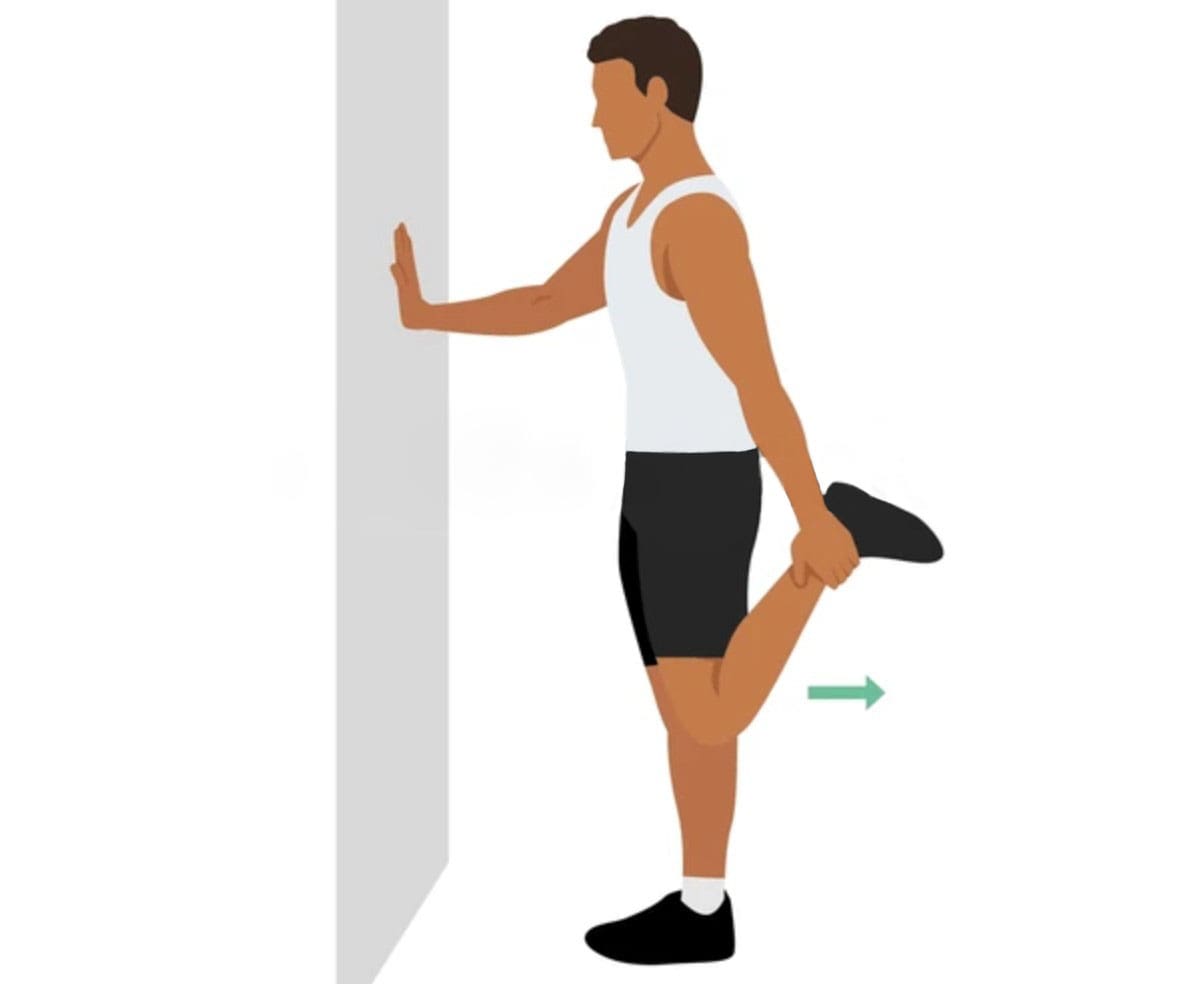
6. Standing Quadriceps Stretch (Knee and Hip Flexibility)
Purpose: Stretches the quadriceps to reduce knee pain and improve mobility.
How to Perform:
Stand near a wall for balance, holding one ankle with the same-side hand.
Pull your ankle toward your buttocks, keeping your knees aligned.
Hold for 20–30 seconds, then switch legs.
Benefits: Enhances knee flexibility and reduces patellofemoral pain (Steinberg et al., 2021).
Frequency: Perform 2–3 times per leg, daily.
Tip: Tuck your pelvis to avoid arching your lower back.
7. Neck Rotation Stretch (Cervical Flexibility)
Purpose: Reduces neck stiffness and improves cervical mobility, especially for GJH or whiplash from MVAs.
How to Perform:
Sit or stand with your back straight.
Turn your head to the right, looking over your shoulder, and hold for 15–20 seconds.
Return to the center and repeat on the left.
Benefits: Improves cervical range of motion and reduces symptoms of instability (Russek et al., 2023).
Frequency: Perform 3–5 repetitions per side, twice daily.
Tip: Move within your comfortable range to avoid strain.
Tips for Safe Stretching
Warm Up First: Engage in 5–10 minutes of light activity, such as walking, to prepare your muscles and joints (Jimenez, 2016).
Avoid Overstretching: Stretch to mild tension, not to the point of pain, to prevent injury.
Breathe Deeply: Inhale and exhale slowly to enhance relaxation and muscle lengthening.
Consult a Professional: Work with a chiropractor or physical therapist to ensure proper technique, especially for post-accident recovery or conditions like GJH or scoliosis.
Integrative Therapies for Enhanced Joint Pain Relief
Integrative therapies, such as massage and acupuncture, complement chiropractic care and stretching, addressing muscle tension, inflammation, and neurological factors, particularly in cases related to accidents.
1. Massage Therapy
Benefits: Massage reduces muscle tightness, improves circulation, and prepares tissues for chiropractic adjustments. It is effective for shoulder impingement, whiplash, and post-MVA recovery (Tauqeer et al., 2024; El Paso Back Clinic, n.d.).
Application: Techniques such as deep tissue massage or trigger point therapy target tight muscles and fascia, thereby enhancing the benefits of stretching.
Evidence Suggests That Manual therapy, including massage, significantly reduces pain and improves function in individuals with chronic shoulder conditions and accident-related injuries (Tauqeer et al., 2024).
2. Acupuncture
Benefits: Acupuncture stimulates endorphin release, reduces inflammation, and improves neural signaling, effective for osteoarthritis, low back pain, and WAD from MVAs.
Application: Integrated with chiropractic care, acupuncture addresses local and systemic pain pathways, enhancing recovery.
Evidence: Research supports the use of acupuncture as an effective adjunct for managing musculoskeletal pain (Luan et al., 2022).
3. Nutrition for Recovery
Benefits: A diet rich in anti-inflammatory foods (e.g., omega-3 fatty acids, fruits, and vegetables) supports tissue healing and reduces inflammation, crucial for post-accident recovery (El Paso Back Clinic, n.d.).
Application: Nutritional guidance complements chiropractic care, promoting internal healing.
Evidence: Proper nutrition enhances musculoskeletal injury rehabilitation, particularly after MVAs (El Paso Back Clinic, n.d.).
Preventing Long-Term Joint Problems
Chiropractic care and stretching not only relieve joint pain but also prevent long-term complications by addressing underlying causes. Key strategies include:
Consistent Exercise: Daily stretching and strengthening enhance joint stability and flexibility.
Healthy Lifestyle Choices: Maintain a healthy weight, eat an anti-inflammatory diet, and practice good posture to reduce joint stress.
Early Intervention: Seek chiropractic care at the first sign of pain to prevent progression to chronic conditions like osteoarthritis or WAD.
Durable Medical Equipment: Braces or supports may aid recovery from MVA injuries, as recommended by professionals (El Paso Back Clinic, n.d.).
Conclusion
Joint pain from injuries, degenerative conditions, or lifestyle factors can significantly impact daily life. Chiropractic care, combined with stretching and flexibility exercises, provides a powerful, non-surgical solution for managing and preventing pain. By addressing joint misalignment, enhancing muscle function, reducing inflammation, and promoting holistic healing through integrative therapies like massage, acupuncture, and nutrition, this approach targets the root causes of joint pain. Incorporating the stretching exercises above and seeking professional guidance can improve function, reduce pain, and support a more active, pain-free life.
References
Dumoulin, Q. A., van Steenbergen, H. W., & van der Helm-van Mil, A. H. M. (2023). Correspondence on ‘Role of joint damage, malalignment and inflammation in articular tenderness in rheumatoid arthritis, psoriatic arthritis and osteoarthritis’. Annals of the Rheumatic Diseases, 82(7), e160. https://doi.org/10.1136/annrheumdis-2021-220511
Hurley, M. V. (1997). The effects of joint damage on muscle function, proprioception, and rehabilitation. Manual Therapy, 2(1), 11–17. https://doi.org/10.1054/math.1997.0281
Luan, L., El-Ansary, D., Adams, R., Wu, S., & Han, J. (2022). Knee osteoarthritis pain and stretching exercises: A systematic review and meta-analysis. Physiotherapy, 114, 16–29. https://doi.org/10.1016/j.physio.2021.10.001
Puentedura, E. J., Slaughter, R., Reilly, S., Ventura, E., & Young, D. (2017). Thrust joint manipulation utilization by U.S. physical therapists. Journal of Manual & Manipulative Therapy, 25(2), 74–82. https://doi.org/10.1080/10669817.2016.1187902
Rhyu, H.-S., Park, H.-S., & Park, J.-S. (2015). The Effects of Isometric Exercise Types on Pain and Muscle Activity in Patients with Low Back Pain. Journal of Exercise Rehabilitation, 11(4), 211–214. https://doi.org/10.12965/jer.150224
Russek, L. N., Block, N. P., Byrne, E., Chalela, S., Chan, C., Comerford, M., … Hakim, A. (2023). Presentation and physical therapy management of upper cervical instability in patients with symptomatic generalized joint hypermobility: International expert consensus recommendations. Frontiers in Medicine, 9, 1072764. https://doi.org/10.3389/fmed.2022.1072764
Steinberg, N., Tenenbaum, S., Zeev, A., & Hershkovitz, I. (2021). Generalized joint hypermobility, scoliosis, patellofemoral pain, and physical abilities in young dancers. BMC Musculoskeletal Disorders, 22(1), 161. https://doi.org/10.1186/s12891-021-04023-z
Tauqeer, S., Arooj, A., & Javed, K. (2024). Effects of manual therapy in addition to stretching and strengthening exercises to improve scapular range of motion, functional capacity, and pain in patients with shoulder impingement syndrome: A randomized controlled trial. BMC Musculoskeletal Disorders, 25(1), 192. https://doi.org/10.1186/s12891-024-07294-4
Nutrition and Integrative Care for Mobility and Injury Recovery at El Paso Back Clinic®
In El Paso, TX, maintaining mobility and flexibility is essential for an active lifestyle, whether you’re recovering from an injury or managing chronic pain. At El Paso Back Clinic®, led by Dr. Alexander Jimenez, DC, APRN, FNP-BC, a well-balanced diet and targeted supplementation are combined with chiropractic care to support joint health, reduce inflammation, and enhance muscle and bone function. Nutrients like omega-3 fatty acids, collagen, and vitamins D and K, alongside supplements such as glucosamine, chondroitin, and turmeric, are key to improving movement and promoting healing. Dr. Jimenez’s integrative approach, incorporating massage therapy, acupuncture, and functional medicine, helps patients recover from motor vehicle accidents, work injuries, sports injuries, and chronic conditions, ensuring natural healing and long-term wellness.
Nutrition for Joint Health and Recovery
A nutrient-dense diet is critical for supporting joint health and aiding recovery, especially for El Pasoans dealing with injuries from accidents or physical strain. Omega-3 fatty acids, found in foods like salmon, chia seeds, and walnuts, reduce inflammation, helping to alleviate joint pain and improve flexibility (StretchIt App, 2023). This is particularly important for those recovering from motor vehicle accidents or sports injuries, where inflammation can prolong discomfort.
Collagen, a primary component of cartilage and tendons, strengthens joints and supports repair. Consuming collagen-rich foods like bone broth or taking supplements can aid recovery from injuries common in El Paso’s active community (Nature’s Best, 2023). Vitamins D and K are vital for bone health, providing stability to joints. Vitamin D, sourced from fortified dairy or El Paso’s sunny environment, enhances calcium absorption, while vitamin K, found in leafy greens like spinach, supports bone mineralization (BetterYou, 2023).
Protein is essential for muscle repair, acting as a protective layer for joints during movement. Foods like eggs, lean meats, and lentils provide amino acids to rebuild muscle tissue, crucial for those healing from work or sports injuries (Nature’s Best, 2023). Hydration is also key, as water lubricates joint cartilage, reducing wear and supporting smooth motion (Spinal Rehab and Chiro Center, 2023).
Supplements can amplify the benefits of a healthy diet, particularly for those recovering from injuries or managing chronic pain. Glucosamine and chondroitin support cartilage health, with glucosamine aiding cartilage production and chondroitin helping joints retain water, improving mobility (VoltaGel, 2023). At El Paso Back Clinic®, Dr. Jimenez often recommends these for patients with joint wear from auto accidents or repetitive work tasks.
Turmeric, with its active compound curcumin, is a potent anti-inflammatory supplement that reduces joint pain, aiding recovery for El Paso’s active residents (ZoharyogaFlex, 2023). Magnesium supports muscle relaxation and flexibility, helping prevent stiffness after injuries (BetterYou, 2023). Collagen supplements strengthen connective tissues, speeding up recovery from sprains or strains, common in sports or workplace injuries (NutritionX, 2023).
Patients are advised to consult Dr. Jimenez or a healthcare professional before starting supplements, especially if they have existing conditions or take medications (MVSU, 2023).
At El Paso Back Clinic®, Dr. Alexander Jimenez, a chiropractor and nurse practitioner, specializes in treating injuries from motor vehicle accidents, work incidents, sports mishaps, and chronic conditions like arthritis or back pain. His dual-scope approach combines chiropractic adjustments with medical evaluations, using advanced diagnostics like X-rays and MRIs to identify issues such as herniated discs or nerve compression (Jimenez, 2023a). This ensures precise, personalized treatment plans for conditions causing pain, numbness, or reduced mobility.
Dr. Jimenez’s ability to provide detailed medical and legal documentation is a key asset for personal injury cases, supporting insurance claims or legal proceedings in El Paso’s vibrant community (Jimenez, 2023b). His focus on addressing the root causes of pain, such as spinal misalignments or soft tissue damage, promotes lasting recovery and improved quality of life.
Integrative Therapies for Comprehensive Rehabilitation
El Paso Back Clinic® offers a holistic approach to recovery, combining chiropractic care, massage therapy, acupuncture, and nutritional guidance. Chiropractic adjustments correct spinal and joint misalignments, relieving pressure and restoring mobility for conditions like whiplash or lower back pain (Jimenez, 2023a). Massage therapy reduces muscle tension and improves blood flow, aiding recovery from soft tissue injuries common in auto accidents or sports (Jimenez, 2023c).
Acupuncture targets pain and inflammation with precise needle placements, making it effective for chronic pain or post-injury recovery (Jimenez, 2023d). Nutritional guidance, including anti-inflammatory diets and supplements like omega-3s or collagen, supports joint and muscle repair, addressing underlying causes and preventing complications like chronic pain or joint degeneration (El Paso Back Clinic, 2023).
This integrative approach promotes natural healing, helping El Paso patients recover from a wide range of injuries while minimizing long-term issues.
At El Paso Back Clinic®, Dr. Jimenez and his team provide personalized care plans that integrate nutrition, chiropractic care, and integrative therapies to address pain and promote wellness. Whether recovering from a car accident, work injury, or sports trauma, the clinic’s holistic approach ensures optimal outcomes. Nutritional strategies, such as incorporating omega-3-rich foods or collagen supplements, support joint health and recovery (El Paso Back Clinic, 2023).
The clinic’s commitment to El Paso’s community is evident in its mission to help patients live pain-free, active lives. Always consult a healthcare professional before making dietary changes or starting supplements to ensure they align with your specific health needs (MVSU, 2023).
At El Paso Back Clinic®, Dr. Alexander Jimenez combines nutrition, supplementation, and integrative therapies to support mobility, flexibility, and injury recovery. A diet rich in omega-3s, collagen, and vitamins D and K, paired with supplements like glucosamine and turmeric, enhances joint health and reduces inflammation. Dr. Jimenez’s expertise in chiropractic care, massage therapy, acupuncture, and functional nutrition provides a comprehensive approach to healing injuries from auto accidents, work, or sports, while preventing long-term complications. The clinic helps El Pasoans live vibrant, pain-free lives. Consult a healthcare professional before starting new dietary or supplement regimens to ensure they suit your needs.
Physical Therapy After a Car Accident: Addressing Indirect Trauma, Pain, and Mobility Issues
Motor vehicle accidents (MVAs) can leave individuals grappling with a range of physical and emotional challenges, even when injuries seem minor at first glance. The sudden forces exerted on the body during a collision—whether a rear-end crash, side impact, or head-on accident—can cause significant indirect trauma, leading to back and neck pain, nerve damage, mobility and flexibility issues, and posture problems. These injuries often manifest as musculoskeletal joint pain, which can persist or worsen without proper intervention. Physical therapy (PT) is a cornerstone of recovery for MVA victims, offering a non-invasive, customized approach to restoring function, alleviating pain, and preventing long-term complications. In El Paso, Texas, professionals such as Dr. Alexander Jimenez, a distinguished chiropractor and board-certified family nurse practitioner, combine clinical expertise with advanced diagnostic tools to effectively address these injuries. This blog post explores the role of physical therapy in MVA recovery, drawing on clinical observations, evidence-based practices, and Dr. Jimenez’s integrative approach to care.
Understanding the Impact of Motor Vehicle Accidents
Motor Vehicle Accidents (MVAs) expose the body to sudden, powerful forces beyond its capacity to absorb. Even low-speed collisions can strain or injure the spine, muscles, joints, and nerves. According to the National Highway Traffic Safety Administration, over 2.1 million people in the U.S. sustain injuries in car crashes annually, with soft tissue injuries being the most common (NHTSA, 2023). These injuries often include whiplash, back strains, herniated discs, and nerve compression, which can lead to chronic pain and mobility limitations if untreated.
Indirect Trauma and Its Consequences
Indirect trauma refers to injuries that result from the body’s reaction to the sudden forces of a collision, rather than direct impact. For example, the rapid back-and-forth motion of the neck during a rear-end collision can strain muscles, ligaments, and nerves, leading to whiplash-associated disorders (WAD). This condition often causes neck pain, stiffness, and headaches, which may not appear immediately (Apex Spine & Neurosurgery, 2024). Similarly, the spine’s natural curves can be disrupted, contributing to posture problems and increased stress on joints and muscles.
Back and neck pain are among the most commonly reported symptoms following a motor vehicle accident (MVA). The spine, a complex structure of vertebrae, discs, and nerves, is particularly vulnerable. Herniated discs, where the inner material of a spinal disc protrudes and presses on nearby nerves, can cause radiating pain, numbness, or weakness (Jimenez, 2024). Nerve damage, such as neuropraxia, can occur when nerves are stretched or compressed, resulting in tingling, muscle weakness, or loss of sensation. (Personal Injury Doctors, 2016).
Mobility and flexibility issues often arise as the body attempts to compensate for pain or stiffness. For instance, a person with lower back pain may alter their gait, resulting in uneven stress on the hips and knees. Over time, these changes can exacerbate joint pain and contribute to the development of degenerative conditions, such as arthritis. Posture problems, such as forward head posture or slouching, may also develop, particularly if pain discourages proper alignment and posture. (Jimenez, 2016).
Musculoskeletal Joint Pain Progression
Musculoskeletal joint pain often progresses due to untreated or poorly managed MVA injuries. For example, whiplash can lead to chronic neck pain if scar tissue forms in strained muscles or if spinal misalignments (subluxations) persist (Baystate Physical Therapy, 2024). Similarly, a herniated disc in the lumbar spine may cause sciatica, characterized by sharp pain radiating down the leg due to nerve compression. These conditions can limit range of motion, reduce strength, and impair daily activities, significantly affecting quality of life.
Citations:
National Highway Traffic Safety Administration. (2023). Traffic safety facts. https://www.nhtsa.gov/
Physical therapy is a non-invasive, evidence-based approach to treating injuries related to motor vehicle accidents (MVAs). It focuses on restoring mobility, reducing pain, and preventing long-term complications through a combination of manual therapy, therapeutic modalities, and targeted exercises. Texas Physical Therapy Specialists emphasize that PT programs are tailored to each patient’s specific injuries and needs, ensuring optimal recovery (Texas Physical Therapy Specialists, 2024).
Key Components of Physical Therapy
Manual Therapy: Techniques such as joint mobilization and soft tissue massage help reduce muscle tension, improve circulation, and restore joint function. These hands-on methods are particularly effective for addressing stiffness and pain in the neck and back (Apex Orthopaedics Spine & Neurology, 2024).
Pain-Relieving Modalities: Tools like electrical stimulation, ultrasound, and heat/cold therapy can alleviate pain and inflammation. For example, transcutaneous electrical nerve stimulation (TENS) uses low-voltage currents to block pain signals (Rocky Mountain Physical Therapy, 2024).
Stretching and Range-of-Motion Exercises: These exercises improve flexibility and restore normal joint movement. Gentle neck stretches, for instance, can counteract whiplash-induced stiffness (OneRehab, 2024).
Strengthening Exercises: Building muscle strength supports injured areas and prevents re-injury. Core exercises, such as planks, stabilize the spine, while leg exercises like squats enhance overall mobility (Breakthrough Physical Therapy, 2024).
Functional Training: Multi-joint, multi-muscle movements, such as lunges or rotational exercises, mimic daily activities, improving balance and coordination (Release Physical Therapy, 2024).
Customization of Treatment Plans
A physical therapist begins with a thorough evaluation, assessing the patient’s range of motion, strength, posture, and pain levels. Based on this assessment, they develop a personalized treatment plan. For example, a patient with whiplash may start with gentle stretches and progress to strengthening exercises as pain subsides. The duration of PT varies, typically ranging from a few weeks to several months, depending on the severity of the injury and the patient’s progress. (Georgia Spine & Orthopaedics, 2024).
In El Paso, Dr. Alexander Jimenez stands out as a leader in treating injuries related to motor vehicle accidents (MVAs). With over 25 years of experience as a chiropractor and board-certified family nurse practitioner, Dr. Jimenez integrates chiropractic care, functional medicine, and advanced diagnostics to address the complex needs of personal injury patients (Jimenez, 2024). His dual licensure enables him to bridge the gap between biomechanical and systemic health, providing a holistic approach to recovery.
Clinical Rationale and Diagnostic Assessments
Dr. Jimenez emphasizes the importance of correlating patient injuries with objective diagnostic findings. He employs advanced imaging techniques, such as X-rays and MRIs, to identify spinal misalignments, disc herniations, and soft tissue injuries. These tools are crucial for detecting subtle injuries, such as ligament tears or nerve compression, that may not be apparent in initial examinations (Jimenez, 2024). Dual-scope procedures, combining chiropractic and medical evaluations, provide a comprehensive view of the patient’s condition, enabling precise treatment planning.
For example, a patient with neck pain post-MVA may undergo motion and static palpation to assess spinal joint mobility, followed by an MRI to confirm a suspected herniated disc. Dr. Jimenez’s diagnostic assessments also include neurological evaluations to detect nerve damage, such as radiculopathy or peripheral neuropathy, which can cause symptoms like numbness or muscle weakness (Jimenez, 2018).
Balancing Medical and Legal Needs
In personal injury cases, Dr. Jimenez’s expertise extends beyond clinical care to legal documentation. He meticulously documents examination findings and treatment plans to support insurance claims and legal proceedings, ensuring patients receive fair compensation (Jimenez, 2017). His ability to translate complex medical findings into clear, legally admissible reports is particularly valuable in El Paso, where personal injury cases are common due to the high volume of traffic.
Treatment Protocols
Dr. Jimenez’s treatment protocols often include chiropractic adjustments to correct spinal misalignments, reduce nerve compression, and restore mobility. He complements these with physical therapy modalities, such as ultrasound and electrical stimulation, to manage pain and inflammation. Functional strength training, tailored to the patient’s needs, enhances recovery by improving stability and preventing re-injury (Jimenez, 2024).
Specific Physical Therapy Exercises for MVA Recovery
The type and severity of MVA injuries dictate the exercises prescribed in physical therapy. Below are examples of exercises commonly used to address back and neck pain, nerve damage, mobility issues, and posture problems.
Stretching Exercises
Neck Stretches: Gently tilting the head side to side or forward and backward can help relieve tension in the cervical spine. These are ideal for whiplash patients. (OneRehab, 2024).
Hamstring Stretches: Lying on the back and lifting one leg while keeping it straight stretches the lower back and hamstrings, improving flexibility (Sports Physical Therapy, 2024).
Range-of-Motion Exercises
Shoulder Rolls: Rolling the shoulders forward and backward enhances mobility in the upper back and neck, counteracting stiffness (Breakthrough Physical Therapy, 2024).
Spinal Twists: Seated or supine twists gently rotate the spine, improving lumbar mobility and reducing lower back pain (Texas Physical Therapy Specialists, 2024).
Strengthening Exercises
Core Bridges: Lying on the back with knees bent, lifting the hips strengthens the core and lower back, stabilizing the spine (Rocky Mountain Physical Therapy, 2024).
Planks: Holding a plank position builds core and shoulder strength, supporting proper posture (Release Physical Therapy, 2024).
Functional Training
Squats: Multi-joint squats improve leg and core strength, enhancing overall stability (Synergy Rehab, 2024).
Lunges: Forward or lateral lunges mimic walking and climbing, improving balance and coordination (Benchmark Physical Therapy, 2024).
Timing and Progression
It’s recommended to start physical therapy (PT) exercises within days of the accident, once acute pain subsides, to prevent stiffness and promote healing. Patients typically begin with low-impact stretches and progress to strengthening and functional exercises over the course of weeks or months. (Sports Physical Therapy, 2024).
Untreated MVA injuries can lead to chronic pain, reduced mobility, and degenerative conditions. Physical therapy helps prevent these outcomes by addressing inflammation, restoring function, and strengthening supportive muscles. For example, regular PT can reduce the risk of post-traumatic arthritis by maintaining joint mobility (Synergy Rehab, 2024). Dr. Jimenez’s combined method enhances prevention by integrating physical therapy (PT) with guidance on nutrition and overall health to address issues such as inflammation and metabolic imbalances. (Jimenez, 2024).
Motor vehicle accidents can cause a cascade of physical challenges, from indirect trauma and pain to mobility, flexibility, and posture issues. Physical therapy, with its focus on manual therapy, pain relief, and targeted exercises, is a vital tool for recovery. In El Paso, Dr. Alexander Jimenez’s expertise in chiropractic care, functional medicine, and diagnostic assessments ensures that MVA victims receive comprehensive, personalized treatment. By addressing both the medical and legal aspects of personal injury cases, Dr. Jimenez helps patients recover their health and regain their quality of life. If you’ve been in a car accident, consult a physical therapist or specialist like Dr. Jimenez to start your journey to recovery.
For individuals dealing with or experiencing muscle pain and stiffness, how long does it take to loosen tight muscles?
Length Of Time to Loosen Tight Muscles
Tight muscles are often caused by overuse or strain, combined with muscle soreness, a common symptom of tight muscles. The soreness peaks around the third day and begins to subside, typically resolving within a few days. But if tightness persists or is accompanied by other symptoms like numbness, inability to move, or swelling, it’s important to consult a medical provider. (Spine Medicine and Surgery of Long Island, 2024) However, it can take much longer for individuals who have never stretched and have had tight muscles for years, depending on the severity, injury history, and underlying causes.
Factors Influencing Timeline
Consistent stretching can take anywhere from a few weeks to a few months to noticeably loosen tight muscles and improve flexibility. The specific time frame depends on factors like the severity of the tightness, underlying causes, and individual consistency with stretching. (Peterson Physical Therapy, 2024)
Severity of Tightness
Muscle knots and significant limitations in range of motion may take longer to resolve than minor stiffness.
Underlying Causes
If tightness is due to a specific injury or condition, addressing that cause is important for lasting and maintaining improvements. (Healthline, 2023)
Individual Factors
Genetics, age, and overall health can influence how quickly muscles adapt to stretching.
Consistency
Regular stretching, ideally daily or several times a week, is essential for feeling progress. (Mayo Clinic, 2023)
Stretching Routine
The length of time can vary based on the starting flexibility level and the specific stretching routine. (Mayo Clinic, 2023) It typically takes several weeks of consistent stretching, at least 3-4 times a week, to notice flexibility improvements. Longer-term changes, beyond the initial feeling of being looser, usually take 8 to 12 weeks.
Longer holds (1-2 minutes) can provide deeper benefits.
Long-term Gains
For substantial and sustained improvements, stretching consistently for several months is recommended. (Mayo Clinic, 2023)
Initial Changes
Individuals may notice small improvements in the first few weeks, especially starting from a more inflexible position.
Influencing Factors and Results
Individual genetics, current flexibility level, and the specific exercises can affect how quickly improvements are seen and felt. (Peterson Physical Therapy, 2024)
What To Expect
Improvements
Within a few weeks, individuals might notice a decrease in the sensation of tightness or increased ease in reaching a stretch. (Peterson Physical Therapy, 2024)
Longer-Term Changes
Significant muscle length and flexibility improvements may take several weeks to months of consistent effort.
Consider professional guidance for specific concerns or limitations. Consult a physical therapist or healthcare provider for personalized recommendations.
The length of time to see results means consistency and patience are important.
Injury Medical Chiropractic and Functional Medicine Clinic
As a Family Practice Nurse Practitioner, Dr. Jimenez combines advanced medical expertise with chiropractic care to address various conditions. Our clinic integrates Functional Medicine, Acupuncture, Electro-Acupuncture, and Sports Medicine to create customized care plans that promote natural healing, mobility, and long-term wellness. By focusing on flexibility, agility, and strength, we empower patients to thrive, regardless of age or health challenges. At El Paso’s Chiropractic Rehabilitation Clinic & Integrated Medicine Center, we passionately focus on treating patients after injuries and chronic pain syndromes. We focus on improving your ability through flexibility, mobility, and agility programs tailored for all age groups and disabilities. We use in-person and virtual health coaching and comprehensive care plans to ensure every patient’s personalized care and wellness outcomes.
Understanding Long-Lasting Injuries
References
Spine Medicine and Surgery of Long Island. (2024). How Long Do Muscle Knots Last? Spine Medicine and Surgery of Long Island. https://www.spinemedli.com/how-long-do-muscle-knots-last/#:~:text=The%20duration%20of%20a%20muscle,chronic%20pain%20if%20left%20untreated.
Peterson Physical Therapy. (2024). How Long Does It Take to Improve Flexibility? https://petersenpt.com/how-long-does-it-take-to-improve-flexibility#:~:text=Over%20the%20years%2C%20I’ve,takes%20to%20become%20more%20flexible.
Healthline. (2023). Everything You Need to Know About Muscle Stiffness. https://www.healthline.com/health/muscle-stiffness
Mayo Clinic. (2023). Stretching: Focus On Flexibility. https://www.mayoclinic.org/healthy-lifestyle/fitness/in-depth/stretching/art-20047931#:~:text=Stretch%20in%20a%20smooth%20movement,hold%20for%20around%2060%20seconds.
Harvard Health Publishing. (2022). Everyday Stretching. https://www.health.harvard.edu/everyday-stretching#:~:text=A%20daily%20regimen%20will%20deliver,or%20three%20times%20a%20week.
Can stretching quadriceps help relieve stiffness and pain and improve flexibility for individuals with consistently tight quadriceps?
Quadriceps Stretches
Walking, running, biking, and other daily activities can tighten the quadriceps muscles. The quadriceps are four muscles in the front of the thigh that extend the leg and strengthen the knee. Stretching the quadriceps may be a part of a home or gym exercise program or physical therapy treatment to maintain quadricep flexibility. Resting the quadriceps with an exercise program can greatly maximize mobility and prevent injury.
Tight quadriceps may sometimes result from injuries such as patellofemoral stress syndrome or iliotibial band friction syndrome. The quads may also become tight for individuals with spinal stenosis or other related problems with the lower back. (International Sports Sciences Association, 2023) Ely’s test, also known as the Duncan-Ely test, is one way to determine whether your quadriceps are tight. It is a physical examination used to assess the flexibility and potential spasticity of the rectus femoris muscle (a quadriceps muscle) by passively flexing the patient’s knee. Lie on your stomach and try to touch your foot to your buttocks. If you can’t, the rectus femoris, one of the main muscles, may be tight and benefit from quadricep stretches. (Olivencia, O. et al., 2020)
Safety and Precautions
Before trying this or any other exercise program, consult a healthcare provider to ensure exercise is safe for you and your conditions. A professional can help diagnose any overuse injury that might be causing tight quadriceps. Quadriceps stretches will be a little more comfortable after warming up. A few minutes of walking or biking will warm the quadriceps muscles to stretch more easily.
Stretches
To stretch the quadriceps, try the standing, side-lying, and prone quadriceps stretch once fully warmed up and after a workout. Individuals who frequently experience quadriceps tightness should stretch them daily. Incorporate all or some of these stretches into a cool-down or off-day flexibility routine.
Standing Stretch
The standing quadriceps stretch can be done anywhere in the office, gym, or outside. All you need is a place to stand. Here is how:
While standing, hold onto a countertop or back of a chair to help with balance.
Bend your knee by grasping your ankle.
Move your foot toward your buttocks.
Gently pull on your ankle to bend your knee as far as possible.
Maintain position for 30 seconds.
Return to the standing position.
Repeat the exercise 3 to 5 times with each leg.
Stop stretching if there are any sharp pains.
Side-Lying Stretch
The side-lying quad stretch lengthens the quadriceps. On the floor in a supported position can help focus on the stretch. Here’s how:
Lie on your side.
Bend the knee of your top leg as far as you can, gently pulling with your hand.
Maintain position for 30 seconds.
Return to the starting position.
Repeat the exercise 3 to 5 more times with each leg.
Prone Stretch
Stretch the quadriceps while lying on your stomach. In this position, the floor helps to stabilize the pelvis, minimizing rocking and maximizing the stretch. To do the stretch:
Lie on your stomach.
Bend your knee back as far as you are able.
Grab your ankle to pull your foot toward your buttocks.
Maintain position for 30 seconds.
Return to the starting position.
Repeat the exercise 3 to 5 more times with each leg.
If you have difficulty reaching your ankle, pull the leg up, wrap a towel or strap around the ankle, and use it to pull. This can help stretch the quadriceps effectively even if you cannot reach the ankle easily.
Injury Medical Chiropractic & Functional Medicine Clinic
Consult a healthcare provider or physical therapist to learn the recommended quadriceps stretches or other strengthening exercises. Keeping the quadriceps healthy will help keep the knees moving and maximize functional mobility. Injury Medical Chiropractic and Functional Medicine Clinic works with primary healthcare providers and specialists to develop an optimal health and wellness solution. We focus on what works for you to relieve pain, restore function, and prevent injury. Regarding musculoskeletal pain, specialists like chiropractors, acupuncturists, and massage therapists can help mitigate the pain through spinal adjustments that help the body realign itself. They can also work with other medical professionals to integrate a treatment plan to resolve musculoskeletal issues.
Chiropractic Care For Leg Instability
References
International Sports Sciences Association. (2023). How to Release Tight Quads in 2 Simple Steps. ISSA. https://www.issaonline.com/blog/post/how-to-release-tight-quads-in-2-simple-steps
Olivencia, O., Godinez, G. M., Dages, J., Duda, C., Kaplan, K., Kolber, M. J., Kaplan, & Kolber (2020). THE RELIABILITY AND MINIMAL DETECTABLE CHANGE OF THE ELY AND ACTIVE KNEE EXTENSION TESTS. International journal of sports physical therapy, 15(5), 776–782. https://doi.org/10.26603/ijspt20200776
IFM's Find A Practitioner tool is the largest referral network in Functional Medicine, created to help patients locate Functional Medicine practitioners anywhere in the world. IFM Certified Practitioners are listed first in the search results, given their extensive education in Functional Medicine