
When You Don’t Stretch: What Happens to Your Body
When You Don’t Stretch: Why Muscles Get Stiff, Movement Gets Harder, and Injuries Become More Likely
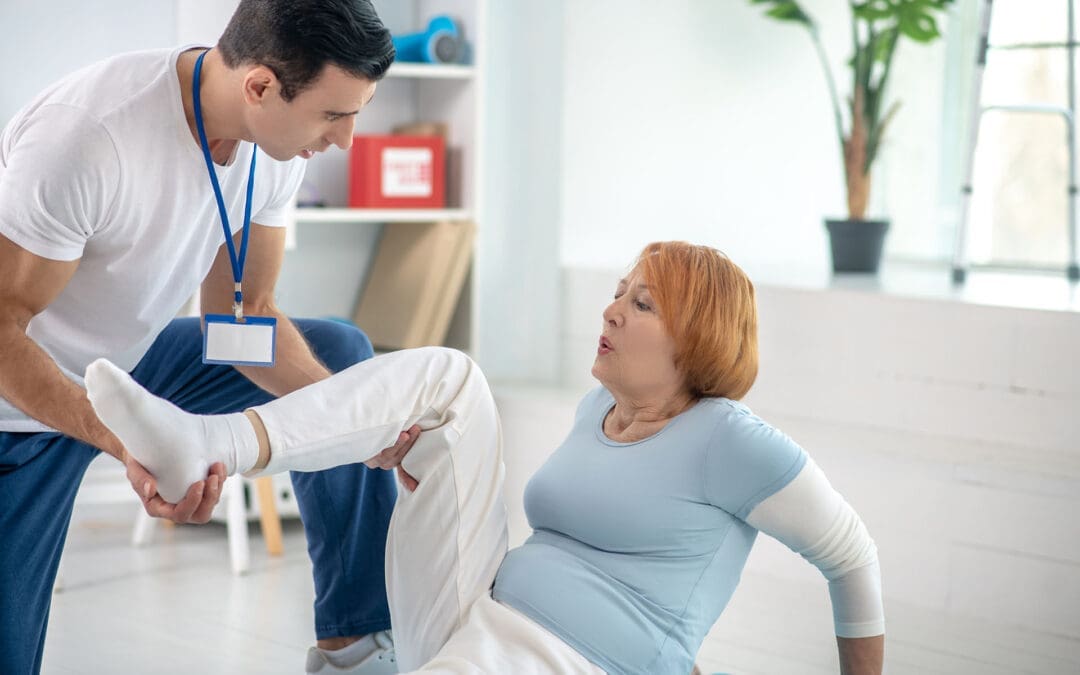
A patient with chronic back pain does targeted stretches.
If you rarely stretch, your body can start to feel “tight,” which can change how you move. Many people notice they can’t bend, twist, squat, reach overhead, or turn their head as easily as they used to. Over time, this can affect your flexibility, your range of motion (how far a joint can move), and how smooth and efficient your daily movements feel.
At El Paso Back Clinic, Dr. Alexander Jimenez, DC, APRN, FNP-BC, often explains this: when mobility decreases, the body starts to “compensate.” That means you move around a stiff area instead of through it, and those workarounds can build up stress in nearby joints and muscles (Jimenez, n.d.-a). This is one reason people can develop recurring back pain, neck stiffness, hip tightness, or shoulder irritation even without a single big injury.
What “Muscle Stiffness” Really Means
Muscle stiffness usually feels like tightness, soreness, or difficulty moving. It can happen after overuse, after you’ve been still for a long time, or when your muscles stay “stuck” in a more contracted state (Tarantino, 2025). Osmosis
Osmosis notes that stiffness can appear after a long period of minimal motion (such as bed rest or inactivity) or after new exercise that causes temporary muscle cell damage (Tarantino, 2025). Osmosis
Key idea: When your body doesn’t move a joint through its normal range often enough, the muscles and tissues around it can start to feel restricted. That restriction can make normal tasks think harder than they should.
Do Muscles Actually “Shorten” If You Don’t Stretch?
You’ll hear people say, “If you don’t stretch, your muscles will shorten.” That statement is partly true, but it needs context.
Adidas explains that the word “shorten” can be misleading: for most people, it feels like shortening because mobility and flexibility decrease when stretching is skipped, even if the muscle is not literally shrinking in everyday life (Adidas, 2025). adidas
Harvard Health adds an important clarification: without regular stretching, muscles can become tight, and when you need them for activity, they may not extend fully, increasing the risk of joint pain, strains, and muscle damage (Harvard Health Publishing, 2024). Harvard Health
So the practical takeaway is simple:
-
Skipping stretching often leads to less mobility and flexibility
-
Tight muscles can reduce how far joints can move
-
Tight muscles can make injuries more likely when you suddenly “ask more” of your body
How Tight Muscles Reduce Range of Motion
Range of motion (ROM) is the movement around a joint or body part. When ROM is limited, you can’t move that body part through its usual, healthy motion (Jimenez, n.d.-b). El Paso Back Clinic® • 915-850-0900
El Paso Back Clinic explains how tightness—especially in areas like the hips and ankles—can reduce ROM and limit potential for form and strength. When posture and form are compromised, pain and injury risk can rise (Jimenez, n.d.-b). El Paso Back Clinic® • 915-850-0900
What limited ROM can look like in real life
You might notice:
-
You can’t turn your head fully when driving
-
You bend from your lower back instead of your hips
-
You can’t squat without your heels lifting
-
Your shoulders feel “pinched” when reaching into a cabinet
-
Your hamstrings feel tight when you try to walk fast
And here’s the tricky part: your body still gets the job done—just with more strain.
Why Stiffness Can Raise Injury Risk
Harvard Health explains that tight muscles may be more easily damaged when they are suddenly stretched during strenuous activity (Harvard Health Publishing, 2024). Harvard Health
That’s why injuries often show up in moments like:
-
A weekend game after sitting all week
-
A sudden sprint to catch something
-
Lifting a heavy box with “cold” hips and hamstrings
-
A long drive followed by quick unloading or bending
Mayo Clinic also notes that better flexibility can help joints move through full ROM and may decrease injury risk, while emphasizing that stretching must be done correctly (Mayo Clinic Staff, n.d.). Mayo Clinic
Common Reasons People Stop Stretching (And How to Fix Them)
Most people don’t skip stretching because they don’t care. They skip it because it feels confusing, time-consuming, or uncomfortable.
Common barriers
-
“I don’t have time.”
-
“Stretching hurts.”
-
“I’m not flexible, so it doesn’t work for me.”
-
“I only need stretching if I work out.”
Better, more realistic reframes
-
You only need 5–10 minutes a few times a week to start seeing benefits (Mayo Clinic Staff, n.d.). Mayo Clinic
-
Stretching should create tension, not pain (Mayo Clinic Staff, n.d.). Mayo Clinic
-
Flexibility improves over weeks to months, not days (Harvard Health Publishing, 2024). Harvard Health
-
Stretching supports everyday movement, not just workouts (Harvard Health Publishing, 2024). Harvard Health
Safe Stretching Basics (So You Don’t Make Things Worse)
This matters: stretching done poorly can backfire.
Mayo Clinic recommends:
-
Don’t stretch cold muscles—warm up 5–10 minutes first
-
Don’t bounce
-
Hold stretches about 30 seconds (longer for problem areas)
-
Don’t stretch into pain (Mayo Clinic Staff, n.d.). Mayo Clinic
The American Heart Association adds:
-
Stretch when muscles are warm
-
Hold 10–30 seconds and repeat 3–5 times
-
Stretch slowly and smoothly (American Heart Association, 2024). www.heart.org
Quick safety checklist
-
Warm up first (easy walk, gentle movement)
-
Move slowly
-
Breathe
-
No bouncing
-
Stop if you feel sharp pain, numbness, or joint pain
A Simple 10-Minute Daily Stretch Routine for Real Life
This is designed for normal adults: busy schedules, stiff hips, tight neck, and lots of sitting.
Step 1: Warm up (1–2 minutes)
-
Walk around the house
-
March in place
-
Gentle arm circles
Step 2: Do these 6 stretches (about 8 minutes total)
1) Hip flexor stretch (1 minute each side)
Helps if you sit a lot and feel tight in the front of your hips.
2) Hamstring stretch (1 minute each side)
Harvard points out that tight hamstrings from sitting can limit how well you extend your leg and support walking mechanics (Harvard Health Publishing, 2024). Harvard Health
3) Calf stretch (45 seconds each side)
Helpful for ankle mobility, walking, and squatting mechanics.
4) Chest opener (45 seconds)
Stand in a doorway and gently open the chest to reduce rounded-shoulder posture.
5) Upper back reach (45 seconds)
Hug yourself and gently pull your shoulder blades apart.
6) Neck side stretch (30 seconds each side)
Gentle only—never crank your neck.
Step 3: Add “micro-mobility” during your day (optional but powerful)
-
Stand up every hour for 30–60 seconds
-
Do 5 bodyweight squats to a chair
-
Do 10 shoulder rolls
-
Take a 3-minute walk after meals
These small habits often matter as much as one long stretch session.
Stretching After Workouts: What You Should Know
Adidas explains the difference clearly:
-
Dynamic movement is best before workouts (prepares your body)
-
Static stretching is typically better after workouts, when you’re warm (Adidas, 2025). adidas
Mayo Clinic also cautions that stretching cold muscles can increase injury risk and notes that some intense activities may not benefit from heavy stretching right before performance (Mayo Clinic Staff, n.d.). Mayo Clinic
A balanced approach
-
Before exercise: warm up + dynamic mobility
-
After exercise: gentle static stretching + breathing
-
On rest days: short, consistent flexibility routine
When Stiffness Is a Sign You Need More Than Stretching
Sometimes the problem is not just “tight muscles.” You may have:
-
Joint restrictions that block movement
-
Spine or pelvis alignment issues affecting mechanics
-
Inflammation around a joint
-
Pain patterns that keep muscles “guarded”
-
A nerve-related problem (numbness, tingling, weakness)
El Paso Back Clinic notes that limited ROM in areas like the back, neck, or shoulders can be linked to the body being out of natural alignment, repetitive motions, or wear and tear (Jimenez, n.d.-b). El Paso Back Clinic® • 915-850-0900
If stretching doesn’t help—or makes symptoms worse—it’s smart to get assessed.
The El Paso Back Clinic Approach: Integrative Chiropractic + Nurse Practitioner Support
This is where integrative care can be a game-changer: you’re not only “stretching more,” you’re also finding out why you’re tight and building a plan that fits your body.
What chiropractic care can add
El Paso Back Clinic describes a “restoration” approach that may include:
-
Soft tissue work (to reduce tightness and improve circulation)
-
Adjustments (to address misalignments and support mobility)
-
Targeted exercises and stretches to help maintain improvements (Jimenez, n.d.-b). El Paso Back Clinic® • 915-850-0900
What an NP can add
Nurse practitioners are advanced practice clinicians who assess, diagnose, and treat illnesses and injuries and support chronic condition management (American Nurses Association, n.d.). ANA
Healthgrades also describes NPs performing screenings and physical exams, ordering lab work, documenting care, and diagnosing certain conditions (Prosser, 2025). Healthgrades Resources
Why the combo helps stiffness and pain
Together, a chiropractor + NP team can:
-
Screen for red flags (nerve symptoms, systemic issues)
-
Decide when imaging or labs are appropriate
-
Build a movement plan that matches your pain level
-
Address sleep, stress, inflammation, and recovery habits
-
Track progress using measurable goals (like ROM improvements)
Dr. Jimenez’s Mobility & Flexibility materials emphasize that “great mobility” supports functional movement without ROM restrictions and that people who don’t stretch often may experience stiffened muscles that reduce effective movement (Jimenez, n.d.-a). El Paso Back Clinic® • 915-850-0900
Red Flags: When to Stop Stretching and Get Checked
Call a clinician promptly if you have:
-
Numbness, tingling, or weakness in an arm/leg
-
Loss of balance, clumsiness, or trouble walking
-
Severe pain that doesn’t improve
-
Pain after trauma (car accident, fall, sports collision)
-
Fever, unexplained swelling, or sudden intense stiffness
Muscle stiffness can sometimes be related to underlying medical issues, and diagnosis may require an exam and follow-up testing, depending on the cause (Tarantino, 2025). Osmosis
The Bottom Line
If you don’t stretch regularly, it’s common to feel tighter and less mobile over time. That stiffness can reduce range of motion, make daily tasks harder, and increase your risk of injury when you suddenly push your body. The good news is that you don’t need extreme flexibility. You need consistent, safe mobility work—and when required, professional support to restore movement and reduce pain.
A practical plan usually includes:
-
Small daily stretching habits
-
Better warm-ups and recovery routines
-
Strength + mobility (not stretching alone)
-
Integrative evaluation when pain, ROM loss, or repeated flare-ups keep returning
References
-
Stretching: Focus on flexibility (Mayo Clinic Staff, n.d.). Mayo Clinic
-
The importance of stretching (Harvard Health Publishing, 2024). Harvard Health
-
Flexibility Exercise (Stretching) (American Heart Association, 2024). www.heart.org
-
Muscle Stiffness: What Is It, Causes, Treatment, and More (Tarantino, 2025). Osmosis
-
The Three Biggest Myths About Stretching (Adidas, 2025). adidas
-
Advanced Practice Registered Nurse (APRN) (American Nurses Association, n.d.). ANA
-
What Treatments Can a Nurse Practitioner Provide? (Prosser, 2025). Healthgrades Resources
-
Improve Range of Motion: El Paso Back Clinic (Jimenez, n.d.-b). El Paso Back Clinic® • 915-850-0900
-
Mobility & Flexibility Archives — El Paso Back Clinic (Jimenez, n.d.-a). El Paso Back Clinic







