The biceps curl is an exercise to build strength in the upper arm. Curls are a common exercise used in upper-body strength training. Specifically, the curl works the muscles in the front of the upper arm. It’s recommended for achieving strength and definition and provides core and stability challenges. Injury Medical Chiropractic and Functional Medicine Clinic can educate individuals on fitness, strength training, nutrition, and injury prevention.
Bicep Curls
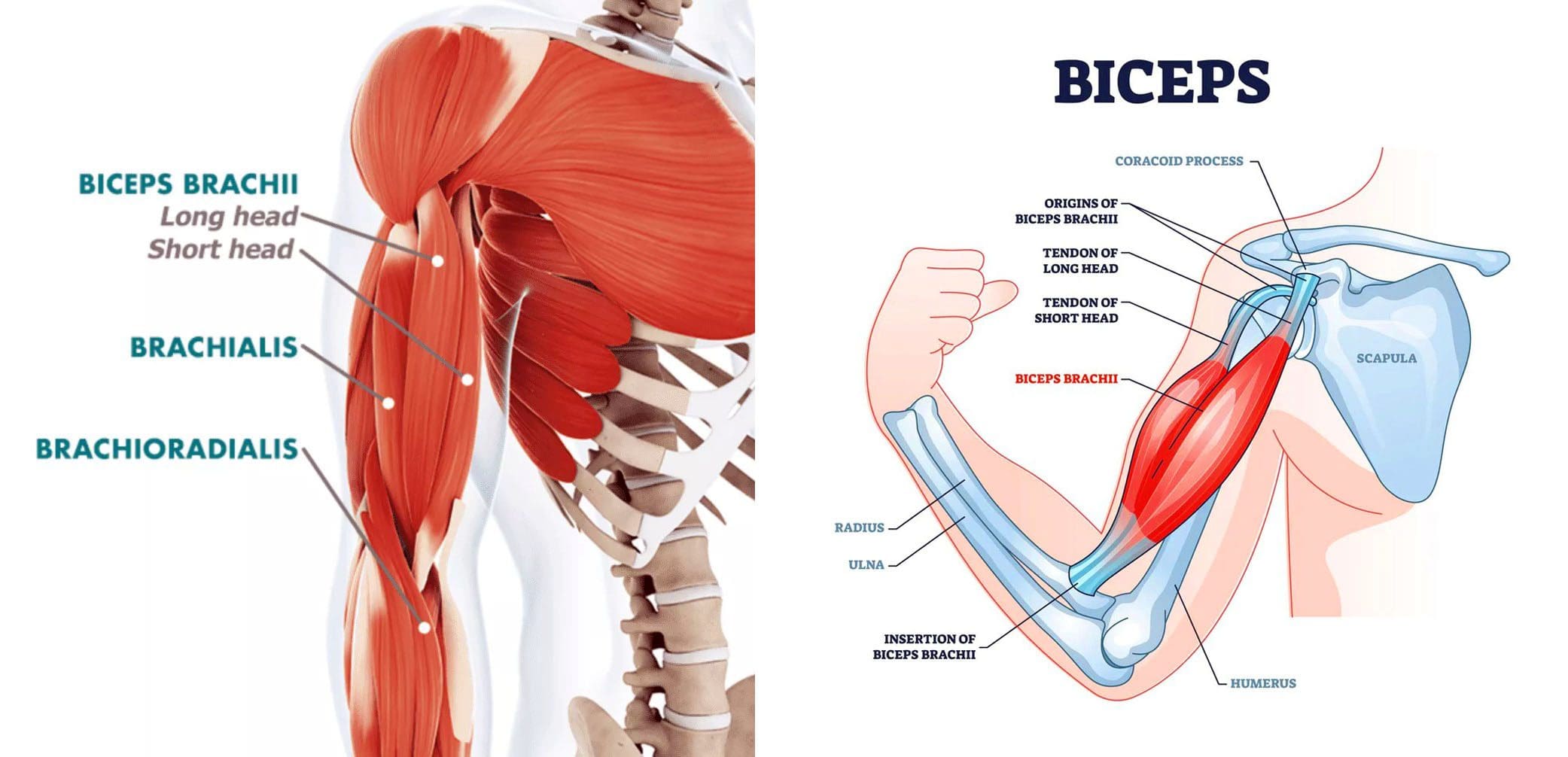
Located at the upper arm, the biceps comprise a short and long head that operates as a single muscle.
The bicep heads begin at different places around the shoulder/scapula region,
They have a common insertion point on the elbow tendon.
Together allow the bending of the arm at the elbow joint to curl and pull weight.
Curls work the muscles at the front of the upper arm and the lower arm. The brachialis and brachioradialis.
Dumbbells
Different equipment and grips can be used, including dumbbell weights, kettlebells, barbells, resistance bands, or cable machines. Select equipment with enough weight that can be lifted ten times using proper form, ensuring the last three repetitions are challenging to the point of being unable to raise another. From there, use this same weight to perform eight repetitions or slightly lower the weight and perform ten repetitions.
Begin by standing with the feet about hip-width apart.
Keep the abdominal/core muscles engaged.
Hold one dumbbell in each hand.
Relax the arms down at the sides with palms facing forward.
Keep the upper arms stable and shoulders relaxed.
Bend at the elbow and lift the weights so the dumbbells approach the shoulders.
Raise the dumbbells to eye or forehead level for a full range of motion.
Tension will be felt in the muscles in the front of the upper arm.
Keep movements smooth and controlled.
The elbows should stay tucked in close to the body.
Be careful to keep the wrist straight and rigid.
Flexing the wrist while bending the elbow won’t target the biceps effectively and can result in a wrist or elbow injury.
Exhale while lifting.
Lower the weights to the starting position.
For most, one set of 12 to 15 repetitions is adequate.
Train to failure performing the desired reps, staying within 3 to 5 repetitions of total failure.
When able, slightly increase weight and/or reps over time to increase muscle and strength.
Both biceps can be worked out by alternating arms.
Get the most out of the workout by avoiding these errors.
Rushing Through
Focus on proper form and avoid rushing through the workout.
Lift the weights with a smooth motion.
Take as much time to lower the weight as when lifting it.
Lowering the weight slowly can help build more muscle, making the most of the workout.
Improper Elbow Position
The position of the elbows should remain close to the side of the body.
Only the lower arm should move until the end of the movement when the elbows rise. This is a complete range of motion.
If the elbows move away from the torso or swing behind the body, there is probably too much weight.
Avoid Swinging the Weights
Focus on maintaining a tall, upright spine and a tight core.
The shoulders or torso should not swing the weights up when doing the curl.
It can feel like swinging, twisting, or heaving movements.
Don’t let the hips hinge, or the lower body assist the movement.
Keep the elbows at the sides until they naturally rise at the end of the motion.
Keep the shoulders relaxed
Make sure the shoulders don’t move forward to initiate the movement.
Use lighter weights or reduce the number of repetitions if this happens.
Safety
This exercise is generally recommended for most individuals. However, getting clearance from a primary caregiver before beginning any exercise routine is recommended.
Individuals with an arm injury or who experience pain during the motion should not perform the exercise without a doctor’s approval.
Don’t try to lift weights that are too heavy.
After a few lifts, expect to feel fatigued and a burning sensation in the biceps and forearm muscles.
This is the desired effect to get the muscles strong and growing.
Do not force extra repetitions once proper form cannot be achieved.
These muscles are in constant use when picking things up.
Consistently performing the biceps curl will help build strength in the upper arm.
Individuals learn to use their arm muscles correctly and with the core muscles.
Unlocking Athletic Potential with Chiropractic
References
Coratella, Giuseppe, et al. “Biceps Brachii and Brachioradialis Excitation in Biceps Curl Exercise: Different Handgrips, Different Synergy.” Sports (Basel, Switzerland) vol. 11,3 64. 9 Mar. 2023, doi:10.3390/sports11030064
Coratella, Giuseppe, et al. “Bilateral Biceps Curl Shows Distinct Biceps Brachii and Anterior Deltoid Excitation Comparing Straight vs. EZ Barbell Coupled with Arms Flexion/No-Flexion.” Journal of functional morphology and Kinesiology vol. 8,1 13. 19 Jan. 2023, doi:10.3390/jfmk8010013
Marchetti, Paulo H et al. “Seated row and biceps curl exercises present similar acute responses on muscle thickness, arm circumference, and peak force for elbow flexors after a resistance training session in recreationally-trained subjects.” The Journal of sports medicine and physical fitness vol. 60,11 (2020): 1415-1422. doi:10.23736/S0022-4707.20.10996-4
Sato, Shigeru, et al. “Elbow Joint Angles in Elbow Flexor Unilateral Resistance Exercise Training Determine Its Effects on Muscle Strength and Thickness of Trained and Non-trained Arms.” Frontiers in physiology vol. 12 734509. 16 Sep. 2021, doi:10.3389/fphys.2021.734509
Schoenfeld, Brad Jon, et al. “Differential effects of attentional focus strategies during long-term resistance training.” European Journal of sports science vol. 18,5 (2018): 705-712. doi:10.1080/17461391.2018.1447020
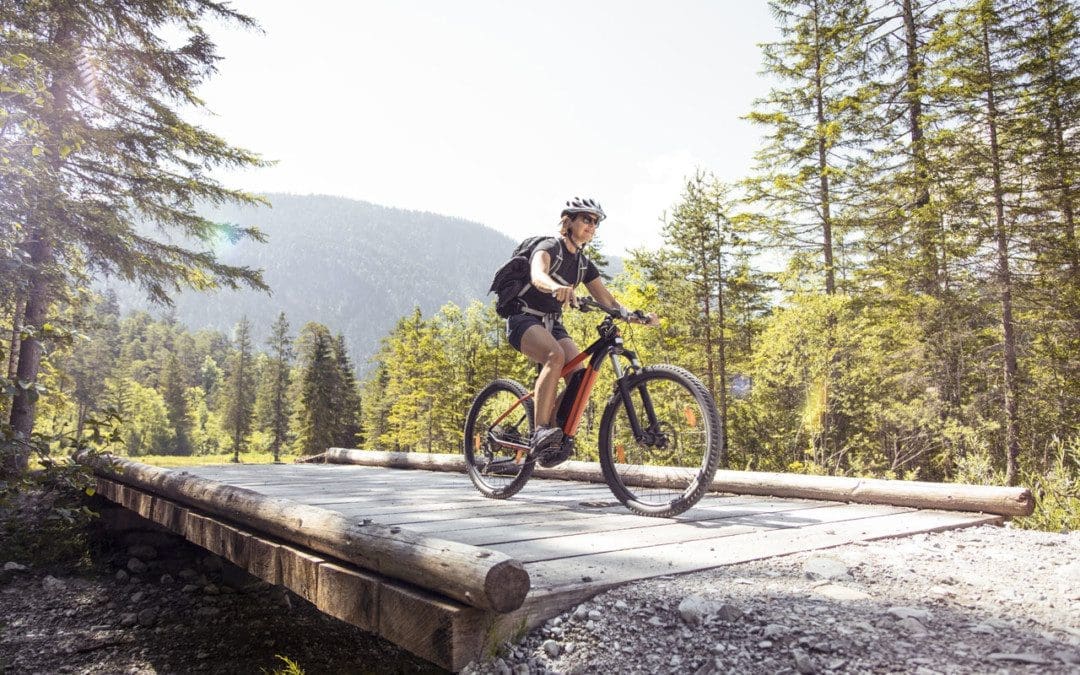
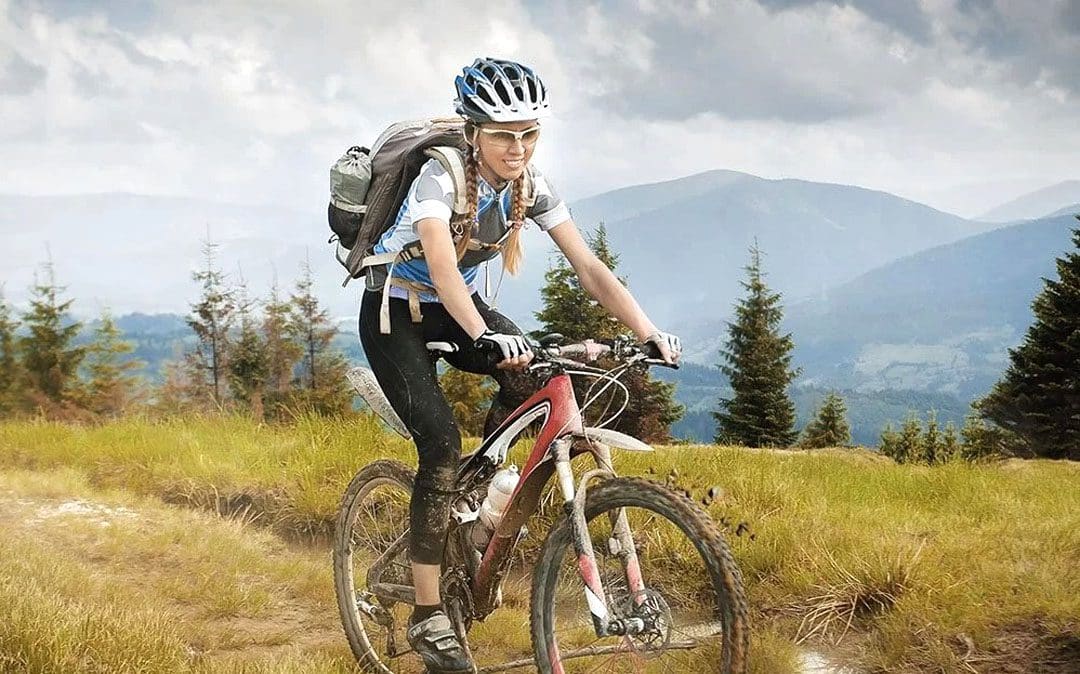
Mountain biking is a recommended sport for building muscle power and strength, endurance, and agility. Mountain biking uses bicycles designed to ride off-road and over rough terrain. The sport requires core strength, endurance, balance, and self-reliance. This is because riders are often far from civilization. Riders must learn to repair broken bike parts and fix flat tires to avoid being stranded. Mountain biking gear that riders carry includes a heavy-duty backpack with plenty of water, food, tools for repairs, and a first aid kit. Using the appropriate gear and equipment will help make the next ride safer and more comfortable.
Mountain Biking Gear
The first piece of equipment is a properly fitting and well-maintained mountain bike. There are all types of bicycles for every type of rider and trail. There are variations of bikes with full suspension, front suspension, disc brakes, V-brakes, different wheel sizes, and frame materials. It is recommended to consult a professional or visit a bicycle shop specializing in mountain biking to match the individual with the best bike. The right bike makes for a better ride.
Brakes
Disc brakes offer more secure braking when going high speed and needing the option to stop safely and at the proper distance.
Frame Size
The bike’s frame must be properly set up so the individual can easily step over and pedal at the correct height.
Suspension
Individuals that plan on taking on all kinds of terrains need the bike to absorb the shock and impact and are recommended to consider a full-suspension bike or one with a suspension fork.
Wheels
Mountain bike wheels range in size from 26 to 29 inches, and depending on the terrain and speeds, the right wheel diameter is key.
Larger wheels accelerate slower but provide improved traction.
Smaller wheels are lighter and easier to maneuver.
Helmet
A helmet is the most important safety gear that significantly reduces the severity of head injuries; no one should ride without one. Mountain bike helmets generally have a visor to help block the sun when riding so individuals can focus on the trail and not be distracted by glare. Three styles of mountain bike helmets are available, depending on the type of activity.
A trail mountain biking helmet covers part of the face and has a visor to help protect the head from the sun and other weather elements.
Trail helmets are recommended for mountain biking, road, and trail cycling.
Full-Face
Full-face helmets are essential for downhill trails at high speeds and on varying terrains.
They feature an adjustable visor and chin protection for added safety.
Eye Protection
Eye protection helps keep dirt, dust, and debris out of the eyes and helps have clear vision in dark shadows and bright sunlight.
Glasses or goggles protect the eyes if not using a full-face helmet.
Choosing a frame with an interchangeable lens system that comes with different lenses for varying light conditions is recommended.
Hydration Pack
Wearing a hydration packwhen riding provides easy access to hands-free hydration.
This is important for anyone exercising for more than two hours and with limited access to refills on the trail.
Mountain Biking Shoes
Beginners can wear comfortable sports shoes when starting.
Riders who begin riding more frequently will eventually want to transition to mountain biking shoes.
Cleated bike shoes work with pedals and lock the rider’s feet to the bike.
There is a variety of cycling footwear, but all-mountain bike shoes provide thorough traction off the bike, durability, comfort, and a heavy-duty sole for optimal pedaling efficiency.
Clipless Pedals
Clipless pedals are recommended for cross-country trail riding.
Cycling shoes and clipless pedal systems lock the shoes into the pedals for secure and efficient pedaling and can be unclipped easily with a twist of the foot.
Use shoes and pedals that work together.
Gloves
Mountain bike gloves provide additional padding and finger coverage.
They absorb the shock and protect the hands from falls on rough terrain.
The handlebar grips are padded, but additional cushion from the gloves is beneficial for long or downhill rides for extra comfort and protection.
Full-finger gloves offer the best coverage, protection, and grip on the brake levers.
These shorts provide a padded inner liner like underwear that increases comfort and reduces chafing.
The exterior looks like a baggy pair of shorts made of tough, abrasion-resistant fabric to take the wear and tear.
Bicycle Repair Kit
A repair kit can be attached to the bike saddle and holds all the essential tools for mechanical trouble or a flat tire.
The repair kit should include a bicycle multi-tool, an extra tube and patch kit, tire levers, a mini pump, and emergency cash.
Riders should keep an identification card with a list of contact numbers in the seat bag in case of a serious injury or other emergencies.
First Aid Kit
Riders can lose traction on loose rock and crash on the trail.
A first aid kit with various bandages, tape, pain relievers, and antiseptic wipes to treat cuts, scrapes, blisters, rashes, and everything in between is highly recommended.
Also include an eye drop solution, a small pocketknife, moleskin, energy gels, and an emergency whistle.
Biking Franklin Mountains
References
Alena Høye, Bicycle helmets – To wear or not to wear? A meta-analysis of the effects of bicycle helmets on injuries, Accident Analysis & Prevention, Volume 117, 2018, Pages 85-97, ISSN 0001-4575, https://doi.org/10.1016/j.aap.2018.03.026.
Ansari, Majid, et al. “Mountain Biking Injuries.” Current sports medicine reports vol. 16,6 (2017): 404-412. doi:10.1249/JSR.0000000000000429
Clark, Gregory, et al. “Do Mountain Bikers Know When They Have Had a Concussion and, Do They Know to Stop Riding?.” Clinical Journal of sports medicine: official journal of the Canadian Academy of Sports Medicine vol. 31,6 (2021): e414-e419. doi:10.1097/JSM.0000000000000819
Hall, Cougar et al. “Pedal-Assist Mountain Bikes: A Pilot Study Comparison of the Exercise Response, Perceptions, and Beliefs of Experienced Mountain Bikers.” JMIR formative research vol. 3,3 e13643. 13 Aug. 2019, doi:10.2196/13643
Impellizzeri, Franco M, and Samuele M Marcora. “The physiology of mountain biking.” Sports medicine (Auckland, N.Z.) vol. 37,1 (2007): 59-71. doi:10.2165/00007256-200737010-00005
Providing the body with adequate hydration and nutrition at the right time can maximize performance abilities, endurance, and muscle repair and restoration. Eating the right foods at the right time will fuel the body to support intense exercises. That means plenty of energy for cardiovascular and strength training. The optimal combination of pre-workout nutrition depends on the type of workout and how long it takes for the body to absorb the nutrients to get moving. Injury Medical Chiropractic and Functional Medicine Clinic can develop a fitness and nutritional plan customized to the individual’s needs and health goals.
Pre-Workout Nutrition
The three main macronutrients are carbohydrates, proteins, and fats when preparing pre-workout meals and snacks. Ratios are based on the specific needs of the workout. For example, going for a one-mile jog or a light aerobics class requires different amounts for different purposes. The longer and more intense the exercise, the more food is needed. Individuals may only need to modify or adjust their eating habits slightly for light workouts. Their roles vary:
Carbohydrates
Fats
Proteins
Each has a different role in supplying fuel for powering through physical activity.
Carbohydrates
Carbs are an important fuel for exercise.
Carbs can be found in grains, fruits, vegetables, and dairy products.
These are the easiest energy foods for the body to turn into glucose.
Glucose is stored in the muscles as glycogen.
Without enough carbohydrates, the body will be depleted of energy and become exhausted.
Proteins
This macronutrient is found in poultry, eggs, fish, and nuts.
Takes longer for the body to digest.
Protein helps the body feel full.
The body uses various nutrients to repair and build muscles.
Getting protein throughout the day can help with recovery after a workout.
Fats
The body burns fat for longer low to moderate-intensity workouts, such as a long run or bicycle ride.
However, fat takes more effort and time for the body to digest.
So, eating healthy fats is not the best right before exercise.
Pre-Workout Nutrition Guidelines
The exact mix of foods/nutrients ideal for the workout depends on when the individual can eat in relation to the time of the activity and intensity of the exercise.
Two to Four Hours Before Exercising
Have a meal containing a mix of carbohydrates, fats, and protein.
Oatmeal with fruit and nuts, a turkey sandwich with vegetables and some fruit, or a chicken and rice bowl with vegetables and avocado.
One to Two Hours Before Exercising
A light meal or snack.
Cereal with low-fat milk, peanut butter with crackers, or a fruit smoothie.
Avoid foods high in fiber and fat because they take longer to digest and can lead to digestion/stomach issues during exercise.
Before Morning Exercise
Going to the gym or out for a run first thing in the morning, something small, like a banana or granola bar.
For individuals that can’t eat early, don’t force yourself.
Have an extra portion at dinner or a snack before bed to have enough fuel for the morning.
During Workout
Have easy-to-digest carbs if the exercise session lasts more than an hour.
A banana or pretzels.
Sports drink during the workout contains electrolytes and minerals like sodium, magnesium, and potassium that assist in regulating functions like muscle contractions lost as the body sweats.
Hydration
Liquids are lost when the body sweats. Sipping water before, during, and after the workout is important.
Even a small dip in hydration levels can lower exercise performance and lessen mental sharpness.
Drinking two to three cups of water two to three hours before exercise is recommended.
During the workout, you should get at least a half to a full cup of water every 15 to 20 minutes.
After the workout, replenish hydration levels with two to three more cups.
Pre-Workouts
References
Jensen, Jørgen, et al. “The role of skeletal muscle glycogen breakdown for regulation of insulin sensitivity by exercise.” Frontiers in physiology vol. 2 112. 30 Dec. 2011, doi:10.3389/Phys.2011.00112
Jeukendrup, Asker. “A step towards personalized sports nutrition: carbohydrate intake during exercise.” Sports medicine (Auckland, N.Z.) vol. 44 Suppl 1, Suppl 1 (2014): S25-33. doi:10.1007/s40279-014-0148-z
Lowery, Lonnie M. “Dietary fat and sports nutrition: a primer.” Journal of sports science & Medicine vol. 3,3 106-17. 1 Sep. 2004
Ormsbee, Michael J et al. “Pre-exercise nutrition: the role of macronutrients, modified starches, and supplements on metabolism and endurance performance.” Nutrients vol. 6,5 1782-808. 29 Apr. 2014, doi:10.3390/nu6051782
Rothschild, Jeffrey A et al. “What Should I Eat Before Exercise? Pre-Exercise Nutrition and the Response to Endurance Exercise: Current Prospective and Future Directions.” Nutrients vol. 12,11 3473. 12 Nov. 2020, doi:10.3390/nu12113473
Shirreffs, Susan M. “The importance of good hydration for work and exercise performance.” Nutrition Reviews vol. 63,6 Pt 2 (2005): S14-21. doi:10.1111/j.1753-4887.2005.tb00149.x
Too much running can lead to burnout and injuries for even the most hard-core runners and running enthusiasts. Cross-training can be a great way to work through unmotivated phases. Beginners and experienced runners will hit periods when they become bored or uninspired to run. Individuals dealing with injuries need to take time off from running during recovery. Once they are healed enough to engage in physical activity, doctors, trainers, physical therapists, and sports chiropractors recommend low-impact cross-training activities, like swimming or water running/aqua jogging, to lessen the stress on the muscles and joints and help injured athletes maintain their fitness and cope with the frustration of not being able to participate.
Cross Training
Cross-training is any sport or physical activity/exercise that supplements an athlete’s main sport. Whether a beginner or veteran, it balances the muscle groups because it strengthens muscles that don’t get worked out and/or are used less during running. This decreases the chances of worsening the injury and prevents future injuries. Added benefits:
Improves other areas of the body.
Improves cardiovascular fitness.
Cross-training can help avoid getting bored with running.
Gives runners a mental break.
Individuals can continue to train while letting injuries heal.
Individuals dealing with an injury may need to train more frequently as part of a rehabilitation and strength training treatment plan. A doctor, chiropractor, or physical therapist will recommend how much cross-training and type of activities will be the most beneficial for the specific injury.
Activities
Swimming
Swimming is an excellent cross-training activity because it’s not weight-bearing, giving the leg muscles and joints a break.
It builds strength and endurance and improves flexibility.
It balances working the upper body while giving the legs a break.
Swimming is a good way to recover after a long run.
Helps individuals prone to running injuries or are healing from an injury.
Relaxing and meditative.
Water Running
Water running can help with injuries and/or be used in strength training.
It’s also a great way to run during hot and humid weather.
Cycling or Spinning
Cycling and spin classes are low-impact.
Provide increased cardiovascular fitness and strength.
Exercises other muscle groups, especially the quads, and glutes.
Elliptical Training
An elliptical machine provides a whole-body cardiovascular workout with the feel of cross-country skiing, stair climbing, and walking.
The machine can be programmed to move forward or backward to work all the major muscles in the legs.
The muscles used are similar to those used when running.
It is a low-impact alternative when injured.
Pilates
Pilates is a form of exercise that emphasizes core strength and flexibility.
Pilates can help increase flexibility, reduce tight muscles, and be recommended for active recovery.
Rowing
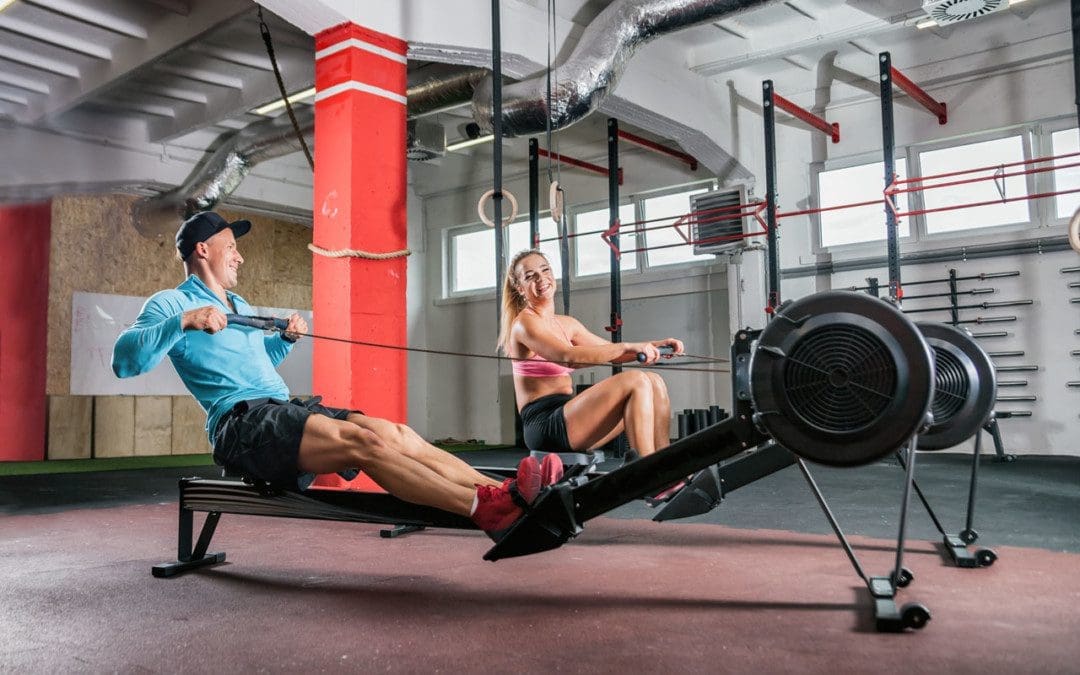
Rowing is an excellent cardiovascular, low-impact activity.
Yoga provides some of the same benefits as strength training.
Uses body weight as resistance to strengthen and stretch muscles.
Improves flexibility and mobility.
Way to relax after an intense run or workout.
Taking Time Off
Taking days off from running each week to participate in cross-training activities can help maintain motivation.
Recreational runners can supplement three to four days of running with two to three days of cross-training.
Competitive runners who run four to six days a week can substitute low-intensity cross-training for a light run or a rest day one to two days a week.
It helps runners add more exercise without risking overuse injuries.
Increases muscle strength and flexibility, and core stability.
Fitness Health
References
Alves de Araújo, Maria Erivânia, et al. “The effectiveness of the Pilates method: reducing the degree of non-structural scoliosis, and improving flexibility and pain in female college students.” Journal of bodywork and movement therapies vol. 16,2 (2012): 191-8. doi:10.1016/j.jbmt.2011.04.002
Baltich, Jennifer, et al. “The effects of isolated ankle strengthening and functional balance training on strength, running mechanics, postural control and injury prevention in novice runners: design of a randomized controlled trial.” BMC musculoskeletal disorders vol. 15 407. 4 Dec. 2014, doi:10.1186/1471-2474-15-407
Casado, Arturo, et al. “Training Periodization, Methods, Intensity Distribution, and Volume in Highly Trained and Elite Distance Runners: A Systematic Review.” International journal of sports physiology and performance vol. 17,6 (2022): 820-833. doi:10.1123/ijspp.2021-0435
Claudino, João Gustavo, et al. “CrossFit Overview: Systematic Review and Meta-analysis.” Sports medicine – open vol. 4,1 11. 26 Feb. 2018, doi:10.1186/s40798-018-0124-5
Schlegel, Petr. “CrossFit® Training Strategies from the Perspective of Concurrent Training: A Systematic Review.” Journal of sports science & medicine vol. 19,4 670-680. 19 Nov. 2020
Tanaka, H, and T Swensen. “Impact of resistance training on endurance performance. A new form of cross-training?.” Sports medicine (Auckland, N.Z.) vol. 25,3 (1998): 191-200. doi:10.2165/00007256-199825030-00005
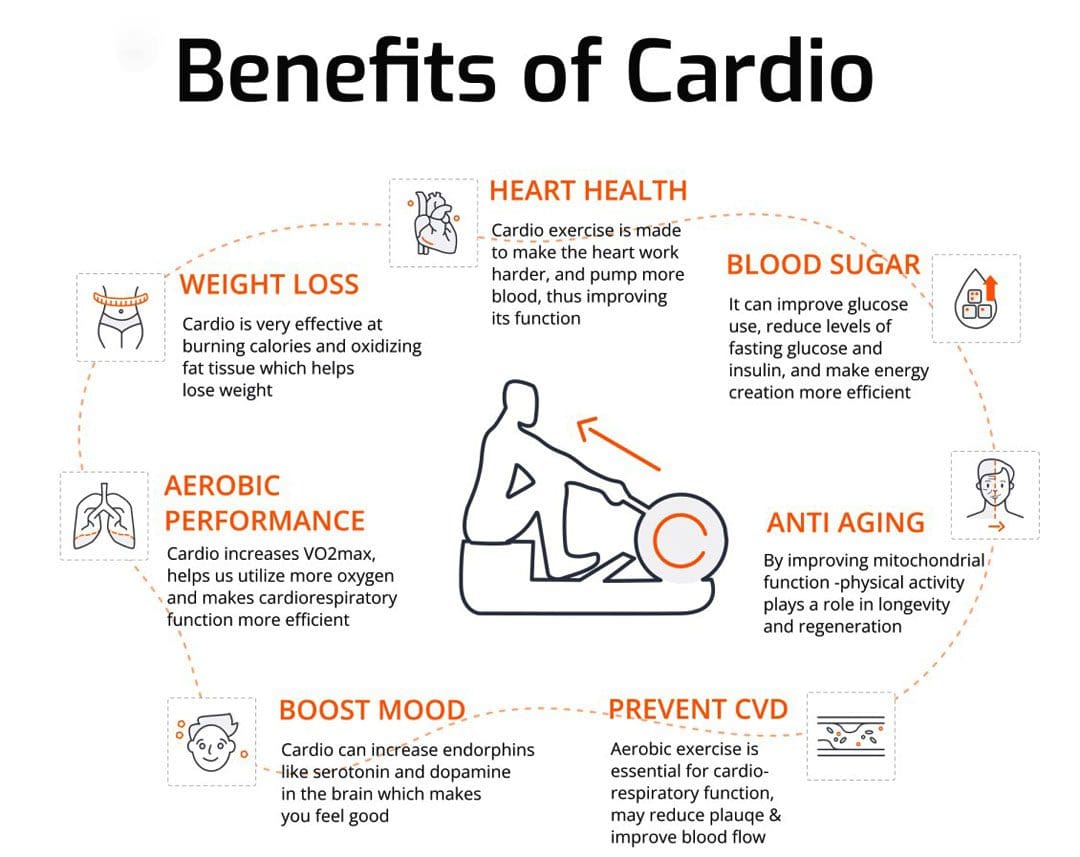
Aerobic Exercise Health: The body adapts differently to different types of exercise. Aerobic, cardio, and endurance all refer to activities stimulating heart and breathing rates to provide the muscles with oxygenated blood. The oxygen is delivered by blood pumped from the heart through the arteries and returns to the heart through the veins. This explains all the heavy breathing during workouts. Aerobic exercise increases energy production in the muscle cells and blood delivery in the cardiovascular system.
Aerobic Exercise Health
The Heart
All the muscles get to rest on and off when in use. The heart is a unique muscle that pumps blood through the body that never gets time off. This is why it is important to strengthen the heart. With aerobic exercise, the heart’s chamber/left ventricle gets larger, producing more blood per pump to the rest of the body. This improves cardiac output for the blood pumped by the heart per minute. When the heart is stronger, pumping more blood per beat means it doesn’t have to beat as rapidly. A lower resting heart rate is associated with a reduced risk of cardiovascular disease and promotes long and healthy life.
Vascular
Each time the heart beats, blood pumps from the left ventricle into the aorta and flows into a branching vessel network. Every artery in the body provides resistance to the circulation that the heart pushes against. The resistance provided can vary, depending on overall health and health conditions.
Aerobic exercise training reduces the workload by reducing arterial stiffness.
Aerobic exercise increases heart rate, pushing more blood through the arteries.
The inner wall of the arteries recognizes the increased blood flow causing the arteries to widen.
With regular training, the arteries acclimate and become more effective at expanding with each rush of blood.
No aerobic activity can cause the arteries to stiffen, causing circulation problems.
Aerobic exercise impacts the vascular system by promoting capillary growth.
Capillaries are microscopic vessels where oxygen diffuses from red blood cells to the muscle and other cells.
The body stimulates a molecule called vascular endothelial growth factor to grow additional capillaries to regulate energy demand more efficiently.
Older individuals benefit from aerobic activity similarly to young individuals.
Metabolic
Along with cardiovascular benefits, aerobic exercise increases the muscles’ energy production. The energy is produced in muscle cells primarily through an oxidative energy system. Oxidative energy production takes place within cells called mitochondria. Once blood delivers oxygen to the muscle cells, it can be used to produce energy that powers the muscles.
Aerobic exercise training improves the muscle cells’ ability to burn fat by generating more mitochondria and enhancing functionality.
Following each training session, the body burns more fat than usual.
Aerobic training can increase resting metabolic rate, resulting in more calories burned.
It can increase post-exercise oxygen consumption/EPOC, resulting in increased calorie burn after training in addition to calories burned during exercise.
Muscle
The muscles adapt from aerobic training. Muscles are made up of various fiber types.
Aerobic exercise training primarily influences type 1 fibers, known as slow-twitch fibers.
The name comes from the proteins responsible for their contractions.
Relative to type 2a fibers/fast-twitch, type 1 fibers contract more slowly but have an increased capacity to contract over and over for longer.
Aerobic training results in hypertrophy of type 1 muscle fibers by adding more slow-twitch proteins.
Strengthening the heart and making arteries more flexible directly impacts health and physical function. Aerobic exercise strengthens and trains the heart to circulate blood efficiently. Injury Medical Chiropractic and Functional Medicine Clinic can develop a personalized health plan for your needs.
Aerobic Exercise Health: Dance Workout
References
Arbab-Zadeh, Armin, et al. “Cardiac remodeling in response to 1 year of intensive endurance training.” Circulation vol. 130,24 (2014): 2152-61. doi:10.1161/CIRCULATIONAHA.114.010775
Gavin, Timothy P et al. “No difference in the skeletal muscle angiogenic response to aerobic exercise training between young and aged men.” The Journal of physiology vol. 585, Pt 1 (2007): 231-9. doi:10.1113/Physiol.2007.143198
Hellsten, Ylva, and Michael Nyberg. “Cardiovascular Adaptations to Exercise Training.” Comprehensive Physiology vol. 6,1 1-32. 15 Dec. 2015, doi:10.1002/cphy.c140080
Nauman, Javaid, et al. “Temporal changes in resting heart rate and deaths from ischemic heart disease.” JAMA vol. 306,23 (2011): 2579-87. doi:10.1001/jama.2011.1826
Popel, A S. “Theory of oxygen transport to tissue.” Critical reviews in biomedical engineering vol. 17,3 (1989): 257-321.
Seals, Douglas R et al. “Aerobic exercise training and vascular function with aging in healthy men and women.” The Journal of physiology vol. 597,19 (2019): 4901-4914. doi:10.1113/JP277764
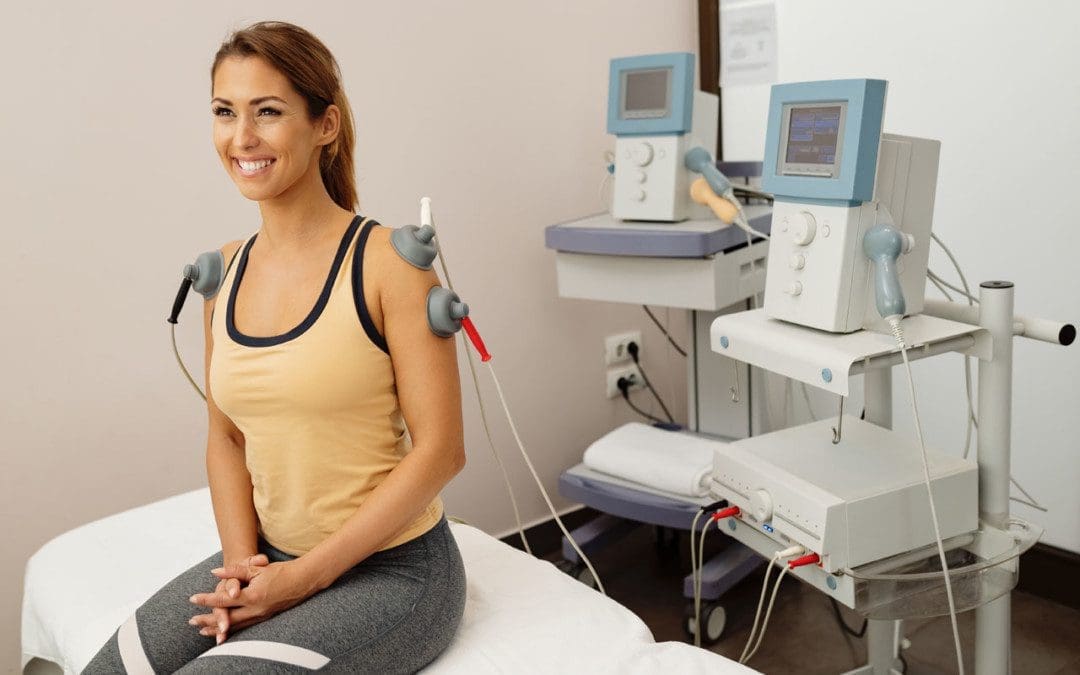
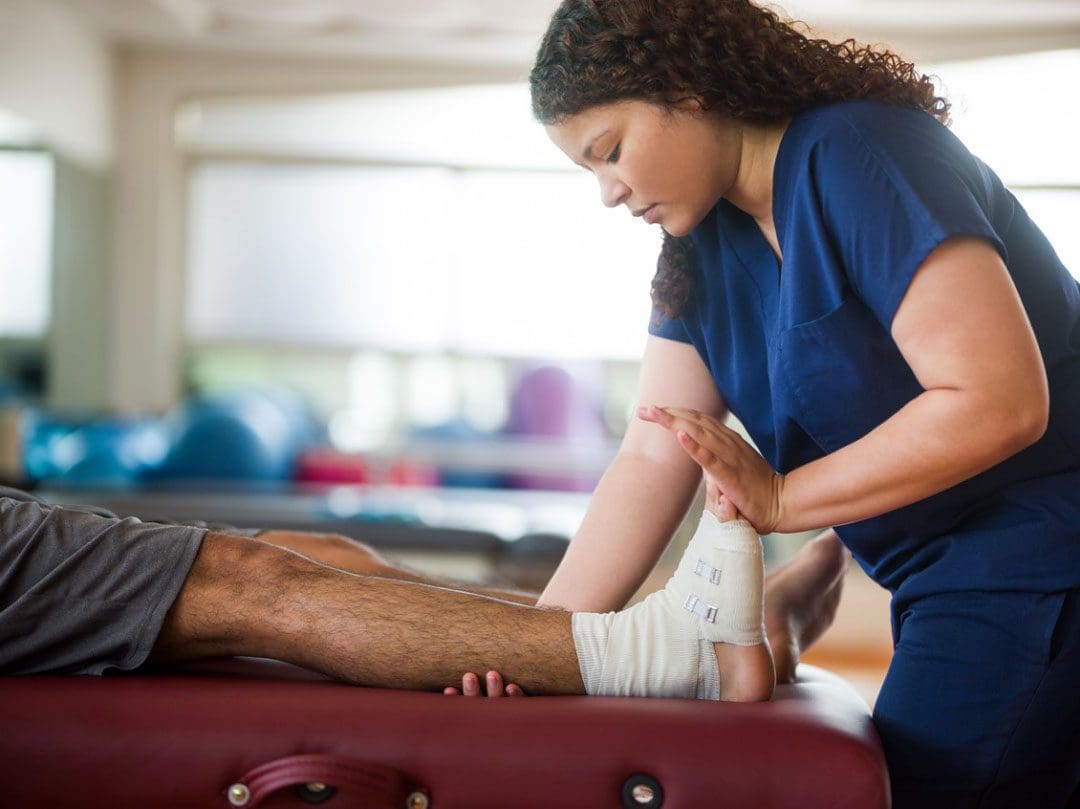
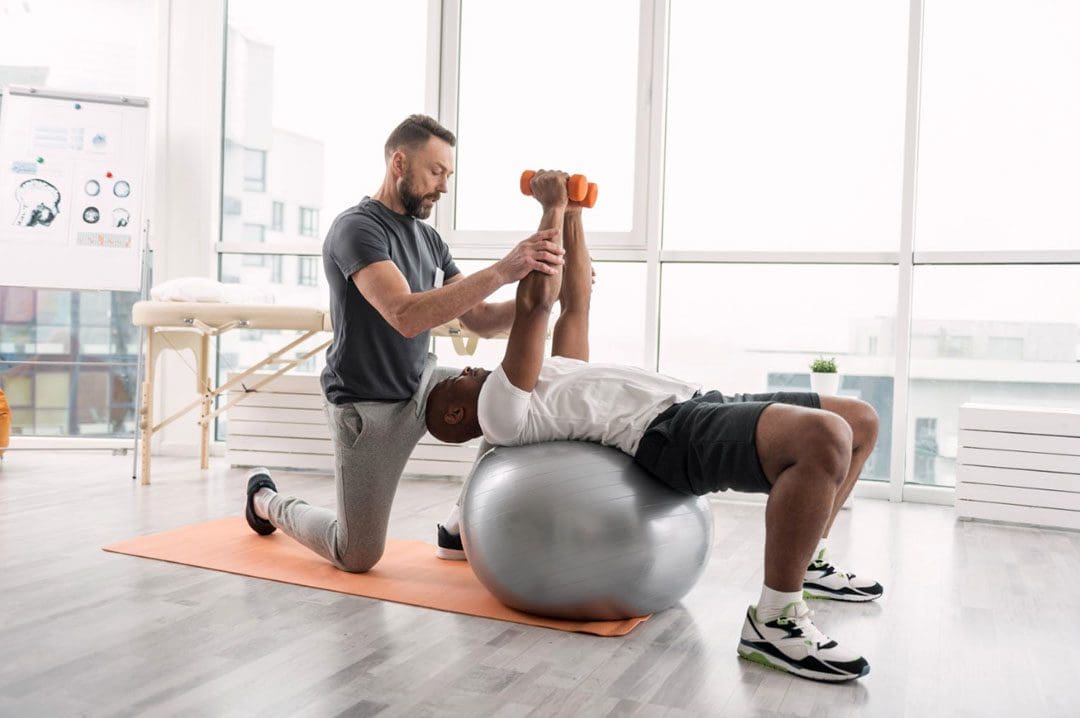
Sports exercise medicine – SEM addresses and treats physical activity/sports-related injuries using chiropractic care, physical therapy, therapeutic massage, functional nutrition, and targeted rehabilitation exercises. Sports medicine aims to prevent injury and keep individuals safe when pursuing their training goals. It combines general medical education with sports science principles, exercise physiology, biomechanics, orthopedics, nutrition, and sports psychology.
Sports Exercise Medicine
Sports medicine specialists focus on medical, therapeutic, and functional aspects to rehabilitate and strengthen the body to improve physical performance. Conditions include:
A sports exercise medicine team can include medical and non-medical specialists. This includes:
Coaches
Athletic trainers
Personal trainers
Chiropractors
Physical therapists
Nutritionists
Physicians
Surgeons
Sports psychologists
Sports exercise medicine is not a medical specialty but means the health care providers have undergone training focused on the medical aspects of physical activities/sports, fitness, and exercise.
Doctors and Physicians
Sports medicine physicians are medical doctors who specialize in diagnosing and treating sports and exercise-related injuries and conditions. These physicians are certified in family medicine, emergency medicine, pediatrics, internal medicine, or orthopedics. They are qualified to treat:
Muscle, bone, joint, and nerve injuries.
Head injuries.
Chronic conditions.
Return-to-play decisions.
Injury prevention.
Nutrition and supplements.
Orthopedic surgeons focus on the surgical treatment, repair, and restoration of sports and physical activity injuries.
Psychologists
Sports psychology focuses on athletes’/sports enthusiasts’ mental and emotional states. Athletes go through various stresses that a sports psychologist can train to regulate anxiety and improve focus specifically on their sport. They use tools and techniques like psychotherapy, stress management, and goal-setting to help athletes maintain mental and emotional balance during competition or injury recovery. Professional sports teams employ psychologists to help prepare the team for competition or develop strategies to overcome mental or emotional challenges affecting performance.
Sports Science
Sports science is the focused study of physiology, anatomy, and psychology related to human movement and physical activity. Exercise science is primarily focused on clinical research, including:
Physiological responses to exercise.
Effectiveness of exercise techniques.
Impact of performance supplements.
Chiropractic Sports Physician
Chiropractic care is a non-invasive, medication-free treatment alternative that can help individual athletes find relief from various musculoskeletal issues. A chiropractic sports physician has the tools and skills necessary to optimize the performance of an individual’s musculoskeletal and nervous systems. This specialized training allows sports chiropractors to provide therapies to heal injuries effectively, maintain strength and prevent injury. The benefits of applying chiropractic medicine include the following:
It is a non-invasive treatment.
Improves overall range of motion.
Reduces and alleviates discomfort symptoms.
Stretches and strengthens the body.
Assists in post-surgical repair.
Decreases recovery time.
Sport Rehabilitation
References
Brown, G J. “Sports medicine at work.” British journal of sports medicine vol. 33,1 (1999): 5.
Hsu, Joseph R et al. “Clinical Practice Guidelines for Pain Management in Acute Musculoskeletal Injury.” Journal of orthopedic trauma vol. 33,5 (2019): e158-e182. doi:10.1097/BOT.0000000000001430
Kaufman, Matthew W et al. “The Impact of Supplements on Sports Performance for the Trained Athlete: A Critical Analysis.” Current sports medicine reports vol. 21,7 232-238. 1 Jul. 2022, doi:10.1249/JSR.0000000000000972
King, J B. “Sports medicine.” Journal of the Royal Society of Medicine vol. 79,8 (1986): 441-2. doi:10.1177/014107688607900803
Kreher, Jeffrey B, and Jennifer B Schwartz. “Overtraining syndrome: a practical guide.” Sports health vol. 4,2 (2012): 128-38. doi:10.1177/1941738111434406
McCrory, P. “What are sports and exercise medicine?.” British journal of sports medicine vol. 40,12 (2006): 955-7.
Mindfulness is a valuable tool for reflection and centering/balancing mind and body. Applying mindfulness to fitness can impact the body’s physical well-being and can be incorporated into an existing routine to get the most out of every workout. Applying mindfulness to a fitness routine includes increased satisfaction after a workout and a strengthened commitment to engaging in healthy activity.
Applying Mindfulness
The benefits of applying mindfulness to workouts include the following:
Increased emotional control.
Improved overall wellness.
Increased coping skills to lower blood pressure and reduce stress.
Stay more consistent with a fitness routine.
Workout time builds a stronger relationship between the mind and body.
Mental State
Mindfulness is a mental state that enables individuals to experience their current surroundings uninterrupted by thoughts, worries, or distractions. The objective is to maintain awareness during an activity, such as exercising, and not focusing on judging oneself or the surroundings. It is a form of getting oneself in the zone during their fitness routine that brings an enhanced awareness of the senses like:
Sight
Hearing
Smell
Touch
Taste
Awareness of the location and movement of the body in space.
Meditation
Meditation is a mindfulness exercise that can enhance relaxation, increase the ability to focus, and reduce stress. Different types of meditation range from:
Mantra-based meditation – where a word or phrase is repeated to act as an anchor during an activity.
Movement meditation involves using light exercises like yoga, tai chi, or walking to build a stronger connection with the body.
Benefits
Mental Health
Research has shown that mindfulness is linked to improved overall mental health. One study found that completing a mindfulness-based stress reduction program or MBSR helped increase mental wellness. The analysis discovered that participants who practiced regularly through the program noticed improvements in their quality of life and coping skills during moments of stress. Other mental health benefits include:
One study of individuals with chronic hypertension found that engaging in mindfulness training two hours per week for eight weeks resulted in a clinically significant reduction in systolic and diastolic blood pressure readings. Other physical health benefits include:
Positive physical responses in the body.
Chronic pain alleviation.
Higher sleep quality.
Successful long-term weight loss.
Improved and increased healthy habit-building.
Increased motivation
Feeling more connected to your body
Staying on track with fitness goals.
Workout Implementation
How to apply mindfulness to get the most out of a workout. Exercises like walking, lifting weights, or participating in a fitness class are great ways to practice mindfulness. A few tips for creating a more enjoyable, effective, and mindful workout session includes:
Set A Workout Goal
Before starting a workout, it’s recommended to set an intention (things an individual aims for, strives to achieve, and is related to the mental and physical state. This could be something along the lines of:
Believe in me.
Keep an open mind.
Try my best.
Remember to enjoy the workout.
A simple and short intention can ground the workout process.
It has been proven to enhance commitment and completion of regular physical exercise.
If you begin to struggle or experience a wandering mind during an activity, remind yourself of the intention to focus on the current moment and get back in the groove.
Practice Visualization During the Workout
Visualization is effective for enhancing mindfulness during physical activity, as it allows the brain to create impulses that help complete the task. It is defined as focusing on movement and visualizing performing the physical routine to the best of your ability.
Mix Up the Workout Environment
The workout space plays a significant role in overall exercise efficacy, especially when working out outdoors. Exercising outdoors, like an outdoor class, hiking, or weight-lifting in the backyard, allows the body to attune to nature and the surroundings. This is an effective and simple way to reduce mental fatigue, improve mood, and decrease the perception of the overall effort to maintain motivation to exercise for longer and with more intensity.
Breathe From the Diaphragm
The importance of timing movements with breathing and breathing from the diaphragm can positively impact the autonomic nervous system to promote increased emotional and psychological control. Breathing from the diaphragm while exercising can intensify relaxation and increase the enjoyment of physical activity. The Injury Medical Chiropractic and Functional Medicine Team can educate individuals on applying mindfulness and develop a personalized treatment and fitness program for restoring, improving, and maintaining overall health.
Mindfulness Workout
References
Demarzo, Marcelo M P, et al. “Mindfulness may both moderate and mediate the effect of physical fitness on cardiovascular responses to stress: a speculative hypothesis.” Frontiers in physiology vol. 5 105. 25 Mar. 2014, doi:10.3389/fphys.2014.00105
Mantzios, Michail, and Kyriaki Giannou. “A Real-World Application of Short Mindfulness-Based Practices: A Review and Reflection of the Literature and a Practical Proposition for an Effortless Mindful Lifestyle.” American journal of lifestyle medicine vol. 13,6 520-525. 27 Apr. 2018, doi:10.1177/1559827618772036
Ponte Márquez, Paola Helena, et al. “Benefits of mindfulness meditation in reducing blood pressure and stress in patients with arterial hypertension.” Journal of human hypertension vol. 33,3 (2019): 237-247. doi:10.1038/s41371-018-0130-6
Wieber, Frank, et al. “Promoting the translation of intentions into action by implementation intentions: behavioral effects and physiological correlates.” Frontiers in human neuroscience vol. 9 395. 14 Jul. 2015, doi:10.3389/fnhum.2015.00395
IFM's Find A Practitioner tool is the largest referral network in Functional Medicine, created to help patients locate Functional Medicine practitioners anywhere in the world. IFM Certified Practitioners are listed first in the search results, given their extensive education in Functional Medicine



 Cross Training