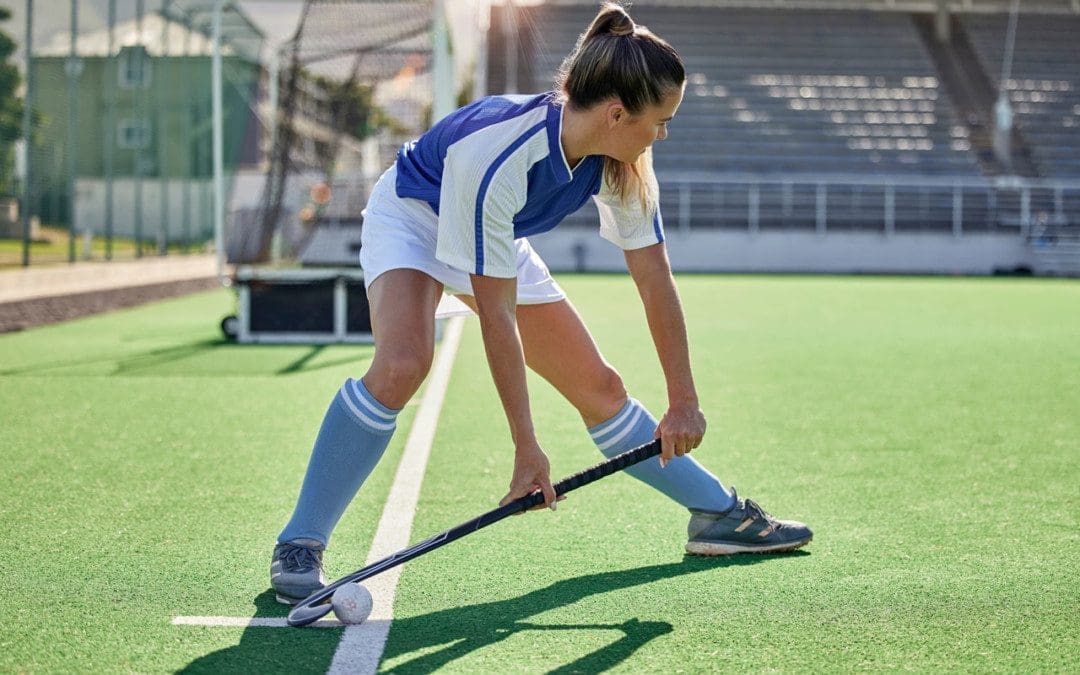
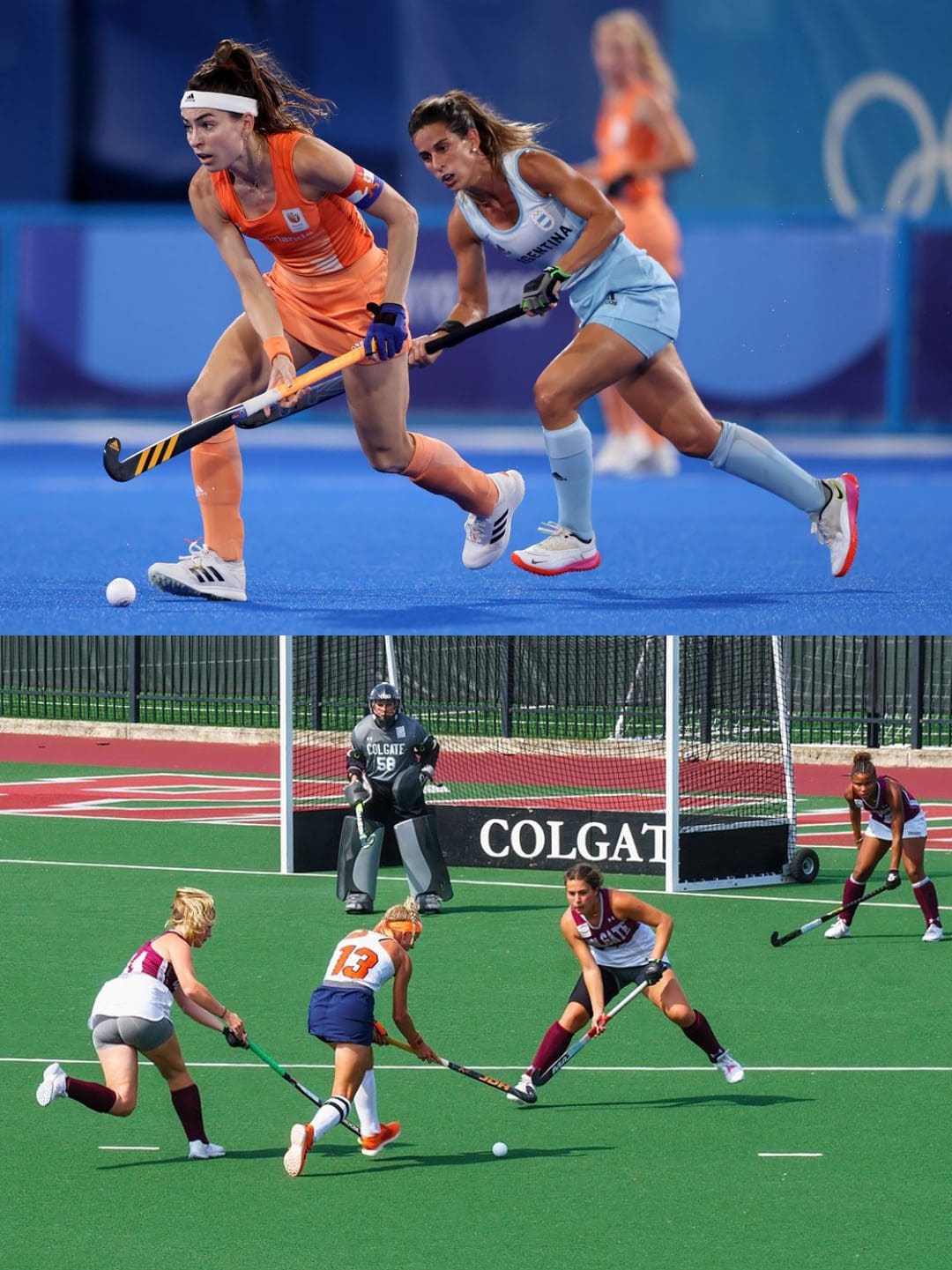
Field hockey is one of the world’s oldest team sports, dating back to the classical Greek era. It also is recognized as one of the oldest college sports in America. It is a game where teams composed of 11 players, including one goalkeeper, come together on a field and use hockey sticks to drive a ball into a net to score points. The winner is determined by whoever has the most points at the end of the game. The sport requires high aerobic and anaerobic fitness to provide endurance, strength to position, trap, pass, and hit the ball, push and flick the ball, and acceleration/speed and agility. Here we look at the basic fitness components and chiropractic care benefits.
Field Hockey
Aerobic Fitness
Field hockey players need to have high levels of endurance to perform. The game consists of 2 35 – minute halves, with a 10-minute break, plus stoppages. This consistent use of energy and muscular strength requires the cardiovascular system to supply oxygen through the blood.
A conditioning workout should include long-distance and interval training.
Long-distance running or biking is a great way to build up the endurance to run back and forth on the field.
To keep workouts fun, alternate between long-distance and interval.
Strength and Power
Players need to be physically strong to power through an opponent, drive the ball, or push the ball out from another player’s stick. Incorporating exercises that strengthen the entire body will help.
Body-weight workouts will work if you don’t have access to a gym or weights.
Squats, glute bridges, and lunges can help build a strong lower body.
Push-ups and tricep dips are great for the upper body.
Lower body injuries are common. The risk can be reduced by 50% through regular participation in a strength training program with a resistance component, such as neuromuscular training.
Agility
The ability to change direction quickly is important, as players will change direction at least every 5 seconds during a game.
Players should include interval training to increase quickness and agility.
Common agility drills are ladder drills, lateral sprints, and hill climbs.
Flexibility
Healthy hamstring and lower back flexibility maintain stability and balance, which is also important for injury prevention.
Field hockey fitness is about perfecting moves to become an automatic reaction.
Chiropractic Benefits
After putting their body through intense training, players can benefit from sports massage and chiropractic. Benefits include:
Increased Range of Motion
The sport requires a wide range of motion. A misaligned area like the spine and hips causes weakness in the muscles and tendons near the joints causing the player to take on awkward positioning that can lead to various neuromusculoskeletal issues and injuries. Chiropractic reset and realignment maintain body flexibility, muscle relaxation, optimal circulation and strengthen the areas causing weakness.
Enhanced Balance and Coordination
Balance and coordination are critical as the players sprint, shift, twist, and turn. The eyes and ears are the main balance components, but the nervous system plays a role. Chiropractic spinal alignment increases the nervous system’s function of sending signals to the rest of the body.
Speeds up Recovery From Injury
Chiropractic helps heal injury quicker because fluids and nutrients released after an adjustment will move toward the damage expediting healing. Chiropractic breaks up scar tissue and trigger points to rebuild that strength and stamina without the risk of worsening or further injury.
Chiropractic care will improve how the central nervous system communicates with the rest of the body.
Strength Training
References
Espí-López, Gemma V et al. “Effect of manual therapy versus proprioceptive neuromuscular facilitation in dynamic balance, mobility and flexibility in field hockey players. A randomized controlled trial.” Physical therapy in sport: official journal of the Association of Chartered Physiotherapists in Sports Medicine vol. 32 (2018): 173-179. doi:10.1016/j.ptsp.2018.04.017
Krzykała, M et al. “Does field hockey increase morphofunctional asymmetry? A pilot study.” Homo : internationale Zeitschrift fur die vergleichende Forschung am Menschen vol. 69,1-2 (2018): 43-49. doi:10.1016/j.jchb.2018.03.003
Reilly, T, and A Borrie. “Physiology applied to field hockey.” Sports medicine (Auckland, N.Z.) vol. 14,1 (1992): 10-26. doi:10.2165/00007256-199214010-00002
Tapsell, Liam C et al. “Validity and Reliability of a Field Hockey-Specific Dribbling Speed Test.” Journal of strength and conditioning research vol. 36,6 (2022): 1720-1725. doi:10.1519/JSC.0000000000003700
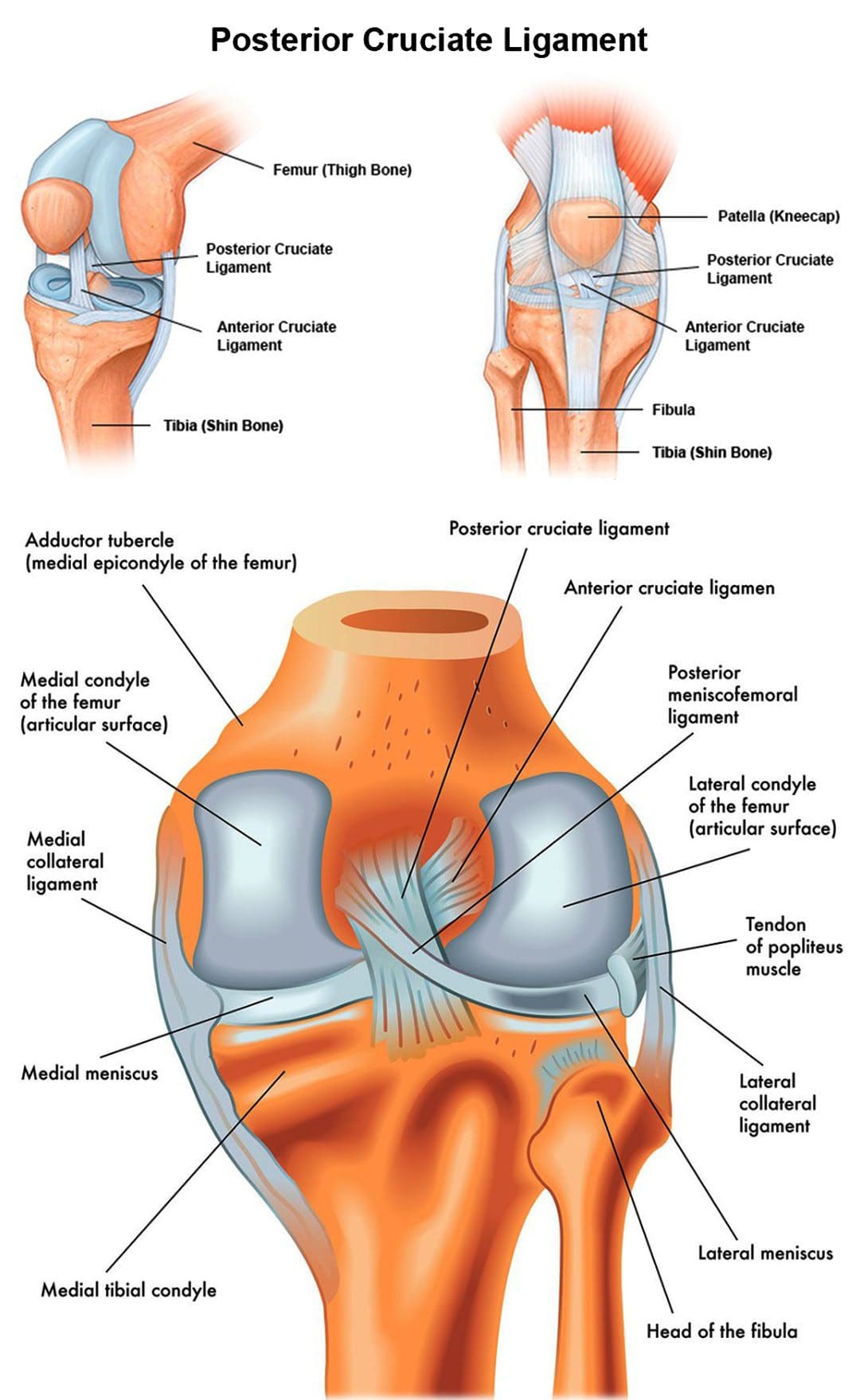
The body has around 1,000 ligaments that connect bones and joints. Ligaments are strong bands of tissue that support joint mobility and stabilize the muscles and bones. An injury to one or more ligaments can cause inflammation, swelling, discomfort, and instability. The PCL refers to the posterior cruciate ligament that runs along the back of the knee joint. This ligament connects the femur/thigh bone to the tibia/shinbone. Anyone can suffer from an injury to the posterior cruciate ligament. It can be caused by the knee hitting a dashboard in an automobile collision, a worker twisting or falling on a bent knee or a sports contact injury. The Injury Medical Chiropractic and Functional Medicine Clinic Team provide soft tissue work, trigger point therapy, and targeted non-surgical treatment through advanced therapy methods and technologies.
Posterior Cruciate Ligament
The posterior cruciate ligament – PCL is located inside the knee, just behind the anterior cruciate ligament – ACL. It is one of several ligaments that connect the femur/thighbone to the tibia/shinbone. The posterior cruciate ligament keeps the tibia from moving backward.
Injury
Posterior cruciate ligament injuries are far less common than ACL – anterior cruciate tears. PCL injuries make up less than 20% of all knee ligament injuries. It is more common for PCL tears to occur with other ligament injuries. A PCL injury can cause mild, moderate, or severe damage and is rated into four different categories:
Grade I
A partial tear is present in the ligament.
Grade II
There is a partial tear.
The ligament can feel loose.
Grade III
The ligament is completely torn.
The knee is unstable.
Grade IV
The PCL is injured.
Other knee ligaments are damaged.
Individuals with posterior cruciate ligament injuries can have short or long-term symptoms. Typically, long-term symptoms occur when an injury slowly develops over time. In mild cases, individuals may still be able to walk, and their symptoms may be less noticeable. Common symptoms associated with PCL injuries include:
Difficulty placing weight on the injured knee.
Stiffness.
Walking difficulties.
Difficulty descending stairs.
A wobbly sensation inside the knee.
Inflammation and swelling can be mild to severe.
Knee pain.
Pain that worsens over time.
Over time, tears could lead to the development of osteoarthritis.
There is an increased risk of extensive damage and chronic pain conditions if left untreated.
Chiropractic Care
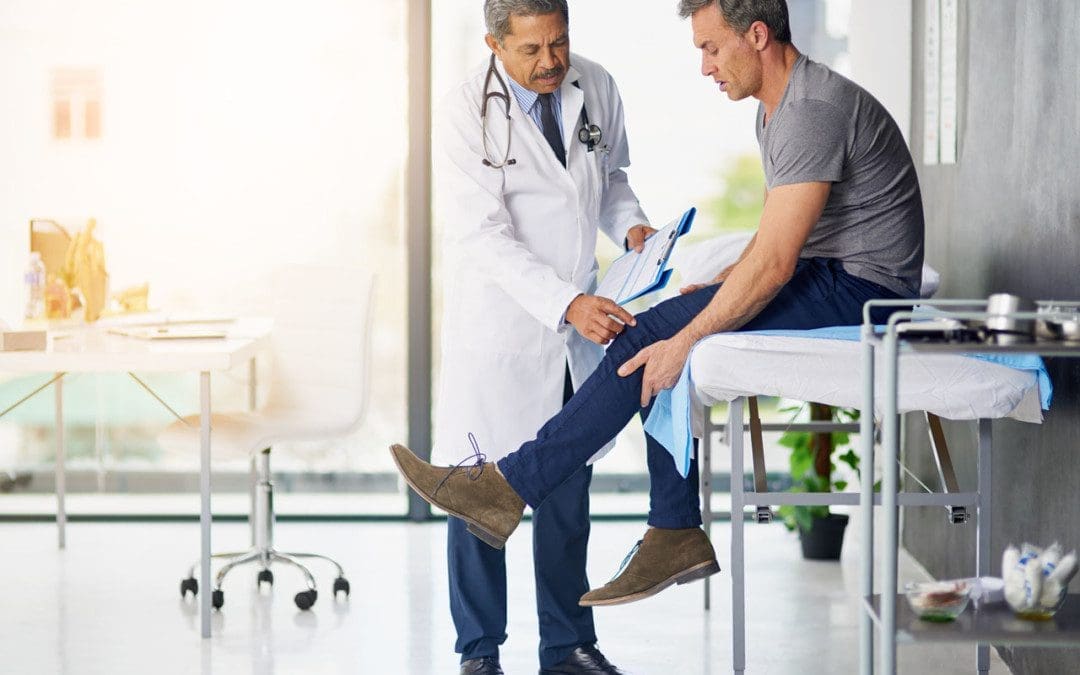
The continued participation in work or activity following a mild injury is the primary reason individuals undergo therapy, injections, or surgical repairs. Knee injuries need immediate attention to prevent worsening or further damage. A chiropractor will examine the knee, check the range of motion and ask about symptoms. They may request imaging tests to determine the extent of the damage. These tests may include the following:
X-rays.
Magnetic resonance imaging.
CT scan.
During the physical examination, they will check all the structures of the injured knee and compare them to the non-injured knee. The wounded knee may appear to sag backward when bent or could slide back too far, specifically when beyond a 90-degree angle. Treatment depends on the severity of the injury. Common treatments include:
Crutches
Crutches may be recommended to limit the weight placed on the knee.
Knee Brace
A special brace can address instability and help prevent the tibia bone from sagging backward.
Gravity tends to pull the bone backward when lying down.
Chiropractic and Physical Therapy
As the swelling goes down, a carefully personalized rehabilitation program can begin.
This procedure is less invasive compared to traditional surgical methods.
Recovery time varies from person to person. If the injury is mild, it may only take around ten days to heal. If surgery was needed, recovery could take about six to nine months. Full recovery typically requires 6 to 12 months.
Best Knee Injury Chiropractor
References
American Academy of Orthopaedic Surgeons. Posterior Cruciate Ligament Injuries. (https://orthoinfo.aaos.org/en/diseases–conditions/posterior-cruciate-ligament-injuries) Accessed 7/26/21.
Bedi A, Musahl V, Cowan JB. Management of Posterior Cruciate Ligament Injuries: An Evidence-Based Review. Journal of the American Academy of Orthopedic Surgery. 2016 May;24(5):277-89. Accessed 7/26/21.
Lu, Cheng-Chang, et al. “Twelve Weeks of a Staged Balance and Strength Training Program Improves Muscle Strength, Proprioception, and Clinical Function in Patients with Isolated Posterior Cruciate Ligament Injuries.” International journal of environmental research and public health vol. 18,23 12849. 6 Dec. 2021, doi:10.3390/ijerph182312849
Pierce, Casey M et al. “Posterior cruciate ligament tears: functional and postoperative rehabilitation.” Knee surgery, sports traumatology, arthroscopy: official journal of the ESSKA vol. 21,5 (2013): 1071-84. doi:10.1007/s00167-012-1970-1
Schüttler, K F et al. “Verletzungen des hinteren Kreuzbands” [Posterior cruciate ligament injuries]. Der Unfallchirurg vol. 120,1 (2017): 55-68. doi:10.1007/s00113-016-0292-z
Zsidai, Bálint, et al. “Different injury patterns exist among patients undergoing operative treatment of isolated PCL, combined PCL/ACL, and isolated ACL injuries: a study from the Swedish National Knee Ligament Registry.” Knee surgery, sports traumatology, arthroscopy: official journal of the ESSKA vol. 30,10 (2022): 3451-3460. doi:10.1007/s00167-022-06948-x
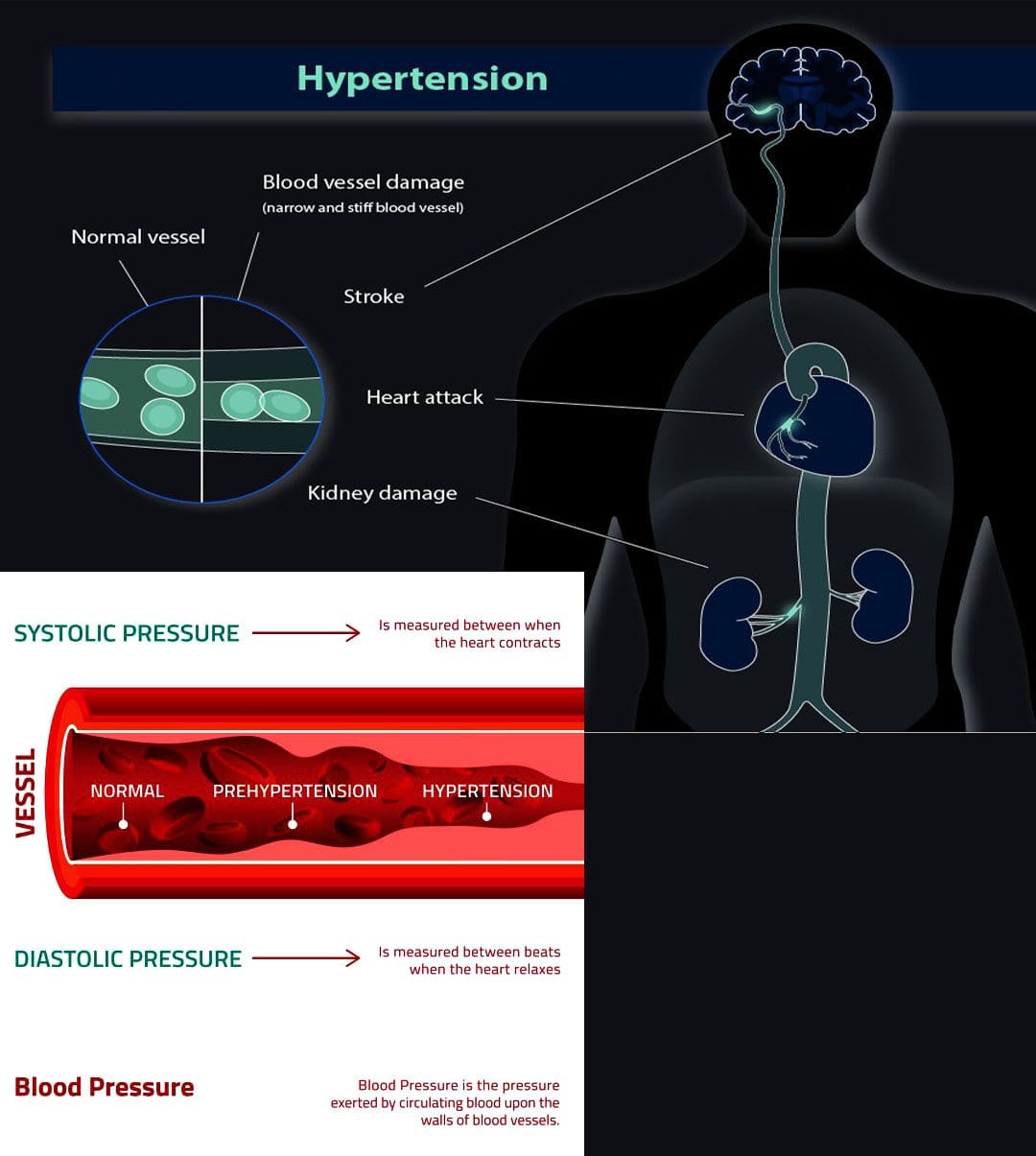
High Blood Pressure and Physical Activity: Blood pressure flows throughout the body to meet metabolic demands. During periods of physiological stress like physical activity, exercise, or feeling overwhelmed, blood pressure can increase for a short period but is not considered dangerous or unhealthy. However, when an individual’s baseline resting blood pressure readings stay high, the risk of developing serious health conditions increases. High blood pressure is reversible with lifestyle adjustments and physical activity for a more healthy and sustainable level.
High Blood Pressure and Physical Activity
Everything individuals need to know and understand about high blood pressure includes:
Common causes
Healthy readings
Monitoring pressure
Beneficial activities to lower blood pressure and improve health.
Blood pressure measures the force exerted on the circulatory system. Blood pressure changes throughout the day, depending on the following:
Nutrition
Activity levels
Stress levels
Medical comorbidities
Unlike heart rate or temperature, blood pressure is two separate measurements. Typically seen as a fraction, for example – 120/80 mmHg, each number gives the medical provider information about the function and health of the vascular system:
Systolic
Written as the top number of the measurement, systolic blood pressure refers to the force exerted against the blood vessels during a heartbeat.
This value represents the highest pressure on the arteries, veins, and capillaries.
Diastolic
The bottom number/measurement, the diastolic reading, represents the pressure the vascular system is subjected to between heartbeats.
In most cases, elevated diastolic blood pressure values are seen in individuals with high systolic blood pressure.
Readings
According to the CDC, a healthy blood pressure reading is 120/80 mmHg. As blood pressure changes throughout the day, it is recommended to have a baseline level/when at rest to remain as close as possible to these values. When baseline levels remain high, the risk of developing serious medical complications increases. Criteria for different stages of diagnosis include:
Elevated blood pressure – 120-129 mmHg / 80 or less mmHg.
Stage 1 hypertension – 130-139 mmHg / 80-89 mmHg.
Stage 2 hypertension – 140 or higher mmHg / 90 or higher mmHg.
Prolonged exposure to high pressure damages the vessels and heart.
Measurements
The first step to assessing baseline blood pressure is taking regular and accurate readings. An automatic blood pressure cuff and monitor at home can record readings to determine baseline values. Various factors can contribute to inaccurate readings. Here are a few tips for avoiding inaccuracy:
Keep the arm being measured at the height of the heart.
Avoid taking blood pressure after exercise or stress.
Double-check readings on the opposite arm when possible.
Try to take readings at a similar time during a rest period.
After each reading, record values in a journal for the primary care provider.
Performing daily blood pressure readings for a few weeks can be beneficial to determine baseline levels.
Physical Activity
Aerobic activities increase the body’s need for oxygen. Getting the muscles active and moving during physical activity increases the demand for oxygen, which is why breathing and heart rate increase. The cardiovascular system includes the heart, arteries, and veins. Additional stress is added when the system goes through aerobic activity to maintain metabolic levels, improving strength and endurance. Regular aerobic exercise can decrease high baseline pressure because a stronger heart and vascular system do not need to exert as much energy to maintain cell function. Aerobic activities include:
Brisk Walking
A low-impact aerobic exercise, brisk walking, has been shown to reduce baseline systolic blood pressure in individuals who participated in supervised walking sessions over six months.
Gardening
Gardening activities like digging and lifting are considered moderate-intensity exercises. It is a recommended low-impact option for individuals of all ages.
Bicycle Riding
Cycling has been shown to offer short and long-term benefits for managing blood pressure.
It is common for pressure to increase while biking; studies have shown that regular cycling can reduce baseline systolic and diastolic blood pressure over six months.
It is recommended to start slow. As confidence builds and cardiovascular endurance increases, longer and more regular bike rides become easier to integrate into a routine.
Dancing
All forms of dancing can help to improve cardio endurance and strength, which has been shown to reduce systolic and diastolic blood pressure readings.
Whether line dancing, partner dancing, or dancing alone, dancing regularly can help reduce stress and blood pressure levels.
Hypertension Nutrition
References
Cardoso, Crivaldo Gomes Jr, et al. “Acute and chronic effects of aerobic and resistance exercise on ambulatory blood pressure.” Clinics (Sao Paulo, Brazil) vol. 65,3 (2010): 317-25. doi:10.1590/S1807-59322010000300013
Conceição, Lino Sergio Rocha, et al. “Effect of dance therapy on blood pressure and exercise capacity of individuals with hypertension: A systematic review and meta-analysis.” International journal of cardiology vol. 220 (2016): 553-7. doi:10.1016/j.ijcard.2016.06.182
Hollingworth, M et al. “Dose-response associations between cycling activity and risk of hypertension in regular cyclists: The UK Cycling for Health Study.” Journal of human hypertension vol. 29,4 (2015): 219-23. doi:10.1038/jhh.2014.89
Mandini, Simona, et al. “Walking and hypertension: greater reductions in subjects with higher baseline systolic blood pressure following six months of guided walking.” PeerJ vol. 6 e5471. 30 Aug. 2018, doi:10.7717/peerj.5471
Sapra A, Malik A, Bhandari P. Vital Sign Assessment. [Updated 2022 May 8]. In: StatPearls [Internet]. Treasure Island (FL): StatPearls Publishing; 2022 Jan-. Available from: https://www.ncbi.nlm.nih.gov/books/NBK553213/
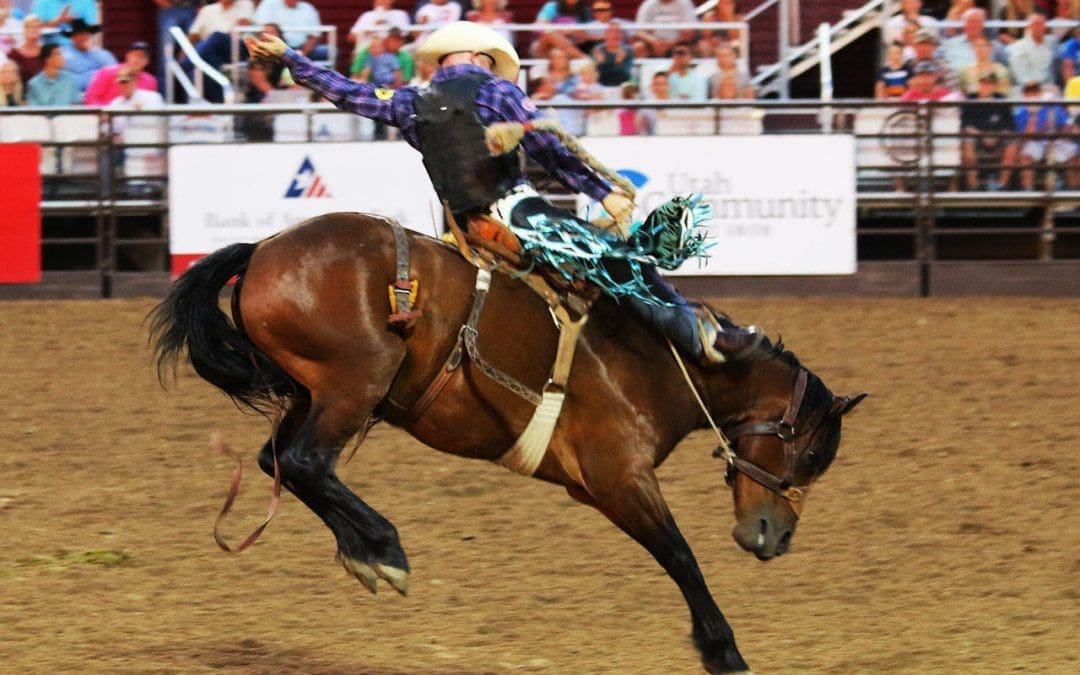
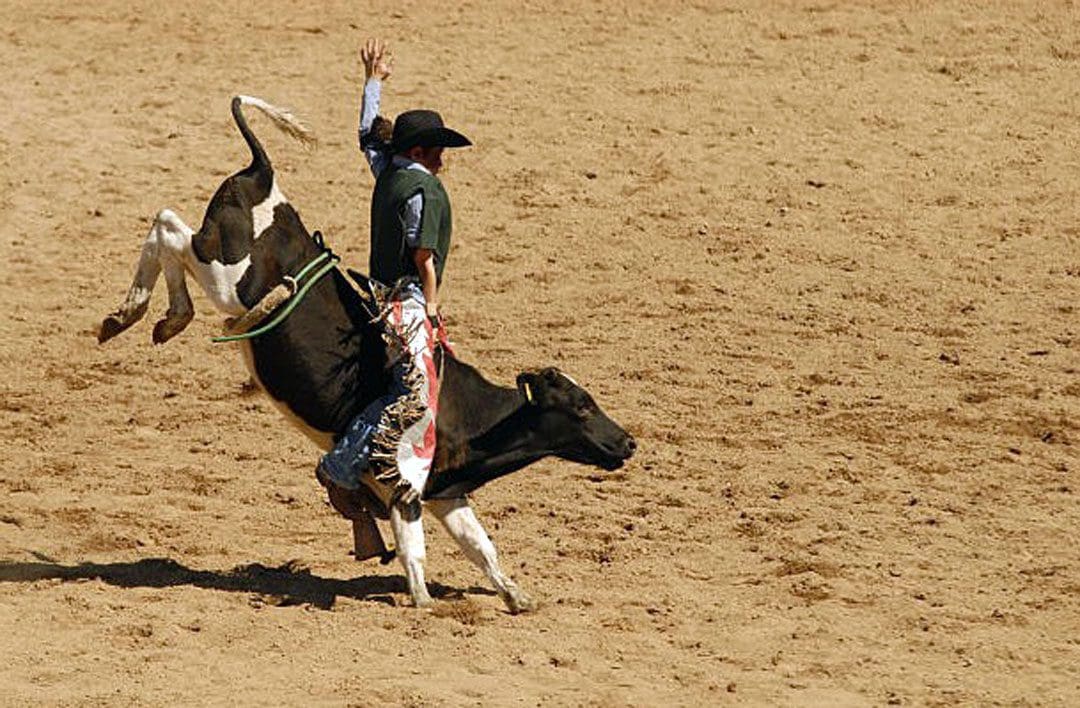
Rodeo Training: Rodeo has become a sport that is now open to anyone, and there are even programs for weekend warriors. Like all sports, it can offer a rewarding experience but can be dangerous. As the sport grows, individuals and spectators realize the importance of being strong, mobile, and durable. Individuals need to assess their health and ability and be in top shape due to the demands this sport places on the body. Here we look at the muscle groups needed in this sport.
Rodeo Training
Fitness has always had a place in rodeo and all equine sports, but it wasn’t paid much attention. Professional rodeo instructors recommend incorporating a strength, conditioning, and personal training regimen, to keep rodeo athletes, including bull riders, steer wrestlers, and calf ropers, in top form. Even for weekend warriors and hobbyists, increasing strength and mobility will make the hobby much more enjoyable.
Body Strength
The core strength of the abdominals and lower back is very important. The connection between the upper and lower body and groin strength has to be strong for the athletes to stay on the animal and control their bodies as the animal runs, shifts, and jumps. The focus should be on every muscle needed to move with proper form and control and learning how your body moves.
Upper Body
Scapula Stabilizers
These muscles help control the shoulder blade and maintain a healthy posture.
These muscles aid the rotator cuff and deltoid muscles to upwardly or downwardly rotate the shoulder blade/scapula while the shoulder joint/arm is moving overhead, behind the back, or reaching away from the trunk.
Strengthening these muscle groups prevents the rounding of the shoulders and provides strength when dealing with a strong animal.
Roughstock riders use these muscles to maintain pressure when lifting their rigging, reign, or rope while maintaining a square posture.
This muscle group needs strengthening, but it is equally important to ensure they’re flexible throughout the chest.
Many individuals have strong chest muscles, but there may be an imbalance of strength and flexibility, causing unhealthy posture.
The spine and stabilizer muscles cannot work to maintain proper posture or stabilize if the chest muscles are too tight.
The focus is maintaining balance in the chest’s mobility while ensuring they are strong enough to handle the force.
Core
Abdominal Muscles
Four major groups comprise the abdominal muscle group, including the rectus abdominis, internal and external oblique, and transversus abdominis.
These muscles work together with the spine and back muscles to help create core stability.
Core strength is not as important as core stability in rodeo sports.
The core fundamentals of riding require the hips, pelvis, and low back to move with the animal.
These muscles coordinate with each other to produce stability.
Focusing only on strength causes rigid or stiff riding.
Being excessively rigid through the abdominals and back muscles prevents shock absorption and can lead to lower back symptoms.
Lower Body
Hip Adductors
These inner thigh muscles include the gracilis, obturator externus, adductor brevis, longus, and magnus.
These muscles should typically be the strongest because of their natural riding use.
Problems with these muscles happen because the athletes generally don’t ride horses recreationally and don’t know how to strengthen them.
This leads to various injuries throughout the pelvic floor and hips.
Balance is required as the muscles can be too weak or too strong.
Where riders begin to depend/rely too much on them can lead to imbalances with the upper and lower body muscles.
Too much use/gripping with the adductors can lead to over-rotation of the hip, resulting in the toes-out walking gait and musculoskeletal issues.
Hip Abductors
The outer thigh/hip muscles are the gluteus medius, gluteus minimus, and tensor fasciae latae/TFL.
They move the leg away from the body and help rotate at the hip joint.
The abductors are necessary for staying stable when walking or standing on one leg.
They help stabilize the hip and pelvis and maintain proper leg alignment, allowing correct leg movements without excessive shifting in the saddle.
Sitting in the saddle with more pressure on one side or leaning to one side when jumping will cause an imbalance in the hip abductors.
Hip Extensors
These are the posterior/back and hip/thigh muscles and are made up of the gluteus maximus and the hamstrings.
These are the most powerful muscles in the body and are responsible for giving the horse the cues to perform what they need to.
Strong hamstrings and glutes allow the rider to exert appropriate pressure through the legs to move the horse from a walk, trot, lope, run, and direction change.
The gluteus maximus acts as a buffer between the hamstrings and the lower back muscles.
Weakened gluteus maximus muscles can cause tight hamstrings that shift the pelvis and begin pulling on the low back muscles.
Building strength and mobility throughout the hip extensors will prevent injury.
Understanding which muscles are responsible for each part of the movements needed to compete in this sport is essential. However, rodeo sports are learned by doing, and it is recommended to go to a rodeo school or rodeo clinics as there is no substitute for experience. Some schools hold numerous classes around the country. These are usually taught by championship athletes and are a great way to try rodeo in a safe and controlled learning environment.
Rodeo Training: What It Takes
References
Meyers, Michael C, and C Matthew Laurent Jr. “The rodeo athlete: injuries – Part II.” Sports medicine (Auckland, N.Z.) vol. 40,10 (2010): 817-39. doi:10.2165/11535330-000000000-00000
Sinclair Elder, Amanda J, and Rachel Tincknell. “Epidemiology of Hip Injuries in Professional Rodeo: A 4-Year Analysis.” Orthopedic journal of sports medicine vol. 8,10 2325967120959321. 27 Oct. 2020, doi:10.1177/2325967120959321
Sinclair, Amanda J, and Jack W Ransone. “Physical activity and its relationship to rodeo injury and success.” Journal of strength and conditioning research vol. 18,4 (2004): 873-7. doi:10.1519/14623.1
Watts, Melinda, et al. “Characteristics of Injury in Collegiate Rodeo.” Clinical journal of sports medicine: official journal of the Canadian Academy of Sports Medicine vol. 32,2 (2022): e145-e150. doi:10.1097/JSM.0000000000000904
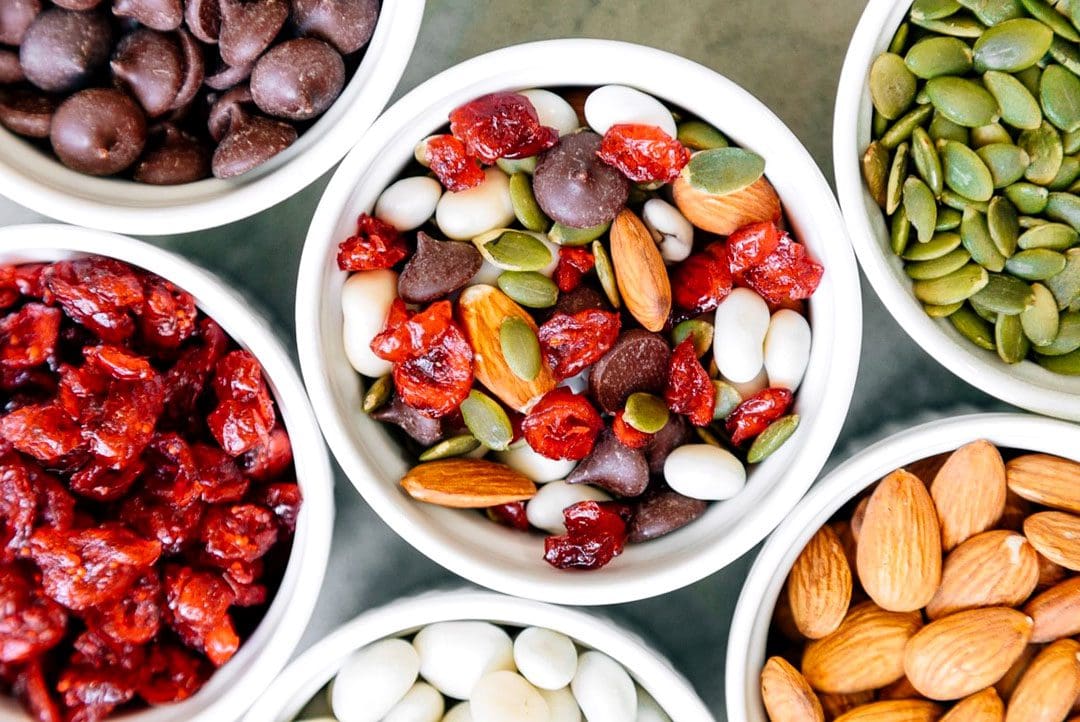
Trail mix is a favorite snack for many individuals. A typical mix combines granola, dried fruits, nuts, seeds, cereals, and pretzels. The mix was originally developed as a portable snack/meal for hikers that was lightweight, could be stored in a backpack, and provided plenty of protein and energy. Prepackaged trail mix is available at many grocery stores and online retailers. It’s an excellent choice for traveling or going on a road trip because of its energy and nutritional content. However, not all types are considered equal in terms of nutrition. Some can consist of ingredients loaded with sugar and salt. Added consumption could cause weight gain and contribute to conditions like heart disease, type 2 diabetes, and liver problems. Here we look at choosing healthy mixes.
Trail Mix
The nutritional power comes from the high amounts of fiber and antioxidants.
Benefits
Protein and Healthy Fats
Protein is essential for tissue repair, immune health, and muscle development.
Nuts and seeds make up the largest portion.
A healthy source of protein, allowing individuals to snack on the go and not become hungry.
One of the greatest benefits of eating these is that they are full of heart-healthy fats.
These healthy fats help decrease unhealthy LDL cholesterol levels and reduce inflammation.
Fiber
The fiber in the seeds and granola helps keep the gut healthy and regular.
It also helps control appetite, aids in digestion, and keeps the body fuller longer.
Energy
Dried fruits and granola consist of healthy sugars.
Healthy sugars help stabilize blood sugar levels, providing the body with a consistent energy source.
Antioxidants, Vitamins, and Minerals
Dried fruit maintains a majority of its nutritional value.
The nuts and seeds are also packed with nutrients and antioxidants.
Choosing Healthy
Check the nutrition label and avoid varieties high in added sugar or sodium.
Look for products containing nutrient-dense ingredients like nuts, seeds, dried fruits, and limited amounts of candy or chocolate chips, if any.
Healthy ingredients include almonds, pumpkin seeds, cashews, sunflower seeds, dried fruit, popcorn, and dark chocolate.
Making trail mix at home allows control of its contents and maximizes its potential health benefits.
It is important to keep an eye on portion control.
A recommended serving is about a fourth of a cup.
Nutritionist
Nutritional consultation can improve an individual’s quality of life, health, and well-being. A nutritionist can help individuals with precision or personalized nutrition that focuses on the individual. Nutritionists can create meal plans for their clients and provide education and knowledge on appropriate food choices.
Potassium
References
Devitt, A A et al. “Appetitive and Dietary Effects of Consuming an Energy-Dense Food (Peanuts) with or between Meals by Snackers and Nonsnackers.” Journal of nutrition and metabolism vol. 2011 (2011): 928352. doi:10.1155/2011/928352
Grillo, Andrea et al. “Sodium Intake and Hypertension.” Nutrients vol. 11,9 1970. 21 Aug. 2019, doi:10.3390/nu11091970
Mehlhose, Clara, et al. “PACE Labels on Healthy and Unhealthy Snack Products in a Laboratory Shopping Setting: Perception, Visual Attention, and Product Choice.” Foods (Basel, Switzerland) vol. 10,4 904. 20 Apr. 2021, doi:10.3390/foods10040904
Vreman, Rick A et al. “Health and economic benefits of reducing sugar intake in the USA, including effects via non-alcoholic fatty liver disease: a microsimulation model.” BMJ open vol. 7,8 e013543. 3 Aug. 2017, doi:10.1136/bmjopen-2016-013543
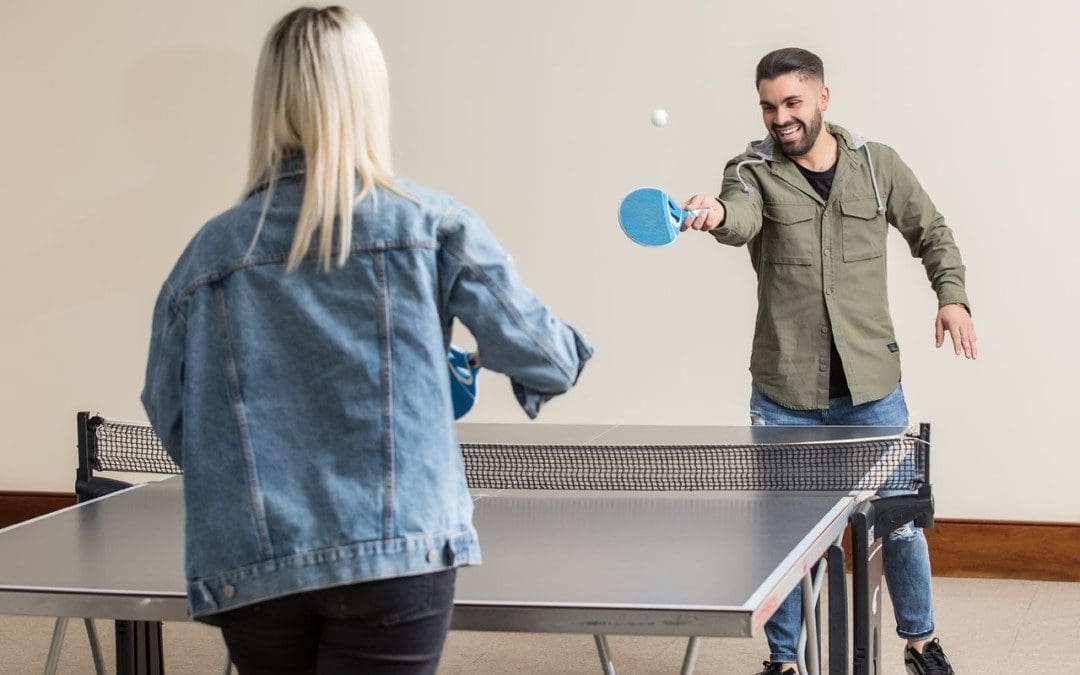
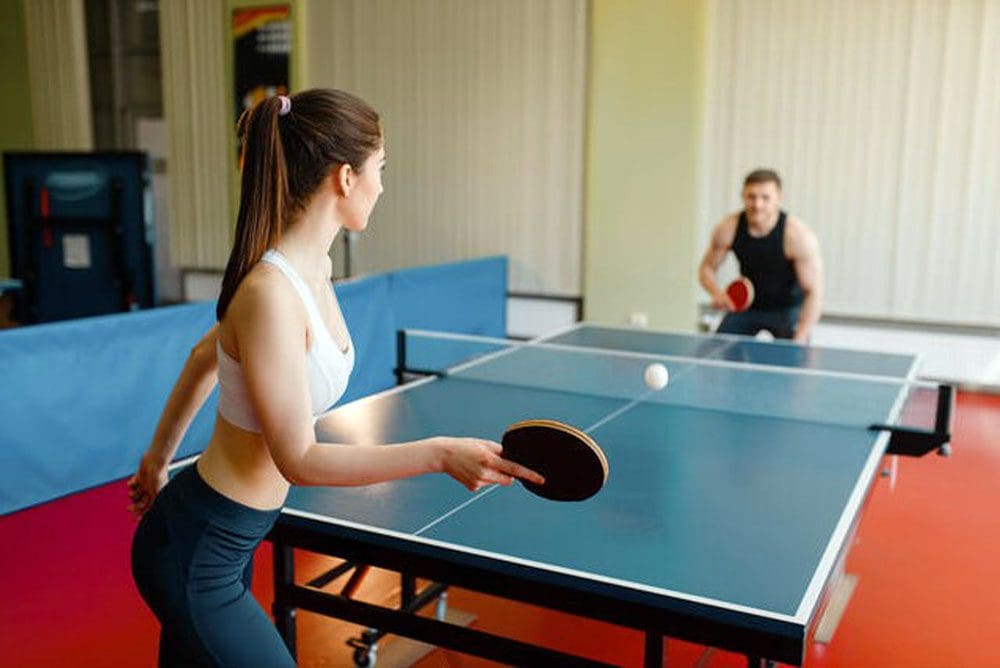
Table tennis is a sport that individuals of all ages and abilities can play. The small scale and reduced movement make it more accessible. It has become more physical, with professional players making fitness an important part of their training. However, at all levels, it offers moderate-intensity activity, which is good for the heart, mind, and body. Recreational table tennis has been found to increase concentration, stimulate brain function, help develop tactical thinking skills and hand-eye coordination, and provide aerobic exercise and social interaction.
Table Tennis
The setup and rules are similar to tennis and can be played solo or in doubles. The skills needed to develop are learning to hit and control the ball consistently. Table tennis can be complex, with various shots, spins, and styles, but the foundational skills required include:
Proper Footwork
Although the body does not move that far, footwork is essential with the quick movements that are made in a short period.
Basic footwork techniques include fast dynamic movement, balance, and weight distribution.
Serving
Basic serving is necessary to get the point going.
Different stroke styles can be used, but forehand and backhand strokes are the most common.
Learning how the body activates and responds to the swing, the point of contact and the follow-through of each stroke is essential to get the most out of each stroke.
Speed and Agility
Table tennis is a fast-twitch muscle sport that utilizes quick bursts of energy and explosive strength.
Coaches and players use a combination of hybrid, high-intensity, and functional training to condition the body.
High-intensity interval training incorporates explosive movements, like squat jumps, to activate the muscles and the anaerobic threshold.
Hand-eye coordination
Playing improves hand-eye coordination skills and stimulates mental alertness and concentration.
This is great for sharpening overall reflexes.
Health Benefits
Table tennis offers several health benefits that include:
It is a social sport that provides a fun way to spend time with family and friends.
The overall risk for injury is low.
Easy on the muscles and joints.
Increases energy.
Improves balance.
Improves reflexes.
Burns calories.
Keeps the brain sharp.
Relieves stress.
Table Tennis
References
Biernat, Elżbieta, et al. “Eye on the Ball: Table Tennis as a Pro-Health Form of Leisure-Time Physical Activity.” International journal of environmental research and public health vol. 15,4 738. 12 Apr. 2018, doi:10.3390/ijerph15040738
Picabea, Jon Mikel, et al. “Physical Fitness Profiling of National Category Table Tennis Players: Implication for Health and Performance.” International journal of environmental research and public health vol. 18,17 9362. 4 Sep. 2021, doi:10.3390/ijerph18179362
Pilis, Karol, et al. “Body composition and nutrition of female athletes.” Roczniki Panstwowego Zakladu Higieny vol. 70,3 (2019): 243-251. doi:10.32394/rpzh.2019.0074
Zagatto, Alessandro Moura, et al. “Energetic demand and physical conditioning of table tennis players. A study review.” Journal of sports sciences vol. 36,7 (2018): 724-731. doi:10.1080/02640414.2017.1335957
Zhu, Ke, and Lina Xu. “Analysis on the Influence of Table Tennis Elective Course on College Students’ Health.” Journal of healthcare engineering vol. 2022 8392683. 17 Jan. 2022, doi:10.1155/2022/8392683
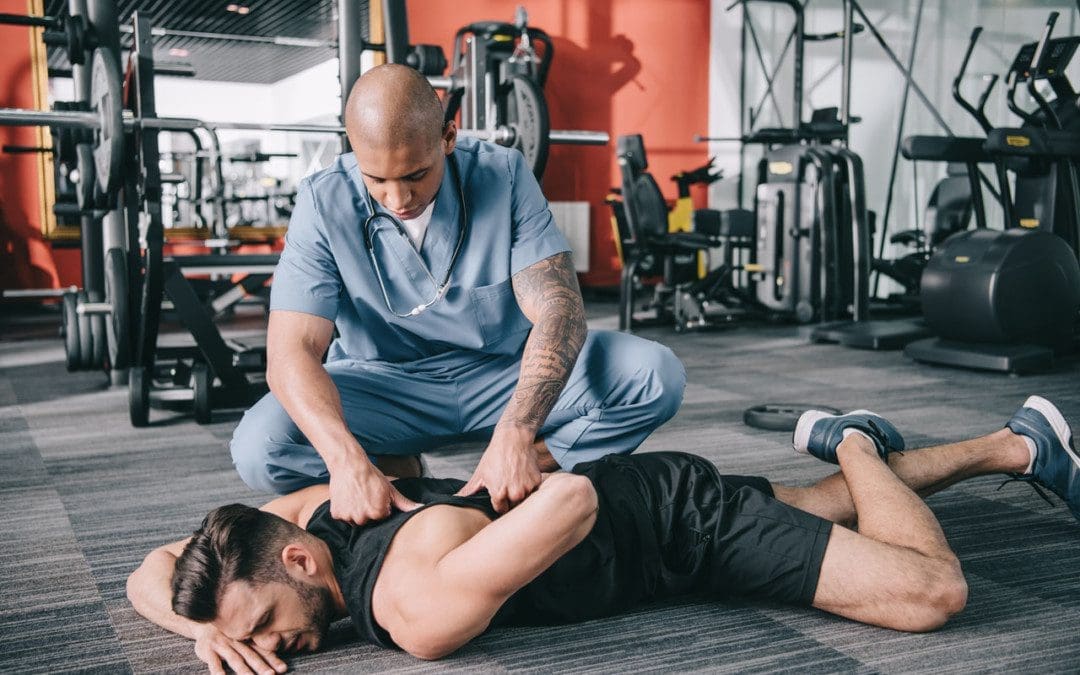
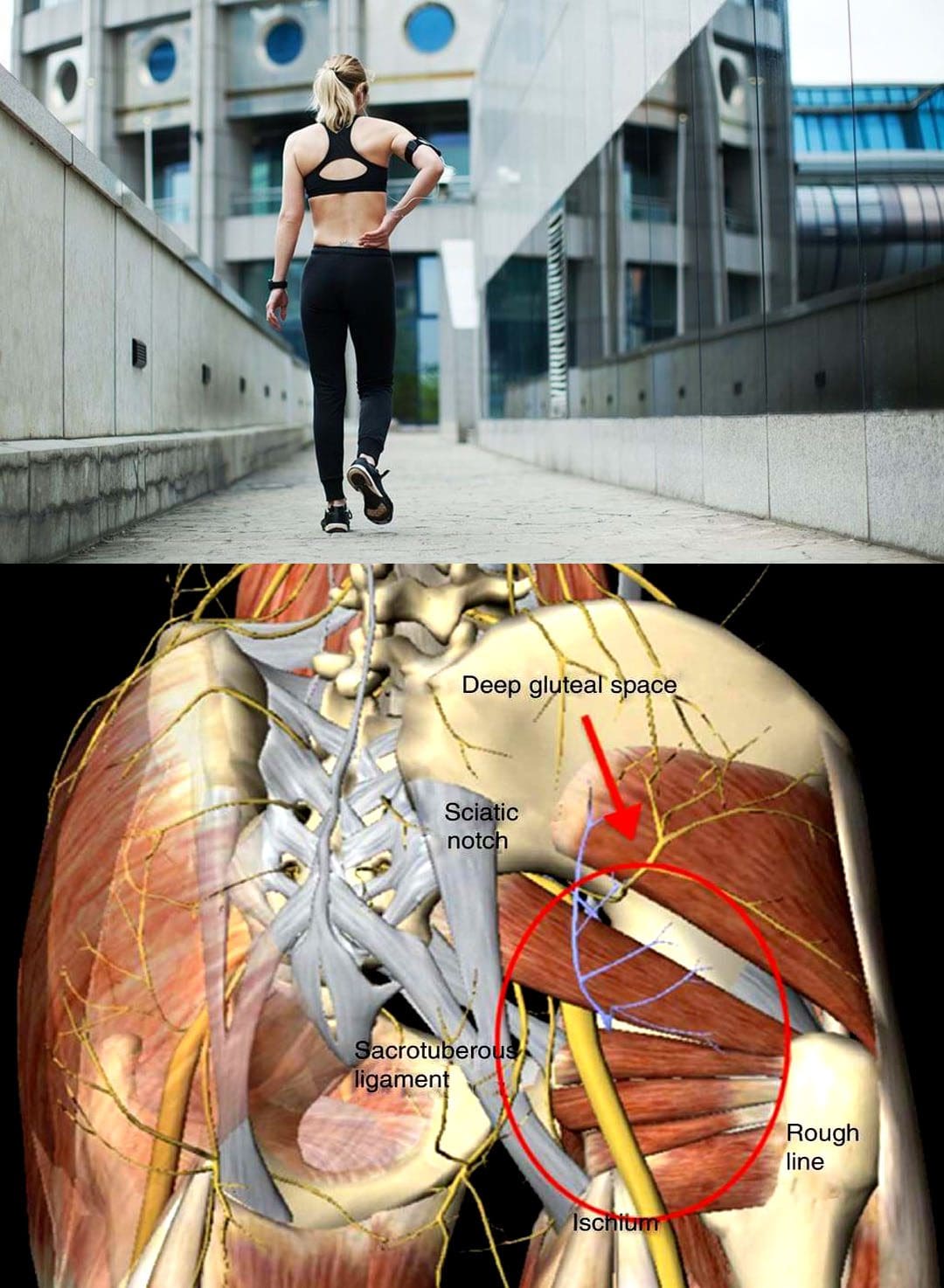
Sciatica From Working Out: There are benefits from strenuous exercise and a level of acceptance of the discomfort that goes with exertion. While this is true to a certain degree, when individuals feel the pump and are in the workout zone, it can be very easy to take off and overdo it. This is when the body and the back become susceptible to injuries. Sciatica from working out occurs when added pressure on the sciatic nerve results in a compressed/pinched nerve. Left untreated can lead to further back problems and other health issues. The Injury Medical Chiropractic and Functional Medicine Team can relieve the compression, release the nerve, relax the muscles, and restore function.
Sciatica From Working Out
Microtrauma
Building muscle and increasing strength require a certain amount of physical damage to the muscles for successful progress. Intense and heavy exercise tear the muscle tissues causing microtrauma that triggers a healing response that creates muscle mass. These micro-injuries can cause the back muscles to tighten up, shifting the spine out of alignment, causing the discs to slip and compress nerves, or by tight leg muscles like the piriformis swelling and squeezing the sciatic nerve.
Causes
Rest and Recovery
It’s important to understand that proper recovery is essential to an exercise program.
It can take up to 72 hours to recover from the microtears.
Individuals that go right back for a similar workout can aggravate existing micro tears while creating more, resulting in a downward cycle of symptoms that can lead to other problems or become a chronic condition.
Rotating to exercises that go easy on the back and leg muscles assists in the normal healing and development of muscle tissue.
Not Warming up Before Workout
Not warming up before exercising can cause injuries.
When muscles are cold and not warmed up properly, they can become stiff and inflexible, causing them to strain and tear when exposed to sudden, intense exertion.
Before performing any exercise, always start with a low-impact, gentle warm-up.
Not Stretching Properly or at All
Full-body stretching is necessary as the torn, tight muscles need to be relaxed and kept loose.
Make sure to stretch the hamstrings and hips thoroughly.
After each workout, take 10 minutes and stretch.
Not Stretching After
Always do some stretching after a workout.
Stretching after can help prevent muscle fatigue and soreness from a lactic acid buildup.
Starting With Heavy Weights
Many injuries happen because individuals start too heavy.
Challenging the body’s performance is part of the process but should be done in small steps.
Start with lighter weights and add more gradually.
Improper Posture and Form
A leading cause of back problems is poor posture and form.
Curving the back while lifting weights is the most error.
Overarching can also cause injury.
When performing push-ups or planks, avoid sinking the hips.
Hard Surfaces
For runners, hard surfaces like concrete or asphalt force the body and back to absorb most of the impact.
This compresses the vertebrae, which can irritate the sciatic nerve.
Rotate by using running trails or a treadmill.
Work on running with a shorter stride to reduce bounce and impact.
Incorporate cross-training.
Rotate upper body strength training to give the legs, gluteals, and back muscles a rest.
Chiropractic Rehabilitation
Chiropractic care, massage, and decompression therapy can relieve sciatica pain. Using spinal manipulation techniques and other therapies, chiropractors can alleviate the pressure on the nerve. Treatment involves:
X-rays are taken so that the chiropractor can understand the cause.
Massaging the muscles to relax and release them and increase circulation.
Stretching and applying controlled pressure to the joints.
Specific exercises and stretches will be recommended to do at home.
Health coaching and nutrition and wellness recommendations.
Personalized Sciatica Treatment
References
Bonasia DE, Rosso F, Cottino U, Rossi R. Exercise-induced leg pain. Asia Pac J Sports Med Arthrosc Rehabil Technol. 2015;2(3):73-84. doi:10.1016/j.asmart.2015.03.003
Cook CE, Taylor J, Wright A, Milosavljevic S, Goode A, Whitford M. Risk factors for first-time incidence sciatica: a systematic review. Physiother Res Int. 2014 Jun;18:65-78. doi:doi:10.1002/pri.1572
Koes BW, van Tulder MW, Peul WC. Diagnosis and treatment of sciatica. BMJ. 2007;334(7607):1313‐1317. doi:10.1136/bmj.39223.428495.BE
Lewis RA, Williams NH, Sutton AJ, et al. Comparative clinical effectiveness of management strategies for sciatica: a systematic review and network meta-analyses. (PDF). Spine J. 2015;15(6):1461-77. doi:10.1016/j.spinee.2013.08.049
Salehi, Alireza, et al. “Chiropractic: Is it Efficient in Treatment of Diseases? Review of Systematic Reviews.” International Journal of community-based nursing and midwifery vol. 3,4 (2015): 244-54.
IFM's Find A Practitioner tool is the largest referral network in Functional Medicine, created to help patients locate Functional Medicine practitioners anywhere in the world. IFM Certified Practitioners are listed first in the search results, given their extensive education in Functional Medicine

 Posterior Cruciate Ligament