Individuals spend around one-third of their life sleeping or resting. Every person has their own preferred sleeping position. However, not all sleep positions are comfortable and supportive to the body, especially the spine. Individuals that sleep on their side or stomach that experience back pain might want to consider switching to sleeping on their back. Changing preferred sleeping positions can seem impossible, however, learning to sleep on your back is possible with a little training and adjustment period.
Learning To Sleep On Your Back
After side sleeping, back sleeping is the second most common position. Individuals that are stomach or side sleepers that suffer from:
Learning to sleep on your back is recommended because its health benefits can potentially solve all these problems and more.
Adapting this sleeping position can help maintain proper spinal alignment.
Relieves waking up with tension headaches.
Relieve sinus problems.
Individuals that are not natural back sleepers understand how difficult it is to force oneself to adapt to a new sleeping position. There are ways to condition the mind and body to fall and stay asleep on your back, resulting in healthy rest. These include:
A Pillow Under The Knees
It may help to place a supportive pillow under the knees.
The knees should be slightly bent and feel comfortable.
Check to make sure that the neck and spine feel comfortable and are in alignment.
Make adjustments as needed.
A Pillow Under The Low Back
In the beginning, switching to back sleeping can increase discomfort in the low back.
Placing a pillow under the lower back can help.
Using too large or thick a pillow could create added discomfort.
Try a few different pillows to find what works best and feels right.
Pillow Surround
Individuals that are active sleepers and tend to roll onto their side or stomach soon after falling asleep, can place pillows around the midsection and hips.
A small barrier of pillows around the body can assist in learning to sleep on your back.
The pillows help prevent the body from rolling.
It’s recommended to place pillows closely against either side of the body.
Using the pillows as an enclosure will force the body to remain in a neutral position throughout the night.
Sleeping On The Right Pillow
Individuals will want to make sure they are using the right sleeping pillow.
In addition to supporting the spine’s alignment, a quality pillow will also support the neck.
The recommended pillow for back sleeping should cradle the head and ensure it stays elevated.
A pillow that is too flat or too thick can cause the head to become unlevel with the body leading to:
Neck and upper body pain
Restricted airflow, which may cause you to snore or suffer from sleep apnea.
Digestive issues like acid reflux and heartburn.
Consider a pillow that’s made out of some type of memory foam to assist with learning to sleep on your back.
The thickness and hugging sensation can help to stay on the back and prevent inadvertently flipping over.
Sleeping On The Right Mattress
A positive back sleeping experience begins with the right mattress. There are so many mattress types to choose from. It is recommended to consider the materials, the firmness level, and the size. For comfortably sleeping on your back, the firmness level is essential.
Consider the positioning of your spine.
The objective is to keep the spine as straight as possible, which is achieved with the proper firmness.
A mattress that is too firm will create unwanted pressure and tension on the shoulders and the pelvic region.
A mattress that is too soft will cause the hips to sink, throwing spinal alignment off and causing back pain symptoms.
A medium-firm mattress is recommended.
Memory foam is a great option for learning to sleep on your back.
Memory foam cradles the natural curve of the body, and hugs the body during sleep, which helps avoid accidentally rolling onto your side or stomach.
Memory foam mattresses with integrated gel can provide cooling and ventilation to keep the body refreshed throughout the night.
A medium-firm memory foam mattress will make sure the body stays straight, with the proper cushioning around the pelvis and hips.
Training To Sleep On Your Back
References
Anderson, Ngaire H et al. “Association of Supine Going-to-Sleep Position in Late Pregnancy With Reduced Birth Weight: A Secondary Analysis of an Individual Participant Data Meta-analysis.” JAMA network open vol. 2,10 e1912614. 2 Oct. 2019, doi:10.1001/jamanetworkopen.2019.12614
Desouzart, Gustavo, et al. “Effects of sleeping position on back pain in physically active seniors: A controlled pilot study.” Work (Reading, Mass.) vol. 53,2 (2015): 235-40. doi:10.3233/WOR-152243
Khan, Bashir Ahmad, et al. “Effect of bed head elevation during sleep in symptomatic patients of nocturnal gastroesophageal reflux.” Journal of Gastroenterology and Hepatology vol. 27,6 (2012): 1078-82. doi:10.1111/j.1440-1746.2011.06968.x
Portale, G et al. “When are reflux episodes symptomatic?.” Diseases of the esophagus: official journal of the International Society for Diseases of the Esophagus vol. 20,1 (2007): 47-52. doi:10.1111/j.1442-2050.2007.00650.x
Skarpsno, Eivind Schjelderup, et al. “Sleep positions and nocturnal body movements based on free-living accelerometer recordings: association with demographics, lifestyle, and insomnia symptoms.” Nature and Science of Sleep vol. 9 267-275. 1 Nov. 2017, doi:10.2147/NSS.S145777
Surdea-Blaga, Teodora, et al. “Food and Gastroesophageal Reflux Disease.” Current medicinal chemistry vol. 26,19 (2019): 3497-3511. doi:10.2174/0929867324666170515123807
Pickleball is a growing, increasingly popular sport that can be enjoyed by individuals of every age and fitness level. It combines elements of tennis and badminton at a slightly slower pace that makes it ideal for families and provides excellent health benefits and enjoyable socializing. It is easy to learn and requires little practice. The sport is easy on the body and is a great activity for seniors because it is joint-friendly.
Pickleball
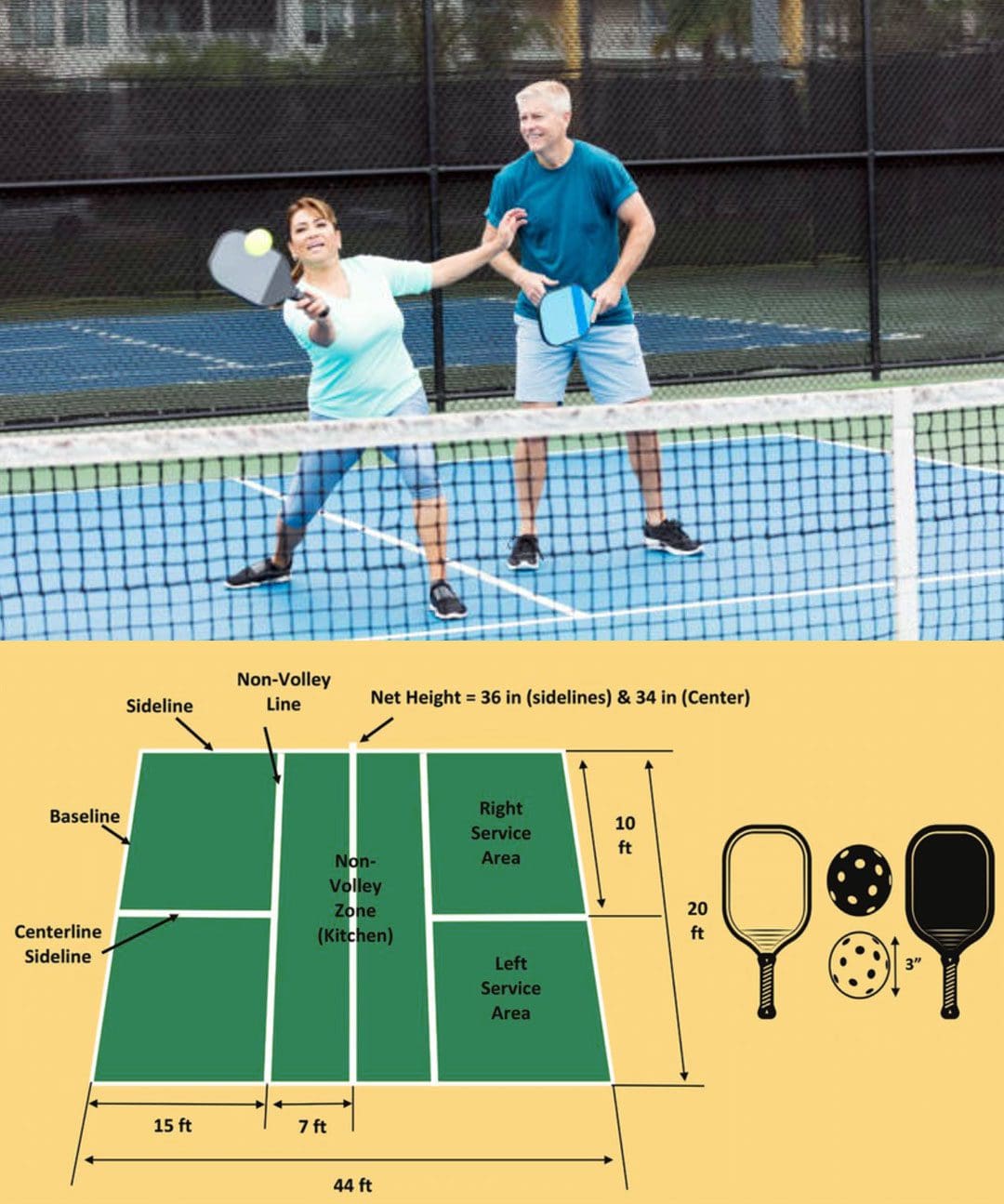
Individuals do not need to be athletes or belong to a certain age group to play or benefit from the sport. It requires minimal equipment and a few basic skills. Using a flat paddle and a plastic pickleball, opponents singles or doubles play a game like tennis or badminton.
Playing the Game
A three-foot-long net is set up in the center of a court measuring 44 feet long by 20 feet wide.
The court is divided between right and left service zones.
If the receiving side misses the serving side volley, the serving side receives a point.
The game is played to 11 points, but a player or team must win by two points.
The ball’s design keeps the pace manageable and user-friendly.
Pickleball has other intricacies common with other racket-court sports.
The player serves from a specific side.
The no-volley zone, or the kitchen is seven feet from the net on both sides.
There are rules regarding when the player must call the score, how tournaments work, and variations between singles and doubles matches.
Most players only need a few games to pick up the basics.
Reasons To Play
The sport offers a number of health benefits.
Improves Mental Health
One study found individuals who played pickleball tended to have better mental health and outlook.
Researchers followed older adults competing in pickleball competitions and tournaments.
At the end of the study, the researchers found that a commitment to a physical hobby correlated to reduced depression levels.
Improves Cardiovascular Health
The sport is not as physically intense as say tennis, but offers significant benefits for cardiovascular health.
One study found that individuals who played three times a week for an hour had improved cardiorespiratory fitness, lower cholesterol levels, and decreased blood pressure.
Experts found that it is a healthy alternative to traditional exercises like walking or biking.
Improved Hand-Eye Coordination
Pickleball will improve hand-eye coordination and reflexes.
Coordinating the feet, legs, arms, hands, and eye movements quickens responses, challenges the brain to think fast, and increases balance.
Physical activity combined with cognitive challenges has been found to improve cognitive health and prevent mental decline in older adults.
Socialization
Pickleball requires an opponent or two for doubles matches.
A significant benefit is that the sport provides increased socialization.
Socializing with others, especially the elderly can help with loneliness.
Loneliness can negatively impact physical and mental health, increasing the risk of heart disease, stroke, dementia, and depression.
Getting Started
Individuals need minimal gear like paddles, shoes, and balls and knowledge to get started playing. One of the easiest ways to begin is locating a court in the community. This is a great physical activity that can be competitive, but overall it is fun, easy to play, and provides great health benefits.
Home Exercises For Pain Relief
References
Casper, Jonathan M, and Jung-Hwan Jeon. “Psychological Connection to Pickleball: Assessing Motives and Participation in Older Adults.” Journal of Aging and physical activity, 1-6. 24 Oct. 2018, doi:10.1123/japa.2017-0381
Cerezuela, Juan-Leandro, et al. “Pickleball and mental health in adults: A systematic review.” Frontiers in psychology vol. 14 1137047. 21 Feb. 2023, doi:10.3389/fpsyg.2023.1137047
Ryu, Jungsu, et al. “Pickleball, Personality, and Eudaimonic Well-Being in Middle-Aged and Older Adults.” Journal of Aging and physical activity vol. 30,5 885-892. 14 Feb. 2022, doi:10.1123/japa.2021-0298
Vitale, Kenneth, and Steven Liu. “Pickleball: Review and Clinical Recommendations for this Fast-growing Sport.” Current sports medicine reports vol. 19,10 (2020): 406-413. doi:10.1249/JSR.0000000000000759
Webber, Sandra C et al. “Physical Activity Intensity of Singles and Doubles Pickleball in Older Adults.” Journal of Aging and physical activity vol. 31,3 365-370. 10 Sep. 2022, doi:10.1123/japa.2022-0194
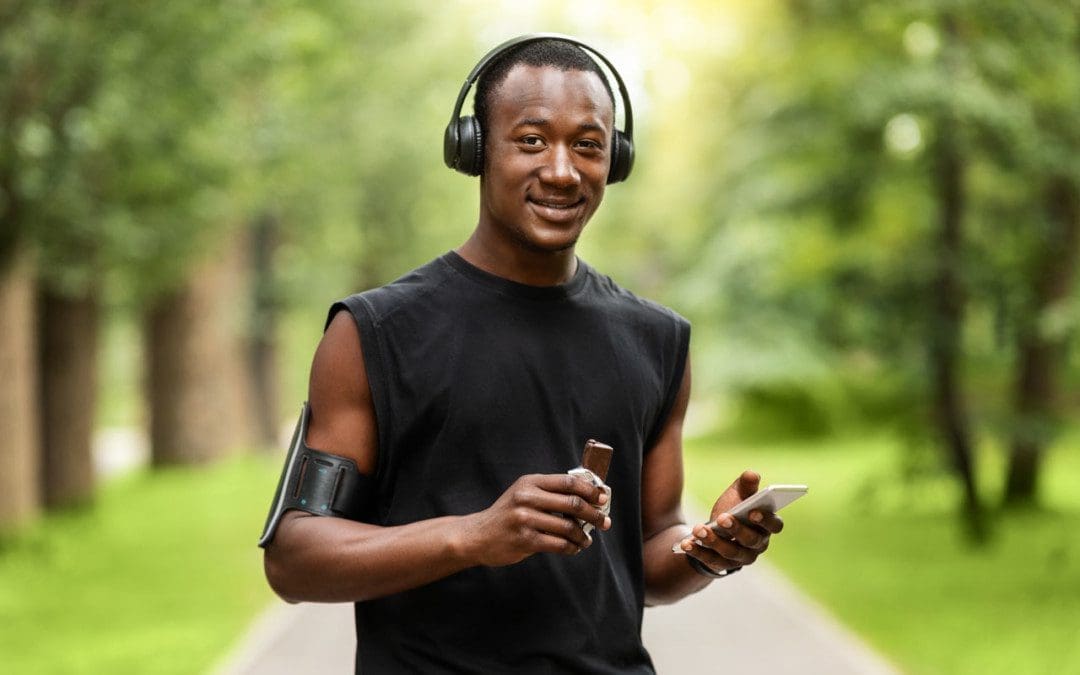
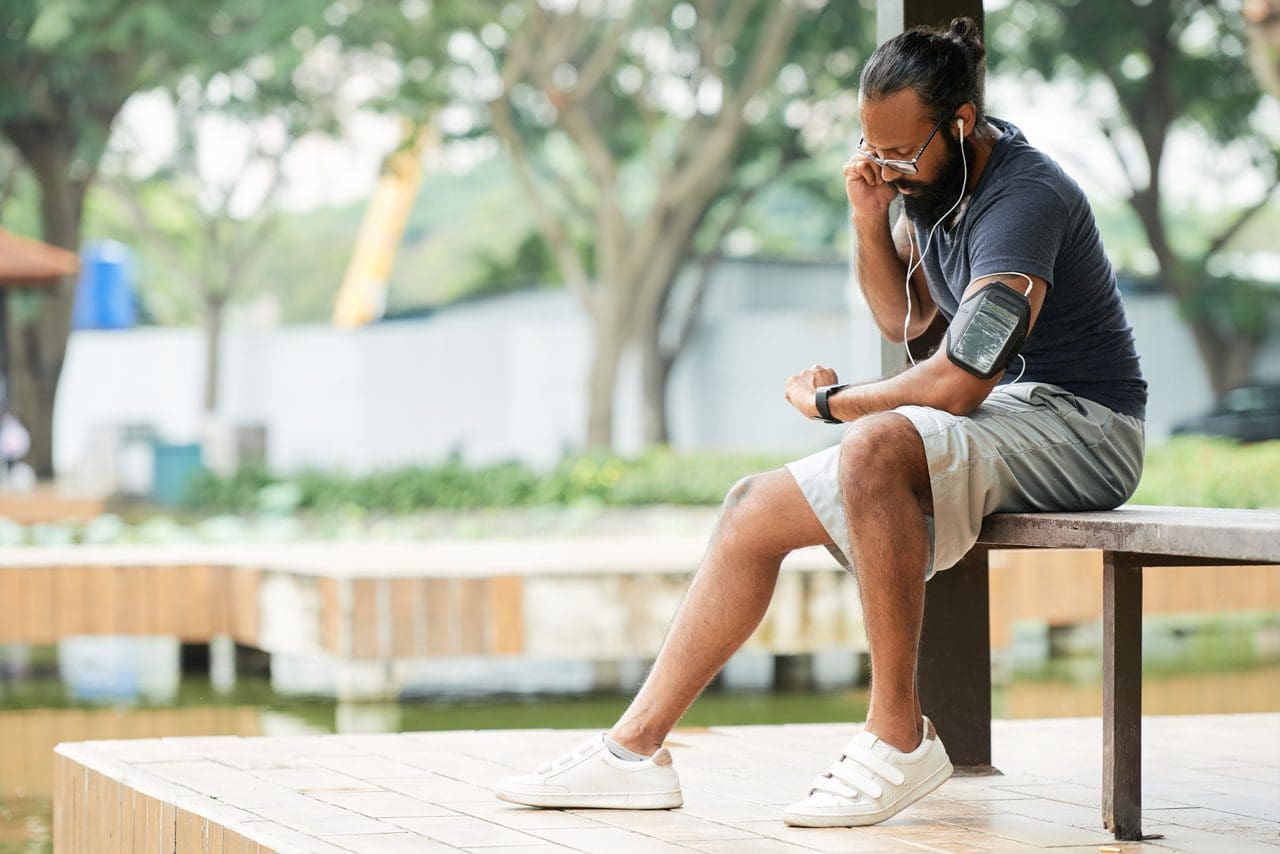
Walking is a great physical exercise activity that requires endurance. When walking for two hours or more, refueling energy stores can be done with portable walking energy snacks. These are foods that can be taken along and eaten while on the move. This includes fruits, vegetables, energy bars, trail mix, energy gels, and sports drinks that can replenish the body. However, depending on when an individual goes for a walk, they need to think about breakfast or lunch nutrition before engaging in the walk. This will help to get the most benefits from the snacks, as well as, what to have after the workout for recovery.
Walking Energy Snacks
Individuals walking for a long time will want a snack – before, during, and after. There are various options to choose from. Individuals may want to experiment with various snack and drink options to find the right balance of carbs, fat, and protein so that the body gets the energy it needs without feeling weighed down or hungry soon after. The ideal walking energy snacks should be healthy, full of energy, and easy to eat on the move.
Fruit Snacks
Fruit snacks are great for the all-natural carbohydrate burst.
Bananas are great for potassium.
Apples, oranges, and raisins are also recommended packable snacks.
For certain individuals, the fiber in some fruits can get digestion moving, requiring a restroom, so plan ahead.
Some individuals can eat fruit regularly but may have an upset stomach during walking, which is why experimentation may be necessary.
Energy Bars
Nutrition bars can provide vitamins and minerals and protein but can be high in calories.
Check the labels to choose the balance of ingredients that’s best for you.
Energy bars offer a healthy combination of carbohydrates, protein, and fat.
They are convenient for a snack when on a walk.
Most products utilize peanuts/other nuts or soy for protein.
Individuals may want to avoid chocolate-covered bars, as they can melt.
Individuals can mix their own, buy in bulk, or pre-packaged.
Trail mix contains nuts for protein, raisins or other dried fruit for carbohydrates, and chocolate or carob for taste.
The salted varieties can help replace electrolytes.
Be aware of portion control, as trail mix is often high in fat and calories.
Energy Gels
Energy gels provide a carbohydrate boost designed for individuals doing endurance events and activities.
Energy gels need to be taken with water for carbohydrate digestion.
There are some that can be taken without water but may not provide as much energy.
For individuals that walk fast and breathe hard, energy gels can be safer than chewing and possibly choking.
Newer brands are trying to be natural and less sweet.
Energy and Sports Drinks
Water is not enough to keep the body hydrated on long walks.
Sports drinks with sugar and salt replenish H2O and electrolyte levels more thoroughly when walking for more than an hour helping to prevent dehydration and hyponatremia/low salt levels.
It is recommended to avoid:
High-caffeine energy drinks in small cans, as they have too much caffeine and not enough hydrating water.
Sports and energy drinks with additives and herbs, which do not help on walks, and look for those with salt and carbohydrate replacement.
Ankle Sprain Recovery
References
Francois, Monique E et al. “’Exercise snacks’ before meals: a novel strategy to improve glycaemic control in individuals with insulin resistance.” Diabetologia vol. 57,7 (2014): 1437-45. doi:10.1007/s00125-014-3244-6
Islam, Hashim, et al. “Exercise Snacks: A Novel Strategy to Improve Cardiometabolic Health.” Exercise and sport sciences review vol. 50,1 (2022): 31-37. doi:10.1249/JES.0000000000000275
Marangoni, Franca, et al. “Snacking in nutrition and health.” International Journal of food sciences and Nutrition vol. 70,8 (2019): 909-923. doi:10.1080/09637486.2019.1595543
McCubbin, Alan J et al. “Sports Dietitians Australia Position Statement: Nutrition for Exercise in Hot Environments.” International Journal of sports nutrition and exercise metabolism vol. 30,1 (2020): 83-98. doi:10.1123/ijsnem.2019-0300
Moore, Daniel R et al. “Walking or body weight squat “activity snacks” increase dietary amino acid utilization for myofibrillar protein synthesis during prolonged sitting.” Journal of applied physiology (Bethesda, Md.: 1985) vol. 133,3 (2022): 777-785. doi:10.1152/japplphysiol.00106.2022
Njike, Valentine Yanchou, et al. “Snack Food, Satiety, and Weight.” Advances in nutrition (Bethesda, Md.) vol. 7,5 866-78. 15 Sep. 2016, doi:10.3945/an.115.009340
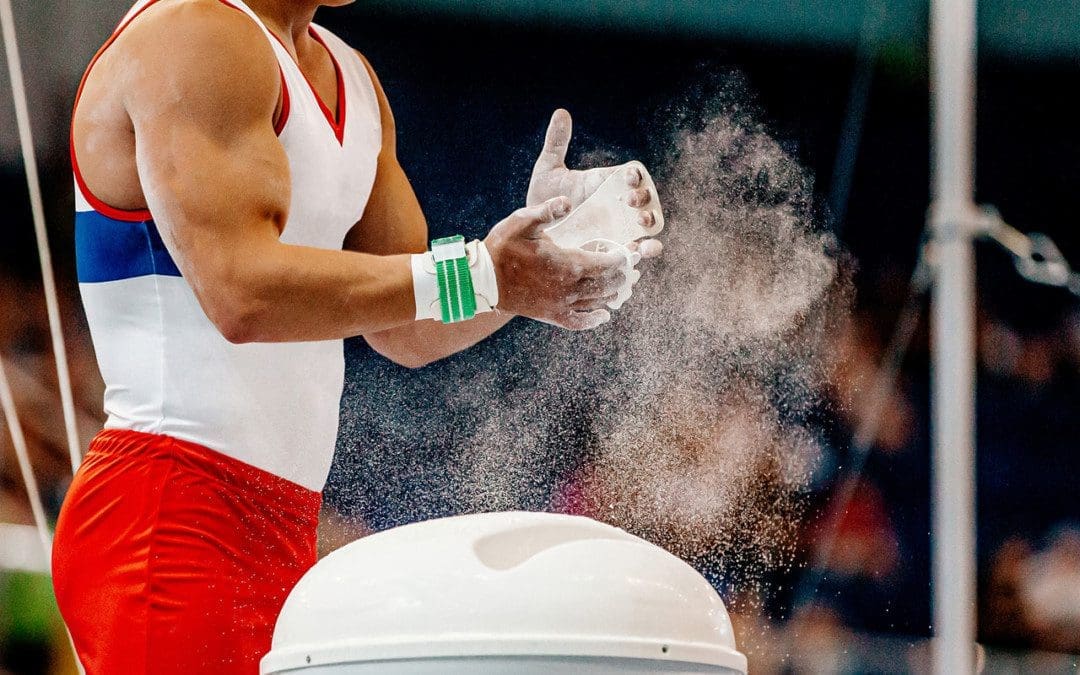
Olympic athletes are so fit they make everything look easy. It is one of the most amazing examples of athletic prowess to behold. Attempting these feats of athleticism could lead to injury without proper training and conditioning. However, you can draw inspiration from these incredible skills and commitment to reach your fitness goals. Individuals can emulate the Olympic athlete’s discipline to get the most out of physical activity and workouts.
Olympic Athlete Discipline
This is not about the literal workout routines these athletes engage in but the mental state and discipline that keeps them motivated, especially when things get tough. This can help individuals get the most out of every workout. When momentum or motivation starts to dwindle, look to Olympic athletes and then apply that discipline to recharge motivation and achieve the goal.
Learn to Train Daily
Many can succumb to weekend warrior syndrome. After sitting on the couch after a long day of work all week, individuals try to make up for the inactivity by overexerting themselves with hours of exercise on the weekend. This is a perfect setup for injury.
Instead, train, work out, exercise, and move around daily. Professional athletes know they won’t get the top results in one shot.
They approach it in incremental steps for a solid foundation and understanding of the final and optimal result.
Daily physical activity and exercise maintain body conditioning, strength, and overall fitness.
And makes the body more efficient at burning fat.
Maintain Goal Focus
Olympic athletes have specific goals in their training. There has to be when competing against the best athletes in the world and winning.
Individual health and fitness goals may be smaller, but they are just as important and should be treated as such for motivation to exercise each day.
Keep goals simple, specific, and reachable/doable when setting them.
SMART goals are Specific, Measurable, Achievable, Realistic, and Time-based.
Use daily reminders of what the goal is and strategies to achieve it.
Utilize Specific Training
Olympic athletes must have incredible endurance, strength, and skill sets to complete their event.
They must incorporate specific training drills, exercises, stretches, nutrition, etc., to improve and advance.
Whatever the goal, make sure the training is appropriate.
If trying to build muscle, focus on heavy strength training and consuming quality calories.
If the goal is to lose weight, break down the goal into achievable steps to get there, like.
What type of workouts are needed?
Consulting a nutritionist for recommendations.
Fuel the Body for Top Performance
Individuals can be concerned about food and whether it contains too much fat or calories.
Olympic athletes worry about getting the right nutrients and calories to fuel their bodies for competition.
Use a similar approach and ask what is the best thing I should eat right now for the workout and…
What foods will maintain optimal body health?
Listen to The Body and Rest
Olympic athletes have to learn to maintain the balance of maintaining top performance and not getting burnt out.
This is when they know to listen to their bodies, extend recovery days, or take a mini-vacation.
Overtraining can lead to injury, frustration, discouragement, and loss of motivation.
Whatever the activity, make sure proper form is followed.
For example, distance runners hold their heads high, have relaxed faces and upper bodies, have a natural arm swing, and do not overstride.
Apply the same form principles to stretches and exercises.
Stronger Body = Better Life
References
Casa, Douglas J et al. “Fluid Needs for Training, Competition, and Recovery in Track-and-Field Athletes.” International Journal of sports nutrition and exercise metabolism vol. 29,2 (2019): 175-180. doi:10.1123/ijsnem.2018-0374
Bailey RR. Goal Setting and Action Planning for Health Behavior Change. Am J Lifestyle Med. 2019;13(6):615-618. doi:10.1177/1559827617729634
Hackett, Daniel, et al. “Olympic weightlifting training improves vertical jump height in sportspeople: a systematic review with meta-analysis.” British Journal of sports medicine vol. 50,14 (2016): 865-72. doi:10.1136/bjsports-2015-094951
Huebner, Marianne, et al. “The Masters’ athlete in Olympic weightlifting: Training, lifestyle, health challenges, and gender differences.” PloS one vol. 15,12 e0243652. 4 Dec. 2020, doi:10.1371/journal.pone.0243652
Swift DL, Johannsen NM, Lavie CJ, Earnest CP, Church TS. The Role of Exercise and Physical Activity in Weight Loss and Maintenance. Prog Cardiovasc Dis. 2014;56(4):441-447. doi:10.1016/j.pcad.2013.09.012
Individuals dealing with or managing chronic back pain should incorporate swimming exercises. Swimming is a low-impact aerobic conditioning exercise that’s easy on the back and healthy for the spine. When an individual struggles with back problems, they may be tempted to rest and avoid physical activity/exercise. Total rest is not recommended as it can cause the muscles that support the back to weaken or atrophy. When the muscles weaken, they cannot stabilize the spine or body correctly, which causes conditions to worsen or contribute to new injuries. Starting swimming exercises can expand the spine, relieve painful pressure or strain on the back and strengthen the muscles for spinal health.
Starting Swimming Exercises
Swimming does not impact the spine and other musculoskeletal structures because the water suspends the body.
Swimming is a full-body, low-impact exercise which is excellent for individuals of all ages and all body shapes and sizes.
Talk to a healthcare professional about any questions or concerns about how swimming may impact your body.
Swimming benefits include stress relief, a strengthened musculoskeletal system, and support in heart health.
Swimming for Back Problems
Relaxes The Nervous System
Tense muscles can cause or contribute to back problems and pain symptoms and aggravate spinal conditions.
Swimming exercises release endorphins to relax the nervous system and tense muscles.
Relieves Pressure on Joints
The water lightens the body relieving pressure on the joints and muscles.
Builds Muscle to Support the Spine
The resistance and movement strengthen the whole body with the joints and spine supported.
Swimming engages muscles not always used, specifically those needed to improve spinal stability.
Exercises for Back Relief
Checking with a physician before exercising is recommended, especially if starting a new exercise routine. When you meet with the Injury Medical Chiropractic and Functional Medicine Cline team, we can determine if starting swimming exercises would benefit you. Once cleared, here are some swimming exercises that could help bring relief:
Walking
Walking around the pool means movement that the body needs to heal and build muscle without aggravating symptoms.
Aerobics
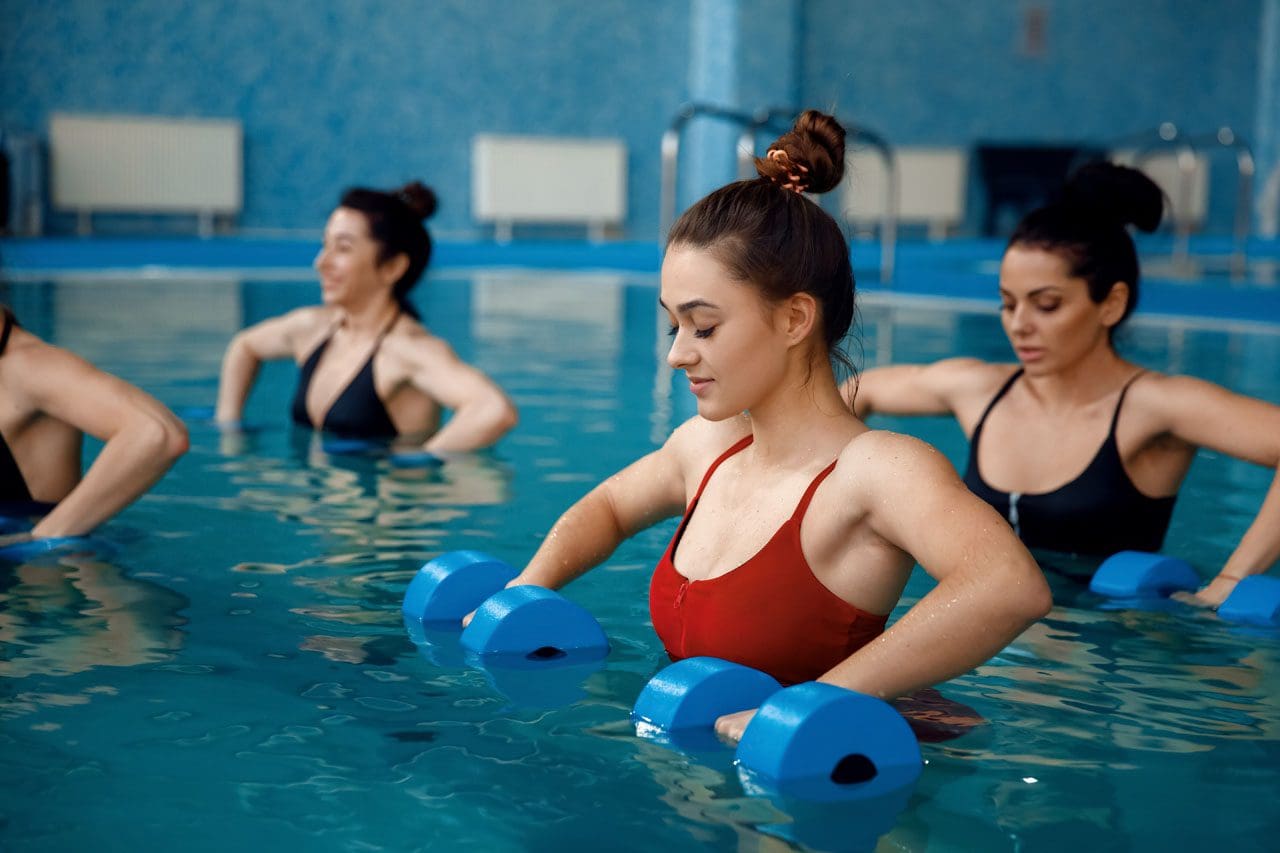
Water aerobics is perfect for working on cardiovascular health needed to build strength.
Increase mobility and flexibility.
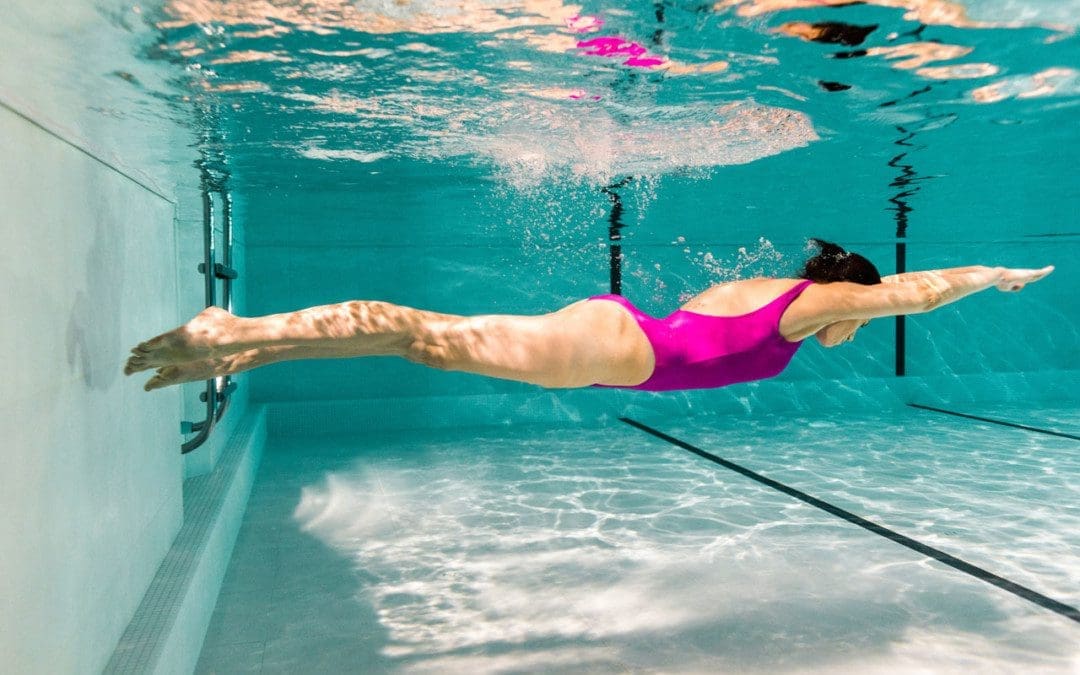
Swimming Laps
Start slow when swimming laps, maybe only twice a week at first.
The different types of strokes work various muscles in the hips, chest, and back.
Treading water is a great way to get the body used to the movements.
A swim coach can provide tips on the proper technique and form.
Swim Exercise Tools and Accessories
Proper swimming equipment can make the exercise sessions much more enjoyable.
Swim Cap
Swim caps protect the hair from the water’s elements and keep hair from blocking the view.
Goggles
Goggles protect the eyes and help to see better underwater.
Look for a comfortable pair that doesn’t leak.
Sun protection and clothing
A day in the sun and water increases the risk of exposure to UV rays.
Waterproof Headphones
For listening to music or podcasts while swimming.
Kickboard
Many pools can provide kickboards that swimmers can borrow during their time there.
Lean the upper body on the board and kick, focusing on lower body movements.
Pull Buoy
Pull buoys help focus on the upper body and arm work.
It is placed between the upper thighs to help the legs float as the individual pulls with their arms.
It is recommended to take some lessons to learn how the body moves through the water. Once a basic understanding of balance and buoyancy is met, individuals can propel through the water more efficiently.
Sciatica Secrets Revealed
References
Bartels, Else Marie, et al. “Aquatic exercise for the treatment of knee and hip osteoarthritis.” The Cochrane Database of systematic reviews vol. 3,3 CD005523. 23 Mar. 2016, doi:10.1002/14651858.CD005523.pub3
Cole, A J et al. “Spine pain: aquatic rehabilitation strategies.” Journal of Back and musculoskeletal rehabilitation vol. 4,4 (1994): 273-86. doi:10.3233/BMR-1994-4407
Ferrell, M C. “The spine in swimming.” Clinics in sports medicine vol. 18,2 (1999): 389-93, viii. doi:10.1016/s0278-5919(05)70153-8
Su, Yanlin, et al. “Swimming as Treatment for Osteoporosis: A Systematic Review and Meta-analysis.” BioMed research international vol. 2020 6210201. 15 May. 2020, doi:10.1155/2020/6210201
Wirth, Klaus, et al. “Strength Training in Swimming.” International Journal of environmental research and public health vol. 19,9 5369. 28 Apr. 2022, doi:10.3390/ijerph19095369
Power is the combination of strength and speed over time. Strength is how much force an individual can exert. Powerishow fast an individual can exert force. Strength training for power, aka power training, is being able to exert a certain amount of force in a given time. Power can be built with weight training. However, power strength training is not just for weightlifters. Many athletes like football, basketball, and volleyball players, sprinters, dancers, and wrestlers build strength to increase power, improve explosiveness, increase their vertical leap/jump, and give their bodies a break from heavy weight training.
Power Strength Training
Building strength is one factor, but becoming powerful requires another element in training. Biologically, individuals train the muscles to elongate and contract fast so the body can perform a certain set of movements.
Benefits
The benefits of power strength training.
Promotes Active Body Rest
Power training gives the mind and body a break from heavy training.
Provides the tendons, joints, and central nervous system a rest.
Offers a fun and healthy change with jumping, throwing, swinging, etc.
A study found individuals with knee osteoarthritis that participated in high-intensity strength training, compared with low-intensity, had a reduction in knee pain symptoms.
Improves Vertical Jump
Vertical jump or leap is how high an individual can jump and is a common parameter for assessing athletic ability.
It is an integral part of movement training programs to improve sports performance.
Research has shown that power strength and jump training can improve jump height.
Training Program
Before starting any exercise program, it is recommended to talk with a doctor. Key components to focus on when training for power.
Going above this frequency can be intense on the body and central nervous system.
Limiting sessions to a few times a week gives the body time to recover.
Equipment
Because power training involves a combination of increasing force and speed, using the right equipment that allows both is important. However, there are ways to improve without equipment.
For practicing jumps, increase the force by increasing the distance using a taller box.
For practicing push-ups on the floor, increase the force by pushing with more power so the hands come off the ground.
To improve power by increasing speed, exercises can be performed faster or with decreased rest between sets.
Weight
The weight depends on an individual’s one-rep max or the heaviest weight that can be lifted in a single repetition.
This is essentially an individual’s record for whatever type of weightlifting is being done.
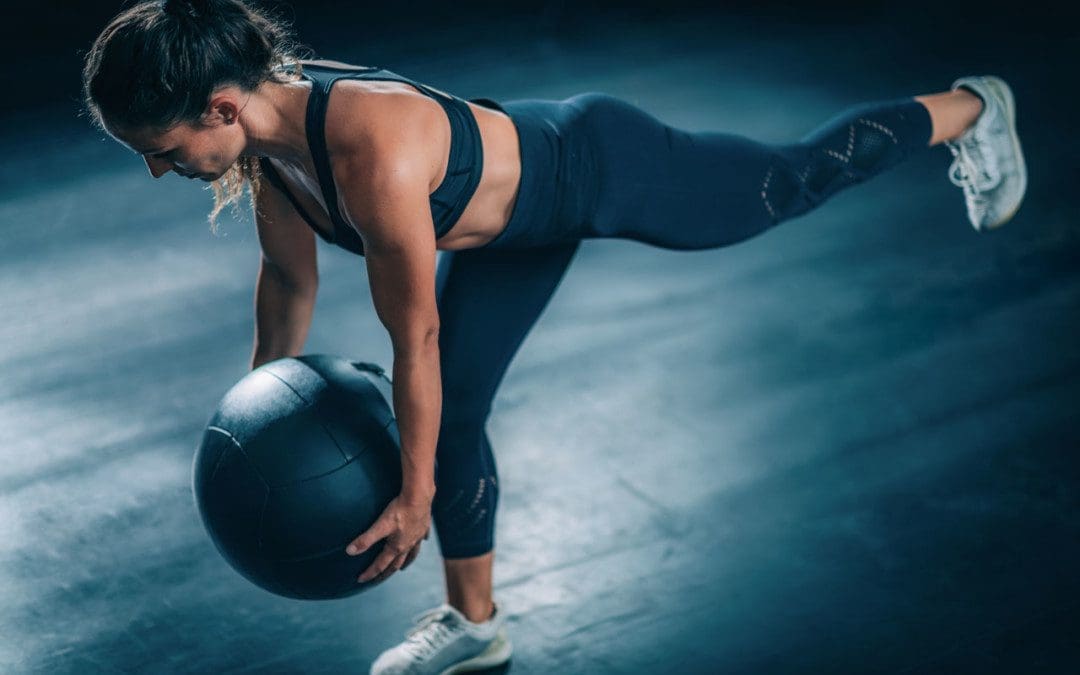
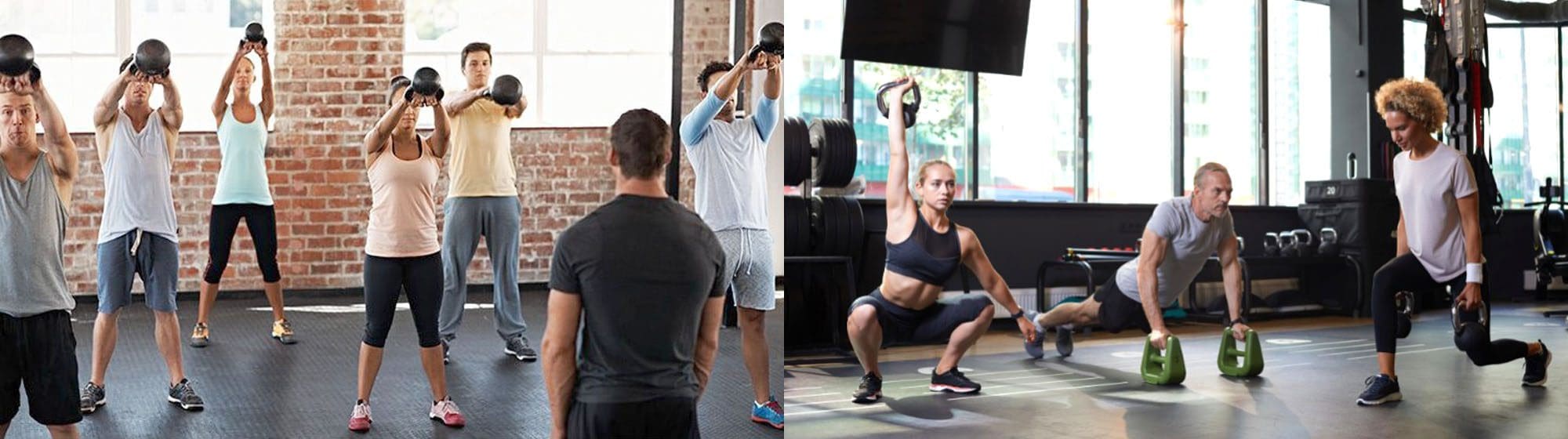
Power training movement options: Plyometrics, Ballistic, or Dynamic.
Plyometrics includes activities like squats or jump lunges, common with football and basketball players.
Ballistic training includes activities like a back squat for football or soccer players.
Dynamic training works for sports-specific training motions like golf swinging or tennis serving.
Nutrition
Whether cardio or strength training, adequate caloric intake is important regardless of workout type, this means having a healthy balance of the three macronutrients: carbohydrates, fat, and protein.
Carbohydrates could be the most important, as research has shown that high-intensity exercise like power training improves when eating carbohydrates before, during, and after the workout.
Fat is necessary, and a daily intake below 20% of calorie intake can decrease the absorption of various essential nutrients.
It is recommended to consume 1.2-1.7 grams of protein per kilogram of individual body weight.
As with any exercise, training takes time, and it’s important to gradually progress only when the body is prepared. Incorporating the elements of a healthy lifestyle includes a balanced, nutrient-rich diet and proper sleep and rest days. This will help get the most benefits and prevent injuries.
Improving Athletic Performance Through Chiropractic
References
Balachandran, Anoop T et al. “Comparison of Power Training vs. Traditional Strength Training on Physical Function in Older Adults: A Systematic Review and Meta-analysis.” JAMA Network Open vol. 5,5 e2211623. 2 May. 2022, doi:10.1001/jamanetworkopen.2022.11623
Maestroni, Luca, et al. “Strength and Power Training in Rehabilitation: Underpinning Principles and Practical Strategies to Return Athletes to High Performance.” Sports medicine (Auckland, N.Z.) vol. 50,2 (2020): 239-252. doi:10.1007/s40279-019-01195-6
Marián, Vanderka, et al. “Improved Maximum Strength, Vertical Jump and Sprint Performance after 8 Weeks of Jump Squat Training with Individualized Loads.” Journal of sports science & Medicine vol. 15,3 492-500. 5 Aug. 2016
Peebles, Alexander T et al. “Landing biomechanics deficits in anterior cruciate ligament reconstruction patients can be assessed in a non-laboratory setting.” Journal of orthopedic research: official publication of the Orthopaedic Research Society vol. 40,1 (2022): 150-158. doi:10.1002/jor.25039
Suchomel, Timothy J et al. “The Importance of Muscular Strength: Training Considerations.” Sports medicine (Auckland, N.Z.) vol. 48,4 (2018): 765-785. doi:10.1007/s40279-018-0862-z
Wesley, Caroline A et al. “Lower Extremity Landing Biomechanics in Both Sexes After a Functional Exercise Protocol.” Journal of athletic training vol. 50,9 (2015): 914-20. doi:10.4085/1062-6050-50.8.03
Westcott, Wayne L. “Resistance training is medicine: effects of strength training on health.” Current sports medicine reports vol. 11,4 (2012): 209-16. doi:10.1249/JSR.0b013e31825dabb8
Healthy aging has been linked to a lifestyle consisting of proper nutrition and exercise. However, even with a healthy lifestyle, the body undergoes changes that include conditions, disease, and compromises in physical performance. Because of the effects of aging on muscle and joint tissue, cardiovascular fitness, and other physical parameters, older athletes need to take consideration, but this doesn’t mean slowing down. Injury Medical Chiropractic and Functional Medicine Clinic can develop a training and treatment plan to build and maintain musculoskeletal system health, flexibility, and optimal function.
Older Athletes
Research has shown that the physical and mental declines that go with aging can be reduced with fitness and nutrition programs and that it is not too late to start improving fitness, no matter what age. Systemic changes that happen to an aging body include:
Nervous System
Imbalances happen more easily and more often.
Sensation changes.
Musculoskeletal System
Bone Strength Decreases.
Muscle Strength Decreases.
Flexibility issues occur more frequently.
Respiratory System
Decreased Vital or Breathing Capacity of Lungs – The maximum amount of air that can be exhaled after a full inhalation.
Cardiovascular System
Maximum Heart Rate slows down.
A slower return to resting heart rate after and during physical activity and exercise.
Maintaining Endurance
Common aging fitness declines include:
Changes in body composition.
Increased body fat.
Decreased muscle mass.
Loss of height – can be brought on by osteoporosis.
Diminished cardiorespiratory capacity.
Muscle atrophy.
Research has found that when seniors start to exercise, their health improves quickly. It’s estimated that the physical declines associated with aging are not necessarily inevitable but can also happen by losing fitness/deconditioning effects from reduced exercise levels, frequency, and/or intensity. Despite the losses, older athletes are often able to compete and excel in endurance activities because they tend to have higher proportions of slow twitch fibers.
Memory and Fitness
Evidence suggests that seniors who exercise reduce the physical effects of aging and prevent their brain/memory from advanced degeneration.
Physical fitness has been linked with reduced memory decline in middle-aged adults.
Training Options
Training methods to maintain athletic performance.
Hill Running or Interval Training
This type of training can improve fitness and condition the aerobic and anaerobic systems.
Weight Training
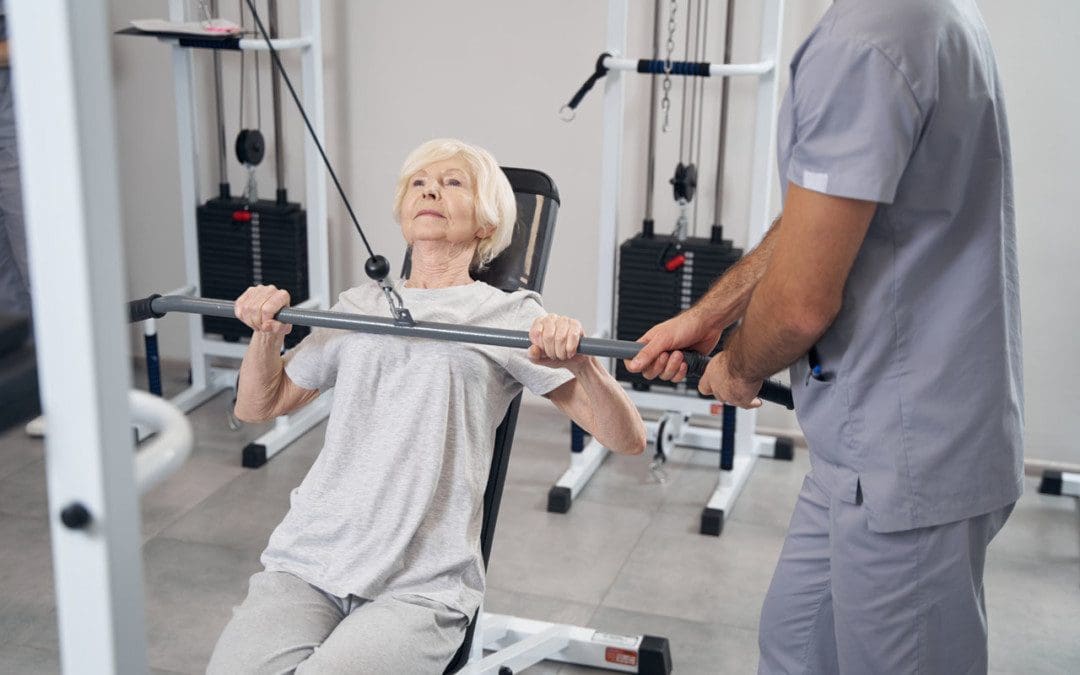
Weight training maintains muscle tone, fast twitch muscle fibers, and strength.
Supplements may help improve performance during repetitive, intense exercise sessions.
Nutrition
Aging causes the joints to become less flexible, resulting in a range of motion loss leading to limitations and compromised physical abilities. Proper nutrition in older athletes can protect the joints and prevent advanced degeneration. The following nutrients are recommended:
Omega-3’s – nuts, seeds, and fatty fish provide anti-inflammatory effects.
Vitamin C for collagen production.
Sulfur amino acids – certain vegetables, meat, poultry, fish, and dairy products improve joint cartilage health.
Bioflavonoids – all fruit and vegetables provide anti-inflammatory effects and improved circulation.
Antioxidants – selenium and vitamin E protect against free radicals that multiply with age.
Supplements may also be helpful but check with a doctor before beginning a program.
Move Better, Live Better
References
Gillis, Angela, and Brenda MacDonald. “Deconditioning in the hospitalized elderly.” The Canadian nurse vol. 101,6 (2005): 16-20.
Lexell, J. “Human aging, muscle mass, and fiber type composition.” The Journal of Gerontology. Series A, Biological Sciences and medical sciences vol. 50 Spec No (1995): 11-6. doi:10.1093/gerona/50a.special_issue.11
Marriott, Catherine F S, et al. “High-Intensity Interval Training in Older Adults: a Scoping Review.” Sports medicine – open vol. 7,1 49. 19 Jul. 2021, doi:10.1186/s40798-021-00344-4
Rogers, Michael E et al. “Balance training for the older athlete.” International Journal of sports physical therapy vol. 8,4 (2013): 517-30.
Tayrose, Gregory A et al. “The Master’s Athlete: A Review of Current Exercise and Treatment Recommendations.” Sports Health vol. 7,3 (2015): 270-6. doi:10.1177/1941738114548999
Townsend, Danyelle M et al. “Sulfur-containing amino acids and human disease.” Biomedicine & pharmacotherapy = Biomedicine & pharmacotherapy vol. 58,1 (2004): 47-55. doi:10.1016/j.biopha.2003.11.005
Van Roie, Evelien, et al. “An age-adapted plyometric exercise program improves dynamic strength, jump performance and functional capacity in older men either similarly or more than traditional resistance training.” PloS one vol. 15,8 e0237921. 25 Aug. 2020, doi:10.1371/journal.pone.0237921
Wu, Tingting, and Yanan Zhao. “Associations between functional fitness and walking speed in older adults.” Geriatric nursing (New York, N.Y.) vol. 42,2 (2021): 540-543. doi:10.1016/j.gerinurse.2020.10.003
IFM's Find A Practitioner tool is the largest referral network in Functional Medicine, created to help patients locate Functional Medicine practitioners anywhere in the world. IFM Certified Practitioners are listed first in the search results, given their extensive education in Functional Medicine