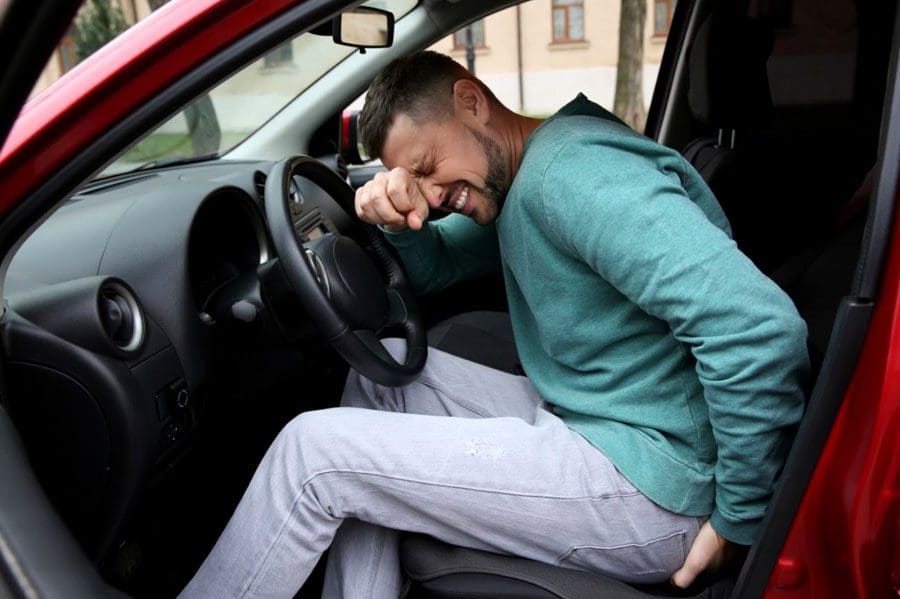
Sciatica motor vehicle crash. After an automobile crash/accident, symptoms of pain and discomfort can immediately follow the force of impact, indicating an injury. Many injuries and symptoms appear right away, like:
Pain from high-impact trauma and cuts.
Bone fractures.
Dislocations.
Neck whiplash.
Back pain.
The sciatic nerve is the largest in the body, and any damage can cause pain in one or both sides of the body. Pressure and compression on the nerves, ligaments, and muscles accompanied by weakness or numbness in the lower back, legs, or feet could cause delayed sciatica symptoms hours, days, even weeks later. It is critical to meet with a doctor and auto accident chiropractor after any type of accident, large or small, to develop a thorough personalized treatment plan.
Sciatica Motor Vehicle Crash
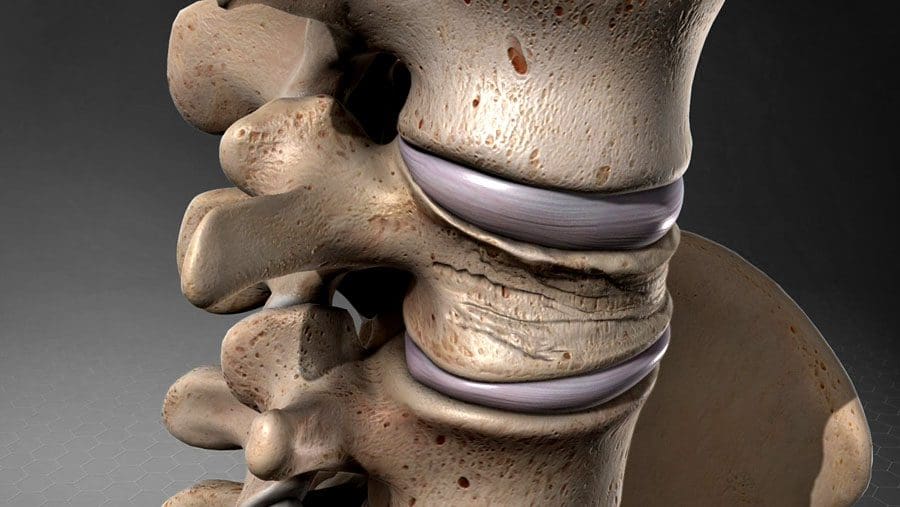
Sciatica can be brought on by a pinched nerve, which is often the result of the spine shifting out of place, causing herniation and compression on the sciatic nerve. The trauma from a motor vehicle accident can cause the spinal discs to be knocked out of place, rupture, and leak out, irritating the surrounding tissue and nerve endings. Back injuries are among the most common forms of damage/injury resulting from a motor vehicle accident/crash that can lead to sciatica. Broken and/or fractured vertebral, hip, or pelvis bone fragments can compress the sciatic nerve. Even when the initial result of the impact does not result in sciatica, over time, an untreated back injury could lead to sciatica symptoms.
Symptoms
Motor vehicle crashes often activate or aggravate pre-existing conditions like asymptomatic degenerative disc disease, affecting the sciatic nerve causing discomfort and pain. Common symptoms include:
Mild discomfort or achiness.
Tingling sensations from the lower back and down the back of the leg.
Weakness, numbness, or difficulty moving the leg and foot.
Inability to bend the foot upward at the ankle- known as foot drop.
Constant pain in one side of the buttocks or leg.
Sharp pain that makes it difficult to stand up and walk
Difficulty sitting.
Burning or tingling in one leg can worsen when sitting.
Intense pain.
Sharp burning and/or what feels like shooting electricity pain.
Diagnosis
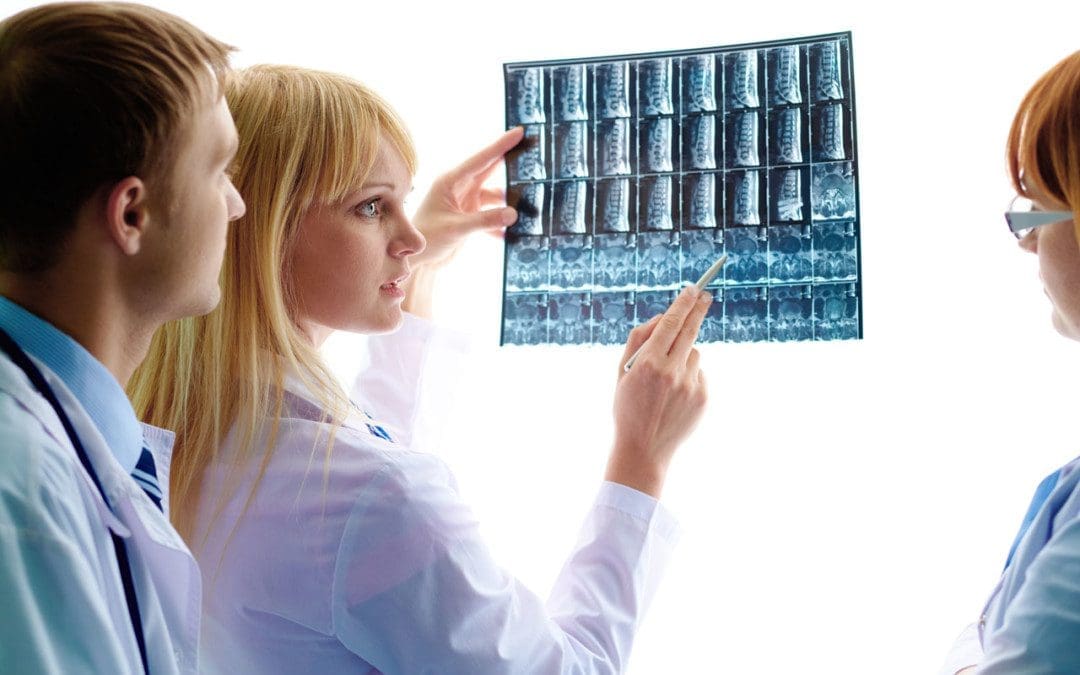
A spine doctor and chiropractor will use diagnostic imaging tools like X-rays, and CT scans to see the scope of the injured area.
An X-ray will show a detailed image of the spine and affected bones in the area.
A CT scan will include a 3D image that shows the surrounding musculature, tissues, and nerves that could be damaged/injured.
Treatment
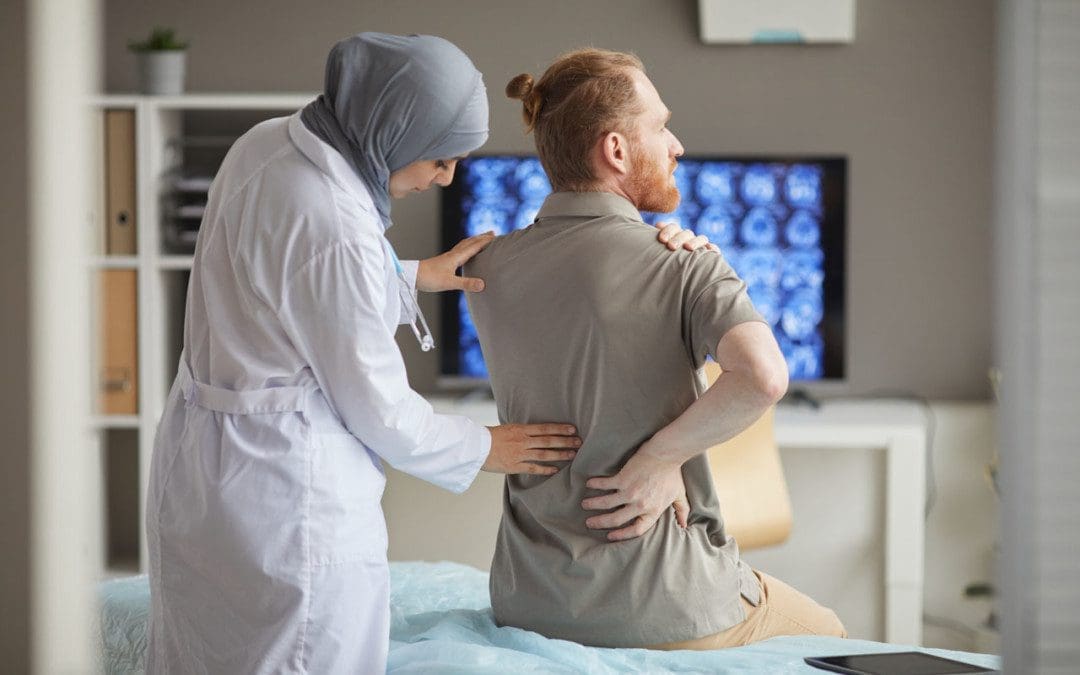
The doctor and chiropractor will then develop an appropriate and personalized treatment plan that could utilize various methods and techniques.
Chiropractic is commonly the first treatment to realign the spine and relieve pressure on the nerve.
A pain management specialist or physical therapist will be brought in for rehabilitation/recovery as adjustments progress.
Orthopedists and neurologists may be brought in for less conservative treatment in more severe cases, including surgical options.
Other treatments can include steroid injections or anti-inflammatory medicines to relieve nerve pressure.
Body Composition
Injury Rehabilitation Phase
Current in-clinic methods of measuring the composition of an injured body are indirect, while medically advanced techniques limit the frequency of testing. InBody provides cost-effective, comprehensive, and timely measurements that identify areas of weakness from damage, injury, or recent surgery and develop a customized rehabilitation program to improve functional status.
During the rehabilitation phase, increased sedentary behavior and/or immobilization causes muscle loss in the injured or operated region. By independently evaluating lean mass in each segment of the arms, legs, and torso, a chiropractor or physical therapist gathers baseline information on the body segments with restricted mobility.
InBody can help provide further insight into an individual’s body composition to analyze long-term health risks and develop a personalized exercise intervention to improve overall health and reduce health risks. This provides beneficial information for identifying potential imbalances related to muscle loss post-injury/surgery that can be targeted and improved. Identifying these imbalances allows the therapists to increase functional fitness and mobility, helping the individual reduce the risk of re-injury or new injuries.
References
Defouilloux, B et al. “A propos de trois observations chez des polytraumatisées de la route présentag une fracture du bassin associée à des signes neurologiques” [Apropos of 3 cases of multiple traffic injuries presenting pelvic fractures associated with neurologic signs]. Journal de radiologie, d’electrologie, et de medecine nucleaire vol. 48,8 (1967): 505-6.
Noble, J et al. “Analysis of upper and lower extremity peripheral nerve injuries in a population of patients with multiple injuries.” The Journal of trauma vol. 45,1 (1998): 116-22. doi:10.1097/00005373-199807000-00025
Walsh, K et al. “Risk of low back pain in people admitted to hospital for traffic accidents and falls.” Journal of epidemiology and community health vol. 46,3 (1992): 231-3. doi:10.1136/jech.46.3.231
Sometimes the bones or vertebrae of the spine can crack and collapse under their weight. This is known as a compression fracture, vertebral compression fracture, or VCF. There are almost 1 million compression fractures every year, usually because the bones become weakened and crack under the weight of the vertebrae above them. These fractures can cause spinal weakness affect posture and the ability to stand up straight. They are often the cause for individuals to hunch over, also called kyphosis.
Compression Fracture
Compression fractures are small breaks or cracks in the vertebrae. The breaks occur in the vertebral body, the thick rounded part on the front of each vertebra. These fractures cause the spine to weaken and collapse. With time, these fractures affect posture as the spine curves forward. The fractures are often found in the middle/thoracic spine in the lower area. They often result from osteoporosis but can also happen after a trauma like an automobile accident, work, sports injury, or a tumor on the spine.
Symptoms
Compression fracture symptoms range from mild to severe or no symptoms. Many individuals can stand or walk without pain. They are often discovered when X-rays are taken for another condition. Symptoms include:
Back pain can come on suddenly and last for a significant time, often diagnosed as chronic back pain.
It usually develops between the shoulders and the lower back.
The pain and discomfort decrease when lying down and worsen when standing or walking.
Decreased mobility or flexibility in the spine. Individuals are unable to twist or bend.
Hunched over appearance, known as dowager’s hump or hunchback.
Loss of height from the vertebrae compression and the spine curving.
Pinched nerves
Nerve damage can cause tingling, numbness, and difficulty walking.
Loss of bladder or bowel control with severe, untreated fractures.
Individuals At Risk
Individuals who have had a compression fracture are more likely to have another one.
Women over 50 have a higher risk due to osteoporosis.
With age, the risk increases for men and women.
Diagnosis
A doctor will perform an examination and ask about symptoms. The exam will include:
Checking spinal alignment.
Posture analysis.
Gently palpates different areas of the back to identify the source of pain.
Examine for signs of nerve damage that include numbness, tingling, or muscle weakness.
A doctor will order imaging studies to examine the backbones, muscles, and soft tissues. Imaging studies include:
CT scan, X-ray, or MRI of the spine.
DEXA scan is a type of X-ray that measures bone loss bone density.
A myelogram is a procedure used along with imaging studies. A contrast dye is injected into the spine before the scan making the images easier to see.
Compression fracture treatment focuses on relieving pain, stabilizing the vertebrae, and ongoing fracture prevention. Treatment depends on the severity of the fracture and the individual’s overall health. Treatment can include:
Pain Medication
A doctor can recommend over-the-counter non-steroidal anti-inflammatory medication.
A doctor may prescribe muscle relaxers or prescription medication.
Follow instructions carefully when taking medications.
Back Brace
A special type of back brace helps to support the vertebrae.
The brace can also relieve pain by reducing how much the spine moves.
Strengthening Meds
Medications known as bisphosphonates can help slow down bone loss, stabilize the bones and prevent fractures.
This minimally invasive procedure relieves pain, stabilizes the bones, and improves mobility.
During vertebroplasty, the doctor inserts a needle in the vertebra and injects bone cement.
During kyphoplasty, the doctor inserts an inflatable device that they fill with cement.
Both are outpatient procedures allowing the individual to go home the same day.
Individuals over 65 or that have osteoporosis or a history of cancer are recommended to see their doctor. Individuals who present with sudden back pain that doesn’t get better after a day or two are advised to see a doctor and evaluate for back pain so the doctor can determine the cause and develop a treatment plan.
Body Composition
Vitamin D To Build Muscle
Skeletal Muscle Mass decreases as the body ages, primarily due to decreased physical activity. Vitamin D has been reported to influence muscle quality. This could be helpful for adults as they age. Muscle loss diminishes functional performance on activities that require strength and coordination. When this loss of muscle mass becomes significant, it becomes a condition known as sarcopenia. Treatments include:
All were found to slow down muscle loss and help regain muscle mass and strength.
Vitamin D supplementation is effective, especially in older adults whose blood levels are low.
References
American Academy of Orthopaedic Surgeons. Osteoporosis and Spinal Fractures. (https://orthoinfo.aaos.org/en/diseases–conditions/osteoporosis-and-spinal-fractures/) Accessed 10/25/2021.
American Association of Neurological Surgeons. Vertebral Compression Fractures. (https://www.aans.org/en/Patients/Neurosurgical-Conditions-and-Treatments/Vertebral-Compression-Fractures) Accessed 10/25/2021.
Bischoff-Ferrari, H A et al. “Vitamin D receptor expression in human muscle tissue decreases with age.” Journal of bone and mineral research: the official journal of the American Society for Bone and Mineral Research vol. 19,2 (2004): 265-9. doi:10.1359/jbmr.2004.19.2.265
Donnally III CJ, DiPompeo CM, Varacallo M. Vertebral Compression Fractures. [Updated 2021 Nov 21]. In: StatPearls [Internet]. Treasure Island (FL): StatPearls Publishing; 2022 Jan-. Available from: https://www.ncbi.nlm.nih.gov/books/NBK448171/
Hassan-Smith, Zaki K et al. “25-hydroxyvitamin D3, and 1,25-dihydroxyvitamin D3 exert distinct effects on human skeletal muscle function and gene expression.” PloS one vol. 12,2 e0170665. 15 Feb. 2017, doi:10.1371/journal.pone.0170665
McCarthy, Jason, and Amy Davis. “Diagnosis and Management of Vertebral Compression Fractures.” American family physician vol. 94,1 (2016): 44-50.
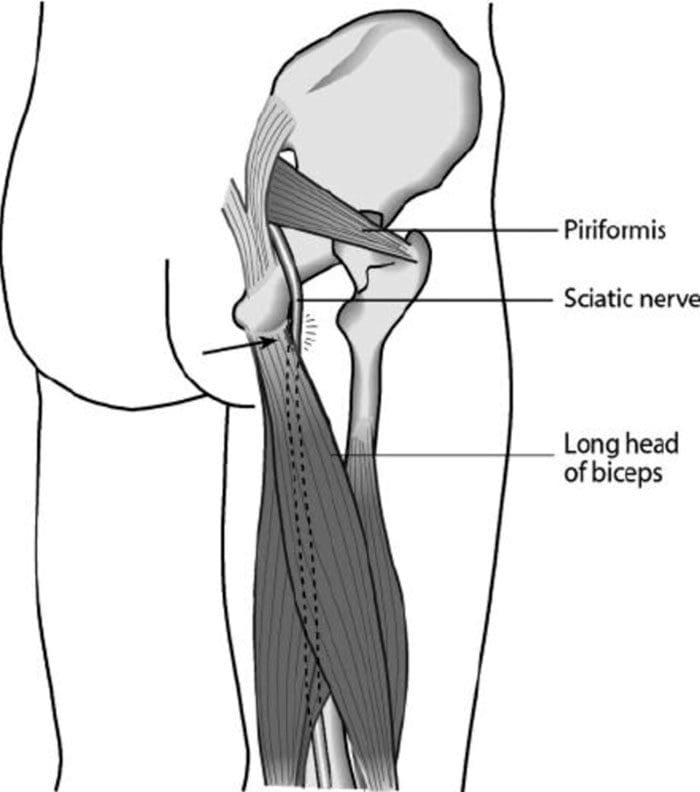
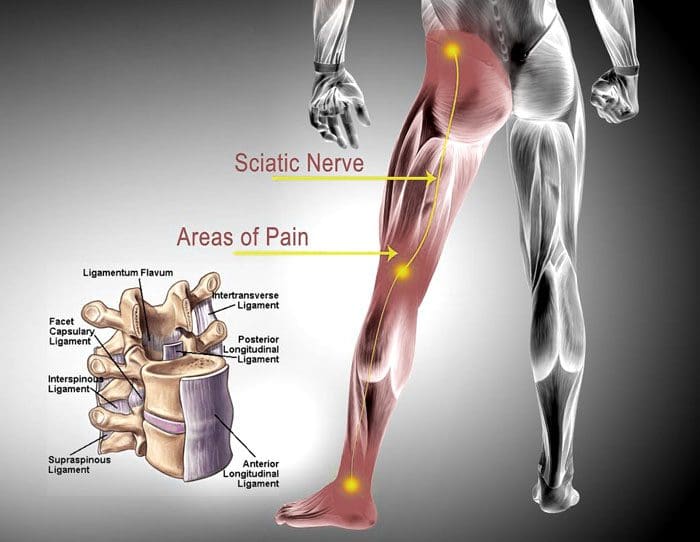
Sciatica Causes: The sciatic nerve forms by the union of Lumbar4 to Sacral31 nerve roots and exits the pelvis through the greater sciatic foramen, below the piriformis muscle located deep in the buttocks. The nerve runs down the back of the thigh, into the leg, and ends in the foot. The sciatic nerve becomes inflamed, irritated, and/or mechanically compressed. Any type of pain and/or neurological symptom/s from the sciatic nerve is referred to as sciatica. Sciatica is a type of lumbar radiculopathy, which means that the pain originates from the low back and/or sacral nerve roots.
Sciatica Causes
Physical forces on the nerve can cause mechanical compression due to the following conditions:
Herniated Discs
A disc in the lower back can bulge or herniate, causing irritation and/or compression of a sciatic nerve root.
Foraminal Stenosis
Stenosis, the intervertebral opening through which the nerve roots travel, begins to narrow/close in, can compress or irritate the sciatic nerve.
Degeneration
Degenerative changes in the spine like the thickening of facet joint capsules and/or ligaments can compress the sciatic nerve.
Segmental Instability
Instability of a spinal vertebral segment that happens if one vertebra slips over the one beneath it – spondylolisthesis
Complete dislocation of one or more vertebrae can compress the nerve root/s of the nerve.
Other Sciatica Causes
Tumors, cysts, infections, or abscesses in the lower spine or pelvic region can also cause sciatic nerve compression.
Chemical Inflammation
Chemical irritants can include hyaluronic acid and/or fibronectin/protein fragments that leak out of degenerated or herniated discs. These irritants can cause inflammation and/or irritation of the sciatic nerve.
Degenerated discs can cause nerve tissues to grow into the disc, penetrating the outer and inner layers of the disc, causing sciatica. Immune system responses can contribute to pain when exposed to disc fluid.
Substances such as glycosphingolipids/fats and neurofilaments /protein polymers secreted by the immune system are increased in individuals with sciatica. These substances are released from the reaction between nerve roots and exposed disc material, causing inflammation.
Job Occupation
Individuals with specific jobs have an increased risk of developing sciatica. Examples include:
Truck drivers
Desk workers
Teachers
Warehouse workers
Machine workers
Plumbers
Electricians
Carpenters
Fitness trainers
Sitting and standing for long periods, using improper posture, constantly bending, twisting, reaching, and regularly lifting are risk factors for sciatica.
Piriformis Syndrome
Piriformis syndrome is a condition where the piriformis muscle swells and spasms from overuse or inflammation irritating the sciatic nerve that is right underneath. The nerve can get trapped in the muscle causing sciatica-like symptoms that include:
Pain follows the same pattern in the leg as a compressed sciatic nerve root.
Tingling
Numbness
Discomfort from piriformis syndrome feels similar to sciatica, but it is not caused by compressed sciatic nerve root. Piriformis pain comes from compression of the sciatic nerve near the piriformis muscle.
Genetic Sciatica Causes
Sciatica caused by degenerated and/or herniated discs can be genetic. Research has shown that certain genetic factors are more prevalent in individuals with back and spinal problems. These congenital disabilities can cause the discs to become weak and susceptible to external stress. With time the proteins in the disc break down, compromising the integrity and function.
Arthritis and Joint Issues
Arthritis or other inflammatory conditions around the hip joint can cause pain down the leg, similar to sciatica. This is referred pain that spreads out from the source and is not radicular nerve pain that originates in the nerve roots.
Conditions like sacroiliac joint dysfunction or sacroiliitiscan cause sciatica-like pain that runs down the back of the thigh but usually ends before or at the knee.
The pain can be acute and debilitating, like sciatica but is caused by an abnormal motion or malalignment of the sacroiliac joint.
Body Composition
Normal Cholesterol Ranges
High cholesterol can lead to severe consequences when left untreated, but it can be difficult to spot with no noticeable warning signs. This is why it’s essential to monitor cholesterol levels with blood tests, especially if there is an increased risk. Example of normal cholesterol levels for adults 20 years of age or older:
Total cholesterol 125-200 mg/dL
LDL <100 mg/dL
HDL >40 mg/dL men, >50 mg/dL women
Lifestyle
Lack of physical activity contributes to high cholesterol levels.
Diets that mainly consist of processed foods and saturated fats increase the risk of high LDL levels.
Smoking can lower HDL levels.
Aging
Individual risk for developing high cholesterol tends to increase as the body advances in age. This is why it is recommended to have regular physicals and blood tests.
Genetics
Some individuals are more genetically predisposed to developing high cholesterol and heart disease.
Knowing family medical history can help predict whether it may become a problem.
References
Davis D, Maini K, Vasudevan A. Sciatica. [Updated 2021 Sep 2]. In: StatPearls [Internet]. Treasure Island (FL): StatPearls Publishing; 2021 Jan-. Available from: https://www.ncbi.nlm.nih.gov/books/NBK507908/
Giuffre BA, Jeanmonod R. Anatomy, Sciatic Nerve. [Updated 2021 Jul 29]. In: StatPearls [Internet]. Treasure Island (FL): StatPearls Publishing; 2021 Jan-. Available from: https://www.ncbi.nlm.nih.gov/books/NBK482431/
Hicks BL, Lam JC, Varacallo M. Piriformis Syndrome. [Updated 2021 Jul 18]. In: StatPearls [Internet]. Treasure Island (FL): StatPearls Publishing; 2021 Jan-. Available from: https://www.ncbi.nlm.nih.gov/books/NBK448172/
Raj MA, Ampat G, Varacallo M. Sacroiliac Joint Pain. [Updated 2021 Aug 30]. In: StatPearls [Internet]. Treasure Island (FL): StatPearls Publishing; 2021 Jan-. Available from: https://www.ncbi.nlm.nih.gov/books/NBK470299/
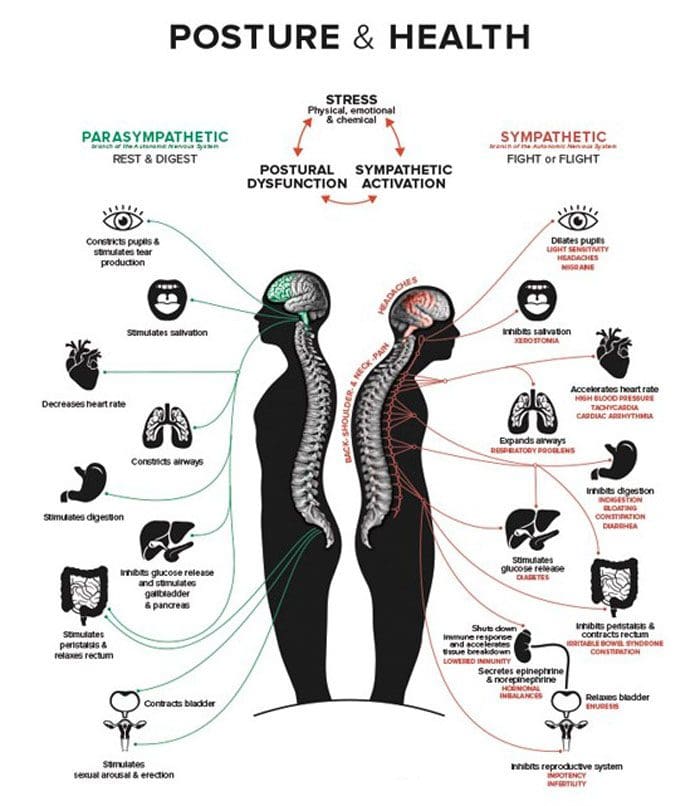
Posture exercises: It is easy to get into the bad habit of poor/improper posture, especially at work where an individual gets into a groove and continues without thinking about their posture. Not until discomfort and pain begin to present do individuals start thinking about what is causing the issues. This usually includes:
Back pain
Shoulder pain
Neck pain
Tight/Compressed spine
They don’t realize that all these issues are brought on by prolonged sitting and practicing improper posture. Individuals that practice proper posture:
Sleep better
Move better
Have reduced to no aches and pains
Digestion improves
Organ function improves
Have better overall health
Being aware of proper posture is the first step in being able to maintain it. When you feel the spine starting to curve, shoulders hunching, or the back sway, stop and take a moment to reposition the body back into proper alignment.
Seated Posture
Proper posture means sitting, standing, or walking in a position with little to no strain on the body’s muscles and ligaments. Good seated position means:
Sitting with the back straight and shoulders back.
Having all of the natural curves of the spine in alignment.
Keeping the knees bent at a right angle with the feet flat on the floor.
The weight is distributed evenly to both hips.
Keep the arms at 90 degrees to the torso, using the armrests or on a desk.
When looking at a computer monitor, keep it at a position where you are looking straightforward.
Use a chair with lower back support.
Even when sitting with good posture, it’s important to avoid sitting in the same position for more than 30 minutes.
Regularly stand up, walk around, and stretch out.
Posture Exercises
Posture exercises will help to strengthen the back, neck, and shoulders. They also help as a reminder for maintaining good posture throughout the day.
Shoulder Lift and Release
When sitting down for long periods, individuals tend to develop hunched shoulders. It is caused by an imbalance of muscles in the neck and upper back. Specific muscles in the neck, specifically the pectoralis major and minor, become shortened and tight. The other muscles in the upper back, the trapezius,latissimus dorsi, and rhomboids, weaken and stretch out. These muscles can be stimulated by stretching throughout the day.
Sit in your chair with your feet flat on the floor and spine straight.
Pull the shoulders up towards the ceiling.
Hold them there for three to five seconds.
Let the shoulders drop.
It is recommended to repeat 5 to 6 times every hour.
Shoulder rolls
Another exercise for avoiding rounded/hunched shoulders.
Sit in your chair with your feet flat on the floor and spine straight.
Take a breath in.
Lift the shoulders towards the ears.
Move the shoulders back.
Squeeze the shoulder blades together.
On the exhale, finish the rotation by dropping the shoulders back to a neutral position.
Repeat 5 to 6 times every hour.
The exercise can be done in the opposite direction.
Neck rolls
Forward head posture, aka text neck, can develop. Neck rolls are recommended throughout the day.
Lean your head towards the right shoulder.
Relax the neck and let your head roll towards your chest.
Continue rolling your head towards the left and up and around back to the starting position.
Perform at least 3-4 neck rolls every few hours.
Repeat the exercise and change direction.
Trapezius stretch
The trapezius is a major muscle group in the upper-middle section of the back and the neck. The trapezius is responsible for moving the shoulder blades and extending the neck. Stretching these muscles regularly will help maintain good posture.
Sit in your chair with the spine straight and feet flat on the ground.
Place the right hand over the top of your head.
Gently pull your head towards the right shoulder.
Perform one to three times for each side.
Hold the pose for 30 to 60 seconds.
Arm rotations
This exercise can help maintain back and shoulder alignment. This can be performed sitting or standing.
Stretch out the arms to the sides with palms facing downward.
While keeping the spine straight, move the arms in small circles.
Perform ten repetitions rotating the arms forward, then backward.
Perform 3-4 sets.
Doing these posture exercises at your workstation regularly will help improve and maintain proper posture and minimize the risk of back, neck, and shoulder pain.
Body Composition
Fitness for Long-Term Health
Muscle building isn’t only for bodybuilders and athletes. Everyone can benefit from building their Lean Body Mass for long-term health. It is crucial to monitor Lean Body Mass changes by having body composition measured. Body composition analysis divides the body’s weight into various components.
Fat Mass
Lean Body Mass
Basal Metabolic Rate
This will give a clearer picture of overall fitness and health.
Building Lean Body Mass is an investment in the body’s future. The more LBM that is built, the more is in reserve when the body needs it. But before adding protein shakes and resistance workouts to the daily regimen, there needs to be a plan. The first step to building healthy lean body mass is to measure how much there is with a body composition analysis.
References
Biswas A, Oh PI, Faulkner GE, et al. Sedentary Time and Its Association With Risk for Disease Incidence, Mortality, and Hospitalization in Adults. Ann Intern Med. 2015;162:123-132. doi:10.7326/M14-1651. Accessed January 7, 2017.
Ergonomics for Prolonged Sitting. UCLA Spine Center Web site. http://spinecenter.ucla.edu/ergonomics-prolonged-sitting. Accessed January 7, 2017.
Florido R, Michos E. Sitting Disease: Moving Your Way to a Healthier Heart. U.S. News & World Report. http://health.usnews.com/health-news/patient-advice/articles/2015/09/14/sitting-disease-moving-your-way-to-a-healthier-heart. Published September 14, 2015. Accessed January 7, 2017.
Fortner, Miles O et al. “Treating ‘slouchy’ (hyperkyphosis) posture with chiropractic biophysics®: a case report utilizing a multimodal mirror image® rehabilitation program.” Journal of physical therapy science vol. 29,8 (2017): 1475-1480. doi:10.1589/jpts.29.1475
Levine JA. What are the risks of sitting too much? Mayo Clinic Web site. http://www.mayoclinic.org/healthy-lifestyle/adult-health/expert-answers/sitting/faq-20058005. Published September 4, 2015. Accessed January 7, 2017.
O’Connor B. Sitting Disease: The New Health Epidemic. The Chopra Center Web site. http://www.chopra.com/articles/sitting-disease-the-new-health-epidemic. Accessed January 7, 2017.
Wolfe, Robert R. “The underappreciated role of muscle in health and disease.” The American journal of clinical nutrition vol. 84,3 (2006): 475-82. doi:10.1093/ajcn/84.3.475
The hamstring muscles are three muscles in the back of the thigh. The sciatic nerve goes through or around and down the legs into the feet. Hamstring syndrome is a condition where injury or spasm apply pressure compressing the sciatic nerve.
The nerve can become pinched between the hamstring muscles and the pelvic bone or the band of tissue that connects the hamstring muscles.
This can cause discomfort, tingling, numbness, and pain down the back of the leg, hip, buttock, and into the foot.
Pain can present when sitting down or stretching the hamstrings.
Pain reduces when lying flat on the back.
Hamstring syndrome
This condition could be the result of wearing and tearing to the back muscles and hamstring muscles. It is often seen in individuals that play sports involving running, kicking, and/or jumping. But it can happen to anyone from some awkward leg motion causing the muscles to spasm that can twist around the sciatic nerve or pull on it, causing various symptoms. A doctor or chiropractor will diagnose the condition by examining the symptoms, physical activities, and leg. Most individuals diagnosed with hamstring syndrome report discomfort or pain where they sit down. The pain gradually worsens when performing physical activities, regularly sitting, and when flexing the knee. Hamstring syndrome usually gets better within a few weeks with proper rest and home care. A doctor or chiropractor will recommend exercises and stretches to strengthen the muscles.
Home care
Ask the doctor or chiropractor about taking over-the-counter pain medication:
Acetaminophen – Tylenol
Ibuprofen – Advil, Motrin
Naproxen – Aleve
Read and follow all label instructions.
Use an ice pack on the pain area for 10 to 20 minutes at a time.
Try to do this every 1 to 2 hours for 3 days or until the swelling goes down.
After 2 or 3 days, if the swelling is gone, apply heat.
Use a warm water bottle, heating pad, or warm cloth over the area.
Avoid sitting if possible, unless it feels better than standing.
Take short walks to keep the muscles stretched.
Don’t do anything that causes symptoms to worsen.
Return to normal physical activities slowly.
If symptoms do not improve, then contact a doctor or chiropractor.
Caffeine falls under stimulants, or substances that excite the systems throughout the body.
Ingesting caffeine can cause the body to experience increased excitement, especially in the cardiovascular system.
This excitement causes the heart rate and blood pressure to rise
Then it lowers back down to baseline levels for most healthy individuals.
It is recommended to drink coffee in moderation, safe for individuals with pre-existing cardiovascular conditions.
References
de Ridder, Roel et al. “Neurodynamic sliders promote flexibility in tight hamstring syndrome.” European journal of sports science vol. 20,7 (2020): 973-980. doi:10.1080/17461391.2019.1675770
Matsuda, Dean K. “Editorial Commentary: Proximal Hamstring Syndrome: Another Pain in the Buttock.” Arthroscopy: the journal of arthroscopic & related surgery: official publication of the Arthroscopy Association of North America and the International Arthroscopy Association vol. 34,1 (2018): 122-125. doi:10.1016/j.arthro.2017.08.260
Park, Jung Wee et al. “Deep gluteal syndrome as a cause of posterior hip pain and sciatica-like pain.” The bone & joint journal vol. 102-B,5 (2020): 556-567. doi:10.1302/0301-620X.102B5.BJJ-2019-1212.R1
Rain generally comes with a drop in barometric pressure. A low-pressure system you may have heard from the local weather forecast. Lower pressure outside can cause tissues inside the body to swell and irritate sensitive nerves. For those who have sciatic nerve pain, rainy, hot, humid weather can cause the nerve tissues to expand causing increased compression, inflammation, and pain.
Rainy Weather
For anyone who is prone to inflammation, there are ways to cope with rainy weather-related symptoms, including:
Stay inside air-conditioned areas where the humidity level is lower.
Use a dehumidifier to keep the indoor air at 40-60% relative humidity for comfort.
Utilize vent fans in the kitchen and in laundry areas and after baths/showers in bathrooms.
Easy Physical Activity
Easing the pain can also be done through:
At work, school, home adjust the seat to work for you. Individuals with sciatic nerve pain already know how to make adjustments to chairs and other places for sitting.
If you’re heading out to a baseball or soccer game, you may want to use a comfortable sideline seat that provides cushion and support. If attending a pro game, check online or call to see if you can bring a therapeutic seat cushion.
Going on a trip whether road or flight, seats might not be comfortable or supportive. Tips that can help maintain comfort to mitigate the pain, include:
Adjust the seat for proper posture to maintain spinal curvature
Use lumbar support
Maintaining a workout routine is key leading up to your trip. If the body is inactive for a period of time, the back muscles are more likely to spasm when having to sit in tight quarters.
Don’t overpack. Carrying around heavy luggage increases the risk of straining the muscles.
Pack pain medication or anti-inflammatories on hand in case of a flare-up.
Inflammation
Target inflammation with ice therapy
Using topical heat or a heating pad can get the blood circulation flowing through the area
Wear compression garments over the affected areas to bring down swelling and promote blood and nerve circulation.
Chiropractic Rainy Day Relief
Chiropractors know the whole musculoskeletal system. Chiropractic massage therapy induces deep muscles relaxation and the release of endorphins/natural painkillers. A regular spa massage can release sore muscles and tension, chiropractic massage focuses on soothing and healing sciatica. Adjustments or spinal manipulations allow the disc/s rest back into position and relieve the pressure on the sciatic nerve. This will lessen the pain and generate nerve signal flow and mobility.
Spinal decompression relieves the compression of the nerves that are causing sciatica pain. This includes techniques to lengthen the spine and enhance the space between the vertebrae.
A chiropractor will recommend exercises to prevent nerve aggravation and help release the pressure that comes from the inflamed and tight muscles.
Exercises include stretching programs that can be done at home to release pressure on the nerve and ease irritations.
Body Composition
About Fat
Fat, also known as adipose tissue, contributes to overall body weight. This is also the type that individuals want to get rid of when talking about weight loss. Two different kinds of fat:
Subcutaneous fat is the fat that is beneath the skin.
Visceral fat lies deep in the abdominal cavity and surrounds the organs.
Having a certain amount of fat tissue is necessary for a healthy body.
The body stores unused energy from food as fat. This is to provide a reliable source of fuel when the body needs it.
Fat tissue acts as insulation to keep the body warm and as a cushion to protect the vital organs.
The problem/issue is excess body fat. This is what leads to higher body weight and altered hormone release that can make the excess weight condition worse.
References
National Institutes of Health. (2019.) “Sciatica.” medlineplus.gov/sciatica.html.
Zwart, J A et al. “Warm and cold sensory thresholds in patients with unilateral sciatica: C fibers are more severely affected than A-delta fibers.” Acta neurologica Scandinavica vol. 97,1 (1998): 41-5. doi:10.1111/j.1600-0404.1998.tb00607.x
Zwart, John-Anker, and Trond Sand. “Repeatability of dermatomal warm and cold sensory thresholds in patients with sciatica.” The European spine journal: official publication of the European Spine Society, the European Spinal Deformity Society, and the European Section of the Cervical Spine Research Society vol. 11,5 (2002): 441-6. doi:10.1007/s005860100333
The sciatic nerve is the largest in the body and is created by five nerve roots that come together and exit the lower spine. It goes through the buttocks on either side and down the thighs all the way to the heels and soles of the feet. The sciatic nerve connects the spinal cord to the muscles of the thigh, leg, and foot. Any type of pain and/or neurological symptom/s that comes from the sciatic nerve is known as sciatica. The symptoms can be felt along the nerve’s path. This could be the:
When the nerve is compressed, neurological symptoms can accompany the pain. These include:
Thigh muscle weakness
If the thigh muscles are affected, weakness can be felt when bending or flexing the knee.
Leg and foot muscle weakness
Weakness can be felt while attempting to bend the knee or pointing the foot/toes upward/downward. This can lead to foot drop, which makes lifting the front part of the foot when walking difficult. Difficulty can also present when getting up from a sitting position or walking on the tiptoes.
Numbness
Loss of sensation can happen when the nerve impulses/transmissions cannot pass all the way through. Common areas affected by numbness are the:
Side of the calf
Side of the heel
Bottom of the foot
Top of the foot
Paresthesia
This is an abnormal sensation felt on the skin. It is brought on by improper nerve transmission. This sensation can include:
Tingling
Tightness
Pins-and-needles
Crawling feeling along the back of the thigh and/or leg
The Sciatic Nerve Gets Affected
The sciatic nerve can become:
Irritated
Compressed
Inflamed
This lumbar/low back radiculopathy means that the pain originates in and around the lumbar and/or sacral/sacrum nerve roots.
Compression
Physical forces could affect the nerve following common conditions:
Disc Herniation
A disc in the lower back can bulge or herniate. This causes irritation that can lead to compression of a nerve root.
Stenosis
Stenosis means the opening where the sciatic nerve exit into the buttocks begins to get narrow in size. This creates a clog with the other nerve roots that compresses or irritates the sciatic nerve. Degenerative changes in the spine like the thickening of the facet joint capsules and/or ligaments can also compress the sciatic nerve.
Instability
Instability of a vertebral segment happens when one vertebra slips over the one below it, known as spondylolisthesis. There are also vertebral defects like spondylolysis which is a complete dislocation of one or more vertebrae. This can directly compress the sciatic nerve roots.
Inflammatory Response
The body’s own chemicals can irritate the nerve causing inflammation. These chemical irritants include:
Hyaluronic acid
Fibronectin protein fragments leak out of degenerated or herniated discs onto and around the sciatic nerve roots.
There are times when degenerated discs can cause nerve tissues to grow into a disc. The tissue penetrates the outer and inner layers of the disc, causing inflammation and pain.
Some studies have shown how an immune system response can contribute to sciatic pain when there is exposure to the disc material from herniated disc/s.
Glycosphingolipids which are fats, and neurofilaments which are protein polymers. They are secreted by the immune system and have been found to have high levels in individuals with sciatica. It is believed they are released in reaction to the nerve roots and exposed disc material. This can lead to inflammation of the sciatic nerve.
Body Composition
The physical characteristics of an individual can also affect the sciatic nerve. Research has shown an increased risk of sciatica in:
Overweight individuals
Obese individuals
Older individuals
Tall individuals
Work Injuries
Individuals with certain jobs can have an increased risk of developing sciatica. Examples include:
Semi-Truck operators
Machine operators
Construction workers
Hairstylists
Office workers
Athletes that lift weights
This comes from:
Sitting for long amounts of time
Poor posture
Constant bending forward or sideways
Regularly lifting the arms above shoulder level
All are risk factors.
Vitamin B12 deficiency
Adequate levels of vitamin B12 are important for nerve health. Vitamin B12 supports the myelin sheath that covers and protects the nerves. It is important in nerve function and in transmitting impulses. Sciatica can present from vitamin B12 deficiency. However, this is more common in individuals 60+.
Body Analysis
Alleviating Nerve Pain Through Clinical Nutrition
Clinical nutrition is a powerful tool to help alleviate sciatica. Many individuals can relieve their pain through diet adjustments. Here are a few diet tips to alleviate sciatic nerve pain through clinical nutrition:
Sometimes, sciatica can be triggered by constipation from an unhealthy diet
Oily fish like salmon and halibut are rich in omega 3 fatty acids
Fresh pineapples and berries are anti-inflammatories that support healing and boost the immune system
2-3 cups of green tea
Add turmeric, ginger, and garlic to meals
B-Vitamins are important to take in when going through sciatica and are found in green peas, spinach, navy beans, nuts, bananas
Foods that are rich in A-Vitamins like dairy products, dark leafy vegetables, orange-colored fruits, eggs, and oily fish
Foods rich in C-Vitamins, like citrus and tomatoes
K-Vitamins like broccoli and spinach
Drink plenty of water, between 6 to 8 glasses a day
Foods to Avoid
Nutritionists recommend cutting out meat products except for oily fish for the first two weeks.
Foods that contain sunflower oil, corn oil, sesame oil, margarine, and partially hydrogenated oil.
Stressor foods like caffeine, processed food, soda, refined sugars, and chocolate.
Alcohol
References
Giuffre BA, Jeanmonod R. Anatomy, Sciatic Nerve. [Updated 2018 Dec 16]. In: StatPearls [Internet]. Treasure Island (FL): StatPearls Publishing; 2019 Jan-. Available from: https://www.ncbi.nlm.nih.gov/books/NBK482431/.
Heuch I, Heuch I, Hagen K, Zwart JA. Association between body height and chronic low back pain: a follow-up in the Nord-Trøndelag Health Study [published correction appears in BMJ Open. 2015;5(10):e006983]. BMJ Open. 2015;5(6):e006983. Published 2015 Jun 15. doi:10.1136/bmjopen-2014-006983.
Kumar, M. Epidemiology, pathophysiology and symptomatic treatment of sciatica: A review. nt. J. Pharm. Bio. Arch. 2011, 2.
Quero L, Klawitter M, Schmaus A, et al. Hyaluronic acid fragments enhance the inflammatory and catabolic response in human intervertebral disc cells through modulation of toll-like receptor 2 signaling pathways. Arthritis Res Ther. 2013;15(4): R94. Published 2013 Aug 22. doi:10.1186/ar4274.
Shiri R, Lallukka T, Karppinen J, Viikari-Juntura E. Obesity as a Risk Factor for Sciatica: A Meta-Analysis. American Journal of Epidemiology. 2014;179(8):929-937. doi:10.1093/aje/kwu007.
IFM's Find A Practitioner tool is the largest referral network in Functional Medicine, created to help patients locate Functional Medicine practitioners anywhere in the world. IFM Certified Practitioners are listed first in the search results, given their extensive education in Functional Medicine