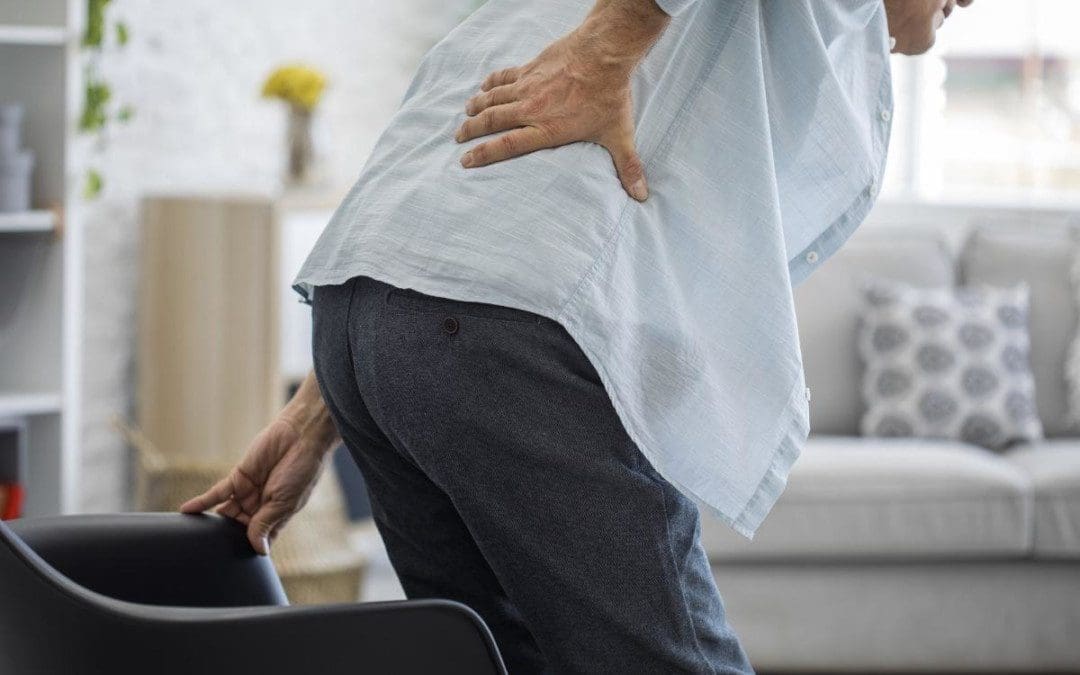
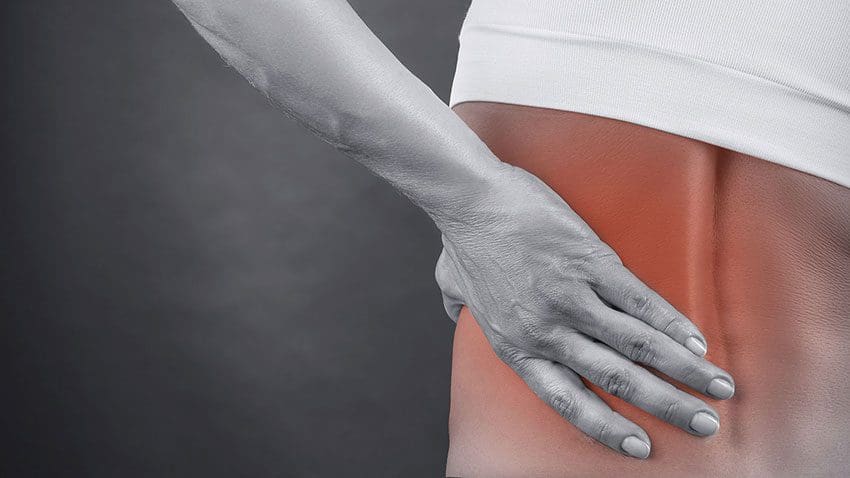
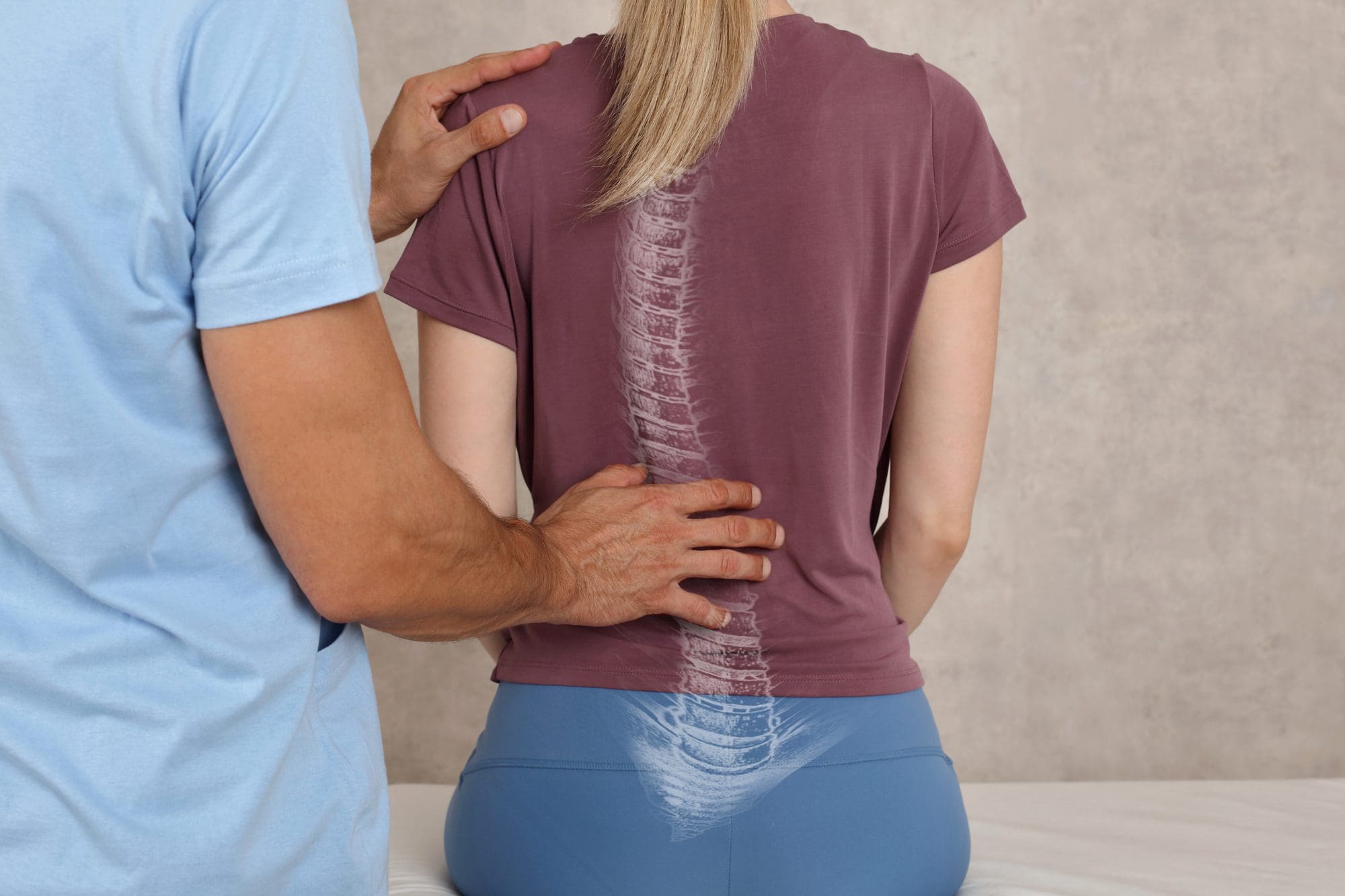
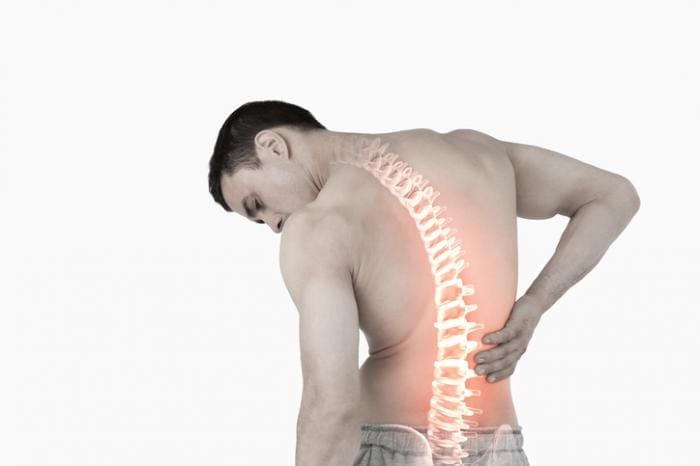
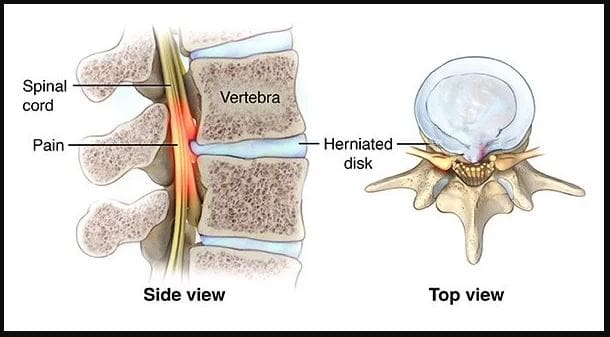
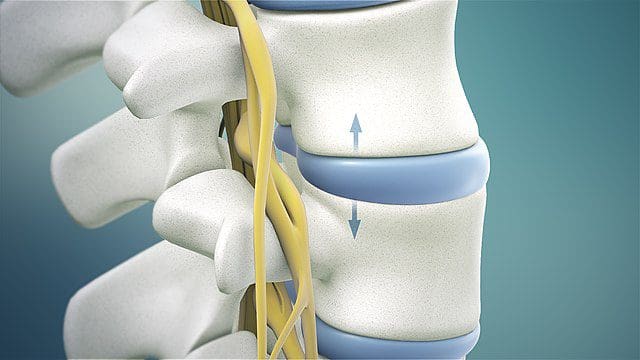
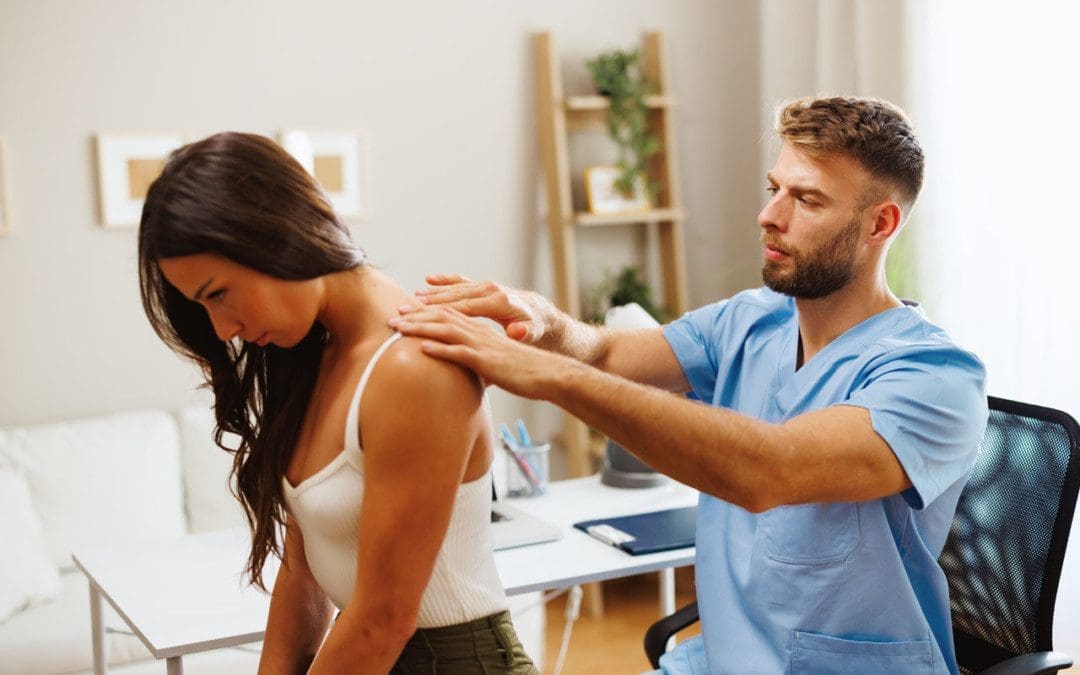
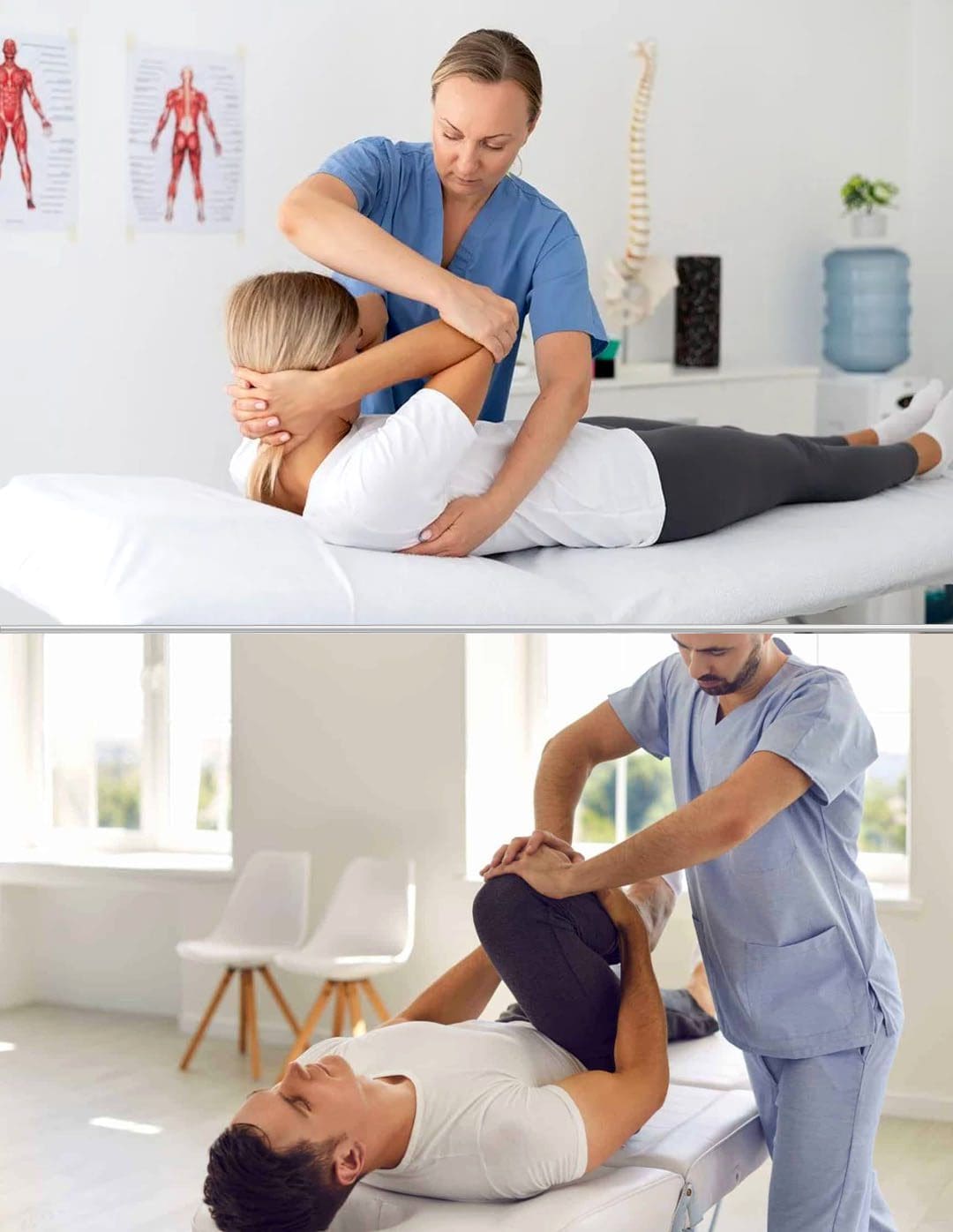
The human body has various muscle groups, tendons, ligaments, and spinal structures that allow mobility, standing upright, and performing daily activities without discomfort. The spinal column is divided into three regions: cervical, thoracic, and lumbar, each with specific functions. Unfortunately, low back pain affects many working individuals worldwide and can significantly impact their daily lives and productivity. This pain can be caused by various injuries, conditions, and diseases affecting the muscles, tendons, and spinal discs. Enduring the pain and continuing daily activities can worsen the situation, causing more damage to the back and spine. This article explores the causes of low back pain and how non-surgical therapies like spinal decompression can prevent it from returning. We work with certified medical providers who use our patients’ valuable information to treat individuals with low back pain and inform them about spinal decompression’s benefits in alleviating it from reoccurring. We encourage patients to ask essential questions and seek education from our associated medical providers about their condition. Dr. Jimenez, D.C., provides this information as an educational service. Disclaimer
What Causes Low Back Pain To Return?
Are you experiencing pain in your lower body? Is it impacting your ability to work? Do you feel muscle stiffness when stretching your sides? In the U.S., 25-60% of people who experience low back pain report recurring pain within a year. Research studies revealed that most low back pain is non-specific, meaning no specific causes or structures can be identified as the pain source affecting the low back. Low back pain can be caused by many factors, such as improper lifting of heavy objects, physical inactivity, and excess body weight, which can strain the back muscles. Studies have also revealed that psychological factors like stress, anxiety, or depression can cause tension in the lumbar region, leading to repetitive motions that correlate with low back pain.
People who experience low back pain often take over-the-counter medications for temporary relief before returning to normal activities. However, this only provides short-term relief, and the pain often returns due to various factors like muscle, nerve, and bone issues and referred pain to the abdominal organs, as research studies revealed. To address this, individuals may seek treatment from their primary care doctor. However, as additional studies mentioned, treating low back pain can be difficult due to the specific or non-specific factors involved. Thankfully, non-surgical treatments are available to alleviate symptoms and reduce the likelihood of the pain returning.
The Benefits Of Stretching- Video
Are you someone who spends most of their day sitting down and experiencing muscle stiffness? Do you feel pain in your legs due to radiating pain? Or do you often feel discomfort after lifting or carrying heavy objects? These symptoms are often associated with low back pain, a common problem many people in the workforce experience at some point. The severity of low back pain can range from acute to chronic, depending on how badly the individual has hurt their low back. If left untreated, low back pain can harshly affect a person. However, there are many ways to prevent low back pain from occurring. Multiple treatments can help reduce the associated symptoms of low back pain and can help re-strengthen the muscles. The video above explains the benefits of stretching, how it can help relieve sore muscles affected by low back pain, and how stretching can be combined with other therapies to promote health and wellness.
How Spinal Decompression Can Relieve Low Back Pain
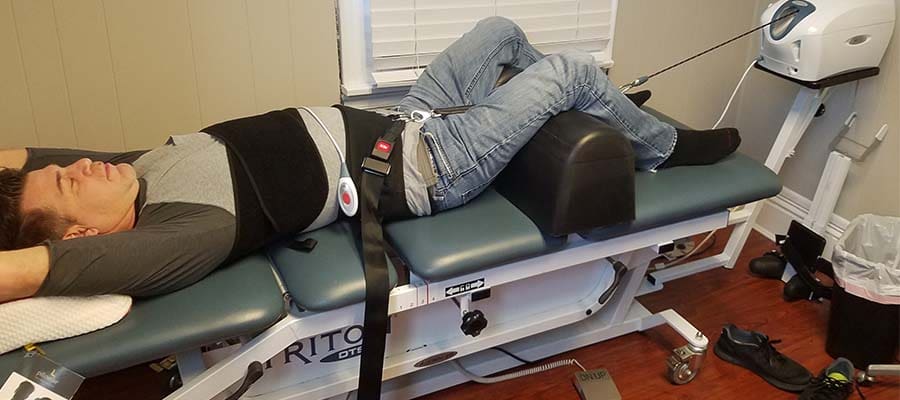
Many people experience low back pain at some point in their lives. If the pain is left untreated, it can develop into chronic back pain. According to “The Ultimate Spinal Decompression,” written by Dr. Eric Kaplan, D.C., FIAMA, and Dr. Perry Bard, D.C., reoccurring low back pain can lead to further degeneration of the lumbar spinal column or be the result of stress and trauma in adjacent muscles. Spinal decompression can provide relief for individuals experiencing this pain. Studies show that spinal decompression creates negative pressure in the spine, which can decrease pressure on the nerve root and hydrate the spinal disc, promoting the body’s natural healing process. Spinal decompression is a safe, gentle, and cost-effective solution for many individuals seeking relief from low back pain.
Conclusion
Low back pain is a common issue that affects many people. Depending on its severity, various factors can cause it, ranging from acute to chronic. Unfortunately, this pain can interfere with daily activities, including work. Thankfully, non-surgical treatments like spinal decompression may help relieve the symptoms associated with low back pain. This treatment involves gentle traction on the lumbar region of the spine, providing much-needed relief to the body. Spinal decompression is an excellent option for those who want to start their journey toward better health and wellness.
Watermelon, one of the summer’s main fruits, is low in calories and rich in water. It provides an excellent source of vitamins A and C and lycopene and is less acidic than citrus fruits and tomatoes. The whole fruit is edible. The watermelon can be used as frozen chunks for water or seltzer drinks, smoothies, salsas, and salads; the rind can be stir-fried, stewed, or pickled, and the subtle sweetness pairs well with cheese, nuts, and other protein sources.
Watermelon
Watermelon poses few risks, with research deeming the fruit nontoxic. Side effects from eating too much watermelon can include abdominal discomfort, bloating, and gas.
The fruit does contain sugar, recommending individuals with diabetes should be careful to avoid sugar spikes.
Vitamins and Minerals
A fully ripe red watermelon contains higher nutrients than a less ripe watermelon.
A single serving is a healthy source of vitamins C and A, providing a significant percentage of the daily requirement.
Vitamin C aids in wound healing and can help increase anti-aging properties and immune system function.
Vitamin A is important for eye health.
Calories
One cup of diced or balled watermelon contains about 46 calories.
Wedges around one-sixteenth of the melon, or 286 g, contain approximately 86 calories.
These antioxidants can help cell repair and lower the risk of infections and certain cancers.
Contributes to Weight Loss
A group of overweight adults participated in a study that found the group that ate watermelon instead of low-fat cookies felt fuller.
The watermelon group also showed reductions in body weight, body mass index, waist-to-hip ratio, and blood pressure.
Reduce Muscle Fatigue
The fruit contains a significant amount of the amino acid citrulline.
Capsules of concentrated citrulline are sold as nutritional supplements.
The benefits are not conclusive, but some studies show that supplements could reduce the feeling of fatigue.
Nutrition Fundamentals
References
Bailey, Stephen J et al. “Two weeks of watermelon juice supplementation improves nitric oxide bioavailability but not endurance exercise performance in humans.” Nitric oxide: biology and chemistry vol. 59 (2016): 10-20. doi:10.1016/j.niox.2016.06.008
Burton-Freeman, Britt, et al. “Watermelon and L-Citrulline in Cardio-Metabolic Health: Review of the Evidence 2000-2020.” Current atherosclerosis reports vol. 23,12 81. 11 Dec. 2021, doi:10.1007/s11883-021-00978-5
Figueroa, Arturo, et al. “Watermelon extract supplementation reduces ankle blood pressure and carotid augmentation index in obese adults with prehypertension or hypertension.” American Journal of Hypertension vol. 25,6 (2012): 640-3. doi:10.1038/ajh.2012.20
Glenn, J.M., Gray, M., Wethington, L.N. et al. Acute citrulline malate supplementation improves upper- and lower-body submaximal weightlifting exercise performance in resistance-trained females. Eur J Nutr 56, 775–784 (2017). https://doi.org/10.1007/s00394-015-1124-6
Martínez-Sánchez A., Ramos-Campo D. J., Fernández-Lobato B., Rubio-Arias J. A., Alacid F., & Aguayo E. (2017). Biochemical, physiological, and performance response of a functional watermelon juice enriched in L-citrulline during a half-marathon race. Food & Nutrition Research, 61. Retrieved from https://foodandnutritionresearch.net/index.php/fnr/article/view/1203
Naz, Ambreen, et al. “Watermelon lycopene and allied health claims.” EXCLI journal vol. 13 650-60. 3 Jun. 2014
Panche, A N et al. “Flavonoids: an overview.” Journal of nutritional science vol. 5 e47. 29 Dec. 2016, doi:10.1017/jns.2016.41
Volino-Souza, Mônica et al. “Current Evidence of Watermelon (Citrullus lanatus) Ingestion on Vascular Health: A Food Science and Technology Perspective.” Nutrients vol. 14,14 2913. 15 Jul. 2022, doi:10.3390/nu14142913
Olympic athletes are so fit they make everything look easy. It is one of the most amazing examples of athletic prowess to behold. Attempting these feats of athleticism could lead to injury without proper training and conditioning. However, you can draw inspiration from these incredible skills and commitment to reach your fitness goals. Individuals can emulate the Olympic athlete’s discipline to get the most out of physical activity and workouts.
Olympic Athlete Discipline
This is not about the literal workout routines these athletes engage in but the mental state and discipline that keeps them motivated, especially when things get tough. This can help individuals get the most out of every workout. When momentum or motivation starts to dwindle, look to Olympic athletes and then apply that discipline to recharge motivation and achieve the goal.
Learn to Train Daily
Many can succumb to weekend warrior syndrome. After sitting on the couch after a long day of work all week, individuals try to make up for the inactivity by overexerting themselves with hours of exercise on the weekend. This is a perfect setup for injury.
Instead, train, work out, exercise, and move around daily. Professional athletes know they won’t get the top results in one shot.
They approach it in incremental steps for a solid foundation and understanding of the final and optimal result.
Daily physical activity and exercise maintain body conditioning, strength, and overall fitness.
And makes the body more efficient at burning fat.
Maintain Goal Focus
Olympic athletes have specific goals in their training. There has to be when competing against the best athletes in the world and winning.
Individual health and fitness goals may be smaller, but they are just as important and should be treated as such for motivation to exercise each day.
Keep goals simple, specific, and reachable/doable when setting them.
SMART goals are Specific, Measurable, Achievable, Realistic, and Time-based.
Use daily reminders of what the goal is and strategies to achieve it.
Utilize Specific Training
Olympic athletes must have incredible endurance, strength, and skill sets to complete their event.
They must incorporate specific training drills, exercises, stretches, nutrition, etc., to improve and advance.
Whatever the goal, make sure the training is appropriate.
If trying to build muscle, focus on heavy strength training and consuming quality calories.
If the goal is to lose weight, break down the goal into achievable steps to get there, like.
What type of workouts are needed?
Consulting a nutritionist for recommendations.
Fuel the Body for Top Performance
Individuals can be concerned about food and whether it contains too much fat or calories.
Olympic athletes worry about getting the right nutrients and calories to fuel their bodies for competition.
Use a similar approach and ask what is the best thing I should eat right now for the workout and…
What foods will maintain optimal body health?
Listen to The Body and Rest
Olympic athletes have to learn to maintain the balance of maintaining top performance and not getting burnt out.
This is when they know to listen to their bodies, extend recovery days, or take a mini-vacation.
Overtraining can lead to injury, frustration, discouragement, and loss of motivation.
Whatever the activity, make sure proper form is followed.
For example, distance runners hold their heads high, have relaxed faces and upper bodies, have a natural arm swing, and do not overstride.
Apply the same form principles to stretches and exercises.
Stronger Body = Better Life
References
Casa, Douglas J et al. “Fluid Needs for Training, Competition, and Recovery in Track-and-Field Athletes.” International Journal of sports nutrition and exercise metabolism vol. 29,2 (2019): 175-180. doi:10.1123/ijsnem.2018-0374
Bailey RR. Goal Setting and Action Planning for Health Behavior Change. Am J Lifestyle Med. 2019;13(6):615-618. doi:10.1177/1559827617729634
Hackett, Daniel, et al. “Olympic weightlifting training improves vertical jump height in sportspeople: a systematic review with meta-analysis.” British Journal of sports medicine vol. 50,14 (2016): 865-72. doi:10.1136/bjsports-2015-094951
Huebner, Marianne, et al. “The Masters’ athlete in Olympic weightlifting: Training, lifestyle, health challenges, and gender differences.” PloS one vol. 15,12 e0243652. 4 Dec. 2020, doi:10.1371/journal.pone.0243652
Swift DL, Johannsen NM, Lavie CJ, Earnest CP, Church TS. The Role of Exercise and Physical Activity in Weight Loss and Maintenance. Prog Cardiovasc Dis. 2014;56(4):441-447. doi:10.1016/j.pcad.2013.09.012
Back pain is a common problem that affects people worldwide, but many individuals are unaware of it until they experience constant back muscle aches. Back pain can impact the cervical, thoracic, and lumbar spine and can even lead to referred pain in the arms and legs. Repetitive movements, poor posture, prolonged sitting, and physical inactivity are common causes of back pain. In some cases, traumatic incidents or accidents can also contribute to the development of back pain. To manage back pain, individuals often seek treatments to alleviate it and improve their quality of life. In this article, we’ll explore two treatments to help alleviate back pain and provide tips on managing the pain effectively. We work with certified medical providers who use our patients’ valuable information to treat individuals with back pain and find the right treatment to alleviate their pain. We encourage patients to ask essential questions and seek education from our associated medical providers about their condition. Dr. Jimenez, D.C., provides this information as an educational service. Disclaimer
Spine Surgery For Low Back Pain
Are you experiencing pain in your upper, middle, or lower back? Do you feel a radiating pain running down your arms or legs, or have you noticed that you are hunching over more than usual? These symptoms are often associated with back pain, which can be debilitating. Many people who suffer from back pain seek relief and may opt for surgery to alleviate their symptoms. Research studies revealed that spinal surgery could effectively reduce neurogenic pain and deficits that exacerbate spinal nerve root compression and may help individuals regain their functionality and mobility. However, as research studies stated, surgery is typically recommended only after conservative treatments have been tried for at least six months without success. Several surgical options are available, including injection therapy, non-fusion stabilization, facet and disc replacement, and spinal fusion surgery, which may relieve back pain.
Managing Back Pain After Surgery
Individuals who undergo surgery for back pain must follow a recovery plan to prevent the pain from recurring. Research studies suggest that the effects of spinal surgery for back pain should last for three days, after which adequate rest is essential. Following this, individuals should become pain-free and able to move again. To prevent back pain from returning, doctors often recommend changing daily habits and activities and creating a personalized treatment plan to strengthen back muscles. While surgery for back pain can be expensive, non-surgical treatments are available to alleviate the pain.
The Science Of Motion & Chiropractic Care- Video
Are you experiencing pain in your upper, middle, or lower back? Do you feel discomfort, stiffness, or aches when stretching? Have you engaged in activities that can strain your back muscles? These symptoms often indicate back pain, a common problem many people face at some point. Several factors contribute to back pain, including repetitive movements, spinal disc compression, and spinal nerve root irritation. Physical inactivity, prolonged sitting, heavy lifting, and poor posture are common causes of back pain that can lead to disability. However, various treatments can alleviate the effects of back pain and prevent it from recurring. The video above demonstrates how chiropractic care can help relieve back pain by using spinal manipulation to align the spine. Chiropractic care is a safe, gentle, and affordable non-surgical treatment that can be combined with other therapies to prevent future back pain.
Spinal Decompression For Back Pain
When relieving back pain, some people avoid surgery because it can be expensive. Fortunately, alternative treatments are safe, affordable, and gentle on the spine. Non-surgical options can relieve many individuals suffering from back pain without surgery. Research shows that spinal decompression is an effective treatment that uses gentle traction to create negative pressure in the spinal disc. This can increase hydration and reduce pressure on the nerve root, which can alleviate back pain. Spinal decompression can also help relax and stretch the back muscles by gently pulling the spine. This treatment is cost-effective and can be combined with other therapies to prevent the return of back pain.
The Effects Of Spinal Decompression On Back Pain
Dr. Eric Kaplan, D.C., FIAMA, and Dr. Perry Bard, D.C., wrote “The Ultimate Spinal Decompression,” which states that spinal decompression is safe and effective in reducing back pain. Through spinal decompression, the herniated disc causing back pain is pulled back to its original position, allowing the surrounding nerve roots to relax. Research studies have shown that spinal decompression can help increase spinal disc height and restore mobility to the back and spine, enabling individuals to return to their daily activities without pain.
Conclusion
Across the world back pain is a widespread problem that affects many people worldwide. It can be a significant problem if left untreated. Fortunately, numerous treatment options can alleviate the symptoms and allow individuals to resume their daily activities. The two main types of treatment are surgical and non-surgical therapies. While surgical treatment can be effective, it is also expensive. Non-surgical therapy, on the other hand, is cost-effective. Combining these treatments with other therapies is possible to decrease the likelihood of back pain returning. By listening to their bodies and taking preventive measures, individuals can avoid a reoccurrence of pain.
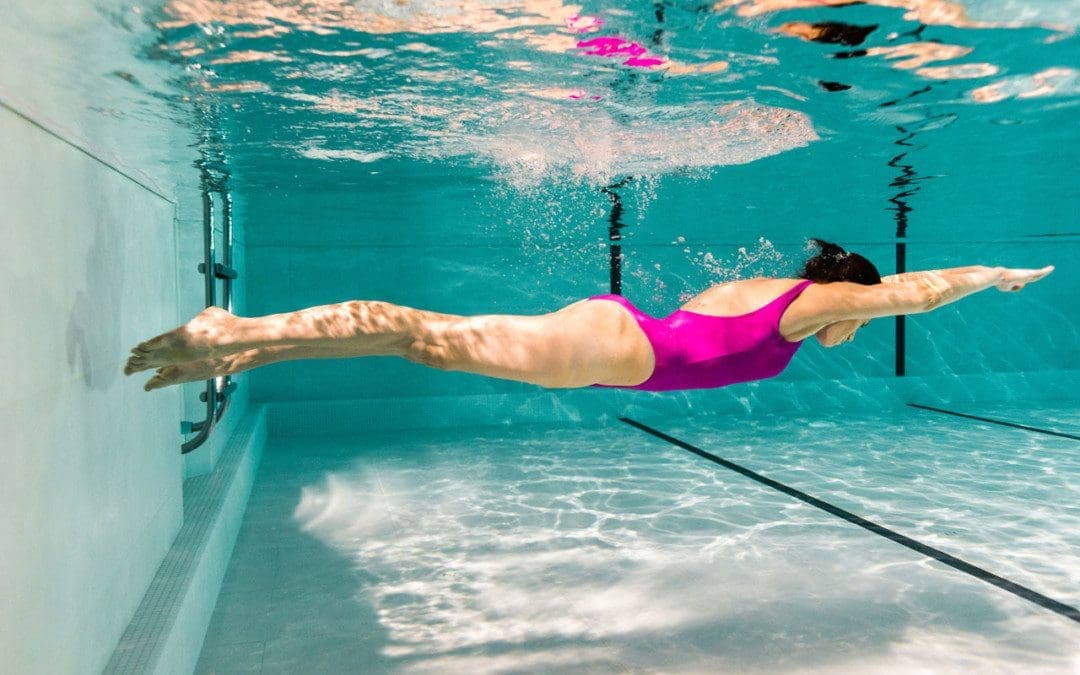
Individuals dealing with or managing chronic back pain should incorporate swimming exercises. Swimming is a low-impact aerobic conditioning exercise that’s easy on the back and healthy for the spine. When an individual struggles with back problems, they may be tempted to rest and avoid physical activity/exercise. Total rest is not recommended as it can cause the muscles that support the back to weaken or atrophy. When the muscles weaken, they cannot stabilize the spine or body correctly, which causes conditions to worsen or contribute to new injuries. Starting swimming exercises can expand the spine, relieve painful pressure or strain on the back and strengthen the muscles for spinal health.
Starting Swimming Exercises
Swimming does not impact the spine and other musculoskeletal structures because the water suspends the body.
Swimming is a full-body, low-impact exercise which is excellent for individuals of all ages and all body shapes and sizes.
Talk to a healthcare professional about any questions or concerns about how swimming may impact your body.
Swimming benefits include stress relief, a strengthened musculoskeletal system, and support in heart health.
Swimming for Back Problems
Relaxes The Nervous System
Tense muscles can cause or contribute to back problems and pain symptoms and aggravate spinal conditions.
Swimming exercises release endorphins to relax the nervous system and tense muscles.
Relieves Pressure on Joints
The water lightens the body relieving pressure on the joints and muscles.
Builds Muscle to Support the Spine
The resistance and movement strengthen the whole body with the joints and spine supported.
Swimming engages muscles not always used, specifically those needed to improve spinal stability.
Exercises for Back Relief
Checking with a physician before exercising is recommended, especially if starting a new exercise routine. When you meet with the Injury Medical Chiropractic and Functional Medicine Cline team, we can determine if starting swimming exercises would benefit you. Once cleared, here are some swimming exercises that could help bring relief:
Walking
Walking around the pool means movement that the body needs to heal and build muscle without aggravating symptoms.
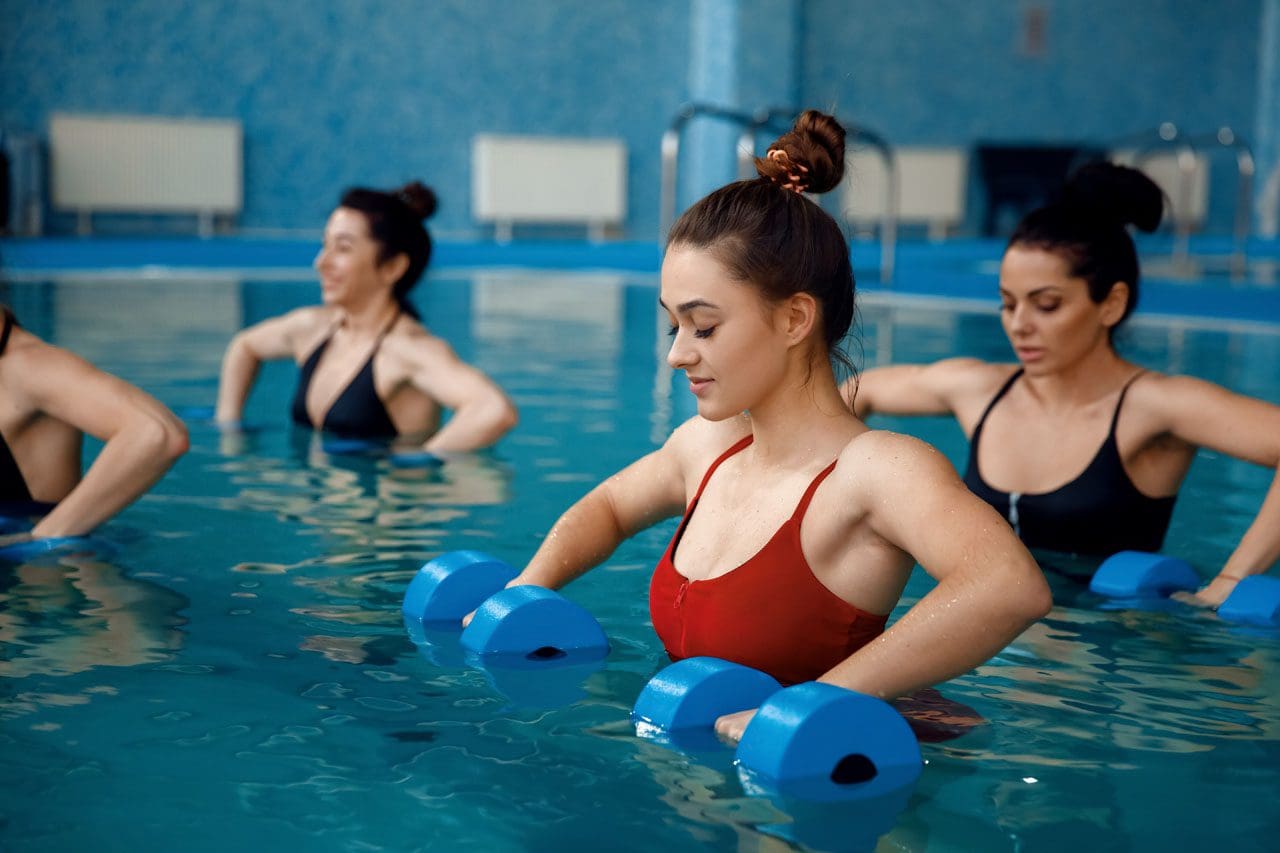
Aerobics
Water aerobics is perfect for working on cardiovascular health needed to build strength.
Increase mobility and flexibility.
Swimming Laps
Start slow when swimming laps, maybe only twice a week at first.
The different types of strokes work various muscles in the hips, chest, and back.
Treading water is a great way to get the body used to the movements.
A swim coach can provide tips on the proper technique and form.
Swim Exercise Tools and Accessories
Proper swimming equipment can make the exercise sessions much more enjoyable.
Swim Cap
Swim caps protect the hair from the water’s elements and keep hair from blocking the view.
Goggles
Goggles protect the eyes and help to see better underwater.
Look for a comfortable pair that doesn’t leak.
Sun protection and clothing
A day in the sun and water increases the risk of exposure to UV rays.
Waterproof Headphones
For listening to music or podcasts while swimming.
Kickboard
Many pools can provide kickboards that swimmers can borrow during their time there.
Lean the upper body on the board and kick, focusing on lower body movements.
Pull Buoy
Pull buoys help focus on the upper body and arm work.
It is placed between the upper thighs to help the legs float as the individual pulls with their arms.
It is recommended to take some lessons to learn how the body moves through the water. Once a basic understanding of balance and buoyancy is met, individuals can propel through the water more efficiently.
Sciatica Secrets Revealed
References
Bartels, Else Marie, et al. “Aquatic exercise for the treatment of knee and hip osteoarthritis.” The Cochrane Database of systematic reviews vol. 3,3 CD005523. 23 Mar. 2016, doi:10.1002/14651858.CD005523.pub3
Cole, A J et al. “Spine pain: aquatic rehabilitation strategies.” Journal of Back and musculoskeletal rehabilitation vol. 4,4 (1994): 273-86. doi:10.3233/BMR-1994-4407
Ferrell, M C. “The spine in swimming.” Clinics in sports medicine vol. 18,2 (1999): 389-93, viii. doi:10.1016/s0278-5919(05)70153-8
Su, Yanlin, et al. “Swimming as Treatment for Osteoporosis: A Systematic Review and Meta-analysis.” BioMed research international vol. 2020 6210201. 15 May. 2020, doi:10.1155/2020/6210201
Wirth, Klaus, et al. “Strength Training in Swimming.” International Journal of environmental research and public health vol. 19,9 5369. 28 Apr. 2022, doi:10.3390/ijerph19095369
The neck is an extremely flexible part of the upper body that allows the head to move without causing pain or discomfort. It is part of the musculoskeletal system‘s cervical spinal region, which supports the spinal column and is surrounded by various muscles, tissues, and ligaments that protect the spinal cord. However, poor posture, spending too much time hunched over a computer, or looking down at our cellphones can cause neck muscles to become overstretched, leading to compression of the cervical spinal discs. This can cause the cervical discs to bulge or herniate, aggravating the spinal cord and causing neck pain and other associated conditions. This post will discuss how cervical disc compression affects neck pain and how decompression surgery and spinal decompression can help alleviate this condition. We work with certified medical providers who use our patients’ valuable information to treat individuals dealing with cervical disc compression affecting their necks and causes mobility issues. We encourage patients to ask essential questions and seek education from our associated medical providers about their condition. Dr. Jimenez, D.C., provides this information as an educational service. Disclaimer
What Is Cervical Disc Compression?
Have you been experiencing neck pain or muscle aches in your shoulders? Do you feel numbness or tingling running down your arms and fingers? These symptoms may be signs of cervical disc compression. The cervical spinal discs act as shock absorbers for the spine, preventing unwanted pressure and mobility issues. Research studies revealed that age-related degenerative properties like dehydration could cause herniated and compressed cervical discs, leading to posterior disc protrusion into the spinal cord. Trauma can also cause extreme hyperflexion or hyperextension of the posterior neck muscles, resulting in various neck symptoms. Additional research studies stated cervical disc displacement could cause compression or impingement on spinal nerve roots, leading to inflammation and neck pain.
How Is It Associated With Neck Pain?
When the spinal cord and nerve roots in the cervical region are affected by cervical disc compression, the pain can be dull or sharp, depending on how it affects many individuals. According to research studies, many people are unaware that repetitive normal factors or traumatic forces can cause a challenge in determining the origin of the pain from symptomatic or asymptomatic disc compression. Additional research studies mentioned that cervical disc compression could cause upper and lower extremities abnormalities, such as loss of deep tendon reflexes in the arms and legs, loss of motor function in the hands and feet, muscle weakness, headaches, and gait imbalances. However, various treatments can alleviate the pain-like symptoms associated with cervical disc compression and help the body’s natural healing process.
From Inflammation To Healing-Video
Are you experiencing inflammation and pain in your neck? Do you notice a tingling or numb sensation in your hands or feet? Or do you feel stiffness in your shoulders or neck? These symptoms can be caused by compressed cervical discs, which many people are unaware of. The compression of cervical discs is a common source of neck pain and can even cause referred pain in the upper and lower extremities. Repetitive motions to the neck can cause the posterior neck muscles to overstretch and lead to pain. Normal or traumatic factors can also lead to neck pain associated with cervical disc compression, resulting in disc herniation. Fortunately, non-surgical therapies like chiropractic care and spinal decompression can help alleviate the symptoms of pain, discomfort, and inflammation caused by cervical disc compression. Check out the video above for more information on these treatments.
Posterior Cervical Disc Decompression Surgery
If you experience cervical compression on your neck, it can lead to persistent neck pain and discomfort if left untreated. Many people opt for posterior cervical disc decompression surgery to alleviate the effects of disc herniation. According to “The Ultimate Spinal Decompression” by Dr. Perry Bard, D.C., and Dr. Eric Kaplan, D.C., FIAMA, cervical disc herniation can sometimes affect the back of the neck and cause persistent pain. In such cases, decompression surgery is often performed. During the procedure, a small incision is made at the back of the neck, and a portion of the damaged disc is removed to ease the irritated nerve. This brings relief to the individual suffering from neck pain.
Non-Surgical Decompression For Compressed Cervical Disc
If you’re not interested in surgery for cervical disc compression, consider non-surgical spinal decompression instead. Studies have shown that spinal decompression is a safe, non-invasive treatment involving gentle cervical spine traction to reposition the herniated disc. This treatment can also help rehydrate the spinal disc by bringing in nutrients and oxygenated blood to promote natural healing. Additionally, spinal decompression can alleviate any remaining symptoms of neck pain.
Conclusion
The neck is a highly flexible area that enables smooth head movement without discomfort or pain. However, it is also a part of the musculoskeletal cervical region that can be prone to injuries. Compression of the disc due to normal or traumatic factors can result in herniation, causing pain if left untreated. Fortunately, several treatments are available to alleviate neck pain caused by cervical compression and make the neck mobile again.
Body stiffness is common, especially as the body ages. Stiffness can result from intense work, lack of physical exercise, or specific conditions. The reasons vary from individual to individual. Some feel stiff when they wake up, while others become stiff after stopping physical activity. For others, stiffness can result from practicing unhealthy postures, intense workouts, or something new that the body is beginning to get used to. There are several ways to prevent and treat stiffness, no matter the cause, including targeted physical movements, posture corrections, body decompression, chiropractic realignment, stretches, and therapeutic massage.
Body Stiffness
Knowing the cause of body stiffness and how to relieve it can help prevent and treat the condition so the body can function better. It’s vital to see a health care professional immediately if stiffness results from an injury, accompanied by pain, it does not go away with home treatments, or if an insect bite or infection could be the cause.
Individuals should speak to a healthcare professional for frequent stiffness that interferes with their quality of life.
Most of the time, stiffness can be treated at home and reduced through preventative measures.
Stay active but not too hard until the body gets used to the activity.
Various relief methods include a warm bath, massage shower, or self-massage.
Intense Work or Exercise
The muscles incur tiny tears when exercising or performing heavy labor, especially when the body is not used to the intensity or duration.
These tears are normal and help build larger and stronger muscles.
Individuals may feel stiff and sore for 24-72 hours as the body repairs itself.
Inflammation surrounding the joints/synovial fluid after heavy activity or repetitive movements is another cause.
Inactivity
Moving around generates the synovial fluid that lubricates the joints.
When body movement stops, like going to sleep or long periods spent sitting, working, or watching tv, fluid production slows down, resulting in body stiffness.
The lack of fluid after movement can make the body feel stiff when returning to activity.
Unhealthy Posture
The body can become stiff and sore when routinely holding the body in a way that strains the muscles, tendons, and ligaments.
Sitting or standing incorrectly from an unhealthy workstation setup or postural habits contributes to stiffness and musculoskeletal problems.
Medical Conditions
Medical conditions can cause stiffness like rheumatoid arthritis, Lyme disease, thyroid disease, strains and sprains, and low vitamin D levels.
See medical attention if you suspect any medical causes are behind the body stiffness.
Prevention
Depending on the reason behind body stiffness, there are ways to prevent it.
Warm-Up
Warming up before any physical activity loosens up the muscles before fully engaging.
Soreness will present and is part of the muscle repair process.
Properly warming up can help the repair go faster.
Mobility and Flexibility Breaks
Taking breaks from inactivity by getting up and moving around, walking, or performing mobility movements could increase the secretions of joint fluid, prevent stiffness, and relieve the effects of poor postural habits you may have been making.
Set a timer to break up periods of inactivity and move around.
Get up for 5 minutes every hour to move the muscles and get the blood flowing.
Stay Aware of Posture and Form
Postural awareness can help prevent muscle strain that leads to stiffness.
Adjusting the workspace and posture can help prevent stiffness.
The posterior chain: head, neck, torso, and legs are aligned with the feet flat on the floor and back supported.
Stay Active
Maintaining muscle movement maintains blood circulation, which can help reduce stiffness.
Exercise helps reduce inflammation, increases synovial fluid production, and helps strengthen the muscles.
Active Recovery
Participating in active recovery can help bring blood flow to the muscles and prevent inflammation.
Light cardiovascular activities include swimming, cycling, walking, or bodyweight movements.
Anti-Inflammatory Nutrition
Anti-inflammation nutrition like the Mediterranean diet, which includes healthy fats, plenty of fruits and vegetables, lean proteins, seafood, and whole grains, can help reduce aches and stiffness.
Getting enough vitamin D can reduce stiffness.
Chiropractic Flexibility Restoration
Chiropractic adjustments, decompression, MET, and therapeutic massage techniques can relieve muscle soreness and stiffness and restore body function. The chiropractic team will evaluate the individual, diagnose the cause/s, and develop a personalized treatment plan. The team will provide posture training, stretching the body, using a percussive massager or foam roller to break tight, stiff muscles and release adhesions of tissues.
Enhance Your Lifestyle
References
Mailey, Emily L et al. “Comparing the effects of two different break strategies on occupational sedentary behavior in a real-world setting: A randomized trial.” Preventive medicine reports vol. 4 423-8. 9 Aug. 2016, doi:10.1016/j.pmedr.2016.08.010
Schleip, Robert, and Werner Klingler. “Active contractile properties of fascia.” Clinical Anatomy (New York, N.Y.) vol. 32,7 (2019): 891-895. doi:10.1002/ca.23391
Shimoyama, Daisuke, et al. “Reliability of shoulder muscle stiffness measurement using strain ultrasound elastography and an acoustic coupler.” Journal of medical ultrasonics (2001) vol. 48,1 (2021): 91-96. doi:10.1007/s10396-020-01056-0
Trube, Niclas, et al. “How muscle stiffness affects human body model behavior.” Biomedical engineering online vol. 20,1 53. 2 Jun. 2021, doi:10.1186/s12938-021-00876-6
Weerapong, Pornratshanee, et al. “The mechanisms of massage and effects on performance, muscle recovery, and injury prevention.” Sports medicine (Auckland, N.Z.) vol. 35,3 (2005): 235-56. doi:10.2165/00007256-200535030-00004
IFM's Find A Practitioner tool is the largest referral network in Functional Medicine, created to help patients locate Functional Medicine practitioners anywhere in the world. IFM Certified Practitioners are listed first in the search results, given their extensive education in Functional Medicine