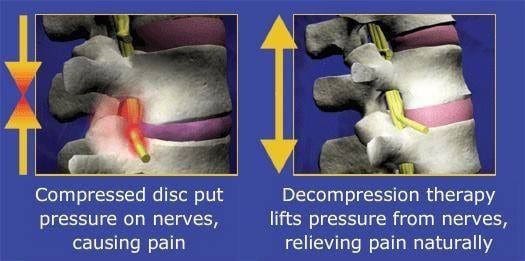
Many individuals are unaware of their pain until they perform specific movements that cause discomfort. This is due to the heavy weight that causes the body to carry an axial overload, compressing the spinal disc, which can lead to herniation or degeneration over time if not treated promptly. Compressed spinal discs can cause chronic conditions such as low back pain, spinal stenosis, or intervertebral disc disease (IDD). Several factors contribute to the development of IDD, including chronic conditions that can lead to compressed spinal discs. This condition can be relieved over time through therapy treatments that can reduce the pain effects of IDD and help individuals be more mindful of their spine. This article will discuss IDD therapy’s role in relieving spine pain, treatment protocols, and how it is combined with spinal decompression, a non-surgical therapy. We work with certified medical providers who use our patients’ valuable information to treat individuals suffering from back and spinal disc degeneration while informing them about non-surgical treatments like IDD(intervertebral disc degeneration) therapy and spinal decompression that can help relieve their pain and help rehydrate their spinal disc. We encourage patients to ask essential questions and seek education from our associated medical providers about their condition. Dr. Jimenez, D.C., provides this information as an educational service. Disclaimer
What Is IDD Therapy?
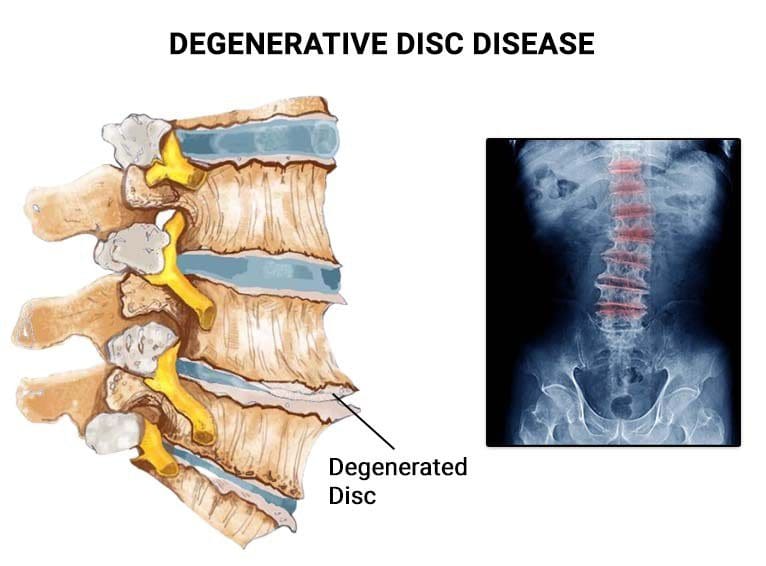
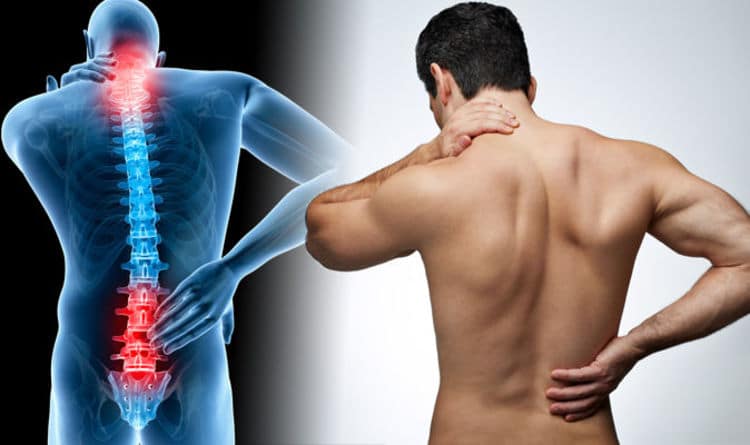
The spine comprises muscles, tendons, ligaments, discs, and bones extending from the skull’s base to the bottom of the sacrum. Its primary function is to keep the body upright and protect the spinal cord from injuries. According to research studies, the spinal discs act as shock absorbers during movement and can become damaged over time, causing pain-like symptoms and chronic conditions. IDD therapy is a common treatment for reducing pain caused by degenerative discs.
Research suggests that intervertebral disc degeneration can cause symptoms related to musculoskeletal disorders such as low back pain, disc herniation, and spinal stenosis. Conservative and non-invasive treatments can reduce the pain-like symptoms and effects caused by IDD. IDD therapy allows the spine to be re-toned, restructured and re-educated. Like spinal decompression, IDD therapy uses gentle traction pulling to rehydrate the discs and reduce the pressure on the nerve roots, as stated by research studies. IDD therapy helps restore muscle strength, increase the spine’s range of motion, and promote the body’s natural healing process to reduce spinal pain associated with environmental factors.
Home Exercise For Pain Relief- Video
Do you experience difficulty doing activities due to back pain? Do you feel stiffness or instability in your lower back? These may be symptoms of intervertebral degenerative disease caused by repetitive motions. IDD can cause chronic musculoskeletal disorders and disability. However, available non-surgical treatments like IDD therapy, which uses negative pressure to rehydrate the spinal disc, can reduce pain. Other non-surgical therapies like chiropractic care and physical therapy can help restore mobility and strengthen back muscles. Check out the video above for home exercise routines that relieve pain.
IDD Treatment Protocols
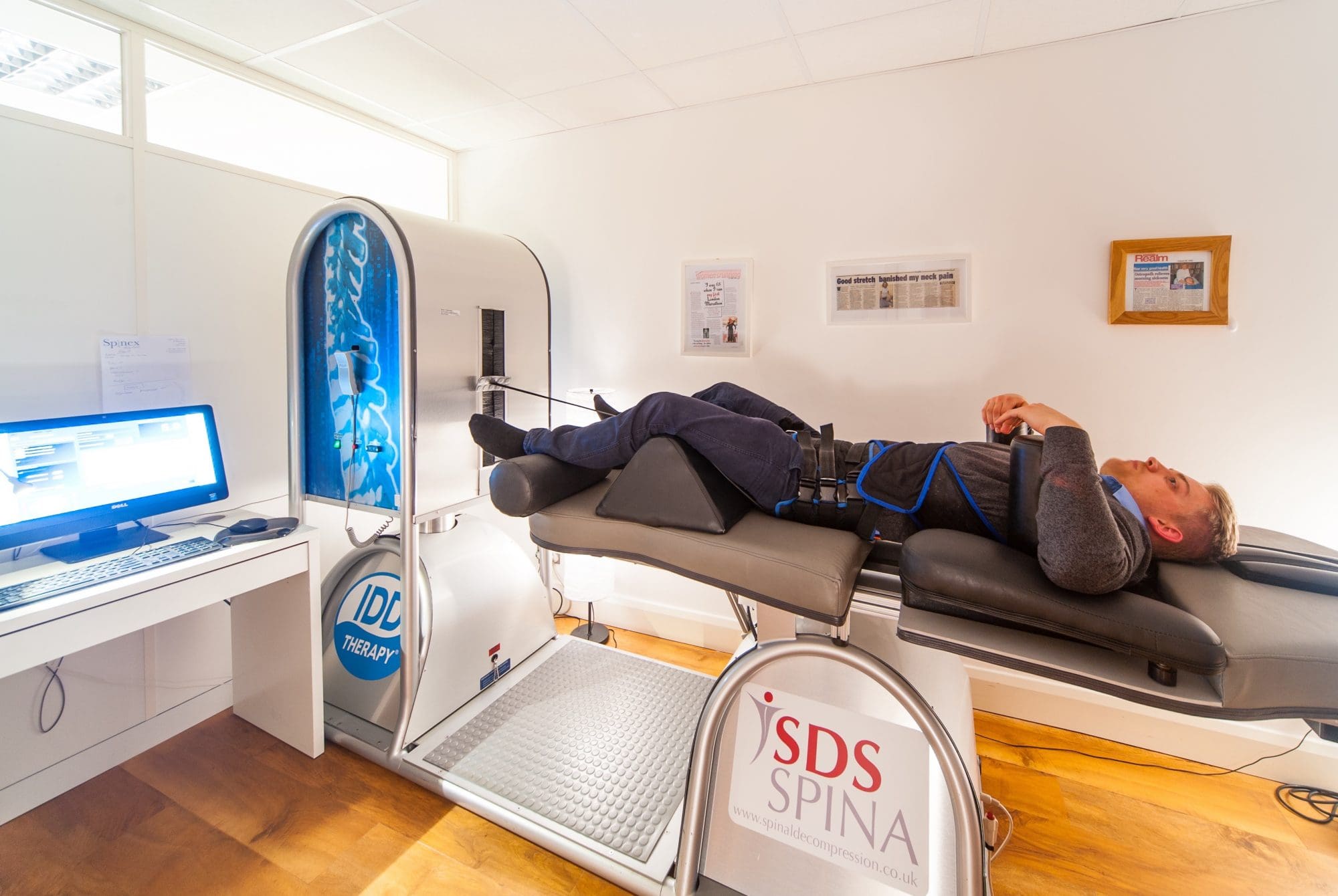
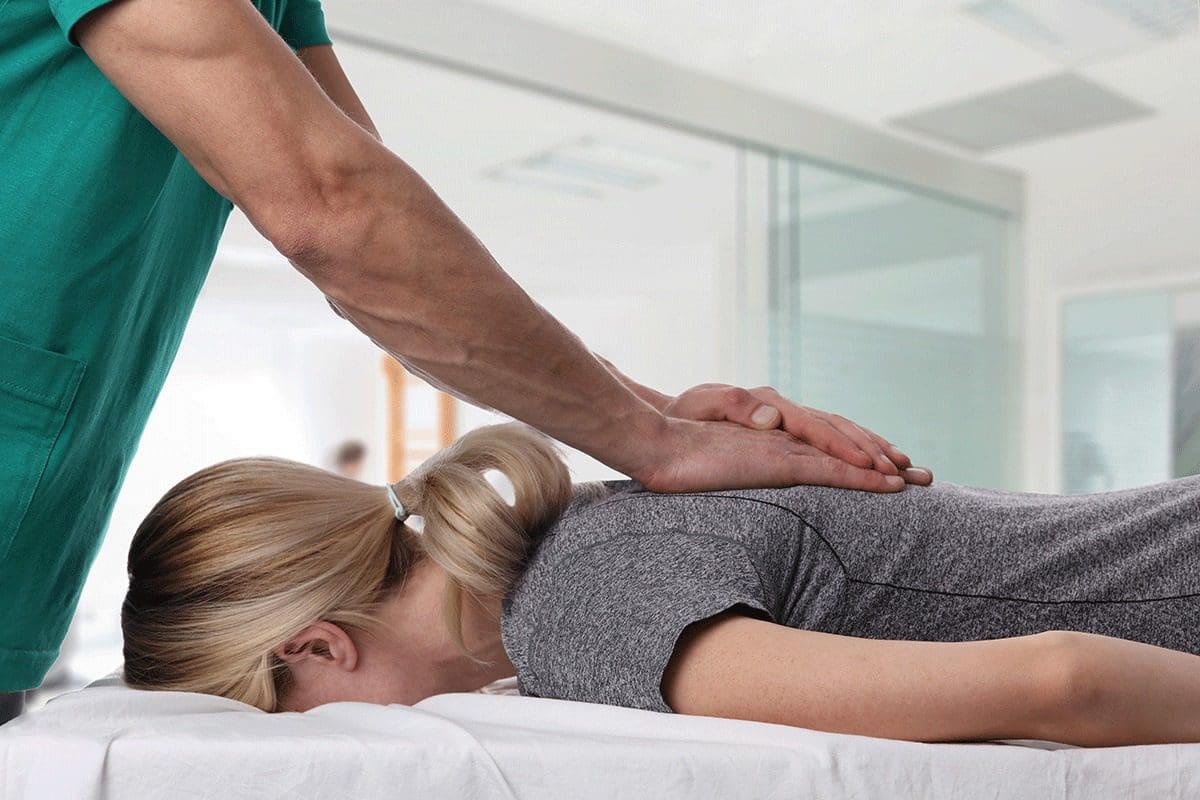
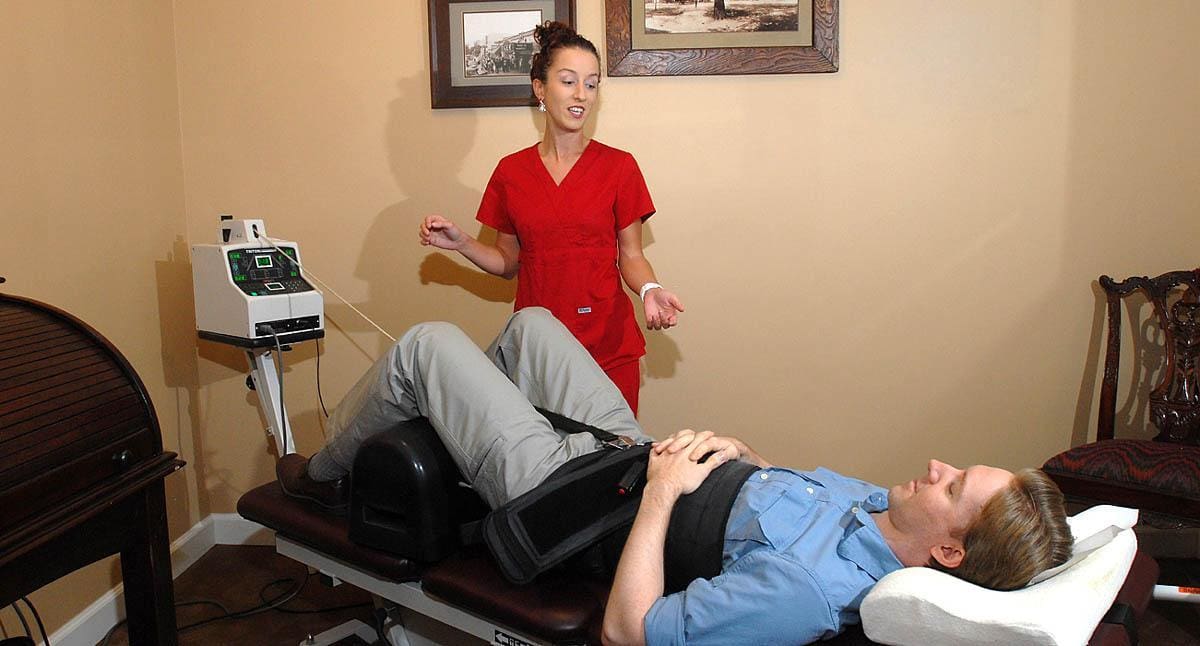
Dr. Eric Kaplan, D.C., FIAMA, and Dr. Perry Bard, D.C., wrote “The Ultimate Spinal Decompression,” explaining how chiropractors and massage therapists use personalized IDD therapy plans to treat musculoskeletal pain associated with intervertebral degenerative disease. IDD therapy involves strapping the individual to a traction machine and utilizing specific protocols for treatment.
The Treatment Schedule
The first step in IDD therapy is examining the individual’s range of motion, muscle strength, nerve conduction, and SSEP tests. This allows the doctor to document the pain’s location and develop a personalized treatment plan, including the indicated problem, treatment frequency, duration, etc. Afterward, the individual will receive other treatments before the IDD traction therapy machine.
Therapeutic Ultrasound
Electro-stimulation
Interferential Stimulation
Hydrocolator
This machine gently pulls the spine to create negative space between the spinal column, allowing nutrients to rehydrate the disc and begin healing. The process lasts 20-30 minutes and may cause mild soreness, but progress is seen after a few sessions.
Pre-& Post-Session Physical Therapy
The benefit of combining IDD therapy with physical therapy is that stretching techniques can loosen the surrounding muscles before spinal mobilization, allowing the soft tissues to accept the treatment. After treatment, cryo-therapeutic therapy or an ice pack can alleviate soreness and inflammation. Drinking plenty of water is important to replenish intra-cellular cells, and physical activities can be slowly incorporated to strengthen muscles.
Conclusion
Taking care of the spine is important by not constantly allowing axial overload to compress the spinal disc through repetitive motion. This causes the disc to degenerate and lead to back pain. However, non-surgical treatments like IDD therapy can help reduce the pain and help strengthen the surrounding muscles protecting the spine. IDD therapy is similar to spinal decompression, which allows the individual to be harnessed to a machine and uses gentle traction on the spine to create negative space in the spinal column and promote the body’s healing factors. Many individuals can see the beneficial results over time and continue their daily routine pain-free.
Many people experience neck and back pain due to various factors that affect their daily routine. These pain conditions are common and can be caused by repetitive motions that impact the surrounding muscles, tissues, ligaments, and spinal discs. Chronic pain can develop depending on the severity and duration of the condition. People with demanding jobs, pre-existing conditions, or older adults may seek medical attention to reduce the pain-like symptoms of neck and back pain. However, treatment costs can be high. There are safe, cost-effective, and non-invasive treatments to relieve neck and back pain. This article will explore why neck and back pain is expensive and why non-surgical treatments are cost-effective. It will also discuss how non-surgical therapies like spinal decompression can alleviate back and neck pain. We work with certified medical providers who use our patients’ valuable information to treat individuals suffering from back and neck pain while informing them about non-surgical treatments like spinal decompression that can help relieve their neck and back pain. We encourage patients to ask essential questions and seek education from our associated medical providers about their condition. Dr. Jimenez, D.C., provides this information as an educational service. Disclaimer
Why Does Back & Neck Pain Cost More?
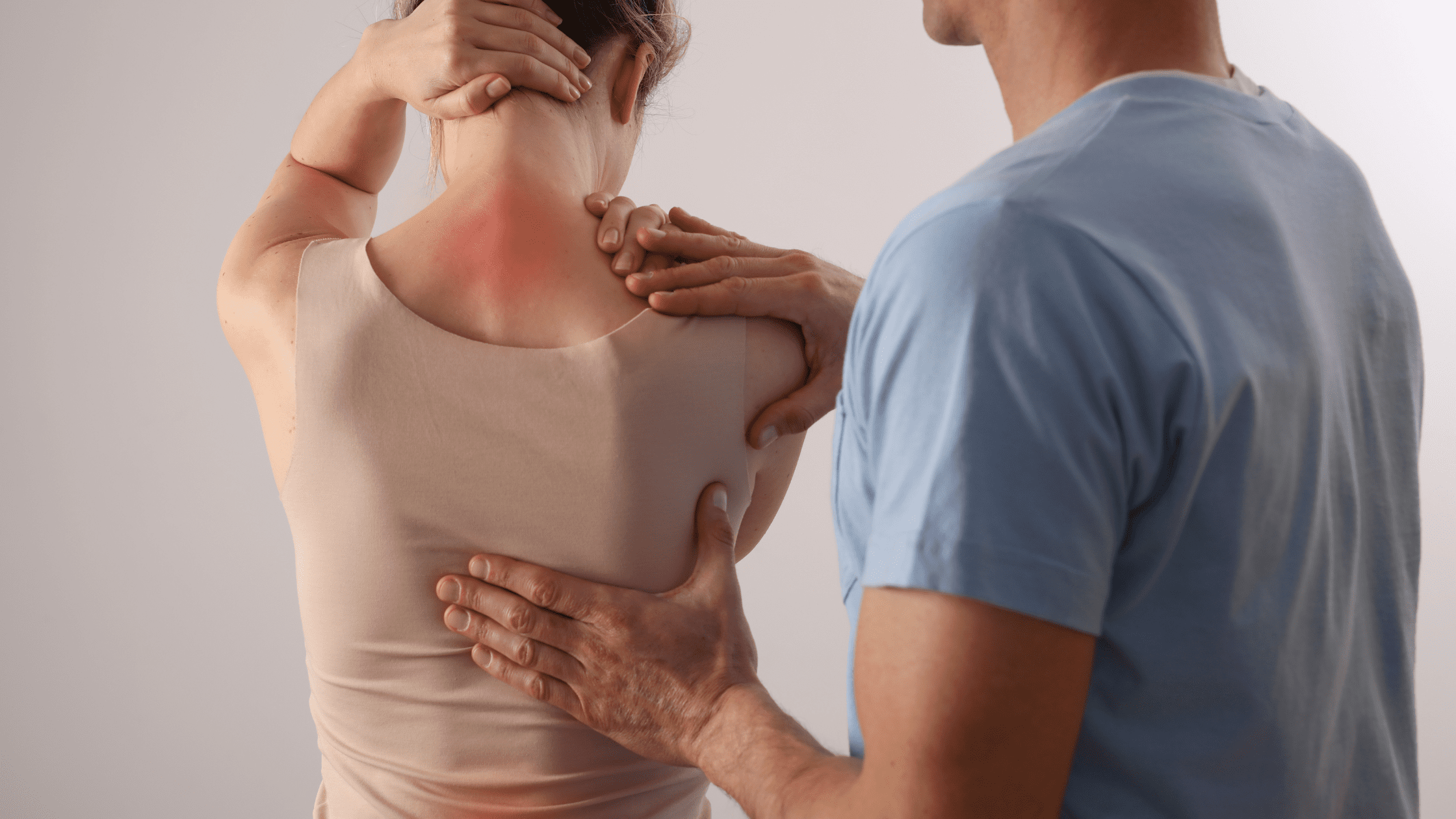
Many people report to their primary doctors that they are experiencing radiating pain from the neck or lower back, which affects their upper or lower extremities. For neck pain, they may experience headaches or shoulder pain that causes pain-like symptoms like numbness or tingling sensations down to their arms and fingers. For back pain, they may experience muscle soreness in their lumbar region, which can result in numbness in the glute muscles or cause sciatic nerve pain, affecting their walking ability. Research studies reveal that cognitive, affective, and lifestyle factors all affect the neck and back. High-demanding jobs, stress, or trauma from an accident can develop neck and back pain. As a result, the body takes more overbearing loads, tightening the surrounding muscles in the neck and back. If not treated right away, it can lead to problematic issues that disrupt their routine.
Based on the book “The Ultimate Spinal Decompression” by Dr. Eric Kaplan D.C., FIAMA, and Dr. Perry Bard, D.C., humans’ evolution to walk upright has strained their stability, leading to axial overload and potential neck and back pain. The book also highlights that the human body was not meant to remain sedentary, which can also contribute to the development of such pain. Research studies revealed that neck and back pain can be nociceptive with neuropathic components, making treatment costly and time-consuming. This economic burden can discourage individuals from seeking treatment despite the pain and expense involved.
Fighting Inflammation Naturally- Video
Are you experiencing persistent neck and back pain? Do your upper or lower extremities feel stiff or tingly? Or is your mobility limited, interfering with your daily activities? These issues are often associated with neck and back pain, disrupting a person’s routine and preventing them from enjoying life. Neck and back pain are common ailments that can be expensive to treat. Research studies revealed that they can also influence individuals’ ability to return to work, increasing treatment costs.
Additionally, pain-like symptoms often accompany neck and back pain, leading some individuals to spend nearly a billion dollars on treatment. However, cost-effective treatments are available that can help alleviate these symptoms. The video above explains how non-surgical treatments can reduce neck and back pain and relieve pain-like symptoms.
Why Non-Surgical Treatments Are Cost Effective?
Research studies have shown that non-surgical treatments are a cost-effective and effective solution for neck and back pain. Many individuals can utilize these treatments combined with various therapies to improve their quality of life and reduce pain symptoms. Non-surgical treatments offer personalized plans as healthcare providers work together to find solutions. They provide individuals with a positive approach to regaining their health and wellness by informing them about their bodies and how to be more mindful of how pain affects their daily routines. Some non-surgical treatments that can relieve neck and back pain include:
Chiropractic care
Physical therapy
Spinal Decompression
Acupuncture
Massage therapy
How Spinal Decompression Can Alleviate Back & Neck Pain
You might be interested in non-surgical treatments like spinal decompression if you suffer back or neck pain. This technique uses gentle traction on the spinal column to alleviate pain while helping your body heal naturally. Research studies have found that cervical spinal decompression can increase disc height and reduce pain caused by compressed cervical discs. This treatment can also alleviate residual pain symptoms like headaches or muscle stiffness and restore mobility to the neck. For back pain, research suggests that spinal decompression can reduce the effects of compressed spinal discs, which can aggravate nerve roots like the sciatic nerve in the lumbar region. Many people who try spinal decompression feel relief after just a few sessions and become more mindful of what triggers their pain. This can help them make small lifestyle changes to continue their journey toward health and wellness.
Conclusion
Many people struggle with neck and back pain, which can be caused by multiple normal and traumatic factors and can be costly. Individuals often prefer to endure the pain rather than subject themselves to invasive treatments. However, non-surgical therapies that are cost-effective and gentle on the body are available. Spinal decompression therapy is one such treatment that can help alleviate pain and promote the body’s natural healing processes. By reducing pain symptoms, many individuals who undergo spinal decompression therapy can return to their daily routines pain-free.
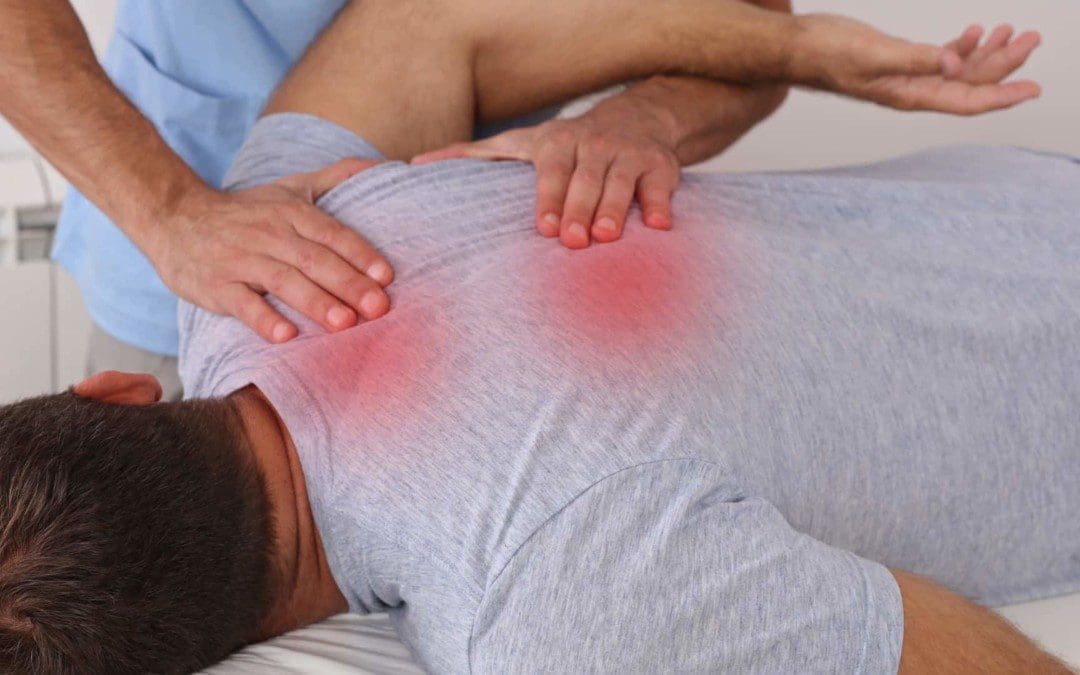
When looking at an anatomical poster/image of the human body, there are all kinds of muscles connected and overlapping, but when we go to feel around those areas, especially when pain symptoms are presenting, it can feel like one solid mass and not individual muscles. This is because of everyday wear and tear, strenuous activities, spasms, heat, dehydration, and stress that causes the muscles to stay in a slightly contracted state, continue to tighten, bunch up and stiffen becoming the new normal for that individual. People learn to go through life like this, never considering that there is something wrong until they experience a significant injury that can take much longer to recover and rehabilitate from. This is why massaging the body on a regular basis is important to maintain healthy relaxed and flexible muscles and prevent strains, pulls, and injuries.
Massaging the Body
Massage therapy including myotherapyis the practice of kneading or manipulating the body’s muscles and other soft tissues to improve neuromusculoskeletal well-being and health.
It is a form of manual, percussive, and mechanical therapy that includes holding, moving, and applying pressure to the muscles, tendons, ligaments, and fascia.
Massage therapy can be used to describe techniques that vary in touch, pressure, and intensity of the treatment applied.
Benefits
The immediate benefit of regularly massaging the body is feeling deep relaxation and calmness. This happens because massaging prompts the release of endorphins or the brain chemicals/neurotransmitters that produce the feeling of well-being. And the stress hormones like adrenalin, cortisol, and norepinephrine levels are reduced. Studies have shown that high levels of stress hormones can impair and damage the immune system. The physical benefits of massaging the body regularly include:
Alleviated muscle tension.
Improved and increased joint mobility and flexibility.
Increased blood and nerve circulation.
Lymphatic system toxin drainage.
Decreased release of stress hormones.
A relaxed state of mind.
Improved sleep.
Enhanced mental alertness.
Decreased anxiety.
Improved recovery and rehabilitation of soft tissue sprains and injuries.
Improved skin tone.
Massage Types
Depending on the severity of the pain, associated symptoms, and muscle tension a chiropractor and therapeutic massage team will use a variety of techniques and massage types to restore flexibility, mobility, and function. Types of massage include:
Swedish
One of the most popular forms of massage, this technique is designed to promote relaxation and increase and improve blood circulation.
Myofascial
Involves the assessment and treatment of soft tissue pain, injury, and dysfunction affecting movement and mobility.
Myofascial therapy releases tight soft tissue structures like the muscles, tendons, ligaments, and fascia.
Rehabilitative
This type treats and rehabilitates biomechanical dysfunction or injury.
Using specific and targeted mobilization techniques to restore normal health and function.
Lymphatic Drainage
This is a gentle whole-body treatment that relaxes the nervous system, releases toxins, and improves the immune system.
Sports
Sports massage is an application of massage and a blend of techniques to enhance performance and help overworked muscles recover quickly.
The type of technique or treatment applied is dependent on the nature of the stage of training or competition, sports injury or condition, and the assessment of the therapist.
Infant Massage
A gentle massage can help treat constipation, colic, and sleeping problems.
Studies have found that regular massage helps premature babies gain weight faster.
Reflexology
Reflexology is based on the application of pressure to specific points on the body.
Reflex points, which relate to body areas, can be found in the feet, hands, face, and ears.
These points respond to pressure, stimulating the body’s own natural healing process in the same way chiropractic activates natural healing through adjustments and realignment.
Aromatherapy
Essential oils made from selected flowers and plants are added to massage oil for a particular therapeutic property.
For example, the scent of peppermint is used for constipation problems.
Shiatsu
This massage technique aims to improve energy flow by working targeted points on the body.
The underlying principles of shiatsu are similar to those of acupuncture.
Individuals are able to experience an improved quality of life with the combined elements of chiropractic and massage therapy.
Fighting Inflammation Naturally
References
Cheung, Karoline, et al. “Delayed onset muscle soreness: treatment strategies and performance factors.” Sports medicine (Auckland, N.Z.) vol. 33,2 (2003): 145-64. doi:10.2165/00007256-200333020-00005
Koren, Yogev, and Leonid Kalichman. “Deep tissue massage: What are we talking about?.” Journal of Bodywork and movement therapies vol. 22,2 (2018): 247-251. doi:10.1016/j.jbmt.2017.05.006
National Research Council (US) and Institute of Medicine (US) Panel on Musculoskeletal Disorders and the Workplace. Musculoskeletal Disorders and the Workplace: Low Back and Upper Extremities. Washington (DC): National Academies Press (US); 2001. 6, Biomechanics. Available from: https://www.ncbi.nlm.nih.gov/books/NBK222434/
Pachtman Shetty, Sarah L, and Sarah Fogarty. “Massage During Pregnancy and Postpartum.” Clinical obstetrics and gynecology vol. 64,3 (2021): 648-660. doi:10.1097/GRF.0000000000000638
Stecco, Antonio, et al. “Fascial Disorders: Implications for Treatment.” PM & R: the Journal of Injury, Function, and Rehabilitation vol. 8,2 (2016): 161-8. doi:10.1016/j.pmrj.2015.06.006
Weerapong, Pornratshanee, et al. “The mechanisms of massage and effects on performance, muscle recovery, and injury prevention.” Sports medicine (Auckland, N.Z.) vol. 35,3 (2005): 235-56. doi:10.2165/00007256-200535030-00004
Pickleball is a growing, increasingly popular sport that can be enjoyed by individuals of every age and fitness level. It combines elements of tennis and badminton at a slightly slower pace that makes it ideal for families and provides excellent health benefits and enjoyable socializing. It is easy to learn and requires little practice. The sport is easy on the body and is a great activity for seniors because it is joint-friendly.
Pickleball
Individuals do not need to be athletes or belong to a certain age group to play or benefit from the sport. It requires minimal equipment and a few basic skills. Using a flat paddle and a plastic pickleball, opponents singles or doubles play a game like tennis or badminton.
Playing the Game
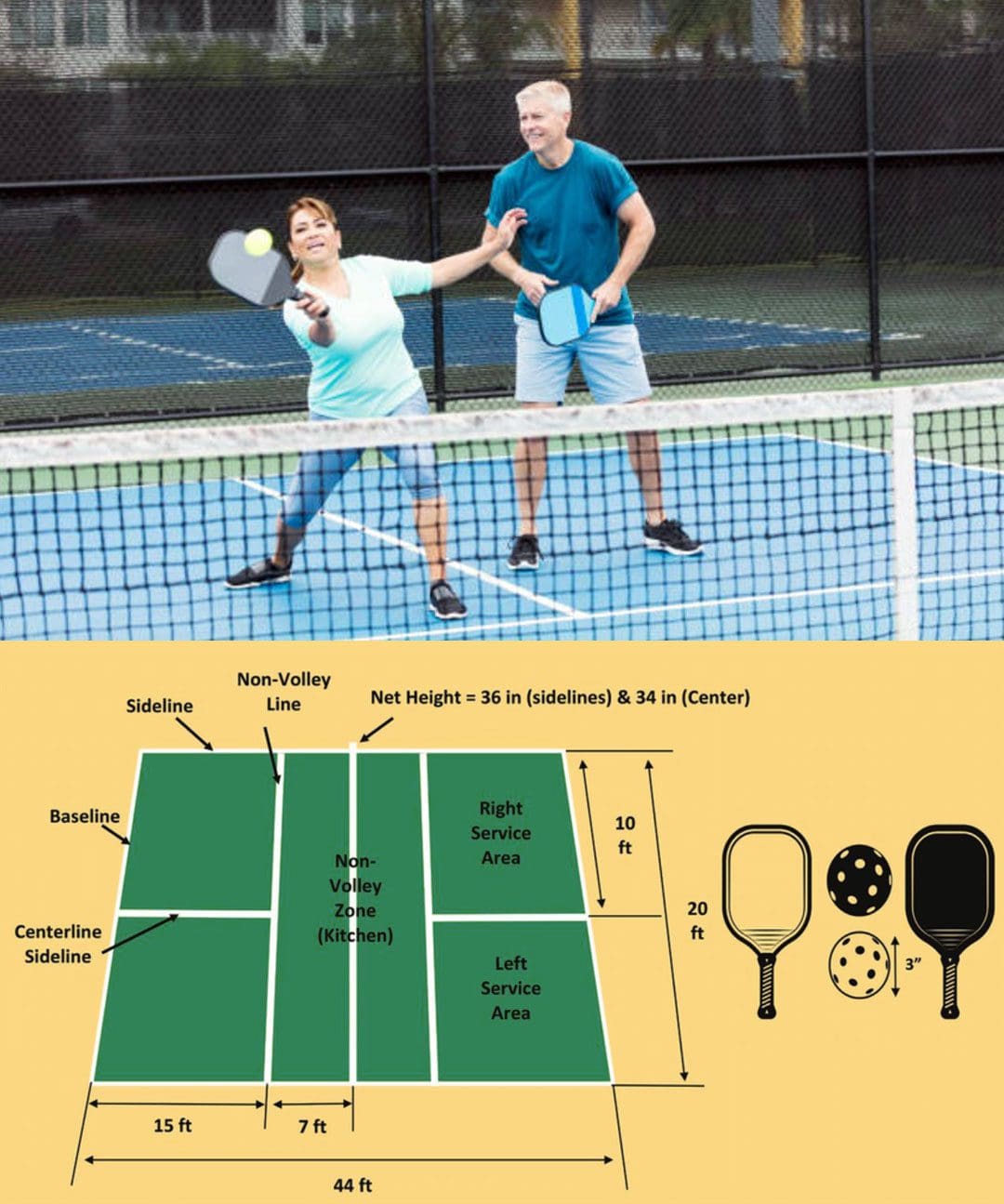
A three-foot-long net is set up in the center of a court measuring 44 feet long by 20 feet wide.
The court is divided between right and left service zones.
If the receiving side misses the serving side volley, the serving side receives a point.
The game is played to 11 points, but a player or team must win by two points.
The ball’s design keeps the pace manageable and user-friendly.
Pickleball has other intricacies common with other racket-court sports.
The player serves from a specific side.
The no-volley zone, or the kitchen is seven feet from the net on both sides.
There are rules regarding when the player must call the score, how tournaments work, and variations between singles and doubles matches.
Most players only need a few games to pick up the basics.
Reasons To Play
The sport offers a number of health benefits.
Improves Mental Health
One study found individuals who played pickleball tended to have better mental health and outlook.
Researchers followed older adults competing in pickleball competitions and tournaments.
At the end of the study, the researchers found that a commitment to a physical hobby correlated to reduced depression levels.
Improves Cardiovascular Health
The sport is not as physically intense as say tennis, but offers significant benefits for cardiovascular health.
One study found that individuals who played three times a week for an hour had improved cardiorespiratory fitness, lower cholesterol levels, and decreased blood pressure.
Experts found that it is a healthy alternative to traditional exercises like walking or biking.
Improved Hand-Eye Coordination
Pickleball will improve hand-eye coordination and reflexes.
Coordinating the feet, legs, arms, hands, and eye movements quickens responses, challenges the brain to think fast, and increases balance.
Physical activity combined with cognitive challenges has been found to improve cognitive health and prevent mental decline in older adults.
Socialization
Pickleball requires an opponent or two for doubles matches.
A significant benefit is that the sport provides increased socialization.
Socializing with others, especially the elderly can help with loneliness.
Loneliness can negatively impact physical and mental health, increasing the risk of heart disease, stroke, dementia, and depression.
Getting Started
Individuals need minimal gear like paddles, shoes, and balls and knowledge to get started playing. One of the easiest ways to begin is locating a court in the community. This is a great physical activity that can be competitive, but overall it is fun, easy to play, and provides great health benefits.
Home Exercises For Pain Relief
References
Casper, Jonathan M, and Jung-Hwan Jeon. “Psychological Connection to Pickleball: Assessing Motives and Participation in Older Adults.” Journal of Aging and physical activity, 1-6. 24 Oct. 2018, doi:10.1123/japa.2017-0381
Cerezuela, Juan-Leandro, et al. “Pickleball and mental health in adults: A systematic review.” Frontiers in psychology vol. 14 1137047. 21 Feb. 2023, doi:10.3389/fpsyg.2023.1137047
Ryu, Jungsu, et al. “Pickleball, Personality, and Eudaimonic Well-Being in Middle-Aged and Older Adults.” Journal of Aging and physical activity vol. 30,5 885-892. 14 Feb. 2022, doi:10.1123/japa.2021-0298
Vitale, Kenneth, and Steven Liu. “Pickleball: Review and Clinical Recommendations for this Fast-growing Sport.” Current sports medicine reports vol. 19,10 (2020): 406-413. doi:10.1249/JSR.0000000000000759
Webber, Sandra C et al. “Physical Activity Intensity of Singles and Doubles Pickleball in Older Adults.” Journal of Aging and physical activity vol. 31,3 365-370. 10 Sep. 2022, doi:10.1123/japa.2022-0194
Before the body can benefit from consumed nutrients, the gastrointestinal tract has to digest and absorb the foods. Before eating, the body needs to feel hungry. However, hunger is not the same as appetite. Hunger is a physical reaction caused by hormonal and chemical changes in the body when fuel is needed. Appetite is more of a desire to eat and can be a learned response. It is one reason why individuals can eat when they are not hungry. The body comprises different hormones that regulate hunger, digestion, and appetite.
Hunger Digestion Regulating Hormones
Hunger Hormones
Hunger is the feeling when the body needs food. When the body has enough, hunger should subside. That’s because various hormones regulate hunger.
Leptin
Leptin is a hormone secreted by adipose tissue/fat into the bloodstream.
The more fat in the body, the higher the blood levels of leptin.
Leptin level also increases with food intake and is higher in females than males, but overall, it lowers with age.
Increased leptin levels trigger the hypothalamus to reduce hunger.
Ghrelin
Ghrelin is a hormone produced by the stomach and small intestine when the stomach is empty.
Like leptin, it also works with the hypothalamus.
However, instead of suppressing hunger, it increases hunger.
Insulin
The pancreas produces this hormone.
It is mostly known for regulating blood sugar levels.
It also suppresses hunger.
Adiponectin
Adiponectin is a hormone secreted by fat cells.
As body fat levels go down, this hormone goes up.
If fat levels go up, adiponectin levels go down.
Cholecystokinin
Cholecystokinin is a hormone produced in the small intestine during and after a meal.
It triggers the release of bile and digestive enzymes into the small intestine.
These suppress hunger and make the body feel full.
Peptide YY
This hormone suppresses appetite for about 12 hours after eating.
Made by both the large and small intestines after eating.
Glucocorticoids
Adrenal glands make these hormones, and their primary function is to regulate inflammation and other processes, but they also impact hunger.
A cortisol deficiency reduces appetite, but excessive amounts of glucocorticoids increase hunger.
Digestion Hormones
Digestion is coordinated and regulated by hormones.
Gastrin
Gastrin is a hormone the stomach and the small intestine release when eating.
Gastrin stimulates the release of hydrochloric acid and pepsinogen in the stomach to speed up digestion.
Gastrin stimulates glucagon, which works with insulin to regulate blood sugar.
Secretin
Secretin is a hormone made by the small intestine.
It is secreted into the bloodstream when the acidic chyme from the stomach enters the small intestine.
Secretin stimulates the pancreas to release bicarbonate digestive liquids into the small intestine.
The bicarbonate neutralizes the acidity.
Secretin acts on the stomach to trigger the production of pepsinogen to help break down proteins.
Cholecystokinin – CCK
The small intestine makes and releases CCK into the bloodstream.
Essential fat digestion stimulates the gallbladder to release bile into the small intestine.
It also triggers the pancreas to release various digestive enzymes so they can break down fats, carbohydrates, and proteins.
It stimulates the pancreas to release insulin and slows down stomach digestive activity.
Peptide YY and Enterogastrone
Released by the small intestine, two more hormones slow digestion down and decrease the production of digestive secretions.
Chiropractic Care and Metabolism
References
Chandra, Rashmi, and Rodger A Liddle. “Cholecystokinin.” Current Opinion in Endocrinology, diabetes, and Obesity vol. 14,1 (2007): 63-7. doi:10.1097/MED.0b013e3280122850
Davis, Jon. “Hunger, ghrelin and the gut.” Brain Research vol. 1693, Pt B (2018): 154-158. doi:10.1016/j.brainres.2018.01.024
Gupta K, Raja A. Physiology, Gastric Inhibitory Peptide. [Updated 2022 Sep 26]. In: StatPearls [Internet]. Treasure Island (FL): StatPearls Publishing; 2023 Jan-. Available from: https://www.ncbi.nlm.nih.gov/books/NBK546653/
Konturek, S J et al. “Brain-gut axis and its role in the control of food intake.” Journal of Physiology and Pharmacology: an official journal of the Polish Physiological Society vol. 55,1 Pt 2 (2004): 137-54.
Prosapio JG, Sankar P, Jialal I. Physiology, Gastrin. [Updated 2023 Apr 6]. In: StatPearls [Internet]. Treasure Island (FL): StatPearls Publishing; 2023 Jan-. Available from: https://www.ncbi.nlm.nih.gov/books/NBK534822/
Rix I, Nexøe-Larsen C, Bergmann NC, et al. Glucagon Physiology. [Updated 2019 Jul 16]. In: Feingold KR, Anawalt B, Blackman MR, et al., editors. Endotext [Internet]. South Dartmouth (MA): MDText.com, Inc.; 2000-. Available from: https://www.ncbi.nlm.nih.gov/books/NBK279127/
Suzuki, Keisuke, et al. “The role of gut hormones and the hypothalamus in appetite regulation.” Endocrine Journal vol. 57,5 (2010): 359-72. doi:10.1507/endocrine.k10e-077
Tack, Jan, et al. “The gastrointestinal tract in hunger and satiety signaling.” United European gastroenterology journal vol. 9,6 (2021): 727-734. doi:10.1002/ueg2.12097
Zanchi, Davide, et al. “The impact of gut hormones on the neural circuit of appetite and satiety: A systematic review.” Neuroscience and biobehavioral reviews vol. 80 (2017): 457-475. doi:10.1016/j.neubiorev.2017.06.013
Individuals can become overly passionate about exercising. However, constantly training the body without taking enough time to rest and recover can impact athletes and fitness enthusiasts physically and mentally and lead to overtraining syndrome. Excessive training can cause decreases in athletic physical performance that can be long-lasting, sometimes taking several weeks or months to recover. Individuals who don’t learn to manage overtraining can have injuries and more frequent illnesses and infections. And the psychological effects can also lead to negative mood changes. Learn the signs and how to cut back to prevent injury and/or burnout.
Overtraining Syndrome
Athletes and fitness lovers often exercise longer and harder than average to reach peak performance. Even individuals just getting started with exercise can push their limits as they try to figure out what works for them. This means taking into consideration the following:
The mental side of training.
How to get and stay motivated.
How to set up a safe and effective program with balanced cardio and strength training.
How to avoid skipping workouts when things get in the way.
Exercising too much is a mistake many beginners make, putting themselves at risk for injury.
Overtraining syndrome is when the body goes through and feels:
Extreme fatigue.
Physical performance problems.
Mood changes.
Sleep disturbances.
Other issues due to working out or training too much and/or too hard without giving the body enough time to rest.
Overtraining is common among athletes who train beyond their body’s ability to recover, usually when preparing for a competition or event. Conditioning for athletes and enthusiasts requires a balance between work and recovery.
Signs and Symptoms
There are several signs to look for, with the more common symptoms being:
Mild muscle or joint soreness, general aches, and pains.
Decreased training capacity, intensity, or performance.
Lack of energy, constantly tired, and/or drained.
Brain fog.
Insomnia.
Decreased appetite or weight loss.
Loss of enthusiasm for the sport or exercise.
Irregular heart rate or heart rhythm.
Increased injuries.
Increased headaches.
Feeling depressed, anxious, or irritable.
Sexual dysfunction or decreased sex drive.
Lower immunity with an increase in colds and sore throats.
Prevent Overtraining
Predicting whether there is a risk of overtraining can be tricky because every person responds differently to various training routines.
Individuals have to vary their training throughout and schedule adequate time for rest.
Individuals who believe they may be training too hard should try the following strategies to prevent overtraining syndrome.
Take Note of Mental and Mood Changes
Methods exist to test for overtraining objectively.
One is taking note of psychological signs and symptoms associated with changes in an individual’s mental state can be an indicator.
Decreased positive feelings for exercise, physical activities, and sports.
Increased negative emotions, like depression, anger, fatigue, and irritability, can appear after a few days of intense training.
If these feelings and emotions begin to present, it is time to rest or dial the intensity down.
Training Log
A training log that notes how the body feels daily.
It can help individuals notice downward trends and decreased enthusiasm.
This can help individuals learn to listen to their body’s signals and rest when necessary.
Monitor Heart Rate
Another option is to track changes in heart rate over time.
Monitor heart rate at rest and specific exercise intensities while training, and record it.
If the heart rate increases at rest or a given intensity, this could be a risk indicator, especially if symptoms develop.
Track resting heart rate each morning.
Individuals can manually take a pulse for 60 seconds immediately after waking up.
Individuals can also use a heart rate monitor or fitness band.
Any marked increase from the norm may indicate that the body has not fully recovered.
Treatment
Rest and Recovery
Reduce or stop the exercise and allow the mind and body a few rest days.
Research on overtraining shows that complete rest is the primary treatment.
Take Extra Rest Days
Starting anything new will usually make the body sore.
Be prepared for the aches and take extra rest days when needed.
The body won’t have the same energy levels from day to day or even from week to week.
Consult A Trainer
Not sure where to start or how to approach working out safely.
This is the time to meet with a professional who can look at physical and medical history, fitness level, and goals.
They can develop a customized program to meet specific needs.
Nutrition and Hydration
Maintain optimal body hydration with plenty of H2O/water and rehydrating drinks, vegetables, and fruits.
Staying properly hydrated is key to both recovery and prevention.
Getting enough protein and carbohydrates supports muscle recovery.
Carbs are important for endurance, and protein is important for muscular strength and power.
Sports Chiropractic Massage
Research shows that sports massage benefits muscle recovery and can improve delayed onset muscle soreness/DOMS.
Massage keeps muscles loose and flexible and increases blood circulation for expedited recovery.
Relaxation Techniques
Stress-reduction techniques such as deep breathing and progressive muscle relaxation exercises can improve rest and recovery.
Total recovery from overtraining syndrome can take a few weeks or longer, depending on the individual’s health status and how long the excessive training has gone on. A physician can refer individuals to a physical therapist or sports chiropractor, who can develop a personalized recovery plan to get the body back to top form.
Military Training and Chiropractic
References
Bell, G W. “Aquatic sports massage therapy.” Clinics in sports medicine vol. 18,2 (1999): 427-35, ix. doi:10.1016/s0278-5919(05)70156-3
Carrard, Justin, et al. “Diagnosing Overtraining Syndrome: A Scoping Review.” Sports Health vol. 14,5 (2022): 665-673. doi:10.1177/19417381211044739
Davis, Holly Louisa, et al. “Effect of sports massage on performance and recovery: a systematic review and meta-analysis.” BMJ open sport & exercise medicine vol. 6,1 e000614. 7 May. 2020, doi:10.1136/bmjsem-2019-000614
Grandou, Clementine, et al. “Symptoms of Overtraining in Resistance Exercise: International Cross-Sectional Survey.” International Journal of sports physiology and Performance vol. 16,1 (2021): 80-89. doi:10.1123/ijspp.2019-0825
Meeusen, Romain, et al. “Brain neurotransmitters in fatigue and overtraining.” Applied physiology, nutrition, and metabolism = Physiologie applique, nutrition et metabolisme vol. 32,5 (2007): 857-64. doi:10.1139/H07-080
Peluso, Marco Aurélio Monteiro, and Laura Helena Silveira Guerra de Andrade. “Physical activity and mental health: the association between exercise and mood.” Clinics (Sao Paulo, Brazil) vol. 60,1 (2005): 61-70. doi:10.1590/s1807-59322005000100012
Weerapong, Pornratshanee, et al. “The mechanisms of massage and effects on performance, muscle recovery, and injury prevention.” Sports medicine (Auckland, N.Z.) vol. 35,3 (2005): 235-56. doi:10.2165/00007256-200535030-00004
Back pain is widespread and can negatively impact an individual’s work productivity. The severity and location of where the pain can vary from acute to chronic, making it a complex problem that can be expensive to treat. Several factors can contribute to back pain, affecting the surrounding muscles, ligaments, and spinal discs in the spinal region. The most commonly affected area where back pain is causing issues is the lumbar region, which supports the upper body’s weight and stabilizes the lower body. Lower back pain can also cause radiating referred pain down to the legs, further affecting an individual’s quality of life. In this article, we will explore the economic cost and burden of chronic back pain and how spinal decompression can help alleviate the pain, allowing many individuals to return to work pain-free. We work with certified medical providers who use our patients’ valuable information to treat individuals with back pain and inform them about non-surgical treatments like spinal decompression that can help relieve them from back pain and get them back to their daily activities. We encourage patients to ask essential questions and seek education from our associated medical providers about their condition. Dr. Jimenez, D.C., provides this information as an educational service. Disclaimer
The Burden Of Chronic Back Pain
Back pain can range from acute to chronic, depending on the extent of the injury. It can affect the non-specific or specific area of the spine. Non-specific back pain doesn’t have an underlying cause, while specific back pain is due to environmental factors that increase the risk of compressing the spinal discs. Research studies revealed that back pain can be a burden because it is difficult to treat and costly, affecting millions of individuals in the workplace. It is a widespread musculoskeletal disorder that can be disheartening without relief.
The Economic Cost Of Back Pain
Back pain is a significant cause of work loss and limitations for many individuals, as reported by “The Ultimate Spinal Decompression” by Dr. Perry Bard, D.C., and Dr. Eric Kaplan, D.C., FIAMA. Working adults with back pain are more likely to utilize healthcare services, leading to costs of over $12 billion per year, making it one of the most expensive conditions in the U.S. Additional research studies revealed that back pain has a greater economic impact than most other health conditions due to its effect on work absenteeism, reduced productivity, and increased risk of leaving the labor market. This can leave working adults feeling disheartened, angry, depressed, and stressed. However, many cost-effective and safe treatments can help relieve individuals suffering from back pain, eliminating the need for expensive surgeries.
Reducing Soft Tissue Injuries With Chiropractic-Video
Are you suffering from pain that radiates from your back down to your legs? Do you experience stiffness in certain areas of your back or constant stress affecting your work productivity? If so, you may be dealing with back pain, a common complaint among many individuals in the workforce. Depending on its severity, back pain can be either specific or non-specific and is a complex condition that can be expensive to treat. Unfortunately, many working adults continue to work with back pain, which can cause them to take a leave of absence from work due to the pain. This can lead to more harm and disability since the pain can be unbearable. However, there are ways to reduce the effects of back pain and provide relief to many working individuals. Non-surgical treatments such as MET, chiropractic manipulation, traction therapy, and spinal decompression can help reduce the impact of back pain by relieving pain from the surrounding muscles, soft tissues, and ligaments affected by back pain. Additionally, individuals can combine non-surgical treatments with other therapies to prevent back pain from reoccurring and promote overall health and wellness. A video demonstrating these non-surgical treatments is available for your convenience.
The Effects Of Spinal Decompression On Back Pain
Many individuals choose non-surgical treatments to alleviate back pain for their cost-effectiveness, safety, and non-invasiveness. One such treatment is spinal decompression, which research studies have shown to improve lumbar spine conditions in individuals with associated back pain. Spinal decompression uses gentle traction to pull the spine and allow compressed spinal discs to return to their original position, restoring nutrients and oxygenated blood and reducing back pain’s effects. It also relieves nerve root compression, which can affect surrounding muscles. Through regular spinal decompression sessions, individuals can begin to feel relief from back pain while becoming more mindful of the environmental factors that cause it.
Conclusion
Many people in the workforce suffer from back pain, causing them to miss work frequently. This problem is common and expensive to treat due to its complexity. Back pain is often accompanied by other symptoms associated with various conditions that can cause chronic pain. Fortunately, cost-effective and safe treatments can help alleviate back pain and allow individuals to return to work. One effective treatment is spinal decompression, which involves gentle traction that pulls the spine and relieves associated symptoms. This non-surgical treatment is safe, affordable and helps the body heal naturally. After a few sessions, many individuals experience significant relief from back pain and reduced chances of recurrence.
References
Kaplan, E., & Bard, P. (2023). The Ultimate Spinal Decompression. JETLAUNCH.
IFM's Find A Practitioner tool is the largest referral network in Functional Medicine, created to help patients locate Functional Medicine practitioners anywhere in the world. IFM Certified Practitioners are listed first in the search results, given their extensive education in Functional Medicine