For individuals trying to optimize muscle growth, protein intake is essential. However, the body is limited by how much protein can synthesize to repair and grow muscles. Can knowing protein intake timing, amount, and how to best stimulate muscle growth help achieve better results?
Muscle Protein Synthesis
Muscle protein synthesis is a physiological process of producing new muscle protein and is an important component of how the body maintains and builds muscle. Muscle growth is achieved with resistance training and protein intake. (Tanner Stokes, et al., 2018)
How Protein Synthesis Works
Protein is the building block of muscles, while protein synthesis is a natural metabolic process in which protein is produced to repair muscle damage caused by exercise. This happens from amino acids binding to skeletal muscle proteins, increasing muscle size. It counteracts muscle protein breakdown (MPB) due to protein loss during exercise. The breakdown of muscles is a necessary part of building muscle. When damaged, muscles will build back larger, so long as enough calories and protein are consumed to repair and grow the muscles. Muscle protein synthesis can be enhanced by increasing protein intake immediately following exercise. Learning to stimulate muscle protein synthesis through exercise and diet can help accelerate muscle growth, expedite recovery, improve physical performance, and increase overall endurance. (Cameron J. Mitchell et al., 2014)
Effects of Exercise
Protein balance describes the relationship between muscle protein breakdown and muscle protein synthesis. When the body is in protein balance, no muscle growth or wasting occurs, and the individual is considered in a healthy state of biological equilibrium/homeostasis, also known as maintenance. To stimulate muscle growth, individuals need to shake up the protein balance. Although it may seem counter-intuitive, exercise can break down muscle protein, but not more than the amount of protein the body can synthesize. (Felipe Damas, et al., 2015) The more intense the workout, the greater the muscle protein synthesis, as the muscle breakdown stimulates the repair and growth of tissues. Scientists measure intensity by the one-repetition maximum – 1-RM – meaning the maximum weight an individual can lift for one repetition. According to a research study, workout intensities of under 40% of the 1-RM will not affect muscle protein synthesis. And intensities greater than 60% will double or triple muscle protein synthesis. (P. J. Atherton, K Smith. 2012)
Food Impact
The relationship between diet and protein balance is not so straightforward. Even with increased protein intake, muscle protein synthesis occurs for a specific period. This is because the body can only utilize a certain amount of the essential amino acids it receives, with anything more being broken down and excreted by the liver. Nutritionists recommend about 1.4 to 2.0 grams of protein per kilogram of body weight per day for building muscle and strength. (Ralf Jäger, et al., 2017) Enough protein can be obtained by focusing on dairy, eggs, lean meats, nuts, and legumes. It is also recommended to consume enough whole grains, healthy fats, fruits, and vegetables to help the body perform and repair properly. For example, carbohydrates are necessary for muscle building as they stimulate insulin release that supports muscle cell protein absorption. (Vandré Casagrande Figueiredo, David Cameron-Smith. 2013) A study looked into response rates in men prescribed 10, 20, or 40 grams of whey protein immediately following resistance training. Researchers noted the following results: (Oliver C. Witard et al., 2014)
10 grams of whey protein – No effect on muscle protein synthesis.
20 grams – Increased muscle protein synthesis by 49%.
40 grams – Increased the muscle protein synthesis by 56% but also caused the excessive accumulation of urea.
Consuming 20 grams to 40 grams of whey protein after resistance training also increased other essential amino acids associated with lean muscle growth. (Lindsay S. Macnaughton et al., 2016)
Whey protein is a fast-digesting protein.
Increased results can be obtained by consuming slower-digesting protein throughout the day.
Muscle gains vary from person to person as everyone’s body is different. Individuals considering consuming protein beyond the recommended dietary intake should consult their doctor or a registered nutritionist to understand the potential benefits and risks.
Building A Stronger Body
References
Stokes, T., Hector, A. J., Morton, R. W., McGlory, C., & Phillips, S. M. (2018). Recent Perspectives Regarding the Role of Dietary Protein for the Promotion of Muscle Hypertrophy with Resistance Exercise Training. Nutrients, 10(2), 180. https://doi.org/10.3390/nu10020180
Mitchell, C. J., Churchward-Venne, T. A., Parise, G., Bellamy, L., Baker, S. K., Smith, K., Atherton, P. J., & Phillips, S. M. (2014). Acute post-exercise myofibrillar protein synthesis is not correlated with resistance training-induced muscle hypertrophy in young men. PloS one, 9(2), e89431. https://doi.org/10.1371/journal.pone.0089431
Damas, F., Phillips, S., Vechin, F. C., & Ugrinowitsch, C. (2015). A review of resistance training-induced changes in skeletal muscle protein synthesis and their contribution to hypertrophy. Sports medicine (Auckland, N.Z.), 45(6), 801–807. https://doi.org/10.1007/s40279-015-0320-0
Atherton, P. J., & Smith, K. (2012). Muscle protein synthesis in response to nutrition and exercise. The Journal of physiology, 590(5), 1049–1057. https://doi.org/10.1113/jphysiol.2011.225003
Jäger, R., Kerksick, C. M., Campbell, B. I., Cribb, P. J., Wells, S. D., Skwiat, T. M., Purpura, M., Ziegenfuss, T. N., Ferrando, A. A., Arent, S. M., Smith-Ryan, A. E., Stout, J. R., Arciero, P. J., Ormsbee, M. J., Taylor, L. W., Wilborn, C. D., Kalman, D. S., Kreider, R. B., Willoughby, D. S., Hoffman, J. R., … Antonio, J. (2017). International Society of Sports Nutrition Position Stand: protein and exercise. Journal of the International Society of Sports Nutrition, 14, 20. https://doi.org/10.1186/s12970-017-0177-8
Figueiredo, V. C., & Cameron-Smith, D. (2013). Is carbohydrate needed to further stimulate muscle protein synthesis/hypertrophy following resistance exercise?. Journal of the International Society of Sports Nutrition, 10(1), 42. https://doi.org/10.1186/1550-2783-10-42
Witard, O. C., Jackman, S. R., Breen, L., Smith, K., Selby, A., & Tipton, K. D. (2014). Myofibrillar muscle protein synthesis rates subsequent to a meal in response to increasing doses of whey protein at rest and after resistance exercise. The American journal of clinical nutrition, 99(1), 86–95. https://doi.org/10.3945/ajcn.112.055517
Macnaughton, L. S., Wardle, S. L., Witard, O. C., McGlory, C., Hamilton, D. L., Jeromson, S., Lawrence, C. E., Wallis, G. A., & Tipton, K. D. (2016). The response of muscle protein synthesis following whole-body resistance exercise is greater following 40 g than 20 g of ingested whey protein. Physiological reports, 4(15), e12893. https://doi.org/10.14814/phy2.12893
Can individuals with sensory nerve dysfunction incorporate nonsurgical decompression to restore sensory-mobility function to their bodies?
Introduction
The spinal column in the musculoskeletal system comprises bones, joints, and nerves that work together with various muscles and tissues to ensure that the spinal cord is protected. The spinal cord is part of the central nervous system where the nerve roots are spread out to the upper and lower body parts that supply sensory-motor functions. This allows the body to move and function without pain or discomfort. However, when the body and spine ages or when a person is dealing with injuries, the nerve roots can become irritated and cause weird sensations like numbness or tingling, often correlating with body pain. This can cause a socio-economic burden on many individuals and, if not treated right away, can lead to chronic pain. To that point, it can lead to many individuals dealing with body extremity pain associated with sensory nerve dysfunction. This causes many individuals dealing with musculoskeletal disorders to start looking for treatment. Today’s article examines how nerve dysfunction affects the extremities and how nonsurgical decompression can help reduce nerve dysfunction to allow mobility back to the upper and lower limbs. We speak with certified medical providers who incorporate our patients’ information to provide nonsurgical solutions like decompression to help individuals with nerve dysfunction. We also inform patients how nonsurgical decompression can restore mobility-sensory to the upper and lower extremities. We encourage our patients to ask intricated and educational questions to our associated medical providers about the pain-like symptoms they are experiencing correlating with the sensory nerve dysfunction. Dr. Alex Jimenez, D.C., utilizes this information as an academic service. Disclaimer.
How Nerve Dysfunction Affects The Extremities
Do you experience tingling or numb sensations in your hands or feet that don’t want to go away? Do you feel pain in different back portions that can only be relieved through stretching or resting? Or does it hurt to walk for long distances that you feel like you need to rest constantly? Many pain-like scenarios are associated with sensory nerve dysfunction that can affect the upper and lower extremities. When many individuals experience sensory nerve dysfunction and deal with weird sensations in their extremities, many think it is due to musculoskeletal pain in their neck, shoulders, or back. This is only part of the issue, as many environmental factors can be associated with sensory nerve pain, as the nerve roots are being compressed and agitated, causing sensory nerve dysfunction in the extremities. Since the nerve roots are spread out from the spinal cord, the brain sends the neuron information to the nerve roots to allow sensory-mobility function in the upper and lower extremities. This allows the body to be mobile without discomfort or pain and functional through daily activities. However, when many individuals start to do repetitive motions that cause the spinal disc to be compressed constantly, it can lead to potential disc herniation and musculoskeletal disorders. Since numerous nerve roots are spread to the different extremities, when the main nerve roots are aggravated, it can send pain signals to each extremity. Hence, many people are dealing with nerve entrapment that leads to lower back, buttock, and leg pain that can affect their daily routine. (Karl et al., 2022) At the same time, many people with sciatica are dealing with sensory nerve dysfunction that affects their walking ability. With sciatica, it can be associated with spinal disc pathology and causes many individuals to seek treatment. (Bush et al., 1992)
Sciatica Secrets Revealed-Video
When it comes to looking for treatment to reduce sensory nerve dysfunction, many individuals will opt for nonsurgical solutions to minimize the pain-like symptoms and reduce the pain signals that are causing the upper and lower extremities to suffer. Nonsurgical treatment solutions like decompression can help restore sensory nerve function through gentle traction by causing the spinal disc to lay off the aggravated nerve root and start the body’s natural healing process. At the same time, it helps reduce musculoskeletal disorders from returning. The video above shows how sciatica associated with sensory nerve dysfunction can be decreased through nonsurgical treatments to allow the body’s extremities to feel better.
Nonsurgical treatments can help reduce low back pain associated with sensory nerve dysfunction to restore sensory-motor function to the upper and lower extremities. Many individuals who incorporate nonsurgical treatments like decompression as part of their health and wellness routine can see improvement after consecutive treatment. (Chou et al., 2007) Since many healthcare practitioners incorporate nonsurgical treatments like decompression into their practices, there has been quite an improvement in pain management. (Bronfort et al., 2008)
When many individuals start to use nonsurgical decompression for sensory nerve dysfunction, many will see improvement in their pain, mobility, and activities of their daily living. (Gose et al., 1998). What spinal decompression does for the nerve roots is that it helps the affected disc that is aggravating the nerve root, pulls the disc back to its original position, and rehydrates it. (Ramos & Martin, 1994) When many individuals start thinking about their health and wellness, nonsurgical treatments can be effective for them due to their affordable cost and how they can be combined with other therapies to manage better the pain associated with nerve dysfunction affecting their body extremities.
References
Bronfort, G., Haas, M., Evans, R., Kawchuk, G., & Dagenais, S. (2008). Evidence-informed management of chronic low back pain with spinal manipulation and mobilization. Spine J, 8(1), 213-225. https://doi.org/10.1016/j.spinee.2007.10.023
Bush, K., Cowan, N., Katz, D. E., & Gishen, P. (1992). The natural history of sciatica associated with disc pathology. A prospective study with clinical and independent radiologic follow-up. Spine (Phila Pa 1976), 17(10), 1205-1212. https://doi.org/10.1097/00007632-199210000-00013
Chou, R., Huffman, L. H., American Pain, S., & American College of, P. (2007). Nonpharmacologic therapies for acute and chronic low back pain: a review of the evidence for an American Pain Society/American College of Physicians clinical practice guideline. Ann Intern Med, 147(7), 492-504. https://doi.org/10.7326/0003-4819-147-7-200710020-00007
Gose, E. E., Naguszewski, W. K., & Naguszewski, R. K. (1998). Vertebral axial decompression therapy for pain associated with herniated or degenerated discs or facet syndrome: an outcome study. Neurol Res, 20(3), 186-190. https://doi.org/10.1080/01616412.1998.11740504
Karl, H. W., Helm, S., & Trescot, A. M. (2022). Superior and Middle Cluneal Nerve Entrapment: A Cause of Low Back and Radicular Pain. Pain Physician, 25(4), E503-E521. https://www.ncbi.nlm.nih.gov/pubmed/35793175
Ramos, G., & Martin, W. (1994). Effects of vertebral axial decompression on intradiscal pressure. J Neurosurg, 81(3), 350-353. https://doi.org/10.3171/jns.1994.81.3.0350
For individuals wanting to improve their fitness routine can incorporating wearable weights and knowing how to use them effectively help achieve health goals?
Wearable Weights
Adding wearable weights allows individuals to use their body weight with added resistance. This can add strength training to a routine but can also be used during walks or runs to increase cardiovascular health and aid in weight loss. Research studies have found that wearing a weighted vest reduces body weight and fat mass. This is because heavier loads increase energy expenditure for the increase in physical workload. (Claes Ohlsson, et al., 2020)
Benefits
Wearable weights are easy to use.
Depending on the type, they are compact and can be taken on the go.
Wearing weights is an option for individuals with injuries or degenerative joint disease like arthritis that makes it difficult to hold or move weights.
Because many are only a few pounds, they are available to anyone from adolescents to the elderly.
Anyone can benefit from the different types of wearable weights.
Types
Three main types of wearable weights include wrist weights, ankle weights, and weighted vests.
Wrist weights can replace dumbbells in some cases.
They are typically between 1 to 10 pounds.
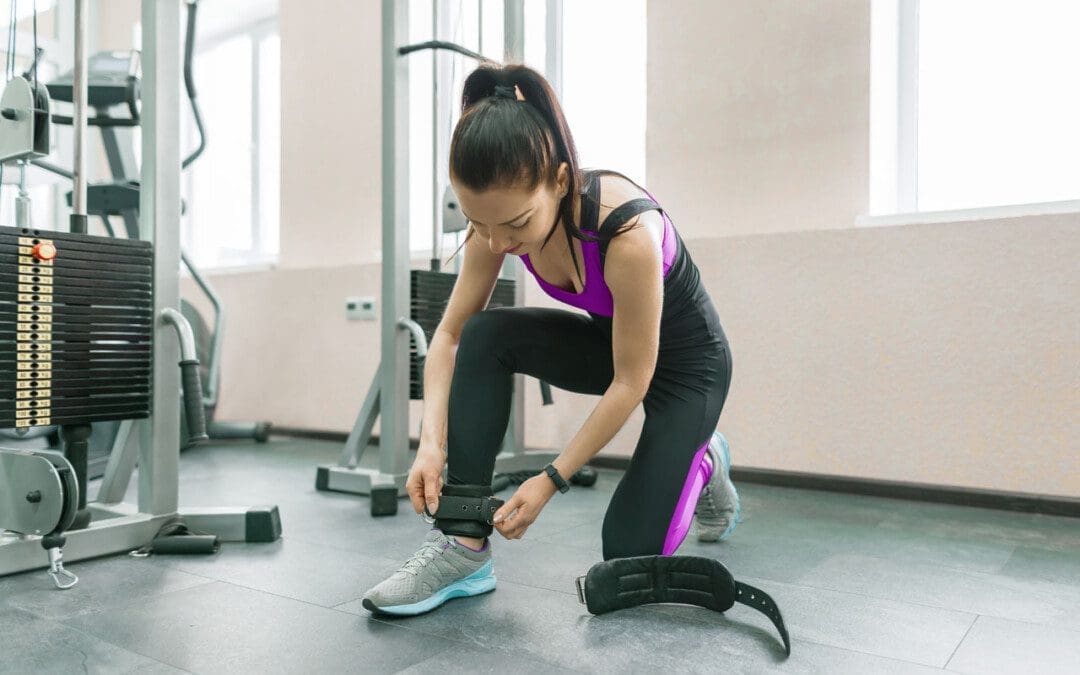
Ankle weights can provide extra resistance to leg motions.
They can be found from 1 pound up to 20 pounds.
Weighted vests provide a full-body challenge.
The weight choices for them vary, as most contain pockets where weight can be increased or decreased.
Using The Weights
Individuals can use wearable weights as a complement to strength and cardiovascular regimens. Beginners will want to start with lighter weights worn for less time. As the body becomes stronger, it’s important to increase the weight to see results.
Ankle Weights
Ankle weights can be used during a strength training workout to add resistance to lower body exercises.
As the body ages, it becomes more important to decrease the risk of falls by increasing lower limb and trunk strength.
Wearing weights on the wrists generates a higher energy expenditure, which allows one to add intensity to a walk or run without having to increase speed. (Catherine T. Campaña, Pablo B Costa. 2017)
Weighted Vests
Wearing a weighted vest during workouts will create a full-body challenge.
They can be used while walking or running and automatically add more difficulty.
Another way to utilize a weighted vest is to wear it while completing a regular workout.
Whether doing HITT, strength training, etc, individuals can wear a weighted vest.
The weight should be evenly distributed to prevent any injuries or functional disorders to the lower body.
Individuals want to talk to a healthcare provider before beginning a new fitness program, and adding weights is no different, especially if there are any current or past injuries.
Is Motion Key To Healing?
References
Ohlsson, C., Gidestrand, E., Bellman, J., Larsson, C., Palsdottir, V., Hägg, D., Jansson, P. A., & Jansson, J. O. (2020). Increased weight loading reduces body weight and body fat in obese subjects – A proof of concept randomized clinical trial. EClinicalMedicine, 22, 100338. https://doi.org/10.1016/j.eclinm.2020.100338
Chen, L., & Yu, Y. (2020). Exercise and Osteoarthritis. Advances in experimental medicine and biology, 1228, 219–231. https://doi.org/10.1007/978-981-15-1792-1_15
Akatsu, H., Manabe, T., Kawade, Y., Masaki, Y., Hoshino, S., Jo, T., Kobayashi, S., Hayakawa, T., & Ohara, H. (2022). Effect of Ankle Weights as a Frailty Prevention Strategy in the Community-Dwelling Elderly: A Preliminary Report. International journal of environmental research and public health, 19(12), 7350. https://doi.org/10.3390/ijerph19127350
Yang, H. S., James, C. R., Atkins, L. T., Sawyer, S. F., Sizer, P. S., Jr, Kumar, N. A., & Kim, J. (2018). Effects of arm weight on gait performance in healthy subjects. Human movement science, 60, 40–47. https://doi.org/10.1016/j.humov.2018.05.003
Campaña, C. T., & Costa, P. B. (2017). Effects of walking with hand-held weights on energy expenditure and excess postexercise oxygen consumption. Journal of exercise rehabilitation, 13(6), 641–646. https://doi.org/10.12965/jer.1735100.550
Gaffney, C. J., Cunnington, J., Rattley, K., Wrench, E., Dyche, C., & Bampouras, T. M. (2022). Weighted vests in CrossFit increase physiological stress during walking and running without changes in spatiotemporal gait parameters. Ergonomics, 65(1), 147–158. https://doi.org/10.1080/00140139.2021.1961876
Many individuals attribute to some degree, their neck or back pain to unhealthy posture. Can knowing the causes and underlying factors help guide lifestyle adjustments and seeking medical rehabilitative treatment?
Unhealthy Posture Causes
Numerous factors can cause individuals to practice unhealthy postures regularly.
Unhealthy posture can also be brought on by an injury, illness, or genetics.
A combination of these factors is also common.
Practicing healthy posture is a form of exercise where the muscles support the skeleton in stable and efficient alignment that is present in stillness and movement.
Injury and Muscle Guarding
After an injury, muscles can spasm to protect the body and help stabilize injuries and protect against further injury.
However, movements become limited and can lead to pain symptoms.
Prolonged muscle spasms lead to weakened muscles over time.
The imbalance between muscles guarding the injury and those still operating normally can lead to posture problems.
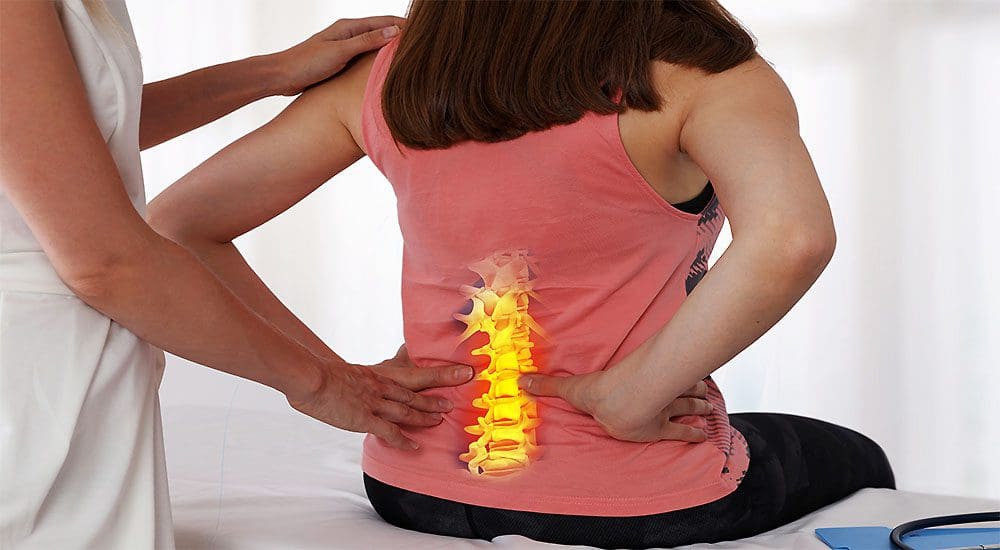
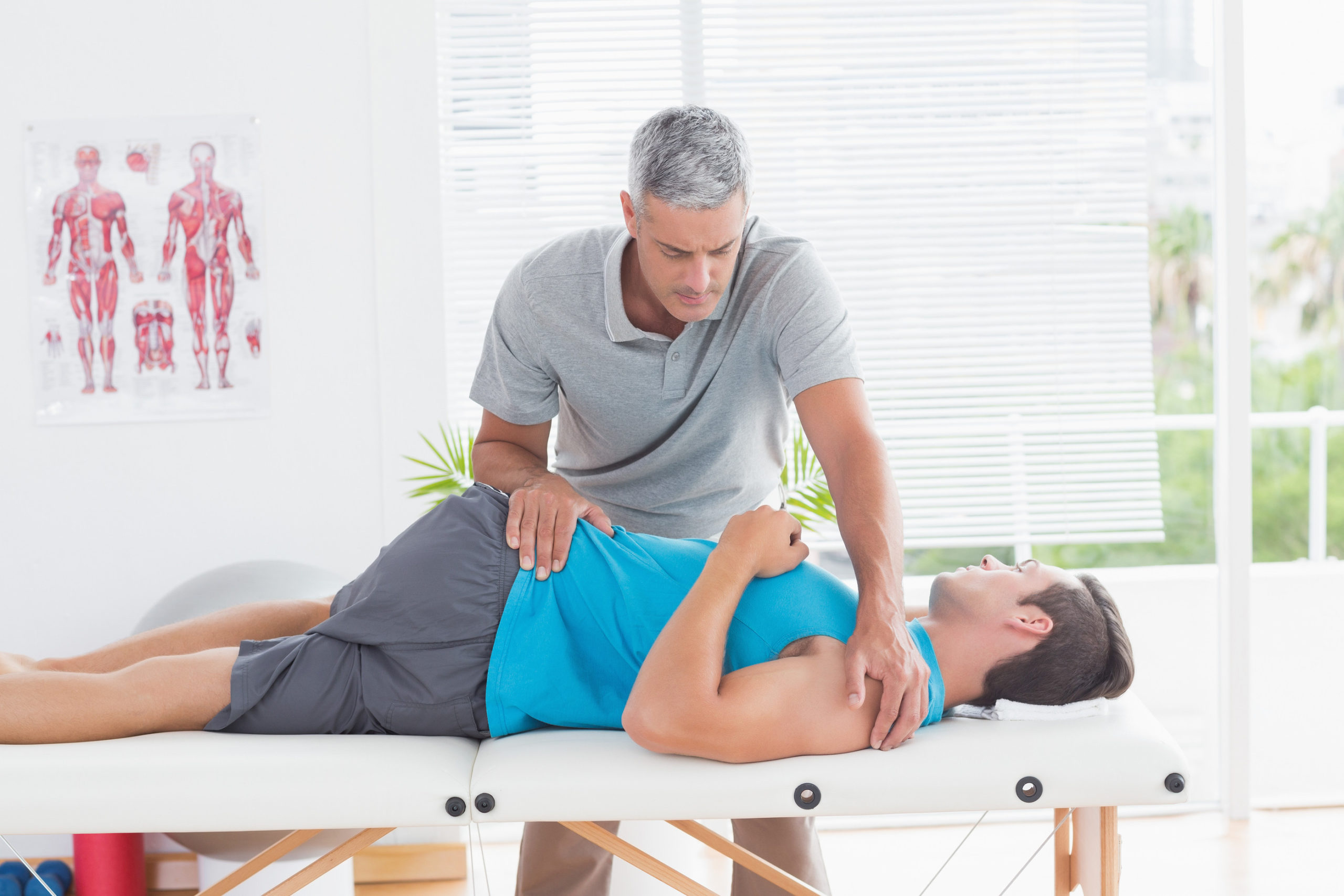
Musculoskeletal treatment with massage, chiropractic, and physical therapy can help restore optimal functioning.
Muscle Tension and Weakness
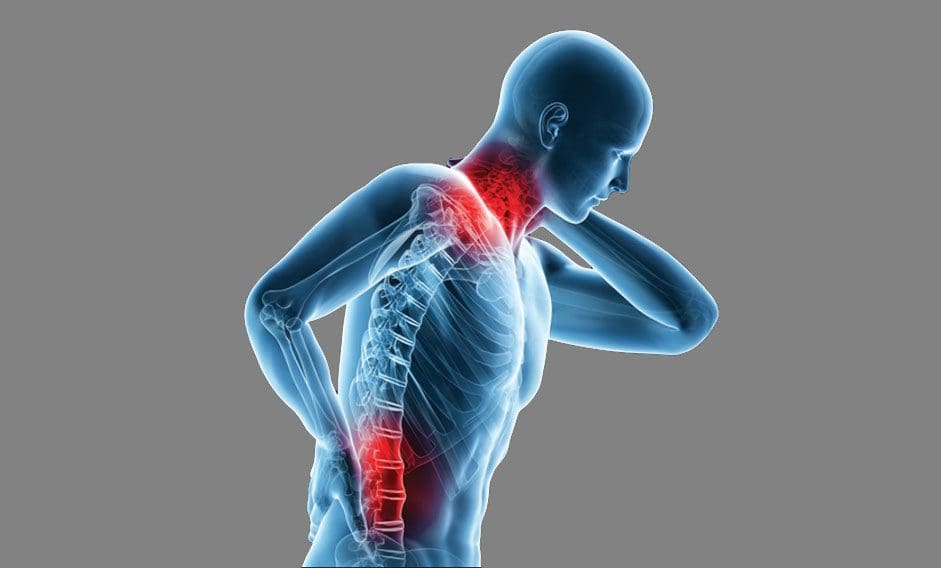
If certain muscle groups become weak or tense, posture can be affected, and pain symptoms can develop.
Muscle weakness or tension can develop when individuals hold a prolonged position day after day or when performing routine tasks and chores in a way that places tension on the muscles or uses them in an unbalanced way.
Postural retraining and physical therapy adjustments can help strengthen the muscles and relieve pain symptoms.
Daily Habits
As individuals find ways to accommodate muscle spasms, weakness, tension, and/or imbalances, the mind and body can forget and abandon healthy posture.
The body then begins compensating using alternate, awkward, and counterproductive muscle contractions and stretching that compromise body and spinal alignment.
Use of Technology
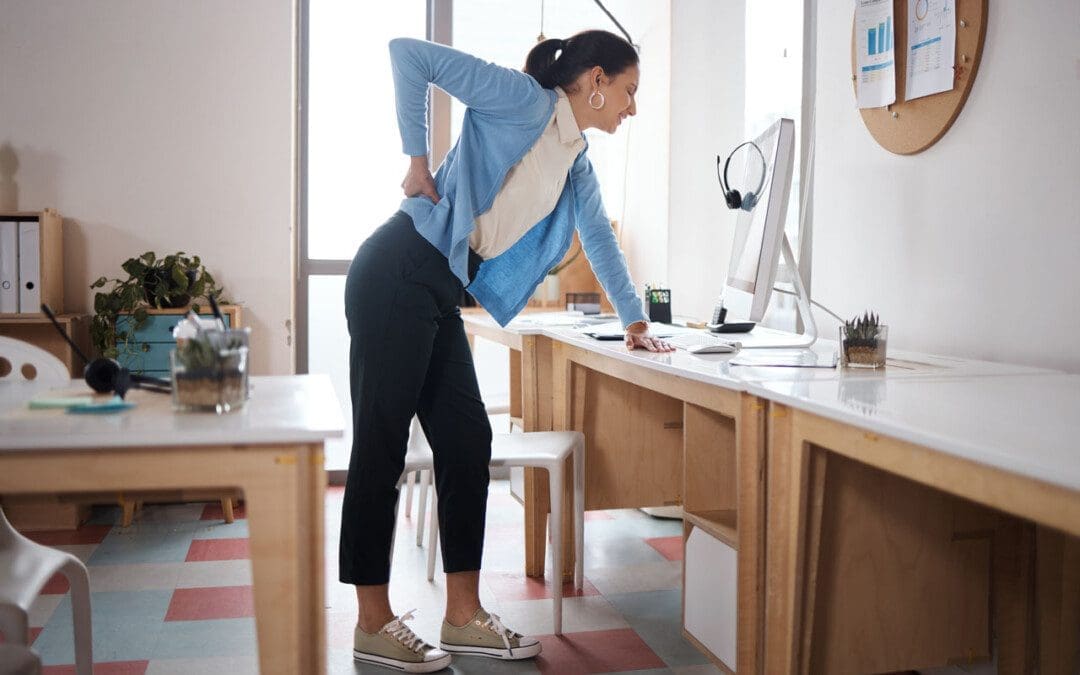
Technology – whether sitting at a desk/workstation, using a tablet or cell phone, or working with several devices can gradually shift the body out of alignment. (Parisa Nejati, et al., 2015)
Individuals constantly looking down at their phone may develop a text neck, a condition in which the neck is held in flexion or forward tilting too long, which can lead to pain.
Mental Attitude and Stress
Individuals under stress or are experiencing stressful situations can begin to have posture problems. (Shwetha Nair et al., 2015)
Stress can contribute to over-contracting muscles, which can cause muscle tension, shallow breathing, posture problems, and pain symptoms.
Being aware of body position and correcting and adjusting posture can help to counteract stress. (Shwetha Nair et al., 2015)
Wearing down the outside or inside of the shoes faster from things like weight-bearing habits will imbalance kinetic forces that translate up the ankle, knee, hip, and lower back leading to pain symptoms in any or all of these joints.
Heredity and Genetics
Sometimes the cause is hereditary.
For example, Scheuermann’s disease is a condition in which adolescent males develop a pronounced kyphosis curve in the thoracic spine. (Nemours. KidsHealth. 2022)
Consult Injury Medical Chiropractic and Functional Medicine Clinic for an evaluation, and let us help you by developing a personalized treatment and rehabilitation program.
The Path To Healing
References
Czaprowski, D., Stoliński, Ł., Tyrakowski, M., Kozinoga, M., & Kotwicki, T. (2018). Non-structural misalignments of body posture in the sagittal plane. Scoliosis and spinal disorders, 13, 6. https://doi.org/10.1186/s13013-018-0151-5
Nejati, P., Lotfian, S., Moezy, A., & Nejati, M. (2015). The study of correlation between forward head posture and neck pain in Iranian office workers. International journal of occupational medicine and environmental health, 28(2), 295–303. https://doi.org/10.13075/ijomeh.1896.00352
Nair, S., Sagar, M., Sollers, J., 3rd, Consedine, N., & Broadbent, E. (2015). Do slumped and upright postures affect stress responses? A randomized trial. Health psychology : official journal of the Division of Health Psychology, American Psychological Association, 34(6), 632–641. https://doi.org/10.1037/hea0000146
Silva, A. M., de Siqueira, G. R., & da Silva, G. A. (2013). Implications of high-heeled shoes on body posture of adolescents. Revista paulista de pediatria : orgao oficial da Sociedade de Pediatria de Sao Paulo, 31(2), 265–271. https://doi.org/10.1590/s0103-05822013000200020
Can individuals with low back pain find nonsurgical solutions to restore lumbar mobility and stability to the lower limbs?
Introduction
As one of the top three common problems that many young and older adults experience at some point in their lives, low back pain can have a huge impact on their routine. Back pain can often be due to normal factors like lifting heavy objects, being in a reclined position, or being physically inactive. Other times, it can be due to traumatic injuries, musculoskeletal disorders, or physical injuries. When many people are dealing with low back pain, many will often take over-the-counter medication to reduce the pain-like symptoms that they are experiencing. However, that is only a temporary solution, as the pain does come back through repetitive motions that can lead to a life of disability. To that point, many individuals, especially working adults, will have to call off work to get their lower back pain treated. This causes a socio-economic burden for many, and it can be miserable. Today’s article will examine what causes back pain and how various nonsurgical tips and tricks can reduce low back pain. We speak with certified medical providers who incorporate our patients’ information to provide multiple nonsurgical solutions to ease low back pain in many individuals. We also inform our patients of tips and tricks to reduce common back pain symptoms causing lumbar issues. We encourage our patients to ask intricated and educational questions to our associated medical providers about the pain-like symptoms they are experiencing correlating with the lower back. Dr. Alex Jimenez, D.C., utilizes this information as an academic service. Disclaimer.
What Causes Back Pain?
Do you feel constant aches or pains in your lower back after a long workday? Do you feel stiffness in your lower back muscles that hurts when stretched? Or are you in constant pain that you are unable to function throughout the entire day? Many of these scenarios that people are experiencing are correlated with low back pain. Since the back in the musculoskeletal system is a complicated structure consisting of bones, joints, ligaments, and muscles, it can succumb to various injuries, sprains, and aches, leading to lower back pain. Many individuals dealing with back pain are non-specific and can affect the state of the lumbar spinal discs. When many individuals have various physical activities, they will have disc abnormalities and low back pain. (Jensen et al., 1994) At the same time, many individuals will notice that a series of sequelae develop various pain-like symptoms that are taken into account and cause functional loss associated with acute or chronic lower back pain that can affect the lower limbs. (Hoy et al., 2014) Some of the other causes of low back pain can be musculoskeletal symptoms that can lead to a life of disability. (Malik et al., 2018) More often than not, many individuals dealing with lower back pain do recover; however, after a while, reoccurrence of lower back pain is common when the same repetitive motions are being performed and when people who had lower back pain in previous encounters will deal with chronic pain and disability. (Hartvigsen et al., 2018) Luckily, numerous treatments can help reduce the pain, like the effects of low back pain, help restore mobility to the lumbar spine, and stabilize the lower limbs.
Diabetic Back Pain Explained- Video
Have you been experiencing muscle stiffness and aches in your lower back that are affecting your lower limbs? Did you lift a heavy object that caused you to strain your back muscles and make it difficult to work? Or were you bending over to pick up an object or tie your shoes so your back muscles are aching? When many individuals are dealing with low back pain from these various scenarios, it can lead to a life of disability and misery when not treated right away. Since low back pain is a pervasive musculoskeletal disorder, many individuals have different diagnoses, which can make it difficult to treat. (Deyo et al., 1990) However, there are numerous ways that many people dealing with low back pain can find the relief they deserve. Many people will often seek various treatments that can reduce low back pain and help them regain their spinal mobility so they can get back to their daily routine. The video above explains how back pain can be associated with autoimmune disorders like diabetes and how various treatments can help reduce pain-like symptoms.
Nonsurgical Tips & Tricks To Reduce Low Back Pain
When it comes to reducing and treating low back pain, many individuals will begin to seek treatment to reduce their low back pain. Many will often go to nonsurgical treatments since they are cost-effective and can be combined with other therapies to relieve musculoskeletal pain. Nonsurgical treatments can range from spinal decompression and chiropractic care to spinal manipulation. (Chou et al., 2017) When many people are finding relief for their lower back pain, some tips and tricks that many people can do to prevent it from flaring up include:
Maintaining a healthy weight and diet
Slowly incorporating exercises
Avoid prolonging activity
Stretch
Sleep on a medium-firm mattress
Continue nonsurgical treatments to reduce the chances of low back pain returning
Maintain good posture
With these tips and tricks, many individuals will begin to notice their lower back pain reducing and promote healthy lifestyle choices.
References
Chou, R., Deyo, R., Friedly, J., Skelly, A., Hashimoto, R., Weimer, M., Fu, R., Dana, T., Kraegel, P., Griffin, J., Grusing, S., & Brodt, E. D. (2017). Nonpharmacologic Therapies for Low Back Pain: A Systematic Review for an American College of Physicians Clinical Practice Guideline. Ann Intern Med, 166(7), 493-505. https://doi.org/10.7326/M16-2459
Hartvigsen, J., Hancock, M. J., Kongsted, A., Louw, Q., Ferreira, M. L., Genevay, S., Hoy, D., Karppinen, J., Pransky, G., Sieper, J., Smeets, R. J., Underwood, M., & Lancet Low Back Pain Series Working, G. (2018). What low back pain is and why we need to pay attention. Lancet, 391(10137), 2356-2367. https://doi.org/10.1016/S0140-6736(18)30480-X
Hoy, D., March, L., Brooks, P., Blyth, F., Woolf, A., Bain, C., Williams, G., Smith, E., Vos, T., Barendregt, J., Murray, C., Burstein, R., & Buchbinder, R. (2014). The global burden of low back pain: estimates from the Global Burden of Disease 2010 study. Ann Rheum Dis, 73(6), 968-974. https://doi.org/10.1136/annrheumdis-2013-204428
Jensen, M. C., Brant-Zawadzki, M. N., Obuchowski, N., Modic, M. T., Malkasian, D., & Ross, J. S. (1994). Magnetic Resonance Imaging of the Lumbar Spine in People without Back Pain. New England Journal of Medicine, 331(2), 69-73. https://doi.org/10.1056/nejm199407143310201
Malik, K. M., Beckerly, R., & Imani, F. (2018). Musculoskeletal Disorders a Universal Source of Pain and Disability Misunderstood and Mismanaged: A Critical Analysis Based on the U.S. Model of Care. Anesth Pain Med, 8(6), e85532. https://doi.org/10.5812/aapm.85532
Can healthcare providers help many individuals with lumbar disc degeneration find relief through spinal decompression treatments?
Introduction
Many individuals often do everyday motions that can allow the spine to bend, twist, and turn in various ways without feeling pain and discomfort. However, as the body ages, so does the spine, as the spinal discs begin the natural process of degeneration. Since the spinal discs in the spinal column absorb the vertical pressure weight, it stabilizes the upper and lower extremities and provides motion. To that point, when many individuals suffer from various injuries or environmental factors that cause the spinal disc to be compressed, it can lead to low back issues that cause pain and discomfort when a person is doing an activity. Since low back pain is one of the three most common problems that many people worldwide have dealt with, it can become a socio-economic issue that can lead to a life of disability and misery. Low back pain is often correlated with disc degeneration, and the surrounding ligaments and muscle tissues can affect the upper and lower extremities. This causes referred pain to the different musculoskeletal groups, causing many people to seek treatment that can not only be affordable but also effective in reducing the pain. Today’s article looks at the anatomy of the lumbar disc, how disc degeneration affects the lumbar spine, and how spinal decompression can reduce lumbar disc degeneration from causing more pain to the lower back. We speak with certified medical providers who incorporate our patients’ information to provide numerous treatment plans to ease the pain-like symptoms associated with lumbar disc degeneration causing low back pain. We also inform our patients that there are non-surgical options to reduce these pain-like issues correlated with disc degeneration and restore lumbar mobility to the body. We encourage our patients to ask intricated and educational questions to our associated medical providers about the pain-like symptoms they are experiencing correlating with the lower back. Dr. Alex Jimenez, D.C., utilizes this information as an academic service. Disclaimer.
The Anatomy Of The Lumbar Disc
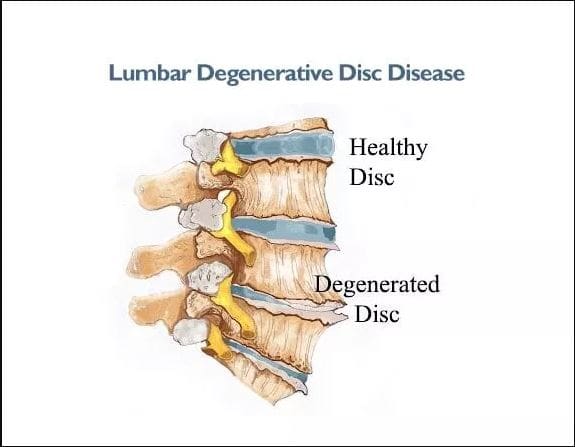
Do you feel tension or stiffness in your lower back after waking up in the morning? Do you feel sudden or gradual pain from bending down to lift a heavy object that is affecting your lower back? Or do you feel the pain in one location or another in your back that is causing you pain and discomfort in your lumbar spinal region? Many of these pain-like issues are often correlated with disc degeneration combined with low back pain. The spinal disc’s anatomy comprises three elements that work together in a specific pattern to resist forces placed in the lumbar spine. (Martin et al., 2002) Since the lumbar spine is the thickest portion of the back, the spinal disc supports the upper body’s weight while stabilizing the lower body. However, the spinal disc will shrink over time when the body ages. Since degeneration is a natural process, many individuals will begin to feel less mobile, which can cause many issues within the lumbar spine.
How Disc Degeneration Affects The Lumbar Spine
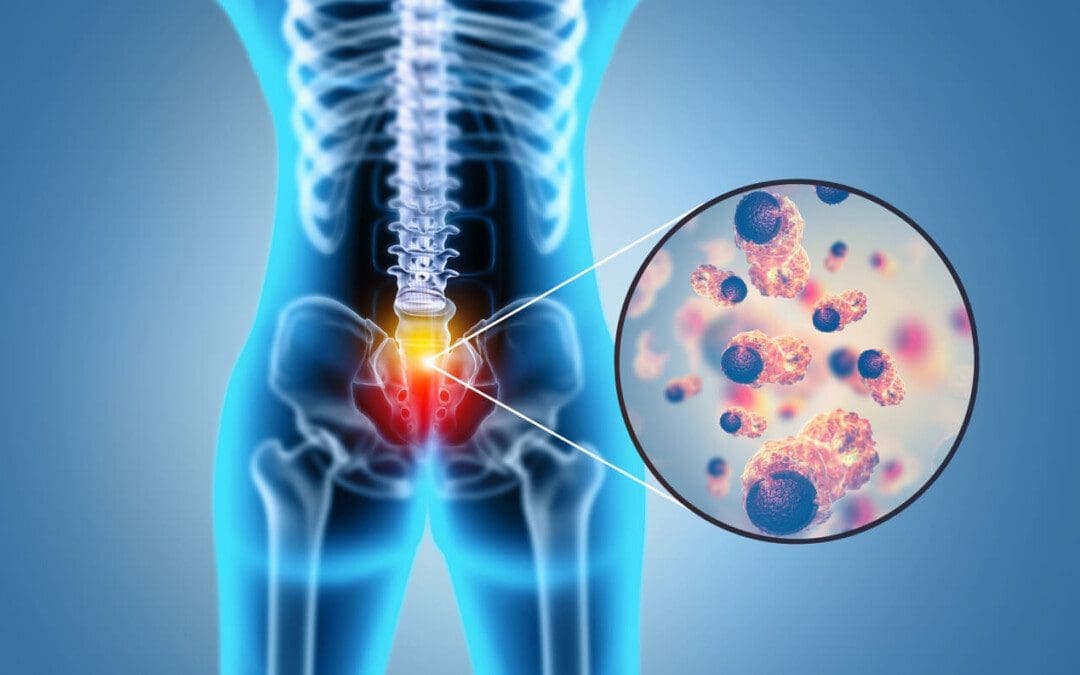
When disc degeneration occurs in the lumbar spine, the spinal disc begins to decrease in volume, and the nutrients that hydrate the disc start to deplete and become compressed. When disc degeneration affects the lumbar spine, the nerve roots from the central system are affected. They can be associated with any particular group of pathological conditions that may irritate the surrounding nerves and produce pain-like symptoms. (Bogduk, 1976) To that point, this causes referred pain in the lower limbs and radiating pain in the lower back. At the same time, glycosphingolipid antibodies are activated in the immune system, causing inflammatory effects. (Brisby et al., 2002) When people are dealing with low back pain associated with disc degeneration, many people will feel their lower back lock up, causing limited mobility and stiffness. At the same time, the surrounding muscle and soft tissues are overstretched and tightened. The spinal disc will also affect the nerve fibers surrounding the spine, leading to nociceptive lower back pain. (Coppes et al., 1997) However, many individuals can find available treatments to reduce low back pain associated with disc degeneration.
An Overview Of Spinal Decompression- Video
Spinal Decompression Can Reduce Lumbar Disc Degeneration
Many individuals can seek out non-surgical treatments to reduce low back pain associated with disc degeneration as it is cost-effective and, through consecutive treatments, can start feeling better. Some non-surgical treatments like spinal decompression can help rehydrate the spinal disc through gentle traction and promote natural healing. Spinal decompression can be manual or mechanical, using negative pressure to increase disc height. (Vanti et al., 2021) This allows many individuals to feel the relief they deserve and feel better over time. Spinal decompression can reduce disc degeneration, stabilize the lumbar spine, and help regain spinal mobility back to the lower portions. (Daniel, 2007) When many individuals begin to take care of their bodies and reduce the chances of low back pain from returning to cause more issues to the back.
Brisby, H., Balague, F., Schafer, D., Sheikhzadeh, A., Lekman, A., Nordin, M., Rydevik, B., & Fredman, P. (2002). Glycosphingolipid antibodies in serum in patients with sciatica. Spine (Phila Pa 1976), 27(4), 380-386. https://doi.org/10.1097/00007632-200202150-00011
Coppes, M. H., Marani, E., Thomeer, R. T., & Groen, G. J. (1997). Innervation of “painful” lumbar discs. Spine (Phila Pa 1976), 22(20), 2342-2349; discussion 2349-2350. https://doi.org/10.1097/00007632-199710150-00005
Daniel, D. M. (2007). Non-surgical spinal decompression therapy: does the scientific literature support efficacy claims made in the advertising media? Chiropr Osteopat, 15, 7. https://doi.org/10.1186/1746-1340-15-7
Martin, M. D., Boxell, C. M., & Malone, D. G. (2002). Pathophysiology of lumbar disc degeneration: a review of the literature. Neurosurg Focus, 13(2), E1. https://doi.org/10.3171/foc.2002.13.2.2
Vanti, C., Turone, L., Panizzolo, A., Guccione, A. A., Bertozzi, L., & Pillastrini, P. (2021). Vertical traction for lumbar radiculopathy: a systematic review. Arch Physiother, 11(1), 7. https://doi.org/10.1186/s40945-021-00102-5
For individuals with back pain, how can health practitioners incorporate non-surgical solutions to reduce spinal pain?
Introduction
The spine is one of the most important structures in the human body, providing host mobility and stability when vertical pressure is pressing on the spinal structure. The spine is surrounded by various muscles, ligaments, and tissues that help support the upper and lower body portions and extremities. When normal factors like heaving lifting, improper stances, obesity, or pre-existing conditions start to affect the body, it can cause the spinal structure to potentially cause unwanted issues that lead to back, neck, and shoulder pain. When experiencing these three common body pains often correlate with other associated symptoms that can affect the other extremities. When this happens, many individuals begin to miss out on work or daily activities that can cause them to be miserable, and they even try to look for various solutions to reduce the pain they are experiencing. Today’s article looks at one of the common body pains like back pain and how it can cause numerous issues that affect a person’s ability to function, and how non-surgical solutions can not only reduce the pain-like effects but also provide the necessary relief that many people deserve in their health and wellness journey. We speak with certified medical providers who incorporate our patients’ information to provide numerous treatment plans to ease the pain-like symptoms associated with spinal issues causing back pain. We also inform our patients that there are non-surgical options to reduce these pain-like issues and restore spinal mobility to the body. We encourage our patients to ask intricated and educational questions to our associated medical providers about the pain-like symptoms they are experiencing correlating with the lower back. Dr. Alex Jimenez, D.C., utilizes this information as an academic service. Disclaimer.
Back Pain Affecting The Spine
Do you often experience radiating pain in your lower back that causes symptoms of numbness or tingling sensations down to your legs and feet? Do you feel muscle stiffness in the morning while getting up, only to slowly disappear throughout the day? Or do you feel symptoms of muscle aches and pain when carrying a heavy object from one location to another? Many individuals, more often than not, have dealt with back pain associated with various factors. With back pain being in the top three common problems in the workforce, many individuals have dealt with the common problem in multiple ways. From improper heavy lifting to excessive sitting at a desk, back pain can cause musculoskeletal issues that many are trying to find relief. Low back pain can either be acute or chronic, depending on the severity. It can lead to mobility impairment within the thoracic, lumbar, and sacroiliac spinal regions, causing referred pain to the lower extremities. It can lead to a life of impairment without any symptoms or signs of serious medical or psychological conditions associated with environmental factors. (Delitto et al., 2012) Back pain is also associated with spinal conditions like inflammation, asymmetric loading, and muscle strain, which can cause the spinal structures to be compressed, thus causing disc herniations. (Zemková & Zapletalová, 2021)
Additionally, back pain is a multifactorial musculoskeletal condition that causes many individuals to be in a socio-economic situation that can decrease their quality of life. Many examples of back pain are correlated with altered motor control within the spinal erector muscles that causes impaired proprioception in the spine. (Fagundes Loss et al., 2020) When this happens to many individuals, they often experience a hindrance of lumbar stability, body balance, posture, and postural control. At the same time, when many working individuals are having severe back pain associated with everyday factors, the amount of pain they are in can change the threshold of the mechanoreceptors that are transmitting the pain signals through the spinal cord. To this point, back pain can affect the neuromuscular response and affect normal musculoskeletal functionality. Fortunately, numerous treatments can help reduce back pain and provide relief to spinal pain that is affecting many individuals.
The Role Of Chiropractic Care- Video
How many times a day do you experience back pain associated with stiffness, general aches, or pains that are affecting your ability to work? Do you notice you hunching more when moving from one location to another? Or do you feel aches and pain in your back after stretching in the morning? Many individuals dealing with these common environmental factors are closely associated with back pain. Back pain is in the top three most common problems many individuals have experienced at some point in their lives. More often than not, many people have dealt with back pain by using home remedies to reduce the pain-like effects. However, research studies reveal that when many individuals start to ignore the pain, it can lead them to a life of disability and cause numerous amounts of distress if not treated right away. (Parker et al., 2015) Hence, non-surgical treatments can not only reduce the pain associated with back pain but also help restore spinal mobility. Non-surgical treatments like chiropractic care incorporate spinal manipulation, which can positively affect the spine. (Koes et al., 1996) What chiropractic care does is that it includes mechanical and manual manipulation techniques to stretch out tight muscles and reduce trigger points from reforming. The video above shows how chiropractic care can positively affect the individual while being part of a health and wellness journey to reducing back pain.
Non-Surgical Spinal Decompression For Back Pain
Just like chiropractic care, spinal decompression is another non-surgical treatment that uses traction to gently pull and stretch the spine to alleviate compressed spinal discs associated with back pain and help stretch out tight muscles. When many people start to incorporate spinal decompression as part of their routine, they will notice that spinal decompression can reduce intradiscal pressure within the negative range. (Ramos, 2004) What this does is that when the spinal discs are being pulled by gentle traction, all the fluids and nutrients that were not hydrating the disc flow back and help kickstart the body’s natural healing process. When many people begin to utilize spinal decompression for their back pain, they will notice a huge reduction in their pain after a few consecutive sessions. (Crisp et al., 1955) When many people start to combine other various non-surgical therapies with spinal decompression, they will be able to regain their spinal mobility while being more mindful of what environmental factors are affecting their spine and not repeat the issue to allow back pain to return.
References
Crisp, E. J., Cyriax, J. H., & Christie, B. G. (1955). Discussion on the treatment of backache by traction. Proc R Soc Med, 48(10), 805-814. https://www.ncbi.nlm.nih.gov/pubmed/13266831
Delitto, A., George, S. Z., Van Dillen, L., Whitman, J. M., Sowa, G., Shekelle, P., Denninger, T. R., & Godges, J. J. (2012). Low Back Pain. Journal of Orthopaedic & Sports Physical Therapy, 42(4), A1-A57. https://doi.org/10.2519/jospt.2012.42.4.a1
Fagundes Loss, J., de Souza da Silva, L., Ferreira Miranda, I., Groisman, S., Santiago Wagner Neto, E., Souza, C., & Tarrago Candotti, C. (2020). Immediate effects of a lumbar spine manipulation on pain sensitivity and postural control in individuals with nonspecific low back pain: a randomized controlled trial. Chiropr Man Therap, 28(1), 25. https://doi.org/10.1186/s12998-020-00316-7
Koes, B. W., Assendelft, W. J., van der Heijden, G. J., & Bouter, L. M. (1996). Spinal manipulation for low back pain. An updated systematic review of randomized clinical trials. Spine (Phila Pa 1976), 21(24), 2860-2871; discussion 2872-2863. https://doi.org/10.1097/00007632-199612150-00013
Parker, S. L., Mendenhall, S. K., Godil, S. S., Sivasubramanian, P., Cahill, K., Ziewacz, J., & McGirt, M. J. (2015). Incidence of Low Back Pain After Lumbar Discectomy for Herniated Disc and Its Effect on Patient-reported Outcomes. Clin Orthop Relat Res, 473(6), 1988-1999. https://doi.org/10.1007/s11999-015-4193-1
Ramos, G. (2004). Efficacy of vertebral axial decompression on chronic low back pain: study of dosage regimen. Neurol Res, 26(3), 320-324. https://doi.org/10.1179/016164104225014030
Zemková, E., & Zapletalová, L. (2021). Back Problems: Pros and Cons of Core Strengthening Exercises as a Part of Athlete Training. International Journal of Environmental Research and Public Health, 18(10), 5400. https://doi.org/10.3390/ijerph18105400
IFM's Find A Practitioner tool is the largest referral network in Functional Medicine, created to help patients locate Functional Medicine practitioners anywhere in the world. IFM Certified Practitioners are listed first in the search results, given their extensive education in Functional Medicine