Arteries carry blood from the heart to the rest of the body. The veins transport blood back to the heart, and the valves in the veins stop the blood from flowing backward. When the veins have difficulties sending blood from the limbs back to the heart, this is known as venous insufficiency. With this condition, the blood does not flow back properly to the heart, causing blood to accumulate in the veins of the legs. Chiropractic care, therapeutic massage, and functional medicine can increase and improve circulation and help manage symptoms.
Venous Insufficiency
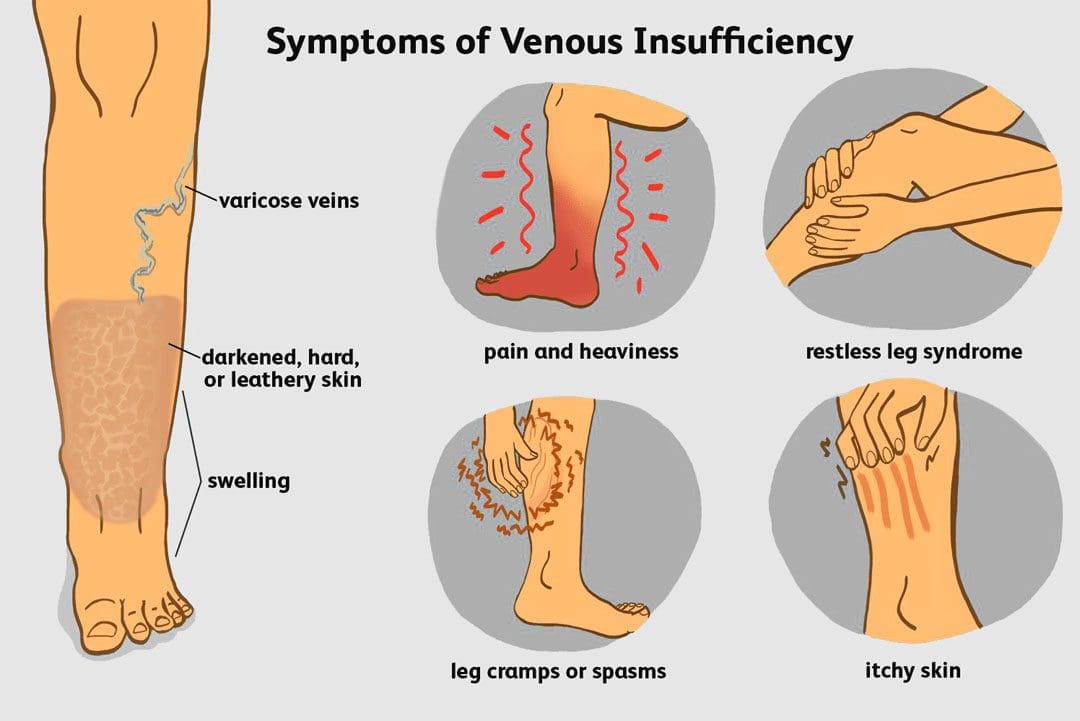
The circulatory system is responsible for transporting blood, oxygen, and nutrients to the cells in the body. This system consists of the heart, arteries, veins, and capillaries. When blood circulation is restricted, it can lead to a buildup of toxins and waste products, which can cause various health problems, including fatigue, muscle cramps, and dizziness. Unhealthy circulation can also contribute to other health conditions like heart disease, stroke, and diabetes. The most common causes of venous insufficiency include:
Blood clots
Varicose veins
A family history of venous insufficiency.
Deep vein thrombosis.
When forward flow through the veins is obstructed, such as in the case of a blood clot, blood builds up below the clot, which can lead to venous insufficiency.
In varicose veins, the valves can be missing or damaged, and blood leaks back through the defective valves.
In some cases, weakness in the leg muscles that push blood forward can also contribute to venous insufficiency.
Venous insufficiency is more common in women than men and is more likely in adults over 50.
Circulation Symptoms
There are different symptoms associated with unhealthy circulation, and can include:
A doctor will perform a physical examination and take a complete medical history. They may order imaging tests to locate the source of the problem. These tests may include a venogram or a duplex ultrasound.
Venogram
A doctor will insert an intravenous contrast dye into the veins.
Contrast dye causes the blood vessels to appear opaque on the X-ray image, which helps the doctor see them on the image.
This dye will give the doctor a clear image of the blood vessels.
Duplex Ultrasound
A duplex ultrasound tests the speed and direction of blood circulation in the veins.
A technician will place gel on the skin and press a small hand-held instrument on and around the area.
The instrument uses sound waves that bounce back to a computer and produce images of blood circulation.
Treatment
Treatment will depend on various factors, including the reason for the condition and individual health status and history. Other factors a doctor will consider include:
These special stockings apply pressure on the ankle and lower leg.
They help improve blood circulation and reduce leg swelling.
Compression stockings come in a range of prescription strengths and lengths.
Strategies
Treatments can include several methods.
Improving Circulation
Chiropractic adjustments and vascular massage therapy on the legs can help improve blood circulation. Massage therapies such as vascular and lymphatic drainage massages aim to increase circulation, improve tissue nutrition, and can benefit patients with varicose veins and chronic venous insufficiency.
The technique for lymphatic drainage involves light strokes to move lymph fluid into lymph vessels.
The technique used to improve circulation involves short strokes to move blood from the valves to the veins.
However, massage therapy is not for all patients with vein diseases and conditions.
Massage therapy is not recommended for patients with advanced-stage vein disease, in which large and bulging veins, ulcerations, and discoloration are present.
Massaging the area could cause the weakened veins to burst, worsening the condition.
Massage therapy is also unsafe for patients with deep vein thrombosis (DVT), as it could dislodge a clot and cause it to travel.
Medications
Medications may be prescribed. These include:
Diuretics – medications that draw extra fluid from the body and are excreted through the kidneys.
Anticoagulants – medicines that thin the blood.
Pentoxifylline – medicine that helps improve blood circulation.
Surgery
More serious cases may require surgery. A doctor may suggest one of the following surgical procedures:
Surgical repair of the veins or valves.
Removing the damaged vein.
Minimally invasive endoscopic surgery – The surgeon inserts a thin tube with a camera to see and tie off damaged veins.
Laser surgery – A treatment that uses laser light to fade or close off damaged veins.
Vein bypass – A healthy vein is transplanted from a different body area. Generally used only in the upper thigh and as a last option for severe cases.
Venous Insufficiency: What You Need To Know
References
Annamaraju P, Baradhi KM. Pentoxifylline. [Updated 2022 Sep 19]. In: StatPearls [Internet]. Treasure Island (FL): StatPearls Publishing; 2022 Jan-. Available from: https://www.ncbi.nlm.nih.gov/books/NBK559096/
Evrard-Bras, M et al. “Drainage lymphatique manuel” [Manual lymphatic drainage]. La Revue du praticien vol. 50,11 (2000): 1199-203.
FIELDS, A. “Leg cramps.” California medicine vol. 92,3 (1960): 204-6.
Felty, Cindy L, and Thom W Rooke. “Compression therapy for chronic venous insufficiency.” Seminars in vascular surgery vol. 18,1 (2005): 36-40. doi:10.1053/j.semvascsurg.2004.12.010
Mayo Clinic Staff. (2017). Varicose veins.mayoclinic.org/diseases-conditions/varicose-veins/diagnosis-treatment/drc-20350649
Patel SK, Surowiec SM. Venous Insufficiency. [Updated 2022 Aug 1]. In: StatPearls [Internet]. Treasure Island (FL): StatPearls Publishing; 2022 Jan-. Available from: https://www.ncbi.nlm.nih.gov/books/NBK430975/
Youn, Young Jin, and Juyong Lee. “Chronic venous insufficiency and varicose veins of the lower extremities.” The Korean journal of internal medicine vol. 34,2 (2019): 269-283. doi:10.3904/kjim.2018.230
In cold weather, it’s normal to experience cold hands and fingers. But if there is a coldness in only one finger while the rest of the hand is normal, changes to skin color, numbness, tingling, or pain symptoms could be a sign of poor circulation or an underlying medical condition. Cold fingers could indicate various problems, including overuse injuries, vitamin deficiencies, Raynaud’s syndrome, hypothyroidism, anemia, arterial disease, or an autoimmune condition. Chiropractic care and massage therapy can increase circulation, release compressed nerves, relax the muscles, and restore mobility and function.
Cold Fingers
Blood circulates throughout, nourishing and maintaining body warmth. When compression, obstructions, or narrowing paths inhibit blood flow, the body cannot achieve proper circulation. Unhealthy circulation can cause several symptoms, including:
Pins and needles sensations along the shoulder, arm, hand, and fingers.
Weakened arm and hand muscles.
Numbness.
Cold finger/s.
Muscles aches, soreness, and tightness.
Swelling.
Pale or bluish skin color.
Overuse Injury
Repeating one movement or motion constantly over time can lead to overuse syndrome/repetitive motion disorder in the hands and arms. Certain jobs and activities can cause overuse syndrome, including:
Cashiers.
Food service work.
Graphic sign work.
Computer work.
Sewing work.
Landscaping.
All of these jobs and activities can put a lot of repeated stress on the hands and arms.
Vitamin B-12 Deficiency
Vitamin B-12 is required for proper red blood cell formation and neurological function. It is found in many foods, including eggs, fish, meat, poultry, and dairy products. A vitamin B-12 deficiency can cause neurological symptoms like numbness, tingling, and coldness in the hands and feet. Other symptoms include:
Anemia
Fatigue
Weakness
Difficulty maintaining balance
Depression
Soreness of the mouth
A doctor requires a blood sample to test for the deficiency. A common treatment is a high dose of an oral supplement or injections for individuals that have difficulties absorbing B-12 through the digestive tract.
Raynaud’s Syndrome
Raynaud’s syndrome is a condition that causes some areas of the body, usually the fingers, to feel cold and numb when exposed to cold temperatures or high-stress levels. This happens because the small arteries that supply blood to the skin are experiencing spasms. During an episode, the arteries narrow, which prevents blood from circulating correctly. The fingers can change color, going from white to blue to red. When the flare-up ends, and the blood flow returns to normal, there may be tingling, throbbing, or swelling. The condition isn’t usually debilitating, and treatment options often include medications that expand the blood vessels to improve circulation. These include calcium channel blockers,alpha-blockers, and vasodilators.
Hypothyroidism
Hypothyroidism is when the thyroid doesn’t produce enough hormones. Hypothyroidism comes on gradually and rarely generates symptoms in the early stages. Hypothyroidism doesn’t cause cold fingers but increases the body’s sensitivity to cold. Other symptoms include:
Fatigue
Muscle weakness, tenderness, and achiness.
Joint swelling, stiffness, and pain.
Puffiness.
Dry skin.
Hoarseness.
Weight gain.
High or elevated cholesterol levels.
Thinning hair and hair loss.
Depression.
Over time, the condition can cause complications such as obesity, joint pain, heart disease, and infertility. A doctor can detect hypothyroidism with a simple blood test. Treatment involves taking a daily dose of synthetic thyroid hormone.
Anemia
Anemia is when the blood has a lower-than-normal amount of red blood cells. It also occurs when the red blood cells lack a crucial iron-rich protein called hemoglobin. Hemoglobin assists red blood cells in delivering oxygen from the lungs to the rest of the body. A low supply of hemoglobin to carry oxygen to the hands can result in cold fingers. There may also be fatigue and weakness. Iron deficiency is what typically causes most cases. A doctor may suggest nutritional adjustments if blood work indicates low iron levels. An iron-rich nutritional plan and taking iron supplements can help relieve symptoms.
Arterial Diseases
Diseases that affect the arteries can reduce blood flow to the hands, causing cold fingers. This can be from plaque buildup or inflammation in the blood vessels. Any blockage in the blood vessels can prevent blood from circulating normally. Another arterial problem is primary pulmonary hypertension, which affects the lungs’ arteries and can lead to Raynaud’s syndrome.
Chiropractic Care
Chiropractic adjustments can remove misalignments, restore proper nerve communication, increase blood flow, and correct an overactive sympathetic nervous system. Massaging the shoulders, arms, and hands relaxes the nerves, and muscles, breaks up compressed tissues, and increase blood flow. The circulation of lymphatic fluid around the body is also promoted, which carries toxins away from the muscles and tissues. To improve circulation, the following may be utilized:
Deep tissue pressure is effective at relieving congestion and tension.
Percussive massage to break up scar tissue.
Non-surgical Decompression to stretch the spine and body out.
Lymphatic drainage is designed to improve the circulation of the fluid.
Bilić, R et al. “Sindromi prenaprezanja u saci, podlaktici i laktu” [Overuse injury syndromes of the hand, forearm and elbow]. Arhiv za higijenu rada i toksikologiju vol. 52,4 (2001): 403-14.
Ernst, E. “Manual therapies for pain control: chiropractic and massage.” The Clinical journal of pain vol. 20,1 (2004): 8-12. doi:10.1097/00002508-200401000-00003
InformedHealth.org [Internet]. Cologne, Germany: Institute for Quality and Efficiency in Health Care (IQWiG); 2006-. How does the blood circulatory system work? 2010 Mar 12 [Updated 2019 Jan 31]. Available from: https://www.ncbi.nlm.nih.gov/books/NBK279250/
Pal, B et al. “Raynaud’s phenomenon in idiopathic carpal tunnel syndrome.” Scandinavian journal of rheumatology vol. 25,3 (1996): 143-5. doi:10.3109/03009749609080004
Waller, D G, and J R Dathan. “Raynaud’s syndrome and carpal tunnel syndrome.” Postgraduate medical journal vol. 61,712 (1985): 161-2. doi:10.1136/pgmj.61.712.161
The fascia is important for connecting the musculoskeletal system, stabilizing function, and keeping the body healthy and balanced. Sugar consumption and the abundance of sugar in the body that doesn’t get burned directly negatively affect the fascia, making it lose its elasticity and affecting other connective tissues. Excess sugar in the blood leads to a pathological process called glycation. One effect of glycation is binding sugar molecules to fascial proteins, causing them to thicken and stiffen. The body sees the tangled molecules as foreign bodies initiating an inflammatory response to get rid of them. This can lead to chronic inflammation causing various symptoms. The Injury Medical Chiropractic and Functional Medicine Clinic Team will address soreness, pain, and discomfort associated with fascia problems.
Myofascial Tissue
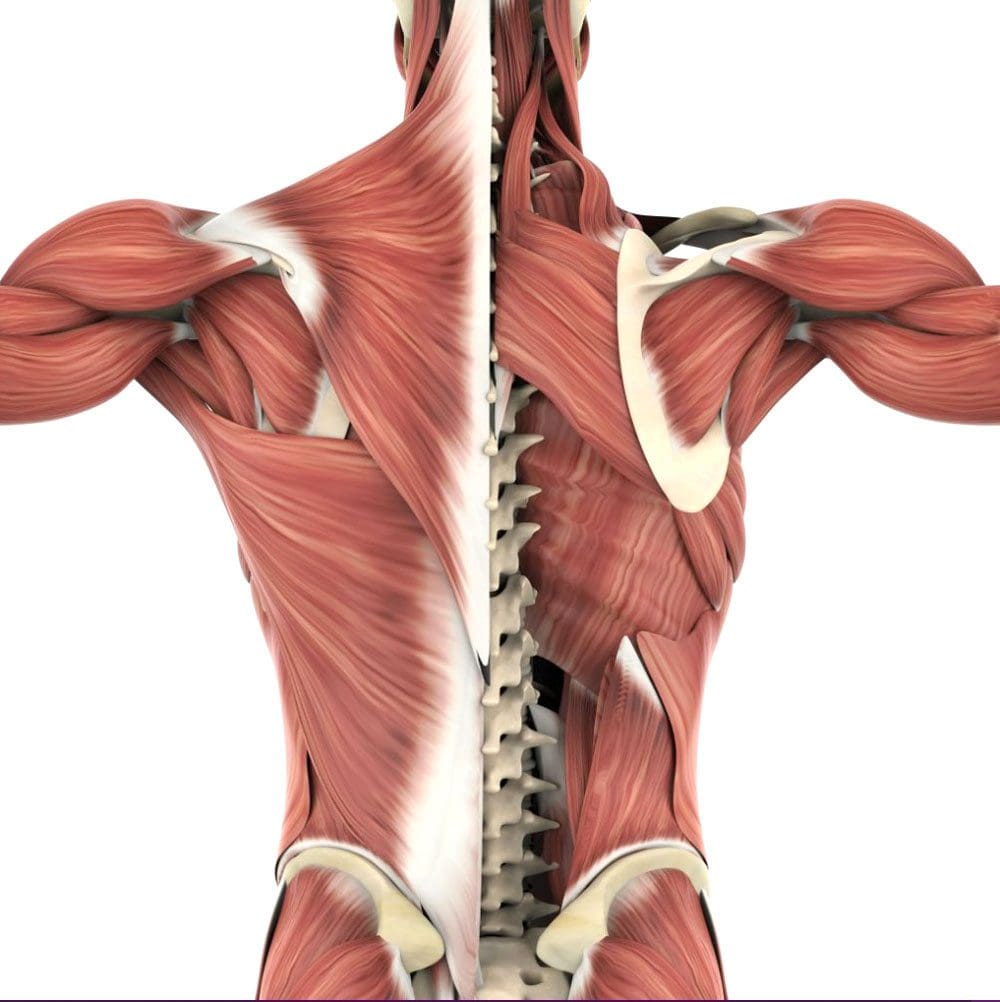
Myofascia or fascia is a layer of tissue that connects and supports the spine and muscles. It wraps and links internal body parts in bands, fusing them. This ensures the muscles can move freely without experiencing friction with other body parts.
Fascia is made of collagen, creating a tough and flexible texture that provides tension and elasticity.
Fascia is found around muscles, nerves, blood vessels, blood and cells, organs, and bones.
When the body stays or moves in repetitive patterns, the fascia can memorize certain positions/postures and hold the fascia in a contracted state. For example, sitting at a desk workstation causes the gluteal muscles, tendons, and ligaments to stretch and pull the muscles around them. The gluteal muscles can become restricted without releasing and training the fascia to return to a retracted position, causing tension and myofascial discomfort. When the body is in balance/homeostasis, and the fascia is healthy:
The viscoelastic gel flows without restriction in all directions.
The collagen fiber network moves freely.
Lymph and blood circulation flow correctly.
Communication between cells, the nervous system, and all tissues in the body work correctly.
In the event of an injury and activation of the healing process, specific components interact with cells to create the condition for healing and generate inflammation, allowing new cells to easily move and heal the tissue. An obstruction in the circulation increases pressure where the fluid sits stationary, preventing tissue communication. Sometimes the healing process doesn’t stop, and the inflammation response worsens and can become chronic.
Sugar Consumption
Many think of sugar as candy, sweets, chocolates, and desserts. However, all carbohydrates are sugar, and eating too much bread, pasta, grains, fruit, and cereals, contributes to a lot more sugar consumption.
Foods believed to be healthy such as wholemeal bread, low-fat alternatives, and granola cereal, have high amounts of sugar.
The connective tissues need collagen for the smooth functioning of joints.
High blood sugar exacerbates aches and pains and can lead to impaired joint movement and, eventually, arthritis.
Fascia Problems
Impaired flow and mobility
Fascia that has thickened and hardened impairs gliding ability.
In places where the body has become stiff and numb, the nervous system can’t transmit signals as quickly to control movements.
Muscles can constantly twitch or go into convulsions from misinterpreted signals.
A tight connective tissue chain can distort the skeleton causing the joints to wear faster.
Chiropractic Myofascial Massage Release
Chiropractic myofascial massage and release provides several benefits to the body’s health and well-being, including:
Relieves the overall effects of stress on the body.
Relieves soreness and pain.
Increases blood and lymph circulation.
Improves tissue recovery.
Improves joint range of motion.
Restores proper-length-tension relationships for dynamic movement.
Maintains normal functional muscular length.
Improves neuromuscular function.
Nutritional Guidelines Fascial Health
References
Barros-Neto, João Araújo et al. “Selenium and Zinc Status in Chronic Myofascial Pain: Serum and Erythrocyte Concentrations and Food Intake.” PloS one vol. 11,10 e0164302. 18 Oct. 2016, doi:10.1371/journal.pone.0164302
Dong, Shoubin, et al. “A three-dimensional collagen-fiber network model of the extracellular matrix for the simulation of the mechanical behaviors and microstructures.” Computer methods in biomechanics and biomedical engineering vol. 20,9 (2017): 991-1003. doi:10.1080/10255842.2017.1321113
Mattei, Giorgio et al. “Engineering Gels with Time-Evolving Viscoelasticity.” Materials (Basel, Switzerland) vol. 13,2 438. 16 Jan. 2020, doi:10.3390/ma13020438
Okumus, M et al. “The relationship between serum trace elements, vitamin B12, folic acid and clinical parameters in patients with myofascial pain syndrome.” Journal of back and musculoskeletal rehabilitation vol. 23,4 (2010): 187-91. doi:10.3233/BMR-2010-0264
Vlassara, Helen, and Jaime Uribarri. “Advanced glycation end products (AGE) and diabetes: cause, effect, or both?.” Current diabetes reports vol. 14,1 (2014): 453. doi:10.1007/s11892-013-0453-1
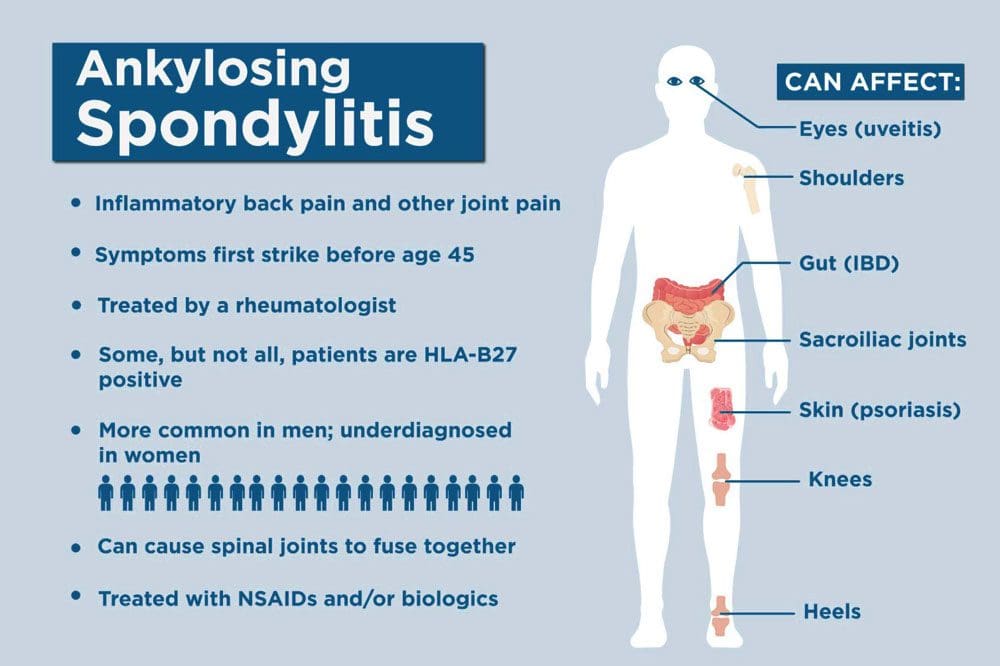
Ankylosing spondylitis is an inflammatory condition that causes pain and stiffness in the spine’s joints. Over time, it can progress to fusing the bones of the spine/vertebrae, limiting the spine’s mobility and leading to discomfort symptoms. The condition is more common in men but also affects women. There is not a known, singular cause, but individuals with a particular gene, HLA-B27, have an increased risk of developing the condition. However, the gene itself does not mean an individual has ankylosing spondylitis; genetics and other outside and environmental factors also play a role. DMARDs, or Disease-Modifying Antirheumatic Drugs, suppress inflammation. An emerging DMARD treatment uses biologics that further target and suppresses specific inflammatory compounds.
Biologics
Unlike regular medications, which are synthesized, biologics are made from and inside living sources.
They are grown in cultures or harvested from blood.
Biologics are complex and expensive.
Biologics provide some of the most powerful treatments for many conditions.
Two biologics commonly used to treat ankylosing spondylitis are:
TNF – tumor necrosis factor, TNF inhibitors are a biological medication that targets and suppresses TNF, which is involved in inflammatory processes throughout the body.
Blocking or suppressing TNF decreases inflammation and can delay the progression of ankylosing spondylitis.
It could be administered through an injection or infusion to provide the medication.
Side Effects
Side effects associated with this medication, along with other conditions, include:
IL – interleukin – IL-17 is a protein involved in inflammatory processes and conditions.
IL-17 inhibitors suppress inflammation which are newer medications that have been shown to benefit those with ankylosing spondylitis.
Doctors often administer IL-17 inhibitors through an injection.
Side Effects
Minor side effects include:
Headaches
Runny nose
Irritation at the injection site.
More serious side effects include:
Certain cancers
Severe infections
High blood pressure
Other Treatments
Treatment goals for ankylosing spondylitis include:
Slowing the disorder’s progression.
Decreasing inflammation.
Reducing pain.
Improving or maintaining joint and spinal range of motion.
Biologics are not the first-line treatment for ankylosing spondylitis.
Providers usually first treat an initial diagnosis with anti-inflammatory medications, like NSAIDs, to decrease inflammation and slow the condition’s progression.
Chiropractic care and physical therapy are recommended to maintain and/or improve posture, muscle strength, and endurance.
Recommended lifestyle and nutritional modifications.
Posture training stretches and exercises.
Optimal movement strategies to safely and confidently complete everyday tasks.
Biologic Medications
Biologics for ankylosing spondylitis may or may not be suitable. These medications are meant to help relieve the inflammation associated with the condition and slow the disorder’s progression. Your healthcare team will work with you to determine the right treatment option/s and explain the benefits, risks, and types of treatment. They will monitor the condition, track progress, and adjust the plan accordingly.
Assessing Hormone Therapy
References
Ankylosing spondylitis. (n.d.) National Institute of Arthritis and Musculoskeletal and Skin Diseases. U.S. Department of Health and Human Services. Available at: https://www.niams.nih.gov/health-topics/ankylosing-spondylitis#:~:text=Ankylosing%20spondylitis%20is%20a%20type,the%20spine%20can%20cause%20stiffness (Accessed: October 12, 2022).
Chen C, Zhang X, Xiao L, Zhang X, Ma X. Comparative Effectiveness of Biologic Therapy Regimens for Ankylosing Spondylitis: A Systematic Review and a Network Meta-Analysis. Medicine (Baltimore). 2016 Mar;95(11):e3060. doi: 10.1097/MD.0000000000003060. PMID: 26986130; PMCID: PMC4839911.
Gerriets V, Goyal A, Khaddour K. Tumor Necrosis Factor Inhibitors. [Updated 2022 July 4]. In: StatPearls [Internet]. Treasure Island (FL): StatPearls Publishing; 2022 Jan-. Available from: https://www.ncbi.nlm.nih.gov/books/NBK482425/
Lindström, U., Olofsson, T., Wedrén, S. et al. Biological treatment of ankylosing spondylitis: a nationwide study of treatment trajectories on a patient level in clinical practice. Arthritis Res Ther 21, 128 (2019). https://doi.org/10.1186/s13075-019-1908-9
Yin, Y., Wang, M., Liu, M. et al. Efficacy and safety of IL-17 inhibitors for the treatment of ankylosing spondylitis: a systematic review and meta-analysis. Arthritis Res Ther 22, 111 (2020). https://doi.org/10.1186/s13075-020-02208-w
Diagnosing ankylosing spondylitis usually involves multiple tests. When doctors order blood tests to diagnose ankylosing spondylitis, an individual is experiencing worsening symptoms in their back and joints. Often, a blood test diagnosis means the doctor is looking for evidence of anything else that could be causing the symptoms. However, blood tests by themselves cannot definitively diagnose ankylosing spondylitis, but when combined with imaging and assessment, they can provide important clues that point to the answers.
Ankylosing Spondylitis Blood Test Diagnosis
Ankylosing spondylitis is arthritis that primarily affects the spine and hips. It can be difficult to diagnose as no single test can provide thorough information for a definitive diagnosis. A combination of diagnostic tests are utilized, including a physical exam, imaging, and blood tests. Doctors are not only looking for results that will point to ankylosing spondylitis, but they are looking for any results that might point away from the spondylitis results that might provide a different explanation for symptoms.
Physical Exam
The diagnostic process will begin with the individual’s medical history, family history, and physical exam. During the exam, the doctor will ask questions to help rule out other conditions:
How long have symptoms been presenting?
Do symptoms get better with rest or exercise?
Are the symptoms getting worse or staying the same?
Are the symptoms worse at a particular time of day?
The doctor will check for limitations in mobility and palpate tender areas. Many conditions can cause similar symptoms, so the doctor will check to see if the pain or lack of mobility is consistent with ankylosing spondylitis. The feature sign of ankylosing spondylitis is pain and stiffness in the sacroiliac joints. The sacroiliac joints are located in the lower back, where the base of the spine and pelvis meet. The doctor will look at other spinal conditions and symptoms:
Back pain symptoms caused by – injuries, posture patterns, and/or sleeping positions.
The HLA-B27 gene corresponds with ankylosing spondylitis; if an individual has it, one of their parents has it.
Imaging
X-rays often serve as the first step to a diagnosis.
As the disease progresses, new small bones form between the vertebrae, eventually fusing them.
X-rays work best at mapping the disease progression than the initial diagnosis.
An MRI provides clearer images in the early stages as smaller details are visible.
Blood Tests
Blood tests can help rule out other conditions and check for signs of inflammation, providing supportive evidence along with the results of imaging tests. It typically only takes about a day or two to get the results. The doctor may order one of the following blood tests:
Antinuclear antibodies, or ANA, go after the proteins in the cell’s nucleus, telling the body its cells are the enemy.
This activates an immune response that the body fights to eliminate.
A study determined that ANA is found in 19% of individuals suffering from ankylosing spondylitis and is higher in women than men.
Combined with other tests, the presence of ANA provides another clue to a diagnosis.
Gut Health
The gut microbiome plays an important role in triggering the development of ankylosing spondylitis and its treatment.
Tests to determine the gut’s health can give a doctor a complete picture of what is happening inside the body.
Blood test diagnoses for ankylosing spondylitis and other inflammatory conditions rely heavily on piecing together different tests alongside clinical exams and imaging.
Causes, Symptoms, Diagnosis, and Treatment
References
Cardoneanu, Anca, et al. “Characteristics of the intestinal microbiome in ankylosing spondylitis.” Experimental and therapeutic medicine vol. 22,1 (2021): 676. doi:10.3892/etm.2021.10108
Prohaska, E et al. “Antinukleäre Antikörper bei Spondylitis ankylosans (Morbus Bechterew)” [Antinuclear antibodies in ankylosing spondylitis (author’s transl)]. Wiener klinische Wochenschrift vol. 92,24 (1980): 876-9.
Sheehan, Nicholas J. “The ramifications of HLA-B27.” Journal of the Royal Society of Medicine vol. 97,1 (2004): 10-4. doi:10.1177/014107680409700102
Wenker KJ, Quint JM. Ankylosing Spondylitis. [Updated 2022 Apr 9]. In: StatPearls [Internet]. Treasure Island (FL): StatPearls Publishing; 2022 Jan-. Available from: https://www.ncbi.nlm.nih.gov/books/NBK470173/
Xu, Yong-Yue, et al. “Role of the gut microbiome in ankylosing spondylitis: an analysis of studies in the literature.” Discovery medicine vol. 22,123 (2016): 361-370.
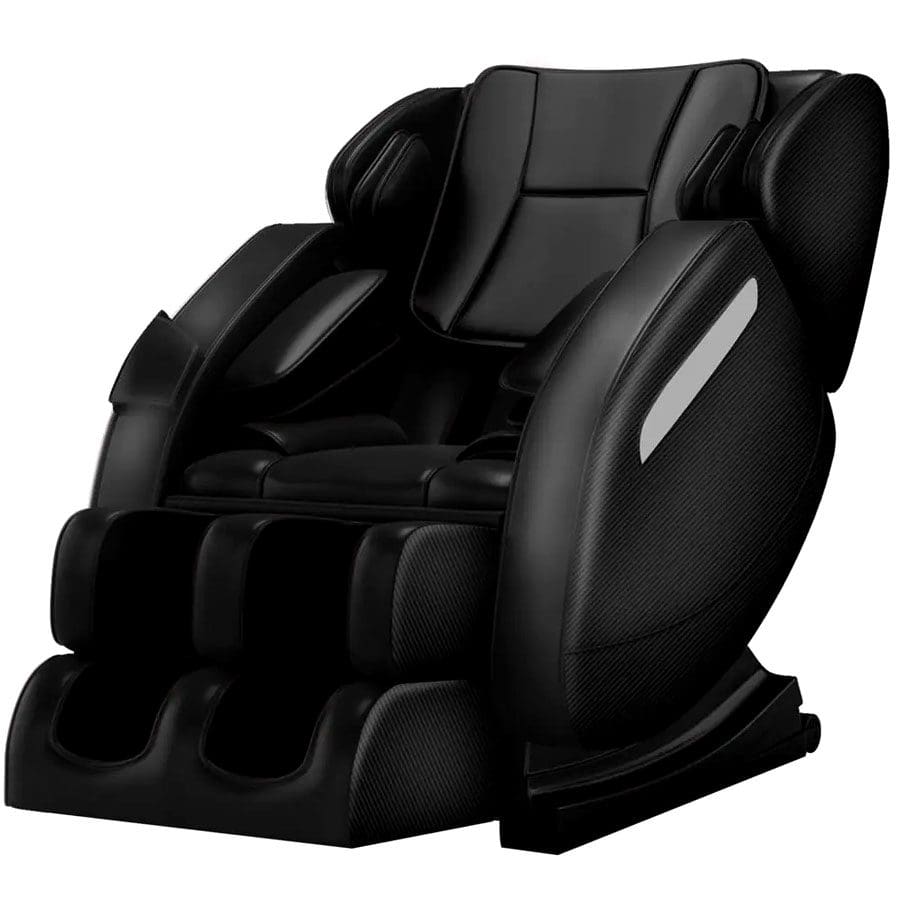
Many individuals deal with sciatic nerve discomfort and pain that radiates from the lower back down through the glutes, legs, and feet. It can affect anyone and be challenging to deal with because it can be sudden and unpredictable. A professional hands-on therapeutic massage can play a vital role in alleviating back and sciatic pain but is not always available. This is when a quality massage chair can provide pain relief and relaxation at home.
Sciatica
Not everyone who has sciatica will have the same symptoms. But common symptoms include:
Tingling, numbing sensations in the lower back and down the leg.
Electrical sensations running down the leg.
Lower back pain that spreads into the buttocks, thighs, calves, and feet.
Pain may be described as mild, dull, achy, and sharp.
Sneezing or coughing can increase the pain.
Weakness in the leg.
Massage Chair
A massage chair can assist with sciatic pain by soothing tense muscles and relieving the pressure on the surrounding tissues. When the back muscles are tense, they contract and compress down on the nerves, including the sciatic nerve. Massaging the tight muscles minimizes the pressure on the sciatic nerve and helps alleviate pain. Research has shown the main reasons why massage is beneficial:
Improves Circulation
Massaging the muscles increases blood flow.
Increasing blood circulation facilitates the absorption of nutrients into the muscles and tissues.
Choosing one will be based on specific needs and budget. Some tips to help figure out which is the most beneficial massage chair include:
Consult A Doctor
A doctor, spine specialist, or chiropractor can recommend the best type of massage chair for the individual’s specific injury, condition, and/or disorder.
A doctor will inform the individual if a massage chair is a safe option for their sciatica pain if they have health conditions like high blood pressure or neuropathy.
Chair Objectives
Figure out what the chair will help with short and long-term before shopping.
For example, if the goal is to relieve sciatica and lower back tension, an L-Track massage chair can go further down the spine to the glutes and hamstrings.
Injury Medical DOC Spinal Decompression Table
References
Cygańska, Anna, et al.” Impact of Exercises and Chair Massage on Musculoskeletal Pain of Young Musicians” International journal of environmental research and public health vol. 17,14 5128. 16 Jul. 2020, doi:10.3390/ijerph17145128
de Souza, Talita Pavarini Borges et al.”“The effectiveness of Chair Massage on Stress and Pain in Oncology” International journal of therapeutic massage & bodywork vol. 14,3 27-38. 2 Sep. 2021, doi:10.3822/ijtmb.v14i3.619
Hand, Mary et al.” “Massage Chair Sessions: Favorable Effects on Ambulatory Cancer Center Nurse” Perceived Level of Stress, Blood Pressure, and Heart Rate” Clinical journal of oncology nursing vol. 23,4 (2019): 375-381. doi:10.1188/19.CJON.375-381
Kim, Seung-Kook, et al.” “Clinical outcomes and cost-effectiveness of massage chair therapy versus basic physiotherapy in lower back pain patients: A randomized controlled trial.” Medicine vol. 99,12 (2020): e19514. doi:10.1097/MD.0000000000019514
Kumar, Saravana, et al. “The effectiveness of massage therapy for the treatment of nonspecific low back pain: a systematic review of systematic reviews.” International journal of general medicine vol. 6 733-41. 4 Sep. 2013, doi:10.2147/IJGM.S50243
Forearm pain refers to soreness, aches, or discomfort between the wrist and the elbow. An injury or inflammation can affect any tissues, including muscles, bones, blood vessels, tendons, and the skin. The causes usually include overuse injuries, pinched nerves, accidents causing trauma, lifting or heaving heavy objects, sports injuries, and fractures. If left untreated, issues like chronic muscle pain and decreased and disrupted blood/nerve circulation can develop, leading to numbness and weakness. Chiropractic treatment can release tension, massage, reset, and stretch the muscles to expedite healing.
Anatomy
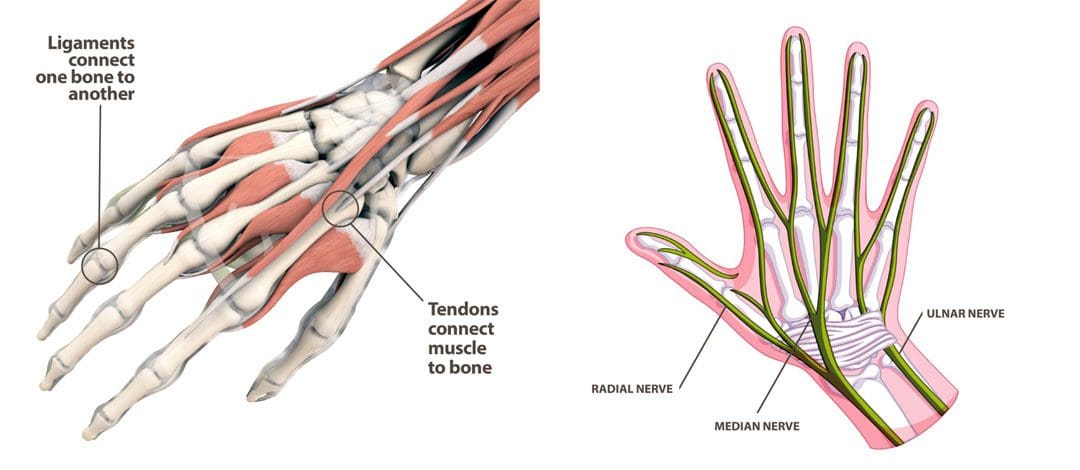
The forearm comprises the radius and ulna, which extend the forearm’s length and cross at the wrist.
The Radius
This bone starts at the elbow and connects to the wrist on the thumb side.
Ulna
This bone begins at the elbow and connects to the wrist on the side of the little finger.
Muscles
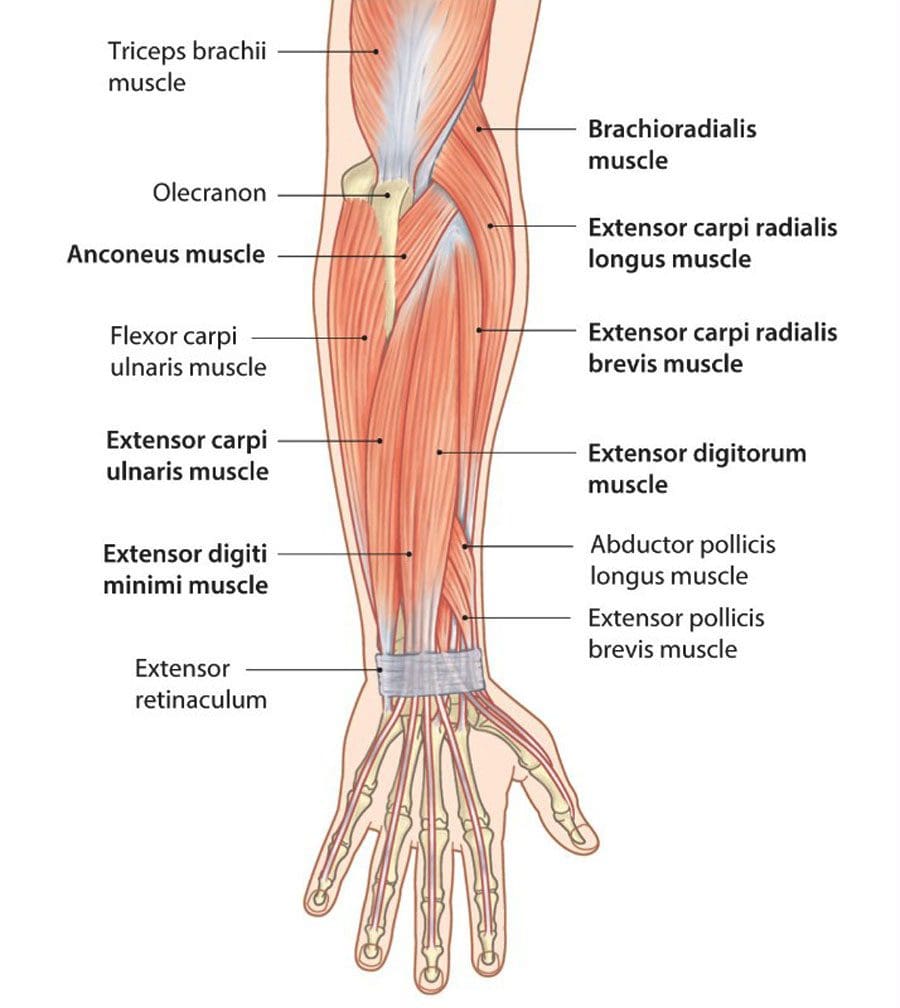
Several muscles operate to rotate the forearm up/supination and down/pronation and flex and extend the fingers.
Causes
Forearm pain can happen to anyone and is usually related to traumatic or repetitive use injury. In other cases, pain may be associated with a benign growth, like a cyst or possibly a malignant tumor. Common causes include:
Pulled and/or strained muscles
Muscle ruptures or small tears
A direct blow, fall, or any extreme twisting, bending or jamming action.
Tendonitis from tennis or golfers elbow.
Tennis elbow is caused by inflammation or tiny tears in the forearm muscles and tendons outside the elbow.
Golfers’ elbow is on the inside of the elbow.
Carpal Tunnel Syndrome is a repetitive stress disorder that affects the nerves and tendons of the wrist and forearm.
Musculoskeletal Causes
The musculoskeletal causes involve issues in how the forearm components operate together.
Repetitive actions like lifting, gripping, and typing can compress nerves and blood vessels throughout the forearm.
Forearm problems like dislocations or sprains can also lead to chronic inflammation and pain.
Traumatic Causes
Traumatic causes include those that result in injury to components of the forearm.
Anything that causes a direct injury to the forearm, including an automobile crash or accident, fall, or a direct hit, can fracture bones in the forearm.
A sprain can twist or stretch a ligament or tendon.
Activities that cause bending, twisting, quick sudden movement or direct impact can result in sprained multiple ligaments in the forearm.
Chiropractic Treatment
Healing forearm pain depends on the type of injury, location, and cause of the pain. Chiropractic addresses arm pain, tingling, and numbness in ways often overlooked by general physicians.
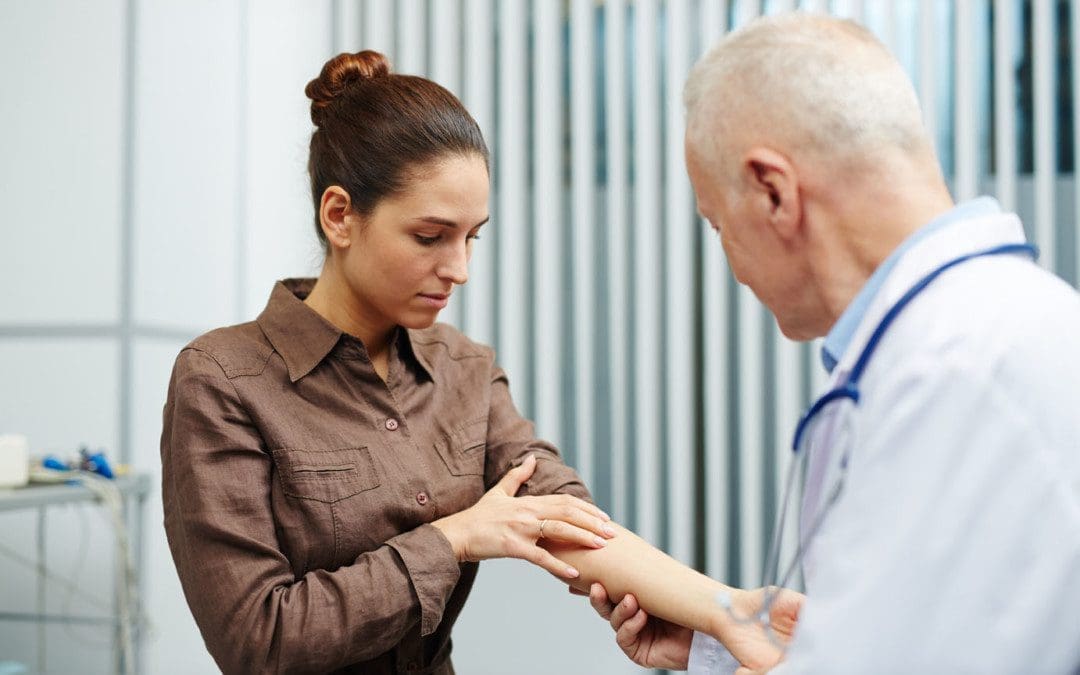
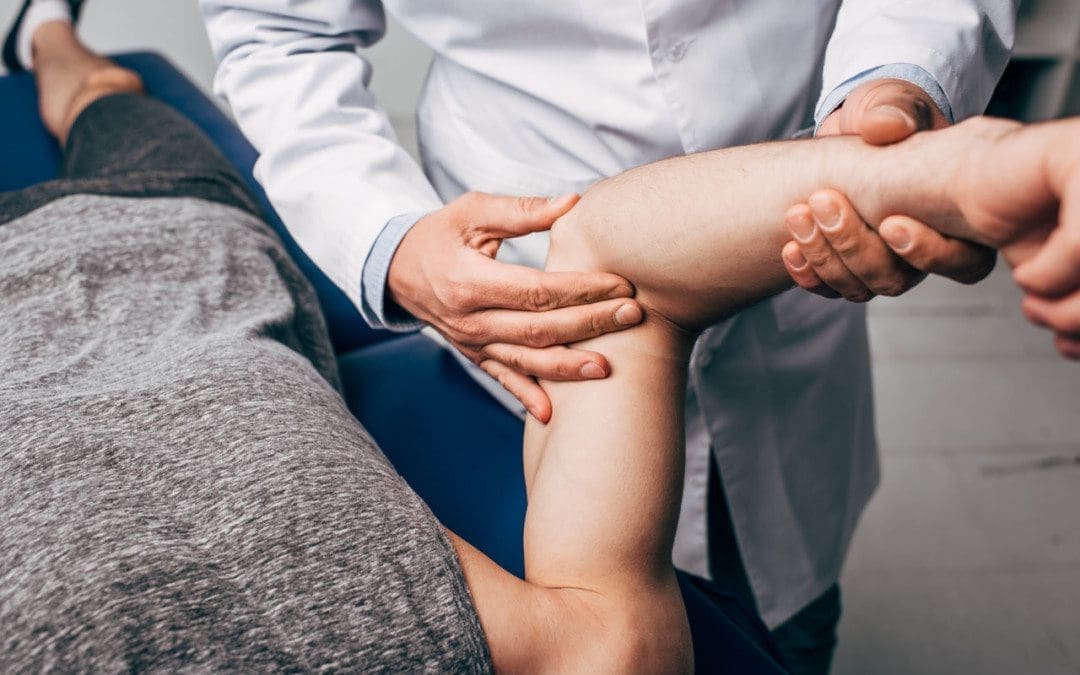
A chiropractor will perform a physical examination to determine if there are any underlying causes.
They may apply an ice pack to help control inflammation before the massage.
The chiropractor will perform gentle adjustments to the wrist, arm, and shoulder.
They may recommend a forearm brace to help retrain positioning and movement.
They will recommend exercises and stretches to strengthen and maintain the adjustments.
Carpal Tunnel Pain Treatment
References
Ellenbecker, Todd S et al. “Current concepts in examination and treatment of elbow tendon injury.” Sports health vol. 5,2 (2013): 186-94. doi:10.1177/1941738112464761
Shamsoddini, Alireza, and Mohammad Taghi Hollisaz. “Effects of taping on pain, grip strength and wrist extension force in patients with tennis elbow.” Trauma monthly vol. 18,2 (2013): 71-4. doi:10.5812/traumamon.12450
Suito, Motomu, et al. “Intertendinous epidermoid cyst of the forearm.” Case reports in plastic surgery & hand surgery vol. 6,1 25-28. 28 Jan. 2019, doi:10.1080/23320885.2018.1564314
IFM's Find A Practitioner tool is the largest referral network in Functional Medicine, created to help patients locate Functional Medicine practitioners anywhere in the world. IFM Certified Practitioners are listed first in the search results, given their extensive education in Functional Medicine



 Myofascial Tissue