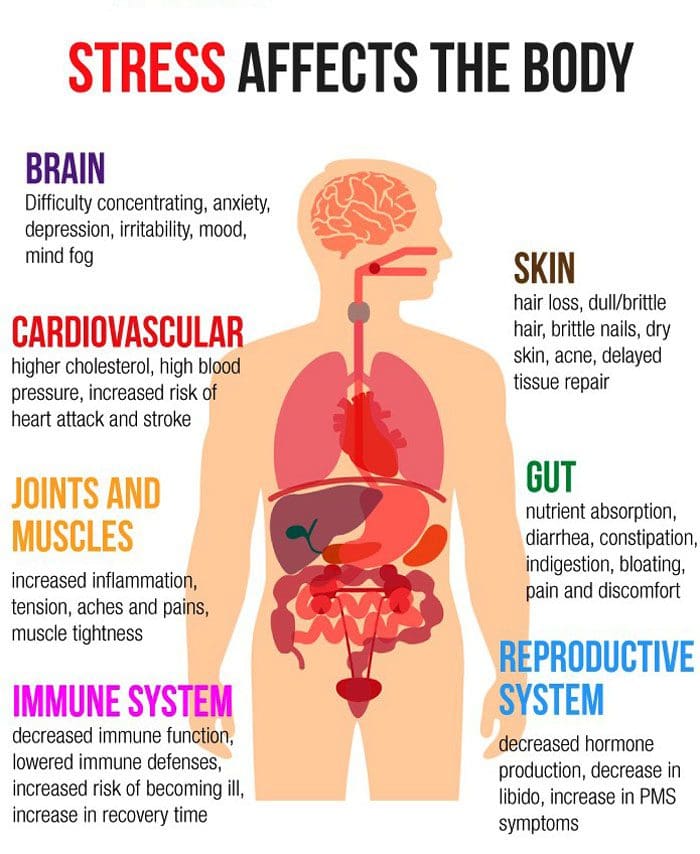
Stress health recognizes how stress affects the body, thoughts, feelings, and behavior. Stress that’s left untreated can contribute to various health problems. These include:
Chiropractic serves as a powerful intervention for anxiety-related symptoms.
Stress Health Blood Pressure and Heart Rate Balance
Chiropractic benefits cardiovascular health as it directly affects the nervous and other body systems that include the spinal system, the bones, joints, and muscular system, affecting the function of the cardiovascular system. Chiropractic regulates these system’s functions allowing for a moderate heart rate and blood pressure. Balanced blood pressure and heart rate can help minimize stress and anxiety, making it much easier to stay relaxed and focused. Individuals report experiencing decreased blood pressure and lower heart rate with long-term chiropractic treatment.
Mental Clarity
Cerebrospinal fluid/CSF is necessary for detoxifying the brain and helping to protect the brain. CSF transports oxygen and nutrients to the brain, helping to increase brain function efficiency. Chiropractic has been shown to increase the amount of cerebrospinal fluid delivered to the brain. This is because the spine is aligned correctly, allowing for a smooth flow of blood and nerve energy from the brain through the spine to the rest of the body. This provides:
Chiropractic can help increase energy levels in different ways for different individuals.
For some, this works by eliminating headaches, migraines, and other nerve dysfunction/s.
For others, this happens by decreasing or eliminating pain symptoms.
These conditions can contribute to lowered energy levels. Constant stress can change the body’s chemistry, leading to increased stress hormones like cortisol. Over time, these hormone releases can decrease energy, causing interference with the body/brain’s natural rejuvenating processes that reduce stress. With chiropractic, the therapeutic effects help correct body chemistry and improve energy levels.
Body Composition
Increase Immune Function
Lymphatic fluid has a vital role in stress health and the function of the immune system. Lymphatic fluid helps separate and release:
Toxins
Viruses
Fungus
Bacteria from the body.
When lymphatic fluid flows smoothly and is not impeded or trapped in tissues, joints, or muscles, the immune system operates at a high level. Chiropractic helps drive lymphatic fluid out of the tissues, joints, and muscles of the body, facilitating optimal immune function.
References
Dragoş, Dorin, and Maria Daniela Tănăsescu. “The effect of stress on the defense systems.” Journal of medicine and life vol. 3,1 (2010): 10-8.
Meier, Jacqueline Katharina et al. “Stress Alters the Neural Context for Building New Memories.” Journal of cognitive neuroscience vol. 32,12 (2020): 2226-2240. doi:10.1162/jocn_a_01613
Pickar, Joel G. “Neurophysiological effects of spinal manipulation.” The spine journal: official journal of the North American Spine Society vol. 2,5 (2002): 357-71. doi:10.1016/s1529-9430(02)00400-x
Detoxifying does not necessarily mean juicing and going on a diet. Detoxing is about cleansing the whole body of environmental pollutants, food waste, bacteria, and toxins. Things like medications and alcohol also need to be flushed from the body. When the body becomes unhealthy and overweight, it can put its systems in a chronically stressed state, leading to nerve energy production failure, fatigue, a weakened immune system, and disease. The body constantly works to cleanse itself. Exercise helps expedite the process.
Exercise To Detoxify
Exercise removes harmful toxins by getting the lungs and the blood pumping and increasing sweat production, which encourages detoxification. More blood circulating throughout the body allows the liver and the lymph nodes to flush out toxins properly. With exercise, fluid intake increases, allowing more sweat production to release toxins. Drinking more water during workouts also helps the kidneys function at optimal levels to flush out toxins, fats, and waste.
Aerobics
Any low-intensity aerobic exercise that increases heart rate and increases heavier breathing is recommended as long as the breathing is within the fat-burning heart rate. Exercises can be anything from:
Bouncing on a mini-trampoline, also known as rebounding, is another form of exercise that promotes toxin release. The low-impact motion stimulates the lymphatic system. Lymph nodes filter substances and fight off infections by attacking bacteria/germs that travel into the lymph fluid. Twenty minutes on the trampoline two or three times a week to detoxify.
Yoga
There are yoga poses that help to detoxify specific organs. Yoga can help the body cleanse inside and generate more energy.
This pose improves circulation, stretches, and strengthens the low back, hips, hamstrings, and calves.
Step with the feet 3 to 4 feet apart.
Hands-on hips.
Lift tall through the whole torso.
Fold slowly over the legs.
Bend from the hip joints without rounding the lower back.
If the back starts to round, stop folding forward.
Sweating and Detoxing
Sweat is one of the body’s primary ways of eliminating toxins. However, more sweat does not mean more toxins are being flushed. Excess sweat could be caused by the body overheating and can lead to dehydration. This is why it’s vital to maintain the body’s hydration levels while working out. Fluids like juice and sports drinks can help maintain hydration, but they contain sugar and other ingredients that could interfere with thorough detoxifying.
Body Composition
Before Starting A Detox Diet
Individuals are recommended to talk with their doctor, nutritionist, health coach about detox diet methods to lose and maintain weight.
Talk with a doctor
Seek consultation with a physician before starting any body detox cleanse, especially if there are underlying medical conditions like diabetes or kidney disease.
For individuals struggling with obesity, a physician can recommend alternative diet approaches and exercise programs.
Realistic expectations
Detox diets work primarily through caloric restriction like a conventional diet.
Individuals could feel better from a body cleanse because they will likely be avoiding processed foods and empty calories.
Adopt a long-term frame of mind
Diet and exercise to achieve and maintain a healthy weight is a lifelong journey.
Detox diets can be a helpful tool to get going in the right direction.
References
Ernst, E. “Alternative detox.” British medical bulletin vol. 101 (2012): 33-8. doi:10.1093/bmb/lds002
Klein, A V, and H Kiat. “Detox diets for toxin elimination and weight management: a critical review of the evidence.” Journal of human nutrition and dietetics: the official journal of the British Dietetic Association vol. 28,6 (2015): 675-86. doi:10.1111/jhn.12286
Obert, Jonathan et al. “Popular Weight Loss Strategies: a Review of Four Weight Loss Techniques.” Current gastroenterology reports vol. 19,12 61. 9 Nov. 2017, doi:10.1007/s11894-017-0603-8
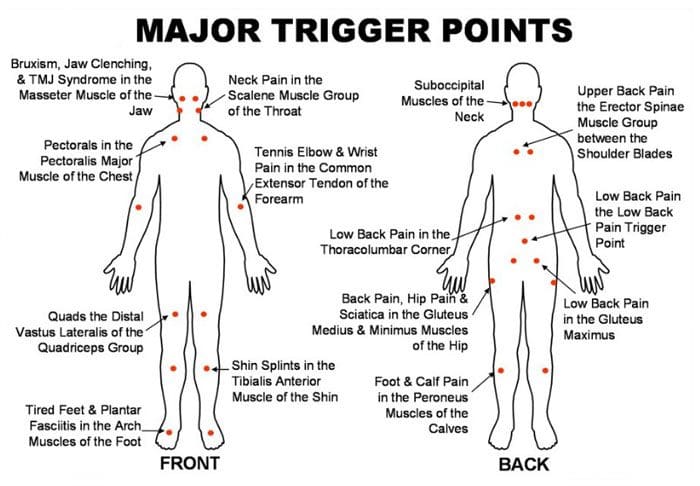
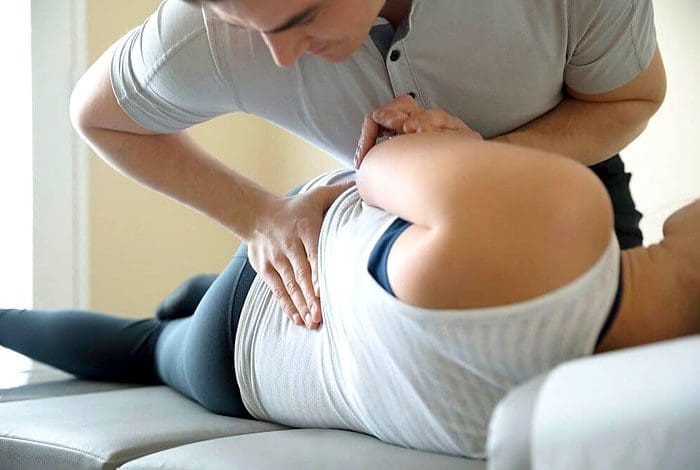
A neuromuscular massage is a form of manual massage used to release strained muscles. Strained areas are also known as trigger points that tend to be the cause of muscular pain symptoms. Trigger points are small areas of the muscle that contract the tissue. The lack of blood and nutrients in these areas causes an inability for the muscles to relax. The area becomes hypersensitive, causing fatigue, weakness, inflammation, and pain. Trigger points can lead to referred pain in which other areas of the body experience sensations of pain, tingling or numbness.
Neuromuscular Massage
Neuromuscular massage treatment involves applying alternating levels of concentrated pressure on the trigger point/s done through manual and instrument manipulation. Neuromuscular therapy is also called trigger point myotherapy. The American Academy of Pain Management recognizes this form of treatment as an effective treatment for pain caused by soft tissue injury.
Deep Tissue Massage
A deep tissue massage is generally used to address muscle aches and pains and is administered on an on-off basis. Neuromuscular manual therapy techniques are specialized and designed to correct pain and movement dysfunction by treating:
Neuromuscular massage is considered an ongoing treatment.
Massage Reduces Pain
Muscles, when spasming, are painful to the touch. The pain is caused by ischemic muscle tissue. Ischemia means the muscle is lacking proper blood flow because of the spasm. This causes adverse effects because the muscles are not receiving enough blood; the muscles also do not receive enough oxygen.
The lack of oxygen causes the muscles to produce lactic acid.
The lactic acid causes the muscles to feel sore following physical activity.
Neuromuscular massage therapy relaxes the muscles releasing the lactic acid, allowing the muscles to receive enough blood and oxygen. Neuromuscular therapy can feel painful at first, but the pressure of the massage will alleviate the muscle spasm/s. It is crucial to communicate with the chiropractor and massage therapist about the pressure – whether it is too much, too little, feels better, feels worse, etc. Massage therapy pressure should never be overly painful. Individuals often describe the pressure as good pain, where they can feel the difference. Following a neuromuscular massage, the soreness should fade after twenty-four to thirty-six hours. The tight muscles should remain relaxed for four to fourteen days, depending on activities and stress levels.
Massage Treatment
Medical issues and conditions for which neuromuscular massage can treat include:
Tendonitis
Headaches
Temporomandibular joint pain – TMJ disorders
Jaw pain
Carpal tunnel
Upper back pain
Low back pain
Sciatica
Hip pain
Knee pain
Iliotibial band syndrome
Calf cramps
Plantar fasciitis
Neuromuscular Massage Benefits
Individuals who undergo neuromuscular massage therapy can experience the following benefits:
Reduced and/or complete elimination of pain.
Increased blood circulation.
Body toxin release.
Increased flexibility and strength.
Better movement.
Improved posture.
Balanced musculoskeletal and nervous systems.
Increased energy and vitality.
Body Composition
Fatigue
When it comes to getting fit, remember it is a long-distance marathon, not a quick sprint. Whether physical, mental, or a combination, fatigue is a common obstacle for successfully reaching health goals. Physical fitness requires energy:
Energy for work or school.
Energy to set up the gear or get to the gym.
Energy for the workout.
Energy to prepare regular healthy meals.
Combined with the pressures of everyday life can make it a challenge to work out consistently. The objective is to make gradual changes rather than significant immediate changes. This will help prevent/avoid early burnout and help lead to maintaining healthy habits. One tip could be scheduling the workouts and meal prep time for the day or week when most active. For example, knowing that after work or school, the body can’t take a workout and needs to crash at the end of the day, set up the exercise for the morning or afternoon. And once the workouts become a routine, energy levels will improve, allowing for more activity.
References
Bervoets, Diederik C et al. “Massage therapy has short-term benefits for people with common musculoskeletal disorders compared to no treatment: a systematic review.” Journal of physiotherapy vol. 61,3 (2015): 106-16. doi:10.1016/j.jphys.2015.05.018
Field, Tiffany. “Massage therapy research review.” Complementary therapies in clinical practice vol. 24 (2016): 19-31. doi:10.1016/j.ctcp.2016.04.005
Furlan, Andrea D et al. “Massage for low-back pain.” The Cochrane database of systematic reviews,9 CD001929. 1 Sep. 2015, doi:10.1002/14651858.CD001929.pub3
Qaseem, Amir et al. “Noninvasive Treatments for Acute, Subacute, and Chronic Low Back Pain: A Clinical Practice Guideline From the American College of Physicians.” Annals of internal medicine vol. 166,7 (2017): 514-530. doi:10.7326/M16-2367
A common symptom of sciatica is radiating/spreading pain running down the leg. However, the leg pain could be something to do with the blood vessels. If the pain travels from the low back to the hip, through the buttocks, down the leg, and into the foot, then more than likely it is sciatica. However, sciatica is just one condition that causes leg pain; other causes of leg pain include:
Bone spurs
Herniated disc
Arthritis
All can irritate the sciatic nerve causing sciatica.
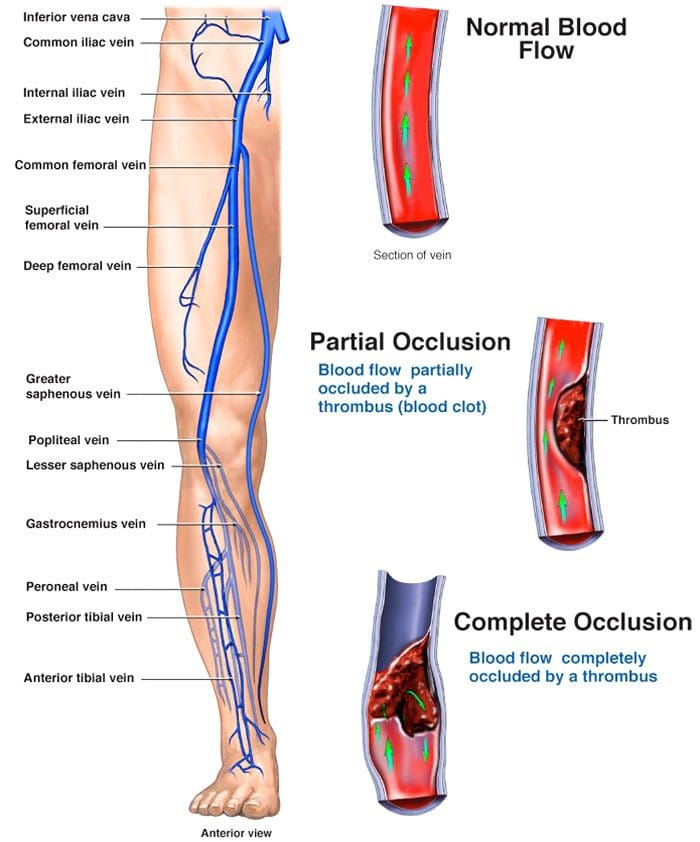
The vascular system, also called the circulatory system, comprises the vessels that circulate blood and lymph throughout the body. Problems with the vascular system are a less common cause of leg pain but can be severe. Therefore, it is vital to learn to tell the difference.
Deep Vein Thrombosis
Deep vein thrombosis – DVT happens when a blood clot forms in a deep vein in the body and not the superficial veins just under the skin. The legs’ deep veins are susceptible to clotting. The formation of a clot can happen:
After surgery
From an accident
When recovering, bed resting and not moving.
When the body is in the same position for a long time with little to no movement, like a long plane ride.
On long plane rides, try to get up and walk around every hour. If unable to walk, do three sets of 20 reps of heel-to-toe exercises every hour.
Deep vein thrombosis can cause leg pain or swelling but can also present without causing any symptoms. Other risk factors include:
Blunt or penetrating injury to the blood vessel and/or its walls.
Pain running down the leg from a blood clot feels like:
Tightness
Cramping soreness
Throbbing
Possible warmth
Swelling.
Blood clots and sciatica are reported to feel relatively different. The pain from a blood clot does not spread out and does not extend from or to the back. Sciatica does not cause swelling, redness, and warmth. If a doctor suspects a blood clot is causing the pain, they will order an ultrasound to confirm the diagnosis. If it is deep vein thrombosis, blood thinners could be recommended for three to six months.
A doctor may recommend aspirin, which can help in the prevention of blood clots.
In some cases, the clot may have to be surgically removed.
Vascular Conditions and Pain Running Down The Leg
Other blood vessel conditions that can cause individuals to believe they have sciatica include:
Peripheral artery disease – PAD
This often presents in individuals with diabetes or who smoke. It causes pain in the calf area but does not radiate throughout the leg. The pain usually presents with physical effort movement. If the pain occurs when at rest, this could be a serious medical emergency. Peripheral artery disease is a chronic condition that can worsen if lifestyle changes are not made to reduce risk factors.
Acute limb ischemia
This condition can cause leg pain, but not the same as sciatica. What happens is the leg is not receiving blood, causing:
Intense pain in the extremity
Change in the color of the skin
Numbness
Weakness
Loss of a pulse
This vascular condition is a medical emergency and requires immediate treatment.
Acute compartment syndrome
This can happen after some kind of trauma to the leg.
The pain is acute, with the leg swelling up and a building up of tight pressure.
It usually affects the lower part of the leg.
This condition can also cause:
Numbness
Tingling
Visible swelling
Bruising
It is considered a medical emergency and needs to be treated quickly to avoid complications.
Varicose veins
Varicose veins can cause some pain running down the leg and/or aching, but the discomfort is not as intense. Treatment has come a long way, is less invasive, and includes:
Compression stockings, including prescription socks/stockings
Laser treatments
Minimally invasive procedures
Not staying on the feet too much
Elevating the legs
Maintaining an ideal weight can help
Vascular Disorder Prevention
Healthy lifestyle habits are recommended to keep the vascular system operating correctly. This includes:
If it is sciatica, fortunately, most cases go away on their own, but if treatment is needed, it is recommended to start with conservative treatments such as:
Chiropractic
Physical therapy
Anti-inflammatory medication
Muscle relaxants
Corticosteroid injections
In severe cases, surgery like a microdiscectomy or laminectomy will be performed to relieve pressure on the sciatic nerve.
Body Composition
Why might blood pressure be different when measuring on each arm?
The heart sits just to the left of the midline in the chest cavity. The aorta is the largest blood vessel in the body. It leaves through the left side of the heart and transports blood to a network of blood vessels that branch out, supplying the body with oxygen and nutrients. The arteries that branch off the aorta and go to the left and right sides of the body are different.
On the right, the brachiocephalic trunk comes off the aorta and splits into the right common carotid artery and right subclavian artery. The left common carotid and left subclavian arteries branch directly off the aorta. The differences mean that the risk for arterial thrombosis is not the same for the right and left subclavian arteries. Arterial thrombosis causes the blood vessels to become stiff, causing obstruction over time and is more likely to happen in the left subclavian than in the right. The difference in arterial branching affects blood pressure measurements on the left and right arms. The blood vessels are surrounded by:
Muscle
Fat
Connective tissue
When muscles place pressure on the blood vessels around the heart, it can cause short-term turbulence changes that can affect blood pressure.
References
American Heart Association. Atherosclerosis and cholesterol. https://www.heart.org/en/health-topics/cholesterol/about-cholesterol/atherosclerosis
American Heart Association. What is excessive blood clotting (Hypercoagulation?) https://www.heart.org/en/health-topics/venous-thromboembolism/what-is-excessive-blood-clotting-hypercoagulation
Centers for Disease Control and Prevention. What is venous thromboembolism? https://www.cdc.gov/ncbddd/dvt/facts.html
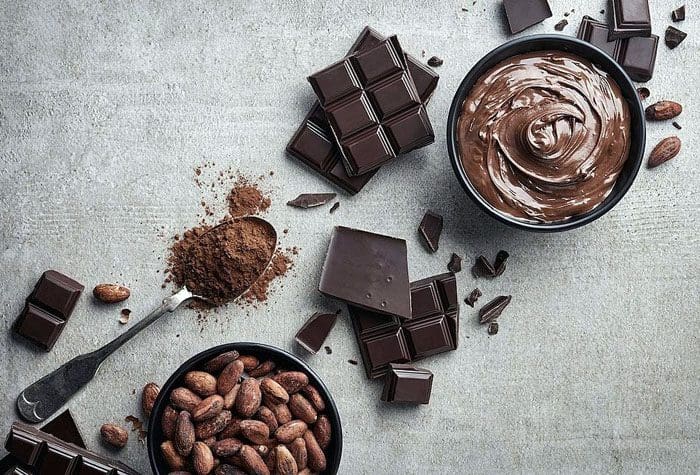
Chocolate is comfort food. When stressed out, frustrated it makes you feel better, and when things are great, it can make them even better. However, there is a difference between the chocolate bar candies on the store shelves and healthy chocolate. Unhealthy chocolate is full of sugar and fat that can cause health problems like acne, obesity, high blood pressure, and diabetes. Healthy dark chocolate can be eaten regularly in moderation to gain a variety of health benefits what to know as far as what type of chocolate should be eaten and how much.
Healthy Dark Chocolate
All the chocolate snacks, bars, minis, etc., contain added sugar, honey, and butter. These are not healthy for the body. Healthy dark chocolate contains at least 70% cocoa.
Dark Chocolate Nutrition
A 3.5 ounce – 100 grams dark chocolate bar contains:
11 grams of fiber
98% of recommended daily intake of manganese
89% of recommended daily intake of copper
67% of recommended daily intake of iron
58% of recommended daily intake of magnesium
Zinc
Selenium
Potassium
However, one bar contains 600 calories, which is why it needs to be consumed in moderation.
Cardiovascular System Benefits
Studies have shown that dark chocolate can restore elasticity and flexibility to the blood vessels and arteries. It was found to help prevent white blood cells from sticking to the blood vessel walls, a common cause of clogged arteries.
Lowers Cholesterol & Reduces Risk of Heart Disease
Dark chocolate has compounds that prevent the oxidation of LDL or low-density lipoprotein cholesterol. Less cholesterol means a lower risk of heart disease. Researchers found that dark chocolate reduced the risk of heart disease by 50% throughout a 15-year study.
Healthy for Expecting Mothers and Baby
Women that are pregnant and craving sweets can have dark chocolate. Eating dark chocolate can help improve blood flow to the arteries in the uterus. The improved blood flow helps the placenta develop and function normally, leading to a healthy pregnancy and delivery. It is recommended that pregnant women should only consume healthy dark chocolate during the first two trimesters and not in the third trimester. Speak to an obstetrician before making any diet changes.
Can Help Prevent Diabetes
When consumed in moderation, healthy dark chocolate can delay and even prevent the development of diabetes. This is achieved by improving insulin sensitivity. A study found that dark chocolate helped delay diabetes and also helped to lower blood pressure.
Beneficial for the Brain
Dark chocolate has been found to improve blood flow to the brain. This increases overall function. Subjects in a study found that after five days of consuming a small amount of dark chocolate daily, they had significantly increased the amount of blood in the brain. It was also found to help improve cognitive function in elder individuals. Another study found that 90 elderly patients had enhanced verbal skills and improved overall health.
Moderation Health
To be healthy, it needs to be consumed in moderation. This means about 1 ounce a day. A regular-sized healthy chocolate bar contains approximately 3.5 ounces. Therefore the bar should be split into thirds with one piece a day. Read the label carefully and ensure that that dark chocolate has a 70% or higher cocoa content. There can be several types of cocoa are on the label, including:
Cocoa nibs
Cocoa butter
Cocoa powder
All are perfectly healthy additions to a healthy dark chocolate bar.
It is recommended to avoid dark chocolate known as Dutched,or that has been processed with alkali. Treating dark chocolate with alkali reduces the bitter taste but also reduces the healthy antioxidants. Dark chocolate does have some sugar but is far less than the average milk chocolate bar. It is recommended to look for dark chocolate with sugar listed as the last or next to final ingredient on the list. Often the higher the percentage of cocoa, the less sugar.
Body Composition
Overeating
ASAPscience simplified the science of hunger and cravings in the above two-minute video. It explains the body’s hunger-regulation system and the why of second helpings how the appetite works. Appetite is different from hunger. Hunger is the need to eat, while appetite is the desire to snack mindlessly even after a meal. Hunger and appetite are influenced by a network of pathways involving the neuroendocrine system. Appetite regulation, fullness/satisfaction, and energy balance include:
The gut – the largest endocrine organ in the body
Various hormones
The brain
High-calorie foods rich in fat and sugar are highly desirable to the body. This comes from the hunter-gatherer ancestors who sought these foods for survival because they were scarce or difficult to come by. The instinct for fatty and sugary foods is still active even though these foods are available all over. The continual intake of high-calorie fat and sugary foods overrides the body’s natural hunger regulation system, leading to chronic overeating. The more an individual eats foods with high levels of fat and sugar, the more likely the body gets addicted to them.
References
Buijsse, Brian et al. “Cocoa intake, blood pressure, and cardiovascular mortality: the Zutphen Elderly Study.” Archives of internal medicine vol. 166,4 (2006): 411-7. doi:10.1001/archinte.166.4.411
Desideri, Giovambattista, et al. “Benefits in cognitive function, blood pressure, and insulin resistance through cocoa flavanol consumption in elderly subjects with mild cognitive impairment: the Cocoa, Cognition, and Aging (CoCoA) study.” Hypertension (Dallas, Tex. : 1979) vol. 60,3 (2012): 794-801. doi:10.1161/HYPERTENSIONAHA.112.193060
Francis, S T et al. “The effect of flavanol-rich cocoa on the fMRI response to a cognitive task in healthy young people.” Journal of cardiovascular pharmacology vol. 47 Suppl 2 (2006): S215-20. doi:10.1097/00005344-200606001-00018
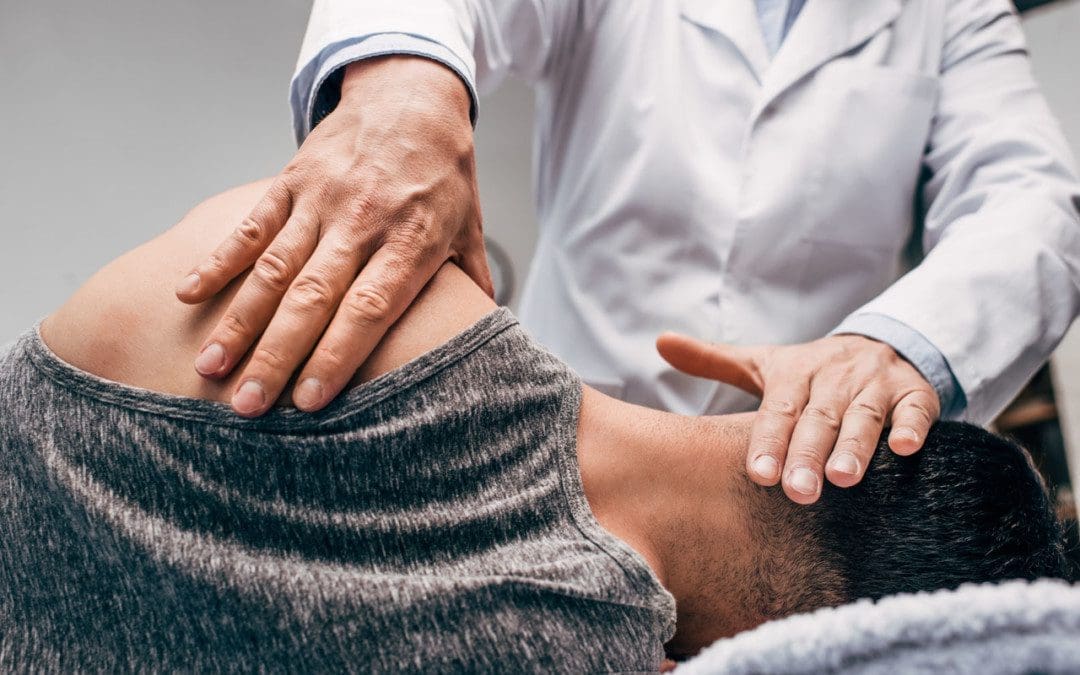
After a chiropractic adjustment, the body can feel weird or out of sorts. This is completely normal and can be attributed to toxin release. This release flushes out the toxic particles in the body. The adjustments get the blood and nerve energy circulating properly. As the toxins travel through and out of the bloodstream, they can make the individual body feel strange, even a little sick. This could lead to side effects that last around 1-2 days.
Toxin Release
It is a normal sign and starts during or slightly after the adjustment. This often occurs with subluxation treatment. Subluxations can block/interfere with proper blood flow around the spine. This leads to pain and inflammation. As the chiropractor treats and releases, the subluxations, proper blood flow is restored. This can overwhelm the body, which can lead to release symptoms.
Duration Side Effects
The unwellness goes away within a few hours or days, depending on the individual and their condition. However, if the symptoms do not go away after a week, contact the chiropractor to let them know what is happening. Going through a few episodes of release is expected, especially during the first chiropractic sessions. It also depends on where the individual is healthwise. Usually, the first session is the most intense. As all the toxins are being removed from around the:
Spine
Joints
Muscles
Symptoms
Symptoms vary, but the most common include:
Cold or flu-like symptoms
Fever
Sweating
Night sweats
Fatigue
Headaches
Dizziness
Nausea
Diarrhea
Muscle tension
The intensity of these symptoms depends on the number of toxins being released. The symptoms improve but don’t hesitate to contact the chiropractic clinic with any questions or concerns.
Benefits
Individuals that have to go through release symptoms for a few days will find that their body feels cleaner and highly energetic. Brain functions increase because of optimal communication through circulation. Individuals with anxiety find that their body feels more relaxed. This is because the toxins that were irritating the nervous system have been flushed out.
Treating Toxin Release
There are a few ways to calm the body if symptoms present.
Drink Water
Water will expel the toxins out of the body quicker. It will flush through the bloodstream and then through the bladder where they are discarded. This will help the body recover faster. Eight glasses a day is the recommendation. This will keep the body hydrated and enhance the toxin release. Add some lemon juice to maintain mineral levels during the recovery. Lemon juice contains:
Electrolytes can help reduce toxin release pain and help prevent symptoms.
Calcium
Magnesium
Potassium
This will maintain muscle health and function.
Added Rest
Make sure to rest the body after a chiropractic adjustment. It is not recommended to not try to fight through the symptoms. This could be dangerous as the body is in recovery mode. If overwhelmed the symptoms could worsen. This does not mean staying in bed and sleeping, just not overexerting the body. Engage in calm relaxing activities.
Fruits and Vegetables
These will nourish the recovering body with vitamins and minerals. They also aid in reducing pain and increases energy. Plus fruits and vegetables are filled with antioxidants that can keep the muscles and bones strong. These include:
Cranberries
Raspberries
Cherries
Tomatoes
Spinach
Kale
It is recommended to get at least one serving of fruits and vegetables per meal. Avoid processed or sugary foods, as they can cause inflammatory responses to present. This could make the toxin release symptoms worse.
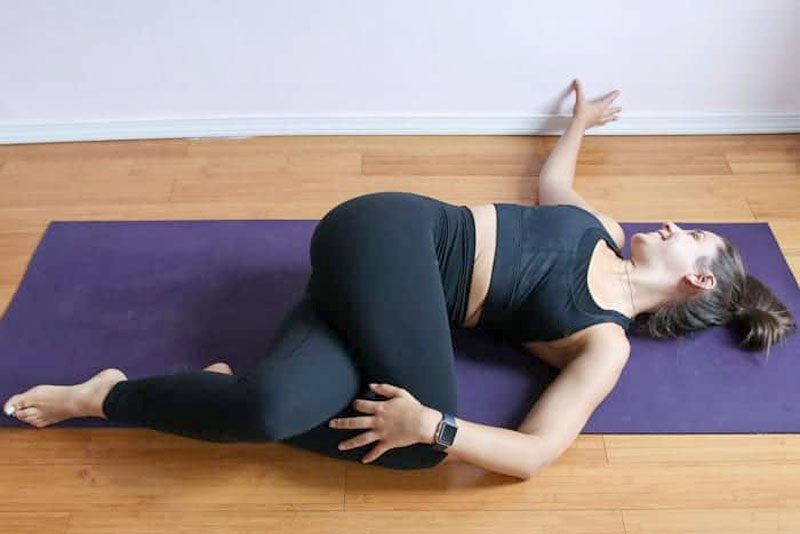
Yoga Poses
The body will more than likely feel sore and weak from the adjustments and the toxin release. Yoga can alleviate the symptoms. Poses can seem difficult because of the side effects, but the movement and stretching will make the body feel better. Here are a few that many chiropractors recommend.
Detoxification diets are tools that are used by medical professionals and are not intended for quick or healthy weight loss. Naturopathic Practitioners have been shown to use a wide range of detox methods and products that include:
Vitamins
Minerals
Diet
Lifestyle adjustments
Health coaching
Physiological changes during detox diets
Metabolism is the rate at which the body burns energy. This rate can change from different factors that include a temporary increase when excessive calories are taken in. There is no difference in weight loss from diets that focus on reduced-fat vs. reduced carbohydrates. Individuals should consult with their physician before starting any body detox cleanse, especially if there are underlying medical conditions like diabetes or kidney disease. If struggling with obesity, then a physician can provide recommendations on a traditional diet, exercise, and other medically approved approaches.
References
Gardner, Christopher D et al. “Effect of Low-Fat vs Low-Carbohydrate Diet on 12-Month Weight Loss in Overweight Adults and the Association With Genotype Pattern or Insulin Secretion: The DIETFITS Randomized Clinical Trial.” JAMA vol. 319,7 (2018): 667-679. doi:10.1001/jama.2018.0245
Seaman, David R. “Toxins, Toxicity, and Endotoxemia: A Historical and Clinical Perspective for Chiropractors.” Journal of chiropractic humanities vol. 23,1 68-76. 3 Sep. 2016, doi:10.1016/j.echu.2016.07.003
Valdivieso, Paola, et al. “Does a Better Perfusion of Deconditioned Muscle Tissue Release Chronic Low Back Pain?.” Frontiers in medicine vol. 5 77. 20 Mar. 2018, doi:10.3389/fmed.2018.00077
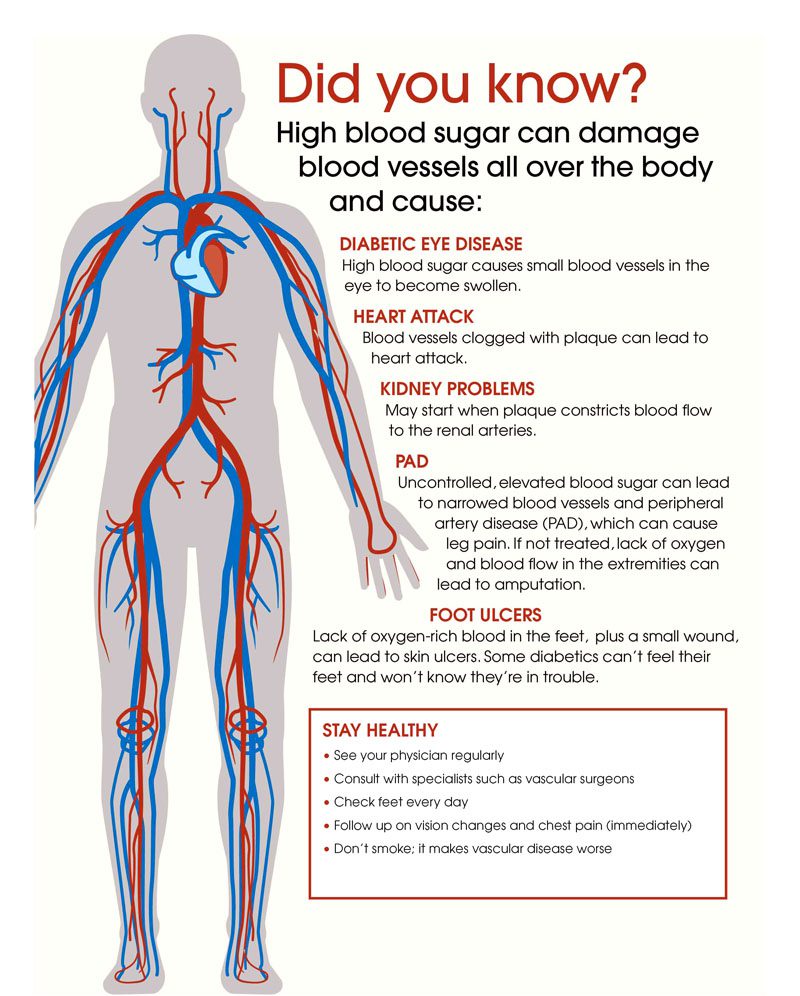
The diabetic disease processes can be a contributor to chronic back pain. Diabetes can damage the human body from the eyes to the feet if left untreated, and the spine/back is a prime target. Data from 11 studies consisted of individuals over 18 years of age diagnosed with type 1 or type 2 diabetes. The results showed individuals with diabetes had a 35% increased risk of experiencing lower back pain. According to the Centers for Disease Control and Prevention, around 34 million people were found to have diabetes in 2021. Diabetes primarily impacts blood sugar/glucose levels. However, the disease can affect several of the body's systems. It is a state of chronic inflammation.
Diabetic Back Pain Connection
The connection between diabetes and back pain include:
Neuropathy
Diabetic neuropathy happens when constant high glucose levels damage/injure the nerves. The result is symptoms like pain, tingling, and numbness. It affects up to 50% of individuals with diabetes and can lead to severe chronic back pain. High sugar levels damage various organ systems including the nervous system that results in neuropathy that causes pain/discomfort.
Bone Health
A complication that diabetes can cause is compromised bone health.High glucose levels can damage the collagen that makes up bone. This creates an increased risk of vertebral and other types of fractures. The high-risk compounds fractures that do not heal properly or correctly. Diabetics have an increased risk of fracture because of the accumulation increase of advanced glycation products. This substance forms when proteins or lipids combine with sugar. With time these products can cause damage to various tissues that include bone.
Obesity
Obesity contributes to the development of type 2 diabetes and is also a complication that results from incorrect glucose level management. Regardless of which came first, the added weight is a major contributor to back pain because of the added pressure/load on the spine. Excess weight and physical inactivity can result in serious issues of the musculoskeletal system.
Additional Factors
Poorly controlled diabetes also reduces muscle blood flow and increases cartilage inflammation. Other types of tissue damage can occur like degeneration of intervertebral discs and spinal canal stenosis. Disc degeneration and spinal stenosis are common causes of back and neck pain. Diabetics are prone to infection/s. This can cause back pain if it is in the bone known as osteomyelitis.
Diabetic Back Pain Management
There are steps that can help ease pain and discomfort.
Getting Involved In Physical Activity
Exercising/physical activity is a must. The body needs to move to get all the systems flowing improving diabetes and back pain. A sedentary lifestyle can take back pain to new levels with time. Even though when pain presents the first instinct is to stop and rest. Simple ways to get moving include:
Walks
Stretches
Gentle laps in a pool
All can help with:
Improved blood flow
Aids in weight loss
Recommended for both conditions
Exercising releases endorphins, which are the pain relief chemicals that the body produces naturally.
Yoga can reduce physical pain and discomfort throughout the body
Quitting Bad Habits
Smokers have a significantly higher risk for low back pain compared to non-smokers. Nicotine can alleviate pain short term, but over time the nerves become more sensitive and can increase the pain. Alcohol use can help numb the pain short term, but it can cause muscle spasms and dehydration intensifying the pain. Complications can arise if taking pain medication. The most important thing is managing diabetes effectively.Injury Medical Chiropractic and Functional Medicine Clinic will help the individual feel better, move better, and keep back pain away.
Body Composition
Vitamin D and Healthy Blood Sugar Levels
Vitamin D benefits muscle health, muscle mass, and blood sugar. Insulin is the hormone that lets blood sugar into the muscles. Individuals with adequate blood vitamin D levels significantly lower the risk of hyperglycemia than those with below-recommended levels. Research shows daily vitamin D supplements used in combination with calcium decelerate the gradual rise in blood sugar in those with prediabetes. Adequate vitamin D levels can prevent the progression of hyperglycemia. Supplementation is beneficial for individuals going through a deficiency. Adults should aim for a dietary intake of 600 – 800 IU per day. However, supplements are never a substitute for a healthy and diverse diet.
Disclaimer
The information herein is not intended to replace a one-on-one relationship with a qualified health care professional, licensed physician, and is not medical advice. We encourage you to make your own health care decisions based on your research and partnership with a qualified health care professional. Our information scope is limited to chiropractic, musculoskeletal, physical medicines, wellness, sensitive health issues, functional medicine articles, topics, and discussions. We provide and present clinical collaboration with specialists from a wide array of disciplines. Each specialist is governed by their professional scope of practice and their jurisdiction of licensure. We use functional health & wellness protocols to treat and support care for the musculoskeletal system’s injuries or disorders. Our videos, posts, topics, subjects, and insights cover clinical matters, issues, and topics that relate to and support, directly or indirectly, our clinical scope of practice.* Our office has made a reasonable attempt to provide supportive citations and has identified the relevant research study or studies supporting our posts. We provide copies of supporting research studies available to regulatory boards and the public upon request. We understand that we cover matters that require an additional explanation of how it may assist in a particular care plan or treatment protocol; therefore, to further discuss the subject matter above, please feel free to ask Dr. Alex Jimenez or contact us at 915-850-0900.
Dr. Alex Jimenez DC, MSACP, CCST, IFMCP, CIFM, CTG* email: [email protected] phone: 915-850-0900 Licensed in Texas & New Mexico
References
Pozzobon, Daniel, et al. “Is There an Association between Diabetes and Neck and Back Pain? A Systematic Review with Meta-Analyses.” PLOS ONE, vol. 14, no. 2, 2019, doi:10.1371/journal.pone .0212030.
Murray, Cliodhna E, and Cynthia M Coleman. “Impact of Diabetes Mellitus on Bone Health.” International Journal of Molecular Sciences, MDPI, 30 Sept. 2019, www.ncbi.nlm.nih.gov/pmc/articles/PMC6801685/.
Groen BBL, Hamer HM, Snijders T, van Kranenburg J, Frijns D, Vink H, et al. Skeletal muscle capillary density and microvascular function are compromised with aging and type 2 diabetes. Journal of Applied Physiology. 2014;116(8):998–1005. pmid:24577061
Eivazi M, Abadi L. Low Back Pain in Diabetes Mellitus and Importance of Preventive Approach. Health Promotion Perspectives. 2012;2(1):80–8. pmid:24688921
IFM's Find A Practitioner tool is the largest referral network in Functional Medicine, created to help patients locate Functional Medicine practitioners anywhere in the world. IFM Certified Practitioners are listed first in the search results, given their extensive education in Functional Medicine