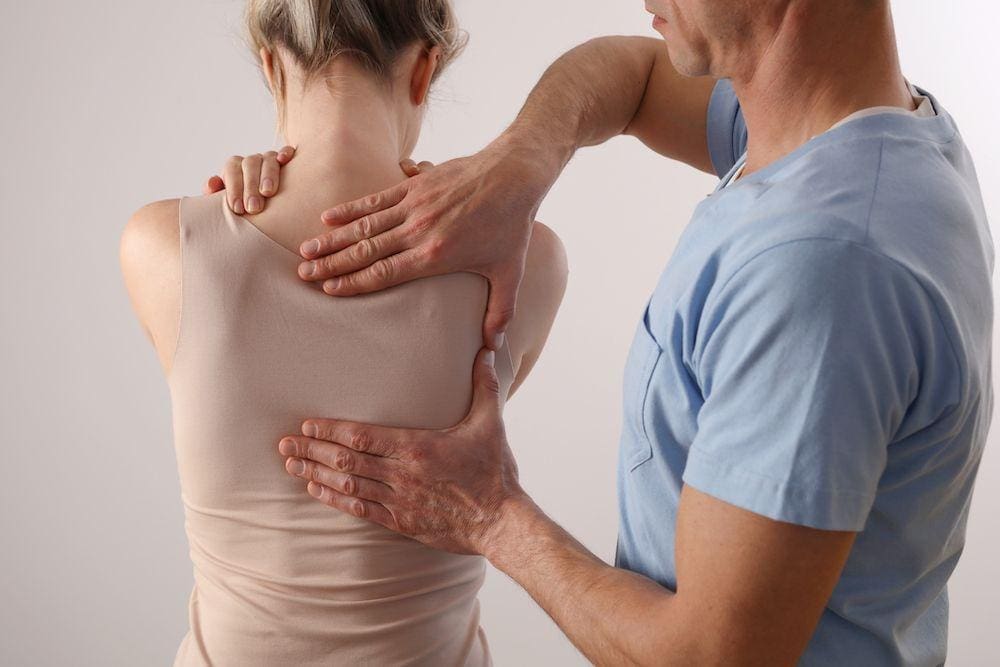
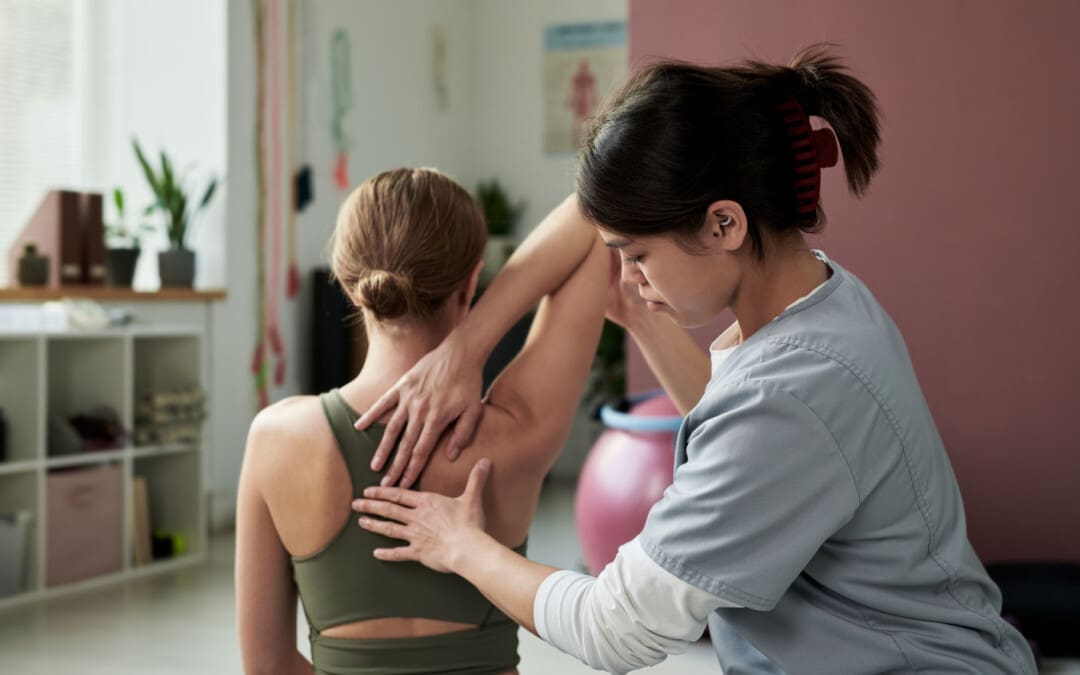
Learn about kyphosis, its causes and symptoms, and treatment approaches to alleviate discomfort and improve posture.
What Is Kyphosis?
How frequently have you seen that after spending too much time sitting down, your posture has become more hunched? Do you have neck and shoulder strains that are momentarily relieved by stretching? Or do you experience shoulder and back discomfort and tension as a result of bad posture? Frequently, people have experienced musculoskeletal problems that may impact the neck, shoulders, and back—the three most frequent parts of the body. A spinal disorder called kyphosis may result from prolonged hunching. An increase in the forward curve of the spine that affects the thoracic location is known as kyphosis, and it may be brought on by degenerative alterations in the intervertebral discs. (Lam & Mukhdomi, 2025) The development of a hunchback or rounded upper back is a symptom of kyphosis that may impact posture and general musculoskeletal health. Depending on how severe the kyphosis is, the symptoms might vary from severe stiffness and pain to trouble breathing. Finding different treatment choices for this spinal ailment may also be made easier for many people by having a better grasp of the environmental variables that contribute to its development and the symptoms that are connected with it.
Environmental Factors Contributing to Kyphosis
Kyphosis may occur as a result of many environmental factors. This is because a lot of individuals engage in physically demanding activities that put a lot of strain on the spine. On the other hand, kyphosis may occur as a result of the spine’s gradual aging process. Among the environmental elements that cause kyphosis are:
Bad Posture
Living a Sedentary Lifestyle
Overweight Items & Inappropriate Lifting
Osteoporosis
Conditions & Injuries of the Spine
Kyphosis Symptoms & Its Effects on the Musculoskeletal System
Because it may impact both the cervical and thoracic regions of the spine, kyphosis can result in a number of musculoskeletal issues.When kyphosis begins to damage the cervical region, it may result in referred neck pain, which puts more pressure on the soft tissues in the back. This forces the head to cope with a mechanical imbalance, which puts strain on the muscles and creates weariness. (Ogura and others, 2021) At the same time, when kyphosis begins to impact the thoracic spine, other risk factors include poor bone density and dysfunction in the lower extremities in older persons, which may restrict movement. (Lorbergs and others, 2017). Other musculoskeletal problems linked to kyphosis include:
Stiffness & Pain in the Upper Back
Minimal Flexibility & Mobility
Referred pain
Weakness and Muscle Fatigue
Digestive & Breathing Problems
Understanding Long-Lasting Injuries- Video
Treatment Approaches For Kyphosis
If the spinal curvature has become much worse, many people have chosen to undergo surgery to manage the symptoms of kyphosis. Nonetheless, a lot of individuals have chosen nonsurgical treatments since they are less expensive and noninvasive. In order to improve a person’s posture and lessen the difficulties associated with kyphosis, nonsurgical therapies may take many different forms. (Jenkins et al., 2021) When individuals begin using nonsurgical methods to lessen cervical kyphosis, their mobility and postural control will significantly improve. (Oakley and others, 2024)
Chiropractic Care & More
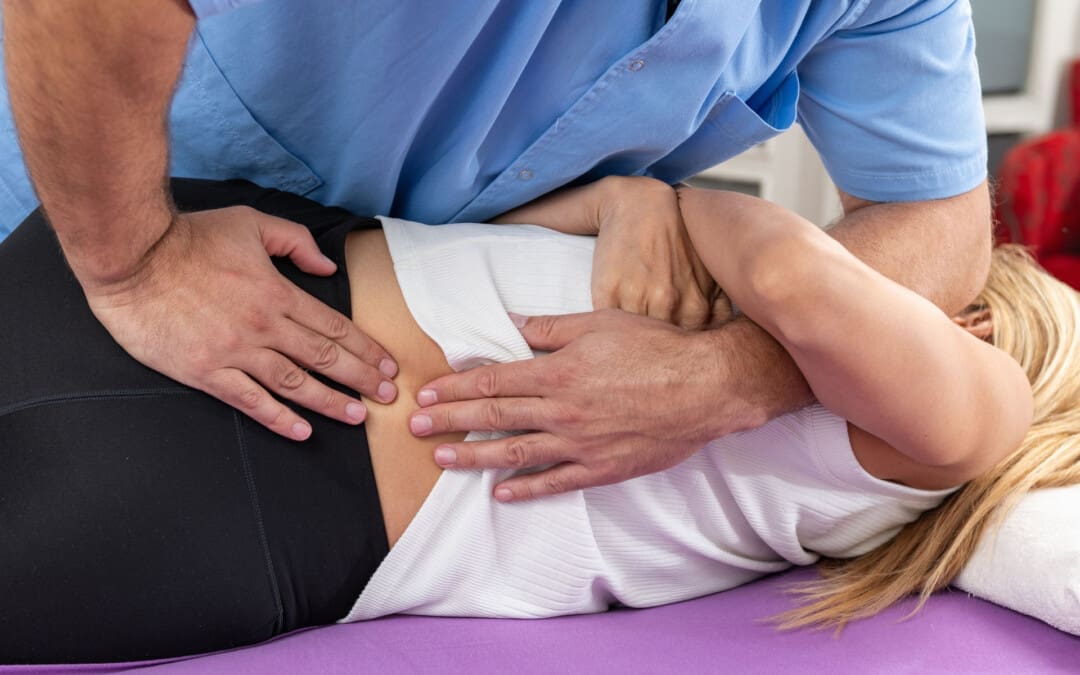
For those with kyphosis, chiropractic adjustments are a non-invasive treatment option that may help reduce pain and realign the spine. The goal of chiropractic therapy is to stretch and strengthen weak, tense muscles while realigning the spine to its natural position. By increasing the range of motion in the neck, chiropractic therapy may alleviate overlapping risk profiles, such as headaches and kyphotic neck discomfort. (Norton and others, 2022) Additionally, in order to avoid a slouched posture, chiropractors may create a personalized treatment plan for those with kyphosis that offers substantial relief from the neck to the back. (Fortner and others, 2017). For those with kyphosis, chiropractic adjustments may provide the following advantages:
Adjustments to the spine may help realign the vertebrae, improve posture, and lessen excessive curvature.
Postural Training: To improve support, chiropractors may provide workouts that build stronger core and back muscles.
Pain management: Spinal decompression methods and manual treatment may ease tense muscles and lessen transferred pain.
Increased Flexibility and Mobility: Mobility exercises and stretching help increase range of motion and avoid stiffness.
Additional Treatments For Kyphosis
In addition to chiropractic treatment, alternative kyphosis management techniques may enhance spinal stability and stop the progression of spine curvature. Among these extra treatments are;
Physical Therapy.
Supporting Postural Ergonomics
Final Thoughts
Although kyphosis may cause pain and suffering, quality of life can be greatly improved with early diagnosis and appropriate therapy. Proactively treating kyphosis may result in improved posture, less discomfort, and more mobility, whether via physical therapy, chiropractic adjustments, or lifestyle changes.
Injury Medical Chiropractic & Functional Medicine Clinic
We associate with certified medical providers who implement the importance of the causes and symptoms of kyphosis. While asking important questions to our associated medical providers, we advise patients to integrate small changes into their daily routine to reduce the effects of kyphosis from affecting the cervical and thoracic areas. Dr. Alex Jimenez, D.C., envisions this information as an academic service. Disclaimer.
References
Fortner, M. O., Oakley, P. A., & Harrison, D. E. (2017). Treating ‘slouchy’ (hyperkyphosis) posture with chiropractic biophysics((R)): a case report utilizing a multimodal mirror image((R)) rehabilitation program. Journal of Physical Therapy Science, 29(8), 1475-1480. https://doi.org/10.1589/jpts.29.1475
Jenkins, H. J., Downie, A. S., Fernandez, M., & Hancock, M. J. (2021). Decreasing thoracic hyperkyphosis – Which treatments are most effective? A systematic literature review and meta-analysis. Musculoskelet Sci Pract, 56, 102438. https://doi.org/10.1016/j.msksp.2021.102438
Lorbergs, A. L., Murabito, J. M., Jarraya, M., Guermazi, A., Allaire, B. T., Yang, L., Kiel, D. P., Cupples, L. A., Bouxsein, M. L., Travison, T. G., & Samelson, E. J. (2017). Thoracic Kyphosis and Physical Function: The Framingham Study. J Am Geriatr Soc, 65(10), 2257-2264. https://doi.org/10.1111/jgs.15038
Norton, T. C., Oakley, P. A., & Harrison, D. E. (2022). Improving the cervical lordosis relieves neck pain and chronic headaches in a pediatric: a Chiropractic Biophysics((R)) (CBP((R))) case report with a 17-month follow-up. Journal of Physical Therapy Science, 34(1), 71-75. https://doi.org/10.1589/jpts.34.71
Oakley, P. A., Gage, W. H., Harrison, D. E., & Mochizuki, G. (2024). Non-surgical reduction in thoracolumbar kyphosis and sagittal vertical axis corresponding with improved sensorimotor control in an older adult with spinal deformity: a Chiropractic Biophysics((R)) case report. Journal of Physical Therapy Science, 36(11), 756-764. https://doi.org/10.1589/jpts.36.756
Ogura, Y., Dimar, J. R., Djurasovic, M., & Carreon, L. Y. (2021). Etiology and treatment of cervical kyphosis: state of the art review-a narrative review. J Spine Surg, 7(3), 422-433. https://doi.org/10.21037/jss-21-54
Can the straight leg test help find the cause of back or hamstring pain in individuals experiencing it?
Straight Leg Test
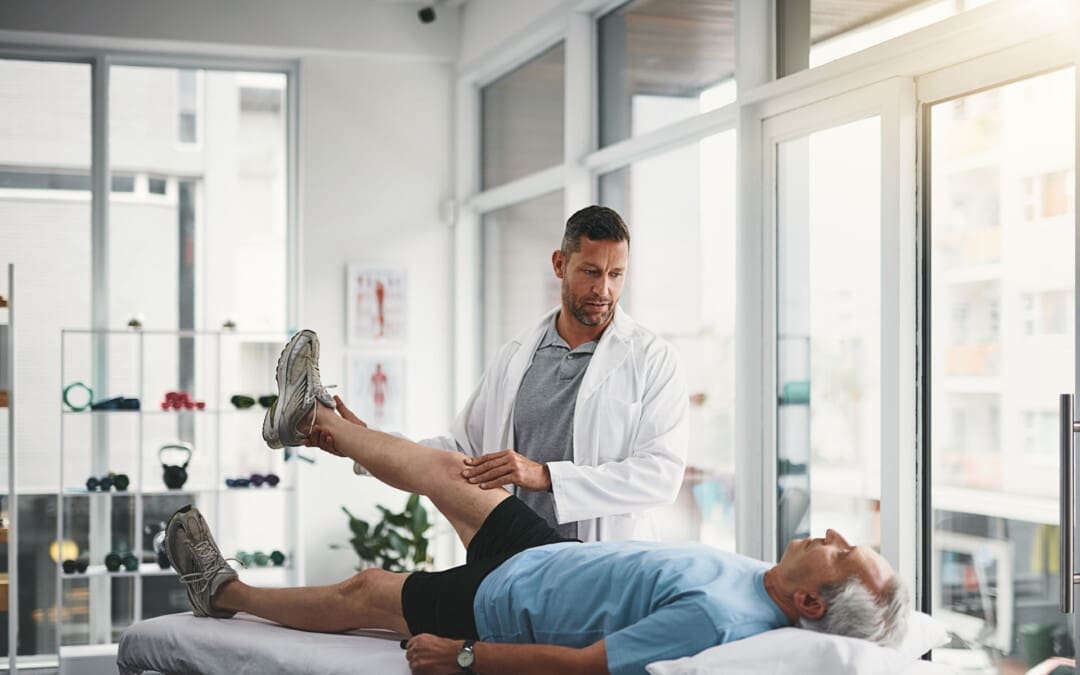
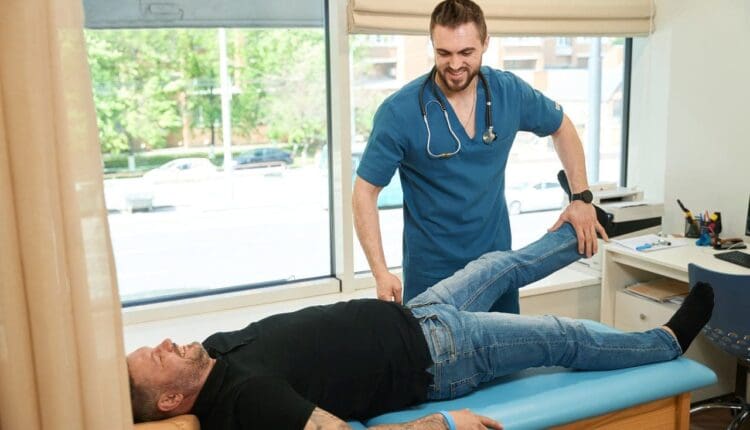
The straight leg raise test is often used to diagnose sciatica/radiculopathy, herniated discs, and other spinal problems. The healthcare provider giving the test performs most of the movement as they assess what’s causing the leg and/or back pain. The patient lies on their back with the legs straight. The provider will have the patient perform specific movements and inform them of how it feels. Then, they’ll raise the leg to see if and at what point symptoms begin to show. Providers often use this test alongside imaging studies.
Some studies suggest the straight leg test helps diagnose sciatica and other causes. (Pesonen J. et al., 2021)
Purpose
The straight leg raise is one of the most common manual tests done during physical exams. The straight leg raise test seeks to reproduce the pain or other symptoms in a controlled fashion to provide clues to what’s happening. It is a manual exam, and the healthcare provider will:
Position the patient
Moves the patient
Create pressure to see how well the patient can resist it
This is often used alongside imaging tests, such as an X-ray or CT scan. (Allegri M. et al., 2016) Its goal is to check for nerve movement and sensitivity of nerve tissue to compression. The straight leg lift test is neurodynamic because it uses movement to diagnose nerve problems. (Baselgia L.T. et al., 2017)
During the Test
Expect to feel some pain during the test, as the whole point is to see what aggravates the symptoms. They may be caused by:
Most of the tests are passive, with the provider doing the lifting. The patient can help achieve the most accurate result by staying as relaxed as possible and being clear about what is felt. (Pande K. 2015) The procedure:
The patient lies on their back with their legs straight.
The provider will ask the patient to turn one of the legs in.
This tells them what hip position affects the lower back symptoms.
They’ll then ask you to bring the leg toward the body’s center.
Then, they’ll lift the straight leg until the patient experiences symptoms.
Pain suggests a herniated disc.
If there is no pain, this also provides valuable information.
The procedure is repeated with the other leg.
Modifications
It’s important to let the examiner know about any limitations. The straight leg raise test has modifications if the patient cannot lift their leg while it’s straight or if they have difficulty lying on their back, which can also help avoid an injury during the test.
Variations
The healthcare provider may repeat the test with the ankle in a dorsiflexed position/raising the foot. Then, they’ll have the patient do it with their chin tucked into their chest. (Young R. et al., 2013) These variations can help check for nerve involvement in specific locations, such as the spinal cord or the dura mater, the membrane covering the brain and spinal cord. (Venne G. et al., 2017) The spinal cord nerves are likely involved and affected if the usual pain is in the back or leg but not the chin, neck, or foot. (Camino Willhuber GO, Piuzzi NS. 2023)
Injury Medical Chiropractic and Functional Medicine Clinic
Injury Medical Chiropractic and Functional Medicine Clinic works with primary healthcare providers and specialists to build optimal health and wellness solutions. We focus on what works for you to relieve pain, restore function, prevent injury, and mitigate issues through adjustments that help the body realign itself. The clinic can also work with other medical professionals to integrate a treatment plan to resolve musculoskeletal problems.
From Injury to Recovery with Chiropractic Care
References
Casiano, V. E., Sarwan, G., Dydyk, A. M., & Varacallo, M. A. (2025). Back Pain. In StatPearls. https://www.ncbi.nlm.nih.gov/pubmed/30844200
Pesonen, J., Shacklock, M., Suomalainen, J. S., Karttunen, L., Mäki, J., Airaksinen, O., & Rade, M. (2021). Extending the straight leg raise test for improved clinical evaluation of sciatica: validity and diagnostic performance with reference to the magnetic resonance imaging. BMC musculoskeletal disorders, 22(1), 808. https://doi.org/10.1186/s12891-021-04649-z
Allegri, M., Montella, S., Salici, F., Valente, A., Marchesini, M., Compagnone, C., Baciarello, M., Manferdini, M. E., & Fanelli, G. (2016). Mechanisms of low back pain: a guide for diagnosis and therapy. F1000Research, 5, F1000 Faculty Rev-1530. https://doi.org/10.12688/f1000research.8105.2
Baselgia, L. T., Bennett, D. L., Silbiger, R. M., & Schmid, A. B. (2017). Negative Neurodynamic Tests Do Not Exclude Neural Dysfunction in Patients With Entrapment Neuropathies. Archives of physical medicine and rehabilitation, 98(3), 480–486. https://doi.org/10.1016/j.apmr.2016.06.019
Pande K. (2015). The Use of Passive Straight Leg Raising Test: A Survey of Clinicians. Malaysian Orthopaedic Journal, 9(3), 44–48. https://doi.org/10.5704/MOJ.1511.012
Young, R., Nix, S., Wholohan, A., Bradhurst, R., & Reed, L. (2013). Interventions for increasing ankle joint dorsiflexion: a systematic review and meta-analysis. Journal of foot and ankle research, 6(1), 46. https://doi.org/10.1186/1757-1146-6-46
Venne, G., Rasquinha, B. J., Kunz, M., & Ellis, R. E. (2017). Rectus Capitis Posterior Minor: Histological and Biomechanical Links to the Spinal Dura Mater. Spine, 42(8), E466–E473. https://doi.org/10.1097/BRS.0000000000001867
Camino Willhuber, G. O., & Piuzzi, N. S. (2025). Straight Leg Raise Test. In StatPearls. https://www.ncbi.nlm.nih.gov/pubmed/30969539
Can individuals managing facet arthropathy treat the condition with over-the-counter pain relievers, prescription muscle relaxers, exercise, and chiropractic spinal manipulation?
Facet Arthropathy
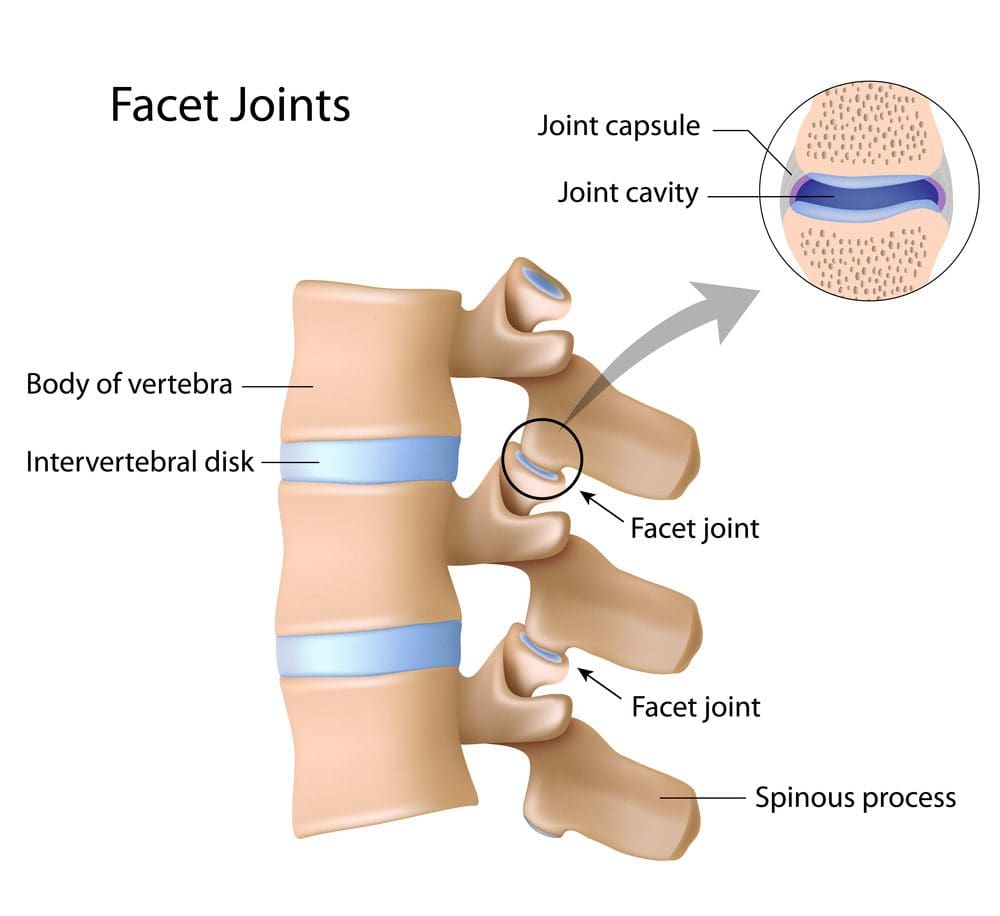
Facet arthropathy, or facet osteoarthritis, is arthritis that affects the facet joints in the spine. It causes pain and stiffness due to cartilage degeneration within these joints, often resulting from wear and tear associated with aging. Essentially, it occurs when the small joints in the back of the spine become arthritic and rub against each other painfully.
It affects the bony protrusions, called facet joints, that connect the spine’s bones.
Symptoms include neck and back pain that can worsen with standing, bending, or twisting.
Facet arthropathy is diagnosed using X-rays and other imaging studies.
Severe cases may require surgery.
Facet Joints
Twenty-four vertebrae form the spine, with two facet joints between each. Facet joints are small joints located at the back of each vertebra in the spine. They allow movement and stability, help maintain the alignment of the spinal bones/vertebrae, and limit excessive motion. The joints and the cushioning intervertebral disc form a three-joint complex between each vertebra.
The three-joint complex allows the spine to move, including bending, rotating, and extending.
Synovial fluid lubricates the joints so they can move.
The intervertebral disc provides flexibility and dissipates compressive loads.
The facet joints stabilize the spine by constraining rotation and bending.
Symptoms
Arthropathy refers to any disease affecting a joint, including arthritis. Osteoarthritis, also known as arthrosis, is a specific type of arthropathy. It is a non-inflammatory, degenerative arthritis. Pain is the main symptom that is typically worse in the morning when awakening, and in the evening, the pain can also get worse when twisting or bending backward. The symptoms can vary based on the part of the affected spine. Low back pain is the most common, a condition referred to as lumbar facet arthropathy because it affects the lumbar spine of the lower back. (Perolat R. et al., 2018) Common Symptoms include:
Muscle spasms or cramps.
Pain that may come in periodic flare-ups
Pain that worsens with standing or inactivity.
Dull pain on both sides of the spine.
Aching pain on both sides of the spine.
Pain in the lower back, buttocks, shoulders, or back of the skull
Radiating pain to the buttocks and legs.
Pain that improves with sitting, leaning forward, or changing positions.
Pins-and-needles sensations in the hands or feet.
Clicking sounds when moving the spine.
Catching sensations when moving the spine.
Muscle weakness.
Causes
Facet arthropathy causes progressive damage to the spine. Spinal osteoarthritis, aka spondylosis, is the most common cause, but it can also occur with a severe form of spinal arthritis known as ankylosing spondylitis. It is primarily due to age-related wear and tear, but injuries or repetitive stress on the spine can also cause it. Arthritis in the facet joints can develop due to:
Aging-related wear and tear
Disc problems
A previous back injury
Torn ligaments
Spinal fractures
Deterioration of facet joints can also cause bony overgrowths called osteophytes or bone spurs, which can cause radiating pain and restrict the spine’s range of motion.
Degeneration
The facet joints and intervertebral discs degenerate due to age-related wear and tear.
The cartilage in the facet joints can dry out, crack, and wear down.
The joint capsule and synovial membrane can inflame or tear, affecting synovial fluid production.
The loss of cartilage can lead to hypermobility, and the joint can stiffen over time.
Diagnosis
Imaging studies are important to the diagnosis. Several types confirm the diagnosis and also characterize the nature and severity of the condition:
X-rays provide a plain, black-and-white image of the spinal column.
CT scan composites multiple X-rays to create a three-dimensional image of the spinal column.
MRI uses magnetic and radio waves to generate images of soft tissues like ligaments and cartilage.
To confirm the diagnosis, a diagnostic block, which is a small amount of local anesthetic, is injected into a facet joint. The needle placement is directed either with an ultrasound or a CT scan. Facet arthroplasty is confirmed if the injection provides immediate relief (American Academy of Orthopaedic Surgeons, 2022). The healthcare provider will want to exclude other possible causes as part of the differential diagnosis. Conditions that mimic facet arthropathy include:
Herniated disc
Psoriatic arthritis
Reactive arthritis
Spinal gout
Spinal compression fracture
Treatment
The treatment varies depending on the location and severity of the condition. Generally, conservative treatments are used before more invasive procedures are considered.
Lifestyle Changes
Initially, a healthcare provider may recommend rest and avoiding aggravating movements, including any activity that involves bending or twisting.
Activities that take the weight off the facet joint, such as sitting, leaning forward, or changing positions, may help ease the pain.
Patients may also be advised to adjust their sleep positions to take the pressure off facet joints.
Options included curling up on your side or lying on your back with the knees supported with pillows.
Medications
If a diagnostic block is used, a patient may not need medications immediately. However, as the anesthetic starts to wear off, the patient may be prescribed over-the-counter or prescription pain relievers based on the severity of the pain. These can include:
Analgesics like Tylenol
Nonsteroidal anti-inflammatory drugs like Advil or Aleve
Muscle relaxants like Lloresal for acute back pain
Antidepressants like Cymbalta for chronic back pain
Physical Therapy
Physical therapy is a major part of the treatment of lower back pain. The treatment plan will include personalized exercises to strengthen the core muscles and avoid stress on the spine. Examples include:
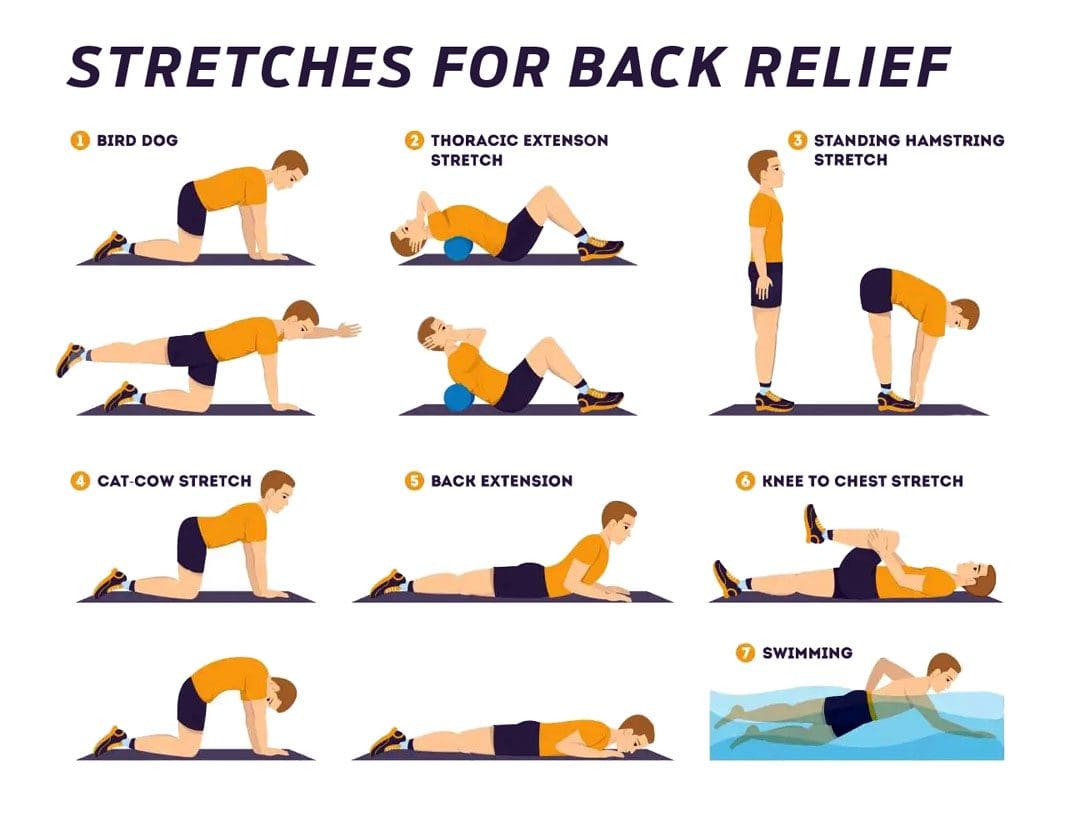
Knee-to-chest stretches, hugging your knees for 30 to 60 seconds.
Walking 10 to 20 minutes per day.
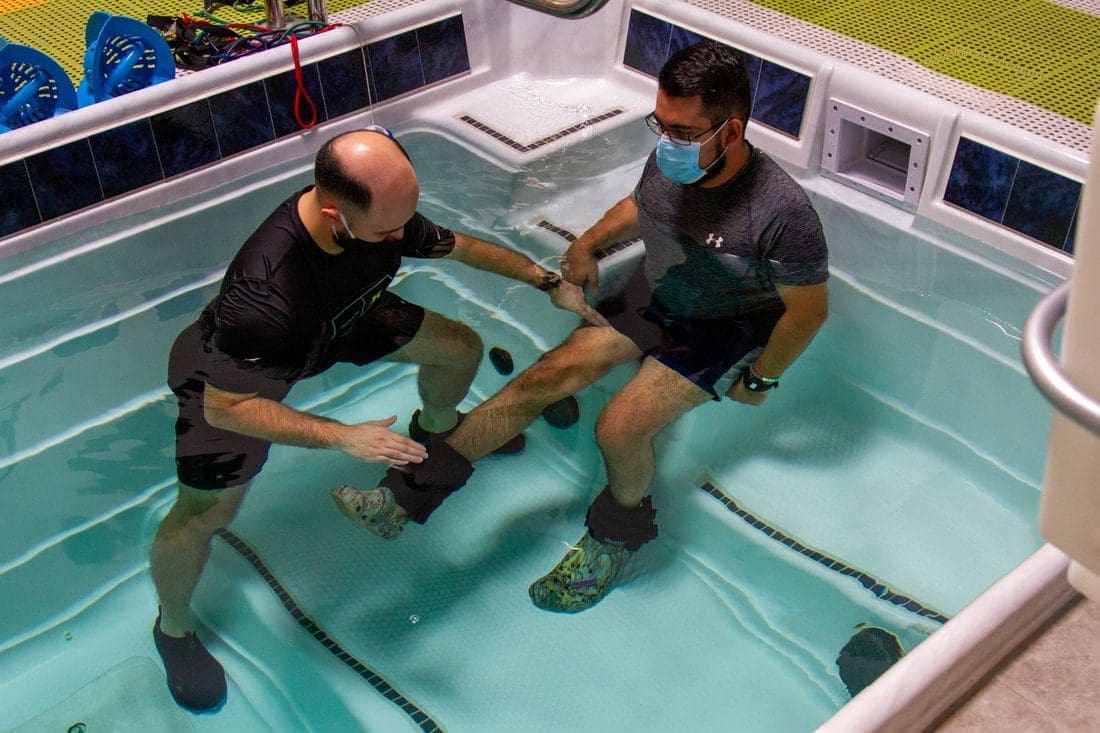
Aquatic therapy to alleviate pressure on the spine.
Surgery
If conservative measures don’t work or provide sufficient relief, a healthcare provider may recommend specialist procedures or surgeries that include:
Lumbar intra-articular injections deliver an anesthetic or corticosteroid into the spine for longer-lasting pain relief.
Sinuvertebral nerve ablation destroys spinal nerves with a strong electrical current.
Extracorporeal shockwave therapy ESWT delivers low- or high-energy electrical pulses to help ease pain.
Spinal fusion surgery involves fusing two or more vertebrae to eliminate movement and pain in the facet joints.
Facet rhizotomy is a surgical procedure used to sever one of the nerves supplying the facet joint.
Stem cell regeneration is an experimental procedure in which stem cells are harvested and injected into damaged joints to restore function.
Injury Medical Chiropractic and Functional Medicine Clinic
Injury Medical Chiropractic and Functional Medicine Clinic works with primary healthcare providers and specialists to build optimal health and wellness solutions. We focus on what works for you to relieve pain, restore function, prevent injury, and help mitigate issues through adjustments that help the body realign itself. They can also work with other medical professionals to integrate a treatment plan to resolve musculoskeletal problems.
Facet Syndrome Pain Treatment
References
Perolat, R., Kastler, A., Nicot, B., Pellat, J. M., Tahon, F., Attye, A., Heck, O., Boubagra, K., Grand, S., & Krainik, A. (2018). Facet joint syndrome: from diagnosis to interventional management. Insights into imaging, 9(5), 773–789. https://doi.org/10.1007/s13244-018-0638-x
American Academy of Orthopaedic Surgeons. (2022). Spinal injections. https://orthoinfo.aaos.org/en/treatment/spinal-injections/
Can individuals incorporate these simple but effective exercise routines to reduce pain and discomfort in their spine and back?
Why It’s Important To Keep The Back Mobile
When many individuals are dealing with back pain from their upper, middle, and lower portions, it can put a halt to a person’s routine. When back pain becomes present, it causes the person to find a comfortable place like a couch or a bed and lie down. However, this can cause more issues than the original one, affecting the individual. Back pain is a common worldwide problem and is the leading issue of disability associated with a high socio-economic cost. (Chou, 2021) Additionally, when a person is dealing with back pain, they are also dealing with degenerative issues that are also affecting their spines, thus causing problems to their joints, discs, and bones. (Hauser et al., 2022) This is because back pain is a multifactorial musculoskeletal disorder that can cause referred pain to different body locations. So when a person dealing with back pain rests, it can become an issue as inflammation builds up and swelling in the affected areas. Hence, many doctors, chiropractors, physical therapists, and spine specialists recommend keeping mobile to allow blood flow and the body’s natural healing response to reduce pain and speed up recovery. Since back pain relief is challenging through visceral-somatic disturbances, it is important to find various treatment options to aid the person’s specific condition. As a person goes to get treatment for their back pain, it is important to note that the causes of their back pain can help determine which exercises can be most effective within their treatment plan. We associate with certified medical providers who inform our patients of the benefits of incorporating simple but effective exercises for their back pain. While asking important questions to our associated medical providers, we advise patients to integrate an exercise routine to reduce the chances of environmental factors causing back pain to return. Dr. Alex Jimenez, D.C., envisions this information as an academic service. Disclaimer.
Understanding Academic Low Back Pain- Video
Effective But Simple Exercises For The Back
Many people often wonder, “If I am dealing with back pain, why should I exercise to reduce this pain?” The answer is simple: since the affected back muscles are tight and weakened, simple but effective exercises can help recover. Exercise therapy can help increase muscle-joint strength in the body while improving muscle function and increasing range of motion. This boosts a speedy recovery and allows the individual to return to their usual activities. (Hayden et al., 2021) At the same time, with a customized treatment plan, exercise therapy can incorporate other non-surgical treatments with one goal: to restore normal musculoskeletal function and reduce the pain caused by environmental factors, diseases, or injuries. (Karlsson et al., 2020) Now, depending on the severity of the back pain, there are simple but effective exercises below to help reduce the pain and restore mobility to the back.
Physical Therapy & At-Home Workouts
Physical therapy and at-home exercises can help many individuals with back pain. They can help figure out which position can help centralize the pain and correct any restricted motions. Many physical therapists incorporate the McKenzie method to strengthen and support the spine while decreasing pain and inflammation. At-home exercises can be combined with a series designed to be practical, assessable, and feasible for therapeutic gain or even to improve physical capacity to maximum effort. (Quentin et al., 2021)
Water Exercises
Water exercises are amazing exercises that can help lessen the body’s weight to take pressure and stress off the spine. This is because water is supposed to help cleanse and rejuvenate the body. When individuals are experiencing chronic back pain, aquatic physical therapy can help relieve pain intensity, relax the aching muscles, and even promote a positive workout experience for the individual. (Ma et al., 2022) After a few consecutive sessions, many individuals can see improvement in pain intensity and restored mobility function in their routines.
Tai Chi & Stabalizing Exercises
Now, another simple and effective exercise routine can help stabilize the surrounding muscles in the back and spine and become effective as part of a health and well-being routine. Tai chi and Qigong practices can help the individual emphasize stillness and controlled movements to promote calmness, resilience, body awareness, and relaxation for proper body alignment. (Yang et al., 2024) Tai chi and Qigong can also help support immune function in the body while regulating inflammation, which can help reduce and prevent diseases. (Oh et al., 2020) At the same time, yoga can help improve flexibility, mobility, and stability within the muscles and joints while also improving spinal alignment, which can help many individuals have proper posture. (Zhu et al., 2020) Depending on which exercise a person prefers for their treatment plan and to reduce their back pain; it is important to make these small changes to achieve optimal results. Making these small changes can help many individuals reduce the chances of their back pain returning and help them along with their health and wellness journey.
Hauser, R. A., Matias, D., Woznica, D., Rawlings, B., & Woldin, B. A. (2022). Lumbar instability as an etiology of low back pain and its treatment by prolotherapy: A review. J Back Musculoskelet Rehabil, 35(4), 701-712. https://doi.org/10.3233/BMR-210097
Hayden, J. A., Ellis, J., Ogilvie, R., Malmivaara, A., & van Tulder, M. W. (2021). Exercise therapy for chronic low back pain. Cochrane Database Syst Rev, 9(9), CD009790. https://doi.org/10.1002/14651858.CD009790.pub2
Karlsson, M., Bergenheim, A., Larsson, M. E. H., Nordeman, L., van Tulder, M., & Bernhardsson, S. (2020). Effects of exercise therapy in patients with acute low back pain: a systematic review of systematic reviews. Syst Rev, 9(1), 182. https://doi.org/10.1186/s13643-020-01412-8
Ma, J., Zhang, T., He, Y., Li, X., Chen, H., & Zhao, Q. (2022). Effect of aquatic physical therapy on chronic low back pain: a systematic review and meta-analysis. BMC Musculoskelet Disord, 23(1), 1050. https://doi.org/10.1186/s12891-022-05981-8
Oh, B., Bae, K., Lamoury, G., Eade, T., Boyle, F., Corless, B., Clarke, S., Yeung, A., Rosenthal, D., Schapira, L., & Back, M. (2020). The Effects of Tai Chi and Qigong on Immune Responses: A Systematic Review and Meta-Analysis. Medicines (Basel), 7(7). https://doi.org/10.3390/medicines7070039
Quentin, C., Bagheri, R., Ugbolue, U. C., Coudeyre, E., Pelissier, C., Descatha, A., Menini, T., Bouillon-Minois, J. B., & Dutheil, F. (2021). Effect of Home Exercise Training in Patients with Nonspecific Low-Back Pain: A Systematic Review and Meta-Analysis. Int J Environ Res Public Health, 18(16). https://doi.org/10.3390/ijerph18168430
Yang, Y., McCluskey, S., Bydon, M., Singh, J. R., Sheeler, R. D., Nathani, K. R., Krieger, A. C., Mehta, N. D., Weaver, J., Jia, L., DeCelle, S., Schlagal, R. C., Ayar, J., Abduljawad, S., Stovitz, S. D., Ganesh, R., Verkuilen, J., Knapp, K. A., Yang, L., & Hartl, R. (2024). A Tai chi and qigong mind-body program for low back pain: A virtually delivered randomized control trial. N Am Spine Soc J, 20, 100557. https://doi.org/10.1016/j.xnsj.2024.100557
Zhu, F., Zhang, M., Wang, D., Hong, Q., Zeng, C., & Chen, W. (2020). Yoga compared to non-exercise or physical therapy exercise on pain, disability, and quality of life for patients with chronic low back pain: A systematic review and meta-analysis of randomized controlled trials. PLOS ONE, 15(9), e0238544. https://doi.org/10.1371/journal.pone.0238544
For individuals who injure their neck or back, the muscles may spasm or seize up, making it difficult to get through the day, exercises, physical activities, etc. Can skeletal muscle relaxers help relieve pain and reduce frequency?
Back Spasms Muscle Relaxers
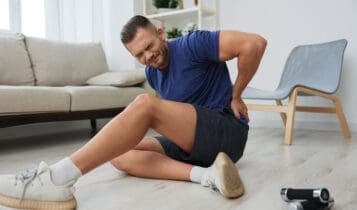
Back muscle spasms are common back pain that feels like a sudden tightness or contraction in the back muscles. They can range from minor twinges to severe pain.
Causes
Poor posture: Sitting or standing with bad posture can strain the back muscles.
Overuse: Picking something up, bending, or lifting can cause a spasm.
Dehydration: Not drinking enough water can cause electrolyte imbalances, leading to spasms.
Underlying conditions: A herniated disc or degenerative disc disease can cause back spasms.
Muscle imbalances: Weak muscles or muscles that are too tight can cause spasms.
Treatments
Home treatments: You can apply heat or ice, take over-the-counter pain medication, try gentle stretching, or massage the area.
Exercise: Improve your back’s strength and flexibility with exercise or physical therapy.
Hydration and nutrition: Drink enough water and eat foods rich in magnesium and calcium.
Chiropractic Adjustments: These can realign the spine to the correct position and muscles to relax.
Non-surgical Decompression: Decompression of the spine will allow more blood and nutrients to heal painful areas.
Skeletal Muscle Relaxers
A healthcare provider may prescribe skeletal muscle relaxers. These medications are not available over the counter and must be prescribed by a healthcare provider.
Skeletal muscle relaxers will probably cause drowsiness.
Individuals should not drive, operate heavy machinery, or engage in other physical activities while taking back spasm muscle relaxers.
Skeletal muscle relaxers are not recommended for 65 or older because safer, effective alternatives exist.
Also, women who are pregnant or breastfeeding should not take these medications.
Discuss these issues with your healthcare provider.
Carisoprodol
Carisoprodol is available generically and as Soma and Vanadom brands. It works by suppressing nerve impulses located in the brain and spinal cord. Healthcare providers prescribe this medication in combination with physical therapy for the healing release of any muscle spasm and management of musculoskeletal injuries and/or pain. (Witenko C. et al., 2014) It’s not about having to continue taking the medication to feel better but more as a jump start to help with the physical therapy program.
Back muscle spasms are a perfect example of a condition that may benefit from carisoprodol in the short term.
Carisoprodol can be habit-forming.
Be sure to talk to a healthcare provider before suddenly going off this medication.
Carisoprodol can cause side effects that may impair thinking or reactions.
Inform your healthcare provider of any drug allergies, kidney disease, or liver disease, or if you get seizures.
Cyclobenzaprine
Cyclobenzaprine is available as Amrix and in generic form. Like other muscle relaxers, cyclobenzaprine may cause dizziness or drowsiness. The sedation effects are how it works on painful, tension-filled muscles. Cyclobenzaprine is used together with physical therapy to treat skeletal muscle-related conditions and/or injuries, especially when pain or spasm is involved. When used in conjunction with physical therapy, it can help expedite recovery.
Cyclobenzaprine is chemically related to tricyclic antidepressants.
Although it is considered a derivative of the tricyclic antidepressant class, it does not pose the same risk to liver health.
According to the National Institutes of Health, reasons not to take this medication include having a thyroid disorder, heart block, congestive heart failure, a heart rhythm disorder, or having recently had a heart attack. (Witenko C. et al., 2014)
Metaxalone
Skelaxin is the brand name for metaxalone. As with the other muscle relaxers, metaxalone is used in combination with physical therapy and rest when muscles get too tight. (Witenko C. et al., 2014) It works by suppressing nerve impulses in the brain and spinal cord. In addition to older individuals and pregnant women, metaxalone is usually not prescribed for those with kidney disease, liver disease, seizures, or blood disorders.
Injury Medical Chiropractic and Functional Medicine Clinic
Back spasms: Muscle relaxers could help individuals, along with a personalized physical therapy treatment program. Injury Medical Chiropractic and Functional Medicine Clinic works with primary healthcare providers and specialists to build optimal health and wellness solutions. We focus on what works for you to relieve pain, restore function, prevent injury, and mitigate issues through adjustments that help the body realign itself. They can also work with other medical professionals to integrate a treatment plan to resolve musculoskeletal problems.
Thoracic Spine Pain
References
Witenko, C., Moorman-Li, R., Motycka, C., Duane, K., Hincapie-Castillo, J., Leonard, P., & Valaer, C. (2014). Considerations for the appropriate use of skeletal muscle relaxants for the management of acute low back pain. P & T: a peer-reviewed journal for formulary management, 39(6), 427–435.
Zacny, J. P., Paice, J. A., & Coalson, D. W. (2012). Subjective and psychomotor effects of carisoprodol in combination with oxycodone in healthy volunteers. Drug and alcohol dependence, 120(1-3), 229–232. https://doi.org/10.1016/j.drugalcdep.2011.07.006
Can knowing how to stretch your back help reduce pain and improve your range of motion?
Stretch Your Back
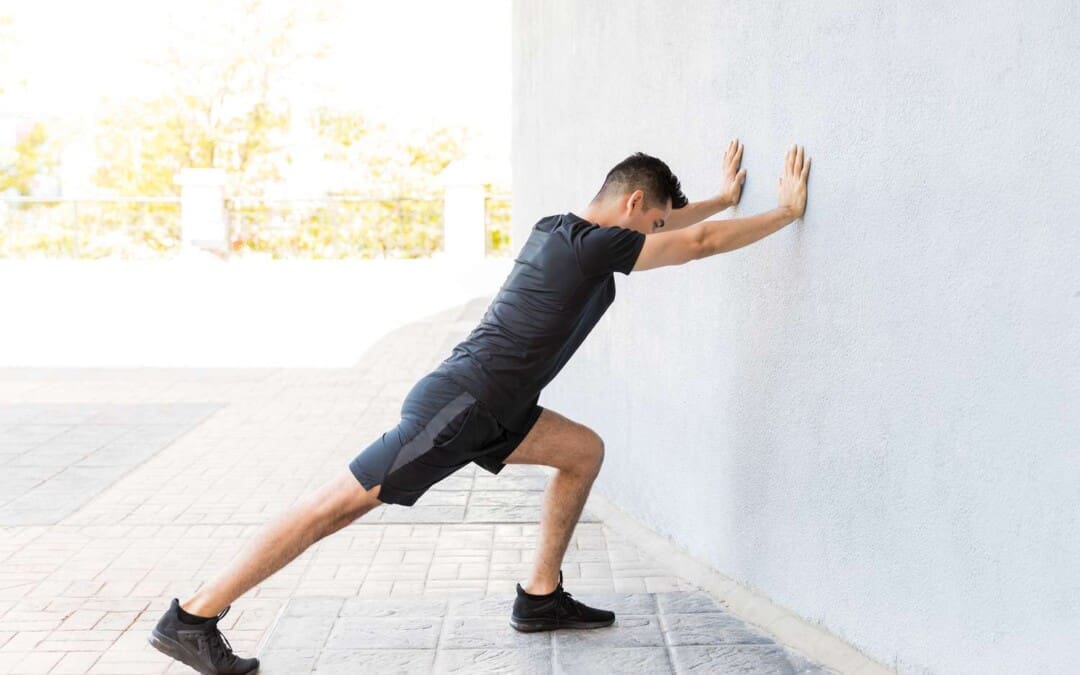
Over time, muscle tension can cause significant back pain and increase the risk of a back injury. Getting into a regular back stretching routine can help prevent back and spinal issues. These exercises can be performed when your back hurts to ease a backache or to avoid future problems. However, before beginning an exercise or stretch regimen, talk to your healthcare provider about any questions and what is safe for you. A few things to be mindful of are:
When stretching, don’t try to push past your pain limit.
Listen to your body, which leads to a calmer nervous system.
Take special care when stretching during pregnancy, as the hormones supporting your pregnancy could lead to overstretching or injury.
Warm Up
Stretching cold muscles can lead to injury. Always warm up first.
Do between five and 10 minutes of mild activity, such as walking.
Apply heat for 15 to 20 minutes before stretching.
Knees-to-Chest Back Stretch
To perform:
Lie on your back with your feet flat on the floor.
Bring your legs toward your chest With your knees bent.
Place your hands behind your thighs or on the shins, and pull the legs down toward your chest.
Pull until there is a gentle stretch.
Hold for 15 seconds.
Return to the starting position.
Do a total of 10 reps.
Supine Twist Back Stretch
To perform:
Lie on your back with your knees bent and feet flat on the floor.
Keep your back flat on the floor, rotate your hips to the left, and lower your legs until you feel the stretch.
Hold for 15 seconds.
Return to the starting position.
Next, rotate the hips to the right and lower your legs to the floor until you feel a gentle stretch.
Hold for 15 seconds.
Return to the starting position.
Repeat for nine reps.
Prone Bridging Back Stretch
To perform:
Lie on your stomach.
Prop yourself up on your elbows.
Extend your back.
Start straightening your elbows, further extending the back.
Continue straightening the elbows until the stretch is felt.
Hold for 15 seconds.
Return to the starting position.
Repeat for nine reps.
Supine Butt Lift Back Stretch
To perform:
Lie on your back with your knees bent and feet flat on the floor.
Push down through the feet as you slowly raise yourself off the floor.
Hold for 10 seconds.
Return to starting position.
Repeat for nine reps.
Seated Forward Curl Back Stretch
To perform:
Sit in a chair with your feet flat on the ground.
Bend forward until your chest is on your thighs, and you can touch the ground with your hands.
Hold for 10 seconds.
Return to the starting position.
Repeat for nine reps.
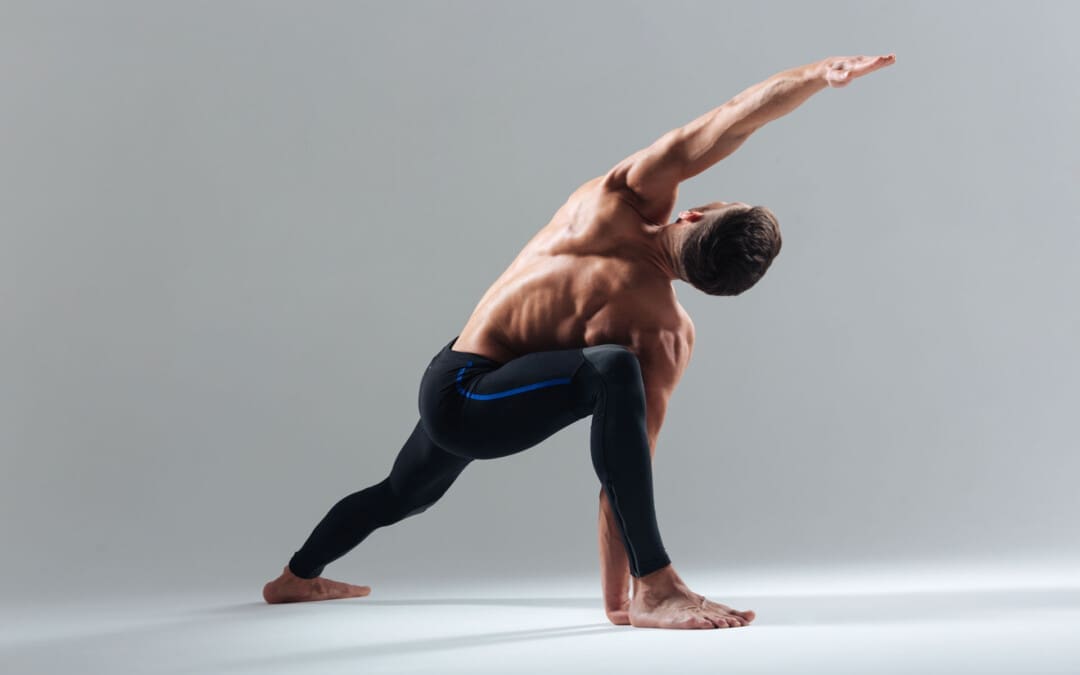
Side Stretch
To perform:
Stand up straight with your arms at your sides and feet shoulder-width apart.
Bend sideways to the left while sliding your left hand down your thigh and reaching your right arm over your head.
Hold for 10 seconds.
Return to the starting position.
Now, bend to the right while sliding your right hand down your thigh and reaching your left arm over your head.
Hold for 10 seconds.
Repeat for nine reps.
Other Treatments to Loosen a Tight Back
Many healthcare providers recommend other treatments for back pain before using medication. Recommended treatments that can help loosen the back include: (Sudhakaran P. 2021)
Acupuncture
Acupuncture needles are inserted in release points to unblock stagnated blood and energy circulation.
Incorporating foods like those on the Mediterranean diet, which emphasizes fish, vegetables, and olive oil, can help reduce chronic inflammation and help with back pain.
Injury Medical Chiropractic and Functional Medicine Clinic
Injury Medical Chiropractic and Functional Medicine Clinic works for you to relieve pain, restore function, prevent injury, and help mitigate issues through adjustments that help the body realign itself. We build optimal health and wellness solutions with primary healthcare providers and specialists to integrate a treatment plan to resolve musculoskeletal problems.
Stretching Benefits
References
Sudhakaran P. (2021). Acupuncture for Low-Back Pain. Medical acupuncture, 33(3), 219–225. https://doi.org/10.1089/acu.2020.1499
Foley, C., & Litscher, G. (2024). The Biggest Obstacle to the Integration of Acupuncture: The Meaning of Qi from the Ancients to Einstein. Medical acupuncture, 36(1), 5–11. https://doi.org/10.1089/acu.2023.0054
U.S. Department of Defense. (2012). Complementary Alternative Medicine for Low Back Pain. Retrieved from https://media.defense.gov/2019/Oct/22/2002198454/-1/-1/0/CAM%20FOR%20LOW%20BACK%20PAIN.PDF
Stress on the lower back during pregnancy often leads to back (upper, middle, lower), sciatica, and leg pain. Can you use a massage gun while pregnant?
Pregnancy Massage Gun Use
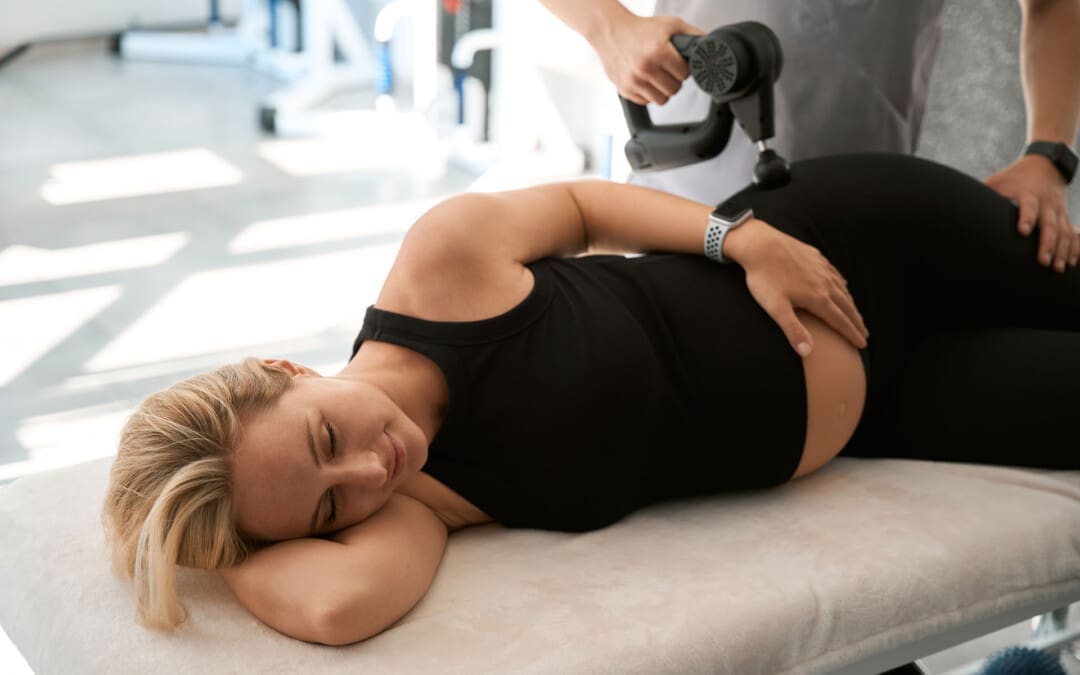
Pregnant women often experience back, hip, and leg pain along with symptoms such as swelling (edema), muscle spasms, cramps, and fatigue, which interfere with daily functions and sleep. Pregnancy massage gun use is a safe and helpful form of stress and tension relief, so long as healthcare providers and safety precautions are followed and sensitive areas are avoided. Massage guns use percussion and vibration to create a form of massage that can relieve tension, stiffness, and muscle soreness, break up tissue adhesions, and reduce inflammation. Moreover, pregnancy massage can provide relaxation and pain relief for muscles and joints that are adapting to a growing, changing body. Traditional massage therapy and massage gun therapy have been shown to help reduce muscle soreness and pain. (Imtiyaz S., Veqar Z., & Shareef M. Y. 2014) The benefits of pregnancy massage gun use include:
However, it is essential to discuss massage gun use with a healthcare professional and follow safety precautions when using massage guns during pregnancy.
Benefits
While there is no specific research on the benefits of massage guns for pregnant individuals, studies have demonstrated the general benefits of massage during pregnancy, including deep tissue massage. Therapeutic massage effectively reduces pregnancy discomforts and pain and is a safe and affordable method of pain relief. (El-Hosary EA, Abbas Soliman HF, El-Homosy SM. 2016) Researchers believe this relief helps improve the health of mother and baby in ways that include. (El-Hosary EA, Abbas Soliman HF, El-Homosy SM. 2016) (Mueller S. M., & Grunwald M. 2021)
Improves cardiovascular health
Overall circulation improves
Increases serotonin and dopamine levels
Decreases chronic back pain
Relieves muscle aches and joint pains
Improves sleep patterns
Increases energy
Reduces anxiety
Increases immune response
Enhances sense of well-being and mood
Reduces risk of preterm delivery
Massage Gun Safety
Pregnancy massage gun use is generally safe for those who do not have preexisting conditions. (Mueller S. M., & Grunwald M. 2021) However, there are no studies on the safety of massage guns or other massage tools for pregnant individuals. It is recommended to discuss the use of massage guns with a doctor before use.
Individuals with high-risk factors, such as bleeding, pre-term contractions, and preeclampsia, should avoid using massage guns unless a doctor clears them to do so.
Preeclampsia
This condition causes a rise in blood pressure that can be serious.
It typically develops around 20 weeks of pregnancy or later.
Deep Vein Thrombosis – DVT
Avoid using a massage gun if there is a history of deep vein thrombosis.
Blood volume increases during pregnancy, and leg circulation can be poor.
Certain hormones that prevent hemorrhage during delivery can cause blood to clot more easily.
Using a massage gun on areas with potential blood clots may release the clot, leading to a life-threatening embolism. (Sutham K. et al., 2020)
Compression socks are a better alternative for relieving leg pain and swelling, but follow the healthcare provider’s recommendations.
Placenta Previa, Accrete, or Abruption
These conditions involve the placenta, which can lead to bleeding.
Gestational Diabetes
High blood sugar levels do not necessarily mean individuals cannot use a massage gun during pregnancy.
However, speak to a doctor and monitor blood sugar before use.
How to Use
Although there are no specific expert directions for the use of massage guns during pregnancy, there are guidelines to consider while using the device. This includes:
Never place the massage gun directly over bones, nerves, or joints.
Avoid using the device around injured, swollen, or painful areas.
Avoid using a massage gun directly on the abdomen.
Start by trying a light 10- to 15-second pass over sore or tight areas.
Perform three to five sweeps over the location, then move on to another.
Be careful not to keep the gun on a single area too long, as you could overwork the muscle, leading to bruising and irritation.
The recommended time for leaving the massager in one area is two minutes.
Stop using the massage gun if there is unusual pain, sensations, or discomfort.
Injury Medical Chiropractic and Functional Medicine Clinic
Massage during pregnancy can help relieve symptoms such as anxiety, stress, pain, discomfort, tightness, and poor circulation. Regular massage can help improve sleep and can even benefit the baby. However, it is recommended to consult with a doctor about using a massage gun before trying it out. Injury Medical Chiropractic and Functional Medicine Clinic can help individuals recover and regain the benefits of quality rest through healthy sleep practices and lifestyle accommodations. We build optimal health and wellness solutions with primary healthcare providers and specialists. We focus on what works for you to relieve pain, restore function, prevent injury, and help mitigate issues through adjustments that help the body realign itself. They can also work with other medical professionals to integrate a treatment plan to resolve musculoskeletal problems.
Pregnancy and Sciatica: How Chiropractic Helped
References
Imtiyaz, S., Veqar, Z., & Shareef, M. Y. (2014). To Compare the Effect of Vibration Therapy and Massage in Prevention of Delayed Onset Muscle Soreness (DOMS). Journal of clinical and diagnostic research: JCDR, 8(1), 133–136. https://doi.org/10.7860/JCDR/2014/7294.3971
American Massage Therapy Association. (2011). Pregnancy Massage. https://www.amtamassage.org/publications/massage-therapy-journal/massage-and-pregnancy/
El-Hosary EA, Abbas Soliman HF, El-Homosy SM. (2016). Effect of Therapeutic Massage on Relieving Pregnancy Discomforts. IOSR Journal of Nursing and Health Science., 5(4), 57-64. https://doi.org/10.9790/1959-0504025764
Mueller, S. M., & Grunwald, M. (2021). Effects, Side Effects and Contraindications of Relaxation Massage during Pregnancy: A Systematic Review of Randomized Controlled Trials. Journal of Clinical Medicine, 10(16), 3485. https://doi.org/10.3390/jcm10163485
American Massage Therapy Association. (2018). Massage and pregnancy: A powerful combination. https://www.amtamassage.org/publications/massage-therapy-journal/massage-and-pregnancy-a-powerful-combination/
Sutham, K., Na-Nan, S., Paiboonsithiwong, S., Chaksuwat, P., & Tongsong, T. (2020). Leg massage during pregnancy with unrecognized deep vein thrombosis could be life-threatening: a case report. BMC pregnancy and childbirth, 20(1), 237. https://doi.org/10.1186/s12884-020-02924-w
Hospital for Special Surgery. Surgery, H. F. S. (2021). What you should know about using a massage gun. https://www.hss.edu/article_how-to-use-massage-gun.asp
IFM's Find A Practitioner tool is the largest referral network in Functional Medicine, created to help patients locate Functional Medicine practitioners anywhere in the world. IFM Certified Practitioners are listed first in the search results, given their extensive education in Functional Medicine