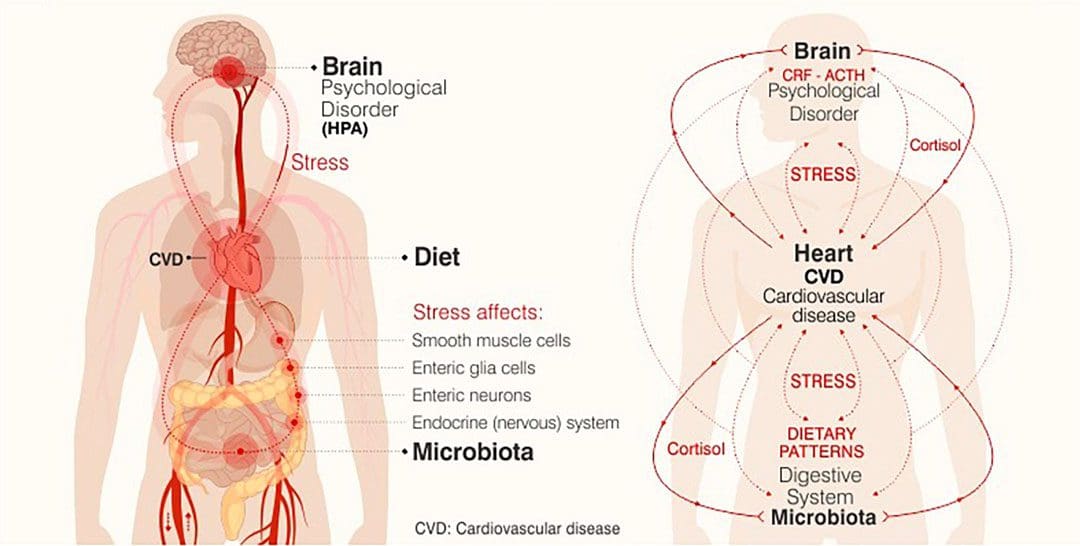
Emotional challenges like anxiety and depression or digestive disorders can cause individuals to experience a nervous stomach. Can knowing common symptoms, what causes them, and when to see a healthcare provider help manage the disorder?
Nervous Stomach
A nervous stomach is usually nothing to worry about, but it can happen occasionally as a reaction to a new environment, groups of people, foods, stress, and anxiety. Symptoms include indigestion, fluttering stomach/butterflies, or a gut-wrenching feeling. (Anxiety and Depression Association of America. 2023) Causes include underlying psychological and physical health conditions, certain medications, and lifestyle factors. Individuals experiencing chronic or ongoing symptoms should speak with a healthcare provider about their full range of symptoms. Treatments include medication, therapy, and lifestyle changes.
Symptoms
Nervous stomach symptoms can vary. Stress and anxiety can lead to physical symptoms, and physical symptoms may also lead to stress and anxiety. This is because the brain and gut connection communicates which hormones and neurotransmitters will be released and when. Common symptoms include: (Anxiety and Depression Association of America. 2023)
Loss of appetite
Butterflies or fluttering feeling in the stomach
Upset stomach
Indigestion
Bloating
Flatulence
Gut-wrenching feeling
Cramping
Nausea, dry heaving
Increased need to urinate or have bowel movements
Constipation
Diarrhea
Out-of-sync hunger cues
Causes
In most cases, a nervous stomach will come and go. However, it can also be caused by disorders such as anxiety disorder, depression, or gastrointestinal and digestive disorders. Brain health contributes to gut health, and vice versa. The brain is always communicating with the digestive system, and the digestive system is always sending information back to the brain. (Foster, J. A., and McVey Neufeld, K. A. 2013) (University of Chicago Medical Center, 2024) Common causes of a nervous stomach include: (Anxiety and Depression Association of America. 2023)
Over-the-counter and prescription medications can cause a nervous stomach as a side effect. This can happen when taking a single medication or more than one simultaneously. It can also occur in those with food sensitivities or other medical conditions. (Johns Hopkins Medicine, 2024) This is why consulting and updating a healthcare provider on the current list of prescribed and over-the-counter medications is important. Some meds can irritate the stomach, while others can cause constipation or diarrhea, leading to discomfort and nervous stomach symptoms. Common medications that may cause stomach side effect symptoms include: (Johns Hopkins Medicine, 2024)
NSAIDs – non-steroidal anti-inflammatory drugs such as ibuprofen can weaken the stomach lining.
Iron, antacids, and pain meds can cause constipation.
Antibiotics can cause diarrhea.
Home Treatment
Treatment depends on the severity and cause/s. An infrequently nervous stomach may benefit from over-the-counter therapies to calm it and/or lifestyle changes to reduce stress. Tips for reducing stress and anxiety include (Anxiety and Depression Association of America. 2023)
More frequent short breaks during the day
Practicing slow and deep breathing
Listening to guided meditations for stress-relief
Adding exercise to the daily routine
Realizing that stomach problems are part of anxiety and worrying about symptoms may make them worse.
Medical Treatment
Individuals may benefit from additional support treatment options with a healthcare provider (Johns Hopkins Medicine, 2024)
Antidepressant treatment for nervous stomach and/or irritable bowel syndrome.
Cognitive behavioral therapy for stress relief and learning how to manage anxiety.
Medical hypnotherapy
If symptoms are a side effect of medication or certain foods, a healthcare provider can develop an effective treatment plan that includes using another medication that is easier on the stomach or seeing a dietician.
Complications
Left untreated, a nervous stomach can contribute to further symptoms and other health problems. One study looked at the relationship between irritable bowel syndrome and certain psychiatric disorders. (Fadgyas-Stanculete, M. et al., 2014) This does not mean that a psychiatric disorder causes a nervous stomach or that a nervous stomach causes a psychiatric disorder. It is more likely that a combination of chemicals released when stressed can hurt gut health. This creates imbalances known to be risk factors for digestive disorders and conditions. (Anxiety and Depression Association of America. 2023)
Seeing a Healthcare Provider
Most nervous stomach symptoms resolve on their own. However, certain signs and symptoms can indicate that it is time to see a healthcare provider. Discuss symptoms with a healthcare provider who will order lab tests to check for underlying causes like anemia. See a healthcare provider immediately if you notice the following (University of Chicago Medical Center, 2024)
Symptoms are making work and/or normal life challenging.
Chronic or unresolved gastrointestinal issues like heartburn.
Unexplained weight reduction – losing weight without exercising or diet changes.
Blood in stool or blackish, tarry stools.
Vomiting
If there is a medical history of digestive disorders or cancers such as stomach cancer or colon cancer, this will help a healthcare provider. Depending on overall symptoms and family medical history, individuals may be referred to a gastroenterologist and/or a mental healthcare provider, like a counselor or psychiatrist. At Injury Medical Chiropractic and Functional Medicine Clinic, we treat injuries and chronic pain syndromes by developing personalized treatment plans and specialized clinical services focused on injuries and the complete recovery process. We work with primary healthcare providers and specialists to develop an optimal health and wellness solution through an integrated approach to treating injuries and chronic pain syndromes, improving flexibility, mobility, and agility programs to relieve pain and help individuals return to optimal health. If other treatments are needed, Dr. Jimenez has teamed up with top surgeons, clinical specialists, medical researchers, and rehabilitation providers to provide the most effective treatments.
Root Causes of Gut Dysfunction Part 3
References
Anxiety and Depression Association of America. (2023). How to calm an anxious stomach: The brain-gut connection. Anxiety and Depression Association of America.
Triumphing Through Science, Treatment, and Education. https://adaa.org/learn-from-us/from-the-experts/blog-posts/consumer/how-calm-anxious-stomach-brain-gut-connection
Foster, J. A., & McVey Neufeld, K. A. (2013). Gut-brain axis: how the microbiome influences anxiety and depression. Trends in neurosciences, 36(5), 305–312. https://doi.org/10.1016/j.tins.2013.01.005
University of Chicago Medical Center. (2024). Stress and stomach pain: When should you see a specialist? Forefront. https://www.uchicagomedicine.org/forefront/gastrointestinal-articles/2024/january/stress-stomach-pain-when-to-see-a-doctor
Fadgyas-Stanculete, M., Buga, A. M., Popa-Wagner, A., & Dumitrascu, D. L. (2014). The relationship between irritable bowel syndrome and psychiatric disorders: from molecular changes to clinical manifestations. Journal of molecular psychiatry, 2(1), 4. https://doi.org/10.1186/2049-9256-2-4
Ness-Jensen, E., & Lagergren, J. (2017). Tobacco smoking, alcohol consumption and gastro-oesophageal reflux disease. Best practice & research. Clinical gastroenterology, 31(5), 501–508. https://doi.org/10.1016/j.bpg.2017.09.004
Johns Hopkins Medicine. (2024). Medicines and the digestive system. Health. https://www.hopkinsmedicine.org/health/conditions-and-diseases/medicines-and-the-digestive-system
“For individuals who want to exercise but have fears or concerns, can understanding what they are scared of help ease their minds?”
Overcoming Exercise Fears
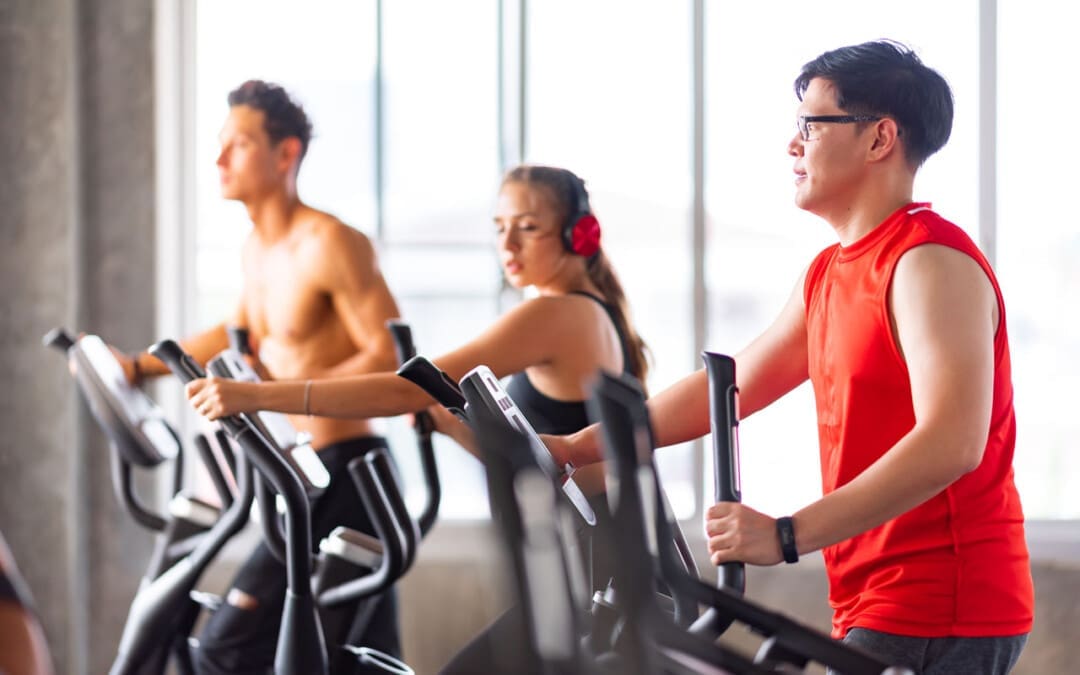
One reason for the ongoing weight problem is that individuals don’t move around enough, and one reason individuals don’t exercise is fear (Craig M. Hales et al., 2020). For individuals, physical exertion and moving the body to the point of increased heart rate, heavy breathing, and excessive sweating can cause anxiety and be scary when they haven’t done it in a while or have never worked out. Some anxieties and fears individuals may experience include the following:
Looking Foolish
Anything can happen when exercising. When individuals can’t figure out how a machine works or aren’t sure if they’re doing an exercise correctly, falling off a machine or dropping a weight can cause a feeling of foolishness. Knowing how to use machines and weights takes practice. Ask a gym employee or personal trainer for guidance, as educating individuals on doing exercises correctly and safely is their job. And most individuals working out are happy to help as well.
Experiencing Pain
Some avoid exercise, fearing intense pain. Exercise is not supposed to be painful, but it will cause soreness because individuals use muscles that they haven’t used for a while or at all. For instance, the muscles will experience a slight burning sensation when lifting weights. The body reacts to the workout and adapts to exercise. As the body gets stronger, individuals recognize their body’s response and are able to challenge themselves with heavier weights, longer runs, walks, and workouts. When beginning an exercise program, start slow. Some trainers recommend doing slightly less than an individual thinks they can for the first weeks. This helps to build a habit without the risk of burnout.
Injuries
When starting an exercise program, individuals can feel changes all over their bodies, like everything is pulling and tearing apart. Individuals who haven’t exercised much may be unable to distinguish between the normal discomfort from exercising for the first time and pain from an injury. Shin splints, side stitches, or other common side effects may develop from beginning an exercise program. Individuals may need to stop exercising, treat the injury, and start again.
If there are sharp pains in the joints, tearing in the muscles or ligaments, or anything else that doesn’t feel normal, stop and seek medical attention.
Exercise Mindfulness
The body will feel something while exercising, but separating real injury pain from normal sensations is important.
Be aware of how the body feels throughout the workout.
Follow instructions and pay attention to proper form to minimize the risk of injury.
Proper Footwear
Wearing the right workout shoes is a good idea to avoid and prevent injuries.
Invest in a quality pair of shoes to give the body the support it needs.
Proper Form
If lifting weights, one way to sustain an injury is using incorrect form or posture.
If you are unsure how to do the exercises, consult a trainer or gym employee to explain how the machine works.
Warm Up
Jumping into a workout without warming up can lead to injuries that can lead to chronic pain conditions.
If lifting weights, do a little cardiovascular exercise first or a warm-up set with lighter weights.
Workout Within Fitness Levels
Injuries happen when trying to do too much too soon.
Start with a light program.
Work up to more intense and frequent workouts.
For example, if only able to walk for 10 minutes, start there and increase gradually.
Failure
When it comes to exercise, failure can be experienced in different ways, like losing weight, failing to make it through a workout, being unable to stick to an exercise program, etc. This is part of the process, but individuals can overcome exercise fears through perseverance.
Setting the bar too high can become an excuse to quit.
A simple way to deal with this is to set a reachable goal.
Long-term goals can be set to work toward.
Do what you can handle now.
Individuals take risks whenever they do something out of their comfort zone. However, taking risks may be necessary to overcome exercise fears, keep going, and achieve success.
Weight Loss Techniques
References
Hales CM, C. M., Fryar CD, Ogden CL. (2020). Prevalence of obesity and severe obesity among adults: United States, 2017–2018. NCHS Data Brief, no 360. Hyattsville, MD: National Center for Health Statistics. Retrieved from https://www.cdc.gov/nchs/products/databriefs/db360.htm#Suggested_citation
Can acupuncture treatment help individuals dealing with or experiencing insomnia and sleep issues and/or disorders?
Acupuncture For Insomnia
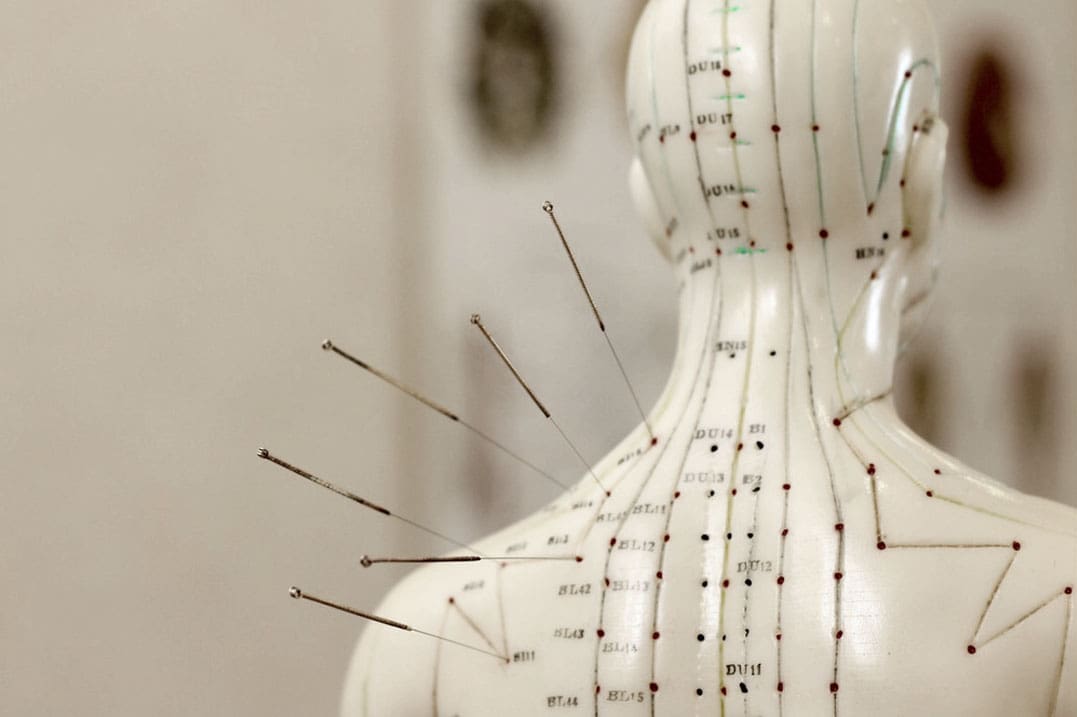
Acupuncture is a type of holistic medicine that involves inserting sterile, disposable, thin needles at specific points known as acupoints on the body. Each needle is inserted into a different area to stimulate symptom relief of various conditions, like chronic pain and nausea. (Johns Hopkins Medicine. 2024) Recent research has looked into acupuncture for insomnia and found that it may be an effective alternative. (Mingming Zhang et al., 2019)
Insomnia
Insomnia causes individuals to have trouble falling or staying asleep. Individuals who have insomnia tend to wake up earlier than they intend to and find it difficult to impossible to get back to sleep once they are awake. The sleep disorder is quite common, with around 10% of individuals experiencing it at some point. (Andrew D. Krystal et al., 2019)
There are three categories, all characterized by the duration of the disorder. They include: (Andrew D. Krystal et al., 2019)
Acute/Short-Term
Lasting less than three months.
Episodic
Happens once in a while for less than three months.
Chronic
Lasting more than three months.
Health Issues
Insomnia can cause various health issues, and individuals can develop mood changes, irritability, fatigue, and problems with memory, impulse control, and concentration. (Andrew D. Krystal et al., 2019)
Insomnia has also been shown to increase the risk of heart failure, heart attack, and other chronic health conditions. (Mingming Zhang et al., 2019)
Benefits
Studies on the use of acupuncture for insomnia have found that it may improve sleep because of its influence on certain neurotransmitters. One review noted that specific neurotransmitters involved in the sleep-wake cycle are positively affected by acupuncture. (Kaicun Zhao 2013) The neurotransmitters include:
Norepinephrine
Helps with waking up and staying alert.
Melatonin
A hormone that helps the body calm down and prepare for sleep.
Gamma-aminobutyric acid – GABA
Helps the body fall asleep and stay asleep.
However, more research is needed to confirm the benefits of acupuncture for insomnia further.
Conditions
Certain conditions can contribute to insomnia, including:
Mood disorders
Chronic pain
Other sleep disorders
Acupuncture can help lower the effects of these disorders.
Pain
Because of the way acupuncture affects certain chemicals, it is a proven complementary treatment for pain.
The needles enhance chemicals like endorphins, dynorphins, and encephalins.
Acupuncture also releases corticosteroids, which are stress hormones.
Each of these chemicals has a role in pain symptoms.
Studies have found that individuals with anxiety can also benefit from acupuncture to help reduce symptoms. (Meixuan Li et al., 2019)
Sleep Apnea
Sleep apnea is a sleep-breathing disorder that causes an individual to stop breathing during the night temporarily.
The muscles in the nasal cavity, nose, mouth, or throat become overly relaxed.
Acupuncture can help stimulate the muscles and prevent over-relaxation, preventing apneas.
Data suggests that acupuncture may affect the apnea-hypopnea index, the number of times an individual stops and starts breathing during sleep. (Liaoyao Wang et al., 2020)
Session
Individuals should not feel pain and just a small amount of pressure in the needles’ insertion area.
If pain is present, it could be because the needles are not inserted in the right spot.
Bleeding or bruising where the needle was inserted.
Nausea
Fainting
Pins and needles sensation
Feeling more pain treatment
Prior to getting acupuncture, individuals are recommended to speak to their healthcare provider. They can advise on how it can help and any side effects that may occur due to the individual’s health, underlying conditions, and medical history. Once cleared, they can recommend a licensed acupuncturist.
Zhang, M., Zhao, J., Li, X., Chen, X., Xie, J., Meng, L., & Gao, X. (2019). Effectiveness and safety of acupuncture for insomnia: Protocol for a systematic review. Medicine, 98(45), e17842. https://doi.org/10.1097/MD.0000000000017842
Krystal, A. D., Prather, A. A., & Ashbrook, L. H. (2019). The assessment and management of insomnia: an update. World psychiatry: official journal of the World Psychiatric Association (WPA), 18(3), 337–352. https://doi.org/10.1002/wps.20674
Zhao K. (2013). Acupuncture for the treatment of insomnia. International review of neurobiology, 111, 217–234. https://doi.org/10.1016/B978-0-12-411545-3.00011-0
Patil, S., Sen, S., Bral, M., Reddy, S., Bradley, K. K., Cornett, E. M., Fox, C. J., & Kaye, A. D. (2016). The Role of Acupuncture in Pain Management. Current pain and headache reports, 20(4), 22. https://doi.org/10.1007/s11916-016-0552-1
Li, M., Xing, X., Yao, L., Li, X., He, W., Wang, M., Li, H., Wang, X., Xun, Y., Yan, P., Lu, Z., Zhou, B., Yang, X., & Yang, K. (2019). Acupuncture for treatment of anxiety, an overview of systematic reviews. Complementary therapies in medicine, 43, 247–252. https://doi.org/10.1016/j.ctim.2019.02.013
Wang, L., Xu, J., Zhan, Y., & Pei, J. (2020). Acupuncture for Obstructive Sleep Apnea (OSA) in Adults: A Systematic Review and Meta-Analysis. BioMed research international, 2020, 6972327. https://doi.org/10.1155/2020/6972327
Chan, M. W. C., Wu, X. Y., Wu, J. C. Y., Wong, S. Y. S., & Chung, V. C. H. (2017). Safety of Acupuncture: Overview of Systematic Reviews. Scientific reports, 7(1), 3369. https://doi.org/10.1038/s41598-017-03272-0
Ernst, G., Strzyz, H., & Hagmeister, H. (2003). Incidence of adverse effects during acupuncture therapy-a multicentre survey. Complementary therapies in medicine, 11(2), 93–97. https://doi.org/10.1016/s0965-2299(03)00004-9
For individuals affected by headaches that occur 15 or more days a month for more than three months, can knowing the signs and symptoms help healthcare providers help treat and prevent chronic tension headaches?
Chronic Tension Headaches
Most individuals have experienced a tension-type headache. The pain is usually described as a dull tightening or pressure on both sides of the head, like having a tightening band around the head. Some individuals experience these headaches frequently, a condition known as chronic tension headaches. Chronic tension headaches are uncommon but can be debilitating, as they can interfere with a healthy quality of life and daily living.
Tension headaches are typically caused by stress, anxiety, dehydration, fasting, or lack of sleep and usually resolve with over-the-counter medications. (Cleveland Clinic. 2023)
This is a primary headache disorder that affects around 3% of the population.
Chronic tension headaches can occur daily and negatively impact the quality of life and daily functioning. (Cleveland Clinic. 2023)
Symptoms
Tension headaches can be referred to as stress headaches or muscle contraction headaches.
They can present with dull, aching pain and include tightness or pressure across the forehead, sides, or back of the head. (Cleveland Clinic. 2023)
Additionally, some individuals experience tenderness on the scalp, neck, and shoulders.
Chronic tension headaches materialize 15 or more days a month on average for more than three months.
The headache can last for several hours or be continuous for several days.
Causes
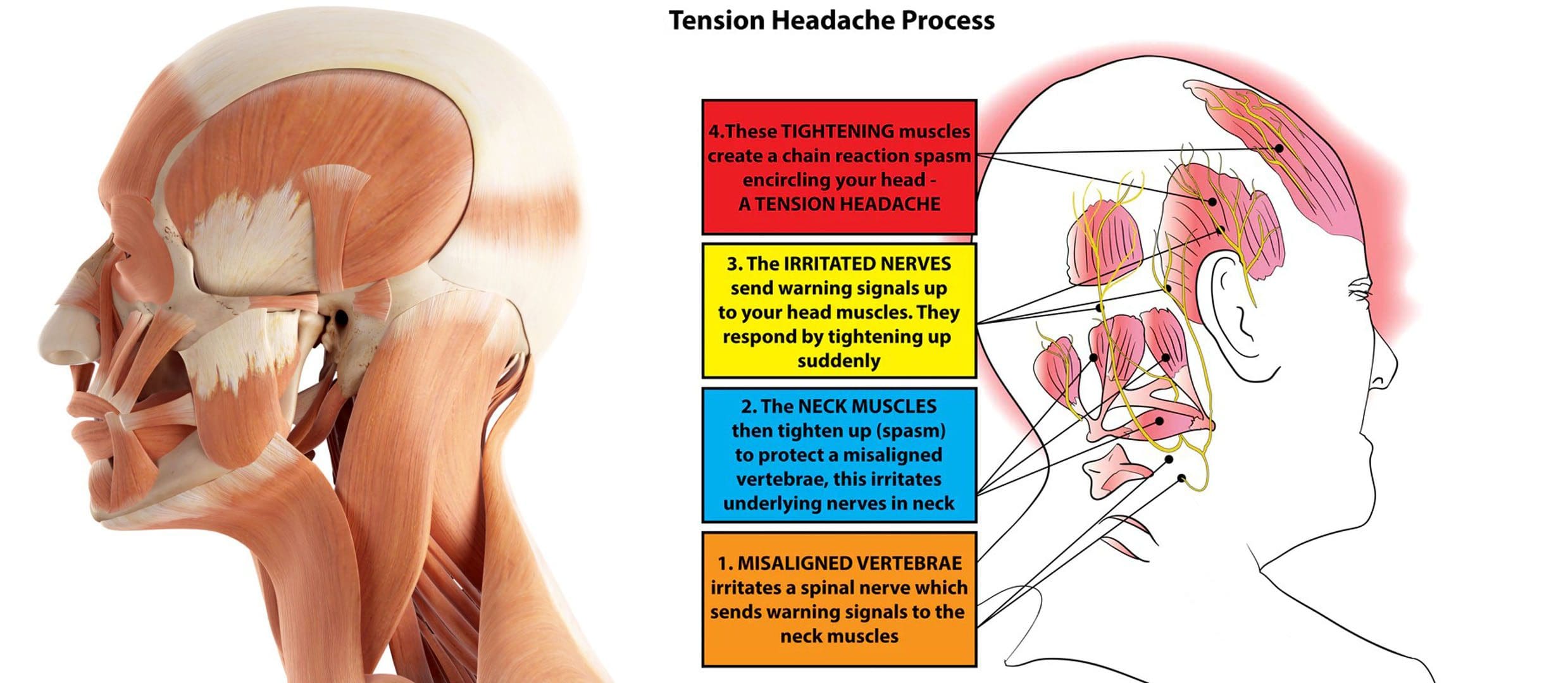
Tension headaches are typically caused by tight muscles in the shoulders, neck, jaw, and scalp.
Teeth grinding/bruxism and jaw clenching can also contribute to the condition.
Headaches can be brought on by stress, depression, or anxiety and are more common in individuals who:
Individuals experiencing headaches that interfere with daily life or need to take medication more than twice a week are recommended to consult a healthcare provider. Before the appointment, it can be helpful to keep a headache diary:
Record the days
Times
Description of the pain, intensity, and other symptoms.
Some questions the healthcare provider may ask include:
Is the pain pulsating, sharp, or stabbing, or is it constant and dull?
Where is the pain most intense?
Is it all over the head, on one side, on the forehead, or behind the eyes?
Do the headaches interfere with sleep?
Is working or doing tasks difficult or impossible?
A healthcare provider will likely be able to diagnose the condition based on symptoms alone. However, if the headache pattern is unique or different, the provider may order imaging tests, like MRI or CT scans, to rule out other diagnoses. Chronic tension headaches can be confused with other chronic daily headache disorders like chronic migraine, hemicrania continua, temporomandibular joint dysfunction/TMJ, or cluster headaches. (Fayyaz Ahmed. 2012)
Treatment
Pharmacological therapy for chronic tension headaches usually involves preventive medication.
Amitriptyline is one medication that has been found to be beneficial in chronic tension headache prevention.
According to a meta-analysis of 22 published studies in the Journal of General Internal Medicine, these medications are superior to placebo in reducing headache frequency, with an average of 4.8 fewer headache days per month.
Additional preventive medications may include other antidepressants like:
Remeron – mirtazapine.
Anti-seizure medications – like Neurontin – gabapentin, or Topamax – topiramate.
A healthcare provider may also prescribe medication to treat headache episodes, which include:
Prescription non-steroidal anti-inflammatory drugs or NSAIDs, including acetaminophen, naproxen, indomethacin, or ketorolac.
Opiates
Muscle relaxants
Benzodiazepines – Valium
Non-Medication Treatment
Behavioral therapies are sometimes used on their own or in combination with medication to prevent and manage chronic tension headaches. Examples include:
Acupuncture
An alternative therapy that involves using needles to stimulate specific points on the body believed to connect with certain pathways/meridians that carry vital energy/chi throughout the body.
Biofeedback
In Electromyography – EMG biofeedback, electrodes are placed on the scalp, neck, and upper body to detect muscle contraction.
The process can be costly and time-consuming, and there is little evidence to support its effectiveness.
Physical Therapy
A physical therapist can work out stiff and tight muscles.
Train individuals on stretches and targeted exercises for loosening tight head and neck muscles.
Cognitive Behavioral Therapy/CBT
Involves learning how to identify headache triggers and cope in a less stressful and more adaptive way.
Headache specialists often recommend CBT in addition to medication when developing a treatment plan. (Katrin Probyn et al., 2017)
Teeth-grinding and jaw-clenching training/treatment can help when they are contributors.
Regular exercise, as well as practicing healthy sleep hygiene, can be beneficial in prevention.
Supplements
Some individuals with chronic tension headaches may find relief using supplements. The American Academy of Neurology and the American Headache Society report the following supplements can be effective: (National Center for Complementary and Integrative Health. 2021)
Butterbur
Feverfew
Magnesium
Riboflavin
If the headaches come on suddenly, cause waking up from sleep, or last for days, it’s important to consult a healthcare provider to rule out any underlying causes and develop a personalized treatment plan.
Ahmed F. (2012). Headache disorders: differentiating and managing the common subtypes. British journal of pain, 6(3), 124–132. https://doi.org/10.1177/2049463712459691
Jackson, J. L., Mancuso, J. M., Nickoloff, S., Bernstein, R., & Kay, C. (2017). Tricyclic and Tetracyclic Antidepressants for the Prevention of Frequent Episodic or Chronic Tension-Type Headache in Adults: A Systematic Review and Meta-Analysis. Journal of general internal medicine, 32(12), 1351–1358. https://doi.org/10.1007/s11606-017-4121-z
Probyn, K., Bowers, H., Mistry, D., Caldwell, F., Underwood, M., Patel, S., Sandhu, H. K., Matharu, M., Pincus, T., & CHESS team. (2017). Non-pharmacological self-management for people living with migraine or tension-type headache: a systematic review including analysis of intervention components. BMJ open, 7(8), e016670. https://doi.org/10.1136/bmjopen-2017-016670
It can be difficult for individuals and athletes to stay motivated, manage stress and prevent becoming overwhelmed. Can mental toughness and a positive attitude help increase potential and performance levels?
Mental Toughness
Athletes and fitness enthusiasts work on conditioning, skills training, and perfecting techniques. Physical training can take individuals far but another necessary part of maximizing athletic potential is building mental toughness and having the right attitude. Like anything, mental training takes time, effort, and regular adjustments to find ways to shift a losing or bad attitude into a positive one that can bring out the best.
Attitude Is Important
If negativity begins to set in like dealing with an injury, getting rid of self-limiting beliefs can be difficult, as well as generate optimism to rise up and succeed. For athletes or individuals who enjoy competitive sports, developing a positive mental attitude will help with:
Emotions that can affect cognitive functioning strategies.
Energy levels.
Other aspects of physical performance.
Mental Strategies
Mood Improvement
Individuals frustrated by a pessimistic perspective tend to dwell on problems or issues. To shift into a positive mood do something to lift your spirits, even if you don’t think it will help.
Listen to your favorite or uplifting music.
Watch an inspirational movie.
Read a sports psychology book.
Get together or call a teammate or friend that are cheerful and upbeat.
Play different games just for fun.
Take a break, go to the park, walk around, and meditate.
Get into hobbies.
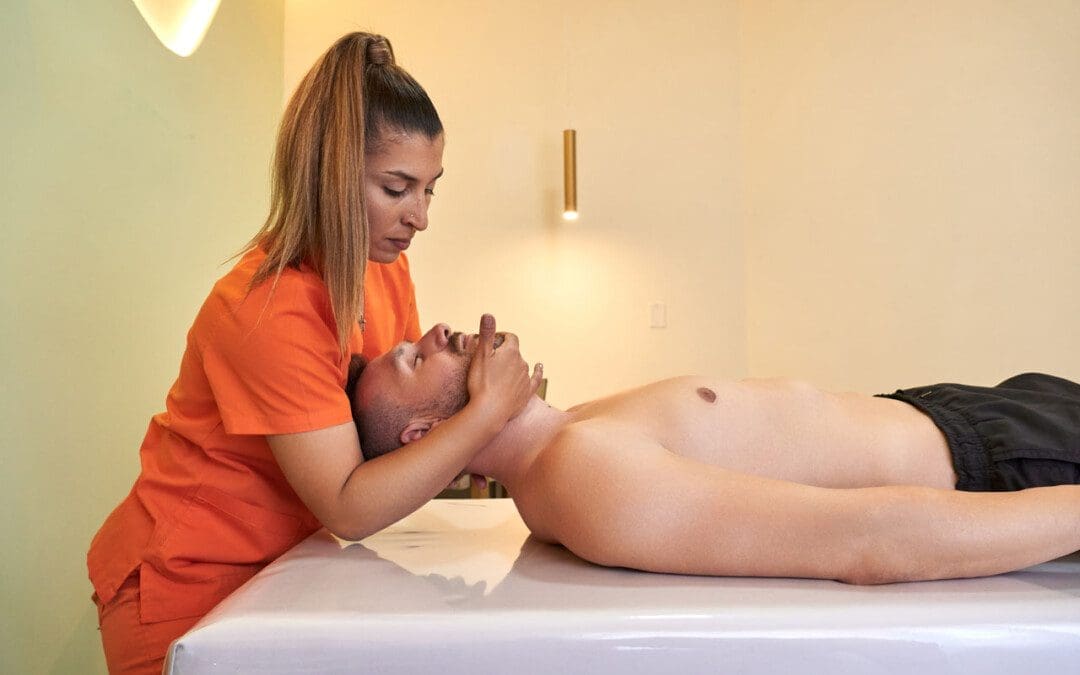
Relax with a therapeutic massage.
Positive Self Talk
Continuing sports psychology research shows that practicing positive self-talk can improve athletic performance. (Nadja Walter, et al., 2019) Sports psychologists describe this through the idea that thoughts create beliefs, that drive actions.
Positive self-talk can take different forms.
For some reciting a specific phrase, sentence, or a single word can effectively manage thoughts, push out the negativity, and focus on taking care of business. Anything that inspires can include:
Focus
Remember the fundamentals!
You know what to do!
You can do it!
You got this!
Research shows that positive self-talk reduces anxiety and increases self-confidence, optimization, efficacy, and performance. (Nadja Walter, et al., 2019) However, self-talk needs to be practiced and part of a regular routine to be effective.
Visualization
Another strategy is using visualization exercises.
This could be using all the senses to imagine the venue where the tournament is taking place, the sound of the crowd, the smells, how the ground or court feels, and/or how the ball or specific sports object feels.
The wisdom is if you can think it, you can do it, once that is determined apply strategies to get there.
Sports Injury Rehabilitation
References
Walter, N., Nikoleizig, L., & Alfermann, D. (2019). Effects of Self-Talk Training on Competitive Anxiety, Self-Efficacy, Volitional Skills, and Performance: An Intervention Study with Junior Sub-Elite Athletes. Sports (Basel, Switzerland), 7(6), 148. https://doi.org/10.3390/sports7060148
Reiser, M., Büsch, D., & Munzert, J. (2011). Strength gains by motor imagery with different ratios of physical to mental practice. Frontiers in psychology, 2, 194. https://doi.org/10.3389/fpsyg.2011.00194
Maintaining a healthy and well-balanced nutritional plan is recommended for overall health. When the body is nourished healthily, it will perform optimally. Stress is part of daily life, and certain foods can enhance the body’s ability to handle stress, help target physical and emotional states, and protect the brain. The Injury Medical Chiropractic and Functional Medicine Clinic Team can provide therapeutic massage to increase circulation, and relax the mind and body, adjustments to restore any misalignments, and nutritional support and health coaching for total wellness.
Foods For Stress
Anxiety is a widespread condition affecting millions of individuals. Trying to lower stress levels includes self-care, sleep management, physical activity, and incorporating foods to reduce cortisol levels, the primary hormone responsible for stress.
Cortisol
Cortisol has a variety of functions that include:
Manages how the body uses carbohydrates, fats, and proteins.
Sleep cycle regulation.
Blood pressure regulation.
Increases blood sugar.
Decreases inflammation.
Cortisol is sometimes known as the stress hormone because the adrenal gland releases it when experiencing stress or when the body is under physical stress/inflammation. It is the key to managing the fight-or-flight instinct and is healthy for a short period as a protective mechanism providing the energy needed to respond to short-term stress. However, the long-term release of cortisol generates tension in the body, leading to chronic inflammation and raised blood pressure. Learning how to manage stress is necessary for lowering cortisol levels.
Symptoms
Symptoms vary and are different for everybody.
Physical
Exhaustion.
Sleep problems.
Headaches.
Muscle tension.
Jaw clenching.
Aches and pains.
Chronic illness from a weakened immune system.
Stomach or digestive problems.
High blood pressure.
Chest pain or a feeling like the heart is racing.
Dizziness.
Shaking.
Emotional and mental
Irritability and or anxiousness.
Sadness.
Depression.
Panic attacks.
Foods
The objective is to reduce inflammation, thus reducing cortisol levels. Recommended foods for stress include foods high in magnesium, vitamin B, Omega-3 fatty acids, protein, and foods that benefit the gut. Here are a few.
Magnesium
Magnesium is highly beneficial in reducing inflammation, metabolizing cortisol, and relaxing the mind and body.
Dark chocolate.
Bananas.
Broccoli.
Spinach.
Avocados.
Pumpkin seeds.
Vitamin B
Vitamin B12 can help with the metabolism of cortisol.
The key to lowering stress is a whole-body approach that includes exercise, proper sleep, and managing chronic diseases like diabetes, hypertension, and obesity, all of which can put the body in a prolonged state of inflammation. Incorporating these foods into a nutritional plan can help relieve stress naturally.
Impact of Stress
References
Aucoin, Monique, and Sukriti Bhardwaj. “Generalized Anxiety Disorder and Hypoglycemia Symptoms Improved with Diet Modification.” Case reports in psychiatry vol. 2016 (2016): 7165425. doi:10.1155/2016/7165425
Errisuriz, Vanessa L et al. “Perceived stress and dietary choices: The moderating role of stress management.” Eating behaviors vol. 22 (2016): 211-216. doi:10.1016/j.eatbeh.2016.06.008
Norwitz, Nicholas G, and Uma Naidoo. “Nutrition as Metabolic Treatment for Anxiety.” Frontiers in psychiatry vol. 12 598119. 12 Feb. 2021, doi:10.3389/fpsyt.2021.598119
Serafini, Mauro, and Ilaria Peluso. “Functional Foods for Health: The Interrelated Antioxidant and Anti-Inflammatory Role of Fruits, Vegetables, Herbs, Spices and Cocoa in Humans.” Current pharmaceutical design vol. 22,44 (2016): 6701-6715. doi:10.2174/1381612823666161123094235
Zellner, Debra A et al. “Food selection changes under stress.” Physiology & behavior vol. 87,4 (2006): 789-93. doi:10.1016/j.physbeh.2006.01.014
Stress and anxiety treatments can include a range of therapies, including talking therapy, meditation techniques, and medication. Chiropractic care, adjustments, and massage are also used as a treatment plan to de-stress. Whether diagnosed with an anxiety disorder or experiencing intense stress, chiropractic functional medicine can address the physical symptoms to rebalance the mind and body.
De-Stress
Physical and mental health are connected. Stress and anxiety can cause tension, fatigue, headaches, and aches and pains. It can make sleeping and/or relaxing difficult, affecting mental and physical health. Signs of stress include:
Blood sugar level changes
Every day or almost every day, tension headaches
Teeth grinding
Backaches
Muscle tension
Digestive problems
Skin irritation
Hair loss
Heart issues
The spine is the conduit for the sympathetic and parasympathetic nervous systems.
The sympathetic nervous system activates when the brain thinks sudden action or important stressful decisions needs to be taken.
The fight or flight response speeds up the heart rate and releases adrenaline.
The parasympathetic system deactivates the fight or flight response, calming the body into a more relaxed state.
Problems arise when the sympathetic nervous system gets activated repeatedly, causing the fight or flight system to remain semi-active. This can come from long commutes, traffic jams, loud music, deadlines, sports practice, rehearsals, etc. The parasympathetic nervous system never gets a chance to activate and settle the mind and body. The result is constantly feeling stressed and agitated.
Chiropractic Care
Chiropractic care to de-stress decreases stress hormones and releases feel-good hormones like oxytocin, dopamine, and serotonin, which allow healing and help the body relax. Chiropractic adjustments let the brain know it’s time to activate the parasympathetic nervous system and ease down. Chiropractic helps by:
Relieving Muscle Tension
When the body is under stress, the muscles tense up, causing discomfort, aches, and pains.
The continued stress can lead to health issues, panic attacks, anxiety disorders, and depression.
Chiropractic relieves tension restoring the body to its natural balance.
Chiropractic can help effectively restore bodily functions.
Adjustments and massage rebalance blood circulation and energy flow, allowing clear nervous system transmission.
Lowering Blood Pressure
Chiropractic care has shown positive results in lowering blood pressure.
Improving Quality Sleep
Chiropractic care improves sleep patterns by correcting spinal misalignments.
Increasing Relaxation
Chiropractic adjustments can release and relax muscle activity, allowing the body to relax and de-stress completely.
Health Voice
References
Jamison, J R. “Stress management: an exploratory study of chiropractic patients.” Journal of manipulative and physiological therapeutics vol. 23,1 (2000): 32-6. doi:10.1016/s0161-4754(00)90111-8
Kültür, Turgut, et al. “Evaluation of the effect of chiropractic manipulative treatment on oxidative stress in sacroiliac joint dysfunction.” Turkish journal of physical medicine and rehabilitation vol. 66,2 176-183. 18 May. 2020, doi:10.5606/tftrd.2020.3301
Mariotti, Agnese. “The effects of chronic stress on health: new insights into the molecular mechanisms of brain-body communication.” Future science OA vol. 1,3 FSO23. 1 Nov. 2015, doi:10.4155/fso.15.21
Stefanaki, Charikleia, et al. “Chronic stress, and body composition disorders: implications for health and disease.” Hormones (Athens, Greece) vol. 17,1 (2018): 33-43. doi:10.1007/s42000-018-0023-7
Yaribeygi, Habib et al. “The impact of stress on body function: A review.” EXCLI journal vol. 16 1057-1072. 21 Jul. 2017, doi:10.17179/excli2017-480
IFM's Find A Practitioner tool is the largest referral network in Functional Medicine, created to help patients locate Functional Medicine practitioners anywhere in the world. IFM Certified Practitioners are listed first in the search results, given their extensive education in Functional Medicine