BHRT, EvexiPEL, and Whole-Body Hormone Care at El Paso Back Clinic
Bioidentical Hormone Replacement Therapy, or BHRT, is often discussed as a way to help people feel more like themselves again when hormone levels drop or become unbalanced. It may help with symptoms such as low energy, poor sleep, mood changes, lower sex drive, mental fog, and body composition changes. But at El Paso Back Clinic, the message should be clear: hormone care should never be treated like a stand-alone shortcut. It works best when hormonal symptoms are reviewed alongside thyroid health, metabolic health, inflammation, gut function, stress load, and overall body mechanics. That type of full-picture care aligns with the clinic’s integrative model, which combines chiropractic care, functional medicine, and advanced nursing under the care of Dr. Alexander Jimenez, DC, APRN, FNP-BC. (Cleveland Clinic, 2022; EVEXIAS Health Solutions, n.d.; El Paso Back Clinic, 2026).
What BHRT Means
Bioidentical hormones are hormones designed to closely match those the human body naturally produces. Cleveland Clinic explains that BHRT is used to help manage symptoms related to menopause or other hormone imbalances, and that these hormones can come in several forms, including pills, creams, patches, gels, injections, and pellets. Cleveland Clinic also notes that some bioidentical options are FDA-approved, while custom-compounded versions are less studied and may carry more uncertainty. That matters because patients often hear the word “natural” and assume “risk-free,” but that is not always true. (Cleveland Clinic, 2022; Cleveland Clinic, 2024).
In simple terms, BHRT is not just about replacing hormones. It is about determining whether hormones are the primary issue, which hormones are low or imbalanced, and whether other systems are also involved. A person with fatigue, weight gain, poor focus, low motivation, or digestive problems may have a hormone imbalance, but they may also have thyroid dysfunction, insulin resistance, poor sleep, chronic stress, inflammation, or nutritional problems. That is why careful medical review matters before treatment begins. (Cleveland Clinic, 2024; EVEXIAS Health Solutions, n.d.).
Why This Topic Fits El Paso Back Clinic
El Paso Back Clinic is not just a back pain site. The published clinical model emphasizes integrative care that connects structural health, metabolic health, gut function, inflammation, and advanced nursing support. The clinic’s materials describe a team approach that combines chiropractic care, functional medicine, lab testing, and personalized plans. Dr. Alexander Jimenez’s published content also connects thyroid health, metabolism, inflammation, and gut function rather than treating each complaint as a separate issue. That makes BHRT a natural fit for the site when it is presented as one part of a broader healing strategy, not as a single magic answer. (El Paso Back Clinic, 2026; Jimenez, n.d.).
For a spine and wellness audience, this matters even more because hormone problems can affect the whole body, including:
energy and recovery
sleep quality
muscle tone and body composition
inflammation levels
mood and stress tolerance
motivation for exercise and rehab
digestive comfort and gut regularity
When those systems are off, recovery from back pain, mobility, and overall function can also suffer. That is why a whole-person clinic can add value to hormone care. (El Paso Back Clinic, 2026; EVEXIAS Health Solutions, n.d.).
What EvexiPEL Pellet Therapy Is
EVEXIAS Health Solutions describes EvexiPEL as a clinically advanced BHRT method that uses tiny hormone pellets placed just under the skin during a simple in-office procedure. According to EVEXIAS, those pellets then release a steady, physiologic dose of hormones over about 3 to 6 months. The company presents this as a way to reduce the ups and downs that some people experience with daily creams, pills, patches, or more frequent injections. (EVEXIAS Health Solutions, n.d.).
That steady-release idea is one reason many patients are interested in pellet therapy. EVEXIAS states that pellets are designed to provide more consistent delivery and fewer “peaks and valleys” than some other delivery methods. For patients who do not want to remember daily or weekly dosing, that convenience can be appealing. At the same time, pellets are still a medical treatment, which means the patient needs the right workup, the right dosing plan, and the right follow-up. Convenience should never replace careful clinical judgment. (EVEXIAS Health Solutions, n.d.; Cleveland Clinic, 2024).
Why Thyroid and Metabolic Health Must Be Checked
One of the most important points for El Paso Back Clinic readers is that not every “hormone problem” starts with estrogen or testosterone. EVEXIAS says its testing protocols include sex hormone panels, advanced thyroid profiles with antibodies, adrenal stress and cortisol rhythm assessments, and metabolic markers such as insulin and A1C. That is a strong reminder that hormonal complaints often overlap with thyroid, adrenal, and metabolic health. (EVEXIAS Health Solutions, n.d.).
Dr. Jimenez’s metabolic thyroid content makes a similar point. His published thyroid articles explain that thyroid dysfunction can affect metabolism and can overlap with inflammation, chronic symptoms, and gut-related problems. In his educational materials, he also connects endocrine function with nutrition and whole-body recovery. This supports an important clinical idea: if someone has fatigue, poor exercise recovery, digestive symptoms, stubborn weight changes, or brain fog, the best next step is often a full workup rather than a guess. (Jimenez, n.d.).
This full workup may help answer questions like:
Is the problem mainly estrogen, progesterone, or testosterone related?
Is low thyroid function part of the picture?
Is stress chemistry affecting symptoms?
Is insulin resistance driving fatigue and weight gain?
Is chronic inflammation making everything worse?
Are gut issues interfering with absorption and recovery?
That kind of careful thinking aligns with how El Paso Back Clinic presents its broader care philosophy. (EVEXIAS Health Solutions, n.d.; El Paso Back Clinic, 2026).
Gut Health, Inflammation, and Hormone Balance
Many people who seek BHRT do not just complain about hormones. They also talk about bloating, constipation, poor digestion, mood swings, sleep trouble, and stubborn inflammation. The recent gut-health content from El Paso Back Clinic indicates a practical connection between the spine, gut, inflammation, and metabolism. The clinic’s published articles describe root-cause approaches that combine lab testing, nutrition support, and structural care. Dr. Jimenez’s thyroid and gut education also connects chronic inflammation with digestive imbalance and endocrine stress. (El Paso Back Clinic, 2026; Jimenez, n.d.).
This does not mean BHRT alone fixes gut health. It means hormone symptoms should be reviewed in a broader context. If a patient is exhausted, inflamed, constipated, bloated, gaining abdominal weight, and sleeping poorly, it makes sense to look at hormones, thyroid function, gut health, stress load, and nutrition together. That whole-body view is one of the strongest ways to position BHRT at El Paso Back Clinic. (EVEXIAS Health Solutions, n.d.; El Paso Back Clinic, 2026).
How an Integrative Clinic Can Improve BHRT Results
EVEXIAS says its broader model can include advanced lab testing, hormone therapy, targeted nutraceuticals, and peptide therapy as part of a personalized plan. Its functional and integrated health framework also includes support for the thyroid, adrenal, metabolic, and gut systems, as well as inflammation. That approach lines up well with the type of clinical ecosystem readers expect from El Paso Back Clinic. (EVEXIAS Health Solutions, n.d.).
At an integrative clinic, BHRT may be stronger when it is paired with:
full lab testing before treatment
thyroid and metabolic review
nutrition counseling
gut and inflammation support
peptide support when clinically appropriate
sleep, stress, and lifestyle coaching
chiropractic and rehab strategies that help the body move and recover better
El Paso Back Clinic’s own content states that the strongest results occur when chiropractic, functional medicine, and advanced nursing work together. The site describes this mix as a way to improve mobility, calm inflammation, support nerve function, and build long-term health. For a patient who is also struggling with low energy, hormone imbalance, or metabolic stress, that kind of coordinated care can be especially helpful. (El Paso Back Clinic, 2026; EVEXIAS Health Solutions, n.d.).
Clinical Observations From Dr. Alexander Jimenez
Dr. Alexander Jimenez’s published materials describe a multidisciplinary model built around chiropractic care, advanced nursing, functional medicine, imaging, lab review, and personalized recovery plans. El Paso Back Clinic’s recent clinical posts state that when structural treatment is paired with nutrition, hormone support, and metabolic care, patients often report increased energy, reduced inflammation, and improved overall function. The clinic also emphasizes that improved alignment, nerve function, and reduced inflammation can support recovery beyond just pain relief. (El Paso Back Clinic, 2026; Jimenez, n.d.; LinkedIn, n.d.).
For a BHRT article geared toward El Paso Back Clinic, the clinical takeaway is simple: the body functions as a single system. If hormones are off, the patient may also struggle with movement, sleep, inflammation, digestion, and stress resilience. If the spine and nervous system are stressed, that may also affect recovery, activity levels, and how well a patient responds to lifestyle changes. The strongest plan is one that respects both structure and chemistry. (El Paso Back Clinic, 2026).
Risks and Why Monitoring Matters
Cleveland Clinic is clear that all hormone replacement therapy comes with risks and that compounded bioidentical hormones may carry additional uncertainty because their long-term effects are not as well studied. Cleveland Clinic also says some people are not good candidates for hormone therapy and that treatment decisions should be based on symptoms, medical history, and an informed discussion with a healthcare provider. (Cleveland Clinic, 2022; Cleveland Clinic, 2024).
That is why a responsible BHRT program should include the following:
a full health history
lab work before treatment
a review of thyroid and metabolic markers
discussion of risks, benefits, and alternatives
regular follow-up for symptoms and side effects
dose adjustments when needed
For El Paso Back Clinic readers, this is an important message: smart hormone care is individualized, monitored, and tied to the patient’s bigger health picture. It is not just about giving more hormones. It is about finding the right level of support for the right patient at the right time. (Cleveland Clinic, 2024; EVEXIAS Health Solutions, n.d.).
Final Thoughts
BHRT can be a useful tool for the right patient, especially when symptoms are truly linked to hormone decline or imbalance. EvexiPEL pellet therapy offers a steady-delivery option that many patients find appealing, as it is designed to release hormones over 3 to 6 months. Still, the best hormone care does not stop at pellets or prescriptions. It looks at thyroid health, metabolism, inflammation, gut function, stress, nutrition, sleep, and physical recovery as a whole. That whole-body approach is exactly what makes this topic a strong fit for El Paso Back Clinic. (EVEXIAS Health Solutions, n.d.; El Paso Back Clinic, 2026; Cleveland Clinic, 2024).
Maintaining Gut Health During the Holidays: Causes, Symptoms, and Integrative Solutions
A woman grates cheese for a holiday meal.
The holiday season brings joy, family time, and lots of food. But it can also lead to stomach problems. Many people face issues like bloating, gas, indigestion, heartburn, diarrhea, and constipation. These happen because of rich foods, extra drinks, stress, and changes in daily habits. All this can upset your digestive system and the good bacteria in your gut. This can cause reflux, cramps, or even make conditions like IBS worse.
During holidays, people often eat more fatty, sugary, and heavy meals. They might drink more alcohol, too. Stress from planning and less sleep add to the mix. Diets may have less fiber from fruits and veggies. These factors strain the gut and change its bacterial balance. This leads to swelling in the stomach. Integrative health experts, like chiropractors and nurse practitioners, can help. They examine the main causes and offer ways to address them. This includes managing stress with mindfulness and exercise, giving diet tips for more fiber and water, and using supplements like probiotics and Vitamin D. They might also use hands-on therapy to calm the nervous system. This helps control symptoms and boosts long-term gut health.
Common Causes of Holiday Gut Issues
Holidays change how we eat and live. Large, rich meals with lots of fat and spice can trigger acid reflux. This causes stomach acid to flow back into the esophagus, causing heartburn. Overeating and indulgent foods add to discomfort. Foods high in fat, sugar, and alcohol can cause gas and bloating.
Stress plays a big role, too. High stress can slow or speed up digestion. It releases hormones, such as cortisol, that slow blood flow to the gut and cause swelling. Holiday stress affects the gut-brain link, making issues like IBS or GERD worse.
Alcohol and fizzy drinks are common triggers. They can lead to bloating and cramps. In winter, cold weather slows digestion and reduces blood flow to the gut. Less thirst means people drink less water, causing dehydration and constipation.
Diets shift to more sugary and processed foods. This harms the gut microbiome, the beneficial bacteria that help digest food. Low fiber from missing fruits and veggies adds to constipation.
Overindulgence in food and drink: 61% of people link issues to this.
Eating different foods: 59% say this worsens symptoms.
Stress and low moods: 50% eat more due to winter blues.
Specific items like Brussels sprouts, cream, or fizzy drinks.
These causes combine to make gut problems common. About 67% of adults face issues like reflux or indigestion during the holidays. A third say symptoms get worse at Christmas.
Symptoms to Watch For
Gut troubles show up in many ways. Bloating feels like fullness or pressure from overeating or fatty meals. Gas comes from swallowed air, carbonated drinks, or certain foods. Indigestion and heartburn happen when acid backs up.
Constipation is common due to low fiber intake and reduced activity. Diarrhea might be caused by food poisoning or by rich foods. Cramps and pain can signal IBS flare-ups.
Other signs include:
Abdominal pain or excessive gas.
Loss of appetite or overeating.
Reflux or GERD symptoms, such as chest burning.
Changes in bowel habits lasting more than a few days.
If symptoms last for more than 2 weeks or include blood, weight loss, or severe pain, see a doctor.
How Holidays Affect the Gut Microbiome
The gut microbiome is trillions of bacteria that help digest food and keep you healthy. Holidays can disrupt this balance. Sugary and fatty foods alter the types of bacteria, leading to inflammation.
Stress reduces the number of good bacteria and allows bad bacteria to grow. Alcohol harms the gut lining and bacteria. Low fiber starves beneficial bacteria.
This imbalance causes:
Slower digestion and bloating.
Weakened immune system.
More inflammation that lasts into the new year.
Winter adds to this with fewer diverse foods and more indoor time.
The Role of Integrative Practitioners
Integrative experts focus on whole-body health. They identify root causes such as stress or diet. Chiropractors and nurse practitioners use natural ways to help.
The brain-gut connection explains why. Stress affects the gut, and gut issues affect mood. Treatments calm the stress response and reduce swelling.
Dr. Alexander Jimenez, a chiropractor and nurse practitioner, observes that gut health links to inflammation and chronic issues. He uses functional medicine to assess diet, lifestyle, and genes. In his practice, he combines adjustments with nutrition to restore balance. He notes that holiday eating causes dysbiosis, leading to fatigue and pain. His approach includes supplements and lifestyle changes for long-term health.
Stress Management Techniques
Stress worsens gut issues, so managing it helps. Try mindfulness practices, such as deep breathing or meditation. Yoga calms the nervous system.
Take walks after meals to aid digestion.
Plan ahead to avoid rushing.
Get 7–9 hours of sleep a night.
Use apps for breathing exercises.
These boost the “rest and digest” response.
Dietary Advice for Better Gut Health
Eat more fiber to keep things moving. Choose fruits, veggies, and whole grains. Stay hydrated with at least 8 cups of water daily.
Tips include:
Use smaller plates for portion control.
Eat slowly and chew well.
Add fermented foods like yogurt or kimchi for probiotics.
Limit sugar, fat, and alcohol.
Follow the 80/20 rule: be healthy 80% of the time and indulge 20%.
Supplements like probiotics help restore gut bacteria. Vitamin D supports immune and gut health, especially in winter.
Manual therapy, such as chiropractic adjustments, helps balance the nervous system. This reduces inflammation and aids digestion. Dr. Jimenez uses this in his integrative practice for post-holiday recovery.
Probiotics from food or pills.
Digestive enzymes for heavy meals.
Fiber supplements, if needed.
Preventing Issues and Long-Term Health
Prevent problems by planning meals and staying active. Avoid trigger foods like dairy or gluten if sensitive.
For the long term, keep healthy habits year-round. This reduces inflammation and boosts energy. Integrative care helps maintain balance.
Dr. Jimenez sees that addressing gut health prevents chronic diseases. His observations show nutrition and adjustments improve outcomes.
Holidays don’t have to hurt your gut. With smart choices and expert help, you can enjoy the season and feel satisfied.
Unlocking Wellness at El Paso Back Clinic®: Telemedicine’s Role in Nutritional Counseling and Integrative Chiropractic Care
The Nutritionist prepares for an online telemedicine session.
Introduction
In the heart of El Paso, Texas, staying healthy doesn’t always mean long drives to the doctor’s office. At El Paso Back Clinic®, led by Dr. Alex Jimenez, DC, APRN, FNP-BC, CFMP, IFMCP, we make wellness easy with telemedicine. This tech uses video calls and apps to connect you with our experts for nutritional advice, right from your home. It’s perfect for busy El Paso families dealing with back pain, sports injuries, or just wanting more energy.
Our nutritional counseling via telemedicine isn’t just general tips—it’s custom-made for you. We help with meal plans that fight inflammation, support weight management, or boost recovery after an injury. Think personalized recipes, like anti-inflammatory Player Bowls packed with veggies and lean proteins, shared during your virtual session. We also link to services for medically tailored meals, delivered to your door in El Paso, to support conditions like diabetes or heart health.
What sets us apart at El Paso Back Clinic® is our blend of chiropractic care and functional medicine. Chiropractic adjusts your spine to ease pain and improve movement, while functional medicine digs into root causes, like poor diet or stress. Through telemedicine, we combine these for full-body plans, including food advice, supplements, and simple exercises. This helps your body heal naturally, without heavy meds or surgery.
Dr. Alex Jimenez, with his dual skills as a chiropractor and nurse practitioner, sees this work wonders every day. From our clinics in East Side, Central, and Northeast El Paso, he notes that patients with sciatica or chronic back pain recover faster when nutrition supports their adjustments. Simple swaps, such as adding omega-3-rich foods, reduce swelling and speed healing (Jimenez, 2023a).
This article explores how telemedicine powers nutritional guidance at El Paso Back Clinic®. We’ll cover the basics, how to prep for sessions, and the strength of our integrative approach. You’ll get real tips and insights to start your wellness journey with us.
Why Choose El Paso Back Clinic® for Telemedicine Nutrition?
Convenient virtual visits from anywhere in El Paso.
Expert team focused on back health, sports wellness, and functional nutrition.
Personalized care that fits your Texas lifestyle.
What Is Telemedicine for Nutritional Counseling at Our Clinic?
At El Paso Back Clinic®, telemedicine means meeting our registered dietitians or nutrition specialists online, without the need to visit our Vista Del Sol or Gateway East locations. Log in from your phone or computer for a one-on-one chat about your eating habits. We ask about your daily routine, health background, and goals, then create a plan tailored to El Paso life—maybe quick meals for shift workers or family-friendly options.
For instance, if you’re dealing with high blood pressure, we might suggest low-sodium Tex-Mex twists, like grilled chicken fajitas with fresh salsa. We send recipes via email or our secure app, where you can scan barcodes for nutrition info. Sessions are flexible—schedule around your job at the border or kids’ soccer practice.
Research supports this method. One study adapted tools like the NUTRI-TEC system for interactive care, helping patients track meals and meet goals from home (Hutton et al., 2020). Dr. Jimenez uses similar tech in our clinic for injury recovery. After a slip-and-fall, patients use video check-ins to adjust their diets, such as adding collagen-rich broths for joint support (Jimenez, 2023b).
What Happens in a Typical Session?
Quick health assessment and goal discussion.
Review of your food diary or lab results.
Custom tips with follow-up resources.
Personalized Meal Plans Through Virtual Consults at El Paso Back Clinic®
One of the best parts of our telemedicine service is creating meal plans tailored to your needs. Upload your blood work or a week’s food log to our portal, and during the call, Dr. Jimenez or our team will review it. We spot issues, like low iron from skipping veggies, and recommend fixes—perhaps spinach salads with local El Paso produce.
Our apps make it smart and simple. They generate weekly menus that avoid allergens or fit budgets. If you’re vegan, we swap in beans for meat. This keeps you on track, as plans feel realistic for daily life.
For ongoing issues like IBS, we focus on gut-soothing foods, such as probiotic yogurt or herbal teas. The U.S. Department of Health and Human Services (HHS) reports that virtual plans improve outcomes for diabetes and other conditions (U.S. Department of Health and Human Services, 2023a). In our functional medicine wing, we go deeper with at-home tests, then tweak via app. Dr. Jimenez has seen autoimmune patients reduce flares by ditching inflammatory foods, guided by labs (Jimenez, 2024).
How We Build Your Plan Step by Step:
Snap photos of your meals to share.
Talk about tastes, allergies, and schedules.
Receive a shopping list with H-E-B or Walmart picks.
Delivering Educational Resources Remotely from El Paso Back Clinic®
Learning about nutrition should be engaging, not overwhelming. At our clinic, telemedicine delivers education in fun ways. Watch videos on portion control or join live webinars on beating sugar cravings. We host group sessions for El Paso locals on topics like healthy grilling for summer barbecues.
These build real skills. Learn to spot hidden fats on labels or follow virtual demos for easy smoothies. For families, we include kid tips, like hiding greens in pasta sauce.
HHS highlights group support for setting goals, where folks share successes like choosing water over soda (U.S. Department of Health and Human Services, 2023a). Dr. Jimenez’s online classes teach how vitamins from fruits aid nerve repair after back strains, with slides you can revisit (Jimenez, 2023c).
Our Favorite Educational Tools:
Fun quizzes on balanced eating.
Video recipe collections.
Digital journals for tracking habits.
Coordinating Medically Tailored Meals with Our Telemedicine Services
When cooking is tough due to pain or other factors, we connect you with medically tailored meals (MTMs). These are ready-made dishes designed for your health, like low-carb options for blood sugar control, delivered across El Paso.
Our providers handle the setup, ensuring meals align with your plan. Track and provide feedback via the app for adjustments. This helps post-surgery patients and those with arthritis get the nutrients they need without effort.
HHS explains that MTMs address medical and social needs to improve management (U.S. Department of Health and Human Services, 2023a). At El Paso Back Clinic®, we combine MTMs with chiropractic care to ensure complete healing. For scoliosis patients, anti-inflammatory meals with spices like turmeric can ease discomfort and support adjustments (Jimenez, 2023b).
Benefits of MTMs Through Us:
Customized for your diet restrictions.
Weekly deliveries to your El Paso address.
Easy app-based reviews for changes.
Preparing Patients and Families for Success at El Paso Back Clinic®
Ready for your first telemedicine nutrition session? We make prep simple. Check your device’s camera and internet, then gather notes on symptoms, meds, and recent eats.
Bring your family in—especially if they share meals. This way, everyone learns, like planning group hikes with healthy snacks. HHS notes shared plans create family-wide habits (U.S. Department of Health and Human Services, 2023b).
For tech newbies, we offer phone backups or easy guides. Dr. Jimenez tells families in El Paso to log meals together to reduce stress and boost energy (Jimenez, 2024).
Your Prep Checklist:
Set up a quiet spot and charge gadgets.
Jot down questions in advance.
Include cooks or eaters in the call.
Functional Medicine’s Virtual Boost at Our El Paso Clinic
Functional medicine at El Paso Back Clinic® targets why you’re unwell—like gut issues causing fatigue. Telemedicine makes it accessible: Review home test results online, then get plans with foods, supplements, and lifestyle tweaks.
Our shared apps monitor sleep or activity, allowing real-time changes. Being Functional describes how this tracks markers like blood sugar without trips (Being Functional, n.d.).
Dr. Jimenez, with certifications in functional medicine, transforms care here. For hormone imbalances, he guides diets via portal, watching energy improvements (Jimenez, 2023c).
Key Functional Tools We Use:
Mailed home testing kits.
App logs for daily progress.
Connections to worldwide experts.
Chiropractic Meets Nutrition Online at El Paso Back Clinic®
Our chiropractic services fix spine issues for less pain, but nutrition multiplies the benefits. Virtually, we recommend foods like nuts for muscle relaxation after adjustments.
Grove Chiropractic notes that omega-3s reduce stiffness, complementing our alignments (Grove Chiropractic, n.d.). We stress hydration for disc health—aim for eight glasses daily.
Dr. Jimenez blends this expertly. Sciatica sufferers get guided stretches and bone-supporting supplements, shortening recovery (Jimenez, 2023a).
Top Nutrient-Chiro Combos:
Vitamin D for strong bones.
Turmeric to curb swelling.
Fiber for gut health linked to back wellness.
An Integrative Approach: Blending Services at El Paso Back Clinic®
Our strength is integrating telemedicine, functional medicine, and chiropractic. Virtual sessions review labs, craft diets, and add exercises—all in our secure app.
The Well-House Chiropractic uses telehealth for balanced coaching to avoid overwhelm (The Well-House Chiropractic, 2023a). Advanced Integrated Health emphasizes root fixes for enduring health (Advanced Integrated Health, n.d.).
Dr. Jimenez’s method shines: Structure from chiropractic, internal healing from functional, and access via tele. For sports injuries, we mix rehab moves, berry-rich antioxidant foods, and online follow-ups (Jimenez, 2023d).
This saves time and money, empowering El Paso residents.
Our Integrated Advantages:
Comprehensive plans for mind and body.
Instant adjustments through video.
Reduced need for ongoing meds.
Real-World Examples from El Paso Back Clinic® Patients
Meet Maria, an El Paso teacher with neck pain. Our telemedicine nutritionist recommended anti-inflammatory meals; functional tests revealed low magnesium, which we corrected with seeds. Chiropractic eased her posture, plus yoga tips. Soon, she felt vibrant.
Dr. Jimenez shares athlete stories: A local runner with knee issues received nutrient boosts and adjustments via the app, and was back on the trails quickly (Jimenez, 2024).
We use portals like NUTRI-TEC to track intake, helping meet intake goals (Hutton et al., 2020).
Patient Success Highlights:
Blood sugar stability with MTMs.
IBS relief through gut-focused plans.
Faster rehab with targeted supplements.
Challenges and Solutions in Our Telemedicine Program
Tech hiccups? We suggest backups like phone calls. Privacy? Our platforms are secure.
For those new to apps, start simple. Costs? Many insurances cover; check HHS resources (U.S. Department of Health and Human Services, 2023a).
Dr. Jimenez helps rural El Paso areas with text reminders, closing gaps (Jimenez, 2023b).
Overcoming Common Issues:
Test runs with our support team.
Low-data modes for spotty connections.
Affordable options and payment plans.
The Future of Wellness at El Paso Back Clinic®
Looking ahead, we’ll add AI for meal ideas and VR for exercise demos. More coverage for our virtual functional-chiro mixes.
Dr. Jimenez envisions a broader reach for El Paso’s underserved, such as border workers, through expanded networks (Jimenez, 2023d).
Conclusion
At El Paso Back Clinic®, telemedicine enables personalized, convenient, and effective nutritional counseling. Paired with our chiropractic and functional medicine, it heals from the inside out. Visit us at our East Side location (11860 Vista Del Sol, Ste 128, 915-412-6677), or start virtually. Email [email protected] or call 915-850-0900. Let Dr. Jimenez and our team guide your path to better health.
As research increases in regenerative medicine with the potential of being able to regrow thyroid tissue, could regeneration therapy eliminate the need for patients to take thyroid replacement hormones?
Thyroid Regenerative Therapy
A great hope for regenerative therapy is the ability to grow healthy organs. One of the organs being looked at is the thyroid gland. The goal is to re-grow thyroid tissue in:
Individuals who had to have the gland removed because of thyroid cancer.
Individuals who were born without a fully developed gland.
As science advances and research has expanded from laboratory and animal experiments to test tube human thyroid cell studies, the use of stem cell therapy for this purpose is not there yet, as more extensive research is needed for human consideration.
Human Research
Research on the use of thyroid regenerative therapy for thyroid disease has not published studies in which stem cell therapy has been attempted in human thyroid patients.
The studies that have been done were conducted in mice, and any findings of this research cannot automatically be applied to humans. (H. P. Gaide Chevronnay, et al., 2016)
In human thyroid tissue in test tube studies, the stimulation of cells was achieved in a way that raised the question of making cancerous transformations more likely if it were to be attempted in humans. (Davies T.F., et al., 2011)
Recent Studies
Current research involves advances in embryonic stem cell – ESC and induced pluripotent stem cell – iPSC. (Will Sewell, Reigh-Yi Lin. 2014)
ESCs, also known as pluripotent stem cells, can increase any type of cell in the body.
They are harvested from embryos that were produced, but not implanted, during IVF procedures.
iPSCs are pluripotent cells that have been developed using a reprogramming process of adult cells.
Follicular cells are thyroid cells that make thyroid hormones – T4 and T3 and have been produced from the embryonic stem cells of mice.
In a study published in the journal Cell Stem Cell in 2015, these cells had the ability to grow and were also able to start making thyroid hormone within two weeks. (Anita A. Kurmann, et al., 2015)
After eight weeks, cells that were transplanted into mice that did not have thyroid glands had normal amounts of thyroid hormone.
New Thyroid Gland
Investigators at Mount Sinai Hospital induced human embryonic stem cells into thyroid cells.
They were looking at the possibility of creating a new-like thyroid gland in individuals who have had their thyroid surgically removed.
The future looks promising for the ability to regrow thyroid tissue and eliminate thyroid replacement hormone. However, far more research is needed for this to even be considered a possibility.
Cracking the Low Thyroid Code Assessment Guide
References
Gaide Chevronnay, H. P., Janssens, V., Van Der Smissen, P., Rocca, C. J., Liao, X. H., Refetoff, S., Pierreux, C. E., Cherqui, S., & Courtoy, P. J. (2016). Hematopoietic Stem Cells Transplantation Can Normalize Thyroid Function in a Cystinosis Mouse Model. Endocrinology, 157(4), 1363–1371. https://doi.org/10.1210/en.2015-1762
Davies, T. F., Latif, R., Minsky, N. C., & Ma, R. (2011). Clinical review: The emerging cell biology of thyroid stem cells. The Journal of clinical endocrinology and metabolism, 96(9), 2692–2702. https://doi.org/10.1210/jc.2011-1047
Sewell, W., & Lin, R. Y. (2014). Generation of thyroid follicular cells from pluripotent stem cells: potential for regenerative medicine. Frontiers in endocrinology, 5, 96. https://doi.org/10.3389/fendo.2014.00096
Kurmann, A. A., Serra, M., Hawkins, F., Rankin, S. A., Mori, M., Astapova, I., Ullas, S., Lin, S., Bilodeau, M., Rossant, J., Jean, J. C., Ikonomou, L., Deterding, R. R., Shannon, J. M., Zorn, A. M., Hollenberg, A. N., & Kotton, D. N. (2015). Regeneration of Thyroid Function by Transplantation of Differentiated Pluripotent Stem Cells. Cell stem cell, 17(5), 527–542. https://doi.org/10.1016/j.stem.2015.09.004
Tuttle, R. M., & Wondisford, F. E. (2014). Welcome to the 84th annual meeting of the American Thyroid Association. Thyroid : official journal of the American Thyroid Association, 24(10), 1439–1440. https://doi.org/10.1089/thy.2014.0429
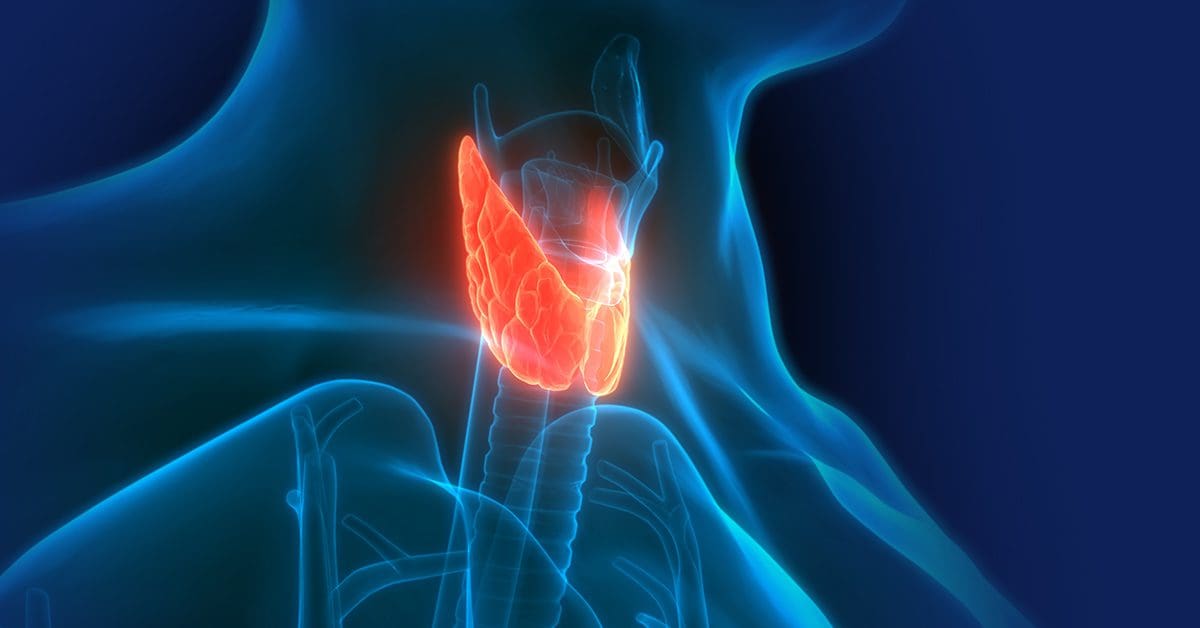
Hyperthyroidism, or an overactive thyroid, causes the thyroid gland to produce excess amounts of hormones. The thyroid gland is a butterfly-shaped organ found in the center of the neck which releases hormones that regulate various bodily functions, such as breathing, heart rate, temperature, and metabolism. Hyperthyroidism can cause bodily functions to speed up, which may result in a variety of symptoms. Diet and lifestyle modifications can ultimately help improve an overactive thyroid. The following article will discuss foods to eat and avoid hyperthyroidism or an overactive thyroid.
Diet and lifestyle modifications can help improve an overactive thyroid. Several vitamins, minerals, and other nutrients are essential to balance thyroid function. Healthcare professionals generally recommend following a low-iodine diet together with other treatment options for hyperthyroidism. By way of instance, people with hyperthyroidism, or an overactive thyroid, may follow a low-iodine diet before having radiation therapy. After treatment, it’s often still essential to follow a low-iodine diet. A variety of other foods can also help to protect the thyroid gland and reduce hyperthyroidism symptoms.
Foods to Eat with Hyperthyroidism
Low-iodine Foods
Iodine is an essential mineral that plays a role in the production of thyroid hormones. Low-iodine foods may help reduce thyroid hormones, including:
fresh or canned fruit
plain popcorn
unsalted nuts and nut butter
potatoes
oats
homemade bread or bread without dairy, eggs, and salt
egg whites
honey
maple syrup
coffee or tea
non-iodized salt
Cruciferous Vegetables
Cruciferous vegetables may also prevent the thyroid gland from utilizing iodine. Cruciferous vegetables that are beneficial for hyperthyroidism can include:
kale
collard greens
bok choy
Brussels sprouts
broccoli
cauliflower
bamboo shoots
mustard
cassava
rutabaga
Healthy fats
Healthy fats may help reduce inflammation. This helps balance thyroid hormones. Non-dairy fats are ultimately essential in a low-iodine diet, including:
coconut oil
avocados and avocado oil
olive oil
unsalted nuts and seeds
sunflower oil
flaxseed oil
safflower oil
Spices
Several spices have anti-inflammatory properties that may help balance thyroid function. Add a dose of antioxidants and flavor to your daily meals with:
green chilies
black pepper
turmeric
Vitamins and Minerals
Iron
Iron is essential for a variety of bodily functions, including the production of thyroid hormones. Add iron into your diet by eating various foods, including:
green leafy vegetables
nuts
seeds
dried beans
lentils
whole grains
poultry, such as chicken and turkey
red meat
Selenium
Selenium-rich foods may also help balance thyroid hormones. Selenium prevents cell and tissue damage. Several good sources of selenium can include:
Brazil nuts
chia seeds
sunflower seeds
mushrooms
couscous
oat bran
rice
poultry, such as chicken and turkey
meat, such as beef and lamb
tea
Zinc
Zinc helps turn the food we eat into energy. This mineral also promotes thyroid and immune health. Several food sources of zinc can also include:
cashews
pumpkin seeds
mushrooms
chickpeas
beef
lamb
cocoa powder
Calcium and Vitamin D
Hyperthyroidism causes brittle bones. Vitamin D and calcium are necessary to support healthy bones. Several good sources of calcium can include:
calcium-fortified orange juice
kale
spinach
collard greens
okra
almond milk
white beans
calcium-fortified cereals
Foods to Avoid with Hyperthyroidism
Excess Iodine
Eating excess iodine-rich or iodine-fortified foods can cause hyperthyroidism or an overactive thyroid. Avoid eating foods with excess iodine, including:
seaweed
algae
alginate
nori
kelp
agar-agar
carrageen
milk and dairy
cheese
egg yolks
sushi
fish
prawns
crabs
lobster
iodized water
some food colorings
iodized salt
Gluten
Gluten may cause inflammation and damage the thyroid. Even if you don�t have a gluten sensitivity or intolerance, avoid eating foods with gluten, including:
triticale
rye
malt
barley
brewers yeast
wheat
Soy
Although soy doesn’t have iodine, it’s been shown to affect treatments for hyperthyroidism in animal models. Avoid eating foods with soy, including
tofu
soy sauce
soy milk
soy-based creamers
Caffeine
Foods and drinks that have caffeine, such as soda, chocolate, tea, and coffee, can worsen hyperthyroidism and increase symptoms of irritability, nervousness, anxiety, and rapid heart rate. Instead, try replacing caffeinated foods and drinks with flavored water, natural herbal teas, or hot apple cider.
Nitrates
Substances known as nitrates may cause the thyroid gland to absorb too much iodine. This can lead to an enlarged thyroid and an overactive thyroid. Nitrates are naturally found in several foods. Processed foods and drinking water may also have added nitrates. Avoid foods with nitrates, including:
spinach
parsley
dill
lettuce
cabbage
celery
beets
turnip
carrots
pumpkin
endive
leeks
fennel
cucumber
processed meats, such as bacon, sausage, salami, and pepperoni
Hyperthyroidism, or an overactive thyroid, causes the thyroid gland to produce excess amounts of hormones. The thyroid gland is a butterfly-shaped organ found in the center of the neck which releases hormones that regulate a variety of bodily functions, such as breathing, heart rate, temperature, and metabolism. Diet and lifestyle modifications can ultimately help improve an overactive thyroid. Several vitamins, minerals, and other nutrients are essential to balance thyroid function. Healthcare professionals generally recommend following a low-iodine diet together with other treatment options for hyperthyroidism. A variety of other foods can also help to protect the thyroid gland and reduce hyperthyroidism symptoms. In the following article, we will discuss what foods to eat and what foods to avoid with hyperthyroidism or an overactive thyroid. – Dr. Alex Jimenez D.C., C.C.S.T. Insight
Hyperthyroidism, or an overactive thyroid, causes the thyroid gland to produce excess amounts of hormones. The thyroid gland is a butterfly-shaped organ found in the center of the neck which releases hormones that regulate various bodily functions, such as breathing, heart rate, temperature, and metabolism. Hyperthyroidism can cause bodily functions to speed up, which may result in a variety of symptoms. Diet and lifestyle modifications can ultimately help improve an overactive thyroid. In the article above, we discussed foods to eat and avoid with hyperthyroidism or an overactive thyroid.
Diet and lifestyle modifications can help improve an overactive thyroid. Several vitamins, minerals, and other nutrients are essential to balance thyroid function. Healthcare professionals generally recommend following a low-iodine diet together with other treatment options for hyperthyroidism. By way of instance, people with hyperthyroidism, or an overactive thyroid, may follow a low-iodine diet before having radiation therapy. After treatment, it’s often still essential to follow a low-iodine diet. A variety of other foods can also help to protect the thyroid gland and reduce hyperthyroidism symptoms.
The scope of our information is limited to chiropractic, musculoskeletal, and nervous health issues or functional medicine articles, topics, and discussions. We use functional health protocols to treat injuries or disorders of the musculoskeletal system. Our office has made a reasonable attempt to provide supportive citations and has identified the relevant research study or studies supporting our posts. We also make copies of supporting research studies available to the board and or the public upon request. To further discuss the subject matter above, please feel free to ask Dr. Alex Jimenez or contact us at 915-850-0900.
Curated by Dr. Alex Jimenez
References:
Lights, Verneda, et al. Hyperthyroidism. Healthline, Healthline Media, 29 June 2016, www.healthline.com/health/hyperthyroidism.
Mayo Clinic Staff. Hyperthyroidism (Overactive Thyroid).Mayo Clinic, Mayo Foundation for Medical Education and Research, 7 Jan. 2020, www.mayoclinic.org/diseases-conditions/hyperthyroidism/symptoms-causes/syc-20373659.
Sudden pain is a natural response of the nervous system which helps to demonstrate possible injury. By way of instance, pain signals travel from an injured region through the nerves and spinal cord to the brain. Pain is generally less severe as the injury heals. However, chronic pain is different than the average type of pain. The human body will continue sending pain signals to the brain with chronic pain, regardless of the injury has healed. Chronic pain can last for several weeks to even several years. Chronic pain can tremendously affect a patient’s mobility, reducing flexibility, strength, and endurance.
Neural Zoomer Plus for Neurological Disease
Dr. Alex Jimenez utilizes a series of tests to help evaluate neurological diseases. The Neural ZoomerTM Plus is an array of neurological autoantibodies which offers specific antibody-to-antigen recognition. The Vibrant Neural ZoomerTM Plus is designed to assess an individual’s reactivity to 48 neurological antigens with connections to various neurologically related diseases. The Vibrant Neural ZoomerTM Plus aims to reduce neurological conditions by empowering patients and physicians with a vital resource for early risk detection and an enhanced focus on personalized primary prevention.
Food Sensitivity for the IgG & IgA Immune Response
Dr. Alex Jimenez utilizes a series of tests to help evaluate health issues associated with various food sensitivities and intolerances. The Food Sensitivity ZoomerTM is an array of 180 commonly consumed food antigens that offers precise antibody-to-antigen recognition. This panel measures an individual’s IgG and IgA sensitivity to food antigens. Being able to test IgA antibodies provides additional information to foods that may be causing mucosal damage. Additionally, this test is ideal for patients who might be suffering from delayed reactions to certain foods. Finally, utilizing an antibody-based food sensitivity test can help prioritize the necessary foods to eliminate and create a customized diet plan around the patient’s specific needs.
Gut Zoomer for Small Intestinal Bacterial Overgrowth (SIBO)
Dr. Alex Jimenez utilizes a series of tests to help evaluate gut health associated with small intestinal bacterial overgrowth (SIBO). The Vibrant Gut ZoomerTM offers a report that includes dietary recommendations and other natural supplementation like prebiotics, probiotics, and polyphenols. The gut microbiome is mainly found in the large intestine. It has more than 1000 species of bacteria that play a fundamental role in the human body, from shaping the immune system and affecting the metabolism of nutrients to strengthening the intestinal mucosal barrier (gut-barrier). Therefore, it is essential to understand how the number of bacteria that symbiotically live in the human gastrointestinal (GI) tract influences gut health because imbalances in the gut microbiome may ultimately lead to gastrointestinal (GI) tract symptoms, skin conditions, autoimmune disorders, immune system imbalances, and multiple inflammatory disorders.
Formulas for Methylation Support
XYMOGEN�s Exclusive Professional Formulas are available through select licensed health care professionals. The internet sale and discounting of XYMOGEN formulas are strictly prohibited.
Proudly, Dr. Alexander Jimenez makes XYMOGEN formulas available only to patients under our care.
Please call our office for us to assign a doctor consultation for immediate access.
If you are an Injury Medical & Chiropractic�Clinic patient, you may inquire about XYMOGEN by calling 915-850-0900.
For your convenience and review of the XYMOGEN products, please review the following link. *XYMOGEN-Catalog-Download
* All of the above XYMOGEN policies remain strictly in force.
Modern Integrated Medicine
The National University of Health Sciences is an institution that offers a variety of rewarding professions to attendees. Students can practice their passion for helping other people achieve overall health and wellness through the institution’s mission. The National University of Health Sciences prepares students to become leaders at the forefront of modern integrated medicine, including chiropractic care. Students have an opportunity to gain unparalleled experience at the National University of Health Sciences to help restore the natural integrity of the patient and define the future of modern integrated medicine.
Hyperthyroidism, or an overactive thyroid, is a health issue that causes the thyroid gland to produce excess amounts of hormones. The thyroid gland is a butterfly-shaped organ found in the center of the neck which releases hormones, such as triiodothyronine (T3) and tetraiodothyronine (T4), that regulate breathing, heart rate, temperature, and metabolism, among other bodily functions. Hyperthyroidism can cause bodily functions to speed up which may result in a variety of symptoms, including irregular heartbeat and weight loss. In the following article, we will discuss hyperthyroidism or an overactive thyroid.
What are the Causes of Hyperthyroidism?
The thyroid gland produces hormones, such as triiodothyronine (T3) and thyroxine or tetraiodothyronine (T4), which control nearly all cells and tissues in the human body. These two primary thyroid hormones regulate heart rate, temperature, and metabolism or the rate at which carbohydrates and fats are used to produce energy. The thyroid gland also releases a hormone that regulates calcium, or calcitonin, in the bloodstream. The thyroid gland generally produces and releases the right amount of hormones in the human body, however, a variety of health issues can cause hyperthyroidism or an overactive thyroid.
Graves’ disease is an autoimmune disorder that causes antibodies produced by the immune system to stimulate the thyroid gland to release excess amounts of hormones. This health issue is one of the most common causes of hyperthyroidism or an overactive thyroid. Graves’ disease is believed to be a genetic disorder that occurs more often in women than in men. Graves’ ophthalmopathy is a rare problem that can make a person’s eyeballs protrude beyond their normal protective orbits due to the swelling of the muscles behind the eyes. This health issue occurs more often in people who smoke.
Plummer’s disease is another type of hyperthyroidism that occurs when one or more adenomas of the thyroid gland produce excess amounts of thyroxine or tetraiodothyronine (T4). An adenoma can ultimately develop benign lumps which may enlarge the thyroid gland. Occasionally, the thyroid gland can become inflamed after pregnancy, generally due to an autoimmune disease or for unknown reasons. Inflammation of the thyroid gland can cause excess hormones to “leak” into the bloodstream. Thyroiditis, or inflammation of the thyroid gland, can cause pain and discomfort. Other causes of hyperthyroidism include:
excess amounts of iodine
tumors in the ovaries or testes
tumors in the thyroid or pituitary gland
excess amounts of T4 taken from medicines or supplements
What are the Symptoms of Hyperthyroidism?
Hyperthyroidism, or an overactive thyroid, can tremendously increase metabolic rate, also known as a hypermetabolic state. During a hypermetabolic state, people with hyperthyroidism, or an overactive thyroid, can experience increased heart rate and tremors. This health issue may also cause individuals to sweat a lot and develop heat sensitivity or intolerance. It can also cause more frequent bowel movements, weight loss, and irregular menstrual cycles in women. Moreover, the thyroid gland may become visibly swollen and the eyes may appear more prominent. Other symptoms of hyperthyroidism include:
increased appetite
nausea and vomiting
irregular heartbeat
fine, brittle hair
hair loss
itching
weakness
restlessness
nervousness
inability to concentrate
difficulty sleeping
breast development in men
According to healthcare professionals, the following symptoms of hyperthyroidism may ultimately require immediate medical attention, including:
shortness of breath
dizziness
loss of consciousness
fast, irregular heart rate
atrial fibrillation or a dangerous arrhythmia
Furthermore, according to healthcare professionals, if hyperthyroidism is left untreated, it can also lead to a variety of complications, including:
Red, swollen skin: Graves’ dermopathy is a health issue that affects the skin, causing redness and swelling, often on the shins and feet.
Eye problems: Graves’ ophthalmopathy can cause bulging, red or swollen eyes, sensitivity to light, and blurred or double vision.
Brittle bones: Hyperthyroidism, or an overactive thyroid, can cause weak, brittle bones, a problem known as osteoporosis. The strength of our bones is associated with our amount of calcium, however, excess amounts of hormones can affect your body’s ability to add calcium into your bones.
Heart problems: Hyperthyroidism, or an overactive thyroid, can cause rapid heart rate, a heart rhythm disorder, known as atrial fibrillation, that increases the risk of stroke, and congestive heart failure, a condition in which the heart can’t circulate enough blood throughout the body.
Thyrotoxic crisis: Hyperthyroidism, or an overactive thyroid, can also increase the risk of developing a thyrotoxic crisis, or a sudden intensification of symptoms which may lead to a fever, a rapid pulse, and even delirium. If a thyrotoxic crisis occurs, seek immediate medical attention.
What is the Diagnosis of Hyperthyroidism?
Hyperthyroidism, or an overactive thyroid, is diagnosed based on a patient’s symptoms through a physical evaluation and blood tests utilized to measure thyroid-stimulating hormone (TSH) and thyroid hormone levels. In addition, healthcare professionals may also decide to order diagnostic imaging scans, such as an ultrasound, of the thyroid gland to identify the presence of nodules as well as to determine if it has become inflamed or overactive.
What is the Treatment of Hyperthyroidism?
Hyperthyroidism, or an overactive thyroid, can be treated with antithyroid drugs/medications that affect the production of thyroid hormones. Radioactive iodine therapy may also be utilized to damage the cells and tissues that produce thyroid hormones. In rare cases, surgery may be utilized to remove part of or the entire thyroid gland. Treatment options will depend on the severity and underlying cause of symptoms. Doctors may also prescribe beta-blockers to block the effects of thyroid hormones. Hyperthyroidism, or an overactive thyroid, may also improve with proper diet and lifestyle modifications.
Thyroid dysfunction can ultimately cause a variety of health issues, including hyperthyroidism. Hyperthyroidism, or an overactive thyroid, is a health issue that causes the thyroid gland to produce excess amounts of hormones. The thyroid gland is a butterfly-shaped organ found in the center of the neck which releases hormones, such as triiodothyronine (T3) and tetraiodothyronine (T4), that regulate breathing, heart rate, temperature, and metabolism, among other bodily functions. Hyperthyroidism can cause bodily functions to speed up which may result in a variety of symptoms, including irregular heartbeat and weight loss. In the following article, we will describe hyperthyroidism, or an overactive thyroid, and discuss the causes, symptoms, diagnosis, and treatment.�
Dr. Alex Jimenez D.C., C.C.S.T. Insight
Hyperthyroidism, or an overactive thyroid, is a health issue that causes the thyroid gland to produce excess amounts of hormones. The thyroid gland is a butterfly-shaped organ found in the center of the neck which releases hormones, such as triiodothyronine (T3) and tetraiodothyronine (T4), that regulate breathing, heart rate, temperature, and metabolism, among other bodily functions. Hyperthyroidism can cause bodily functions to speed up which may result in a variety of symptoms, including irregular heartbeat and weight loss. In the article above, we will discuss hyperthyroidism or an overactive thyroid.
The scope of our information is limited to chiropractic, musculoskeletal, and nervous health issues or functional medicine articles, topics, and discussions. We use functional health protocols to treat injuries or disorders of the musculoskeletal system. Our office has made a reasonable attempt to provide supportive citations and has identified the relevant research study or studies supporting our posts. We also make copies of supporting research studies available to the board and or the public upon request. To further discuss the subject matter above, please feel free to ask Dr. Alex Jimenez or contact us at 915-850-0900.�
Curated by Dr. Alex Jimenez
References:
Lights, Verneda, et al. �Hyperthyroidism.� Healthline, Healthline Media, 29 June 2016, www.healthline.com/health/hyperthyroidism.
Mayo Clinic Staff. �Hyperthyroidism (Overactive Thyroid).� Mayo Clinic, Mayo Foundation for Medical Education and Research, 7 Jan. 2020, www.mayoclinic.org/diseases-conditions/hyperthyroidism/symptoms-causes/syc-20373659.
Sudden pain is a natural response of the nervous system which helps to demonstrate possible injury. By way of instance, pain signals travel from an injured region through the nerves and spinal cord to the brain. Pain is generally less severe as the injury heals, however, chronic pain is different than the average type of pain. With chronic pain, the human body will continue sending pain signals to the brain, regardless if the injury has healed. Chronic pain can last for several weeks to even several years. Chronic pain can tremendously affect a patient’s mobility and it can reduce flexibility, strength, and endurance.
Neural Zoomer Plus for Neurological Disease
Dr. Alex Jimenez utilizes a series of tests to help evaluate neurological diseases. The Neural ZoomerTM Plus is an array of neurological autoantibodies which offers specific antibody-to-antigen recognition. The Vibrant Neural ZoomerTM Plus is designed to assess an individual�s reactivity to 48 neurological antigens with connections to a variety of neurologically related diseases. The Vibrant Neural ZoomerTM Plus aims to reduce neurological conditions by empowering patients and physicians with a vital resource for early risk detection and an enhanced focus on personalized primary prevention.
Food Sensitivity for the IgG & IgA Immune Response
Dr. Alex Jimenez utilizes a series of tests to help evaluate health issues associated with a variety of food sensitivities and intolerances. The Food Sensitivity ZoomerTM is an array of 180 commonly consumed food antigens that offers very specific antibody-to-antigen recognition. This panel measures an individual�s IgG and IgA sensitivity to food antigens. Being able to test IgA antibodies provides additional information to foods that may be causing mucosal damage. Additionally, this test is ideal for patients who might be suffering from delayed reactions to certain foods. Utilizing an antibody-based food sensitivity test can help prioritize the necessary foods to eliminate and create a customized diet plan around the patient�s specific needs.
Gut Zoomer for Small Intestinal Bacterial Overgrowth (SIBO)
Dr. Alex Jimenez utilizes a series of tests to help evaluate gut health associated with small intestinal bacterial overgrowth (SIBO). The Vibrant Gut ZoomerTM offers a report that includes dietary recommendations and other natural supplementation like prebiotics, probiotics, and polyphenols. The gut microbiome is mainly found in the large intestine and it has more than 1000 species of bacteria that play a fundamental role in the human body, from shaping the immune system and affecting the metabolism of nutrients to strengthening the intestinal mucosal barrier (gut-barrier). It is essential to understand how the number of bacteria that symbiotically live in the human gastrointestinal (GI) tract influences gut health because imbalances in the gut microbiome may ultimately lead to gastrointestinal (GI) tract symptoms, skin conditions, autoimmune disorders, immune system imbalances, and multiple inflammatory disorders.
Formulas for Methylation Support
XYMOGEN�s Exclusive Professional Formulas are available through select licensed health care professionals. The internet sale and discounting of XYMOGEN formulas are strictly prohibited.
Proudly,�Dr. Alexander Jimenez makes XYMOGEN formulas available only to patients under our care.
Please call our office in order for us to assign a doctor consultation for immediate access.
If you are a patient of Injury Medical & Chiropractic�Clinic, you may inquire about XYMOGEN by calling 915-850-0900.
For your convenience and review of the XYMOGEN products please review the following link. *XYMOGEN-Catalog-Download
* All of the above XYMOGEN policies remain strictly in force.
Modern Integrated Medicine
The National University of Health Sciences is an institution that offers a variety of rewarding professions to attendees. Students can practice their passion for helping other people achieve overall health and wellness through the institution’s mission. The National University of Health Sciences prepares students to become leaders in the forefront of modern integrated medicine, including chiropractic care. Students have an opportunity to gain unparalleled experience at the National University of Health Sciences to help restore the natural integrity of the patient and define the future of modern integrated medicine.
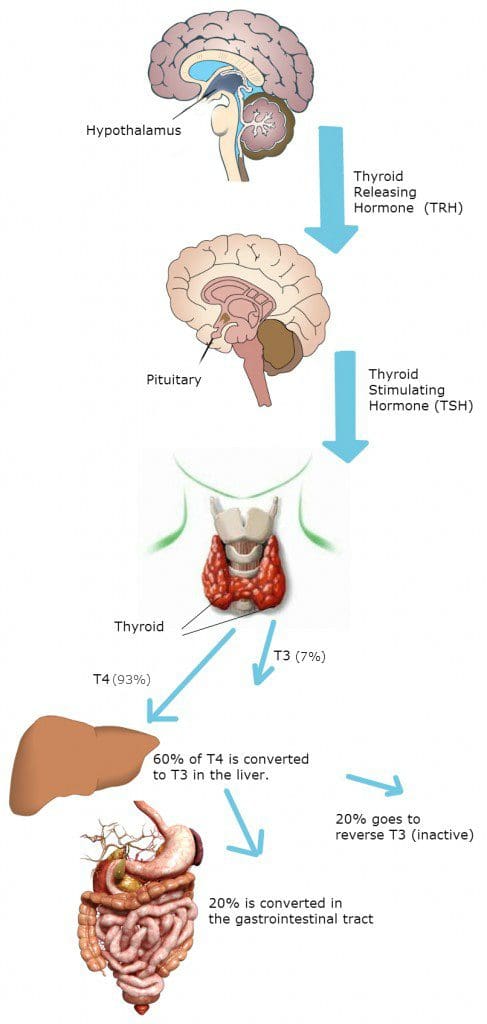
The thyroid is a small, butterfly-shaped gland that is located in the anterior neck producing T3 (triiodothyronine) and T4 (tetraiodothyronine) hormones. These hormones affect every single tissue and regulate the body�s metabolism while being part of an intricate network called the endocrine system. The endocrine system is responsible for coordinating many of the body’s activities. In the human body, the two major endocrine glands are the thyroid glands and the adrenal glands. The thyroid is controlled primarily by TSH (thyroid-stimulating hormone), which is secreted from the anterior pituitary gland in the brain. The anterior pituitary gland can stimulate or halt the secretion to the thyroid, which is a response only gland in the body.
Since the thyroid glands make T3 and T4, iodine can also help with the thyroid hormone production. The thyroid glands are the only ones that can absorb the iodine to help hormone growth. Without it, there can be complications like hyperthyroidism, hypothyroidism, and Hashimoto�s disease.
Thyroid Influences on The Body Systems
The thyroid can help metabolize the body, such as regulating heart rate, body temperature, blood pressure, and brain function. Many of the body�s cells have thyroid receptors that the thyroid hormones respond to. Here are the body systems that the thyroid helps out.
Cardiovascular System and the Thyroid
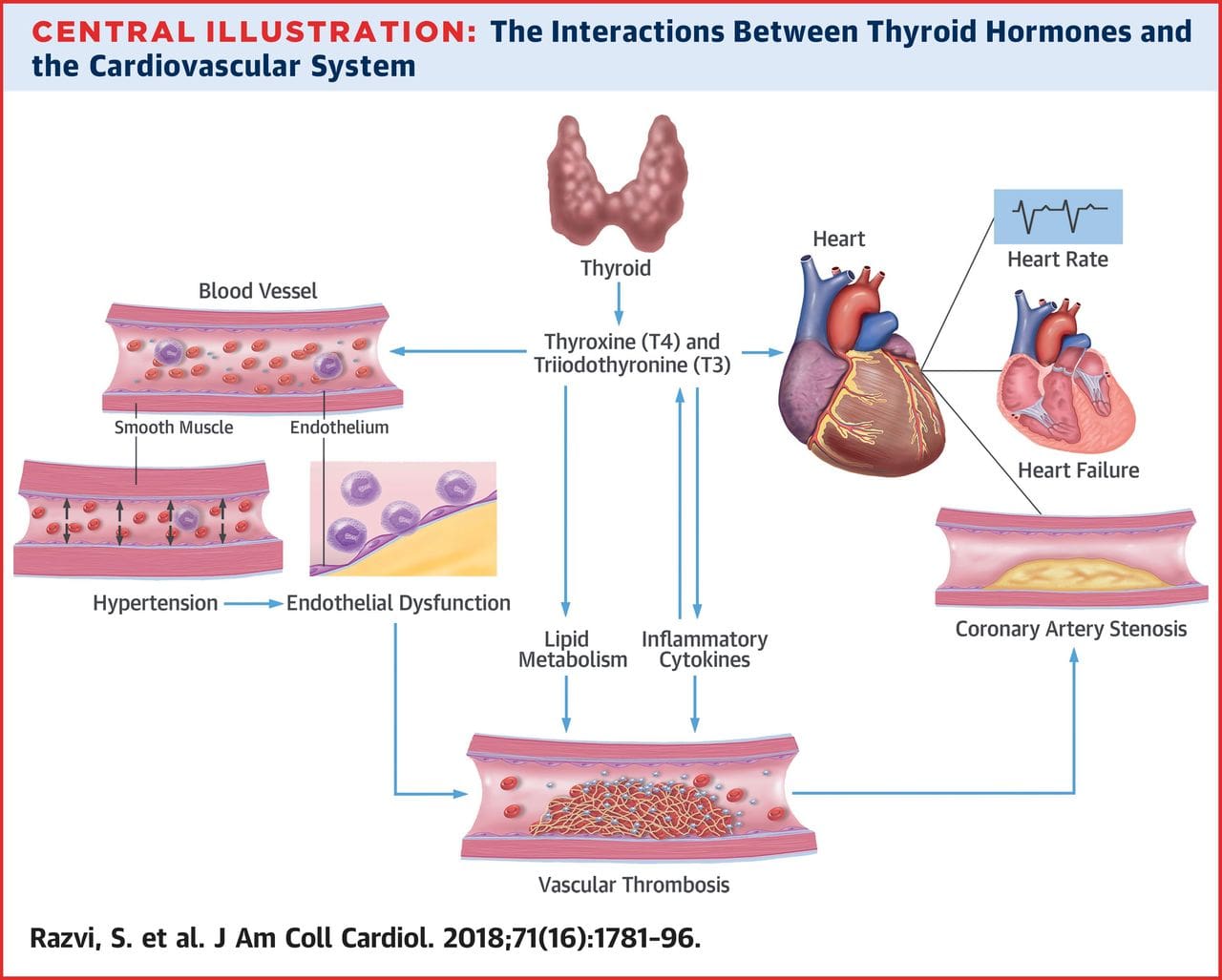
Under normal circumstances, the thyroid hormones help increase the blood flow, cardiac output, and heart rate in the cardiovascular system. The thyroid can influence the heart�s �excitement,� causing it to have an increasing demand for oxygen, therefore increasing the metabolites. When an individual is exercising; their energy, their metabolism, as well as their overall health, feels good.
The thyroid actually strengthens the heart muscle, while decreasing the external pressure because it relaxes the vascular smooth muscle. This results in a decrease of arterial resistance and diastolic blood pressure in the cardiovascular system.
When there is an excess amount of thyroid hormone, it can increase the heart�s pulse pressure. Not only that, the heart rate is highly sensitive to an increase or decrease in the thyroid hormones. There are a few related cardiovascular conditions listed below that can be the result of an increased or decreased thyroid hormone.
Metabolic Syndrome
Hypertension
Hypotension
Anemia
Arteriosclerosis
Interestingly, iron deficiency can slow the thyroid hormones as well as increase the production of the hormones causing problems in the cardiovascular system.
The Gastrointestinal System and the Thyroid
The thyroid helps the GI system by stimulating carbohydrate metabolism and fat metabolism. This means that there will be an increase in glucose, glycolysis, and gluconeogenesis as well as an increased absorption from the GI tract along with an increase in insulin secretion. This is done with an increased enzyme production from the thyroid hormone, acting on the nucleus of our cells.
The thyroid can increase the basal metabolic rate by helping it increase the speed of breaking down, absorbing, and the assimilation of the nutrients we eat and eliminate waste. The thyroid hormone can also increase the need for vitamins for the body. If the thyroid is going to regulate our cell metabolism, there has to be an increased need for vitamin cofactors because the body needs the vitamins to make it function properly.
Some conditions can be impacted by thyroid function, and coincidentally can cause thyroid dysfunction.
Abnormal cholesterol metabolism
Overweight/underweight
Vitamin deficiency
Constipation/diarrhea
Sex Hormones and the Thyroid
The thyroid hormones have a direct impact on ovaries and an indirect impact on SHBG (sex hormone-binding globulin), prolactin, and gonadotropin-releasing hormone secretion. Women are dramatically more affected by thyroid conditions than men due to hormones and pregnancy. There is also another contributing factor that women share, their iodine vitals and their thyroid hormones through the ovaries and the breast tissue in their bodies. The thyroid can even have either a cause or contribution to pregnancy conditions like:
Precocious puberty
Menstrual issues
Fertility issues
Abnormal hormone levels
HPA Axis and the Thyroid
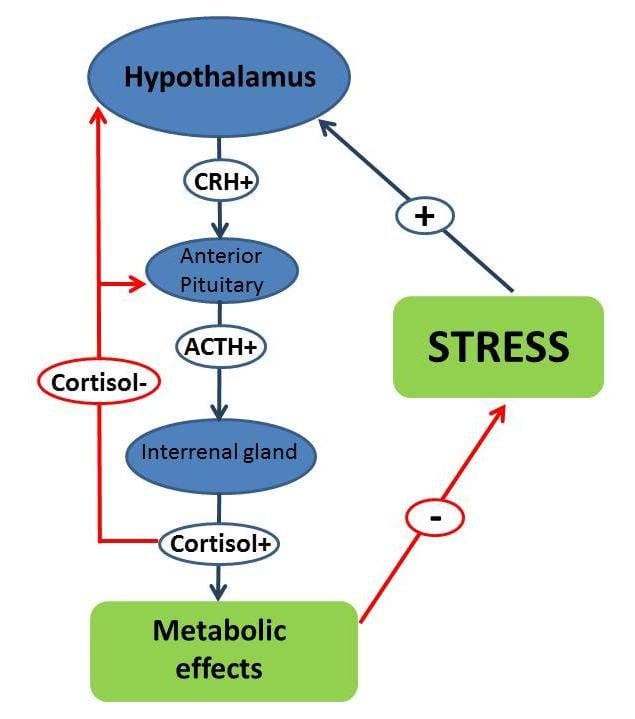
The HPA axis�(Hypothalamic-Pituitary-Adrenal Axis) modulates the stress response in the body. When that happens, the hypothalamus releases the corticotropin-releasing hormone, it triggers the ACH (acetylcholine hormone) and the ACTH (adrenocorticotropic hormone) to act on the adrenal gland to release cortisol. Cortisol is a stress hormone that can lower inflammation and increase carbohydrate metabolism in the body. It can also trigger a cascade of �alarm chemicals� like epinephrine and norepinephrine (fight or flight response). If there is an absence of lowered cortisol, then the body will desensitize for the cortisol and the stress response, which is a good thing.
When there is a higher level of cortisol in the body, it will decrease the thyroid function by lowering the conversion of the T4 hormone to T3 hormone by impairing the deiodinase enzymes. �When this happens, the body will have a less functional thyroid hormone concentration, since the body can�t tell the difference of a hectic day at work or running away from something scary, it can either be very good or horrible.
Thyroid Problems in the Body
The thyroid can produce either too much or not enough hormones in the body, causing health problems. Down below are the most commonly known thyroid problems that will affect the thyroid in the body.
Hyperthyroidism: This is when the thyroid is overactive, producing an excessive amount of hormones. It affects about 1% of women, but it�s less common for men to have it. It can lead to symptoms such as restlessness, bulging eyes, muscle weakness, thin skin, and anxiety.
Hypothyroidism: This is the opposite of hyperthyroidism since it can�t produce enough hormones in the body. It is often caused by Hashimoto�s disease and can lead to dry skin, fatigue, memory problems, weight gain, and a slow heart rate.
Hashimoto�s disease: This disease is also known as chronic lymphocytic thyroiditis. It affects about 14 million Americans and can occur in middle-aged women. This disease develops when the body�s immune system mistakenly attacks and slowly destroys the thyroid gland and its ability to produce hormones. Some of the symptoms that Hashimoto�s disease causes are a pale, puffy face, fatigue, enlarged thyroid, dry skin, and depression.
Conclusion
The thyroid is a butterfly-shaped gland located in the anterior neck that produces hormones that help function the entire body. When it doesn�t work correctly, it can either create an excessive amount or decrease the number of hormones. This causes the human body to develop diseases that can be long term.
In honor of Governor Abbott’s proclamation, October is Chiropractic Health Month. To learn more about the proposal on our website.
The scope of our information is limited to chiropractic, musculoskeletal, and nervous health issues as well as functional medicine articles, topics, and discussions. We use functional health protocols to treat injuries or chronic disorders of the musculoskeletal system. To further discuss the subject matter above, please feel free to ask Dr. Alex Jimenez or contact us at 915-850-0900 .
References:
America, Vibrant. �Thyroid and Autoimmunity.� YouTube, YouTube, 29 June 2018, www.youtube.com/watch?feature=youtu.be&v=9CEqJ2P5H2M.
Clinic Staff, Mayo. �Hyperthyroidism (Overactive Thyroid).� Mayo Clinic, Mayo Foundation for Medical Education and Research, 3 Nov. 2018, www.mayoclinic.org/diseases-conditions/hyperthyroidism/symptoms-causes/syc-20373659.
Clinic Staff, Mayo. �Hypothyroidism (Underactive Thyroid).� Mayo Clinic, Mayo Foundation for Medical Education and Research, 4 Dec. 2018, www.mayoclinic.org/diseases-conditions/hypothyroidism/symptoms-causes/syc-20350284.
Danzi, S, and I Klein. �Thyroid Hormone and the Cardiovascular System.� Minerva Endocrinologica, U.S. National Library of Medicine, Sept. 2004, www.ncbi.nlm.nih.gov/pubmed/15282446.
Ebert, Ellen C. �The Thyroid and the Gut.� Journal of Clinical Gastroenterology, U.S. National Library of Medicine, July 2010, www.ncbi.nlm.nih.gov/pubmed/20351569.
Selby, C. �Sex Hormone Binding Globulin: Origin, Function and Clinical Significance.� Annals of Clinical Biochemistry, U.S. National Library of Medicine, Nov. 1990, www.ncbi.nlm.nih.gov/pubmed/2080856.
Stephens, Mary Ann C, and Gary Wand. �Stress and the HPA Axis: Role of Glucocorticoids in Alcohol Dependence.� Alcohol Research: Current Reviews, National Institute on Alcohol Abuse and Alcoholism, 2012, www.ncbi.nlm.nih.gov/pmc/articles/PMC3860380/.
Wallace, Ryan, and Tricia Kinman. �6 Common Thyroid Disorders & Problems.� Healthline, 27 July, 2017, www.healthline.com/health/common-thyroid-disorders.
Wint, Carmella, and Elizabeth Boskey. �Hashimoto’s Disease.� Healthline, 20 Sept. 2018, www.healthline.com/health/chronic-thyroiditis-hashimotos-disease.
IFM's Find A Practitioner tool is the largest referral network in Functional Medicine, created to help patients locate Functional Medicine practitioners anywhere in the world. IFM Certified Practitioners are listed first in the search results, given their extensive education in Functional Medicine