Sports and Activities for TBI Recovery: The Role of Nurse Practitioners and Integrative Chiropractic Care
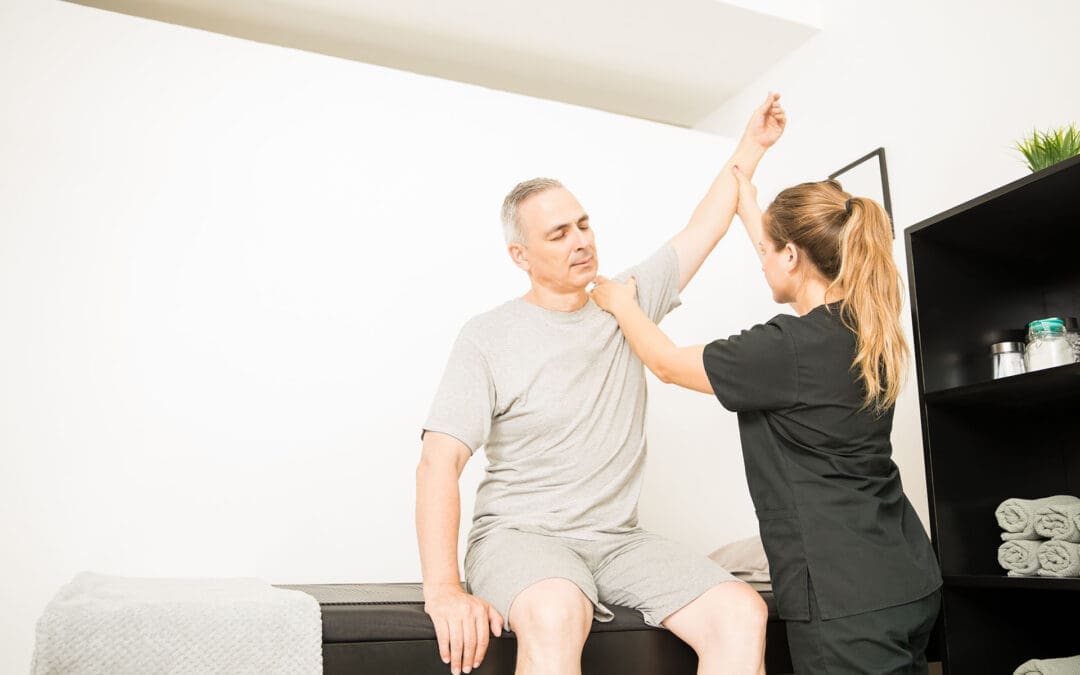
aquatic rehabilitation class for various injuries, including traumatic brain injuries
Traumatic brain injuries, or TBIs, happen when a sudden bump or blow to the head damages the brain. These injuries can come from car crashes, falls, or even sports accidents. Recovering from a TBI takes time and involves many steps to get back strength, balance, and clear thinking. One great way to help is through sports and activities tailored to a person’s needs. These are called adaptive sports. They can boost physical health and also lift moods by making people feel connected and strong. Along with that, healthcare experts like nurse practitioners and chiropractors play big parts in guiding recovery. Nurse practitioners help manage overall health and meds, while chiropractors focus on fixing spine issues and easing pain. This team approach, often called integrative care, mixes different treatments for better results.
In this article, we’ll look at sports that support TBI recovery, such as adaptive basketball and swimming. We’ll also cover calming activities such as tai chi and hiking. Then, we’ll explain how nurse practitioners and chiropractors fit into the picture, drawing on expert perspectives such as Dr. Alexander Jimenez, who combines chiropractic and nursing skills. By the end, you’ll see how these elements work together to create a comprehensive recovery plan.
Understanding TBIs and the Need for Active Recovery
A TBI can mess with how you move, think, and feel. Mild ones, like concussions, might cause headaches or dizziness. Severe ones can lead to long-term problems with balance or memory. The brain has a cool ability called neuroplasticity, which means it can rewire itself to heal. Activities that get you moving help spark this process by building new connections in the brain.
Doctors say rest is key right after a TBI, but then it’s time to add gentle exercise. Starting slow prevents more harm and builds up skills step by step. For example, light walking can improve blood flow to the brain, helping it heal faster. As you get better, more fun activities like games or outdoor adventures can keep things exciting and motivating.
Why activities matter: They improve strength, coordination, and mood.
Start small: Begin with easy tasks at home, like puzzles or stretching.
Build up: Move to group activities for social support.
Research shows that staying active after a TBI lowers the risk of depression and helps people get back to daily life sooner.
Adaptive Sports for Physical and Mental Healing
Adaptive sports are regular sports modified with special tools or rules so everyone can join, regardless of their limitations. For TBI survivors, these sports target balance, hand-eye skills, and thinking on your feet. They also build confidence by letting you achieve goals in a safe way.
Many groups offer adaptive sports programs, making it easy to find local options. Here’s a look at some top ones for TBI recovery:
Adaptive Basketball: Played in wheelchairs or with lower hoops, this sport boosts coordination and teamwork. It helps with quick decisions and arm strength, which TBIs often weaken. Groups like the National Wheelchair Basketball Association run events where players connect and stay motivated.
Cycling: Use adaptive bikes with extra wheels for stability. Cycling improves leg strength and heart health while being low-impact on joints. It’s great for building endurance without straining the brain too much.
Swimming: Water supports your body, making movements easier. Adaptive swimming uses floats or lanes for safety. It enhances balance and breathing control, plus the calm water reduces stress.
Canoeing: In adaptive versions, boats have seats or handles for support. Paddling builds upper body strength and focus. Being on water also calms the mind, helping with anxiety from TBIs.
These sports aren’t just exercise—they create social bonds. Playing with others fights loneliness, a common issue after brain injuries. Studies note that adaptive sports like these keep people active and linked to their communities. One review found that they improve gait and balance in patients with brain injury.
Other Rehabilitative Activities to Enhance Balance and Well-Being
Not all recovery needs to be high-energy. Slower activities like tai chi or hiking can rebuild skills without overwhelming the brain. These focus on mindful movement, which also supports mental health.
Tai Chi: This gentle martial art uses slow, flowing movements to improve balance and focus. For TBI patients, it reduces falls by strengthening core muscles. Classes often adapt poses for sitting if standing is difficult.
Hiking: Adaptive hiking uses trails with smooth paths or walking sticks. It increases heart rate and provides a refreshing change of scenery. Nature-based activities like this restore energy both physically and emotionally.
Adaptive Water Sports: Beyond swimming, try kayaking or water aerobics. These use buoyancy to reduce pressure on the body while improving coordination. Special gear, like life vests, ensures safety.
Home activities can start the process. Activities like balloon tosses or chair yoga build hand-eye coordination and flexibility. Online videos make it easy to try. As skills grow, add group classes for more challenge. Experts say even simple mobilizing, like walking circuits, aids recovery.
Special tools might be needed based on your strengths. For example, use bigger balls in games or stabilizers in cycling. Always check with a doctor to match activities to your healing stage.
The Role of Nurse Practitioners in Coordinating TBI Care
Nurse practitioners (NPs) are advanced nurses who can diagnose, treat, and manage health issues. In TBI recovery, they act as coordinators, making sure all parts of care fit together smoothly.
NPs monitor your overall health during activities. They check for signs like fatigue or headaches that might mean you’re pushing too hard. They also manage meds for pain or mood, adjusting doses as you improve. For instance, if swimming causes dizziness, an NP might suggest changes or add rest days.
In integrative teams, NPs work with other experts to create safe plans. They ensure activities like canoeing don’t clash with your meds or other treatments. Their focus on whole-person care includes emotional support to help with stress during recovery.
Dr. Alexander Jimenez, a chiropractor and family nurse practitioner, notes that NPs play a key role in linking brain health to daily wellness. His observations show they help with sleep and nutrition, which in turn boost activity benefits. This approach ensures activities are effective and safe.
Integrative Chiropractic Care: Supporting Spine and Pain Management
Chiropractors specialize in spine health, which is crucial after a TBI since head injuries often affect the neck. Integrative chiropractic combines adjustments with other therapies, such as exercises, for full recovery.
Chiropractors realign the spine to ease pressure on nerves, reducing headaches and improving balance. For TBI patients, this can help with dizziness from vestibular issues. They also manage pain without heavy meds, using hands-on techniques.
In recovery plans, chiropractors include exercises such as postural training and balance drills. These complement sports by building a strong base. For example, after an adaptive basketball session, a session might address any spine shifts from play.
Dr. Jimenez’s clinical work highlights how chiropractic aids brain healing. He uses gentle adjustments to improve blood flow and nerve function, key for TBIs. His teams integrate this with nutrition and rehab activities, such as light walking, to prevent reinjury. One method he supports is vestibular rehab, which pairs well with sports for better coordination.
Benefits of integrative chiropractic:
Reduces inflammation and pain.
Improves mobility for activities.
Prevents future issues through education.
Combining chiropractic with NP care creates a strong support system. NPs handle meds and monitoring, while chiropractors focus on physical fixes.
Combining Sports, Activities, and Professional Care for Best Results
The best TBI recovery programs combine adaptive sports, calming activities, and expert guidance. Start with a plan from your healthcare team. For example, begin with tai chi for balance, then add cycling as strength grows.
Community outings, like group hikes, apply skills in real life. These build confidence and social ties. Equine therapy, like therapeutic riding, is another option—horses’ movements aid gait and emotional health.
Dr. Jimenez observes that nutrition supports this, like anti-inflammatory foods for brain repair. His work shows that stress management is key, as it affects outcomes.
Track progress with tools like journals or apps. Adjust as needed with your NP or chiropractor. Over time, this leads to independence and joy in activities.
Challenges and Tips for Success
Recovery isn’t always smooth. Fatigue or setbacks can happen. Tips include:
Listen to your body—rest when needed.
Use adaptive gear for safety.
Join support groups for motivation.
With patience, most people see big gains. Studies show stepwise returns to activity, like in sports protocols, work well.
Conclusion
Recovering from a TBI through sports like adaptive basketball or activities like hiking builds both the body and the mind. Nurse practitioners coordinate safe care, while integrative chiropractic handles pain and alignment. Experts like Dr. Jimenez show how this blend speeds healing. Stay active, seek help, and celebrate small wins to pave the way for a brighter path ahead.
Tests Used for Brain Injuries at El Paso Back Clinic® in El Paso, TX
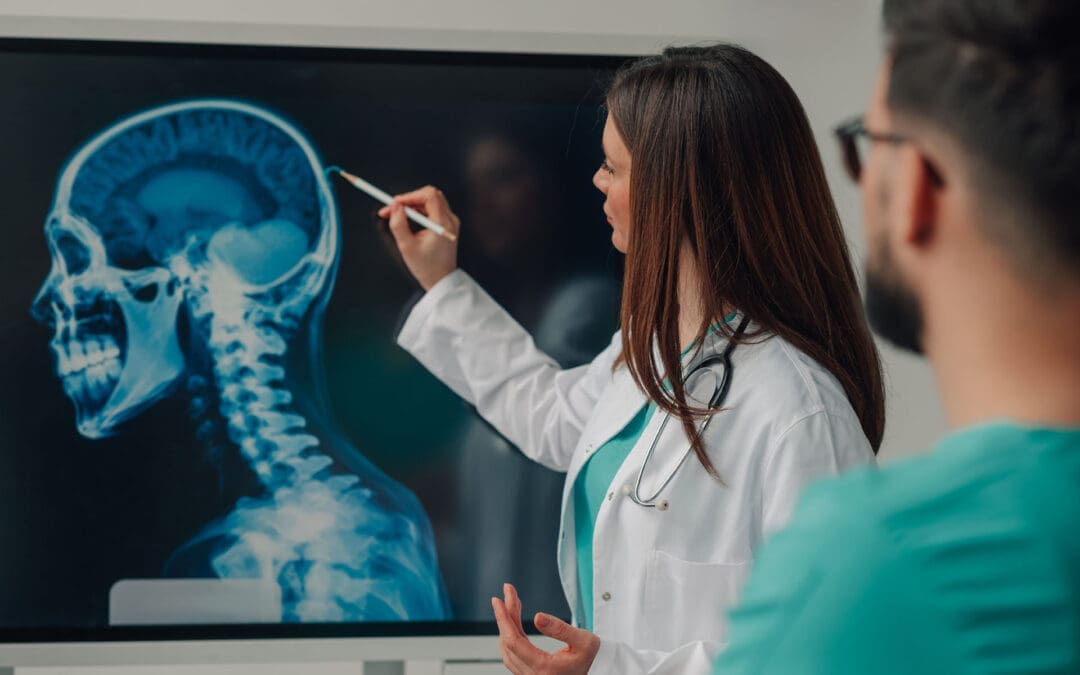
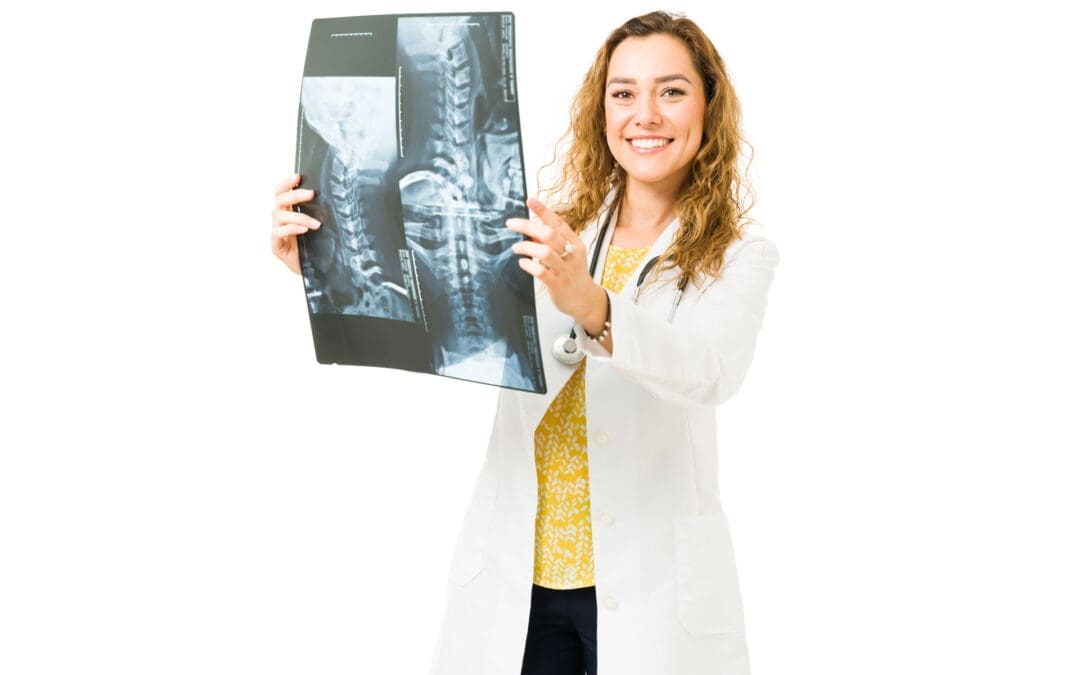
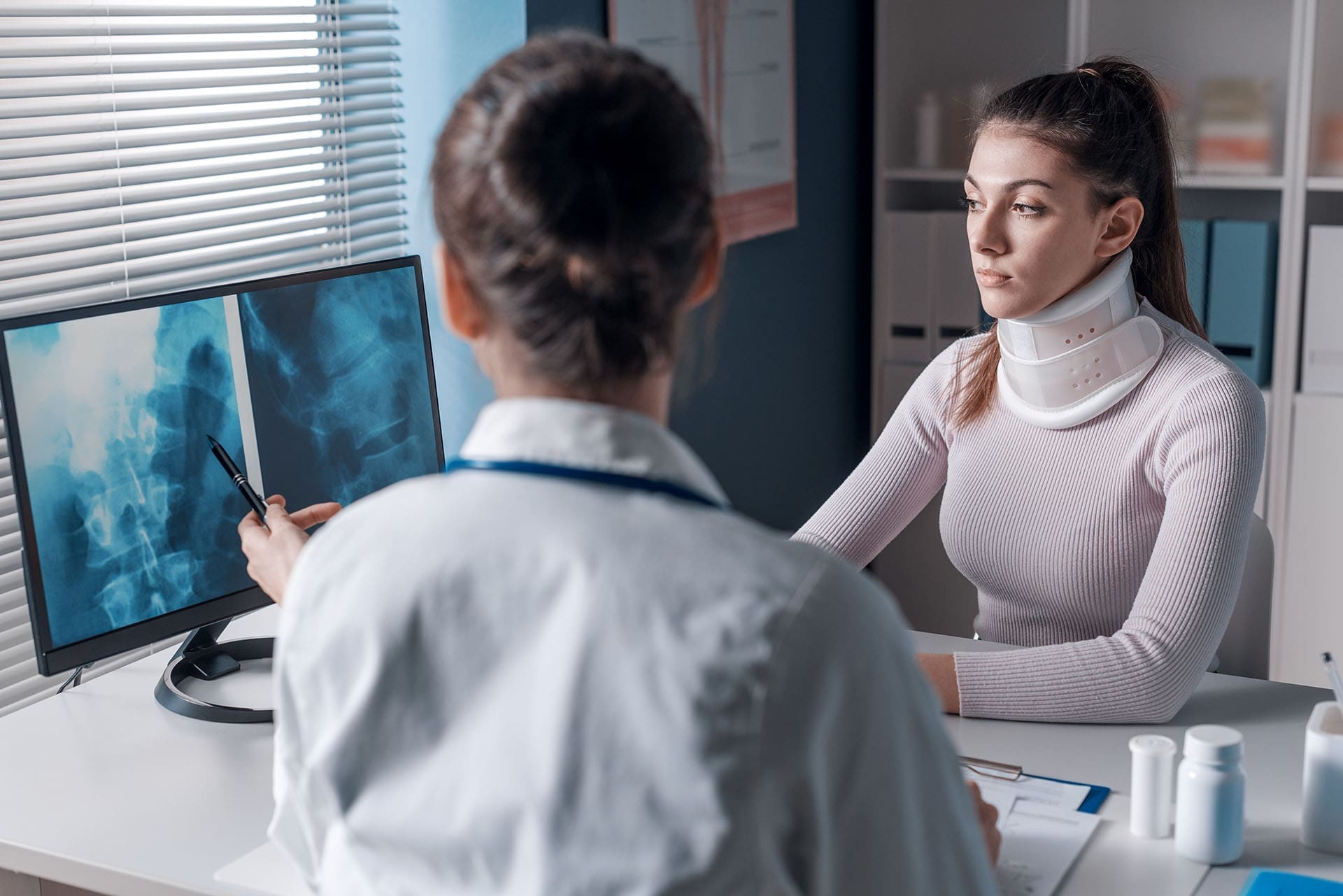
Doctor of Chiropractic and Nurse Practitioner show the imaging result to the patient post-auto-injury rehabilitation with mild brain injury
Brain injuries can strike without warning, from a simple slip at home to a tough hit during sports or a car crash on El Paso’s busy roads. At El Paso Back Clinic® in El Paso, TX, our team of wellness chiropractic care experts knows how vital it is to spot these issues early. We blend chiropractic skills with modern tools to help patients heal and get back to life. Led by Dr. Alexander Jimenez, DC, APRN, FNP-BC, our clinic focuses on whole-body wellness, using safe, non-invasive methods to check for head injuries.
This article dives into the tests we use at El Paso Back Clinic® to find brain injuries. We cover hands-on checks, brain function tests, and high-tech scans. Our goal is to give you clear info so you can seek help fast. Early detection means better recovery and fewer long-term problems.
The Importance of Spotting Brain Injuries Early at Our Clinic
Traumatic brain injuries (TBIs) happen when a bump or jolt shakes the brain. Mild ones, like concussions, might cause short-term headaches or dizziness. Serious cases can lead to lasting memory issues or mood changes. At El Paso Back Clinic®, we see many patients from local accidents or sports-related injuries, and we emphasize prompt action.
Our integrative approach mixes chiropractic care with nurse practitioner expertise. Dr. Jimenez uses his dual training to create custom plans. We check the spine, nerves, and brain together because a head injury often affects the neck as well.
Common signs: Headaches, confusion, nausea, or trouble balancing.
Why act fast: Stops swelling or bleeding from getting worse.
Our edge: Our wellness focus means we look at lifestyle and nutrition, too.
Research backs our methods—early tests lead to stronger outcomes (Pickett et al., 2024). At our El Paso, TX clinic, we guide you through every step.
Starting with Neurological Assessments for Head Injuries
At El Paso Back Clinic®, every brain injury check begins with basic neurological tests. These quick exams help us see how the brain responds right away. No need for big machines; it’s all about skilled observation.
We rely on the Glasgow Coma Scale (GCS) to grade injury severity. The Glasgow Coma Scale (GCS), which scores from 3 to 15, assesses eye opening, verbal response, and motor response. High scores mean mild issues; low ones signal urgency. Our team, including Dr. Jimenez, uses GCS to quickly decide on next steps (Bussières et al., 2022).
We also use the Standardized Assessment of Concussion (SAC). This tests memory and focus with simple questions. For athletes, the Sport Concussion Assessment Tool 5 (SCAT5) adds balance and neck checks. Kids receive the Child SCAT5 version.
GCS breakdown:
Eyes: 1 (none) to 4 (spontaneous).
Verbal: 1 (silent) to 5 (oriented).
Motor: 1 (none) to 6 (obeys commands).
SAC quick tips: Asks things like “What month is it?” or repeats word lists.
SCAT5 extras: Includes symptom checklists and coordination drills.
Dr. Jimenez notes that these tests often reveal neck problems linked to head injuries. At our wellness clinic, we adjust spines to ease related pain.
Hands-On Physical Exams to Uncover Hidden Issues
Physical checks are key at El Paso Back Clinic®. We touch and move areas to find pain, weakness, or limits. This builds on your story about how the injury happened.
Reflex tests tap spots, like the knees, to check nerve pathways. Odd responses might point to brain trouble. The Balance Error Scoring System (BESS) tests stability—stand in poses and count errors. It’s useful for detecting dizziness associated with TBIs (Sillevis et al., 2018).
We measure how far you can move your neck or head without pain. Strength tests have you push against our hands. These help link head injuries to spine misalignments.
BESS poses:
These include the double-leg stance, single-leg stance, and tandem pose.
Perform the exercises on both firm ground and foam to increase the challenge.
The errors to avoid include having hands off the hips, keeping eyes open, and falling.
Reflex checks: Hammer taps for quick reactions.
Motion tests: Gentle turns to spot restrictions.
For El Paso locals in car wrecks, these exams guide our chiropractic adjustments. Dr. Jimenez observes that early physical checks prevent chronic issues.
Cognitive Testing to Measure Brain Function
Head injuries can fog thinking. At El Paso Back Clinic®, we use cognitive tests such as ImPACT to assess memory and reaction time. This computer-based tool is perfect for concussion assessment, as it allows you to compare your scores to norms or baselines.
ImPACT includes modules for word recall, symbol matching, and symptom rating. It’s objective and tracks progress over time. We use it for return-to-work or play decisions (ImPACT Applications, Inc., 2023a).
Our nurse practitioners add deeper checks if needed, like repeating stories or drawing shapes. These rule out other causes.
ImPACT features:
Visual memory: Recall designs.
Reaction time: Click on the colors fast.
Symptom scale: Rate 22 items like fatigue.
Baseline testing: Ideal for athletes before seasons.
Retesting: Every 7-10 days to monitor healing.
Dr. Jimenez integrates ImPACT with chiropractic care, noting better results when spine health supports brain recovery.
Advanced Imaging for Clear Views of Injuries
Imaging lets us see inside. At El Paso Back Clinic®, we start with X-rays for bone alignment and fractures. They’re fast and help plan adjustments.
For deeper looks, CT scans catch bleeds quickly. MRIs show soft-tissue damage, such as bruising or tears—no radiation involved. We order these through our network for full pictures (NYU Langone Health, n.d.).
Digital Motion X-ray (DMX) is a favorite here—it films spine movement to spot instability from whiplash.
X-ray basics: Views bones in still shots.
CT strengths: 3D slices for emergencies.
MRI details: Magnets reveal hidden swelling.
DMX unique: Real-time video of neck motion.
Dr. Jimenez uses imaging to confirm diagnoses, ensuring safe, targeted care at our El Paso wellness clinic.
We love tools that avoid invasives at El Paso Back Clinic®. Surface Electromyography (sEMG) measures muscle activity via skin sensors. It identifies imbalances related to nerve issues post-head injury (Injury 2 Wellness Centers, 2023a).
Our INSiGHT scanners combine scans: Thermal for inflammation, Core for posture, Pulse for stress via heart rate. These insights help us create personalized plan maps (CLA Insights, 2023a).
sEMG benefits:
Detects tense muscles around the neck.
Guides gentle adjustments.
INSiGHT scans:
Heat patterns show hot spots.
Muscle scans check symmetry.
No risks: This procedure is safe for individuals of all ages.
These tools reduce the need for pokes or cuts, aligning with our wellness focus (Injury 2 Wellness Centers, 2023b). Dr. Jimenez says they boost patient involvement.
Nurse Practitioners’ Role in Comprehensive Testing
Our nurse practitioners at El Paso Back Clinic® expand options. They order blood tests for markers like inflammation or clotting risks. This rules out serious issues.
They incorporate a comprehensive approach by integrating chiropractic care into their holistic plans. If scans show problems, they coordinate referrals.
Blood work perks:
Checks for hidden infections.
Monitors healing proteins.
Team integration: NPs and chiros share findings.
Patient plans: Include rest, nutrition, and adjustments.
Dr. Jimenez, with his NP background, ensures seamless care.
Chiropractic Perspectives on Brain Injury Diagnosis
Chiropractors at our clinic see the spine-brain connection. Head hits often shift vertebrae, worsening symptoms. We use tools like Sigma for motion analysis (Kawa, n.d.).
Vestibular tests check eyes and balance. Does the patient experience pain during head movements? The source of the pain could be either the inner ear or the brain.
Spine focus:
Palpate for misalignments.
Grade Whiplash: 0-4.
Red flags: Send to ER for severe signs.
Recovery steps: Adjustments plus exercises.
Dr. Jimenez’s observations show that chiropractic care eases concussion symptoms more quickly.
Collaborative Care for Optimal Recovery
At El Paso Back Clinic®, teamwork rules. NPs order MRIs; chiros use them for adjustments. Shared tests like SCAT5 build complete views.
Plans cover therapy, diet, and follow-ups. Patients return stronger.
Benefits:
Full body healing.
Cost-effective.
Customized to you.
Success stories: Less pain, better function.
Dr. Jimenez’s integrative style shines in El Paso cases.
Insights from Daily Practice at the Clinic
We adapt tests to each patient. A work injury requires X-rays and ImPACT. Follow with BESS for balance gains.
Dr. Jimenez shares how INSiGHT scans catch early nerve stress, preventing long-term woes.
Patients love visual reports—they understand and stick to plans.
Overcoming Challenges in Brain Injury Detection
Access and cost can hinder. But our clinic offers affordable options and education.
Future tools, such as blood biomarkers, promise quicker diagnoses. We stay up to date for the best care.
Hurdles:
Rural limits in TX.
Insurance gaps.
Advances: AI for scan reads, more non-invasives.
Dr. Jimenez pushes for community awareness.
Final Thoughts: Seek Care at El Paso Back Clinic®
Brain injuries need prompt attention. At El Paso Back Clinic® in El Paso, TX, we use GCS, ImPACT, scans, and more for wellness-focused recovery.
If you’ve had a head hit, visit us. Our team, led by Dr. Jimenez, is here for you.
References
Bussières, A., et al. (2022). Concussion knowledge among North American chiropractors. Journal of the Canadian Chiropractic Association, 66(1), 17–26. https://pmc.ncbi.nlm.nih.gov/articles/PMC8791549/
Pickett, W., et al. (2024). Expanding concussion care in Canada: The role of chiropractors and policy implications. Journal of the Canadian Chiropractic Association, 68(2), 145–156. https://pmc.ncbi.nlm.nih.gov/articles/PMC11418793/
Sillevis, R., et al. (2018). Survey of chiropractic clinicians on self-reported knowledge and recognition of concussion injuries. Journal of the Canadian Chiropractic Association, 62(2), 84–95. https://www.ncbi.nlm.nih.gov/pmc/articles/PMC6000952/
Gentle Recovery Strategies After Traumatic Brain Injury: Exercises, Chiropractic Care, and Holistic Support for Lasting Healing
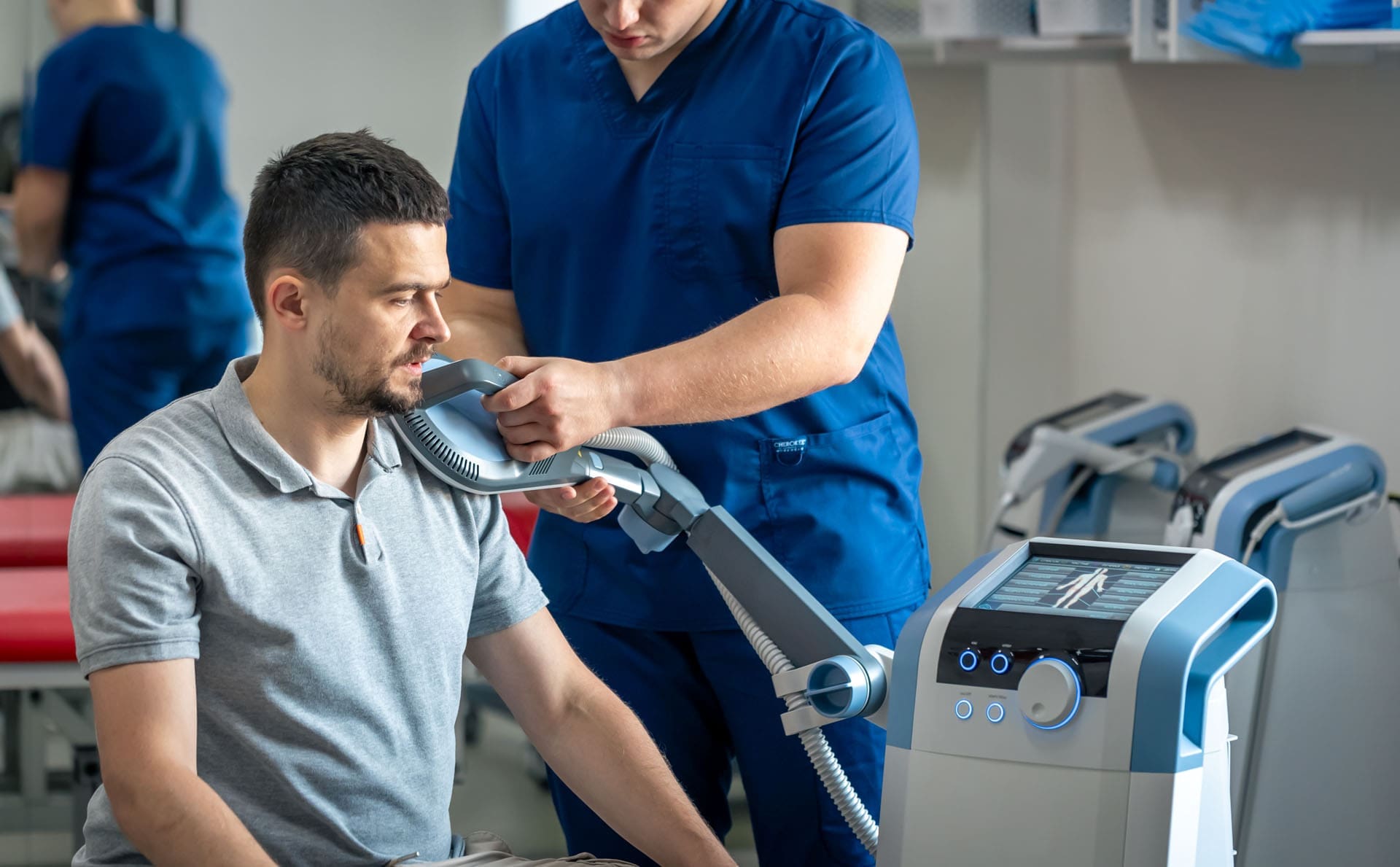
Electromagnetic therapy of the back: a physiotherapist doctor works with a patient with a traumatic brain injury from an occupational accident.
Traumatic brain injury (TBI) affects millions of people every year. A sudden blow or jolt to the head can cause headaches, dizziness, memory problems, neck pain, and poor balance. While the brain needs time and rest to heal, the body also needs gentle movement to recover fully. Early, safe exercises for the neck, core, and balance can speed healing, reduce pain, and lower the risk of falls. Integrative chiropractic care helps restore nerve signals and alignment. Nurse practitioners guide the whole recovery process. When these approaches work together, many people feel stronger and clearer months faster than with rest alone.
This 3,000-word guide uses simple language and proven steps. Every exercise and idea comes from military health guides, rehab centers, and clinical experts. Always get a doctor’s okay before starting. Stop any move that causes sharp pain or new dizziness.
Why Neck Pain Is So Common After TBI
When the head snaps forward and back—like in a car crash or sports hit—the neck takes a huge force. Doctors call this whiplash-associated disorder. Muscles tighten, joints get stiff, and nerves can become irritated. Many people also develop forward head posture, where the head sits inches in front of the shoulders. Each inch forward adds about 10 pounds of stress to the neck muscles (Healthline, 2023a).
Left alone, tight neck muscles pull on the skull base, worsening headaches. They also make balance harder because the brain receives mixed signals from the upper neck. Gentle stretches and posture exercises can effectively address this issue early on.
Common Neck Problems After TBI
Muscle spasms and knots
Stiffness that limits turning the head
Headaches that start at the base of the skull
Forward head posture from pain guarding
Dizziness when moving the head quickly
Safe Neck Stretches to Start in the First Weeks
These four stretches appear on official military and rehab fact sheets. Have them sit in a firm chair with feet flat on the floor. Breathe slowly. Hold each stretch 15–30 seconds and repeat 3–5 times, 2–3 times a day.
Chin Tuck – Slide your chin straight back (like making a double chin) until you feel a stretch behind the neck. Do not tilt down. This is the single best move to fight forward head posture (U.S. Department of Defense, 2020; Healthline, 2023a).
Side Bend – Sit tall. Slowly drop one ear toward the same shoulder until you feel a stretch on the opposite side. Keep your nose pointing forward. Use the hand on top of the head for a gentle extra pull if comfortable (Achieve Brain & Spine, n.d.).
Neck Rotation – Turn your head to look over one shoulder as far as comfortable. Hold, then switch sides. Move only the neck, not the shoulders (U.S. Department of Defense, 2020).
Upper Trapezius Stretch – Sit and place one hand under your thigh to anchor the shoulder. With the other hand, gently pull the head away and slightly forward. You will feel the stretch along the side and back of the neck (Healix Therapy, n.d.).
Tip: Warm the neck first with a warm shower or heating pad for 10 minutes.
Core and Trunk Exercises That Protect the Neck and Brain
A weak core forces the neck muscles to work overtime to keep the head steady. Simple seated core moves wake up the deep stomach and back muscles without jarring the brain.
Do these 3–4 times a week. Start with 8–10 repetitions and build to 15–20.
Sitting Marching – Sit tall with hands on thighs. Lift one knee toward the chest while keeping the back straight, then lower slowly. Alternate legs. This exercise turns on the lower abs and hip flexors (Flint Rehab, 2023a).
Lateral Trunk Flexion (Side Bends) – Sit tall. Slowly slide one hand down the side of the thigh as you bend to that side. Use the opposite core muscles to pull yourself back upright. Works the obliques and reduces side-to-side sway (Illinois Department of Central Management Services, n.d.).
Seated Trunk Extension – Cross arms over chest. Lean forward 10–15 degrees, then slowly sit back tall using the back muscles. Keep the chin tucked to protect the neck (Flint Rehab, 2023a).
Seated Weight Shifts – Scoot forward on the chair so feet are flat and knees are at 90 degrees. Shift weight side to side or front to back while keeping the trunk tall. This exercise is particularly beneficial for promoting early balance (Flint Rehab, 2023a).
Balance Exercises That Are Safe After TBI
Poor balance is one of the biggest fall risks after brain injury. Start every balance exercise seated or holding onto a sturdy surface.
Beginner Level (Weeks 1–4)
Reach in different directions while seated
Heel raises and toe raises while holding a counter
March in place, holding onto a chair
Intermediate Level (Weeks 4–8)
Stand with feet together, eyes open, then eyes closed for 10–20 seconds
Single-leg stance holding a chair (5–10 seconds each leg)
Stand on a firm cushion or folded towel (Neofect, n.d.)
Advanced Level
Tandem stance (heel-to-toe) with arms out
Walk heel-to-toe in a straight line
Step over small objects while watching your feet
Do balance work for 5–10 minutes daily. Progress only when the easier level feels straightforward.
Gentle Yoga and Breathing for Brain and Body Recovery
Modified yoga poses calm the nervous system and safely stretch the entire spine.
Seated Cat-Cow – Hands on knees. Inhale and arch the back while lifting the chest and chin slightly. Exhale and round the back while tucking the chin. Move slowly with the breath (Flint Rehab, 2023b).
Seated Side Stretch – Inhale arms overhead. Exhale and lean to one side, keeping both sit bones on the chair. Hold 3–5 breaths on each side.
Chair Warrior II – Sit sideways on the chair. Extend one leg back and bend the front knee. Reach arms out for a gentle chest and hip opener.
Yoga improves balance by 36% and reduces anxiety in brain-injury patients (Flint Rehab, 2023b).
How Integrative Chiropractic Care Helps TBI Recovery
Chiropractic care is not just about “cracking” the back. Doctors of chiropractic trained in brain-injury care use gentle techniques to:
Remove pressure on nerves, leaving the spine
Restore normal motion to stiff neck joints
Reduce muscle spasms with soft-tissue therapy
Improve blood flow and oxygen to the brain
Correct forward head posture that slows healing
Studies and clinical reports show that spinal adjustments can reduce headache frequency, improve sleep, and speed return to work after concussion (Calibration Mansfield, n.d.; Northwest Florida Physicians Group, n.d.; Pinnacle Health Chiropractic, n.d.).
Dr. Alexander Jimenez, DC, APRN, FNP-BC, a dual-credentialed chiropractor and family nurse practitioner in El Paso, Texas, has treated thousands of patients with TBI, including veterans. He combines precise cervical adjustments, soft-tissue work, and functional neurology exercises. “The upper neck houses sensors that tell the brain where the head is in space. When those joints are stuck, the brain gets fuzzy signals, and balance suffers,” Dr. Jimenez explains in his clinical teaching (Jimenez, 2025). His patients often report clearer thinking and less dizziness within weeks of starting care.
The Important Role of Nurse Practitioners in TBI Care
Nurse practitioners (NPs) are trained to manage complex patients from head to toe. In TBI recovery, they:
Watch for worsening symptoms (increased swelling, seizures, mood changes)
Coordinate physical therapy, chiropractic, counseling, and medications
Teach patients and families what is normal and what needs quick attention
Adjust care plans as healing progresses
Provide follow-up visits to catch problems early (Ackerman, 2012; Mayo Clinic, 2024; Nursing Center, 2023)
Because NPs spend more time with patients than many doctors, they often spot small improvements or setbacks first. Dr. Jimenez, who also holds APRN and FNP-BC credentials, uses this whole-person view in his clinic every day.
Sample 6-Week Gentle Recovery Plan
Week 1–2 (Very Gentle Phase)
5–10 minutes of chin tucks and side bends twice daily
Sitting, marching 2 sets of 10 each leg
Deep breathing for 3 minutes
Short walks with a partner
Week 3–4 (Add Core and Balance)
Add lateral trunk flexion and seated trunk extension
Begin seated weight shifts and reaching
One chiropractic visit for evaluation and gentle adjustment
Week 5–6 (Build Strength and Confidence)
Add standing balance drills with support
Try modified cat-cow and seated yoga stretches
Increase reps to 15–20
Weekly chiropractic care and NP follow-up
Rest for at least one full day between harder sessions. Keep a simple journal: note pain level (0–10), dizziness, and energy. Share it with your team.
Drink water all day (half your body weight in ounces)
Eat protein and colorful vegetables at every meal
Limit screen time in the first weeks—use blue-light glasses if needed
Join an online TBI support group for encouragement
Walk outside in nature when symptoms allow
When to Call the Doctor Right Away
Stop exercising and seek help if you have:
Sudden severe headache
Vomiting or vision changes
Worsening confusion or slurred speech
Seizure or loss of consciousness
Final Thoughts: Healing Is Possible and Often Faster Than You Think
A traumatic brain injury feels overwhelming at first, but the brain and body are built to heal. Gentle neck stretches, core work, balance drills, chiropractic adjustments, and strong nurse practitioner guidance give your recovery the best chance. Start small, stay consistent, and celebrate every tiny win.
Thousands of people—including veterans treated by Dr. Alexander Jimenez—return to work, sports, and family life after TBI by using exactly these safe, evidence-based steps. You can too.
Nourishing Your Brain: Diet and Integrative Care for Recovery After Brain Injury
A couple prepares a healthy meal after the husband sustained a major head trauma in a construction accident
Brain injuries can happen from accidents, sports, or falls. They affect how the brain works, leading to problems such as memory loss, headaches, or difficulty moving. Recovery takes time, but what you eat and how you care for your body can make a big difference. A good diet provides your brain with the building blocks it needs to heal. Supplements might add extra support, but always check with a doctor first. Integrative care, such as chiropractic methods, can address body issues related to the injury. This article looks at simple ways to eat better, use supplements wisely, and get expert help for better recovery.
Many people recover from brain injuries with the right support. Nutrition plays a big role because the brain uses a lot of energy and nutrients. After an injury, the body loses some key vitamins and minerals. Eating foods rich in protein, healthy fats, and antioxidants can rebuild cells and reduce swelling. Diets like the ketogenic or Mediterranean style are often suggested because they focus on whole foods that boost brain health (UCLA Health, 2023). Adding care from chiropractors and nurse practitioners can address pain and overall health.
Why Nutrition Matters in Brain Injury Recovery
The brain needs fuel to repair itself after an injury. Trauma can cause inflammation, cell damage, and energy shortages. A nutrient-rich diet helps fight these issues. For example, proteins help fix tissues, while good fats like omega-3s protect brain cells. Antioxidants from fruits and veggies help reduce the harm caused by free radicals, which are like harmful particles that damage cells.
Proteins are key because they provide amino acids for healing. The brain uses more protein after injury to rebuild.
Healthy fats, especially omega-3s, make up much of the brain’s structure. They help with thinking and memory.
Antioxidants fight swelling and protect against further damage.
Lean proteins keep energy steady without extra calories that could lead to weight gain.
Studies show that starting healthy nutrition early can improve outcomes. People who eat well have better cognition and less fatigue (Flint Rehab, 2023). Without proper nutrition, recovery might slow down because the body lacks essential nutrients.
Brain injuries often lead to changes in metabolism. The brain might crave sugar, but too much can cause crashes. Instead, focus on balanced meals. Hydration is also important—drink plenty of water to avoid dehydration, which worsens symptoms like tiredness.
Recommended Diets for Brain Injury Recovery
Two diets stand out for brain injury recovery: the ketogenic diet and the Mediterranean diet. Both emphasize whole foods and limit junk. The ketogenic diet is low in carbs and high in fats, which helps the brain use ketones for energy when glucose is hard to process after injury. The Mediterranean diet includes lots of plants, fish, and olive oil, which support long-term brain health.
The Ketogenic Diet
This diet shifts the body to burn fat for fuel. It’s helpful after a brain injury because the brain can struggle with sugar metabolism. Ketones provide a steady energy source.
Eat high-fat foods like avocados, nuts, and olive oil.
Include proteins such as eggs, cheese, and fatty fish.
Limit carbs from bread, pasta, and sweets.
Benefits include better cognition and reduced inflammation.
Animal studies show this diet boosts recovery, and it’s promising for humans (Flint Rehab, 2023). Start slowly and track how you feel.
The Mediterranean Diet
This diet is based on eating like people in Mediterranean countries. It’s rich in fruits, veggies, grains, and fish.
Focus on vegetables like spinach, kale, and broccoli for their vitamin content.
Add fruits such as berries for antioxidants.
Use whole grains like brown rice for steady energy.
Include fish twice a week for omega-3 fatty acids.
Use olive oil instead of butter.
This diet helps with memory and reduces cognitive decline. It’s easy to follow and tasty (Headway, n.d.). People recovering from TBI often see better brain function with this approach.
Both diets stress quality over quantity. Aim for colorful plates to get a mix of nutrients. For example, add berries to yogurt or salmon to salads.
Key Foods to Include in Your Diet
After a brain injury, pick foods that rebuild the brain. Focus on proteins, fats, and antioxidants. These help with healing and energy.
Proteins for Tissue Repair
Protein is like the building material for cells. After an injury, the body needs more to fix the damage.
Lean meats like chicken or turkey provide zinc, which is low after TBI.
Fish such as salmon offer protein plus omega-3s.
Plant options like beans and lentils are good for vegetarians.
Eggs provide choline for memory.
Eat protein at every meal to keep levels steady (Gaylord, n.d.).
Good Fats, Especially Omega-3s
Fats are essential for the structure of brain cell walls. Omega-3s reduce swelling and improve thinking.
Fatty fish: Salmon, mackerel, sardines.
Nuts and seeds: Walnuts, flaxseeds, pumpkin seeds.
Oils: Olive oil, flaxseed oil.
These fats protect against further damage (Lone Star Neurology, 2023).
Antioxidant-Rich Fruits and Vegetables
Antioxidants fight free radicals that harm cells after injury.
Berries: Blueberries, strawberries for flavonoids.
Citrus: Oranges, lemons for vitamin C.
Veggies: Broccoli, spinach, bell peppers.
Others: Dark chocolate, turmeric.
These foods boost brain growth factors like BDNF (Brain Injury Hope Foundation, n.d.).
Lean Proteins and Other Essentials
Choose lean sources to avoid extra fat.
Poultry and fish over red meat.
Legumes provide both fiber and protein.
Dairy, like Greek yogurt, for probiotics.
Combine these for balanced meals, like a salad with chicken, veggies, and nuts.
Supplements to Consider for Brain Injury Recovery
Supplements can fill gaps in your diet, but they’re not a replacement for food. Always talk to your doctor before starting, as they might interact with meds.
Omega-3 Fatty Acids
These help with inflammation and brain function.
Benefits: Improve memory, reduce swelling.
Sources: Fish oil supplements.
Caution: May thin blood.
Studies show they aid recovery (DeNeuro Rehab, 2023).
B Vitamins
These support energy and cell repair.
B2 (Riboflavin): Reduces recovery time in concussions.
B3 and B6: Heal damage, reduce stress.
B12: Helps with nerve protection.
A trial found B2 shortens recovery (PMC, 2024).
Creatine
This boosts energy in brain cells.
Benefits: Protects during energy crises.
Caution: More research needed.
It may delay symptoms (Rezilir Health, n.d.).
Magnesium
Helps with nerve function and reduces excitotoxicity.
Benefits: Improves cognition.
Sources: Supplements or foods like chocolate.
Low levels worsen damage (PMC, 2017).
Other supplements like vitamin D or antioxidants can help, but get tested for deficiencies first.
Foods to Reduce or Avoid
Some foods can slow recovery by causing more inflammation or energy dips.
Processed foods: High in unhealthy fats and additives.
Sugary foods: Cause crashes and weight gain.
Salty foods: Raise blood pressure.
Limit these to focus on healing foods (Headway, n.d.). Choose fresh over packaged.
Spinal manipulation: Adjusts the spine to improve function.
Non-surgical decompression: Relieves pressure on nerves.
This aids musculoskeletal problems and nervous system health. It can reduce headaches and improve memory (Chiro-Med, n.d.).
Dr. Alexander Jimenez, a chiropractor and nurse practitioner, notes that TBIs can cause hidden nerve damage and symptoms such as tinnitus or sciatica. His integrative approach uses chiropractic to rebuild mobility and relieve pain without surgery (DrAlexJimenez.com, n.d.). He combines this with nutrition for better outcomes.
Role of Nurse Practitioners in Recovery
Nurse practitioners oversee overall care. They order lab tests to find deficiencies and suggest changes.
Test for low vitamins or minerals.
Prescribe supplements or diet plans.
Monitor progress.
This ensures personalized care (LinkedIn, n.d.).
Dr. Jimenez, as an APRN and FNP-BC, uses functional medicine to address root causes. He notes that nutrition supports immune and gut health, which are key to brain recovery.
Combining Diet, Supplements, and Care
Put it all together for the best results. Eat a Mediterranean or keto diet, add supplements if needed, and get chiropractic help. Track weight and energy. Small changes add up.
Meal ideas: Salmon with veggies, berry smoothies.
Daily tips: Walk gently, sleep well.
Seek help from doctors like Dr. Jimenez for integrated plans.
Recovery is possible with these steps (Cognitive FX, n.d.).
Conclusion
Healing from brain injury involves smart eating, careful supplements, and expert care. Focus on proteins, omega-3s, and antioxidants while avoiding junk. Chiropractic and nurse practitioner support make a difference. Dr. Jimenez’s work shows that integrative methods work well. Talk to your doctor and start small for better brain health.
Lucke-Wold, B., Sandsmark, D. K., & Menon, D. K. (2017). Supplements, nutrition, and alternative therapies for the treatment of traumatic brain injury. Nutritional Neuroscience, 21(2), 79-91. https://pmc.ncbi.nlm.nih.gov/articles/PMC5491366/
Vonder Haar, C., & Hall, K. D. (2024). Mitigating traumatic brain injury: A narrative review of supplementation and dietary protocols. Nutrients, 16(16), 2665. https://pmc.ncbi.nlm.nih.gov/articles/PMC11314487/
Understanding the Gut-Brain Connection After Traumatic Brain Injury: How Chiropractic Care Can Help Restore Balance
A woman is experiencing gut pain symptoms after sustaining a head injury in a motor vehicle crash.
Traumatic brain injury, often called TBI, happens when a sudden blow or jolt to the head disrupts normal brain function. This can range from mild concussions to severe cases that change lives forever. However, many people are unaware that TBI doesn’t just affect the head—it can also impact the entire body, particularly the gut. The gut and brain communicate with each other constantly through a network known as the gut-brain axis. When TBI occurs, this chat becomes disrupted, leading to issues such as leaky gut, imbalanced gut bacteria, and poor digestion. These issues can exacerbate the brain injury by spreading inflammation throughout the body. On the other hand, simple changes like chiropractic adjustments may help alleviate issues by calming nerves, reducing inflammation, and strengthening the gut-brain connection.
In this article, we’ll break down how TBI harms the gut, the symptoms it causes, and why the gut matters for healing the brain. We’ll also examine how integrative chiropractic therapy—think spinal adjustments to enhance nerve signals—can alleviate digestive issues and promote recovery. Drawing from recent studies and expert insights, we’ll keep it straightforward so you can grasp the science without getting lost in jargon.
What Is Traumatic Brain Injury, and Why Does It Matter for Gut Health?
TBI strikes about 69 million people worldwide each year, from car crashes to sports hits (Dhar et al., 2024). Right after the injury, the brain swells and releases signals that stress the body. This stress doesn’t stay in the head; it travels down nerves and hormones to the belly. The gut-brain axis is like a two-way street: the brain instructs the gut when to digest food, and the gut sends back signals that influence mood and focus.
When TBI blocks this street, the gut suffers. One significant change is increased gut permeability, also known as “leaky gut.” Normally, the gut wall acts like a tight filter, letting nutrients in but keeping junk out. After a TBI, that filter loosens, allowing bacteria and toxins to slip into the blood. This sparks body-wide inflammation, which in turn inflames the brain further (Nicholson et al., 2019).
Here’s a quick list of how TBI disrupts the gut-brain axis:
Nerve Signal Glitches: The vagus nerve, a key player in the autonomic nervous system, gets thrown off, slowing gut movement and causing backups.
Hormone Shifts: Stress hormones, such as cortisol, spike, weakening the gut lining.
Immune Overdrive: Brain damage triggers alarm signals that activate gut immune cells, resulting in swelling.
These changes don’t just cause tummy troubles—they can drag out brain fog, fatigue, and even raise risks for long-term issues like depression or Alzheimer’s (Nicholson et al., 2019). Restoring the gut could significantly contribute to the recovery from traumatic brain injury.
The Gut’s Hidden Role in Brain Healing
Your gut isn’t just for breaking down lunch; it’s a powerhouse for brain health. It houses trillions of bacteria—the microbiome—that make feel-good chemicals like serotonin, which boosts mood and sleep. Approximately 90% of serotonin originates from the gut, rather than the brain (Nicholson et al., 2019). After a TBI, this factory slows down, leaving you irritable or exhausted.
The gut also absorbs key nutrients essential for brain repair, such as omega-3s for nerve growth and B vitamins for energy. When gut issues arise, you miss them, stalling the healing process. Additionally, healthy gut bacteria combat inflammation, facilitating the brain’s ability to rewire itself through neuroplasticity—the brain’s capacity to form new neural pathways.
Microbiome Magic: Good bacteria produce short-chain fatty acids (SCFAs) that calm brain swelling and support new cell growth.
Barrier Buddies: A strong gut wall blocks toxins that could cross the blood-brain barrier and worsen damage.
Mood Messengers: Gut signals via the vagus nerve influence stress and focus, key for rehab.
Studies indicate that TBI patients with gut imbalances have slower recovery and more cognitive slips (Hassan et al., 2020). However, nourishing the gut with the right foods or therapies can help reverse the situation.
How TBI Leads to Leaky Gut and Bacterial Imbalance
Leaky gut starts fast after TBI—sometimes in hours. Brain trauma intensifies stress responses, flooding the body with catecholamines that disrupt the gut’s tight junctions, the “zippers” that hold cells together (Pitman et al., 2021). Proteins like occludin and ZO-1 break down, letting bacteria sneak out.
This leakage triggers a firestorm: toxins enter the bloodstream, activating immune cells to release cytokines such as TNF-α and IL-6. These chemicals not only inflame the gut but also travel to the brain, fueling secondary damage (Dhar et al., 2024). In one study, TBI mice exhibited 2.5 times more gut leaks, which was linked to higher mortality rates from infections (Nicholson et al., 2019).
Dysbiosis, or bacterial imbalance, worsens. TBI alters the microbiome, with harmful bacteria, such as Proteobacteria, proliferating while beneficial ones, like Firmicutes, decline (Wang et al., 2021). This imbalance reduces SCFA production, which normally helps soothe inflammation. Human data support this—patients post-TBI have altered gut microbiomes for years, linked to poorer cognitive skills (Hassan et al., 2020).
Key signs of this gut takeover include:
Early Warning: Within days, slower gut motility leads to bloating and irregular poops.
Long Haul: Chronic dysbiosis increases the likelihood of ongoing inflammation and nutrient deficiencies.
Feedback Loop: Leaky gut feeds brain inflammation, which in turn worsens gut leaks—a vicious cycle.
Breaking this loop is crucial; without it, TBI recovery stalls (Cognitive FX, 2023).
Common Digestive Woes After a Brain Injury
TBI’s gut punch shows up in everyday gripes that sap energy and joy. Nausea strikes hard early on, often accompanied by vomiting or dry heaves, making eating a chore (Cognitive FX, 2023). Constipation is sneaky—slowed nerves mean food lingers too long, causing hard stools and belly pain. Diarrhea flips the script, from bacterial overgrowth or stress.
Other hits:
Bloating and Gas: Trapped air from poor motility feels like a balloon in your gut.
Appetite Crash: Loss of hunger leads to weight drops and missing nutrients.
Acid Issues: Reflux or heartburn from weakened barriers irritates the throat.
These aren’t just annoyances; they link to brain symptoms. For example, gut inflammation can amp up headaches or dizziness (Flint Rehab, 2023). In severe cases, feeding intolerance affects up to 50% of patients, hiking infection risks (Dhar et al., 2024). Spotting these early lets you act fast.
Inflammation: The Bridge Between Gut Chaos and Brain Strain
Inflammation is the troublemaker tying gut woes to brain hurt. After a TBI, damaged brain cells release danger signals (DAMPs) that alert the immune system. This revs up gut cytokines, which leak through the damaged wall and reach the brain, causing swelling of neurons (Pitman et al., 2021).
The gut, which contains 70% of immune cells, amplifies this process. Dysbiosis releases pro-inflammatory signals, while low SCFAs allow swelling to run rampant (Wang et al., 2021). Result? A body-wide storm that delays healing and sparks issues like epilepsy or PTSD (Hassan et al., 2020).
Chronic Creep: Lingering inflammation is linked to diseases years later, according to long-term studies.
Taming this fire is key; therapies that cool gut swelling often ease brain fog too (Nicholson et al., 2019).
Enteric Nervous System: The Gut’s Brain Goes Haywire
The enteric nervous system (ENS), your gut’s own nerve web, acts like a mini-brain, controlling wiggles and juices. TBI zaps it via vagus glitches and hormone floods, leading to dysfunction (Nicholson et al., 2019). Serotonin levels in the colon decrease, slowing peristalsis—the wave that propels food through the digestive tract (Traumatic brain injury alters the gut-derived serotonergic system, 2022).
This means gastroparesis (stomach paralysis) or spasms, which can worsen leaks and dysbiosis. ENS glia, support cells, become reactive, adding to swelling (Dhar et al., 2024). In patients, this ties to incontinence or pain lasting months.
Quick facts on ENS fallout:
Signal Static: Vagus tone drops, cutting anti-inflammatory acetylcholine.
Peristalsis Problems: Uneven waves cause backups or rushes.
Repair Potential: Boosting vagal signals can reset the ENS, per animal tests.
Restoring ENS flow could smooth digestion and brain signals alike.
Chiropractic Therapy: A Natural Treatment for Gut-Brain Blues
Integrative chiropractic care excels in this area, utilizing spinal adjustments to optimize the nervous system. Misaligned vertebrae, common after TBI whiplash, pinch nerves and disrupt gut chats (Auburn Chiropractors, 2023). Adjustments realign the spine, easing pressure and boosting vagus tone to promote better motility and reduced swelling.
Vagal Revival: A higher tone helps combat dysbiosis and leaky gut, according to studies on autonomic shifts.
Dr. Alexander Jimenez, a chiropractor with over 20 years in functional medicine, observes this in practice. At his clinic, TBI patients report less nausea and steadier bowels after adjustments, thanks to better spine-gut links. “Spinal care isn’t just for backs—it’s key to whole-body healing, including the gut-brain tie,” Jimenez notes in his wellness posts (Jimenez, 2023). His approach combines adjustments with nutrition, aligning with research on multi-modal solutions.
Real Ways Chiropractic Eases Digestive Drama Post-TBI
Patients under chiropractic care see quick wins. Adjustments lower cortisol, easing stress that tightens gut junctions (Eugene Chiropractor, 2023). A study-linked review shows reduced gastrointestinal symptoms in brain injury cases through vagus stimulation (Northwest Florida Physicians Group, 2023).
Benefits include:
Motility Makeover: Faster transit cuts constipation by 30–50%, according to some reports.
Barrier Build: Less permeability means fewer toxins, aiding brain clarity.
Pain Peace: Fewer headaches from gut-brain loops.
When combined with probiotics, it becomes a potent combination—Jimenez frequently pairs them for microbiome resets (Jimenez, 2023).
Blending Chiropractic with Other Gut-Healing Tools
Chiropractic isn’t a solo approach; it often teams with diet and supplements. Eat anti-inflammatory foods like salmon and greens to feed beneficial bacteria (Flint Rehab, 2023). Probiotics, such as Lactobacillus, help rebuild diversity by reducing cytokines (Li et al., 2024).
Nutrient Power: Omega-3s and fibers repair leaks.
Stress Soothers: Yoga plus adjustments amp vagal calm.
Med Check: Swap gut-hurting pills for gentler options.
Jimenez emphasizes the importance of personalization: “Tailor care to the patient’s axis—test microbiome, adjust spine, track progress” (Jimenez, 2023). This holistic approach aligns with studies on enteral nutrition following TBI (Zhang et al., 2024).
Long-Term Outlook: Healing the Gut for Lasting Brain Gains
Gut fixes post-TBI pay off big. Early action reduces chronic risks, such as neurodegeneration (Wang et al., 2021). Patients with balanced microbiomes show better memory and mood years out (Hassan et al., 2020).
Future paths? More trials on chiropractic for TBI patients, according to experts (Psychology Today, 2025b). Jimenez pushes for integrated clinics: “Chiro plus gut therapy—it’s the future for TBI survivors.”
Wrapping Up: Take Charge of Your Gut-Brain Health
TBI disrupts the gut-brain axis, but knowledge and action can help rebuild it. From leaky gut to dysbiosis, these hits cause real pain—but chiropractic offers a gentle reset. Start with a check-up, tweak your plate, and align your spine. Your body thanks you.
Dhar, R., et al. (2024). Dysregulated brain-gut axis in the setting of traumatic brain injury: Review of mechanisms and anti-inflammatory pharmacotherapies. PMC, 11083845. https://pmc.ncbi.nlm.nih.gov/articles/PMC11083845/
What Happens to Your Spine After a Crash, Work Injury, Sports Hit, or Head-First Fall?
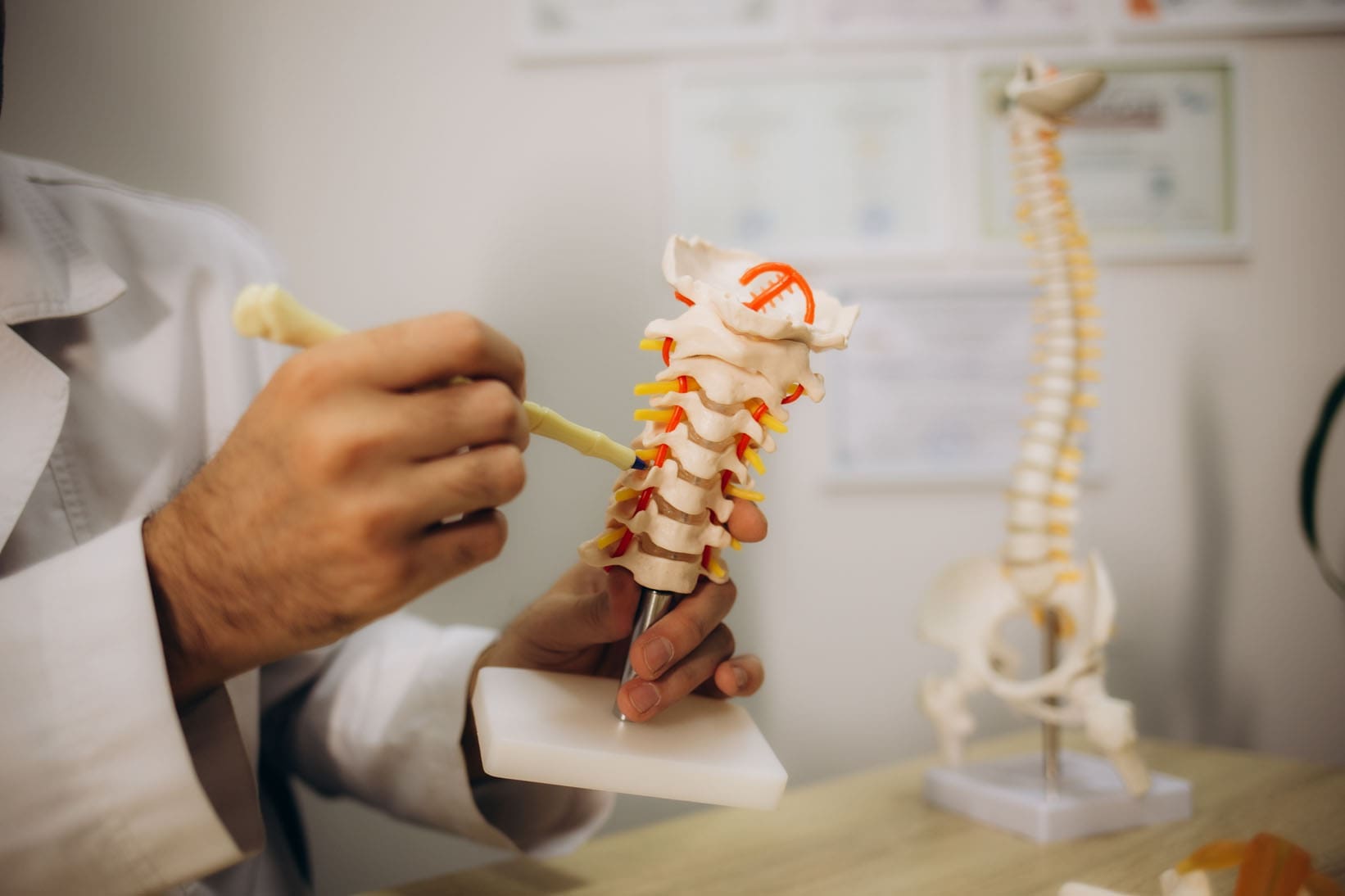
The doctor explains to a patient, who may have a head injury from an accident, what happens to the spine after a high-impact collision using a vertebral column model.
Overview: Why high-impact events strain the spine (and sometimes the brain)
When you are involved in a car accident, get hurt at work, collide in sports, or fall and hit your head, your spine absorbs fast, complex forces. These include flexion and extension (bending forward and back), rotation (twisting), lateral bending, and compression (axial loading). Sudden acceleration or deceleration—especially with rotation—can cause joints to move beyond their normal range, resulting in the stretching or tearing of soft tissues. In higher-energy trauma, vertebrae and discs can fail, and the spinal cord can be injured. The result ranges from temporary pain and stiffness to lasting changes in strength, sensation, and autonomic function if the cord is involved (Mayo Clinic, 2024; NINDS, 2025). Mayo Clinic+1
These same rapid movements can also cause brain injury. When the head moves quickly and stops suddenly, the brain can strike the inside of the skull, stretching delicate nerve fibers and triggering a concussion or a more serious traumatic brain injury (TBI). Because the brain and spine share protective bones, connective tissues, cerebrospinal fluid (CSF), and vascular pathways, injury to one often affects the other. Imaging—typically CT for bones and MRI for soft tissues and the spinal cord—helps map what happened, allowing your team to guide safe care (UT Southwestern; Utz et al., 2014). UT Southwestern Medical Center+1
The forces that damage the spine
Hyperextension and hyperflexion: Whipping motions (for example, rear-end collisions) can over-stretch ligaments and joint capsules, irritate facet joints, and provoke muscle spasm—commonly called “whiplash.” In severe cases, hyperextension can fracture the posterior elements of the C2 vertebra (a “hangman’s fracture”) (Torlincasi, 2022). NCBI
Axial compression: A head-first impact loads the spine in a vertical direction. If the neck is slightly flexed, axial compression can cause vertebrae to collapse or a vertebral body to burst. In sports, this mechanism is strongly linked to catastrophic cervical injuries (Boden, 2008). PubMed
Torsion and lateral bending: Twisting and side-bending add shear forces that can tear annular fibers in discs and sprain supporting ligaments.
Deceleration with rotation: High-speed stops—common in crashes—can combine rotation with hyperflexion or extension, increasing the risk of disc herniation, ligament failure, and even vascular injury to the carotid or vertebral arteries (van den Hauwe et al., 2020). NCBI
Common spinal injuries after high-impact events
1) Soft-tissue injuries (strains, sprains, and whiplash)
What happens: Muscles and tendons strain; ligaments sprain. The facet joints can become inflamed; posture and movement patterns change to guard the area.
How it feels: Neck or back pain, stiffness, headaches, limited range of motion, and sometimes dizziness or visual strain.
Why it matters: Even when X-rays are normal, these injuries can disturb joint mechanics and load discs and nerves abnormally, delaying recovery and sometimes causing chronic pain.
2) Disc injuries (bulges and herniations)
What happens: The inner gel of the disc pushes through weakened outer fibers (annulus). A herniation can compress nearby nerves, causing radiating pain, numbness, or weakness.
Symptoms: Sharp neck or back pain accompanied by arm or leg symptoms (radiculopathy). Coughing or sneezing can worsen it.
Evidence Suggests That Disc herniation and nerve irritation are common after rapid flexion-extension and axial loading; severe cases may contribute to cord compression syndromes that require urgent attention (Mayo Clinic, 2024). Mayo Clinic
What happens: Sudden load exceeds bone strength. In the neck, a C2 “hangman’s fracture” is a classic hyperextension injury; other levels can fracture from compression or flexion-distraction.
How it feels: Severe focal pain, limited motion, neurologic changes if nerves are involved.
Evidence: Hangman’s fractures involve bilateral C2 pars/pedicle fractures from extreme hyperextension and deceleration—often diving or motor-vehicle collisions (Torlincasi, 2022). CT rapidly detects fractures; MRI checks ligaments and cord (Utz et al., 2014). NCBI+1
4) Spinal cord injury (SCI)
What happens: The cord, or cauda equina, is damaged by compression, contusion, or transection. Secondary cascades—such as edema, ischemia, and inflammation—can worsen deficits over time.
How it feels: Loss of strength or sensation below the injury, reflex changes, spasticity, balance problems, and bowel/bladder or autonomic dysfunction. Some effects can be permanent (Mayo Clinic, 2024; NINDS, 2025). Mayo Clinic+1
What happens: The carotid or vertebral arteries tear or dissect during high-energy neck trauma, risking delayed stroke.
Why it matters: Complications often occur hours to days after injury. Early identification and timely antithrombotic therapy lower the risk of ischemic events (van den Hauwe et al., 2020). NCBI
Sports, work, and falls: settings that raise risk
Sports: Football, ice hockey, wrestling, diving, skiing/snowboarding, rugby, and cheerleading have the highest risk for catastrophic spinal injuries. Axial loading to the crown of the head with slight neck flexion can cause cervical fracture and quadriplegia in any sport (Boden, 2008). PubMed
Work: Heavy lifting, falls from height, and high-energy impacts around vehicles and machinery threaten the spine.
Falls with head impact: Head-first falls concentrate force into the upper cervical spine and brain, raising the risk of combined neck injury and concussion/TBI (Weill Cornell Medicine Neurosurgery, n.d.; NINDS, 2025). NINDS
The brain–spine connection: why TBIs and spine injuries overlap
Fast acceleration-deceleration events that injure the neck also cause the brain to shake. The brain can bump the skull, causing stretch and shear of axons (diffuse axonal injury). Secondary biochemical cascades—excitotoxicity, oxidative stress, and neuroinflammation—can prolong symptoms such as headaches, dizziness, cognitive impairment, sleep disturbances, and mood changes (Mayo Clinic, 2024; NINDS, 2025). Clinically, many people present with a combined pattern, including neck pain and limited motion, vestibular symptoms, visual strain, and cognitive complaints, all of which occur after the same incident. A coordinated plan that screens for red flags, protects the spine, and addresses vestibular/ocular issues tends to help. Mayo Clinic+1
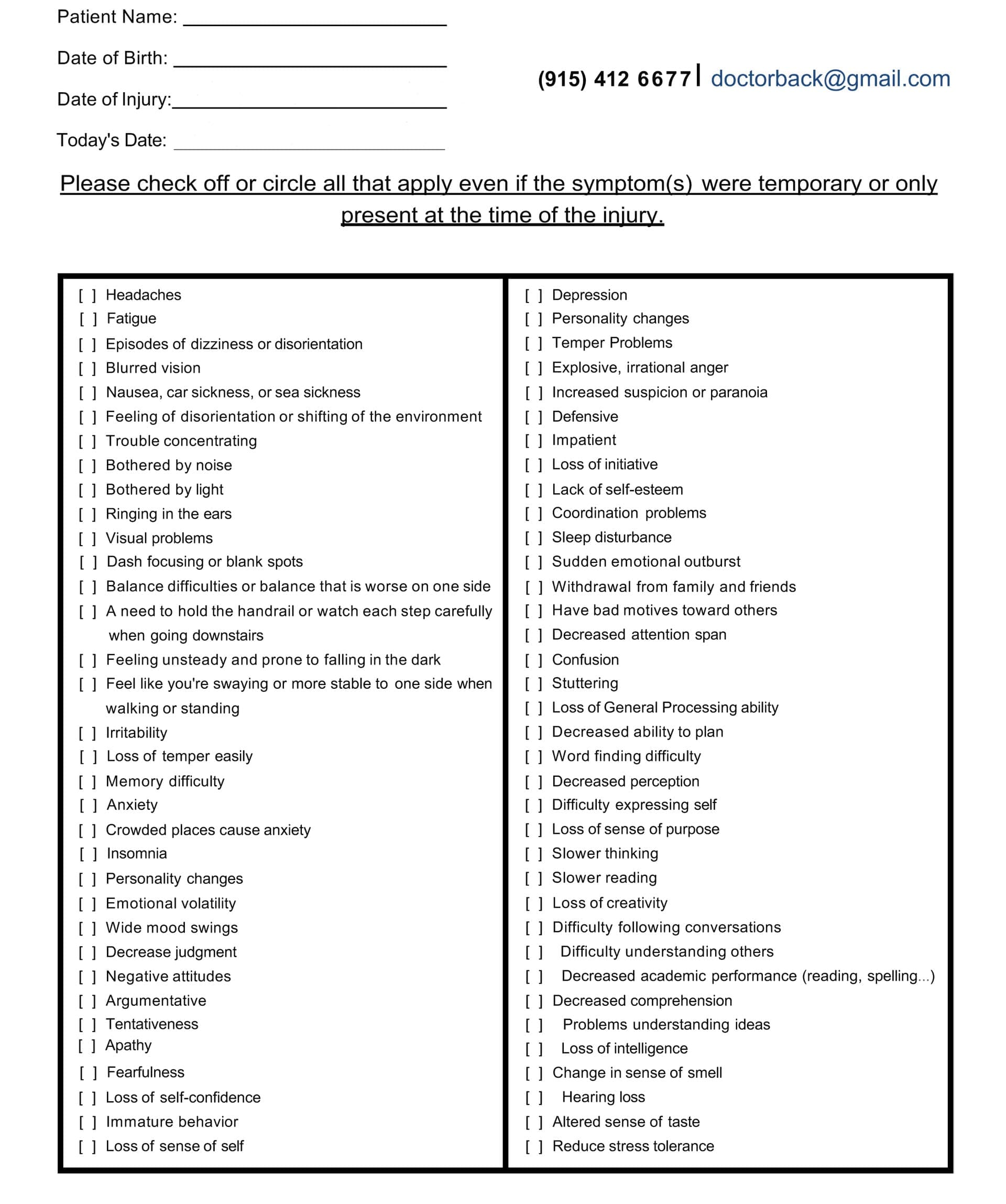
Head Injury/TBI Symptom Questionnaire:
Head Injury/TBI Symptom Questionnaire
How clinicians figure out what’s wrong
History and red-flag screen Loss of consciousness, severe or worsening headache, focal weakness/numbness, gait problems, bowel/bladder changes, saddle anesthesia, midline tenderness, or high-risk mechanism triggers urgent imaging and referral.
Physical and neurological exam Range of motion, palpation, motor/sensory/reflex testing, gait and balance, and provocative maneuvers help localize likely pain generators and nerve involvement.
Imaging strategy
CT quickly detects fractures and acute instability.
MRI is superior for ligaments, discs, cord edema/contusion, and nerve root compression.
Vascular imaging (CTA/MRA) is considered when signs or fracture patterns raise suspicion for BCVI (Utz et al., 2014; van den Hauwe et al., 2020). PubMed+1
Sports and work considerations Return-to-play or return-to-work decisions require symptom-guided progression and objective measures (strength, balance, vestibulo-ocular function, and safe lifting mechanics).
What recovery looks like: evidence-informed options
Acute protection and symptom control: Relative rest from provocative motions, pain-modulating strategies, and careful mobilization as tolerated.
Rehabilitation: A graded plan to restore mobility, strength, coordination, and endurance while protecting healing tissues.
Medication and interventional options: Based on the diagnosis and response, primary care, PM&R, neurology, pain management, or spine surgery may add targeted medications, injections, or consider operative care for unstable injuries or progressive neurological deficits.
Education and pacing: Clear timelines, ergonomic coaching, sleep support, and gradual exposure reduce flare-ups and promote consistent gains.
For moderate-to-severe SCI, long-term rehabilitation focuses on function, adaptive strategies, spasticity management, and prevention of complications; research continues on neuroregeneration and advanced technologies (NINDS, 2025; Mayo Clinic, 2024). NINDS+1
Where integrative chiropractic care fits
Important note: Chiropractic does not treat or reverse spinal cord injury. In an integrative model, chiropractic focuses on the mechanical and neuromusculoskeletal contributors to pain and movement limits, and works alongside medical specialists to co-manage complex cases.
What integrative chiropractic care emphasizes:
Thorough medical screening and referral when needed Chiropractors trained in trauma-informed assessment screen for red flags (neurological deficits, cord compression signs, suspected fracture or BCVI). Concerning findings prompt immediate imaging and referral to emergency, neurology, or spine surgery (UT Southwestern; Utz et al., 2014). UT Southwestern Medical Center+1
Gentle, graded manual care For appropriate cases (after imaging or when clinical decision rules indicate safety), joint mobilization or carefully selected adjustments may reduce painful joint restriction, improve movement, and support posture. Soft-tissue therapy helps calm protective spasm and restore glide.
Sensorimotor retraining Cervical stabilization, scapular control, proprioceptive drills, and graded vestibular/oculomotor exercises can help reduce dizziness, improve gaze stability, and normalize head–neck control patterns that often persist after crashes and sports impacts (UT Southwestern; Dr. Jimenez, 2025). UT Southwestern Medical Center+1
Posture, breathing, and load-management Rib-cage mechanics, diaphragmatic breathing, and dynamic posture training lower strain on the neck and lower back during daily tasks and lifting (Dr. Jimenez, 2025). El Paso, TX Doctor Of Chiropractic
Circulation and CSF considerations (clinical observation) Some integrative chiropractic programs incorporate strategies to optimize cervical mobility and thoracic outlet mechanics as part of a comprehensive plan that supports fluid dynamics and symptom relief. This is a developing area; clinicians should avoid over-promising benefits in serious neurological disease. In Dr. Jimenez’s clinic, CSF flow is considered within a broader framework of posture and movement for symptom-driven care (Jimenez, 2025). El Paso, TX Doctor Of Chiropractic
Whole-person coordination Chiropractors and nurse practitioners (NPs) can coordinate with PM&R, neurology, radiology, physical therapy, and behavioral health to align goals, including restoring motion, quieting pain, normalizing movement patterns, and supporting a return to activity. Dr. Alexander Jimenez, DC, APRN, FNP-BC, documents these collaborative pathways in his clinical articles and patient education resources (Jimenez, 2025). El Paso, TX Doctor Of Chiropractic+2 El Paso, TX Doctor Of Chiropractic+2
Step-by-step recovery roadmap (what a typical plan may include)
Day 0–7: Protect and clarify
Red-flag screen; order imaging when indicated.
Calm pain and inflammation; protect the neck/back from high loads.
Begin gentle motion (as tolerated) to avoid stiffness.
If a concussion/TBI is suspected, initiate a symptom-paced, relative rest plan with light activity and screen time limits; add vestibular/ocular drills as appropriate.
Weeks 2–6: Restore motion and control
Progress manual care (mobilization/adjustment as appropriate).
Sports safety insight: Catastrophic neck injuries often occur with axial loading to the crown in slight neck flexion. Coaching “heads-up” posture and avoiding head-first contact reduces risk (Boden, 2008). PubMed
Special situations that need immediate care
Progressive weakness, numbness, or trouble walking
Bowel or bladder changes; saddle anesthesia
Severe midline spine tenderness after high-risk trauma
Suspected fracture or dislocation
Stroke symptoms after neck trauma (possible BCVI): sudden one-sided weakness, facial droop, vision/language changes, or severe new headache—call emergency services (van den Hauwe et al., 2020). NCBI
Dr. Alexander Jimenez’s clinical observations (El Paso, TX)
Drawing from a dual-scope practice as a Doctor of Chiropractic and Board-Certified Family Nurse Practitioner, Dr. Jimenez highlights:
Early triage matters: identify red flags and co-manage quickly with imaging and specialty referrals when indicated.
Gentle first, then graded: start with low-load mobility and stabilization; add manual care and progressive loading as tissues tolerate.
Sensorimotor work is a staple: vestibular/ocular drills, as well as balance training, help patients with combined neck pain and concussion symptoms move forward.
High-impact events stress the spine through flexion/extension, rotation, and compression—causing soft-tissue injury, disc herniation, fractures, and, in severe cases, spinal cord injury.
The same forces often injure the brain; combined neck and concussion symptoms are common after crashes and sports impacts.
CT and MRI complement each other: CT for bone, MRI for ligaments, discs, cord, and nerves; screen for BCVI when red flags or fracture patterns suggest vascular risk.
Integrative chiropractic care involves a team-based approach, which includes carefully screening patients, using gentle manual methods when appropriate, retraining movement and balance, and collaborating with medical specialists.
With a clear roadmap and coordinated care, most people improve and return to their normal activities. For severe SCI, long-term rehabilitation and assistive strategies remain essential.
How Head Trauma Can Trigger Sciatica: The Hidden Link and Ways to Heal
A doctor of chiropractic explains to an automobile accident patient how a head injury can cause sciatica and lower back problems.
Head injuries can occur in car crashes, sports-related falls, or everyday slips. They shake the brain and body in ways you might not expect. One surprising outcome? Sciatica. That’s the sharp pain shooting down your leg from a pinched sciatic nerve. Many people don’t connect a bump on the head to that nagging leg ache. However, science reveals a clear connection between the two. This article breaks it down simply. We’ll explore how head trauma messes with your spine and nerves. We’ll also cover how gentle chiropractic care can help ease pain and speed up recovery. If you’ve had a head injury and now feel leg pain, this could explain why—and what to do next.
What Is Head Trauma and How Does It Relate to Sciatica?
Head trauma means any blow to the skull that jars the brain. It ranges from mild concussions to severe traumatic brain injuries (TBI). A concussion might leave you dizzy for days. A serious TBI could mean hospital stays and long-term changes. These injuries don’t just affect thinking. They ripple through the whole body.
Sciatica is a type of pain caused by the sciatic nerve. This nerve starts in your lower back and runs down each leg. It’s the longest nerve in your body. When irritated, it causes burning, tingling, or shooting pain from the butt to the foot. Common causes include herniated discs or tight muscles. But head trauma adds a twist. It can trigger changes deep within your nervous system that lead to nerve trouble.
Studies show that up to 78% of TBI survivors deal with ongoing pain. That includes back and leg aches, such as sciatica. Why? The brain controls everything, including how your spine moves. A head hit disrupts that control.
Dr. Alexander Jimenez, a chiropractor in El Paso, Texas, frequently observes this phenomenon in his clinic. As a Doctor of Chiropractic and Nurse Practitioner, he treats patients after accidents. He notes that head trauma often hides as simple bumps but leads to widespread pain. In his observations, many patients come in with leg pain that they attribute to old falls or crashes. His team uses functional medicine to trace the issue back to the brain-spine connection.
How Head Trauma Alters Brain Control Over Spinal Muscles
Your brain is like a boss for your muscles. It sends signals down the spinal cord to maintain balance. Head trauma throws that off. A TBI damages brain areas that regulate movement. This leads to spasticity—tight, jerky muscles in the legs and back.
Think of it this way: Normally, your brain tells spinal muscles to relax and stretch smoothly. After a head injury, those signals glitch. Muscles in the lower back get out of sync. They pull unevenly on the spine. Over time, this puts strain on the sciatic nerve roots as they exit the lower back.
One study found that mild TBIs cause extra sensitivity in the legs. It’s as if the brain amplifies pain signals through chemicals called chemokines. These build up in the spinal cord, making nerves fire too easily. For sciatica, this means even small movements cause more pain.
Dr. Jimenez observes this in athletes after concussions. “Patients tell me their legs feel heavy, like they’re fighting their own body,” he shares in his wellness podcasts. His clinic uses nerve tests to spot these glitches early. By addressing them, they prevent the pain from becoming chronic.
This muscle chaos doesn’t stop at the back. It can weaken core support, leading to poor posture. Slouching adds pressure on the sciatic nerve. It’s a slow build, but real.
Head Injury/TBI Symptom Questionnaire:
Head Injury/TBI Symptom Questionnaire
Misalignment and Muscle Impairment: Irritating the Sciatic Nerve
Head trauma often hits the neck hard. The force whips the head forward and back—like in a car crash. This misaligns the upper spine, particularly the top vertebrae, known as the atlas and axis. That misalignment travels down like a domino fall.
Impaired muscles from brain signals exacerbate the condition. Tight neck muscles pull the spine off-kilter. In the lower back, this squeezes discs and nerves. The sciatic nerve can become pinched between bones or become inflamed. Result? That classic leg zap.
Research backs this. Up to 8% of severe TBI cases come with spine injuries. Even mild ones raise the risk. A study on 180 patients showed that older folks or those with low consciousness scores face higher odds. The neck shift stresses the whole chain, irritating the sciatic nerve.
Concussions alone can spark lower back pain. The brain’s balance center gets knocked. Muscles overwork to compensate, tiring the back. Dr. Jimenez refers to this as the “cascade effect” in his LinkedIn posts. He treats it with targeted adjustments to reset muscle tone.
Raising the Risk of Further Spinal Damage
Head trauma doesn’t just irritate—it invites more trouble. A damaged brain means slower reflexes. You might stumble more easily, leading to falls that jar the spine again. Plus, inflammation from TBI spreads. It swells the tissues around the spine, causing the discs to bulge and the nerves to become vulnerable.
One key risk: Concomitant injuries. That’s when head and spine hits happen together. In motor vehicle crashes—the top TBI cause—neck strains often tag along. This doubles the chance of disc slips that pinch the sciatic nerve.
Dr. Jimenez observes this in patients involved in car accidents. “A rear-end collision jars the brain and twists the lumbar spine,” he explains in his functional medicine series. His observations show early chiropractic checks cut re-injury risks by improving stability.
The Role of Swelling and Heterotopic Ossification in Nerve Crushing
TBI triggers swelling fast. Brain tissue bruises, and fluids build up. This chaos can spread to the body. In rare but serious cases, it leads to heterotopic ossification (HO). That’s when bone grows in soft tissues—like muscles or around nerves.
Around the sciatic nerve, HO is sneaky. It starts after hip or pelvic trauma, tied to the head hit. Scar tissue hardens into bone, encasing the nerve. Over months, this crushes it. Symptoms creep in: Numbness, weakness, foot drop.
A case report described a young man following traumatic brain injury (TBI). Seventeen months later, bilateral sciatic entrapment from hip HO caused severe pain. Surgery freed the nerve, but prevention is key. Anti-inflammatory drugs or radiation cut HO risks.
Dr. Jimenez warns of this in his injury recovery blogs. He uses imaging to identify early signs of HO in TBI patients with leg pain. His integrative plans include nutrition to fight inflammation and slow bone overgrowth.
Upper Neck Misalignment: Starting a Pain Cascade to the Sciatic Nerve
The upper neck is ground zero for many head traumas. Whiplash from falls or sports bends it unnaturally. This throws off the atlas—the top bone. It shifts pressure down the spine.
The cascade? Misaligned neck pinches nerves there. Signals to the lower back get scrambled. Muscles tighten unevenly, pulling on the lumbar joints. This stresses the sciatic nerve roots, causing inflammation and pain.
Inflammation plays a big role. Concussion swelling in the neck disrupts blood flow and nerve signals, causing significant complications. It causes the brain to misread pain, amplifying the sensation of hurt in the leg.
Dr. Jimenez’s clinical notes highlight this in veterans with whiplash-TBI. “Neck shifts create a domino pain chain,” he says. His team uses precise X-rays to map it, then adjusts to break the cycle.
Integrative Chiropractic: A Path to Relief and Recovery
Integrative chiropractic blends hands-on care with wellness tools. It’s perfect for post-head injury sciatica. No drugs or surgery—just realignment and support.
First, it realigns the spine. Gentle adjustments fix neck and back shifts. This eases nerve pressure fast. For sciatica, lumbar tweaks reduce the disc bulge on the nerve.
Second, it boosts nervous system function. Adjustments reduce interference, allowing brain signals to flow more smoothly. This calms spastic muscles and dials down pain sensitivity.
Third, it fights inflammation. Soft tissue work, like massage, releases tight spots. Add nutrition advice, including anti-inflammatory foods, and use swelling drops.
Finally, it restores cerebrospinal fluid (CSF) flow. CSF cushions the brain and spine. Trauma clogs it, raising pressure. Craniosacral therapy—light touches on the skull and sacrum—clears the path. Patients report clearer heads and less pain.
Dr. Jimenez integrates all this. His clinic mixes adjustments with functional tests. “We trace sciatica back to the head hit, then rebuild from there,” he observes. Patients who have been in accidents often experience mobility gains within weeks. One testimonial: A crash survivor ditched leg braces after targeted care.
Studies agree. Chiropractic reduces TBI pain by 50% in some individuals. For post-concussion, it eases dizziness and back aches.
Real-Life Stories and Expert Tips
Take Sarah, a soccer player Dr. Jimenez treated. A header caused a concussion and later sciatica. Adjustments realigned her neck, easing leg pain. Now she plays pain-free.
Tips from experts: Start care early. Get imaging if pain lingers post-injury. Pair chiropractic care with rest and omega-3 fatty acids for managing inflammation.
Wrapping It Up: Take Control of Your Recovery
Head trauma to sciatica seems far-fetched, but the links are strong. From brain glitches to bone growth, it stresses the sciatic nerve. Integrative chiropractic offers hope—realigning, calming, and healing.
Don’t ignore the signs. See a pro like Dr. Jimenez for a check. Your body can bounce back stronger.
IFM's Find A Practitioner tool is the largest referral network in Functional Medicine, created to help patients locate Functional Medicine practitioners anywhere in the world. IFM Certified Practitioners are listed first in the search results, given their extensive education in Functional Medicine