Find essential information on whiplash, including signs, prevention tips, and recovery strategies for optimal health.
Introduction
An abrupt impact, whether from a vehicle accident, sports injury, or fall, may cause symptoms that start off as a small shock and progress to crippling pain and functional impairment. Whiplash is one such ailment that often lacks recognition due to its intricacy. Although it is often linked to rear-end crashes, whiplash is a complex injury that, if ignored, may have long-term consequences for the musculoskeletal system and cervical spine. Have you had shoulder and neck stiffness before? Do you have persistent, chronic headaches? Or does it seem like your neck’s range of motion is limited? We’ll talk about whiplash’s frequent origins, symptoms, effects on the cervical spine and musculoskeletal system, and evidence-based therapy options to lessen the pain-like symptoms in today’s post.
What Is Whiplash?
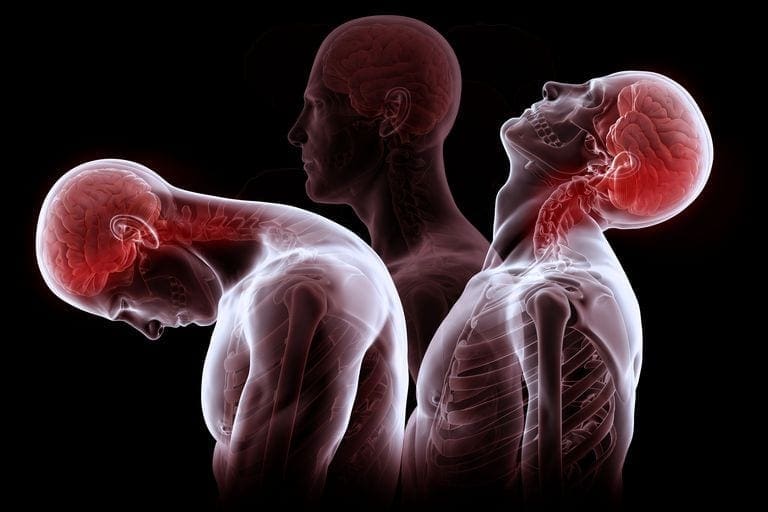
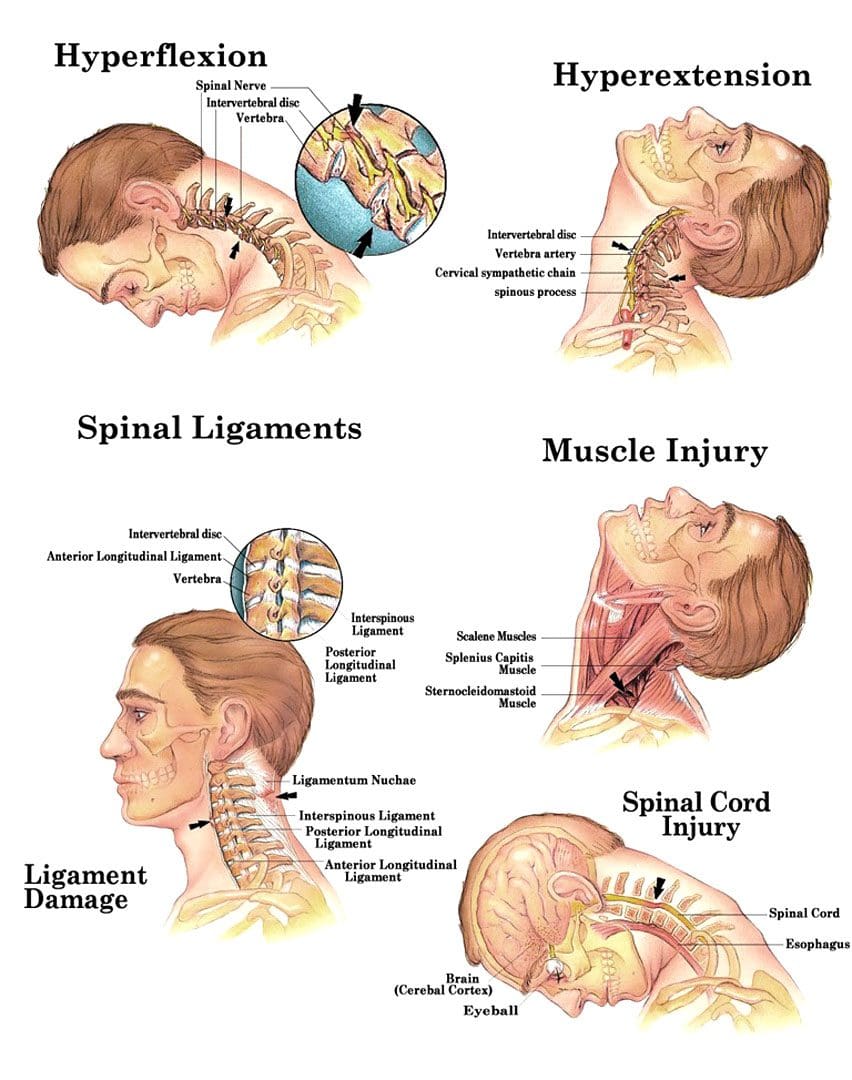
Whiplash is a type of neck injury associated with a rapid back-and-forth head-and-neck motion, mimicking the crack of a whip, hence the name. This causes persistent physical complaints and disability, and complaints when left untreated. (Mayou & Radanov, 1996) Medically, it is categorized under cervical acceleration-deceleration (CAD) injuries. This abrupt motion can damage muscles, ligaments, intervertebral discs, and even the neural structures of the cervical spine.
Common Causes Of Whiplash
While motor vehicle accidents are the most recognized cause, many mechanisms can precipitate a whiplash injury:
Even minor collisions at speeds as low as 5–10 mph can produce enough force to cause whiplash symptoms in vulnerable individuals.
Symptoms of Whiplash
When individuals are experiencing whiplash, the symptoms can appear immediately or may be delayed for 24–72 hours post-injury. Additionally, whiplash injuries are considered soft tissue injuries to the neck with various clinical symptoms that vary in severity and may include: (Chen et al., 2009)
Neck pain and stiffness
Reduced range of motion
Shoulder and upper back pain
Headaches, especially originating at the base of the skull
Jaw pain or temporomandibular joint (TMJ) dysfunction
Dizziness or visual disturbances
Tingling or numbness sensations in the arms (cervical radiculopathy)
Fatigue and cognitive issues (“whiplash-associated disorders” or WAD)
How Whiplash Affects the Cervical Spine and Musculoskeletal System
Whiplash is more than just a soft tissue injury, as it impacts several interconnected systems:
1. Cervical Spine
The rapid motion during a whiplash injury can lead to:
Cervical facet joint irritation
Intervertebral disc compression or herniation
Muscle strain or ligamentous sprain
Altered cervical lordosis, leading to chronic postural imbalances
This causes pain, stiffness, and tenderness in the neck area due to injuries within the bony, muscular, and ligamentous regions. (Alektoroff & Papanagiotou, 2021)
2. Musculoskeletal Dysfunction
Whiplash often initiates a cascade of biomechanical issues:
Myofascial pain syndromes, especially in the trapezius, levator scapulae, and sternocleidomastoid muscles
Compensatory thoracic or lumbar strain
Poor proprioception and neuromuscular control
Chronic trigger points and fibrotic tissue development
The longer these musculoskeletal imbalances persist, the more likely they will evolve into chronic pain syndromes and central sensitization.
Why Choose Chiropractic?-Video
Diagnosing Whiplash
Diagnosis is largely clinical, supported by a thorough history and physical exam. Imaging may be required to rule out more severe pathology:
X-rays: To rule out fractures or malalignment
MRI: For soft tissue or disc pathology
CT scans: If fracture or serious trauma is suspected
Functional assessments: Range of motion, palpation, neurologic evaluation
Evidence-Based Treatments for Whiplash
Treatment for whiplash should be multimodal and individualized, focusing on restoring function, reducing inflammation, and promoting healing. (Bussieres et al., 2016)
1. Chiropractic Care
Chiropractic adjustments can offer significant benefits in managing whiplash-associated disorders:
Myofascial release and soft tissue mobilization: Target muscle tension, trigger points, and fascial restrictions.
Postural retraining and ergonomic correction: Essential for long-term resolution.
Additionally, chiropractic patients experienced significant improvements in neck pain and function.
2. Physical Therapy
Individuals dealing with neck pain associated with whiplash can benefit from physical therapy to improve neck pain and disability. (Chrcanovic et al., 2022) Rehabilitative exercises are fundamental:
Neck range-of-motion drills
Isometric strengthening
Scapular stabilization and postural correction
Proprioceptive neuromuscular facilitation (PNF)
3. Functional Medicine Approach
From a functional medicine standpoint, addressing systemic inflammation, nutritional deficiencies, and stress response can enhance recovery:
Magnesium and B-complex supplementation for nerve healing
Sleep optimization and cortisol balance
4. Other Complementary Treatments
Acupuncture: Improves blood flow and pain modulation while alleviating pain and promoting relaxation. (Moon et al., 2014)
Gua Sha or cupping therapy: Relieves muscular tension
Dry needling: Effective for persistent trigger points
Manual lymphatic drainage: For patients experiencing edema or prolonged inflammation
Recovery and Prognosis
With consistent and proper treatment, many individuals recover within a few weeks. However, approximately 30–50% of individuals may develop chronic symptoms if not properly managed early on. Factors predicting prolonged recovery include:
High initial pain intensity
Poor coping mechanisms
History of prior neck injury
Psychosocial stressors
Early intervention using a holistic, integrative care model offers the best outcomes in preventing chronic whiplash-associated disorders.
Final Thoughts
Beyond the common “neck strain” classification, whiplash is a complicated neuromusculoskeletal injury that requires careful consideration by both patients and medical experts. Accurate diagnosis and successful treatment depend on an understanding of the complex effects on the cervical spine, neurology, and musculoskeletal function. Reducing symptoms and improving quality of life may be achieved by combining non-surgical treatments as part of a personalized treatment strategy.
Injury Medical & Personal Injury Clinic
We associate certified medical providers who understand the importance of assessing individuals with whiplash associated with their necks. When asking important questions to our associated medical providers, we advise patients to incorporate customized treatment plans for their pain associated with whiplash. Dr. Alex Jimenez, D.C., uses this information as an academic service. Disclaimer
References
Alektoroff, K., & Papanagiotou, P. (2021). [Whiplash injury of the cervical spine]. Radiologe, 61(8), 710-713. https://doi.org/10.1007/s00117-021-00877-5 (Schleudertrauma der Halswirbelsaule.)
Bussieres, A. E., Stewart, G., Al-Zoubi, F., Decina, P., Descarreaux, M., Hayden, J., Hendrickson, B., Hincapie, C., Page, I., Passmore, S., Srbely, J., Stupar, M., Weisberg, J., & Ornelas, J. (2016). The Treatment of Neck Pain-Associated Disorders and Whiplash-Associated Disorders: A Clinical Practice Guideline. J Manipulative Physiol Ther, 39(8), 523-564 e527. https://doi.org/10.1016/j.jmpt.2016.08.007
Chrcanovic, B., Larsson, J., Malmstrom, E. M., Westergren, H., & Haggman-Henrikson, B. (2022). Exercise therapy for whiplash-associated disorders: a systematic review and meta-analysis. Scand J Pain, 22(2), 232-261. https://doi.org/10.1515/sjpain-2021-0064
Moon, T. W., Posadzki, P., Choi, T. Y., Park, T. Y., Kim, H. J., Lee, M. S., & Ernst, E. (2014). Acupuncture for treating whiplash associated disorder: a systematic review of randomised clinical trials. Evid Based Complement Alternat Med, 2014, 870271. https://doi.org/10.1155/2014/870271
Dr. Alex Jimenez: Pioneering Integrative Care as a Chiropractor and Nurse Practitioner
Dr. Alex Jimenez, a licensed chiropractor and board-certified nurse practitioner based in El Paso, Texas, brings over 25 years of expertise to his Injury Medical & Chiropractic Clinic practice. His dual licensure provides unique insights into the etiologies, pathogenesis, and treatment of complex clinical conditions, enabling him to deliver patient-centered, integrative care that bridges physical medicine, functional medicine, and advanced diagnostics. Combining chiropractic expertise with nurse practitioner-driven medical management, Dr. Jimenez offers comprehensive treatment protocols tailored to acute and chronic conditions, promoting metabolic resilience, longevity, and whole-person wellness.
Dual Expertise: Chiropractic and Nurse Practitioner Roles
Dr. Jimenez’s practice stands out due to his ability to integrate the biomechanical focus of chiropractic care with a nurse practitioner’s diagnostic and therapeutic scope. As a chiropractor, he specializes in restoring musculoskeletal function, particularly after trauma, neck, back, spine, and soft tissue injuries. His chiropractic interventions emphasize non-invasive techniques, such as spinal decompression, manual adjustments, and functional rehabilitation, to alleviate pain and enhance mobility.
As a board-certified nurse practitioner, Dr. Jimenez employs evidence-based medicine to address systemic and metabolic dysfunctions. His expertise extends to managing chronic degenerative disorders, hormonal imbalances, weight loss, sexual health, and pain syndromes. This dual perspective allows him to identify underlying disease causes, from biomechanical misalignments to physiological imbalances, and design treatment regimens that address symptoms and root causes.
The synergy of these roles enables Dr. Jimenez to offer a holistic approach that is particularly effective for complex conditions such as sciatica, fibromyalgia, disc herniation, spondylolisthesis, and chronic neck or back pain. His integrative protocols combine functional medicine assessments, lifestyle interventions, and advanced diagnostics to achieve homeostasis and physiological balance.
Treatment Protocols: Evidence-Based and Patient-Centered
Drawing from integrative protocols outlined on his website, www.chiromed.com, Dr. Jimenez employs a multidisciplinary approach to patient care. His treatment plans are grounded in evidence-based medicine, functional medicine, and lifestyle wellness strategies, tailored to each patient’s unique health profile, lifestyle, and medical history. Below are key components of his integrative care model:
1. Chiropractic Care and Functional Rehabilitation
Spinal Decompression: Non-surgical decompression therapy is used to relieve pressure on spinal discs, addressing conditions like disc herniation, sciatica, and spinal stenosis. This modality promotes healing by improving blood flow and nutrient delivery to affected areas.
Manual Adjustments: Targeted adjustments correct spinal misalignments, reduce nerve compression, and restore joint mobility. These are particularly effective for whiplash, scoliosis, and poor posture.
Functional Strength Training: Dr. Jimenez designs conditioning programs to enhance recovery and prevent re-injury. These programs are tailored for athletes and individuals seeking optimal performance and incorporate mobility, flexibility, and agility training.
2. Functional Medicine Assessments
Functional medicine tools evaluate metabolic, hormonal, and nutritional status. These assessments identify the root causes of conditions such as fatigue, weight gain, or chronic pain, enabling precise interventions.
Advanced diagnostic protocols, including blood panels and imaging, provide data-driven insights into etiologies and pathogenesis. This allows Dr. Jimenez to address underlying dysfunctions rather than merely masking symptoms.
3. Lifestyle and Nutritional Interventions
Weight Loss and Metabolic Resilience: Dr. Jimenez integrates nutritional counseling and metabolic optimization strategies to support sustainable weight loss and prevent chronic diseases like diabetes or cardiovascular disorders.
Hormone and Sexual Health: Personalized regimens address hormonal imbalances and sexual dysfunction, improving quality of life and overall wellness.
Pain Management: Nutritional and lifestyle modifications complement physical therapies to manage chronic pain syndromes, reducing reliance on pharmaceuticals.
4. Specialized Care for Complex Conditions
Sciatica and Disc Injuries: Dr. Jimenez employs targeted decompression and rehabilitation protocols to alleviate nerve compression and restore function.
Chronic Degenerative Disorders: Conditions like fibromyalgia, arthritis, and spondylolisthesis are managed through integrative plans that combine physical therapy, nutritional support, and metabolic optimization.
Sports and Auto Accident Injuries: Tailored rehabilitation programs address soft tissue damage, shoulder injuries, and whiplash, ensuring rapid recovery and long-term resilience.
5. Advanced Wellness Programs
Dr. Jimenez’s clinic offers comprehensive wellness programs on longevity, skin care, and hair loss. These programs integrate nutritional supplementation, lifestyle coaching, and cutting-edge therapies to promote vitality and aesthetic health.
High-level conditioning programs optimize performance for athletes, incorporating functional strength training and recovery-focused interventions.
Integrative Team and Clinic Highlights
Injury Medical & Chiropractic Clinic is El Paso’s largest mobility, flexibility, and agility center, integrating chiropractors, nurse practitioners, registered nurses, nutritionists, and physical performance trainers. The clinic’s multidisciplinary team collaborates to deliver personalized care, ensuring patients achieve measurable health outcomes. Key services include:
Acupuncture: A Complementary therapy to reduce pain and promote relaxation.
Advanced Nutritional Programs: Evidence-based dietary plans to support metabolic health and recovery.
Physical Performance Training: Programs to enhance fitness, prevent injuries, and optimize athletic performance.
The clinic accepts major insurances, including Aetna, Blue Cross Blue Shield, Cigna, and First Health, making care accessible to a broad patient base.
Insights from Dual Licensure
Dr. Jimenez’s licensure as both a chiropractor and nurse practitioner provides him with a comprehensive understanding of disease processes and treatment modalities. His chiropractic training equips him to address biomechanical dysfunctions, while his nurse practitioner expertise allows him to manage systemic conditions with a medical lens. This dual perspective enhances his ability to:
Clarify Etiologies: By combining musculoskeletal assessments with metabolic and hormonal evaluations, Dr. Jimenez identifies multifactorial causes of conditions, ensuring targeted interventions.
Understand Pathogenesis: His knowledge of disease progression informs proactive treatment plans that halt or reverse degenerative processes.
Design Appropriate Regimens: Integrating physical, nutritional, and medical therapies, Dr. Jimenez creates synergistic treatment plans that address both symptoms and underlying dysfunctions.
This integrative approach is particularly valuable for patients with chronic or multifactorial conditions, as it addresses the interplay between physical, metabolic, and lifestyle factors.
Patient-Centered Care: In-Person and Online
Dr. Jimenez’s practice emphasizes personalized attention, whether patients visit in person at 11860 Vista Del Sol, Suite 128, El Paso, TX 79936, or engage through telehealth. His functional medicine series, accessible via www.dralexjimenez.com, educates patients on holistic health principles, covering topics from spinal health to metabolic optimization. The website features:
Informative Content: Blog posts, articles, and videos provide insights into chiropractic care, functional medicine, and injury rehabilitation.
Patient Testimonials: Success stories highlight the transformative impact of Dr. Jimenez’s care, showcasing outcomes for conditions like sciatica, sports injuries, and chronic pain.
Appointment Booking: A user-friendly interface allows patients to schedule in-person or online consultations, with clear guidance on what to expect during their first visit.
Commitment to Education and Community Health
Dr. Jimenez is dedicated to empowering patients through education. His website is comprehensive, offering evidence-based information on health conditions, treatment options, and wellness strategies. By fostering health literacy, Dr. Jimenez enables patients to make informed decisions and take charge of their well-being.
His commitment extends to the El Paso community, where he aims to expand access to integrative care. Dr. Jimenez promotes proactive health management and preventive care through workshops, online content, and community outreach.
Conclusion
Dr. Alex Jimenez’s dual expertise as a chiropractor and nurse practitioner positions him as a leader in integrative medicine. His ability to bridge physical medicine with systemic health management allows him to address complex clinical issues with precision and compassion. Dr. Jimenez delivers personalized care that promotes healing, resilience, and longevity by leveraging evidence-based protocols, advanced diagnostics, and lifestyle interventions.
For more information or to schedule an appointment, visit www.dralexjimenez.com or contact the clinic at +1-915-412-6677.
Studies on the effectiveness of chiropractic care for patients afflicted with pain secondary to whiplash injury are emerging. In 1996, Woodward et al. published a study on the efficacy of chiropractic treatment of whiplash injuries.
In 1994, Gargan and Bannister published a paper on the recovery rate of patients and found that when patients were still symptomatic after three months, there was almost a 90% chance they would remain injured. The study’s authors were from the Department of Orthopedic Surgery in Bristol, England. No conventional treatment was shown to be effective in these based chronic whiplash injury patients. However, high success rates have been found by whiplash injury patients through chiropractic care in recovering these types of patients.
Whiplash Treatment Study Results
In the Woodward study, 93 percent of the 28 patients studied retrospectively were found to have a statistically significant improvement following chiropractic care. Chiropractic care in this study consisted of PNF, spinal manipulation, and cryotherapy. Most of the 28 patients had prior therapy with NSAIDs collars and physiotherapy. The average length of time before when the patients began chiropractic care was 15.5 months post-MVA (range of 3-44 months).
This study documented what most DCs experience in clinical practice: chiropractic care is effective for individuals hurt in a motor vehicle accident. Symptoms ranging from headaches to back pain, neck pain, interscapular pain, and extremity pain related to paresthesias all responded to quality chiropractic care.
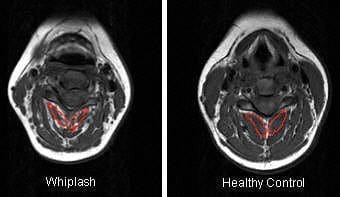
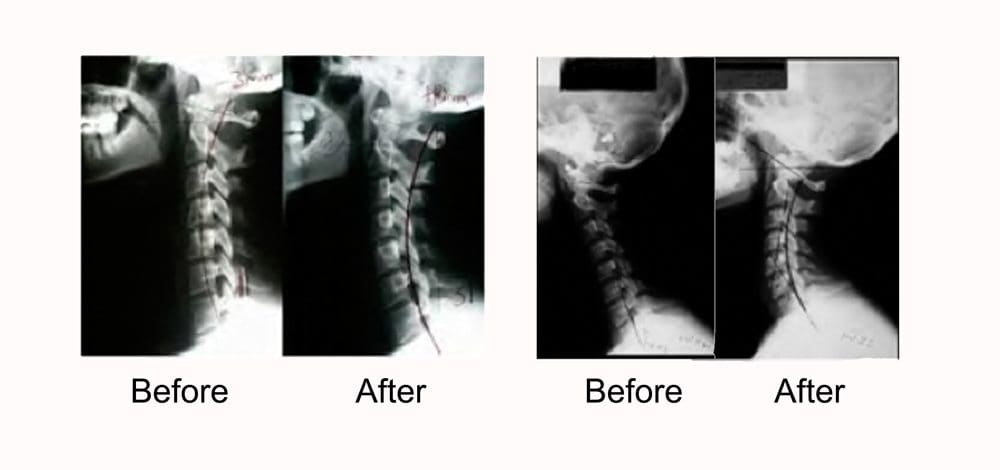
Normal & Whiplash X-Rays
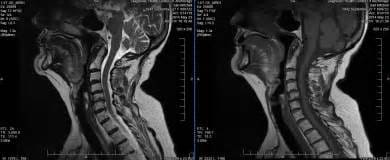
Whiplash MRI Findings
The literature has also suggested cervical disc injuries aren’t uncommon after a whiplash injury. In a study published on chiropractic care for disk herniations, it was demonstrated that patients improve clinically and that repeated MRI imaging often shows decreased size or resolution of the disk herniation. Of the 28 patients studied and followed, many had disc herniations that reacted well to chiropractic care.
In a recent retrospective study by Khan et al., published in the Journal of Orthopedic Medicine, on whiplash-injured patients concerning cervical pain and dysfunction, patients were stratified into groups based on levels of a good outcome to chiropractic care:
Group I: Patients with neck pain only and restricted neck ROM. Patients had a “coat hangar” distribution of pain with no neurologic deficits; 72 percent had a fantastic outcome.
Group II: Patients with neurological symptoms or signs and limited spinal ROM. Patients had numbness, tingling, and paresthesias in the extremity.
Group III: Patients had severe neck pain with full neck ROM and bizarre pain distributions from the extremities. These patients often described chest pain, nausea, vomiting, blackouts, and dysfunction.
The results of the study showed that in class I, 36/50 patients (72%) reacted well to chiropractic care: in group II, 30/32 patients (94 percent) responded well to chiropractic care; and in group III, only 3/11 instances (27%) responded well to chiropractic care. There was a significant difference in outcomes between the three groups.
This study provides new evidence that chiropractic care is effective for whiplash-injured patients. However, the study didn’t consider patients with back injuries, extremity injuries, and TMJ injuries. It did not identify which patients had disc injuries, radiculopathy, and concussive brain injury (most likely group III patients). These types of patients respond better to a model of chiropractic care in combination with multidisciplinary providers.
These studies show what most DCs have already experienced, that the doctor of chiropractic should be the principal care provider in these cases. It’s a common opinion that in cases like group III patients, care should be multidisciplinary to achieve the best possible outcome in difficult scenarios.
The scope of our information is limited to chiropractic and spinal injuries and conditions. To discuss options on the subject matter, please ask Dr. Jimenez or contact us at 915-850-0900.By Dr. Alex Jimenez
Additional Topics: Automobile Accident Injuries
Whiplash, among other automobile accident injuries, is frequently reported by victims of an auto collision, regardless of the severity and grade of the accident. Whiplash is generally the result of an abrupt, back-and-forth jolt of the head and neck in any direction. The sheer force of an impact can cause damage or injury to the cervical spine and the rest of the spine. Fortunately, a variety of treatments are available to treat automobile accident injuries.
Vehicle accidents are a leading cause of injury and death worldwide, with millions of crashes occurring annually. In 2023, the National Highway Traffic Safety Administration (NHTSA) reported approximately 6.1 million police-reported crashes in the United States alone, resulting in over 2.5 million injuries and 40,000 fatalities (NHTSA, 2024). Understanding the different types of vehicle accidents is critical for drivers, policymakers, and healthcare professionals to promote safer roads and effective injury prevention. This article explores the most common types of vehicle accidents, their causes, and their impacts on individuals and communities, while incorporating insights from recent research.
Common Types of Vehicle Accidents
1. Rear-End Collisions
Rear-end collisions occur when one vehicle strikes the back of another. These are among the most frequent types of accidents, often caused by distracted driving, tailgating, or sudden stops. According to the Insurance Institute for Highway Safety (IIHS), rear-end crashes accounted for 29% of all collisions in 2022 (IIHS, 2023). Common injuries include whiplash, neck strains, and soft tissue damage, which can lead to chronic pain if untreated (Mayo Clinic, 2025).
Causes:
Distracted driving (e.g., texting, eating)
Following too closely
Sudden braking or traffic slowdowns
Poor weather conditions, reducing visibility or traction
Prevention:
Maintain a safe following distance (e.g., the 3-second rule).
Use advanced driver-assistance systems (ADAS) like automatic emergency braking.
Stay focused and avoid distractions while driving.
2. Side-Impact Collisions (T-Bone)
Side-impact collisions, often called T-bone accidents, occur when the front of one vehicle strikes the side of another, typically at intersections. These crashes are particularly dangerous due to limited side protection in most vehicles. The NHTSA notes that side-impact crashes accounted for 24% of passenger vehicle occupant deaths in 2022 (NHTSA, 2024).
Causes:
Running red lights or stop signs
Failure to yield the right-of-way
Misjudging traffic signals or other vehicles’ movements
Poor visibility at intersections
Prevention:
Always check for oncoming traffic before entering intersections.
Use side-impact airbags and reinforced vehicle frames.
Install intersection cameras to deter reckless driving.
3. Head-On Collisions
Head-on collisions occur when the front ends of two vehicles collide, often at high speeds. These accidents are rare but have a high fatality rate due to the combined force of impact. The IIHS reports that head-on crashes made up 10% of fatal accidents in 2022 (IIHS, 2023).
Causes:
Crossing the centerline (e.g., due to distracted or impaired driving)
Overtaking on two-lane roads
Fatigue or falling asleep at the wheel
Road design flaws, such as sharp curves
Prevention:
Use centerline rumble strips to alert drifting drivers.
Avoid driving while fatigued or under the influence.
Adhere to speed limits and road signs.
4. Rollover Accidents
Rollover accidents involve a vehicle tipping over onto its side or roof. These are more common with taller vehicles like SUVs and trucks due to their higher center of gravity. The NHTSA estimates that rollovers accounted for 17% of fatal crashes in 2022, despite being only 2% of total crashes (NHTSA, 2024).
Causes:
Sharp turns at high speeds
Overcorrecting during a skid
Collisions with curbs or other objects
Uneven road surfaces or tire blowouts
Prevention:
Drive at safe speeds, especially on curves.
Ensure proper tire maintenance and vehicle stability control.
Avoid overloading vehicles, which can raise the center of gravity.
5. Sideswipe Collisions
Sideswipe collisions occur when the sides of two parallel vehicles make contact, often during lane changes or merging. While typically less severe, they can cause vehicles to lose control, leading to secondary collisions. The IIHS notes that sideswipe crashes are often underreported but contribute significantly to property damage (IIHS, 2023).
Causes:
Failure to check blind spots
Improper lane changes
Drifting due to distraction or fatigue
Narrow roads or construction zones
Prevention:
Use turn signals consistently.
Install blind-spot monitoring systems.
Check mirrors and surroundings before changing lanes.
6. Single-Vehicle Accidents
Single-vehicle accidents involve only one vehicle, often colliding with fixed objects like trees, poles, or guardrails. These crashes are frequently linked to driver error or environmental factors. According to a 2023 study by the AAA Foundation for Traffic Safety, single-vehicle crashes account for approximately 50% of all accidents (AAA, 2023).
Vehicle accidents result in significant physical, emotional, and financial consequences. Injuries range from minor bruises to severe trauma, such as spinal cord injuries or traumatic brain injuries (TBI). The Centers for Disease Control and Prevention (CDC) estimates that motor vehicle crashes cost the U.S. economy $340 billion annually in medical expenses, lost productivity, and property damage (CDC, 2024). Additionally, survivors may face long-term psychological effects, such as post-traumatic stress disorder (PTSD) (American Psychological Association, 2025).
Strategies for Reducing Vehicle Accidents
Driver Education: Comprehensive driver training programs can teach defensive driving techniques and hazard awareness.
Technology Adoption: Advanced safety features like lane departure warnings, adaptive cruise control, and automatic braking can reduce crash risks.
Infrastructure Improvements: Better road design, improved signage, and traffic calming measures can enhance safety.
Policy Enforcement: Stricter enforcement of traffic laws, such as speed limits and DUI regulations, can deter reckless behavior.
Public Awareness: Campaigns promoting safe driving habits, like avoiding distractions, can foster a culture of responsibility.
Conclusion
Vehicle accidents remain a significant public health and safety concern, with various types posing unique risks and challenges. By understanding the causes and implementing preventive measures, drivers and communities can work together to reduce crashes and their devastating impacts. Staying informed, adopting safety technologies, and advocating for better road policies are crucial steps toward safer roads for everyone.
References
National Highway Traffic Safety Administration (NHTSA). (2024). Traffic Safety Facts 2023. Retrieved from https://www.nhtsa.gov.
Insurance Institute for Highway Safety (IIHS). (2023). Crash Statistics and Analysis. Retrieved from https://www.iihs.org.
Mayo Clinic. (2025). Whiplash and Neck Injuries. Retrieved from https://www.mayoclinic.org.
Centers for Disease Control and Prevention (CDC). (2024). Motor Vehicle Crash Injuries. Retrieved from https://www.cdc.gov.
AAA Foundation for Traffic Safety. (2023). Single-Vehicle Crash Analysis. Retrieved from https://www.aaa.com.
American Psychological Association (APA). (2025). PTSD and Motor Vehicle Accidents. Retrieved from https://www.apa.org.
Truide has been working for the past 20 years in claims resolutions. She works hand in hand with patients and is available to resolve dispute resolutions. She also works as the patient liaison for clinical and legal matters.
Truide Torres Jimenez (Brief Bio & Her Personal Message) Driven by the passion of doing what is in the patient’s best interest, I wake up every morning with the drive to help those in need. The claims process for health care is full of pits, valleys, and difficult obstacles designed to strike fear in those in need. My duty is to do what is within the confines of the law, “whatever it takes,” to get those involved to pay attention to those who need help. That is what I am honored to do for our patients.
My Purpose: In finding my purpose, I find the bigger “Why” behind my business. This is essential in the challenges I have seen in these times. Each day, I search for God’s message in my purpose, which I pray takes me to another level. At the end of the day, I, too, do not want to work for the sake of working. As humans and God-fearing individuals, we like to know we’re aligned with what we feel we are called to do. So getting with my purpose and my “why” has always so important to me. I love people, and I want to help them, especially when they are in need.
My Commitment As defined, commitment is “the state or quality of being dedicated to cause activity, etc.” Without commitment, it is difficult, if not impossible, to push through challenges to reach our goals. My commitment is to serve my fellow person in their clinical needs and find the right solution for them.
My Dedication: “The quality of being dedicated or committed to a task or purpose is what I strive daily for every day.” I have always told my children that you commit to it once you have a purpose, and you see it through. I, too, try to live my life by those words. Yes, it’s work, and there is no substitute other than to dig in and get it done. There is no substitute for practice and preparation. Our success with our patients has always been dependent on the level of effort we as a team have been able to focus on with our independent and prioritized tasks mutually. I commit to being dedicated to our God-directed purpose.
Perseverance I believe that to persevere, you must show continued effort to do or achieve something despite difficulties, failures, or oppositions. With our patients and those we assist, we face many challenges and need and pray for the ability to push through and pick ourselves up when down. I can only imagine how my clients feel. For that reason, I push harder to help them. Simply put, each challenge we as a team overcomes, the closer we can help our patients and those in need. So we stay the course and overcome the fear and struggles our patients have and help them clinically persevere.
Personally, I have seen great injustices transpire on those that do NOT have a voice in today’s world. Whether a language barrier or just not knowing the rules. My job is to find out how I can help. If I personally can not help, I will find the right sources to open the possibilities. Then, I get the job done.
As a wife and mother of 2 children, 2 dogs and 3 cats, my passion is for God, Family, and the mission of serving my fellow man.
Call me if you need help with clinical matters:
Office 915-850-0900 / Cell: 915-252-6149
Truide Torres – Jimenez Patient Advocate: Injury Medical Clinic PA
Rheumatoid arthritis, or RA, is a chronic health issue which affects approximately 1 percent of the population in the United States. RA is an autoimmune disorder that causes the inflammation and degeneration of the synovial tissue, specific cells and tissue which form the lining of the joints within the human body. Rheumatoid arthritis may and generally does affect every joint in the body, especially as people get older. RA commonly develops in the joints of the hands and feet, severely restricting an individual’s ability to move, however, those with significant disease in the spine are at risk of damage like paraplegia. Rheumatoid arthritis of the spine is frequent in three areas, causing different clinical problems.
The first is basilar invagination, also referred to as cranial settling or superior migration of the odontoid, a health issue where degeneration from rheumatoid arthritis at the base of the skull causes the it to “settle” into the spinal column, causing the compression or impingement of the spinal cord between the skull and the 1st cervical nerves. The second health issue, and also the most frequent, is atlanto-axial instability. A synovitis and erosion of the ligaments and joints connecting the 1st (atlas) and the 2nd (axis) cervical vertebrae causes instability of the joint, which may ultimately result in dislocation and spinal cord compression. In addition, a pannus, or localized mass/swelling of rheumatoid synovial tissue, can also form in this region, causing further spinal cord compression. The third health issues is a subaxial subluxation which causes the degeneration of the cervical vertebrae (C3-C7) and often results in other problems like spinal stenosis.
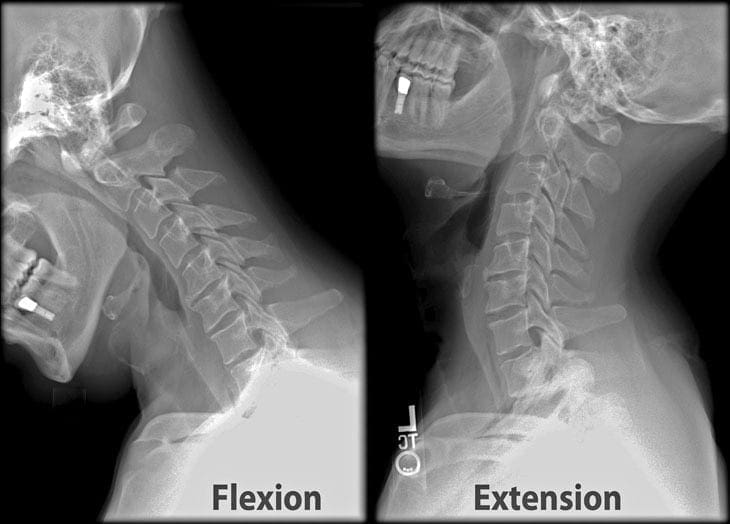
Imaging studies are crucial to properly diagnose patients with rheumatoid arthritis of the cervical spine. X-rays will demonstrate the alignment of the spine, and if there is obvious cranial settling or instability. It can also be difficult to demonstrate the anatomy at the bottom of the skull, therefore, computed tomography scanning, or CT scan, with an injection of dye within the thecal sac is arranged. Magnetic resonance imaging, or MRI, is beneficial to assess the severity of nerve compression or spinal cord injury, and allows visualization of structures, including the nerves, muscles, and soft tissues. Flexion/extension x-rays of the cervical spine are usually obtained to evaluate for signs of ligamentous instability. These imaging studies entails a plain lateral x-ray being taken with the patient bending forward and the other lateral x-ray being taken with the individual extending the neck backwards.�The scope of our information is limited to chiropractic, spinal injuries, and conditions. To discuss the subject matter, please feel free to ask Dr. Jimenez or contact us at�915-850-0900�.
Curated by Dr. Alex Jimenez
Additional Topics: Neck Pain and Auto Injury
Whiplash is one of the most common causes of neck pain after an automobile accident. A whiplash-associated disorder occurs when a person’s head and neck moves abruptly back-and-forth, in any direction, due to the force of an impact. Although whiplash most commonly occurs following a rear-end car crash, it can also result from sports injuries. During an auto accident, the sudden motion of the human body can cause the muscles, ligaments, and other soft tissues of the neck to extend beyond their natural range of motion, causing damage or injury to the complex structures surrounding the cervical spine. While whiplash-associated disorders are considered to be relatively mild health issues, these can cause long-term pain and discomfort if left untreated. Diagnosis is essential.
I got into a car accident, I was rear-ended on Valentine’s Day and things weren’t quite right in my body, the aches and pains started coming. So after I visited another chiropractor and talked to my client, they told me about this place and when I came I was like, okay, I’m not going back to the other place. And that’s how I head about him (Dr. Alex Jimenez) and I’m so grateful. – Terry Peoples
Based on information referenced by the National Highway Traffic Safety Administration, or NHTSA, approximately more than three million individuals are injured annually in automobile accidents throughout the United States alone. While the unique conditions of every car crash can ultimately result in a wide variety of injuries, some types of automobile accident injuries are more common than others.
Fortunately, a majority of automobile accident injuries may resolve on their own without the need for treatment, however, more significant health issues caused by the auto collision may require some amount of treatment and/or rehabilitation and others may unfortunately become permanent if left untreated. It’s fundamental for the victim of an automobile accident to seek immediate medical attention in order for them to receive a proper diagnosis for their motor vehicle injuries before proceeding with the most appropriate treatment option for them.
Prior to following any necessary medical procedure, understanding some of the most common automobile accident injuries can help you become aware of the steps you can take to ensure that you are getting the proper care for your health issues. Furthermore, the type and severity of motor vehicle accidents suffered by the victims involved in a car crash may largely depend on several variables, including:
Was the individual wearing a seat belt?
Did the person’s car get hit from the back, side or front?
Was the occupant facing straight ahead in the seat? Or was the person’s head or body turned in a particular direction?
Was the incident a low-speed collision or a high-speed crash?
Did the car have airbags?
There are two broad categories of automobile accident injuries: impact injuries and penetrating injuries. Impact injuries are generally characterized as those caused when a portion of the individual’s body hits some part of the interior of the car. Frequently, this can be a knee hitting a dashboard or the head hitting the seat rest or the side window during an auto collision. Penetrating injuries are generally characterized as open wounds, cuts and scrapes. Shattering glass or loose items flying inside the car on impact can often cause these types of automobile accident injuries. Below, we will discuss the most common automobile accident injuries and describe them in detail.
Soft Tissue Injuries
Soft tissue injuries are some of the most common types of automobile accident injuries. A soft tissue injury is typically characterized as trauma, damage or injury to the body’s connective tissue, including tendons, ligaments and muscles. Soft tissue injuries can vary depending on the type of connective tissue it affects as well as on the grade and severity of the harm. Because soft tissue injuries do not involve open wounds, it may be challenging to diagnose these type of automobile accident injuries.
A whiplash-associated disorder, most frequently referred to as a whiplash injury to the neck and upper back, is a type of soft tissue injury. In this form of harm, the muscles, tendons and ligaments are stretched beyond their natural range due to the abrupt movements imposed on the neck and head from the force of the impact at the point of collision. These same mechanisms may additionally cause soft tissue injuries in other regions of the body, such as the back. Automobile accidents can also often cause mid-back and low-back muscle sprains, and at times, these may cause severe back injuries and even aggravate underlying conditions due to the sheer force from the impact on the spine.
Cuts and Scrapes from Automobile Accident Injuries
During an auto collision, any loose objects inside the car can immediately become projectiles which can be thrown about the vehicle’s interior. This includes cell phones, coffee glasses, eyeglasses, purses, books, dash-mounted GPS systems, etc.. If one of these objects strikes your body at the time of the incident, they can easily cause cuts and scrapes as well as cause additional trauma, damage or injuries.
Occasionally, these cuts and scrapes are relatively minor and require no immediate medical attention. More severe cases of these type of automobile accident injuries, however, could create a relatively large open wound and may require stitches to prevent blood loss. Cuts or scrapes can also occur when your airbag deploys from the auto collision.
Head Injuries
Head injuries in the form of automobile accident injuries can take a number of forms, where some can be considered comparatively minor and others can virtually be quite severe. The sudden stop or shift in direction by a motor vehicle during an car crash can cause an individual’s head and neck to jolt or jerk abruptly and unnaturally in any direction, overstretching the complex structures of the cervical spine beyond their normal range, leading to muscle strains and whiplash-associated disorders.
The head itself can also be injured during an auto accident. Impact with a side window or with the steering wheel may cause cuts, scrapes and bruises to the head, as well as even deeper lacerations. More severe collision impacts can cause a closed head injury. In that circumstance, the fluid and tissue inside the skull are damaged due to the abrupt movement or impact of the head. Less acute closed head injuries often result in concussions, while the most severe head injuries can cause brain damage.
Chest Injuries
Chest injuries are also common auto accident injuries. These type of injuries are usually identified as contusions or bruises, however, these can also take the form of much more severe injuries, like fractured ribs or internal injuries. Drivers often experience chest injuries due to their position behind the steering wheel, which offers very little space to move before the torso collides with the steering wheel. If an individual’s body is thrown forward during a motor vehicle collision, even if their chest doesn’t impact the steering wheel or dashboard, the torso will experience tremendously high amounts of force, specifically against the shoulder harness or seat belt, which may cause severe bruising.
Arm and Leg Injuries
The very same sheer forces which unexpectedly throw a person’s head and neck back-and-forth during a car crash can behave similarly on arms and legs. If your vehicle experiences a side impact, your arms and legs may be tossed hard against the door. In addition, if you’re a passenger, your legs typically have very little room to move. As a result, automobile accidents often cause an occupant’s knees to strike the dashboard or even chairs in front of them.
Based on the circumstance of the auto collision, automobile accident injuries to your arms and legs may include bruises, scrapes and cuts, however, sprains and even fractures in both the upper and lower extremities can happen. Keep in mind that some injuries aren’t apparent following a car accident. It may take days, weeks, or even months for symptoms to manifest. Therefore, if you’ve been involved in an automobile accident, it is best to seek immediate medical attention.
Dr. Alex Jimenez’s Insight
After being involved in an auto accident, it may sometimes take days, weeks, even months for symptoms to manifest completely. For your own health and wellness, it’s essential to seek immediate medical attention following the car crash. While many types of injuries can occur, there are several common automobile accident injuries which can develop due to the sheer force of the impact, such as whiplash-associated disorders. Whiplash is a prevalent auto accident injury which is characterized as a type of neck injury which happens when the complex structures surrounding the cervical spine are stretched far beyond their natural range of motion. Chiropractic care is a safe and effective treatment option which can treat a variety of auto accident injuries.
Chiropractic Care After an Automobile Accident
Many healthcare professionals are qualified and experienced�in the treatment of a variety of automobile accident injuries, especially chiropractors. Chiropractic care is a well-known, alternative treatment option which focuses on the diagnosis, treatment and prevention of numerous injuries and/or conditions associated with the musculoskeletal and nervous system. If you’ve been involved in an auto collision, chiropractic care can offer substantial benefits towards your current well-being, supporting your recovery process.
After a car collision, you may experience pain and discomfort, decreased range of motion, stiffness or soreness. Remember that these symptoms may not always manifest immediately after a motor vehicle accident. Through the use of spinal adjustments and manual manipulations, chiropractic care will help you manage painful symptoms, as well as help enhance flexibility, increase strength and improve mobility, promoting a faster recovery. In addition, it can prevent long-term symptoms from developing, such as migraines and chronic pain. The sooner you get chiropractic care after a car wreck, the more likely you are to recover fully.
By carefully restoring the original alignment of the spine, chiropractic care helps reduce pain and other painful symptoms. Furthermore, a chiropractor can recommend a series of exercises and physical activities to help pump oxygen, blood and nutrients to the injury site and enhance recovery. A doctor of chiropractic will develop a personalized treatment program targeted to your specific automobile accident injuries. Chiropractic care also makes it possible to avoid the need for surgical interventions. It strengthens ligaments, tendons and muscles, which shield the body’s structures. It’s also a far more cost-effective solution.
Chiropractic care can also restore function in patients with older vehicle collision injuries. You are still able to benefit from chiropractic care even if you had an accident years back. Employing spinal adjustments and manual manipulations, as well as rehabilitation techniques, it helps relieve old pain and improve function. Additionally, it is a non-invasive treatment option, and you won’t end up needing to rely on pain drugs and/or medications for relief of your symptoms.
Chiropractors can even treat vertigo resulting from a car crash. In as little as one treatment, they could fix a dysfunction in the vestibular system. Other types of chiropractic care treatment techniques include massage, ultrasound, ice and cold treatment, specific exercises and physical activities, and even nutritional advice. Chiropractic care is a safe and effective treatment approach which can help treat automobile accident injuries without the need for drugs and/or medications as well as surgery.
If you suffered a car accident injury, don’t delay any longer. Contact a chiropractor and allow them to help you follow the best treatment path. Chiropractors can provide you a consultation to perform a comprehensive evaluation and make a treatment strategy targeted to your injuries.�The scope of our information is limited to chiropractic as well as to spinal injuries and conditions. To discuss the subject matter, please feel free to ask Dr. Jimenez or contact us at�915-850-0900�.
Curated by Dr. Alex Jimenez
Additional Topics: Back Pain
Back pain is one of the most prevalent causes for disability and missed days at work worldwide. As a matter of fact, back pain has been attributed as the second most common reason for doctor office visits, outnumbered only by upper-respiratory infections. Approximately 80 percent of the population will experience some type of back pain at least once throughout their life. The spine is a complex structure made up of bones, joints, ligaments and muscles, among other soft tissues. Because of this, injuries and/or aggravated conditions, such as herniated discs, can eventually lead to symptoms of back pain. Sports injuries or automobile accident injuries are often the most frequent cause of back pain, however, sometimes the simplest of movements can have painful results. Fortunately, alternative treatment options, such as chiropractic care, can help ease back pain through the use of spinal adjustments and manual manipulations, ultimately improving pain relief.
IFM's Find A Practitioner tool is the largest referral network in Functional Medicine, created to help patients locate Functional Medicine practitioners anywhere in the world. IFM Certified Practitioners are listed first in the search results, given their extensive education in Functional Medicine


 Common Causes Of Whiplash