Stress and anxiety treatments can include a range of therapies, including talking therapy, meditation techniques, and medication. Chiropractic care, adjustments, and massage are also used as a treatment plan to de-stress. Whether diagnosed with an anxiety disorder or experiencing intense stress, chiropractic functional medicine can address the physical symptoms to rebalance the mind and body.
De-Stress
Physical and mental health are connected. Stress and anxiety can cause tension, fatigue, headaches, and aches and pains. It can make sleeping and/or relaxing difficult, affecting mental and physical health. Signs of stress include:
Blood sugar level changes
Every day or almost every day, tension headaches
Teeth grinding
Backaches
Muscle tension
Digestive problems
Skin irritation
Hair loss
Heart issues
The spine is the conduit for the sympathetic and parasympathetic nervous systems.
The sympathetic nervous system activates when the brain thinks sudden action or important stressful decisions needs to be taken.
The fight or flight response speeds up the heart rate and releases adrenaline.
The parasympathetic system deactivates the fight or flight response, calming the body into a more relaxed state.
Problems arise when the sympathetic nervous system gets activated repeatedly, causing the fight or flight system to remain semi-active. This can come from long commutes, traffic jams, loud music, deadlines, sports practice, rehearsals, etc. The parasympathetic nervous system never gets a chance to activate and settle the mind and body. The result is constantly feeling stressed and agitated.
Chiropractic Care
Chiropractic care to de-stress decreases stress hormones and releases feel-good hormones like oxytocin, dopamine, and serotonin, which allow healing and help the body relax. Chiropractic adjustments let the brain know it’s time to activate the parasympathetic nervous system and ease down. Chiropractic helps by:
Relieving Muscle Tension
When the body is under stress, the muscles tense up, causing discomfort, aches, and pains.
The continued stress can lead to health issues, panic attacks, anxiety disorders, and depression.
Chiropractic relieves tension restoring the body to its natural balance.
Chiropractic can help effectively restore bodily functions.
Adjustments and massage rebalance blood circulation and energy flow, allowing clear nervous system transmission.
Lowering Blood Pressure
Chiropractic care has shown positive results in lowering blood pressure.
Improving Quality Sleep
Chiropractic care improves sleep patterns by correcting spinal misalignments.
Increasing Relaxation
Chiropractic adjustments can release and relax muscle activity, allowing the body to relax and de-stress completely.
Health Voice
References
Jamison, J R. “Stress management: an exploratory study of chiropractic patients.” Journal of manipulative and physiological therapeutics vol. 23,1 (2000): 32-6. doi:10.1016/s0161-4754(00)90111-8
Kültür, Turgut, et al. “Evaluation of the effect of chiropractic manipulative treatment on oxidative stress in sacroiliac joint dysfunction.” Turkish journal of physical medicine and rehabilitation vol. 66,2 176-183. 18 May. 2020, doi:10.5606/tftrd.2020.3301
Mariotti, Agnese. “The effects of chronic stress on health: new insights into the molecular mechanisms of brain-body communication.” Future science OA vol. 1,3 FSO23. 1 Nov. 2015, doi:10.4155/fso.15.21
Stefanaki, Charikleia, et al. “Chronic stress, and body composition disorders: implications for health and disease.” Hormones (Athens, Greece) vol. 17,1 (2018): 33-43. doi:10.1007/s42000-018-0023-7
Yaribeygi, Habib et al. “The impact of stress on body function: A review.” EXCLI journal vol. 16 1057-1072. 21 Jul. 2017, doi:10.17179/excli2017-480
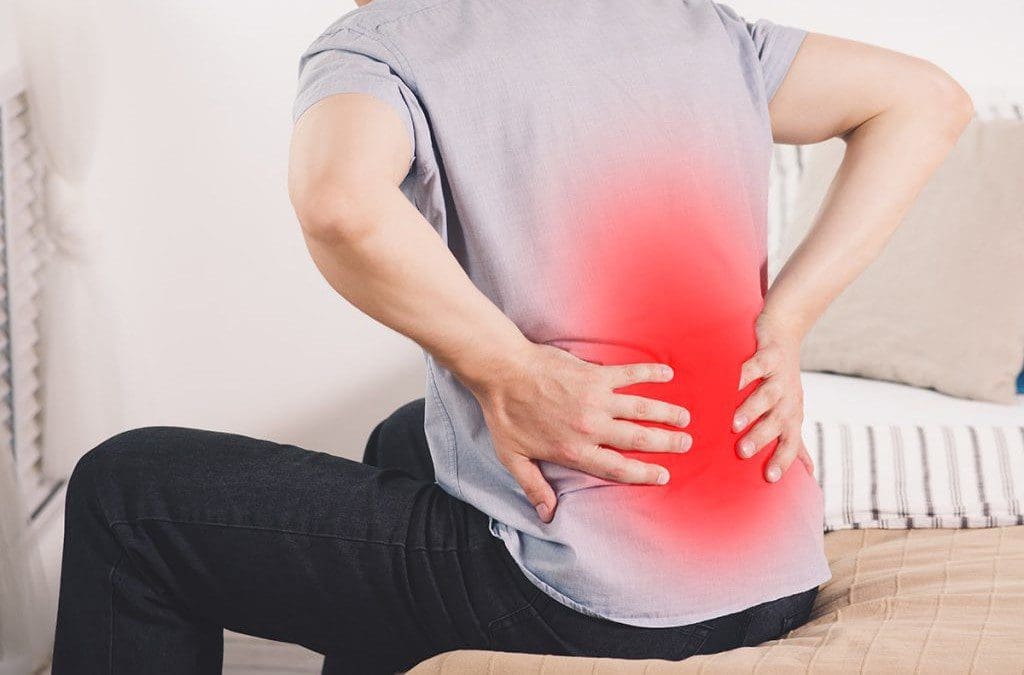
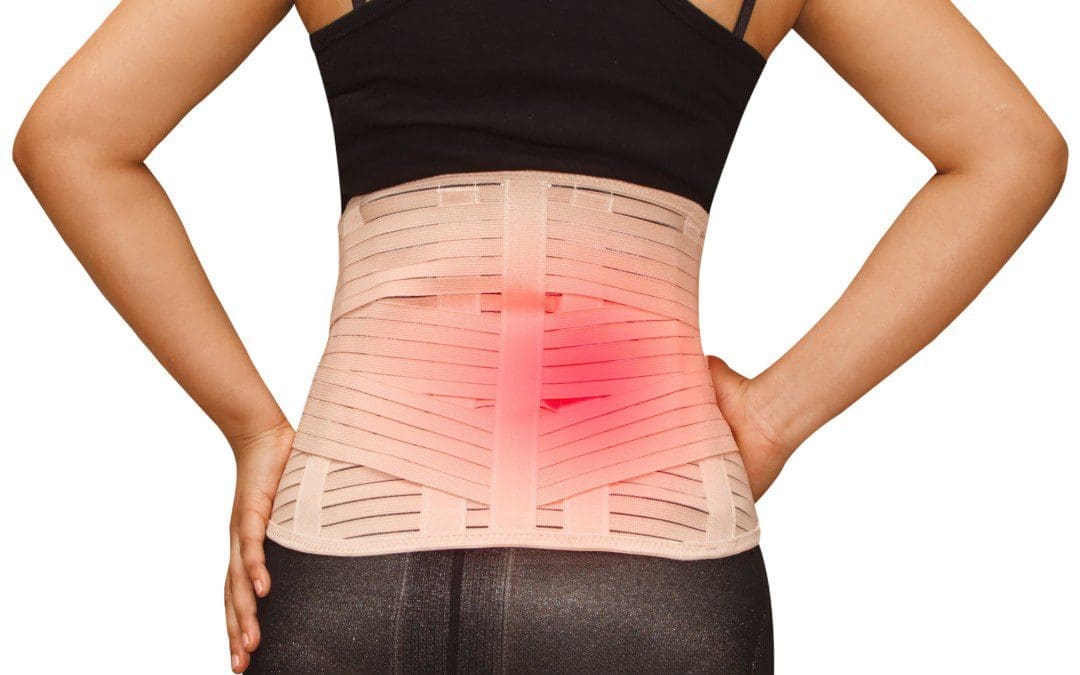
Many individuals don’t realize that the various muscles in their back help provide functionality to the body. The back muscles help move, bend, rotate, and help the individual stand up straight when they are out and about. The back muscles also help protect the cervical, thoracic, and lumbar sections of the spine and work together with the head, neck, shoulders, arms, and legs to provide mobility. When the body begins to wear down with age naturally, it can lead to back issues that can limit a person’s mobility, or normal activities can cause the back muscles to be overused and develop trigger points to invoke back pain or lumbago. Today’s article looks at the thoracolumbar paraspinal muscles in the back, how the lumbago is associated with trigger points, and treatments to relieve the lumbago in the thoracolumbar muscles. We refer patients to certified providers who provide different techniques in thoracic lumbar back pain therapies associated with trigger points to aid many suffering from pain-like symptoms along the thoracolumbar paraspinal muscles along the back, causing lumbago. We encourage patients by referring them to our associated medical providers based on their examination when it is appropriate. We designate that education is a great solution to asking our providers profound and complex questions at the patient’s request. Dr. Alex Jimenez, D.C., notes this information as an educational service only. Disclaimer
The Thoracolumbar Paraspinal Muscles In The Back
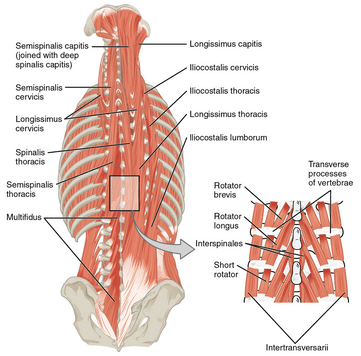
Have you been finding it difficult to walk even for a short period? Do you feel aches and soreness when getting out of bed? Are you constantly in pain when bending over to pick up items from the ground? These various actions that you are doing incorporate the thoracolumbar paraspinal muscle in the back, and when issues affect these muscles, it can lead to lumbago associated with trigger points. The thoracolumbar paraspinal in the back is a group of muscles closely surrounded by the thoracolumbar spine, where the thoracic region ends, and the lumbar region begins. The thoracolumbar paraspinal muscles in the back have a casual relationship with the body as it requires contribution from the systems requiring movement. Studies reveal that the thoracolumbar paraspinal muscles are modulated through communication with the three sub-systems, which include:
The passive system: vertebrae, discs, and ligaments
The active system: muscles and tendons
The control system: central nervous system and nerves
Each system provides muscular activities when a person is bending down to pick up an object or doing simple movements. However, when the muscles become overused, it can lead to various issues affecting the back and surrounding muscles.
Lumbago Associated With Trigger Points
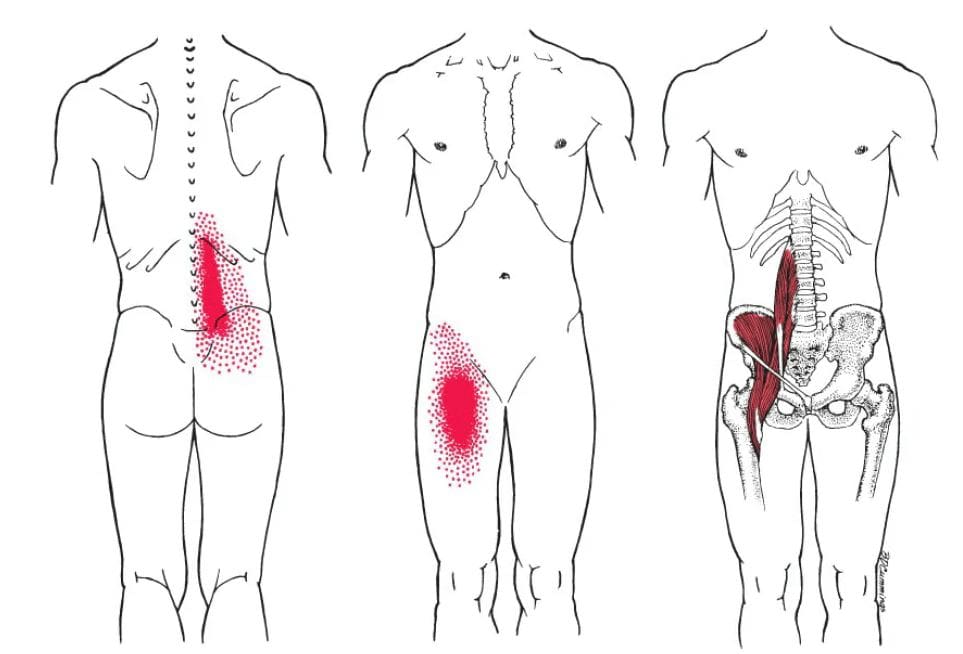
Studies reveal that paraspinal muscle integrity plays a very critical role when it comes to the maintenance of spinal alignment in the back. When the thoracolumbar paraspinal muscles become overused from normal activities, it can affect the back by causing back pain symptoms or lumbago associated with trigger points. In Dr. Travell, M.D.’s book “Myofascial Pain and Dysfunction,” trigger points may be activated due to sudden movements or sustained muscular contraction over time that leads to the development of lumbago. Atrophy issues in the paraspinal muscles can contribute to lumbago associated with trigger points that cause deep referred pain in the thoracolumbar regions of the back. Active trigger points in the deep muscle group of the thoracolumbar paraspinal can impair movement between the vertebrae during flexion or side bending.
An Overview Of Lumbago- Video
Lumbago or back pain is one of the most common issues that many individuals, from acute to chronic, depending on how severe the pain is inflicted on the back. Have you been feeling pain in your mid-lower back? Do you feel an electric shock when you run down your leg in a weird position? Or have you felt tenderness in the middle of your back? Experiencing these symptoms could indicate that the thoracolumbar paraspinal muscles are affected by trigger points associated with lumbago. The video explains what lumbago is, the symptoms, and various treatment options to relieve the pain and manage trigger points that are causing the thoracolumbar muscles issues in the back. Many individuals who suffer from lumbago don’t often realize that various factors can affect the surrounding muscles in the thoracolumbar region and mask other previous conditions from which they could suffer. Regarding managing lumbago associated with trigger points, various treatment options can help reduce the pain affecting the thoracolumbar paraspinal muscles while managing trigger points for progressing further in the back.
Treatments To Relieve Lumbago In The Thoracolumbar Muscles
Since lumbago or back pain is a common issue for many people, various treatments can reduce the pain-like symptoms in the thoracolumbar muscles and manage the associated trigger points. Some of the simplest treatments that many individuals can use are to correct how they are standing. Many individuals often lean on one side of their bodies which causes the thoracolumbar paraspinal muscles on the opposite sides to be overloaded. This causes spinal subluxation or misalignment to the thoracolumbar region. Another treatment that many people can incorporate into their daily lives is by going to a chiropractor for a spinal adjustment for the thoracolumbar spine. Studies reveal that chiropractic care combined with physical therapy can relieve the thoracolumbar back while reducing the pain symptoms associated with trigger points by loosening the stiff muscles and causing relief to the back.
Conclusion
The back has various muscles known as the thoracolumbar paraspinal muscles that allow movement and mobility to the body. The back muscles help protect the cervical, thoracic, and lumbar sections of the spine while working with the rest of the body’s components to keep the body stable. When natural aging or actions affect the back muscles, it can lead to various pain issues that can activate trigger points causing lumbago or back pain. Fortunately, some treatments can help alleviate back pain in the thoracolumbar paraspinal muscles while managing trigger points to bring back mobility to the back.
References
Bell, Daniel J. “Paraspinal Muscles: Radiology Reference Article.” Radiopaedia Blog RSS, Radiopaedia.org, 10 July 2021, https://radiopaedia.org/articles/paraspinal-muscles?lang=us.
du Rose, Alister, and Alan Breen. “Relationships between Paraspinal Muscle Activity and Lumbar Inter-Vertebral Range of Motion.” Healthcare (Basel, Switzerland), MDPI, 5 Jan. 2016, https://www.ncbi.nlm.nih.gov/pmc/articles/PMC4934538/.
He, Kevin, et al. “The Implications of Paraspinal Muscle Atrophy in Low Back Pain, Thoracolumbar Pathology, and Clinical Outcomes after Spine Surgery: A Review of the Literature.” Global Spine Journal, SAGE Publications, Aug. 2020, https://www.ncbi.nlm.nih.gov/pmc/articles/PMC7359686/.
Khodakarami, Nima. “Treatment of Patients with Low Back Pain: A Comparison of Physical Therapy and Chiropractic Manipulation.” Healthcare (Basel, Switzerland), MDPI, 24 Feb. 2020, https://www.ncbi.nlm.nih.gov/pmc/articles/PMC7151187/.
Travell, J. G., et al. Myofascial Pain and Dysfunction: The Trigger Point Manual: Vol. 1:Upper Half of Body. Williams & Wilkins, 1999.
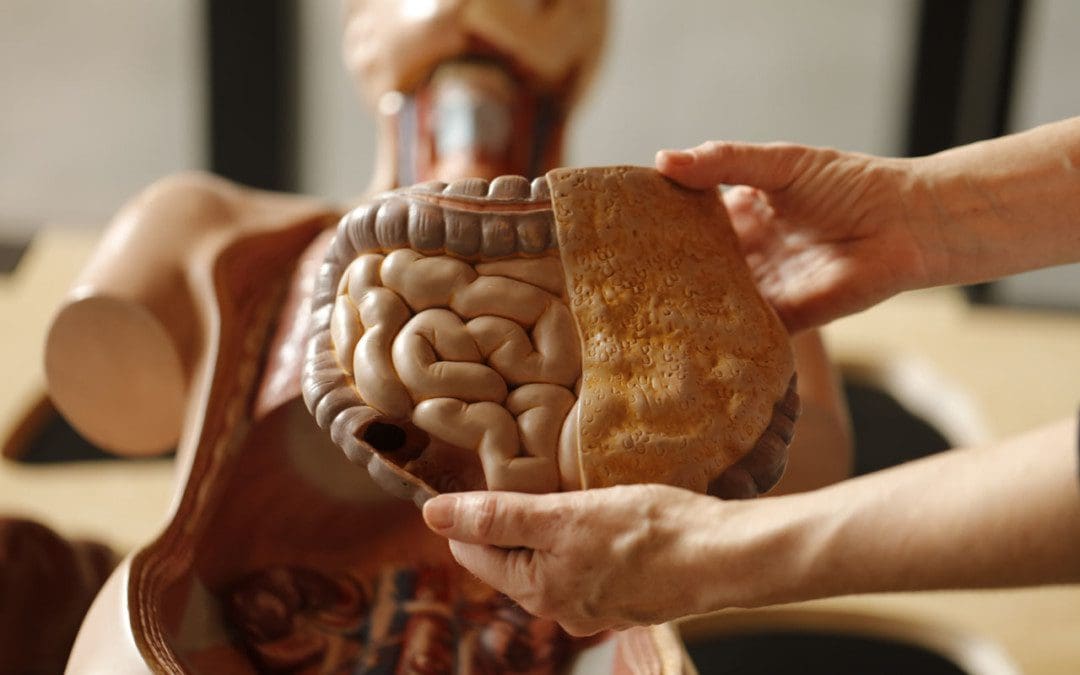
The body needs food for fuel, energy, growth, and repair. The digestive process breaks down food into a form the body can absorb and use for fuel. The broken-down food gets absorbed into the bloodstream from the small intestine, and the nutrients are carried to the cells throughout the body. Understanding how the organs work together to digest food can help with health goals and overall health.
The Digestive Process
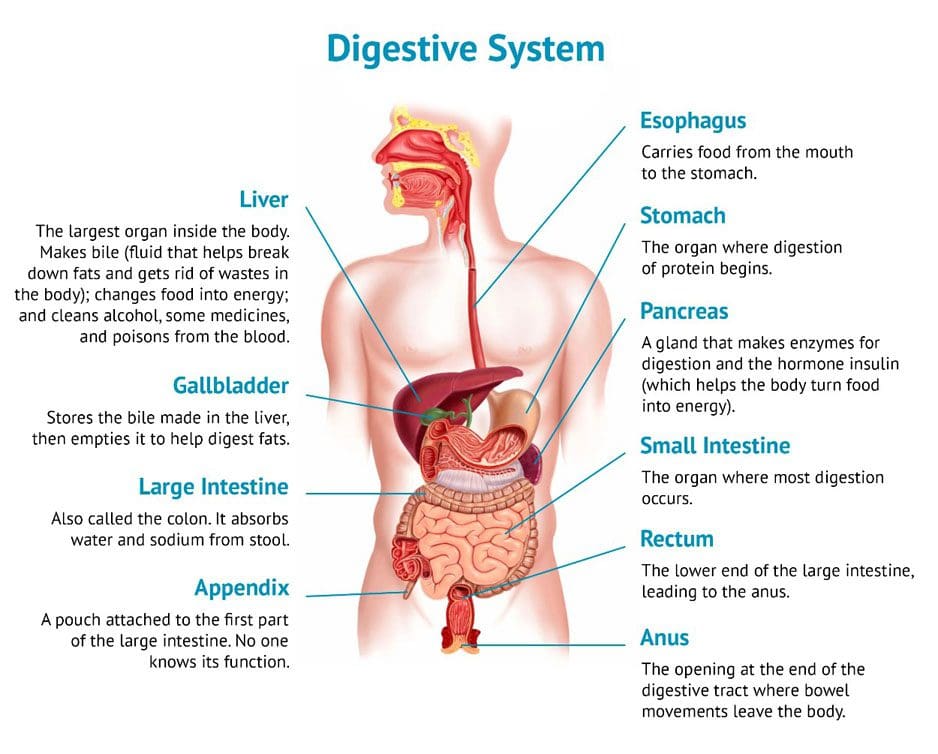
The organs of the digestive system are the following:
The digestive process starts with the anticipation of eating, stimulating the glands in the mouth to produce saliva. The digestive system’s primary functions include:
Mixing food
Moving food through the digestive tract – peristalsis
The chemical breakdown of food into smaller absorbable components.
The digestive system converts food into its simplest forms, which include:
Glucose – sugars
Amino acids – protein
Fatty acids – fats
Proper digestion extracts nutrients from food and liquids to maintain health and function properly. Nutrients include:
Carbohydrates
Proteins
Fats
Vitamins
Minerals
Water
Mouth and Esophagus
The food is ground up by the teeth and moistened with saliva to swallow easily.
Saliva also has a special chemical enzyme that starts breaking down carbohydrates into sugars.
Muscular contractions of the esophagus massage the food into the stomach.
Stomach
The food passes through a small muscle ring into the stomach.
It gets mixed with gastric chemicals.
The stomach churns the food to break it down further.
The food is then squeezed into the first part of the small intestine, the duodenum.
Small Intestine
Once in the duodenum, the food mixes with more digestive enzymes from the pancreas and bilefrom the liver.
The food passes into the lower parts of the small intestine, called the jejunum and the ileum.
Nutrients are absorbed from the ileum, lined with millions of villi or thread-like fingers that facilitate the absorption.
Each villus is connected to a mesh of capillaries, which is how nutrients get absorbed into the bloodstream.
Pancreas
The pancreas is one of the largest glands.
It secretes digestive juices and a hormone called insulin.
Insulin helps regulate the amount of sugar in the blood.
The liver has several different roles that include:
Breaks down fats using bile stored in the gallbladder.
Processes proteins and carbohydrates.
Filters and processes impurities, medications, and toxins.
Generates glucose for short-term energy from compounds like lactate and amino acids.
Large Intestine
A large reservoir of microbes and healthy bacteria live in the large intestine and play an important role in healthy digestion.
Once the nutrients have been absorbed, the waste is passed into the large intestine or bowel.
Water is removed, and the waste gets stored in the rectum.
It is then passed out of the body through the anus.
Digestive System Health
Ways to keep the digestive system and the digestive process healthy include:
Drink More Water
Water helps the food flow more easily through the digestive system.
Low amounts of water/dehydration are common causes of constipation.
Add More Fiber
Fiber is beneficial to digestion and helps with regular bowel movements.
Incorporate both soluble and insoluble fiber.
Soluble fiber dissolves in water.
As soluble fiber dissolves, it creates a gel that can improve digestion.
Soluble fiber may reduce blood cholesterol and sugar.
It helps your body improve blood glucose control, which can aid in reducing your risk for diabetes.
Insoluble fiber does not dissolve in water.
Insoluble fiber attracts water into the stool, making it softer and easier to pass with less strain on the bowels.
Insoluble fiber can help promote bowel health and regularity and supports insulin sensitivity which can help reduce the risk of diabetes.
Balanced Nutrition
Eat fruit and vegetables daily.
Choose whole grains over processed grains.
Avoid processed foods in general.
Choose poultry and fish more than red meat and limit processed meats.
Cut down on sugar.
Eat Foods with Probiotics or Use Probiotic Supplements
Probiotics are healthy bacteria that help combat unhealthy bacteria in the gut.
They also generate healthy substances that nourish the gut.
Consume probiotics after taking antibiotics that often kill all the bacteria in the gut.
Eat Mindfully and Chew Food Slowly
Chewing food thoroughly helps to ensure the body has enough saliva for digestion.
Chewing food thoroughly also makes it easier for nutritional absorption.
Eating slowly gives the body time to digest thoroughly.
It also allows the body to send cues that it is full.
How The Digestive System Works
References
GREENGARD, H. “Digestive system.” Annual review of physiology vol. 9 (1947): 191-224. doi:10.1146/annurev.ph.09.030147.001203
Hoyle, T. “The digestive system: linking theory and practice.” British journal of nursing (Mark Allen Publishing) vol. 6,22 (1997): 1285-91. doi:10.12968/bjon.1997.6.22.1285
Martinsen, Tom C et al. “The Phylogeny and Biological Function of Gastric Juice-Microbiological Consequences of Removing Gastric Acid.” International journal of molecular sciences vol. 20,23 6031. 29 Nov. 2019, doi:10.3390/ijms20236031
Ramsay, Philip T, and Aaron Carr. “Gastric acid and digestive physiology.” The Surgical clinics of North America vol. 91,5 (2011): 977-82. doi:10.1016/j.suc.2011.06.010
As the “backbone” of the body, the thoracic region of the back has various muscles that help support the ribcage and protect the heart and lungs from injuries. The thoracic spine’s main function is providing respiration and maintaining good posture. However, various habits can cause issues to the muscles in the thoracic spine, which leads to upper back pain and the development of trigger points. One of the thoracic muscles affected by trigger points is the serratus posterior inferior muscle. Today’s article looks at the serratus posterior inferior muscle, how trigger points affect the thoracic region of the back, and how to manage thoracic back pain associated with trigger points. We refer patients to certified providers who provide different techniques in thoracic back pain therapies associated with trigger points to aid many suffering from pain-like symptoms along the serratus posterior inferior muscle along the back. We encourage patients by referring them to our associated medical providers based on their examination when it is appropriate. We designate that education is a great solution to asking our providers profound and complex questions at the patient’s request. Dr. Alex Jimenez, D.C., notes this information as an educational service only. Disclaimer
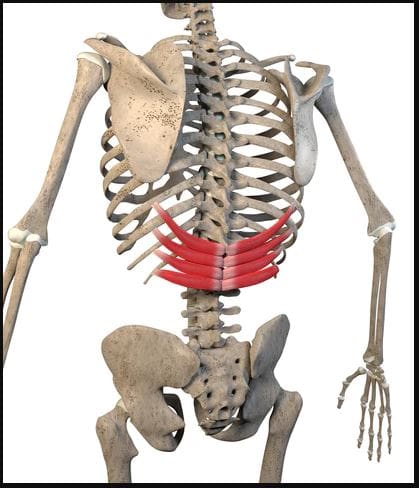
What Is The Serratus Posterior Inferior Muscle?
Have you felt aches and pain when bending down to pick something up? What about feeling tenderness near your lower back? Or have you experienced muscle stiffness when stretching? Many of these symptoms are associated with back pain that correlates to overusing the thoracic muscles, which includes the serratus inferior posterior muscles. The serratus posterior muscles (superior and inferior) are accessory breathing muscles as part of the extrinsic muscles. The serratus posterior inferior helps with the chest cavity’s expiration, while the superior help with inspiration. Some of the functionalities that the serratus posterior inferior provides are that in a bilateral action, the inferior works with the superior muscles to reduce the extension of the thoracic vertebrae.
In contrast, the unilateral action for the serratus posterior inferior muscle helps rotate the spine to the opposite sides. Studies reveal that based on the attachment of the serratus, the posterior inferior and superior are generally considered insignificant muscles. Since the serratus posterior muscles help aid respiration to the thoracic region, it can be succumbed to trigger points or myofascial pain syndrome that can affect the thoracic part of the back.
How Trigger Points Affect The Thoracic Region?
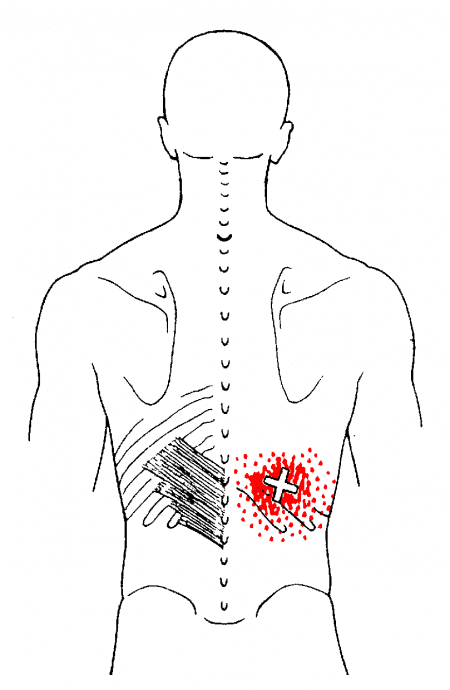
When the serratus posterior muscles in the thoracic region are affected by myofascial pain syndrome or trigger points, it correlates to the various activities the person has been doing that cause muscle strain along the serratus inferior posterior muscle. The book, “Myofascial Pain & Dysfunction” explains that when individuals feel a nagging ache in the lower thoracic region of the back, it correlates to residual backache associated with trigger points. Studies reveal that trigger points or myofascial pain syndrome are musculoskeletal pain disorder that affects one or multiple muscles in the body. Since back pain is common, trigger points can cause hyperirritability in the muscle’s taut band due to various factors that can cause strain on the affected muscle. When it comes to the serratus posterior inferior muscle developing active trigger points, it’s due to overload strain from combined movements like lifting, turning, and reaching for items that can also affect the surrounding muscles in the thoracic region of the back.
Trigger Point Of The Week: Serratus Posterior Inferior- Video
Have you been dealing with pain in your upper back in the thoracic region? Do you experience tenderness or soreness near your ribcage? Or have you felt a twinge of pain when turning your torso? Most of these symptoms are common signs that the thoracic region is affected by trigger points along the serratus posterior inferior muscle. The video explains where the serratus posterior inferior is located while pinpointing where the trigger points are located in the thoracic region of the back. Trigger points associated with thoracic back pain mimic other chronic conditions that can cause muscle tension and strain on the upper back. Studies reveal that latent and active trigger points affecting the upper thoracic area muscles can make many individuals feel more pain than they can tolerate. This can affect how a person functions and can make them feel inadequate. However, it is possible to incorporate a variety of treatments to reduce the pain and manage trigger points from progressing further in the thoracic region of the back.
Managing Thoracic Back Pain Associated With Trigger Points
Various treatments are available to reduce the pain affecting the thoracic region of the back and even manage trigger points associated with the serratus posterior inferior muscle. Many individuals often go to a chiropractor to relieve their back pain. Chiropractors utilize their hands and various techniques to manipulate the spine and can even pinpoint where the trigger points affect the multiple muscles in the thoracic region. Chiropractors even work with other pain specialists to devise a treatment procedure to reduce the symptoms while managing thoracic back pain associated with trigger points. Studies reveal that by when pain specialists like chiropractors begin identifying proper treatment strategies for managing thoracic back pain associated with trigger points, it might be able to reduce pain and improve function for many people dealing with thoracic back pain.
Conclusion
The thoracic region of the back has various muscles that help support the ribcage and protect vital organs, which include the heart and the lungs. One of the muscles in the thoracic region is the serratus posterior inferior muscle, an accessory breathing muscle that helps with the chest cavity expiration and helps reduce the extension of the thoracic vertebrae. When the inferior muscle becomes overused by various movements, it can develop trigger points along the inferior muscle, causing thoracic back pain. Trigger points along the serratus inferior posterior muscles can mimic other chronic conditions that can cause symptoms of muscle tension and strain on the upper back. Luckily, various treatments have been available to reduce pain symptoms and manage thoracic back pain associated with trigger points. These treatments can bring back mobility to the thoracic region of the back without the individual being in pain.
References
Chen, Chee Kean, and Abd Jalil Nizar. “Myofascial Pain Syndrome in Chronic Back Pain Patients.” The Korean Journal of Pain, The Korean Pain Society, June 2011, https://www.ncbi.nlm.nih.gov/pmc/articles/PMC3111556/.
Dor, Adi, et al. “Proximal Myofascial Pain in Patients with Distal Complex Regional Pain Syndrome of the Upper Limb.” Journal of Bodywork and Movement Therapies, U.S. National Library of Medicine, July 2019, https://pubmed.ncbi.nlm.nih.gov/31563368/.
Mitchell, Brittney, et al. “Anatomy, Back, Extrinsic Muscles.” In: StatPearls [Internet]. Treasure Island (FL), StatPearls Publishing, 25 Aug. 2022, https://www.ncbi.nlm.nih.gov/books/NBK537216/.
Ortega-Santiago, Ricardo, et al. “Widespread Pressure Pain Sensitivity and Referred Pain from Trigger Points in Patients with Upper Thoracic Spine Pain.” Pain Medicine (Malden, Mass.), U.S. National Library of Medicine, 1 July 2019, https://pubmed.ncbi.nlm.nih.gov/30821833/.
Travell, J. G., et al. Myofascial Pain and Dysfunction: The Trigger Point Manual: Vol. 1:Upper Half of Body. Williams & Wilkins, 1999.
Vilensky , J A, et al. “Serratus Posterior Muscles: Anatomy, Clinical Relevance, and Function.” Clinical Anatomy (New York, N.Y.), U.S. National Library of Medicine, July 2001, https://pubmed.ncbi.nlm.nih.gov/11424195/.
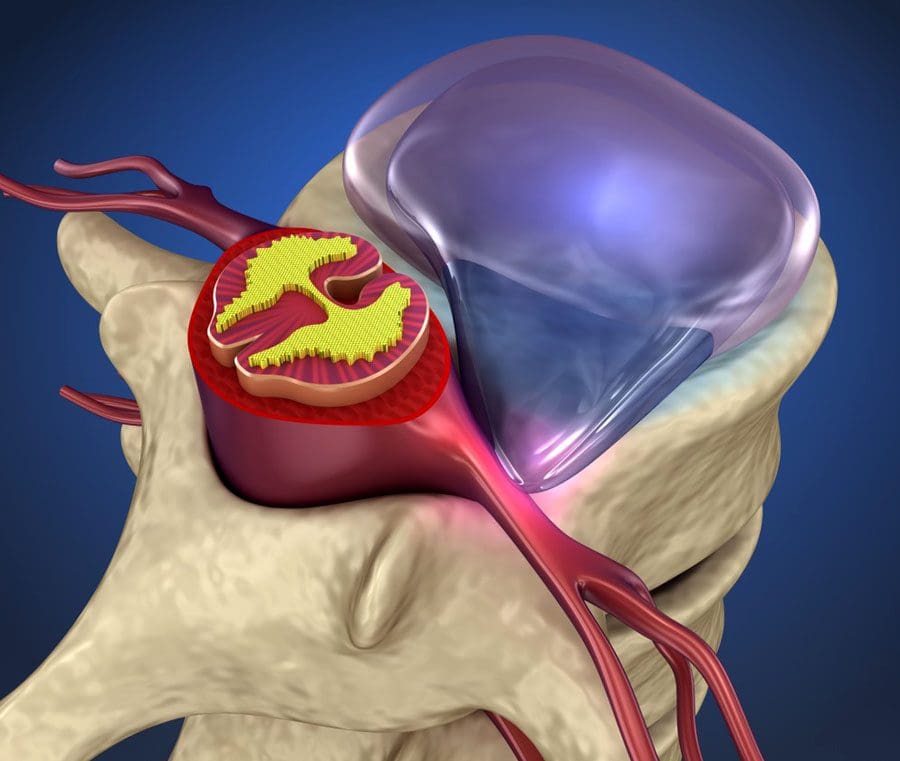
Herniated disc injuries and the time it takes to heal depend on the injury’s cause, the severity, and where it occurred along the spine. Symptoms can last a few days to months. Chiropractic treatment, massage therapy, and decompression realign the spine and return the disc to its correct position. Still, the herniated disc signs it is returning to normal can take time as the rest of the spine and body adjust to the realignment.
Herniated Disc Signs It Is Returning To Normal
Most cases take a few weeks with healing time depending on health conditions, physical activity level, and age. However, in severe cases, a herniated disc can take up to several months to fully heal, but discomfort symptoms usually resolve sooner.
Expectations From a Healing Disc
Resting the spine and taking it easy after the injury is recommended.
Too much rest is not recommended as it can cause muscle stiffness.
While the herniated disc is healing, a primary doctor may prescribe anti-inflammatories or muscle relaxants to help ease discomfort.
A chiropractor and/or physical therapist can teach exercises and stretches to relieve pressure on nerves, loosen tight muscles, and improve circulation.
Signs The Herniated Disc Is Healing
Most herniated discs cause significant pain in the back and neck from the nervous system, causing some of the muscles of the low back or neck to spasm to protect the area from further damage.
Usually, the muscle spasms relax within the first days of the injury.
After spinal decompression, neurological symptoms like the sharp, shooting pain down a nerve in the arm or leg are the first symptoms to go away.
Then muscle weakness along the path of the nerve goes away.
Numbness in the extremities can linger around longer.
Length of Time
The wear and tear of adult spinal discs, combined with unhealthy posture habits, job occupation, previous injuries, etc., decrease blood circulation.
This is why it can take some time to heal completely, as the entire blood supply needs to reset to optimal circulation.
Nerve compression causing aches and pain sensations down the nerves can also take time.
Regular Activity
Returning to regular activities depends on the individual’s case and condition. It is essential not to overdo things that can cause excessive loading of the spine before the disc has fully healed, which increases the risk of re-herniation and other injuries.
Inactivity can slow the healing process and cause inflammation.
Patients are encouraged to return to activities that generate gentle motion to stimulate the stabilizing muscles to function properly and increase blood circulation to the injured area.
Individuals are recommended to:
Learn posture improvement when walking, sitting, standing, and sleeping.
Adjust sleep patterns.
Incorporate anti-inflammatory nutrition during the healing process.
This provides a mechanical and biological environment that eventually becomes a personalized exercise physical therapy program.
DOC Spinal Decompression
References
Díez Ulloa, Máximo Alberto. “Role of Microangiogenensis in Disc Herniation Healing.” Journal of investigative surgery: the official journal of the Academy of Surgical Research vol. 34,6 (2021): 685. doi:10.1080/08941939.2019.1682725
Factors that influence recovery: Mayo Clinic. February 8, 2022. “Herniated disk.” https://www.mayoclinic.org/diseases-conditions/herniated-disk/symptoms-causes/syc-20354095
Factors that influence recovery: NHS. March 22, 2021. “Slipped Disc.” https://www.nhs.uk/conditions/slipped-disc/
How to speed up healing time: American Academy of Orthopaedic Surgeons. January 2022. “Herniated Disk in the Lower Back” https://orthoinfo.aaos.org/en/diseases–conditions/herniated-disk-in-the-lower-back/
Keramat, Keramat Ullah, and Aisling Gaughran. “Safe physiotherapy interventions in large cervical disc herniations.” BMJ case reports vol. 2012 bcr2012006864. 18 Aug. 2012, doi:10.1136/bcr-2012-006864
Stoll, T et al. “Physiotherapie bei lumbaler Diskushernie” [Physiotherapy in lumbar disc herniation ]. Therapeutische Umschau. Revue therapeutique vol. 58,8 (2001): 487-92. doi:10.1024/0040-5930.58.8.487
Swartz, Karin R, and Gregory R Trost. “Recurrent lumbar disc herniation.” Neurosurgical focus vol. 15,3 E10. 15 Sep. 2003, doi:10.3171/foc.2003.15.3.10
The upper body works because it provides stability for the body and motor-sensory functions to the arms, neck, shoulders, and chest. The muscles surrounding each body section have different roles and outputs that have specific jobs for body functionality. For the chest body area, the various muscles are there to support the shoulders and arms while protecting the chest cavity and the internal organs inside. Some of the different chest muscles even support the internal organs and the rest of the muscles. One of those muscles is known as the serratus anterior muscle. Today’s article looks at this muscle, how trigger points affect the serratus anterior muscle, and various actions to manage trigger points along the serratus anterior. We refer patients to certified providers who provide different techniques in pain therapies associated with trigger points to aid many suffering from pain-like symptoms along the serratus anterior muscle along the ribcage. We encourage patients by referring them to our associated medical providers based on their examination when it is appropriate. We designate that education is a great solution to asking our providers profound and complex questions at the patient’s request. Dr. Alex Jimenez, D.C., notes this information as an educational service only. Disclaimer
What Is The Serratus Anterior?
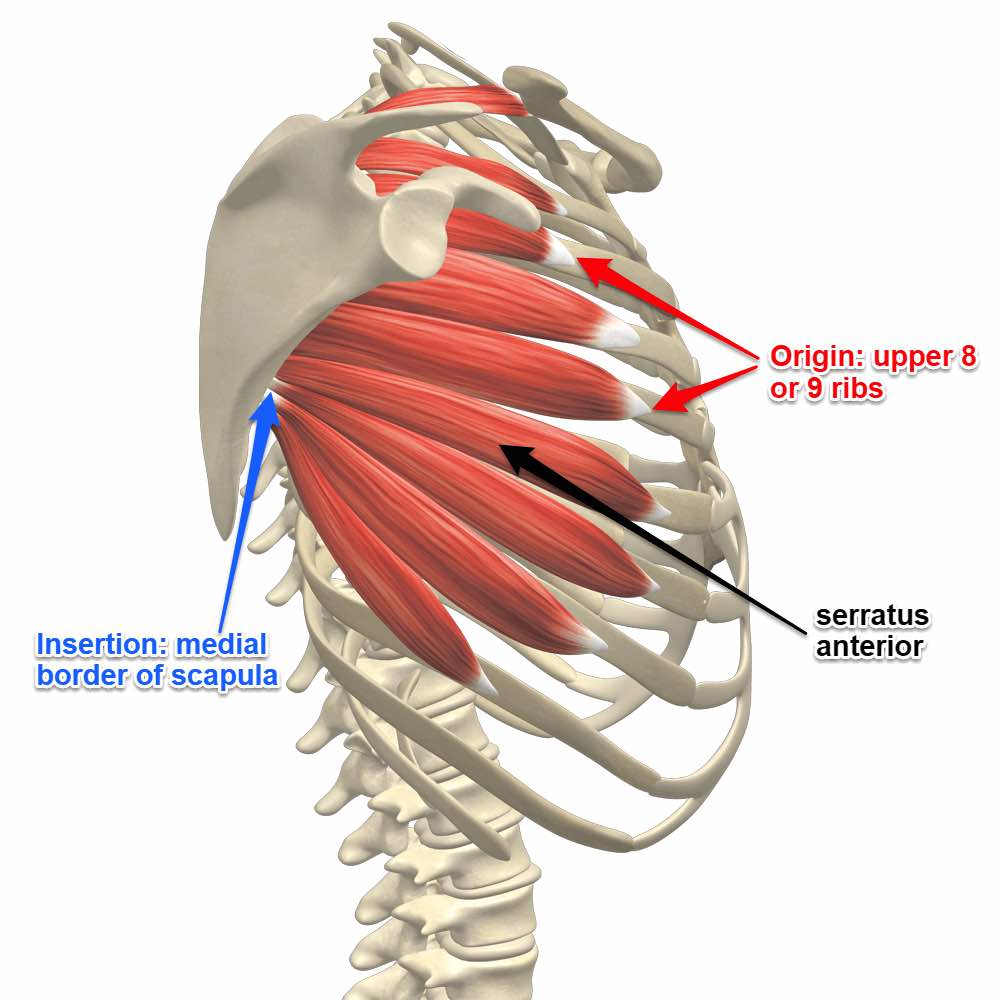
Have you been experiencing pain in your sides? Do you notice that your shoulders feel stiff when rotating backward? Or are you experiencing any cardiovascular disorders that are causing you pain? Pain can come in many forms and affect a person differently, as most of these symptoms are associated with trigger points affecting the serratus anterior muscle along the side of the ribs. The serratus anterior muscles work in the body because this muscle is located deep within the scapula (shoulder blades) and the pectoral muscles. Some of the functions that the serratus anterior provides are that it helps pull the shoulder blades forward around the thorax by allowing anteversion and protraction of the arms.
A great example is when a boxer is throwing a punch. This motor action is done with the long thoracic nerve. The long thoracic nerve originated from the C-5 and C-6 regions of the cervical spine and is the motor nerve for the serratus anterior muscle to allow an anterolateral motion for the shoulder blades that allows arm elevation. Another function of the serratus anterior is that it helps lift the ribs and provide assistance with respiration. The serratus anterior muscle also helps protect the side of the ribcage.
Trigger Points Affecting The Anterior Serratus Muscle
The serratus anterior muscle and the long thoracic nerve work hand-in-hand to provide motor function to the arms but can succumb to various injuries that can cause the development of trigger points or myofascial pain syndrome in the anterior serratus muscle. According to Dr. Travell, M.D.’s book, “Myofascial Pain & Dysfunction,” trigger points may be activated when the serratus anterior muscle has been overused and strained from excessive exercises like prolonged running, pushups, or heavy weight lifting or even extreme coughing from respiratory diseases. Other studies reveal that trigger points affecting the serratus anterior muscle can cause radiating pain along the anterior chest wall that can mimic radiculopathy and often be confused with chronic mechanical neck pain, instability in the glenohumeral, and even shoulder impingement syndrome. Trigger points are often difficult to diagnose due to the referred pain in the affected muscle. The various factors that contribute to the development of trigger points can be simple, like an overused muscle or even a slightly poor posture stance that can cause an imbalance in the body.
Trigger Point Release On The Serratus Anterior- Video
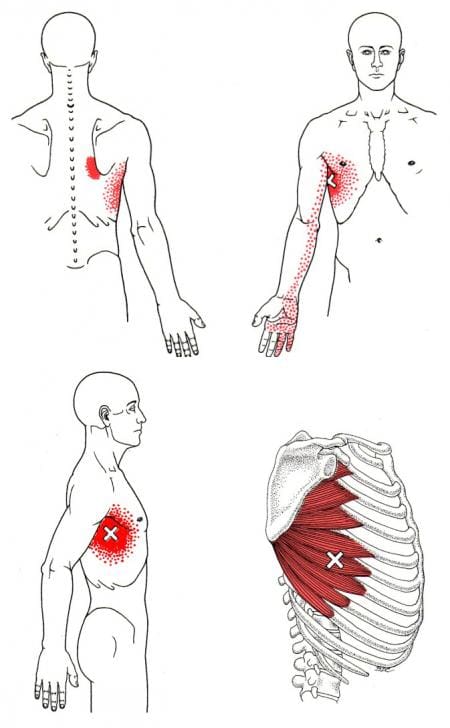
Have you been dealing with pain in the side of your ribs? What about experiencing stiffness or pain when throwing a punch? Do you feel any aches or soreness when adjusting your posture? These symptoms you are experiencing could contribute to the development of trigger points affecting the serratus anterior muscle. The serratus anterior covers the side of the ribcage and lies deep within the scapula and pectoral muscle. This muscle allows the motor function to the arms as it pulls the scapula forward around the thorax when someone throws a punch. However, when the muscle is overused, it can develop trigger points along the serratus anterior muscle and mimic chronic issues in the chest cavity. This causes referred pain to travel from the side of the ribs down to the hand, causing pain-like symptoms to the ring and pinky fingers. Fortunately, various treatments help manage trigger points in the serratus anterior muscle. The video above shows where the trigger points are located in the serratus anterior and how to release the trigger points from the affected muscle to relieve the pain and manage trigger points from returning to the muscle.
Various Actions To Manage Trigger Points Along The Serratus Anterior
When the serratus anterior is affected by trigger points, many people will often feel pain along their sides and complain about their chest hurting for an unknown reason. When this happens, they would be referred to a pain specialist like a chiropractor or a massage therapist to manage trigger points associated with the serratus anterior through various techniques. Studies reveal that techniques like intramuscular neural distribution of the serratus anterior muscle can help reduce the effects of trigger points in the affected muscle to reduce pain-like symptoms. Other methods like thoracic spinal manipulation, dry-needling, acupuncture, or stretching the muscle group can help loosen the stiff muscles and lower trigger points from forming. However, other actions that many people should consider are modifying or avoiding strenuous activities that can reactivate the serratus anterior muscle trigger points. Even when the person is sleeping, putting a pillow under to support the arm can prevent the scapula from falling forward.
Conclusion
The serratus anterior muscle is located at the side of the ribs and is deep within the scapula (the shoulder blades) and the poster muscles. The serratus anterior muscle works with the long thoracic nerve by providing motor function to the arms by allowing anterolateral motion. This allows the individual to throw a punch in a boxing match while lifting the ribs and assisting with respiration. When the serratus anterior muscle succumbs to injuries or has been overused, it can develop into trigger points and cause various issues affecting the body’s chest cavity. Trigger points are treatable through multiple therapies that can manage trigger points while reducing the pain effects rendered in the serratus anterior muscles. These therapies return mobility and motor function to the arms and the serratus anterior muscles.
References
Bautista, Alexander, et al. “Serratus Anterior Muscle Pain Syndrome: A Diagnostic Conundrum.” OUP Academic, Oxford University Press, 11 Feb. 2017, https://academic.oup.com/painmedicine/article/18/8/1600/2990174?login=false.
Long, Kirsten, and Forshing Lui. “Anatomy, Thorax, Long Thoracic Nerve.” In: StatPearls [Internet]. Treasure Island (FL), StatPearls Publishing, 31 July 2021, https://www.ncbi.nlm.nih.gov/books/NBK535396/.
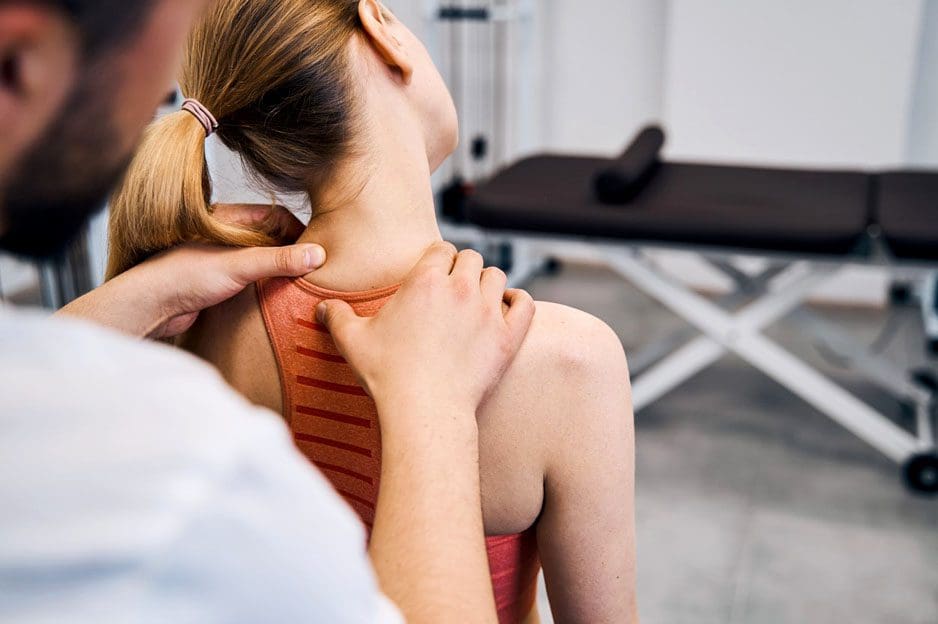
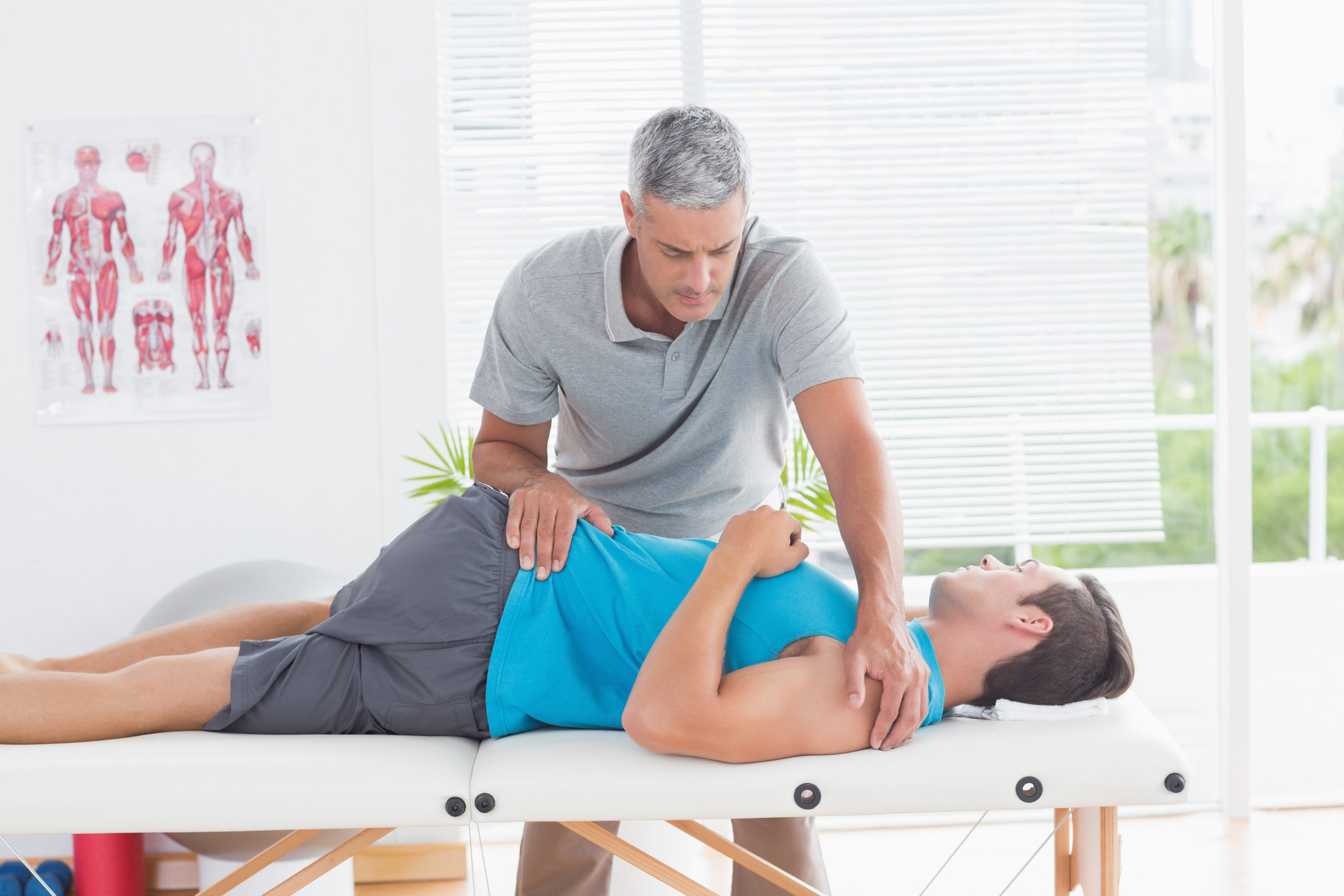
Neuropathy therapeutic massage is a system of structured palpations or movements of the body’s soft tissues. When the nerves don’t get enough oxygen and nutrients from blood circulation, symptoms like tenderness, tingling, numbness, and pain can present. The best way to move the blood is by massaging the circulation in and around the numb and sore areas and throughout the body. Many types of massage therapy are available for various health-related issues. This includes:
Pain alleviation and management
Injury rehabilitation and prevention
Stress alleviation
Anxiety and depression therapy
Immune system restoration
Increasing relaxation
Facilitating overall wellness
Neuropathy Therapeutic Massage
Neuropathy therapeutic massage: The objective is to stimulate blood flow throughout the body. This is because the more muscles move, the better they can maintain blood circulation to nourish the nerves and the body, which is why physical activity/exercise/movement is encouraged. Benefits include:
De-stressing the nerves that are causing tingling, numbness, and burning.
The discomfort eases as the muscles are lengthened and loosened, releasing the tightness and pressure.
Endorphins (natural painkillers) are released, minimizing the pain.
Increase in circulation
Reduced spasms and cramping
Increased joint flexibility
Mobility restoration
Symptom relief
Decreased anxiety
Improved sleep quality
Increased energy levels
Improved concentration
Reduced fatigue
Massage Techniques
Massaging techniques include:
Kneading
Stroking
Gliding
Percussion
Vibration
Friction
Compression
Passive stretching
Active stretching
Effleurage
This can be firm or light soothing, stroking movements without dragging the skin, using the fingertips or the palms.
Petrissage
Lifting or picking up muscles and rolling the skin.
Tapotement
Striking with the side of the hand, usually with slightly flexed fingers, rhythmic finger movements, or short rapid movements with the sides of the hand.
There are different types of massage, those that are for comfort and those for specific conditions or diseases. A few include:
Swedish Massage
Generally regarded as the most common form of massage, this technique involves a combination of five basic strokes and concentrates on the muscles and connective tissues.
Used to improve circulation, relaxation, pain relief, and overall maintenance and well-being.
Sports Massage
Sports massage therapies are used in preventative and therapeutic settings.
Athletes use the technique during warm-ups, training, and competition to treat and/or help in:
Injury prevention
Improved flexibility
Full range of motion
Improved performance
Helps to focus and mental clarity.
Reflexology
This technique uses a system of points on the hands, feet, and ears that correspond to or reflex other body areas.
Reflexologists apply appropriate pressure to these points to stimulate energy flow, to relieve pain or blockages throughout the body.
Reflexology is also used to ease stress and promote relaxation.
Aromatherapy
Various essential oils derived from plants, herbs, flowers, and roots have therapeutic qualities.
Aromatherapy involves essential oils to produce a certain effect; for example, lavender is used to induce calmness and relaxation.
When combined with body massage, aromatherapy can enrich the experience immensely.
A few drops can be added to massage cream or oil and applied to the skin.
Connective tissue massage is similar to myofascial release in that it involves working with the fascia, or soft tissue, to relieve pain, tightness, and discomfort.
The theory of connective tissue massage is that tight, restricted body areas negatively affect other body areas.
Practitioners/therapists hook their fingers into the connective tissue and use pulling strokes to lengthen the tissues.
This releases tension, improves mobility and reduces stress.
Deep-Tissue Massage
Deep-tissue massage utilizes slow strokes, direct pressure, and/or friction across the grain of the muscles with the fingers, thumbs, and/or elbows.
Its purpose is to reach the fascia beneath the muscles going deep into the muscles and connective tissue to release aches and pains.
Therapists thoroughly understand the human body and have been trained to administer deep-tissue massage.
The technique is used in treating chronic pain, inflammation, and injury.
Geriatric Massage
Geriatric massage involves treating the elderly and addressing specific needs related to age, conditions, and illness.
The sessions are usually shorter and involve gentle techniques to facilitate pain relief, relaxation, and overall wellness.
Lymph Drainage Therapy
This technique involves the application of light, rhythmic strokes to alleviate various conditions related to the body’s lymph system.
The lymph system supports the immune system and is responsible for flushing toxins and draining fluid.
When lymph circulation slows down or stops, fluid can build up and cause physical problems like inflammation, edema, and neuropathies.
Therapists restore lymph flow by using a mapping system to assess problem areas, then apply gentle pressure using the fingers and hands to reactivate circulation.
Neuromuscular Therapy
Neuromuscular therapy is massage applied to specific muscles, often used to increase blood circulation, release muscle tension knots/trigger points, and/or release pain/pressure on nerves.
This therapy is also known as trigger-point therapy in that concentrated finger pressure is applied to specific points to alleviate muscular pain.
HealthCare
Neuropathy therapeutic massage is used in combination to enhance regular medical care. Let a doctor know when trying massage therapies, and follow any standard treatment plans. Some forms of massage can cause soreness the next day but should be combined with a sense of improvement and being healthier. If any part of the massage doesn’t feel right or is painful, let the therapist know immediately. Most serious issues come from too much pressure during the massage or sensitivity or allergy to massage oils. Massage therapy caution includes the following:
Vigorous massage should be avoided by individuals with bleeding disorders or low blood platelet counts and taking blood-thinning medications.
Massage therapy should not be done in areas with blood clots, fractures, healing wounds, skin infections, weakened bones from osteoporosis or cancer, or after recent surgery.
Cancer patients should discuss any concerns about massage therapy with their oncologist.
Pregnant women should consult their healthcare provider before using massage therapy.
Peripheral Neuropathy Recovery
References
American Massage Therapy Association defines massage therapy and basic massage therapy terms. www.amtamassage.org
Complementary and alternative methods: types of bodywork. Available at www.cancer.org
Gok Metin, Zehra, et al. “Aromatherapy Massage for Neuropathic Pain and Quality of Life in Diabetic Patients.” Journal of nursing scholarship: an official publication of Sigma Theta Tau International Honor Society of Nursing vol. 49,4 (2017): 379-388. doi:10.1111/jnu.12300
MassageTherapy.com. www.massagetherapy.com
National Institutes of Health, National Center for Complementary and Alternative Medicine
Samuels, Noah, and Eran Ben-Arye. “Integrative Approaches to Chemotherapy-Induced Peripheral Neuropathy.” Current oncology reports vol. 22,3 23. 11 Feb. 2020, doi:10.1007/s11912-020-0891-2
Sarısoy, Pınar, and Ozlem Ovayolu. “The Effect of Foot Massage on Peripheral Neuropathy-Related Pain and Sleep Quality in Patients With Non-Hodgkin’s Lymphoma.” Holistic nursing practice vol. 34,6 (2020): 345-355. doi:10.1097/HNP.0000000000000412
Thomas, Ewan, et al. “Peripheral Nerve Responses to Muscle Stretching: A Systematic Review.” Journal of sports science & medicine vol. 20,2 258-267. 8 Mar. 2021, doi:10.52082/jssm.2021.258
Zhang, Yong-Hui, et al. “Exercise for Neuropathic Pain: A Systematic Review and Expert Consensus.” Frontiers in medicine vol. 8 756940. 24 Nov. 2021, doi:10.3389/fmed.2021.756940
IFM's Find A Practitioner tool is the largest referral network in Functional Medicine, created to help patients locate Functional Medicine practitioners anywhere in the world. IFM Certified Practitioners are listed first in the search results, given their extensive education in Functional Medicine



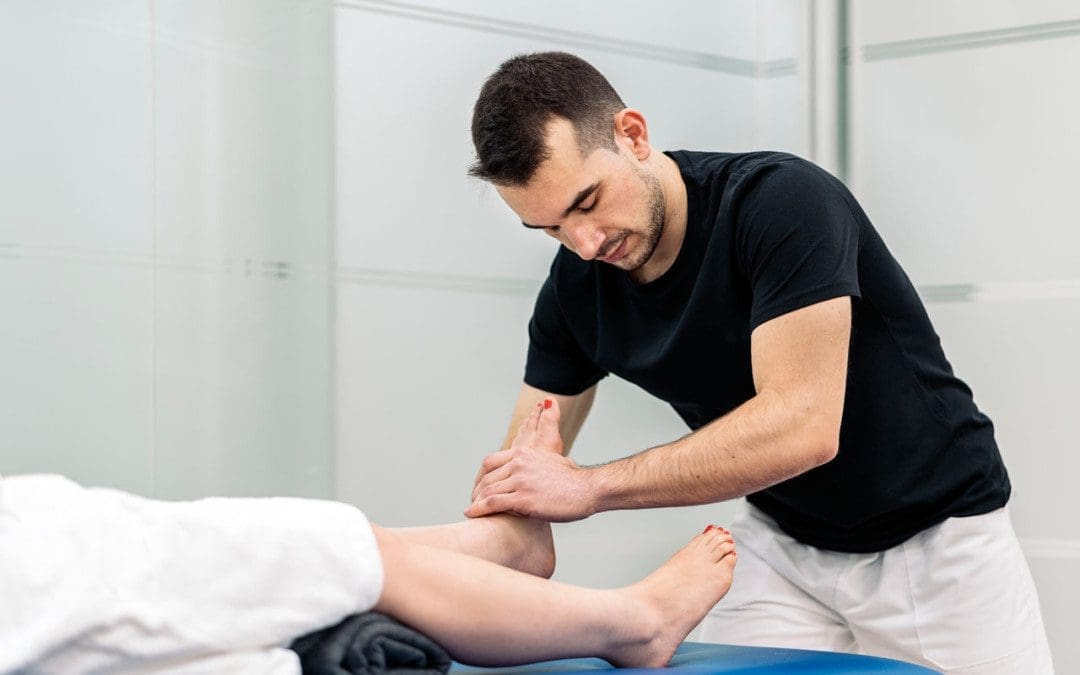
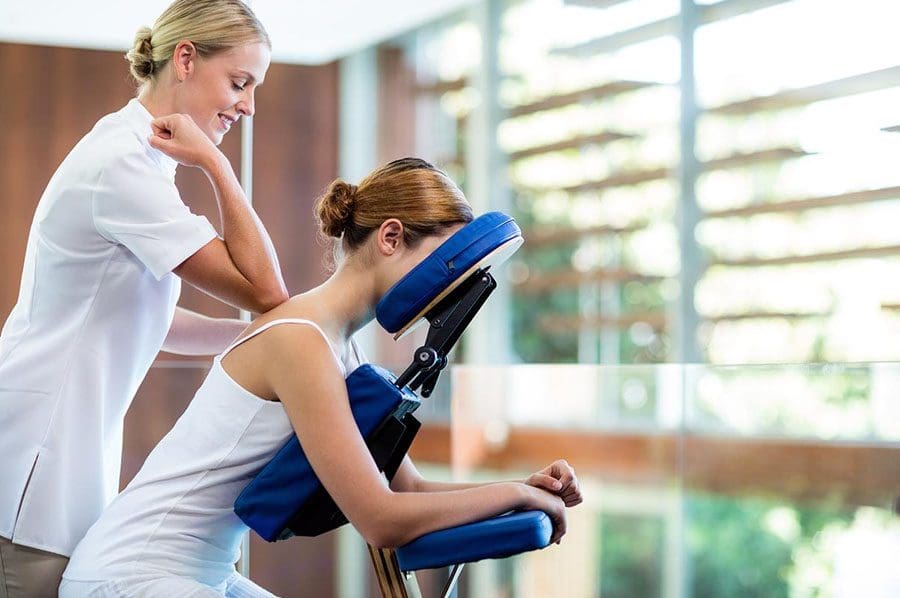 Neuropathy Therapeutic Massage






