For individuals trying to lose weight or improve their diet, can incorporating more fish help improve overall health?
Fish Nutrition
The American Heart Association recommends eating at least two servings of fish each week (American Heart Association, 2021). The type of fish chosen makes a difference, as fish nutrition and calories vary. Some can have a higher calorie count but contain healthy fat.
Nutrition
Comparing fish calories and nutrition data can be tricky. How it is prepared can significantly change its nutritional makeup, and the exact nutrition also varies depending on the variety. As an example, a half portion of a Wild Alaskan Salmon Fillet contains: (U.S. Department of Agriculture. FoodData Central. 2019)
Serving Size 1/2 fillet – 154 grams
Calories – 280
Calories from Fat – 113
Total Fat – 12.5 grams
Saturated Fat – 1.9 grams
Polyunsaturated Fat – 5 grams
Monounsaturated Fat – 4.2 grams
Cholesterol – 109 milligrams
Sodium – 86 milligrams
Potassium – 967.12 milligrams
Carbohydrates – 0 grams
Dietary Fiber – 0 grams
Sugars – 0 grams
Protein – 39.2 grams
The following guide includes other types of fish based on USDA nutrition data (U.S. Department of Agriculture. FoodData Central). Fish calories and nutrition are listed for a 100-gram or 3.5-ounce serving.
Halibut
Raw with skin
116 calories
3 grams fat
0 grams carbohydrate
20 grams protein
Tuna
Yellowfin, fresh, raw
109 calories
Less than one gram of fat
0 grams carbohydrate
24 grams protein
Cod
Atlantic, raw
82 calories,
0.7 grams fat
0 grams carbohydrate
18 grams protein
Mahimahi
Raw
85 calories
0.7 grams fat
0 grams carbohydrate
18.5 grams protein
Ocean Perch
Atlantic, raw
79 calories
1.4 grams fat
0 grams carbohydrate
15 grams protein
Research suggests that fatty fish is the best for weight loss and improved health. Certain types of fish contain an essential fatty acid called omega-3. This polyunsaturated fat provides the body with various health benefits, like reducing the risk of heart disease. Studies show that individuals who eat seafood at least once per week are less likely to die from heart disease. (National Institutes of Health. National Center for Complementary and Integrative Health, 2024) Researchers also believe that omega-3 fatty acids may help reduce symptoms of rheumatoid arthritis and could even improve brain and eye health. Essential omega-3 fatty acids can be taken as a supplement. However, research has not shown that supplements can provide the same benefits as eating omega-3 foods. (Rizos E. C. et al., 2012)
The way that the fish is prepared can change the calorie count. Baked, grilled, and broiled fish are usually the lowest in calories.
Storage and Safety
Fish experts suggest that individuals buy the freshest available. What questions should you ask when visiting the local market?
When was it caught?
The fresher, the better. Fish may remain edible for five days after being caught but may not taste as fresh.
How was it stored?
How the fish is stored and delivered to the market will impact its taste. Fish should be chilled immediately after catching and kept cold throughout delivery and transport.
How does it look and smell?
If the fish has a bad odor, it is likely not fresh. Fresh fish should smell like seawater. If buying fillets, look for a moist texture with clean-cut edges. If the fish is whole, look for clear eyes and a firm texture.
Where is it from?
Buying local fish from sustainable fisheries is recommended but not always possible, depending on where individuals live. There is a Smart Seafood Buying Guide that advises on buying American fish and provides a list of fish with lower mercury levels for health and safety. (Natural Resources Defense Council, 2024)
What is the best way to prepare this fish?
Sometimes, the fishmonger is the best source for simple and healthy recipes and preparation methods. Use fresh fish within two days, or store in the freezer. When ready to use frozen fish, thaw in the refrigerator and never at room temperature. For individuals who don’t like fish taste, there are a few things to help improve the taste. First, try less fishy types. For example, many report that around 100 calories per serving of red snapper tastes less fishy than heavier fish like salmon. Second, try adding fresh herbs and citrus to manage the taste.
Injury Medical Chiropractic and Functional Medicine Clinic works with primary healthcare providers and specialists to develop a personalized treatment plan through an integrated approach to treating injuries and chronic pain syndromes, improving flexibility, mobility, and agility programs to relieve pain and help individuals return to optimal function. Our providers use an integrated approach to create personalized care plans for each patient and restore health and function to the body through nutrition and wellness, functional medicine, acupuncture, Electroacupuncture, and sports medicine protocols. If the individual needs other treatment, they will be referred to a clinic or physician best suited for them. Dr. Jimenez has teamed up with top surgeons, clinical specialists, medical researchers, nutritionists, and health coaches to provide the most effective clinical treatments.
Nutrition Fundamentals
References
American Heart Association. (2021). Fish and Omega-3 Fatty Acids. https://www.heart.org/en/healthy-living/healthy-eating/eat-smart/fats/fish-and-omega-3-fatty-acids
U.S. Department of Agriculture. FoodData Central. (2019). Fish, salmon, king (chinook), raw (Alaska Native). Retrieved from https://fdc.nal.usda.gov/fdc-app.html#/food-details/168047/nutrients
National Institutes of Health. National Center for Complementary and Integrative Health. (2024). 7 things to know about omega-3 fatty acids. Retrieved from https://www.nccih.nih.gov/health/tips/things-to-know-about-omega-fatty-acids
Rizos, E. C., Ntzani, E. E., Bika, E., Kostapanos, M. S., & Elisaf, M. S. (2012). Association between omega-3 fatty acid supplementation and risk of major cardiovascular disease events: a systematic review and meta-analysis. JAMA, 308(10), 1024–1033. https://doi.org/10.1001/2012.jama.11374
Natural Resources Defense Council. (2024). The smart seafood buying guide: five ways to ensure the fish you eat is healthy for you and for the environment. https://www.nrdc.org/stories/smart-seafood-buying-guide
“For individuals who want to exercise but have fears or concerns, can understanding what they are scared of help ease their minds?”
Overcoming Exercise Fears
One reason for the ongoing weight problem is that individuals don’t move around enough, and one reason individuals don’t exercise is fear (Craig M. Hales et al., 2020). For individuals, physical exertion and moving the body to the point of increased heart rate, heavy breathing, and excessive sweating can cause anxiety and be scary when they haven’t done it in a while or have never worked out. Some anxieties and fears individuals may experience include the following:
Looking Foolish
Anything can happen when exercising. When individuals can’t figure out how a machine works or aren’t sure if they’re doing an exercise correctly, falling off a machine or dropping a weight can cause a feeling of foolishness. Knowing how to use machines and weights takes practice. Ask a gym employee or personal trainer for guidance, as educating individuals on doing exercises correctly and safely is their job. And most individuals working out are happy to help as well.
Experiencing Pain
Some avoid exercise, fearing intense pain. Exercise is not supposed to be painful, but it will cause soreness because individuals use muscles that they haven’t used for a while or at all. For instance, the muscles will experience a slight burning sensation when lifting weights. The body reacts to the workout and adapts to exercise. As the body gets stronger, individuals recognize their body’s response and are able to challenge themselves with heavier weights, longer runs, walks, and workouts. When beginning an exercise program, start slow. Some trainers recommend doing slightly less than an individual thinks they can for the first weeks. This helps to build a habit without the risk of burnout.
Injuries
When starting an exercise program, individuals can feel changes all over their bodies, like everything is pulling and tearing apart. Individuals who haven’t exercised much may be unable to distinguish between the normal discomfort from exercising for the first time and pain from an injury. Shin splints, side stitches, or other common side effects may develop from beginning an exercise program. Individuals may need to stop exercising, treat the injury, and start again.
If there are sharp pains in the joints, tearing in the muscles or ligaments, or anything else that doesn’t feel normal, stop and seek medical attention.
Exercise Mindfulness
The body will feel something while exercising, but separating real injury pain from normal sensations is important.
Be aware of how the body feels throughout the workout.
Follow instructions and pay attention to proper form to minimize the risk of injury.
Proper Footwear
Wearing the right workout shoes is a good idea to avoid and prevent injuries.
Invest in a quality pair of shoes to give the body the support it needs.
Proper Form
If lifting weights, one way to sustain an injury is using incorrect form or posture.
If you are unsure how to do the exercises, consult a trainer or gym employee to explain how the machine works.
Warm Up
Jumping into a workout without warming up can lead to injuries that can lead to chronic pain conditions.
If lifting weights, do a little cardiovascular exercise first or a warm-up set with lighter weights.
Workout Within Fitness Levels
Injuries happen when trying to do too much too soon.
Start with a light program.
Work up to more intense and frequent workouts.
For example, if only able to walk for 10 minutes, start there and increase gradually.
Failure
When it comes to exercise, failure can be experienced in different ways, like losing weight, failing to make it through a workout, being unable to stick to an exercise program, etc. This is part of the process, but individuals can overcome exercise fears through perseverance.
Setting the bar too high can become an excuse to quit.
A simple way to deal with this is to set a reachable goal.
Long-term goals can be set to work toward.
Do what you can handle now.
Individuals take risks whenever they do something out of their comfort zone. However, taking risks may be necessary to overcome exercise fears, keep going, and achieve success.
Weight Loss Techniques
References
Hales CM, C. M., Fryar CD, Ogden CL. (2020). Prevalence of obesity and severe obesity among adults: United States, 2017–2018. NCHS Data Brief, no 360. Hyattsville, MD: National Center for Health Statistics. Retrieved from https://www.cdc.gov/nchs/products/databriefs/db360.htm#Suggested_citation
For individuals who want to eat healthier, can selection and moderation make mayonnaise a delicious and nutritious addition to a low-carbohydrate diet?
Mayonnaise Nutrition
Mayonnaise is used in various recipes, including sandwiches, tuna salad, deviled eggs, and tartar sauce. It is often considered unhealthy, as it is mostly fat and, as a result, calorie-dense. Calories and fat can quickly add up when not paying attention to portion sizes.
What Is It?
It is a blend of different ingredients.
It combines oil, egg yolk, an acidic liquid (lemon juice or vinegar), and mustard.
The ingredients become a thick, creamy, permanent emulsion when blended slowly.
The key is in the emulsion, combining two liquids that would otherwise not naturally come together, which turns the liquid oil into a solid.
The Science
Emulsification happens when an emulsifier – the egg yolk – binds the water-loving/hydrophilic and oil-loving/lipophilic components.
The emulsifier binds the lemon juice or vinegar with the oil and does not allow separation, producing a stable emulsion. (Viktoria Olsson et al., 2018)
In homemade mayonnaise, the emulsifiers are mainly the lecithin from the egg yolk and a similar ingredient in mustard.
Commercial mayonnaise brands often use other types of emulsifiers and stabilizers.
Health
It contains health-promoting properties, such as vitamin E, which improves heart health, and vitamin K, which is important for blood clotting. (USDA, FoodData Central, 2018)
It can also be made with healthy fats like omega-3 fatty acids, which maintain brain, heart, and skin health.
While reduced-fat mayonnaise has fewer calories and less fat than regular mayonnaise, the fat is often replaced with starches or sugar to improve texture and flavor.
For individuals watching carbohydrates or sugar in their diet, check the nutrition label and ingredients before deciding on the right mayonnaise.
Body In Balance: Chiropractic, Fitness, and Nutrition
References
Olsson, V., Håkansson, A., Purhagen, J., & Wendin, K. (2018). The Effect of Emulsion Intensity on Selected Sensory and Instrumental Texture Properties of Full-Fat Mayonnaise. Foods (Basel, Switzerland), 7(1), 9. https://doi.org/10.3390/foods7010009
USDA, FoodData Central. (2018). Mayonnaise dressing, no cholesterol. Retrieved from https://fdc.nal.usda.gov/fdc-app.html#/food-details/167736/nutrients
Mozafari, H. R., Hosseini, E., Hojjatoleslamy, M., Mohebbi, G. H., & Jannati, N. (2017). Optimization low-fat and low cholesterol mayonnaise production by central composite design. Journal of food science and technology, 54(3), 591–600. https://doi.org/10.1007/s13197-016-2436-0
Zhu, J., Li, J., & Chen, J. (2012). Survival of Salmonella in home-style mayonnaise and acid solutions as affected by acidulant type and preservatives. Journal of food protection, 75(3), 465–471. https://doi.org/10.4315/0362-028X.JFP-11-373
United States Department of Agriculture. Food Safety and Inspection Service. (2024). Keep Food Safe! Food Safety Basics. Retrieved from https://www.fsis.usda.gov/food-safety/safe-food-handling-and-preparation/food-safety-basics/steps-keep-food-safe
Institute of Medicine (U.S.). Committee on Dietary Guidelines Implementation., Thomas, P. R., Henry J. Kaiser Family Foundation., & National Cancer Institute (U.S.). (1991). Improving America’s diet and health : from recommendations to action : a report of the Committee on Dietary Guidelines Implementation, Food and Nutrition Board, Institute of Medicine. National Academy Press. http://books.nap.edu/books/0309041392/html/index.html
https://www.ncbi.nlm.nih.gov/books/NBK235261/
“Can understanding moderate exercise and how to measure the amount of exercise help expedite individuals’ health goals and well-being?”
Moderate Exercise
Various physical activity guidelines recommend regular, moderate exercise for achieving and maintaining health and wellness. Getting the minimum, moderate weekly physical activity can help prevent disease, increase mental well-being, support weight loss and maintenance, and improve quality of life.
Moderate-intensity cardiovascular exercise includes – brisk walking, yard work, mopping, vacuuming, and playing various sports that require consistent movement.
When engaged in moderate exercise, individuals should breathe harder but still be able to carry a conversation. (American Heart Association, 2024)
The talk test is a way to monitor whether the exercise is at moderate intensity.
A heart rate chart or calculator can determine an individual’s maximum heart rate.
To measure heart rate mid-exercise, individuals can take their pulse or use a heart rate monitor, app, fitness tracker, or smartwatch to ensure they stay at a moderate intensity.
MET
M.E.T. stands for Metabolic Equivalent for Task and refers to the amount of oxygen the body uses during physical activity.
Assigning METs to an activity allows individuals to compare the amount of exertion an activity takes.
This works for individuals with different weights.
During moderate physical activity, breathing and heart rate increase, and the body burns around 3.5 to 7 calories a minute.
The actual number burned depends on your weight and fitness level.
The body uses 1 MET for basic functions like breathing.
Grades of activity:
1 MET – Body at rest
2 METs – Light activity
3-6 METs – Moderate activity
7 or more METs – Vigorous activity
Perceived Exertion Scale
Individuals can also check their activity level using the Borg Rating of Perceived Exertion scale/RPE. (Centers for Disease Control and Prevention, 2022) Using this scale involves monitoring how an individual feels about how hard their body is working during physical activity. The scale starts at 6 and ends at 20. A perceived exertion between 11 and 14 is considered moderate physical activity.
6 – No exertion – sitting still or sleeping
7-8 – Extremely light exertion
9-10 – Very light exertion
11-12 – Light exertion
13-14 – Somewhat hard exertion
15-16 – Heavy exertion
17-18 – Very heavy exertion
20 – Maximum exertion
Examples
Many activities are counted as moderate-intensity exercise. Choose some appealing and learn to add them to a weekly routine.
Ballroom dancing
Line dancing
Gardening
House chores that get the heart pumping.
Softball
Baseball
Volleyball
Doubles tennis
Brisk walking
Light jogging
Walking or jogging on a treadmill
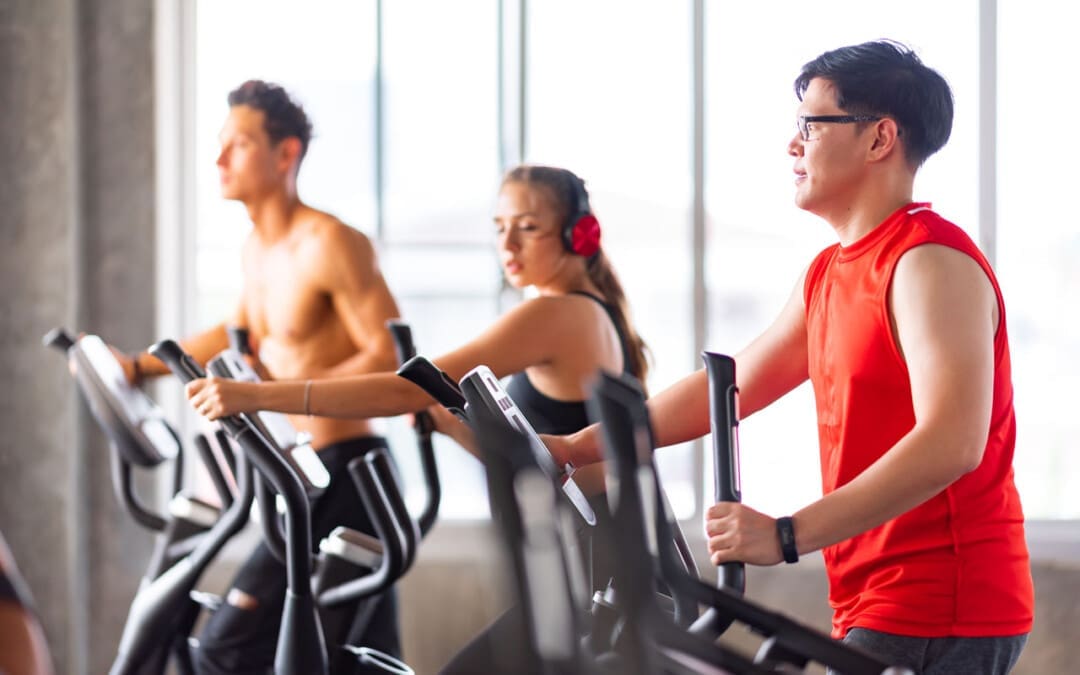
Using an elliptical trainer
Bicycling under 10 miles an hour on ground level
Leisurely swim
Water aerobics
Mobility Challenges
Individuals with mobility issues can achieve moderate intensity using a manual wheelchair or a handcycle and swimming or water aerobics.
Individuals who can use their legs but can’t tolerate walking or jogging can try bicycling or swimming.
Getting More Exercise
There are different ways to incorporate and increase moderate physical activities. These include:
10-minute Activity Bursts
Walk briskly for at least 10 minutes at a time.
Walk at an easy pace for a couple of minutes.
Pick up the pace for 10 minutes.
Try to walk during work breaks or lunch and/or before or after work.
Walking Workouts
Individuals can walk indoors, outdoors, or on a treadmill.
Proper posture and walking techniques make it easier to achieve a brisk pace.
Once comfortable walking briskly for 10 minutes, begin to extend walking time.
Try different walking workouts that offer fast walks, jogging intervals, and/or adding hills or treadmill inclines.
New Activities
Individuals are recommended to experiment with various exercises to find what works for them.
Consider roller skating, blading, or skateboarding to increase heart rate.
Moderate physical activity will get and keep the body in shape. Individuals should not become distressed if they can only do a little at first. Allow time to build endurance and gradually make time each day for enjoyable physical activities.
Transform Your Body
References
U.S. Department of Health & Human Services. (2018). Physical Activity Guidelines for Americans, 2nd edition. Retrieved from https://health.gov/sites/default/files/2019-09/Physical_Activity_Guidelines_2nd_edition.pdf
American Heart Association. (2024). American Heart Association recommendations for physical activity in adults and kids. (Healthy Living, Issue. https://www.heart.org/en/healthy-living/fitness/fitness-basics/aha-recs-for-physical-activity-in-adults
Centers for Disease Control and Prevention. (2022). Target heart rate and estimated maximum heart rate. Retrieved from https://www.cdc.gov/physicalactivity/basics/measuring/heartrate.htm
Centers for Disease Control and Prevention. (2022). Perceived exertion (Borg Rating of Perceived Exertion Scale). Retrieved from https://www.cdc.gov/physicalactivity/basics/measuring/exertion.htm
For individuals wanting to improve and/or maintain health research shows evidence that acupuncture may help promote weight loss. Can incorporating acupuncture into an overall health plan help achieve this goal?
Acupuncture Weight Loss
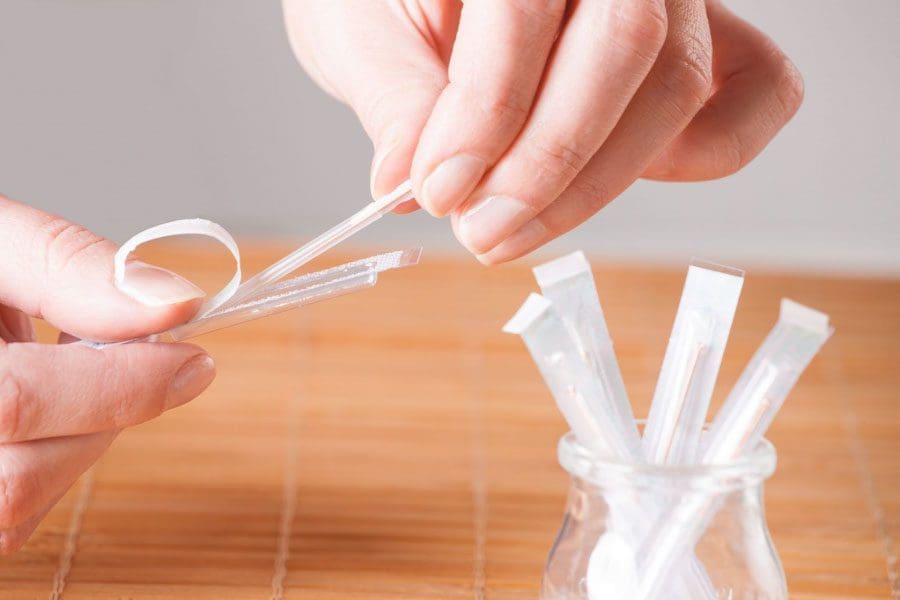
Acupuncture is a traditional medical therapy that inserts thin, flexible needles into the body at specific points. It has been around for more than 2,500 years. The practice is believed to stimulate the body’s energy/circulation, and research suggests that it could improve various factors known to contribute to weight gain and obesity. (Kepei Zhang et al., 2018)
Acupuncture regulates energy flow and helps restore the body’s balance, which is believed to promote homeostasis and self-healing. (Ning-Cen Li et al., 2019)
Acupuncture stimulates connective tissue, which affects blood circulation, nerves, and the immune system.
It has been used to help manage conditions like migraines, infertility, pain management, and weight loss.
At the first appointment, the acupuncturist will take a general medical history and identify weight loss goals.
They will help identify the root causes contributing to weight gain, e.g., slow metabolism, thyroid issues, and overeating, to develop an effective personalized treatment plan.
A trained and licensed practitioner may also be able to provide nutritional and health coaching in addition to acupuncture treatments.
Procedure
The needles are thin and designed to work effectively without causing pain or bleeding.
The needles are left in for 15 to 30 minutes per session, depending on the treatment stage.
The practitioner may lift or rotate the needles as part of the technique during a session.
Many individuals report that acupuncture treatments are relaxing and pain-free.
For weight loss, the ear points will be the focus.
Research suggests that stimulating certain outer ear points may help balance hormones that help decrease cravings and suppress appetite. (Li-Hua Wang et al.,2019)
Two hormones that help in weight loss and acupuncture may help rebalance include: (Li-Hua Wang et al.,2019)
Ghrelin
Controls appetite and meal stimulation.
Leptin
Regulates fat storage and metabolism.
Acupuncture Weight Loss can help:
Decrease food cravings
Suppress appetite
Improve digestion
Increase metabolism
Research
Acupuncture weight loss recent research:
One study compared the effectiveness of auricular/ear acupuncture to body acupuncture in obese women and found that those who received ear acupuncture lost more weight than the individuals who received acupuncture in other body areas. (Cayir Yasemin et al., 2017)
Another study found that overweight females between 20 and 30 years of age who received six weekly treatments of ear acupuncture experienced a reduction in waist circumference. (Felicity Lillingston et al., 2019)
Many individuals gain weight as a result of stress.
Research suggests that acupuncture therapy helps stimulate the release of endorphins or the body’s natural pain-relieving hormones.
This helps create calming, relaxing effects that counteract stress eating caused by tension, frustration, and anxiety. (Laila Ahmed Abou Ismail et al., 2015)
When incorporated with lifestyle adjustments, like regular exercise, improved sleep, stress management, and a balanced diet, a review of studies concluded that acupuncture is effective for weight loss. (S-Y Kim et al, 2018)
Safety
The risks of acupuncture are low when performed by a licensed and certified practitioner. The most common side effects include:
Soreness
Bruising
Minor bleeding where the needles were inserted
Fatigue
Before seeking acupuncture treatment, consult your healthcare provider about consideration. They may recommend a reputable practitioner if the treatment is right for you.
Chiropractic Care and Metabolism
References
Zhang, K., Zhou, S., Wang, C., Xu, H., & Zhang, L. (2018). Acupuncture on Obesity: Clinical Evidence and Possible Neuroendocrine Mechanisms. Evidence-based complementary and alternative medicine : eCAM, 2018, 6409389. https://doi.org/10.1155/2018/6409389
Li, N. C., Li, M. Y., Chen, B., & Guo, Y. (2019). A New Perspective of Acupuncture: The Interaction among Three Networks Leads to Neutralization. Evidence-based complementary and alternative medicine : eCAM, 2019, 2326867. https://doi.org/10.1155/2019/2326867
Wang, L. H., Huang, W., Wei, D., Ding, D. G., Liu, Y. R., Wang, J. J., & Zhou, Z. Y. (2019). Mechanisms of Acupuncture Therapy for Simple Obesity: An Evidence-Based Review of Clinical and Animal Studies on Simple Obesity. Evidence-based complementary and alternative medicine : eCAM, 2019, 5796381. https://doi.org/10.1155/2019/5796381
Yasemin, C., Turan, S., & Kosan, Z. (2017). The Effects of Auricular and Body Acupuncture in Turkish Obese Female Patients: A Randomized Controlled Trial Indicated Both Methods Lost Body Weight But Auricular Acupuncture Was Better Than Body Acupuncture. Acupuncture & electro-therapeutics research, 42(1), 1–10. https://doi.org/10.3727/036012917×14908026364990
Lillingston, F., Fields, P., & Waechter, R. (2019). Auricular Acupuncture Associated with Reduced Waist Circumference in Overweight Women-A Randomized Controlled Trial. Evidence-based complementary and alternative medicine : eCAM, 2019, 6471560. https://doi.org/10.1155/2019/6471560
Ismail, L. A., Ibrahim, A. A., Abdel-Latif, G. A., El-Haleem, D. A., Helmy, G., Labib, L. M., & El-Masry, M. K. (2015). Effect of Acupuncture on Body Weight Reduction and Inflammatory Mediators in Egyptian Obese Patients. Open access Macedonian journal of medical sciences, 3(1), 85–90. https://doi.org/10.3889/oamjms.2015.010
Kim, S. Y., Shin, I. S., & Park, Y. J. (2018). Effect of acupuncture and intervention types on weight loss: a systematic review and meta-analysis. Obesity reviews : an official journal of the International Association for the Study of Obesity, 19(11), 1585–1596. https://doi.org/10.1111/obr.12747
For individuals experiencing frequent bloating or constipation, could performing a colon cleanse help alleviate your symptoms?
Colon Cleanse
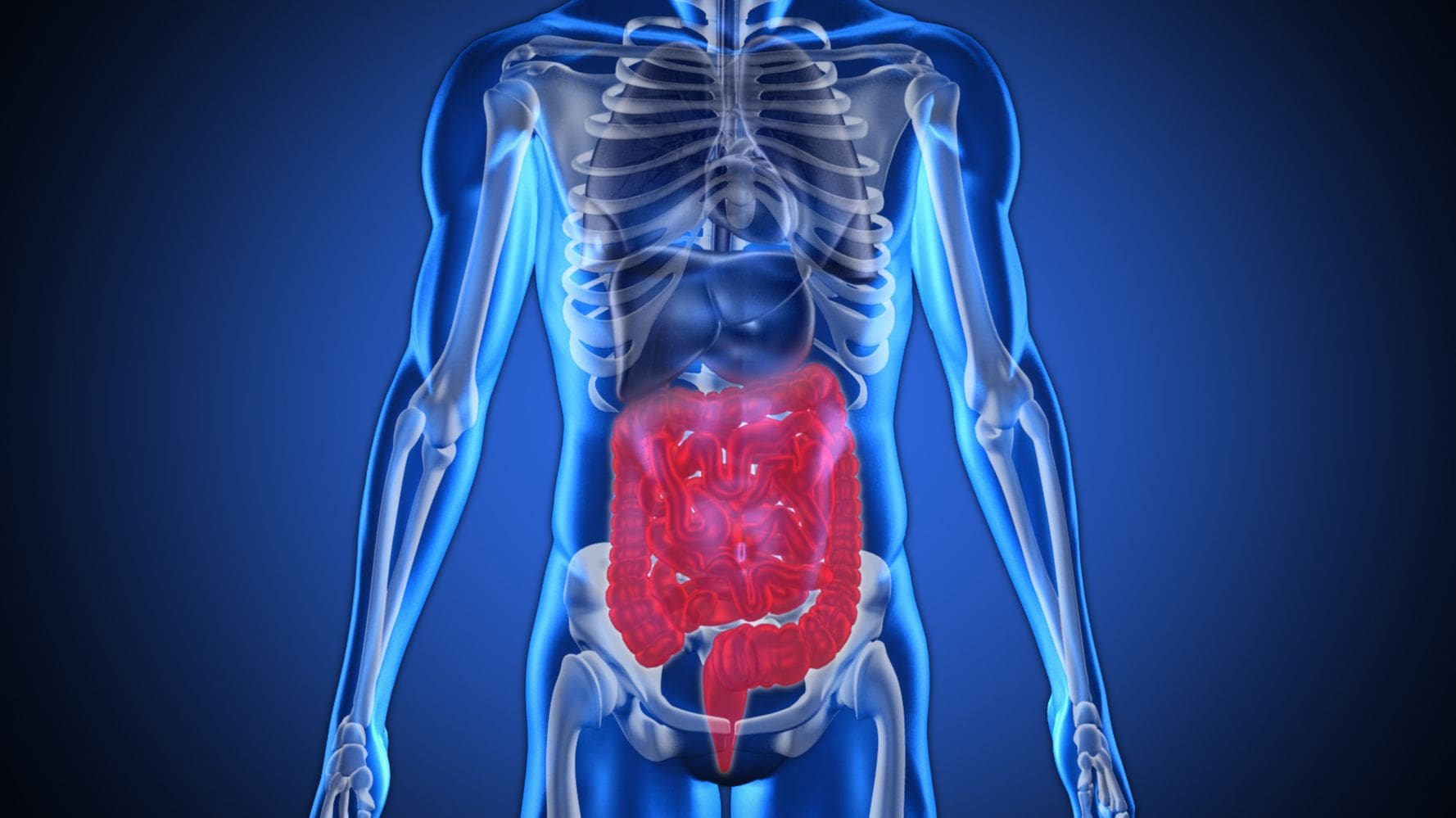
Individuals can clean out their bowels, colon, or large intestine by drinking more water and adding certain foods to their diet, like whole grains, fruits, and vegetables. Some may find that the practice helps decrease bloating or other digestive issues. While a colon cleanse is safe for most, the practice can cause side effects, like nausea or dehydration.
Benefits
Natural colon cleanses can provide various benefits that include:
Reducing bloating.
Improving the immune system.
Removing toxins from the body.
Helping with weight loss.
Decreasing the risk of colon cancer.
While individuals may feel better after a natural colon cleanse, there is currently no research to support the medical benefits. (Cedars Sinai. 2019)
Another type is known as hydrotherapy of the colon or irrigation.
A healthcare provider performs this type of cleansing and sends water into the colon with instrumentation.
This type of cleanse is not used to prepare individuals for a colonoscopy.
Cleansing
Cleansing the body safely can be done with ingredients from the local grocery store.
Thorough Hydration
Water will improve body function, including digestion and elimination.
Use the color of urine as a guide.
If it’s pale yellow, the body is getting enough water.
If it’s darker, the body needs more.
Increasing Fiber Consumption
Fiber is a type of carbohydrate that the body cannot digest but influences:
Fiber can be found in fruits, vegetables, oats, lentils, peas, and almonds.
Increasing fiber intake will help regulate the bowels and maintain overall colon health. (Cornell University. 2012)
Probiotics
Probiotics are live bacteria and yeasts that have health and digestion benefits.
Researchers believe they help to replace healthy bacteria and balance the healthy and unhealthy bacteria in the body, which maintains smooth digestion. (Mount Sinai. 2024)
Fermented foods like yogurt, kimchi, sauerkraut, and pickles are healthy sources of probiotics.
They also come as supplements.
Apple Cider Vinegar and Honey
Both ingredients contain probiotics, and mixing them can help improve gut health.
Individuals also believe that this concoction can help remove toxins from the body, but there’s no scientific evidence to support this.
Individuals can try 1 tablespoon of raw honey and 2 tablespoons of apple cider vinegar in a warm glass of water.
Juice and Smoothies
Adding more fruits, including juice and smoothies, is a healthy way to stay hydrated.
It also adds fiber and other nutrients to improve gut health.
Bananas and apples are a healthy source of probiotics.
Individuals can also add yogurt to the smoothies for extra probiotics.
These elements can help improve the gut microbiome and regulate bowel movements.
Precautions
Doing a colon cleanse should be safe for most, as long as the individual is not fasting at the same time or performing them too frequently. However, it’s recommended to consult a healthcare provider before changing eating patterns or trying new treatments or supplements, including a colon cleanse, especially for individuals who have an underlying condition.
Side Effects
Colon cleansing can come with risks that can include: (Cedars Sinai. 2019)
Dehydration
Cramping
Nausea
Electrolyte imbalance
Doing occasional colon cleanses may not result in side effects, but the chances of side effects increase the longer or more often cleanses are performed. It’s recommended to consult a healthcare provider if experiencing any symptoms.
Improving Colon Health
The best way to improve colon health is by drinking enough water and eating foods that promote a healthy digestive system. Healthy approaches include:
Increasing fruit and vegetable intake.
Increasing whole grain intake provides fiber and more nutrients.
Eating ground flaxseed improves digestion and elimination.
Integrative Medicine
References
Rosenblum, C. S. K. (2019). Ask a doc: Are colon cleanses healthy? (Cedars-Sinai Blog, Issue. https://www.cedars-sinai.org/blog/colon-cleansing.html
University., C. (2012). Fiber, digestion, and health. (Health Services, Issue. https://health.cornell.edu/sites/health/files/pdf-library/fiber-digestion-health.pdf
Sinai., M. (2024). Lactobacillus acidophilus. (Health Library, Issue. https://www.mountsinai.org/health-library/supplement/lactobacillus-acidophilus
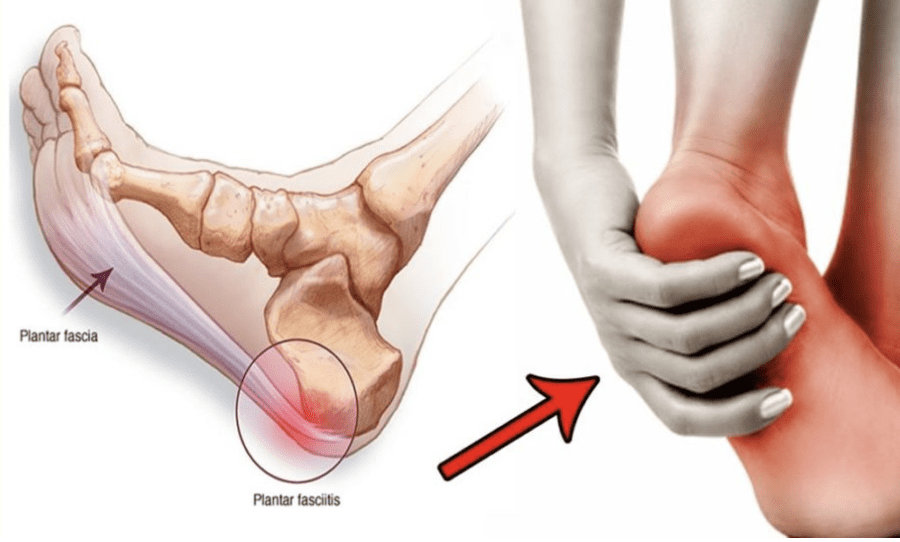
Individuals with plantar fasciitis may experience consistent flare-ups. Can knowing the causes help to find pain relief?
Plantar Fasciitis Flare-Up
Plantar fasciitis is a common cause of heel and foot pain. The plantar fascia is a band of tissue that runs along the bottom of the foot and becomes inflamed. Certain factors can cause plantar fasciitis flare-ups, including:
Increased levels of physical activity.
Not stretching regularly.
Wearing shoes without proper support.
Weight gain.
Causes
A plantar fasciitis flare-up is often triggered by physical activity. (MedlinePlus. U.S. National Library of Medicine. 2022) It can also be brought on by underlying conditions, like increased body weight, arthritis, or the shape of the foot. (Johns Hopkins Medicine. 2023) Despite the root cause, there are activities and experiences that can contribute to and/or worsen the condition.
New Exercise Routine
Being highly physically active can exacerbate plantar fasciitis symptoms.
High heels, boots, or shoes that raise the heel above the toes.
Worn-out shoes like exercise workout shoes.
Not Stretching Properly or At All
Tight calves can increase pressure on the plantar fascia.
Stretching the calves, Achilles tendon/heel, and the bottom of the feet is highly recommended to help treat and prevent the condition. (Johns Hopkins Medicine. 2023)
Not stretching thoroughly or skipping stretches can worsen symptoms.
Individuals with plantar fasciitis are recommended to stretch before and after physical activities, exercise, before going to bed, and after waking up.
Working Through the Pain
Individuals may try to continue physical activities during a flare-up.
This is not recommended as doing so can cause more pain and worsen the condition.
When pain presents, it’s recommended to:
Stop all activities that strain the feet
Stay off the feet for at least a week.
Tearing the Plantar Fascia
The plantar fascia rarely tear completely from repeated stress known as a plantar fascia rupture.
Pascoe, S. C., & Mazzola, T. J. (2016). Acute Medial Plantar Fascia Tear. The Journal of orthopaedic and sports physical therapy, 46(6), 495. https://doi.org/10.2519/jospt.2016.0409
IFM's Find A Practitioner tool is the largest referral network in Functional Medicine, created to help patients locate Functional Medicine practitioners anywhere in the world. IFM Certified Practitioners are listed first in the search results, given their extensive education in Functional Medicine