What is the body’s center of gravity to understand and maintain a healthy posture and balance?
Center of Gravity
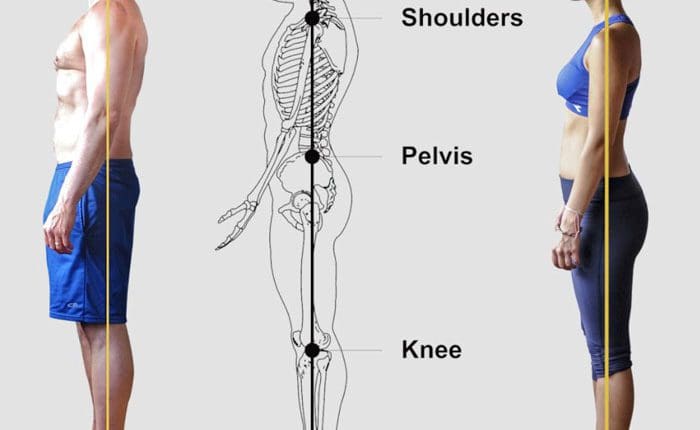
The human center of gravity, or COG, also known as the center of mass, with the two terms being interchangeable, is where the body’s weight appears to be concentrated. It’s a point in space where the entire body’s mass can be concentrated. When standing upright, the COG is generally located behind the navel and in front of the sacrum, around the level of the second vertebra. (Le Huec, J. 2011) The center of gravity is related to posture, including issues such as swayback, the design of posture exercise programs, and much more.
Gravity is a downward pull or force the Earth exerts on the body, creating weight. (NASA, 2013)
The center of gravity (COG) is where a body’s weight is equally balanced in all directions. (Physiopedia, 2025)
When the COG is defined, it is done from the reference of a static, standing position.
Because the body is in motion when we change positions, the COG is located in a new position with each new position.
The center of gravity is the point around which all the parts balance, which may be inside or outside the body.
Even slight changes in position can change where the COG is. (Physiopedia, 2025)
Key aspects of the COG
Location
When standing upright, the COG is typically found at the second vertebral level, behind the navel and in front of the sacrum. (Le Huec, J. 2011)
Shifting COG
The COG can shift depending on body position, posture, and movements like bending forward or backward. (Physiopedia, 2025)
Balance Impact
The relationship between the COG and the base of support (the area of the body in contact with the ground) is fundamental to maintaining balance.
Variations
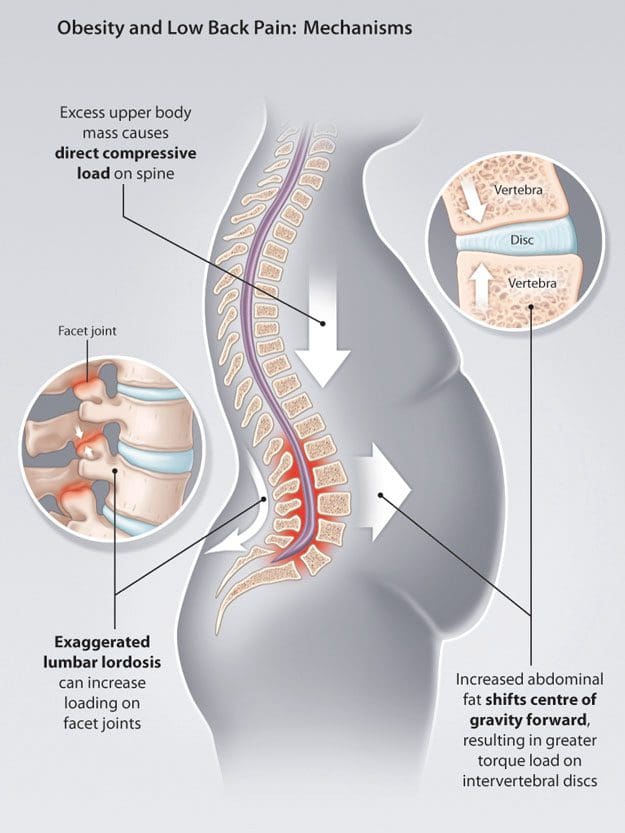
There can be variations in the COG location based on factors like gender (men tend to have a slightly higher COG), body shape, and even conditions like obesity or chronic low back pain. (Physiopedia, 2025)
Biomechanics
Understanding the COG is crucial in biomechanics and movement analysis, as it’s an index of total body motion and how the body responds to external forces.
The Human Center
The center of gravity is the point at which the body’s mass is equally balanced. This point changes depending on one’s position:
Arms up/down
Leaning
Turning
With strength and flexibility training, the human body can change its center of gravity, as gymnasts and dancers do.
When standing, the center of gravity is normally located behind the navel and in front of the sacrum bone (made up of five vertebrae fused vertically) at about the second vertebra level. (Hasegawa K. et al., 2022)
Because the body has moving parts, its overall shape changes every time it moves. Carrying something like a suitcase or grocery bag or wearing a backpack adds weight to some areas but not others, changing the center of gravity as it does.
The center of gravity is a continually changing point inside or outside the body that represents where the weight or mass of the rest of the body is equally balanced in every direction.
This point can and does change based on what is being carried and how it is carried, as well as body position and movements.
Chronic Lower Back Pain
A study in the Journal of Back and Musculoskeletal Rehabilitation found that individuals with chronic lower back pain tend to have their center of gravity located excessively towards the back. (Kim D. H., Park J. K., & Jeong M. K. 2014)
In the study, the individuals had decreased low back strength upon extension and a reduced normal low back curve.
The researchers found that those with chronic lower back pain whose center of gravity was too far back may need physical therapy to retrain the body to overcome strength and balance challenges to re-establish and maintain a healthy posture.
Injury Medical Chiropractic and Functional Medicine Clinic
As a Family Practice Nurse Practitioner, Dr. Jimenez combines advanced medical expertise with chiropractic care to address various conditions. Our clinic integrates Functional Medicine, Acupuncture, Electro-Acupuncture, and Sports Medicine to create customized care plans that promote natural healing, mobility, and long-term wellness. By focusing on flexibility, agility, and strength, we empower patients to thrive, regardless of age or health challenges. At El Paso’s Chiropractic Rehabilitation Clinic & Integrated Medicine Center, we passionately focus on treating patients after injuries and chronic pain syndromes. We focus on improving your ability through flexibility, mobility, and agility programs tailored for all age groups and disabilities. We use in-person and virtual health coaching and comprehensive care plans to ensure every patient’s personalized care and wellness outcomes.
Enhance Your Lifestyle Today with Chiropractic Care
References
Le Huec, J. C., Saddiki, R., Franke, J., Rigal, J., & Aunoble, S. (2011). Equilibrium of the human body and the gravity line: the basics. European spine journal: official publication of the European Spine Society, the European Spinal Deformity Society, and the European Section of the Cervical Spine Research Society, 20 Suppl 5(Suppl 5), 558–563. https://doi.org/10.1007/s00586-011-1939-7
NASA. Jet Propulsion Laboratory, California Institute of Technology. (2013). What is gravity? Retrieved from https://gracefo.jpl.nasa.gov/news/5/what-is-gravity/
Physiopedia. (2025). Centre of gravity. https://www.physio-pedia.com/Centre_of_Gravity
Hasegawa, K., Amabile, C., Nesme, M., & Dubousset, J. (2022). Gravity center estimation for evaluation of standing whole body compensation using virtual barycentremetry based on biplanar slot-scanning stereoradiography – validation by simultaneous force plate measurement. BMC musculoskeletal disorders, 23(1), 22. https://doi.org/10.1186/s12891-021-04948-5
Kim, D. H., Park, J. K., & Jeong, M. K. (2014). Influences of posterior-located center of gravity on lumbar extension strength, balance, and lumbar lordosis in chronic low back pain. Journal of Back and Musculoskeletal Rehabilitation, 27(2), 231–237. https://doi.org/10.3233/BMR-130442
When you don’t have breadcrumbs or want to try something else, what are healthy substitutes for breadcrumbs that may yield similar results without sacrificing flavor or texture?
Bread Crumbs
Various recipes call for bread crumbs. Adding bread crumbs to sauces and other dishes helps bind and thicken wet ingredients while sprinkling bread crumbs on top of casseroles can add a crispy, crunchy texture. Individuals who follow low-carb or gluten-free meal plans or those with allergies to wheat may choose to avoid bread crumbs and dishes made with them. Wheat-free substitutes can replace bread crumbs in recipes with similar results, though the recipe may vary slightly.
Why Use Substitutes?
Individuals with food allergies or dietary restrictions may seek a substitute for bread crumbs since they may contain common allergens like wheat and gluten. Wheat is among the most common food allergies in the U.S. (Asthma and Allergy Foundation of America, 2022)
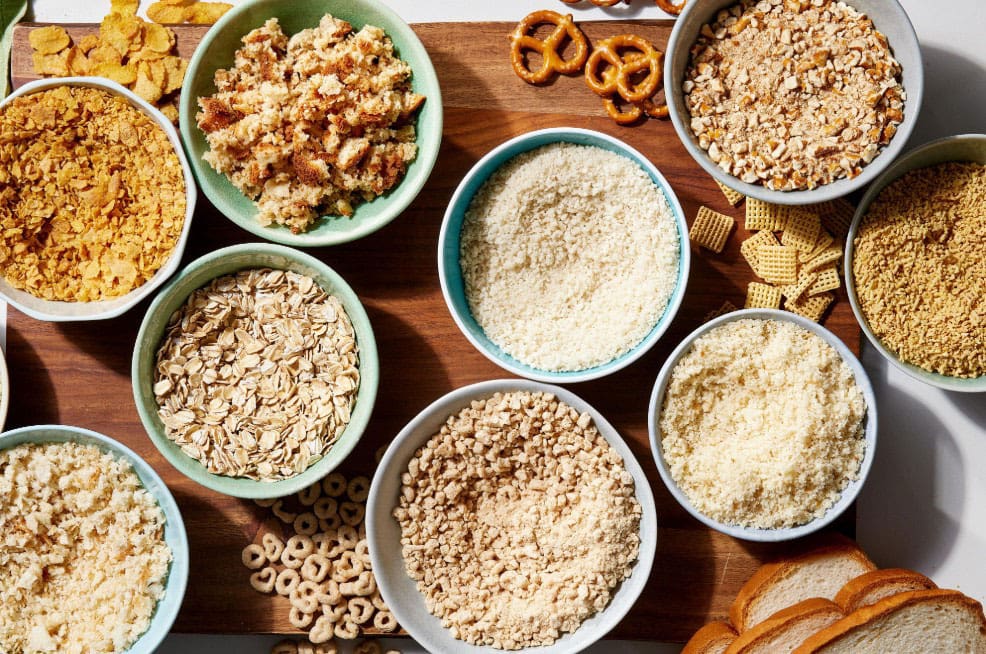
For those with allergies or sensitivities, gluten- and wheat-free bread crumbs are available to purchase at some stores, and some use alternatives out of preference. Crushing different varieties of chips, crackers, and pretzels can be used instead of bread crumbs, adding a unique flavor and texture. However, these substitutes may not be an option for recipes that call for bread crumbs to bind or thicken wet ingredients.
Bread products like bread crumbs can be part of a balanced diet. Guidelines recommend between 3 and 5 servings of whole grains daily for adults, including whole-wheat bread. (United States Department of Agriculture, 2025)
The main macronutrient in bread crumbs is carbohydrates.
Bread crumbs are usually consumed in small amounts because they are not the main ingredient.
Substitutes
Rolled Oats or Oat Flour
Oats and oat flour are often used as gluten-free alternatives to wheat in baking. Oats by weight are:
Lower in calories
Provide more complex carbohydrates.
They are a richer source of dietary fiber than bread crumbs.
Like regular flour, oats can be a binder in meat-based recipes. For example, if a recipe for meatloaf or meatballs calls for bread crumbs, rolled oats or oat flour can be successfully substituted.
Ensure the oats are gluten-free for individuals with gluten allergies, celiac, or gluten sensitivity. Though oats are inherently gluten-free, they may be processed on shared equipment and exposed to cross-contamination.
Cornflakes
Cornflakes can also add a crunchy texture to baked recipes. While corn is inherently gluten-free, cornflakes may not be. For individuals who have allergies or sensitivities, ensure you use gluten-free cornflakes. To use cornflakes, crunch them up by adding them to a ziplock bag and pressing them on the outside.
Nuts
Try nuts like almonds, walnuts, pecans, and cashews to add crunch and nutrients to a recipe. They are rich in healthy fats, protein, vitamins, and minerals. Plain nuts are also gluten-free, but roasted nuts may contain a wheat-based coating. Be sure to read the labels before using them.
Seeds
Seeds are a nutritious substitute.
They offer a different crispy, crunchy texture.
Shredded Coconut
Shredded or desiccated coconut can be used for sweet or rich recipes. It is perfect for adding to baked goods, especially gluten-free varieties. The recipe may need to be adjusted slightly because coconut has more moisture than regular bread crumbs. Do a small sample first to see how the coconut works in the recipe.
Injury Medical Chiropractic & Functional Medicine Clinic
Injury Medical Chiropractic and Functional Medicine Clinic works with primary healthcare providers and specialists to develop highly effective treatment plans through an integrated approach for each patient and restore health and function to the body through nutrition and wellness, functional medicine, acupuncture, electroacupuncture, and integrated medicine protocols. We focus on what works for you to relieve pain, restore function, prevent injury, and mitigate issues through adjustments that help the body realign itself. The clinic can also work with other medical professionals to integrate a treatment plan to resolve musculoskeletal problems.
Hypertension? There’s a Diet for That
References
Asthma and Allergy Foundation of America. (2022). Food allergies. https://aafa.org/allergies/types-of-allergies/food-allergies/
United States Department of Agriculture, FoodData Central. (2018). Bread crumbs, dry, grated, plain. Retrieved from https://fdc.nal.usda.gov/food-details/174928/nutrients
United States Department of Agriculture. Dietary Guidelines for Americans 2020-2025. (2020). Dietary Guidelines for Americans, 2020-2025. Retrieved from https://www.dietaryguidelines.gov/sites/default/files/2021-03/Dietary_Guidelines_for_Americans-2020-2025.pdf
For individuals looking to improve sleep, could weight training be the answer to increase healthy sleep?
Weight Resistance Training
Researchers found that resistance weight training improves sleep quality, among other methods like diet and sleep hygiene practices. Resistance training may improve sleep by reducing anxiety and stress, benefiting heart health, and promoting muscle recovery. Researchers examined non-medication methods of improving sleep in younger and middle-aged adults, comparing exercise, diet, and sleep hygiene practices. The findings showed that for adults under 65, resistance training is the best non-pharmacological way to improve sleep quality. (Hirohama, K. et al., 2024) These findings reinforce that sleep and exercise lead to improved restful sleep. Resistance training is highly effective compared to aerobic exercise (running or cycling) in improving sleep quality. The research shows that resistance exercise has more profound benefits than aerobic training alone, particularly in enhancing sleep quality and reducing insomnia symptoms.
Resistance Training and Improved Sleep
Resistance training, also called strength training or weight training, is intended to build muscle and strength. This can include:
Your body weight
Resistance bands
Free weights
Weight-lifting machines
The mechanisms by which exercise alters sleep are unknown. However, the researchers point out that weight training may improve sleep by improving mental health issues such as anxiety and depression. (Cunningham J. E. A., & Shapiro C. M. 2018) (Carbone E. A. et al., 2023) Other research on resistance training and sleep found that resistance training helped decrease anxiety and stress. (Alley J. R. et al., 2015) Resistance training can benefit heart health by increasing blood circulation. This means the heart’s vessels don’t have to work as hard during sleep, when blood pressure should naturally drop, a phenomenon known as nocturnal dipping, which is beneficial for individuals with high blood pressure.
Another reason this training may help with sleep is its impact on the body. Previous research on resistance training and sleep suggests that, because weight training stresses muscle tissue, it may signal the brain that sleep is needed to repair the damage (Iowa State University, 2022). The hormone adenosine, which helps promote sleep, is a key factor in why exercise increases adenosine levels and helps the body doze off. (Roig M. et al., 2022)
How Much Resistance Training Is Needed?
Sleep doctors advise patients to perform some form of daily movement or exercise to improve sleep. The amount of resistance training an individual needs depends on their circumstances, such as underlying conditions, injuries, fitness level, physical ability, and time.
The guidelines for physical activity from the Department of Health and Human Services recommend that adults do a muscle-strengthening activity at least 2 days each week, in addition to at least 150 to 300 minutes of moderate-intensity aerobic activity.
A meta-analysis found that a 55-minute resistance training session, consisting of three sets of 10-12 exercises, three times a week, positively affected sleep quality.
They added that higher-intensity and more frequent training could have a greater effect on sleep.
In other research on exercise and sleep, study participants were grouped into resistance training, aerobic exercise, and combination workouts (both resistance and aerobic exercise). Each group participated in 60-minute training sessions three times a week, with the combination group doing 30 minutes of resistance training and 30 minutes of aerobic exercise per session. (Iowa State University, 2022) Resistance training increased sleep by an average of 40 minutes compared to about 23 minutes for those who did an hour of aerobic exercise. A combination of aerobic and resistance increased sleep by about 17 minutes. (American Heart Association, 2022)
Previous research on resistance training and sleep found that exercise at any time can improve sleep quality compared with no strength training. However, evening sessions tend to help individuals sleep a little better, particularly for those who struggle with insomnia or have irregular sleep patterns. (Alley J. R. et al., 2015) Resistance exercise may offer benefits regarding the ability to fall asleep and stay asleep for those with osteoporosis, sarcopenia, anxiety, or depression, as it can improve overall physical health and reduce symptoms associated with these conditions, leading to better sleep quality.
Strength Workouts
The goal is resistance training that targets all major muscle groups. The Iowa State University research had participants use 12 resistance machines to perform exercises, including:
Leg presses
Chest presses
Lat pulldowns
Bicep curls
Abdominal crunches
Participants performed three sets of 8-12 reps at 50%-80% of their one-rep max. (Iowa State University, 2022)
In one study, people worked out for 30 minutes on nine different resistance machines, doing three sets of 10 reps on each machine. (Alley J. R. et al., 2015)
However, individuals can also use dumbbells for bicep curls or chest presses, barbells for deadlifts or back squats, resistance bands for lateral shoulder raises or leg extensions, or their body weight for movements such as chin-ups or push-ups.
Other Ways to Improve Sleep Without Meds
Other non-drug methods to improve sleep include a healthy diet, proper hydration, dietary changes, and stress management, such as meditation. Aerobic exercise is known to improve both sleep quantity and quality. (Kovacevic A. et al., 2018) Lifestyle behaviors outside of exercise are also important for sleep. Sleep hygiene refers to having healthy sleep habits and behaviors at night. This includes optimizing pre-bedtime routines to prepare the mind and body for sleep and improving bedroom environments to ensure sleep support, meaning it is cool, dark, quiet, and free from distractions like phones. Another important method of improving sleep is to listen to your body and not force yourself to stay up late when exhausted. Pushing the brain and body to stay up later leads to chronic sleep debt. Eating sugary and high-fat foods before bed can hinder sleep patterns. Drinking caffeine after dinner or close to bedtime can disrupt the sleep cycle, and alcohol consumption before bed can hurt sleep quality.
Injury Medical Chiropractic and Functional Medicine Clinic
Individuals need rest time to adjust to working out, so consult a doctor on the balance of rest and training. Injury Medical Chiropractic and Functional Medicine Clinic works with primary healthcare providers and specialists to develop an optimal health and wellness solution. We focus on what works for you to relieve pain, restore function, and prevent injury. Regarding musculoskeletal pain, specialists such as chiropractors, acupuncturists, and massage therapists can help mitigate it through spinal adjustments that help the body realign itself. They can also work with other medical professionals, such as physical therapists and orthopedic doctors, to integrate a comprehensive treatment plan that addresses the underlying causes and symptoms to effectively resolve musculoskeletal issues.
Weight Loss Techniques
References
Hirohama, K., Imura, T., Hori, T., Deguchi, N., Mitsutake, T., & Tanaka, R. (2024). The effects of nonpharmacological sleep hygiene on sleep quality in nonelderly individuals: A systematic review and network meta-analysis of randomized controlled trials. PloS one, 19(6), e0301616. https://doi.org/10.1371/journal.pone.0301616
Cunningham, J. E. A., & Shapiro, C. M. (2018). Cognitive Behavioural Therapy for Insomnia (CBT-I) to treat depression: A systematic review. Journal of psychosomatic research, 106, 1–12. https://doi.org/10.1016/j.jpsychores.2017.12.012
Carbone, E. A., Menculini, G., de Filippis, R., D’Angelo, M., De Fazio, P., Tortorella, A., & Steardo, L., Jr (2023). Sleep Disturbances in Generalized Anxiety Disorder: The Role of Calcium Homeostasis Imbalance. International journal of environmental research and public health, 20(5), 4431. https://doi.org/10.3390/ijerph20054431
Alley, J. R., Mazzochi, J. W., Smith, C. J., Morris, D. M., & Collier, S. R. (2015). Effects of resistance exercise timing on sleep architecture and nocturnal blood pressure. Journal of strength and conditioning research, 29(5), 1378–1385. https://doi.org/10.1519/JSC.0000000000000750
Iowa State University. (2022). Pumping iron may improve sleep more than cardio workouts. https://www.news.iastate.edu/news/2022/03/03/resistance-exercise-sleep
Roig, M., Cristini, J., Parwanta, Z., Ayotte, B., Rodrigues, L., de Las Heras, B., Nepveu, J. F., Huber, R., Carrier, J., Steib, S., Youngstedt, S. D., & Wright, D. L. (2022). Exercising the Sleepy-ing Brain: Exercise, Sleep, and Sleep Loss on Memory. Exercise and Sport Sciences Reviews, 50(1), 38–48. https://doi.org/10.1249/JES.0000000000000273
American Heart Association. (2022). Resistance exercise may improve sleep more than aerobic exercise. https://www.heart.org/en/news/2022/03/03/resistance-exercise-may-improve-sleep-more-than-aerobic-exercise#:~:text=The%20results%20are%20considered%20preliminary,at%20night%2C%22%20Brellenthin%20said.
Kovacevic, A., Mavros, Y., Heisz, J. J., & Fiatarone Singh, M. A. (2018). The effect of resistance exercise on sleep: A systematic review of randomized controlled trials. Sleep medicine reviews, 39, 52–68. https://doi.org/10.1016/j.smrv.2017.07.002
For individuals who are looking to lower blood pressure, can walking help?
Walking To Lower Blood Pressure
A walking regimen is an accessible workout that can be done almost anywhere at no cost, effectively lowering blood pressure and improving overall health. Studies show that individuals who use walking as a workout for three months have improved systolic blood pressure, which is the top number that measures the pressure in the arteries as the heart beats. (McMullan S., Nguyen C., & Smith D. K. 2022)
How It Works
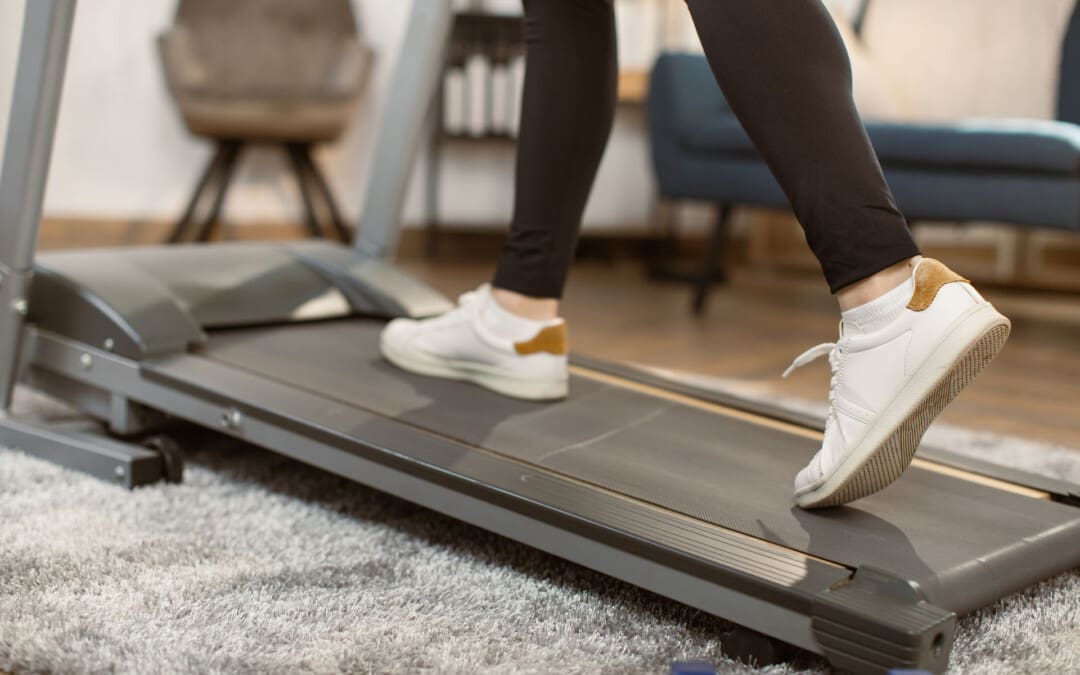
Walking is an excellent way to get active. It can be done almost anywhere, including on a treadmill, outdoors, or around the house. Exercising lowers blood pressure by strengthening the heart, leading to the heart pumping blood more effectively when it is stronger. This causes less resistance to the blood vessels, which lowers overall blood pressure. (Hegde S. M., & Solomon S. D. 2015) The benefits of walking include: (American Heart Association, 2024)
Weight loss and management
Lowers stress
Improves mental health by reducing anxiety.
Improves sleep quality
Improves cognition
Strengthens the heart
Promotes bone health and reduces the risk of osteoporosis.
Knowing When to Take A Blood Pressure Reading
Various factors can affect blood pressure readings and can include:
Nervousness
Eating a meal
Drinking caffeine
Exercise can affect blood pressure readings.
Knowing how and when to take a blood pressure reading after walking can help prevent false elevated numbers. According to the CDC, individuals should wait at least 30 minutes after exercise before taking a reading (Centers for Disease Control and Prevention, 2024). Exercise and walking have been shown to cause an immediate reduction in systolic blood pressure. This is known as post-exercise hypotension and is normal. The reduction lasts around 24 hours after exercising and is more noticeable in those with high blood pressure. Consistent exercise and walking will cause a longer, more sustained blood pressure reduction. (Hegde S. M., & Solomon S. D. 2015)
It is recommended not to talk while the blood pressure is being taken.
Apply the blood pressure cuff snugly around the arm.
Place your arm on a table, level with your heart.
Sit in a chair, keep your feet flat on the floor, and do not cross your legs or lean back on the chair.
It is recommended not to eat or drink 30 minutes before and to have an empty bladder.
Pace and Intensity
A study found that walking three to five times weekly for 20 to 40 minutes at a moderate pace for three months can lower systolic blood pressure. However, various groups determined BP rates differently by measuring heart rate, VO2 max/the maximum volume of oxygen you can use simultaneously, and walking speed. (McMullan S., Nguyen C., & Smith D. K. 2022)
Increasing Workout Intensity
Individuals with hypertension who walk may want to increase workout intensity to challenge themselves for added fitness. This can include:
Walk faster
Use intervals – walk as fast as you can for a minute or two at a time.
Add inclines
Use ankle or wrist weights or a weighted vest.
Walking with someone to challenge each other to push a little harder.
Try other places to walk.
Always talk to a healthcare provider if you are starting a walking workout for the first time, want to increase walking intensity, and take medications prescribed by a healthcare provider.
Hypertensive Crisis
A hypertensive crisis is when a person’s blood pressure is extremely high, can cause life-threatening conditions like stroke, and is a medical emergency. It is a blood pressure of 180/120 mm Hg or higher. (American Heart Association, 2024) If you get a blood pressure reading of 180/120 mm Hg or higher at home, wait five minutes and take another reading. If the blood pressure is still high, immediately contact a healthcare provider. (American Heart Association, 2024) If the individual is experiencing the below symptoms, call 911 (American Heart Association, 2024)
Chest pain
Shortness of breath
Vision changes
Difficulty speaking
Weakness
Numbness
Back pain
Injury Medical Chiropractic and Functional Medicine Clinic
Injury Medical Chiropractic and Functional Medicine Clinic works with primary healthcare providers and specialists to build optimal health and wellness solutions. We focus on what works for you to relieve pain, restore function, prevent injury, and help mitigate issues through adjustments that help the body realign itself. They can also work with other medical professionals to integrate a treatment plan to resolve musculoskeletal problems.
Hypertension Explained
References
McMullan, S., Nguyen, C., & Smith, D. K. (2022). Can Walking Lower Blood Pressure in Patients With Hypertension?. American family physician, 105(1), 22–23.
Hegde, S. M., & Solomon, S. D. (2015). Influence of Physical Activity on Hypertension and Cardiac Structure and Function. Current hypertension reports, 17(10), 77. https://doi.org/10.1007/s11906-015-0588-3
American Heart Association. (2024). Getting active to control high blood pressure. https://www.heart.org/en/health-topics/high-blood-pressure/changes-you-can-make-to-manage-high-blood-pressure/getting-active-to-control-high-blood-pressure
Centers for Disease Control and Prevention. (2024). Measure your blood pressure. Retrieved from https://www.cdc.gov/high-blood-pressure/measure/
American Heart Association. (2024). Understanding blood pressure readings. https://www.heart.org/en/health-topics/high-blood-pressure/understanding-blood-pressure-readings
American Heart Association. Association, A. H. (2024). When to call 911 about high blood pressure. https://www.heart.org/en/health-topics/high-blood-pressure/understanding-blood-pressure-readings/hypertensive-crisis-when-you-should-call-911-for-high-blood-pressure
While some disc herniations don’t cause symptoms, individuals who are overweight with a herniated disc may experience obesity pressure symptoms such as pain, weakness, numbness, or tingling. Can implementing a physical therapy and weight loss treatment program help individuals find relief?
Obesity Pressure
Obesity is one major factor that can contribute to a herniated disc and chronic back pain. When the body has to carry added weight, it can lead to obesity pressure on the intervertebral discs and affect posture and spine position. Researchers have found that other factors, such as inflammation or metabolic changes associated with obesity, can also be involved. (Sheng B. et al., 2017) For individuals who are overweight, weight loss can help resolve a herniated disc combined with physical therapy and can significantly increase herniated disc prevention. (Tokmak M. et al., 2015)
Spine Problems
According to Dr. Alexander Jimenez, owner and head chiropractor at Injury Medical Chiropractic and Functional Medicine Clinic, “When the position of the pelvis and lumbar spine shift out of alignment and become altered, it can profoundly contribute to advanced wearing away of outer fibers in the back region of the discs. These outer fibers house and protect the soft material that cushions and absorbs shock in the spine. Over time, the obesity pressure wear and tear on the fibers can cause chronic pain and microscopic radial tears, leading to a complete rupture.” A rupture causes the soft material to leak, irritate, and inflame surrounding nerve roots. Most herniated discs occur between the sides and back of the vertebra.
Movement Problems
Obesity makes movement difficult, often causing symptoms like shortness of breath and/or early fatigue and exhaustion even with minimal physical activity.
Physical therapy and exercise help relieve obesity and disc herniation.
However, the obesity pressure and herniation pain can make it hard to participate in cardiovascular exercises on a regular basis.
Diagnosis Complications
Obesity can interfere with the diagnosis and treatment of spinal diseases.
This is because weight restrictions and certain imaging tests, like a spinal MRI, can be difficult or impossible to obtain.
A physical examination might not be able to identify signs of nerve compression if an individual is obese. These factors can delay diagnosis.
Disc Position and Posture
Obesity is not the only thing that places pressure on the discs. An individual’s body position significantly influences the health of the shock-absorbing cushions. Sitting generates the most pressure, followed by standing, while lying on your back places the least strain on the discs and, depending on the injury, may help relieve symptoms.
Symptoms depend on the location of the herniation.
The two most common locations are the cervical spine/neck area and the lumbar spine/lower back.
Disc herniations in the neck can affect the arms.
Disc herniations in the lower back affect the buttocks and legs.
Injury Medical Chiropractic and Functional Medicine Clinic
See a healthcare provider if you’re experiencing any of these symptoms. If it is a herniated disc causing symptoms, you might be started on 6 weeks of conservative treatment. This can include physical therapy, rest, health coaching, medication, and surgery, which may be recommended in certain cases. Overcoming these limitations is possible. Injury Medical Chiropractic and Functional Medicine Clinic works with primary healthcare providers and specialists to develop an optimal health and wellness solution. We focus on what works for you to relieve pain, restore function, prevent injury, and help mitigate the pain through spinal adjustments that help the body realign itself. They can also work with other medical professionals to integrate a treatment plan to resolve musculoskeletal issues.
Weight Loss Techniques
References
Sheng, B., Feng, C., Zhang, D., Spitler, H., & Shi, L. (2017). Associations between Obesity and Spinal Diseases: A Medical Expenditure Panel Study Analysis. International journal of environmental research and public health, 14(2), 183. https://doi.org/10.3390/ijerph14020183
Tokmak, M., Altiok, I. B., Guven, M., Aras, A. B., & Cosar, M. (2015). Spontaneous Regression of Lumbar Disc Herniation After Weight Loss: Case Report. Turkish neurosurgery, 25(4), 657–661. https://doi.org/10.5137/1019-5149.JTN.9183-13.1
Can the short-term potato diet be a solution for individuals trying to lose weight?
Potato Diet
There is no one-size-fits-all approach to a healthy lifestyle diet. A successful nutrition plan needs to be personalized to the individual. Potatoes are an excellent source of fiber, vitamins, and minerals and are the primary source of calories in this diet. The potato diet has variations, but followers eat plain potatoes for several days in the diet’s simplest form.
What Can Be Eaten?
While there are variations, all potato diets are vegan, low in dietary fat, and encourage eating until satisfied. Instead of weighing portions or counting calories, individuals are encouraged to eat until full. The potato diet encourages volume eating, when individuals fill up on foods that are naturally lower in calories. Eating a large volume leaves the body feeling full, though fewer calories are eaten throughout the day.
Potato Types
The variety of potatoes allowed depends on the version of the potato diet being followed. Some require sticking to plain white potatoes, while a more forgiving version allows other varieties, such as yellow, red, and sweet potatoes.
Plant-based Foods, Low-Calorie, and Whole
In its purest form, the diet does not allow for other food besides potatoes, even fruits and vegetables. However, looser forms of the potato diet are designed to be more sustainable in the long term. Depending on the version of the potato diet being followed, individuals may be able to consume unprocessed foods in their whole form. However, potatoes should make up the bulk of the plate even when other foods are permitted. The additional foods are supplements to the potatoes for their nutritional content and include:
Fruits
Grains
Legumes
Vegetables
Condiments and Seasonings
Condiments, sauces, and seasonings are limited to small quantities of low-fat condiments like mustard and homemade ketchup. Salt is allowed to season the potatoes, but not a lot. Generally, sauces and seasonings should be made with fat-free ingredients and kept to a minimum.
Beverages
Water, plain tea, and plain coffee are the only beverages allowed on the potato diet. Staying hydrated is essential, so drinking plenty of water is encouraged.
What Is Restricted?
Depending on the diet version, certain foods are not allowed. In the strictest form, individuals eat only plain potatoes for several days.
Added Fats
Because the potato diet is low-fat, it strictly prohibits animal products and fats such as vegetable oils. Fats are a dense source of calories; even small amounts add up quickly. However, healthy fats can promote the absorption of potato nutrients. Because it is designed for maximum weight loss over a short period, the diet restricts added fats like:
Butter
Vegetable oil
Avocado
Nuts
Seeds
Processed and Refined Foods
The diet encourages eating whole, unprocessed foods during the plan’s duration. Processed foods are usually high in calories, fat, and sodium and are lower in nutrients than whole foods. For example, a baked potato is more nutritious than tater tots, fries, and potato chips, even though all are made with potatoes. Others include:
Bread
Cereal
Crackers
Muffins
Pasta
Doughnuts
Animal Products
All variations of the potato diet are vegan. While following the diet, all animal products are restricted and include:
Eggs
Dairy
Meat
Poultry
Fish
Seafood
Preparation
The diet is designed to be followed short-term for quick weight loss, so there is no meal schedule. Followers can eat breakfast, lunch, dinner, and snacks until full. Typically, individuals participate for two to five days, though some may follow the diet for up to a week. The potato preparation method is as important as the type of potato. It is recommended to use cooking methods that do not require added fat, such as boiling, steaming, baking, and roasting.
How many potatoes to eat in a day depends on the individual. A general recommendation is to eat approximately two to five pounds daily. Consuming enough calories in this diet is important since it is restrictive, and followers may not get enough nutrients if they eat too few calories. An extremely low-fat or fat-free diet is not sustainable. (Harvard Health Publishing, Harvard Medical School, 2021)
Pros
The potato diet can help with short-term weight loss and reduce fat and sodium intake, as well as a few other health benefits and include the following:
Weight Loss
The diet is designed for weight loss.
It is effective because it is naturally low in fat and calories.
Short-term
Individuals who prefer shorter diets for quick results may appreciate that the diet lasts two to five days.
Improve Digestion
Some like the diet for digestive benefits.
Potatoes are easy to digest, making this food gentle on the gastrointestinal tract.
Potatoes contain a rich source of fiber, which keeps food moving smoothly through the digestive system.
Easy to Follow
Mono diets are the easiest to follow.
It is easy to understand what is allowed and what to avoid.
Individuals who struggle with complicated rules will appreciate the simplicity.
Cons
The potato diet can come with health risks that include the following:
Sustainability
Eating only one food, even a root vegetable, is not sustainable.
Unbalanced
Many nutrient-rich foods are not allowed.
Though potatoes are nutritious, they lack some essential nutrients.
The diet can result in nutritional deficiencies.
Short-term Weight Loss
The weight loss may not be sustainable since the diet is followed for a few days.
Any weight lost during the diet may not be kept off long-term.
This may be water weight, which is different from losing body fat.
Once the individual returns to their normal lifestyle, they may regain some or all of the weight lost and possibly gain weight.
Discourages Healthy Eating
A nutrient-dense diet is rich in various foods.
The potato diet is nutritionally unbalanced and discourages healthy eating habits.
Injury Medical Chiropractic and Functional Medicine Clinic
This is a restrictive diet that is not meant to be followed long-term. Before starting a new diet plan, consult a healthcare provider or a registered dietitian, especially if underlying health conditions exist. Injury Medical Chiropractic and Functional Medicine Clinic works with primary healthcare providers and specialists to develop a personalized treatment plan through an integrated approach to treating injuries and chronic pain syndromes, improving flexibility, mobility, and agility programs to relieve pain and help individuals return to optimal function. Our providers use an integrated approach to create personalized care plans for each patient and restore health and function to the body through nutrition and wellness, functional medicine, acupuncture, Electroacupuncture, and sports medicine protocols. If the individual needs other treatment, they will be referred to a clinic or physician best suited for them. Dr. Jimenez has teamed up with top surgeons, clinical specialists, medical researchers, nutritionists, and health coaches to provide the most effective clinical treatments.
Functional Nutrition and Lifestyle Change
References
Harvard Health Publishing, Harvard Medical School. (2021). Know the facts about fats. https://www.health.harvard.edu/staying-healthy/know-the-facts-about-fats
Schaumberg, K., & Anderson, D. (2016). Dietary restraint and weight loss as risk factors for eating pathology. Eating behaviors, 23, 97–103. https://doi.org/10.1016/j.eatbeh.2016.08.009
U.S. Department of Health and Human Services and U.S. Department of Agriculture. (2020). 2020–2025 Dietary Guidelines for Americans. Retrieved from https://www.dietaryguidelines.gov/sites/default/files/2020-12/Dietary_Guidelines_for_Americans_2020-2025.pdf
For individuals who like sweet foods but want to maintain health, how do honey and maple syrup compare nutritionally?
Honey and Maple Syrup
Cutting back on sugar intake is recommended for overall health, but that does not mean eliminating sweeteners completely for most. Honey and maple syrup can flavor various dishes, baked goods, beverages, and more. Because of their natural origins, honey and maple syrup can seem interchangeable as they are brown, thick, and sweet. Maple syrup and honey can be part of a healthy diet in moderation, sweetening everything from breakfast to dinnertime dishes. Depending on individual dietary goals or taste preferences, individuals may have a personal favorite, but neither is better than the other. The nutritional makeup of these two sweeteners is distinct, and there are recommended practices for when to include each in cooking and baking.
Nutrition
Honey is slightly higher in calories, carbohydrates, and sugar than maple syrup and somewhat lower in fat. Maple syrup comprises more micronutrients, such as calcium and manganese, but it also has more sodium than honey. Nutrition information for
For food-labeling purposes, honey and maple syrup have different serving sizes:
One tablespoon of honey
1/4 cup of maple syrup
Nutritional Comparison
Honey 1 tbsp. Maple syrup 1 tbsp.
Calories: 64 – 52
Fat: 0g – >1g
Sodium: >1mg – 2.4mg
Carbohydrates: 17.3g – 13.4g
Fiber: >1g – 0g
Sugars: 17.2g – 12.1g
Protein: >1g – >1g
Calcium: 1.26mg – 20.4mg
Manganese: 0.17mg – 0.582mg
Zinc: 0.046mg – 0.294mg
Riboflavin: 0.008mg – 0.254mg
Similarities
Honey and maple syrup are similar liquid sweeteners nutritionally. Both contain no substantial amount of fat or protein, with carbohydrates from sugar supplying all their calories. Both also contain some micronutrients and antioxidants. Research has revealed promising levels of antioxidants in honey (Schramm, D. D. et al., 2003) and maple syrup (Li, L., and Seeram, N. P. 2011) that could contribute to reducing oxidative stress, a key component in preventing some chronic diseases.
Differences
The nutrition differences between maple syrup and honey are more significant. Although a tablespoon of honey has only eight more calories than maple syrup, this can add up depending on the amount used. In a quarter cup, honey contains 32 more calories than maple syrup or 128 more calories in 1 cup. The carbohydrate count of maple syrup and honey is similar, but there is a difference of one teaspoon of added sugar. Honey and maple syrup are not identical in micronutrient levels. Honey contains small amounts of vitamins C and B, but individuals would have to consume a lot of honey to receive the benefits. In 100 grams, around five tablespoons of honey, individuals receive about 1% of the RDA for vitamin C. Maple syrup is a healthy source of manganese, riboflavin, and zinc.
Health Benefits
Honey Health Benefits
Honey’s antioxidants help clean cells of damaging free radicals. It can also be used as food and medicine during cold and flu season. Research has shown that a spoonful could be a more effective treatment for a cough than over-the-counter medications. (Oduwole, O. et al., 2018) Those with allergies may want to consider visiting a local beekeeper. While inconclusive, some studies (Asha’ari, Z. A. et al., 2013) have found that eating local raw honey can help improve seasonal allergy symptoms.
Maple Syrup Health Benefits
Maple syrup offers health benefits, particularly because it contains high amounts of manganese and riboflavin. Manganese is a trace mineral the body does not need very much of but does need to operate efficiently. It is essential to bone and tissue formation, blood clotting, proper immune response, and sexual function. Riboflavin helps create usable energy from food and could help prevent cancer and migraines. (National Institutes of Health Office of Dietary Supplements, 2022) Maple syrup also offers benefits for individuals with certain chronic health conditions. Its lower glycemic index makes it recommended for those with diabetes or other blood sugar conditions. Because of the type of sugar it contains, those with irritable bowel syndrome/IBS may be able to digest maple syrup better than honey. Maple syrup and honey both contain simple sugars; however, fructose in honey may not be digested as well in individuals with IBS who need a low FODMAP diet.
Preparation and Cooking
Honey and maple syrup have distinctive flavors, so the individual can choose where and when to use each. Maple syrup has a more earthy, woodsy taste, while honey has floral hints and a thicker texture. Honey does well in salad dressings and marinades, where it can cling to other foods, whereas maple syrup blends easily in baked goods. Both work well in various food preparations. Rules of thumb for using honey and maple syrup include:
Both can be used in place of sugar as long as the liquid in the recipe is adjusted.
For every cup of sugar replaced by honey or maple syrup, decrease other liquid ingredients by three to four tablespoons.
Scaling back a little is recommended if using either as a substitute for table sugar.
Both maple syrup and honey are sweeter than sugar; replacing sugar requires only three-fourths of either.
Lifestyle and Safety
Sometimes, when to use honey and maple syrup has nothing to do with nutrition or taste. Vegans, for example, often choose not to consume honey because it’s an insect by-product. A vegan lifestyle may prefer maple syrup, which is 100% plant-based. Parents of infants under one should keep honey off the menu. Honey can contain small amounts of the bacteria Clostridium botulinum, which can cause botulism poisoning in babies; for babies under 12 months old, maple syrup or other sweeteners are recommended in baked goods or cooked meals. However, while honey can be harvested almost anywhere honeybees live, maple syrup is native only to a small region of eastern North America, and obtaining the syrup may not be possible.
Injury Medical Chiropractic and Functional Medicine Clinic
Injury Medical Chiropractic and Functional Medicine Clinic providers use an integrated approach to create customized care plans for each patient and restore health and function to the body through nutrition and wellness, chiropractic adjustments, functional medicine, acupuncture, Electroacupuncture, and sports medicine protocols. If the individual needs other treatment, they will be referred to a clinic or physician best suited for them. Dr. Jimenez has teamed up with top surgeons, clinical specialists, medical researchers, nutritionists, and health coaches to provide the most effective clinical treatments.
Balancing Body and Metabolism
References
U.S. Department of Agriculture, FoodData Central. (2018). Syrups, maple. Retrieved from https://fdc.nal.usda.gov/fdc-app.html#/food-details/169661/nutrients
U.S. Department of Agriculture, FoodData Central. (2018). Honey. Retrieved from https://fdc.nal.usda.gov/fdc-app.html#/food-details/169640/nutrients
Schramm, D. D., Karim, M., Schrader, H. R., Holt, R. R., Cardetti, M., & Keen, C. L. (2003). Honey with high levels of antioxidants can provide protection to healthy human subjects. Journal of agricultural and food chemistry, 51(6), 1732–1735. https://doi.org/10.1021/jf025928k
Li, L., & Seeram, N. P. (2011). Further investigation into maple syrup yields 3 new lignans, a new phenylpropanoid, and 26 other phytochemicals. Journal of agricultural and food chemistry, 59(14), 7708–7716. https://doi.org/10.1021/jf2011613
Oduwole, O., Udoh, E. E., Oyo-Ita, A., & Meremikwu, M. M. (2018). Honey for acute cough in children. The Cochrane database of systematic reviews, 4(4), CD007094. https://doi.org/10.1002/14651858.CD007094.pub5
Asha’ari, Z. A., Ahmad, M. Z., Jihan, W. S., Che, C. M., & Leman, I. (2013). Ingestion of honey improves the symptoms of allergic rhinitis: evidence from a randomized placebo-controlled trial in the East coast of Peninsular Malaysia. Annals of Saudi medicine, 33(5), 469–475. https://doi.org/10.5144/0256-4947.2013.469
National Institutes of Health Office of Dietary Supplements. (2022). Riboflavin: Fact sheet for health professionals. Retrieved from https://ods.od.nih.gov/factsheets/Riboflavin-HealthProfessional/
IFM's Find A Practitioner tool is the largest referral network in Functional Medicine, created to help patients locate Functional Medicine practitioners anywhere in the world. IFM Certified Practitioners are listed first in the search results, given their extensive education in Functional Medicine