Can spinal decompression treatments be incorporated for individuals with lumbosacral pain and improve posture?
Introduction
Many individuals only realize they have poor posture once they perform a movement that causes pain in the lumbosacral region of their body. Have you or your loved ones experienced muscle aches or strains after relaxing in a weird position? Or do you begin to notice that you are hunched over when walking from one location to another? Many of these scenarios correspond to how we present ourselves with our posture. Our posture helps support the upper body’s weight while stabilizing the lower body through the spine and ensuring that our body is in an upright position when we are in motion. However, as we age, so do our bodies and spine, which then causes us to be in a hunched position, causing our posture to degenerate. This causes lumbosacral pain to develop along the body’s lower extremities, leading to overlapping risk profiles that cause mobility issues, poor posture, and disability if not treated right away. When this happens, the surrounding muscles, ligaments, and tissues around the lumbar spine will begin to develop pain-like symptoms and can make a person’s life miserable. Luckily there are various techniques and treatments to improve poor posture and reduce lumbosacral pain affecting many individuals. Today’s article looks at how lumbosacral pain affects a person’s posture and how spinal decompression and MET therapy can reduce lumbosacral pain and restore good posture. Additionally, we work hand-in-hand with certified medical providers who incorporate our patient’s information to treat and minimize lumbosacral pain associated with poor posture. We also inform them that spinal decompression combined with MET therapy can help with lumbosacral pain while improving good posture back to the body. We encourage our patients to ask profound questions while seeking education from our associated medical providers about their pain-like issues. Dr. Alex Jimenez, D.C., incorporates this information as an educational service. Disclaimer
Lumbosacral Pain Affects Posture
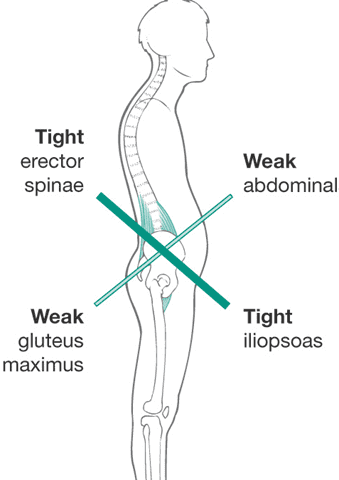
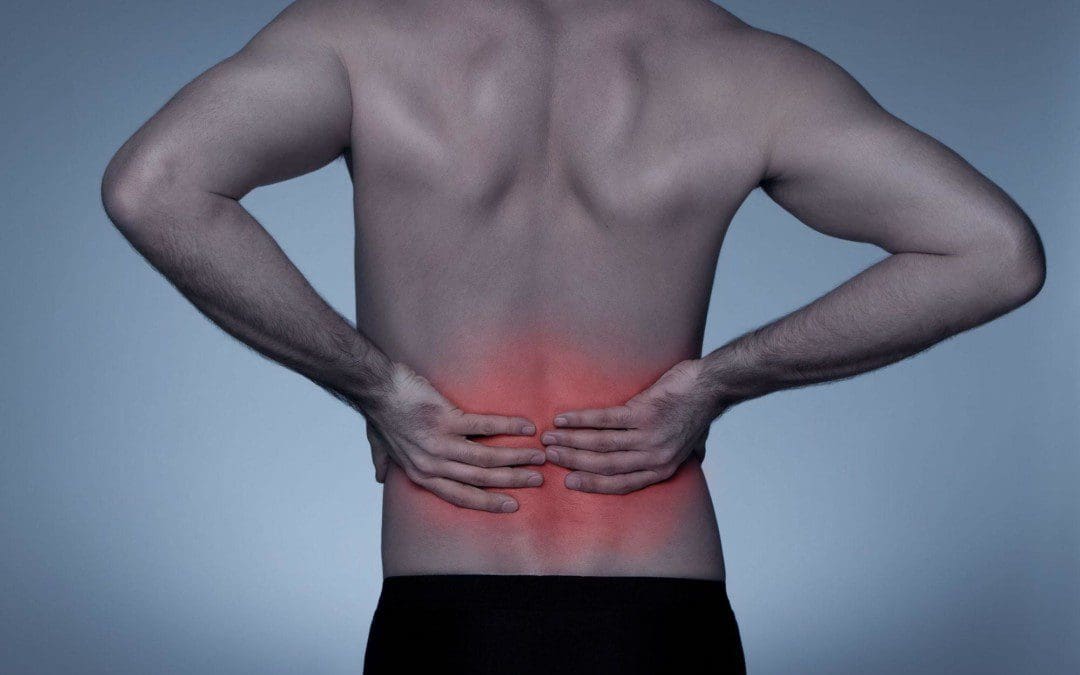
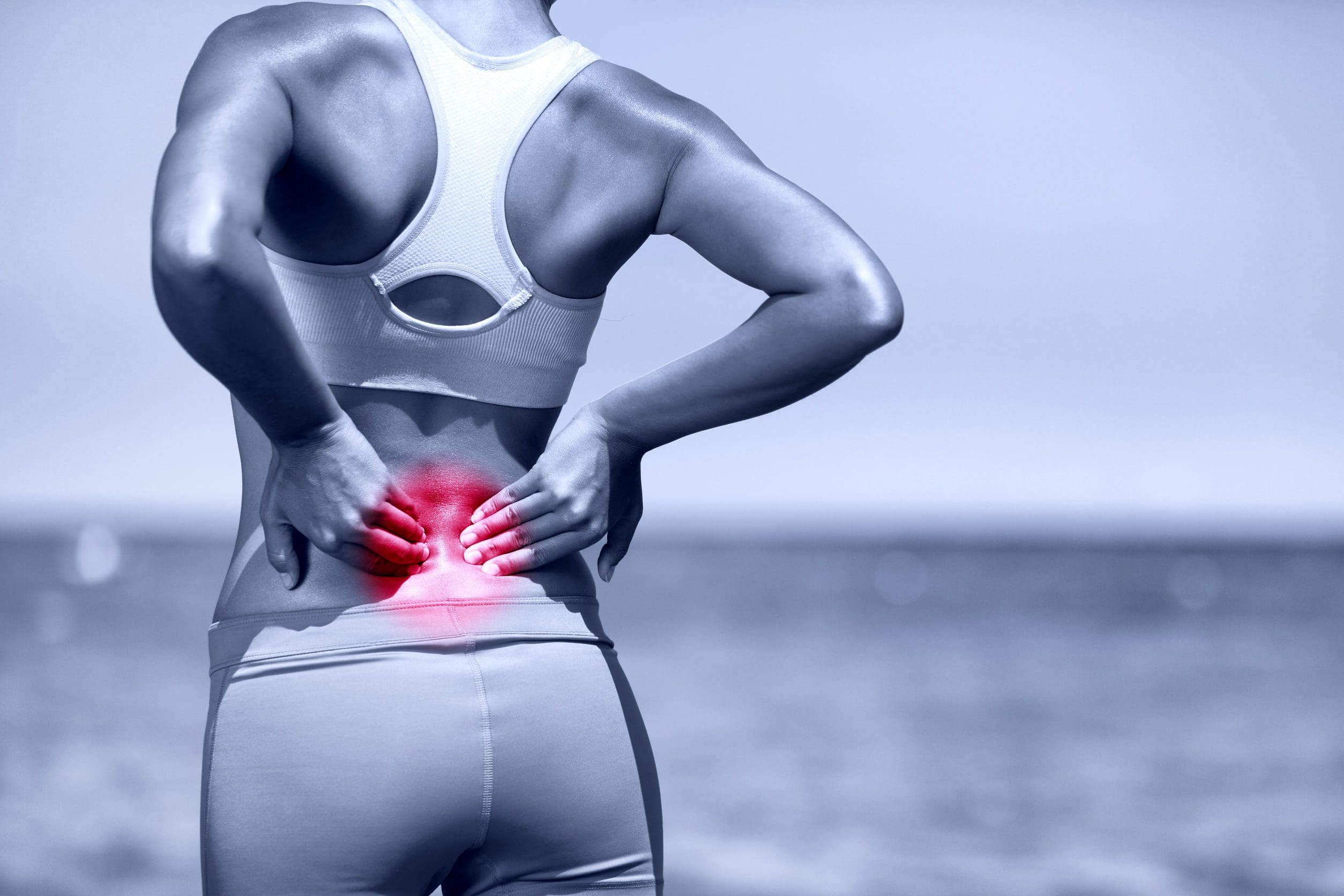
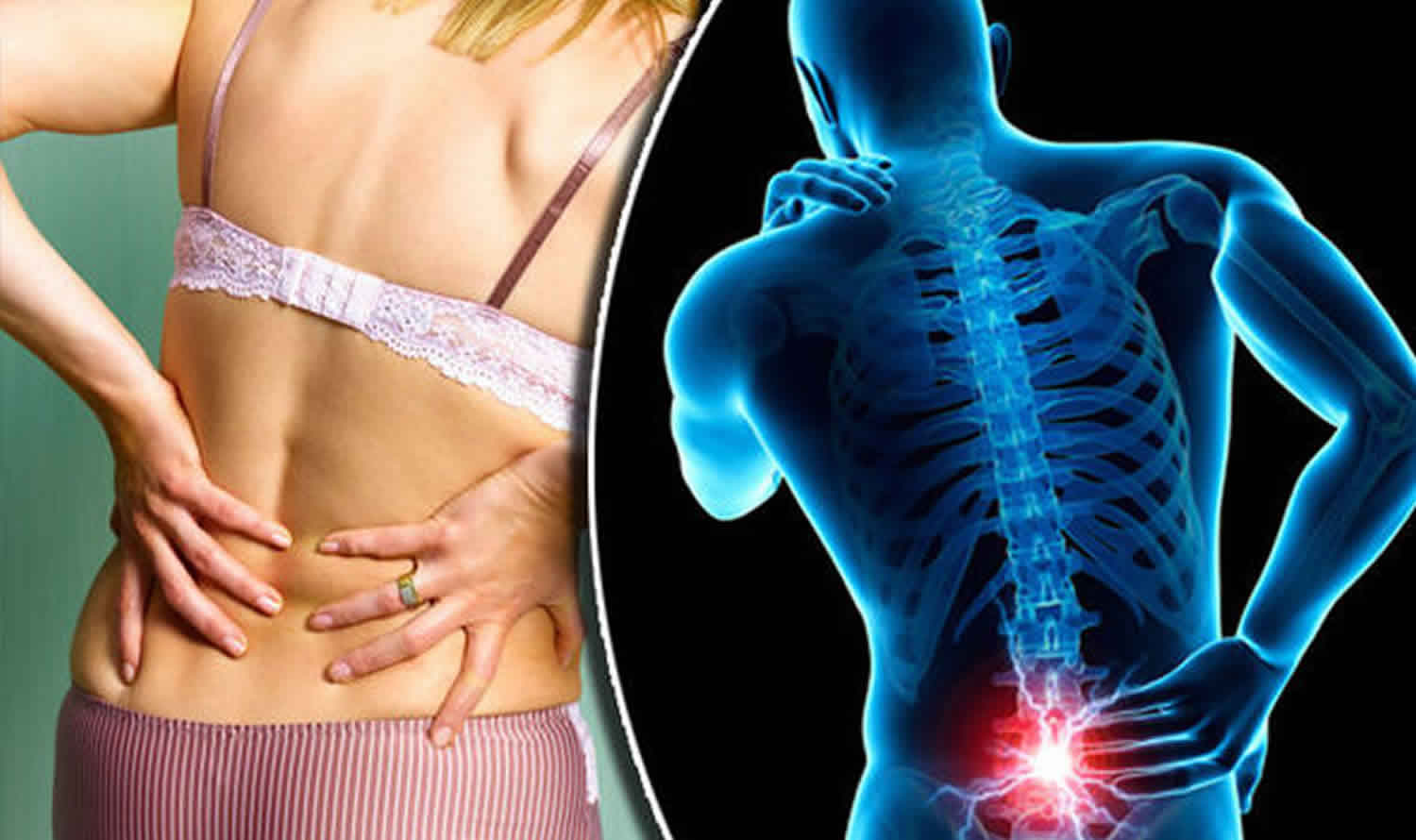
Have you noticed you are constantly slouching or being in a hunched position, only to feel muscle aches and strains in your lumbar-sacral region? Do you feel symptoms of tingling and numbness in your hips and buttock region after sitting down excessively? Or do you feel referred pain in one location and have to shift your weight to compensate for the pain? These pain-like symptoms and scenarios correspond to lumbosacral pain affecting your posture. The lumbosacral spine region has a natural curve that functions as a shock absorber to mitigate the body’s mechanical weight and stress when in motion. (Adams & Hutton, 1985) At the same time, it is susceptible to being constantly injured as the spinal disc is being compressed and can be herniated or damaged over time, manifesting into lumbosacral pain. So how does lumbosacral pain associate with poor posture? When individuals are dealing with low back problems associated with lumbosacral pain, the spinal disc in the lumbosacral region starts to have balancing issues when in motion. (Huang, Jaw, & Young, 2022) When people are dealing with difficulties balancing their gait cycle, it can cause their walking performance and postural control to be dysfunctional and cause the body to be misaligned, thus causing musculoskeletal issues to arise and affecting the lower body and its extremities. The surrounding muscles surrounding the lumbosacral region will begin to experience stiffness in the trunk region, which can cause musculoskeletal changes to the surrounding muscles when individuals start to be in an upright position. (Creze et al., 2019) When poor posture affects the trunk muscles, the surrounding accessory muscles start acting to compensate for the pain. To that point, lumbosacral pain associated with poor posture could lead to abdominal, low back, hip, and pelvic pain. However, many individuals can find various therapies and relieving techniques to improve posture, strengthen the surrounding muscles, and reduce pain-like symptoms.
Building A Stronger Body- Video
Many individuals can seek out various non-invasive therapies to alleviate the issue when it comes to improving posture and reducing lumbosacral pain. These therapies are cost-effective and personalized to the person’s pain. Treatments like chiropractic care and decompression can help restore good posture while realigning the body out of subluxation and help stretch the affected muscles. Coincidentally, non-surgical therapies can be combined with other treatments like physical therapy to strengthen the trunk muscles surrounding the lumbosacral region, thus reducing the load on the lumbosacral spine. (Callaghan, Gunning, & McGill, 1998) When people focus on their health and well-being, non-surgical therapies can provide a positive and safe experience with a team that can help reduce the pain the person has been dealing with their entire lives. The video above explains how these treatments work together to help you build a stronger body while revitalizing your energy and enhancing your health and wellness.
Spinal Decompression Reducing Lumbosacral Pain
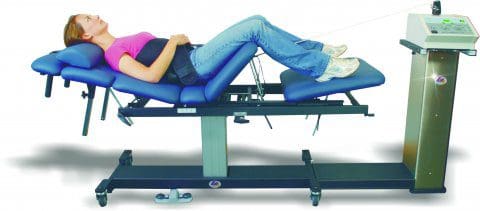
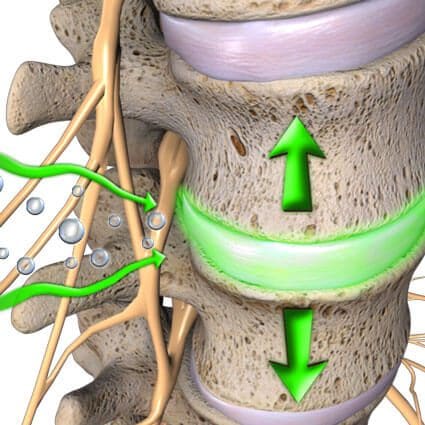
When it comes to reducing lumbosacral pain associated with poor posture, many individuals can incorporate non-surgical treatments like spinal decompression and combine them with a personalized treatment plan to reduce the pain-like symptoms. What spinal decompression does to lumbosacral pain is that it helps mitigate intra-disc pressure while increasing disc space within the lumbosacral spinal region. (Amjad et al., 2022) Spinal decompression can help improve leg mobility and stretch out the affected muscles to kick-start the body’s natural healing process. Spinal decompression can even combine with physical therapy to help strengthen the lumbosacral region’s abdominal muscles and enable many individuals with poor posture to be mindful of how they present themselves.(Mielenz et al., 1997)
MET Therapy & Spinal Decompression Restoring Posture
When pain specialists like chiropractors and massage therapists incorporate spinal decompression treatment to reduce lumbosacral pain, they also utilize various techniques to strengthen the lumbosacral muscles to restore proper posture to the body. Many pain specialists use MET (muscle energy techniques) therapy to maintain while stretching the muscles and fascia in the affected areas. MET therapy combined with spinal decompression can help improve muscle shortness in the lumbar fascial tissue, improve posture, and even increase the lumbar and pelvic range of motion. (Tamartash & Bahrpeyma, 2022) These two non-surgical treatments can help many people by addressing their posture and movement dysfunction while strengthening their core stabilized muscles to reduce pain. (Norris & Matthews, 2008) Many individuals who want to regain their health and wellness can make small changes in their routine to improve their posture and be more mindful of their bodies to reduce the chances of lumbosacral pain returning.
Amjad, F., Mohseni-Bandpei, M. A., Gilani, S. A., Ahmad, A., & Hanif, A. (2022). Effects of non-surgical decompression therapy in addition to routine physical therapy on pain, range of motion, endurance, functional disability and quality of life versus routine physical therapy alone in patients with lumbar radiculopathy; a randomized controlled trial. BMC Musculoskelet Disord, 23(1), 255. https://doi.org/10.1186/s12891-022-05196-x
Callaghan, J. P., Gunning, J. L., & McGill, S. M. (1998). The relationship between lumbar spine load and muscle activity during extensor exercises. Phys Ther, 78(1), 8-18. https://doi.org/10.1093/ptj/78.1.8
Creze, M., Bedretdinova, D., Soubeyrand, M., Rocher, L., Gennisson, J. L., Gagey, O., Maitre, X., & Bellin, M. F. (2019). Posture-related stiffness mapping of paraspinal muscles. J Anat, 234(6), 787-799. https://doi.org/10.1111/joa.12978
Huang, C. C., Jaw, F. S., & Young, Y. H. (2022). Radiological and functional assessment in patients with lumbar spinal stenosis. BMC Musculoskelet Disord, 23(1), 137. https://doi.org/10.1186/s12891-022-05053-x
Mielenz, T. J., Carey, T. S., Dyrek, D. A., Harris, B. A., Garrett, J. M., & Darter, J. D. (1997). Physical therapy utilization by patients with acute low back pain. Phys Ther, 77(10), 1040-1051. https://doi.org/10.1093/ptj/77.10.1040
Norris, C., & Matthews, M. (2008). The role of an integrated back stability program in patients with chronic low back pain. Complement Ther Clin Pract, 14(4), 255-263. https://doi.org/10.1016/j.ctcp.2008.06.001
Tamartash, H., & Bahrpeyma, F. (2022). Evaluation of Lumbar Myofascial Release Effects on Lumbar Flexion Angle and Pelvic Inclination Angle in Patients with Non-Specific Low Back Pain. Int J Ther Massage Bodywork, 15(1), 15-22. https://doi.org/10.3822/ijtmb.v15i1.709
For many individuals with low back pain, how does spinal decompression alleviate muscle stress as part of initial treatment?
Introduction
Many working individuals know that low back pain is a common problem that causes them to go to their primary doctor to get examined and miss out on work. Low back pain is a multifactorial musculoskeletal condition that causes overlapping risk profiles to affect the body’s lower extremities. Low back pain can correlate with musculoskeletal disorders like sciatica, abdominal pain, leg pain, and DDD (degenerative disc disease). It can range from acute to chronic, depending on the severity the individual is dealing with when it comes to pain. At the same time, low back pain can be non-specific or mechanical as the surrounding muscles, soft tissues, joints, and ligaments are affected and dealing with symptoms of muscle strain, unwanted pressure on the joint, causing stress, and muscle aches. Since the body and the spine naturally age, it causes more stress on the lower back as individuals begin to hunch over more when walking or carrying heavy objects, which causes more strain on the back muscles, leading them to a life of disability. Luckily, non-surgical treatments have become more available to reduce the effects of muscle stress associated with low back pain and alleviate the pain-like symptoms in the lumbar spine. Today’s article focuses on how numerous factors can cause muscle stress to the lower back and how spinal decompression can reduce its effects while alleviating low back pain. At the same time, we work hand-in-hand with certified medical providers who incorporate our patient’s information to treat and mitigate muscle stress on the lower back. We also inform them that non-surgical treatments like spinal decompression can help alleviate residual pain-like symptoms associated with low back pain and help them return to their daily activities. We encourage our patients to ask profound questions while seeking education from our associated medical providers about their pain-like issues. Dr. Alex Jimenez, D.C., incorporates this information as an educational service. Disclaimer
How Factors Cause Muscle Stress To The Low Back
Do you feel gradual or consistent pain in your lower back after carrying a heavy object from one location to another? Are you constantly taking medication for your low back pain to finish the workday? Or do you feel pain in your sciatic nerve that gets aggravated when you are in motion, and you feel relief when resting? Around the world, many people have dealt with low back pain and its associated symptom at some point. Since low back pain can be either specific or non-specific, pain can come from spinal issues that cause referred pain to a different body location or normal repetitive factors that cause discomfort to the surrounding soft tissues, muscles, and ligaments. Some symptoms correlating with low back pain include progressive motor or sensory issues, urinary retention, abnormal neurologic issues, spinal misalignment, or soft tissue abnormalities. (Will, Bury, & Miller, 2018) When many working individuals are dealing with non-specific low back pain, the surrounding soft tissues and muscles can become weak and overworked, which causes overlapping risk profiles and results in the development of low back pain.
Many working individuals with demanding jobs, whether physical or sedentary, will often strain their lumbar region from lifting/carrying heavy objects or being hunched over constantly at the computer. When a person continues to put repetitive stress on the surrounding muscles, it can cause chronic pain over time and become a major cause of work loss. (Becker & Childress, 2019) Low back pain can cause the individual to be more stressed since they are missing out on work. Low back pain can also be due to lumbar instability from the intervertebral disc and surrounding muscles and ligaments under constant pressure. (Hauser et al., 2022) Since the body and spine age over time naturally, many individuals dealing with low back pain will begin to feel their joints and muscle structures loosen over time, leading to musculoskeletal symptoms that prevent the spine from destabilizing. This can cause the individual to limit their ability to participate in daily activities and even reduce their quality of life. Luckily, non-surgical treatments can reduce the effects of low back pain while revitalizing the lumbar region so many people can continue their daily activities pain-free.
From Injury To Recovery-Video
When treating and reducing low back pain, many pain specialists like chiropractors and massage therapists can incorporate non-invasive treatments to ease low back pain. Non-invasive treatments like chiropractic care and spinal decompression can help reduce muscle stress on the lumbar region with mechanical or manual spinal manipulation and help relieve the affected lumbar area. Now spinal decompression and chiropractic care have a wonderful relationship as they use negative pressure on the intervertebral disc to increase nutrient flow back to the spine and help kick-start the body’s natural healing process. (Schimmel et al., 2009) These treatments are not only non-invasive, but they are also safe and cost-effective while being customizable to the person’s pain. The video above explains how these treatments can reduce soft tissue injuries and the effects of musculoskeletal pain on the lumbar region.
Spinal Decompression Reducing Muscle Stress From Low Back Pain
Non-surgical treatments like spinal decompression are incorporated into a person’s personalized health plan to reduce the effects of low back pain. Spinal decompression uses gentle traction on the spine to diminish the compressive load on the intervertebral disc to reduce herniation while stretching the lumbar spinal muscles and ligaments to decrease muscle spasms. (Sari et al., 2005) When individuals start to feel relief in their lower back due to spinal decompression as they begin to feel general improvement in the lumbar region. (Borman, Keskin, & Bodur, 2003) Since spinal decompression uses gentle traction on the spine, this gentle force can relieve radicular symptoms associated with the lower extremities. (Krause et al., 2000) Additionally, the effects of spinal decompression can be a positive experience for many individuals dealing with low back pain. (Pellecchia, 1994) When it comes to reducing low back pain, utilizing non-surgical treatments like spinal decompression can help improve mobility back to the individual and reduce the pain they were experiencing before. When people begin to think about their health and wellness, they can experience relief from the pain and get back to normalcy.
References
Becker, B. A., & Childress, M. A. (2019). Nonspecific Low Back Pain and Return To Work. American Family Physician, 100(11), 697-703. https://www.ncbi.nlm.nih.gov/pubmed/31790184
Borman, P., Keskin, D., & Bodur, H. (2003). The efficacy of lumbar traction in the management of patients with low back pain. Rheumatol Int, 23(2), 82-86. https://doi.org/10.1007/s00296-002-0249-0
Hauser, R. A., Matias, D., Woznica, D., Rawlings, B., & Woldin, B. A. (2022). Lumbar instability as an etiology of low back pain and its treatment by prolotherapy: A review. J Back Musculoskelet Rehabil, 35(4), 701-712. https://doi.org/10.3233/BMR-210097
Krause, M., Refshauge, K. M., Dessen, M., & Boland, R. (2000). Lumbar spine traction: evaluation of effects and recommended application for treatment. Man Ther, 5(2), 72-81. https://doi.org/10.1054/math.2000.0235
Sari, H., Akarirmak, U., Karacan, I., & Akman, H. (2005). Computed tomographic evaluation of lumbar spinal structures during traction. Physiother Theory Pract, 21(1), 3-11. https://www.ncbi.nlm.nih.gov/pubmed/16385939
Schimmel, J. J., de Kleuver, M., Horsting, P. P., Spruit, M., Jacobs, W. C., & van Limbeek, J. (2009). No effect of traction in patients with low back pain: a single centre, single blind, randomized controlled trial of Intervertebral Differential Dynamics Therapy. Eur Spine J, 18(12), 1843-1850. https://doi.org/10.1007/s00586-009-1044-3
How does spinal decompression help reduce somatosensory pain associated with individuals dealing with back and leg pain?
Introduction
As we all know, the human body is a complex system that works together to perform various actions without feeling pain or discomfort. With muscles, organs, tissues, ligaments, bones, and nerve roots, each component has its job and interacts with other body parts. For instance, the spine collaborates with the central nervous system to instruct the muscles and organs to function correctly. Meanwhile, the nerve roots and muscles work together to provide mobility, stability, and flexibility to the upper and lower body extremities. However, as time passes, the body ages naturally, and this can lead to unwanted issues. Normal and traumatic factors can interfere with the neuron signals from the brain and cause somatosensory pain in the upper and lower extremities. This pain-like sensation can affect each body section, making the individual miserable. Luckily, there are ways to reduce somatosensory pain and provide relief to the body. Today’s article explores how somatosensory pain can impact the lower extremities, particularly the legs and back, and how non-surgical treatments like spinal decompression can alleviate somatosensory pain in the lower extremities. At the same time, we work hand-in-hand with certified medical providers who use our patient’s information to treat and mitigate somatosensory pain affecting the legs and back. We also inform them that non-surgical treatments like spinal decompression can help alleviate residual pain-like symptoms from the lower extremities. We encourage our patients to ask essential and important questions while seeking education from our associated medical providers about their pain. Dr. Alex Jimenez, D.C., incorporates this information as an educational service. Disclaimer
How Does Somatosensory Pain Affect The Legs & Back?
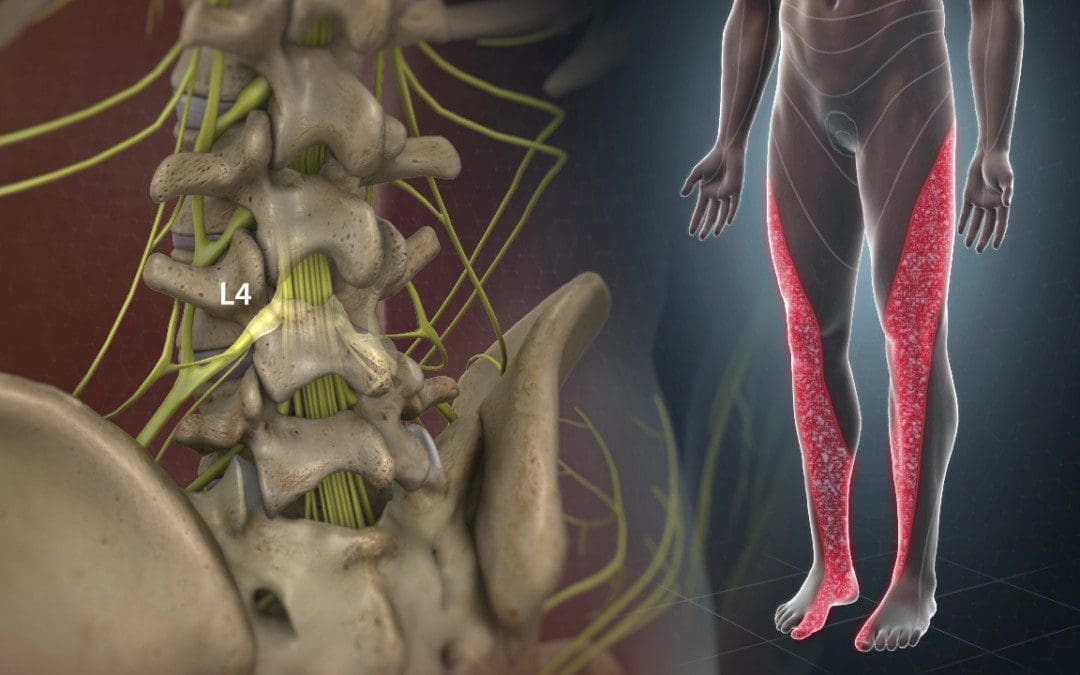
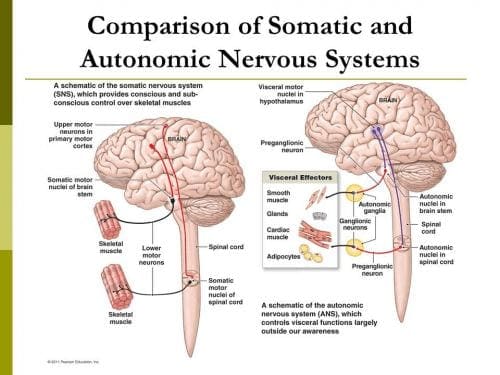
Are you experiencing numbness or tingling in your legs or back that disappears after a few minutes? Do you feel questionable pain in your lumbar spine after work? Or do you feel a warm sensation in the back of your legs that turns into sharp shooting pain? These issues may be related to the somatosensory system within the central nervous system, which provides voluntary reflexes to muscle groups. When normal movements or traumatic forces cause problems to the somatosensory system over time, it can lead to pain that affects the body’s extremities. (Finnerup, Kuner, & Jensen, 2021) This pain may be accompanied by burning, pricking, or squeezing sensations that affect the lumbar region. Many factors can be associated with somatosensory pain, which is part of the central nervous system and works with the spinal cord. When the spinal cord becomes compressed or aggravated due to injury or normal factors, it can lead to low back and leg pain. For example, a herniated disc in the lumbosacral area can cause nerve roots to send pain signals to the brain and cause abnormalities in the back and legs. (Aminoff & Goodin, 1988)
When people are dealing with back and leg pain from somatosensory pain, it can cause them to be miserable by reducing their quality of life and leading to a life of disability. (Rosenberger et al., 2020) At the same time, individuals dealing with somatosensory pain will also begin to feel inflammatory effects from the affected muscle area in the legs and back. Since inflammation is a body’s natural response when dealing with pain, the inflammatory cytokines can cause a cascading effect from the brain through the spinal cord, causing leg and back pain. (Matsuda, Huh, & Ji, 2019) To that point, somatosensory pain is associated with inflammation caused by normal or traumatic factors that can cause overlapping risk factors contributing to leg and back pain. Luckily, numerous treatments can reduce these overlapping risk factors caused by somatosensory pain and help restore the lower body extremities’ function.
Move Better, Live Better- Video
When the body is dealing with somatosensory pain, it can cause many individuals to think they are only dealing with one source of pain from one muscle area. Still, it can lead to multifactorial issues that affect different body locations. This is known as referred pain, where one body section deals with pain but is in a different area. Referred pain can also be combined with somato-visceral/visceral-somatic pain, where the affected muscle or organ affects one or the other, causing more pain-like issues. However, numerous treatments can reduce somatosensory pain from causing more leg and back problems. Non-surgical therapies like chiropractic care and spinal decompression can help mitigate the effects of somatosensory pain affecting the lower body extremities causing leg and back pain. These treatments allow the pain specialist to incorporate various therapeutic techniques to stretch the affected muscles and realign the spine to its original position. Many individuals can see an improvement in their mobility and daily activities as the pain-like symptoms associated with somatosensory pain are reduced. (Gose, Naguszewski, & Naguszewski, 1998) When individuals dealing with somatosensory pain start thinking about their health and wellness to ease the pain they are experiencing, they can look into non-surgical treatments as they are cost-effective, safe, and provide a positive outcome. Additionally, non-surgical treatments can be personalized to the individual’s pain and begin to see improvement after a few treatment sessions. (Saal & Saal, 1989) Check out the video above to learn more about how non-surgical treatments can be combined with other therapies to improve a person’s well-being.
Spinal Decompression Reduces Somatosenosory Pain
Now spinal decompression is a non-surgical treatment that can help reduce somatosensory pain affecting the legs and back. Since somatosensory pain correlates with the spinal cord, it can affect the lumbosacral spine and lead to back and leg pain. With spinal decompression, it utilizes gentle traction to gently pull the spine, which then can reduce the symptoms associated with somatosensory pain. Spinal decompression can help improve the somatosensory system by reducing pain and alleviating aggravated nerve root compression to relieve the legs and back. (Daniel, 2007)
Additionally, spinal decompression can be combined with other non-surgical treatments, like chiropractic, as it can help with reducing the effects of nerve entrapment and help restore the joint’s ROM (range of motion). (Kirkaldy-Willis & Cassidy, 1985) Spinal decompression can create a positive experience for many individuals dealing with leg and back pain associated with somatosensory pain while getting back their health and wellness.
References
Aminoff, M. J., & Goodin, D. S. (1988). Dermatomal somatosensory evoked potentials in lumbosacral root compression. J Neurol Neurosurg Psychiatry, 51(5), 740-742. https://doi.org/10.1136/jnnp.51.5.740-a
Daniel, D. M. (2007). Non-surgical spinal decompression therapy: does the scientific literature support efficacy claims made in the advertising media? Chiropr Osteopat, 15, 7. https://doi.org/10.1186/1746-1340-15-7
Finnerup, N. B., Kuner, R., & Jensen, T. S. (2021). Neuropathic Pain: From Mechanisms to Treatment. Physiol Rev, 101(1), 259-301. https://doi.org/10.1152/physrev.00045.2019
Gose, E. E., Naguszewski, W. K., & Naguszewski, R. K. (1998). Vertebral axial decompression therapy for pain associated with herniated or degenerated discs or facet syndrome: an outcome study. Neurol Res, 20(3), 186-190. https://doi.org/10.1080/01616412.1998.11740504
Kirkaldy-Willis, W. H., & Cassidy, J. D. (1985). Spinal manipulation in the treatment of low-back pain. Can Fam Physician, 31, 535-540. https://www.ncbi.nlm.nih.gov/pubmed/21274223
Matsuda, M., Huh, Y., & Ji, R. R. (2019). Roles of inflammation, neurogenic inflammation, and neuroinflammation in pain. J Anesth, 33(1), 131-139. https://doi.org/10.1007/s00540-018-2579-4
Rosenberger, D. C., Blechschmidt, V., Timmerman, H., Wolff, A., & Treede, R. D. (2020). Challenges of neuropathic pain: focus on diabetic neuropathy. J Neural Transm (Vienna), 127(4), 589-624. https://doi.org/10.1007/s00702-020-02145-7
Saal, J. A., & Saal, J. S. (1989). Nonoperative treatment of herniated lumbar intervertebral disc with radiculopathy. An outcome study. Spine (Phila Pa 1976), 14(4), 431-437. https://doi.org/10.1097/00007632-198904000-00018
How can healthcare professionals provide a positive and safe approach for gender minority healthcare for the LGBTQ+ community?
Introduction
In an ever-changing world, it can be challenging to find available treatments for body pain disorders that can impact a person’s daily routine. These body pain disorders can range from acute to chronic, depending on the location and severity. For many individuals, this can cause unnecessary stress when going in for a routine check-up with their primary doctors. However, individuals in the LGBTQ+ community are often thrown under by not being seen and heard when treated for their pain and discomfort. This, in turn, causes many problems for both the individual and the medical professional themselves when getting a routine check-up. However, there are numerous positive ways for LGBTQ+ community individuals to seek inclusive gender minority healthcare for their ailments. Today’s article will explore gender minorities and the protocols for creating an inclusive gender minority healthcare environment safely and positively for all individuals. Additionally, we communicate with certified medical providers who incorporate our patients’ information to reduce any general pain and disorders a person may have. We also encourage our patients to ask amazing educational questions for our associated medical providers about their referred pain correlating with any diseases they may have while providing an inclusive gender minority healthcare environment. Dr. Jimenez, D.C., incorporates this information as an educational service. Disclaimer
What Is Gender Minority?
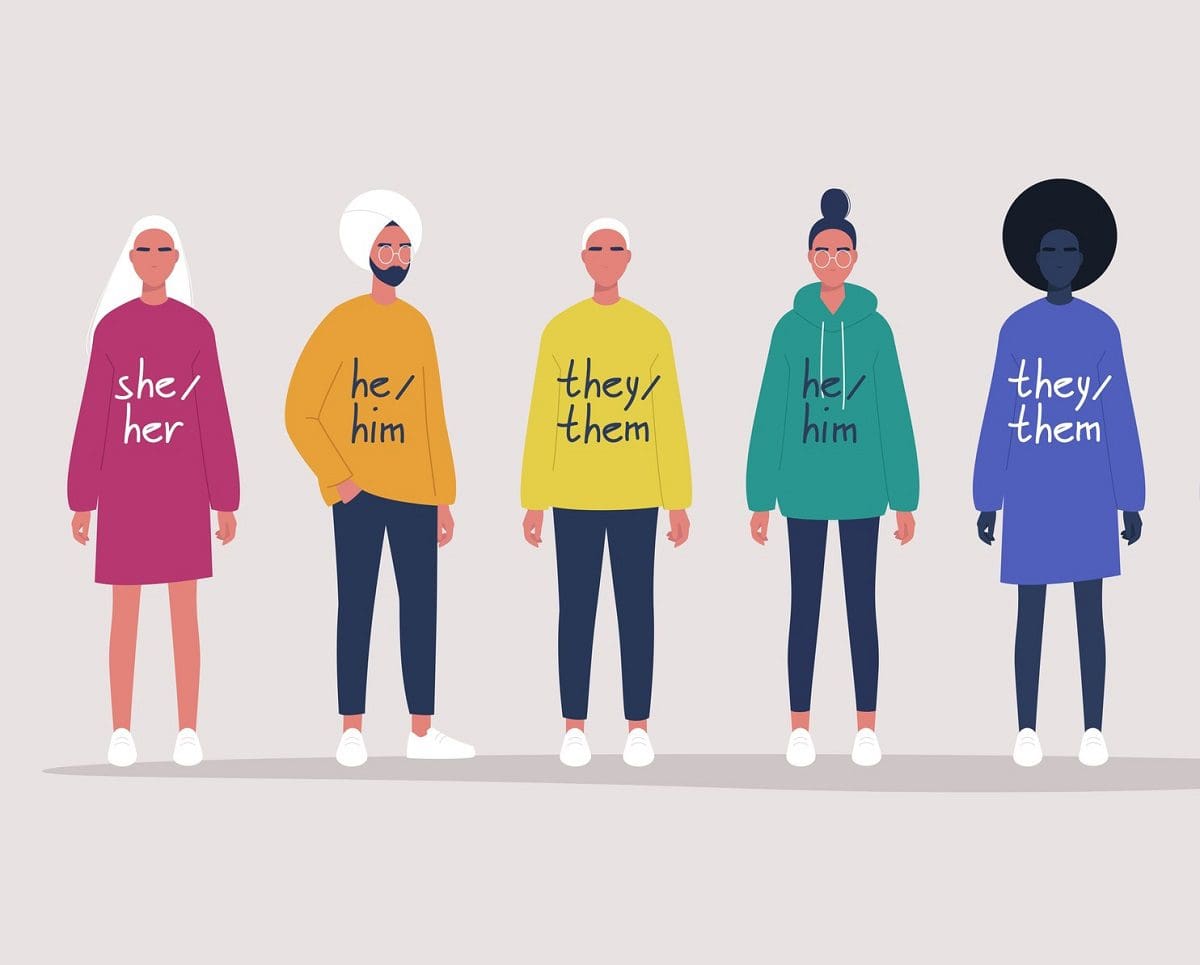
Are you or your loved ones dealing with muscle aches and strains after an excruciatingly long day at work? Have you been dealing with constant stress that stiffens your neck and shoulders? Or do you feel like your ailments are affecting your daily routine? Often, many individuals in the LGBTQ+ community are researching and looking for the right care for their ailments that best suits their wants and needs when seeking treatment. Gender minority healthcare is one of the important aspects of the LGBTQ+ community for individuals seeking the treatment they deserve. When it comes to creating an inclusive, safe, and positive healthcare environment, it is highly important to understand what “gender” and “minority are being defined as. Gender, as we all know, is how the world and society view a person’s sex, like male and female. A minority is defined as a person being different from the rest of the community or the group that they are in. A gender minority is defined as a person whose identity is other than the conventional gender normality many people associate with. For LGBTQ+ individuals who identify as a gender minority, it can be stressful and aggravating when seeking treatment for any ailments or for just a general check-up. This can cause many LGBTQ+ individuals to experience a high rate of discrimination in the healthcare setting that often correlates to poor health outcomes and delays when seeking care treatment. (Sherman et al., 2021) This can create a negative environment in the healthcare setting as many LGBTQ+ individuals deal with unnecessary stress and barriers to accessing inclusive healthcare. Here at the Injury Medical Chiropractic and Functional Medicine clinic, we are dedicated to creating a safe, inclusive, and positive space that offers dedicated care for the LGBTQ+ community by using gender-neutral terms, asking important questions, and building a trusting relationship in every visit.
Enhancing Health Together-Video
The Protocols Of An Inclusive Gender Minority Healthcare
When assessing inclusive gender minority healthcare for many individuals, building a trusting relationship with any patient who enters through the door is important. This allows many people within the LGBTQ+ community to be treated with dignity and respect and ensure they receive medical care like everyone else. By making these efforts, many healthcare systems can ensure the LGBTQ+ community their rights to adequate and affirming healthcare services that are provided for them. (“Health disparities affecting LGBTQ+ populations,” 2022) Below are protocols that are implemented for inclusive gender minority healthcare.
Creating A Safe Space
Creating a safe space for every patient for treatment or general check-up visits is important. Without it, it can cause health disparities between the patient and healthcare professional. Healthcare providers must be prepared to identify and address their biases so that it does not contribute to healthcare disparities that many LGBTQ+ individuals have experienced. (Morris et al., 2019) It’s already stressful enough for LGBTQ+ individuals to get the treatment they deserve. Creating a safe space in a clinical practice gives individuals a setting of respect and trust as they fill out their intake forms that include different gender identities.
Educate Yourself & Staff
Healthcare professionals must be non-judgmental, open, and ally to their patients. By educating staff members, many healthcare providers can undergo developmental training to increase their cultural humility and improve healthcare outcomes for the LGBTQ+ community. (Kitzie et al., 2023) At the same time, many healthcare providers can use gender-neutral language and ask what the patient’s preferred name is while validating and utilizing appropriate mental and health screenings. (Bhatt, Cannella, & Gentile, 2022) To this point, many healthcare providers can significantly and positively impact the individual’s experience, health outcomes, and quality of life. Reducing the structural, interpersonal, and individual stigma that many LGBTQ+ people experience can become a way to demonstrate respect not only to the individual but also to the doctors and staff members who receive it. (McCave et al., 2019)
Basic Primary Care Principles
The first thing that many healthcare providers should do is to honor the individual’s gender identity and consider what kind of information or examination for the individual to receive the care they deserve. The attainable standard of health is one of the fundamental rights of every human being. Being an ally can create a trusting relationship with the individual and provide them with a customizable treatment plan they can receive. This offers a safe environment for the individual and is cost-effective while getting the necessary treatment they deserve.
References
Bhatt, N., Cannella, J., & Gentile, J. P. (2022). Gender-affirming Care for Transgender Patients. Innov Clin Neurosci, 19(4-6), 23-32. https://www.ncbi.nlm.nih.gov/pubmed/35958971
Kitzie, V., Smithwick, J., Blanco, C., Green, M. G., & Covington-Kolb, S. (2023). Co-creation of a training for community health workers to enhance skills in serving LGBTQIA+ communities. Front Public Health, 11, 1046563. https://doi.org/10.3389/fpubh.2023.1046563
McCave, E. L., Aptaker, D., Hartmann, K. D., & Zucconi, R. (2019). Promoting Affirmative Transgender Health Care Practice Within Hospitals: An IPE Standardized Patient Simulation for Graduate Health Care Learners. MedEdPORTAL, 15, 10861. https://doi.org/10.15766/mep_2374-8265.10861
Morris, M., Cooper, R. L., Ramesh, A., Tabatabai, M., Arcury, T. A., Shinn, M., Im, W., Juarez, P., & Matthews-Juarez, P. (2019). Training to reduce LGBTQ-related bias among medical, nursing, and dental students and providers: a systematic review. BMC Med Educ, 19(1), 325. https://doi.org/10.1186/s12909-019-1727-3
Sherman, A. D. F., Cimino, A. N., Clark, K. D., Smith, K., Klepper, M., & Bower, K. M. (2021). LGBTQ+ health education for nurses: An innovative approach to improving nursing curricula. Nurse Educ Today, 97, 104698. https://doi.org/10.1016/j.nedt.2020.104698
Can chiropractic treatment protocols diagnose what’s causing head pressure in individuals, and provide effective treatment?
Head Pressure
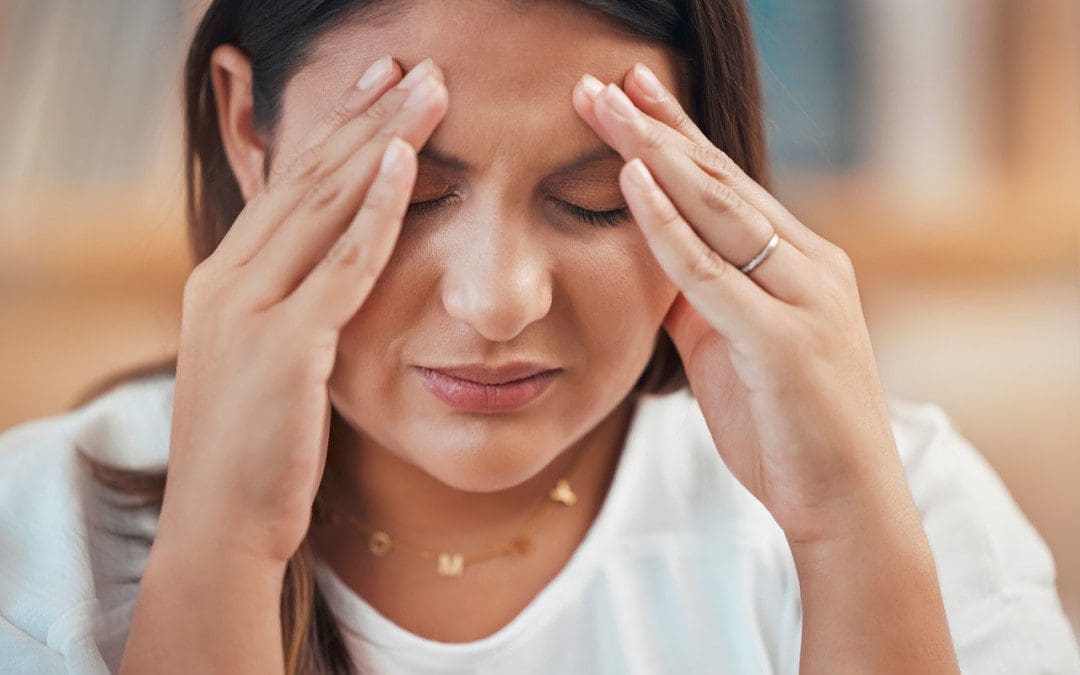
Head pressure can have various causes and symptoms that affect different areas depending on whether the cause is a headache, allergies, injury, illness, or disease. The location of the pressure or pain can help a doctor of chiropractic determine the cause.
The underlying factor is usually not life-threatening, but the pressure that has built can be the result of serious conditions like a head injury or brain tumor.
Chiropractic care, which includes a combination of spinal manipulation, active and passive exercises, and massage, is often used for headache management and prevention. (Moore Craig, et al., 2018)
Chiropractic therapy is often sought out for tension and cervicogenic headaches, migraines, and each responds differently to the treatment.
The Head
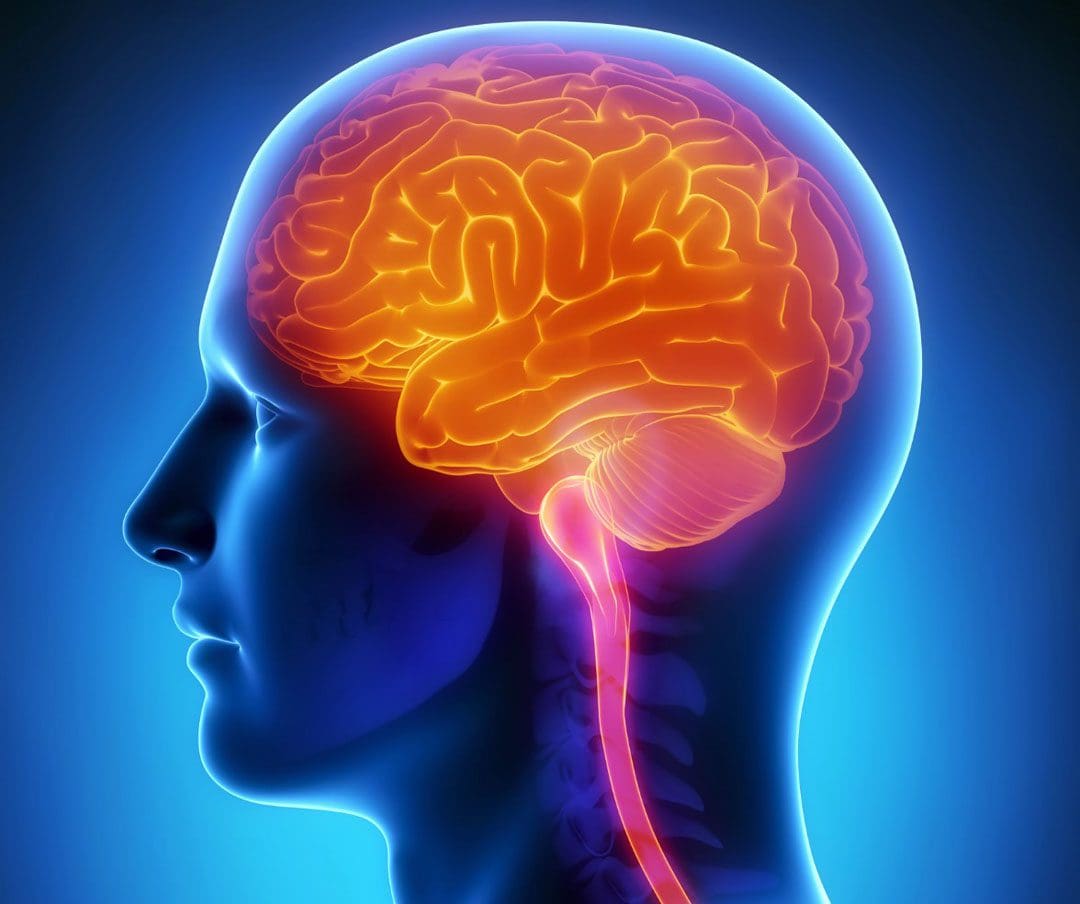
The head is made up of a complex system of lobes, sinuses/channels, blood vessels, nerves, and ventricles. (Thau L, et al., 2022)
The pressure of these systems is regulated and any disruption to this balance can be noticeable.
Diagnosis can be difficult to figure out what is causing discomfort or head pressure.
Pain, pressure, irritability, and nausea are all symptoms that can occur with headaches. (Rizzoli P, Mullally W. 2017)
Head pressure can also occur only at times when standing up, bending down to pick up an object, or otherwise changing posture in some way that blood pressure is affected.
Chiropractic Treatment
The Injury Medical team will develop a personalized treatment plan to help relieve pressure symptoms through a multidisciplinary approach that can include. (Moore Craig, et al., 2018)
Moore, C., Leaver, A., Sibbritt, D., & Adams, J. (2018). The management of common recurrent headaches by chiropractors: a descriptive analysis of a nationally representative survey. BMC neurology, 18(1), 171. https://doi.org/10.1186/s12883-018-1173-6
Schizodimos, T., Soulountsi, V., Iasonidou, C., & Kapravelos, N. (2020). An overview of the management of intracranial hypertension in the intensive care unit. Journal of Anesthesia, 34(5), 741–757. https://doi.org/10.1007/s00540-020-02795-7
Wall M. (2017). Update on Idiopathic Intracranial Hypertension. Neurologic Clinics, 35(1), 45–57. https://doi.org/10.1016/j.ncl.2016.08.004
How efficient is spinal decompression to alleviate pain-like symptoms in many individuals with low back pain?
Introduction
Low back pain is a common condition that affects many people worldwide. It can cause discomfort and prevent individuals from returning to their normal routines. The pain can be specific or non-specific, depending on the severity of the symptoms. It can also be associated with other musculoskeletal conditions, such as sciatica, DDD, and osteoarthritis, affecting the spine’s mobility and stability. Fortunately, treatments are available to reduce the pain and associated symptoms while relieving the lumbar spinal region. At the same time, working with certified medical providers who use our patients’ information to treat individuals experiencing pain-like symptoms associated with low back pain. We inform them that non-surgical treatments like decompression can help reduce the progression of low back pain and its associated pain-like symptoms. At the same time, we also explain to them how adding decompression to their routine can alleviate the pain-like symptoms. We encourage our patients to ask essential questions while seeking education from our associated medical providers about their situation. Dr. Alex Jimenez, D.C., provides this information as an educational service. Disclaimer
The Burden Of Low Back Pain
Do you often experience muscle stiffness and aches from excessive sitting at your desk job? Do you feel excruciating pain in your hips and low back after a long day of moving heavy objects? Or do you feel constant pain after moving from one location to another, only to find relief when resting? Many of these scenarios are a normal routine associated with low back pain for many working people. Since low back pain is common worldwide, it can greatly impact many individuals trying to alleviate it. For many individuals dealing with low back pain, it can be an economic burden, and it causes unnecessary stress to the working individual. (Maetzel & Li, 2002) When a person is dealing with low back pain and is working, it can lead to work disability which then cascades to frequent doctor visits to missing time off work to eventually short-term disability. At the same time, low back pain has many potential, either normal or traumatic factors affecting the region of the lower back, hips, and buttocks. Many individuals with low back pain noticed the corresponding relationship between the genetic and environmental factors that often correspond to where the pain is localized. (Manek & MacGregor, 2005)
Low back pain can often develop at an early age and be associated with serious pathologies (Jones & Macfarlane, 2005) that can correlate with environmental factors that lead to spinal misalignment or subluxation. Low back pain covers a huge spectrum of pain-like conditions that are frequently overlapped and can be prone to different stressors that can impact the body while becoming a challenge to diagnose when getting treated. (Knezevic et al., 2021) However, many individuals with low back pain can find relief from not only the economic burden of low back pain but also find the right therapies to alleviate pain-like symptoms associated with low back pain from their bodies.
Body In Balance- Video
When it comes to treating low back pain, many individuals will go to their primary doctors for a physical examination to determine where the pain radiates in the lumbar region. (Chou, Qaseem, et al., 2007) At the same time, the individual’s primary doctor should assess what factors are the causes for the development of low back pain and come up with a customized treatment plan to reduce the pain from the lumbar region while also working with other medical professionals to kick start the person’s health and wellness journey. Numerous non-surgical treatments are cost-effective, safe, and non-pharmacological when alleviating low back pain. They can provide positive, beneficial results after a few sessions of treatments to reduce low back pain. Non-surgical treatments like chiropractic care, massage therapy, spinal decompression, and physical therapy can help relieve many individuals with low back pain. The video above explains how these treatments, combined with the right tools, can help bring balance back into the body.
The Efficacy Of Spinal Decompression
When reducing the effects of low back pain, non-surgical treatments are cost-effective and safe for many individuals with low back pain. Many non-surgical therapies are efficient for chronic or acute low back pain and can be combined with numerous therapies to reduce the chances of low back pain from returning in the future. (Chou, Huffman, et al., 2007) Non-surgical treatments like spinal decompression are efficient for low back pain as it helps stretch the tight, shortened muscles in the lumbar region and reduce any pain-like symptoms associated with low back pain.
How Spinal Decompression Alleviates Low Back Pain
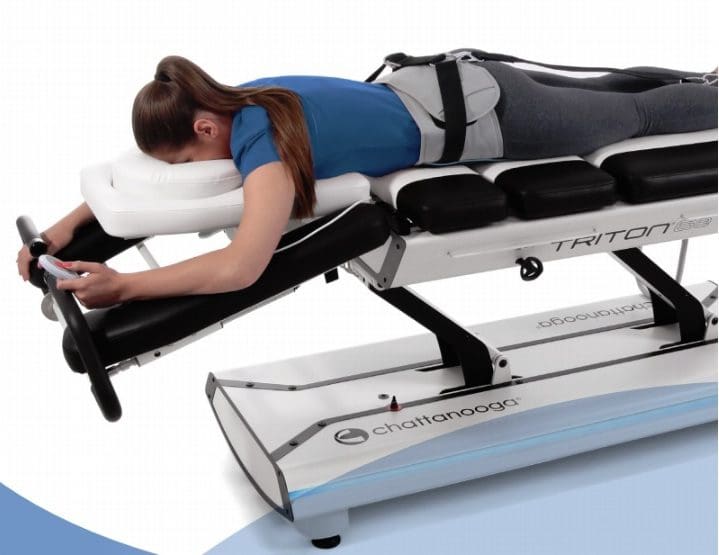
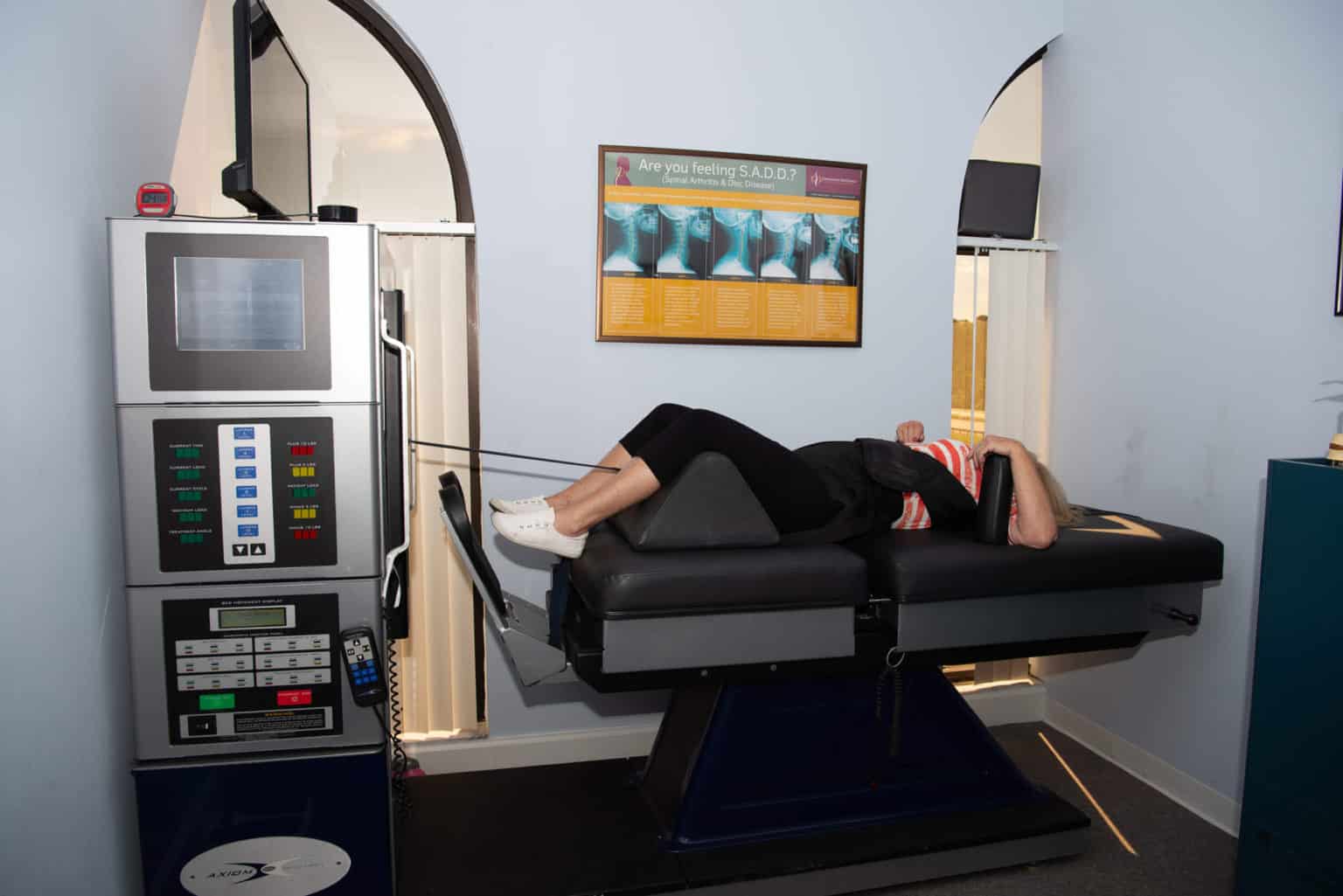
Now how would spinal decompression alleviate low back pain? Well, since low back pain has many factors that can contribute to its development, one of these factors that can contribute to low back pain is compressed intervertebral discs. When the spinal discs are compressed, they can become herniated under pressure and aggravate the spinal nerve root, leading to low back pain symptoms. With spinal decompression, individuals will be strapped to a traction machine and have their bodies gently pulled to reduce pressure off the aggravated nerve and pull the disc back into its original position. To that point, spinal decompression allows mobility back to the lower extremities and improves stability in the lumbar region. (Meszaros et al., 2000) Additionally, decompression can help reduce the effects of low back pain, whether done manually or through a traction machine that allows negative pressure into the spine while allowing the body to heal itself and rehydrate the spinal discs naturally. (Macario et al., 2008) With spinal decompression combined with other therapies, many people can return to work pain-free while being more mindful of how they listen to their bodies.
References
Chou, R., Huffman, L. H., American Pain, S., & American College of, P. (2007). Nonpharmacologic therapies for acute and chronic low back pain: a review of the evidence for an American Pain Society/American College of Physicians clinical practice guideline. Ann Intern Med, 147(7), 492-504. https://doi.org/10.7326/0003-4819-147-7-200710020-00007
Chou, R., Qaseem, A., Snow, V., Casey, D., Cross, J. T., Jr., Shekelle, P., Owens, D. K., Clinical Efficacy Assessment Subcommittee of the American College of, P., American College of, P., & American Pain Society Low Back Pain Guidelines, P. (2007). Diagnosis and treatment of low back pain: a joint clinical practice guideline from the American College of Physicians and the American Pain Society. Ann Intern Med, 147(7), 478-491. https://doi.org/10.7326/0003-4819-147-7-200710020-00006
Jones, G. T., & Macfarlane, G. J. (2005). Epidemiology of low back pain in children and adolescents. Arch Dis Child, 90(3), 312-316. https://doi.org/10.1136/adc.2004.056812
Knezevic, N. N., Candido, K. D., Vlaeyen, J. W. S., Van Zundert, J., & Cohen, S. P. (2021). Low back pain. The Lancet, 398(10294), 78-92. https://doi.org/10.1016/s0140-6736(21)00733-9
Macario, A., Richmond, C., Auster, M., & Pergolizzi, J. V. (2008). Treatment of 94 Outpatients With Chronic Discogenic Low Back Pain with the DRX9000: A Retrospective Chart Review. Pain Practice, 8(1), 11-17. https://doi.org/10.1111/j.1533-2500.2007.00167.x
Maetzel, A., & Li, L. (2002). The economic burden of low back pain: a review of studies published between 1996 and 2001. Best Pract Res Clin Rheumatol, 16(1), 23-30. https://doi.org/10.1053/berh.2001.0204
Manek, N. J., & MacGregor, A. J. (2005). Epidemiology of back disorders: prevalence, risk factors, and prognosis. Curr Opin Rheumatol, 17(2), 134-140. https://doi.org/10.1097/01.bor.0000154215.08986.06
Meszaros, T. F., Olson, R., Kulig, K., Creighton, D., & Czarnecki, E. (2000). Effect of 10%, 30%, and 60% body weight traction on the straight leg raise test of symptomatic patients with low back pain. J Orthop Sports Phys Ther, 30(10), 595-601. https://doi.org/10.2519/jospt.2000.30.10.595
In individuals with lumbosacral pain, how do cost-effective treatments compare to traditional care treatments affect muscle strain?
Introduction
The human spine is divided into three sections, which form an S-curve shape that supports the upper and lower body parts, maintaining good posture during movement. The spinal discs or intervertebral discs act as shock absorbers within each section of the spinal column. They help reduce axial overload and protect the spinal cord. The cervical, thoracic, and lumbar sections have specific roles in the upper and lower body parts, ensuring comfort and pain-free movement. However, many people engage in normal activities such as lifting improperly, sitting excessively, or carrying an unreasonable weight, leading to pain and disability over time without proper care. The lumbosacral region of the spine is the most commonly injured and is linked to low back pain. Lumbosacral pain can result from normal or traumatic factors, making individuals miss work or daily activities, leading to financial burdens when visiting a doctor. Symptoms associated with lumbosacral pain can cause referred pain to other parts of the body, leading individuals to think that the primary pain location is elsewhere. Fortunately, various cost-effective treatments can reduce the effects of lumbosacral pain and alleviate muscle strain in the lower back region. This article focuses on the many factors associated with lumbosacral pain, cost-effective treatments to reduce it, and the difference between traction and spinal decompression, which can alleviate muscle strain in the lumbosacral spinal region. As we work with certified medical providers who use our patients’ information to treat individuals experiencing lumbosacral pain and explain how combining non-surgical decompression as part of their routine can alleviate the pain-like symptoms affecting the lumbosacral region. We inform them about non-surgical treatments to ease lumbosacral pain while reducing muscle strain. We encourage our patients to ask essential questions while seeking education from our associated medical providers about their situation. Dr. Alex Jimenez, D.C., provides this information as an educational service. Disclaimer
Lumbosacral Pain Associated Factors
How many times a day have you been experiencing low back pain associated with lifting heavy objects? Do you feel muscle aches or strains in your lower back from excessing sitting from your job? Or do you feel pain in your lower back after a long day of work that feels better after sitting down? Many individuals don’t often realize that the pain they are feeling in their lumbosacral region could be due to the normal factors that are causing repetitive motions that are causing the spinal discs in the lumbosacral area to be compressed, damaged, or herniated. To that point, lumbosacral pain may correlate with low back pain. Since low back pain is mostly a non-specific issue, many working individuals with a sedentary desk job or an active job requiring physical exertion can be a clue to the causes of low back pain associated with lumbosacral pain. (See Tan & Kumar, 2021) Additionally, lumbosacral pain can cause the individual to have unwanted stress while undergoing treatment. The cost of treating lumbosacral pain associated with the low back can increase drastically.
The working individual would have to worry about the cost of traditional medical care and how to compensate for the lost wages to pay for the treatment. (Snook, 1988) This leads many individuals to continue working even when in excruciating pain by incorporating home treatments to reduce the pain temporarily. When the lumbosacral spine is dealing with pain, the nerve roots that surround the lumbosacral region will begin to go haywire, causing somato-visceral pain where the sensory signals cause symptoms of tingling and numbness to travel down to the legs, glutes, low back, and thighs. (Vaitkus & Sipylaite, 2021) Luckily, many individuals can be at ease in numerous ways. There are cost-effective treatments to reduce the pain-like issues associated with the lumbosacral region and alleviate the muscle strain caused by lumbosacral pain.
Can Core Exercises Erase Back Pain?-Video
Many individuals will look for home remedies to reduce the pain in the affected muscle area when treating lumbosacral pain associated with low back pain. Many people will opt for exercises, ice/hot packs, or massages to ease low back pain related to lumbosacral pain. (“Simple treatments best for acute low-back problems, say federal guidelines,” 1995) All these treatments are cost-effective and can be combined with non-surgical treatments to stretch the tight muscles, realign the spine, and help rehydrate the spinal discs back to the spine. The video above asks if core exercises can help ease back pain. The video details how weak core muscles correlate with lower back lumbosacral pain. Engaging the core during exercise can help stabilize the lumbosacral region while improving overall wellness.
When relieving lumbosacral pain, cost-effective non-surgical treatments can help many individuals find the relief they need. The effects of non-surgical treatments for the lumbosacral vertebrae apply various techniques to the spine by widening the spinal disc height, reducing muscle strain and spasms, and separating the vertebrae. (Colachis & Strohm, 1969) Many individuals have opted for these treatments because they are safe, cost-effective, and gentle on the spine. Since the spinal discs can be compressed due to unwanted axial load, spinal manipulation done by a chiropractor can realign the spine out of subluxation. (Cyriax, 1950) This allows the individual to feel instant relief and reduce the aggravated nerve roots from the lumbosacral spine. Other cost-effective treatments like traction therapy and spinal decompression can also alleviate lumbosacral pain that is causing the issue to many individuals.
Traction vs. Spinal Decompression
The difference between traction therapy and spinal decompression therapy varies within the individual and what their personalized treatment plan requires. Traction therapy incorporates half of the person’s body weight with additional weight to reduce nerve root compression and can be combined with other treatments like hot/cold therapies and electro-stimulation; combined with an exercise program can strengthen the weak muscles and reduce muscle strain. (Alrwaily, Almutiri, & Schneider, 2018)
With spinal decompression, many individuals will be strapped into a mechanical machine and feel a gentle pull on their spine. This creates negative pressure between the spine and allows the disc to lay off the aggravating nerve root and promote healing properties back to the disc. (Choi et al., 2022) Spinal decompression causes a direct distraction within the spinal segments with minimal discomfort to the individual. Both cost-effective treatments are suitable for individuals with lumbosacral pain along their spine as they can help relieve pain and reduce muscle strain along the lumbar region after a few sessions. Non-surgical treatments are beneficial for many individuals who are looking to take back their health and wellness without being in pain.
References
Alrwaily, M., Almutiri, M., & Schneider, M. (2018). Assessment of variability in traction interventions for patients with low back pain: a systematic review. Chiropr Man Therap, 26, 35. https://doi.org/10.1186/s12998-018-0205-z
Choi, E., Gil, H. Y., Ju, J., Han, W. K., Nahm, F. S., & Lee, P.-B. (2022). Effect of Nonsurgical Spinal Decompression on Intensity of Pain and Herniated Disc Volume in Subacute Lumbar Herniated Disc. International Journal of Clinical Practice, 2022, 6343837. https://doi.org/10.1155/2022/6343837
Colachis, S. C., Jr., & Strohm, B. R. (1969). Effects of intermittent traction on separation of lumbar vertebrae. Archives of Physical Medicine and Rehabilitation, 50(5), 251-258. https://www.ncbi.nlm.nih.gov/pubmed/5769845
See, Q. Y., Tan, J. B., & Kumar, D. S. (2021). Acute low back pain: diagnosis and management. Singapore Med J, 62(6), 271-275. https://doi.org/10.11622/smedj.2021086
Simple treatments best for acute low-back problems, say federal guidelines. (1995). Am J Health Syst Pharm, 52(5), 457. https://doi.org/10.1093/ajhp/52.5.457a
Vaitkus, A., & Sipylaite, J. (2021). Sensory Perception in Lumbosacral Radiculopathy with Radicular Pain: Feasibility Study of Multimodal Bedside-Suitable Somatosensory Testing. Acta Med Litu, 28(1), 97-111. https://doi.org/10.15388/Amed.2021.28.1.18
IFM's Find A Practitioner tool is the largest referral network in Functional Medicine, created to help patients locate Functional Medicine practitioners anywhere in the world. IFM Certified Practitioners are listed first in the search results, given their extensive education in Functional Medicine