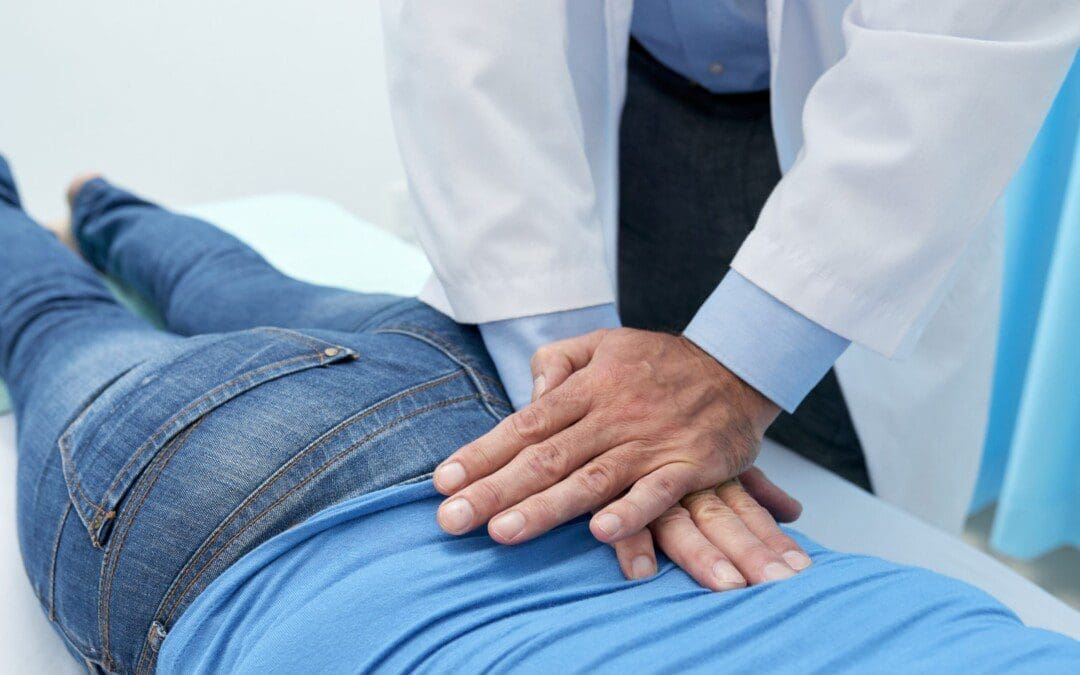
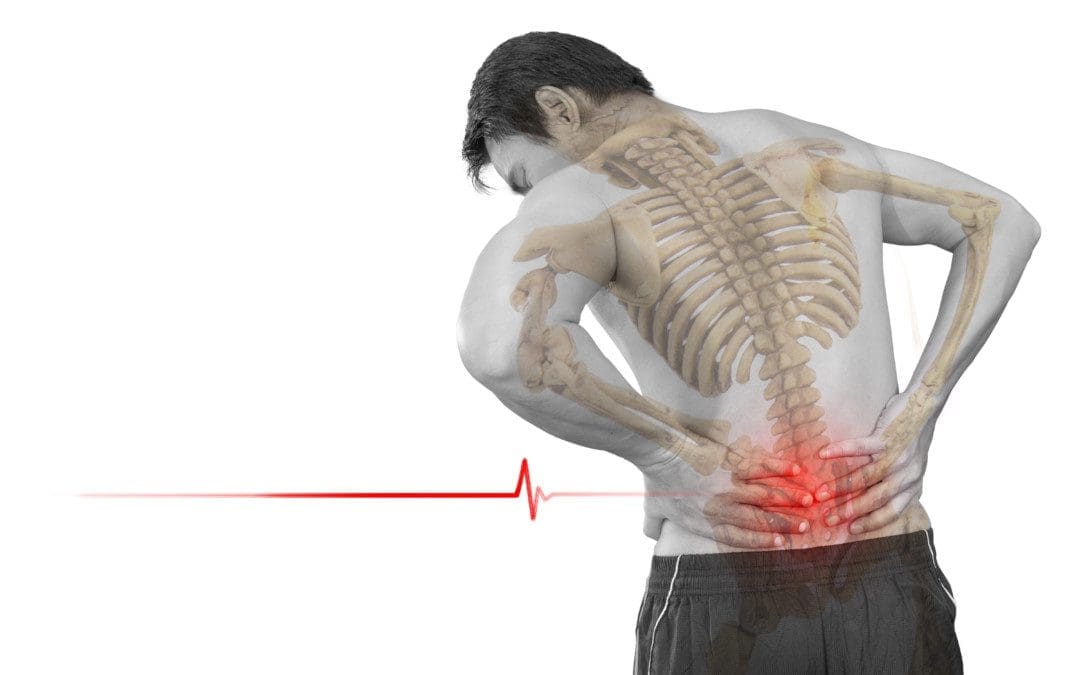
In individuals with lumbar back pain, can pain specialists utilize distraction techniques to reduce muscle spasms?
Introduction
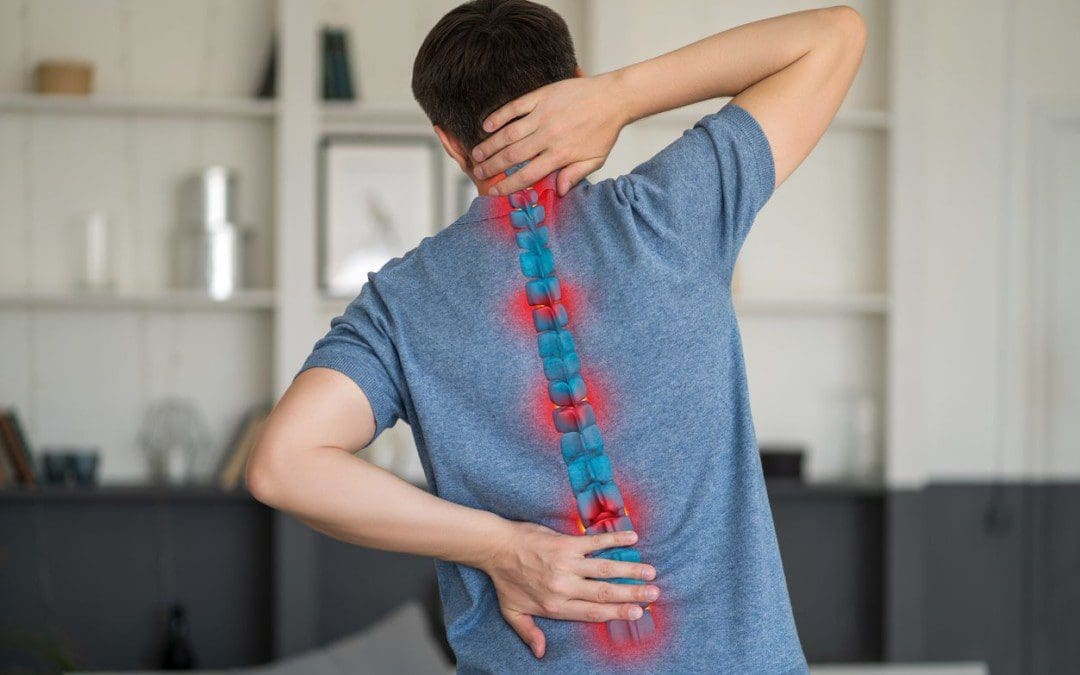
Many individuals dealing with specific or nonspecific back pain can agree that it can dampen their moods as they try to find the relief they seek to get back to their routine. More often than not, back pain is a common multifactorial musculoskeletal disorder that can affect the entire body, and it all starts with how people do simple movements incorrectly, causing compression to the spine. Since the spine is the main backbone of the body, it is responsible for training, stability, and flexibility. The surrounding muscles that encompass the spine act like a barrier to protect the skeletal joints and the spinal cord from injuries that are either traumatic or normal wear and tear. Lumbar back pain is also an economic burden that can cause unnecessary stress to the body, which leads to muscle spasms and causes even more stress to the individual. With lumbar back pain being a common nuisance to everyone worldwide, many will opt for treatment to reduce the pain and continue their daily activities. In today’s article, we will explore the issues of lumbar back pain and how treatments with distraction techniques alleviate the effects of lumbar back pain and reduce muscle spasms. We speak with certified medical providers who incorporate our patients’ information to provide numerous treatment plans to mitigate lumbar back pain associated with environmental factors. We also inform our patients that there are non-surgical options to reduce the pain-like symptoms related to lumbar back pain and reduce the effects of muscle spasms. We encourage our patients to ask astounding educational questions to our associated medical providers about the pain-like symptoms they are experiencing correlating with the lumbar spine. Dr. Alex Jimenez, D.C., utilizes this information as an academic service. Disclaimer
The Issues Of Lumbar Back Pain
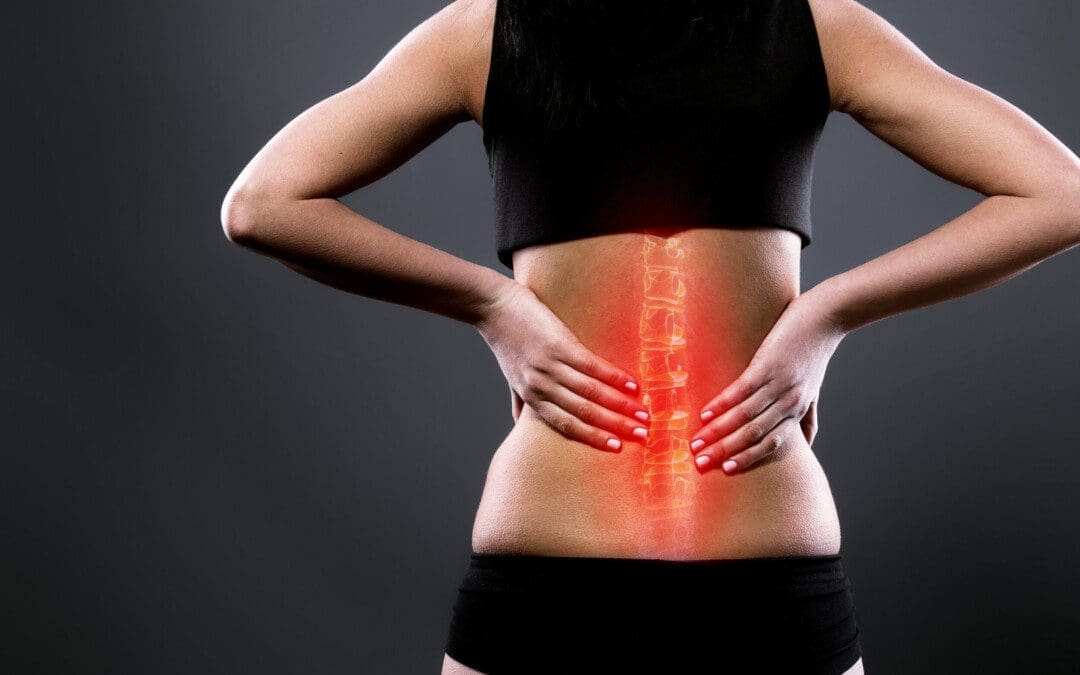
Do you often feel pain radiating from your lower back to your legs after work? Did you lift something heavy that caused your back muscles to strain and be in pain? Or do you and your loved ones feel muscle spasms in your lower back after stretching in the morning? When many individuals are dealing with these musculoskeletal issues, it often correlates with lumbar back pain. As stated earlier, the spine is the body’s backbone, and its main job is to support the body’s weight, provide stability to the upper and lower quadrants, and allow the host to move without pain or discomfort. When normal or traumatic factors start to affect many individuals over time, it can lead to the development of lumbar back pain, and it can become an issue for many young and older adults. Since lumbar back pain can be mechanical or nonspecific, it can arise intrinsically from the spine and the spinal components through repetitive muscle trauma that can be overused while being one of the common causes many people experience pain in their lumbar spine. (Will et al., 2018) When many individuals are dealing with lumbar back pain, it can become a reoccurring issue, and many go to medical clinics to get treatment for their lumbar back pain.
Another issue that lumbar back pain causes is affecting the spinal structure and the surrounding muscles, tissues, and ligaments that protect the spine. Since the body is remarkable for sensing when pain affects the spine, the vital structures are affected and start to respond by adopting other measures to maintain the spine’s stability. (Hauser et al., 2022) This means that when the body starts to develop muscle spasms in the spine, the stretched ligaments react rapidly to prevent the spine from destabilizing. This leads to individuals feeling aches and pain in their lower back, which then causes them to miss out on their activities.
The Road To Recovery: Chiropractic Care- Video
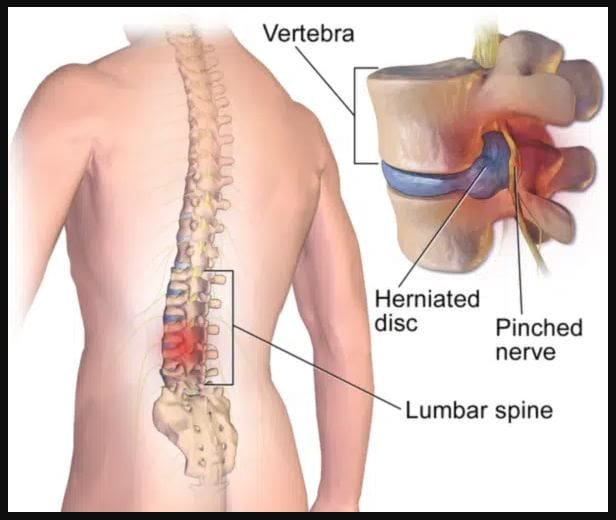
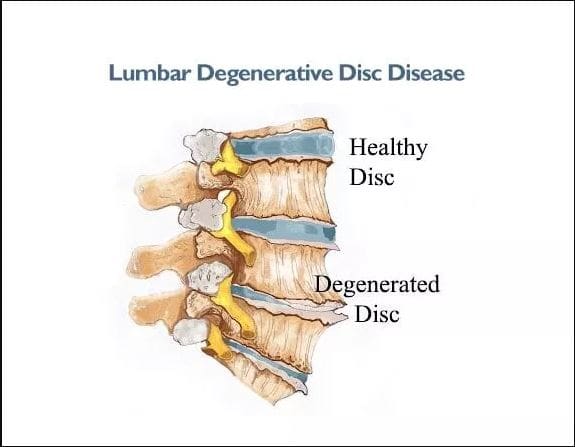
When it comes to lumbar back pain, many everyday factors can contribute to its development and cause issues for many individuals. Many individuals with lumbar back pain often experience referred pain in their lower extremity regions as the lumbar portions of the spine have compressed spinal discs, which can also correlate with nerve entrapment. To this point, many will seek out various treatments to reduce low back pain and its associated symptoms. When patients have prolonged symptoms correlating with lumbar pain, conservative management that is either non-surgical or surgical can help treat the pain-like symptoms related to lumbar back pain. (Mohd Isa et al., 2022) Lumbar back pain treatments can be customizable and cost-effective to the person’s pain severity. Non-surgical treatments can help lumbar back pain issues and reduce referred pain symptoms from different body locations in the upper or lower body quadrants. When people go to get their lumbar back pain treated, pain specialists like chiropractors, massage therapists, and physical therapists utilize various techniques and treatments to reduce pain affecting the surrounding ligaments, tissues, and muscles through stretches and traction. The video above explains how these treatments can help reduce pain caused by environmental factors and also help speed up recovery.
Distraction Techniques To Reduce Lumbar Back Pain
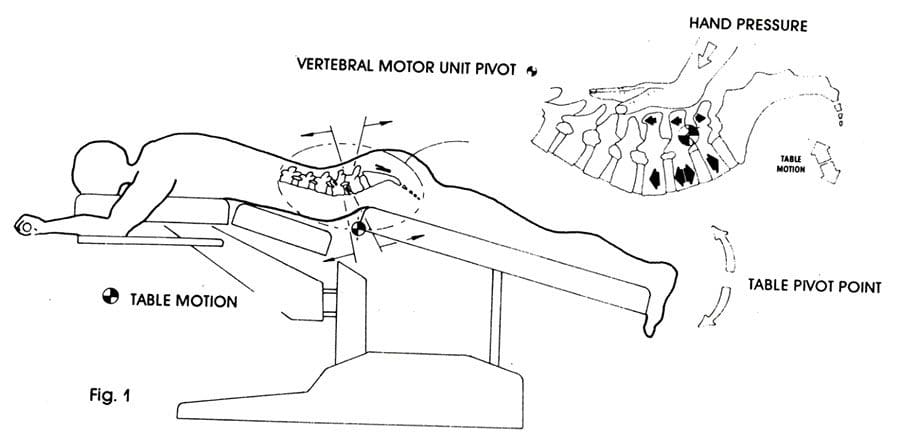
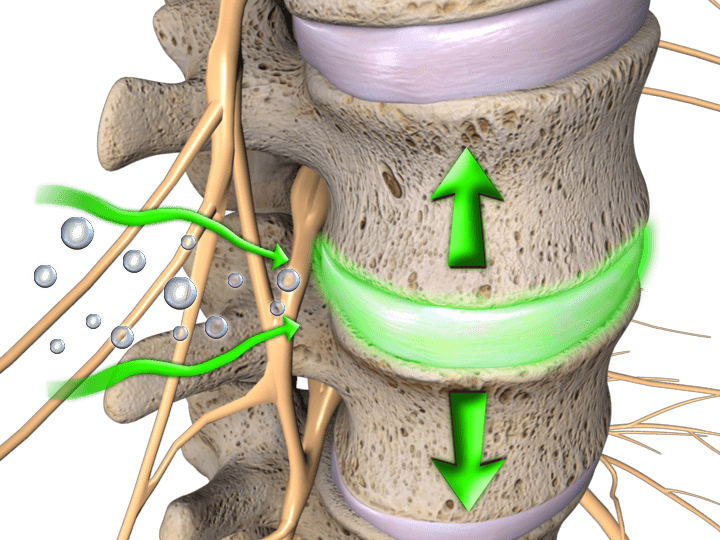
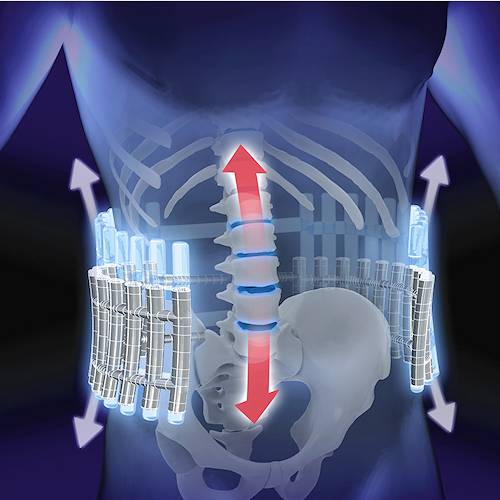
When many individuals get treated for lumbar back pain, many opt for non-surgical treatments due to being more affordable than surgical treatments. Pain specialists like chiropractors or massage therapists use distraction techniques to reduce the pain. These pain specialists also incorporate manual and mechanical therapy to be body-oriented to mobilize, manipulate, and stretch out the soft tissues and strengthen them. (Kuligowski et al., 2021) This, in turn, can help reduce lumbar back pain while allowing the individual to be more mindful about their actions to reduce the chances of back pain from returning. At the same time, the effectiveness of treating lumbar back pain through traction can effectively reduce nerve root compression and unresponsive movement symptoms. (Vanti et al., 2021) Traction therapy is a non-surgical treatment that gently stretches the spine to alleviate pain and help kick-start the natural healing process.
Distraction Techniques Reducing Muscle Spasms
Pain specialists incorporate distraction techniques to reduce lumbar back pain and muscle spasms in the lumbar region. As stated earlier, distraction techniques associated with non-surgical treatments can be an excellent way to minimize lumbar back pain. Distraction manipulation can help elevate the affected intervertebral disc by reducing the pressure off the disc and increasing its height in the spine. (Choi et al., 2015) Many individuals feel better when they incorporate distraction therapy to reduce lumbar pain. At the same time, distraction therapy can also be incorporated into a personalized plan to reduce muscle spasms and strengthen weak muscles that surround the lumbar region. The effects of lumbar traction combined with distraction therapy can improve pain and reduce functional disability within the lumbar spine. (Masood et al., 2022) When many people start to think more about their health and wellness, they can make small changes in their routine to prevent low back pain from progressing into something chronic and strengthen their weak muscles to control the pain-like symptoms from returning.
References
Choi, J., Lee, S., & Jeon, C. (2015). Effects of flexion-distraction manipulation therapy on pain and disability in patients with lumbar spinal stenosis. Journal of Physical Therapy Science, 27(6), 1937-1939. https://doi.org/10.1589/jpts.27.1937
Hauser, R. A., Matias, D., Woznica, D., Rawlings, B., & Woldin, B. A. (2022). Lumbar instability as an etiology of low back pain and its treatment by prolotherapy: A review. J Back Musculoskelet Rehabil, 35(4), 701-712. https://doi.org/10.3233/BMR-210097
Kuligowski, T., Skrzek, A., & Cieslik, B. (2021). Manual Therapy in Cervical and Lumbar Radiculopathy: A Systematic Review of the Literature. Int J Environ Res Public Health, 18(11). https://doi.org/10.3390/ijerph18116176
Masood, Z., Khan, A. A., Ayyub, A., & Shakeel, R. (2022). Effect of lumbar traction on discogenic low back pain using variable forces. J Pak Med Assoc, 72(3), 483-486. https://doi.org/10.47391/JPMA.453
Mohd Isa, I. L., Teoh, S. L., Mohd Nor, N. H., & Mokhtar, S. A. (2022). Discogenic Low Back Pain: Anatomy, Pathophysiology and Treatments of Intervertebral Disc Degeneration. Int J Mol Sci, 24(1). https://doi.org/10.3390/ijms24010208
Vanti, C., Turone, L., Panizzolo, A., Guccione, A. A., Bertozzi, L., & Pillastrini, P. (2021). Vertical traction for lumbar radiculopathy: a systematic review. Arch Physiother, 11(1), 7. https://doi.org/10.1186/s40945-021-00102-5
Can healthcare professionals help individuals with spinal pain by incorporating non-surgical spinal decompression to restore mobility?
Introduction
Many individuals don’t realize that putting unwanted pressure on their spines can lead to chronic pain within their spinal discs that is affecting their spinal mobility. This usually happens with demanding jobs requiring individuals to carry heavy objects, step wrong, or be physically inactive, which causes the surrounding back muscles to be overstretched and leads to referred pain that affects the upper and lower body portions. This can cause individuals to go to their primary doctors to get treated for back pain. This leads to them missing out on their busy work schedules and paying a high price to get treated. Back pain correlating with spinal issues can be a huge problem and make them feel miserable. Fortunately, numerous clinical options are cost-effective and personalized to many individuals dealing with spinal pain that is causing them to find the relief they deserve. Today’s article focuses on why spinal pain affects many people and how spinal decompression can help reduce spinal pain and restore spinal mobility. Coincidentally, we communicate with certified medical providers who incorporate our patients’ information to provide various treatment plans to reduce spinal pain affecting their backs. We also inform them that there are non-surgical options to reduce the pain-like symptoms associated with spinal issues in the body. We encourage our patients to ask amazing educational questions to our associated medical providers about their symptoms correlating with body pain in a safe and positive environment. Dr. Alex Jimenez, D.C., incorporates this information as an academic service. Disclaimer
Why Spinal Pain Is Affecting Many People?
Have you often experienced pain from your back muscles that seem to ache after bending down constantly to pick up objects? Do you or your loved ones feel muscle stiffness in the back and experience numbness in your upper or lower body portions? Or are you experiencing temporary relief after stretching your back muscles, only for the pain to return? Many individuals with back pain never realize that their pain is within their spinal column. Since the spine is an S-curve shape with three different regions in the body, the spinal discs within each spinal segment can become compressed and become misaligned over time. This causes degenerative changes within the spine and can cause the three different spinal regions to develop pain-like issues in the body. When several environmental factors start to be the causes of degeneration of the spinal discs, it can affect the spinal structure. It can become a strong influence affecting their function, predisposing the disc to injuries. (Choi, 2009) At the same time, this can cause a significant impact when getting treated due to its high cost and can start normal age-related changes that cause pathophysiological issues to the vertebral body. (Gallucci et al., 2005)
When many individuals are dealing with spinal pain associated with herniated discs, it can not only cause discomfort but also mimic other musculoskeletal disorders that can cause radiating pain to different locations in the body. (Deyo et al., 1990) This, in turn, causes individuals to suffer constantly and research various treatments to reduce the pain they are experiencing. When spinal pain affects most individuals, many will seek cost-effective therapies to ease the pain they are experiencing and to be mindful of the daily habits they adopt over time and correct them.
Spinal Decompression In-Depth- Video
Do you often feel constant muscle aches and pains in your body that are your general areas of complaint? Do you feel your muscles pull uncomfortably after lifting or carrying a heavy object? Or do you feel constant stress in your neck, shoulders, or back? When many individuals are dealing with general pain, they often assume that it is just back pain when it could be a spinal issue that can be the root cause of the pain they are experiencing. When this happens, many individuals opt for non-surgical treatments due to its cost-effectiveness and how it can be personalized depending on the severity of the pain. One of the non-surgical treatments is spinal decompression/traction therapy. The video above gives an in-depth look at how spinal decompression can help reduce spinal pain associated with low back pain. Spinal pain can increase with age and be provoked by extreme lumbar extension, so incorporating spinal decompression can help reduce pain in the upper and lower extremities. (Katz et al., 2022)
How Spinal Decompression Can Reduce Spinal Pain
When individuals develop spinal issues, spinal decompression can help restore the spine to its original position and help the body naturally heal itself. When something is out of place within the spine, it is important to naturally restore it to its proper place to allow the affected muscles to heal. (Cyriax, 1950) Spinal decompression uses gentle traction to pull the spinal joints to let the spinal disc back in its original position and help increase fluid intake back in the spine. When people start incorporating spinal decompression into their health and wellness routine, they can reduce their spinal pain after a few consecutive treatments.
Spinal Decompression Restoring Spinal Mobility
Spinal decompression can also be incorporated with other non-surgical treatments to restore spinal mobility. When pain specialists utilize spinal decompression within their practices, they can help treat various musculoskeletal conditions, including spinal disorders, to allow the individual to regain spinal mobility. (Pettman, 2007) At the same time, pain specialists can use mechanical and manual manipulation to reduce the pain the individual feels. When spinal decompression starts to use gentle traction on the spine, it can help minimize radical pain correlated with nerve entrapment, create negative pressure within the spinal sections, and relieve musculoskeletal disorders causing pain. (Daniel, 2007) When people start thinking more about their health and wellness to reduce their pain, spinal decompression can be the answer through a personalized plan and can help many individuals find the relief they deserve.
Daniel, D. M. (2007). Non-surgical spinal decompression therapy: does the scientific literature support efficacy claims made in the advertising media? Chiropr Osteopat, 15, 7. https://doi.org/10.1186/1746-1340-15-7
Gallucci, M., Puglielli, E., Splendiani, A., Pistoia, F., & Spacca, G. (2005). Degenerative disorders of the spine. Eur Radiol, 15(3), 591-598. https://doi.org/10.1007/s00330-004-2618-4
Katz, J. N., Zimmerman, Z. E., Mass, H., & Makhni, M. C. (2022). Diagnosis and Management of Lumbar Spinal Stenosis: A Review. JAMA, 327(17), 1688-1699. https://doi.org/10.1001/jama.2022.5921
Can healthcare professionals provide the best non-surgical therapeutic options for individuals with chronic low back pain?
Introduction
Chronic low back pain can happen to numerous individuals, affecting their daily routine and making them miss out on important life events. With the ever-changing world, many individuals, especially working individuals, will experience chronic low back pain at some point due to unbearable stress that seems to affect the surrounding muscles that protect the lumbar spine. This causes many individuals to overstretch or shorten the muscles that are contributing to lower back pain, which can be the causing factor in the development of lower back pain. At the same time, when individuals suffer from low back pain, it can be imposed as a grave economic cost to society. (Pai & Sundaram, 2004) This, in turn, causes many individuals to miss out on work and be financially burdened as the cost of chronic low back pain treatment is high. However, numerous therapeutic options are cost-effective, safe, and effective in reducing chronic low back pain. Today’s post looks at the effects of chronic low back pain and how many individuals can look at various non-surgical options that many individuals can utilize to reduce chronic low back pain. Coincidentally, we communicate with certified medical providers who incorporate our patients’ information to provide various treatment plans to reduce chronic low back pain. We also inform them that there are non-surgical options to reduce the pain-like symptoms associated with the factors that cause chronic lower back pain. We encourage our patients to ask amazing educational questions to our associated medical providers about their symptoms correlating with body pain in a safe and positive environment. Dr. Alex Jimenez, D.C., incorporates this information as an academic service. Disclaimer
The Effects Of Chronic Low Back Pain
Have you been dealing with chronic pain that flares up in your lower back after a hard workday? Do you feel muscle aches or pains that don’t relieve itself after a day of rest? Or do you and your loved ones take any medication to temporarily relieve your back pain, only to have it come back after a few hours? Many people with chronic low back pain will feel symptoms of stiffness, muscle aches, and radiating pain traveling to their lower extremities. When chronic low back pain is associated with musculoskeletal conditions, it can impact their daily routine. To that point, musculoskeletal disorders correlating with chronic low back pain can encompass a spectrum of conditions and increase naturally over time. (Woolf & Pfleger, 2003) When many individuals are dealing with chronic low back pain, it can become a socio-economic burden that leads to disability. (Andersson, 1999) However, there are numerous options for individuals with chronic lower back pain who can find the relief they need to reduce its effects and will be able to get back to their daily routine.
Understanding Long-Lasting Injuries- Video
Chronic low back pain is when back pain that lasts longer than a few weeks and is one of the most common problems many people experience. When finding relief for chronic low back pain, many individuals will try home remedies to alleviate the pain. However, it can temporarily relieve the issue and mask the symptoms. When individuals see their primary doctor for chronic low back pain, many will seek a personalized plan to reduce chronic low back pain and its associated symptoms. When relieving chronic low back pain, comprehensive pain management treatments often rely on physical therapy, multidisciplinary approaches, and non-surgical options to reduce chronic low back pain. (Grabois, 2005) When understanding how the individual has chronic low back pain, it is important to identify the causes and how it can cause lifelong injuries that can develop into disability. When primary doctors start to utilize non-surgical treatments in their practices, many individuals can find the benefits of non-surgical treatments as they are cost-effective, safe, and gentle on the spine and lumbar region and can be personalized with associated medical providers to reduce pain-like symptoms correlating with chronic low back pain. Check out the video above to learn more about how non-surgical treatments can help reduce chronic low back pain and help revitalize a person’s body through a personalized treatment plan.
Non-Surgical Options For Chronic Low Back Pain
When treating chronic low back pain, non-surgical treatments effectively relieve pain and restore mobility to the back. Non-surgical treatments can be customized to the individual’s pain severity while being cost-effective. When individuals are evaluated for chronic low back pain, they are provided with many healthcare providers to reduce the pain-like symptoms caused by chronic low back pain. (Atlas & Deyo, 2001) Many individuals will incorporate various treatment options like:
Exercises
Spinal Decompression
Chiropractic care
Massage Therapy
Acupuncture
Many of these treatments are non-surgical and incorporate various mechanical and manual manipulation techniques to stretch and strengthen the weak back muscles, elongate the spine through realignment, and help restore movement while reducing symptoms in the lower extremities. When individuals incorporate non-surgical treatments consecutively, they will have a positive experience and feel better in the long run. (Koes et al., 1996)
Koes, B. W., Assendelft, W. J., van der Heijden, G. J., & Bouter, L. M. (1996). Spinal manipulation for low back pain. An updated systematic review of randomized clinical trials. Spine (Phila Pa 1976), 21(24), 2860-2871; discussion 2872-2863. https://doi.org/10.1097/00007632-199612150-00013
Can non-surgical options be beneficial for many working individuals with low back pain than surgical therapeutic options?
Introduction
Many working individuals will experience pain in their lower backs due to their demanding workloads that are causing unwanted pressure load on the lumbar region of the spine. With the spine’s main job to support the body’s upper and lower quadrants, many individuals with demanding jobs are either constantly sitting down at their desks or carrying heavy objects to different locations. With low back pain being a normal problem for everyone at some point, many individuals find temporary solutions to relieve the pain, only to repeat the factors. To that point, this leads to chronic musculoskeletal disorders that can cause referred pain to the lower and upper extremities and can be pricey when going into treatment. However, there are numerous options for working individuals that are cost-effective and safe on their lower backs. Today’s article examines how low back pain affects the working individual and how non-surgical treatment options vary with surgical possibilities when dealing with low back pain. Coincidentally, we communicate with certified medical providers who incorporate our patients’ information to ease low back pain associated with musculoskeletal disorders. We also inform them that there are non-surgical options to reduce the effects of low back pain and restore their quality of life. We encourage our patients to ask amazing educational questions to our associated medical providers about their musculoskeletal symptoms correlating with low back pain. Dr. Alex Jimenez, D.C., incorporates this information as an academic service. Disclaimer
How Does Low Back Pain Affect The Working Individual?
Have you been dealing with constant radiating pain in your lower back, legs, or feet after a long workday? Do you feel pain when moving around, only to find relief when resting? Or do you and your loved ones feel muscle aches and strains when stretching in the morning? Many individuals, especially working individuals, deal with low back pain daily when dealing with these musculoskeletal issues. Low back pain is extremely common for working individuals as it can affect their job performance and be an economic burden when treated. Low back pain is a multifactorial problem that has an increased rate of affecting individuals and contributes to the growth of numerous health problems. Low back pain can cause many individuals to miss work due to the lack of clarity on the causes, treatments, and factors contributing to this musculoskeletal disorder. (Pai & Sundaram, 2004)
So, how would low back pain affect the working individual? Since many people have demanding jobs, it can cause the surrounding muscles, ligaments, and tissues in the lumbar region to be overworked, and the spinal discs degenerate over time. When there are unrelenting changes within the spine, it can be associated with affecting the lumbar structures of the spine to degenerate over time. This, in turn, causes the lumbar spine to go through biochemical changes that can generate pain-like symptoms in the lumbar region and cause structural changes to the spine, leading to lower back pain. (Benoist, 2003)
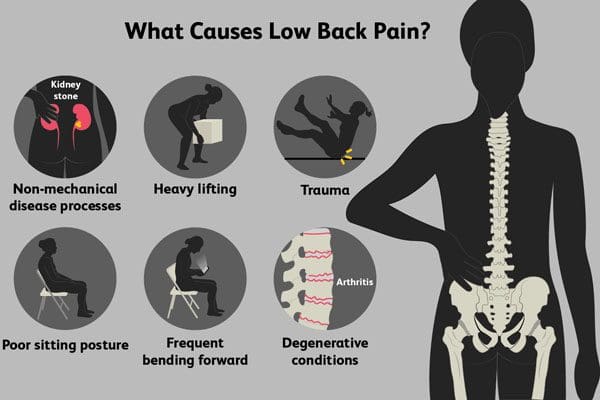
Additionally, there are many causes and factors that many working individuals will do that lead to low back pain. Normal factors like improper lifting, stepping wrong, or sitting down excessively can contribute to lower back pain. At the same time, traumatic factors like accidents, injuries, or playing sports can also lead to lower back pain. When musculoskeletal conditions like low back pain become an issue, it can become a major burden to health and social care systems for many individuals, with indirect costs that can be pricey when treated. (Woolf & Pfleger, 2003)
Chiropractic Care After Accidents & Injuries-Video
Now, with low back pain being a nuisance to many, individuals will seek out treatment to reduce the pain they are experiencing in their lower back and mitigate the residual symptoms they have been dealing with in the other body extremities. Sadly, low back pain, especially in its chronic state, can become a diagnosis of convenience for many people, affecting their socioeconomic, work, and psychosocial lifestyles. (Andersson, 1999) Many individuals will seek out numerous treatment opportunities to reduce low back pain. Surgical treatments for low back pain are great for individuals when regular home therapies don’t work but can be pricey. Many will opt for non-surgical therapies when it comes to finding cost-effective treatments for treating low back pain. Non-surgical treatments, including chiropractic care and spinal decompression, are excellent for treating low back pain. Pain specialists like chiropractors and massage therapists utilize various techniques (mechanical and manual) to realign the body and stretch out the affected muscles that are affected by low back pain. The video explains how these treatments can reduce low back pain associated with accidents and injuries.
Non-Surgical Options For Low Back Pain
As stated earlier, non-surgical treatments can help reduce low back pain and can be combined with other therapies to manage the pain. Non-surgical treatments can be personalized to the person’s pain and can provide pain relief to the body. When individuals undergo a non-surgical treatment, pain specialists incorporate mechanical and manual manipulation to restore joint and spinal motion to the lower back. (Park et al., 2023) Additionally, individuals with low back pain include an exercise regime to effectively increase the person’s range of motion while increasing the person’s chances to return to normal daily activities and work. (van Tulder et al., 2000)
Non-Surgical Options Vs. Surgical Options
There is a vast difference between non-surgical and surgical options for treating low back pain. Anyone can personalized non-surgical options to provide more effective improvement in reducing pain, restoring lumbar range of motion, and improving back muscle endurance within a few sessions. (Amjad et al., 2022) Now, when home remedies and non-surgical options do not reduce pain, surgical options are only effective for low back pain. This is due to the psychological component that causes individuals to have persistent back pain that is not causing the relief that the person needs. (Corp et al., 2021) But both options are excellent when reducing low back pain as many doctors tell their patients to be more mindful about how they are using the muscles in their bodies and make small changes to reduce the chances of the pain from returning. When many working individuals start to think more about their pain and how to minimize its chances of returning, they can continue to live life to the fullest pain-free.
References
Amjad, F., Mohseni-Bandpei, M. A., Gilani, S. A., Ahmad, A., & Hanif, A. (2022). Effects of non-surgical decompression therapy in addition to routine physical therapy on pain, range of motion, endurance, functional disability and quality of life versus routine physical therapy alone in patients with lumbar radiculopathy; a randomized controlled trial. BMC Musculoskelet Disord, 23(1), 255. https://doi.org/10.1186/s12891-022-05196-x
Corp, N., Mansell, G., Stynes, S., Wynne-Jones, G., Morso, L., Hill, J. C., & van der Windt, D. A. (2021). Evidence-based treatment recommendations for neck and low back pain across Europe: A systematic review of guidelines. Eur J Pain, 25(2), 275-295. https://doi.org/10.1002/ejp.1679
Park, S. C., Kang, M. S., Yang, J. H., & Kim, T. H. (2023). Assessment and nonsurgical management of low back pain: a narrative review. Korean J Intern Med, 38(1), 16-26. https://doi.org/10.3904/kjim.2022.250
van Tulder, M., Malmivaara, A., Esmail, R., & Koes, B. (2000). Exercise therapy for low back pain: a systematic review within the framework of the cochrane collaboration back review group. Spine (Phila Pa 1976), 25(21), 2784-2796. https://doi.org/10.1097/00007632-200011010-00011
Can traction therapy help many individuals dealing with low back pain reduce inflammation and improve quality of life?
Introduction
When many individuals do everyday activities, if they are not careful, they can cause pain-like issues such as muscle strain, stiffness, and aches in different locations in the upper and lower portions of their bodies. When this happens, it can lead to the body’s natural defense, known as inflammation. Inflammation is the immune system’s natural defense to heal the affected area in the body naturally. However, depending on the severity of the issue causing the person to be in pain, inflammation can be beneficial or harmful. When many individuals start to make repetitive motions to their bodies, it can cause the muscle and tissue fibers to be overstretched and ache. To that point, these repetitive motions to the body could potentially lead to low back pain. Have you or your loved ones experienced inflammatory effects that lead to low back pain? When this happens, many individuals seek non-surgical treatments to reduce inflammation in the lower back, which can help restore their quality of life. Today’s article post looks at the correlation between inflammation and low back pain and how non-surgical treatments like traction therapy can reduce inflammation and restore a person’s quality of life. Coincidentally, we communicate with certified medical providers who incorporate our patients’ information to ease low back pain associated with inflammation that leads to the development of musculoskeletal disorders. We also inform them that non-surgical treatments like traction therapy can help reduce the chronic inflammatory effects in the body. We encourage our patients to ask amazing educational questions to our associated medical providers about their symptoms correlating with low back pain. Dr. Jimenez, D.C., incorporates this information as an academic service. Disclaimer
Inflammation Correlating With Low Back Pain
Do you often experience muscle aches in your lower back after a long, hard workday? Do you feel your skin is so hot to the touch that it is causing your muscles to ache constantly? Or did you injure your back due to improper lifting, so the pain is unbearable? Many individuals don’t often realize that the scenarios they are doing in their daily lives correspond to the development of low back pain. Low back pain is a multifactorial musculoskeletal disorder with many symptoms that are often correlated with inflammation. Inflammation is the body’s immune defense that starts to heal the affected area where the body has succumbed to injuries. Inflammation can be beneficial and harmful in its acute and chronic form while correlating with low back pain. When it comes to low back pain, its factors can lead to lumbar disc herniation, which then can be highly associated with inflammation. (Cunha et al., 2018) This is due to the surrounding nerve roots being entrapped, and the adverse symptoms of the lower back start to stimulate the nerve fibers to evoke inflammation, leading to pain-like issues in the lower extremities. When the lower extremities are associated with lower back pain, the lumbar components will start to degenerate over time, activating the inflammatory cytokine pathways that can directly damage the nerves and lower nociceptors, causing pain to the legs and lower back. (Li et al., 2021) When inflammation correlates with low back pain, it is a recurrent condition that many individuals seek treatment from their primary doctors. (Von Korff & Saunders, 1996) When this happens, many individuals incorporate these treatments to reduce inflammation and restore their quality of life.
Fighting Inflammation Naturally-Video
When inflammation is correlated with low back pain, many individuals will seek affordable treatment that works with their hectic schedules. Non-surgical treatments can work around a person’s schedule and are cost-effective. Treatments like traction therapy, massage therapy, chiropractic care, physical therapy, and spinal decompression are all non-surgical treatments that utilize manual and mechanical manipulation to relieve people suffering from low back pain and reduce the effects of inflammation affecting the lower extremities. These non-surgical treatments can relieve many individuals after a few consecutive sessions and slowly reduce the inflammatory effects. The video above shows how non-surgical treatment can help restore the body while naturally reducing inflammatory outcomes in a personalized treatment plan.
How Traction Reduces Inflammation
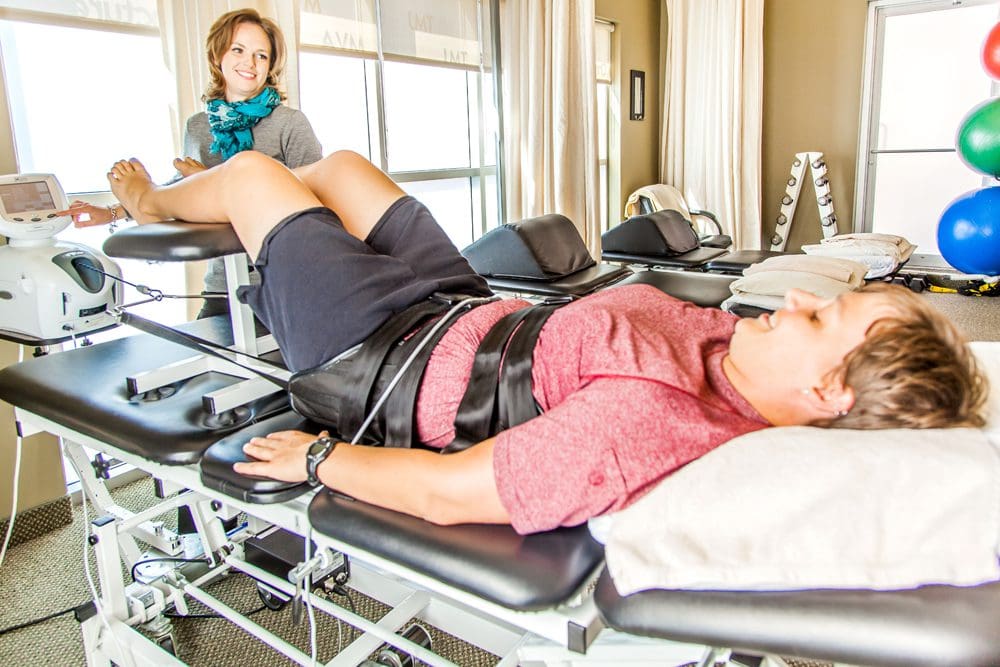
When it comes to treating low back pain correlating with inflammation, traction therapy, a form of non-surgical treatment, can be beneficial in reducing these pain-like issues. The pain specialist first assesses individuals with inflammation correlating with low back pain as they note where the pain affects them in their bodies. Afterward, they will be strapped into a traction machine, gently pulling their spines to reduce pain involving the aggravated nerves and muscles. The intervertebral discs will also be increased during traction to improve the spinal disc height. (Andersson, Schultz, & Nachemson, 1983) This allows the affected nerve roots to stop pain signals from affecting the lower extremities and promote healing. Traction therapy can even decompress the nucleus pulposus, one of the effects of low back pain, by pulling it back to its original position. (Ramos & Martin, 1994) This, in turn, reduces the inflammatory effects and allows the body to heal itself naturally.
Traction Therapy Restoring Quality Of Life
When many individuals incorporate traction therapy, it can restore their quality of life. Traction therapy can help reduce the symptoms of inflammation and pain by minimizing the chances of needing surgery. (Wang et al., 2022) Traction therapy can also be combined with manual therapy to stretch and strengthen the surrounding weak muscles and help restore the joint’s mobility. (Kuligowski, Skrzek, & Cieslik, 2021) To that point, many individuals dealing with inflammation correlating with low back pain can notice their pain being diminished and be more mindful of what habits are the root causes of their pain and how to reduce them from causing the pain to return.
References
Andersson, G. B., Schultz, A. B., & Nachemson, A. L. (1983). Intervertebral disc pressures during traction. Scand J Rehabil Med Suppl, 9, 88-91. https://www.ncbi.nlm.nih.gov/pubmed/6585945
Cunha, C., Silva, A. J., Pereira, P., Vaz, R., Goncalves, R. M., & Barbosa, M. A. (2018). The inflammatory response in the regression of lumbar disc herniation. Arthritis Res Ther, 20(1), 251. https://doi.org/10.1186/s13075-018-1743-4
Kuligowski, T., Skrzek, A., & Cieslik, B. (2021). Manual Therapy in Cervical and Lumbar Radiculopathy: A Systematic Review of the Literature. Int J Environ Res Public Health, 18(11). https://doi.org/10.3390/ijerph18116176
Li, W., Gong, Y., Liu, J., Guo, Y., Tang, H., Qin, S., Zhao, Y., Wang, S., Xu, Z., & Chen, B. (2021). Peripheral and Central Pathological Mechanisms of Chronic Low Back Pain: A Narrative Review. J Pain Res, 14, 1483-1494. https://doi.org/10.2147/JPR.S306280
Ramos, G., & Martin, W. (1994). Effects of vertebral axial decompression on intradiscal pressure. J Neurosurg, 81(3), 350-353. https://doi.org/10.3171/jns.1994.81.3.0350
Wang, W., Long, F., Wu, X., Li, S., & Lin, J. (2022). Clinical Efficacy of Mechanical Traction as Physical Therapy for Lumbar Disc Herniation: A Meta-Analysis. Comput Math Methods Med, 2022, 5670303. https://doi.org/10.1155/2022/5670303
In individuals with herniated discs, how does non-surgical decompression compare to traditional surgery repair the spine?
Introduction
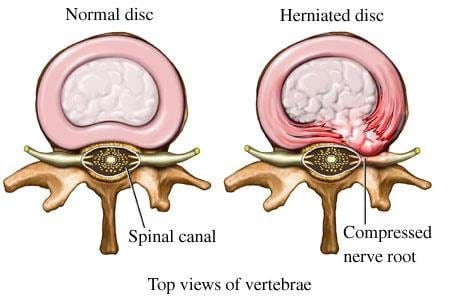
When many individuals begin to add unnecessary pressure on their backs, it can lead to damaging results to their spine. The spine is the backbone of the body, allowing the upper and lower sections to be mobile and stabilizing the axial weight overload without the person feeling pain or discomfort. The spinal structure is surrounded by muscles, soft tissues, ligaments, nerve roots, and joints that support the spine. In between the spinal facet joints and structure are flat discs that absorb the shock and pressure from the axial overload. However, when unwanted stress starts to compress the disc, it can lead to the development of herniation. Depending on the location, it can cause pain-like symptoms like lower back and neck pain or sciatica. Other times, herniated discs can be due to natural degeneration, where the spinal disc height decreases, and it can crack under pressure, leading to disc dehydration, which, to this point, causes spinal issues to many individuals, thinking they are experiencing referred pain in different body locations. Coincidentally, many people can find the relief they seek through non-surgical treatments to restore the disc height and repair herniated discs. Today’s article focuses on the casing effects of herniated discs and how spinal decompression, a form of non-surgical treatment, can help reduce pain-like symptoms associated with herniated discs. Additionally, we communicate with certified medical providers who incorporate our patients’ information to reduce herniated disc pain, causing many musculoskeletal issues. We also inform them that non-surgical treatments can help mitigate the referred pain-like symptoms related to herniated discs and restore disc height in their spines. We encourage our patients to ask amazing educational questions for our associated medical providers about their referred pain correlating with herniated discs. Dr. Jimenez, D.C., incorporates this information as an educational service. Disclaimer
The Changing Effects Of Herniated Discs
Have you experienced unwanted pain in your upper and lower extremities after a long work day? What about experiencing pain within your spines that are causing symptoms of numbness or tingling sensations in your hands, feet, or legs? Or are you dealing with excruciating lower back pain that is affecting your ability to work? Many individuals don’t realize that the pain-like symptoms they are experiencing are not low back, neck, or shoulder pain, but they correlate to herniated discs in their spines. Herniated discs are when the nucleus pulposus (inner disc portion) starts to protrude out of its original position from the intervertebral space. (Dydyk, Ngnitewe Massa, & Mesfin, 2023) Herniated discs are one of the common causes of lower back pain, and often, many individuals will remember what caused the herniation in their spine.
Some of the effects that lead to disc herniation are that many people will carry heavy objects constantly from one location to another, and the shifting weight can cause the disc to be continuously compressed and thus lead to herniation. Additionally, when the intervertebral disc starts showing signs of stiffness, it can result in abnormal spinal motion. (Haughton, Lim, & An, 1999) This causes morphologic changes within the intervertebral disc and causes it to be dehydrated. The chondroitin sulfation of the proteoglycan in the disc goes through changes in the disc itself, and when degeneration is associated with herniated discs, it can lead to musculoskeletal disorders. (Hutton et al., 1997)
The Root Cause Of Pain- Video
When degenerative changes start to affect the intervertebral discs, it can lead to intervertebral height loss, abnormal pain signaling, and nerve root entrapment associated with disc disruption. (Milette et al., 1999) This causes a cascading effect as the outer annulus of the spinal disc is cracked or ruptured, causing pain to the spine. When the outer annulus of the spinal disc starts to have nerve ingrowth in the affected discs, which then leads to individuals dealing with musculoskeletal disorders associated with pain. (Freemont et al., 1997) Many people will seek non-surgical therapies when finding treatment to alleviate the pain caused by herniated discs due to their cost-effectiveness and how it’s safe for their spine. Chiropractic care, massage therapy, spinal decompression, and traction therapy are available treatments that can be used in a personalized, inclusive treatment care plan to mitigate any pain the person is dealing with. The video explains how these treatments can use functional wellness principles to identify where the pain is located and treat any health issues with any potential underlying causes.
Spinal Decompression Reducing Herniated Disc
Regarding non-surgical treatments reducing herniated discs, spinal decompression can help mitigate the pain affecting the spine’s mobility. Spinal decompression utilizes mechanical traction to gently stretch the spine and allow the herniated disc to return to its original position. Spinal decompression incorporates negative pressure, which helps the nutrients increase the disc’s regenerative factors. (Choi et al., 2022) This allows the facet joints and aggravated nerves to have reduced pressure and increased disc space height. At the same time, spinal decompression can be combined with physical therapy to reduce the pain-like symptoms associated with herniated discs and provide beneficial results. (Amjad et al., 2022) Some of the beneficial factors related to spinal decompression include:
Pain improvement in the upper and lower extremities
Spinal range of motion
Muscle endurance restored
Joint ROM restored
When many individuals become more mindful of how different factors are causing spinal issues, they can make small routine changes in their daily lives, and that can reduce the chances of pain from returning. This allows them to enjoy life fully and continue their health and wellness journey.
References
Amjad, F., Mohseni-Bandpei, M. A., Gilani, S. A., Ahmad, A., & Hanif, A. (2022). Effects of non-surgical decompression therapy in addition to routine physical therapy on pain, range of motion, endurance, functional disability and quality of life versus routine physical therapy alone in patients with lumbar radiculopathy; a randomized controlled trial. BMC Musculoskelet Disord, 23(1), 255. https://doi.org/10.1186/s12891-022-05196-x
Choi, E., Gil, H. Y., Ju, J., Han, W. K., Nahm, F. S., & Lee, P.-B. (2022). Effect of Nonsurgical Spinal Decompression on Intensity of Pain and Herniated Disc Volume in Subacute Lumbar Herniated Disc. International Journal of Clinical Practice, 2022, 6343837. https://doi.org/10.1155/2022/6343837
Freemont, A. J., Peacock, T. E., Goupille, P., Hoyland, J. A., O’Brien, J., & Jayson, M. I. (1997). Nerve ingrowth into diseased intervertebral disc in chronic back pain. Lancet, 350(9072), 178-181. https://doi.org/10.1016/s0140-6736(97)02135-1
Haughton, V. M., Lim, T. H., & An, H. (1999). Intervertebral disk appearance correlated with stiffness of lumbar spinal motion segments. AJNR Am J Neuroradiol, 20(6), 1161-1165. https://www.ncbi.nlm.nih.gov/pubmed/10445464
Hutton, W. C., Elmer, W. A., Boden, S. D., Horton, W. C., & Carr, K. (1997). Analysis of chondroitin sulfate in lumbar intervertebral discs at two different stages of degeneration as assessed by discogram. Journal of Spinal Disorders, 10(1), 47-54. https://www.ncbi.nlm.nih.gov/pubmed/9041496
Milette, P. C., Fontaine, S., Lepanto, L., Cardinal, E., & Breton, G. (1999). Differentiating lumbar disc protrusions, disc bulges, and discs with normal contour but abnormal signal intensity. Magnetic resonance imaging with discographic correlations. Spine (Phila Pa 1976), 24(1), 44-53. https://doi.org/10.1097/00007632-199901010-00011
For individuals with pelvic pain, how does MET treatment strategies reduce muscle weakness in the hips region?
Introduction
The pelvis’s main job is to ensure that the person’s body weight is distributed evenly for everyday movement within the upper and lower body. At the same time, the core muscles, ligaments, and joints surround the skeletal structure of the pelvis, which provides normal function while protecting the vital organ systems within the pelvic region. When normal or traumatic factors start to affect the body’s pelvic area, many individuals will often mistake the pain for low back pain, and the core muscles surrounding the pelvic bone can become weak and lead to pelvic pain. At the same time, normal factors like improper posture can cause anterior pelvic tilt and develop into other musculoskeletal disorders with overlapping risk profiles. When pelvic pain affects the lower extremities, it can also lead to reproductive issues that can cause even more stress to the individual. Luckily, many people opt for non-surgical treatments to reduce pelvic pain and its associated musculoskeletal condition by strengthening the weakened core muscles and reducing muscle weakness. Today’s article examines how referred pain symptoms affect the pelvis and how non-surgical treatments like MET therapy can reduce muscle weakness correlating with pelvic pain. Additionally, we communicate with certified medical providers who incorporate our patient’s information to reduce muscle weakness associated with pelvic pain. We also inform them that MET therapy can help mitigate the referred pain-like symptoms related to pelvic pain. We encourage our patients to ask amazing educational questions for our associated medical providers about their pelvic pain. Dr. Jimenez, D.C., incorporates this information as an educational service. Disclaimer
Referred Pain Symptoms Affecting The Pelvis
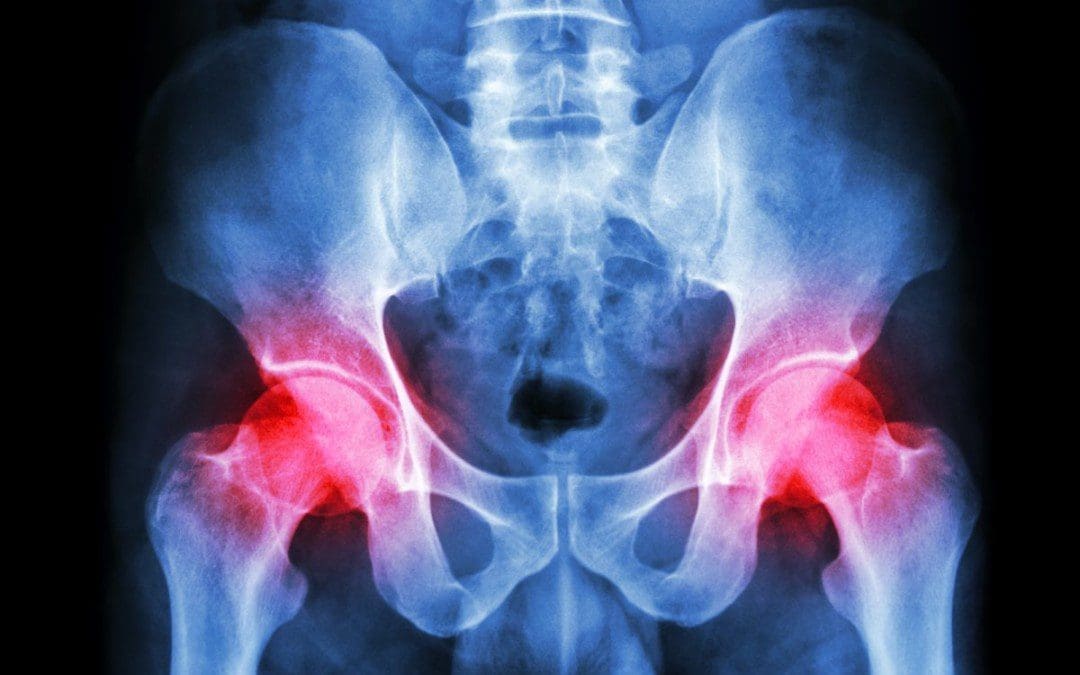
Have you noticed that you are taking more frequent trips to the bathroom and that your bladder still feels full? Do you experience muscle stiffness within your lower back or pelvic region from excessive sitting at your desk during work? Or do you notice that you are experiencing weak core muscles affecting your workout routine? These scenarios are associated with pelvic pain and can cause issues within the lower body extremities, affecting the person’s performance when doing normal activities. Pelvic pain is a multifactorial musculoskeletal disorder that can affect the corresponding body systems to induce referred pain. (Grinberg, Sela, & Nissanholtz-Gannot, 2020) Pelvic pain can cause referred pain to the gastrointestinal, pelvic musculoskeletal, and nervous systems, which then causes anatomic malfunction to the pelvic floor muscles. Pelvic pain can easily be mistaken for low back pain since the lumbar spine creates stressors for the muscles surrounding the pelvis.
When the pelvis is affected by mechanical stressors associated with the lumbar spine, it can cause pelvic dysfunction and causes the individual to be unbalanced when in motion. At the same time, the pelvic muscle structures will be overworked, leading to hip and joint destabilization, causing them to be weak. (Lee et al., 2016) When the pelvic muscle structures begin to destabilize, it can lead to sciatic nerve entrapment to the lower extremities, which leads to overlapping risk profiles for musculoskeletal disorders. When the surrounding pelvic muscles begin to entrap the pelvic nerve roots causing radiating pain down the legs. (Kale et al., 2021) However, there are ways to reduce referred pain affecting the pelvic region and restore muscle strength.
Sciatica, Causes, Symptoms, & Tips- Video
Since pelvic pain is a multifactorial musculoskeletal disorder that can lead to the development of referred pain to the lower body extremities, many individuals often think it is low back pain or sciatica. Referred pain is when pain affects a body location instead of where the source originated. Not treated immediately causes nerve entrapment, muscle weakness, and chronic pain within the reproductive and urinary organs. Many individuals seek non-surgical treatments to alleviate the pain and restore muscle strength to the body’s pelvic region. Non-surgical treatments like MET(muscle energy techniques) can help restore muscle strength to the pelvis through soft tissue stretching. Pain specialists specializing in MET therapy, like chiropractors and massage therapists, use hands-on maneuvers to relax, elongate, stretch, and massage the affected tight muscles and reduce any tender points that may have developed over time. (Grinberg et al., 2019) MET therapy can help stretch the pelvic stabilizing muscles. It can be combined with physical therapy and chiropractic care to realign the body and reduce nerve entrapment caused by pelvic pain. Check out the video above to learn more about the causes of sciatica and how non-surgical treatments may be the answer to alleviate pain.
MET Treatment Strategies For Pelvic Pain
MET therapy can reduce the effects of pelvic pain by including soft tissue manipulation methods to use controlled isometric and isotonic contraction to improve the normal physiologic function of the surrounding pelvic muscles and decrease pain and help stabilize the alternating structures within the pelvic region. (Sarkar, Goyal, & Samuel, 2021) MET therapy can also encourage self-regulating influences to reduce pain within the pelvic area, resulting in a greater range of motion. (Chaitow, 2009)
MET Treatment Reducing Muscle Weakness
MET therapy can also be part of a personalized health plan that can help restore muscle strength in the core and stabilize muscle within the pelvis. The positive effects of the combination of MET therapy and exercise, it can be more effective in reducing pain while improving physical function. (Hu et al., 2020) This allows the pelvis to realign itself and help stretch the shortened muscles. MET therapy can help restore low extremity function and improve a person’s quality of life. (Danazumi et al., 2021) MET therapy is an excellent way to stretch out tired muscles and restore pelvic function, as it can make individuals more mindful of their bodies while reducing the chances of pelvic pain associated with musculoskeletal disorders reoccurring again in the lower extremities.
Danazumi, M. S., Yakasai, A. M., Ibrahim, A. A., Shehu, U. T., & Ibrahim, S. U. (2021). Effect of integrated neuromuscular inhibition technique compared with positional release technique in the management of piriformis syndrome. J Osteopath Med, 121(8), 693-703. https://doi.org/10.1515/jom-2020-0327
Grinberg, K., Sela, Y., & Nissanholtz-Gannot, R. (2020). New Insights about Chronic Pelvic Pain Syndrome (CPPS). Int J Environ Res Public Health, 17(9). https://doi.org/10.3390/ijerph17093005
Grinberg, K., Weissman-Fogel, I., Lowenstein, L., Abramov, L., & Granot, M. (2019). How Does Myofascial Physical Therapy Attenuate Pain in Chronic Pelvic Pain Syndrome? Pain Res Manag, 2019, 6091257. https://doi.org/10.1155/2019/6091257
Hu, X., Ma, M., Zhao, X., Sun, W., Liu, Y., Zheng, Z., & Xu, L. (2020). Effects of exercise therapy for pregnancy-related low back pain and pelvic pain: A protocol for systematic review and meta-analysis. Medicine (Baltimore), 99(3), e17318. https://doi.org/10.1097/MD.0000000000017318
Kale, A., Basol, G., Topcu, A. C., Gundogdu, E. C., Usta, T., & Demirhan, R. (2021). Intrapelvic Nerve Entrapment Syndrome Caused by a Variation of the Intrapelvic Piriformis Muscle and Abnormal Varicose Vessels: A Case Report. Int Neurourol J, 25(2), 177-180. https://doi.org/10.5213/inj.2040232.116
Lee, D. W., Lim, C. H., Han, J. Y., & Kim, W. M. (2016). Chronic pelvic pain arising from dysfunctional stabilizing muscles of the hip joint and pelvis. The Korean Journal of Pain, 29(4), 274-276. https://doi.org/10.3344/kjp.2016.29.4.274
Sarkar, M., Goyal, M., & Samuel, A. J. (2021). Comparing the Effectiveness of the Muscle Energy Technique and Kinesiotaping in Mechanical Sacroiliac Joint Dysfunction: A Non-blinded, Two-Group, Pretest-Posttest Randomized Clinical Trial Protocol. Asian Spine Journal, 15(1), 54-63. https://doi.org/10.31616/asj.2019.0300
IFM's Find A Practitioner tool is the largest referral network in Functional Medicine, created to help patients locate Functional Medicine practitioners anywhere in the world. IFM Certified Practitioners are listed first in the search results, given their extensive education in Functional Medicine