Can individuals incorporate decompression to reduce spinal disc pressure on their lower backs to restore their quality of life?
Introduction
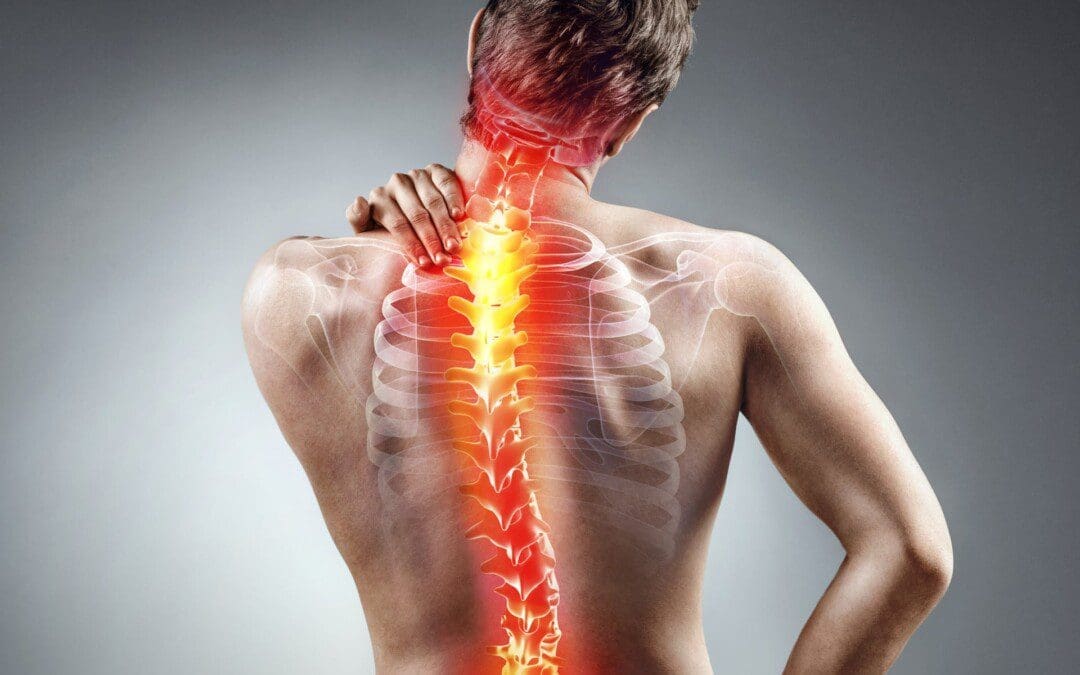
The spine has a wonderful relationship with the human body as it is part of the musculoskeletal system. The spine has many components allow the body to be mobile and help stabilize the different muscle groups around the upper and lower portions. When the body is in motion, the spine starts to compress the spinal discs between the spinal column, which helps reduce the vertical axial load. Many people with highly demanding jobs will often use repetitive motions that cause the spinal disc to be constantly compressed. When the spinal disc starts to be continuously compressed, it can eventually crack over time from the immense pressure. It can aggravate the surrounding nerves that can cause referred pain-like symptoms in the upper and lower extremities. To that point, it can lead to a life of disability if it is not treated right away. Luckily, numerous treatments can help reduce the immense pressure from the spinal discs and reduce the pain-like symptoms from the upper and lower extremities. Today’s article looks at how spinal pressure affects the lower back and how decompression can help reduce spinal pressure on the lower back. We speak with certified medical providers who incorporate our patients’ information to provide various solutions to relieve spinal pressure on the spine. We also inform patients how treatments like decompression can reduce vertical axial pressure on the lower back. We encourage our patients to ask intricated and educational questions to our associated medical providers about the pain-like symptoms they are experiencing correlating with spinal pressure affecting their lower back. Dr. Alex Jimenez, D.C., utilizes this information as an academic service. Disclaimer.
How Does Spinal Pressure Affect The Lower Back?
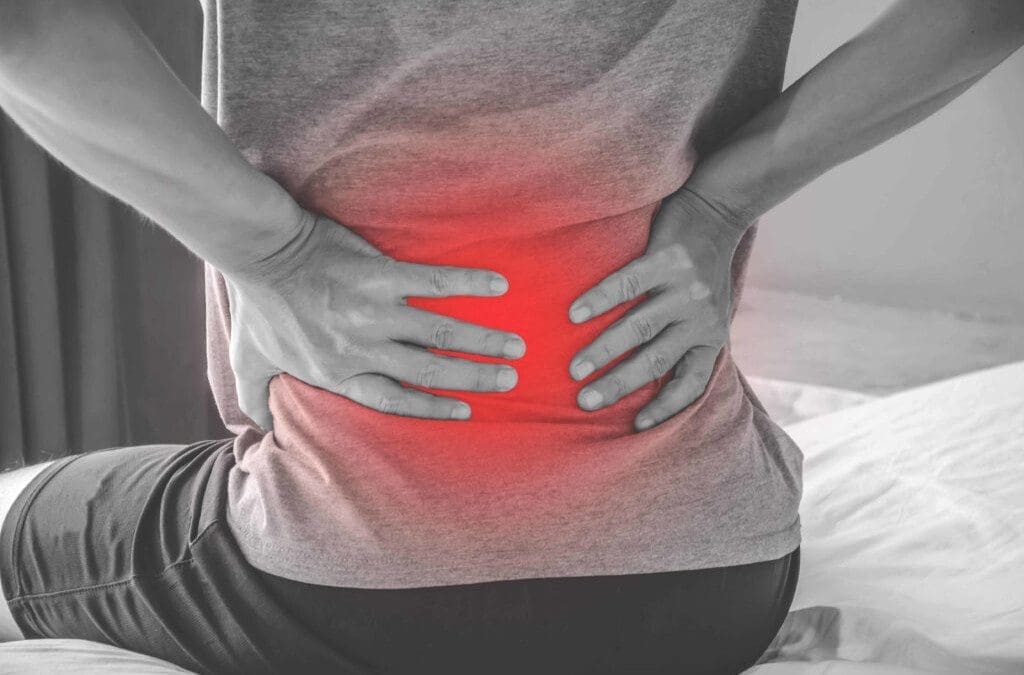
Have you felt any muscle aches or stiffness in your lower back after bending down to pick up an object? What about feeling excruciating pain in your lower back that is radiating to your neck or your legs? Or do you feel pain in one location of your back that is not going away after rest? When many individuals are in pain, and home remedies are not providing the relief they deserve, they could be dealing with spinal pressure that is affecting their back. When people start to do repetitive motions to their bodies, the spinal disc will begin to crack and shrink depending on the environmental factor the pain is associated with.
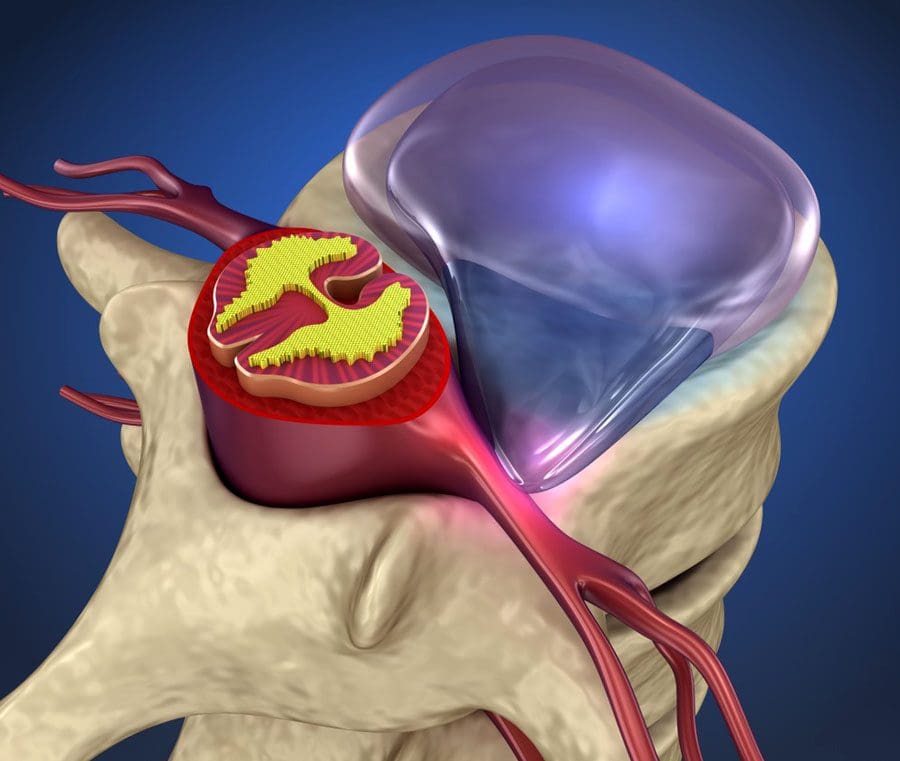
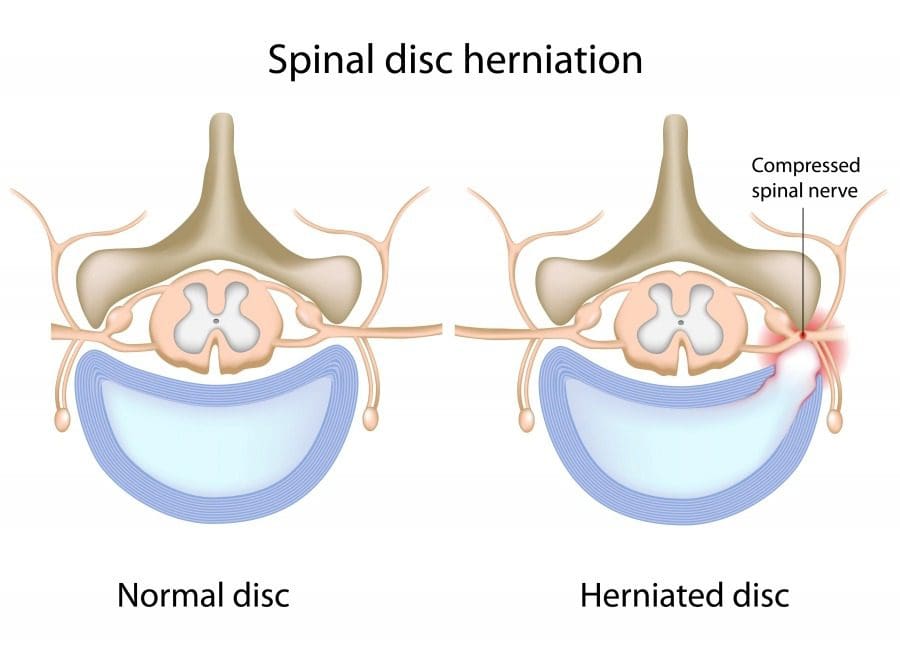
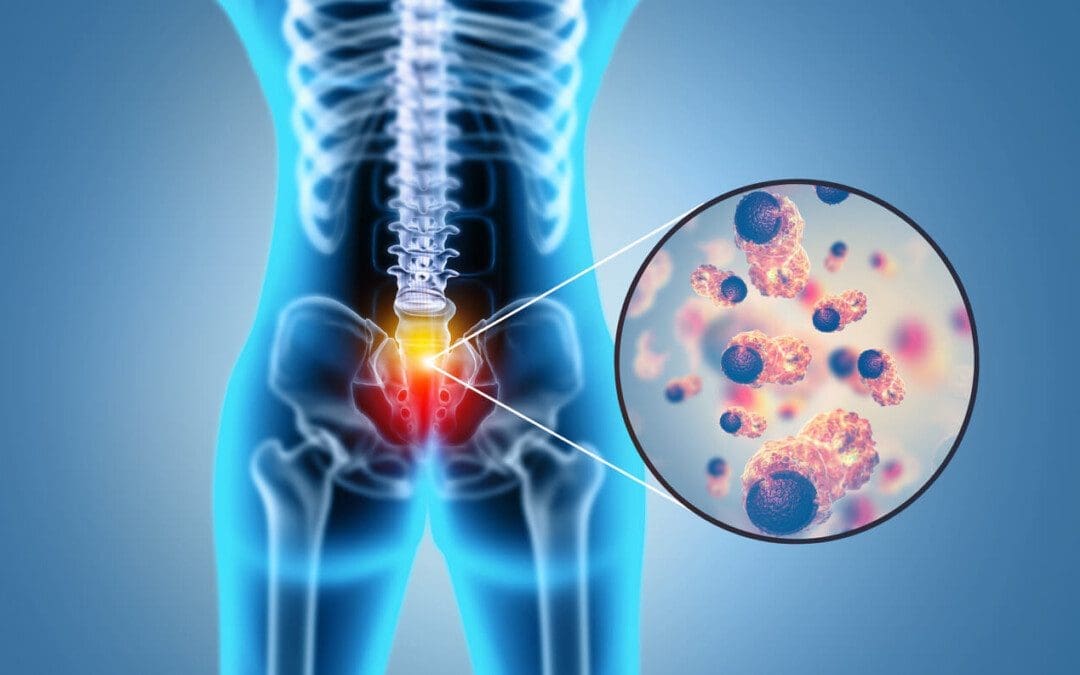
Regarding spinal pressure in the lower back, the disc is thicker and the most susceptible to injury. When it comes to spinal pressure related to disc herniation, it can lead to many individuals dealing with lower back pain and can affect their quality of life. One of the symptoms of disc herniation that are correlated with spinal pressure is that the displacement of the spinal disc can cause pain and disability in the spine as a result of a traumatic injury or degenerative changes due to the natural aging process. (Chu et al., 2023) When working, individuals put constant pressure on their spines, which can speed up the development of lower back pain.
Additionally, when there is immense spinal pressure on the spine, many pain-like issues that individuals don’t normally have will begin to pop up. This is due to a focal displacement of the intervertebral disc material that is beyond the normal limit of the spine and compresses one or more nerve roots, which can cause musculoskeletal issues to arise. (Trager et al., 2022) This, in turn, causes radiating extremity pain on the upper and lower body portions, sensory disturbances, muscle weakness, and even diminished muscle stretch reflexes as pain-like symptoms in the lower back. At the same time, when individuals are experiencing low back pain associated with spinal pressure, their truck muscles have an abnormal tilt when sitting, standing, and walking. (Wang et al., 2022) When this happens, it can cause them to develop poor posture, and when they are in an upright position, they will feel pain in their lower backs due to weak truck muscles. However, there are ways to relieve spinal pressure from aggravating the nerve roots affecting the lower back.
The Non-Surgical Approach To Wellness-Video
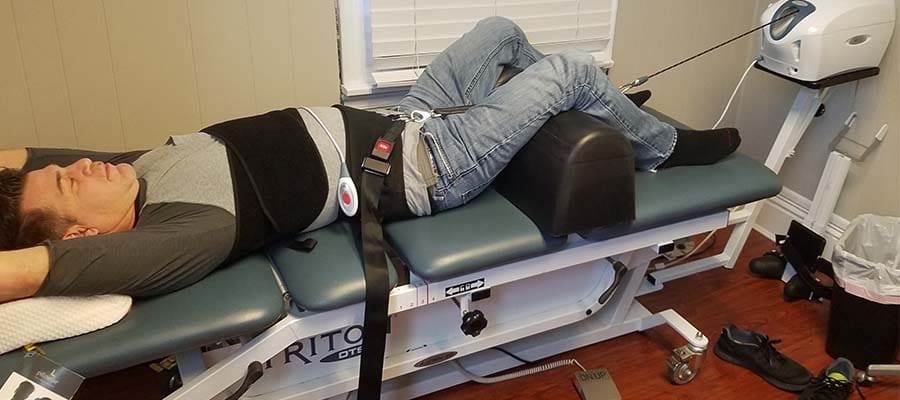
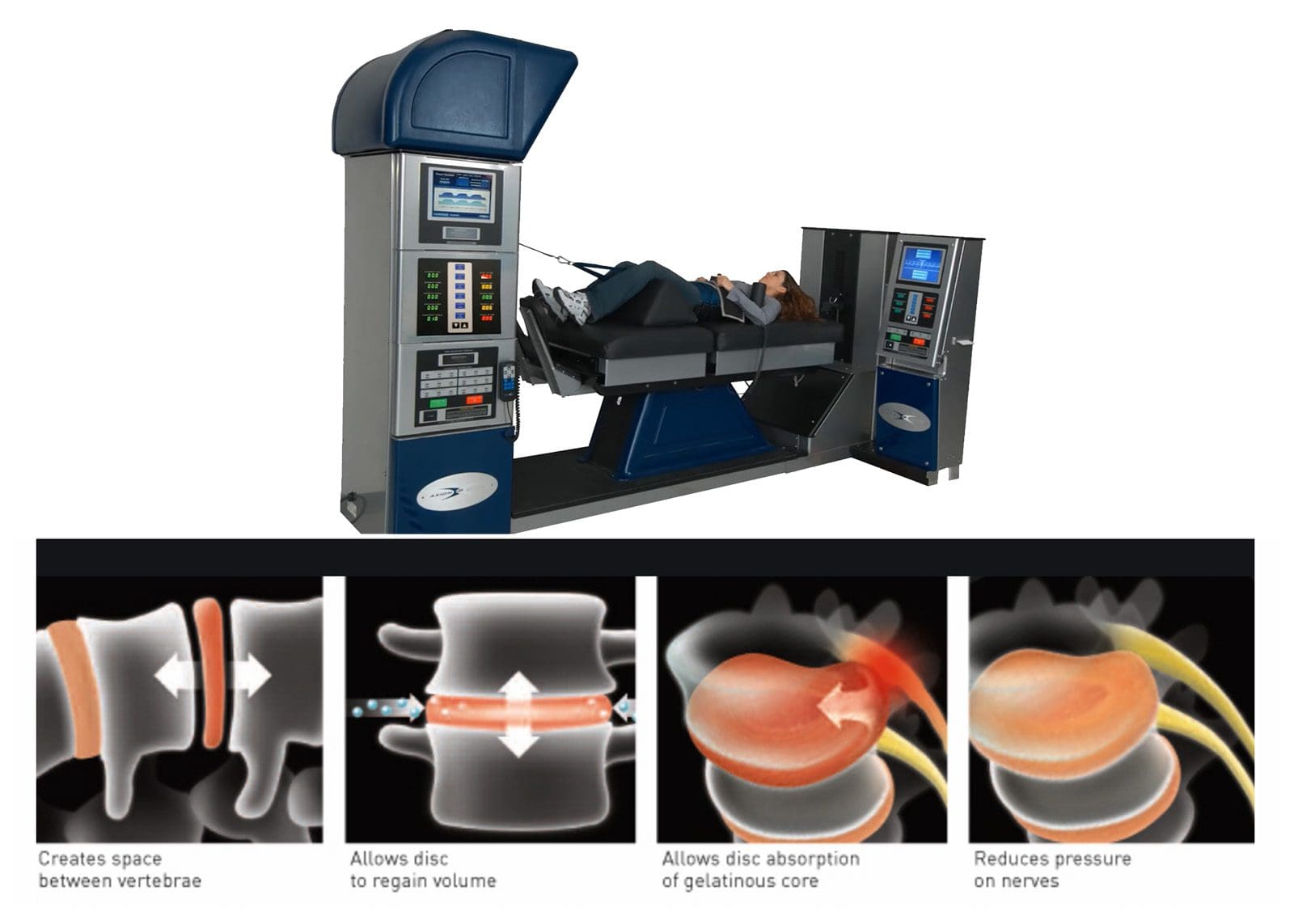
When looking for the right treatment, many individuals want to look for something that is cost-effective and relieves their pain. Non-surgical treatments are cost-effective and utilize various techniques to help reduce musculoskeletal pain through mechanical and manual motions to strengthen weakened muscles, relieve spinal pressure off the disc, and help realign the body to promote healing properties. The video above shows how non-surgical treatments like chiropractic care can help many individuals get their foot on the right on their health and wellness journey. At the same time, spinal decompression is another form of non-surgical treatment as it incorporates gentle traction on the spine to reduce intervertebral pressure during active and passive traction. (Andersson et al., 1983) When the spine is gently pulled, the herniated disc starts to return to its original position back to the spine, which then allows the fluids and nutrients to return to the disc and rehydrate them.
Decompression Reducing Spinal Pressure On Lower Back
So, how does spinal decompression help reduce disc pressure off the spine when dealing with low back pain? As stated earlier, spinal decompression incorporates gentle traction on the spine to be gently pulled to stretch weak surrounding muscles in the lower back. This causes an inverse relationship as the pressure within the nucleus pulposus of the herniated disc can help improve posture for many individuals with low back pain. (Ramos & Martin, 1994) Similarly, when many people incorporate decompression and chiropractic, the pain intensity is significantly reduced in all body parts, and many individuals will begin to feel the relief they deserve. (Ljunggren et al., 1984) When many individuals listen to their bodies and get the treatment they deserve, they will start to notice how decompression can help restore their bodies and positively improve their health.
References
Andersson, G. B., Schultz, A. B., & Nachemson, A. L. (1983). Intervertebral disc pressures during traction. Scand J Rehabil Med Suppl, 9, 88-91. https://www.ncbi.nlm.nih.gov/pubmed/6585945
Chu, E. C., Lin, A., Huang, K. H. K., Cheung, G., & Lee, W. T. (2023). A Severe Disc Herniation Mimics Spinal Tumor. Cureus, 15(3), e36545. https://doi.org/10.7759/cureus.36545
Ljunggren, A. E., Weber, H., & Larsen, S. (1984). Autotraction versus manual traction in patients with prolapsed lumbar intervertebral discs. Scand J Rehabil Med, 16(3), 117-124. https://www.ncbi.nlm.nih.gov/pubmed/6494835
Ramos, G., & Martin, W. (1994). Effects of vertebral axial decompression on intradiscal pressure. J Neurosurg, 81(3), 350-353. https://doi.org/10.3171/jns.1994.81.3.0350
Trager, R. J., Daniels, C. J., Perez, J. A., Casselberry, R. M., & Dusek, J. A. (2022). Association between chiropractic spinal manipulation and lumbar discectomy in adults with lumbar disc herniation and radiculopathy: retrospective cohort study using United States’ data. BMJ Open, 12(12), e068262. https://doi.org/10.1136/bmjopen-2022-068262
Can individuals with herniated pain associated with low back pain find relief through spinal decompression to restore mobility?
Introduction
Many people worldwide have experienced pain in the back region and often complain that it affects their mobility when doing their normal routine. The musculoskeletal system has various muscles, soft tissues, joints, ligaments, and bones that help surround the spine and protect the vital organs. The spine consists of bones, joints, and nerve roots that have an outstanding relationship with the central nervous system and musculoskeletal system as the spinal cord is protected by the spinal joints and discs that have the nerve roots spread out and help provide the sensory-motor function to the upper and lower extremities. When various pathogens or environmental factors start to cause the spine to compress the spinal discs constantly, it can lead to herniation and affect the body’s mobility over time. Individuals, both young and old, will notice that the pain is not going away from home remedies and may have to seek out treatment if the pain is too much. However, it can lead to dealing with unnecessary stress when looking for affordable treatment. Today’s article looks at how herniation can affect low back mobility and how treatments like decompression can help restore the spine. We speak with certified medical providers who incorporate our patients’ information to provide various solutions to restore low back mobility to the spine. We also inform patients how treatments like decompression can restore the spine’s mobility to the body. We encourage our patients to ask intricated and educational questions to our associated medical providers about the pain-like symptoms they are experiencing correlating with disc herniation affecting the spine. Dr. Alex Jimenez, D.C., utilizes this information as an academic service. Disclaimer.
Disc Herniation Affecting Low Back Mobility
Do you often experience stiffness or limited mobility in your lower back that causes you to walk a little slower than usual? Do you feel pain in your lower back muscles from stretching or bending down to pick up an object? Or do you feel numbness or tingling sensations down your legs that feel uncomfortable? When many individuals start to do repetitive motions, that can cause their spinal discs to compress over time and eventually become herniated. When many individuals overwork their bodies, their spinal discs can eventually crack, causing the inner portion to protrude and press on the surrounding nerve root. This causes the disc tissue to have a central ballon-type cyst that causes degenerative changes, leading to low back pain and herniation. (Ge et al., 2019)
At the same time, when many individuals start to deal with lower back pain from herniated discs, they will begin to lose mobility in their lower backs. This could be due to weak abdominal muscles combined with limited mobility. When many individuals do not have strong core muscles to provide support and mobility to their lower backs, it can start with simple muscle aches, leading to constant lower back pain without treatment and negatively impacting their quality of life. (Chu, 2022) However, dealing with low back pain does not have to be tedious as numerous therapies can reduce the effects of low back pain correlated with disc herniation while restoring low back spinal mobility.
The Science Of Motion-Video
Have you ever experienced unquestionable muscle aches that radiate from your lower back and travel down your legs? Do you feel stiffness when bending down to pick up an object that causes muscle strain on your lower back? Or do you feel pain in your lower back from excessive sitting or standing? When many people are dealing with these pain-like issues in their lower backs, it can lead to a life of disability while affecting their quality of life. This is due to a disc herniation that affects a person’s lower back mobility and, when not treated right away, can lead to chronic issues. However, many individuals will seek treatment for their lower back pain and find the relief they need. Many therapeutic exercises combined with non-surgical treatments can help retrain the weakened trunk muscles to stabilize the lower back better and help reduce lower back pain. (Hlaing et al., 2021) When individuals start to think about their health and wellness, especially when they are dealing with low back pain affecting their mobility, they will find that most of the pain is from normal, repetitive factors that cause their spinal disc to be compressed and herniated. Hence, applying traction to the lumbar spine can help reduce lumbar disc protrusion that causes low back pain. (Mathews, 1968) Treatments like chiropractic care, traction therapy, and spinal decompression are all non-surgical treatments that are cost-effective and gentle on the spine. They help realign the body and help kick start the body’s natural healing factor to rehydrate the spinal discs. When many individuals start to do continuous treatment to reduce their lower back pain associated with herniated discs, they will begin to see improvements in their spinal mobility and their pain diminished. Check out the video above to look at how non-surgical treatments can help restore mobility to the body and reduce pain-like symptoms.
Decompression Restoring The Spine
When it comes to reducing pain-like symptoms caused by disc herniation that is causing limited mobility and low back pain, spinal decompression could be the answer that many individuals are looking for to incorporate into their health and wellness routine. Since lumbar herniated spinal discs are a common cause of low back pain and radiculopathy, spinal decompression can help gently pull the herniated disc back to its original position to promote healing. Since spinal decompression and lumbar traction are part of the physiotherapy treatment, they can help decrease the pain intensity from the spine and reduce the size of the herniated disc. (Choi et al., 2022) When many individuals feel relief from the gentle pull from spinal decompression, they will notice that their mobility is back. After consecutive treatment, their pain will be diminished as their spinal disc is completely healed. (Cyriax, 1950) With many individuals who are looking for numerous treatments to reduce their lower back pain and regain their sense of life, incorporating these treatments can provide beneficial results to their musculoskeletal system.
References
Choi, E., Gil, H. Y., Ju, J., Han, W. K., Nahm, F. S., & Lee, P. B. (2022). Effect of Nonsurgical Spinal Decompression on Intensity of Pain and Herniated Disc Volume in Subacute Lumbar Herniated Disc. International Journal of Clinical Practice, 2022, 6343837. https://doi.org/10.1155/2022/6343837
Chu, E. C. (2022). Large abdominal aortic aneurysm presented with concomitant acute lumbar disc herniation – a case report. J Med Life, 15(6), 871-875. https://doi.org/10.25122/jml-2021-0419
Ge, C. Y., Hao, D. J., Yan, L., Shan, L. Q., Zhao, Q. P., He, B. R., & Hui, H. (2019). Intradural Lumbar Disc Herniation: A Case Report and Literature Review. Clin Interv Aging, 14, 2295-2299. https://doi.org/10.2147/CIA.S228717
Hlaing, S. S., Puntumetakul, R., Khine, E. E., & Boucaut, R. (2021). Effects of core stabilization exercise and strengthening exercise on proprioception, balance, muscle thickness and pain related outcomes in patients with subacute nonspecific low back pain: a randomized controlled trial. BMC Musculoskelet Disord, 22(1), 998. https://doi.org/10.1186/s12891-021-04858-6
Individuals may not realize they have a cracked rib until symptoms like pain when taking in a deep breath begin to present. Can knowing the symptoms and causes of cracked or broken ribs help in diagnosis and treatment?
Cracked Rib
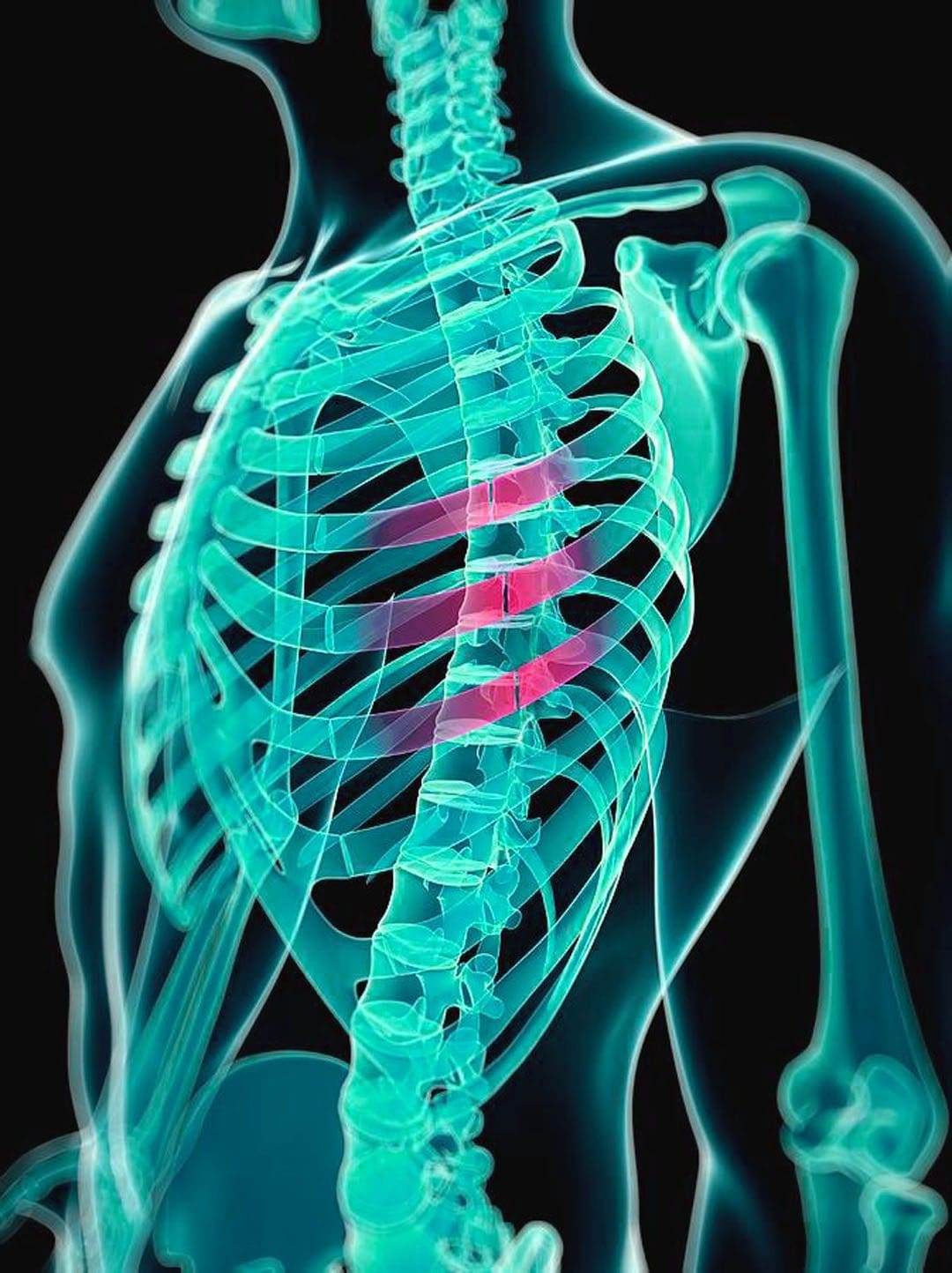
A broken/fractured rib describes any break in the bone. A cracked rib is a type of rib fracture and is more a description than a medical diagnosis of a rib that has been partially fractured. Any blunt impact to the chest or back can cause a cracked rib, including:
Falling
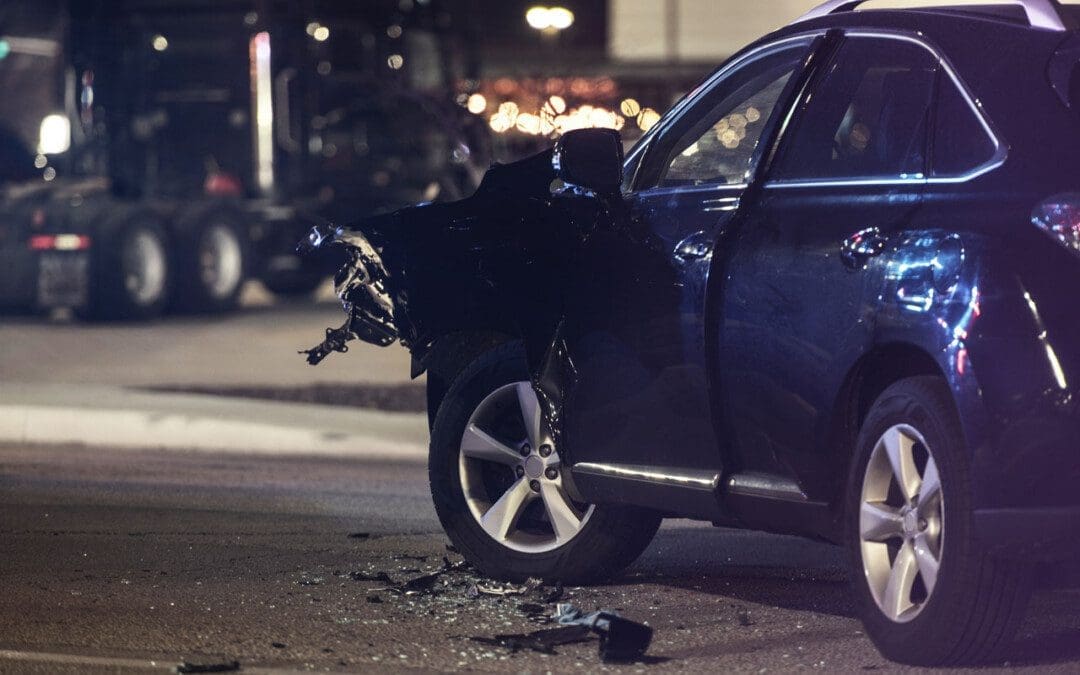
Vehicle collision
Sports injury
Violent coughing
The main symptom is pain when inhaling.
The injury typically heals within six weeks.
Symptoms
Cracked ribs are usually caused by a fall, trauma to the chest, or intense violent coughing. Symptoms include:
Swelling or tenderness around the injured area.
Chest pain when breathing/inhaling, sneezing, laughing, or coughing.
Chest pain with movement or when lying down in certain positions.
Possible bruising.
Although rare, a cracked rib can cause complications like pneumonia.
See a healthcare provider immediately if experiencing difficulty breathing, severe chest pain, or a persistent cough with mucus, high fever, and/or chills.
Types
In most cases, a rib usually gets broken in one area, causing an incomplete fracture, which means a crack or break that does not go through the bone. Other types of rib fractures include:
Displaced and Nondisplaced Fractures
Completely broken ribs may or may not shift out of place.
If the rib does move, this is known as a displaced rib fracture and is more likely to puncture lungs or damage other tissues and organs. (Yale Medicine. 2024)
A rib that stays in place usually means the rib is not completely broken in half and is known as a nondisplaced rib fracture.
Flail Chest
A section of the ribcage can break away from the surrounding bone and muscle, although this is rare.
If this happens, the ribcage will lose stability, and the bone will move freely as the individual inhales or exhales.
This broken ribcage section is called a flail segment.
This is dangerous as it can puncture the lungs and cause other serious complications, like pneumonia.
Causes
Common causes of cracked ribs include:
Vehicle collisions
Pedestrian accidents
Falls
Impact injuries from sports
Overuse/Repetitive stress brought on by work or sports
Severe coughing
Older individuals can experience a fracture from a minor injury due to the progressive loss of bone minerals. (Christian Liebsch et al., 2019)
The Commonality of Rib Fractures
Rib fractures are the most common type of bone fracture.
They account for 10% to 20% of all blunt trauma injuries seen in emergency rooms.
In cases where an individual seeks care for a blunt injury to the chest, 60% to 80% involve a broken rib. (Christian Liebsch et al., 2019)
Diagnosis
A cracked rib is diagnosed with a physical exam and imaging tests. During the examination, a healthcare provider will listen to the lungs, press gently on the ribs, and watch as the rib cage moves. The imaging test options include: (Sarah Majercik, Fredric M. Pieracci 2017)
X-rays – These are for detecting recently cracked or broken ribs.
CT Scan – This imaging test comprises multiple X-rays and can detect smaller cracks.
MRI – This imaging test is for soft tissues and can often detect smaller breaks or cartilage damage.
Bone Scan – This imaging test uses a radioactive tracer to visualize the structure of bones and can show smaller stress fractures.
Treatment
In the past, treatment used to involve wrapping the chest with a band known as a rib belt. These are rarely used today as they can restrict breathing, increasing the risk of pneumonia or even a partial lung collapse. (L. May, C. Hillermann, S. Patil 2016). A cracked rib is a simple fracture that requires the following:
Rest
Over-the-counter or prescription medications can help manage pain symptoms.
Nonsteroidal anti-inflammatory drugs – NSAIDs like ibuprofen or naproxen are recommended.
If the break is extensive, individuals may be prescribed stronger pain medication depending on the severity and underlying conditions.
Physical therapy can expedite the healing process and help maintain the range of motion of the chest wall.
For patients who are frail and elderly individuals, physical therapy can help the patient walk and normalize certain functions.
A physical therapist can train the individual to transfer between bed and chairs safely while maintaining awareness of any movements or positioning that make the pain worse.
A physical therapist will prescribe exercises to keep the body as strong and limber as possible.
For example, lateral twists can help improve the range of motion in the thoracic spine.
During the early stages of recovery, it is recommended to sleep in an upright position.
Lying down can add pressure, causing pain and possibly worsen the injury.
Use pillows and bolsters to help support sitting up in bed.
What may feel like a cracked rib may be a similar condition, which is why it’s important to get checked out. Other possible symptom causes can include:
Bruised ribs – This occurs when the ribs are not cracked, but the smaller blood vessels around the region burst and leak into surrounding tissues. (Sarah Majercik, Fredric M. Pieracci 2017)
Pulled muscle – A muscle strain, or pulled muscle, occurs when the muscle gets overstretched, which can lead to a tear. The ribs are not affected, but it can feel like they are. (Sarah Majercik, Fredric M. Pieracci 2017)
Emergency
The most common complication is being unable to take a deep breath because of the pain. When the lungs cannot breathe deeply enough, mucous and moisture can build up and lead to an infection like pneumonia. (L. May, C. Hillermann, S. Patil 2016). Displaced rib fractures can also damage other tissues or organs, increasing the risk of a collapsed lung/pneumothorax or internal bleeding. It is recommended to seek immediate medical attention if symptoms develop like:
Shortness of breath
Difficulty breathing
A bluish color of the skin caused by lack of oxygen
A persistent cough with mucus
Chest pain when breathing in and out
Fever, sweating, and chills
Rapid heart rate
The Power of Chiropractic Care In Injury Rehabilitation
Liebsch, C., Seiffert, T., Vlcek, M., Beer, M., Huber-Lang, M., & Wilke, H. J. (2019). Patterns of serial rib fractures after blunt chest trauma: An analysis of 380 cases. PloS one, 14(12), e0224105. https://doi.org/10.1371/journal.pone.0224105
A dislocated elbow is a common injury in adults and children and often happens in tandem with bone fractures and nerve and tissue damage. Can physical therapy help to support recovery and ensure range of motion?
Dislocated Elbow Injury
Elbow dislocations are generally caused by trauma when the elbow bones no longer connect. Individuals falling onto an outstretched hand is the most common cause of the injury. (James Layson, Ben J. Best 2023) Healthcare providers will try to relocate the elbow using a closed reduction. Individuals may require surgery if they cannot relocate the elbow using closed reduction.
The hinge function allows the bending and straightening of the arm.
Ball-and-socket joint
The ball-and-socket function allows you to rotate the palm of your hand to face up or face down.
A dislocated elbow injury can damage bones, muscles, ligaments, and tissues. (American Academy of Orthopaedic Surgeons. 2021) The longer the elbow remains out of the joint, the more damage can occur. Elbow dislocations rarely reset into their joints on their own and are recommended to be evaluated by a qualified healthcare provider to prevent permanent damage to nerves or function.
It is not recommended to try to reset the elbow on your own.
A healthcare provider will work to restore the joint and ensure proper alignment.
Before the reset, they will perform a physical examination to assess blood circulation and any nerve damage.
A closed reduction means that the elbow can be relocated without surgery.
Before the closed reduction, a healthcare provider will administer medications to help relax the individual and address the pain. (Medline Plus. 2022)
Once relocated into the correct position, a healthcare provider applies a splint (usually at a 90-degree angle of flexion) to keep the elbow in place. (James Layson, Ben J. Best 2023)
The objective is to prevent elbow extension, which can cause re-dislocation.
For individuals having difficulty moving or functioning normally due to injury, surgery, or illness, can a chiropractic and physical therapy team help expedite recovery?
Friction Massage
Individuals may develop scar tissue or tissue adhesions that limit normal motion after injury or surgery. A pain management team may use various treatments and modalities and may incorporate friction massage as part of a rehabilitation treatment plan. Friction massage, also known as transverse friction or cross friction massage, is a technique used to help improve scar tissue and adhesion mobility to move better and decrease the negative effects. The therapist uses their fingers to massage the scar in a direction that is at right angles to the scar line. It is a specialized technique that breaks up tissue adhesions that are limiting normal movement in the skin and underlying tissues. (Haris Begovic, et al., 2016)
Scar Tissue and Adhesions
For individuals who require surgery due to an injury or an orthopedic condition, their doctor will cut into the skin, tendons, and muscle tissue during the operation. Once sutured and healing has begun, scar tissue forms. Healthy tissue is made up of collagen that is comprised of cells that are arranged in a regular pattern. Healthy collagen is strong and can resist forces when tissues are pulled and stretched. (Paula Chaves, et al., 2017)
During the healing process after an injury, the collagen cells are laid down in a haphazard pattern and form scar tissue. The random accumulation of cells becomes tight and does not react well to tension and stretching forces. (Qing Chun, et al., 2016) The body can form scar tissue after a soft tissue injury, like a muscle or tendon strain. (Qing Chun, et al., 2016)
If a muscle or tendon gets strained the body will generate new collagen during the healing. The new collagen is laid down in a random fashion, and scar tissue or tissue adhesions can form that can limit the normal range of motion. Healthy tissue stretches and glides as the body moves. Scar tissue is rigid. At the site of the scar tissue, there can be some movement, but it is tight, less pliable, and can be painful. If scar tissue or adhesions are limiting motion, cross-friction massage can improve tissue gliding and sliding. This process is referred to as remodeling.
Massage Objectives
The objectives and goals of friction massage to adhesions or scar tissue may include:
Stimulation of nerve fibers to decrease and relieve pain.
The entire area of scar tissue or adhesion should be treated.
If the scar tissue is in a muscle, it should be relaxed.
If the scar tissue is in a tendon sheath, that tendon should be slightly stretched during the procedure.
The therapist places two or three fingers over the scar or adhesion and moves their fingers perpendicular to the scar to smooth the collagen fibers down.
The fingers and underlying tissues move together.
The massage should feel deep and uncomfortable but not painful.
There may be some pain, but should remain within the individual’s tolerance.
If the massage is too painful, less pressure may be used.
After several minutes the therapist will assess the tissue mobility.
Specific stretches may be done to elongate the scar tissue or adhesions.
At-home exercises and stretches may be prescribed to maintain flexibility.
Contraindications
There are situations where friction massage should not be used and can include: (Paula Chaves, et al., 2017)
Around an active open wound.
If there is a bacterial infection.
Areas with decreased sensation.
If calcification is present in the muscle or tendon tissue.
The therapist will explain the procedure and inform of the goals and risks associated with it.
Adhesive capsulitis in the shoulder/frozen shoulder.
Joint contracture.
Ligament tears.
Scar tissue buildup after surgery or trauma.
Friction massage is a popular technique used in physical therapy, but some research suggests it is not any more effective than other rehabilitation techniques. One study found that static stretches and exercises were more effective than massage in improving tissue length and strength in uninjured soccer players. Other studies have supported this, but individuals may find that the massage helps improve injured tissues’ movement as well. (Mohammed Ali Fakhro, et al. 2020)
The main goal of any treatment in physical therapy is to help the individual regain movement and flexibility. Friction massage, combined with targeted stretches and exercises, can help individuals expedite recovery and get back to normal.
Chiropractic Care After Accidents and Injuries
References
Begovic, H., Zhou, G. Q., Schuster, S., & Zheng, Y. P. (2016). The neuromotor effects of transverse friction massage. Manual therapy, 26, 70–76. https://doi.org/10.1016/j.math.2016.07.007
Chaves, P., Simões, D., Paço, M., Pinho, F., Duarte, J. A., & Ribeiro, F. (2017). Cyriax’s deep friction massage application parameters: Evidence from a cross-sectional study with physiotherapists. Musculoskeletal science & practice, 32, 92–97. https://doi.org/10.1016/j.msksp.2017.09.005
Chun, Q., ZhiYong, W., Fei, S., & XiQiao, W. (2016). Dynamic biological changes in fibroblasts during hypertrophic scar formation and regression. International wound journal, 13(2), 257–262. https://doi.org/10.1111/iwj.12283
Fakhro, M. A., Chahine, H., Srour, H., & Hijazi, K. (2020). Effect of deep transverse friction massage vs stretching on football players’ performance. World journal of orthopedics, 11(1), 47–56. https://doi.org/10.5312/wjo.v11.i1.47
Can individuals with low back pain find nonsurgical solutions to restore lumbar mobility and stability to the lower limbs?
Introduction
As one of the top three common problems that many young and older adults experience at some point in their lives, low back pain can have a huge impact on their routine. Back pain can often be due to normal factors like lifting heavy objects, being in a reclined position, or being physically inactive. Other times, it can be due to traumatic injuries, musculoskeletal disorders, or physical injuries. When many people are dealing with low back pain, many will often take over-the-counter medication to reduce the pain-like symptoms that they are experiencing. However, that is only a temporary solution, as the pain does come back through repetitive motions that can lead to a life of disability. To that point, many individuals, especially working adults, will have to call off work to get their lower back pain treated. This causes a socio-economic burden for many, and it can be miserable. Today’s article will examine what causes back pain and how various nonsurgical tips and tricks can reduce low back pain. We speak with certified medical providers who incorporate our patients’ information to provide multiple nonsurgical solutions to ease low back pain in many individuals. We also inform our patients of tips and tricks to reduce common back pain symptoms causing lumbar issues. We encourage our patients to ask intricated and educational questions to our associated medical providers about the pain-like symptoms they are experiencing correlating with the lower back. Dr. Alex Jimenez, D.C., utilizes this information as an academic service. Disclaimer.
What Causes Back Pain?
Do you feel constant aches or pains in your lower back after a long workday? Do you feel stiffness in your lower back muscles that hurts when stretched? Or are you in constant pain that you are unable to function throughout the entire day? Many of these scenarios that people are experiencing are correlated with low back pain. Since the back in the musculoskeletal system is a complicated structure consisting of bones, joints, ligaments, and muscles, it can succumb to various injuries, sprains, and aches, leading to lower back pain. Many individuals dealing with back pain are non-specific and can affect the state of the lumbar spinal discs. When many individuals have various physical activities, they will have disc abnormalities and low back pain. (Jensen et al., 1994) At the same time, many individuals will notice that a series of sequelae develop various pain-like symptoms that are taken into account and cause functional loss associated with acute or chronic lower back pain that can affect the lower limbs. (Hoy et al., 2014) Some of the other causes of low back pain can be musculoskeletal symptoms that can lead to a life of disability. (Malik et al., 2018) More often than not, many individuals dealing with lower back pain do recover; however, after a while, reoccurrence of lower back pain is common when the same repetitive motions are being performed and when people who had lower back pain in previous encounters will deal with chronic pain and disability. (Hartvigsen et al., 2018) Luckily, numerous treatments can help reduce the pain, like the effects of low back pain, help restore mobility to the lumbar spine, and stabilize the lower limbs.
Diabetic Back Pain Explained- Video
Have you been experiencing muscle stiffness and aches in your lower back that are affecting your lower limbs? Did you lift a heavy object that caused you to strain your back muscles and make it difficult to work? Or were you bending over to pick up an object or tie your shoes so your back muscles are aching? When many individuals are dealing with low back pain from these various scenarios, it can lead to a life of disability and misery when not treated right away. Since low back pain is a pervasive musculoskeletal disorder, many individuals have different diagnoses, which can make it difficult to treat. (Deyo et al., 1990) However, there are numerous ways that many people dealing with low back pain can find the relief they deserve. Many people will often seek various treatments that can reduce low back pain and help them regain their spinal mobility so they can get back to their daily routine. The video above explains how back pain can be associated with autoimmune disorders like diabetes and how various treatments can help reduce pain-like symptoms.
Nonsurgical Tips & Tricks To Reduce Low Back Pain
When it comes to reducing and treating low back pain, many individuals will begin to seek treatment to reduce their low back pain. Many will often go to nonsurgical treatments since they are cost-effective and can be combined with other therapies to relieve musculoskeletal pain. Nonsurgical treatments can range from spinal decompression and chiropractic care to spinal manipulation. (Chou et al., 2017) When many people are finding relief for their lower back pain, some tips and tricks that many people can do to prevent it from flaring up include:
Maintaining a healthy weight and diet
Slowly incorporating exercises
Avoid prolonging activity
Stretch
Sleep on a medium-firm mattress
Continue nonsurgical treatments to reduce the chances of low back pain returning
Maintain good posture
With these tips and tricks, many individuals will begin to notice their lower back pain reducing and promote healthy lifestyle choices.
References
Chou, R., Deyo, R., Friedly, J., Skelly, A., Hashimoto, R., Weimer, M., Fu, R., Dana, T., Kraegel, P., Griffin, J., Grusing, S., & Brodt, E. D. (2017). Nonpharmacologic Therapies for Low Back Pain: A Systematic Review for an American College of Physicians Clinical Practice Guideline. Ann Intern Med, 166(7), 493-505. https://doi.org/10.7326/M16-2459
Hartvigsen, J., Hancock, M. J., Kongsted, A., Louw, Q., Ferreira, M. L., Genevay, S., Hoy, D., Karppinen, J., Pransky, G., Sieper, J., Smeets, R. J., Underwood, M., & Lancet Low Back Pain Series Working, G. (2018). What low back pain is and why we need to pay attention. Lancet, 391(10137), 2356-2367. https://doi.org/10.1016/S0140-6736(18)30480-X
Hoy, D., March, L., Brooks, P., Blyth, F., Woolf, A., Bain, C., Williams, G., Smith, E., Vos, T., Barendregt, J., Murray, C., Burstein, R., & Buchbinder, R. (2014). The global burden of low back pain: estimates from the Global Burden of Disease 2010 study. Ann Rheum Dis, 73(6), 968-974. https://doi.org/10.1136/annrheumdis-2013-204428
Jensen, M. C., Brant-Zawadzki, M. N., Obuchowski, N., Modic, M. T., Malkasian, D., & Ross, J. S. (1994). Magnetic Resonance Imaging of the Lumbar Spine in People without Back Pain. New England Journal of Medicine, 331(2), 69-73. https://doi.org/10.1056/nejm199407143310201
Malik, K. M., Beckerly, R., & Imani, F. (2018). Musculoskeletal Disorders a Universal Source of Pain and Disability Misunderstood and Mismanaged: A Critical Analysis Based on the U.S. Model of Care. Anesth Pain Med, 8(6), e85532. https://doi.org/10.5812/aapm.85532
Can healthcare providers help many individuals with lumbar disc degeneration find relief through spinal decompression treatments?
Introduction
Many individuals often do everyday motions that can allow the spine to bend, twist, and turn in various ways without feeling pain and discomfort. However, as the body ages, so does the spine, as the spinal discs begin the natural process of degeneration. Since the spinal discs in the spinal column absorb the vertical pressure weight, it stabilizes the upper and lower extremities and provides motion. To that point, when many individuals suffer from various injuries or environmental factors that cause the spinal disc to be compressed, it can lead to low back issues that cause pain and discomfort when a person is doing an activity. Since low back pain is one of the three most common problems that many people worldwide have dealt with, it can become a socio-economic issue that can lead to a life of disability and misery. Low back pain is often correlated with disc degeneration, and the surrounding ligaments and muscle tissues can affect the upper and lower extremities. This causes referred pain to the different musculoskeletal groups, causing many people to seek treatment that can not only be affordable but also effective in reducing the pain. Today’s article looks at the anatomy of the lumbar disc, how disc degeneration affects the lumbar spine, and how spinal decompression can reduce lumbar disc degeneration from causing more pain to the lower back. We speak with certified medical providers who incorporate our patients’ information to provide numerous treatment plans to ease the pain-like symptoms associated with lumbar disc degeneration causing low back pain. We also inform our patients that there are non-surgical options to reduce these pain-like issues correlated with disc degeneration and restore lumbar mobility to the body. We encourage our patients to ask intricated and educational questions to our associated medical providers about the pain-like symptoms they are experiencing correlating with the lower back. Dr. Alex Jimenez, D.C., utilizes this information as an academic service. Disclaimer.
The Anatomy Of The Lumbar Disc
Do you feel tension or stiffness in your lower back after waking up in the morning? Do you feel sudden or gradual pain from bending down to lift a heavy object that is affecting your lower back? Or do you feel the pain in one location or another in your back that is causing you pain and discomfort in your lumbar spinal region? Many of these pain-like issues are often correlated with disc degeneration combined with low back pain. The spinal disc’s anatomy comprises three elements that work together in a specific pattern to resist forces placed in the lumbar spine. (Martin et al., 2002) Since the lumbar spine is the thickest portion of the back, the spinal disc supports the upper body’s weight while stabilizing the lower body. However, the spinal disc will shrink over time when the body ages. Since degeneration is a natural process, many individuals will begin to feel less mobile, which can cause many issues within the lumbar spine.
How Disc Degeneration Affects The Lumbar Spine
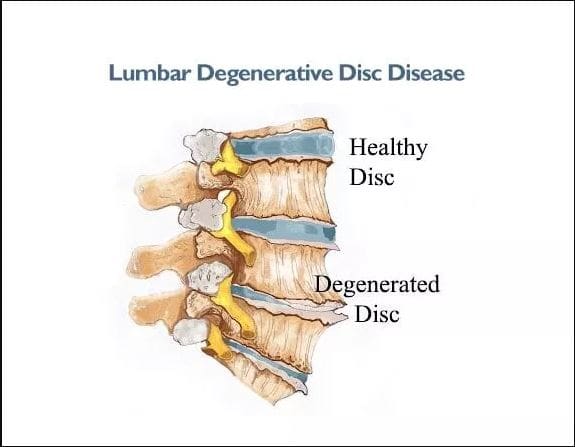
When disc degeneration occurs in the lumbar spine, the spinal disc begins to decrease in volume, and the nutrients that hydrate the disc start to deplete and become compressed. When disc degeneration affects the lumbar spine, the nerve roots from the central system are affected. They can be associated with any particular group of pathological conditions that may irritate the surrounding nerves and produce pain-like symptoms. (Bogduk, 1976) To that point, this causes referred pain in the lower limbs and radiating pain in the lower back. At the same time, glycosphingolipid antibodies are activated in the immune system, causing inflammatory effects. (Brisby et al., 2002) When people are dealing with low back pain associated with disc degeneration, many people will feel their lower back lock up, causing limited mobility and stiffness. At the same time, the surrounding muscle and soft tissues are overstretched and tightened. The spinal disc will also affect the nerve fibers surrounding the spine, leading to nociceptive lower back pain. (Coppes et al., 1997) However, many individuals can find available treatments to reduce low back pain associated with disc degeneration.
An Overview Of Spinal Decompression- Video
Spinal Decompression Can Reduce Lumbar Disc Degeneration
Many individuals can seek out non-surgical treatments to reduce low back pain associated with disc degeneration as it is cost-effective and, through consecutive treatments, can start feeling better. Some non-surgical treatments like spinal decompression can help rehydrate the spinal disc through gentle traction and promote natural healing. Spinal decompression can be manual or mechanical, using negative pressure to increase disc height. (Vanti et al., 2021) This allows many individuals to feel the relief they deserve and feel better over time. Spinal decompression can reduce disc degeneration, stabilize the lumbar spine, and help regain spinal mobility back to the lower portions. (Daniel, 2007) When many individuals begin to take care of their bodies and reduce the chances of low back pain from returning to cause more issues to the back.
Brisby, H., Balague, F., Schafer, D., Sheikhzadeh, A., Lekman, A., Nordin, M., Rydevik, B., & Fredman, P. (2002). Glycosphingolipid antibodies in serum in patients with sciatica. Spine (Phila Pa 1976), 27(4), 380-386. https://doi.org/10.1097/00007632-200202150-00011
Coppes, M. H., Marani, E., Thomeer, R. T., & Groen, G. J. (1997). Innervation of “painful” lumbar discs. Spine (Phila Pa 1976), 22(20), 2342-2349; discussion 2349-2350. https://doi.org/10.1097/00007632-199710150-00005
Daniel, D. M. (2007). Non-surgical spinal decompression therapy: does the scientific literature support efficacy claims made in the advertising media? Chiropr Osteopat, 15, 7. https://doi.org/10.1186/1746-1340-15-7
Martin, M. D., Boxell, C. M., & Malone, D. G. (2002). Pathophysiology of lumbar disc degeneration: a review of the literature. Neurosurg Focus, 13(2), E1. https://doi.org/10.3171/foc.2002.13.2.2
Vanti, C., Turone, L., Panizzolo, A., Guccione, A. A., Bertozzi, L., & Pillastrini, P. (2021). Vertical traction for lumbar radiculopathy: a systematic review. Arch Physiother, 11(1), 7. https://doi.org/10.1186/s40945-021-00102-5
IFM's Find A Practitioner tool is the largest referral network in Functional Medicine, created to help patients locate Functional Medicine practitioners anywhere in the world. IFM Certified Practitioners are listed first in the search results, given their extensive education in Functional Medicine