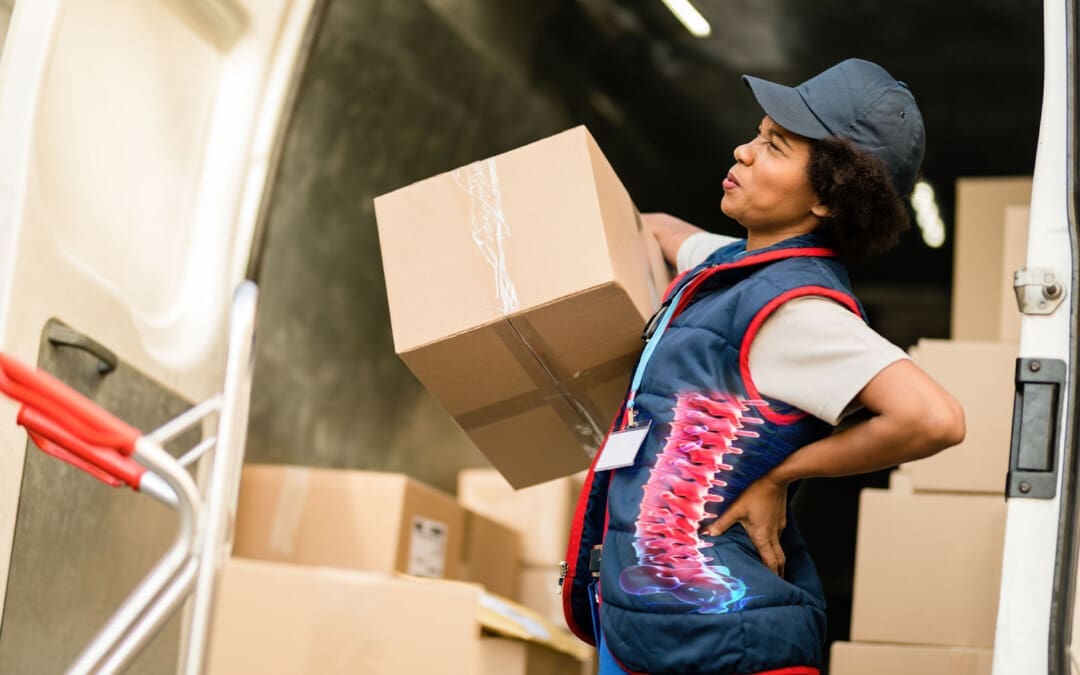
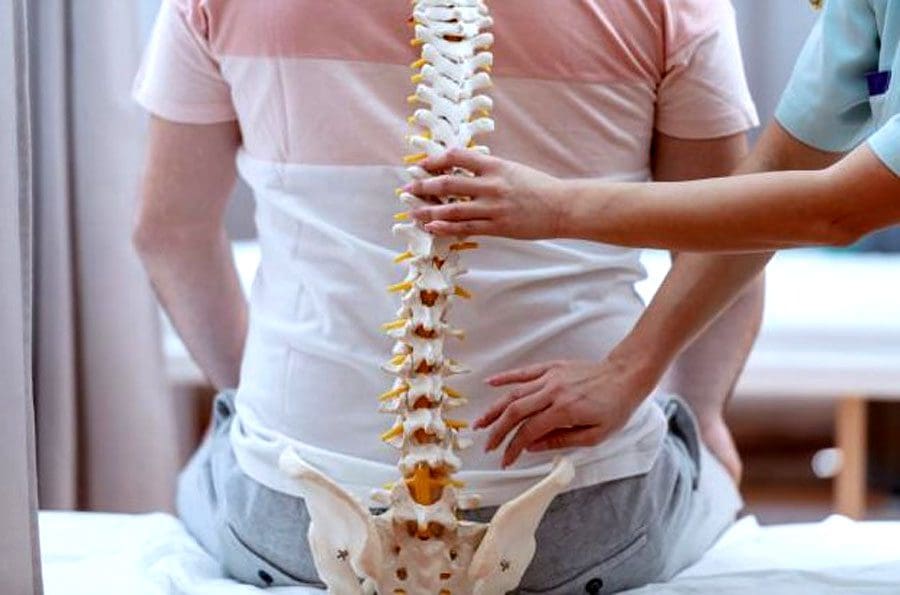
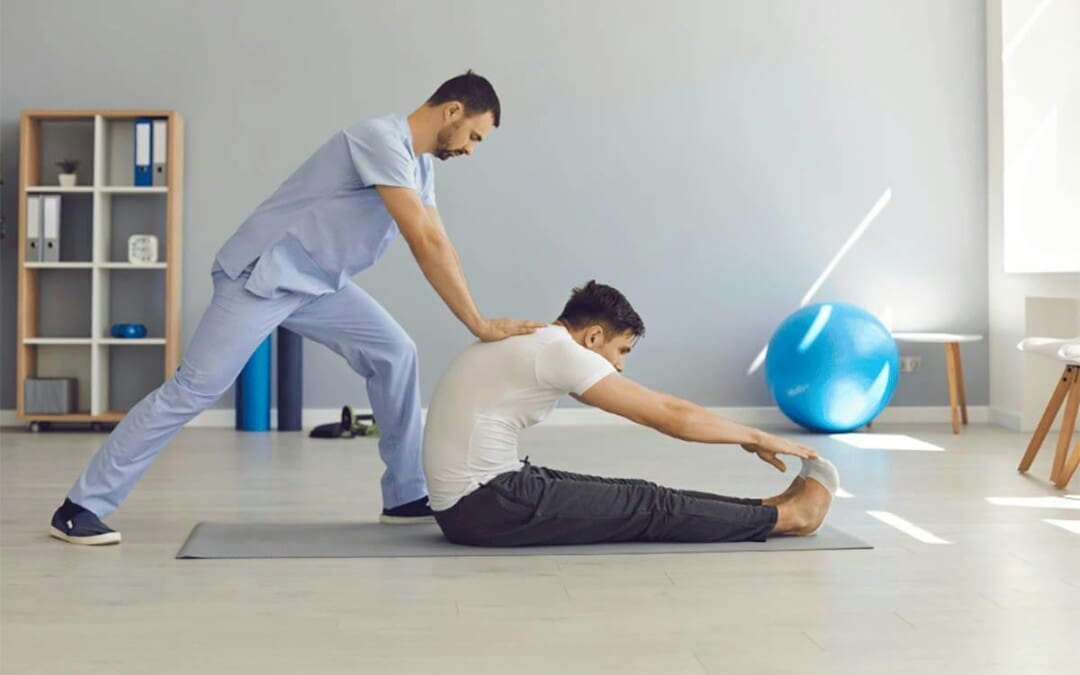
Elbow pain from lifting is a common symptom among individuals who lift weights, heavy objects, children, grocery bags, etc. Depending on the underlying cause, can conservative treatments relieve and heal elbow pain?
Elbow Pain Caused By Lifting
Elbow pain from lifting can result from weight training, repetitive daily tasks, or job duties like lifting small children or heavy objects. Pain can manifest at the sides or the front of the elbow. Most minor injury cases can be treated with ice, rest, and medications at home. However, pain after lifting can also be a sign of a serious injury, such as a tendon rupture/tear.
Minor Pain From Lifting
Lifting puts pressure on the tendons connecting the wrist and upper arm to the bones in the elbow joint. Minor elbow pain can occur from temporary inflammation in any of these structures after lifting an object. Tendonitis occurs when a tendon becomes inflamed, often from overuse or lifting something too heavy, and ranges from mild to severe. Mild tendonitis typically causes pain during the activity and improves with rest. (American Academy of Orthopaedic Surgeons, 2020) Common forms of tendonitis include:
Tennis elbow – tendonitis on the outside of the elbow
Golfer’s elbow – tendonitis on the inside of the elbow.
Add ice to the affected area for up to 20 minutes daily to decrease elbow pain.
Rest
Avoid lifting heavy objects as much as possible when pain is present.
Wearing A Brace
If the pain is at the tendons on the inside or outside of your elbow, try wearing a wrist brace to limit the use of your wrist muscles that connect to this area.
Stretching
Gently stretching the wrist flexors and extensors can help reduce elbow pain after lifting. Stretches can be performed several times daily, even after symptoms have resolved. (American Academy of Orthopaedic Surgeons, 2024)
Hold the arm out in front with the palm down. Keep the elbow straight.
Bend the wrist down so that the fingers are pointing toward the ground.
With the other hand, gently pull the wrist further down until a stretch is felt along the back of the forearm.
Hold this position for 15 seconds.
Repeat five times.
Next, bend the wrist upward so the fingers point toward the ceiling.
Using the other hand, gently pull the hand backward until the stretch is felt along the front of the forearm.
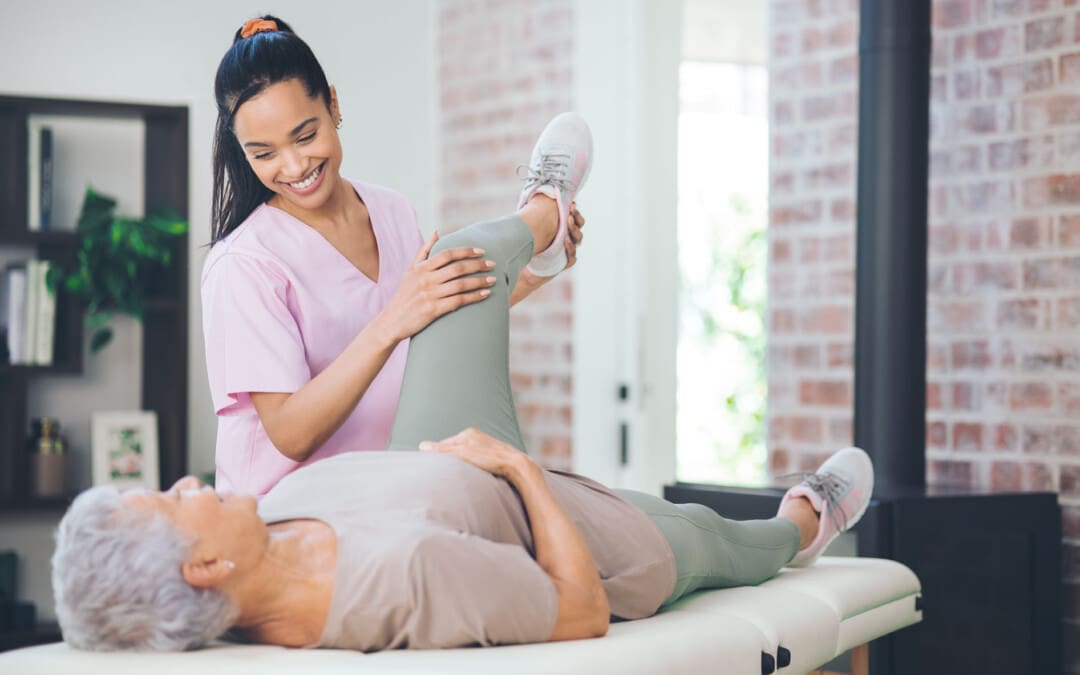
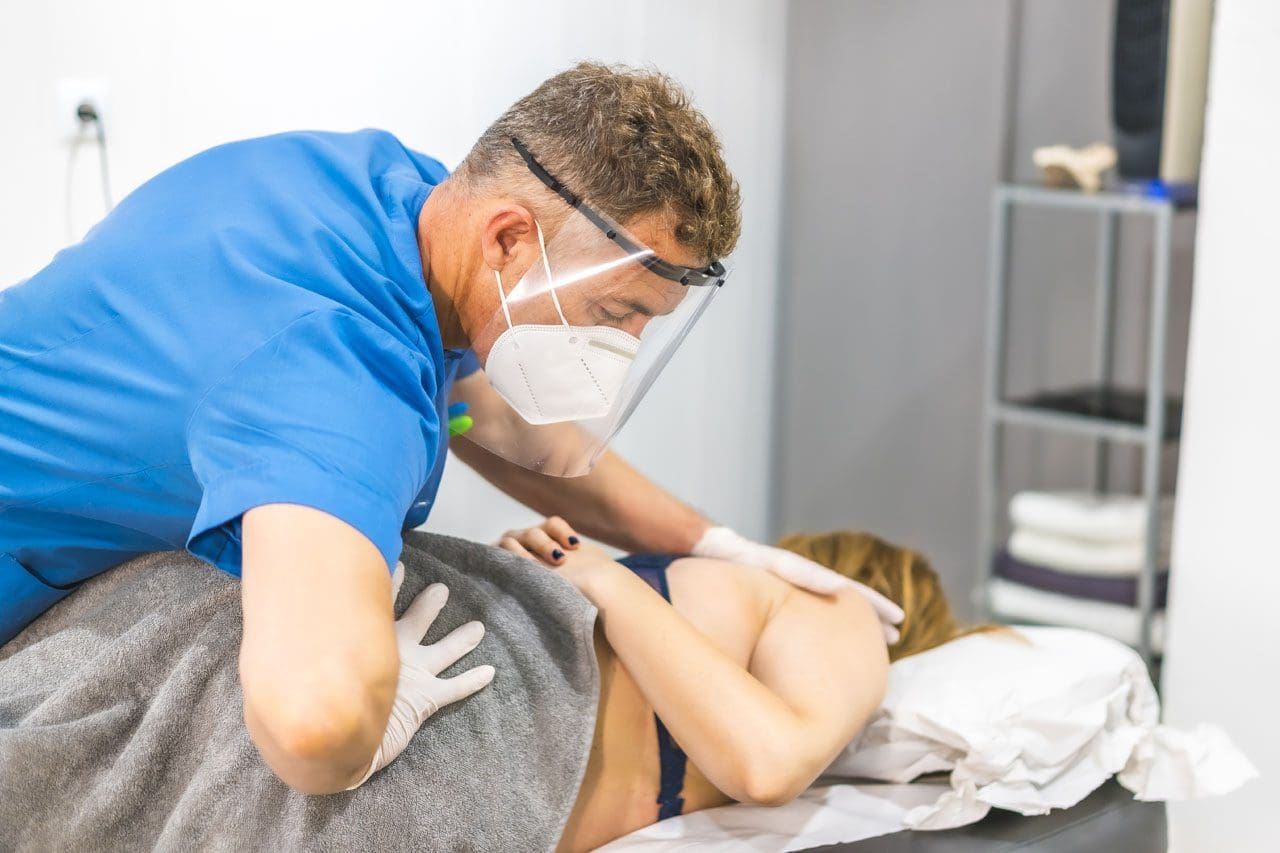
Mild cases can improve after a few days of self-care, whereas more pronounced elbow symptoms can take several weeks, months, or even a year. (Kheiran A. Pandey, A. & Pandey R. 2021) If self-care doesn’t work, physical therapy may be recommended. A physical therapy team can use various modalities and treatments to help reduce pain and inflammation from elbow injuries. The therapy can include targeted exercises to strengthen weak muscles and stretch tight muscles that might contribute to the condition. In addition, the therapy team will help individuals modify their lifting technique to help prevent further injury.
A biceps tendon rupture is a rare but serious injury usually caused from lifting. In addition to other visible signs of the injury, there will be a bulge at the top of the upper arm because the muscle bunches up as it is no longer attached to the elbow. (American Academy of Orthopaedic Surgeons, 2022) Individuals may hear an audible popping sound if an elbow ligament or tendon gets torn while lifting. (Johns Hopkins Medicine, 2024)
Treatment
Treatment depends on the severity of the injury, but most cases resolve on their own with rest and, if necessary, physical therapy. Conditions that cause severe pain require orthopedic surgeon expertise. These physicians specialize in treating musculoskeletal system injuries. Imaging such as X-rays, MRIs, or CT scans are often used to determine the extent of damage. Individuals with tendon or ligament tears in the elbow may need surgery to regain full range of motion and strength in their arm. After surgery, physical therapy will help restore function.
Injury Medical Chiropractic and Functional Medicine Clinic
Injury Medical Chiropractic and Functional Medicine Clinic works with primary healthcare providers and specialists to develop an optimal health and wellness solution. We focus on what works for you to relieve pain, restore function, and prevent injury. Regarding musculoskeletal pain, specialists like chiropractors, acupuncturists, and massage therapists can help mitigate the pain through spinal adjustments that help the body realign itself. They can also work with other associated medical professionals to integrate a treatment plan to improve the body’s flexibility and mobility and resolve musculoskeletal issues.
Shoulder Pain Chiropractic Treatment
References
American Academy of Orthopaedic Surgeons. (2020). Sprains, strains, and other soft-tissue injuries. https://orthoinfo.aaos.org/en/diseases–conditions/sprains-strains-and-other-soft-tissue-injuries/
Kheiran, A., Pandey, A., & Pandey, R. (2021). Common tendinopathies around the elbow; what does current evidence say?. Journal of clinical orthopaedics and trauma, 19, 216–223. https://doi.org/10.1016/j.jcot.2021.05.021
American Academy of Orthopaedic Surgeons. (2024). Therapeutic exercise program for epicondylitis (tennis elbow/golfer’s elbow). https://orthoinfo.aaos.org/globalassets/pdfs/2024-therapeutic-exercise-program-for-lateral-and-medial-epicondylitis.pdf
American Academy of Orthopaedic Surgeons. (2023). What are NSAIDs? https://orthoinfo.aaos.org/en/treatment/what-are-nsaids/
American Academy of Orthopaedic Surgeons. (2022). Biceps tendon tear at the elbow. https://orthoinfo.aaos.org/en/diseases–conditions/biceps-tendon-tear-at-the-elbow
For individuals that are trying to change up their daily routine, can incorporating the beneficial properties of a HIIT workout reduce pain?
Introduction
When it comes to a person’s health and wellness, they need to exercise for at least 30 minutes. However, many individuals have hectic lifestyles, which correlates to a lack of time to work out, leading to various health conditions that can develop over time and lead to pain and discomfort. Around the world, many adults should get 150 to 300 minutes of exercise to reduce pain in their body system. This can include doing chores, exercising at home, or going to the gym. But people who want to get in a quick workout within their busy schedules can opt for a HIIT workout or high-intensity interval training. In today’s article, we will look at what HIIT is, its beneficial effects on the body, and how important it is to incorporate a HIIT workout as part of a daily routine. We talk with certified associated medical providers who inform our patients to include a HIIT workout in their daily routine. While asking their associated medical provider intricate questions, we advise patients to formulate a customized treatment plan to help with chronic pain affecting their bodies through various exercise routines. Dr. Alex Jimenez, D.C., includes this information as an academic service. Disclaimer.
What is HIIT?
Do you experience any weight changes that cause difficulty maintaining your ideal weight? How often do you feel stressed and tired after a hectic day that you don’t have time for yourself? Or do you feel unusual aches and pains in your body that make you feel fatigued throughout the day? When it comes to individuals making small changes in their health and well-being, try to work out with the minimum time they have but also achieve the benefits of a full workout, can try HIIT. HIIT, or high-intensity interval training, is defined by exercise activities that target 80% of the individual’s max heart rate with alternative explosive bursts of full-throttle efforts with rest periods. (Coates et al., 2023)
Additionally, a HIIT workout usually involves cardio and resistance training as part of its sub-categories. This is generally incorporated into gyms and fitness centers and still requires both a warm-up, recovery intervals, and cool-down to ensure that the body is getting the full beneficial properties and effects from a HIIT workout. This is because a HIIT workout involves an active, high-intensity training session that is less than 15 minutes long and helps improve cardiometabolic health and cardiovascular endurance. (Atakan et al., 2021)
Optimize Your Wellness- Video
The Beneficial Properties of HIIT
Since HIIT has beneficial properties, many individuals experiencing low back pain from stress, excessive sitting or standing, or lifting heavy objects can utilize HIIT workouts as part of their exercise routine. HIIT workouts for lower back pain can help through general resistance and core strength training, which helps improve muscle strength and decrease the pain and deconditioning of the trunk muscles. (Verbrugghe et al., 2020) The other beneficial properties of HIIT are that it can help improve a person’s cardiorespiratory system or stamina. This helps maintain healthy endurance levels and causes them to increase the length or intensity of a HIIT workout while enjoying the health benefits it can provide. (Martin-Smith et al., 2020)
Since HIIT has beneficial properties, many individuals experiencing low back pain from stress, excessive sitting or standing, or lifting heavy objects can utilize HIIT workouts as part of their exercise routine. HIIT workouts for lower back pain can help through general resistance and core strength training, which helps improve muscle strength and decrease the pain and deconditioning of the trunk muscles. (Verbrugghe et al., 2020) The other beneficial properties of HIIT are that it can help improve a person’s cardiorespiratory system or stamina. This helps maintain healthy endurance levels and causes them to increase the length or intensity of a HIIT workout while enjoying the health benefits it can provide. (Martin-Smith et al., 2020)
Incorporating HIIT As Part of A Routine
Additionally, anyone who wants to do a HIIT workout routine can do it since it is perfect for a quick workout in a short amount of time. Individuals with busy schedules can complete a workout with alternating bursts of exercises and rest periods that can build up a person’s endurance. With a HIIT workout, many individuals will begin to notice that they have more energy throughout the day and start making changes to improve their lives.
References
Atakan, M. M., Li, Y., Kosar, S. N., Turnagol, H. H., & Yan, X. (2021). Evidence-Based Effects of High-Intensity Interval Training on Exercise Capacity and Health: A Review with Historical Perspective. Int J Environ Res Public Health, 18(13). https://doi.org/10.3390/ijerph18137201
Coates, A. M., Joyner, M. J., Little, J. P., Jones, A. M., & Gibala, M. J. (2023). A Perspective on High-Intensity Interval Training for Performance and Health. Sports Med, 53(Suppl 1), 85-96. https://doi.org/10.1007/s40279-023-01938-6
Gjellesvik, T. I., Becker, F., Tjonna, A. E., Indredavik, B., Lundgaard, E., Solbakken, H., Brurok, B., Torhaug, T., Lydersen, S., & Askim, T. (2021). Effects of High-Intensity Interval Training After Stroke (The HIIT Stroke Study) on Physical and Cognitive Function: A Multicenter Randomized Controlled Trial. Archives of Physical Medicine and Rehabilitation, 102(9), 1683-1691. https://doi.org/10.1016/j.apmr.2021.05.008
Guimaraes, G. V., Ciolac, E. G., Carvalho, V. O., D’Avila, V. M., Bortolotto, L. A., & Bocchi, E. A. (2010). Effects of continuous vs. interval exercise training on blood pressure and arterial stiffness in treated hypertension. Hypertens Res, 33(6), 627-632. https://doi.org/10.1038/hr.2010.42
Martin-Smith, R., Cox, A., Buchan, D. S., Baker, J. S., Grace, F., & Sculthorpe, N. (2020). High Intensity Interval Training (HIIT) Improves Cardiorespiratory Fitness (CRF) in Healthy, Overweight and Obese Adolescents: A Systematic Review and Meta-Analysis of Controlled Studies. Int J Environ Res Public Health, 17(8). https://doi.org/10.3390/ijerph17082955
Verbrugghe, J., Agten, A., Stevens, S., Hansen, D., Demoulin, C., Eijnde, B. O., Vandenabeele, F., & Timmermans, A. (2020). High Intensity Training to Treat Chronic Nonspecific Low Back Pain: Effectiveness of Various Exercise Modes. J Clin Med, 9(8). https://doi.org/10.3390/jcm9082401
Lower back leg pain depends on specific symptoms and their duration. Can having a better idea of symptoms help individuals inform their medical providers to develop an effective treatment plan?
Low Back Leg Pain
Lower back leg pain, sciatica, and weakness of the lower-extremity muscles are often diagnosed as a herniated (compressed or ruptured) disc. Nerves surrounding the spine are sensitive to irritation and pressure caused by a disc shifting out of position or physical damage to the disc and surrounding area, ranging from mild to severe. This is why it is important to be evaluated by a healthcare provider. Treatment depends on the type of spinal disc herniation and the severity, but getting an early medical evaluation helps ensure optimal outcomes. Non-surgical conservative treatments are often effective, but some cases may require more aggressive treatment, especially if the pain persists.
Spine and Nerves
Spinal discs are the shock absorbers between vertebrae. They consist of a tough outer layer, annulus fibrosis, covering a soft gel core, nucleus pulposus. When a disc is damaged, it can bulge and irritate surrounding nerves. In more severe cases, the annulus fibrosis can weaken and tear, allowing the material to leak and compress the spinal cord or nerves. As the nerves are not functioning properly, abnormal signals may be sent to and from the brain. The most common lower back herniations occur in the lumbar region, where five vertebrae near the base of the spine are classified from top to bottom as L1 through L5. (Dydyk A.M. et al., 2023) Pain resulting from an injury to this part of the spine can be debilitating because it may involve sciatic nerve irritation. Herniated disc causes are generally a combination of age-related degeneration, being overweight/obese, trauma, a sedentary lifestyle, and overloading of the spine. (Cleveland Clinic, 2021)
Symptoms
The most common symptoms include:
Back Pain
Caused by nerve irritation, muscle spasms, and inflammation.
Radiculopathy
Abnormal signaling of the nerves.
Electrical Shooting Pain
Nerve pressure can cause abnormal sensations, commonly experienced as electric shooting pains.
For low back herniations, the shocks go down one or both legs.
Tingling – Numbness
There are often abnormal sensations such as tingling, numbness, or pins and needles down one or both legs.
Muscle Weakness
Nerve signals may be interrupted, causing lower-body muscle weakness. (Dydyk A.M. et al., 2023)
Bowel – Bladder Symptoms
These symptoms may signal cauda equina syndrome, a rare condition resulting from a herniated disc between the L5 vertebrae and the first vertebrae of the sacrum.
Diagnosis
Diagnosing a herniated disc as the cause of low back leg pain involves testing sensation, muscle strength, and reflexes. MRI also aids this process (American Association of Neurological Surgeons, 2024). MRIs can often show herniated discs and other abnormalities, especially in older patients.
Treatment
A herniated disc treatment plan is based on patient symptoms, physical examination findings, and imaging results. Most herniated disc symptoms resolve themselves in four to six weeks. Lower back pain is generally treated conservatively through:
Topical pain ointments or creams for muscle spasms.
Non-surgical decompression relieves pressure, activates healing, and restores circulation and nutrients.
Chiropractic adjustments realign the spine and musculoskeletal system.
Massage loosens the muscles and maintains their relaxation.
Total rest is never recommended, even if movement is challenging,
Exercise and stretching help avoid muscle degeneration and strengthen the muscles.
Relaxation techniques and other natural pain therapies can help manage symptoms and restore overall health.
Pain-blocking injections which can include anesthetics or corticosteroids at the source (Cleveland Clinic, 2021)
Surgery is recommended only when conservative treatments are ineffective after six weeks, if there is significant muscle weakness from nerve damage, or if motor functions are compromised. (American Association of Neurological Surgeons, 2024)
Injury Medical Chiropractic and Functional Medicine Clinic
Chiropractic therapy is among the more conservative treatment options and may be tried first before proceeding with surgery. Injury Medical Chiropractic and Functional Medicine Clinic works with primary healthcare providers and specialists to develop an optimal health and wellness solution. We focus on what works for you to relieve pain, restore function, and prevent injury. Regarding musculoskeletal pain, specialists like chiropractors, acupuncturists, and massage therapists can help mitigate the pain through spinal adjustments that help the body realign itself. They can also work with other associated medical professionals to integrate a treatment plan to improve the body’s flexibility and mobility and resolve musculoskeletal issues.
Disc Herniation
References
Dydyk AM, Ngnitewe Massa R, Mesfin FB. Disc Herniation. [Updated 2023 Jan 16]. In: StatPearls [Internet]. Treasure Island (FL): StatPearls Publishing; 2024 Jan-. Available from: https://www.ncbi.nlm.nih.gov/books/NBK441822/
Can incorporating these 7 exercises help individuals dealing with back pain help promote a healthy spine and functionality?
Introduction
Many individuals have dealt with back pain in their body’s upper, middle, and lower portions, which can correlate with other issues in the upper and lower body extremities. This is due to how many environmental factors affect a person’s daily routine. From stressful days that impact a person’s day to physical inactivity or even spinal issues that have developed over time can cause back pain. When individuals decide to make changes in their health and wellness journey to not only reduce back pain but also improve how they present themselves. Many individuals can start with exercises to reduce back pain and help their spinal health by making sure that they are doing it correctly to prevent injuries. Today’s article looks at how spinal issues correlate with back pain and how these seven simple exercises and stretches can help reduce lower back pain and help you have a healthy spine. We talk with certified associated medical providers who provide our patients’ information to assess back pain correlated with their spine. We also inform patients while asking their associated medical provider intricate questions to formulate customized treatment plans to reduce back pain by integrating exercises to help reduce the pain and promote wellness. Dr. Alex Jimenez, D.C., includes this information as an academic service. Disclaimer.
Spinal Issues Correlating To Back Pain
Do you feel stiffness or muscle aches in your back’s upper, middle, or lower areas? Have you noticed that your posture is hunched more than normal when looking at the phone or being on the computer for an extended period? Or does your back ache from lifting a heavy object or sleeping incorrectly? More often than not, these pain-related scenarios are associated with back pain combined with spinal issues. As one of the leading causes of disability, loss of productivity, and more visits to a health clinic, back pain can impact the body and cause individuals to be miserable. (Bang et al., 2021) Back pain can be specific or non-specific and can cause a person’s spine to degenerate through the spinal disc. The spinal disc provides stability, flexibility, and mobility to the spine, which then helps keep the host upright. However, as the body ages, so does the spine, as lower back pain is multifactorial. When the spinal disc degenerates, the spine has a reduced capacity for intrinsic self-repair within the tissues. (Mohd Isa et al., 2022)
At the same time, when many individuals are dealing with low back pain, depending on the severity of the issue, theywill often change their gait mechanics by adapting different strategies to mitigate the loading on the primary muscles associated with the locomotion that protects the pain-producing tissues. (Smith et al., 2022) When that happens, the pain from the lower back muscles can aggravate the spine further and lead to more chronic issues; however, there are ways to reduce the effects of lower back pain and to help keep the spine healthy.
Can Core Exercises Help with Back Pain?-Video
The 7 Exercises To Incorporate For Back Pain
When it comes to making sure that lower back pain can be reduced and to help with keeping a healthy spine, many people often seek out physical therapy to reduce the pain. Since low back pain is costly in a clinical approach, physical therapy is cost-effective, non-invasive, and can help individuals get a kick start in their health journey. Physical therapy involves whole-body movement that emphasizes breathing coordination, reducing pain from the lower back, and helping stabilize the lumbar spine to improve physical function. (Li et al., 2023) By going through a treatment plan that incorporates physical therapy, many individuals will begin to notice their pain is improving and their quality of life is getting better. (Fischer et al., 2021) Additionally, stretching and core stability exercises can activate the deep and superficial spinal muscles by strengthening them and help stretch out sore muscles affected by low back pain to help many individuals recover. (Calatayud et al., 2019) Below are seven exercises that can help reduce back pain and, when done correctly and consecutively, can help many individuals have a healthier spine while being more mindful of their bodies.
Knee-To-Chest Exercise
This knee-to-chest exercise can help stretch the lower back muscles and can be done in the morning or evening.
Lying on your back with knees bent and feet flat for stability.
Pull one knee up with both hands and press it towards your chest.
Keep the stomach muscles tight while pressing your spine to the floor, holding for at least 30 seconds before returning to position.
Repeat with the other knee and do each stretch 2-3 times.
Lower Back Rotational Stretch (On the Floor)
This lower back rotational stretch can help stretch tight muscles in the lower back.
Laying on the mat, ensure you are on your back with knees bent and feet flat.
Make sure the shoulders are firmly on the floor, and slowly roll the knees to one side until 45 degrees.
Hold that position for 30 seconds before slowly rotating the knees back to the starting position.
Repeat on the other side and do each stretch 2-3 times.
Lower Back Flexibility Exercise
This lower back flexibility will help stretch and strengthen the lower back and core muscles.
Lay flat on the mat. For stability, make sure that the knees are bent with feet are flat on the floor.
Tighten the stomach muscles so the lower back can be pulled away from the floor.
Hold the position for 5 seconds and relax, slowly lowering to the floor.
Flatten the back as your belly button starts to go towards the floor, and hold the position for 5 seconds before relaxing.
Do five repetitions a day to slowly work up to 30 reps.
Bridge Exercise
The bridge exercise can help with core stability and help strengthen core muscles.
Laying flat on your back on the floor, with knees bent and feet flat. Make sure that your shoulders and head are relaxed.
Tighten the core and glute muscles while slowly raising from the hips to form a straight line from the knees to the shoulders.
Stay in that position for 30 seconds while taking deep breaths.
Slowly go down to the floor and relax.
Do five repetitions a day to slowly work up to 30 reps.
Cat-To-Cow Stretch
The cat-to-cow stretch helps with shoulders, upper back, and lower back muscles.
On your hands and knees, hip-width apart on the mat, be in a neutral spine position.
Slowly arch your back by pulling your belly towards the ceiling and your head down for 30 seconds.
Then, slowly let the back and belly sag towards the floor as the head rises for 30 seconds.
Return to the neutral spine position and repeat about 3-5 times twice daily.
Lower Back Rotational Stretch (Seated)
This lower back rotational stretch is seated if the floor is uncomfortable for individuals with severe back pain.
Sitting in an armless chair or stool in a seated upright position, cross one leg over the other.
Then, place the left elbow against the outside of the right knee and twist and stretch the side.
Hold the postion for 10 seconds before slowly returning to a seated position.
Repeat the stretch on the opposite side.
Do this stretch 3-5 times on each side to stretch tight back muscles about twice daily.
Shoulder Blade Squeeze
This shoulder blade squeeze helps individuals properly posture while stretching and strengthening tight upper back and shoulder muscles.
Start in a seated upright position on an armless chair or stool.
Slowly pull the shoulder blades together in the upright position and hold for 5-30 seconds.
Relax, return to the upright position, and repeat 3-5 times twice daily.
References
Bang, A. A., Bhojraj, S. Y., & Bang, A. T. (2021). Back pain and musculoskeletal pain as public health problems: Rural communities await solution. J Glob Health, 11, 01007. https://doi.org/10.7189/jogh.11.01007
Calatayud, J., Escriche-Escuder, A., Cruz-Montecinos, C., Andersen, L. L., Perez-Alenda, S., Aiguade, R., & Casana, J. (2019). Tolerability and Muscle Activity of Core Muscle Exercises in Chronic Low-back Pain. Int J Environ Res Public Health, 16(19). https://doi.org/10.3390/ijerph16193509
Fischer, S. C., Calley, D. Q., & Hollman, J. H. (2021). Effect of an Exercise Program That Includes Deadlifts on Low Back Pain. J Sport Rehabil, 30(4), 672-675. https://doi.org/10.1123/jsr.2020-0324
Li, Y., Yan, L., Hou, L., Zhang, X., Zhao, H., Yan, C., Li, X., Li, Y., Chen, X., & Ding, X. (2023). Exercise intervention for patients with chronic low back pain: a systematic review and network meta-analysis. Front Public Health, 11, 1155225. https://doi.org/10.3389/fpubh.2023.1155225
Mohd Isa, I. L., Teoh, S. L., Mohd Nor, N. H., & Mokhtar, S. A. (2022). Discogenic Low Back Pain: Anatomy, Pathophysiology and Treatments of Intervertebral Disc Degeneration. Int J Mol Sci, 24(1). https://doi.org/10.3390/ijms24010208
Smith, J. A., Stabbert, H., Bagwell, J. J., Teng, H. L., Wade, V., & Lee, S. P. (2022). Do people with low back pain walk differently? A systematic review and meta-analysis. J Sport Health Sci, 11(4), 450-465. https://doi.org/10.1016/j.jshs.2022.02.001
Individuals with hip bursitis often experience discomfort during physical activity, walking, and pain when lying on the affected side. What treatment options are available to control and manage the condition?
Hip Bursitis
Hip bursitis, also known as trochanteric bursitis, is a common condition that causes pain and discomfort in the hip and upper thigh along the outside of the hip joint. It occurs when one of the hip’s bursae, or fluid-filled sacs cushion joints, becomes inflamed. Treatment for hip bursitis is to control the inflammation caused by this condition.
Causes
Hip bursitis can be caused by injury or overuse of the hip, such as repetitive activities, twisting, or rapid joint movement. It can also be caused by a direct blow or fall to the side of the hip.
Symptoms
Pain from hip bursitis can be sharp at first and may feel dull and achy later.
It may be worse when standing up after sitting, moving, or using the hip.
Individuals may also notice pain when lying on the affected side or sitting for a long time.
Rest
This means a period of not participating in physical, exercise, and sports activities that aggravate symptoms. Any activity that causes hip pain should be avoided as this only contributes to inflammation of the bursa. (American Academy of Orthopaedic Surgeons, 2022) Modifying how particular activities are performed can help alleviate pressure on the inflamed bursa. Working with a physical therapist can also be recommended. They are experts in movement and alignment, and if certain muscles are overused compared to others, this can lead to unhealthy movement patterns, causing bursa irritation.
Anti-Inflammatory Medications
Nonsteroidal anti-inflammatory drugs, such as Motrin, Aleve, Naprosyn, etc., will help control inflammation (American Academy of Orthopaedic Surgeons, 2022). Anti-inflammatory medications can be extremely effective but should be taken cautiously. The instructions on the label need to be followed unless directed otherwise by a healthcare provider. Be aware of side effects and inform the healthcare provider if side effects present.
Cold Therapy
Applying ice to the hip area often helps alleviate the symptoms (National Library of Medicine, 2022). Ice can control inflammation by decreasing blood circulation to the area, especially after physical activity and exercise.
Aspiration
A needle is placed into the bursa to drain the fluid for those with a significant amount of fluid collected within the bursa. (National Library of Medicine, 2022) This is rarely needed in cases of hip bursitis, but when it is done, it can be combined with a cortisone injection.
Cortisone Injections
A cortisone injection may also be given into the bursa to alleviate pain. (American Academy of Orthopaedic Surgeons, 2022) The cortisone injection is helpful because it can be a diagnostic and therapeutic tool. In cases where hip bursitis may be one of several diagnoses being considered, cortisone can be given to see if it helps alleviate symptoms. Cortisone is a powerful anti-inflammatory medication that can be administered directly to the problem area. These injections are well-tolerated, but there can be possible side effects. Once the initial symptoms are under control, physical therapy strengthening and stretching exercises may be recommended.
Stretching
Most find relief by stretching the muscles and tendons over the outside of the hip, specifically the iliotibial band. The goal is for a better-conditioned muscle and tendon to glide more easily and not cause inflammation. Proper stretching techniques and posture are important in re-injury prevention.
Physical Therapy
Working with a physical therapist is an effective adjunct treatment for bursitis (American Academy of Orthopaedic Surgeons, 2022). Physical therapists correct muscle imbalances through stretching and exercise and improve alignment to prevent bursa irritation from reoccurring.
Surgery
Most patients get better with conservative treatment within about six weeks. Surgical treatment for hip bursitis is rarely needed (UCSF Health, 2024). Those who do not rest from their activities until the inflammation subsides often have a return of bursitis symptoms, and those who return too aggressively to activities and do not gradually build up also find that their symptoms return. In cases where surgery is needed, the healthcare provider may recommend an arthroscopic bursectomy. (American Academy of Orthopaedic Surgeons, 2022) The surgery is an outpatient minimally invasive procedure in which the bursa is removed through a small incision. After a short healing period, the individual can return to normal activity. Crutches may be used for a few days. Common complications are anesthetic-related complications and infection.
Injury Medical Chiropractic and Functional Medicine Clinic
As with any treatment program, always talk with your healthcare provider before initiating specific treatments. Fortunately, treatment of hip bursitis is generally accomplished with conservative therapies. Efforts to limit pressure directly on the bursa, alleviate inflammation, and restore normal movement to the hip joint will typically resolve symptoms. At Injury Medical Chiropractic and Functional Medicine Clinic, we focus on what works for you to relieve pain and restore function. Regarding musculoskeletal pain, specialists like chiropractors, acupuncturists, and massage therapists can help mitigate the pain through spinal adjustments that help the body realign itself. They can also work with other associated medical professionals to integrate into a treatment plan to improve the body’s flexibility and mobility, resolve musculoskeletal issues, and prevent future pain symptoms from reoccurring.
The Chiropractic Approach for Pain Relief
References
American Academy of Orthopaedic Surgeons. (2022). Hip bursitis. https://orthoinfo.aaos.org/en/diseases–conditions/hip-bursitis
National Library of Medicine. (2022). Bursitis: Learn More – How can bursitis be treated? InformedHealth.org [Internet]. Cologne, Germany: Institute for Quality and Efficiency in Health Care (IQWiG). https://www.ncbi.nlm.nih.gov/books/NBK525763/
Can individuals reduce stress affecting their daily routine through treatments to restore their gut health?
Introduction
Everybody in the entire world has dealt with stress at some point in their lives and has experienced general aches and pains in their bodies. This is due to the hormone cortisol, which helps regulate the entire body’s response. Stress has two forms, acute and chronic, and depending on the scenario a person is under, itcorrelates with stress and can even impact the major body systems. When dealing with acute stress, the muscles start to tense up at the stressor and go into a fight-or-flight mode until the stressor is gone and the individual can begin to relax. However, if the individual is dealing with chronic stress, it can cause numerous overlapping issues that can lead to digestive issues affecting the gut system. When the gut system is acting up from the cortisol hormone in its chronic form, many people will begin to notice small changes that are affecting their health and well-being. Today’s article examines why gut issues induce stress, how individuals can reduce stress naturally, and how people can restore their gut health. We talk with certified associated medical providers who provide our patients’ information to assess gut issues associated with stress that is affecting their health and wellness. We also inform patients while asking their associated medical provider intricate questions to formulate customized treatment plans to reduce the effects of stress correlating to gut health. Dr. Alex Jimenez, D.C., includes this information as an academic service. Disclaimer.
Why Gut Issues Induced Oxidative Stress?
How often does your body tense up and slowly relax after a stressful situation? Do you experience general aches or pains in your muscles and joints? Or do you feel tenderness and discomfort in your gut? When people are experiencing chronic oxidative stress in their bodies, they sometimes don’t realize that their gut also plays a part. This is because the gut is known as “the second brain” and helps regulate the immune response while protecting the body from unwanted pathogens. However, dealing with a large amount of stress from environmental factors can cause alterations in the immune system’s response and disrupt the delicate balance between the individual and the gut microbiota. (Sharifa et al., 2023) Since gut issues can vary from person to person, it is important to note that when environmental factors cause overlapping risk profiles, it can modify or change the gut microbiota composition of the host.
The gut system, which harbors a large number of beneficial microbial cells, plays a crucial role in the human body. These cells help stimulate the immune system’s maturity and play a role in cognitive performance and stress tolerance. (Marttinen et al., 2020) However, when a person has a poor diet, not physically active, or leads a stressful lifestyle due to their jobs, these environmental factors can cause the development of gut issues over time and contribute to the increase of oxidative stress in the body. (Vasquez et al., 2019) Additionally, many people dealing with chronic stress will often notice their skin feeling a bit warmer, they feel bloated, they will often experience fatigue throughout the day, and experience weight changes. So when the gut system is experiencing high levels of stress from environmental factors, the intestinal epithelial permeability will begin to activate the T-cells that will destroy the immunosuppressive cytokines which leads to systemic inflammation to the body. (Ni et al., 2022) However, there are numerous ways to reduce stress and to help restore gut health naturally.
Fighting Inflammation Naturally- Video
How To Reduce Stress Naturally
When it comes to reducing stress naturally, the first step is to recognize the stressors. Many individuals can start off small by making small changes to their health and wellness. Incorporating meditation, journalling, chiropractic care, acupuncture, massage therapy, and exercise can help relax the mind, reduce stress from the body, and alleviate musculoskeletal issues that are correlated with the gut and stress. These treatments can help reduce the tension from the muscles being affected by stress, while stretching and relaxing them. Additionally, these therapies are non-surgical, customized to the patient, and help realign the spine to promote healing. By recognizing the stressor, many individuals can make the small changes they need to reduce their stress and prevent them from returning.
How To Restore Gut Health
Restoring gut health is crucial to prevent inflammatory issues from reoccurring in the body. The gut microbiota, which contains trillions of bacteria aiding in digestion and nutrient transport, needs to be replenished with good bacteria and reduced bad bacteria to dampen the inflammatory effects caused by stress. One effective way to restore gut health in the body is by incorporating probiotic-rich foods into your diet. These include yogurt, kefir, sauerkraut, and kimchi. These dietary modifications can influence the gut bacteria and restore the gut structure. (Madison & Kiecolt-Glaser, 2019)
At the same time, probiotics can help stabilize stress cortisol levels and boost the good bacterial microbiota to improve body function by lowering the inflammatory cytokines. (Madabushi et al., 2023) This, in turn, helps restore the gut flora to the gut system. At the same time, when individuals incorporating a healthy diet filled with anti-inflammatory foods and pro/prebiotics can help not only reduce oxidative stress correlated with gut issues but also implement management techniques for stress and exercises that can help improve a person’s quality of life, reduce inflammation from the gut and body, and help enhance the immune response. (Jawhara, 2024) When individuals start to think about their health and well-being, making small changes can lead to positive results and help make sure that no gut issues associated with stress can reoccur. Figuring out what stressors are impacting the gut and making these changes can help prevent them from returning in the future and help that individual live a healthier lifestyle.
Madabushi, J. S., Khurana, P., Gupta, N., & Gupta, M. (2023). Gut Biome and Mental Health: Do Probiotics Work? Cureus, 15(6), e40293. https://doi.org/10.7759/cureus.40293
Madison, A., & Kiecolt-Glaser, J. K. (2019). Stress, depression, diet, and the gut microbiota: human-bacteria interactions at the core of psychoneuroimmunology and nutrition. Curr Opin Behav Sci, 28, 105-110. https://doi.org/10.1016/j.cobeha.2019.01.011
Marttinen, M., Ala-Jaakkola, R., Laitila, A., & Lehtinen, M. J. (2020). Gut Microbiota, Probiotics and Physical Performance in Athletes and Physically Active Individuals. Nutrients, 12(10). https://doi.org/10.3390/nu12102936
Ni, Q., Zhang, P., Li, Q., & Han, Z. (2022). Oxidative Stress and Gut Microbiome in Inflammatory Skin Diseases. Front Cell Dev Biol, 10, 849985. https://doi.org/10.3389/fcell.2022.849985
Sharifa, M., Ghosh, T., Daher, O. A., Bhusal, P., Alaameri, Y. A., Naz, J., Ekhator, C., Bellegarde, S. B., Bisharat, P., Vaghani, V., & Hussain, A. (2023). Unraveling the Gut-Brain Axis in Multiple Sclerosis: Exploring Dysbiosis, Oxidative Stress, and Therapeutic Insights. Cureus, 15(10), e47058. https://doi.org/10.7759/cureus.47058
Vasquez, E. C., Pereira, T. M. C., Campos-Toimil, M., Baldo, M. P., & Peotta, V. A. (2019). Gut Microbiota, Diet, and Chronic Diseases: The Role Played by Oxidative Stress. Oxid Med Cell Longev, 2019, 7092032. https://doi.org/10.1155/2019/7092032
Can individuals dealing with back pain find treatment to reduce gut pain associated with SIBO to improve body health?
Introduction
Many individuals have noticed that when it comes to improving their health and well-being, many will incorporate small changes into their daily routines. From exercising for at least 30 minutes to incorporating healthy nutritional foods into their diet, many people don’t realize that the best way to have a healthy style starts with the gut. The gut system helps the body digest food and nutrients to be transported to the body, helps regulate growth and metabolism, and provides immune support to all the organ systems. However, when harmful pathogens and environmental factors start to impact the gut, it can cause the development of harmful pathogens inside the gut system and, over time, cause overlapping risk profiles in the body. This leads to gut dysfunction and musculoskeletal issues in the individual and can cause pain and discomfort if not treated right away. Luckily, numerous ways exist to improve gut health and reduce musculoskeletal issues. Today’s article focuses on a gut issue known as SIBO, how SIBO is correlated with back pain, and what treatments can help reduce SIBO. We talk with certified associated medical providers who provide our patients’ information to assess and identify how SIBO is correlated with back pain. We also inform patients while asking their associated medical provider intricate questions to formulate customized treatment plans to reduce the effects of SIBO and help restore gut health. Dr. Alex Jimenez, D.C., includes this information as an academic service. Disclaimer.
What is SIBO?
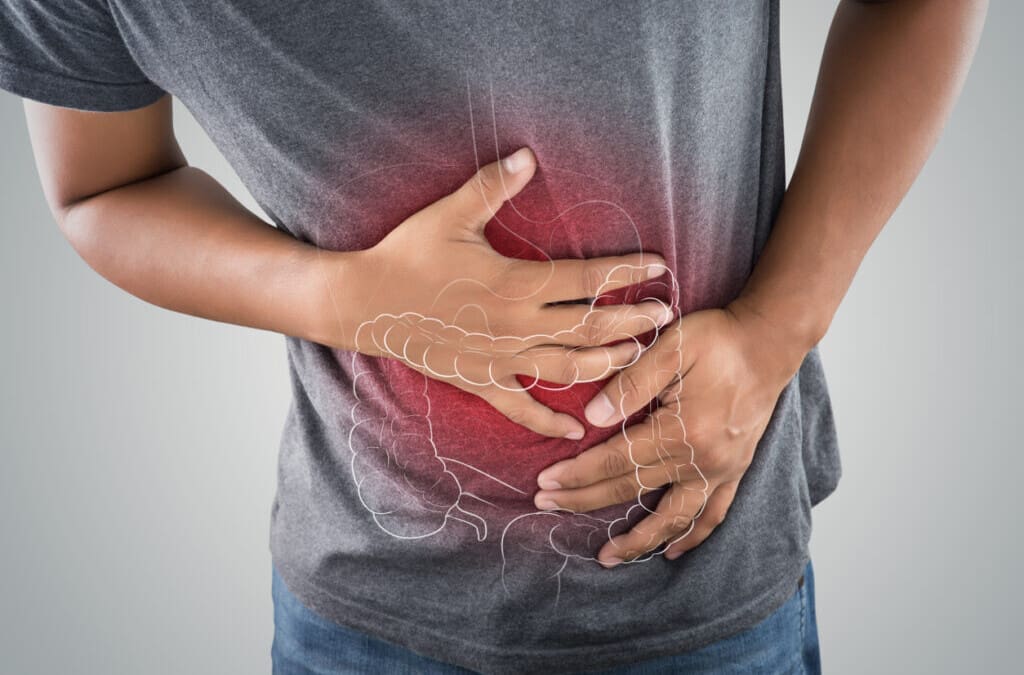
How often do you feel general aches or pain in your gut or around your lower back? Do you constantly feel tired throughout the day, even after a full night’s rest? Or have you been constantly feeling constipated or bloated after eating a meal? Many of these scenarios are associated with a gut issue known as SIBO or small intestinal bacterial overgrowth. Before diving into what SIBO is, it is important to see the gut’s main function to the body. Known as the second brain of the body, the gut system is home to trillions of good bacteria that help with food digestion and protect the body from bad bacteria. When environmental factors like poor dieting, physical inactivity, or inflammatory effects affect the body, the gut’s delicate ecosystem is also affected. This can cause gut dysfunction to the body and, over time, when it is not being treated, lead to SIBO.
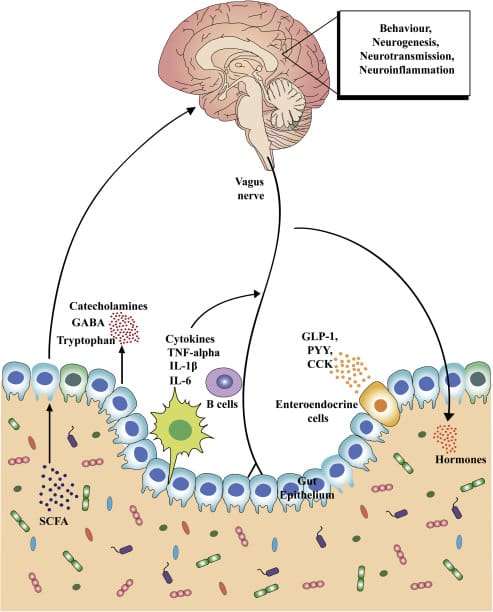
SIBO is the presence of excess bad bacteria in the small intestines, which causes protective barriers that help the small intestines weaken. (Sorathia et al., 2024) Additionally, SIBO can correlate with conditions as it can accompany other gut issues by stimulating the immune system. (Banaszak et al., 2023) When the immune system becomes hyperactively stimulated by SIBO, it can cause the inflammatory cytokines to mass produce and cause a ripple effect on the entire body. Since inflammation is the body’s natural response to remove harmful pathogens that cause issues, mass production of inflammatory cytokines in the gut can cause toxins and bad bacteria to enter the bloodstream and travel to different body areas to cause pain. At the same time, SIBO can disrupt the gut-brain axis, which leads to intestinal motility changes and secretion, thus causing overlapping risk profiles like back pain to affect the body. (Carter et al., 2023)
Eating Right to Feel Better- Video
How Does Back Pain Correlate With SIBO?
Now, many people are wondering how back pain is correlated with SIBO. Since SIBO causes the immune system to be hyperactive and mass-produce inflammatory cytokines to reduce the integrity and function of the gastrointestinal barrier, it can cause chronic inflammation and induce pain, which includes musculoskeletal conditions like back pain. (Hui et al., 2023) Additionally, the gut-brain axis being over-runed by SIBO and chronic inflammation being an overlapping risk factor can cause negative influences on the gut microbiome composition, and how the individual reacts to the changes can lead to abnormal bone growth and reabsorption due to the excess bacteria. (Geng et al., 2023) The excess bacteria produced by SIBO can affect intervertebral disc homeostasis and, when combined with environmental factors, can further enhance the inflammatory damage to the back muscles. (Yao et al., 2023) However, there are ways to not only reduce the back pain but also treat SIBO from causing more issues in the gut.
Treatments To Reduce SIBO
When it comes to treating SIBO, it depends on what treatment a person will be combined. The main goals for creating a treatment plan for SIBO are:
Reducing the bad bacteria
Bio-transform the gut
Preventing a relapse
Additionally, many individuals can make small changes in their routine by making dietary changes that can modify the intestinal microbiota. (Souza et al., 2022) This, in turn, helps promote gut health and replenish the nutrients while restoring the good bacteria to the gut. Regarding back pain associated with SIBO, chiropractic care can help individuals decrease or alleviate musculoskeletal symptoms by realigning the spine while massaging the muscles. This can help increase circulation while soothing the inflammatory effects caused by SIBO. Chiropractic care can be implemented as part of a person’s customizable treatment plan through a whole body approach by incorporating lifestyle changes and restoring gut health. By making these small changes with the right treatments to manage the overlapping symptoms caused by SIBO, many individuals can make these small changes to their routine to prevent SIBO from reappearing and causing issues in the body.
References
Banaszak, M., Gorna, I., Wozniak, D., Przyslawski, J., & Drzymala-Czyz, S. (2023). Association between Gut Dysbiosis and the Occurrence of SIBO, LIBO, SIFO and IMO. Microorganisms, 11(3). https://doi.org/10.3390/microorganisms11030573
Carter, J., Bettag, J., Morfin, S., Manithody, C., Nagarapu, A., Jain, A., Nazzal, H., Prem, S., Unes, M., McHale, M., Lin, C. J., Hutchinson, C., Trello, G., Jain, A., Portz, E., Verma, A., Swiderska-Syn, M., Goldenberg, D., & Kurashima, K. (2023). Gut Microbiota Modulation of Short Bowel Syndrome and the Gut-Brain Axis. Nutrients, 15(11). https://doi.org/10.3390/nu15112581
Geng, Z., Wang, J., Chen, G., Liu, J., Lan, J., Zhang, Z., & Miao, J. (2023). Gut microbiota and intervertebral disc degeneration: a bidirectional two-sample Mendelian randomization study. J Orthop Surg Res, 18(1), 601. https://doi.org/10.1186/s13018-023-04081-0
Hui, J., Chen, Y., Li, C., Gou, Y., Liu, Y., Zhou, R., Kang, M., Liu, C., Wang, B., Shi, P., Cheng, S., Yang, X., Pan, C., Jia, Y., Cheng, B., Liu, H., Wen, Y., & Zhang, F. (2023). Insight into the Causal Relationship between Gut Microbiota and Back Pain: A Two Sample Bidirectional Mendelian Randomization Study. Adv Genet (Hoboken), 4(4), 2300192. https://doi.org/10.1002/ggn2.202300192
Souza, C., Rocha, R., & Cotrim, H. P. (2022). Diet and intestinal bacterial overgrowth: Is there evidence? World J Clin Cases, 10(15), 4713-4716. https://doi.org/10.12998/wjcc.v10.i15.4713
Yao, B., Cai, Y., Wang, W., Deng, J., Zhao, L., Han, Z., & Wan, L. (2023). The Effect of Gut Microbiota on the Progression of Intervertebral Disc Degeneration. Orthopaedic Surgery, 15(3), 858-867. https://doi.org/10.1111/os.13626
IFM's Find A Practitioner tool is the largest referral network in Functional Medicine, created to help patients locate Functional Medicine practitioners anywhere in the world. IFM Certified Practitioners are listed first in the search results, given their extensive education in Functional Medicine