Whiplash is�a common injury, annually affecting about 2 million individuals within the U.S. Generally due to a car accident, whiplash also can be a consequence of falling, engaging in sports &�being shaken or punched.
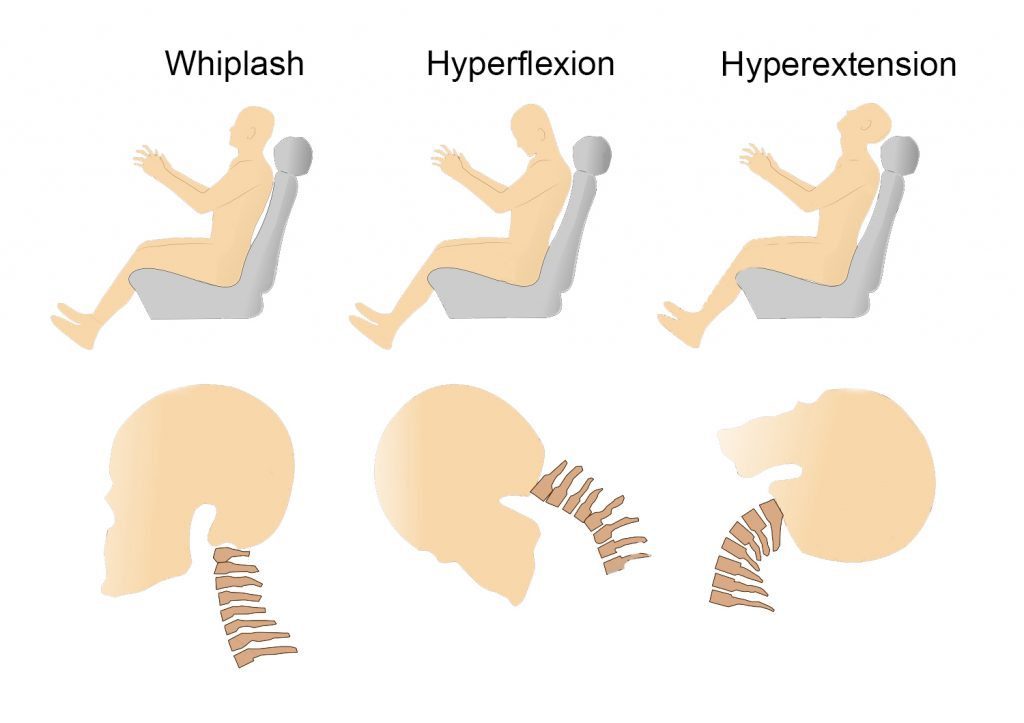
Whiplash may be the common term�for�neck damage or stress caused by hyperextension (see image below) and hyperflexion (see image below). It frequently does not cause immediate symptoms: over-time, it might produce actually. Since whiplash could cause long-lasting results to the back, it is vital that you see your physician if you have been injured, even if you don�t have pain.
The cervical spine (throat) is really a sophisticated structure consists of vertebrae (spinal bones), intervertebral disks (behave as shock absorbers), muscles, ligaments, and nerves. The throat is is flexible and will move it different guidelines (jerk, swivel) while supporting the total weight of the head. However, that mobility can make the throat at risk of injury. Throughout a whiplash event, your throat goes swiftly and vigorously backward and forward. Pain can continue despite the injury itself has healed.
Whiplash can result in reduced productivity, temporary impairment, and perhaps substantial medical expenses.
Not Just Pain In The Neck
A person with whiplash’s chief criticism is upper back pain or neck pain. Other symptoms may include:
Pain
Stiffness
Pain within the arm and/or shoulder that may expand to the hand(s).
Paresthesias (including numbness or tingling) and/or weakness that’ll expand into the hand(s).
Headache
You might possibly experience dizziness, nausea, ringing�in the ears, weakness, jaw pain, and blurred vision.
A Condition With�An Impact
The most frequent cause of whiplash is definitely a car accident in which the person�s vehicle (often stopped) is rear-ended by another car or truck. Because of this, the neck’s bones are forced�into a hyperextended position, while the upper vertebrae are hyperflexed, leading to an unusual S-shaped curve. This cycle typically damages the delicate tissues (structures, tendons, muscles) of the neck.
How Do I Realize I Have Whiplash?
Your doctor works a neurological and physical exam and carefully reviews your medical history. Because x rays don�t show injuries to delicate tissues, a CT (computerized tomography) scan or MRI (magnetic resonance imaging) could be executed.
What Does Treatment Involve?
Treatment is determined by the extent and level of the whiplash, and factor is given to general health and your age. Initial therapy can include:
Short term rest (a day or two)
Ice, for first day or two; then alternate ice and temperature
Gentle�range-of-motion exercises
Anti-inflammatory drugs (over-the-counter or prescription)
Muscle relaxants
*When using ice, make certain the cool source is draped in a towel to safeguard your skin area. Don’t apply ice for longer than 15 minutes at a time.
If your pain does not disappear inside a reasonable timeframe, or when it is serious, your doctor may recommend trigger-point injections, physical treatment, chiropractic, massage, acupuncture, and/or use of a transcutaneous electrical nerve stimulation (TENS) device.
Soft�collars, although once trusted for whiplash, are not employed so frequently anymore, since by immobilizing the neck, the muscles can weaken and delay recovery.
Surgery is rarely warranted by whiplash. If your pain persists even after you’ve undergone nonsurgical treatment, your doctor might advise surgery, according to what structures have already been injured and how serious the harm is. It is vital that you understand the risks carried with surgery. Thus, you should have a thorough conversation with your doctor.
Call Today!
Sources
Whiplash. Mayo Clinic. http://www.mayoclinic.org/disorders-situations/whiplash/basics/meaning/con-20033090.
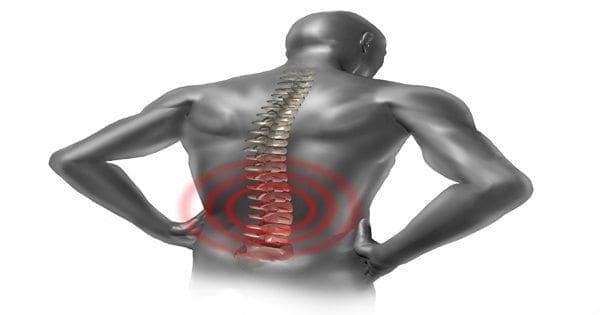
Pain in the upper and/or mid back is not as common than lower back or neck pain. The upper back is called the thoracic spinal column, and it is the most secure part of the spine. The reach of movement in the upper back is limited because of the backbone�s attachments to the ribs (rib cage).
Upper back pain is generally caused by soft tissue injuries, like sprains or strains, muscle tension caused by bad posture, or looking downward for long time spans (eg, texting, mobile phone use).
Pain
Tightness
Stiffness
Muscle spasm
Tenderness to touch
Headache
What causes or leads to upper back pain?
An episode of upper back pain can be actuated by distinct moves and actions, including:
Twisting
Excessive bending
Whiplash or alternative neck injury
Lifting improperly
Poor muscle tone
Persistent movements, overuse
Contact sports
Carrying a load that is heavy
Smoking
Being overweight
Poor posture�working at the computer for�a long time without taking a break to walk around and extend, or in general can promote upper back pain. Both muscle fatigue and muscle pull, which often result from poor posture, can trigger the pain.
So what can I do about it?
Usually, upper back pain is not a cause for worry; however, it can be uncomfortable, painful, and inconvenient. Also, if pain develops suddenly and is serious�such as from an injury (eg, fall)�and, certainly if pain and symptoms (eg, weakness) progressively worsen you should seek medical attention.
Generally, the next home treatments can help relieve back pain that is upper.
Short term rest
Mild�Stretches
Over the counter medicine, for example ibuprofen, (Motrin�), naproxen sodium (Aleve�), or acetaminophen (Tylenol�). Take with food, and don’t take more than the recommended dose.
Use a cold pack that is commercially available or fill a plastic bag with ice and seal it wrap it. Apply to the painful area for 20 minutes every 2-3 hours for the first 2 to 3 days.
Heat (after the very first 72 hours). After using moist heat, gently stretch the muscles to enhance mobility and alleviate stiffness.
Your physician may prescribe drugs, like a muscle relaxant or perform trigger point injections to greatly help break up muscle spasms. He or she may also recommend physical therapy to increase flexibility, mobility and alleviate pain. Other treatments your doctor may suggest include acupuncture and chiropractic care.
Most cases of upper back pain resolve in 1 to 2 weeks without additional treatment. When you’re able to perform them without pain restart your regular activities slowly. Don�t rush matters, however: you could interfere with your healing and risk reinjury.
As always, abrupt or severe pain ought to be dealt with promptly.
Although their main method of treatment is the spinal manipulation, many chiropractors also use other therapies to treat their patients. The following is a brief description of some of the most common therapies chiropractors offer.
Therapeutic Exercise
Chiropractors commonly prescribe specific strengthening exercises for their patients with back, neck, and extremity problems. These exercises can decrease pain, prevent muscle deterioration, promote joint health, increase strength, stability and range of motion, and protect against new or recurring injuries.
Your chiropractor will show you how to do the exercises and supervise you until you are comfortable doing them on your own. It’s important to keep up with your exercises as prescribed (similarly to drug prescriptions). Studies show that individuals who follow their exercise instructions heal faster than those who do not.
Therapeutic Stretches
Following an injury, therapeutic stretching is an important way to prevent scar tissue from forming. Even after the injury has healed, maintaining a regular stretching program helps keep tissues flexible, increases mobility, and protects you from new injuries. As with exercise, your chiropractor will instruct you on proper stretching techniques and will supervise you until you are comfortable enough to do them on your own.
Traction
Many chiropractors use traction, in which traction devices are applied to distract areas of the spine. This treatment helps separate the vertebrae resulting in disc decompression, reduced nerve root pressure, and decreased.
Soft Tissue Manual Therapy
Chiropractors use a variety of hands-on soft tissue therapies to improve the function of the soft tissues (muscles, ligaments, tendons, and joint capsules).�These include pin and stretch, also known under a proprietary name Active Release Technique (ART) and instrument-assisted soft tissue mobilization (Graston Technique).
Physical Therapy Modalities
Muscle Stimulation
This type of therapy uses light electrical pulses that are transmitted to specific areas of the body through electrodes placed on the skin. There are many different types of electrical stimulation. Some are more beneficial for pain relief or to reduce inflammation, some best treat muscle spasm, and some actually cause muscles to contract in order to reduce muscle atrophy. Some forms of electrical stimulation have combination effects.
TENS
A TENS (transcutaneous electric nerve stimulation) unit is a small, battery-powered, portable muscle stimulation machine that can be used at home to help control pain. Variable intensities of electric current are used to control pain. This treatment is recommended to help patients get through periods of severe (acute) pain. TENS units are typically not recommended for chronic pain. In fact, a 2009 �report from the American Academy of Neurology found that TENS units are not effective at treating chronic low back pain.1
Ultrasound
Therapeutic ultrasound is a form of deep heat therapy created by sound waves. When applied to soft tissues and joints, the sound waves are a form of micro-massage that help reduce swelling, increase blood flow, and decrease pain, stiffness, and spasms.
Ice and Heat Therapy
Ice and heat have long been used to treat many painful conditions. Ice therapy is often used to reduce swelling and help control pain immediately after an injury. Heat therapy is used to relax the muscles, increase circulation, and can provide relief to patients with chronic pain. Depending on the patient’s condition, a combination of ice and heat can be used.
Diet and Nutritional Counseling
Studies have shown that poor diet and nutritional imbalances contribute to a number of serious illnesses, such as heart disease, stroke, diabetes, and cancer. Chiropractors are specifically trained in diet and nutritional counseling. Your chiropractor can design a nutritional program specific to your needs that can help you maintain good health and minimize the risk of developing these serious health conditions.
Lifestyle Modification Counseling
Good health is much more than the absence of pain or disease. The lifestyle choices you make on a daily basis can greatly affect your long-term health. We now know that years of seemingly small unhealthy lifestyle choices can, over time, turn into very large health problems. Examples of lifestyle choices and behaviors that can have negative effects on your health include:
lack of regular exercise
smoking
poor diet
excessive mental stress
over-reliance on medication
excessive consumption of alcohol
poor posture
improper lifting
Your chiropractor will talk to you about your lifestyle choices, help you sort through and identify unhealthy health habits, and give you practical strategies to deal with and manage them.
As you can see, chiropractic medicine is more than just spinal manipulations. Chiropractors use a variety of treatment modalities to help the body to heal itself and return the patient to a pain-free and healthy life.
What is a Herniated Disc?
Herniation of the nucleus pulposus (HNP) occurs when the nucleus pulposus (gel-like substance) breaks through the anulus fibrosus (tire-like structure) of an intervertebral disc (spinal shock absorber).
A herniated disc occurs most often in the lumbar region of the spine especially at the L4-L5 and L5-S1 levels (L = Lumbar, S = Sacral). This is because the lumbar spine carries most of the body’s weight. People between the ages of 30 and 50 appear to be vulnerable because the elasticity and water content of the nucleus decreases with age.
The progression to an actual HNP varies from slow to sudden onset of symptoms. There are four stages: (1) disc protrusion (2) prolapsed disc (3) disc extrusion (4) sequestered disc. Stages 1 and 2 are referred to as incomplete, where 3 and 4 are complete herniations. Pain resulting from herniation may be combined with a radiculopathy, which means neurological deficit. The deficit may include sensory changes (i.e. tingling, numbness) and/or motor changes (i.e. weakness, reflex loss). These changes are caused by nerve compression created by pressure from interior disc material.
Progression of Herniated Disc
The extremities affected are dependent upon the vertebral level at which the HNP occurred. Consider the following examples:
Cervical – Pain in the neck, shoulders, and arms Thoracic – Pain radiates into the chest Lumbar – Pain extends into the buttocks, thighs, legs
Cauda Equina Syndrome occurs from a central disc herniation and is serious requiring immediate surgical intervention. The symptoms include bilateral leg pain, loss of perianal sensation (anus), paralysis of the bladder, and weakness of the anal sphincter.
Diagnosis of a Herniated Disc
The spine is examined with the patient laying down and standing. Due to muscle spasm, a loss of normal spinal curvature may be noted. Radicular pain (inflammation of a spinal nerve) may increase when pressure is applied to the affected spinal level.
A Lasegue test, also known as Straight-leg Raising Test, is performed. The patient lies down, the knee is extended, and the hip is flexed. If pain is aggravated or produced, it is an indication the lower lumbosacral nerve roots are inflamed.
Other neurological tests are performed to determine loss of sensation and/or motor function. Abnormal reflexes are noted as these changes may indicate the location of the herniation.
Radiographs are helpful, but Computed Axial Tomography (CAT) or Magnetic Resonance Imaging (MRI) provides more detail. The MRI is the best method enabling the physician to see the soft spinal tissues unseen in a conventional x-ray.
Radiographic Evidence of HNP
The findings from the examination and tests are compared to make a proper diagnosis. This includes determining the location of the herniation so treatment options can be reviewed with the patient.
Chiropractor, Dr. Alexander Jimenez examines being able to have sex despite having back pain.
The results of SpineUniverse’s national survey on Sexual Satisfaction and Back Pain (read the article Back Pain and Its Impact on Sexual Satisfaction for survey results) indicate that back pain is ruining the sex lives of many people.
It is vital to consider that behind the numbers are real individuals, while the statistical results of the survey are very important. People who care about their partner’s and about their sexual gratification satisfaction. People who are now frustrated and even depressed regarding the impact of back pain on their sex lives.
What exactly can they do to better their situation?
Most specialists agree that three tips can allow you to have better sex� even with back pain:
Tip # 1: Talk It Out
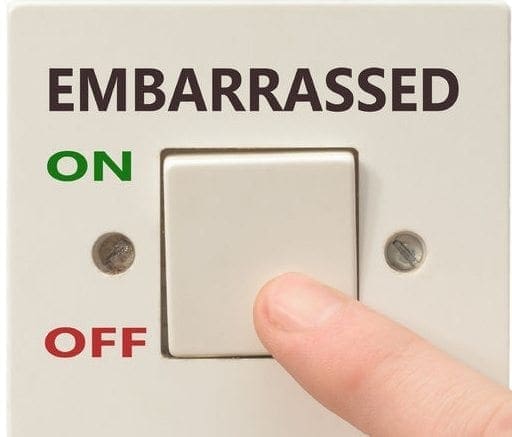
For many people, talking about sex comes for others, their faces turn red even thinking about possibly referring to sex.
Nonetheless, you as well as your partner have to locate a method to discuss your back malady, and the way that it will impact-� or already does change�your relationship.
Take the time to talk through the five dilemmas below:
Back pain: How intense is the pain? Where does it hurt? What moves or increase or positions alleviate the pain?
Sex drive: Is your back pain killing your sex drive? Then you’ve got to discuss this, if it is. If you do not clarify why and simply begin avoiding having sex, you�re your relationship with your partner can be damaged. It’s more straightforward to identify that it is a problem, and never simply theirs �and then find a solution together.
Emotional Impact: What does back pain do to your emotions? Do you feel less appealing to your own partner? Depressed?
Physical Limitations: Living with back pain means living with physical constraints in multiple facets of your daily life. What physical constraints would you now need to work about during sex?
Intimacy: What physical and nonphysical steps can enhance familiarity? (Yes, familiarity means more than sex.) Within the limits caused by back pain, what else can you do to feel close and connected?
Tip # 2: Practical Changes
Here we go, the nitty gritty details of what to do (or not do). (It is ok in case you skipped ahead to this part, but make sure to return and browse the remaining post.)
Position Matters
It may not be the sexiest thing to think about, but you have to remember your diagnosis. Have you got spinal stenosis? A herniated disc? Degenerative changes in your spine? Because what is causing your pain affects how your body reacts to different positions, your analysis is vitally important during sex. For example:
If you have spinal stenosis, your back pain will probably get worse if you arch your back during sex.
Your pain will probably improve should you bend forward during sex when you have a disc herniation or degenerative disk disorder.
So if you’re able to identify which positions naturally lessen your back pain, you can then accommodate your position during sex to help make the experience less painful, given your specific state. For example:
Men that have degenerative disk disease may locate their back pain is decreased by lying with a pillow placed under their low back, while their partner straddles them.
Change The Place
As we’ve learned from Hollywood films, sex does not occur merely in a bed. And perhaps being out of bed will actuality help lower your back pain. For example:
In case you like lying in your back during sex, a solid surface, such as a rug on the floor, may be more comfy for you.
But remember, back pain is individual, if you are on a soft mattress, and perhaps your pain is less during sex. You are required to figure out what’s best for you and your partner.
Rest Your Back
Back pain is frequently made worse by your muscles becoming tense as well as knotted around the region that was painful. Going in a hot tub before sex, having a soothing massage, and sometimes even just using heat or ice packs on the affected region can all ease away muscle pains just before sex.
For more practical tips about sex and back pain and more details on sexual positions go to Sex & Back Pain.
Tip # 3: Speak To A Medical Specialist
We know, talking about sex together with your doctor isn’t the most appealing notion (unless your doctor is Dr. Ruth). But think of this: When Viagra first became available, many men were too embarrassed to talk about erectile dysfunction using their doctor. Subsequently Bob Dole appeared in among their advertisements, and that made it more easy to talk to your physician about sex. (Maybe the thinking was�’If Bob Dole, a politician, can declare he has a problem, maybe I can, too!’)
Besides, physicians have heard it all and they’re prepared to help. Your physicians care about all facets of your physical and emotional well-being; they won’t pity, judge or mock you. So take a deep breath, push past the potential embarrassment, and confer with your physician about how back pain is affecting your sex life. Often, physicians can give advice that is really useful. By way of example, even just a modest change in a medication can make a major difference to your pain.
Because Sex Is More Than�
Sex is more than just the sum of its own physical parts�it’s more than a formula of physical steps that lead to the “perfect” experience. Lots of that which we see in films and on TV these days makes sex the pinnacle of a relationship, the one thing that clearly defines you as a couple (think Grey’s Anatomy).
However, for the vast bulk of people, sexual satisfaction depends on numerous variables, not just physical performance. Factors for example emotional connectedness, a bouquet of flowers sent for no reason, attentive listening, saying thank you for the small things, or sending the kids to Grandma can add to sexual gratification.
And your back pain limits none of those things. You can still have a satisfying, intimate relationship�back pain or not.
Interesting Facts About Peripheral Neuropathy That You Need To Know
Almost everyone is well aware of what peripheral neuropathy means as well as its symptoms. However, many people will be surprised to know that tingling sensation, numbness and pain aren�t the only symptoms experienced by people with peripheral neuropathy. The symptoms of this condition are subjective to the type of nerve that is being affected. The three main types of nerves include motor, sensory and autonomic nerve; each having its own symptoms.
People diagnosed with diabetes must be very careful when it comes to taking all the necessary precautions of peripheral neuropathy. According to top researches, estimates of 70 percent of diabetic patients tend to develop one or more symptoms of neuropathy. While some of the medications may help improve the condition of neuropathy, many medications have the tendency to worsen the situation. Moreover, medications to treat other diseases like cancer are likely to cause nerve damage that leads to peripheral neuropathy.
It is essential for people with this condition to not take the simple symptoms like numbness lightly as it can cause some serious problems with time. For example, if you are feeling a sensation of numbness on your feet then you will not realize it if you even step on a broken glass. For this reason, you must never ignore even the simplest of the symptoms as it can lead to severe results. You must visit http://www.neuropathycure.org for more details.
Unfortunately, there is no treatment of peripheral neuropathy that can completely diminish the matter. The treatments of medication and therapy can only contain the symptoms as well as improve the condition so that the individual suffering can be relived from intense pain and agitation. For this reason, you must not get your hopes up with the prescribed medical treatment.
This entry was posted in Health.
The Four Big Myths About Neuropathy
Can you recall the first time you were told you might suffer from neuropathy?
Chances are unless you already knew someone who suffered from neuropathy � you didn�t know much about the condition. You�ve likely learned quite a bit about the condition since then � but you no doubt came across false or misleading information along the way.
The truth is, there are still a lot of misleading rumors and false information about neuropathy out there. In fact � you may be surprised to learn that some of the information you�ve picked up over the years may not be completely true.
I�ve encountered a number of half-truths and misleading facts over the years. While some are harmless, others can send you down the wrong path or prevent you from getting the best treatment for your nerve damage. To help dispel these myths, I�ve put together a list of four half-truths, misleading rumors, and other misconceptions about neuropathy that a lot of people still believe.
Myth #1 � Nerve Damage is Irreversible:
You may have been told at some point that your nerve damage is irreversible. The truth is, it largely depends on the cause and severity of your nerve damage. No one case is the same � but for many people, their nerve damage can in fact be slowed and even reversed. This is especially true for those suffering from diabetic neuropathy or nerve damage resulting from a vitamin B12 deficiency.
For those with diabetic neuropathy, managing blood sugar is the single most effective step one can take to both slow and reverse nerve damage. For those whose neuropathy was a result of a vitamin B12 deficiency, replenishing the body�s B12 reserves can both repair and regenerate damaged nerves.
Of course, those with diabetic neuropathy or a B12 deficiency aren�t the only ones who can hold on to the hope of reversing their nerve damage. With the right treatment, I�ve seen individuals with various different causes of their neuropathy experience nerve regeneration and a reduction (and even elimination) of their symptoms.
Myth #2 � Only people with diabetes develop neuropathy
While it�s true that around 70% of people with diabetes will also develop neuropathy, it isn�t the only cause of nerve damage. There are a number of other causes, affecting people from all walks of life. A list of known causes of neuropathy include:
There is no prescription medication on the market that �cures� neuropathy. In fact, many of the neuropathy drugs on the market today were originally intended for other medical conditions, such as epilepsy.
Rather than cure neuropathy, the prescription drugs on the market today are designed to mask the pain. They act as a volume knob, temporarily turning down the pain levels � but eventually wearing off. As such, the user never gets permanent, lasting relief.
Not only that, but some independent studies have shown most of the common neuropathy prescriptions on the market today to be �largely ineffective�. In one study published by the Cochrane Library in 2015, researchers found that only 1 in 10 patients taking anti-seizure medications for nerve pain experienced a reduction in pain. And of the 10% that did have a reduction in pain, the reduction was minimal.
Myth #4 � Tingling, Numbness and Shooting Pains Are the Only Symptoms of Neuropathy
While these are the most common symptoms associated with neuropathy, there are many other problems that can manifest themselves if you�re suffering from nerve damage. Depending on the type of nerves that have been damaged, your symptoms could range from tingling sensations in the hands or feet to heartburn or indigestion.
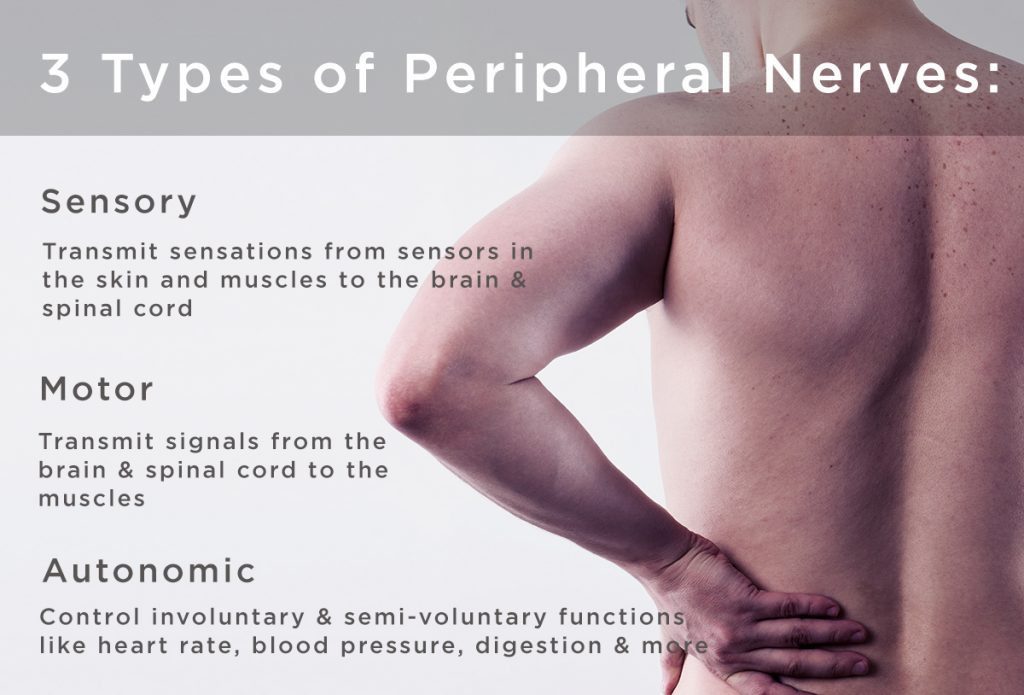
Your peripheral nervous system has three types of nerves: sensory, motor, and autonomic. Each has a different function and the symptoms of your nerve damage will vary depending on which of these nerve types was damaged. In some cases only one type of nerve may be damaged, while in others multiple nerve types may have been compromised.
Common Symptoms of Nerve Damage (based on nerve type):
Sensory:
Pins and needle-like pain (sharp, painful sensations)
Tingling or numbness
Extreme sensitivity to touch
Motor:
Loss of balance
Muscle weakness
Loss of muscle control (i.e. difficulty gripping things, difficulty walking)
Cramps or twitching
Autonomic:
Dizziness when standing
Abnormal heart rate
Shortness of breath
Excessive sweating
Lack of sweat
Digestive problems
Bladder problems
Vision Problems
While there are many other myths and misleading facts floating around out there � these are four of the ones I�ve encountered most often in my years helping people suffering from neuropathy. Some of them can be more harmful than others � depriving the person that has fallen for them of the real information that could make a difference in their life.
What myths or misleading information have you been told over the years � only to discover the truth later on?
Many of us experience back and neck pain. But when is it the right time to see a chiropractor for a diagnosis or treatment? And can they really help? The answer is yes.
Chiropractors have been around for a hundred years, and are licensed doctors who are required to pass a series of four national board exams and are regulated by state licensing boards. They are medical professionals who diagnose and treat musculoskeletal and nervous system disorders.
A chiropractor can use many different techniques to relieve pain, including applied pressure, massage, and hands-on manipulation (adjustment) of the vertebrae and joints. They may also order X-rays, MRI studies, and lab work. Chiropractors don�t prescribe medications, but they do recommend such things as therapeutic and rehabilitative exercises and nutritional and lifestyle counseling to help the body heal itself.
Chiropractors believe one of the main causes of back or neck pain is subluxation. Subluxation occurs when your vertebrae become misaligned. Treating subluxations can help to alleviate pain associated with a myriad of conditions, including:
headaches
sciatica
trauma, such as whiplash
scoliosis
leg pain
sports injuries
bursitis and tendonitis
fibromyalgia
spinal arthritis (spondylosis)
Sometimes chiropractic care (eg, an adjustment) can cause mild soreness or aching but that usually resolves itself within 12 to 48 hours.
Chiropractic Tests
When you visit your chiropractor for the first time, he/she will probably ask you to perform a series of simple tests to evaluate your posture and range of motion. You may be asked to bend forward,� backward or side-to-side. The chiropractor will also check the way you walk and how your posture looks sitting down and standing up.� Other tests may include:
Piriformis Test: The patient flexes and bends the knee while lying down.
Straight Leg Raise: One leg at a time is raised in a locked-knee position to check the sciatic nerve and flexibility of the hamstring muscle.
Measuring the length of each leg helps determine if there is a discrepancy in leg length or if the pelvis is out of balance.
Hand strength (grip)
Evaluation of reflexes and muscle testing
Sometimes you might hear a pop while the chiropractor is testing or adjusting you, which is perfectly normal. This is caused by small pockets of air or bubbles in the fluid that surrounds your joints. When joint tissues are stretched, those pockets of air �pop,� which creates the cracking sound you hear.
Diagnosis
Once the chiropractor identifies the problem, he/she can recommend treatment options, and explain how many chiropractic visits are necessary to reach an expected outcome (eg, resolution of pain). He/she may also suggest improvements to your diet and lifestyle, such as quitting smoking or increasing/modifying certain activities. A chiropractor may also recommend certain types of exercises in conjunction with chiropractic treatment to stretch and/or strengthen the back and neck.
Adjustment Techniques
A chiropractor is educated in dozens of ways to treat pain. Here is a sampling of the different techniques that may be used.
Toggle Drop � The chiropractor presses down firmly on a particular area of the spine followed by a quick and precise thrust.
Lumbar Roll � With the patient on his/her side, a quick thrust is applied to the misaligned vertebrae.
Release Work � The chiropractor uses gentle pressure with the fingertips to separate the vertebrae.
TENS (Transcutaneous electrical stimulation) � This device sends stimulating pulses across the surface of the skin and nerve strands to block pain signals along the nerves and release endorphins which are natural painkillers.
Cold/Heat Treatment � Chiropractors may alternate between ice and heat therapy to treat back or neck pain. Ice packs are used to reduce inflammation (swelling) for 15 minutes at a time. A heating pad (or other heat source) helps increase circulation and may promote faster healing.
Table Adjustments � The patient lies on a special table with a �drop piece� then a quick thrust is applied when the table drops.
Instrument Adjustments � Instead of hands-on manipulation, the patient lies on the table face down while the chiropractor uses a spring-loaded activator instrument to perform the adjustment.
Manipulation Under Anesthesia � This is performed by chiropractors certified in this technique. The treatment is performed in a hospital outpatient setting.
Keep in mind that chiropractic care is not a cure-all for your back and neck pain! However, it is considered by many to be a safe and effective way to help relieve pain and improve spinal function. Many physicians and surgeons recommend chiropractic care to their patients.
IFM's Find A Practitioner tool is the largest referral network in Functional Medicine, created to help patients locate Functional Medicine practitioners anywhere in the world. IFM Certified Practitioners are listed first in the search results, given their extensive education in Functional Medicine