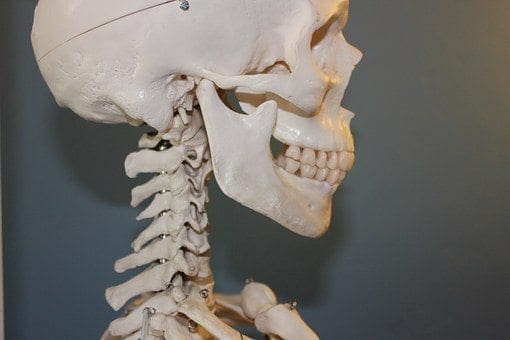
Chiropractic care may be able to bring about relief for allergy sufferers. Allergy symptoms may be triggered by misalignments in the neck and upper back, which contain nerves important for the body’s respiratory and immune systems. These misalignments are believed to interfere with the communication between these systems and the brain and cause or worsen allergy symptoms. Advanced Chiropractic Wellness offers adjustments which are targeted to reduce the effects of allergies on the body.
Allergies Result When The Body’s Immune System Is Triggered To Action By Substances That Should Be Considered Innocuous
Typically, this results in the release of excess histamine, which causes the characteristic watery and itchy eyes, stuffy nose, and increased sinus pressure. The sinus pressure may cause extremely painful headaches on top of the general discomfort of the other two. In some cases, body parts may also swell. The eye area is most commonly affected by such puffiness.When all of these symptoms are put together, it can cause serious suffering. Many people find that they can’t go outdoors during the height of the seasons in which their allergy triggers are released. Such triggers include the pollen from juniper and elm trees. This pollen is among the first of the allergens to hit in the spring, so Illinois residents will be encountering it soon if they aren’t already.
Later, Flower Pollen, Molds & Dust Take The Place Of The Tree Pollen
“After a full winter, nobody wants to have to stay indoors breathing filtered air. It’s time to go out and have fun! Yet for many, allergy medication isn’t a good solution. Drowsiness is a common side-effect, and even the non-drowsy types have side-effects of their own. What people need is a solution that addresses the problem at its roots,” said Dr. Scott Stratton, a chiropractor at Advanced Chiropractic Wellness.This solution, according to Dr. Stratton, is chiropractic realignment of the vertebrae that contain the nerves that communicate between the brain and the body’s respiratory and immune systems. The theory is that misalignment here causes miscommunication between these systems, resulting in exaggerated bodily responses to allergens.”When the brain and body can’t get a clear signal pathway between each other, only some of the needed information makes it through. Then, both sides have to try to fill in missing information, and this results in bad guesses. Chiropractic realignment clears up the signal and allows the brain and body to make appropriate responses to its environment,” Dr. Stratton explained.About Advanced Chiropractic WellnessThe Advanced Chiropractic Wellness clinic offers chiropractic care, lifestyle counseling, laser treatments, and more. They take a holistic approach that aims to improve a patient’s overall health instead of simply treating specific symptoms.
Bone growth stimulation (BGS) is a therapy your surgeon may prescribe following a spinal fusion procedure. A bone growth stimulator is an auxiliary device worn following cervical (neck) or lumbar (low back) spine surgery. BGS may be used to assist spinal bone fuse after a fusion procedure or as a treatment for failed fusion. Naturally, you’ve questions about this technology.
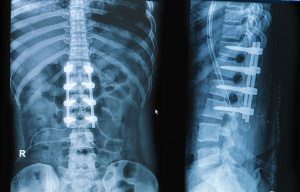
Spinal column with implant, screw placement and fusion
The info provided in this patient guide can assist you to learn:
Bone heals
Risk factors for a poor or failed fusion
Role of bone growth stimulation in spine fusion aftercare
Questions to ask your back surgeon
“Bone growth stimulation to be used in both the cervical and lumbar spine has demonstrated to substantially help fusion results. Having been a study centre for this particular technology, I’ve used bone growth stimulation in most my post-operative cervical and lumbar patient instances. The patient assessment standards I use contains:
Multi-level fusions; more than one degree of the back is fused
Co-morbidities (risk factors) that could hinder bone healing and growing”
�Gerard J. Girasole, MD
Orthopaedic Surgeon
Orthopaedic & Sports Medicine Center
About Spinal Fusion
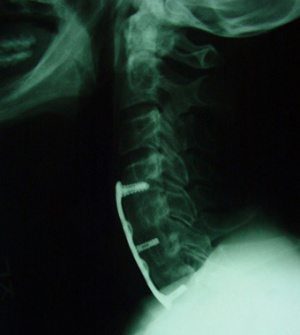
Spinal fusion is done to stop motion of neurologic deficit and the spine. During the procedure two or more vertebral bodies are joined together using instrumentation and bone graft. Spinal instrumentation includes poles, screws, plates, and interbody devices (implants). Bone graft may comprise your own bone (autograft), donor bone (allograft), or alternative forms of graft.
Bone graft helps stimulate new bone to grow through three stages:
Inflammatory period: cells start to form new tissue
Repair period: small blood vessel ingrowth begins
Remodeling phase: bone structure becomes powerful
Spinal instrumentation creates an internal cast, allowing the inflammatory procedure to stimulate bone healing. With time, new bone grows into and about the implanted instrumentation healing into a construct that is sound.
Some patients are at risk for spinal fusion to fail. A failed fusion is called pseudarthrosis or nonunion. Pseudarthrosis and nonunion are medical terms your surgeon may utilize to identify a fusion dilemma.
Common Spinal Issues Treated Surgically With Fusion Include:
Degenerative disk disease
Fracture
Herniated disc
Spinal stenosis
Lumbar
Adult degenerative scoliosis
Spondylolisthesis
How Does A Bone Growth Stimulator Help Spinal Fusion?
A BGS sends electric signals to the fusion site. The electrical signals activate the body’s natural bone healing process, which may be impaired in at-risk patients.
Bone Growth Stimulation Has Been Put To Use For Decades To Help Bone Heal
Over 50 years ago scientists found that low-level electrical fields arouse the entire body’s bone-healing process. Other improvements included finding several types of energy that stimulate bone development, electromagnetic coil technology and only better devices � supported by clinical and scientific research�have enhanced bone healing in patients who undergo spinal fusion.
Different Types Of Bone Growth Stimulators
All bone growth stimulators are different. Certain types are designed to be surgically implanted (internal BGS) and other stimulators are worn outside the body (external BGS). Other differences include how stimulation is transmitted to the back and the kind of magnetic field or electric current created by the apparatus.
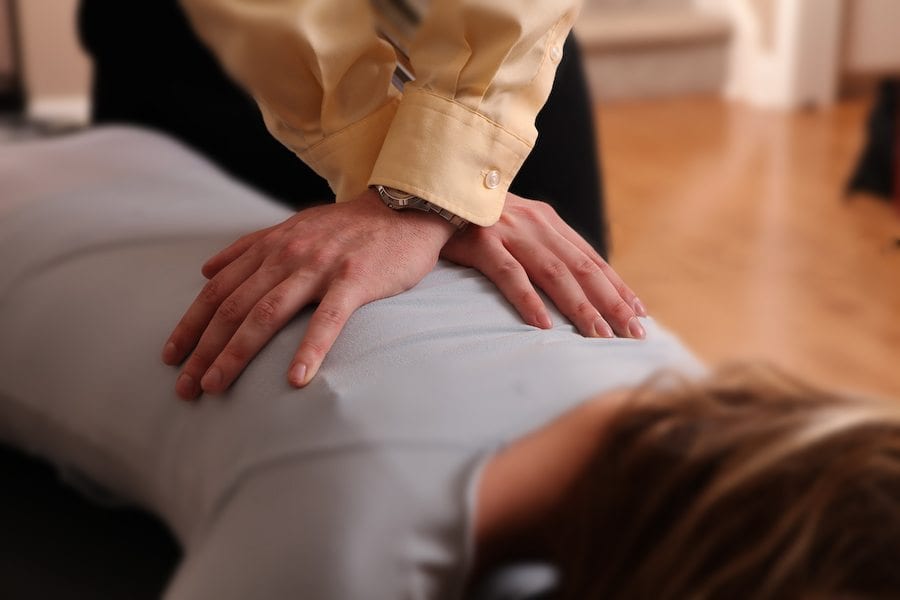
Chiropractic care focuses on the diagnosis, treatment and prevention of a variety of injuries and conditions associated with the musculoskeletal and nervous system. Specializing on the spine and its surrounding structures, chiropractic treatment commonly utilizes spinal adjustments and manual manipulations to restore the proper function of the body, however, many chiropractors use other therapies to treat patients.
The following are other common therapeutic treatment methods that chiropractors can additionally offer along with a brief description of each.
Rehabilitation Stretches
After an individual has experienced an injury or aggravated a previous condition, rehabilitation stretches can be essential to prevent the formation of scar tissue. Even after the damage has healed, maintaining a regular program of stretches recommended by a healthcare professional or chiropractor can help maintain and improve flexibility and mobility as well as help protect the tissues from suffering further injury. Your chiropractor will instruct you on the best stretching techniques for you depending on your specific injury or condition and they will supervise you throughout the process.
Rehabilitation Exercises
Together with the recommended set of stretches, a healthcare specialist or chiropractor can follow up by recommending specific exercises to strengthen the structures surrounding the spine of patients with neck and back complications. Strengthening exercises can help eliminate symptoms of pain as well as help prevent the degeneration of the muscles, promotes joint health and can increase strength, stability and range of motion to protect the body from suffering further injuries or aggravating conditions.
Your chiropractor will demonstrate how to do the exercises and supervise you until you are comfortable doing them on your own. It’s fundamental to keep up with your exercises as recommended by your healthcare provides. Research studies have demonstrated that individuals who follow their specific exercise instructions carefully heal faster than those who do not.
Traction
Many chiropractors utilize traction devices to apply traction to different areas of the body in order to distract different regions of the spine. This treatment helps separate the vertebrae, decompressing the discs to reduce and eliminate nerve root pressure.
Soft-Tissue Manual Therapy
Many chiropractors will utilize a variety of hands-on soft tissue therapies to help improve the function of the soft tissues, including muscles, ligaments, tendons and joint capsules. Soft-tissue manual therapies such as the pin and stretch, best known as the active release technique, or ART, and instrument-assisted soft tissue mobilization, best known as the Graston technique, are some of the most common soft-tissue manual therapies used.
Muscular Stimulation
Muscle stimulation is performed by transmitting light electrical pulses to specific areas of the body through electrodes placed against the skin. There’s a variety of electrical stimulation therapies available. Several types can be more beneficial towards eliminating pain, reducing inflammation and for treating muscle spasms while others may actually cause muscles to contract in order to reduce muscle atrophy. Some forms of electrical muscular stimulation can have a combination of benefits and effects.
TENS
A transcutaneous electric nerve stimulation or TENS unit is a small, battery-powered, portable muscle stimulation machine which can be utilized at home to help control pain. Variable intensities of electric current can be utilized by healthcare professionals to control the symptoms of pain. This treatment is recommended to help patients get through periods of severe or acute pain caused by their specific type of injury or condition. TENS units are generally not recommended for chronic pain, however. As a matter of fact, a 2009 report from the American Academy of Neurology determined that transcutaneous electric nerve stimulation units may not be effective for treating chronic low back pain.
Ultrasound
Therapeutic ultrasound is a form of deep heat therapy created by sound waves. When applied to soft tissues and joints, the sound waves function as a form of micro-massage which helps decrease pain, reduce swelling, stiffness and spasms as well as increase blood flow.
Ice and Heat Therapy
The application of ice and heat have been used for many years to treat many painful injuries and conditions. Ice therapy is often recommended to reduce swelling and help control pain immediately after an injury. Heat therapy is often recommended to relax the muscles, increase circulation, and can provide relief to patients with chronic pain. According to the patient’s condition, a combination of ice and heat can be used.
Nutritional Counseling
Research studies have concluded that following an improper diet and nutrition can provide imbalances in the body which may contribute to a variety of serious illnesses, such as heart disease, stroke, diabetes, and even cancer. Many chiropractors are especially trained in diet and nutritional counseling. Your chiropractor can design a nutritional program depending on your needs in order to help you maintain overall health and wellness as well as to minimize the risk of developing these serious health conditions.
Lifestyle Modification Counseling
Good health is much more than the absence of pain or disease. The lifestyle choices you make on a daily basis can greatly affect your entire well-being. Over time, a lifestyle of unhealthy lifestyle choices can ultimately lead to a wide array of health complications. Examples of lifestyle choices and behaviors that can have negative effects on your health include:
lack of regular exercise
smoking
poor diet
excessive mental stress
over-reliance on medication
excessive consumption of alcohol
poor posture
improper lifting
A healthcare specialist or chiropractor will discuss a patient’s lifestyle choices and habits in order to help them identify which of them could be considered an unhealthy health habit. These can then be altered and modified using practical strategies.
Chiropractic care focuses on using much more than spinal adjustments and manual manipulations to ensure the patient achieves their health goals. Doctors of chiropractic use a variety of treatment modalities to help the body naturally heal itself and return the patient to healthier life.
The scope of our information is limited to chiropractic and spinal injuries and conditions. To discuss options on the subject matter, please feel free to ask Dr. Jimenez or contact us at 915-850-0900 .
By Dr. Alex Jimenez
Additional Topics: What is Chiropractic?
Chiropractic care is an well-known, alternative treatment option utilized to prevent, diagnose and treat a variety of injuries and conditions associated with the spine, primarily subluxations or spinal misalignments. Chiropractic focuses on restoring and maintaining the overall health and wellness of the musculoskeletal and nervous systems. Through the use of spinal adjustments and manual manipulations, a chiropractor, or doctor of chiropractic, can carefully re-align the spine, improving a patient�s strength, mobility and flexibility.
The McKenzie system is a way of evaluating and treating spinal disorders. It’s practiced commonly throughout the entire world. Physical therapists contain the bulk of McKenzie practitioners but physicians and chiropractors practice the process additionally.
Numerous exercise regimens have been recommended for treating spinal pain. Although the dependability of McKenzie’s classification and evaluation system was challenged in the literature, this method of spinal rehabilitation has provided considerable relief of pain for patients that were innumerable. Like all spinal exercise plans, the precise prescription of exercise should be customized to the individual ‘s physical examination findings.
Training
Training includes a sequence of four courses over a specific amount of time culminating in a certification assessment. For many who pursue additional training, a diploma program (consisting of a 3 month residency) is offered. The McKenzie Institute is a not-for-profit organization that oversees the education and training of clinicians that are interested.
Spinal TechniqueIn the McKenzie system, clinicians perform a thorough history and evaluation. This consists of finding the patient’s response to duplicated, end-range spinal movements. The patient is then given a “mechanical analysis.” Most patients are diagnosed with derangement, dysfunction or postural syndromes. Patients are treated by a composite of postural alterations, specific exercises, and in a few instances, spinal mobilization or manipulation.
Common Analysis
The most common diagnosis is the derangement syndrome. It is believed to result from an alteration in the structure and mechanics of the intervertebral disc. In the derangement syndrome, positions and exercises that “centralize” the pain (move it closer to the back) are highlighted. Those movements and positions that peripheralize the pain (move it away from the back) are averted.
Patients Take An Active Role In Recovery
The patient must take an active part in their own healing. The process was created to accomplish favorable results in as few treatments as possible. It is hoped that continuance of appropriate positions of maintenance as well as exercises will prevent recurrence. Patients will probably have the capacity to treat themselves, without intervention, if pain does recur.
The process was examined extensively and is supported by research. For more information, get in touch with a certified professional. Patients are counseled to seek treatment from a certified or a diplomaed clinician although McKenzie techniques are used by many professionals. Credentialed practicioners will have the initials Cert. MDT, or Dip.
Sciatica is a pain that radiates down the back, though the buttocks, and into the leg. The most common question people ask is: how long is this going to last? We want to know how long each attack will last and how long between flare-ups, but the answer may be more complicated than just simply giving a definite length of time. There are unfortunate individuals who have pain that doesn�t go away, often leaving them with suffering from chronic and persistent pain.
What most doctors and medical professionals can agree on is that there is no universally applicable answer to this question. This article will address questions such as, does sciatica go away on its own? What does sciatica feel like? And can sciatica go away? We will also discuss the causes of sciatica pain, severe complications of sciatica, and sciatica relief.
What Does Sciatica Feel Like?
Sciatica is a pain in the lower back or hip that radiates down into the buttocks and into the back of the leg along the sciatic nerve, with the pain often terminating in the foot. It is often the result of a pinched or inflamed sciatic nerve, which can occur after an injury, muscular strain, or herniated vertebral disc. Sciatic pain typically goes away on its own within a few weeks.
This type of pain can be difficult to describe, as it can take a number of different forms. It may feel like more of a cramping or numbing pain sensation that worsens when you sit, sneeze, or cough. It may be described as numbness combined with an electrical or burning sensation running down the leg, or even just as �pins and needles� along the leg. Pain associated with sciatica can be accompanied with muscle weakness, and it sometimes results in loss of bowel and bladder control, which would require emergency care treatment.
Current statistics show that 80 to 90 percent of all patients recover within six weeks without surgery.
How Long Does Sciatica Last?
Acute Sciatica Attacks
Acute attacks are by far the most common complaint in those with sciatic pain, with symptoms coming and going. The frequency of flare-ups can vary from patient to patient, with some having more episodes and others only having them on occasion. The following are some of the facts associated with acute episodes of sciatica:
Attack episodes do not typically last long in patients with a limited history of attacks�less than five years. These patients have occasional bouts of sciatic pain they might endure for about a week or two that gets better on its own. However, some may find these flare-up periods severely debilitating, as they are not accustomed to the pain, frequently leading to feelings of anxiousness and stress.
There is no clear evidence of any triggers that lead to flare-ups of sciatica pain, but certain physical and emotional instigators may be potential causes.
Statistically, acute pattern flare-ups may occur between two to six times a year, but there are patients who experience more or even less.
Chronic Sciatica Attacks
As the name suggests, chronic symptoms exist over longer periods of time or virtually all the time. This category of sciatic pain is often described as a pain that never really goes away. The severity of the symptoms, however, is often not as intense as it was when they first developed sciatica. Over time, their tolerance for pain has increased, allowing them to endure it for lengthy periods of time. The following are some facts associated with chronic episodes of sciatica:
Chronic pain sufferers often report their symptoms to be less severe over time, along with decreased levels of anxiety and fear that once was associated with the condition
It is rare for a person to just suddenly develop chronic sciatica from nowhere and have the pain remain for an extended period of time
Chronic sciatic is, unfortunately, a lifelong condition, as it is one of the most difficult pain disorders to resolve
While there are cases of individuals who make full recovery from sciatic pain, the harsh truth of the matter is that the majority of patients will have some degree of pain for the rest of their lives. Sciatica does not respond well to most forms of treatment, with no accurate explanation for its cause.
Complications Of Sciatica
While most people fully recover from sciatic pain, it can still potentially cause some serious complications, such as:
When To See A Doctor?
Experiencing sciatic type symptoms should prompt you to go see your doctor right away, as it can drastically reduce the length of time you suffer from the condition. Your doctor may also help you determine if you are at risk for any further complication and provide treatment that is best for you. While mild sciatic pain can go away in time, it�s a good rule of thumb to call your doctor if you are finding your pain to be particularly unbearable.
Massage is a popular therapy used to relieve fluid retention, spasms, inflammation, muscle tension, pains and stiffness. Other benefits include improved circulation (blood and lymph), general flexibility, range of movement, and increased tissue elasticity (eg, scar tissue).
Another kind of massage contains full-body massage, which often leaves the patient feeling relaxed and free of anxiety.
How Can Massage Function to Relax Muscles?
As the therapist uses their hands or specialized tools to rhythmically knead, wipe, and stroke (effluerage) muscles, circulation is stimulated. Blood flow is essential to helping muscles eliminate waste products, such as lactic acid, that may accumulate in muscles from spasms and delivers oxygen and nutrients.
Following trauma, muscles may act as mini-splints like a cast on a broken arm to safeguard and limit motion. An average example is somebody who uses a computer for a prolonged time period without taking a break to stretch the neck. The result: a stiff, aching neck and occasionally pain. Taking regular breaks to rub (mini-massage) and stretch the neck will boost circulation to the muscles.
What’s Swedish Massage?
This really is one of the most famous types of massage in America. Often, a lotion or oil is used to lessen skin friction. The therapist combines light stroking in one way with deep pressure in another to loosen muscles. The treatment expedites blood flow to flush uric acid, lactic acid, and other waste products from the muscles. Ligaments and tendons are stretched, increasing their suppleness. Nerves are excited and relaxed, and anxiety is relieved. The general goal is to loosen muscles.
What Is Deep Tissue Massage?
Long-term muscle tension is targeted by this technique. The therapist’s strokes are slower, using more direct pressure and friction. Determined by the texture of the deeper layers of tissue and muscle felt, the therapist occasionally adjusts intensity, strokes, and their hand positions to work the tissues to release tension.
What Is Myofascial Release?
Myofascial release, or soft tissue mobilization, is a therapy used to release tension in the fascia. Fascia are sheets of fibrous tissue that encase and support muscles. Following injury, the fascia and muscles may shorten limiting the flow of blood. The techniques used in myofascial release loosen muscle tension and break up fascial adhesions.
What’s Trigger Point and Myotherapy?
The treatment goals include alleviating muscle spasms, enhancing circulation, and releasing trigger points.
The therapist extends the muscle using a technique called Stretch and Spray as trigger points are released. This technique incorporates a superficial cooling agent such as Fluori-Methane, a local anesthetic that depresses nerve reaction. The anesthetic is sprayed over muscles as they may be softly stretched, soothing tight muscles.
Are There Other Kinds of Massage?
There are many kinds of massage; only a few are mentioned here. Shiatsu is an old oriental treatment predicated on acupressure, as is Jin Shin Jyutsu. Reiki is a Japanese type of massage that attempts to correct the entire body’s energy.�Rolfing can be uncomfortable; the goal is to adjust the muscle fascia to its fullest extension.
A Word of Caution
Speak to your doctor, before getting a massage for back pain or neck pain. She or he may have the ability to refer you to a licensed or certified massage therapist.
Living with chronic back or neck pain can lead to depression, feelings of worry, nervousness, hopelessness, as well as other mental health-associated symptoms. Your pain medicine physician or your back specialist may refer you to a psychologist or psychiatrist. Referring you doesn�t mean your physician believes your pain is all in your mind! Rather, he/she is taking an optimistic step in treating you as a whole individual � by treating both the physical and psychological pain.
Chronic Neck &�Back�Pain Is Complicated
As someone living with chronic pain caused spondylosis, degenerative disc disease, spinal cord injury or some other back problem, you understand pain is a complicated issue, and treatment requires the expertise of a spine�specialist. Perhaps your pain management plan features a blend of treatments � medication for neuropathic pain, a periodic epidural spinal shot, a muscle relaxant, or physical therapy. Treatment of stress, nervousness, and depression (there are various types) needs the same level of expertise but from somebody who focuses on managing mental health problems.
Depression & Chronic Pain
Are you aware that depression and chronic pain often go together? Depression is a critical condition, and nothing to be embarrassed of. It has been reported that as many as 50% of individuals with chronic pain are depressed.1 So, if you are depressed, you’re far from being alone.
The signs and symptoms of depression can manifest themselves differently in each individual, but tiredness, sleep disruption, changes in eating habits, listlessness, and feelings of hopelessness are all quite common. Aches and pains are a very common symptom of depression notably, depression can lead directly to neck and long-term back pain.
Treating Depression & Pain
Two classes of antidepressants often used to treat depression in those that experience chronic pain are selective serotonin reuptake inhibitors (SSRIs) and serotonin and norepinephrine reuptake inhibitors (SNRIs). Generally prescribed SSRIs include and fluoxetine (Prozac) and sertraline (Zoloft), whereas usually prescribed SNRIs include duloxetine (Cymbalta) and venlafaxine (Effexor). These drugs have now been demonstrated to be effective and safe for handling depression in the context of continual pain, but like all medicines, they come with some risk of unwanted effects. As always, be sure to go over these drugs in detail together with your physician before beginning any treatment regimen that includes them, and inform your physician of all of the medicines (including over the counter medicines), herbal remedies, and nutritional supplements you’re currently taking so as to avoid any negative drug interactions.
Moreover, or in addition to medications, other types of treatment may include:
Talk therapy, more officially called cognitive behavioral therapy (CBT). The focus of CBT is to help the individual manage their situation and may include learning how to problem solve, thus engaging the individual to alter specific thought patterns to your more positive outlook, and conquering�fears.
Practice relaxation techniques such as meditation or breathing exercises.
Routine exercise might help curb feelings of worry, stress as well as depression. Exercise causes the entire body to release endorphins, which can cause you to feel much better and may reduce pain perception too.
Call Today!
Reference
1. Tartakovsky M. Living with chronic pain and melancholy. PsychCentral.com. http://psychcentral.com/lib/living-with-chronic-pain-and-depression/. Got July 30, 2015.
IFM's Find A Practitioner tool is the largest referral network in Functional Medicine, created to help patients locate Functional Medicine practitioners anywhere in the world. IFM Certified Practitioners are listed first in the search results, given their extensive education in Functional Medicine