For individuals into sports, fitness enthusiasts, and those that engage in physical activities, musculoskeletal injuries are common. Can using ice tape help during the initial or acute phase of injury decrease inflammation and swelling to expedite recovery and return to activities sooner?
Ice Tape
After a musculoskeletal injury, individuals are recommended to follow the R.I.C.E. method to help reduce swelling and inflammation. R.I.C.E. is the acronym for Rest, Ice, Compression, and Elevation. (Michigan Medicine. University of Michigan. 2023) The cold helps to decrease pain, lower tissue temperature, and decrease swelling around the site of the injury. By controlling the inflammation with ice and compression early after injury, individuals can maintain the appropriate range of motion and mobility around the injured body part. (Jon E. Block. 2010) There are different ways to apply ice to an injury.
Store-bought ice bags and cold packs.
Soaking the injured body part in a cold whirlpool or tub.
Making reusable ice packs.
A compression bandage can be used together with the ice.
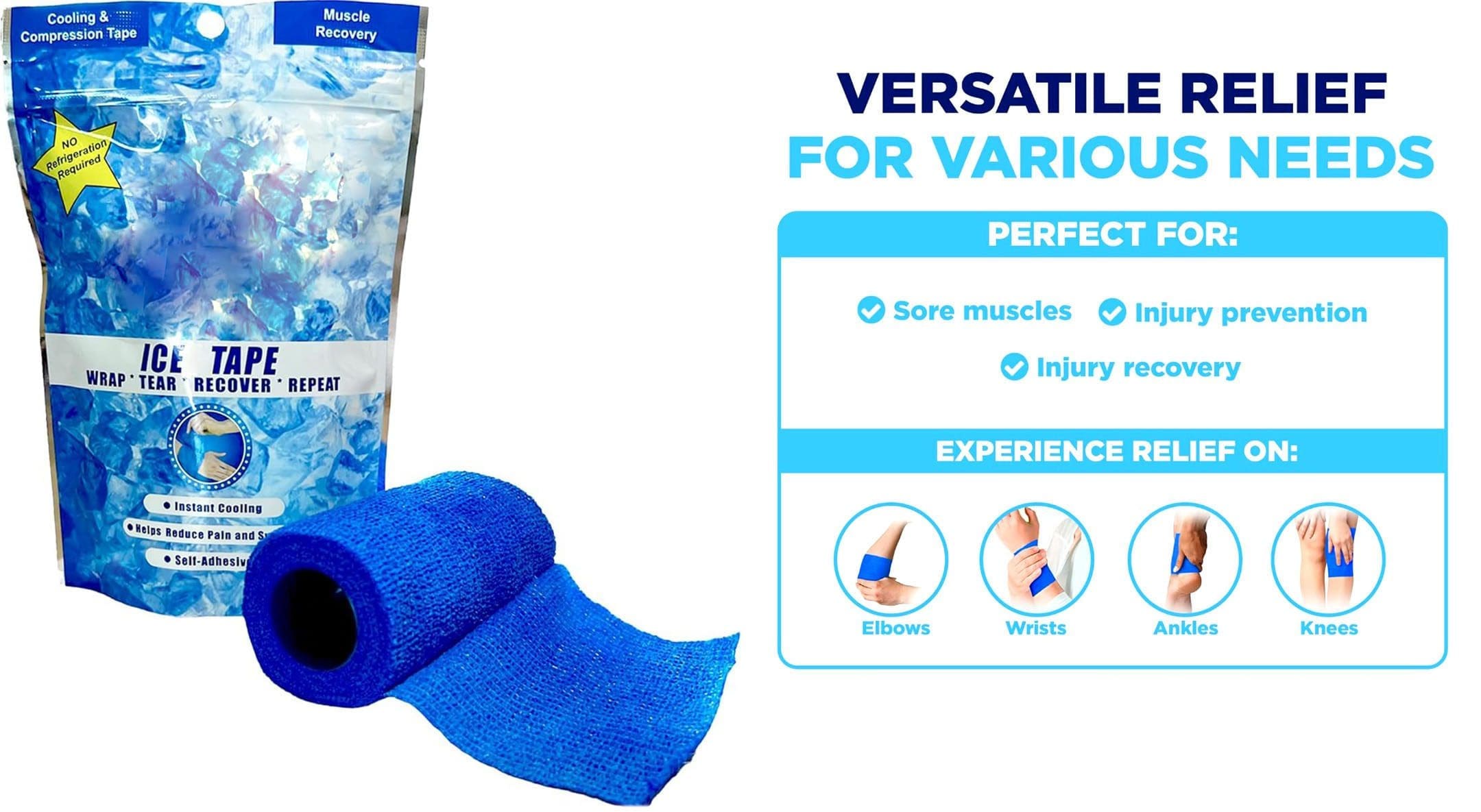
Ice Tape is a compression bandage that provides cold therapy all at once. After an injury, applying it can help decrease the pain and swelling during the acute inflammatory phase of healing. (Matthew J. Kraeutler et al., 2015)
How The Tape Works
The tape is a flexible bandage that is infused with therapeutic cooling gel. When applied to an injured body part and exposed to air, the gel activates, generating a cold sensation around the area. The therapeutic medicinal effect can last five to six hours. Combined with a flexible bandage, it provides ice therapy and compression. The ice tape can be used straight out of the package but can also be stored in the refrigerator to increase the cold effect. Depending on the maker’s instructions, the tape should not be stored in the freezer as this can make it too hard to wrap around the injured area.
Advantages
The benefits include the following:
Easy to Use
The product is easy to use.
Take out the tape, and start wrapping it around the injured body part.
Fasteners Not Required
The wrap sticks to itself, so the tape stays in place without using clips or fasteners.
Easy to Cut
The standard roll is 48 inches long by 2 inches wide.
Most injuries require enough to wrap around the injured area.
Scissors cut the exact amount needed, and store the rest in the resealable bag.
Reusable
After 15 to 20 minutes of application, the product can be easily removed, rolled up, stored in the bag, and used again.
The tape can be used multiple times.
The tape begins to lose its cooling quality after several uses.
Portable
The tape does not need to be placed in a cooler when traveling.
It is easily portable and perfect for a quick ice and compression application immediately after an injury.
It can decrease pain and inflammation and kept at the workplace.
Disadvantages
A few disadvantages include the following:
Chemical Odor
The gel on the flexible wrap can have a medicine odor.
It is not quite as powerful smelling as pain creams, but the chemical odor could bother some individuals.
Might Not Be Cold Enough
The tape works for immediate pain relief and inflammation, but it may not get cold enough for the user when applied right from the package at room temperature.
However, it can be placed in a refrigerator to increase the coldness and may provide a more therapeutic cooling effect, especially for those dealing with tendinitis or bursitis.
Stickiness Could Be Distracting
The tape could be a bit sticky for some.
This sticky factor can be a minor annoyance.
However, it just feels sticky when being applied.
A couple of flecks of the gel may get left behind when removed.
The ice tape can also stick to clothing.
For individuals looking for a quick, on-the-go cooling therapy for injured or aching body parts, ice tape may be an option. It could be good to have on hand to provide cooling compression if a minor injury occurs while participating in athletics or physical activities and relief for overuse or repetitive strain injuries.
Block J. E. (2010). Cold and compression in the management of musculoskeletal injuries and orthopedic operative procedures: a narrative review. Open access journal of sports medicine, 1, 105–113. https://doi.org/10.2147/oajsm.s11102
Kraeutler, M. J., Reynolds, K. A., Long, C., & McCarty, E. C. (2015). Compressive cryotherapy versus ice-a prospective, randomized study on postoperative pain in patients undergoing arthroscopic rotator cuff repair or subacromial decompression. Journal of shoulder and elbow surgery, 24(6), 854–859. https://doi.org/10.1016/j.jse.2015.02.004
Individuals dealing with various conditions and diseases and ongoing research to find treatments, where do human regenerative cells come from?
Regenerative Cells
Regenerative cells are stem cells that are specialized to potentially develop into many different types of cells. They are unlike any other cell because:
Being unspecialized they have no specific function in the body.
They can become specialized cells like – brain, muscle, and blood cells.
They can divide and renew continually for a long period.
Blood stem cells are currently the only type that is regularly used in treatment.
For leukemia or lymphoma, only adult cells are used in a procedure known as a bone marrow transplant. (Cleveland Clinic. 2023)
For regenerative cell research, the cells can come from different sources, including adult donors, genetically altered human cells, or embryos.
Bone Marrow Transplants
Bone marrow cells produce all of the body’s blood cells, including red and white blood, and platelets.
Hematopoietic stem cells are those found in bone marrow that is the parent for the different types of cells.
Hematopoietic cells are transplanted in individuals with cancer to replenish bone marrow.
The procedure is often used during high-dose chemotherapy that destroys the existing cells in the bone marrow.
Donated stem cells are injected into a vein and settle in the bone marrow where they begin to produce new healthy blood cells. (Cleveland Clinic. 2023)
Peripheral Blood Transplants
For some time the only source to extract hematopoietic cells was from bone marrow.
Researchers found that many of these cells were freely circulating in the blood.
Scientists learned how to extract the cells from the blood and transplant them directly.
This type of transplant is a peripheral blood stem cell transplant/PBSCT and has become the more common procedure, however, both methods are still used. (Cleveland Clinic. 2023)
PBSCT is less invasive and does not require the removal of marrow from the hip bone.
Somatic Cells
Adult stem cells are called somatic and are acquired from a donor.
Embryonic stem cells were first grown in a laboratory in 1998 for reproductive research, which created controversy because they were extracted from human embryos that were destroyed or harvested for science. Today their primary use is for research into treatments and potential cures for:
Embryonic cells are pluripotent, which means they can grow into the three types of germ cell layers – ectoderm, mesoderm, and endoderm – that make up the human body and can develop into each of the more than 200 types of cells. (National Institutes of Health. 2016)
Induced Pluripotent Cells
Induced pluripotent stem cells/iPSCs are somatic cells that have been genetically reprogrammed to behave like embryonic cells.
Simara, P., Motl, J. A., & Kaufman, D. S. (2013). Pluripotent stem cells and gene therapy. Translational research : the journal of laboratory and clinical medicine, 161(4), 284–292. https://doi.org/10.1016/j.trsl.2013.01.001
Finkbeiner, S. R., & Spence, J. R. (2013). A gutsy task: generating intestinal tissue from human pluripotent stem cells. Digestive diseases and sciences, 58(5), 1176–1184. https://doi.org/10.1007/s10620-013-2620-2
Al-Shamekh, S., & Goldberg, J. L. (2014). Retinal repair with induced pluripotent stem cells. Translational research : the journal of laboratory and clinical medicine, 163(4), 377–386. https://doi.org/10.1016/j.trsl.2013.11.002
Upper and middle/mid-back pain and/or pain between the shoulder blades is common for individuals who spend long hours sitting or standing. Stress, tension, and repetitive movements can cause middle-back trigger points to develop. Symptoms occur anywhere from the neck’s base to the bottom of the rib cage. Trigger point development and reoccurrence can contribute to chronic upper and middle back pain. Injury Medical Chiropractic and Functional Medicine Clinic can release, relieve and help prevent trigger points through various therapies and treatment plans.
Middle Back Trigger Points
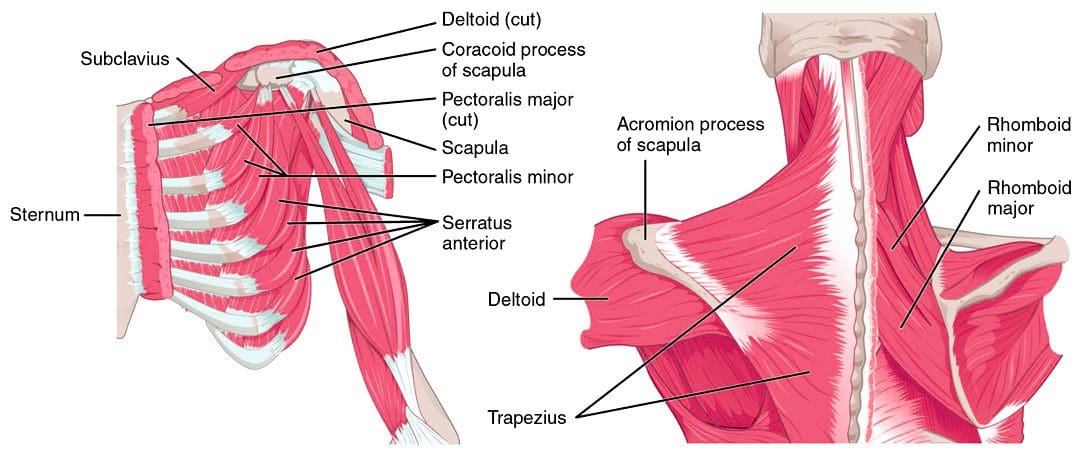
The ribs attach to the sternum and adhere to and wrap around the back. Pain and sensation symptoms can radiate to other places where the nerve travels if a nerve in this area is pinched, irritated, or injured. The muscle groups of the chest region also have a significant role in middle back trigger point development. Tension in the chest muscles can overload the muscles of the mid-back region, causing tightness. This happens to individuals that release the trigger points in the mid-back muscles but fail to address the trigger points in the chest muscles, causing reactivation that could worsen the injury. Three muscle groups can cause trigger point referred pain between the shoulder blades include:
Rhomboid Trigger Points Between the Shoulder Blades
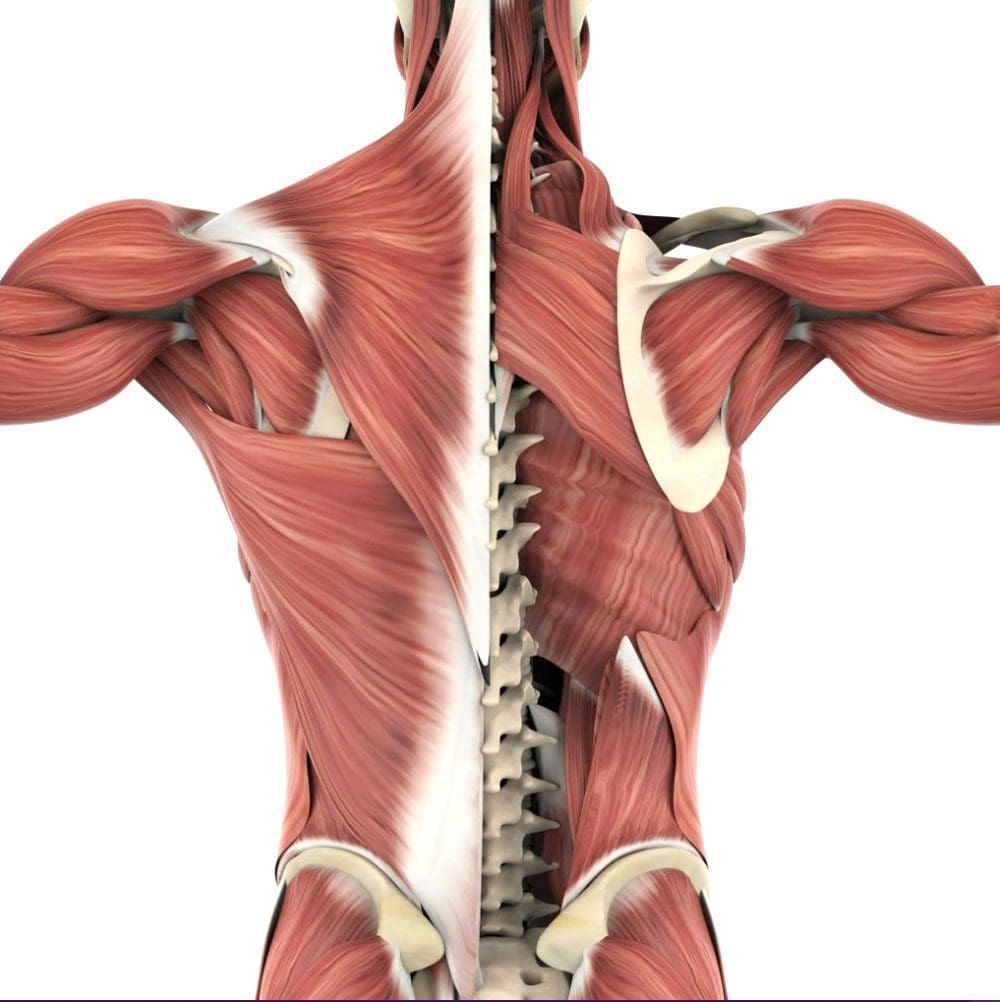
The Rhomboid muscle group is found in the mid-back region, between the shoulder blades.
These muscles attach along the spine and run diagonally downward to connect to the inside of the shoulder blade.
The contraction causes the shoulder blades to retract and rotate.
Trigger points only cause pain in the region of the muscle group.
They can cause tenderness in the region and the spinous process or the bony tip extending from the lamina or part that can be felt when touching the back.
The pain is often described as burning.
Rhomboid Trigger Symptoms
A common symptom is superficial aching between the shoulder blades that individuals try to rub with their fingers to get relief.
Intense pain can extend upward to the shoulder area above the blade and into the neck area.
Individuals may hear or feel a crunching and snapping as they move the shoulder blades.
The common rounded-shoulder and forward-head hunching posture are nearly always present in individuals with these trigger points.
Middle Trapezius Trigger Points
The trapezius is the large, diamond-shaped muscle group that forms the base of the neck and upper back.
It has attachment points at the bottom of the skull, along the spine, collarbone, and shoulder blade.
When this muscle contracts, it moves the shoulder blade.
Movements can also affect the neck and head region.
Trigger points in the middle portion of this muscle refer to pain between the shoulder blades and the spine.
Trigger points develop for several reasons, including unhealthy postures, stress, injuries, falls, and sleeping positions.
Additionally, tension and added trigger points in the chest muscles can overload the Trapezius muscle fibers, causing trigger point development.
Trapezius Symptoms
It can be difficult to distinguish pain from the middle trapezius and rhomboid trigger points.
Pain in the middle trapezius can have more of a burning sensation and often extends over the thoracic spine.
The pain referral to the spine can activate secondary trigger points in the surrounding muscles.
Pectoralis Major Trigger Points
The Pectoralis Major muscle group is the large, flat muscles in the upper chest region.
The muscle has four overlapping sections that attach to the ribs, collarbone, chest bone, and upper arm at the shoulder.
The muscle group contracts when pushing with the arms in front of the body and rotating the arms inward towards the trunk.
Trigger points can radiate pain symptoms to the chest, shoulder, and breast regions.
Numbness and/or pain can radiate down the inside of the arm and into the fingers.
Trigger points in this muscle group can activate triggers in the upper back, causing pain symptoms between the shoulder blades.
Pectoralis Major Symptoms
Individuals will present with chest pain, front shoulder pain, and pain traveling down the inside of the arm to the elbow.
If referred pain occurs on the person’s left side, it can be similar to cardiac pain.
Consult a cardiologist to rule out cardiac involvement before investigating trigger points.
The pain will initially occur on one side of the chest but can spread to the other as it intensifies.
In many, the pain is only experienced with the movement of the arms and goes away or decreases with rest.
Simultaneous pain in the mid-back, between the shoulder blades, frequently occurs.
In women, there may be nipple sensitivity and pain in the breast.
The breast can become enlarged from the tension causing impaired lymphatic drainage.
Chiropractic Treatment
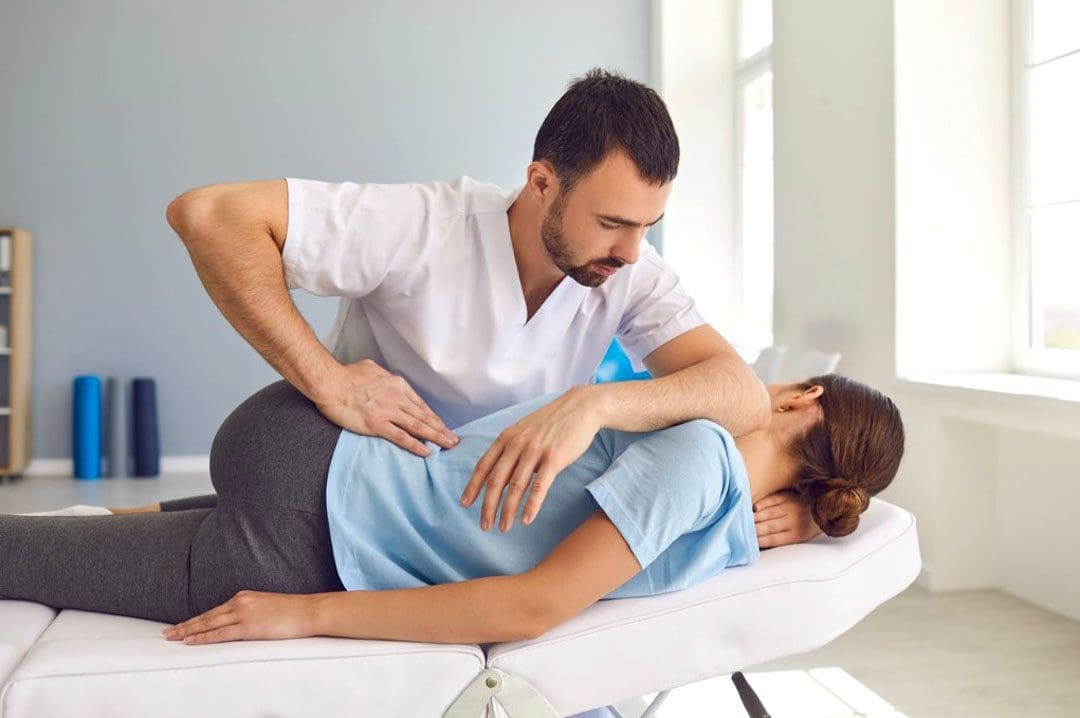
Chiropractors treat myofascial pain syndromes such as myofascial trigger points or adhesions with various therapies. A chiropractor will locate trigger points by pressing muscle tissue or manipulating the muscle fibers. Once the trigger points have been found, treatment can include:
Barbero, Marco, et al. “Myofascial pain syndrome and trigger points: evaluation and treatment in patients with musculoskeletal pain.” Current Opinion in Supportive and palliative care vol. 13,3 (2019): 270-276. doi:10.1097/SPC.0000000000000445
Bethers, Amber H et al. “Positional release therapy and therapeutic massage reduce muscle trigger and tender points.” Journal of Bodywork and movement therapies vol. 28 (2021): 264-270. doi:10.1016/j.jbmt.2021.07.005
Birinci, Tansu, et al. “Stretching exercises combined with ischemic compression in pectoralis minor muscle with latent trigger points: A single-blind, randomized, controlled pilot trial.” Complementary therapies in clinical practice vol. 38 (2020): 101080. doi:10.1016/j.ctcp.2019.101080
Farrell C, Kiel J. Anatomy, Back, Rhomboid Muscles. [Updated 2023 May 16]. In: StatPearls [Internet]. Treasure Island (FL): StatPearls Publishing; 2023 Jan-. Available from: https://www.ncbi.nlm.nih.gov/books/NBK534856/
Gupta, Lokesh, and Shri Prakash Singh. “Ultrasound-Guided Trigger Point Injection for Myofascial Trigger Points in the Subscapularis and Pectoralis Muscles.” Yonsei medical journal vol. 57,2 (2016): 538. doi:10.3349/ymj.2016.57.2.538
Moraska, Albert F et al. “Responsiveness of Myofascial Trigger Points to Single and Multiple Trigger Point Release Massages: A Randomized, Placebo-Controlled Trial.” American Journal of physical medicine & Rehabilitation vol. 96,9 (2017): 639-645. doi:10.1097/PHM.0000000000000728
Sadria, Golnaz, et al. “A comparison of the effect of the active release and muscle energy techniques on the latent trigger points of the upper trapezius.” Journal of bodywork and movement therapies vol. 21,4 (2017): 920-925. doi:10.1016/j.jbmt.2016.10.005
Tiric-Campara, Merita, et al. “Occupational overuse syndrome (technological diseases): carpal tunnel syndrome, a mouse shoulder, cervical pain syndrome.” Acta informatica medica : AIM : journal of the Society for Medical Informatics of Bosnia & Herzegovina : casopis Drustva za medicinsku informatiku BiH vol. 22,5 (2014): 333-40. doi:10.5455/aim.2014.22.333-340
Any form of physical sports activity puts the body at risk for injury. Chiropractic care can prevent injury for all athletes, weekend warriors, and fitness enthusiasts. Regular massaging, stretching, adjusting, and decompressing enhances strength and stability, maintaining the body’s readiness for physical activity. A chiropractor assists in sports injury prevention through analysis of the body’s musculoskeletal system addressing any abnormalities from the natural frame and adjusts the body back into proper alignment. Injury Medical Chiropractic and Functional Medicine Clinic provides various sports injury prevention therapies and treatment plans personalized to the athlete’s needs and requirements.
Sports Injury Prevention
Individuals involved in sports activities push themselves through rigorous training and play sessions to new levels. Pushing the body will cause musculoskeletal wear and tear despite meticulous care and training. Chiropractic addresses potential injuries by proactively correcting the problematic areas within the musculoskeletal system to improve body functionality. It ensures that all system structures, spine, joints, muscles, tendons, and nerves are working correctly and at their healthiest, most natural state.
Performance
When muscles are restricted from moving how they are designed to, other areas over-compensate and over-stretch to make the movement possible, increasing the risk of injury as they overwork. This is how the vicious cycle starts. Regular professional chiropractic:
Regularly assesses the alignment of the body.
Keeps the muscles, tendons, and ligaments loose.
Spots any imbalances and weaknesses.
Treats and strengthens the imbalances and deficiencies.
Advises on maintaining alignment.
Treatment Schedule
Consecutive treatments are recommended to allow the musculoskeletal system to adapt to regular treatments. This allows the therapists to get used to how the body looks, feels, and is aligned. The chiropractic team gets used to the body’s strengths and weaknesses and learns the areas that need attention during each treatment. Initial treatment could be every week or two, allowing the chiropractor to spot any discrepancies in movement patterns and giving the body a chance to acclimate to the therapy. Then regular treatment every four to five weeks depending on the sport, training, games, recovery schedule, etc., helps maintain a relaxed, balanced, and symmetrically aligned body.
Pre-Workouts
References
Hemenway, David, et al. “Injury prevention and control research and training in accredited schools of public health: a CDC/ASPH assessment.” Public health reports (Washington, D.C.: 1974) vol. 121,3 (2006): 349-51. doi:10.1177/003335490612100321
Nguyen, Jie C et al. “Sports and the Growing Musculoskeletal System: Sports Imaging Series.” Radiology vol. 284,1 (2017): 25-42. doi:10.1148/radiol.2017161175
Van Mechelen, W et al. “Incidence, severity, etiology and prevention of sports injuries. A review of concepts.” Sports medicine (Auckland, N.Z.) vol. 14,2 (1992): 82-99. doi:10.2165/00007256-199214020-00002
Weerapong, Pornratshanee et al. “The mechanisms of massage and effects on performance, muscle recovery, and injury prevention.” Sports medicine (Auckland, N.Z.) vol. 35,3 (2005): 235-56. doi:10.2165/00007256-200535030-00004
Wojtys, Edward M. “Sports Injury Prevention.” Sports health vol. 9,2 (2017): 106-107. doi:10.1177/1941738117692555
Woods, Krista et al. “Warm-up and stretching in the prevention of muscular injury.” Sports medicine (Auckland, N.Z.) vol. 37,12 (2007): 1089-99. doi:10.2165/00007256-200737120-00006
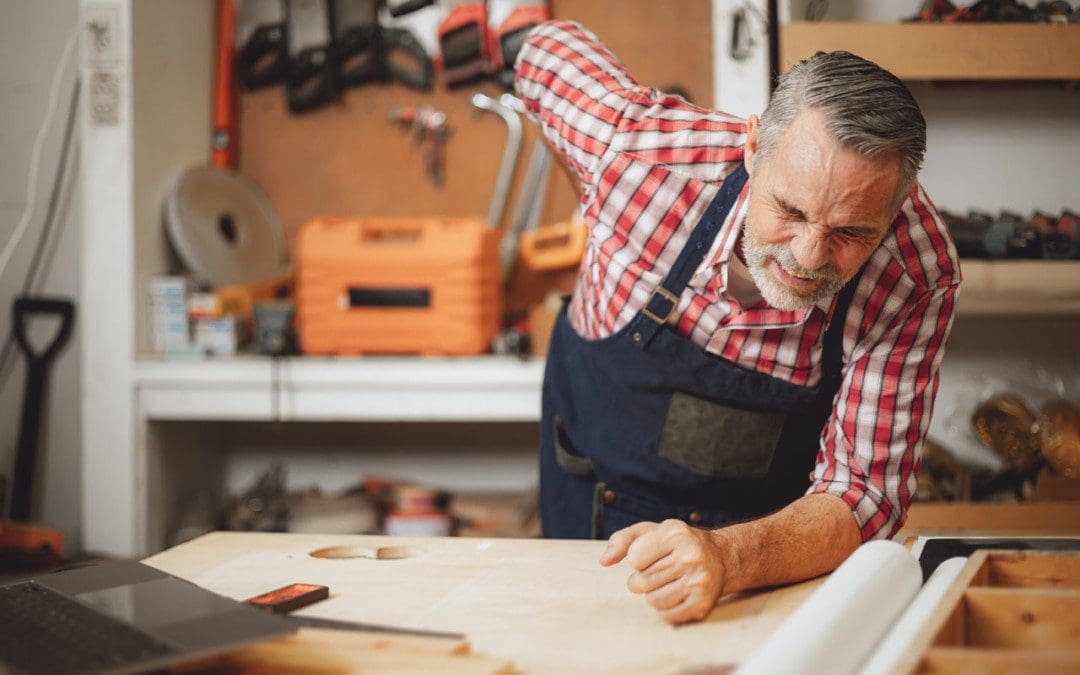
Prolonged standing can cause the pelvis to push backward, increasing the curve of the lower back/lumbar region. This increased pressure on the soft tissues surrounding the spine causes the lower back muscles to tighten and/or spasm, resulting in discomfort in the joints and nerves. Weakened core muscles and unhealthy posture/postural syndrome are the most common causes, but injury, aging, congenital malformations, or a disease/condition can also contribute to the symptoms. Injury Medical Chiropractic and Functional Medicine Clinic has a top team of professional therapists to evaluate the problem, diagnose the cause/s accurately, and develop a customized treatment and rehabilitation plan.
Prolonged Standing Back Discomfort
Back Structure
The lower back is one of the most used areas of the spine, moving around and bending during a normal day. When the body stands, the spine naturally curves both in and outwards.
The inward curve, called lordosis, curves towards the front of the body at the lower back and neck regions.
The outward curve, called kyphosis, curves towards the back of the body at the chest.
When bending over while standing, the five lumbar vertebrae of the lower back change position and shift from lordosis to kyphosis when bent completely.
When standing up from bending, the lumbar vertebrae change position again and return to the lordosis position.
Causes
The facet joints allow movement between each spine level. The standing spinal curvature can increase contact between the facet joints. As the body ages, the facet joints and discs begin to wear out, which can cause the discs and facet joints to become inflamed. Prolonged standing during normal daily activity combined with inflammation in these joints can aggravate the inflammation and cause symptoms. Regular routines and habits may contribute to low back discomfort during prolonged standing. These include:
Sleeping on a sinking or unsupportive mattress.
Practicing unhealthy postures that cause imbalances with proper weight distribution.
Not wearing proper footwear and/or supportive orthotics forces the lower spine into increased curvature and can compress the facet joints.
Not getting enough physical activity that strengthens the core.
Chiropractors are experts on the musculoskeletal system. They will:
Listen to the patient about symptoms, medical history, and occupation.
A physical examination of muscle tone, strength, and range of motion.
Therapeutic massage, electric muscle stimulation, and ultrasound therapy can help reduce muscle inflammation and increase circulation to injured soft tissues.
Chiropractic adjustments will reset joints, removing pressure from the surrounding muscles and nerves.
Targeted therapeutic strength training is recommended for core and leg muscles to improve hip flexibility.
Non-surgical decompression or traction, either with a machine or suspension, can reverse the pressure in spinal discs.
Standing Lower Back Relief Exercises
References
Hasegawa, Tetsuya, et al. “Association of low back load with low back pain during static standing.” PloS one vol. 13,12 e0208877. 18 Dec. 2018, doi:10.1371/journal.pone.0208877
Jo, Hoon, et al. “Negative Impacts of Prolonged Standing at Work on Musculoskeletal Symptoms and Physical Fatigue: The Fifth Korean Working Conditions Survey.” Yonsei medical journal vol. 62,6 (2021): 510-519. doi:10.3349/ymj.2021.62.6.510
Ognibene GT, Torres W, von Eyben R, Horst KC. Impact of a sit-stand workstation on chronic low back pain: randomized trial results. J Occup Environ Med. 2016;58(3):287-293. Abstract. https://www.ncbi.nlm.nih.gov/pubmed/26735316. Accessed March 2, 2017.
Parry, Sharon P et al. “Workplace interventions for increasing standing or walking for decreasing musculoskeletal symptoms in sedentary workers.” The Cochrane database of systematic reviews vol. 2019,11 CD012487. November 17, 2019, doi:10.1002/14651858.CD012487.pub2
Rodríguez-Romero, Beatriz, et al. “Thirty Minutes Identified as the Threshold for Development of Pain in Low Back and Feet Regions, and Predictors of Pain Intensity During 1-h Laboratory-Based Standing in Office Workers.” International journal of environmental research and public health vol. 19,4 2221. February 16, 2022, doi:10.3390/ijerph19042221
Smith, Michelle D et al. “The Influence of Using a Footstool during a Prolonged Standing Task on Low Back Pain in Office Workers.” International journal of environmental research and public health vol. 16,8 1405. April 18. 2019, doi:10.3390/ijerph16081405
The fascia is important for connecting the musculoskeletal system, stabilizing function, and keeping the body healthy and balanced. Sugar consumption and the abundance of sugar in the body that doesn’t get burned directly negatively affect the fascia, making it lose its elasticity and affecting other connective tissues. Excess sugar in the blood leads to a pathological process called glycation. One effect of glycation is binding sugar molecules to fascial proteins, causing them to thicken and stiffen. The body sees the tangled molecules as foreign bodies initiating an inflammatory response to get rid of them. This can lead to chronic inflammation causing various symptoms. The Injury Medical Chiropractic and Functional Medicine Clinic Team will address soreness, pain, and discomfort associated with fascia problems.
Myofascial Tissue
Myofascia or fascia is a layer of tissue that connects and supports the spine and muscles. It wraps and links internal body parts in bands, fusing them. This ensures the muscles can move freely without experiencing friction with other body parts.
Fascia is made of collagen, creating a tough and flexible texture that provides tension and elasticity.
Fascia is found around muscles, nerves, blood vessels, blood and cells, organs, and bones.
When the body stays or moves in repetitive patterns, the fascia can memorize certain positions/postures and hold the fascia in a contracted state. For example, sitting at a desk workstation causes the gluteal muscles, tendons, and ligaments to stretch and pull the muscles around them. The gluteal muscles can become restricted without releasing and training the fascia to return to a retracted position, causing tension and myofascial discomfort. When the body is in balance/homeostasis, and the fascia is healthy:
The viscoelastic gel flows without restriction in all directions.
The collagen fiber network moves freely.
Lymph and blood circulation flow correctly.
Communication between cells, the nervous system, and all tissues in the body work correctly.
In the event of an injury and activation of the healing process, specific components interact with cells to create the condition for healing and generate inflammation, allowing new cells to easily move and heal the tissue. An obstruction in the circulation increases pressure where the fluid sits stationary, preventing tissue communication. Sometimes the healing process doesn’t stop, and the inflammation response worsens and can become chronic.
Sugar Consumption
Many think of sugar as candy, sweets, chocolates, and desserts. However, all carbohydrates are sugar, and eating too much bread, pasta, grains, fruit, and cereals, contributes to a lot more sugar consumption.
Foods believed to be healthy such as wholemeal bread, low-fat alternatives, and granola cereal, have high amounts of sugar.
The connective tissues need collagen for the smooth functioning of joints.
High blood sugar exacerbates aches and pains and can lead to impaired joint movement and, eventually, arthritis.
Fascia Problems
Impaired flow and mobility
Fascia that has thickened and hardened impairs gliding ability.
In places where the body has become stiff and numb, the nervous system can’t transmit signals as quickly to control movements.
Muscles can constantly twitch or go into convulsions from misinterpreted signals.
A tight connective tissue chain can distort the skeleton causing the joints to wear faster.
Chiropractic Myofascial Massage Release
Chiropractic myofascial massage and release provides several benefits to the body’s health and well-being, including:
Relieves the overall effects of stress on the body.
Relieves soreness and pain.
Increases blood and lymph circulation.
Improves tissue recovery.
Improves joint range of motion.
Restores proper-length-tension relationships for dynamic movement.
Maintains normal functional muscular length.
Improves neuromuscular function.
Nutritional Guidelines Fascial Health
References
Barros-Neto, João Araújo et al. “Selenium and Zinc Status in Chronic Myofascial Pain: Serum and Erythrocyte Concentrations and Food Intake.” PloS one vol. 11,10 e0164302. 18 Oct. 2016, doi:10.1371/journal.pone.0164302
Dong, Shoubin, et al. “A three-dimensional collagen-fiber network model of the extracellular matrix for the simulation of the mechanical behaviors and microstructures.” Computer methods in biomechanics and biomedical engineering vol. 20,9 (2017): 991-1003. doi:10.1080/10255842.2017.1321113
Mattei, Giorgio et al. “Engineering Gels with Time-Evolving Viscoelasticity.” Materials (Basel, Switzerland) vol. 13,2 438. 16 Jan. 2020, doi:10.3390/ma13020438
Okumus, M et al. “The relationship between serum trace elements, vitamin B12, folic acid and clinical parameters in patients with myofascial pain syndrome.” Journal of back and musculoskeletal rehabilitation vol. 23,4 (2010): 187-91. doi:10.3233/BMR-2010-0264
Vlassara, Helen, and Jaime Uribarri. “Advanced glycation end products (AGE) and diabetes: cause, effect, or both?.” Current diabetes reports vol. 14,1 (2014): 453. doi:10.1007/s11892-013-0453-1
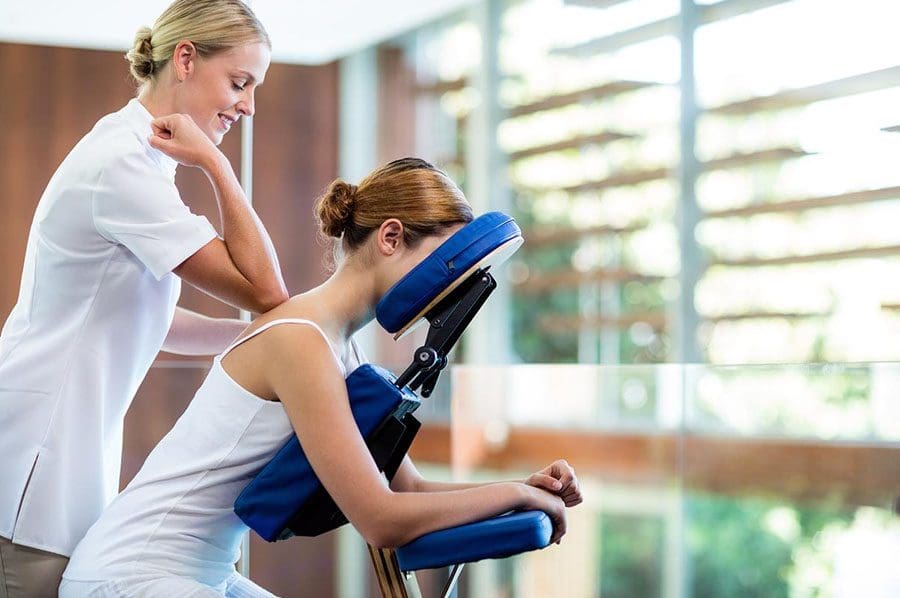
Neuropathy therapeutic massage is a system of structured palpations or movements of the body’s soft tissues. When the nerves don’t get enough oxygen and nutrients from blood circulation, symptoms like tenderness, tingling, numbness, and pain can present. The best way to move the blood is by massaging the circulation in and around the numb and sore areas and throughout the body. Many types of massage therapy are available for various health-related issues. This includes:
Pain alleviation and management
Injury rehabilitation and prevention
Stress alleviation
Anxiety and depression therapy
Immune system restoration
Increasing relaxation
Facilitating overall wellness
Neuropathy Therapeutic Massage
Neuropathy therapeutic massage: The objective is to stimulate blood flow throughout the body. This is because the more muscles move, the better they can maintain blood circulation to nourish the nerves and the body, which is why physical activity/exercise/movement is encouraged. Benefits include:
De-stressing the nerves that are causing tingling, numbness, and burning.
The discomfort eases as the muscles are lengthened and loosened, releasing the tightness and pressure.
Endorphins (natural painkillers) are released, minimizing the pain.
Increase in circulation
Reduced spasms and cramping
Increased joint flexibility
Mobility restoration
Symptom relief
Decreased anxiety
Improved sleep quality
Increased energy levels
Improved concentration
Reduced fatigue
Massage Techniques
Massaging techniques include:
Kneading
Stroking
Gliding
Percussion
Vibration
Friction
Compression
Passive stretching
Active stretching
Effleurage
This can be firm or light soothing, stroking movements without dragging the skin, using the fingertips or the palms.
Petrissage
Lifting or picking up muscles and rolling the skin.
Tapotement
Striking with the side of the hand, usually with slightly flexed fingers, rhythmic finger movements, or short rapid movements with the sides of the hand.
There are different types of massage, those that are for comfort and those for specific conditions or diseases. A few include:
Swedish Massage
Generally regarded as the most common form of massage, this technique involves a combination of five basic strokes and concentrates on the muscles and connective tissues.
Used to improve circulation, relaxation, pain relief, and overall maintenance and well-being.
Sports Massage
Sports massage therapies are used in preventative and therapeutic settings.
Athletes use the technique during warm-ups, training, and competition to treat and/or help in:
Injury prevention
Improved flexibility
Full range of motion
Improved performance
Helps to focus and mental clarity.
Reflexology
This technique uses a system of points on the hands, feet, and ears that correspond to or reflex other body areas.
Reflexologists apply appropriate pressure to these points to stimulate energy flow, to relieve pain or blockages throughout the body.
Reflexology is also used to ease stress and promote relaxation.
Aromatherapy
Various essential oils derived from plants, herbs, flowers, and roots have therapeutic qualities.
Aromatherapy involves essential oils to produce a certain effect; for example, lavender is used to induce calmness and relaxation.
When combined with body massage, aromatherapy can enrich the experience immensely.
A few drops can be added to massage cream or oil and applied to the skin.
Connective tissue massage is similar to myofascial release in that it involves working with the fascia, or soft tissue, to relieve pain, tightness, and discomfort.
The theory of connective tissue massage is that tight, restricted body areas negatively affect other body areas.
Practitioners/therapists hook their fingers into the connective tissue and use pulling strokes to lengthen the tissues.
This releases tension, improves mobility and reduces stress.
Deep-Tissue Massage
Deep-tissue massage utilizes slow strokes, direct pressure, and/or friction across the grain of the muscles with the fingers, thumbs, and/or elbows.
Its purpose is to reach the fascia beneath the muscles going deep into the muscles and connective tissue to release aches and pains.
Therapists thoroughly understand the human body and have been trained to administer deep-tissue massage.
The technique is used in treating chronic pain, inflammation, and injury.
Geriatric Massage
Geriatric massage involves treating the elderly and addressing specific needs related to age, conditions, and illness.
The sessions are usually shorter and involve gentle techniques to facilitate pain relief, relaxation, and overall wellness.
Lymph Drainage Therapy
This technique involves the application of light, rhythmic strokes to alleviate various conditions related to the body’s lymph system.
The lymph system supports the immune system and is responsible for flushing toxins and draining fluid.
When lymph circulation slows down or stops, fluid can build up and cause physical problems like inflammation, edema, and neuropathies.
Therapists restore lymph flow by using a mapping system to assess problem areas, then apply gentle pressure using the fingers and hands to reactivate circulation.
Neuromuscular Therapy
Neuromuscular therapy is massage applied to specific muscles, often used to increase blood circulation, release muscle tension knots/trigger points, and/or release pain/pressure on nerves.
This therapy is also known as trigger-point therapy in that concentrated finger pressure is applied to specific points to alleviate muscular pain.
HealthCare
Neuropathy therapeutic massage is used in combination to enhance regular medical care. Let a doctor know when trying massage therapies, and follow any standard treatment plans. Some forms of massage can cause soreness the next day but should be combined with a sense of improvement and being healthier. If any part of the massage doesn’t feel right or is painful, let the therapist know immediately. Most serious issues come from too much pressure during the massage or sensitivity or allergy to massage oils. Massage therapy caution includes the following:
Vigorous massage should be avoided by individuals with bleeding disorders or low blood platelet counts and taking blood-thinning medications.
Massage therapy should not be done in areas with blood clots, fractures, healing wounds, skin infections, weakened bones from osteoporosis or cancer, or after recent surgery.
Cancer patients should discuss any concerns about massage therapy with their oncologist.
Pregnant women should consult their healthcare provider before using massage therapy.
Peripheral Neuropathy Recovery
References
American Massage Therapy Association defines massage therapy and basic massage therapy terms. www.amtamassage.org
Complementary and alternative methods: types of bodywork. Available at www.cancer.org
Gok Metin, Zehra, et al. “Aromatherapy Massage for Neuropathic Pain and Quality of Life in Diabetic Patients.” Journal of nursing scholarship: an official publication of Sigma Theta Tau International Honor Society of Nursing vol. 49,4 (2017): 379-388. doi:10.1111/jnu.12300
MassageTherapy.com. www.massagetherapy.com
National Institutes of Health, National Center for Complementary and Alternative Medicine
Samuels, Noah, and Eran Ben-Arye. “Integrative Approaches to Chemotherapy-Induced Peripheral Neuropathy.” Current oncology reports vol. 22,3 23. 11 Feb. 2020, doi:10.1007/s11912-020-0891-2
Sarısoy, Pınar, and Ozlem Ovayolu. “The Effect of Foot Massage on Peripheral Neuropathy-Related Pain and Sleep Quality in Patients With Non-Hodgkin’s Lymphoma.” Holistic nursing practice vol. 34,6 (2020): 345-355. doi:10.1097/HNP.0000000000000412
Thomas, Ewan, et al. “Peripheral Nerve Responses to Muscle Stretching: A Systematic Review.” Journal of sports science & medicine vol. 20,2 258-267. 8 Mar. 2021, doi:10.52082/jssm.2021.258
Zhang, Yong-Hui, et al. “Exercise for Neuropathic Pain: A Systematic Review and Expert Consensus.” Frontiers in medicine vol. 8 756940. 24 Nov. 2021, doi:10.3389/fmed.2021.756940
IFM's Find A Practitioner tool is the largest referral network in Functional Medicine, created to help patients locate Functional Medicine practitioners anywhere in the world. IFM Certified Practitioners are listed first in the search results, given their extensive education in Functional Medicine


 Ice Tape



 Myofascial Tissue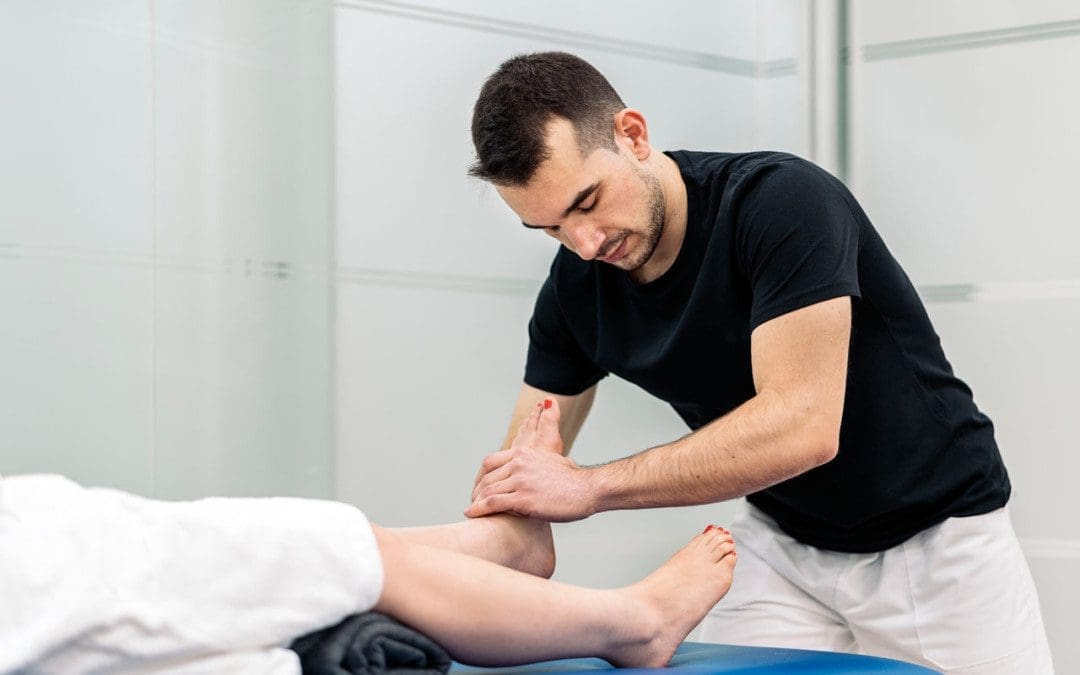
 Neuropathy Therapeutic Massage






