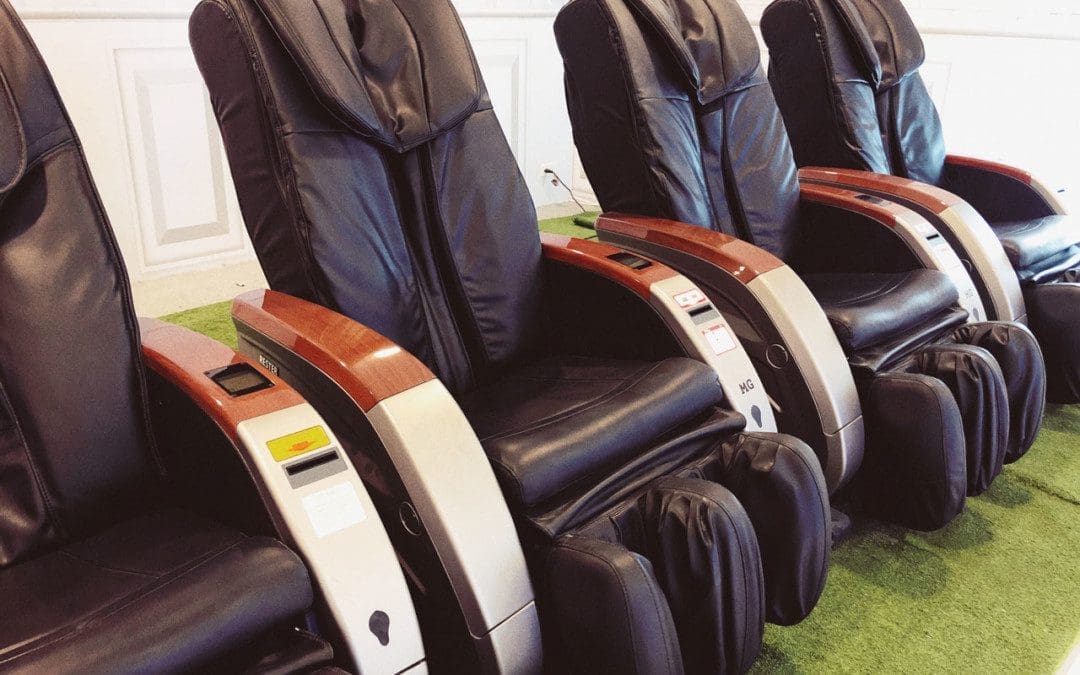
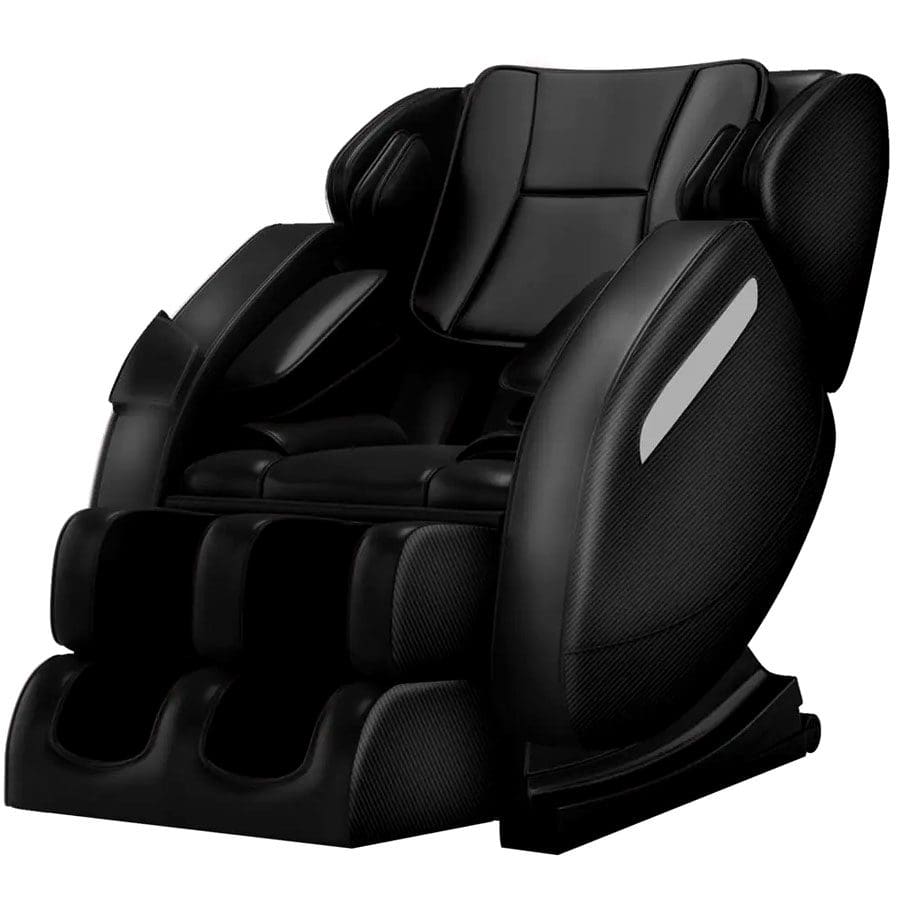
Many individuals deal with sciatic nerve discomfort and pain that radiates from the lower back down through the glutes, legs, and feet. It can affect anyone and be challenging to deal with because it can be sudden and unpredictable. A professional hands-on therapeutic massage can play a vital role in alleviating back and sciatic pain but is not always available. This is when a quality massage chair can provide pain relief and relaxation at home.
Sciatica
Not everyone who has sciatica will have the same symptoms. But common symptoms include:
Tingling, numbing sensations in the lower back and down the leg.
Electrical sensations running down the leg.
Lower back pain that spreads into the buttocks, thighs, calves, and feet.
Pain may be described as mild, dull, achy, and sharp.
Sneezing or coughing can increase the pain.
Weakness in the leg.
Massage Chair
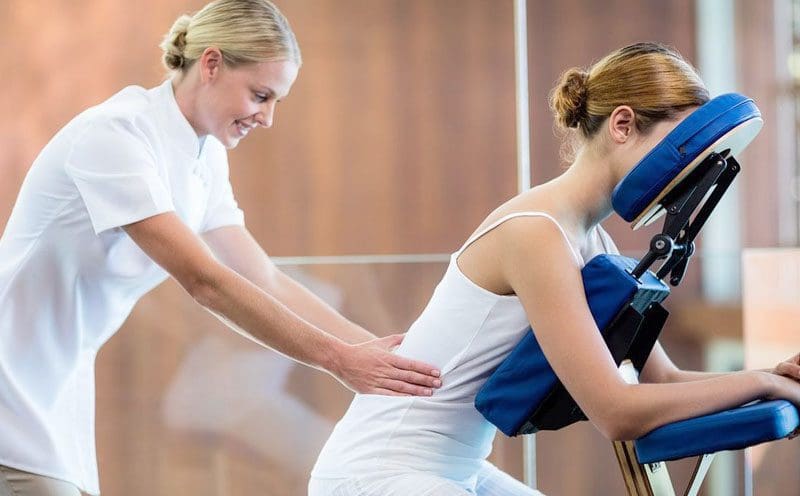
A massage chair can assist with sciatic pain by soothing tense muscles and relieving the pressure on the surrounding tissues. When the back muscles are tense, they contract and compress down on the nerves, including the sciatic nerve. Massaging the tight muscles minimizes the pressure on the sciatic nerve and helps alleviate pain. Research has shown the main reasons why massage is beneficial:
Improves Circulation
Massaging the muscles increases blood flow.
Increasing blood circulation facilitates the absorption of nutrients into the muscles and tissues.
Choosing one will be based on specific needs and budget. Some tips to help figure out which is the most beneficial massage chair include:
Consult A Doctor
A doctor, spine specialist, or chiropractor can recommend the best type of massage chair for the individual’s specific injury, condition, and/or disorder.
A doctor will inform the individual if a massage chair is a safe option for their sciatica pain if they have health conditions like high blood pressure or neuropathy.
Chair Objectives
Figure out what the chair will help with short and long-term before shopping.
For example, if the goal is to relieve sciatica and lower back tension, an L-Track massage chair can go further down the spine to the glutes and hamstrings.
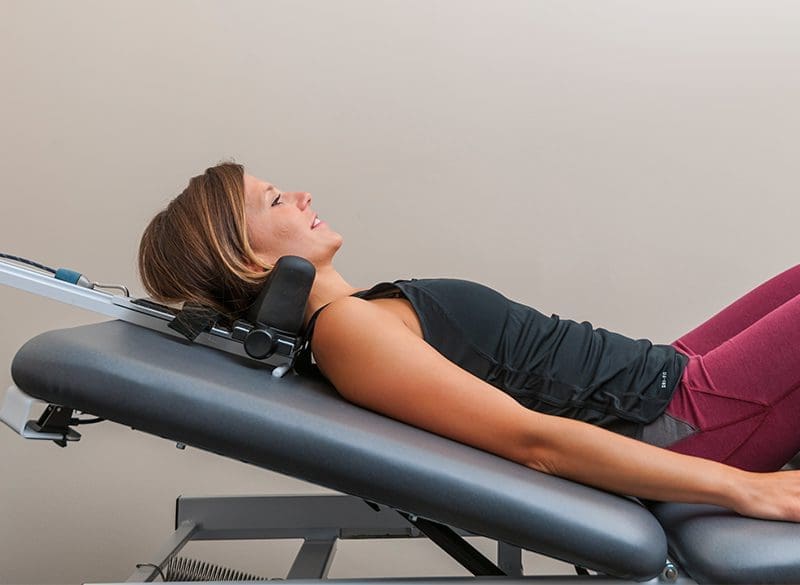
Injury Medical DOC Spinal Decompression Table
References
Cygańska, Anna, et al.” Impact of Exercises and Chair Massage on Musculoskeletal Pain of Young Musicians” International journal of environmental research and public health vol. 17,14 5128. 16 Jul. 2020, doi:10.3390/ijerph17145128
de Souza, Talita Pavarini Borges et al.”“The effectiveness of Chair Massage on Stress and Pain in Oncology” International journal of therapeutic massage & bodywork vol. 14,3 27-38. 2 Sep. 2021, doi:10.3822/ijtmb.v14i3.619
Hand, Mary et al.” “Massage Chair Sessions: Favorable Effects on Ambulatory Cancer Center Nurse” Perceived Level of Stress, Blood Pressure, and Heart Rate” Clinical journal of oncology nursing vol. 23,4 (2019): 375-381. doi:10.1188/19.CJON.375-381
Kim, Seung-Kook, et al.” “Clinical outcomes and cost-effectiveness of massage chair therapy versus basic physiotherapy in lower back pain patients: A randomized controlled trial.” Medicine vol. 99,12 (2020): e19514. doi:10.1097/MD.0000000000019514
Kumar, Saravana, et al. “The effectiveness of massage therapy for the treatment of nonspecific low back pain: a systematic review of systematic reviews.” International journal of general medicine vol. 6 733-41. 4 Sep. 2013, doi:10.2147/IJGM.S50243
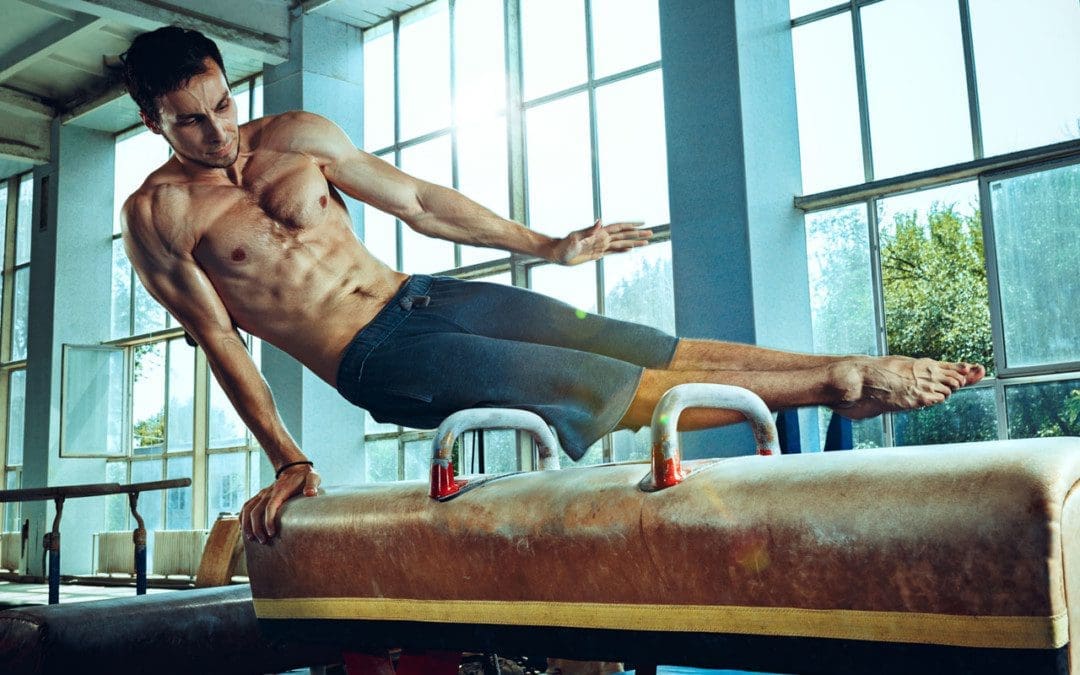
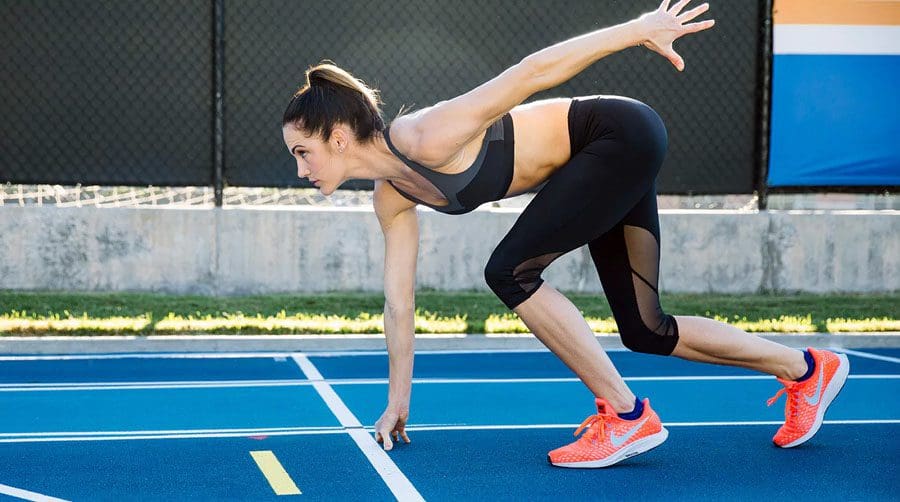
Athletes train and practice constantly to prepare their mind and bodies for the big games, matches, etc. When the game is on, it is normal/natural to feel anxious and nervous, especially at the beginning, but then the athlete settles in and relaxes, letting their training take over. However, for some athletes, the anxiousness and nervousness doesn’t go away but intensifies, the heart starts racing, and the individual can’t stop thinking about choking, failing, and losing. This is known as sports performance anxiety, or competitive anxiety, and is common.
Competitive Anxiety
Research shows that 30 to 60 percent of athletes experience the disorder. Doctors divide the signs and symptoms into mental and physical categories.
Physical Symptoms
Rapid Heartbeat
The stress can cause overproduction of adrenaline and cortisol, making the heart beat rapidly.
Muscle Tension
The muscles can tighten up, become painful, and cause tension and pain in the head.
Trembling
The hands could shake while holding the ball, bat, racket, or foot twitching could present.
Hyperventilation
Individuals report a sensation of choking or being unable to catch their breath.
Digestion Issues
The stress can cause foods to be quickly digested, causing cramping and/or the sudden urge to use the bathroom.
Mental Symptoms
Fear of Failing
The athlete imagines themselves losing all the time.
Worrying about letting the coach and team down or the audience or other athletes criticizing and laughing at your performance.
Unable to Focus
The athlete may have concentration issues and become absorbed in how others react to their performance.
Overthinking
The athlete can temporarily forget how to perform specific actions that are typically automatic.
Self-confidence issues
The athlete can start doubting their abilities.
Stress and Anxiety
The Yerkes-Dodson law explains how stress, anxiety, and arousal levels affect performance and how stress levels must be maintained within a range to perform well.
Low Arousal
It could be the athlete is not as into the sport as when they began, so they do not put forth the total effort.
High Arousal
This means the sport could be causing so much stress that the athlete panics or freezes up.
Competitive anxiety sets in.
Optimal Arousal
This means the athlete is fully engaged in pushing themselves to the fullest.
This can be applied to any performing task like play rehearsals to a tennis match.
Some recommended steps can be taken to handle and prevent sports competitive anxiety when trying to overcome those overwhelming feelings of nervousness and tension.
Positive self-talk
Self-talk is having a positive conversation with yourself.
Athletes who practiced positive self-talk reported:
Improved self-confidence
Reduced physical anxiety symptoms
Improved sports performance
Listen to Music
When anxious before a meet, game, match, etc., consider listening to some favorite or relaxing music.
Meditation
Meditation has been found to reduce all types of anxiety, including sports.
Chiropractic
Chiropractic treatment specializes in the musculoskeletal system and can realign the body and release any muscle tension and restriction through hands-on manipulation techniques and mechanical decompression. Treatment involves manipulating the muscles, ligaments, tendons, fascia, and soft tissues to relieve pain through therapeutic muscle therapies that include:
One or a combination of therapies can alleviate symptoms related to muscle spasms, delayed onset muscle soreness, fascia restrictions, soft tissue injuries, and pain and dysfunction throughout the body, restoring function, movement, and strength.
Using The DRX9000 For Spinal Decompression
References
Elliott, Dave, et al. “The effects of relaxing music for anxiety control on competitive sport anxiety.” European journal of sports science vol. 14 Suppl 1 (2014): S296-301. doi:10.1080/17461391.2012.693952
Ford, Jessica L et al. “Sport-related anxiety: current insights.” Open access journal of sports medicine vol. 8 205-212. 27 Oct. 2017, doi:10.2147/OAJSM.S125845
Rice, Simon M et al. “Determinants of anxiety in elite athletes: a systematic review and meta-analysis.” British journal of sports medicine vol. 53,11 (2019): 722-730. doi:10.1136/bjsports-2019-100620
Rowland, David L, and Jacques J D M van Lankveld. “Anxiety and Performance in Sex, Sport, and Stage: Identifying Common Ground.” Frontiers in psychology vol. 10 1615. 16 Jul. 2019, doi:10.3389/fpsyg.2019.01615
Walter N, et al. (2019). Effects of self-talk training on competitive anxiety, self-efficacy, volitional skills, and performance: An intervention study with junior sub-elite athletes. mdpi.com/2075-4663/7/6/148
Injury Medical Chiropractic Decompression Clinic focuses on the whole body, realigns the bones and joints, and helps strengthen the muscles. This helps prevent pain and injury and maintains spinal stability. Strong back muscles can help promote correct posture and keep the spine free from restriction. A stable spine is achieved when the back muscles can support and balance the everyday forces and stress of rigorous physical activity. Strengthening the back muscles can be done through yoga, weightlifting, and other recommended chiropractic exercises.
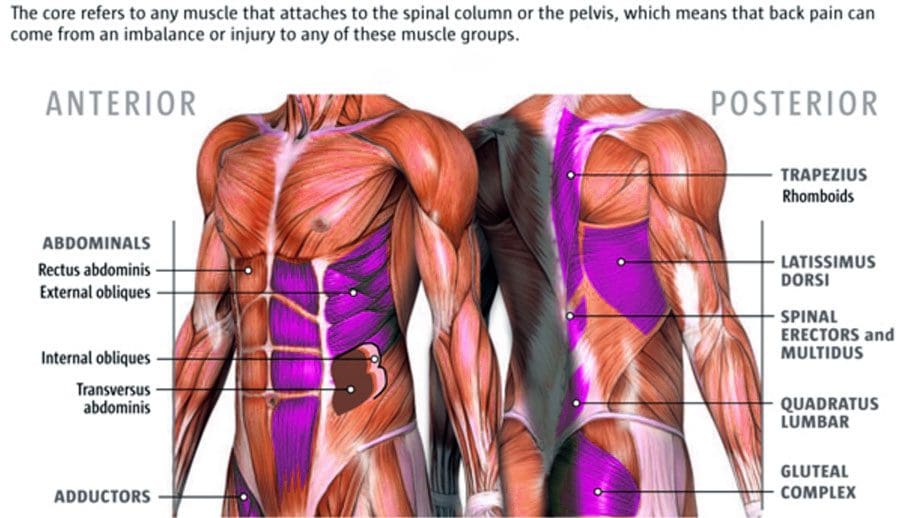
The core is a crucial area of the body. The body utilizes the core for all movements and as a stabilization unit. Lack of strength places unwanted tension and pressure on the spine. Chiropractic ensures all the joints function correctly and enhances the core to brace more effectively and efficiently.
Chiropractic Balance
Adjustments and decompression realign the muscles into the proper position and help lubricate the muscles to help ease the stabilizer muscles that could be tight or tense. Treatments used can include:
Spinal manual and motorized decompression
Extremity adjustments
Myofascial release
Active Release Technique
Trigger point therapy
Benefits
Natural pain relief
Injury prevention
Enhanced muscle performance
Expedited recovery
Increased endurance
Mobility enhancement
Increased strength
Core strength and stability play a huge factor in everyday life and functions. Maintaining health results requires attention to detail. Injury Medical Decompression Clinic will create a personalized optimal health treatment plan that focuses on whole-body realignment, simple lifestyle adjustments, health coaching/nutrition, and strength training to improve balance, strength, and core stability.
Spinal Decompression DRX9000
References
Globe G, Morris C, Whalen W, et al., “Chiropractic Management of Low Back Disorders: Report from a Consensus Process,” Journal of Manipulative and Physiological Therapeutics November/December 2008: 651-658.
Keller, MD, et al., “Trunk Muscle Strength, Cross-sectional Area, and Density in Patients With CLBP Randomized to Lumbar Fusion or Cognitive Intervention and Exercises,” Spine, 2004 29(1): 3-8 (3)
Mayer J, DC, Ph.D. Mooney V, MD, Dagenais S, DC Ph.D., “Evidence-informed management of CLBP with lumbar extensor strengthening exercises,” T Spine J, 2008;8:96-113. (3)
McKenzie, RA, “The Lumbar Spine: Mechanical Diagnosis and Therapy,” Spinal Publications/Printed by Wright & Carman, LTD, Upper Hutt, New Zealand, 1989 reprinted.
Sculco AD, Paup DC, Fernhall B, Sculco MJ, “Effects of aerobic exercise on low back pain patients in treatment,” Spine J, 1(2):95-101 (2001).
All around the world, most everyone has some form of headache that can affect their mood. Headaches can range from a dull ache on the forehead like cluster headaches to sudden excruciating headaches like migraines. Headaches can also be associated with neck pain as they can cause a person to have a limited range of motion when turning their heads, as well as causing stiff neck muscles and compressed cervical spinal discs that can lead to herniation. Having these issues in the neck can dampen a person’s quality of life; however, treatments like cervical decompression therapy can help alleviate headaches and neck pain from a person giving them instant relief. In today’s article, we will be looking at what causes tension headaches and how cervical decompression traction can help alleviate tension headaches for many people. By referring patients to qualified and skilled providers specializing in spinal decompression therapy. To that end, and when appropriate, we advise our patients to refer to our associated medical providers based on their examination. We find that education is the key to asking valuable questions to our providers. Dr. Alex Jimenez DC provides this information as an educational service only. Disclaimer
Can my insurance cover it? Yes, it may. If you are uncertain, here is the link to all the insurance providers we cover. If you have any questions, please call Dr. Jimenez at 915-850-0900.
What Causes Tension Headaches?
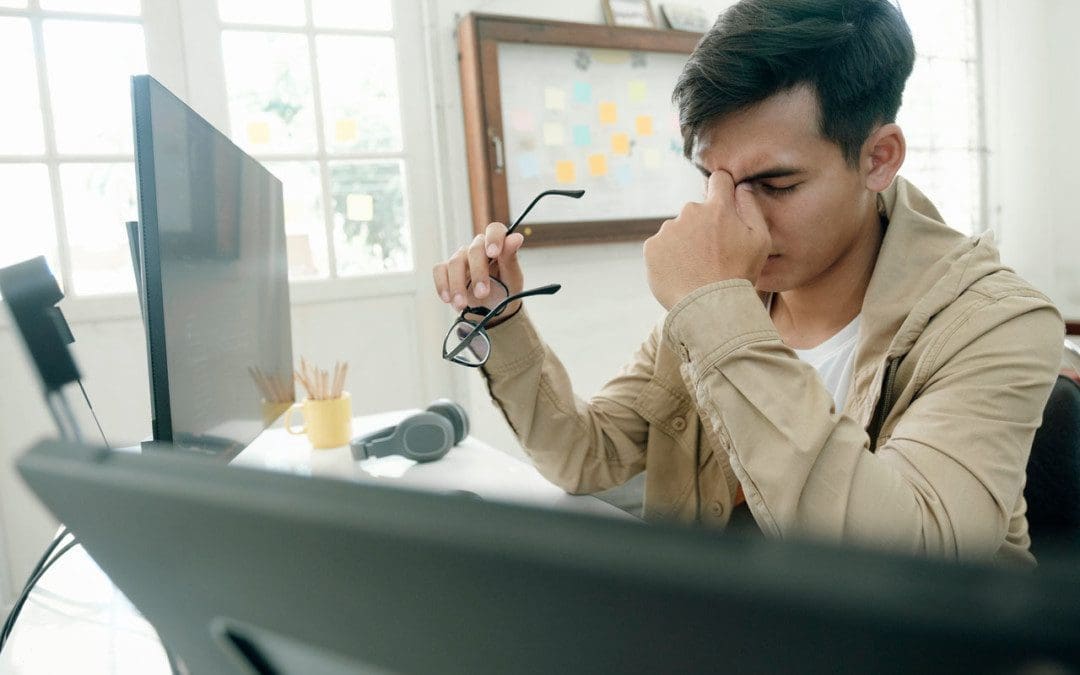
Have you ever wondered why your neck muscles feel tense after a stressful day, or there is a constant dull aching pain that throbbing on the neck or the side of your head? How about getting some relief after taking a break after a stressful day? This is a tension headache, and research studies have stated that tension headaches are common and can range from mild to moderate depending on the pain. Unlike migraines, tension headaches are bilateral and don’t worsen when a person is exercising. Another thing that tension headaches can do to a person is that even though they are common for many people, they can become frequent or even chronic and cause significant health issues if it is not treated right away.
Other research studies have found that tension headaches can be caused by many factors impacting a person’s life. Environmental and muscular factors like stress and posture can cause the neck muscles to strain themselves, causing the person to be hunched over. This will cause the neck muscles to become stiff and tender to the touch as the neck muscles have a limited range of motion for the head to turn. When the neck has a limited range of motion, it can cause a person to have muscle tightness around the neck area, and if it is not treated soon, it can develop into chronic issues over time.
Chronic Tension Headaches
Since tension headaches usually last between 30 minutes to 7 days, the pain can last for more than a month when it turns into chronic tension headaches. Research studies have found that since tension headaches are common when chronic tension headaches, the pain severity will cause a bilateral pressure sensation that can last for days, even months. Chronic tension headaches also have severe muscle tightness around the headband of the person’s head. Individuals suffering from chronic tension headaches would continue to function with their daily activities but have severely impaired performance when this happens. Luckily there are ways to treat both tension and chronic tension headaches, and that is through cervical decompression therapy.
Neck Decompression Therapy- Video
Having tightness around the neck muscles can be difficult when affecting a person’s daily activity. How about tension headaches that won’t go away and cause you to feel miserable. Then maybe cervical decompression can be the answer to all your cervical issues. The video above shows how cervical traction can help alleviate neck issues that are causing problems to the cervical spine. What traction does is that it gently stretches the cervical spine, causing instant relief to the compressed disc and getting the pressure off the cervical nerve root. Any headaches like migraines and tension headaches will be gone from the person’s head when this happens. Utilizing cervical decompression can help alleviate the pain caused by tension headaches and restore a person’s quality of life. If you want to learn more about cervical decompression therapy, this link will explain the benefits of decompression and how it can alleviate cervical pain symptoms.
How Cervical Decompression Traction Alleviates Tension Headaches
So there are ways to alleviate chronic tension headaches. Many people have used ice/heat packs to ease the tension from the affected area; some take medication to get rid of the headaches to continue to go about their day. At the same time, others incorporate daily physical activities to release all the tension they were holding in. However, one form of treatment has been making its way to help ease the symptoms of tension headaches and alleviate other issues affecting the neck and cervical spine, including cervical decompression traction therapy. Research studies have found that cervical traction is a non-surgical treatment used to provide relief by reducing cervical-related injuries while also widening the intervertebral foramen. Cervical traction also helps eliminate the pressure on the cervical nerve root and even alleviates cervical radiculopathy. Other research studies have found that cervical traction is a conservative method to increase the cervical blood vessels’ circulation by stretching the muscles and causing them to relax. Cervical traction also allows pain relief, increases cervical range of motion, and relieves headaches caused by neck pain.
Conclusion
Overall, headaches are a nuisance to many people and can impact a person’s quality of life. Since headaches range from a dull ache to excruciating throbbing pain, the pain can vary, and where it is located can affect the body. Since there are many forms of headaches, there are many treatments that can help alleviate the symptoms of chronic headaches. Cervical decompression therapy can help alleviate chronic headaches and reduce neck pain symptoms that are affecting the cervical spine. Cervical decompression therapy allows traction to gently pull on the cervical spine causing the compressed spinal discs to be taking the pressure off the cervical nerve root and instantly causing the relief to the neck. When people utilize decompression therapy as part of their wellness journey, they can regain their lives.
References
Abi-Aad, Karl R, and Armen Derian. “Cervical Traction – Statpearls – NCBI Bookshelf.” In: StatPearls [Internet]. Treasure Island (FL): StatPearls Publishing, 13 Aug. 2021, https://www.ncbi.nlm.nih.gov/books/NBK470412/.
Chowdhury, Debashish. “Tension-Type Headache.” Annals of Indian Academy of Neurology, Medknow Publications & Media Pvt Ltd, Aug. 2012, https://www.ncbi.nlm.nih.gov/pmc/articles/PMC3444224/.
Lee, Chang-Hyung, et al. “The Functional and Morphological Changes of the Cervical Intervertebral Disc after Applying Lordotic Curve Controlled Traction: A Double-Blind Randomized Controlled Study.” International Journal of Environmental Research and Public Health, MDPI, 19 June 2019, https://www.ncbi.nlm.nih.gov/pmc/articles/PMC6617374/.
Loder, Elizabeth, and Paul Rizzoli. “Tension-Type Headache.” BMJ (Clinical Research Ed.), BMJ Publishing Group Ltd., 12 Jan. 2008, https://www.ncbi.nlm.nih.gov/pmc/articles/PMC2190284/.
Orthopedic massage is part of injury rehabilitation that focuses on the muscles and soft tissues surrounding the joints and ligaments. Pain could be caused post-surgery, an acute injury, or overuse/repetitive motion injury from work or sports. The objective is to:
Decrease pain
Release tension
Restore balance
Increase mobility and flexibility
Preparing the body to return to everyday routines and activities.
Whatever the cause of the muscle damage or injury, an orthopedic massage will lengthen and soften the muscles and ligaments, allowing for a better range of motion of the affected joints.
Orthopedic Massage
All massage techniques can improve joint movement and function. Orthopedic massage is specifically designed to return the joints to their normal position function and alleviate pain with movement.
Swedish massage focuses on overall relaxation.
Deep tissue massage reduces deep muscle pain and strain.
Orthopedic massage therapists have an extensive understanding of anatomy, soft tissues, and misalignment of the musculoskeletal system that can cause pain and injury. It is similar to sports massage targeting damaged areas for recovery and rehabilitation from conditions and injuries. Sports massage helps the individual strengthen and retrain the damaged areas back to optimal performance and prevent injury. Orthopedic massage utilizes:
Massage benefits many symptoms and conditions. It has been shown to help with:
Sprains
Pulled muscles
Torn ligaments
Carpal-tunnel syndrome
Frozen shoulder
Tennis elbow
Tendinitis
Sciatica
Bulging discs
Post-surgery
Techniques
A therapist will look at the range of motion, flexibility, and rotation of the tissues. This will help determine what muscle groups and tendons are involved and which techniques to use. Massage therapists use an assortment of approaches to loosen muscles and tendons. These include:
Active Engagement
This is used to reach deep, hard-to-reach muscles by applying pressure and massaging lengthwise in a perpendicular motion.
It is beneficial for whiplash and/or back pain.
Positional Release
This is a gentle treatment for inflamed muscles and tissues highly sensitive to other techniques.
Soft tissues are manipulated into comfortable positions and held in place for a specific time.
This lengthens and softens tissues to bring pain relief.
Nerve Mobilization
Also known as neural mobilization, this method addresses strained nerves and pain sources.
Muscle Energy Release
The therapist provides resistance while the individual voluntarily contracts muscles.
Effective with low back pain.
Trigger Point Therapy
Pressure intervals are held on trigger areas to release lactic acid and promote circulation.
Myofascial Release
Gentle pressure is applied to stretch fascia tissues.
Body Composition
Brittle Bones
The reason bones become weaker is that bone tissue is living tissue that constantly forms new bone material and absorbs the old bone material. As the body ages, the rate at which bone is reabsorbed becomes faster than newly formed bone material. One reason for rapid bone loss is lack of exercise and physical activity. The Mayo Clinic has stated that individuals that spend a great deal of time sitting, whether at home or work, have an increased risk of osteoporosis than more active individuals. Sitting too much with little to no activity can lead to weakened bones. Just like the muscles, bones get stronger when they are in use. Walking, running, jumping, and getting the body moving along with using some resistance, can increase the strength and durability of the bones.
References
Kim, Seung-Kook et al. “Clinical outcomes and cost-effectiveness of massage chair therapy versus basic physiotherapy in lower back pain patients: A randomized controlled trial.” Medicine vol. 99,12 (2020): e19514. doi:10.1097/MD.0000000000019514
Klein, Ifat et al. “Lymphatic treatments after orthopedic surgery or injury: A systematic review.” Journal of bodywork and movement therapies vol. 24,4 (2020): 109-117. doi:10.1016/j.jbmt.2020.06.034
Loew, Laurianne M et al. “Deep, transverse friction massage for treating lateral elbow or lateral knee tendinitis.” The Cochrane database of systematic reviews vol. 2014,11 CD003528. 8 Nov. 2014, doi:10.1002/14651858.CD003528.pub2
Majewski-Schrage, Tricia, and Kelli Snyder. “The Effectiveness of Manual Lymphatic Drainage in Patients With Orthopedic Injuries.” Journal of sport rehabilitation vol. 25,1 (2016): 91-7. doi:10.1123/jsr.2014-0222
Headaches and Treatment: Headaches can range from mild, dull aches to severe throbbing pain. They can be episodic and chronic. Tension headaches are the most common that present with pain around the head, scalp, or neck. Migraines are often chronic, with the pain lasting for a few hours to a few days. The location of the headache and the type of pain being experienced can indicate the type of headache. Sources of headaches include, but are not limited to:
Certain kinds of foods
Sounds
Excessive noise
Bright lights
Changes in blood sugar
Too much exercise
Headache relief can come from over-the-counter medications, prescription medications, rest, and ice/heat packs on the forehead or neck. Research shows that individuals suffering from chronic headaches and migraines benefit more from long-term chiropractic than drug therapy alone. Doctors of chiropractic offer safe, effective, long-term relief. This is because most headaches have a spinal, muscular, or repeated pattern/s, which chiropractors have been trained to identify and treat.
Tension Headaches and Treatment
Tension Headaches are usually worse in the afternoon and evening and are often work, school, and stress-related. The pain is usually felt on both sides of the forehead and/or the top of the neck. These headaches can last for long periods and can be triggered by something as simple as an airplane trip. Tension headaches are caused by tension and trigger points within the muscles that constantly contract and don’t relax. Chiropractic adjustments and muscle release techniques have proven to be highly effective.
A migraine aura usually comes before the onset of a Migraine and consists of:
Visualizing a strange light
Strange smells
Confusing thoughts or experiences
Migraines are more common in women, but they do occur in men. Things that can trigger migraines include but are not limited to:
Medications
Certain foods
Environmental exposure
Sleeping habits
It is recommended to keep a headache journal to:
Account all foods eaten
Sleep patterns
Drinking patterns
Medications
Exercise habits
Stress scenarios
Headache frequency, duration, areas of pain, and discomfort.
Research has shown successful results from chiropractic manipulation applied to individuals suffering from migraine headaches. In addition to chiropractic adjustments, nutrition and supplementation have also shown positive and long-term effects.
Headaches and Treatment Chiropractic
Stress can manifest in many ways that lead to headaches. Chiropractic adjustments can improve acute and chronic neck pain, reducing the number of headaches, whether migraines, tension headaches, or some other kind. Chiropractors adjust the spine’s alignment to improve function and alleviate stress on the nervous system using a targeted methodology. This allows the body to function correctly and reduces stress and tension. A chiropractor will also recommend posture, stretches, exercises, and relaxation techniques.
Lifestyle Adjustments
Understanding how lifestyle affects the severity and frequency can be a large part of successful headache prevention. Specific adjustments can include:
Do not overuse pain medications, as overuse can make headaches worse.
Body Composition
Respiratory System
The respiratory system refers to the organs in the body involved in breathing, inhaling oxygen, and exhaling carbon dioxide. These include:
Nose nasal cavity
Throat – pharynx
Voicebox – larynx
Windpipe – trachea
Lungs
The respiratory system is critical because it delivers oxygen to all the body’s organs, supporting life-sustaining functions. If oxygen supply is insufficient, the energy production necessary for organ function becomes compromised, leading to poor overall health. The respiratory system is divided into the upper and lower respiratory tracts:
The upper respiratory tract includes the nose, nasal cavity, mouth, throat, and voice box.
The lower respiratory tract consists of the windpipe, lungs, and all sections of the bronchial tree.
When breathing, the hairs/cilia in the nose and trachea prevent bacteria and foreign substances from entering the body.
Occasionally, pathogens will make it past the cilia and enter the body, causing illness.
This is when the immune system goes to work neutralizing any invading pathogens.
References
Bryans, Roland et al. “Evidence-based guidelines for the chiropractic treatment of adults with headache.” Journal of manipulative and physiological therapeutics vol. 34,5 (2011): 274-89. doi:10.1016/j.jmpt.2011.04.008
Chaibi, A et al. “Chiropractic spinal manipulative therapy for migraine: a three-armed, single-blinded, placebo, randomized controlled trial.” European journal of neurology vol. 24,1 (2017): 143-153. doi:10.1111/ene.13166
Côté, Pierre et al. “Non-pharmacological management of persistent headaches associated with neck pain: A clinical practice guideline from the Ontario Protocol for traffic injury management (OPTIMa) collaboration.” European journal of pain (London, England) vol. 23,6 (2019): 1051-1070. doi:10.1002/ejp.1374
Daghlas, Iyas et al. “Habitual sleep disturbances and migraine: a Mendelian randomization study.” Annals of clinical and translational neurology vol. 7,12 (2020): 2370-2380. doi:10.1002/acn3.51228
Iwasaki, Akiko et al. “Early local immune defenses in the respiratory tract.” Nature reviews. Immunology vol. 17,1 (2017): 7-20. doi:10.1038/nri.2016.117
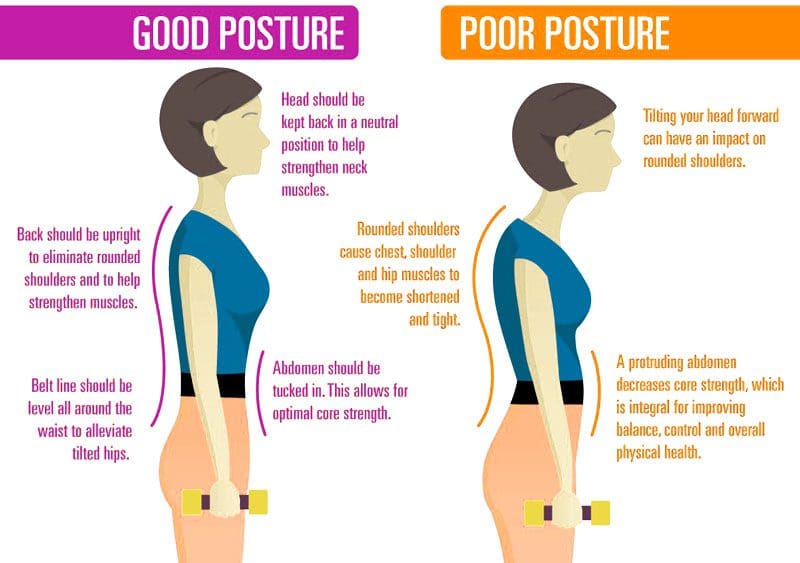
Posture is how we hold our bodies while standing, sitting, or lying down. A healthy posture is the correct alignment of the body supported by the right amount of muscle tension. Our everyday movements and activities affect the body’s alignment. A postural imbalance can impact the body’s health in various ways. It can cause:
General soreness
Back pain
Muscular pain
Fatigue
Digestive problems
Poor self-esteem
Unhealthy posture can increase the risk of spinal dysfunction, joint degeneration, stress joints, and muscles, resulting in permanent damage if left untreated. The best way to prevent postural imbalances is to be aware of the causes utilize proper ergonomic and movement strategies that can help avoid these problems. As the everyday bad habits, behaviors, and activities are understood, it is much easier to prevent and correct them.
Everyday Posture Is Important
Specific muscles maintain the body’s posture, so we don’t have to think about it and constantly adjust. Muscle groups, including the hamstrings and large back muscles, are essential in maintaining healthy positions. When the muscles function correctly, the postural muscles prevent gravity from pushing the body forward. Postural muscles also maintain balance when moving. A healthy posture reduces strain on the supporting muscles and ligaments during everyday movement and weight-bearing activities. Engaging in healthy posture helps:
Keep the bones and joints in correct alignment so that the muscles function correctly.
Decrease the abnormal wearing of joints resulting in degenerative arthritis and joint pain.
Reduce the stress on the ligaments holding the spinal joints together, preventing injury.
Allow muscles to work more efficiently.
The body exert less energy.
Prevent muscle fatigue and muscle pain.
Prevent muscle strain and overuse disorders.
Unhealthy Posture
Unhealthy posture results when the body sits or stands with the spine in an abnormal position. When an individual practices unhealthy posture over a long period, it progressively leads to muscles and ligaments becoming elongated and weak, while others become short and tight. This creates a physical imbalance that leads to postural abnormalities like:
Individuals can begin to develop unhealthy habits that negatively impact their posture, like walking with their head looking towards the ground. This shifts the body out of alignment.
Sitting For Too Long
Spending too much time sitting even with the correct posture will impact the spine and muscles. It weakens the muscles, ligaments, and abdominals.
Weight
Carrying extra weight can force the spine into an awkward position. This is true for individuals with pot bellies, as it pulls the lower back forward, increasing the risk of lumbar lordosis.
Unhealthy Diet
If the spine does not have access to the vitamins and nutrients it needs, it can struggle to maintain its strength and flexibility. It is also more difficult for the body to repair damage to the spine’s muscles and ligaments.
Clothing and Footwear
Clothing and footwear can impact posture.
High heels, poor-fitting shoes, saggy jeans, large belts, heavy jackets, and other items can force the spine into an unnatural position.
These are fine to wear for short periods but avoid wearing them day in and day out.
Treatment
Chiropractors specialize in issues affecting the spine, especially posture. They can:
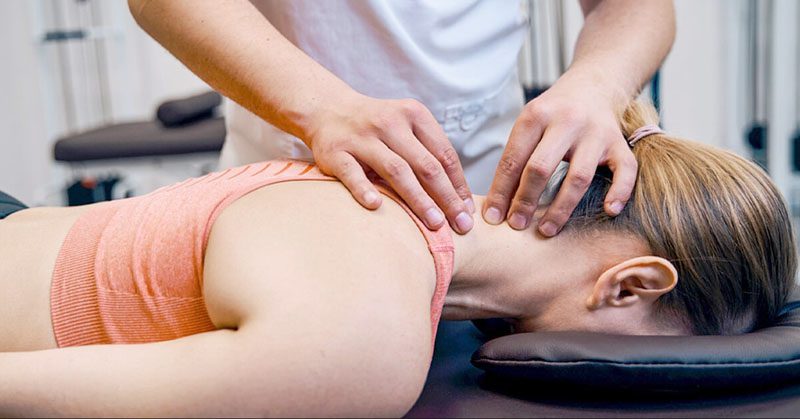
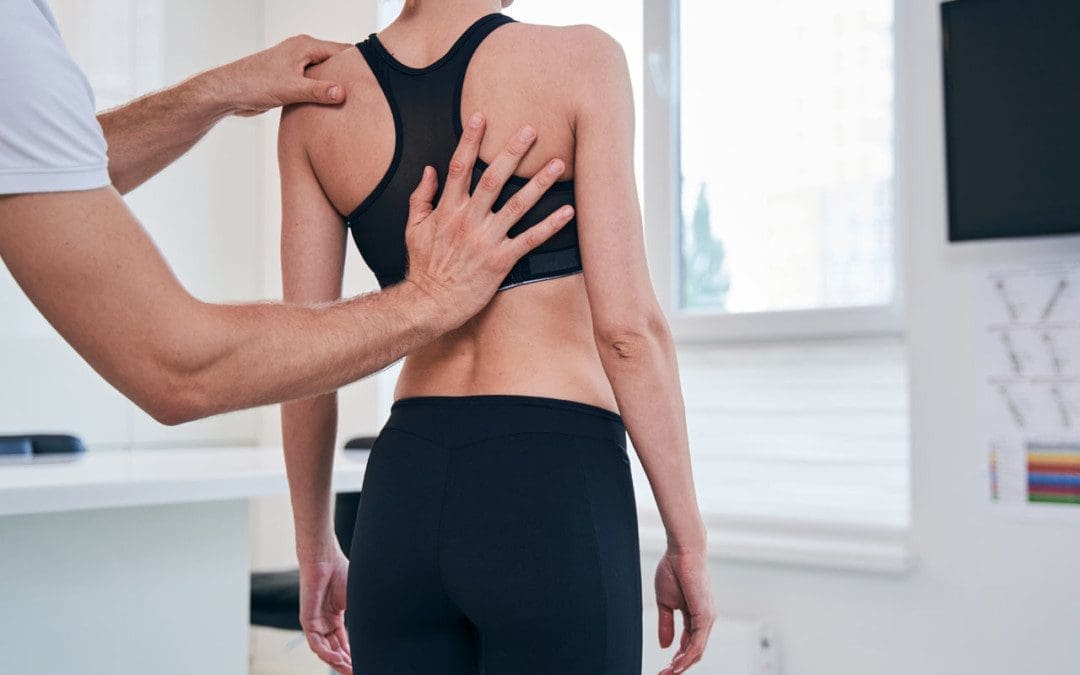
Perform a postural examination involving a complete assessment of the musculoskeletal system to identify any joint misalignments and issues that affect soft tissue.
Perform adjustments of misaligned joints using various techniques.
Recommend stretches to loosen/lengthen tight muscles and strengthen weak ones, leading to improvements. A chiropractor will develop an effective stretching regimen to target the correct muscles.
Individuals who sit for extended periods, don’t exercise and don’t watch their diet can experience insulin resistance. Insulin resistance happens when insulin cannot transport excess blood sugar out of the blood and into the muscles. One study found that women who sat for eight hours a day had a higher chance of developing diabetes. Individuals with diabetes tend to have more fat within their bodies, particularly visceral fat, increasing insulin resistance potential. Individuals with diabetes experience a faster loss of muscle mass as they age, further intensifying symptoms and deterioration of body composition.
References
Feldman, Anatol G. “The Relationship Between Postural and Movement Stability.” Advances in experimental medicine and biology vol. 957 (2016): 105-120. doi:10.1007/978-3-319-47313-0_6
Jaromi, Melinda et al. “Treatment and ergonomics training of work-related lower back pain and body posture problems for nurses.” Journal of clinical nursing vol. 21,11-12 (2012): 1776-84. doi:10.1111/j.1365-2702.2012.04089.x
Jung, Suk Hwa et al. “Visceral Fat Mass Has Stronger Associations with Diabetes and Prediabetes than Other Anthropometric Obesity Indicators among Korean Adults.” Yonsei medical journal vol. 57,3 (2016): 674-80. doi:10.3349/ymj.2016.57.3.674
Pope, Malcolm H et al. “Spine ergonomics.” Annual review of biomedical engineering vol. 4 (2002): 49-68. doi:10.1146/annurev.bioeng.4.092101.122107
IFM's Find A Practitioner tool is the largest referral network in Functional Medicine, created to help patients locate Functional Medicine practitioners anywhere in the world. IFM Certified Practitioners are listed first in the search results, given their extensive education in Functional Medicine