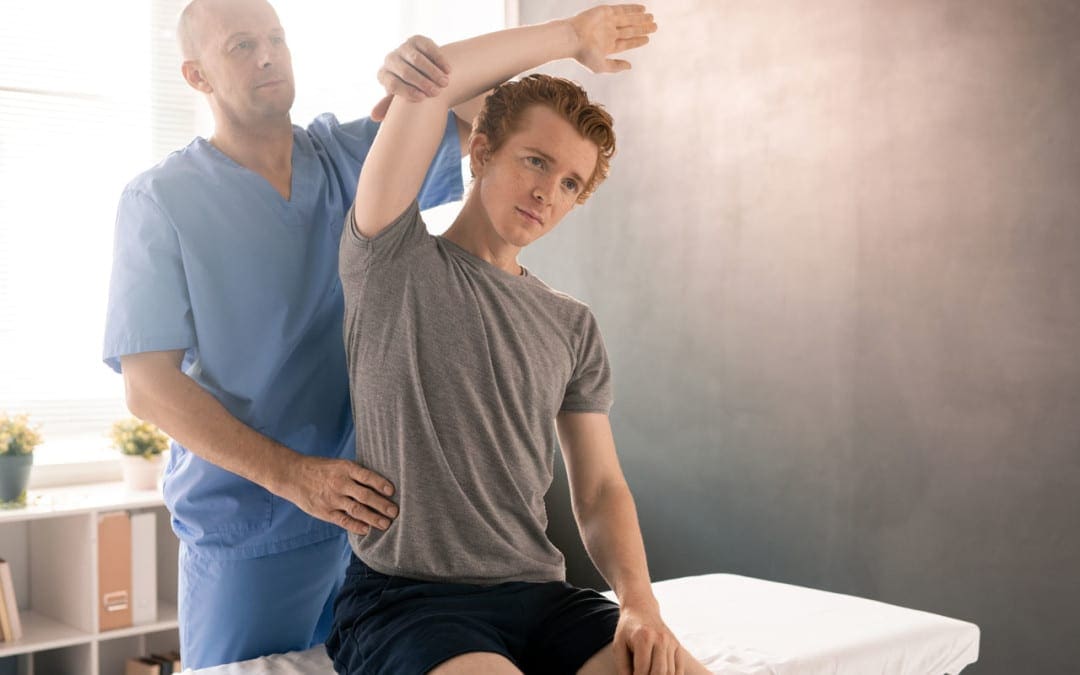
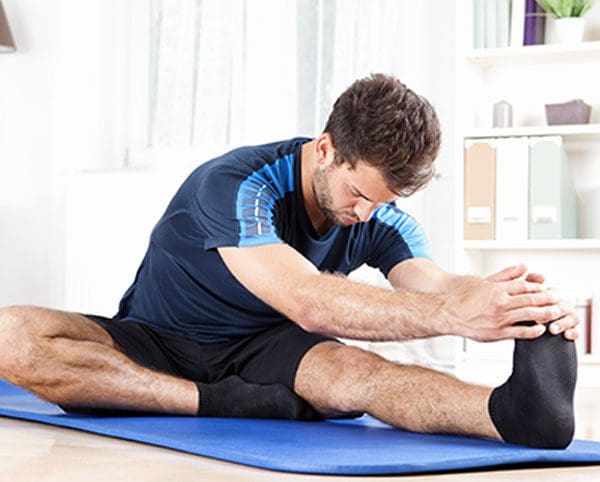
Getting ready for holiday celebrations takes a great deal of work. Visiting family and friends, traveling, spending hours shopping, wrapping gifts, setting up lights, trees, planning meals can make the body feel achy, tight, tired, and sore. Stress is multiplied by ten, adding to the muscle tension, which can cause illness and other health problems. Chiropractic treatment alleviates symptoms bringing stress relief to enjoy the holidays. This includes body adjustments, therapeutic massage, health coaching, nutrition guidance, strengthening exercises, stretch training, and everything to maintain full-body health, prevent illness and injury so individuals can feel and function at their best.
Aches and Pains
Shopping at stores, malls can cause the body to experience adverse physical effects. Spending hours walking and standing can trigger neck, shoulder, back, leg, and foot pain. Spending hours hunched over a computer, laptop, tablet, or phone while online shopping can also cause neck, back, and shoulder pain. Soreness and pain can result from the spine and the rest of the body becoming misaligned.
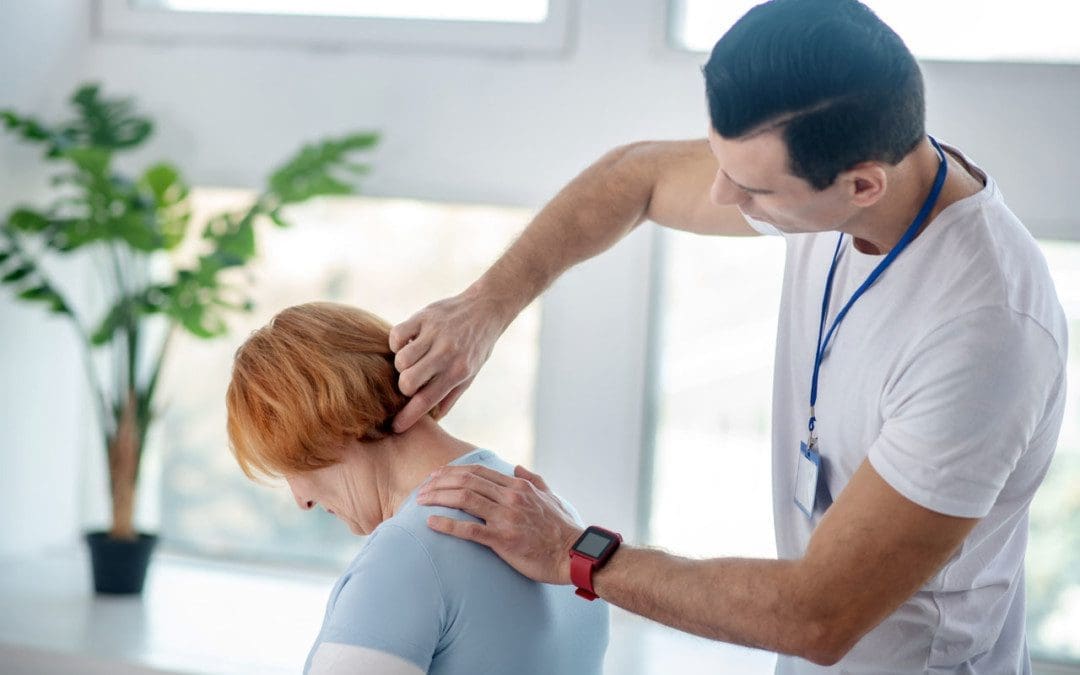
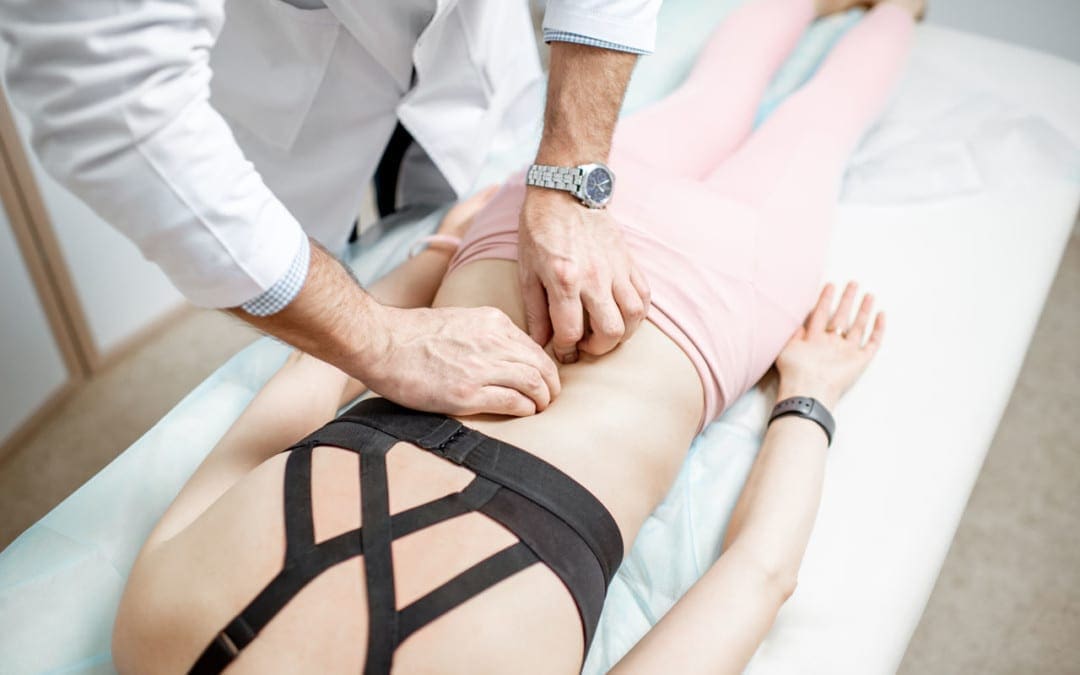
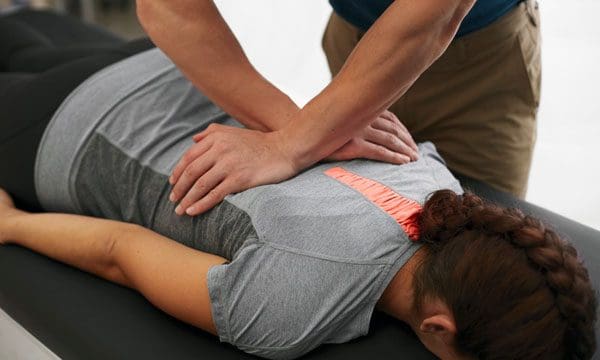
Muscle tightening is a common sign of stress. When the mind and body become overwhelmed or anxious, the neck, shoulders, or upper back muscles can tense up. Muscle tension can limit the body’s range of motion and trigger headaches. Therapeutic massage, mobilization, soft tissue therapy, ultrasound, and other chiropractic treatments can generate stress relief. Massaging the body also triggers the release of endorphins that help the body calm down and relax. The adjustments and massage also increase/improve blood flow that supports healing and reduces anxiety when stress begins to build.
Stomach Issues
Following the usual diet during the holiday season is a challenge. Work parties, restaurant parties, and family meals offer an array of holiday foods and treats. The body is not used to eating a lot of rich, fatty, sugary, or fried foods, and can experience bloating, constipation, gas, and other uncomfortable symptoms. These issues can be traced to the nerves that control the organs. Chiropractic can balance the nerves to help avoid uncomfortable digestive problems and help the body handle the rich diet better.
Maintaining Health and Stress Relief
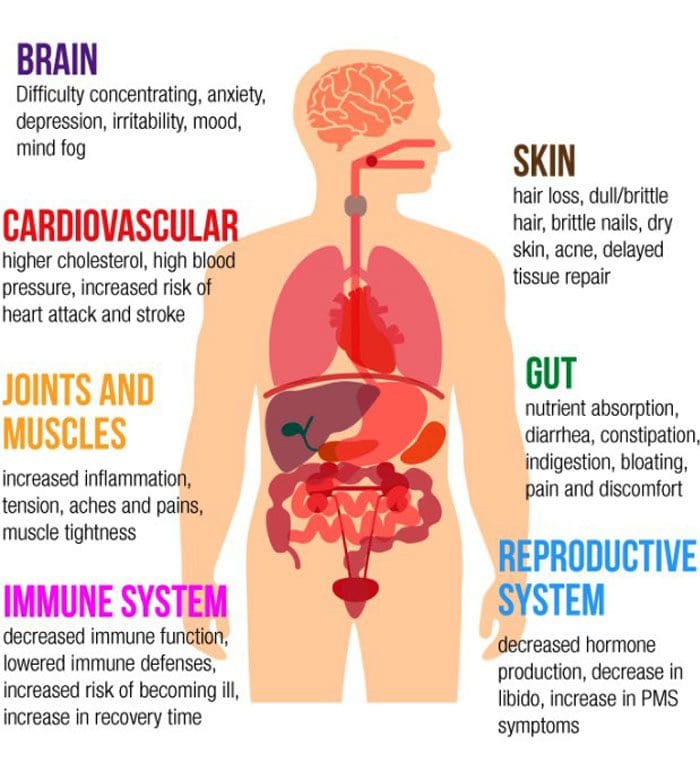
Aches and pains are not the only effects of stress, body misalignment, and tight joints and/or muscles. If these structures press against the nerves and/or organs, it can affect immune system function. Chiropractic ensures that the organs communicate correctly through the nerves, balance the body, reduce inflammation, and improve lymph fluid drainage. The fluid removes toxins and wastes from the body, making fighting colds and other illnesses easier.
Body Composition
White Coat Syndrome
White Coat Syndrome is the term used for any changes in blood pressure that individuals experience in response to being in a medical office or clinic. Three distinct diagnoses are based on how an individual’s blood pressure responds to being in the presence of a healthcare professional:
White Coat hypertension
This is when an individual is not taking medication for blood pressure but presents with high blood pressure in a medical office and returns to normal once they leave the medical facility.
White Coat effect
This is when an individual is taking medication for high blood pressure and shows a high blood pressure reading in a medical office that indicates their medication is not working.
Masked Hypertension
This is when an individual has normal blood pressure in a medical office but high blood pressure elsewhere.
References
Ahmad, Asma Hayati, and Rahimah Zakaria. “Pain in Times of Stress.” The Malaysian journal of medical sciences: MJMS vol. 22,Spec Issue (2015): 52-61.
PBS NewsHour. (December 2018) “Poll: How stressed are Americans this holiday season?” https://www.pbs.org/newshour/nation/poll-how-stressed-are-americans-this-holiday-season
Pioli, Mariana R et al. “White coat syndrome and its variations: differences and clinical impact.” Integrated blood pressure control vol. 11 73-79. 8 Nov. 2018, doi:10.2147/IBPC.S152761
The United States Consumer Product Safety Commission (CPSC). (2019) “Holiday Safety Information Center” https://www.cpsc.gov/Safety-Education/Safety-Education-Centers/holiday-safety
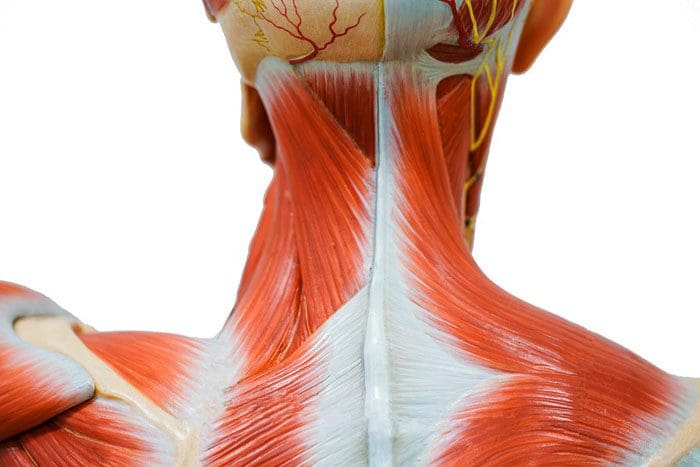
Muscle tension in the neck is a common musculoskeletal disorder. The neck is made up of flexible muscles that support the weight of the head. The muscles can experience injury and irritation from overuse and poor posture habits. Worn joints or compressed nerves can cause neck pain, but muscle spasms or soft tissue injuries commonly cause neck tension. Neck tension can present suddenly or progress slowly. Sleeping in an awkward position or straining the neck while engaged/involved in some activity can cause muscles to tense up. Chronic neck tension that comes and goes over the course of weeks or months could have a cause that goes unnoticed, like teeth grinding or being in a hunched position for extended periods.
Symptoms of neck tension
Symptoms can come on suddenly or progressively. These include:
Stiffness
Tightness
Spasms
Turning the head is difficult
Discomfort and/or pain worsens with certain positions
Causes
Because the neck can move in many directions, there are various causes of tension in the neck. These include:
Repetitive motion or overuse injuries
Individuals whose work requires repetitive movements like scanning objects, looking up and behind constantly can strain the muscles.
Improper posture
An adult’s head weighs 10 to 11 pounds. If the weight is not properly distributed and supported with a healthy posture, the neck muscles have to work harder, causing strain.
Computer workstation habits
Individuals that sit at a desk or workstation for most of the day or night can develop hunching habits that they may overlook. This can definitely cause neck muscles to strain.
Phone habits
Constantly looking down at the phone is a common cause of tension in the neck and text neck.
Grinding teeth
When individuals grind or clench their teeth, pressure is placed on the muscles in the neck and jaw. This pressure strains the muscles, causing pain. There are exercises to promote more relaxed jaw muscles.
Physical activities and sports
Working out in a way that engages the neck muscles or whipping the head around during a game or some physical activity can cause minor neck injury and strain.
Sleep position habits
When sleeping, the head and neck should be aligned with the rest of the body. Using large pillows that elevate the neck too much can cause tension to build up while sleeping.
Heavy purses, backpacks, shoulder bags
Lifting and carrying any heavy object can throw the body out of alignment. This can cause strain on one side of the neck, building tension.
These are mild to moderate headaches that typically affect the forehead. However, these types of headaches can cause neck tension and tenderness.
Prevention
Making simple adjustments can help relieve, manage, and prevent tension in the neck and shoulders. These include:
Ergonomics
Consider a standing desk. Adjust the workstation so that proper posture along with comfort is maintained. Try different adjustments like the height of the chair, desk, and computer.
Be aware of body posture.
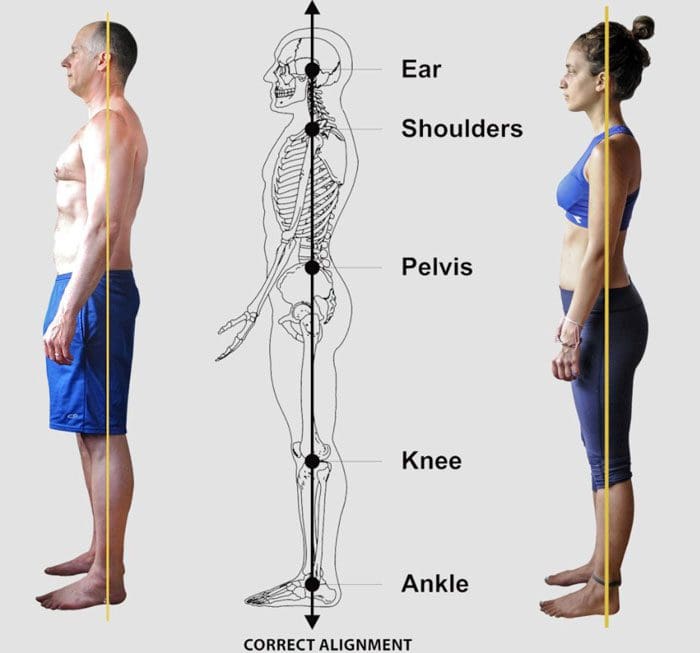
Stay aware of the body’s posture when sitting and standing. Keep the ears, shoulders, and hips in a straight line. Consider phone posture reminders and devicesto check in with how you’re holding yourself throughout the day.
Take breaks throughout the day.
Take breaks that will move the body and stretch the neck and upper body. This benefits the muscles, eyes, and mental health.
Sleep position
Improve sleeping positions with a smaller, flatter, firmer pillow.
Reduce weight from the shoulders
Utilize a rolling bag instead of carrying heavy bags and backpacks, and only carry what is necessary.
Movement
Try to get 30 minutes of moderate exercise/physical activity a day to keep the body in healthy condition.
Meditation and stretching
Practicing yoga or meditation along with stretching out helps reduce psychological and physical stress. Yoga can count as daily exercise.
Doctor or Dentist
If chronic neck tension is presenting, see a doctor or chiropractor. Consult a dentist about teeth grinding or temporomandibular joint TMJ disorder treatments.
Neck stretches
To relieve tension in the neck, try some neck stretches.
Gently pull your head to the right, so the ear almost touches the shoulder.
Hold for 30 seconds
Repeat on the opposite side.
Body Composition
The Immune System
The Immune System is essential in maintaining health. Its objective is to:
Neutralize pathogenic microorganisms like bacteria that enter the body and threaten homeostasis.
Eliminate harmful substances from the environment.
Fight against cells that cause illnesses like cancer.
Innate and adaptive immune processes.
The innate system includes exterior defenses, like the skin, proteins, and white blood cells.
Any organisms that escape the first line of defense have to then face the adaptive system. This is made up of T and B cells.
The adaptive immune system is constantly adapting and evolving to identify changes in pathogens change over time.
These systems work together to provide resistance and the elimination of long-term survival of infectious agents in the body.
References
Chaplin, David D. “Overview of the immune response.” The Journal of allergy and clinical immunology vol. 125,2 Suppl 2 (2010): S3-23. doi:10.1016/j.jaci.2009.12.980
Hawk, Cheryl et al. “Best Practices for Chiropractic Management of Patients with Chronic Musculoskeletal Pain: A Clinical Practice Guideline.” Journal of alternative and complementary medicine (New York, N.Y.) vol. 26,10 (2020): 884-901. doi:10.1089/acm.2020.0181
Hughes, Stephen Fôn et al. “The role of phagocytic leukocytes following flexible ureterorenoscopy, for the treatment of kidney stones: an observational, clinical pilots-study.” European journal of medical research vol. 25,1 68. 11 Dec. 2020, doi:10.1186/s40001-020-00466-7
Stress in the workplace is a serious issue. Working is rewarding, but it can become a cause for major stress as well. Studies have shown that more than 40% of workers find their job to be a workplace stressor. Stress takes a toll on the body both mentally and physically. Numerous factors can result in being stressed. This includes:
Working for long hours regularly
Large amounts of work to complete
Meeting deadlines
Job insecurity
Workplace Stress Can Hurt The Body
Workplace stress fatigues and agitates the body and can cause major health issues. These include:
Sometimes stress can be so intense that the heart races. For some, this can lead to panic attacks. To help calm the body down, breathing exercises can help.
One exercise to relieve stress is to take one deep inhale and hold it for three seconds.
After three seconds, with the front teeth over the edge of the upper lip.
Slowly exhale.
Wait a few seconds
Repeat until you feel calm.
Second exercise
Close your eyes and breathe in and out like blowing up a balloon.
Take a long inhale, pretend the stomach is a balloon and hold the air for seconds.
Exhaling, pretend the air escaping is like a balloon releasing the air.
This helps to slow down the heart and releases tension.
Stay Aware of Body Posture
When intensely working on something standing or hunched over for a long time, muscle tension is occurring.
When sitting, make sure the feet are planted firmly on the floor.
Keep the shoulders back and aligned.
Investing in an ergonomic chair with lumbar support can help.
Low back support will automatically encourage the body to maintain proper posture while also providing comfort.
Never cross the legs when sitting. This can place pressure on the pelvis that can lead to low back pain.
It’s important to keep the body moving as it promotes circulation and maintains muscle strength and flexibility. Not moving around can make the body feel lethargic and irritated.
By getting up and walking around, tension is released, which helps reduce stress.
Make an effort to get out and walk regularly.
Walking has been proven to reduce stress and strengthen the bones.
Therapeutic Massage
Another way to manage stress in the workplace is to get a therapeutic massage. It will soothe and relax the body, helping you feel more at ease at work and home. Benefits of massage include:
Improves flexibility
Boosts immune system function
Increases energy
Reduces anxiety symptoms
Types of massages that help with reducing tension and stress are:
Fast food and junk food can bring temporary/false relief, but eating poorly regularly will increase stress in the body. The food does not supply the body with the nutrients it needs to get large amounts of work done. Individuals get a quick jolt of energy then crash rapidly and feel worse creating an unhealthy cycle. To help manage stress, some of the best foods include:
Adjustments can be helpful to manage workplace stress. The benefits are able to release tension throughout the body and increase flexibility. Chiropractic can improve blood circulation which can reduce symptoms caused by hypertension and nerve damage. Some chiropractic techniques used include:
This can improve how the body responds to stress. Keeping the body stress-free while working will help to be more productive, and encouraged to live healthier. The nervous system is responsible for adapting to the environment, especially a stressful environment. A properly aligned spine and nervous system allow the body to manage stress better.
Body Composition
High blood pressure and diabetes prevention
Living a healthy lifestyle reduces the risk of chronic diseases, that includes diabetes and hypertension. Too much:
Sodium
Alcohol
Saturated fat
Combined with:
Smoking
Lack or no physical activity
Mental stress
These are all factors that can affect overall health and longevity.
The American Heart Association recommends at least 150 minutes a week of moderate-intense aerobic activity or 75 minutes a week of intense aerobic activity. Moderate-intense activities include:
Jamison, J R. “Stress management: an exploratory study of chiropractic patients.” Journal of manipulative and physiological therapeutics vol. 23,1 (2000): 32-6. doi:10.1016/s0161-4754(00)90111-8
Individuals that experience frequent headaches can have sensitive headache trigger points. Every case is different and requires a thorough examination before a proper and personalized chiropractic treatment plan can begin. Headaches can be brought on from a variety of causes. This could be:
Drug reactions
Temporomandibular joint dysfunction (TMJ)
Tightness in the neck muscles
Low blood sugar
High blood pressure
Stress
Fatigue
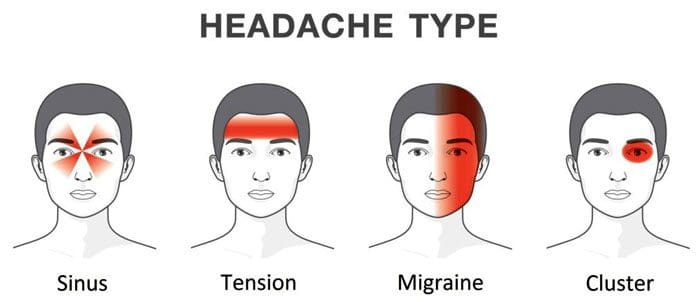
The majority of recurrent headaches fall into three types:
Tension headaches, also known as cervicogenic headaches
Tension headaches are the most common and affect around 77% of individuals experiencing chronic headaches. Most individuals describe a tension headache as a consistent dull ache on one side of the head and sometimes both sides. They are often described as having a tight band/belt around the head or behind the eyes. These headaches usually start slowly, gradually and can last for a few minutes or days. They tend to start in the middle of the day or before the end of the day.
These headaches can be the result of stress and/or poor posture. The most common cause is subluxations in the upper back and neck, usually combined with active headache trigger points. This stresses the spinal muscles in the upper back and neck. A tension headache or stress headache can last 30 minutes to a few days. Chronic tension headaches can last for months. The pain can be severe; however, these headaches are typically not associated with symptoms like throbbing, nausea, or vomiting.
If the top cervical vertebrae shift out of their position and lose their normal motion, a small muscle called the rectus capitis posterior minor/RCPM begins to spasm. This small muscle has a tendon that slips between the upper neck and the base of the skull. It attaches to a thin, sensitive tissue called the dura mater that covers the brain. The dura mater is very pain-sensitive. When the RCPM muscle goes into spasm, the tendon pulls the dura mater causing a headache. Individuals that work at a desk station for long hours tend to experience headaches from this cause. Another cause comes from referred pain caused by headache trigger points in the Sternocleidomastoid/SCM or levator muscle on the side of the neck. This cause tends to happen more to individuals that have suffered a whiplash injury with muscle damage in the neck region.
Migraine Headaches
Migraines are intense and throbbing headaches that are associated with nausea and sensitivity to light or noise. They can last for a few hours to a few days. Many experience visual symptoms known as an aura just before they come on. This is described as seeing flashing lights or when things take on a dream-like appearance. However, even in individuals that don’t experience the aura, most can tell that a migraine is getting ready to present. Individuals usually have their first attack before age 30. They tend to run in families supporting a genetic component. Some have attacks several times a month, while others can have less than one a year. Most individuals find that migraines happen less and become less severe as they get older.
These headaches are caused by the constriction of blood vessels in the brain. During the constriction period, there is a decrease in blood circulation. This is followed by dilation/enlargening of the blood vessels. This is what leads to the visual symptoms. Then the blood vessels dilate, generating a rapid increase in blood pressure inside the head. This increased pressure is what leads to a pounding headache. Every time the heart beats, it sends another shock wave through the carotid arteries in the neck into the brain. There are different theories as to why the blood vessels constrict, but they are still unknown. What is known is that several factors can trigger a migraine. This includes:
Lack of sleep
Stress
Flickering lights
Strong smells
Changing weather
Foods that are high in an amino acid known as tyramine
Cluster
Cluster headaches are very short excruciating headaches. They are usually felt on one side of the head behind the eyes. These headaches affect about 1 million individuals and are more common in men. This type of headache tends to happen at night. They are called cluster headaches because they tend to happen one to four times a day over several days. After one cluster is over, it could be months or even years before they present again. Like migraines, cluster headaches cause the dilation of the blood vessels in the brain, increasing the pressure.
Trigger Points
Headache trigger point therapy involves four muscles. These are the:
The Splenius muscles involve two individual muscles, the Splenius Capitis and the Splenius Cervicis. These muscles run along the upper back to the skull base or the upper cervical/neck vertebrae. Trigger points in the Splenius muscles are a common contributor to pain that travels through the head to the back of the eye and top of the head.
The Suboccipitals are a group of four small muscles that maintain proper movement and positioning between the first cervical vertebra and the skull base. Trigger points in these muscles can cause pain that feels like it’s happening inside the head, from the back to the eye and forehead. Individuals report that the whole side of the head hurts. This is a pain pattern similar to a migraine.
The Sternocleidomastoid muscle runs along the base of the skull, behind the ear, down the side of the neck. It attaches to the top of the sternum/breastbone. Although most are not aware of this muscle’s trigger points, the effects are evident. This includes:
Referred pain
Balance issues
Visual symptoms
Referred pain tends to be eye pain, headaches over the eye, and can even cause earaches. An unusual characteristic of SCM headache trigger points is that they can cause dizziness, nausea, and balance problems.
The trapezius muscle is the large, flat muscle in the upper and middle back. Pain can be felt in the temple and back of the head. A common trigger point is located at the top of the muscle. This particular point can activate secondary trigger pointsin the temple or jaw muscles, leading to jaw or tooth pain.
Headache Triggers
Stress can be a trigger.
Depression, anxiety, frustration, and even pleasant excitement can be associated with headache development.
A headache diary can help determine whether factors like food, weather, and/or mood correlate with headache patterns.
Repeated exposure to nitrite compounds can result in a dull headache accompanied by a flushed face. Nitrite dilates blood vessels and is found in products like heart medications, and is also used as a chemical to preserve meat. Processed meats containing sodium nitrite can contribute to headaches.
Foods prepared with monosodium glutamate or MSG can result in headaches. Soy sauce, meat tenderizers, and various packaged foods contain this chemical as a flavor enhancer.
Exposure to poisons, even household varieties like insecticides, carbon tetrachloride, and lead, can contribute.
Contact with lead batteries or lead-glazed pottery.
Foods that are high in the amino acid tyramine should be avoided. This could be ripened cheeses like cheddar, brie, chocolate, and pickled or fermented food.
Bio-Chiropractic
Chiropractic adjustments are highly effective for treating tension headaches, especially those that originate in the neck. Research has found that spinal manipulation resulted in almost immediate improvement and had fewer side effects and longer-lasting relief than taking common medications. There is a significant improvement by manipulating the upper two cervical vertebrae, combined with adjustments to the area between the cervical and thoracic spine.
Body Composition Testing
Vibration Exercise
Vibration exercise is believed to stimulate the muscle fibers without going to a gym or stressing the bones. One study broke up postmenopausal women into three groups: resistance training, vibration training combined with resistance training, or no exercise/training. Their body composition was measured before starting the study. After the study was completed, the findings included:
Both the resistance group and the resistance group with vibration training increased lean tissue mass.
The control group did not show an increase in lean tissue and, in fact, gained body fat.
The combination group, using vibration training with resistance training, showed a drop in body fat.
Another study placed male athletes in a training program that included vibration training. The first group had lower-limb strength training combined with vibration training, and the other had lower-limb strength training without vibration training. The researchers found that the athletes in the vibration training group improved leg extension strength by five percent. In addition, the vibration training groups balancing ability and vertical lift/jumping test improved as well.
References
Bryans, Roland et al. “Evidence-based guidelines for the chiropractic treatment of adults with headache.” Journal of manipulative and physiological therapeutics vol. 34,5 (2011): 274-89. doi:10.1016/j.jmpt.2011.04.008
Chaibi, Aleksander et al. “Chiropractic spinal manipulative therapy for cervicogenic headache: a single-blinded, placebo, randomized controlled trial.” BMC research notes vol. 10,1 310. 24 Jul. 2017, doi:10.1186/s13104-017-2651-4
Bryans R, Descarreaux M, Duranleau M, et al. Evidence-based guidelines for the chiropractic treatment of adults with neck pain. J Manipulative Physiol Ther 2014; 37: 42-63.
Bryans R, Descarreaux M, Duranleau M, et al. Evidence-based guidelines for the chiropractic treatment of adults with headache. J Manipulative Physiol Ther 2011; 34: 274-89.
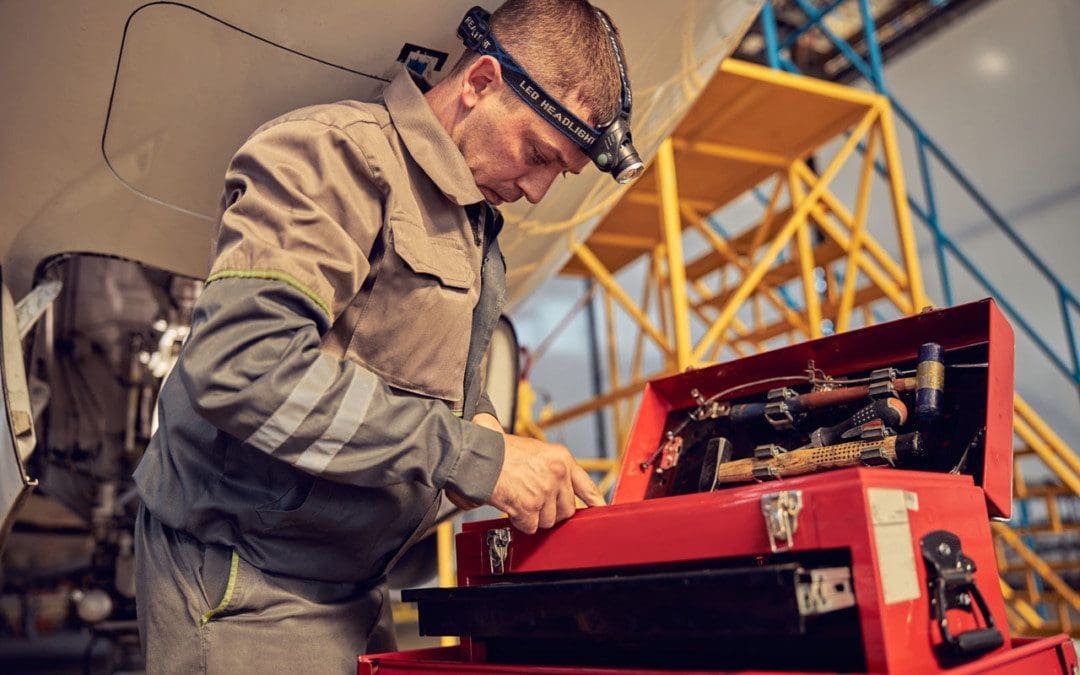
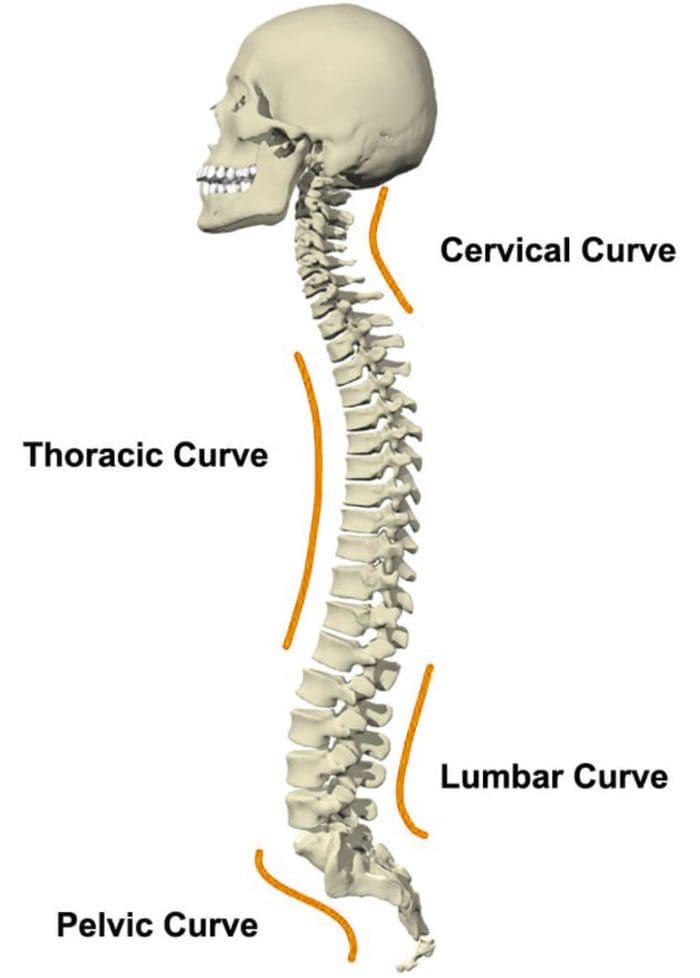
When a machine isn’t working correctly because the mechanism’s parts have slipped, shifted, become loose, and are on the verge of breaking down, an expert/professional is called in to repair the damaged parts. The same can be said of the spine. From all the movement at home, work, shopping, activities the spine also compresses and falls out of place becoming misaligned. That’s when individuals need to call a chiropractor to repair/realign the spine. The spine is an integral component of the body’s functionality and health. This includes:
For the spine to operate at its best proper alignment is necessary. The spine is impacted by everyday activities that shift, jolt, bounce, and stress the spine. Exacerbating the regular wear and tear includes:
The head, shoulders, and spinal curves align from the side in general creating an S shape
Every individual’s spine varies significantly. This is why a professional chiropractic examination, diagnosis, and customized treatment plan will maximize spinal alignment and overall health.
Chiropractors are the Expert Repair Specialists
Chiropractors are specially trained at spotting spinal misalignment/s and repair. This is done non-invasively through manual adjustments and mobilization techniques. When the spine is in optimal alignment it will prevent and activate the body’s natural healing abilities. Once spinal alignment is achieved the chiropractor can help maintain proper alignment with exercise, health coaching, lifestyle adjustments, and nutrition to maximize individual health.
Body Composition
A partner, spouse, friend, co-worker, professional for maintaining health
Finding someone to share the highs and lows during an individual’s health journey will significantly help relieve stress and continue to be motivated. It can be a spouse, best friend, coworker, or licensed professional. When an individual vocalizes their thoughts and feelings, they gain confidence in their ability to handle whatever comes their way. This is an individual that will help navigate the negative emotions by listening and providing advice and encouragement.Take some time every week to share successes, failures, goals, etc. Whatever comes to mind to just get it out there so it can be evaluated and broken down into manageable parts. The great thing about sharing is that it can inspire positive changes.
Disclaimer
The information herein is not intended to replace a one-on-one relationship with a qualified health care professional, licensed physician, and is not medical advice. We encourage you to make your own health care decisions based on your research and partnership with a qualified health care professional. Our information scope is limited to chiropractic, musculoskeletal, physical medicines, wellness, sensitive health issues, functional medicine articles, topics, and discussions. We provide and present clinical collaboration with specialists from a wide array of disciplines. Each specialist is governed by their professional scope of practice and their jurisdiction of licensure. We use functional health & wellness protocols to treat and support care for the musculoskeletal system’s injuries or disorders. Our videos, posts, topics, subjects, and insights cover clinical matters, issues, and topics that relate to and support, directly or indirectly, our clinical scope of practice.* Our office has made a reasonable attempt to provide supportive citations and has identified the relevant research study or studies supporting our posts. We provide copies of supporting research studies available to regulatory boards and the public upon request. We understand that we cover matters that require an additional explanation of how it may assist in a particular care plan or treatment protocol; therefore, to further discuss the subject matter above, please feel free to ask Dr. Alex Jimenez or contact us at 915-850-0900.
Dr. Alex Jimenez DC, MSACP, CCST, IFMCP, CIFM, CTG*
email: [email protected]
phone: 915-850-0900
Licensed in Texas & New Mexico
References
Diebo, Bassel G et al. “Sagittal alignment of the spine: What do you need to know?.” Clinical neurology and neurosurgery vol. 139 (2015): 295-301. doi:10.1016/j.clineuro.2015.10.024
Caprara, Sebastiano et al. “Spinal sagittal alignment goals based on statistical modeling and musculoskeletal simulations.” Journal of biomechanics vol. 102 (2020): 109621. doi:10.1016/j.jbiomech.2020.109621
Senzon, Simon A. “The Chiropractic Vertebral Subluxation Part 10: Integrative and Critical Literature From 1996 and 1997.” Journal of chiropractic humanities vol. 25 146-168. 6 Apr. 2019, doi:10.1016/j.echu.2018.10.008
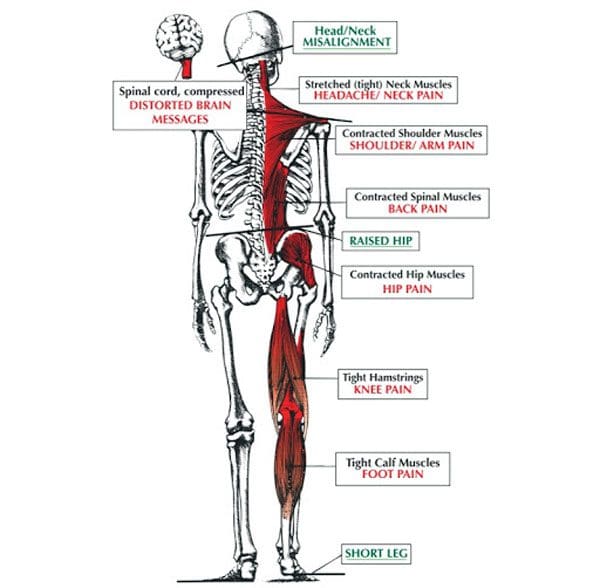
When spinal misalignments happen the body experiences soreness, inability to rotate the neck, or after sitting/standing in one position for too long hip and leg discomfort/pain. This is why spinal alignment is so crucial to healthy living. These examples help to illustrate the delicate balance required in the spine to maintain optimal health, stay pain-free, prevent injury, and the ability to conduct everyday chores/responsibilities without the fear and anxiety of setting off pain symptoms.
Understanding how pain is processed
Pain is a complex sensation. Neural pain receptors, also known as nociceptors detect harmful stimulation/s in the form of:
Body Temperature changes
Mechanical forces and pressure on the body
Chemical changes in the body brought on by inflammation or cell damage
How the signal transmits from the stimulated nerve and how it is perceived depends on the upper levels of neural activity in the body. Specifically, the spinal cord, brainstem, and the brain. Examples of pain perceptions:
Previous pain generating experiences – auto accident, work injury, etc.
Spinal Misalignments and Balance
Pain is essential for alerting the body when engaged in activities, and body positions that can cause damage to the tissues like poor postures, work/sports/personal injuries, inflammatory foods, etc. The nerves’ pain pathways can experience overstimulation when the system is overloaded.
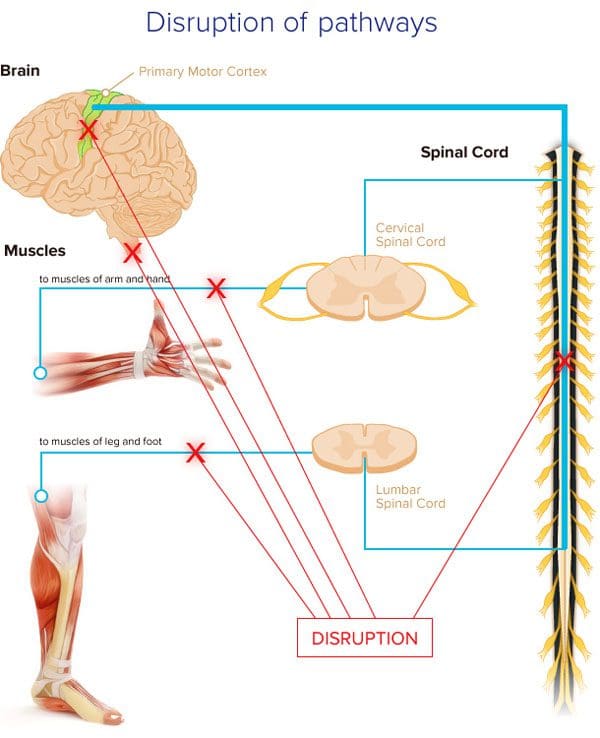
Excessive stimulation can be brought on by chronic inflammation, mood disorders, and poor health. One overlooked issue with the perception of pain is the health/effectiveness of the actual neural pathways. The nerve’s energy is affected by spinal misalignments. Proper nerve health and circulation are crucial for the body to transmit proper pain signals. Spinal misalignments can be brought on by:
Can lead to major dysfunction of the nerves pathways
The longer the pain and discomfort go on the more intense/severe the issues can become. This is when pain and discomfort become chronic leaving individuals feeling hopeless, frustrated.
Symptoms
The spine does more than provide stability. Any type of spinal misalignments will affect the rest of the body as well. Possible symptoms that the spine is out of alignment includes:
Chronic headaches
Frequent illnesses
Fatigue
Lower back pain
Neck pain
Hip pain
Knee pain
Numbness/tingling in the hands or feet
Walking gait abnormalities causing one shoe to wear out quicker than the other
Chiropractic Management
Many treatments focus on masking the pain rather than addressing the underlying root cause. This can lead to a chronic pain cycle and dependence on pain medications and invasive treatment. Chiropractic is a science-based approach that focuses on getting to the root issue. Chiropractic utilizes gentle and effective techniques like:
Manipulation
Exercise regimen
Stretching regimen
Body mechanics training
Health nutritional education
When the body is aligned and the spinal nerves are healthy, an individual’s pain perception will be changed for optimal functionality.
The first step is to reduce caloric intake by changing/adjusting dietary nutritional habits. Individuals can experiment with various types of diets and regular exercise regimens, and getting into the habit of getting the proper amount of sleep. Depending on an individual’s existing muscle mass, gaining Lean Body Mass first could be an option. An individual may be able to lose fat and gain muscle because:
Increased muscle mass will increase the Basal Metabolic Rate/metabolism, and if no extra calories are added body fat can be shed while building muscle.
Lifting weights can increase Total Daily Energy Expenditure, causing the body to burn more calories.
Circuit training is one option for improving changes in body composition while not affecting changes in overall body weight. This means muscle gain and fat loss is happening at the same time.
Dr. Alex Jimenez�s Blog Post Disclaimer
The scope of our information is limited to chiropractic, musculoskeletal, physical medicines, wellness, and sensitive health issues and/or functional medicine articles, topics, and discussions. We use functional health & wellness protocols to treat and support care for injuries or disorders of the musculoskeletal system. Our posts, topics, subjects, and insights cover clinical matters, issues, and topics that relate and support directly or indirectly our clinical scope of practice.*
Our office has made a reasonable attempt to provide supportive citations and has identified the relevant research study or studies supporting our posts. We also make copies of supporting research studies available to the board and or the public upon request. We understand that we cover matters that require an additional explanation as to how it may assist in a particular care plan or treatment protocol; therefore, to further discuss the subject matter above, please feel free to ask Dr. Alex Jimenez or contact us at 915-850-0900. The provider(s) Licensed in Texas& New Mexico*
References
Dubinsky RM, Miyasaki J.Assessment: Efficacy of transcutaneous electric nerve stimulation in the treatment of pain in neurologic disorders (an evidence-based review). Report of the Therapeutics and Technology Assessment Subcommittee of the American Academy of Neurology.�Neurology. 2010;74:173-176.
Shrier I. Does stretching help prevent injuries?�Evidence-based Sports Medicine. Williston, VT: BMJ Books; 2002.
Tight and sore hamstrings commonly occur during workout and exercise, but can just as easily result from a fall or other accident. Individuals usually experience pain located at the back of the thigh with associated weakness along with the feeling of the muscles becoming tighter and a consistent soreness. Consistent tightness in the back of the legs is not only uncomfortable but can also make movement difficult.
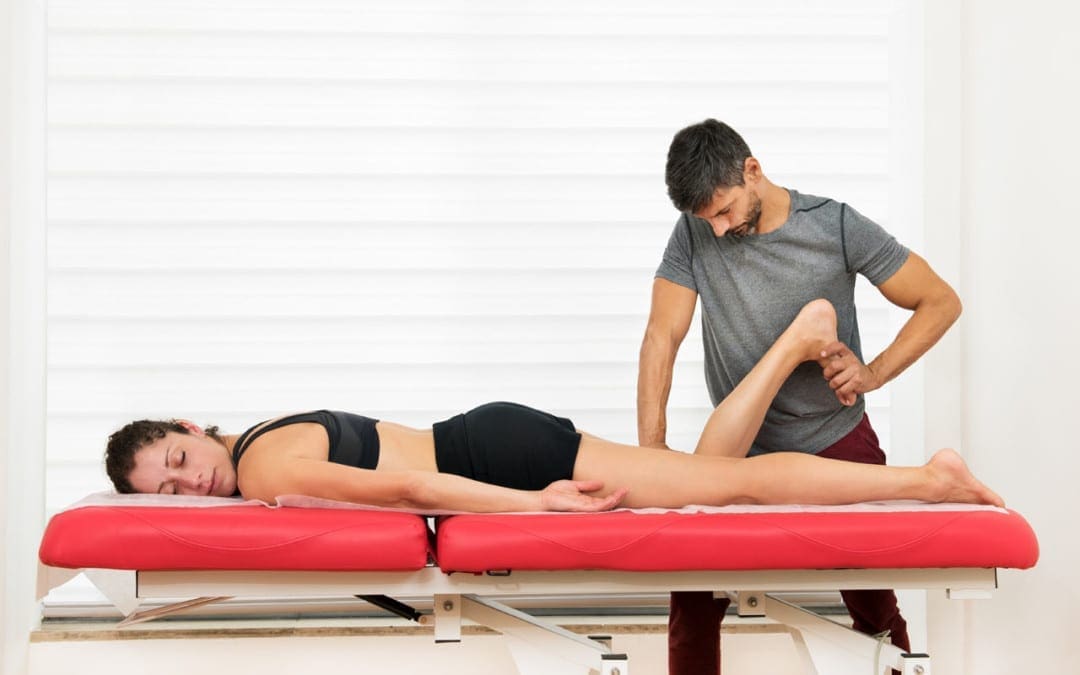
Many individuals stretch every day, do yoga, etc trying to relieve hamstring tension, with short-term relief only to have the tightness return. This is frustrating but more importantly, indicates that the problem might not have to do with the muscle�s length. There could be an underlying issue that needs to be identified and addressed. A chiropractic approach will diagnose and treat the root of the pain, not just the symptoms.
Hamstring/s Tightness
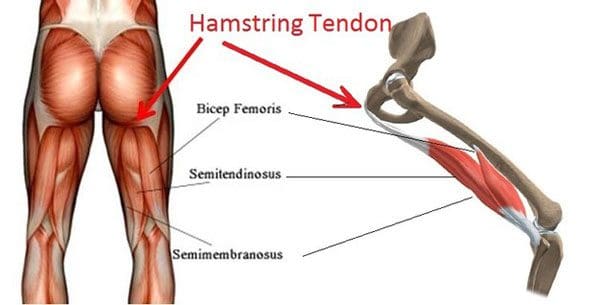
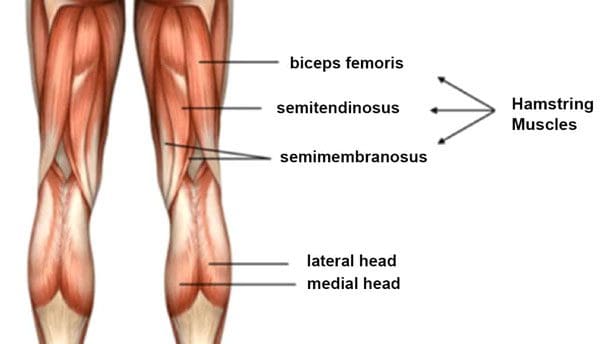
The hamstring is not a single string. It is a set of three muscles that run along the back of the thigh. The muscles allow for the bending of the leg at the knee. With a hamstring strain, one or more of these muscles can become overloaded and can start to tear. Strains often happen during activities that involve running, jumping, and/or sudden stopping and starting. This is where stretching doesn’t help, however, a chiropractic adjustment can help.
Weak Muscle Compensation
One possible cause for the tightness has to do with various related muscles and not the hamstrings themselves. Muscles that typically stabilize and facilitate movement could be too weak or are not functioning properly. What usually happens is that the muscles that are active have to work harder to compensate for the others that are not working/functioning properly.
The tension in the hamstrings can be alleviated through chiropractic exercises/stretches that activate the stabilizing muscles and get the circulation moving to promote strength and take the pressure off the hamstrings.
These muscle weaknesses can be caused by spinal misalignments that pull the body in an awkward fashion, throwing the body’s balance off. Each condition feeds the other as the hamstrings have to work harder, the body leans to the side that doesn’t cause pain, causing the spine to shift out of alignment and so begins the awkward body shifting to avoid the pain cycle. A chiropractic adjustment will restore balance and stability to the entire body.
A Pelvic Tilt
Pelvic tilt could be a contributing factor for tightness and soreness. This comes from:
Poor posture
Lack of physical activity
Weight gain
These factors can cause the pelvis to shift forward ever so slightly. But just that slight tilting could be pulling on the hamstrings. In order to rectify the tilt, exercise is recommended, and chiropractic manipulation to realign any spinal shifting.
Sciatic Irritation
Another issue is sciatic nerve irritation that could mimic tightness in the muscles. The sciatic nerve runs down the back of the leg and the irritation could make the hamstring appear to be tight. This is where stretching the hamstrings can worsen the condition by irritating the sciatic nerve, causing inflammation.
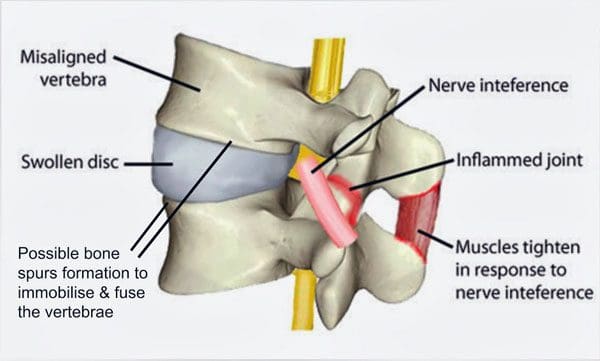
The sciatic nerve could also be experiencing irritation from spinal misalignment. A vertebral disc could be bulging or herniated. This could inflame the nerve root. A bone spur or inflamed joint could be impinging/compressing on the nerve root exits.
A chiropractic treatment plan will relieve the tension being placed on the nerve and allow for proper blood circulation and transmission of signals without interruptions. Talk to a chiropractor about an examination to identify the exact root causing the discomfort.
Advanced Chiropractic Treatment
Dr. Alex Jimenez�s Blog Post Disclaimer
The scope of our information is limited to chiropractic, musculoskeletal, physical medicines, wellness, and sensitive health issues and/or functional medicine articles, topics, and discussions. We use functional health & wellness protocols to treat and support care for injuries or disorders of the musculoskeletal system. Our posts, topics, subjects, and insights cover clinical matters, issues, and topics that relate and support directly or indirectly our clinical scope of practice.*
Our office has made a reasonable attempt to provide supportive citations and has identified the relevant research study or studies supporting our posts. We also make copies of supporting research studies available to the board and or the public upon request. We understand that we cover matters that require an additional explanation as to how it may assist in a particular care plan or treatment protocol; therefore, to further discuss the subject matter above, please feel free to ask Dr. Alex Jimenez or contact us at 915-850-0900. The provider(s) Licensed in Texas& New Mexico*
References
Hoskins, Wayne, and Henry Pollard. �Hamstring injury management–Part 2: Treatment.��Manual therapy�vol. 10,3 (2005): 180-90. doi:10.1016/j.math.2005.05.001
IFM's Find A Practitioner tool is the largest referral network in Functional Medicine, created to help patients locate Functional Medicine practitioners anywhere in the world. IFM Certified Practitioners are listed first in the search results, given their extensive education in Functional Medicine