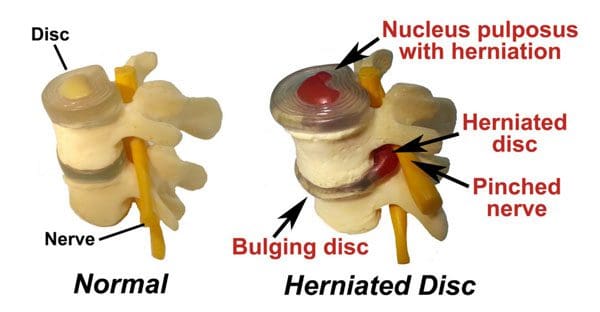
Here are a few recommended stretches and exercises for relieving herniated disc symptoms. The vertebrae are the small bones that make up the spine. They have cushion discs between each one. These are the intervertebral discs and are the body’s shock absorbers. The discs can be thought of as small balloons that are filled with an elastic gel-type material. There are twenty-three of these cushions.
Functioning as the body’s shock absorbers transferring various forces, weight, and stress from vertebra to vertebra, so that no one is overburdened taking on all the impact the body goes through. But like any machine, the discs can wear down over time, and sustain injury. When this happens the cushioning gel can leak out and press on the nerve roots emerging from the spine. This type of injury is a herniated disc.
Herniated Disc Treatment
A herniated disc can lose its height because of fluid and water loss.
This loss affects the bone structures bringing them closer together affecting the ligaments that connect each segment. The ligaments become loose and do not provide the same stability. Ligaments cannot be strengthened with exercise making it more important to strengthen the muscles around the spine to make up for this stability loss. Depending on the severity of the injury, the displaced disc can cause pressure to build upon the nerves, resulting in pain and other discomforts. This comes from the loss of the disc’s cushion causing the vertebrae to rub against each other. Stretches and exercises designed for herniated discs can work in conjunction with conservative treatment to relieve the pain and discomfort.
Stretches and Exercises for Pain Relief
Consult a medical spine specialist/chiropractor before beginning a stretch and exercise regimen. This is because the herniation can become worse or additional injury/s can occur without proper instruction. Once the injury and clinical considerations have been addressed, gentle stretches and exercises can help reduce the pain and other symptoms. Strengthening the back and hamstring muscles reduces pressure on the spinal column helping to prevent pain and promotes healing by:
Increasing blood flow to the spine
Building strength to support the spinal muscles
Decreases stress on the spine
Helps relieve the pain
Improves abnormal postures and awkward body positions
Equipment is not necessary but there are few items that can help the process.
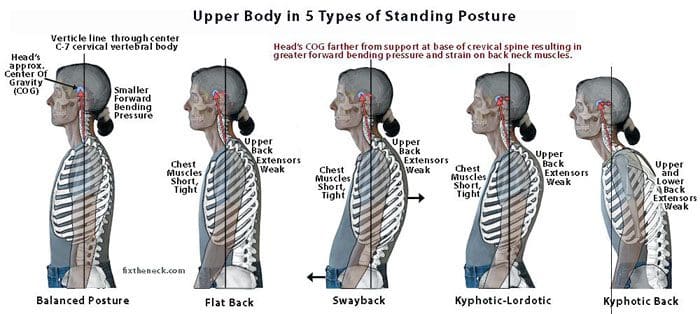
A herniated disc in the neck is usually caused by a forward head posture and a swayback or excessive curvature of the spine.
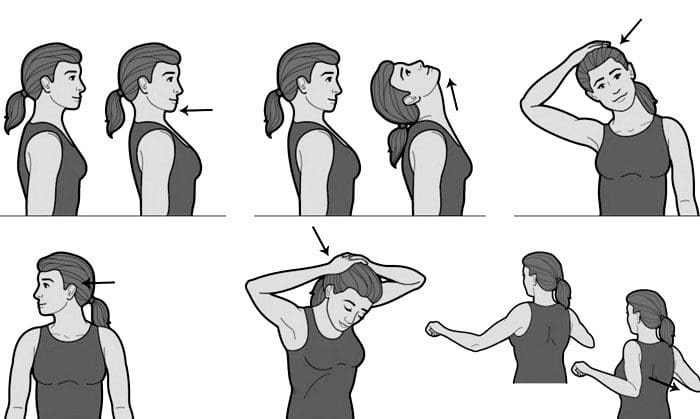
Isometric hold
Sit straight
Relax the shoulders
Place one hand on the forehead
Push head into the hand without moving the head
Hold for 5 to 15 seconds.
Repeat 15 times
Chin tuck
Lie on your back on a flat surface
Place arms at sides
Tuck the chin in and down toward the chest until a stretch is felt
Hold for 5 to 10 seconds
Repeat 15 to 20 times
Lumbar/Low Back Stretches and Exercises
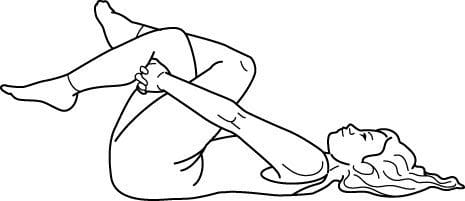
Back flexion stretch
This stretch extends the back muscles to relieve low back pain.
Lie flat on your back
Pull the knees toward the chest and wrap your arms around the knees
Lift head straight up off the floor until there is a stretch across the mid and low back
Hold for 10 seconds
Repeat 5 to 10 times
Piriformis stretch
This stretches the small muscle in the buttocks helping to relieve low back pain and helps with sciatica.
Lie flat on your back on the floor or yoga mat
Bend the knees
Plant feet on the floor
Pick up one leg and rest the ankle on the other leg’s bent knee
Reach one arm through the leg and use both hands to grasp the bent leg
Pull the leg toward the chest until there is a stretch in the buttock
Hold for 30 seconds
Repeat on the other leg
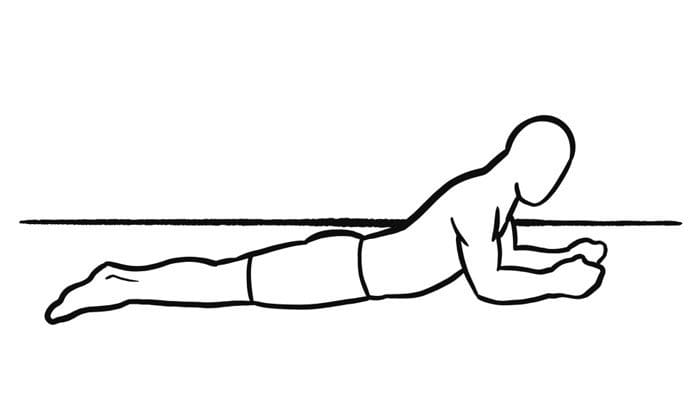
Prone extension stretch
This stretch helps reposition the disc back to its proper position, expediting the healing process. Start slowly and if pain presents, stop immediately.
Lie face down on the floor or yoga mat
Place the forearms on the floor next to the body
The elbows should be at a 45- degree angle
Slowly prop the body up, being sure to keep the hips on the floor
Keep pressing upward until the elbows are at a 90-degree angle
Hold the position for 10-15 seconds
Return to starting position
Repeat the stretch 10 times
Gradually increase the upward position hold time until it can be maintained for 30 seconds
Performing these stretches and exercises or similar types will help with herniated injury recovery and prevent worsening or creating new injuries.
Body Composition
Benefits of yoga
Yoga benefits mental and physical health. Yoga helps improve individual physical health. Specific poses can help:
Improve balance
Flexibility
Build/Tone muscle
Prevent injury
Improve sense of well-being
Yoga stretches the muscles while relieving physical and emotional stress. Practicing yoga regularly can prevent obesity, and reduce the risk of developing metabolic syndrome. Yoga can help decrease leptin which is a hormone that helps control appetite. This is important for individuals going through chronic stress who are twice as likely to develop metabolic syndrome.
Disclaimer
The information herein is not intended to replace a one-on-one relationship with a qualified health care professional, licensed physician, and is not medical advice. We encourage you to make your own health care decisions based on your research and partnership with a qualified health care professional. Our information scope is limited to chiropractic, musculoskeletal, physical medicines, wellness, sensitive health issues, functional medicine articles, topics, and discussions. We provide and present clinical collaboration with specialists from a wide array of disciplines. Each specialist is governed by their professional scope of practice and their jurisdiction of licensure. We use functional health & wellness protocols to treat and support care for the musculoskeletal system’s injuries or disorders. Our videos, posts, topics, subjects, and insights cover clinical matters, issues, and topics that relate to and support, directly or indirectly, our clinical scope of practice.* Our office has made a reasonable attempt to provide supportive citations and has identified the relevant research study or studies supporting our posts. We provide copies of supporting research studies available to regulatory boards and the public upon request. We understand that we cover matters that require an additional explanation of how it may assist in a particular care plan or treatment protocol; therefore, to further discuss the subject matter above, please feel free to ask Dr. Alex Jimenez or contact us at 915-850-0900.
Dr. Alex Jimenez DC, MSACP, CCST, IFMCP*, CIFM*, CTG*
email: [email protected]
phone: 915-850-0900
Licensed in Texas & New Mexico
References
Court C, Mansour E, Bouthors C. Thoracic disc herniation: Surgical treatment, Orthopaedics & Traumatology: Surgery & Research, 104(1)S31-@40, 2018, https://www.sciencedirect.com/science/article/pii/S1877056817303419.
Car accidents, even minor ones, can cause musculoskeletal problems, especially in the neck and shoulder area. Depending on the severity, it can be dangerous. When whiplash symptoms do not present immediately, this is known as delayed whiplash. Delayed symptoms can appear anywhere from twenty-four hours to months after the accident. The body is masking the symptoms to react to a traumatic event. Symptoms like:
Pain
Stiffness
Headache
Anxiety
Present within 24 hours, but this is not always the case.
Delayed Symptoms
With delayed whiplash, symptoms typically don’t appear until 24 hours after the accident. But there are cases of symptoms being delayed up to six months. Whether immediate or delayed, symptoms include:
Medical treatment should be sought out immediately if any of the below symptoms are experienced:
Weakness in the arms
The neck pain spreads to the shoulders and arms
Unbearable pain
Loss of vision
Causes of Delayed Whiplash
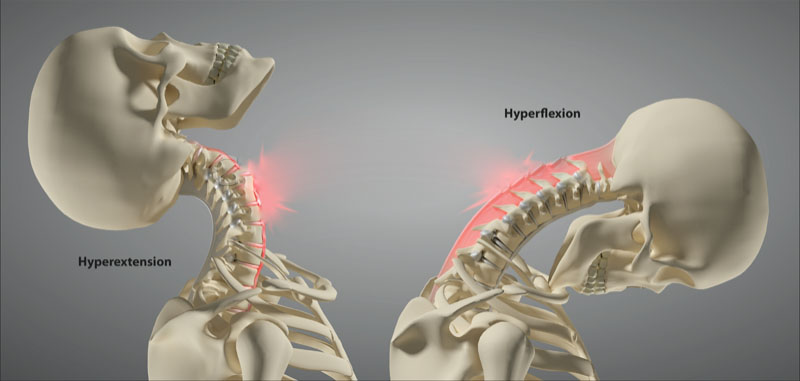
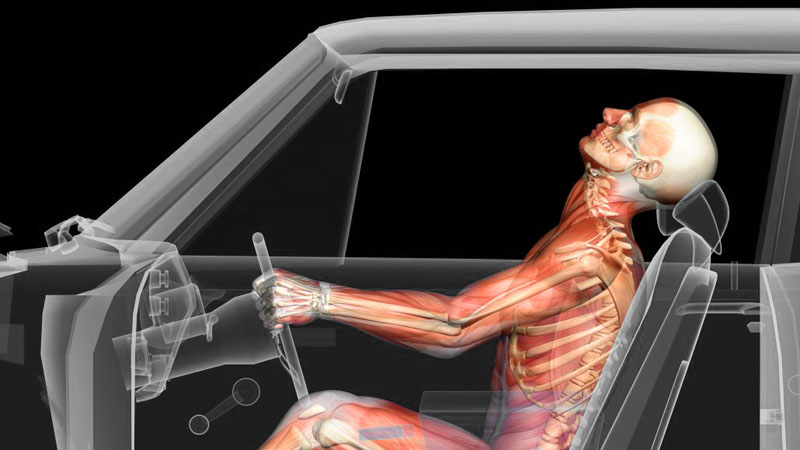
The most common cause of whiplash is automobile accidents. Even a slow-speed tap can cause delayed whiplash symptoms if the head snaps quickly, and it is not only being hit from behind in automobile accidents that cause whiplash. Rear-end, front-end, and side collisions can cause whiplash and delayed whiplash symptoms. Any time the neck snaps in a quick fashion in any direction there is potential for a neck injury. Some less common causes include:
Specific types of falls where the head quickly snaps around
Cycling accidents
Skating/skateboarding accidents
Skiing/snowboarding accidents
Symptoms Can Get Worse With Time
Determining whether to seek medical attention if there is no pain or symptoms after the event can be difficult. However, symptoms can get worse over time and cause serious problems in the neck:
Small fractures
Ruptured discs
Pinched nerves
Untreated Whiplash
Whiplash can get worse with time when they are not treated. This is why seeking medical care after the event is significant. As a doctor, a chiropractor can diagnose if any serious issues are present and develop the best plan to deal with pain and symptoms. When left untreated chronic whiplash and neck pain can develop. Chronic whiplash is rare but does happen, even with injuries considered not severe. Medical professionals will use X-Rays, MRIs, or CT scans to examine the damage’s extent and prevent the symptoms from worsening.
Treatment Options
Wearing a neck brace immediately following a neck injury can be an option but there is evidence that some movement of the neck and head should be incorporated, as it is beneficial for the healing process. If the pain is unbearable, wearing a brace could be implemented into a treatment plan.
Ice and Heat
Ice and heat will help with stiffness and pain.
Ice will help relieve pain and should be used in 15-minute intervals.
Heat packs and ointments can help soothe the area, loosen up the muscles, and promote optimal healing.
Non-Steroidal Anti-Inflammatory Meds
Advil or Ibuprofen can be taken for pain and inflammation. These meds help the symptoms, but should not be the only pain reliever.
Ginger
Ginger tea can help those suffering from nausea and dizziness.
It contains anti-inflammatory properties.
Supplements include green tea, turmeric curcumin, fish oil, and sage.
CBD Oil and Ointment
CBD oil or ointments can help relieve pain and relax muscles.
Stretching
Gentle stretches can help the healing process and keep the neck muscles loose.
Chiropractic
Chiropractic can treat whiplash utilizing several different techniques. They will perform tests to diagnose the extent of the injuries and determine what type and the best treatment plan. The plan can include the following:
Inflammation reduction and Pain relief
Heat, ice, ultrasound, and laser therapy can help reduce pain and inflammation.
Spinal Adjustments
Spinal adjustments will help relieve pain from pinched nerves, bulging discs, and strained muscles.
Massage
Massage is a common practice in whiplash cases. It helps to kickstart the healing process by:
Promoting proper blood and nerve energy circulation
Loosens the muscles
Flushes out the toxins
Stretches and Tips
A chiropractor will train the patient on specific stretches/exercises and pain-relief tips at home. These can include:
Physical therapists can help by focusing on the muscles in the affected area.
They will teach the individual stretches and exercises to stretch and strengthen the strained muscles.
They can also utilize heat and ice therapy, ultrasound, and laser therapy.
Body Composition
Hot Yoga and Metabolic Rate
Both internal and external temperatures influence the body’s metabolic rate. The body’s chemical reactions happen more quickly if the temperature is higher. This is because the body works harder to restore average temperature balance. Brief exposure to heat is not enough to increase metabolism. To raise BMR, more prolonged exposure to heat is necessary. This is where hot yoga comes in. Hot yoga involves performing a sequence in a studio that is 105 degrees Fahrenheit with a humidity rate of 40%. It is an intense workout that involves sweating. The high heat:
Increases blood flow
Warms the muscles for deep stretching
Helps the lymphatic system release toxins
Raises the body’s Basal Metabolic Rate
References
Balla, J I. The late whiplash syndrome. The Australian and New Zealand Journal of surgery vol. 50,6 (1980): 610-4. doi:10.1111/j.1445-2197.1980.tb04207.x
Fitz-Ritson D. Phasic exercises for cervical rehabilitation after “whiplash” trauma. Journal of Manipulative and Physiological Therapeutics. 1995 Jan;18(1):21-24.
Seferiadis, Aris, et al. A review of treatment interventions in whiplash-associated disorders. The European spine journal: official publication of the European Spine Society, the European Spinal Deformity Society, and the European Section of the Cervical Spine Research Society vol. 13,5 (2004): 387-97. doi:10.1007/s00586-004-0709-1
While bruising, soreness, and scrapes are common, whiplash and chronic whiplash injuries may not show for several days or weeks. While today’s vehicles are safer than ever, they can still only do so much when it comes to the body and musculoskeletal health. Being involved in an automobile accident, even a light tap can give a sudden jolt to the spine that although the individual might not have felt anything like discomfort or pain, it was enough to shift the disc/s out of place or set them up to shift out of place. No one wants to be involved in a car or motorcycle accident, but regardless of good driving habits, or how advanced the safety features on the vehicle might be, the average driver will be involved in three to four automobile accidents in their life.
Whiplash
Whiplash and chronic whiplash injuries are common in motor vehicle accidents. More than 3 million Americans will see a doctor and a chiropractor for automobile accidents and whiplash effects. It only takes a 2.5 mph hit to cause an injury. And whiplash doesn’t only happen when hit from behind, there are several ways an individual can be subjected to whiplash, including being T-boned, amusement park rides, and falling off a bicycle or a horse.
Symptoms
Most whiplash symptoms develop in the first twenty-four hours, but this is not always the case. Common symptoms include:
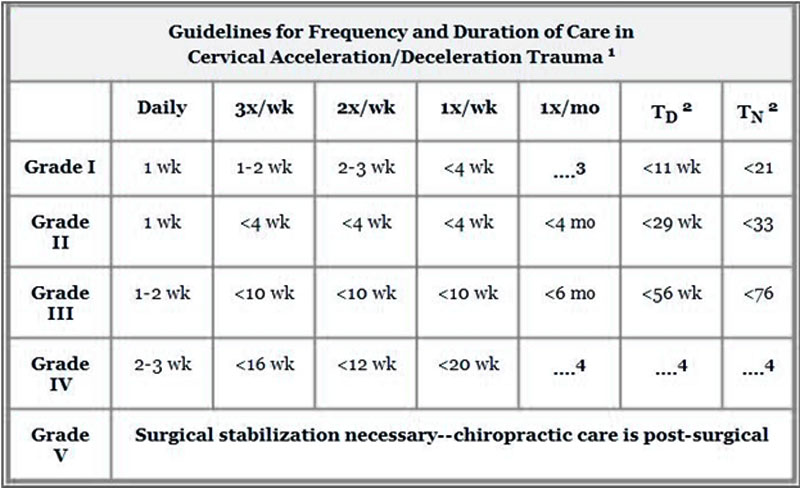
Most individuals realize they have whiplash a day or two after, but for others, it can take a few weeks or even months to present. Whiplash is classified by degree or grade:
Grade 0
The individual has no complaints and there are no symptoms/signs of physical injury.
Grade 1
There is neck pain but there are no physical signs of injury.
Grade 2
There are signs/symptoms of musculoskeletal damage and neck pain is presenting.
Grade 3
There are signs/symptoms of neurological damage and neck pain is presenting.
The average amount of time most individuals stay home from work is around 40 days. However, when whiplash pain lasts longer than a few weeks, it is deemed to be chronic whiplash.
Chronic Whiplash
Some individuals with whiplash experience painful symptoms for years. This is true of those that avoid or refuse medical attention and learn to live with it.
Treatment Options
There are very effective methods for treating whiplash and chronic whiplash injuries. Depending on the extent of the injury/s, developing the right treatment/rehabilitation plan requires individual consultation with a chiropractor to discuss options that can include:
Pain Relief
The pain can be excruciating. Over-the-counter pain relievers like ibuprofen for temporary relief. However, the individual will need extended treatment to ensure it does not become chronic pain.
Neck Brace
Neck braces help limit the pain, but should not be worn for more than three or four days. If worn for too long the neck muscles are prevented from gaining the strength needed to support the head.
Don’t Sit For Too Long
Avoid keeping the head in any one position for too long. This includes sitting in bed, watching TV, or working at a desk. This places a large amount of pressure and stress on the neck, making the pain even more severe and longer-lasting.
Sleeping Properly and Comfortably
For many, it can be difficult to get into a comfortable position when sleeping. Sleeping on the back with the head turned to one side can worsen the pain. Try a high-quality ergonomic pillow that allows the individual to sleep on their side and takes the pressure off of the neck.
Spinal Alignment
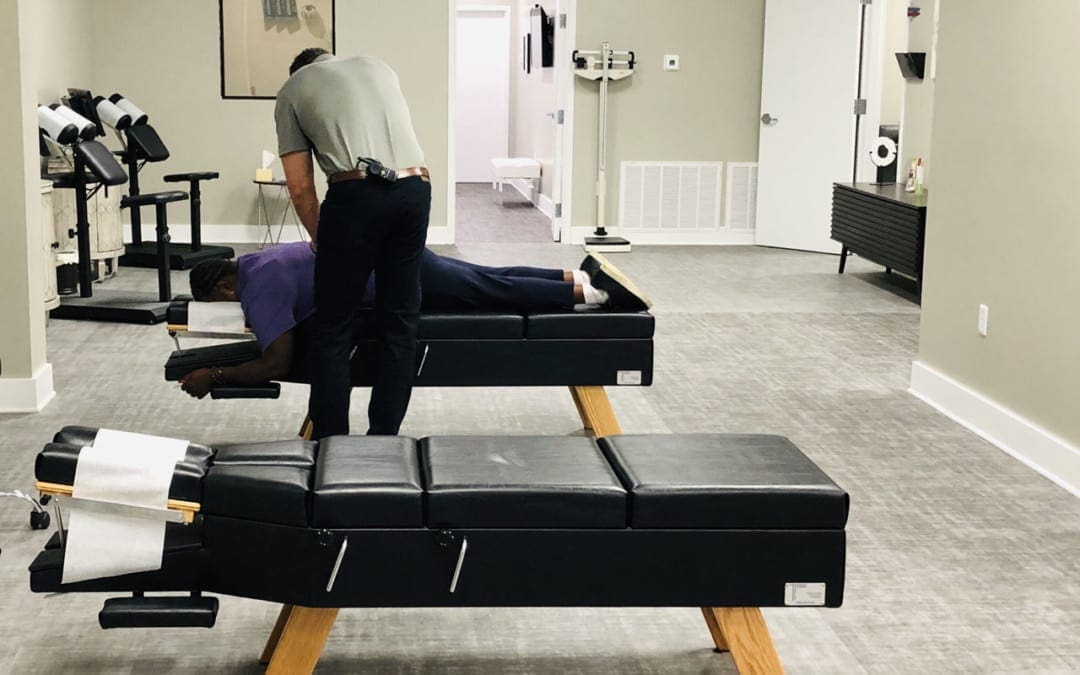
Whiplash can cause the spine to shift out of alignment. This can lead to additional problems in the back or shoulders. It�s always a good idea to see a chiropractor that specializes in motor vehicle accident injuries to realign the spine and neck, as well as for rehabilitation to strengthen the muscles and prevent further injuries. See a chiropractor for an evaluation of the injuries and develop a customized treatment plan that works for the individual’s condition.
Everyone is different
Some individuals can be stiff and sore for a few days and then are okay with not much pain. Some individuals experience severe pain immediately after the wreck, while others have no pain for days or even weeks. Both scenarios are pretty common. Soft tissue injuries can be very deceiving. Some don�t experience any pain for months after the accident. Many don�t think they need to see a doctor or chiropractor because there is no pain or symptoms. However, underneath serious problems could be getting ready to present including:
Constant headaches
Numbness or pins and needles in the hands or arms
Pain between the shoulder blades
Poor posture
Chronic muscle tension
Painful spasms
Degeneration of the discs
Painful inflamed arthritis
The quick development of arthritis
Sore, tight, or inflexible muscles
Sleep disturbances
Fatigue
Dizziness
Body Composition
A decrease in physical activity
Physical inactivity is a primary factor in the progression of sarcopenia. Resistance exercise can help maintain muscle mass and help build muscular strength. Individuals that are more sedentary can exacerbate the effects of sarcopenia.
A decrease in motor neurons
Aging is accompanied by motor neuron loss resulting from cell death. This leads to a decrease in muscle fiber. This decrease in muscle fibers leads to:
Impaired performance
A reduction in functional capacity
A decreased ability to perform everyday tasks
Dr. Alex Jimenez�s Blog Post Disclaimer
The scope of our information is limited to chiropractic, musculoskeletal, physical medicines, wellness, and sensitive health issues and/or functional medicine articles, topics, and discussions. We use functional health & wellness protocols to treat and support care for injuries or disorders of the musculoskeletal system. Our posts, topics, subjects, and insights cover clinical matters, issues, and topics that relate and support directly or indirectly our clinical scope of practice.*
Our office has made a reasonable attempt to provide supportive citations and has identified the relevant research study or studies supporting our posts. We also make copies of supporting research studies available to the board and or the public upon request. We understand that we cover matters that require an additional explanation as to how it may assist in a particular care plan or treatment protocol; therefore, to further discuss the subject matter above, please feel free to ask Dr. Alex Jimenez or contact us at 915-850-0900. The provider(s) Licensed in Texas& New Mexico*
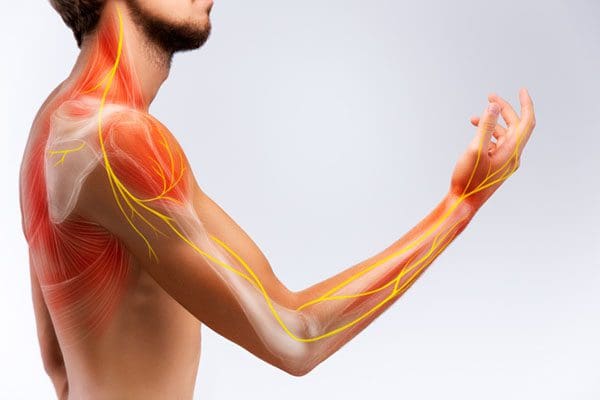
Pinched nerves occur when added pressure is applied to a nerve or set of nerves from surrounding tissues like bones, cartilage, muscles, or tendons. The pressure affects the nerve’s ability to function properly and usually causes pain, tingling, numbness, or weakness. A pinched nerve can occur at various sites in the body. Whether located in the neck, shoulder, arm, hand, back, or knees, they can lead to other debilitating conditions/injuries and permanent nerve damage if left untreated.
Pinched Nerves
The nerves are not actually being pinched but are being compressed. The added pressure on or around the nerve causes painful sensations that can also include:
Pinched nerves are nothing to dismiss. Individuals experiencing any of the above symptoms should get a proper diagnosis from a chiropractor.
Compression Goes Away By Itself
A compressed nerve can go away on its own if the pain has recently started or is not severe. In addition, home remedies like rest, heat, ice, and stretching can be utilized to help the compression subside on its own.
Length of Time It Takes for a Pinched Nerve to Heal
The length of time depends on the reason why the nerve is compressed and irritated. For example, some pinched nerves are brought on from poor posture and tight muscles. These can usually heal within 4 weeks. However, if the pain has been going on for some time, like more than 3 months, it will take longer, especially to identify the root cause/s and address them according to their severity.
Treatment Options
Chiropractic Adjustments and Massage
These two types of treatment/therapy highly complement each other. A chiropractor understands the importance of massage when it comes to healing and stress relief. Some cases of pinched nerves come from tight muscles and muscle spasms. Along with chiropractic adjustments, massage therapy is perfect for releasing and stretching the nerves back to their natural form.
Studies show that chiropractic massage therapy offers pain relief and also helps reduce any depression and anxiety that the pain symptoms can generate. In addition, comprehensive chiropractic treatment has been proven to be the best and fastest way to deal with pinched nerves.
Get More Sleep
Whenever the body is going through stress and needs repair, more sleep gives the body the time to heal itself. An extra hour of sleep also ensures that the injured area moves less. However, try to avoid sleeping on the stomach and make sure that the pillows being used provide plenty of support.
Warm/Hot Soothing Bath
Ice can really help lower swelling and inflammation, but if icing the area has not relieved the pain after 72 hours, it is time for a warm/hot bath. Warm water increases blood circulation, which delivers oxygen and nutrients to help heal and restore. In addition, heat relaxes the muscles of the body, which relieves pressure on the affected area.
Collagen Nerve Joint Repair
Collagen adds cushion to the spaces between the joints and bones while damaged tissues are being repaired. Collagen is the most plentiful natural protein in the human body. Supplements with glucosamine, chondroitin and hyaluronic acid can help and consume bone broth, a healthy collagen source. An anti-inflammatory diet can also help. Inflammation contributes to pain symptoms. Lowering inflammation lowers pain as well.
Proper Posture
Slouching and poor posture, whether sitting or standing, place added pressure/stress on the joints. When this goes on for long periods or when something traumatic occurs, a pinched nerve can result. A chiropractor will restore the body’s natural curvature. In addition, a chiropractor will discuss and show what proper posture should be and how to strengthen the core to maintain proper posture.
Other Treatment Options
Conventional treatments usually include:
Over the counter pain relievers
Prescription pain relievers for severe cases
Corticosteroids
Microdiscectomy spinal surgery
Regular surgery
Most individuals want to avoid any of the above treatment options. The body has a tremendous ability to heal itself. Chiropractic will reduce the amount of time that is required to heal a pinched nerve. It’s about treating the entire body, not just the symptoms. A customized treatment/recovery diet plan will be developed according to each individual’s needs. At Injury Medical Chiropractic and Functional Medicine Clinic, we encourage anyone experiencing any pain to call us right away.
Composition of the Body
What happens to the body when you stop eating
Not eating for a few hours causes glucose levels in the blood to drop, and insulin release stops. Alpha cells in the pancreas produce a hormone called glucagon that helps the liver break down the body’s stored glycogen, converting it back into glucose. The liver can also produce glucose by utilizing fats, amino acids, and waste.
If the body’s blood sugar levels drop, too low a condition called hypoglycemia happens. It occurs a few hours after eating when there is too much insulin in the blood or certain medications. This is why an individual might feel dizzy, shaky, anxious, or irritable when they have not eaten for several hours. Eating at least 15 to 20 grams of carbohydrates will reverse the symptoms.
Dr. Alex Jimenez’s Blog Post Disclaimer
The scope of our information is limited to chiropractic, musculoskeletal, physical medicines, wellness, sensitive health issues, and/or functional medicine articles, topics, and discussions. We use functional health & wellness protocols to treat and support care for injuries or disorders of the musculoskeletal system. Our posts, topics, subjects, and insights cover clinical matters, issues, and topics that directly or indirectly support our clinical scope of practice.*
Our office has made a reasonable attempt to provide supportive citations and has identified the relevant research study or studies supporting our posts. We also make copies of supporting research studies available to the board and or the public upon request. We understand that we cover matters that require an additional explanation as to how it may assist in a particular care plan or treatment protocol; therefore, to further discuss the subject matter above, please feel free to ask Dr. Alex Jimenez or contact us at 915-850-0900. The provider(s) Licensed in Texas& New Mexico*
References
Dubinsky RM, Miyasaki J.Assessment: Efficacy of transcutaneous electric nerve stimulation in treating pain in neurologic disorders (an evidence-based review). Report of the Therapeutics and Technology Assessment Subcommittee of the American Academy of Neurology.Neurology. 2010;74:173-176.
Shrier I. Does stretching help prevent injuries? Evidence-based Sports Medicine. Williston, VT: BMJ Books; 2002.
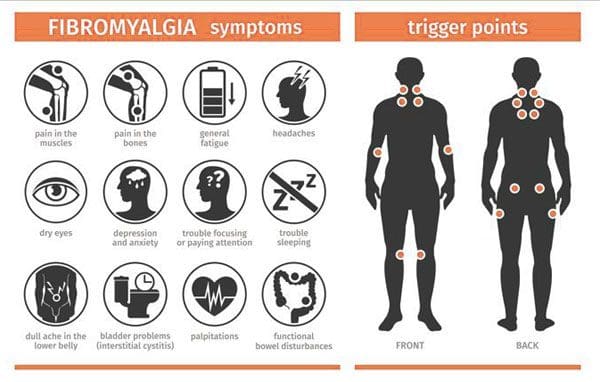
Fibromyalgia is a musculoskeletal condition that consists of pain symptoms and fatigue that can make diagnosis a challenge. Through chiropractic therapeutics, individuals can find relief from pain, fatigue, inflammation, and improve their quality of life. Individuals dealing with fibromyalgia and searching for answers should consider consulting a chiropractor to determine what treatment options will provide the most benefits. Treatment can be as much of a challenge without clear underlying issues. This often leads to frustration when trying to develop a treatment plan that works. �
�
Fibromyalgia
Fibromyalgia is characterized by:
Body aches and pain
Tender points in muscles
General fatigue
Accompanied issues include:
Headaches
Anxiety
Depression
Sleep issues
Poor concentration
�
It is believed that fibromyalgia causes the brain and spinal cord to transmit amplified/overresponsive signals. The exaggerated response of the neural pathways in the spine and body generate chronic pain. This is where specific diagnostic tools for assessing symptoms, underlying cause/s, and treatment development are necessary. Risk factors include:
When the body is rebalanced it can better manage symptoms because of the improved nerve circulation. Home treatments can include:
Exercise
Stretching
Heat therapy
Ice therapy
A full medical team consisting of the doctor, physical therapist, massage therapist, and chiropractor could be utilized to maximize results and ensure the highest quality of life.
Increasing muscle mass is a great way to improve body composition and boost the immune system. Research shows that senior adults with greater skeletal muscle mass have an increased number of immune cells in the blood. This indicates that muscles and the immune system are interrelated.
When the muscles are worked out, myokines are released. These are hormone-type proteins that strengthen the immune system that helps protect against diseases. A study revealed that regular exercise increases the release of T lymphocytes/T cells. Regular exercise also helps reduce the risk of developing chronic diseases like type 2 diabetes, obesity, various cancers, and cardiovascular diseases.
Dr. Alex Jimenez�s Blog Post Disclaimer
The scope of our information is limited to chiropractic, musculoskeletal, physical medicines, wellness, and sensitive health issues and/or functional medicine articles, topics, and discussions. We use functional health & wellness protocols to treat and support care for injuries or disorders of the musculoskeletal system. Our posts, topics, subjects, and insights cover clinical matters, issues, and topics that relate and support directly or indirectly our clinical scope of practice.*
Our office has made a reasonable attempt to provide supportive citations and has identified the relevant research study or studies supporting our posts. We also make copies of supporting research studies available to the board and or the public upon request. We understand that we cover matters that require an additional explanation as to how it may assist in a particular care plan or treatment protocol; therefore, to further discuss the subject matter above, please feel free to ask Dr. Alex Jimenez or contact us at 915-850-0900. The provider(s) Licensed in Texas& New Mexico*
References
Schneider, Michael et al. �Chiropractic management of fibromyalgia syndrome: a systematic review of the literature.��Journal of manipulative and physiological therapeutics�vol. 32,1 (2009): 25-40. doi:10.1016/j.jmpt.2008.08.012
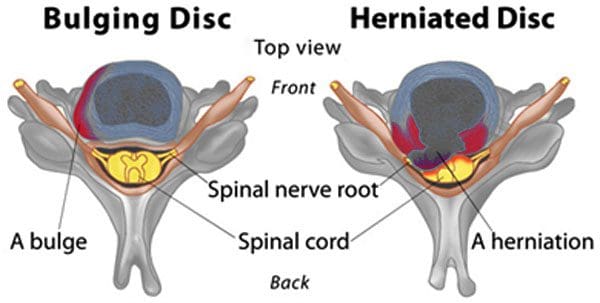
Spinal disc herniation and bulging discs have nearly identical symptoms and can present almost in the same way. Both cause localized pain, nerve impingement, and are treated similarly with chiropractic. In most cases spinal disc herniation is not painful, it is the material that leaks out of the disc that causes pinching, inflammation, and irritates the nerves around the area, causing radicular pain.
Radicular pain/nerve root pain radiates/spreads to other areas of the body, like the low back to down the leg or from the neck down the arm. Leg pain from a pinched nerve usually leads to sciatica. A spinal disc itself can be the source of pain if it is dehydrating or degenerating causing pain and instability in the spinal segment, which is known as degenerative disc disease. Disc degeneration pain tends to include chronic, low-level pain around the disc and infrequent episodes of severe pain.
Spinal Disc Herniation Differences and Similarities
Spinal disc herniation and bulging discs have similar roots that make them difficult to diagnose. Some core comparisons that can be made include:
Both include pain and tenderness
Both are caused by cartilage movement/slippage
They cause nerve pinching and nerve pain
They occur more often in the neck and lower spinal regions
How they differ:
Bulging discs protrude
Herniated discs rupture
Bulging discs are more common
Herniated discs are less common
Bulges are caused by constant pressure
A herniation is caused by trauma
Bulging discs create dull radiating pain
Herniated discs cause sharp intense pain
It is the severity that separates them. Bulging discs tend to be more passive and can be treated with incremental adjustments, while herniated discs usually require a more aggressive adjustment approach.
Injury Effects
How the injury affects the spine and overall wellness is the objective when diagnosing. Bulging discs are often associated with chronic pain that does not go away with time and needs proper treatment. Herniated discs are considered severe because of the disc fluid spilling/leaking out affecting the surrounding nerves. Left untreated, bulging discs lead to intermittent nerve blockages/pinching and posture problems. Herniated disc left untreated leads to chronic nerve pain and permanent nerve damage, which can develop into a series of issues. This includes limited mobility and/or loss of feeling in the affected area.
Early Detection
Chiropractic diagnosis for bulges and spinal disc herniation is recommended because of the specialization in spine care and focusing on all symptoms. For example, although it is not typically this simple, analysis revealing tingling in the fingers and sharp pain in the lower spine indicates herniation. Conversely, dull aches in the low back and down the legs, indicate sciatic pain that can be traced to a disc bulge. Making the correct diagnosis is crucial in developing the right treatment plan. The wrong treatment plan could result in worsening of the injury and creation of new injuries. Injury Medical Chiropractic provides optimal care along with education for patients to understand everything that is going on with their bodies.
InBody Composition
Types of pain
Pain can be grouped into three categories:
Early warning pain is most recognizable with the withdrawal reflex. For example, touching a scalding hot object and quickly pulling away. A protective mechanism that helps the body avoid danger and is important for survival.
Inflammatory pain occurs following an injury or surgery when the body is healing and in recovery. Inflammation prevents the body from moving too fast or too hard causing re-injury. This type of pain is important while healing, but is a cause for concern if it continues after the injury has healed.
Pathological pain happens after the body has healed but the nervous system has suffered damage. This often occurs with individuals that get injured in a way that changes the way the body functions. If the nervous system does not heal properly, the body’s protective pain responses can begin to create false alarms and become chronic.
Dr. Alex Jimenez�s Blog Post Disclaimer
The scope of our information is limited to chiropractic, musculoskeletal, physical medicines, wellness, and sensitive health issues and/or functional medicine articles, topics, and discussions. We use functional health & wellness protocols to treat and support care for injuries or disorders of the musculoskeletal system. Our posts, topics, subjects, and insights cover clinical matters, issues, and topics that relate and support directly or indirectly our clinical scope of practice.*
Our office has made a reasonable attempt to provide supportive citations and has identified the relevant research study or studies supporting our posts. We also make copies of supporting research studies available to the board and or the public upon request. We understand that we cover matters that require an additional explanation as to how it may assist in a particular care plan or treatment protocol; therefore, to further discuss the subject matter above, please feel free to ask Dr. Alex Jimenez or contact us at 915-850-0900. The provider(s) Licensed in Texas& New Mexico*
References
Santilli, Valter et al. �Chiropractic manipulation in the treatment of acute back pain and sciatica with disc protrusion: a randomized double-blind clinical trial of active and simulated spinal manipulations.��The spine journal: official journal of the North American Spine Society�vol. 6,2 (2006): 131-7. doi:10.1016/j.spinee.2005.08.001
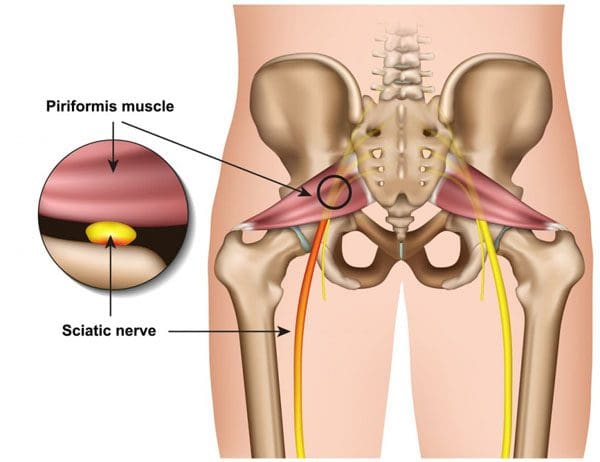
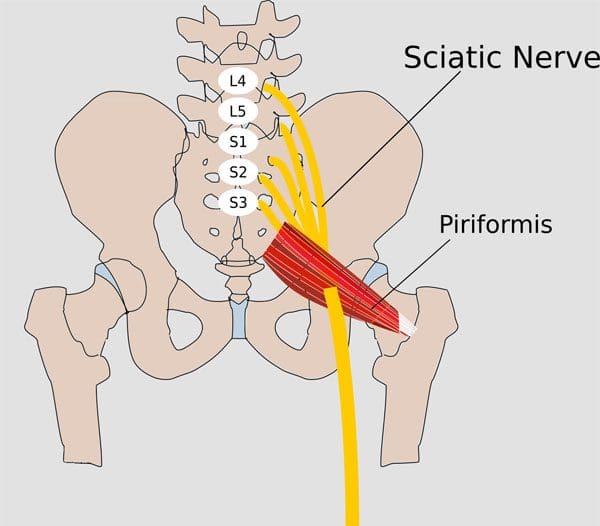
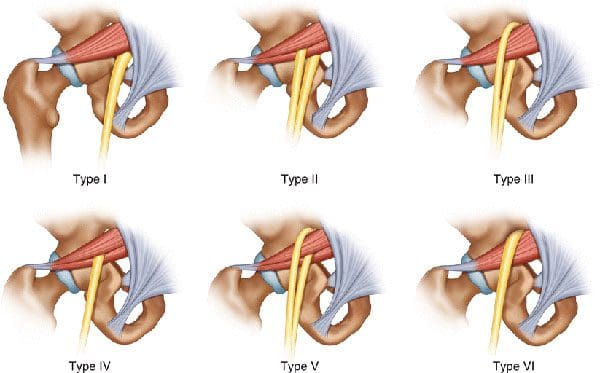
Identification of piriformis syndrome or sciatica requires proper testingand examination. The piriformis muscle begins at the sacrum near the sacroiliac joint and is attached to the femur/thigh bone at the outer area of the hip. The sciatic nerve passes typically under or through the muscle before going down the back of the thigh.
The piriformis helps turn the hip outward and bring the thigh outward to one side while the hip is bent. This could be when raising the knee and bringing the leg out. An example is stepping out of a car. The muscle also helps to stabilize when walking, running, and standing. Individuals with the sciatic nerve passing through the piriformis have an increased chance of developing piriformis syndrome. It can also be called piriformis sciatica since it is not true sciatica.
Symptoms
Piriformis syndrome does not always present the same way. Common symptoms include pain, tingling, and numbness in the buttocks that becomes worse when sitting. Other symptoms can include:
Pain when sitting, standing, or walking.
Pain when getting up from a seated/squatting position
Pain in the sacroiliac joint
Pain and/or pins and needles, burning, tingling, or itching sensation
Movement helps to reduce pain symptoms
Numbness in the foot
Many of these symptoms can be mistaken for sciatica. This is why proper testing is necessary to provide the appropriate treatment; otherwise, the condition could worsen or create new injuries.
Causes
Primary piriformis syndrome happens when splitting the piriformis muscle, the sciatic nerve, and/or the sciatic nerve does not run along the normal path.
Secondary piriformis syndrome is more common and is caused by inflammation of the soft tissues, muscle spasms, etc. And the result is nerve compression.
Direct trauma to the buttock area can definitely cause inflammation, scarring, and contraction of the piriformis muscle. This could be the result of an automobile accident or a fall.
The most common cause is a progressive tightening of the muscle brought on from a weakened piriformis muscle.
Testing
Because of the close relation between piriformis syndrome and sciatica, a chiropractic medical professional will perform various tests to determine if symptoms are spinal disc-related or caused by the sciatic nerve getting pinched or impinged piriformis muscle. A chiropractor will examine the low back, hip, pelvis, sacroiliac joint, walking gait, posture, and leg length. They will test various body reflexes as well. Other tests can include:
Palpation/manipulation of the piriformis muscle
A Straight leg raise will be done to see if there is localized pain when pressure is applied to the piriformis muscle and the tendon. The chiropractor will flex the hip at a 90-degree angle and extend/straighten the knee.
A Freiberg test will be done to see if pain presents around the piriformis or reproduces symptoms.
The Pace maneuver test looks for pain and/or weakness during rotation of the hip when sitting.
The F.A.I.R test stands for flexion, adduction, and internal rotation. This test has the individual lie on the non-affected side while the chiropractor guides the painful leg into hip flexion, turns it in toward the body, and gently turns the lower leg outward.
The Beatty maneuver tests for pain while lying on the non-affected side, and the chiropractor elevates the flexed symptomatic leg.
Testing for pain or weakness in specific positions is usually conducted for one minute or when the individual experiences symptoms.
In addition to a physical exam, a chiropractor will utilize imaging scans to rule out any other causes. This can include X-rays, MRIs, or CT scans. Once the source has been diagnosed, treatment can begin. Many individuals choose to wait and see what happens, hoping the problem will go away. But the sooner the root issue is dealt with, the sooner an individual can get back to living pain-free.
Sciatica Pain Rehabilitation
References
The Journal of the Osteopathic Medical Association. (November 2008) Diagnosis and Management of Piriformis Syndrome: An Osteopathic Approach https://jaoa.org/article.aspx?articleid=2093614
IFM's Find A Practitioner tool is the largest referral network in Functional Medicine, created to help patients locate Functional Medicine practitioners anywhere in the world. IFM Certified Practitioners are listed first in the search results, given their extensive education in Functional Medicine