Individuals may not be aware that back discomfort/pain symptoms can be connected to not staying hydrated. When the body is dehydrated, it reduces the amount of fluid in the spinal discs making them smaller, resulting in decreased cushioning and support for the spine. The stress can lead to swelling, causing further back discomfort, even a herniated disc. Individuals that experience frequent back pain could find relief by increasing their H2O consumption.
Staying Hydrated
Physical activity and healthy nutrition are important for healthy living. However, individuals can forget the basic need for water, often resulting in dehydration. The body needs to maintain hydration levels to function correctly. Dehydration can cause the body’s fascia/connective tissue which supports every cell and organ, to lose lubrication that allows the muscles to move, slide, and glide smoothly, causing stiffness, and tangled knots/trigger points, making movement difficult and painful.
The Body’s Overall Health
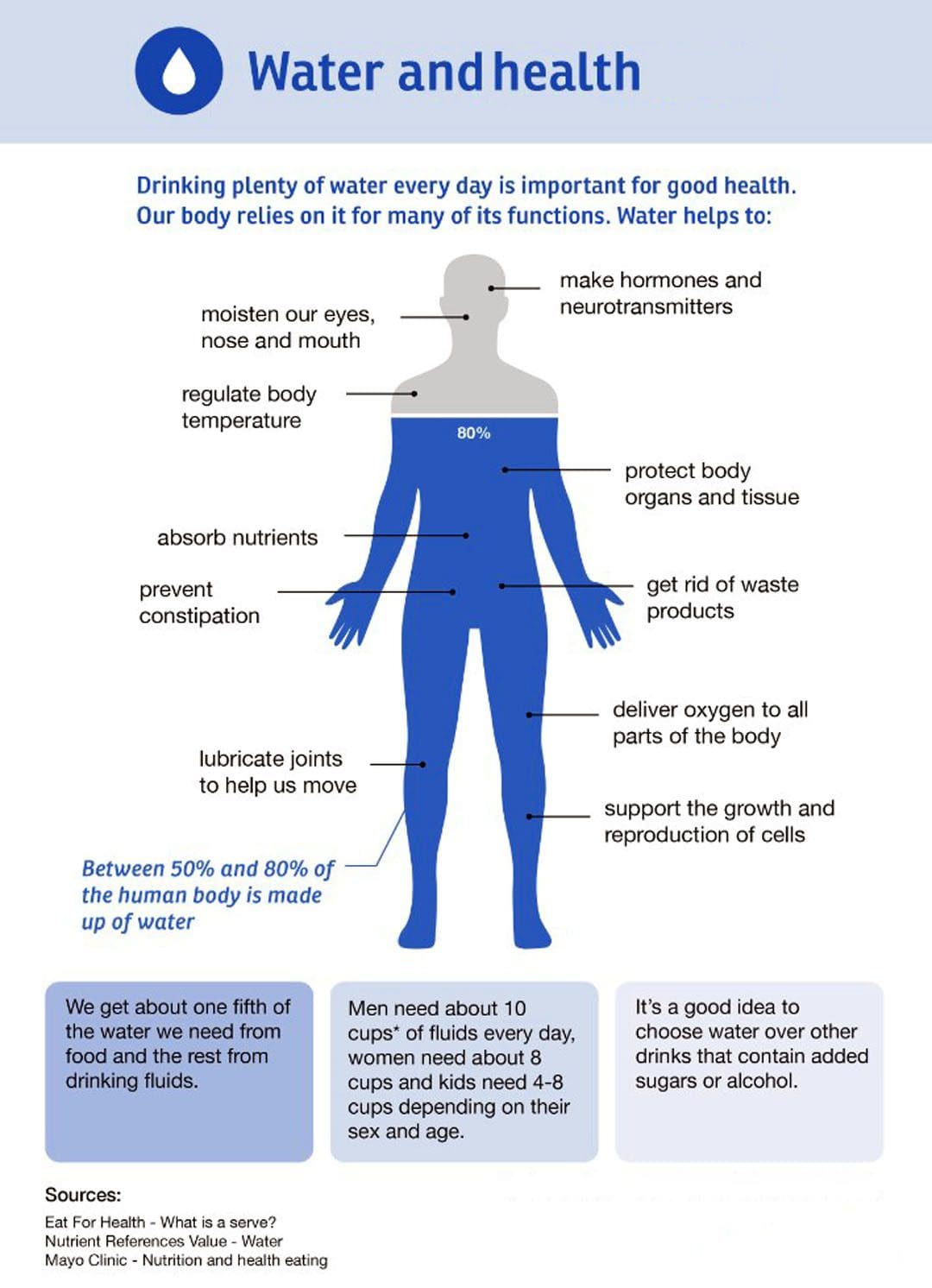
The body is 60% water.
Hydration replaces body fluids lost through exhaling, sweating, and waste elimination.
The body loses and needs to replace around 2-3 quarts of water daily.
Proper hydration regulates temperature, keeps the joints functioning smoothly, protects the spine, and facilitates waste removal.
Dehydration
Even being a little dehydrated is not healthy. Studies have shown that losing 1-2% of body weight without replacing fluids causes thinking and memory problems. A 4% deficit causes headaches, irritability, and sleepiness. Physical work or working outdoors without proper hydration impairs muscle endurance and strength. Dehydration stresses the spine even more which can cause painful swelling and bulged discs. Chronic pain conditions can be worsened by dehydration. This includes:
Overall stiffness
Headaches
Migraines
Joint pain
Arthritis
Fibromyalgia
All can be affected by dehydration.
Lack of water levels can lead to back pain because the discs between the vertebrae need fluid to cushion the bones. They begin to dry out when not properly hydrated, exacerbating back discomfort symptoms that could lead to similar symptoms in the neck or legs.
The spinal discs are filled with a gel substance of around 75% water.
The inner and outer rings/nucleus pulposus are made almost entirely of water.
Water is slowly released from the spinal discs throughout the day.
The discs absorb most of the shock from everyday movements while protecting the spinal cord.
The discs rehydrate during sleep.
Indicators of Dehydration
Other than back pain and discomfort, other symptoms of dehydration.
Fatigue
Irritability
Muscle Cramps
Headaches
Dark Urine
Dry Skin
Dry Eyes
Blurry Vision
Bad Breath
Dizziness
Fever
Caffeinated beverages – soft drinks, tea, and coffee count partly toward daily fluid intake. They do not dehydrate the body, but they can increase urination and are recommended not to be the primary source of liquids during the day.
Hydration
Throughout the day, drink plenty of water and move around and stretch to circulate the H2O.
Increase Water Intake
Sixty-four ounces, eight glasses per day, is the common recommendation.
Water intake encompasses all the liquids consumed in a day, including coffee, tea, and soup.
Foods like cantaloupe and watermelon count toward daily water consumption.
The best sources are water and drinks, primarily water sport replacement drinks, herbal teas, lemon water, and vegetable broth.
Drink more when working out and being active. More water is needed on top of the 64 ounces when active.
Keep hydrating long after the physical activity or workout is over.
When the brain signals thirst, the body is already dehydrated.
Stay ahead by sipping water throughout the day.
Keep a water bottle close by at school or work, refill it twice daily, and increase refills on hot days.
Monitor Hydration Levels
An easy way to assess dehydration is by looking at urine color.
Light yellow or clear is healthy.
Dark yellow or cloudy indicates dehydration.
The Injury Medical Chiropractic and Functional Medicine Team can realign the spine and body to optimal function and assist in developing a nutrition plan to maintain health and wellness.
Benefits Of Healthy Eating and Chiropractic Care
References
El-Sharkawy, Ahmed M et al. “Acute and chronic effects of hydration status on health.” Nutrition Reviews vol. 73 Suppl 2 (2015): 97-109. doi:10.1093/nutrit/nuv038
Johannaber, Kenneth, and Fadi A Fathallah. “Spinal disc hydration status during the simulated stooped posture.” Work (Reading, Mass.) vol. 41 Suppl 1 (2012): 2384-6. doi:10.3233/WOR-2012-0470-2384
Manz, Friedrich, and Andreas Wentz. “The importance of good hydration for the prevention of chronic diseases.” Nutrition Reviews vol. 63,6 Pt 2 (2005): S2-5. doi:10.1111/j.1753-4887.2005.tb00150.x
Ritz, Patrick, and Gilles Berrut. “The importance of good hydration for day-to-day health.” Nutrition Reviews vol. 63,6 Pt 2 (2005): S6-13. doi:10.1111/j.1753-4887.2005.tb00155.x
Healthy posture and movement are essential for everyone, but especially for mothers-to-be. Practicing healthy posture is one of the most important contributions to a healthy pregnancy. Proper body alignment decreases low back and neck discomfort symptoms and muscle fatigue. A chiropractic therapy team can educate on maintaining a healthy posture when standing, sitting, and lying down throughout pregnancy, alleviate any subluxations, maintain optimal alignment, and keep the muscles relaxed through massage techniques.
Pregnancy Posture
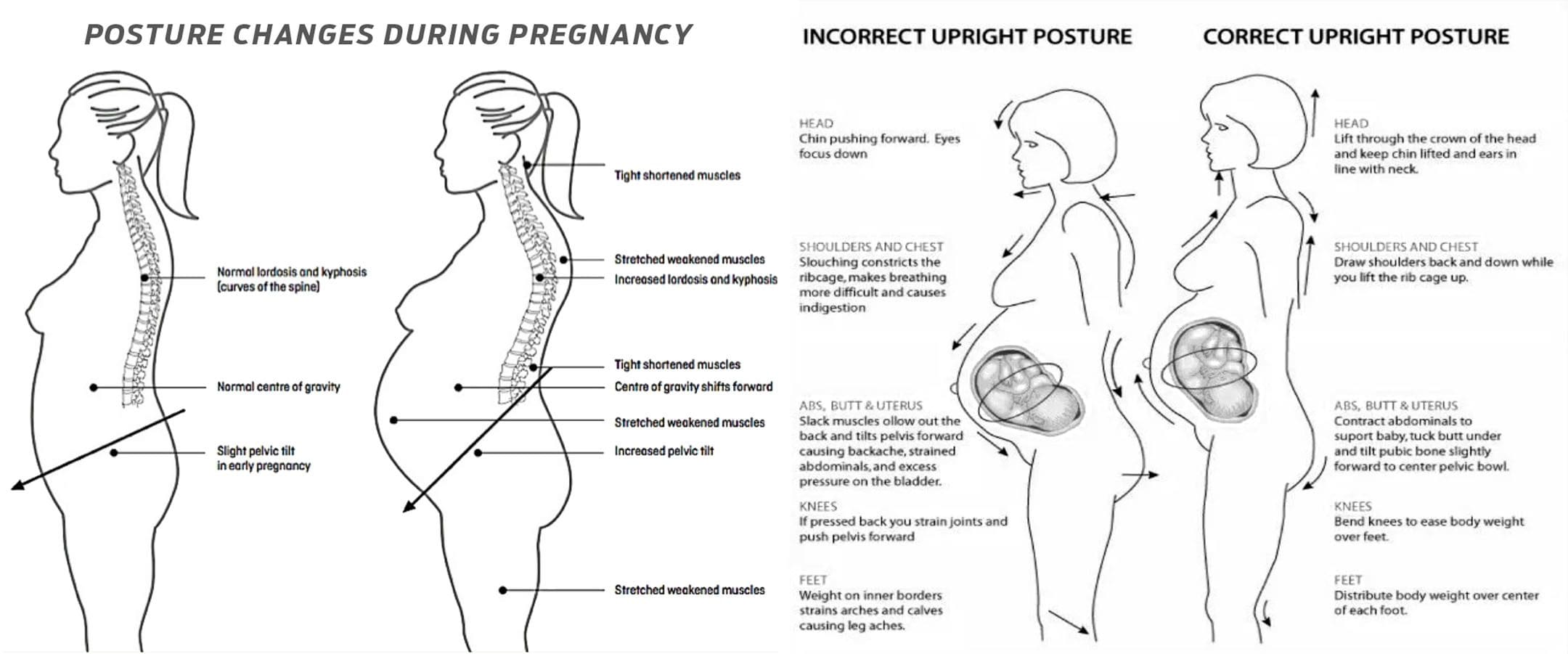
Many changes occur in the musculoskeletal system during pregnancy for the growing fetus. This impacts posture, balance, and gait. Pregnancy posture can significantly influence the comfort and/or pain levels in the pregnant and postnatal body. This includes:
Sleeping in the best position while pregnant.
Sitting in the best position during pregnancy.
These little changes and adjustments impact the health of the mother and baby.
Postural Changes During Pregnancy
During pregnancy, several factors work against maintaining correct and healthy alignment. For one, the baby’s weight causes the lower back to sway as the center of gravity shifts forward.
Increased Lumbar Lordosis
The concave curvature in the spine can become more pronounced because of the forward pull of the growing fetus.
The normal slight forward curvature of the spine in the neck or cervical area is called cervical lordosis.
The growing fetus aggravates the forward pull on the neck.
During pregnancy, the breasts grow, adding more weight to the thoracic or mid back, causing the neck curvature to get pulled forward and down.
Both shoulders also move forward and inward.
These changes can lead to back problem symptoms/pain, sciatica, and other musculoskeletal disorders and conditions if left untreated.
Unhealthy Posture Happens Naturally
The abdominal muscles become stretched as the baby grows.
Hormone levels increase and cause joints and ligaments to loosen.
The muscles cannot contract fully and keep the lower back in alignment.
Healthy Posture Requires Practice
Standing
Proper posture when standing. From top to bottom:
Maintain a neutral gaze that looks straight ahead.
Don’t bend the head too much forward or backward.
Avoid twisting/bending movements whenever possible, or keep them to a minimum.
The chest should be up, the core braced, and the shoulders back.
The body weight is distributed evenly along the lower extremities.
Contract abdominal and pelvic floor muscles during movements, as they support the stability of the pelvis and the trunk.
When standing and having to hold the position for an extended period, use a box or stool to prop up one foot.
For example, when washing dishes, the cabinet under the sink can rest the foot on the ledge.
Switch position every 20 to 30 minutes.
Chiropractic
Whether in the planning stages or the second or third trimester, it’s essential to keep postural health in mind. A chiropractor trained in the needs of pregnant women will use tables that adjust for a pregnant woman’s body, and they will use techniques that avoid unneeded pressure on the abdomen and provide safe exercises and stretches. Benefits of chiropractic include:
Helps maintain a healthier pregnancy.
Helps regulate symptoms of nausea.
Relieves back, neck, discomfort symptoms, and pain.
Relieves and reduces excess strain on muscles, ligaments, and joints.
Spinal curvature exaggeration is corrected.
The normal spine curvatures are restored and maintained.
As more women seek the benefits of chiropractic for pregnancy, more healthcare providers seek trained doctors of chiropractic to refer their pregnant patients. Discuss these options with your healthcare provider, and schedule a visit to Injury Medical Chiropractic and Functional Medicine Clinic to check posture and biomechanics.
Chiropractic Pregnancy Treatment
References
Bauer, A W. “NEUE GESICHTSPUNKTE UEBER HALTUNG UND ERNAEHRUNG WAEHREND DER SCHWANGERSCHAFT” [NEW VIEWPOINTS ON POSTURE AND NUTRITION DURING PREGNANCY]. Wiener medizinische Wochenschrift (1946) vol. 113 (1963): 875-6.
Fitzhugh, M L, and M NEWTON. “Posture in pregnancy.” American Journal of Obstetrics and Gynecology vol. 85 (1963): 1091-5. doi:10.1016/s0002-9378(16)35644-7
Gutke A, Ostgaard HC, Oberg B Spine (Phila Pa 1976). 2006 Mar 1; 31(5):E149-55. Pelvic girdle pain and lumbar pain in pregnancy: a cohort study of the consequences in terms of health and functioning.
Schröder, Guido et al. “Impact of pregnancy on back pain and body posture in women.” Journal of physical therapy science vol. 28,4 (2016): 1199-207. doi:10.1589/jpts.28.1199
Yoo, Hyunju, et al. “Changes in the spinal curvature, degree of pain, balance ability, and gait ability according to pregnancy period in pregnant and nonpregnant women.” Journal of physical therapy science vol. 27,1 (2015): 279-84. doi:10.1589/jpts.27.279
Spring allergies are reactions by an individual’s immune system to flowering buds, blooming trees, pet dander, weeds, etc. When coming into contact with the allergen, the immune system’s reaction can inflame the skin, sinuses, airways, or digestive system. The severity of allergies varies from person to person. The spine and brain communicate with various body parts, including those that affect the immune system and how the body reacts to allergens. Chiropractic adjustments for allergy treatment can help regulate histamine and cortisol levels and offer spring allergy tips for prevention.
Spring Allergy Tips
An allergy occurs when the body’s immune system sees a substance as harmful and overreacts (inflammation). The immune system produces substances known as antibodies. A lack of communication between the spine, brain, and other parts of the body can lead to lower immunity meaning the body has a harder time reacting to stressors.
Symptoms
Symptoms vary, but the most common include:
Itchy, red, and watery eyes
Nasal congestion
Sneezing
Runny nose
Itching nose
Post-nasal drip
Coughing
The recommended way to determine whether or not seasonal allergies are causing symptoms is to visit a primary care physician and undergo allergy testing. A physician may recommend an allergist for further evaluation to identify specific allergies.
Prevention
Reduce exposure to triggers
Try to stay indoors on windy days.
Wind and dry air can make allergy symptoms worse.
Closing windows can help keep pollen from blowing inside.
Remove clothes worn outside and shower to rinse pollen from your skin and hair.
Wear a dust mask when lawn mowing, weed pulling, and doing other chores.
Don’t hang laundry outside; pollen can stick to clothes, sheets, and towels.
Seasonal allergy signs and symptoms can flare up with a high pollen count. Certain steps can help reduce the exposure:
Check local TV, radio, or the internet for pollen forecasts and levels.
If high pollen is forecasted, take allergy medications before symptoms begin.
Close doors and windows when pollen counts are high.
Try to avoid outdoor activity when pollen counts are highest.
Indoor Air Quality
Various products can help remove allergens from the air in the home:
Use air conditioning in the house and car when applicable.
Use high-efficiency filters and follow regular maintenance schedules for heating and air conditioning.
Vacuum all floors regularly with a cleaner that has a HEPA filter.
Chiropractic
Chiropractic treatment is highly effective in relieving allergy symptoms and even stopping allergies at their source. The treatments restore balance, so the body is ready to combat allergies. When the spine is out of alignment (which can occur from the coughing and sneezing), it impacts the nervous system, leading to various problems, including allergies and immune system malfunction. A chiropractor can relieve the stress on the nervous system by realigning the spine, taking the pressure off nerves, and allowing the immune system to function at optimal levels. And it makes it easier for the body to fight off infections while recognizing allergens as harmless.
Food Allergies, Hypersensitivity, and Intolerances
References
Balon, Jeffrey W, and Silvano A Mior. “Chiropractic care in asthma and allergy.” Annals of allergy, asthma & immunology: official publication of the American College of Allergy, Asthma, & Immunology vol. 93,2 Suppl 1 (2004): S55-60. doi:10.1016/s1081-1206(10)61487-1
Bruton, Anne, et al. “Physiotherapy breathing retraining for asthma: a randomized controlled trial.” The Lancet. Respiratory medicine vol. 6,1 (2018): 19-28. doi:10.1016/S2213-2600(17)30474-5
Bruurs, Marjolein L J et al. “The effectiveness of physiotherapy in patients with asthma: a systematic review of the literature.” Respiratory medicine vol. 107,4 (2013): 483-94. doi:10.1016/j.rmed.2012.12.017
Common seasonal allergy triggers. American College of Allergy, Asthma & Immunology. https://acaai.org/allergies/allergic-conditions/seasonal-allergies. Accessed March 10, 2022.
Jaber, Raja. “Respiratory and allergic diseases: from upper respiratory tract infections to asthma.” Primary care vol. 29,2 (2002): 231-61. doi:10.1016/s0095-4543(01)00008-2
Wu, Shan Shan et al. “Rhinitis: The Osteopathic Modular Approach.” The Journal of the American Osteopathic Association vol. 120,5 (2020): 351-358. doi:10.7556/jaoa.2020.054
What happens to the body after eating healthy? Individuals report the effects of healthy eating, feeling mentally clearer and more focused, increased energy levels, experiencing decreased junk food cravings and hunger pangs, improved sleep, and the benefits of strong bones, cardiovascular health, and disease prevention. The Injury Medical Chiropractic and Functional Medicine Clinic Team can assist individuals working on making healthy lifestyle adjustments to make the transition easier and with professional support to streamline the process, allowing the individual to focus on getting healthy.
What Happens To The Body After Eating Healthy
It can take a little while for the body to adjust to a new nutrition plan. A healthy diet includes nutrient-dense foods from all the major food groups, including lean proteins, whole grains, healthy fats, and fruits and vegetables of various colors.
Benefits
The benefits of healthy eating include the following.
Decreases the risk of heart disease, type 2 diabetes, and certain cancers.
Helps achieve and maintain a healthy weight.
One Week
Experience decreased food cravings throughout the day.
Junk food cravings decrease.
The body begins shedding all the excess water from a high sodium intake and processed foods.
Hunger starts to stabilize.
Experience decreased hunger pains, making losing weight a little easier.
Improved sleep.
Improved control over food choices.
Higher mental focus and clarity – brain fog or low concentration symptoms begin to clear.
Energy levels are higher, making completing daily activities and exercise easier.
The body will become regular with a lower amount of bloating and discomfort.
Moods become stable with fewer ups and downs throughout the day.
One Month
Improved skin health.
A steady rate of weight loss, depending on the approach and starting point.
Clothing begins to feel looser.
Pre-existing health problems like migraines, joint pain, irritable bowel issues, etc., may begin to clear up.
Eating right starts to become more habitual.
Making healthy choices starts to become second nature.
Improved physical performance.
Feel stronger and notice that the body recovers much faster.
Improved metabolism.
Can eat more without gaining body weight.
Six Months
A decrease in overall cholesterol levels if they were high before.
Blood pressure improvement, lowering the risk of heart disease and stroke.
Strengthened skeletal system reducing the risk of stress fractures and breaks.
Improved blood glucose levels, reduced blood sugar fluctuations, and lowered risk factors for diabetes or symptoms are easier to manage.
All the positive changes will lead to staying naturally motivated, where eating healthy is just something you do, and you have learned to indulge wisely. All the benefits will persist for as long as you eat healthily. Target goals can be achieved with a body weight that makes you feel healthy, strong, and confident.
Basal Metabolism
References
Bradbury, Kathryn E et al. “Fruit, vegetable, and fiber intake in relation to cancer risk: findings from the European Prospective Investigation into Cancer and Nutrition (EPIC).” The American journal of clinical nutrition vol. 100 Suppl 1 (2014): 394S-8S. doi:10.3945/ajcn.113.071357
Carlson, Justin L et al. “Health Effects and Sources of Prebiotic Dietary Fiber.” Current developments in nutrition vol. 2,3 nzy005. 29 Jan. 2018, doi:10.1093/cdn/nzy005
Hills, Ronald D Jr, et al. “Gut Microbiome: Profound Implications for Diet and Disease.” Nutrients vol. 11,7 1613. 16 Jul. 2019, doi:10.3390/nu11071613
Zohoori, F Vida. “Chapter 1: Nutrition and Diet.” Monographs in oral science vol. 28 (2020): 1-13. doi:10.1159/000455365
Maintaining a healthy and well-balanced nutritional plan is recommended for overall health. When the body is nourished healthily, it will perform optimally. Stress is part of daily life, and certain foods can enhance the body’s ability to handle stress, help target physical and emotional states, and protect the brain. The Injury Medical Chiropractic and Functional Medicine Clinic Team can provide therapeutic massage to increase circulation, and relax the mind and body, adjustments to restore any misalignments, and nutritional support and health coaching for total wellness.
Foods For Stress
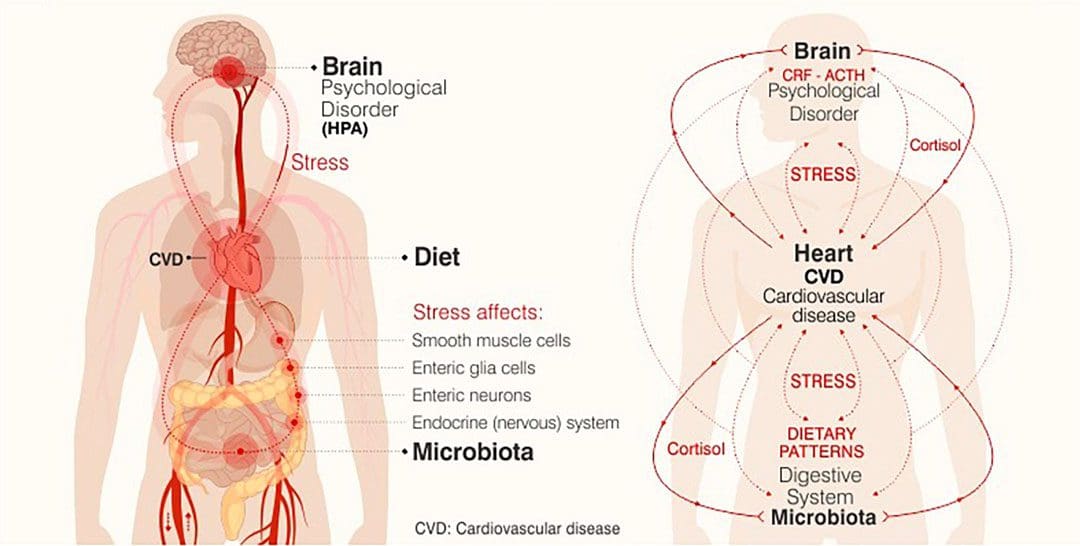
Anxiety is a widespread condition affecting millions of individuals. Trying to lower stress levels includes self-care, sleep management, physical activity, and incorporating foods to reduce cortisol levels, the primary hormone responsible for stress.
Cortisol
Cortisol has a variety of functions that include:
Manages how the body uses carbohydrates, fats, and proteins.
Sleep cycle regulation.
Blood pressure regulation.
Increases blood sugar.
Decreases inflammation.
Cortisol is sometimes known as the stress hormone because the adrenal gland releases it when experiencing stress or when the body is under physical stress/inflammation. It is the key to managing the fight-or-flight instinct and is healthy for a short period as a protective mechanism providing the energy needed to respond to short-term stress. However, the long-term release of cortisol generates tension in the body, leading to chronic inflammation and raised blood pressure. Learning how to manage stress is necessary for lowering cortisol levels.
Symptoms
Symptoms vary and are different for everybody.
Physical
Exhaustion.
Sleep problems.
Headaches.
Muscle tension.
Jaw clenching.
Aches and pains.
Chronic illness from a weakened immune system.
Stomach or digestive problems.
High blood pressure.
Chest pain or a feeling like the heart is racing.
Dizziness.
Shaking.
Emotional and mental
Irritability and or anxiousness.
Sadness.
Depression.
Panic attacks.
Foods
The objective is to reduce inflammation, thus reducing cortisol levels. Recommended foods for stress include foods high in magnesium, vitamin B, Omega-3 fatty acids, protein, and foods that benefit the gut. Here are a few.
Magnesium
Magnesium is highly beneficial in reducing inflammation, metabolizing cortisol, and relaxing the mind and body.
Dark chocolate.
Bananas.
Broccoli.
Spinach.
Avocados.
Pumpkin seeds.
Vitamin B
Vitamin B12 can help with the metabolism of cortisol.
The key to lowering stress is a whole-body approach that includes exercise, proper sleep, and managing chronic diseases like diabetes, hypertension, and obesity, all of which can put the body in a prolonged state of inflammation. Incorporating these foods into a nutritional plan can help relieve stress naturally.
Impact of Stress
References
Aucoin, Monique, and Sukriti Bhardwaj. “Generalized Anxiety Disorder and Hypoglycemia Symptoms Improved with Diet Modification.” Case reports in psychiatry vol. 2016 (2016): 7165425. doi:10.1155/2016/7165425
Errisuriz, Vanessa L et al. “Perceived stress and dietary choices: The moderating role of stress management.” Eating behaviors vol. 22 (2016): 211-216. doi:10.1016/j.eatbeh.2016.06.008
Norwitz, Nicholas G, and Uma Naidoo. “Nutrition as Metabolic Treatment for Anxiety.” Frontiers in psychiatry vol. 12 598119. 12 Feb. 2021, doi:10.3389/fpsyt.2021.598119
Serafini, Mauro, and Ilaria Peluso. “Functional Foods for Health: The Interrelated Antioxidant and Anti-Inflammatory Role of Fruits, Vegetables, Herbs, Spices and Cocoa in Humans.” Current pharmaceutical design vol. 22,44 (2016): 6701-6715. doi:10.2174/1381612823666161123094235
Zellner, Debra A et al. “Food selection changes under stress.” Physiology & behavior vol. 87,4 (2006): 789-93. doi:10.1016/j.physbeh.2006.01.014
Constipation is a leading cause of low back pain in America and can cause a chain reaction in the rest of the body. When the digestional tract swells, it generates added stress on the back and surrounding nerves. Prolonged constipation and pressure can cause sciatica symptoms. Constipation sciatica can be relieved through chiropractic treatment, therapeutic massage, non-surgical spinal decompression, and functional medicine to alleviate symptoms and restore optimal body function.
Constipation Sciatica
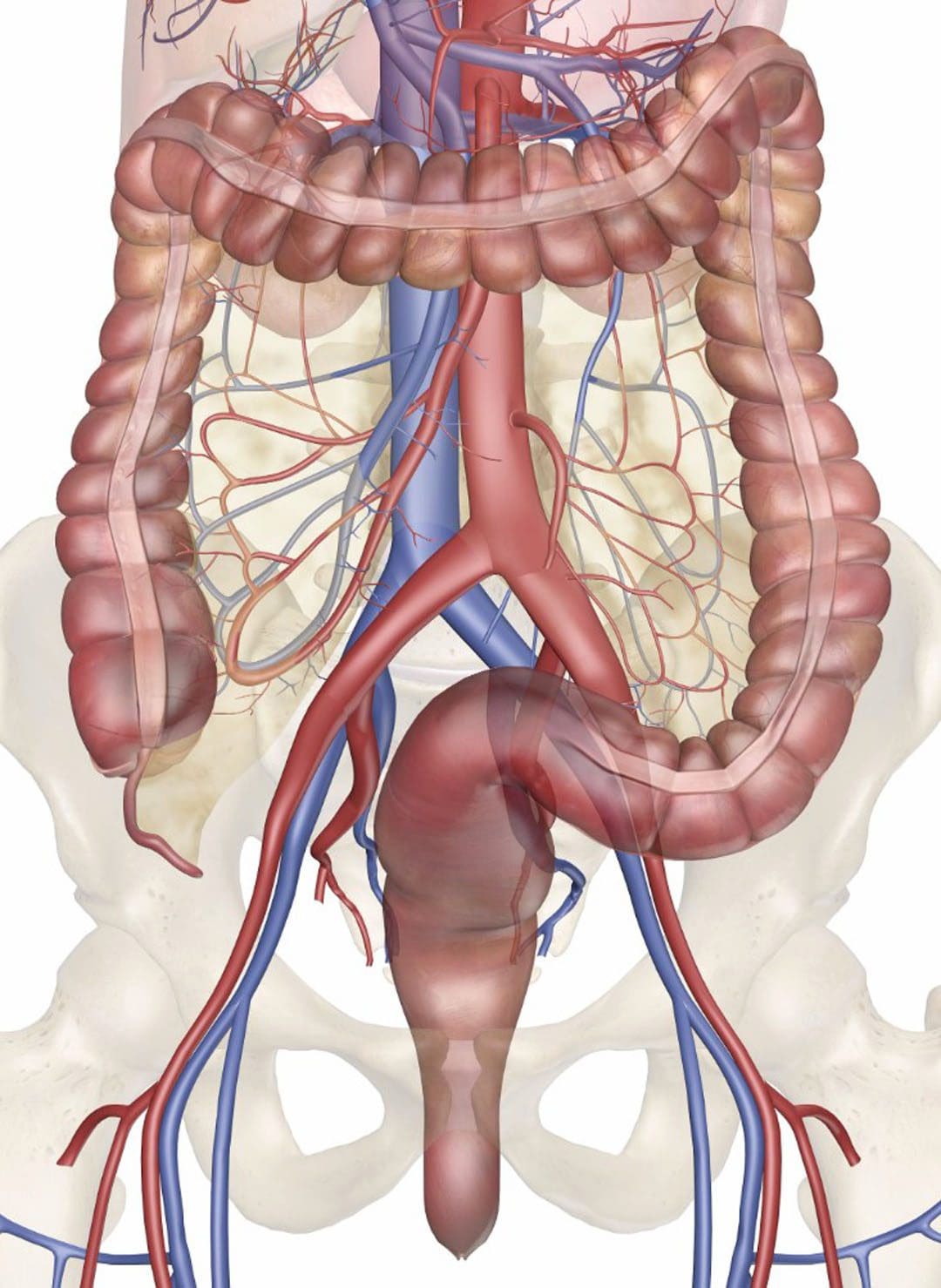
Sciatica is irritation, compression, and inflammation of the sciatic nerve, which supplies the thighs, lower legs, and feet. It is usually caused by a pinched/compressed of one or more spinal nerve roots between the vertebrae of the lower back. The buildup of stool in the intestines can cause a dull aching sensation in the low back that can radiate to surrounding areas. Common causes of constipation include:
Bowel movements vary for everyone, and not having a movement daily does not mean constipation is occurring. Some individuals have only three movements a week, while others have multiple movements daily. A recommended indicator of constipation is if there has been a sudden decrease in typical bowel movements. The digestive tract occupies a significant region of the lower torso. Back pain symptoms can present after the rectum becomes obstructed or stools have solidified in the colon. Once constipation has developed, the blockage presses against the nerves and muscles of the back. This causes a range of discomfort signaling by the brain, which worsens as the backup grows. Symptoms of general constipation include:
Feeling full despite not eating anything.
Bloating.
Swelling.
Abdominal cramping.
Infrequent bowel movements.
Discomfort or aching when trying to pass a stool.
Hard and/or lumpy stool.
Constipation is considered chronic when two or more of the following symptoms occur for at least three months:
Further decreased bowel movements.
Straining to defecate.
Stools do not loosen without the use of laxatives.
Passage of hard pebble/pellet stools.
Consistent abdominal pain that is relieved by even slight movement.
Feeling as if the bowels are not fully emptied or a blockage in the rectum.
Feeling the need to assist the release by pressing on the abdomen.
Chiropractic Treatment
Chiropractic treatment can realign the spine, release compressed nerves, increase the frequency of bowel movements, and through the massage and relaxation of the muscles, help to soften stools. Intestinal muscles push the stool to the anus, where it leaves/evacuates the body. Special nerve cells in the intestine, known as ganglion cells,innervate the muscles to push. These nerves connect to the celiac ganglion, which connects to the spinal cord through nerve roots that exit the spine in the lower thoracic and upper lumbar region. The celiac ganglion innervates the liver, stomach, gallbladder, spleen, kidneys, small intestine, and the ascending and transverse colon. Treatment for constipation and back pain depends on the cause of the symptoms. For example, if the constipation is caused by dehydration, a chiropractor will instruct the patient on water intake as part of the personalized treatment plan.
Diagnosis to Recovery
References
Fernandes, Walkyria Vilas Boas, et al. “The effect of a six-week osteopathic visceral manipulation in patients with non-specific chronic low back pain and functional constipation: study protocol for a randomized controlled trial.” Trials vol. 19,1 151. 2 Mar. 2018, doi:10.1186/s13063-018-2532-8
Panarese, Alba, et al. “Chronic functional constipation is strongly linked to vitamin D deficiency.” World journal of gastroenterology vol. 25,14 (2019): 1729-1740. doi:10.3748/wjg.v25.i14.1729
Rédly, Monika. “The effects of chiropractic care on a patient with chronic constipation.” The Journal of the Canadian Chiropractic Association vol. 45,3 (2001): 185–191.
Trager, Robert James, et al. “Association between radicular low back pain and constipation: a retrospective cohort study using a real-world national database.” Pain reports vol. 6,3 e954. 26 Aug. 2021, doi:10.1097/PR9.0000000000000954
Medication overuse headaches – MOH comes from frequent or excessive use of pain-relieving medications, resulting in daily or near-daily headaches for which the drugs become less and less effective. They are also known as rebound headaches, medication misuse, or drug-induced headaches. It is a common disorder, with around one out of every 100 individuals experiencing these headaches yearly. They can be disabling, causing individuals to be less productive. Injury Medical Chiropractic and Functional Medicine Clinic can assess, diagnose, and manage headaches naturally with massage, adjustments, and decompression.
Medication Overuse Headaches
The same medications that relieve headache pain can trigger headaches if used too often, triggering an unhealthy cycle. Diagnosis of medication overuse headaches means an individual must experience headaches more than 15 days a month for at least three months while taking pain-relieving and/or antimigraine meds and cannot find other cause/s for their headaches. It is more common in women and individuals with headache disorders, chronic pain conditions, and individuals dealing with depression and anxiety.
Symptoms
Symptoms can vary depending on the type of headache being treated and the medicine used. Common symptoms include:
They occur every day or nearly every day.
They usually start when waking up.
They improve with the medication but then return as it wears off.
Headache can feel like a dull, tension-type headache or more severe, like a migraine.
Other symptoms can include:
Sleep problems
Restlessness
Difficulty concentrating
Memory problems
Constipation
Irritability
Neck discomfort and pain symptoms
Weakness
Nasal stuffiness and/or Runny nose
Light sensitivity
Teary eyes
Sound sensitivity
Nausea
Vomiting
Medicines
Doctors and medical experts don’t know the exact reasons/causes why these headaches occur, and the risk varies depending on the medication. But most medicines have the potential to lead to overuse headaches, including:
Simple Pain Relievers
Common pain relievers like aspirin and acetaminophen like Tylenol can contribute to the condition. This is especially true if taking more than the recommended dosages.
Other pain relievers like ibuprofen – Advil, Motrin IB, and naproxen sodium – Aleve has shown to have a low risk of contributing to overuse headaches.
Combination Pain Relievers
Pain relievers that can be purchased at a store that combines caffeine, aspirin, and acetaminophen – Excedrin has been found to contribute to the condition.
This group also includes combination prescription medicines that contain butalbital – Butapap, and Lanorinal. Drugs that contain butalbital have a high risk of causing medication overuse headaches.
Migraine Medicines
Various migraine medicines have been linked with the condition. They include triptans – Imitrex, Zomig, and certain headache meds known as ergots, such as ergotamine – Ergomar. These medicines have a moderate risk of causing headaches.
The ergot dihydroergotamine – Migranal, Trudhesa have a lower risk of causing headaches.
A newer group of migraine medicines known as gepants appear not to cause headaches. Gepants include ubrogepant – Ubrelvy and rimegepant – Nurtec ODT.
Opioids
Opium-derived meds or synthetic compounds have a high risk of causing medication overuse headaches. They include combinations of codeine and acetaminophen.
Prevention and Chiropractic
The following steps can help prevent headaches:
Follow the label instructions of the medications and the instructions of the doctor.
Limit any headache medications taken as needed to relieve head pain to no more than two to three days a week.
Consult with a doctor if there is a need to take medications more than two days a week.
Contact a doctor if headaches present more than four days a month which could require headache-preventive medication.
Control and avoid anything that triggers headaches, like stress, dehydration, hunger, certain foods and drinks, and unhealthy sleep.
Chiropractic
Our team utilizes a personalized and combined treatment approach, including understanding the triggers. The team will work to understand each individual’s situation. A treatment plan can consist of the following:
Therapeutic massage to relax and release tight muscles and increase circulation.
Spinal manipulation and adjustments to realign the body, improve function and alleviate the stress on the nervous system.
Non-surgical spinal decompression.
Health Coaching
Nutritional recommendations
Posture retraining, work postures, ergonomics, targeted stretches/exercises, and relaxation techniques.
Chiropractic and Brain Health
References
Alstadhaug, Karl B et al. “Preventing and treating medication overuse headache.” Pain reports vol. 2,4 e612. 26 Jul. 2017, doi:10.1097/PR9.0000000000000612
Bryans, Roland, et al. “Evidence-based guidelines for the chiropractic treatment of adults with headache.” Journal of manipulative and physiological therapeutics vol. 34,5 (2011): 274-89. doi:10.1016/j.jmpt.2011.04.008
Diener, Hans-Christoph, et al. “Pathophysiology, prevention, and treatment of medication overuse headache.” The Lancet. Neurology vol. 18,9 (2019): 891-902. doi:10.1016/S1474-4422(19)30146-2
Kulkarni, Girish Baburao, et al. “Medication Overuse Headache.” Neurology India vol. 69, Supplement (2021): S76-S82. doi:10.4103/0028-3886.315981
Negro, Andrea, and Paolo Martelletti. “Gepants for the treatment of migraine.” Expert opinion on investigational drugs vol. 28,6 (2019): 555-567. doi:10.1080/13543784.2019.1618830
IFM's Find A Practitioner tool is the largest referral network in Functional Medicine, created to help patients locate Functional Medicine practitioners anywhere in the world. IFM Certified Practitioners are listed first in the search results, given their extensive education in Functional Medicine