Supplements To Ease Headaches: Individuals dealing with headaches or migraines should consider incorporating supplements to ease headaches’ severity and frequency. Nutrition and food habits affect all systems in the body. Although slower to take effect than medications, if a diet is used correctly to heal the body and maintain health, other treatments may not be necessary or require less. Many health providers understand that food is a medicine that can assist healing therapies like massage and chiropractic care, which makes the treatment more effective when used with dietary adjustments.
Supplements To Ease Headaches
An unhealthy lifestyle and diet are not the only contributing factor to headaches. Others include:
The goal of functional medicine is to help individuals reach their health and wellness goals that, include:
Regularly active lifestyle.
Optimal breathing patterns.
Quality sleep patterns.
Thorough hydration.
Healthy nutrition.
Improved digestive health.
Improved mental health.
Improved musculoskeletal health.
Pain Receptors – Headache
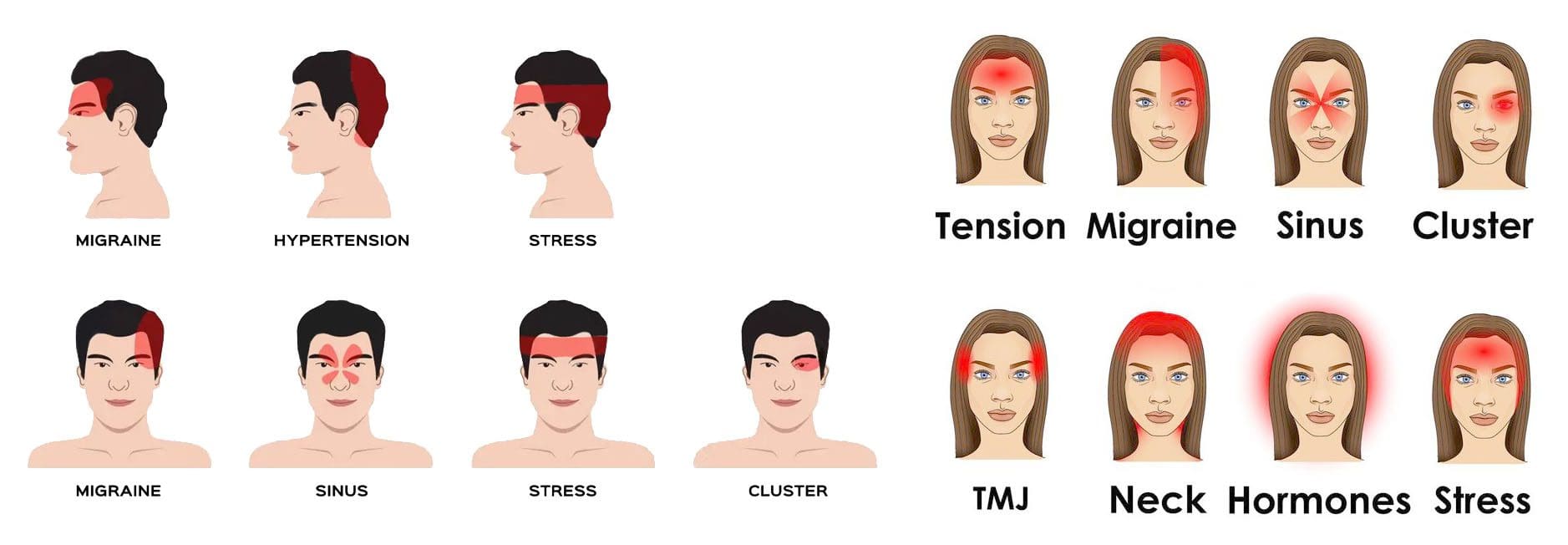
Pain and discomfort symptoms present when various head structures become inflamed or irritated. These structures include:
Nerves of the head and neck.
Muscles of the neck and head.
The skin of the head.
Arteries that lead to the brain.
Membranes of the ear, nose, and throat.
Sinuses that form part of the respiratory system.
The pain can also be referred, meaning that pain in one area can spread to nearby areas. An example is headache pain developed from neck stiffness and tightness.
Causes
Foods
Determining whether food sensitivities cause or contribute to headaches or migraines can be challenging. Nutritionists and dieticians recommend keeping a food journal to keep track of foods, snacks, drinks, alcohol intake, how the body reacts, and how the individual feels.
This process can help recognize foods or eating patterns that may contribute to headaches.
An integrative health practitioner can support this process and help identify sensitivities.
By eliminating and avoiding processed foods, headaches may be alleviated. This includes limited exposure to artificial colors, sweeteners, flavors, and other unnatural additives.
Foods naturally high in magnesium include legumes, almonds, broccoli, spinach, avocados, dried figs, and bananas.
Ginger Root
Ginger root is a natural remedy for nausea, diarrhea, upset stomach, and indigestion.
Ginger root extract can be taken in supplement form or fresh ginger added to meals and teas.
Coriander Seeds
Coriander syrup is effective against migraine pain.
A method to relieve a headache is to pour hot water over fresh seeds and inhale the steam.
To increase the effectiveness, place a towel over your head.
Celery or Celery Seed Oil
Celery can reduce inflammation and lower blood pressure.
However, pregnant women or individuals with kidney conditions, low blood pressure, taking thyroid medication, blood thinners, lithium, or diuretics should not use celery seed.
Peppermint and Lavender Essential Oils
Both have a natural numbing and cooling effect that helps relieve headache pain.
Peppermint oil has also been found to be a natural antibacterial, antiviral, antifungal, antiparasitic, and pain reliever.
Lavender oil can eliminate nervous tension, enhance blood circulation, and relieve pain.
Both are effective pain relief tools for headache and migraine sufferers.
Butterbur
This shrub grows in Europe, some parts of Asia, and North America.
A study found that individuals who consumed 75 mg of the extract twice daily reduced migraine attacks’ frequency.
Feverfew
A herb plant whose dried leaves have been found to relieve symptoms associated with headaches, migraines, menstrual cramps, asthma, dizziness, and arthritis.
Feverfew can be found in supplements.
It can alter the effects of certain prescription and non-prescription medications.
There is plenty of evidence to support the benefits of healthy nutrition. Combined with a healthy diet and lifestyle, these supplements can help relieve headaches. As with any supplement, talk to a doctor before starting a supplement regimen.
Chiropractic Care For Migraines
References
Ariyanfar, Shadi, et al. “Review on Headache Related to Dietary Supplements.” Current Pain and headache report vol. 26,3 (2022): 193-218. doi:10.1007/s11916-022-01019-9
Bryans, Roland, et al. “Evidence-based guidelines for the chiropractic treatment of adults with headache.” Journal of Manipulative and physiological therapeutics vol. 34,5 (2011): 274-89. doi:10.1016/j.jmpt.2011.04.008
Diener, H C et al. “The first placebo-controlled trial of a special butterbur root extract for the prevention of migraine: reanalysis of efficacy criteria.” European Neurology vol. 51,2 (2004): 89-97. doi:10.1159/000076535
Kajjari, Shweta, et al. “The Effects of Lavender Essential Oil and its Clinical Implications in Dentistry: A Review.” International Journal of clinical pediatric dentistry vol. 15,3 (2022): 385-388. doi:10.5005/jp-journals-10005-2378
Maier, Jeanette A et al. “Headaches and Magnesium: Mechanisms, Bioavailability, Therapeutic Efficacy and Potential Advantage of Magnesium Pidolate.” Nutrients vol. 12,9 2660. 31 Aug. 2020, doi:10.3390/nu12092660
Mansouri, Samaneh, et al. “Evaluating the effect of Coriandrum sativum syrup on being migraine-free using mixture models.” Medical Journal of the Islamic Republic of Iran vol. 34 44. 6 May. 2020, doi:10.34171/mjiri.34.44
Pareek, Anil, et al. “Feverfew (Tanacetum parthenium L.): A systematic review.” Pharmacognosy Reviews vol. 5,9 (2011): 103-10. doi:10.4103/0973-7847.79105
Skypala, Isabel J et al. “Sensitivity to food additives, vaso-active amines and salicylates: a review of the evidence.” Clinical and translational allergy vol. 5 34. 13 Oct. 2015, doi:10.1186/s13601-015-0078-3
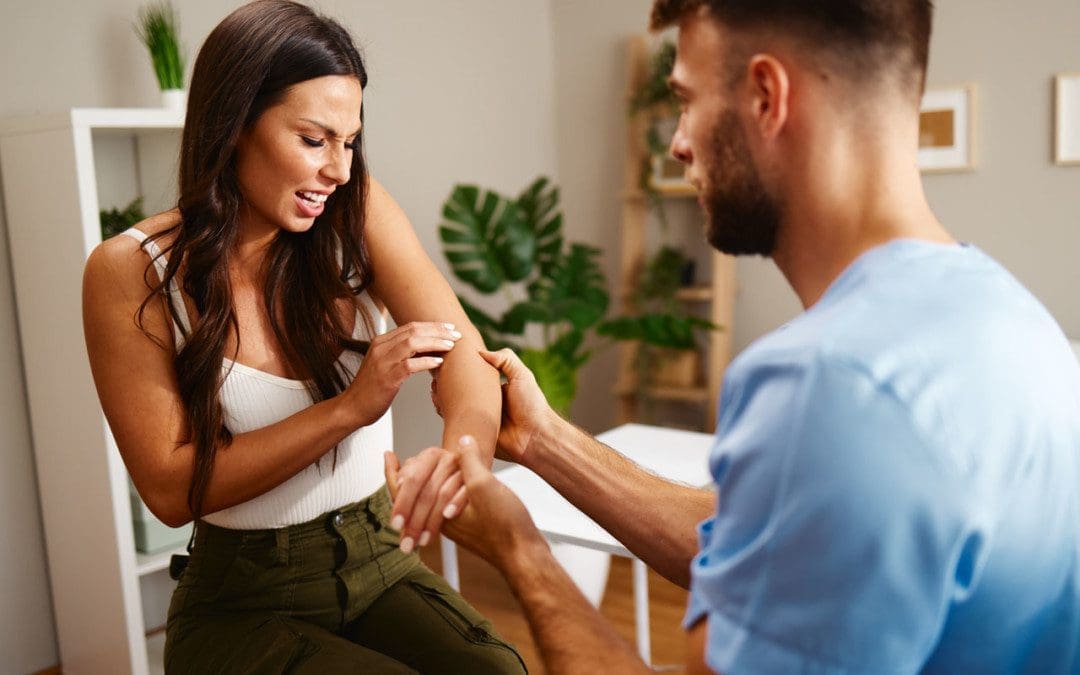
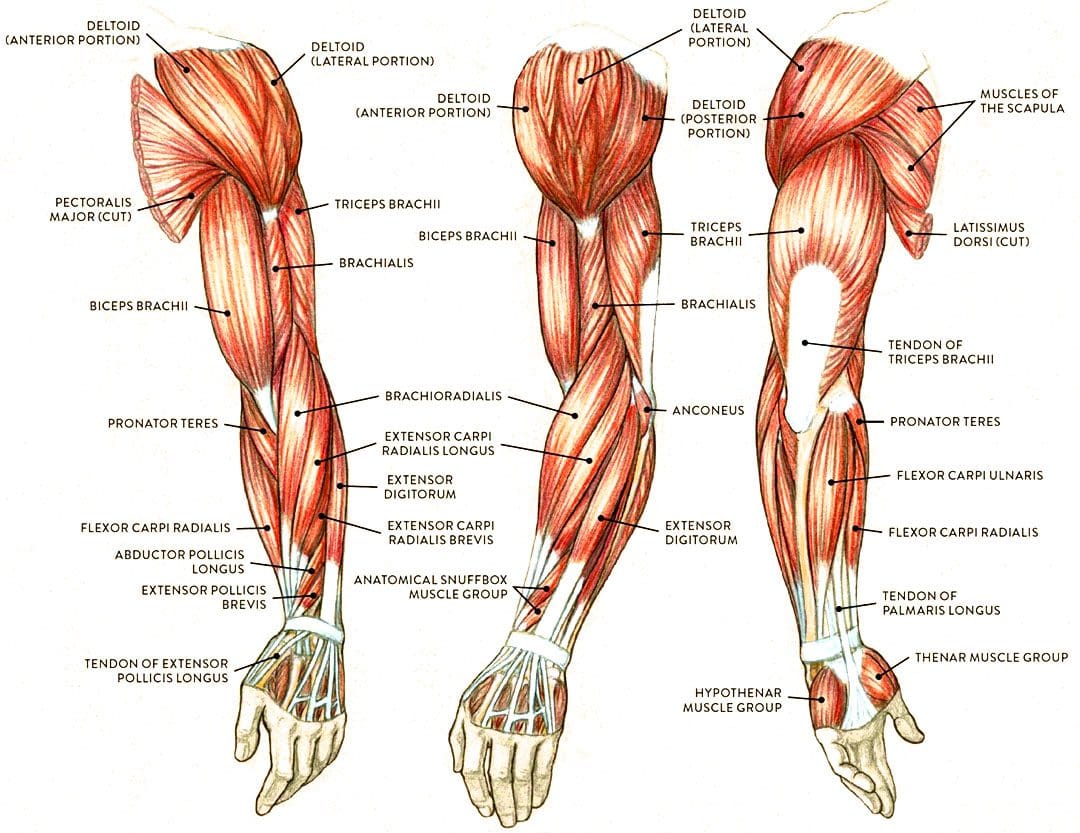
The function of the arm is to allow for movement of the wrist and hand. Various muscles initiate the arm’s actions, large muscles flex and extend, pronate and supinate, and the more sensitive muscles allow fine motor control. Lifting capacity and grip strength come from the arm muscles, making them essential for all types of activities. Because of the many functions and jobs the hands and arms do, added stress is placed on them. Arm discomfort symptoms, radiating pain, weakness, numbness, and tingling are common conditions. Chiropractic care can relieve injury symptoms and restore mobility and function.
Arm Discomfort Symptoms
The muscles of the upper arm, the biceps, and the triceps, control the movement and positioning of the elbow joint, and the muscles of the forearm control the wrist and hand. There are 30 bones from the top of the arm to the tip of the finger that include:
The humerus in the upper arm.
Ulna and radius in the forearm.
Carpal bones in the wrist.
Metacarpals and phalanges make up the hand and fingers.
The joints allow movement between the bones and are stabilized by ligaments and joint capsules.
Symptoms
Discomfort or Radiation
Symptoms vary based on the severity of the injury but commonly include.
Numbness and tingling in the elbow, forearm, or hand can develop.
Pain sensations often radiate to other areas.
Causes
Individuals that work with their hands related to work, home tasks, sports, or hobby activities, such as construction workers, hair stylists, store cashiers, graphic artists, automotive technicians, carpenters, painters, butchers, and more, have an increased risk of injury and developing chronic conditions. Work that involves manually cutting, writing, typing, gripping, operating motorized tools, hair clippers, working with animals, etc., makes the arms susceptible to injury from the constant stress on the ligaments. Common overuse injuries affecting the upper extremity include:
Carpal Tunnel Syndrome and Cubital Tunnel Syndrome
These conditions involve the nerves of the forearm.
Prolonged or repetitive bending or flexing of the wrist or elbow can generate swelling pressure that compresses the nerve/s.
Symptoms include numbness, coldness, tingling, and/or weakness in the hand and fingers.
Tennis, Golfer, and Pitcher Elbow
These conditions involve the inflammation of the tendon structures surrounding the elbow joint.
Repeating the same motion over and over causes damage.
This leads to tenderness and pain inside and surrounding the elbow.
De Quervain’s syndrome affects tendon structure in the wrist.
Swelling near the base of the thumb.
Individuals have difficulty grasping objects.
This is common for landscapers, gardeners, and sports where constant gripping is involved.
Tendonitis
Tendons attach muscles and bones
The condition causes tendon inflammation, presenting pain in the area around single or multiple joints.
Common types include wrist tendonitis, pitcher’s shoulder, and swimmer’s shoulder.
Tendon Tears
Overuse and frequent stress from continuous motion can wear tendons to the point of partial or complete tearing.
Rotator cuff tears in the shoulder are often caused by overuse wearing down.
Chiropractic Treatment
Chiropractic and massage therapy can rehabilitate arm injuries, restore function and reduce arm discomfort symptoms. Treatment includes:
Ice or heat treatment.
Manual therapy – soft tissue massage and trigger point alleviation.
Joint mobilization.
Taping or bracing support.
Rehabilitation targeted exercises.
Work and sports modification training.
Training on upper extremity overuse, practicing caution, and knowing when to seek professional medical help.
Shoulder Pain Rehabilitation
References
Bass, Evelyn. “Tendinopathy: why the difference between tendinitis and tendinosis matters.” International Journal of therapeutic massage & Bodywork vol. 5,1 (2012): 14-7. doi:10.3822/ijtmb.v5i1.153
Cutts, S et al. “Tennis elbow: A clinical review article.” Journal of Orthopaedics vol. 17 203-207. 10 Aug. 2019, doi:10.1016/j.jor.2019.08.005
Hoe, Victor C W, et al. “Ergonomic design and training for preventing work-related musculoskeletal disorders of the upper limb and neck in adults.” The Cochrane Database of systematic reviews vol. 2012,8 CD008570. 15 Aug. 2012, doi:10.1002/14651858.CD008570.pub2
Konijnenberg, H S et al. “Conservative treatment for repetitive strain injury.” Scandinavian Journal of Work, Environment & Health vol. 27,5 (2001): 299-310. doi:10.5271/sjweh.618
Luger, Tessy, et al. “Work-break schedules for preventing musculoskeletal symptoms and disorders in healthy workers.” The Cochrane Database of systematic reviews vol. 7,7 CD012886. 23 Jul. 2019, doi:10.1002/14651858.CD012886.pub2
Pitzer, Michael E et al. “Elbow tendinopathy.” The Medical Clinics of North America vol. 98,4 (2014): 833-49, xiii. doi:10.1016/j.mcna.2014.04.002
Verhagen, Arianne P et al. “Conservative interventions for treating work-related complaints of the arm, neck or shoulder in adults.” The Cochrane Database of systematic reviews vol. 2013,12 CD008742. 12 Dec. 2013, doi:10.1002/14651858.CD008742.pub2
Zaremski, Jason L et al. “Sport Specialization and Overuse Injuries in Adolescent Throwing Athletes: A Narrative Review.” Journal of athletic training vol. 54,10 (2019): 1030-1039. doi:10.4085/1062-6050-333-18
Breathing nourishes the whole body and regulates important functions like heart rate and blood pressure. It also reinforces proper body mechanics to lessen the stress on the body when moving. Busy lives combined with sedentary work and lifestyle can condition the body to take only quick, shallow breaths, which can weaken lung muscles and cause tension to build, worsening posture and leading to other adverse symptoms and conditions. Learning deep breathing can positively affect heart rate, mental alertness, and blood pressure and improve posture. Injury Medical Chiropractic and Functional Medicine Clinic can create personalized postural treatment and training plans.
Breathing and Posture
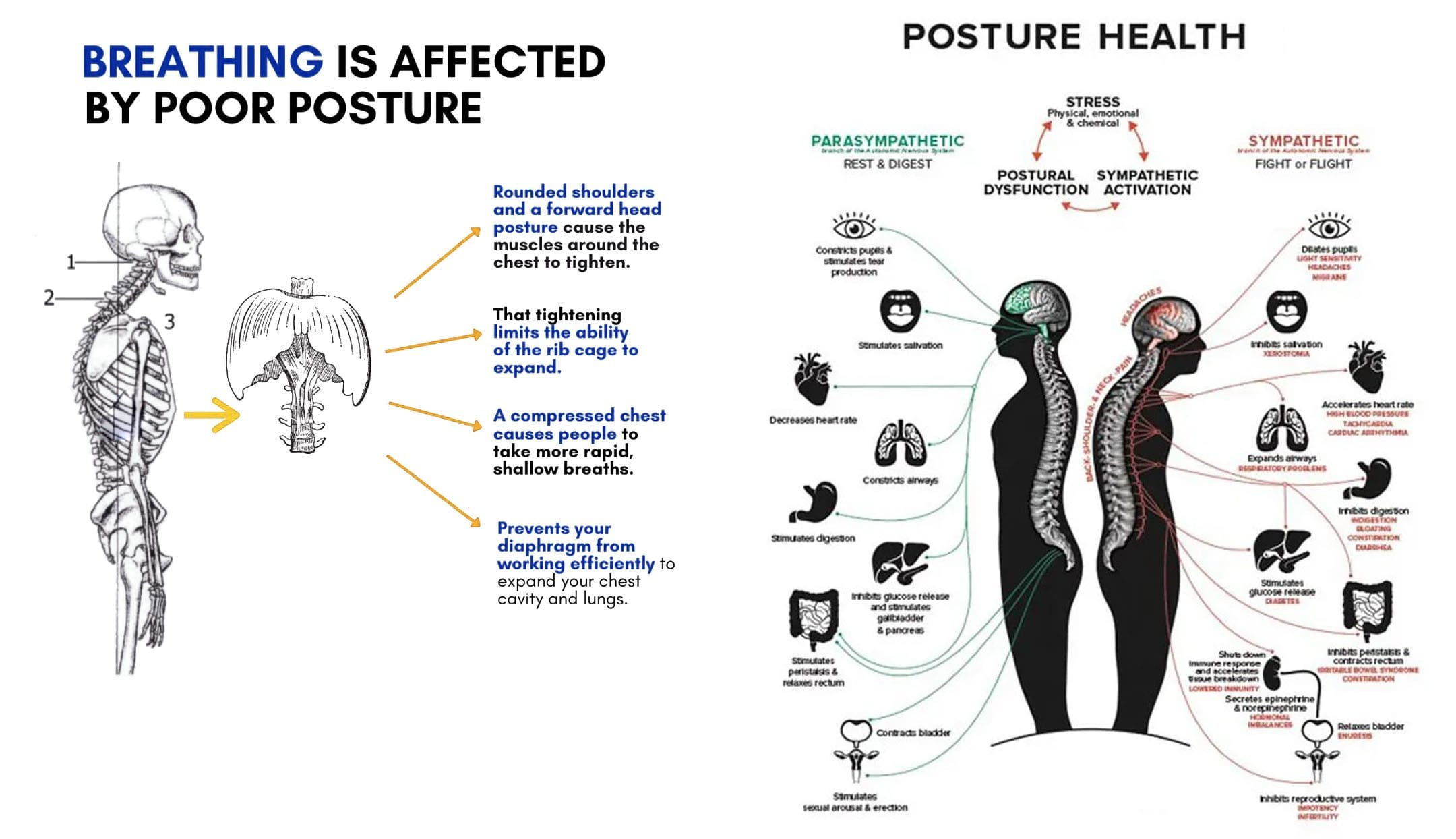
Inhalation causes the lungs to get filled with air, and exhalation releases and empties the lungs. For the lungs to work optimally, the rib cage needs to expand constantly in a gentle, rhythmic way. The respiratory muscle/diaphragm muscle needs to go up and down with each breath cycle. This can only happen when the muscle is not contracted or tense. Tension in the upper body can increase unhealthy postures and undermine health. Continued unhealthy postures at school, work, and home will compress the ribs, intercostal muscles, diaphragm, and base of the neck. This prevents the ribcage from expanding fully, which impairs optimal breathing. Over time, the strength of the respiratory muscles weakens.
Healthy Posture
Proper body alignment reduces strain on supportive structures like ligaments, muscles, joints, and discs. A healthy posture allows individuals to breathe more easily, move more efficiently, relax, and sleep better.
Symptoms Of Unhealthy Posture
Research shows that prolonged practice of unhealthy posture can lead to health problems, including:
Aching and chronic pain in the back, neck, and shoulders.
Tight, sore muscle knots/trigger points.
Tension headaches, limited sleep, and digestive problems.
Brain fog.
Shifting moods.
Digestive problems.
Breathing from the chest relies on secondary muscles around the neck and collarbone instead of the diaphragm. Shallow breathing patterns accompanied by unhealthy postures cause muscles in the upper body to function improperly. The longer the body sits, the less the body can resist the force of gravity and maintain a stable core. Tight muscles around the chest cause rounded shoulders and forward head posture, further weakening the muscles that help maintain an upright posture. Chest and rib discomfort symptoms can result from the tight intercostal muscles and inadequate expansion of the ribs.
Chiropractic Treatment
Shallow breathing can be reversed by regular physical activity, and sessions of respiratory muscle training will help to improve posture and quality of life. Deep or belly breathing involves learning to use the abdominal muscles. Inhaling slowly and deeply through the nose fills the lungs with air and expands the stomach. Learning to breathe deep regularly provides benefits like stress reduction, improved cardiovascular health, stronger lungs, and improved cognitive performance.
Posture correction techniques relieve back and neck pain, improve muscle and joint function, maintain brain health, increase mood stability, and improve spinal health.
Learning how to breathe deeply takes practice.
One beginning technique is to breathe deeply and count to 4 before slowly releasing the breath with another count to 4.
Individuals will notice their abdomen, ribs, and chest push forward as they breathe.
The shoulders, neck, and spine properly align during this action.
Place a hand on the abdomen to check for correct breathing.
It should move outwards slightly as air fills the lungs.
Real Patients, Real Results
References
Albarrati, Ali, et al. “Effect of Upright and Slouched Sitting Postures on the Respiratory Muscle Strength in Healthy Young Males.” BioMed research international vol. 2018 3058970. 25 Feb. 2018, doi:10.1155/2018/3058970
Aliverti, Andrea. “The respiratory muscles during exercise.” Breathe (Sheffield, England) vol. 12,2 (2016): 165-8. doi:10.1183/20734735.008116
Pickering, Mark, and James F X Jones. “The diaphragm: two physiological muscles in one.” Journal of Anatomy vol. 201,4 (2002): 305-12. doi:10.1046/j.1469-7580.2002.00095.x
Sheel, A William. “Respiratory muscle training in healthy individuals: physiological rationale and implications for exercise performance.” Sports medicine (Auckland, N.Z.) vol. 32,9 (2002): 567-81. doi:10.2165/00007256-200232090-00003
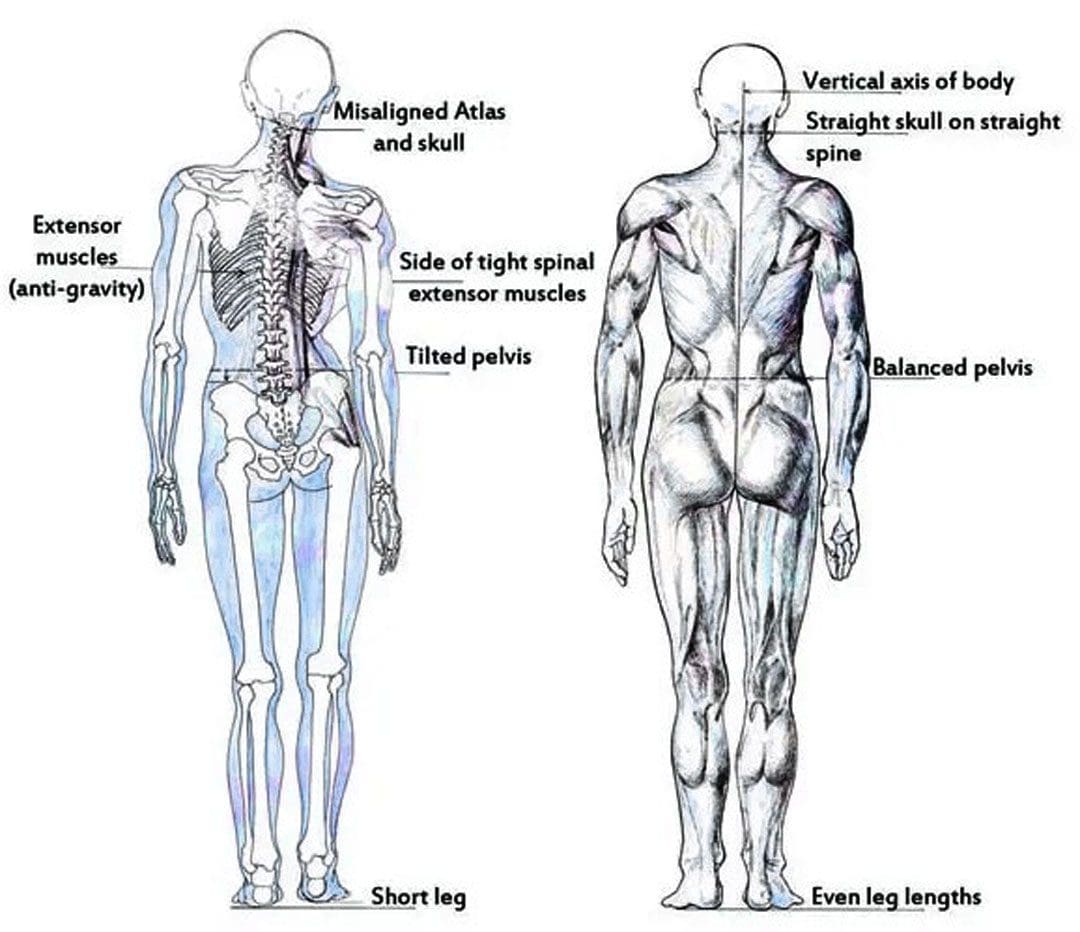
As humans, there are a variety of stressors experienced daily. Stress collects in various body areas, most commonly the upper back, jaw, and neck muscles. Stress leads to tension in the muscles. The built-up tension can cause the spinal bones to shift out of alignment, irritating the nerves between the spinal bones. A cycle begins as increased nerve tension causes the muscles to continue to contract/tighten. The extra muscle tension continues to pull the spinal bones out of alignment, making the spine stiff and less flexible affecting posture, balance, coordination, and mobility, causing the spine to become further unstable. Chiropractic treatment at regular intervals is recommended to help realign and maintain proper position.
Why The Spine Goes Out of Alignment
The nerves in the body are intricately linked to the spinal cord, and small distortions in the alignment can cause nerves to misfire and malfunction. When the spine goes out of alignment, the nervous system/brain and nerves get stuck in a stressed or tense state. Even a minor misalignment can cause a series of discomfort symptoms to travel throughout the body.
Causes
Causes of misalignment that creates tension in the nerves and muscles include:
A chiropractor will feel/palpate the spine to see if the bones are in alignment, move well, or are out of alignment and not moving correctly or moving at all.
Posture Exam
If the head, shoulders, and hips are uneven or the shoulders and head are pulling forward, the spinal bones are out of alignment/subluxations.
Balance and Coordination
Unhealthy balance and coordination can indicate the brain, nerves, and muscles are malfunctioning by spinal misalignment.
Range of Motion
A loss of spinal movement flexibility can show tension in the nerves, muscles, and misalignments.
Muscle Test
Loss of strength in a muscle can indicate the nerve signals are weak.
Orthopedic Tests
Tests that put the body in stressful positions focus on what tissue/s may be injured and the causes.
X-rays
X-rays look for abnormalities, dislocations, bone density, fractures, hidden/invisible injuries, and infections.
Injury Medical Chiropractic and Functional Medicine Clinic provide personalized treatment plans. These specific therapies are made to generate long-term spine benefits. Spinal manipulation, deep tissue massage, MET, and other manual therapy techniques, combined with exercise, help get the bones moving properly, the muscles functioning correctly, and the spine back into proper form. Treatment relieves muscle spasms, tension, and joint dysfunction, increases circulation, and retrains the muscles to remain relaxed.
The Natural Way to Heal
References
Ando, Kei et al. “Poor spinal alignment in females with obesity: The Yakumo study.” Journal of Orthopaedics vol. 21 512-516. 16 Sep. 2020, doi:10.1016/j.jor.2020.09.006
Le Huec, J C et al. “Sagittal balance of the spine.” The European spine journal: official publication of the European Spine Society, the European Spinal Deformity Society, and the European Section of the Cervical Spine Research Society vol. 28,9 (2019): 1889-1905. doi:10.1007/s00586-019-06083-1
Meeker, William C, and Scott Haldeman. “Chiropractic: a profession at the crossroads of mainstream and alternative medicine.” Annals of internal medicine vol. 136,3 (2002): 216-27. doi:10.7326/0003-4819-136-3-200202050-00010
Oakley, Paul A et al. “X-Ray Imaging is Essential for Contemporary Chiropractic and Manual Therapy Spinal Rehabilitation: Radiography Increases Benefits and Reduces Risks.” Dose-response: a publication of International Hormesis Society vol. 16,2 1559325818781437. 19 Jun. 2018, doi:10.1177/1559325818781437
Shah, Anoli A, et al. “Spinal Balance/Alignment – Clinical Relevance and Biomechanics.” Journal of biomechanical engineering, 10.1115/1.4043650. 2 May. 2019, doi:10.1115/1.4043650
Intercostal muscles are the muscles within the rib cage, commonly called the intercostals, which connect the ribs and make up the chest wall. An intercostal muscle strain refers to an injury between two or more ribs. If these muscles become overstretched, restricted, or suffer damage, it can cause inflammation and significant pain in the middle and upper back. Intercostal muscle strain is a common injury in athletes and physically demanding jobs. Chiropractic care and massage therapy can realign the vertebrae with the ribs and loosen and relax the muscles to increase circulation and restore mobility and function.
Intercostal Muscle Strain
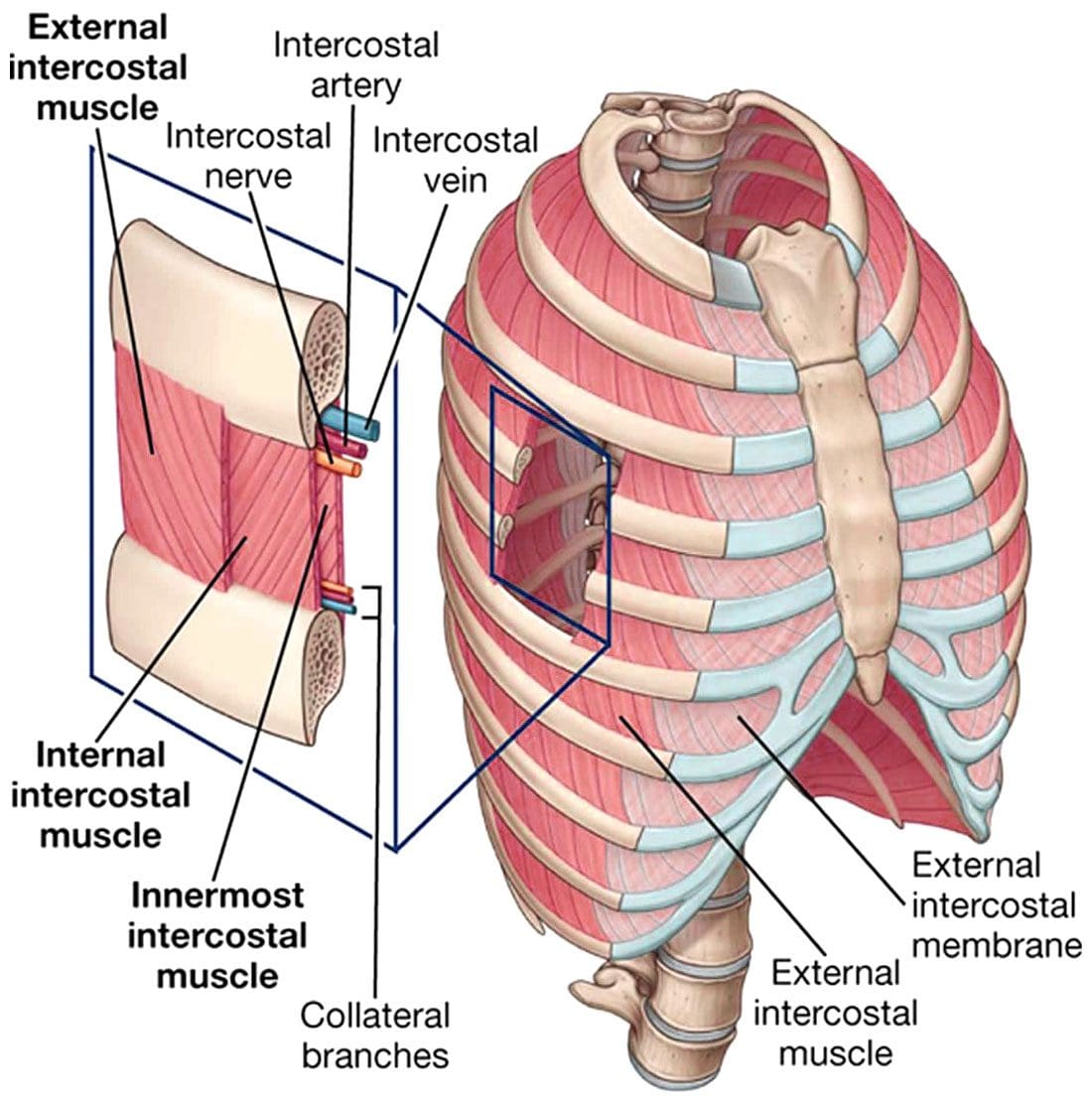
The intercostal muscles have different layers attached to the ribs to help build the chest wall and assist in breathing. There are 11 intercostal muscles on each side of the rib cage. Each set is located between connected ribs in the upper and mid-back and consists of the following:
External
These are the outermost intercostals, responsible for expanding the chest during breathing to help inhale air and allow full deep breaths.
The external intercostals originate at the lower edge of a rib and run diagonally to attach to the upper edge of the rib below.
They are found in the rib cage’s back, sides, and front.
Internal
These sit directly underneath the externals and help collapse the chest during breathing to exhale.
The muscle fibers run perpendicular to the external intercostals, moving diagonally from front to back along the ribs, and are in the entire rib cage.
Innermost
These sit directly underneath, run parallel to the internal intercostals, and run from the back of the rib cage to each side.
The veins, arteries, and nerves lie between the internal and innermost intercostals.
When an intercostal muscle gets twisted, overused, or stretched too far, it can tear, causing muscle strain. Often radiating pain along the rib cage is experienced that extends to the back.
Causes
An intercostal muscle strain often occurs as the result of an injury or overexertion of the muscles. Common causes include:
Trauma to the rib cage, such as from a fall or automobile collision.
Impact trauma from sports or physical activities.
Over twisting the torso beyond its normal range of motion from lifting weights, sports, yoga postures, or dance positions.
Repeatedly reaching overhead for work or tasks like cleaning or painting.
Lifting heavy objects above shoulder height.
Repetitive torso movements.
A sudden increase in physical activity that the body is not used to can also lead to intercostal muscle strain.
This can happen when a lack of conditioning or unhealthy postures weaken muscles.
Symptoms
The signs and symptoms can vary, depending on the severity and cause. Symptoms can include:
Intercostal muscle spasms.
Mobility difficulties.
Inflammation, swelling, and sensitivity in the affected area.
Stiffness and tension, causing upper back pain.
Upper back and rib pain.
Tenderness in the area between the ribs.
Muscle rigidity when bending or twisting the upper body.
Gradual worsening pain after repetitive movements.
Worsening pain when coughing, sneezing, or breathing in deeply.
Severe and sudden pain, particularly if caused by direct trauma to the chest or back.
Chiropractic
Diagnosis involves the individual’s medical history and a physical exam to check for movement limitations and assess affected and sensitive areas. Once the inflammation is reduced, chiropractic and physical therapy will focus on the following:
Pain relief treatment.
Breathing exercises.
Posture training.
Stretching under supervision.
Strengthing exercises.
Most cases fully heal within 6 to 8 weeks.
Rib Muscle Injury
References
De Troyer, A et al. “Mechanics of intercostal space and actions of external and internal intercostal muscles.” The Journal of clinical investigation vol. 75,3 (1985): 850-7. doi:10.1172/JCI111782
Lord, Michael J, and William G Carson Jr. “Multiple Rib Stress Fractures.” The Physician and sports medicine vol. 21,5 (1993): 80-91. doi:10.1080/00913847.1993.11947575
Morrison W. What is an intercostal muscle strain? Medical News Today. Jan 2020
Page P. Current Concepts in Muscle Stretching for Exercise and Rehabilitation. International Journal of Sports Physical Therapy. 2012;7(1):109-119.
Park, Kyung-hee, et al. “Difference in selective muscle activity of thoracic erector spinae during prone trunk extension exercise in subjects with slouched thoracic posture.” PM & R: the Journal of Injury, Function, and Rehabilitation vol. 7,5 (2015): 479-84. doi:10.1016/j.pmrj.2014.10.004
Tran H. Causes of Intercostal Muscle Strain. Spine-health. October 2017
Yoo, Won-Gyu. “Effect of a combined thoracic and backward lifting exercise on the thoracic kyphosis angle and intercostal muscle pain.” Journal of physical therapy science vol. 29,8 (2017): 1481-1482. doi:10.1589/jpts.29.1481
Yoo, Won-Gyu. “Effect of thoracic stretching, thoracic extension exercise and exercises for cervical and scapular posture on thoracic kyphosis angle and upper thoracic pain.” Journal of physical therapy science vol. 25,11 (2013): 1509-10. doi:10.1589/jpts.25.1509
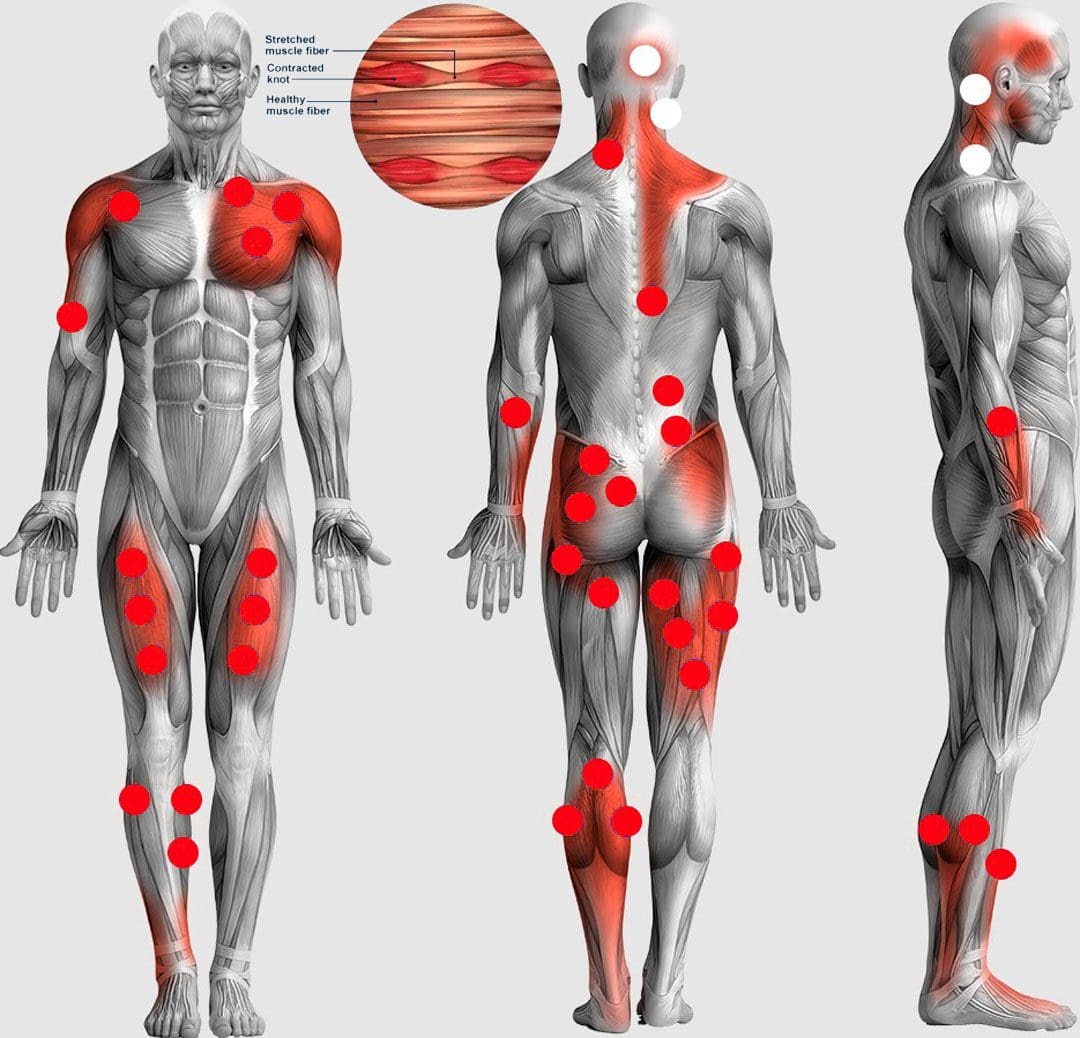
Muscle knots or trigger points are tissues/segments of muscle fibers stuck in a contracted state and balled up or become entangled. To the touch, they can feel like small bumps, nodules, or knots. They are primarily found in muscles, but they can also be found in tendons, fascia, periosteum, and ligaments. Tight muscles can limit flexibility, increase discomfort and pain symptoms, and cause further injury that can develop into chronic conditions. Trigger points can develop in all muscles and multiple muscles simultaneously. The Injury Medical Chiropractic and Functional Medicine Team can create a personalized treatment plan for trigger point alleviation.
Muscle Knots Trigger Points
When muscle fibers are stuck in contraction, blood circulation decreases in and around the affected area, and the necessary nutrients and oxygen cannot be delivered. The excessive accumulation of the chemicals – acetylcholine, and calcium leads to a lack of oxygen in the area, which causes muscle fiber contraction and spasms. As the muscle fibers overly contract, they form a knot. Waste materials build up in the fibers as the blocked circulation doesn’t allow removal. This irritates the trigger point, which reacts by sending out pain signals. The brain responds by telling the body not to use that muscle, causing the muscle to tighten, become weak, and lose range of motion. The other muscles have to work harder to compensate.
Trigger Point Types
Active and Latent
One type is an active trigger point.
The trigger point causes pain and discomfort even when the muscle or tissue rests.
The other type is latent, which means that the point does not cause pain or is sometimes even noticed until pressure is applied to the point or area.
Because key trigger point muscles are weakened, the muscles around that point need to work harder, causing multiple knots to form.
Referred pain happens when a satellite trigger point causes sensations in a different area from the point itself.
Causes
The main causes include the following:
Direct Trauma
Muscle trauma or injury can cause fibers not to heal properly, causing segments to stay deprived of oxygen and knotted.
Excessive and Extended Exercising
During exercise/physical activity, profound muscle strain and injury can occur from pushing too hard for too long without proper recovery and repair.
Maintaining Healthy Posture
Unhealthy postures can cause tension, stiffness, and aches and pains.
Stress and Fatigue
Emotional and physical stress takes a toll on the body, which can result in excessive muscle contraction.
Most of the time, it happens subconsciously without realizing that the body is tensing up.
This is why engaging in relaxation activities, including therapeutic massage, is important.
Inactivity
Lack of physical activity and a sedentary lifestyle can cause muscle spasms and over-contracting, leading to muscle knots.
Medical Conditions
Conditions that affect muscles, like arthritis and fibromyalgia or medications, can cause muscle spasms and the development of trigger points.
Chiropractic and Massage Therapy
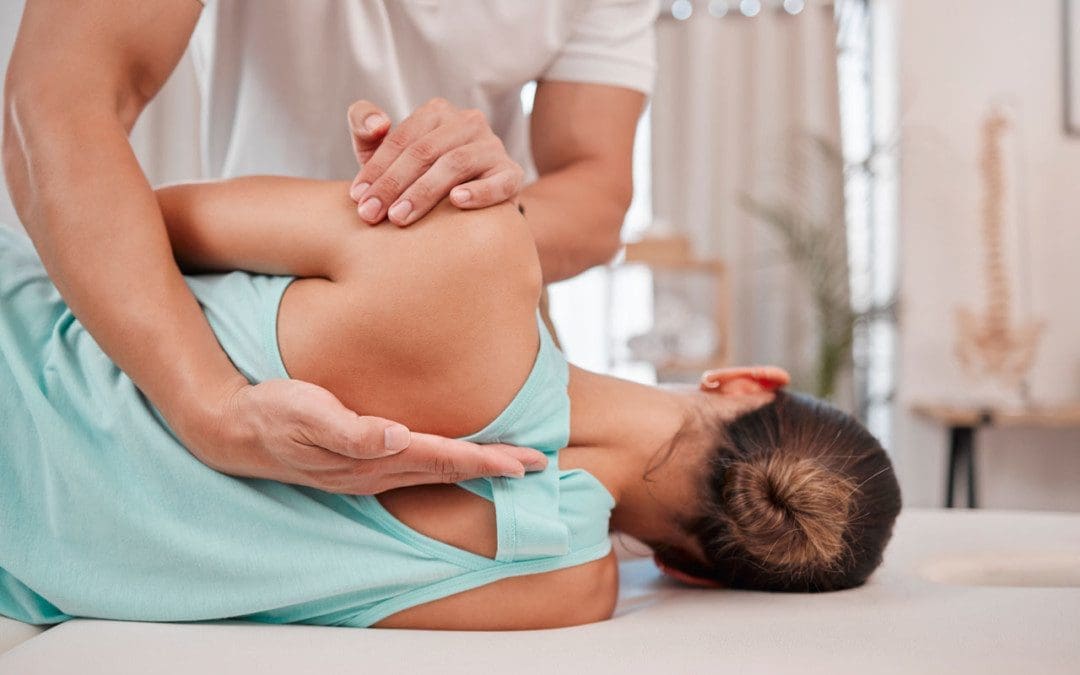
Chiropractic and therapeutic massage is an effective treatment to relieve muscle knots and symptoms and restore the body to optimal function. Massage uses various techniques to increase blood circulation, break down inflexible scar tissue and stretch and loosen muscles. Pain and discomfort decrease by allowing the muscles to move and restoring blood flow.
Massage Therapy Chiropractic Care
References
Barbero, Marco, et al. “Myofascial pain syndrome and trigger points: evaluation and treatment in patients with musculoskeletal pain.” Current Opinion in Supportive and palliative care vol. 13,3 (2019): 270-276. doi:10.1097/SPC.0000000000000445
Cheung, Karoline, et al. “Delayed onset muscle soreness: treatment strategies and performance factors.” Sports medicine (Auckland, N.Z.) vol. 33,2 (2003): 145-64. doi:10.2165/00007256-200333020-00005
Money, Sarah. “Pathophysiology of Trigger Points in Myofascial Pain Syndrome.” Journal of Pain & palliative care pharmacotherapy vol. 31,2 (2017): 158-159. doi:10.1080/15360288.2017.1298688
Moraska, Albert F et al. “Responsiveness of Myofascial Trigger Points to Single and Multiple Trigger Point Release Massages: A Randomized, Placebo-Controlled Trial.” American Journal of physical medicine & Rehabilitation vol. 96,9 (2017): 639-645. doi:10.1097/PHM.0000000000000728
Weerapong, Pornratshanee, et al. “The mechanisms of massage and effects on performance, muscle recovery, and injury prevention.” Sports medicine (Auckland, N.Z.) vol. 35,3 (2005): 235-56. doi:10.2165/00007256-200535030-00004
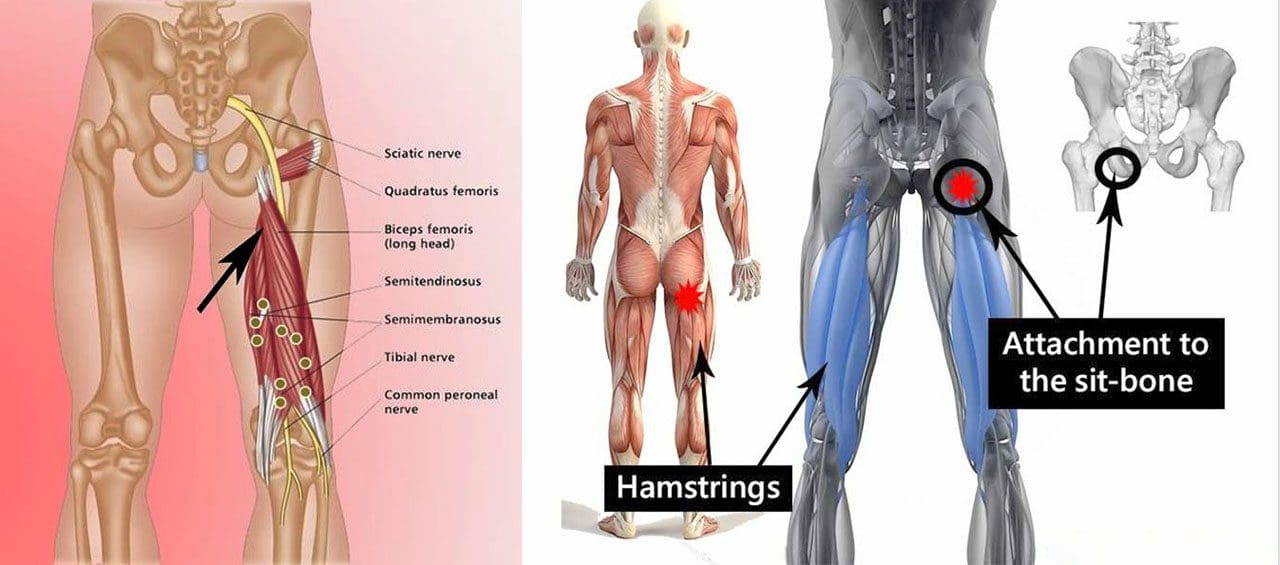
The hamstring muscles attach, through a tendon called the proximal hamstring tendon, to the ischial tuberosity, the bones used to sit deep in the buttock muscles. When the tendon is subjected to overuse/repetitive stresses and strains, the internal structure can become compromised, leading to weakness and pain symptoms. This is known as proximal hamstring tendinopathy. Tendinopathy is an overuse injury where the tendon is repeatedly strained until microscopic tears form. It is common in athletes that do a lot of running but also in individuals that sit for prolonged periods. If left untreated, high hamstring tendinopathy can lead to progressive degeneration of the tissues, leading to chronic weakness, pain, and dysfunction.
High Hamstring Tendinopathy
The hamstrings are a powerful muscle group that extends the hip and flexes the knee. They experience stress and pressure during activity and inactivity/sitting and are susceptible to strain injuries. Tendons attach muscle to bone and are designed to take compressive and tensile weight/loads that stretch or flex. A tendon is made up of fibrous tissue containing organized type 1 collagen. Tendons receive blood; however, the supply is less where the tendon attaches to the bone and is commonly where tendinopathy occurs.
Injury
A hamstring injury involves the bruising, irritation, or tearing of the hamstring tendon or muscle tissue. Severity can range from:
Microtears that cause stiffness and pain symptoms but heal fast on their own.
Severe ruptures that cause debilitating pain, dysfunction and require medical intervention.
The tendon attaches to the ischial tuberosity or sitting buttock bone. Tendons can have a spasm-like reaction to sudden or quick shift changes. A sudden change can cause adverse changes to the tendon. Too much load on the tendon beyond its ability to recover can cause the structure to change and the collagen to break down/tear like a rope tearing and unraveling. High hamstring tendinopathy happens around the hip area and presents as buttock or upper thigh pain. Individuals report deep, dull, radiating buttock pain during walking, running, and prolonged sitting or driving. Sometimes the sciatic nerve can become irritated or entrapped by an affected tendon’s scar tissue, causing sciatica-like symptoms.
Stages of Tendon Pathology
Reactive Phase
Caused by an acute overload of physical activity or inactivity.
The tendon will thicken temporarily to decrease the stress; however, there may be no inflammation.
The tendon can return to normal if the load is reduced or sufficient time for recovery and repair is allowed.
Disrepair
Chronically overloaded.
Unsuccessful healing.
More negative tendon changes occur.
Reversibility is possible with load management and targeted exercises to stimulate the tendon and surrounding tissues.
Degenerative
Continual progression of adverse tendon changes.
More common in older individuals.
Continue load management and strength training to maximize the tendon’s tolerance.
Chiropractic Treatment
A chiropractic therapy team will develop a personalized treatment program to improve tendon structure and strengthen the hamstrings, gluteal, and side abdominal muscles. They will begin with tendon symptom-relieving massage to loosen the muscles and get the blood circulating, MET-targeted stretches to lengthen the muscles, and spinal and pelvic adjustments to realign the body.
Sciatica Explained
References
Buckley, Mark R et al. “Distributions of types I, II and III collagen by region in the human supraspinatus tendon.” Connective tissue research vol. 54,6 (2013): 374-9. doi:10.3109/03008207.2013.847096
Lempainen, Lasse, et al. “Expert opinion: diagnosis and treatment of proximal hamstring tendinopathy.” Muscles, ligaments, and tendons journal vol. 5,1 23-8. 27 Mar. 2015
Mattiussi, Gabriele, and Carlos Moreno. “Treatment of proximal hamstring tendinopathy-related sciatic nerve entrapment: presentation of an ultrasound-guided “Intratissue Percutaneous Electrolysis” application.” Muscles, ligaments, and tendons journal vol. 6,2 248-252. 17 Sep. 2016, doi:10.11138/mltj/2016.6.2.248
Ono, T et al. “Estimation of tensile force in the hamstring muscles during overground sprinting.” International Journal of sports medicine vol. 36,2 (2015): 163-8. doi:10.1055/s-0034-1385865
White, Kristin E. “High hamstring tendinopathy in 3 female long-distance runners.” Journal of chiropractic medicine vol. 10,2 (2011): 93-9. doi:10.1016/j.jcm.2010.10.005
Wilson, Thomas J et al. “Sciatic Nerve Injury After Proximal Hamstring Avulsion and Repair.” Orthopedic Journal of sports medicine vol. 5,7 2325967117713685. 3 Jul. 2017, doi:10.1177/2325967117713685
IFM's Find A Practitioner tool is the largest referral network in Functional Medicine, created to help patients locate Functional Medicine practitioners anywhere in the world. IFM Certified Practitioners are listed first in the search results, given their extensive education in Functional Medicine




 Why The Spine Goes Out of Alignment