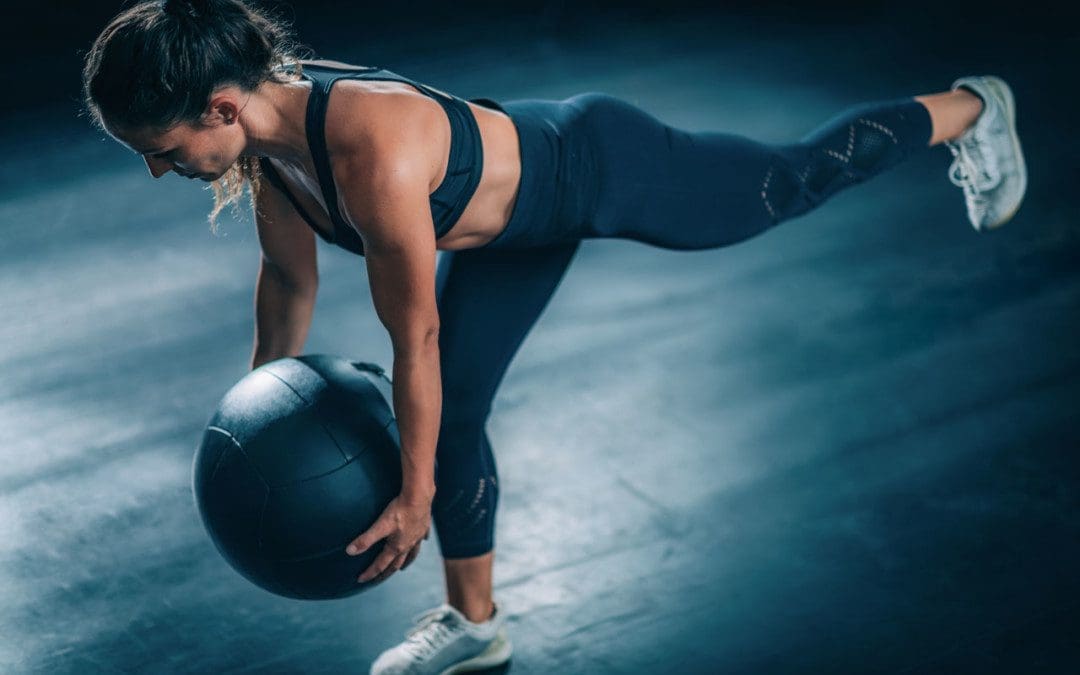
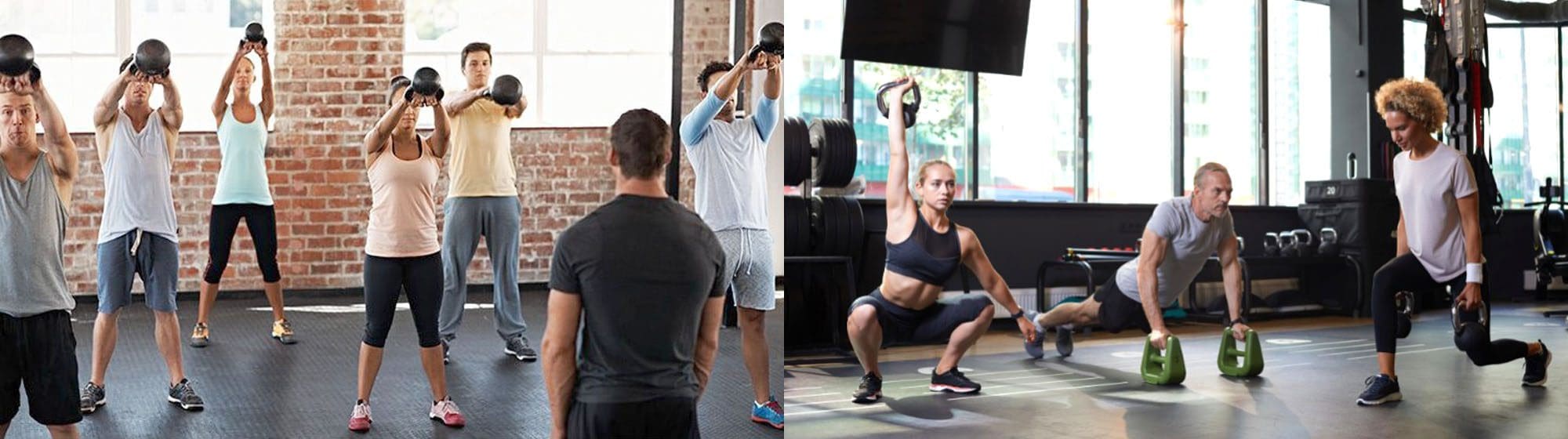
Olympic athletes are so fit they make everything look easy. It is one of the most amazing examples of athletic prowess to behold. Attempting these feats of athleticism could lead to injury without proper training and conditioning. However, you can draw inspiration from these incredible skills and commitment to reach your fitness goals. Individuals can emulate the Olympic athlete’s discipline to get the most out of physical activity and workouts.
Olympic Athlete Discipline
This is not about the literal workout routines these athletes engage in but the mental state and discipline that keeps them motivated, especially when things get tough. This can help individuals get the most out of every workout. When momentum or motivation starts to dwindle, look to Olympic athletes and then apply that discipline to recharge motivation and achieve the goal.
Learn to Train Daily
Many can succumb to weekend warrior syndrome. After sitting on the couch after a long day of work all week, individuals try to make up for the inactivity by overexerting themselves with hours of exercise on the weekend. This is a perfect setup for injury.
Instead, train, work out, exercise, and move around daily. Professional athletes know they won’t get the top results in one shot.
They approach it in incremental steps for a solid foundation and understanding of the final and optimal result.
Daily physical activity and exercise maintain body conditioning, strength, and overall fitness.
And makes the body more efficient at burning fat.
Maintain Goal Focus
Olympic athletes have specific goals in their training. There has to be when competing against the best athletes in the world and winning.
Individual health and fitness goals may be smaller, but they are just as important and should be treated as such for motivation to exercise each day.
Keep goals simple, specific, and reachable/doable when setting them.
SMART goals are Specific, Measurable, Achievable, Realistic, and Time-based.
Use daily reminders of what the goal is and strategies to achieve it.
Utilize Specific Training
Olympic athletes must have incredible endurance, strength, and skill sets to complete their event.
They must incorporate specific training drills, exercises, stretches, nutrition, etc., to improve and advance.
Whatever the goal, make sure the training is appropriate.
If trying to build muscle, focus on heavy strength training and consuming quality calories.
If the goal is to lose weight, break down the goal into achievable steps to get there, like.
What type of workouts are needed?
Consulting a nutritionist for recommendations.
Fuel the Body for Top Performance
Individuals can be concerned about food and whether it contains too much fat or calories.
Olympic athletes worry about getting the right nutrients and calories to fuel their bodies for competition.
Use a similar approach and ask what is the best thing I should eat right now for the workout and…
What foods will maintain optimal body health?
Listen to The Body and Rest
Olympic athletes have to learn to maintain the balance of maintaining top performance and not getting burnt out.
This is when they know to listen to their bodies, extend recovery days, or take a mini-vacation.
Overtraining can lead to injury, frustration, discouragement, and loss of motivation.
Whatever the activity, make sure proper form is followed.
For example, distance runners hold their heads high, have relaxed faces and upper bodies, have a natural arm swing, and do not overstride.
Apply the same form principles to stretches and exercises.
Stronger Body = Better Life
References
Casa, Douglas J et al. “Fluid Needs for Training, Competition, and Recovery in Track-and-Field Athletes.” International Journal of sports nutrition and exercise metabolism vol. 29,2 (2019): 175-180. doi:10.1123/ijsnem.2018-0374
Bailey RR. Goal Setting and Action Planning for Health Behavior Change. Am J Lifestyle Med. 2019;13(6):615-618. doi:10.1177/1559827617729634
Hackett, Daniel, et al. “Olympic weightlifting training improves vertical jump height in sportspeople: a systematic review with meta-analysis.” British Journal of sports medicine vol. 50,14 (2016): 865-72. doi:10.1136/bjsports-2015-094951
Huebner, Marianne, et al. “The Masters’ athlete in Olympic weightlifting: Training, lifestyle, health challenges, and gender differences.” PloS one vol. 15,12 e0243652. 4 Dec. 2020, doi:10.1371/journal.pone.0243652
Swift DL, Johannsen NM, Lavie CJ, Earnest CP, Church TS. The Role of Exercise and Physical Activity in Weight Loss and Maintenance. Prog Cardiovasc Dis. 2014;56(4):441-447. doi:10.1016/j.pcad.2013.09.012
Sports activities will result in aches, pains, and injuries that need to be examined by a doctor or specialist for proper diagnosis and treatment. Finding the right sports injury specialist can be one of the most difficult parts of dealing with an injury. The following may help when deciding if a sports chiropractic specialist can help.
Sports Injury Specialist
Sports medicine is the study and practice of medical principles related to the science of sports:
Injury prevention
Injury diagnosis and treatment
Nutrition
Psychology
Sports medicine focuses on the medical and therapeutic aspects of sports physical activity. These individuals can be physicians, surgeons, chiropractors, physical therapists, or providers who regularly work with athletes. Athletes often prefer providers with athletic treatment experience.
Doctor To See First for a Sports Injury
Individuals that belong to an HMO or PPO may find that their primary care physician is the first doctor to see for injury.
A family doctor may not be a sports medicine specialist but may have the expertise to deal with the injury.
Minor musculoskeletal injuries like acute sprains and strains respond well to immediate standard treatments like rest, ice, compression, and elevation.
Individuals with complicated overuse or training injuries, chronic conditions such as tendonitis, or who require surgery will be referred to a specialist.
Family Doctor Treatment
Nearly all family practice physicians can diagnose and treat various sports-related injuries.
Other non-traditional methods to treat conditions and illnesses.
Some may have specific experience in treating sports-related injuries.
Finding the Right Specialist
It is important to find a doctor who can design a treatment plan to heal and rehabilitate the injury properly and get the athlete back to their sport quickly and safely. Medicine is science and art, and injury treatment should be personalized to specific goals of healing and performance. When selecting a healthcare provider to treat injuries or provide advice, personal recommendations from trusted sources are recommended to screen providers. As well as asking other athletes, local teams, gyms, athletic clubs, and healthcare organizations can direct individuals in the right direction. If you can’t find a confident recommendation, look for a certified sports medicine physician online or call the clinic. When calling the office, questions to think about include:
What is your treatment specialty?
What experience do you have treating athletes?
What special training do you have in sports injury care?
What degrees and certifications do you have?
How I Tore My ACL
References
Bowyer, B L et al. “Sports medicine. 2. Upper extremity injuries.” Archives of physical medicine and Rehabilitation vol. 74,5-S (1993): S433-7.
Chang, Thomas J. “Sports Medicine.” Clinics in podiatric medicine and surgery vol. 40,1 (2023): xiii-xiv. doi:10.1016/j.cpm.2022.10.001
Ellen, M I, and J Smith. “Musculoskeletal rehabilitation and sports medicine. 2. Shoulder and upper extremity injuries.” Archives of physical medicine and Rehabilitation vol. 80,5 Suppl 1 (1999): S50-8. doi:10.1016/s0003-9993(99)90103-x
Haskell, William L et al. “Physical activity and public health: updated recommendation for adults from the American College of Sports Medicine and the American Heart Association.” Medicine and science in sports and exercise vol. 39,8 (2007): 1423-34. doi:10.1249/mss.0b013e3180616b27
Sherman, A L, and J L Young. “Musculoskeletal rehabilitation and sports medicine. 1. Head and spine injuries.” Archives of physical medicine and Rehabilitation vol. 80,5 Suppl 1 (1999): S40-9. doi:10.1016/s0003-9993(99)90102-8
Zwolski, Christin, et al. “Resistance Training in Youth: Laying the Foundation for Injury Prevention and Physical Literacy.” Sports Health vol. 9,5 (2017): 436-443. doi:10.1177/1941738117704153
For individuals starting an exercise program and professional athletes, training must be well-spent to develop fitness and specific sports skills. It is important to remember basic athletic training concepts to ensure you are making the most of the workouts. Working one-on-one with a sports medicine doctor, chiropractor, physical therapist, or personal trainer can help individuals achieve fitness goals.
Athletic Training Checklist
Abilities and Interests
Individuals need to enjoy the training to stick with the program long enough to see results.
Rather than picking a generic program or doing what everyone else is doing, adjust workout time and intensity to fit your lifestyle, current fitness level, and ability to push when needed.
Choose a workout routine that meets your personal goals.
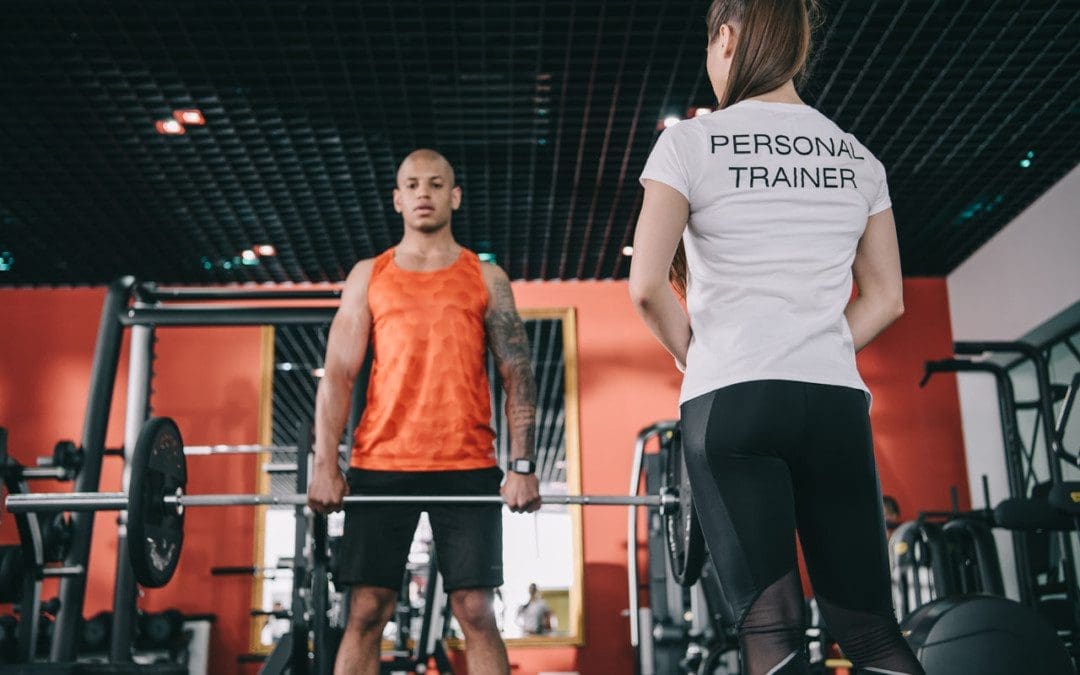
Working with a trainer is highly recommended if you don’t know where to begin.
For more advanced individuals, a personal trainer is a great way to fine-tune a fitness plan.
Keep It Simple
Athletic training involves consistency and focus.
Simplify the training by alternating hard, easy, long, and short workouts and sports skills practice.
Remember to enjoy the workouts and listen to your body.
Be Mindful of Overtraining
The body does not get stronger by constantly training.
The body needs to rest and be allowed to recover to develop.
Fitness is built by alternating workouts with recovery.
The best way to avoid overtraining is to listen to your body.
If your heart rate remains elevated after sleeping, or the legs feel heavy, and if motivation fades, more rest may be needed.
For individuals who train year-round, taking a week off every three months is recommended, and it is also the time to change the training routine.
Variation
Vary the workouts and intensity to enjoy a well-rounded routine that can help avoid burnout or plateauing.
Alternate training intensity and workout time.
Even training programs you enjoy can gradually lose physical efficiency if not changed.
To improve, variation is needed to challenge the body in different ways.
Workouts should be modified every month.
Cross-training is another great way to vary a routine and improve fitness.
Training Flexibility
Training consistency is what matters.
Don’t worry if you have to miss a day.
Continue with the training plan.
Realistic Goals
Finding a balance when setting goals between what you want to achieve and what you can do.
Be honest about fitness levels and potential.
If you are new to a sport or fitness routine, take it slow until you know what your body can accomplish to decrease the risk of injury.
Patience
It takes time and consistency to build up fitness and performance.
Avoid falling into the mindset that more is better.
This can result in injuries and loss of motivation.
Consistency
Even when starting with short workouts, doing them regularly is important.
Avoid falling victim to working out hard only on weekends and doing nothing during the week.
Injuries are much more common when exercise is inconsistent.
Nutrition
Sports nutrition and hydration go are vital to improving your ability to exercise and train.
Individuals on a regular exercise routine should reassess their nutrition plan.
Proper Equipment
Sports injury prevention begins by using the right equipment.
Whatever sport or exercise routine, ensure the equipment and footwear work and fit properly.
Pads, helmets, and mouthguards are made to help protect athletes and should be utilized.
Becoming An Olympic Athlete
References
American Dietetic Association, Dietitians of Canada, American College of Sports Medicine, Rodriguez NR, DiMarco NM, Langley S. American College of Sports Medicine Position Stand: Nutrition and Athletic Performance. Medicine & Science in Sports & Exercise. 2009;41(3):709-731. doi:10.1249/mss.0b013e31890eb86.
Beaupre, Justin, et al. “Athletic Training and Population Health Science.” Journal of athletic training vol. 57,2 (2022): 136-139. doi:10.4085/314-19
Garber CE, Blissmer B, Deschenes MR, et al. Quantity and Quality of Exercise for Developing and Maintaining Cardiorespiratory, Musculoskeletal, and Neuromotor Fitness in Apparently Healthy Adults. Medicine & Science in Sports & Exercise. 2011;43(7):1334-1359. doi:10.1249/mss.0b013e318213fefb.
Halson, Shona L, and Laura E Juliff. “Sleep, sport, and the brain.” Progress in brain research vol. 234 (2017): 13-31. doi:10.1016/bs.pbr.2017.06.006
Jeukendrup, Asker E. “Periodized Nutrition for Athletes.” Sports medicine (Auckland, N.Z.) vol. 47, Suppl 1 (2017): 51-63. doi:10.1007/s40279-017-0694-2
Mujika, Iñigo. “Quantification of Training and Competition Loads in Endurance Sports: Methods and Applications.” International Journal of sports physiology and Performance vol. 12, Suppl 2 (2017): S29-S217. doi:10.1123/ijspp.2016-0403
Individuals on their feet all day regularly experience back problems and discomfort symptoms. Wearing unstable shoes that are flat with no arch support with little or no shock absorption or the wrong type of shoe for gait can cause biomechanical issues that can cause back discomfort and lead to chronic back pain. Athletic running shoes are recommended for lower back pain because they are well-cushioned and designed to help absorb the impact of walking or running. They also have proper arch and ankle support to maintain foot position for correct posture. What to look for in running shoes to help relieve back pain and keep the back injury free?
Athletic Running Shoes
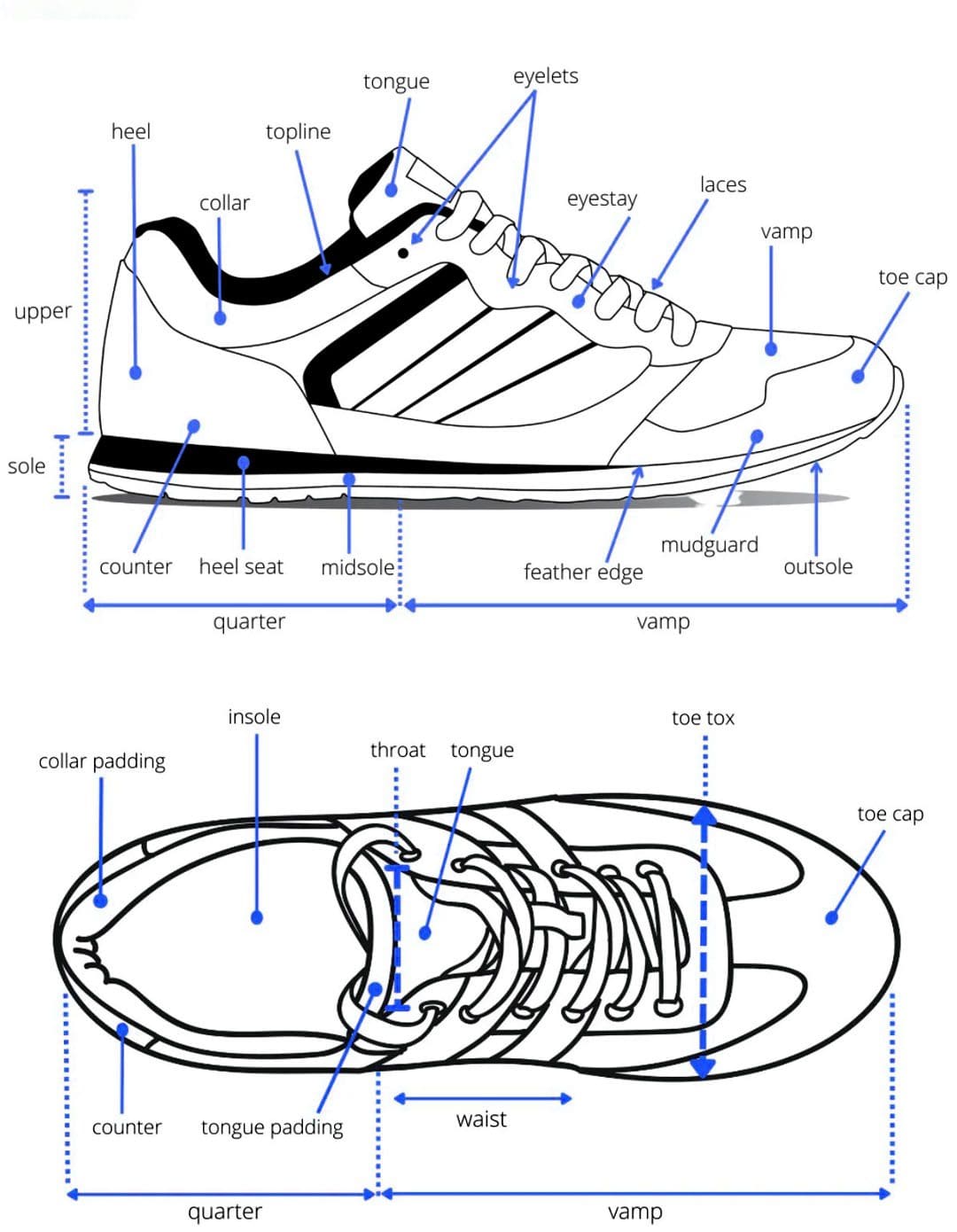
Shoes that don’t have enough cushioning can cause inflammation in the back muscles from the lack of impact absorption. The best athletic running shoes for back pain relief are stiff, supportive, and well-cushioned. When selecting shoes for back pain, the most important factors to consider are:
Stiffness of the sole.
Quality support and cushioning.
Proper and comfortable fit.
Shoe Type
Athletic running shoes are available in various types of support for all foot types.
Consider foot structure and gait when selecting shoes.
Flat and high-arched feet can cause muscle imbalances, which increase pressure on the back, hips, legs, knees, ankles, and feet.
The grooves and patterns increase friction and provide grip to the person while walking or running.
Durability
Wearing worn-out shoes with inadequate cushioning and shock absorption can increase the risk of back problems.
Depending on the uses, shoes can wear out in three months or less.
It is important to replace shoes when the cushioning wears out.
Look for high-quality material that doesn’t wear down quickly.
Improve Whole-Body Wellness
References
Anderson, Jennifer, et al. “A narrative review of musculoskeletal problems of the lower extremity and back associated with the interface between occupational tasks, feet, footwear, and flooring.” Musculoskeletal care vol. 15,4 (2017): 304-315. doi:10.1002/msc.1174
American Podiatric Medical Association. Which Running Shoe is Right for You?
Hong, Wei-Hsien, et al. “Effect of shoe heel height and total-contact insert on muscle loading and foot stability while walking.” Foot & ankle international vol. 34,2 (2013): 273-81. doi:10.1177/1071100712465817
National Institute of Arthritis and Musculoskeletal and Skin Diseases. Back Pain: Diagnosis, Treatment, and Steps to Take.
National Institute of Neurological Disorders and Stroke. Low Back Pain Fact Sheet.
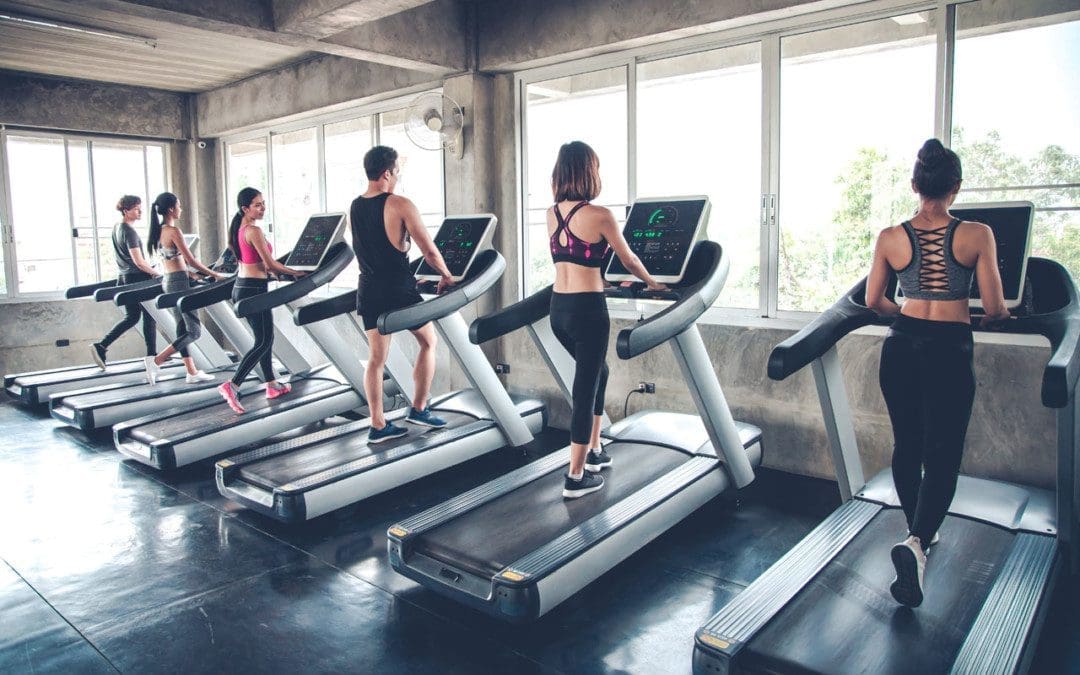
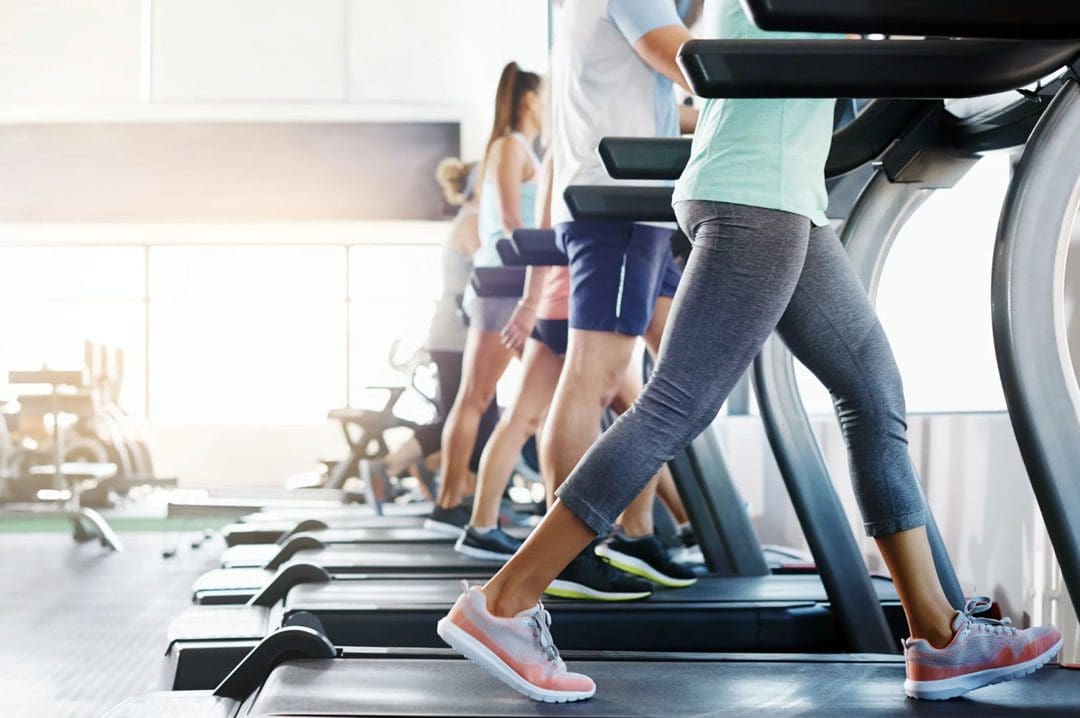
Working out on a treadmill is a great way to get cardiovascular exercise when unable to go outside or to change things up. However, it’s not just about getting on the machine and walking or running. Like anything, proper form and posture are important in preventing injuries. This allows the individual to walk smoother and faster, burn more calories, and get the full benefits. Individuals with a medical condition that impacts posture or makes it difficult to walk on a treadmill should speak to a healthcare provider for recommendations to ensure they can work out without aggravating the condition or putting themselves at risk. There is an option of working with a physical or occupational therapist to address any concerns individuals may have about using a treadmill.
Treadmill Walking Exercise Errors
Safety
A common error is getting on a treadmill with the belt already running. This may seem unnecessary, but many accidents happen when individuals just jump on. To avoid injuries, it is recommended to follow these safety tips.
Make sure the machine is off.
Know where the emergency stop switch is.
Stand next to the base/running deck.
Clip the safety key to your body to stop the treadmill if you slip or stumble.
Start the treadmill and set it to slow speed.
Look at the speed and carefully get onto the moving tread.
Gradually increase the speed once comfortably on board.
Wrong Shoes
A healthy step is to strike with the heel in front with the forward foot slightly off the surface. The foot then rolls from heel to toe; by the time the toe is on the ground, the individual is halfway into the next step, and the forward foot is now the rear foot and ready for the toes to push off to take the next step.
This sequence is only possible with flexible shoes.
Wearing stiff shoes may not allow for the roll-through.
Stiff shoes force the foot to slap down.
The body and walking stride become a flat-footed stomp.
Take a few minutes during a walking session to think about what the feet are doing.
Ensure they strike with the heel, roll through the step, and the rear foot provides an adequate push-off.
If you cannot do this in your present shoes, then it’s time to look at other flexible walking/running shoes.
Holding The Handrails
The handrails provide stability, but natural walking posture or natural movement involves a healthy stride and arm motion.
Constantly holding onto the handrails doesn’t allow for this motion.
Walking or running at a slower pace is recommended without using the handrails.
Individuals will get a better workout at a slower pace than they would at a faster rate holding on to the rails.
Individuals with a disability or balance issues may need the handrails and should consult a trainer or physical therapist for healthy workout recommendations.
Leaning Forward
Proper walking posture means the body is upright, not leaning forward or backward.
Before stepping onto the treadmill, check and readjust your posture.
Proper arm motion allows the body to go faster and burn more calories.
The swinging motion can help shoulder and neck problems developed from unhealthy postures.
The legs only move as fast as the arms do.
To speed up the legs, speed up the arms.
Going Too Fast
Go only as fast as the body can go while maintaining proper walking posture and form.
If overstriding, leaning forward, or hunching shoulders begin to present, slow down until a comfortable/maintainable speed that allows the body to walk correctly is found.
If the workout doesn’t feel like it’s helping
Individuals with a bad walking form at high speeds may consider adding running intervals.
Running will create quick bursts of higher heart rate and change form.
Running Intervals
Warm up at a slow speed for 3 to 5 minutes.
Increase walking speed to a fast pace that can maintain proper walking form.
Start a jog and increase the speed to match the jogging pace.
Jog for 1 to 3 minutes.
Return to the fast walking pace for 3 to 5 minutes.
Jog for 1 to 3 minutes.
Repeat until the end of the workout.
Finish with 3 to 5 minutes at an easy walking pace to cool down.
Challenge Yourself
When the body has fully adapted to a workout, it’s time to challenge the body to achieve greater fitness and stay motivated. This is where workout variation intensity, duration, frequency, and/or mode come into play.
Intensity
Add intensity by increasing the incline or the speed.
Duration
Increase the time spent on the treadmill.
If spending 30 minutes for several weeks, increase to 45 minutes for at least one weekly session.
After a couple of weeks, increase to 60 minutes.
Frequency
Once the body is used to treadmill walking, try to incorporate a session every day or every other day.
Walk at a brisk pace for 30 to 60 minutes, going for a total of 150 to 300 minutes per week.
Type of Exercise
Try jogging or running.
Alternate using the exercise bike, rowing machine, or stair climber.
Add weight training, circuit training, or anything enjoyable that gets the body moving in different ways.
Set goals and get into the habit of using the treadmill regularly to reap all the benefits. Avoid common treadmill errors, stay safe, and make the most out of walking and running workouts.
Move Better, Live Better
References
Centers for Disease Control and Prevention. Benefits of Physical Activity.
Donlin, Margo C et al. “Adaptive treadmill walking encourages persistent propulsion.” Gait & Posture vol. 93 (2022): 246-251. doi:10.1016/j.gaitpost.2022.02.017
Donlin, Margo C et al. “User-driven treadmill walking promotes healthy step width after stroke.” Gait & Posture vol. 86 (2021): 256-259. doi:10.1016/j.gaitpost.2021.03.031
Hashiba, M. “Transient change in standing posture after linear treadmill locomotion.” The Japanese Journal of Physiology vol. 48,6 (1998): 499-504. doi:10.2170/jjphysiol.48.499
Liang, Junjie et al. “The effect of anti-gravity treadmill training for knee osteoarthritis rehabilitation on joint pain, gait, and EMG: Case report.” Medicine vol. 98,18 (2019): e15386. doi:10.1097/MD.0000000000015386
MacEwen, Brittany T et al. “A systematic review of standing and treadmill desks in the workplace.” Preventive medicine vol. 70 (2015): 50-8. doi:10.1016/j.ypmed.2014.11.011
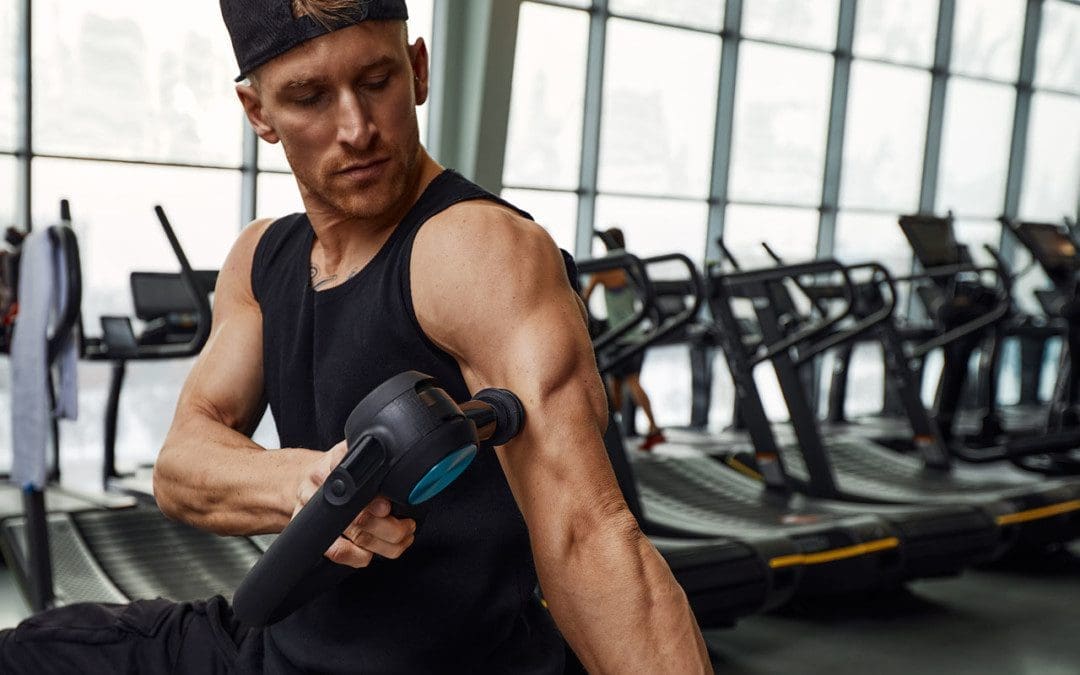
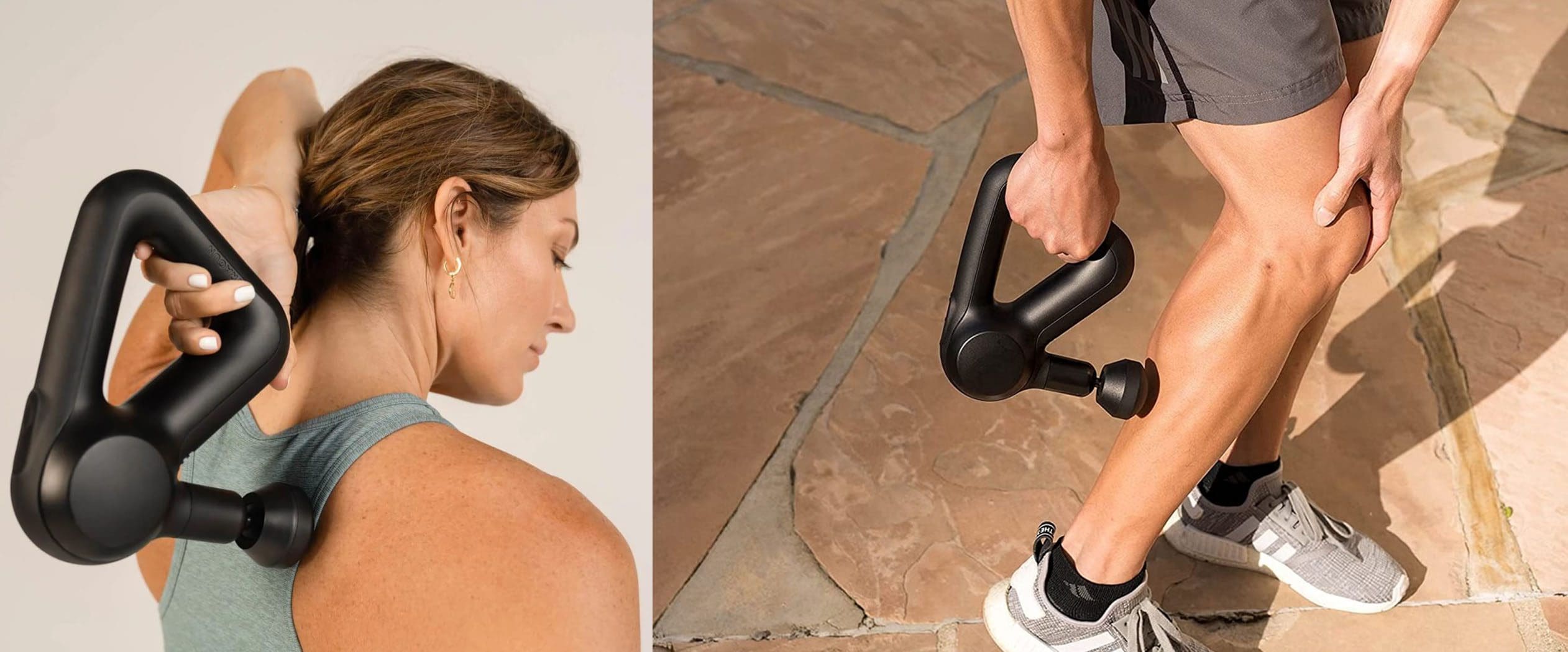
Percussive massage guns have become a standard tool in osteopathy, physical and massage therapy, and chiropractic care. They provide rapid bursts of force into muscle tissues to quickly loosen and relax the muscles to alleviate soreness, stiffness and increase circulation. Percussive massager therapy devices can be a healthy part of an exercise and recovery routine. They allow individuals to give themselves quick, powerful massages anytime and anywhere. But they need to be used correctly to reap the benefits.
Percussive Massager
These devices can be found in stores and online. Many are on the market, making it tough to separate high-quality massagers from low-quality ones. With a little research and advice from a physical therapist or chiropractic professional, they can help the individual get the right one and training on how to use them to maintain a healthy musculoskeletal system.
Percussive Therapy
Massage guns utilize percussive therapy or vibration therapy, sometimes simultaneously. Percussion and vibration therapy are slightly different. They are soft tissue manipulation, which reduces muscle soreness and post-physical activity, and workout fatigue.
Vibration therapy uses vibration movements to relax the body, alleviate stress and improve circulation.
Vibration therapy applies force to targeted areas but with less intensity.
This type of soft tissue therapy is generally defined as reaching eight to 10 millimeters into the soft tissues.
Vibration therapy is often recommended for individuals with chronic pain conditions, overly sensitive muscles, or a medical condition that prevents them from using percussive therapy.
Percussive therapy involves the application of force to muscles and fascia to break up adhesions and increase circulation to sore and sensitive areas.
Percussive therapy extends deeper into the muscles and reaches deep into soft tissue, estimated to be about 60% deeper.
Using It Properly
It’s important to know how to use the machine to get the most out of a percussive massager. Using the massager incorrectly can lead to further injury or the development of new injuries.
Before Workouts
A pre-workout massage session can help warm up the body by increasing circulation and improving the range of motion of the muscles that will be engaged during the workout. Spend one to two minutes massaging each muscle group that will be worked out, plus 30 seconds on supporting muscle groups. For example, here is a pre-workout massage for a leg workout.
Sixty seconds on each quadricep.
Sixty seconds on each hamstring.
Thirty seconds on the lower back.
Thirty seconds on each calf.
Circulation increases in less than five minutes, and the muscles are ready for exercise. However, this does not replace proper warming-up like dynamic stretching and light cardio to increase heart rate.
After Workouts
After working out, a percussive massage can be part of the cool-down.
Post-workout percussive therapy can help return the body from a heightened state to a resting state.
Percussive therapy helps reduce inflammation, which helps reduce post-workout muscle soreness is thought to occur due to microscopic tears in muscle fibers and inflammation in the tissues.
Percussive therapy maintains increased circulation after a workout, providing oxygen and nutrients to tired muscles.
The massage helps relax the nervous system by reducing soreness and pain signals, similar to a TENS unit.
Sore Muscles
The muscles may still be sore a day or two after working out. This is called delayed-onset muscle soreness/DOMS.
A percussive massage can help but may not completely alleviate DOMS but it will provide temporary relief.
The massager’s speed and depth settings should be adjusted to where they don’t cause pain.
Sore muscles tend to remain sensitive, and it is recommended to use the lower settings.
Once a setting feels good, use the massager for one to two minutes on each sore area.
How Not to Use
Individuals are recommended to consult a doctor if not sure of percussive massage therapy and should avoid using a percussive massager on:
Musculoskeletal injuries – sprains and strains.
Bony areas.
Areas of severe or unexplained pain.
Sensitive areas.
Bruises or open wounds.
Individuals with arthritis, osteoporosis, fibromyalgia, or other musculoskeletal conditions.
Percussive massage devices are safe to use for muscle soreness and as a tool to improve fitness.
Individuals can safely use a percussive massager every day as long as they use proper techniques and don’t exceed the recommended usage time, usually provided with instructions on how long to use the device during a session. And some massagers have an automatic shut-off so the individual doesn’t exceed the recommended time.
Revitalize and Rebuild with Chiropractic
References
Cheatham, Scott W et al. “Mechanical Percussion Devices: A Survey of Practice Patterns Among Healthcare Professionals.” International journal of sports physical therapy vol. 16,3 766-777. 2 Jun. 2021, doi:10.26603/001c.23530
Dupuy, Olivier, et al. “An Evidence-Based Approach for Choosing Post-exercise Recovery Techniques to Reduce Markers of Muscle Damage, Soreness, Fatigue, and Inflammation: A Systematic Review With Meta-Analysis.” Frontiers in physiology vol. 9 403. 26 Apr. 2018, doi:10.3389/fphys.2018.00403
García-Sillero, Manuel et al. “Acute Effects of a Percussive Massage Treatment on Movement Velocity during Resistance Training.” International journal of environmental research and public health vol. 18,15 7726. 21 Jul. 2021, doi:10.3390/ijerph18157726
Hotfiel, Thilo, et al. “Advances in Delayed-Onset Muscle Soreness (DOMS): Part I: Pathogenesis and Diagnostics.” “Delayed Onset Muscle Soreness – Teil I: Pathogenese und Diagnostik.” Sportverletzung Sportschaden : Organ der Gesellschaft fur Orthopadisch-Traumatologische Sportmedizin vol. 32,4 (2018): 243-250. doi:10.1055/a-0753-1884
Imtiyaz, Shagufta, et al. “To Compare the Effect of Vibration Therapy and Massage in Prevention of Delayed Onset Muscle Soreness (DOMS).” Journal of Clinical and diagnostic research: JCDR vol. 8,1 (2014): 133-6. doi:10.7860/JCDR/2014/7294.3971
Konrad, Andreas, et al. “The Acute Effects of a Percussive Massage Treatment with a Hypervolt Device on Plantar Flexor Muscles’ Range of Motion and Performance.” Journal of sports science & Medicine vol. 19,4 690-694. 19 Nov. 2020
Power is the combination of strength and speed over time. Strength is how much force an individual can exert. Powerishow fast an individual can exert force. Strength training for power, aka power training, is being able to exert a certain amount of force in a given time. Power can be built with weight training. However, power strength training is not just for weightlifters. Many athletes like football, basketball, and volleyball players, sprinters, dancers, and wrestlers build strength to increase power, improve explosiveness, increase their vertical leap/jump, and give their bodies a break from heavy weight training.
Power Strength Training
Building strength is one factor, but becoming powerful requires another element in training. Biologically, individuals train the muscles to elongate and contract fast so the body can perform a certain set of movements.
Benefits
The benefits of power strength training.
Promotes Active Body Rest
Power training gives the mind and body a break from heavy training.
Provides the tendons, joints, and central nervous system a rest.
Offers a fun and healthy change with jumping, throwing, swinging, etc.
A study found individuals with knee osteoarthritis that participated in high-intensity strength training, compared with low-intensity, had a reduction in knee pain symptoms.
Improves Vertical Jump
Vertical jump or leap is how high an individual can jump and is a common parameter for assessing athletic ability.
It is an integral part of movement training programs to improve sports performance.
Research has shown that power strength and jump training can improve jump height.
Training Program
Before starting any exercise program, it is recommended to talk with a doctor. Key components to focus on when training for power.
Going above this frequency can be intense on the body and central nervous system.
Limiting sessions to a few times a week gives the body time to recover.
Equipment
Because power training involves a combination of increasing force and speed, using the right equipment that allows both is important. However, there are ways to improve without equipment.
For practicing jumps, increase the force by increasing the distance using a taller box.
For practicing push-ups on the floor, increase the force by pushing with more power so the hands come off the ground.
To improve power by increasing speed, exercises can be performed faster or with decreased rest between sets.
Weight
The weight depends on an individual’s one-rep max or the heaviest weight that can be lifted in a single repetition.
This is essentially an individual’s record for whatever type of weightlifting is being done.
Power training movement options: Plyometrics, Ballistic, or Dynamic.
Plyometrics includes activities like squats or jump lunges, common with football and basketball players.
Ballistic training includes activities like a back squat for football or soccer players.
Dynamic training works for sports-specific training motions like golf swinging or tennis serving.
Nutrition
Whether cardio or strength training, adequate caloric intake is important regardless of workout type, this means having a healthy balance of the three macronutrients: carbohydrates, fat, and protein.
Carbohydrates could be the most important, as research has shown that high-intensity exercise like power training improves when eating carbohydrates before, during, and after the workout.
Fat is necessary, and a daily intake below 20% of calorie intake can decrease the absorption of various essential nutrients.
It is recommended to consume 1.2-1.7 grams of protein per kilogram of individual body weight.
As with any exercise, training takes time, and it’s important to gradually progress only when the body is prepared. Incorporating the elements of a healthy lifestyle includes a balanced, nutrient-rich diet and proper sleep and rest days. This will help get the most benefits and prevent injuries.
Improving Athletic Performance Through Chiropractic
References
Balachandran, Anoop T et al. “Comparison of Power Training vs. Traditional Strength Training on Physical Function in Older Adults: A Systematic Review and Meta-analysis.” JAMA Network Open vol. 5,5 e2211623. 2 May. 2022, doi:10.1001/jamanetworkopen.2022.11623
Maestroni, Luca, et al. “Strength and Power Training in Rehabilitation: Underpinning Principles and Practical Strategies to Return Athletes to High Performance.” Sports medicine (Auckland, N.Z.) vol. 50,2 (2020): 239-252. doi:10.1007/s40279-019-01195-6
Marián, Vanderka, et al. “Improved Maximum Strength, Vertical Jump and Sprint Performance after 8 Weeks of Jump Squat Training with Individualized Loads.” Journal of sports science & Medicine vol. 15,3 492-500. 5 Aug. 2016
Peebles, Alexander T et al. “Landing biomechanics deficits in anterior cruciate ligament reconstruction patients can be assessed in a non-laboratory setting.” Journal of orthopedic research: official publication of the Orthopaedic Research Society vol. 40,1 (2022): 150-158. doi:10.1002/jor.25039
Suchomel, Timothy J et al. “The Importance of Muscular Strength: Training Considerations.” Sports medicine (Auckland, N.Z.) vol. 48,4 (2018): 765-785. doi:10.1007/s40279-018-0862-z
Wesley, Caroline A et al. “Lower Extremity Landing Biomechanics in Both Sexes After a Functional Exercise Protocol.” Journal of athletic training vol. 50,9 (2015): 914-20. doi:10.4085/1062-6050-50.8.03
Westcott, Wayne L. “Resistance training is medicine: effects of strength training on health.” Current sports medicine reports vol. 11,4 (2012): 209-16. doi:10.1249/JSR.0b013e31825dabb8
IFM's Find A Practitioner tool is the largest referral network in Functional Medicine, created to help patients locate Functional Medicine practitioners anywhere in the world. IFM Certified Practitioners are listed first in the search results, given their extensive education in Functional Medicine




 Athletic Running Shoes