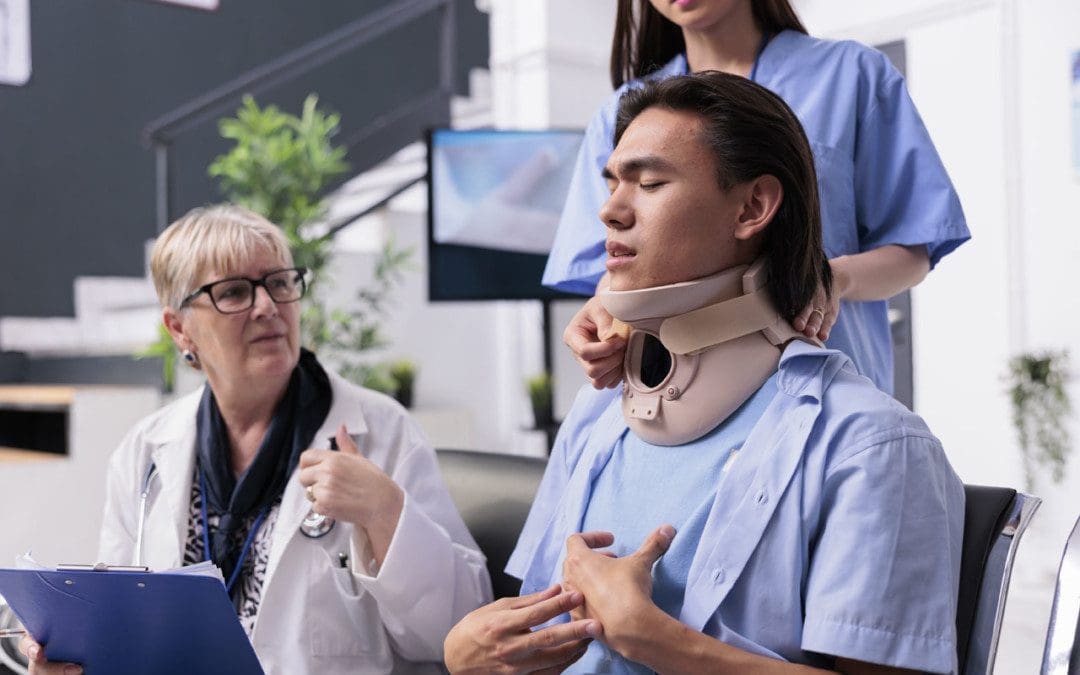
Individuals who have suffered cervical acceleration-deceleration/CAD more commonly known as whiplash, can experience headaches, and other symptoms like neck stiffness, pain, fatigue, and shoulder/neck/back discomfort. Can non-surgical and conservative treatments help alleviate the symptoms?
Cervical Acceleration – Deceleration or CAD
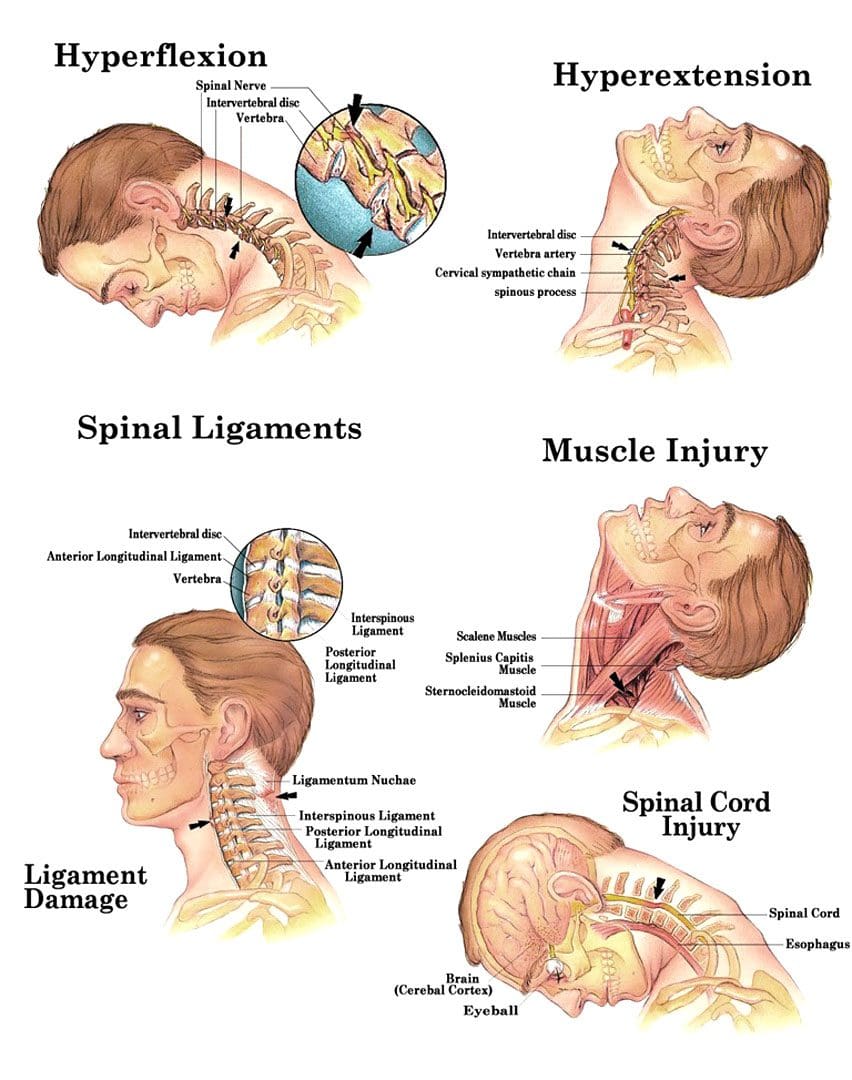
Cervical acceleration-deceleration is the mechanism of a neck injury caused by a forceful back-and-forth neck motion. It happens most commonly in rear-end vehicle collisions when the head and neck whip forward and backward with intense acceleration and/or deceleration causing the neck to flex and/or extend rapidly, more than normally, straining and possibly tearing muscle tissues and nerves, ligaments, dislocation of spinal discs and herniations, and cervical bone fractures.
For symptoms that do not improve or worsen after 2 to 3 weeks, see a healthcare provider or chiropractor for further evaluation and treatment.
Whiplash injuries strain or sprain the neck muscles and/or ligaments, but can also affect the vertebrae/bones, disc cushions between the vertebrae, and/or the nerves.
Whiplash symptoms can present right away, or after several hours to a few days after the incident, and tend to worsen in the days after the injury. Symptoms can last a few weeks to a few months, and can severely limit activity and range of motion. Symptoms can include: (National Institute of Neurological Disorders and Stroke. 2023)
Pain that extends into the shoulders and back.
Neck stiffness
Limited neck motion
Muscle spasms
Numbness and tingling sensations – paresthesias or pins and needles in the fingers, hands, or arms.
Headaches – A whiplash headache usually starts at the base of the skull and can vary in intensity. Most individuals experience pain on one side of the head and toward the back, though some can experience symptoms all over their head, and a small number experience headaches on the forehead or behind the eyes. (Monica Drottning. 2003)
The headaches can become aggravated by moving the neck around, especially when looking up.
Headaches are often associated with shoulder pain along with sensitive neck and shoulder muscles that when touched can increase pain levels.
Whiplash headaches can lead to chronic neck-related headaches known as cervicogenic headaches. (Phil Page. 2011)
It is also important to rest your neck area following the injury.
A cervical collar can be utilized temporarily to stabilize the neck, but for long-term recovery, it is recommended to keep the area mobile.
Physical activity reduction until the individual can look over both shoulders, and tilt their head all the way forward, all the way back, and from side to side without pain or stiffness.
Non-steroidal anti-inflammatories – NSAIDs – Ibuprofen or Naproxen.
Muscle relaxers
If symptoms do not improve, a healthcare provider may recommend physical therapy and/or stronger pain medications. For whiplash headaches that last for several months, acupuncture, or spinal injections may be recommended.
Neck Injuries
References
National Institute of Neurological Disorders and Stroke. Whiplash Information Page.
Drottning M. (2003). Cervicogenic headache after a whiplash injury. Current pain and headache reports, 7(5), 384–386. https://doi.org/10.1007/s11916-003-0038-9
Page P. (2011). Cervicogenic headaches: an evidence-led approach to clinical management. International journal of sports physical therapy, 6(3), 254–266.
The Q or quadriceps angle is a measurement of pelvic width that is believed to contribute to the risk of sports injuries in women athletes. Can non-surgical therapies and exercises help rehabilitate injuries?
Quadriceps Q – Angle Injuries
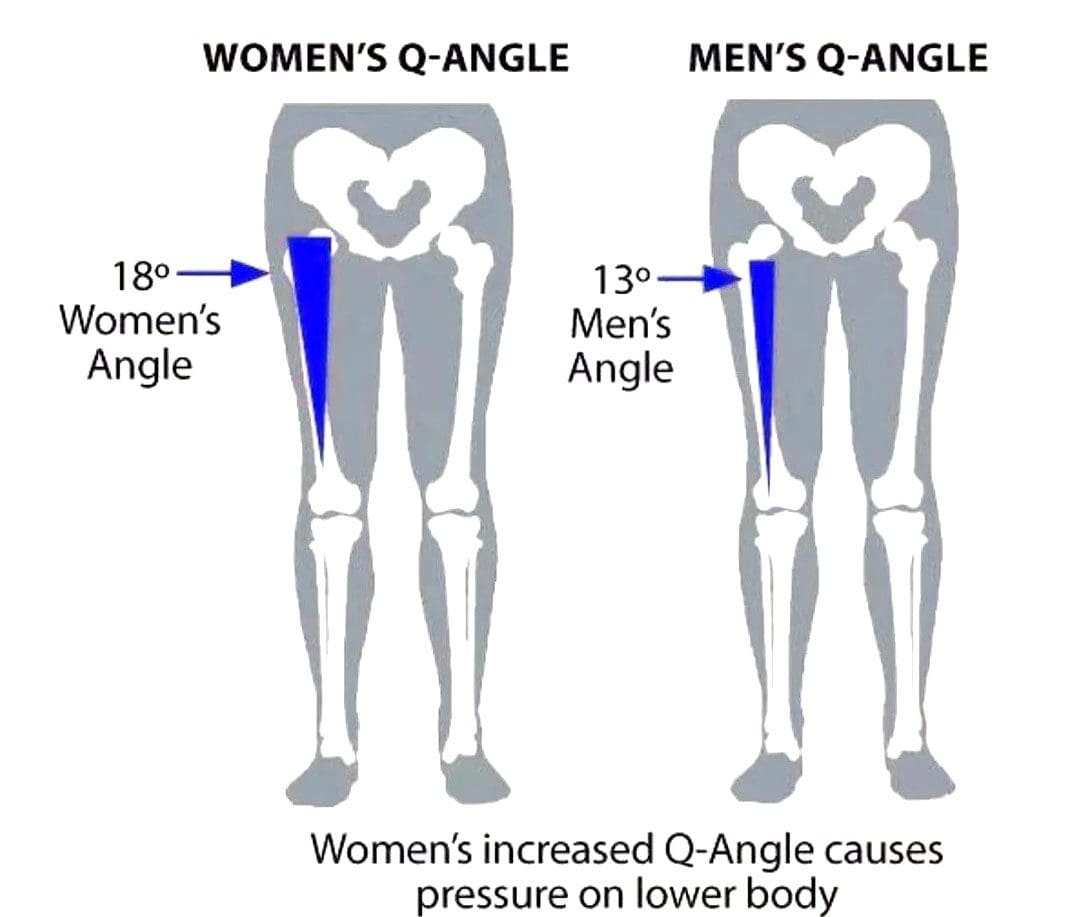
The Q angle is the angle where the femur/upper leg bone meets the tibia/lower leg bone. It is measured by two intersecting lines:
One from the center of the patella/kneecap to the anterior superior iliac spine of the pelvis.
The other is from the patella to the tibial tubercle.
On average the angle is three degrees higher in women than men.
Women have biomechanical differences that include a wider pelvis, making it easier to give birth. However, this difference can contribute to knee injuries when playing sports, as an increased Q angle generates more stress on the knee joint, as well as leading to increased foot pronation.
Injuries
Various factors can increase the risk of injury, but a wider Q angle has been linked to the following conditions.
Patellofemoral Pain Syndrome
An increased Q angle can cause the quadriceps to pull on the kneecap, shifting it out of place and causing dysfunctional patellar tracking.
With time, this can cause knee pain (under and around the kneecap), and muscle imbalance.
Foot orthotics and arch supports could be recommended.
Some researchers have found a link, while others have not found the same association. (Wolf Petersen, et al., 2014)
Chondromalacia of the Knee
This is the wearing down of the cartilage on the underside of the kneecap.
An increased Q angle can be a factor that increases stress and causes the knee to lose its stability.
However, this remains controversial, as some studies have found no association between the Q angle and knee injuries.
Chiropractic Treatment
Strengthening Exercises
ACL injury prevention programs designed for women have resulted in reduced injuries. (Trent Nessler, et al., 2017)
The vastus medialis obliquus or VMO is a teardrop-shaped muscle that helps move the knee joint and stabilize the kneecap.
Strengthening the muscle can increase the stability of the knee joint.
Strengthening may require a specific focus on muscle contraction timing.
Closed-chain exercises like wall squats are recommended.
Glute strengthening will improve stability.
Stretching Exercises
Stretching tight muscles will help relax the injured area, increase circulation, and restore range of motion and function.
Muscles commonly found to be tight include the quadriceps, hamstrings, iliotibial band, and gastrocnemius.
Foot Orthotics
Custom-made, flexible orthotics decrease the Q angle and reduce pronation, relieving the added stress on the knee.
A custom orthotic ensures that the foot and leg dynamics are accounted for and corrected.
Motion-control shoes can also help correct overpronation.
Knee Rehabilitation
References
Khasawneh, R. R., Allouh, M. Z., & Abu-El-Rub, E. (2019). Measurement of the quadriceps (Q) angle with respect to various body parameters in young Arab population. PloS one, 14(6), e0218387. https://doi.org/10.1371/journal.pone.0218387
Petersen, W., Ellermann, A., Gösele-Koppenburg, A., Best, R., Rembitzki, I. V., Brüggemann, G. P., & Liebau, C. (2014). Patellofemoral pain syndrome. Knee surgery, sports traumatology, arthroscopy: Official journal of the ESSKA, 22(10), 2264–2274. https://doi.org/10.1007/s00167-013-2759-6
Vaienti, E., Scita, G., Ceccarelli, F., & Pogliacomi, F. (2017). Understanding the human knee and its relationship to total knee replacement. Acta bio-medica : Atenei Parmensis, 88(2S), 6–16. https://doi.org/10.23750/abm.v88i2-S.6507
Mitani Y. (2017). Gender-related differences in lower limb alignment, range of joint motion, and the incidence of sports injuries in Japanese university athletes. Journal of Physical Therapy Science, 29(1), 12–15. https://doi.org/10.1589/jpts.29.12
Nessler, T., Denney, L., & Sampley, J. (2017). ACL Injury Prevention: What Does Research Tell Us? Current reviews in musculoskeletal medicine, 10(3), 281–288. https://doi.org/10.1007/s12178-017-9416-5
Can weight and strength training increase speed and power in athletes that participate in throwing sports?
Throwing Sports
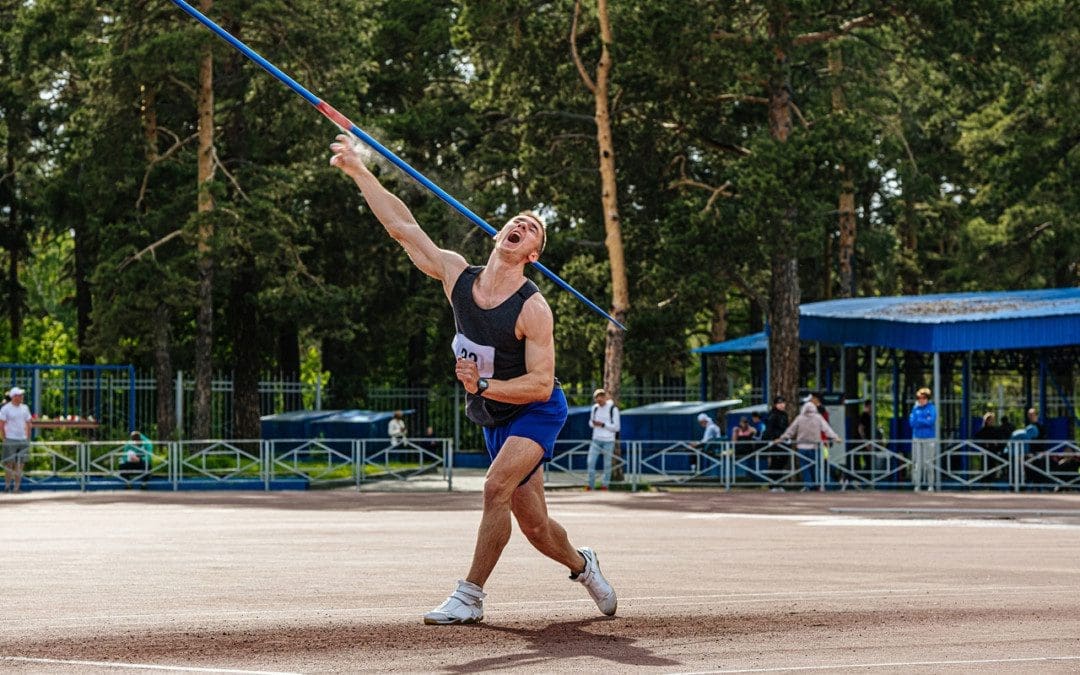
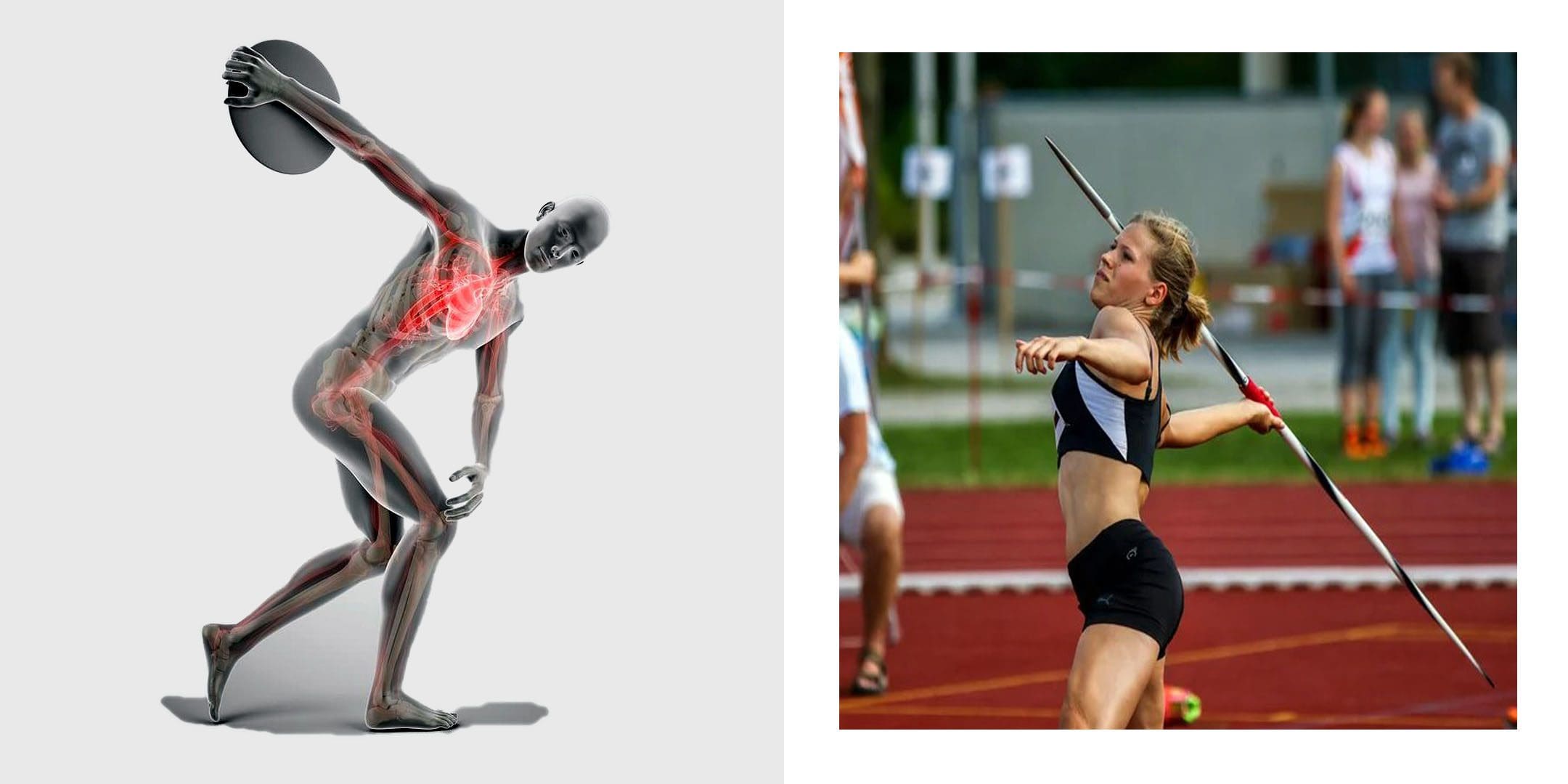
Top-throwing athletes have amazing arm speed. To succeed in throwing sports athletes need to be able to generate quick explosive power. This means the ability to propel the arm forward with substantial velocity for maximum object delivery like a baseball, javelin, hammer throw, shot put, discus, etc. Combined with sports technique training, throwing strength and power can be increased by training with weights. Here is a three-phase training plan to improve throwing performance.
Full Body
The arm provides only one part of the delivery process.
The legs, core, shoulders, and general flexibility need to work cooperatively to exert maximum thrust and achieve maximum object speed.
The natural ability to throw fast with power is largely determined by an individual’s muscle type, joint structure, and biomechanics. (Alexander E Weber, et al., 2014)
Preparation
Preparation should provide all-around muscle and strength conditioning for early pre-season conditioning.
Athletes will be doing throwing training as well, so fieldwork will need to be able to fit in.
It is recommended not to do weight training prior to throwing practice.
This leads to the start of competition and tournament play.
Frequency
2 to 3 sessions per week
Type
Strength and power – 60% to 70% for one-rep max/1RM
The one-repetition maximum test, known as a one-rep max or 1RM, is used to find out the heaviest weight you can lift once.
When designing a resistance training program, individuals use different percentages of their 1RM, depending on whether they’re lifting to improve muscular strength, endurance, hypertrophy, or power. (Dong-Il Seo, et al., 2012)
Throwing practice and competition are the priorities.
Before competition begins, take a 7- to 10-day break from heavyweight sessions while maintaining throwing workouts.
Weight training during competition should provide maintenance.
Frequency
1 to 2 sessions per week
Type
Power – lighter loads and faster execution than in the preparation stage.
Exercises
3 sets of 10
Rapid movement, 40% to 60% of 1RM.
Squats
Power hang clean and press
Romanian deadlift
Lat pulldown
Incline bench press
Crunches
Rest
Between sets 1 to 2 minutes.
Training Tips
Athletes have individual needs, so a general program like this needs modification based on age, sex, goals, skills, competitions, etc.
A certified strength and conditioning coach or trainer could help develop a fitness plan that can be adjusted as the athlete progresses.
Be sure to warm up prior to weight training and cool down afterward.
Don’t try to train through injuries or try to progress too fast – it is recommended not to throw or do weights when treating or recovering from an injury. (Terrance A Sgroi, John M Zajac. 2018)
Focus on the fundamentals and practice proper form.
Take a few weeks off at the end of the season to recover after hard training and competition.
Body Transformation
References
Weber, A. E., Kontaxis, A., O’Brien, S. J., & Bedi, A. (2014). The biomechanics of throwing: simplified and cogent. Sports medicine and arthroscopy review, 22(2), 72–79. https://doi.org/10.1097/JSA.0000000000000019
American College of Sports Medicine (2009). American College of Sports Medicine position stand. Progression models in resistance training for healthy adults. Medicine and science in sports and exercise, 41(3), 687–708. https://doi.org/10.1249/MSS.0b013e3181915670
Zaras, N., Spengos, K., Methenitis, S., Papadopoulos, C., Karampatsos, G., Georgiadis, G., Stasinaki, A., Manta, P., & Terzis, G. (2013). Effects of Strength vs. Ballistic-Power Training on Throwing Performance. Journal of sports science & medicine, 12(1), 130–137.
Seo, D. I., Kim, E., Fahs, C. A., Rossow, L., Young, K., Ferguson, S. L., Thiebaud, R., Sherk, V. D., Loenneke, J. P., Kim, D., Lee, M. K., Choi, K. H., Bemben, D. A., Bemben, M. G., & So, W. Y. (2012). Reliability of the one-repetition maximum test based on muscle group and gender. Journal of sports science & medicine, 11(2), 221–225.
Sakamoto, A., Kuroda, A., Sinclair, P. J., Naito, H., & Sakuma, K. (2018). The effectiveness of bench press training with or without throws on strength and shot put distance of competitive university athletes. European journal of applied physiology, 118(9), 1821–1830. https://doi.org/10.1007/s00421-018-3917-9
Sgroi, T. A., & Zajac, J. M. (2018). Return to Throwing after Shoulder or Elbow Injury. Current reviews in musculoskeletal medicine, 11(1), 12–18. https://doi.org/10.1007/s12178-018-9454-7
Chiropractors are neuromusculoskeletal system specialists that rehabilitate injuries, retrain healthy body posture, massage and relax the muscles to detoxify and rejuvenate tissue health, and realign the spine to restore the nervous system to optimal function. It is a form of complementary medicine that focuses on the relationship between the body’s neuromusculoskeletal structures, addressing injuries, conditions, and ailments that cause the systems to malfunction and restoring them into harmony.
Chiropractors are licensed healthcare professionals who use various forms – hands, special instruments, or combination – of pressure to manipulate the body to relieve pain and discomfort symptoms from various injuries and conditions and improve overall health. Chiropractic is often used in conjunction with traditional medical care to treat health conditions that affect nerves, muscles, and bones. Chiropractic clinics often have a team of specialists that work and counsel patients on:
Developing healthy movement habits.
Diet and nutrition adjustments like an anti-inflammatory diet to reduce inflammation flare-ups.
Exercise and stretches to maintain chiropractic adjustments, retrain and strengthen the body.
Modifications to home, school, and work behaviors to prevent worsening injuries or causing new injuries.
Conditions Treated
Chiropractic therapeutic medicine treats any kind of muscle, bone, or joint pain or dysfunction and conditions affecting the nervous and musculoskeletal systems. The most common reasons for seeing a chiropractor include:
Musculoskeletal pain anywhere in the body – the head and jaws, shoulders, elbows and wrists, hips, pelvis, and the knees and ankles.
Trigger points.
Compressed, injured, and/or damaged nerves.
Neck pain.
Headaches.
Lower back pain.
Herniated discs.
Sciatica.
Joint pain and dysfunction.
Arthritis.
Rehabilitation after vehicle, work, and sports accidents and collisions.
Effective Treatment
Chiropractic therapeutic adjustments are the most common alternative treatment option in the United States and are considered an effective treatment option for all ages, including both children and adults.
It’s important to inform a primary care physician about any pain being experienced, whether recent or chronic that lasts more than three months.
Individuals should receive a screening before chiropractic treatment to ensure that their injury or condition will benefit from chiropractic adjustments.
If chiropractic care is not appropriate for the injury or condition, the chiropractor will refer the individual to another healthcare specialist.
Many individuals feel almost immediate relief from symptoms after a treatment session as well as soreness for 24 hours.
The goal of chiropractic is to restore health over the long term, rather than to relieve symptoms short term.
Benefits
Increased Blood and Nerve Circulation.
Improved Blood Pressure.
Range of Motion Improved.
Improved Balance.
Increased Sleep.
Reduced Headaches.
Increased Energy.
Improved Digestion.
Improved Immune Function.
Enhanced Physical/Athletic Performance.
Allergy Symptoms Reduced.
Improved Asthma Management.
Healthier Pregnancy.
Scapular Winging
References
Hadler, N M. “Chiropractic.” Rheumatic diseases clinics of North America vol. 26,1 (2000): 97-102, ix. doi:10.1016/s0889-857x(05)70123-x
Lefebvre R, Peterson D, Haas M. Evidence-Based Practice and Chiropractic Care. (https://www.ncbi.nlm.nih.gov/pmc/articles/PMC3716373/) J Evid Based Complementary Altern Med. 2012;18(1):75-79. Accessed 4/25/2022.
Margach, Russell W. “Chiropractic Functional Neurology: An Introduction.” Integrative medicine (Encinitas, Calif.) vol. 16,2 (2017): 44-45.
Moore, Craig, et al. “The management of common recurrent headaches by chiropractors: a descriptive analysis of a nationally representative survey.” BMC neurology vol. 18,1 171. 17 Oct. 2018, doi:10.1186/s12883-018-1173-6
Nahin, Richard L et al. “Insurance Coverage for Complementary Health Approaches Among Adult Users: United States, 2002 and 2012.” NCHS data brief ,235 (2016): 1-8.
U.S. Department of Health and Human Services. Chiropractic: In Depth. (https://www.nccih.nih.gov/health/chiropractic-in-depth) Accessed 4/25/2022.
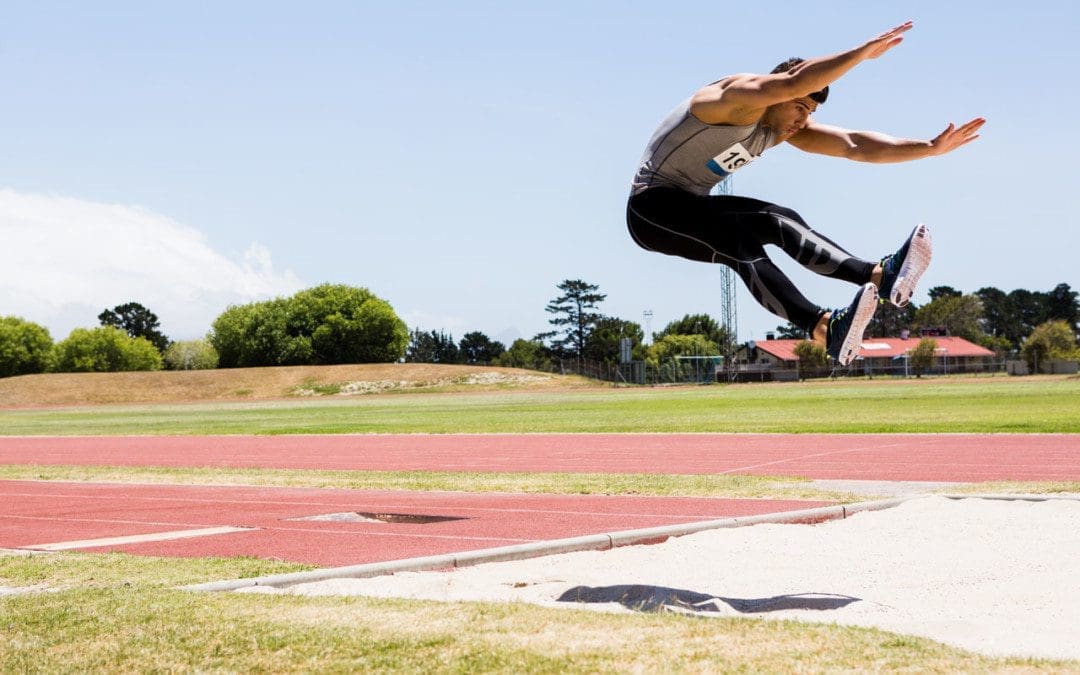
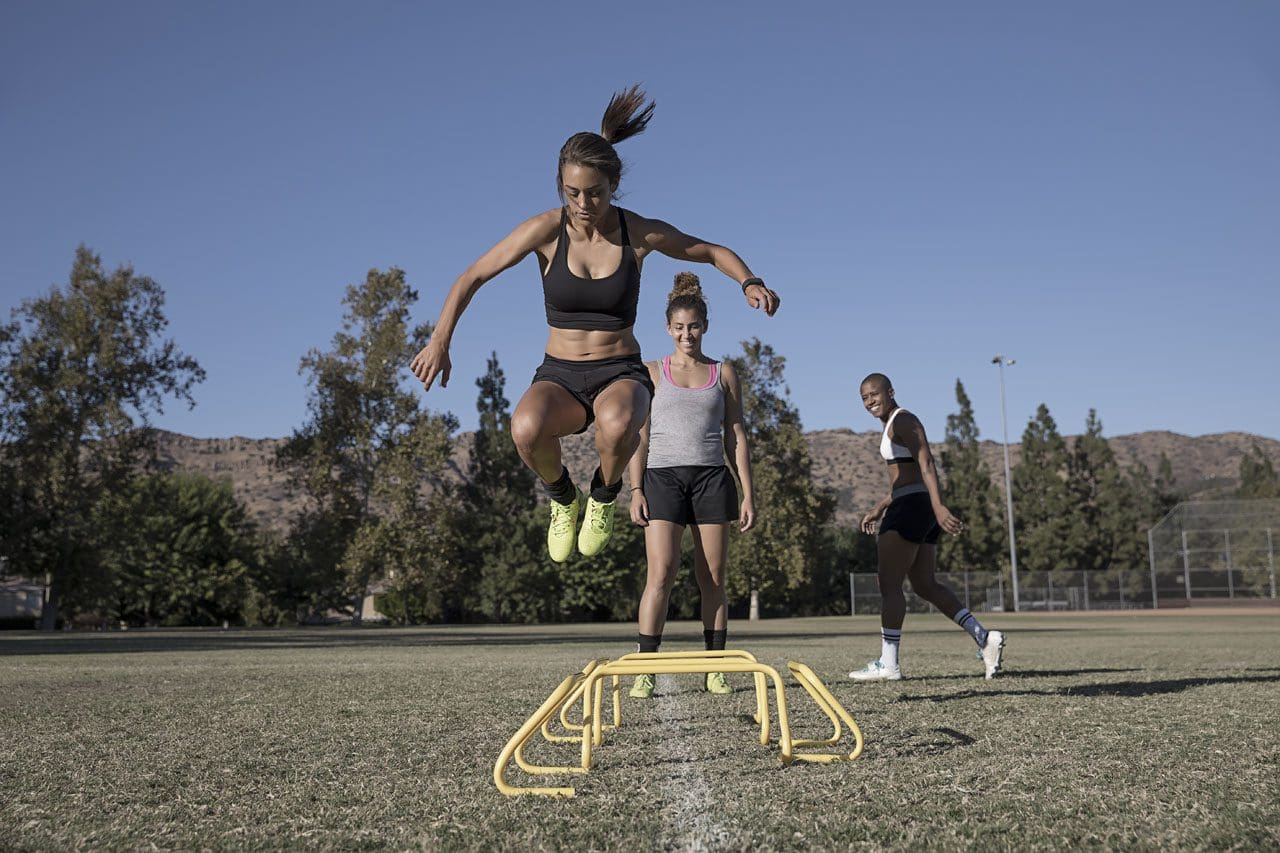
For athletes, the vertical jump is a skill that can be increased and improved with proper training. To improve jumping abilities for sports like basketball, tennis, volleyball, or track and field events such as the high jump it is necessary to do both strength and power training. Research has found certain key components can help athletes become better at jumping. There are different ways to improve an individual’s vertical jump. Here we go over some of the most effective exercises including plyometrics, and exercises that build strength and power.
Vertical Jump Increase and Improvement
Jumping is an explosive movement.
To jump well, an individual needs a consistent powerful spring.
This is achieved by training the explosive/fast-twitch muscle fibers with the ability to shorten and stretch dynamically.
Upper body strength is important for creating upward momentum.
Strength exercises involve slow, controlled movements like squats, lunges, and step-ups with weights.
Power exercises involve explosive, quick movements.
Plyometrics involve explosive hopping, bounding, and jumping drills that combine strength and speed.
Exercises
Plyometrics
Common plyometric exercises include hops, jumps, and bounding movements.
A popular exercise is jumping off a box and rebounding off the floor then jumping onto another, higher box.
Box jumps provide practice for jumping.
Single-Leg Squats
Single-leg squats can be done almost anywhere, without equipment.
They work the hips, hamstrings, quadriceps, gluteus maximus, and calves.
They strengthen the core and increase flexibility.
Full Squats
This is a barbell exercise to build strength and power.
It is considered one of the best total body exercises.
Weighted Step-Ups
The step-up is a recommended all-around exercise that can be done almost anywhere.
Not only will it build strength in your quadriceps, but you can also use it as part of a cardio workout.
It has a low risk of injury.
Overhead Walking Lunges
All that is needed is a weight and room to walk.
This exercise builds power, strength, and speed in the legs.
Improves core strength.
Stair Running
This is a high-intensity workout that builds speed, power, and cardiovascular fitness.
It targets the glutes, quads, and calves.
Agility Drills
Agility drills can include jumping to improve coordination, speed, power, and specific skills.
Sprints
Sprints are quick intense exercises to build muscle and increase performance.
Sprints use more muscle groups.
Practice
Build strength by performing basic weight training exercises using slow, controlled movements.
Build power with faster dynamic movements.
Improve movement speed to create power with explosive, quick exercises.
Work on form, by incorporating the lead-up to the jump, arm motion, and safe landing technique.
Include time to practice maximum jumping and bring it all together.
Always warm up before jumping or performing drills to keep the joints and body safe.
Athletes jump rope to get the blood circulating and warm up their muscles.
Do several slow, controlled toe raises to prepare the feet and ankles for jumping and landing.
Gradually work up to a full vertical jump, by doing box and squat jumps.
Jumping
When finally working on the vertical jump, start with the feet hips-distance apart.
If measuring jump height, stand about a foot away from the measuring tape or measuring bar on the side.
Start with arms overhead.
As you drop into a squat position swing the arms behind the hips.
Swing back up to the starting position before going for the full jump.
The pre-swing helps build momentum.
Land with the knees bent to minimize the impact.
Jumping is a high-impact activity that can take a toll on the knees, hips, ankles, and feet. Be sure to rest the body between hard workouts so the muscles have time to recover, repair, and build up.
Improving Athletic Performance
References
Barnes, Jacque L et al. “Relationship of jumping and agility performance in female volleyball athletes.” Journal of Strength and conditioning research vol. 21,4 (2007): 1192-6. doi:10.1519/R-22416.1
Bezerra, Ewertton DE S et al. “Influence of Trunk Position during Three Lunge Exercises on Muscular Activation in Trained Women.” International journal of exercise science vol. 14,1 202-210. 1 Apr. 2021
Hedlund, Sofia, et al. “Effect of chiropractic manipulation on vertical jump height in young female athletes with talocrural joint dysfunction: a single-blind randomized clinical pilot trial.” Journal of Manipulative and physiological therapeutics vol. 37,2 (2014): 116-23. doi:10.1016/j.jmpt.2013.11.004
Hernández, Sebastian, et al. “Effects of Plyometric Training on Neuromuscular Performance in Youth Basketball Players: A Pilot Study on the Influence of Drill Randomization.” Journal of sports science & medicine vol. 17,3 372-378. 14 Aug. 2018
Karatrantou, Konstantina, et al. “Can sport-specific training affect vertical jumping ability during puberty?.” Biology of sport vol. 36,3 (2019): 217-224. doi:10.5114/biolsport.2019.85455
Markovic, Goran. “Does plyometric training improve vertical jump height? A meta-analytical review.” British Journal of sports medicine vol. 41,6 (2007): 349-55; discussion 355. doi:10.1136/bjsm.2007.035113
McLellan, Christopher P et al. “The role of rate of force development on vertical jump performance.” Journal of Strength and conditioning research vol. 25,2 (2011): 379-85. doi:10.1519/JSC.0b013e3181be305c
Rodríguez-Rosell, David, et al. “Traditional vs. Sport-Specific Vertical Jump Tests: Reliability, Validity, and Relationship With the Legs Strength and Sprint Performance in Adult and Teen Soccer and Basketball Players.” Journal of Strength and conditioning research vol. 31,1 (2017): 196-206. doi:10.1519/JSC.0000000000001476
Vanezis, Athanasios, and Adrian Lees. “A biomechanical analysis of good and poor performers of the vertical jump.” Ergonomics vol. 48,11-14 (2005): 1594-603. doi:10.1080/00140130500101262
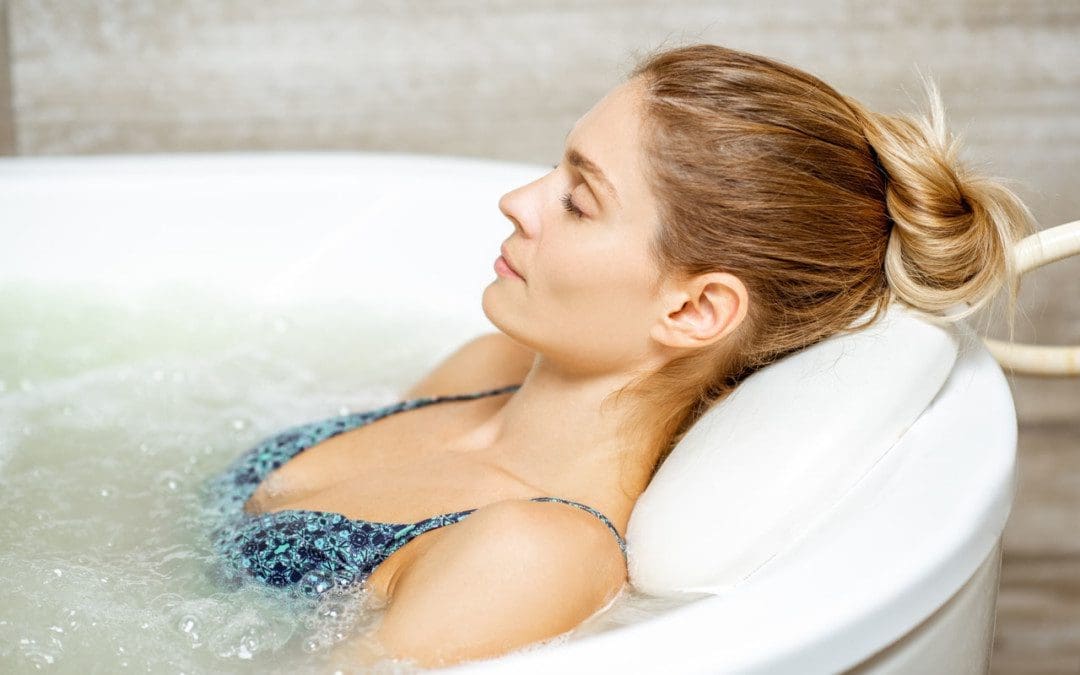
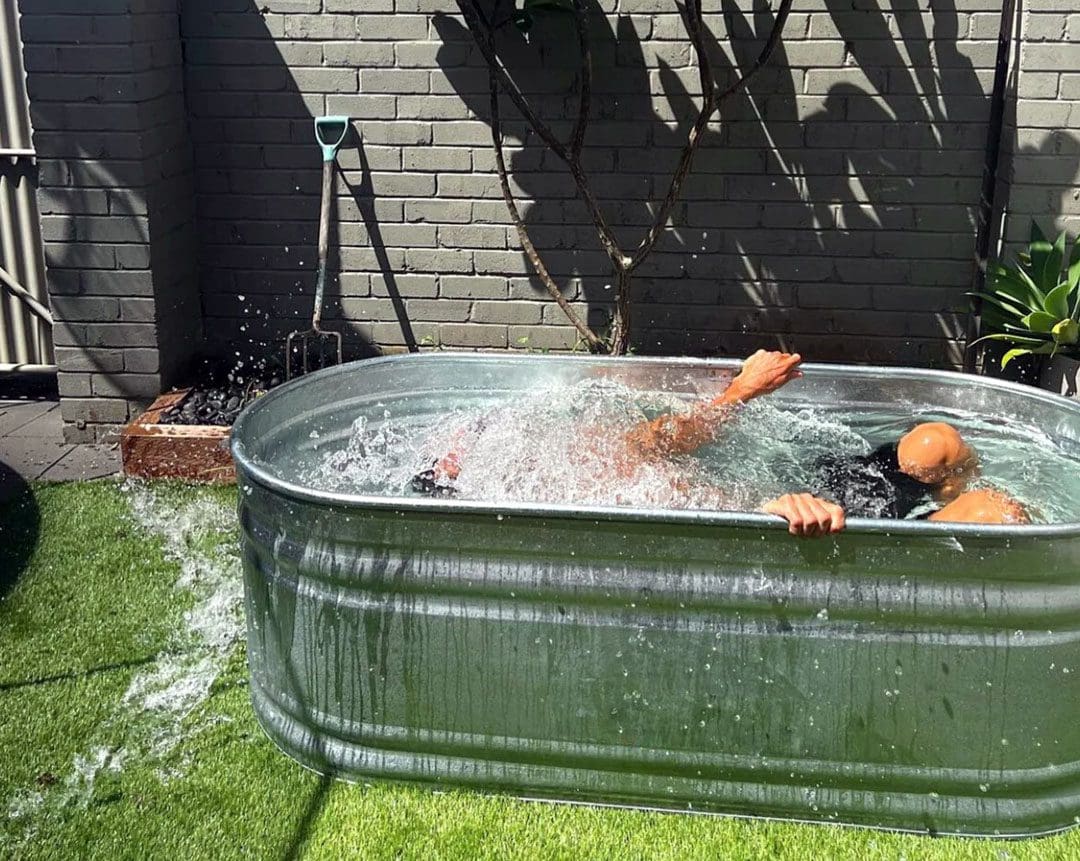
Athletes regularly take an ice-water bath after training or playing. It is known as cold water immersion/cryotherapy. It is used to relieve and reduce muscle soreness and pain after intense training or competition. From runners to professional tennis and football players, taking an ice bath is a common recovery practice. Many athletes utilize ice baths to help with faster recovery, prevent injury, and cool down the body. Here we provide some research on cold-water immersion therapy.
Ice Water Bath
Cold Immersion After Exercise or Physical Activity
Exercise causes microtrauma/tiny tears in the muscle fibers. The microscopic damage stimulates muscle cell activity to repair the damage and strengthen the muscles/hypertrophy. However, hypertrophy is linked with delayed onset muscle soreness and pain/DOMS, between 24 and 72 hours after physical activity. An ice water bath works by:
Constricting the blood vessels.
Flushes out waste products (lactic acid), out of the muscle tissues.
Reduces inflammation, swelling, and tissue breakdown.
Then, applying heat or warming up the water increases and speeds up blood circulation, improving the healing process.
There is no current ideal time and temperature for cold immersion, but most athletes and trainers who use the therapy recommend a water temperature between 54 to 59 degrees Fahrenheit and immersion of five to 10 minutes, and depending on the soreness, sometimes up to 20 minutes.
Pros and Cons
The effects of ice baths and cold water immersion on exercise recovery and muscle soreness.
Relieves Inflammation but Can Slow Down Muscle Growth
A study determined that cold water immersion can disrupt training adaptations.
Research suggests that icing muscles right after maximum exercise decreases inflammation, but can slow down muscle fiber growth, and delay muscle regeneration.
Athletes trying to increase muscle size and strength may need to adjust the therapy sessions.
Reduce Muscle Soreness
A review concluded there was some evidence that ice water immersion reduced delayed onset muscle soreness when compared to resting and rehabilitation or no medical treatment.
The most effects were seen in running athletes.
There was no substantial evidence to conclude whether it improved fatigue or recovery.
The studies did not have a standard for adverse effects or follow-up with the participants regularly.
There was no difference in muscle soreness between cold water immersion, active recovery, compression, or stretching.
Pain Relief
Cold water immersion after a physical activity offers temporary pain relief but can help with a faster recovery.
A study of jiu-jitsu athletes found that following a workout with cold water immersion could lead to decreased muscle aches and help reduce lactate levels.
Alternating cold water and warm water baths (contrast water therapy), may help athletes feel better and offer temporary pain relief.
Active Recovery Alternative
More research is needed before a firm conclusion can be reached on ice-water bath therapy. However, active recovery is a recommended alternative for athletes looking to recover faster.
A study suggested that ice baths were equally effective, but not more effective, as active recovery for reducing inflammation.
Cold water immersion is no greater than active recovery upon local and systemic inflammatory cellular stress.
Research determined that active recovery is still the most widely used, and currently the best way to recover after intense exercise or physical activity.
Low-impact workouts and stretches are still considered the most beneficial cool-down methods.
Cold Water Therapy
Ice Bath
Individuals can use their tub at home to perform cold water therapy.
Individuals may want to purchase a large bag of ice, but the cold water from the faucet will work.
Fill the tub with cold water, and if desired, pour in some ice.
Let the water and ice sit to get the cold temperature.
Measure the temperature if necessary before getting in.
Submerge the lower half of the body and adjust the temperature based on feel by adding more water, ice, or warm water if freezing.
It’s like icing with an ice pack, but the whole body swelling reduces and relaxes the muscles.
Don’t overdo it – one review found the best routine was 11 to 15 minutes of immersion at a temperature between 52 and 60 degrees Fahrenheit.
Cold Shower
A few minutes in a cold shower is another way to perform the therapy.
Individuals can get in a cold shower or start with warm water and slowly transition to cold.
This is the easiest and most time-efficient method of cold water therapy.
Safety
Consult with your doctor or a health care practitioner before practicing cold water therapy.
Exposure to cold water can affect blood pressure, circulation, and heart rate.
Cold water immersion can cause cardiac stress and can result in a heart attack.
Be mindful that exposure to cold temperatures can result in hypothermia.
Get out of the cold water if you experience numbness, tingling, discomfort, and/or pain.
Optimizing Wellness
References
Allan, R, and C Mawhinney. “Is the ice bath finally melting? Cold water immersion is no greater than active recovery upon local and systemic inflammatory cellular stress in humans.” The Journal of Physiology vol. 595,6 (2017): 1857-1858. doi:10.1113/JP273796
Altarriba-Bartes, Albert, et al. “The use of recovery strategies by Spanish first division soccer teams: a cross-sectional survey.” The Physician and sports medicine vol. 49,3 (2021): 297-307. doi:10.1080/00913847.2020.1819150
Bieuzen, François, et al. “Contrast water therapy and exercise-induced muscle damage: a systematic review and meta-analysis.” PloS one vol. 8,4 e62356. 23 Apr. 2013, doi:10.1371/journal.pone.0062356
Fonseca, Líllian Beatriz et al. “Use of Cold-Water Immersion to Reduce Muscle Damage and Delayed-Onset Muscle Soreness and Preserve Muscle Power in Jiu-Jitsu Athletes.” Journal of athletic training vol. 51,7 (2016): 540-9. doi:10.4085/1062-6050-51.9.01
Forcina, Laura, et al. “Mechanisms Regulating Muscle Regeneration: Insights into the Interrelated and Time-Dependent Phases of Tissue Healing.” Cells vol. 9,5 1297. 22 May. 2020, doi:10.3390/cells9051297
Shadgan, Babak, et al. “Contrast Baths, Intramuscular Hemodynamics, and Oxygenation as Monitored by Near-Infrared Spectroscopy.” Journal of athletic training vol. 53,8 (2018): 782-787. doi:10.4085/1062-6050-127-17
Sutkowy, Paweł, et al. “Postexercise impact of ice-cold water bath on the oxidant-antioxidant balance in healthy men.” BioMed research international vol. 2015 (2015): 706141. doi:10.1155/2015/706141
Pickleball is a growing, increasingly popular sport that can be enjoyed by individuals of every age and fitness level. It combines elements of tennis and badminton at a slightly slower pace that makes it ideal for families and provides excellent health benefits and enjoyable socializing. It is easy to learn and requires little practice. The sport is easy on the body and is a great activity for seniors because it is joint-friendly.
Pickleball
Individuals do not need to be athletes or belong to a certain age group to play or benefit from the sport. It requires minimal equipment and a few basic skills. Using a flat paddle and a plastic pickleball, opponents singles or doubles play a game like tennis or badminton.
Playing the Game
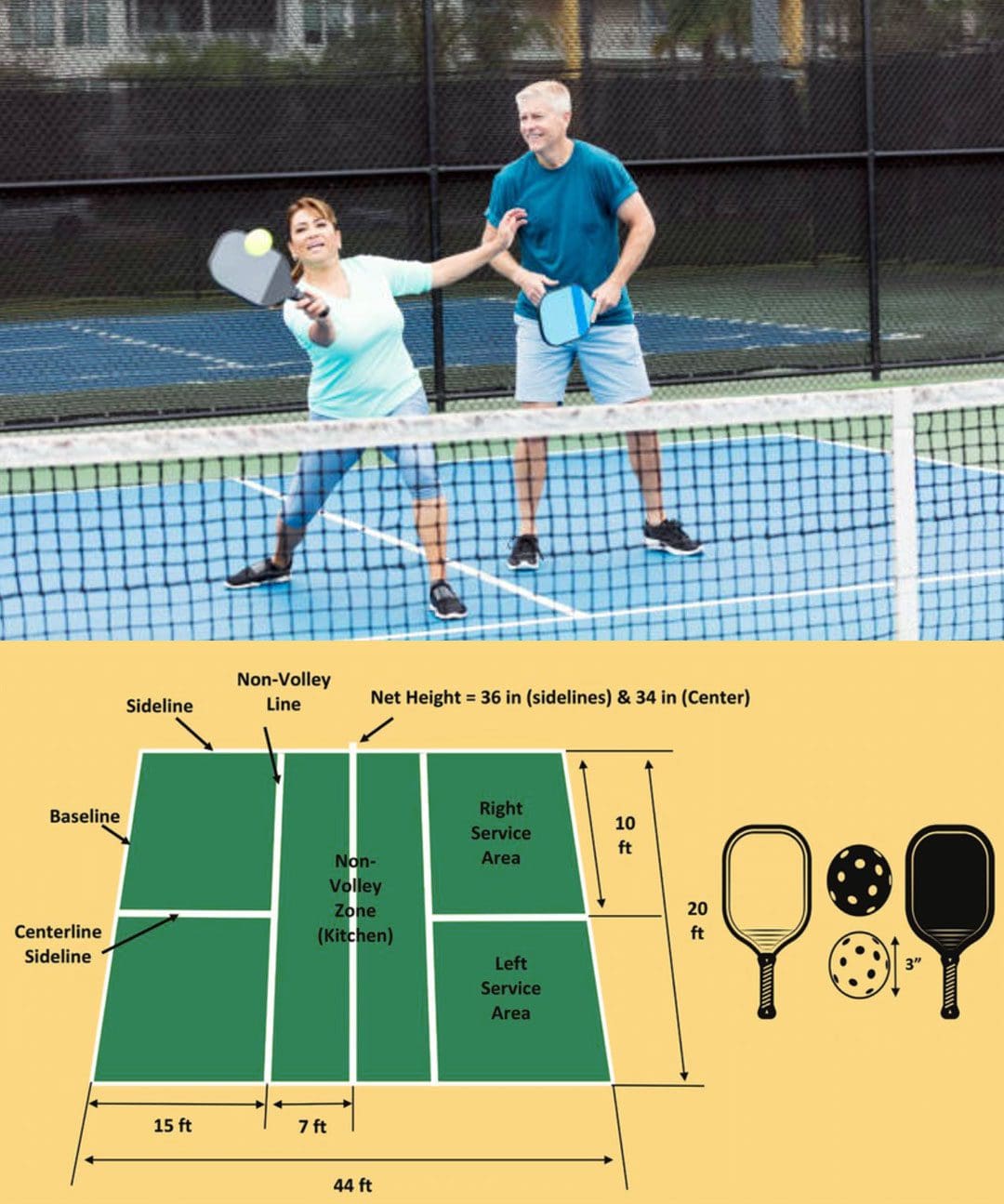
A three-foot-long net is set up in the center of a court measuring 44 feet long by 20 feet wide.
The court is divided between right and left service zones.
If the receiving side misses the serving side volley, the serving side receives a point.
The game is played to 11 points, but a player or team must win by two points.
The ball’s design keeps the pace manageable and user-friendly.
Pickleball has other intricacies common with other racket-court sports.
The player serves from a specific side.
The no-volley zone, or the kitchen is seven feet from the net on both sides.
There are rules regarding when the player must call the score, how tournaments work, and variations between singles and doubles matches.
Most players only need a few games to pick up the basics.
Reasons To Play
The sport offers a number of health benefits.
Improves Mental Health
One study found individuals who played pickleball tended to have better mental health and outlook.
Researchers followed older adults competing in pickleball competitions and tournaments.
At the end of the study, the researchers found that a commitment to a physical hobby correlated to reduced depression levels.
Improves Cardiovascular Health
The sport is not as physically intense as say tennis, but offers significant benefits for cardiovascular health.
One study found that individuals who played three times a week for an hour had improved cardiorespiratory fitness, lower cholesterol levels, and decreased blood pressure.
Experts found that it is a healthy alternative to traditional exercises like walking or biking.
Improved Hand-Eye Coordination
Pickleball will improve hand-eye coordination and reflexes.
Coordinating the feet, legs, arms, hands, and eye movements quickens responses, challenges the brain to think fast, and increases balance.
Physical activity combined with cognitive challenges has been found to improve cognitive health and prevent mental decline in older adults.
Socialization
Pickleball requires an opponent or two for doubles matches.
A significant benefit is that the sport provides increased socialization.
Socializing with others, especially the elderly can help with loneliness.
Loneliness can negatively impact physical and mental health, increasing the risk of heart disease, stroke, dementia, and depression.
Getting Started
Individuals need minimal gear like paddles, shoes, and balls and knowledge to get started playing. One of the easiest ways to begin is locating a court in the community. This is a great physical activity that can be competitive, but overall it is fun, easy to play, and provides great health benefits.
Home Exercises For Pain Relief
References
Casper, Jonathan M, and Jung-Hwan Jeon. “Psychological Connection to Pickleball: Assessing Motives and Participation in Older Adults.” Journal of Aging and physical activity, 1-6. 24 Oct. 2018, doi:10.1123/japa.2017-0381
Cerezuela, Juan-Leandro, et al. “Pickleball and mental health in adults: A systematic review.” Frontiers in psychology vol. 14 1137047. 21 Feb. 2023, doi:10.3389/fpsyg.2023.1137047
Ryu, Jungsu, et al. “Pickleball, Personality, and Eudaimonic Well-Being in Middle-Aged and Older Adults.” Journal of Aging and physical activity vol. 30,5 885-892. 14 Feb. 2022, doi:10.1123/japa.2021-0298
Vitale, Kenneth, and Steven Liu. “Pickleball: Review and Clinical Recommendations for this Fast-growing Sport.” Current sports medicine reports vol. 19,10 (2020): 406-413. doi:10.1249/JSR.0000000000000759
Webber, Sandra C et al. “Physical Activity Intensity of Singles and Doubles Pickleball in Older Adults.” Journal of Aging and physical activity vol. 31,3 365-370. 10 Sep. 2022, doi:10.1123/japa.2022-0194
IFM's Find A Practitioner tool is the largest referral network in Functional Medicine, created to help patients locate Functional Medicine practitioners anywhere in the world. IFM Certified Practitioners are listed first in the search results, given their extensive education in Functional Medicine