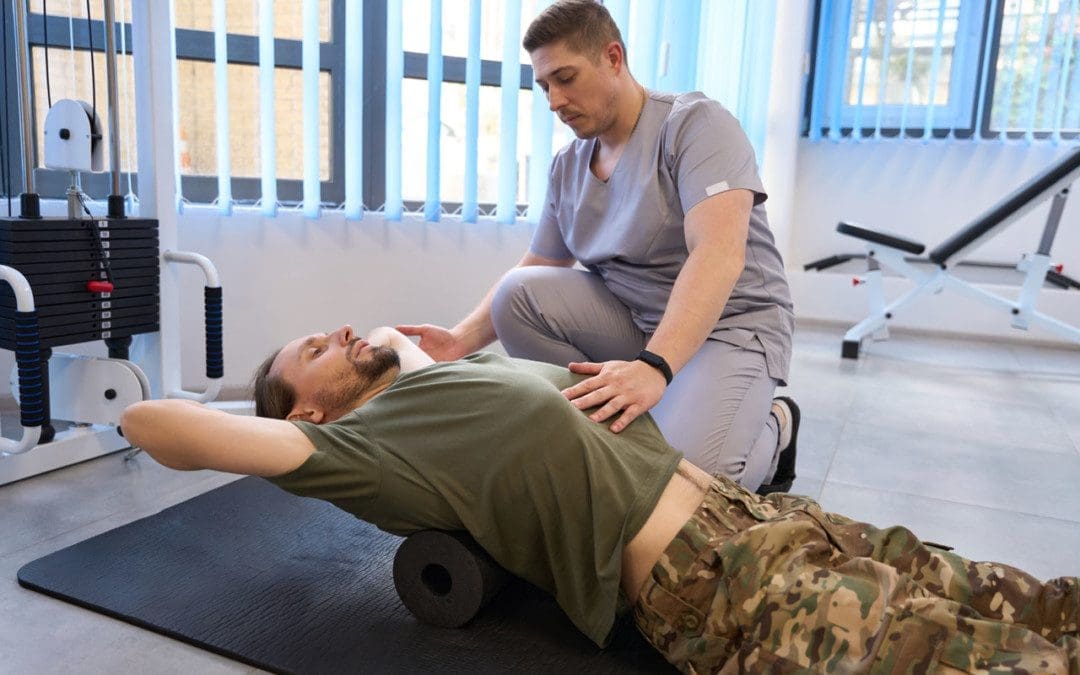
It is a common scenario, whether sitting or standing when we need to bend down or forward, and suddenly there is a sharp sting on one side of the low back. The sensation can cause the knees to buckle. So we stand up slowly to assess the condition and realize it is almost impossible to stand completely straight and even harder to bend forward. So we sit back down to try and relieve the pressure. It helps a little, but the injury has caused the back muscles to spasm and get tighter and tighter. When we try to get up, there can be one big or several mild to severe electrical shock sensations traveling through the back. A severely over-rotated vertebrae could be the cause and require chiropractic care, massage, and/or decompression therapy.
Over Rotated Vertebrae
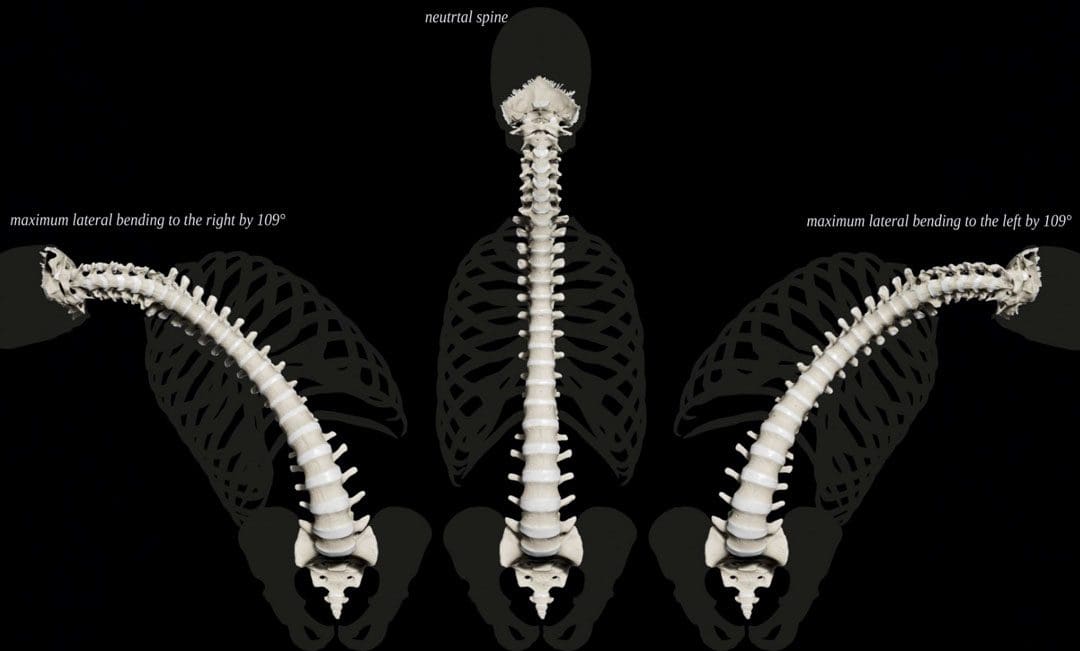
The spinal column is made of 26 interconnected vertebrae. When in motion, each vertebra moves, and as the torso rotates, the spine must rotate as well. The spine can move in several ways, including:
Bending
Rounding forward.
Extending or arching backward.
Twisting
Tilting sideways uses some of the same muscles when twisting.
Although the spine can move in various directions, there are limits to how far it can and should go. For example, when bending forward to lift an object, an individual can unknowingly over-extend and over-rotate vertebrae. This is where the risk of injury increases. A rotational injury of the spine occurs when the torso turns too far, and the spinal cord can’t handle it. This can stretch the ligaments in the spine to the point of snapping, causing the facet joints to dislocate. Ligament strains and facet dislocations are two of the most common rotational spine injuries.
Complications
An over-rotated vertebrae injury can also lead to complications that include.
Chronic Pain
Spinal nerve damage can lead to chronic pain conditions.
Mobility Problems
Mobility problems are common following an injury of the spine.
This comes from damage to the nerves that innervate the legs, causing weakness and coordination problems.
Pressure Ulcers
Numbness following a spine injury can cause individuals not to notice pressure ulcers developing.
These can lead to infections and could require hospitalization.
Individuals accumulate tension and/or weakness in the oblique abdominal muscles and other trunk muscles that can lead to chronic tightness and weakness, affecting movement and decreasing the range of motion.
Chiropractic Treatment Plan
Depending on the time and severity of the injury, a personalized treatment plan may consist of the following:
Chiropractic mobilization to release the spasms and reset the spine.
Rest
Facet Syndrome Treatment
References
Janssen, Michiel M A, et al. “Pre-existent vertebral rotation in the human spine is influenced by body position.” The European spine journal: official publication of the European Spine Society, the European Spinal Deformity Society, and the European Section of the Cervical Spine Research Society vol. 19,10 (2010): 1728-34. doi:10.1007/s00586-010-1400-3
Kruger, Erwin A et al. “Comprehensive management of pressure ulcers in spinal cord injury: current concepts and future trends.” The Journal of spinal cord medicine vol. 36,6 (2013): 572-85. doi:10.1179/2045772313Y.0000000093
Passias, Peter G et al. “Segmental lumbar rotation in patients with discogenic low back pain during functional weight-bearing activities.” The Journal of bone and joint surgery. American volume vol. 93,1 (2011): 29-37. doi:10.2106/JBJS.I.01348
Shan, X., Ning, X., Chen, Z. et al. Low back pain development response to sustained trunk axial twisting. Eur Spine J 22, 1972–1978 (2013). https://doi.org/10.1007/s00586-013-2784-7
Chiropractic care has a powerful therapeutic effect on the body’s systems. This includes the nervous, muscular, skeletal, and lymphatic. The lymphatic system is a part of the immune system. It circulates lymph, a fluid comprised of white blood cells that support the immune system, proteins, and fats. The lymphatic system collects toxins, moves waste, and protects the body from foreign invaders. Together with the immune system, the lymphatic system keeps the body balanced. However, imbalances occur due to misalignments, subluxations, compressed nerves, chronic conditions, and injuries. Chiropractic care, massage, and decompression therapy can help mobilize stuck or misaligned joints, reduce muscular tension, alleviate nerve inflammation and discomfort, and restore optimal function.
Spinal Lymphatic Detox
Lymphatic System
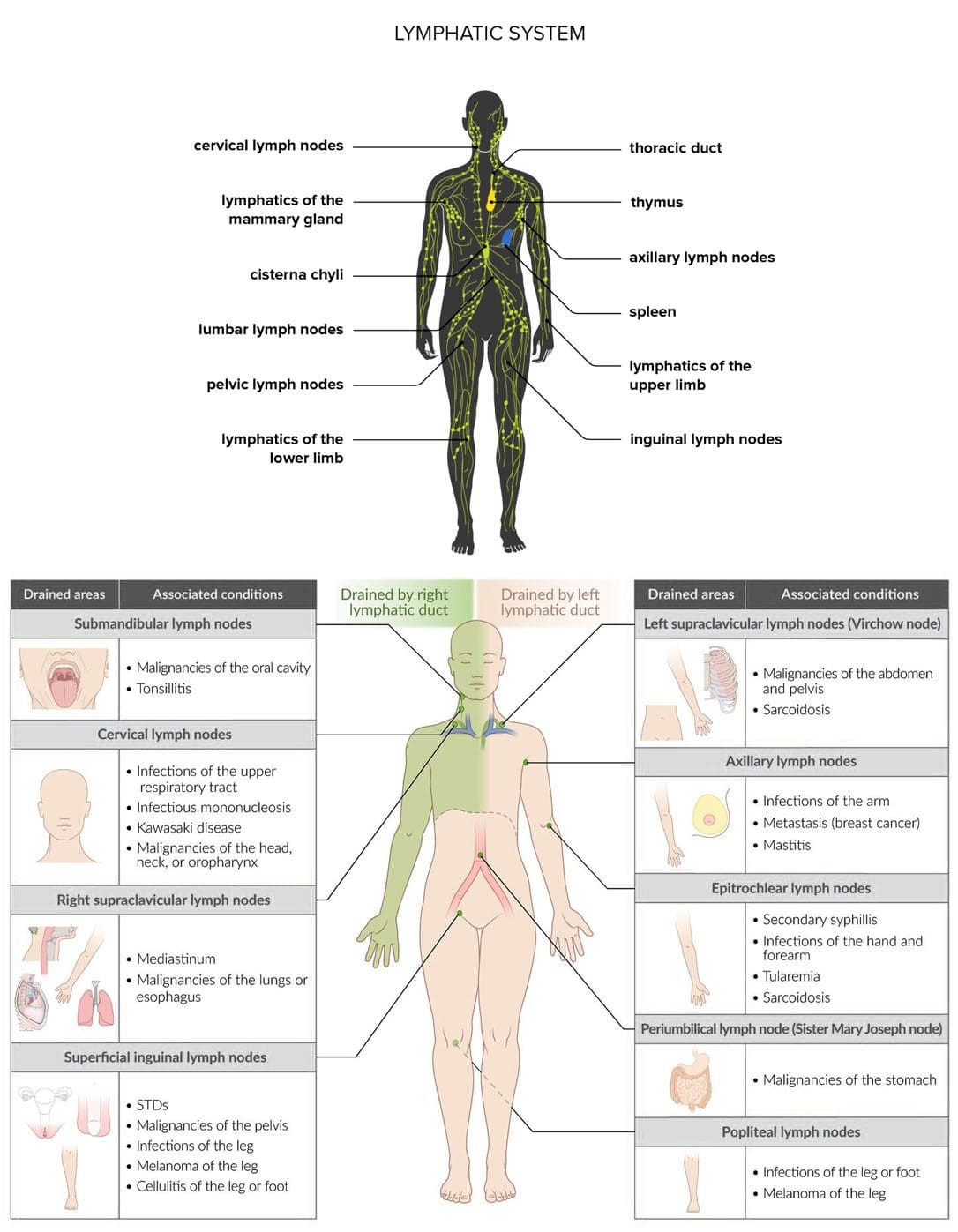
The lymphatic system is a network throughout the body. The system drains lymph fluid from the blood vessels into the tissues and empties it back into the bloodstream through the lymph nodes. The main functions of the system include the following:
Regulates fluid levels in the body.
Activates when bacteria or viruses enter.
Manages and removes cancer cells or cell byproducts that could result in disease or disorders.
Absorbs some of the fats from the intestine.
The lymph nodes and other structures like the spleenand thymushouse specialized white blood cells called lymphocytes. These are ready to go and can rapidly multiply and release antibodies when bacteria, viruses, and other stimuli, enter the body.
Fluid Balance
The blood in the vessels is under constant pressure. Nutrients, fluids, and certain cells need to circulate throughout the body to supply the tissues and maintain the system’s defense. The lymphatic system:
Removes all fluids and contents that leak into the tissues.
Eliminates waste products formed in the tissues.
Eliminates bacteria that enter through the skin.
The digestive and respiratory systems are lined with lymphatic tissue because the systems are exposed. The most important sites are the tonsils, the intestinal region, and the appendix. Lymph nodes are the filters. Viruses and cancer cells get trapped and destroyed in the lymph nodes. More lymphocytes are produced when an infection is present, which is why the nodes experience swelling. When the lymphatic system does not drain fluids from the tissues properly, the tissues swell and can cause symptoms of discomfort. If the swelling is only for a short period, it is called edema. If it lasts more than three months, it is called lymphoedema.
Symptoms of Unhealthy Circulation
Unhealthy circulation can include the following symptoms:
Fatigue
Concentration problems
Cold hands or feet
Swelling
Muscle cramps
Numbness
Tingling
Stinging
Throbbing
Development of ulcers on the feet, ankles, and legs.
Chiropractic Care
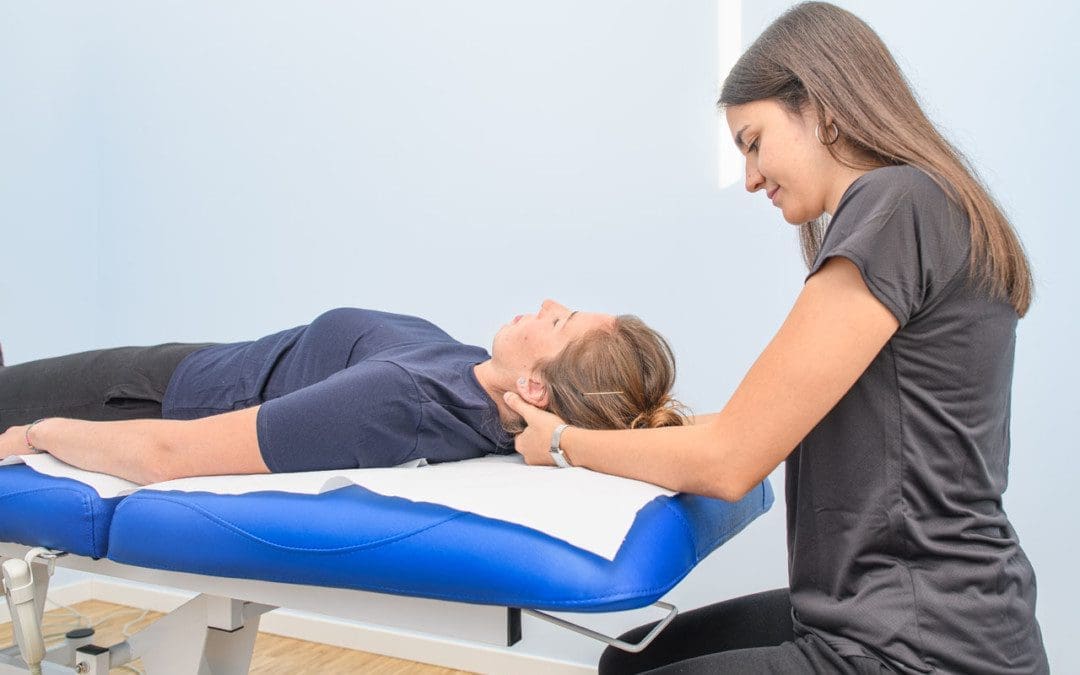
A chiropractic spinal lymphatic detoxtreatment releases stagnant fluid collected in the joints, muscles, and tissues. A personalized treatment plan will consist of massage therapy to increase circulation, release and relax the muscles and nerves, chiropractic to realign the body, decompression to open the spine, stretching techniques to improve flexibility, and nutritional guidance to support optimal circulation. The benefits include:
Discomfort and pain relief.
Stress and anxiety relief.
Balanced and realigned body.
Relaxed muscles.
Helps with allergy symptoms.
Detoxes bacteria along the spine.
Lymphatic Anatomy
References
Dmochowski, Jacek P et al. “Computational Modeling of Deep Tissue Heating by an Automatic Thermal Massage Bed: Predicting the Effects on Circulation.” Frontiers in medical technology vol. 4 925554. 14 Jun. 2022, doi:10.3389/fmedt.2022.925554
Majewski-Schrage, Tricia, and Kelli Snyder. “The Effectiveness of Manual Lymphatic Drainage in Patients With Orthopedic Injuries.” Journal of sport rehabilitation vol. 25,1 (2016): 91-7. doi:10.1123/jsr.2014-0222
Mihara, Makoto et al. “Combined conservative treatment and lymphatic venous anastomosis for severe lower limb lymphedema with recurrent cellulitis.” Annals of vascular surgery vol. 29,6 (2015): 1318.e11-5. doi:10.1016/j.avsg.2015.01.037
Mortimer, Peter S, and Stanley G Rockson. “New developments in clinical aspects of lymphatic disease.” The Journal of clinical investigation vol. 124,3 (2014): 915-21. doi:10.1172/JCI71608
Weerapong, Pornratshanee et al. “The mechanisms of massage and effects on performance, muscle recovery and injury prevention.” Sports medicine (Auckland, N.Z.) vol. 35,3 (2005): 235-56. doi:10.2165/00007256-200535030-00004
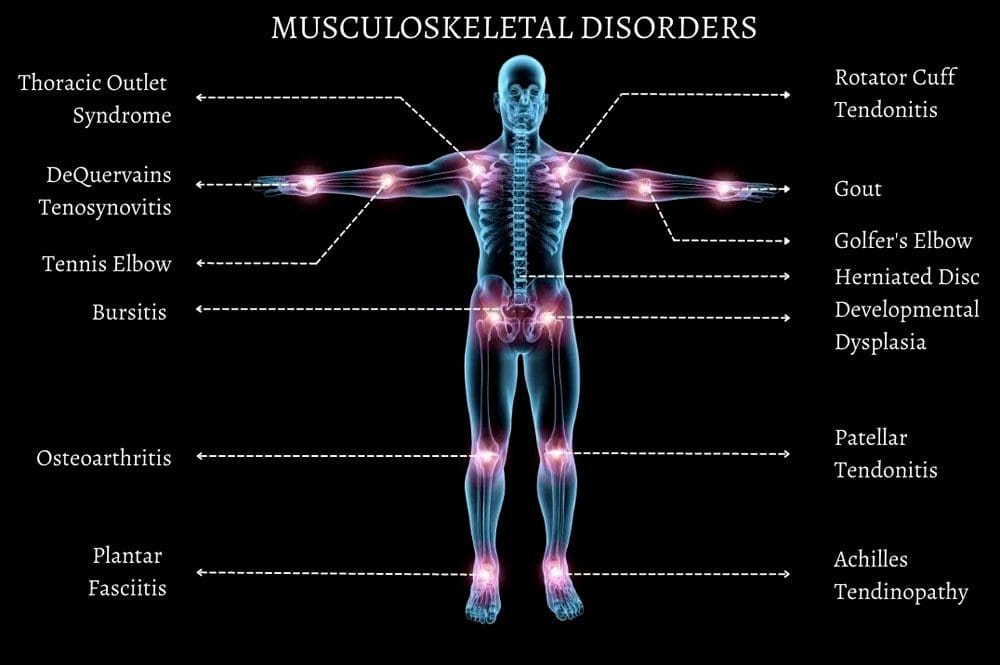
Preparing for the holidays is exciting but can generate intense stress and anxiety. This can cause individuals to feel tired constantly, which can lead to other issues like sleep problems, brain fog, digestive issues, and musculoskeletal disorders. Chiropractic care can return the body to optimal function, increasing circulation, restoring spinal alignment, re-energizing the mind and body, and preventing future fatigue and exhaustion.
Exhaustion and Fatigue
Primary causes of fatigue and exhaustion are stress, overworking, school work, lack of sound sleep, excessive caffeine or other energy boosters, and the holidays.
Stress Reduction
Stress is a leading contributor to fatigue and exhaustion.
Stress causes the muscles to contract, restricting blood circulation.
Chronic stress causes the musculoskeletal system to be in a state of continued constriction.
Constant muscle tension can cause injury and chronic conditions that can lead to secondary disorders like tension headaches and migraines.
Quality Sleep
High-quality rest means falling asleep naturally, staying asleep through the night comfortably, and waking rested and refreshed.
Lack of enough sleep strains the nervous system.
Not enough sleep or disruptions to the sleep-wake cycle (that can happen with shift work or traveling work) can cause physiological fatigue.
This causes reduced motor skills, similar to having a blood alcohol content of 0.1.
Nutrition
Proper nutrition is key to overall health and stress management. An unhealthy diet can be the main cause of fatigue. Just like putting the wrong gas into your car can cause major issues stalling or stopping entirely. The same is true with the body. The body is a complicated engine that requires healthy fuel to work properly.
Macronutrients(fat, carbohydrates, and protein) and Micronutrients (vitamins and minerals) are essential.
Chiropractic Care and Functional Medicine
Chiropractic care can be a long-term solution for fatigue and exhaustion.
Spine Realignment
Spinal realignment resets the body through better posture and brain function through the improved circulation flowing through the spinal cord.
Optimal spinal realignment:
Relieves headaches
Alleviates discomfort symptoms
Increases energy
Restores range of motion
Relieve Pressure On The Nerves
Chiropractic releases pressure on the nerves.
The central nervous system’s response to pain, energy levels, comfort, and mobility is impacted by the health of the nerves.
Just a minimal amount of pressure can reduce the strength of a nerve by 90%.
Nerves that are not working correctly have difficulty transmitting messages, often causing pain.
Loosen Tense Muscles
Chiropractic care and massage therapy can help relieve the tension in overworked muscles.
Fatigue and exhaustion can cause the muscles to work harder/overcompensate to try to maintain balance.
Over time, the muscles can’t keep it up and become frozen and tense.
Nervous System Regulation
Chiropractic care can restore nervous system function.
When the spine is not correctly aligned, the electrical impulses are not transmitted properly.
Common side effects include headaches, neck and back problems, and digestive issues.
Chiropractic care can restore the body to a refreshed and rejuvenated state. It can improve circulation, rebalance the body, increase oxygen levels and strengthen the immune system.
Adrenal Insufficiency: Symptoms, Diagnosis, and Treatment
References
Azzolino, Domenico, et al. “Nutritional Status as a Mediator of Fatigue and Its Underlying Mechanisms in Older People.” Nutrients vol. 12,2 444. 10 Feb. 2020, doi:10.3390/nu12020444
Chaudhuri, Abhijit, and Peter O Behan. “Fatigue in neurological disorders.” Lancet (London, England) vol. 363,9413 (2004): 978-88. doi:10.1016/S0140-6736(04)15794-2
Evans, William J, and Charles P Lambert. “Physiological basis of fatigue.” American journal of physical medicine & rehabilitation vol. 86,1 Suppl (2007): S29-46. doi:10.1097/phm.0b013e31802ba53c
Finsterer, Josef, and Sinda Zarrouk Mahjoub. “Fatigue in healthy and diseased individuals.” The American journal of hospice & palliative care vol. 31,5 (2014): 562-75. doi:10.1177/1049909113494748
Rosenthal, Thomas C et al. “Fatigue: an overview.” American family physician vol. 78,10 (2008): 1173-9.
The body’s ability to heal itself is quite remarkable. When injury or illness presents, the body’s systems activate to deal with the problem and restore itself to health. The spine’s bones protect the communication pathways of the spinal cord and nerve roots. If the nervous system suffers injury or is damaged in some way, causing impairment, it can cause malfunctioning of the tissues and organs throughout the body. Chiropractic care combined with functional medicine can restore and enhance the body’s self-healing abilities to optimal levels.
The Body’s Ability To Heal Itself
A healthy body regenerates, fights infection, heals wounds, and repairs damage. The body is in a constant state of removing damage and producing new, healthy tissues.
Cells can heal themselves when they become unhealthy and replicate to replace injured or damaged cells.
The body produces new cells to heal the damage if a bone gets fractured or broken.
When the skin gets cut, the blood clots, stopping the bleeding, white blood cells remove the injured and dead cells, and new healthy cells repair the damaged tissue.
The immune system deals with viruses, bacteria, and toxins.
Natural destroyer cells recognize when the body’s cells have been invaded by a virus and destroy the infected cell.
Inflammation
Inflammation is the body’s reaction to an injury or infection, activating the immune system to restore the injured or infected area to health.
A fever is the body’s raising its temperature to levels that will kill viruses and bacteria.
The elevation in temperature also triggers certain cellular mechanisms which help the body fight the infection.
Stem Cells
The body heals and regenerates itself through stem cells.
Once the body is formed, embryonic stem cells disappear, and adult stem cells take over.
The adult stem cells divide, producing an identical stem cell and a healthy, mature cell of a specific type.
Each type of adult stem cell only can become certain types of tissue.
For example, Mesenchymal Stem Cells can regenerate bone, fat, muscle, and cartilage cells.
Neural Stem Cells help regenerate nerve tissue in the brain and spinal cord.
Epithelial Stem Cells regenerate skin.
Adult stem cells can reproduce for a long time but eventually stop reproducing as efficiently.
Nervous System
The nervous system assists the whole body in maintaining communication, using electrical and chemical impulses to send and receive messages. The system reacts to changes inside and outside the body. Infections, injuries, disorders, and conditions can cause imbalances causing communication problems that can lead to health issues. Common problems of the nervous system include:
Sciatica – Pressure on a nerve/s caused by a slipped, bulging, or herniated disc in the spine or arthritis of the spine and, sometimes, other factors.
Parkinson’s disease – The death of neurons in a part of the brain called the midbrain. Symptoms include shaking and mobility problems.
Epilepsy – Abnormal electrical activity in the brain causing seizures.
Meningitis – Inflammation of the membrane covering the brain.
Multiple sclerosis – The myelin sheaths protecting the nerves of the central nervous system become damaged and deteriorates.
Chiropractic Care
Subluxations are misaligned or damaged joints that are not functioning correctly. These joints can place pressure on a nerve, which interferes with the normal nervous system function. Chiropractic care can realign, restore and maintain neuromusculoskeletal system health to reactivate the body’s natural healing abilities.
Cerebral Palsy Chiropractic Treatment
References
Haavik, Heidi, et al. “Effects of 12 Weeks of Chiropractic Care on Central Integration of Dual Somatosensory Input in Chronic Pain Patients: A Preliminary Study.” Journal of manipulative and physiological therapeutics vol. 40,3 (2017): 127-138. doi:10.1016/j.jmpt.2016.10.002
Lee, Courtney, et al. “Mind-body therapies for the self-management of chronic pain symptoms.” Pain medicine (Malden, Mass.) vol. 15 Suppl 1 (2014): S21-39. doi:10.1111/pme.12383
Maltese PE, Michelini S, Baronio M, Bertelli M. Molecular foundations of chiropractic therapy. Acta Biomed. 2019 Sep 30;90(10-S):93-102. doi: 10.23750/abm.v90i10-S.8768. PMID: 31577263; PMCID: PMC7233649.
McSwan, Joyce, et al. “Self-Healing: A Concept for Musculoskeletal Body Pain Management – Scientific Evidence and Mode of Action.” Journal of pain research vol. 14 2943-2958. 21 Sep. 2021, doi:10.2147/JPR.S321037
Navid, Muhammad Samran et al. “The effects of chiropractic spinal manipulation on central processing of tonic pain – a pilot study using standardized low-resolution brain electromagnetic tomography (sLORETA).” Scientific reports vol. 9,1 6925. 6 May. 2019, doi:10.1038/s41598-019-42984-3
Chiropractic care focuses on whole-body health, restoring optimal body function, helping injuries heal/rehabilitate, and maintaining musculoskeletal health. Yoga is one of the most popular forms of fitness because it is not overly physically demanding but still increases flexibility and muscle tone, helps with weight loss, improves cardiovascular and circulatory health, and enhances breathing and energy levels. Yoga provides benefits that directly relate to chiropractic, making the treatment more effective.
Yoga and Chiropractic
Yoga is an exercise focusing on mindfulness combined with deep stretches and focused breathing. Yoga focuses on balance, flexibility, and strength.
It helps to lower blood pressure and stress levels by releasing built-up tension.
Helps to activate the body’s natural healing process.
It stretches the muscles, ligaments, and tendons, keeping them loose and flexible, enhancing chiropractic adjustments.
Chiropractic
Chiropractic is multi-faceted,restoring the wellness of the neuromusculoskeletal system that involves the nerves, muscles, and bones. It works holistically with the body’s natural processes to restore balance and overall health.
Realigns the spine.
Returns the natural shape of the body’s structure.
Clears interference from the nervous system.
Rejuvenates the body.
Customized chiropractic adjustments, spinal decompression, and traction treatment plans help shift spinal deformities back toward proper balance.
Strengthen Soft Tissues
Yoga and chiropractic work and strengthen all the:
Connective tissues
Muscles
Ligaments
Tendons
Increasing the strength of the joints throughout the body reduces stress and the risk of injury.
Promote Healing
Yoga and chiropractic:
Prepare the body for healing.
Stretch and elongate the body.
Release built-up tension and stress.
Activate the body for healing.
Prevent Injury
Yoga and chiropractic:
Maintain body alignment.
Increase balance.
Stretch and relieve tense muscles.
Ensure proper joint operation.
Make the body less susceptible to injury.
Educate Individuals About The Body
Chiropractors and yoga teachers can educate individuals on how the body works, maintaining muscle strength, teaching posture awareness, and nervous system function for a healthier life.
Yoga Body Flow
References
Biman, Saranga, et al. “Effects of yoga on stress, fatigue, musculoskeletal pain, and the quality of life among employees of the diamond industry: A new approach in employee wellness.” Work (Reading, Mass.) vol. 70,2 (2021): 521-529. doi:10.3233/WOR-213589
da Costa, Fernanda Mazzoni, et al.”“Effects of an intervention program with health education and hatha yoga on the health of professionals with musculoskeletal symptoms”” Revista brasileira de medicina do trabalho : publicacao oficial da Associacao Nacional de Medicina do Trabalho-ANAMT vol. 18,2 114-124. 11 Dec. 2020, doi:10.47626/1679-4435-2020-492
Hawk, Cheryl, et al.” Best Practices for Chiropractic Management of Patients with Chronic Musculoskeletal Pain: A Clinical Practice Guideline” Journal of alternative and complementary medicine (New York, N.Y.) vol. 26,10 (2020): 884-901. doi:10.1089/acm.2020.0181
Kolasinski, Sharon L et al.” 2019 American College of Rheumatology/Arthritis Foundation Guideline for the Management of Osteoarthritis of the Hand, Hip, and Knee” Arthritis care & research vol. 72,2 (2020): 149-162. doi:10.1002/acr.24131
Urits, Ivan et al.” A Comprehensive Review of Alternative Therapies for the Management of Chronic Pain Patients: Acupuncture, Tai Chi, Osteopathic Manipulative Medicine, and Chiropractic Care” Advances in therapy vol. 38,1 (2021): 76-89. doi:10.1007/s12325-020-01554-0
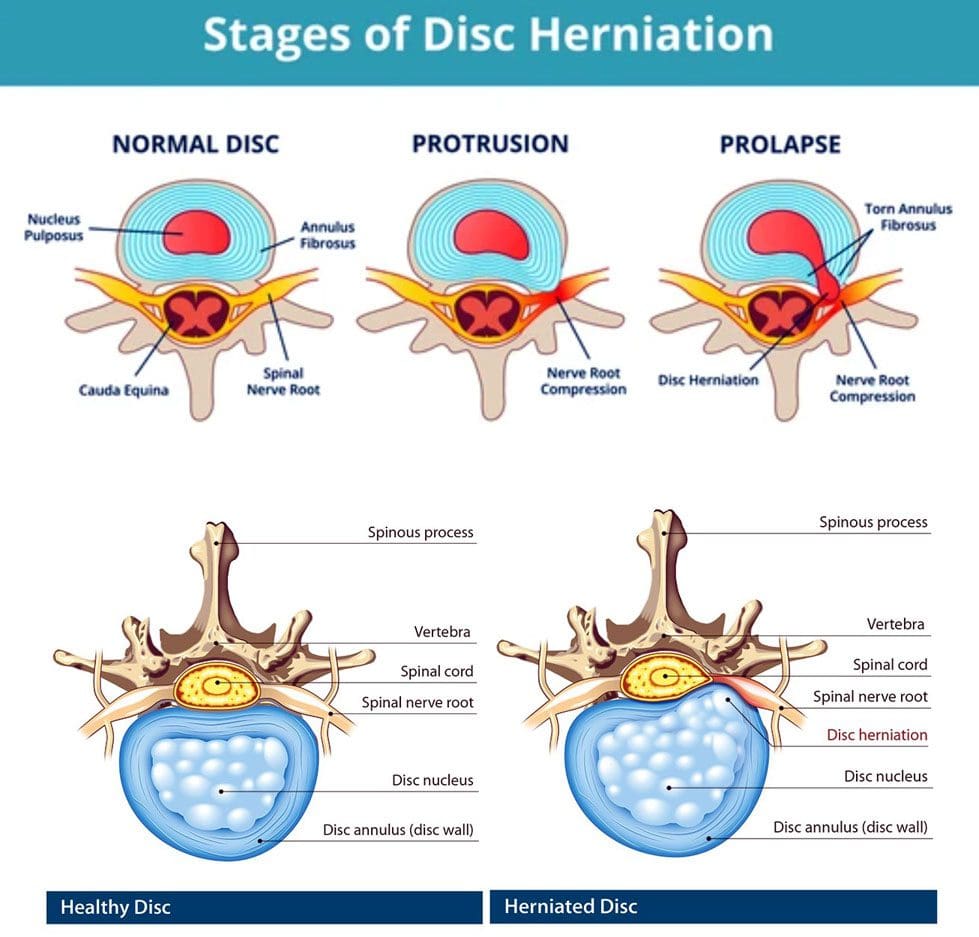
Spinal disc deterioration from aging is normal, but health issues or injuries can advance the degenerative process. Disc protrusions are related to herniated discs but are the mildest form of the condition and are a common form of spinal disc deterioration that can cause neck and back issues. However, individuals may have a small protruding disc that can go undetected unless it irritates or compresses the surrounding nerves. Chiropractic care, decompression, and massage therapy can realign the disc back into position, relieving discomfort and pain.
Disc Protrusion
A disc is like a sturdy soft rubber shock absorber/cushion with added gel inside. The gel acts as a shock absorber. When the gel begins to protrude out slightly, this is a disc protrusion. Once a protruding disc begins to develop, it usually remains in that position. The disc can sometimes reabsorb on its own and realign back into position, but there is no way of knowing that will happen or how long it will take. With age and/or injuries, the body’s parts change. The spine’s discs dehydrate and lose elasticity weakening the discs and making them more vulnerable to herniation stages:
First Stage
Following natural weakening can be classified as a disc protrusion when the disc’s core begins pushing into the spinal column.
Disc protrusions can be tiny or push out an entire side of the disc.
Second Stage
Disc deterioration often consists of a bulging disc when the core pushes out farther around the circumference beyond the disc’s outer layer, called the annulus fibrosus, creating the telltale bulge.
A bulging disc involves more than 180 degrees of the disc’s circumference.
Third Stage
The third stage is a herniated disc, meaning the disc’s outer wall has torn, allowing the inner gel to leak out, usually irritating the surrounding nerves.
Fourth Stage
The fourth stage is sequestration, a herniated disc in which a piece of the nucleus breaks free of the vertebral disc fragments and falls into the spinal canal.
Types
A disc protrusion is one type of disc herniation that pushes out but remains connected. Different types compress and irritate the discs differently and produce various symptoms, including:
Paracentral
This is the most common, where the disc protrusion jams the space between the central canal and the foramen.
Central
This is where the disc protrusion impinges into the spinal canal, with or without spinal cord compression.
Foraminal
The disc intrudes into the foramen, the space through which nerve roots branch off the spinal cord and exit the vertebrae.
Symptoms, Diagnosis, and Chiropractic Care
Individuals with a disc protrusion can have symptoms similar to sciatica, which includes back, buttock, and leg discomfort, numbness, and pain sensations.
Treatment for disc protrusion will be based on the individual’s symptoms.
A chiropractor will take a detailed medical history and perform a physical examination.
A spinal MRI test could be ordered depending on the injury or condition.
A customized treatment plan will be developed to fit the individual’s medical needs.
Most disc protrusions improve after a few weeks of rest, avoiding strenuous activities, activity modification, an anti-inflammatory diet, and gentle exercises that the chiropractic team will provide.
True Spinal Decompression
References
Fardon, David F et al. “Lumbar disc nomenclature: version 2.0: Recommendations of the combined task forces of the North American Spine Society, the American Society of Spine Radiology and the American Society of Neuroradiology.” The spine journal: official journal of the North American Spine Society vol. 14,11 (2014): 2525-45. doi:10.1016/j.spinee.2014.04.022
Mysliwiec, Lawrence Walter, et al. “MSU classification for herniated lumbar discs on MRI: toward developing objective criteria for surgical selection.” The European spine journal: official publication of the European Spine Society, the European Spinal Deformity Society, and the European Section of the Cervical Spine Research Society vol. 19,7 (2010): 1087-93. doi:10.1007/s00586-009-1274-4
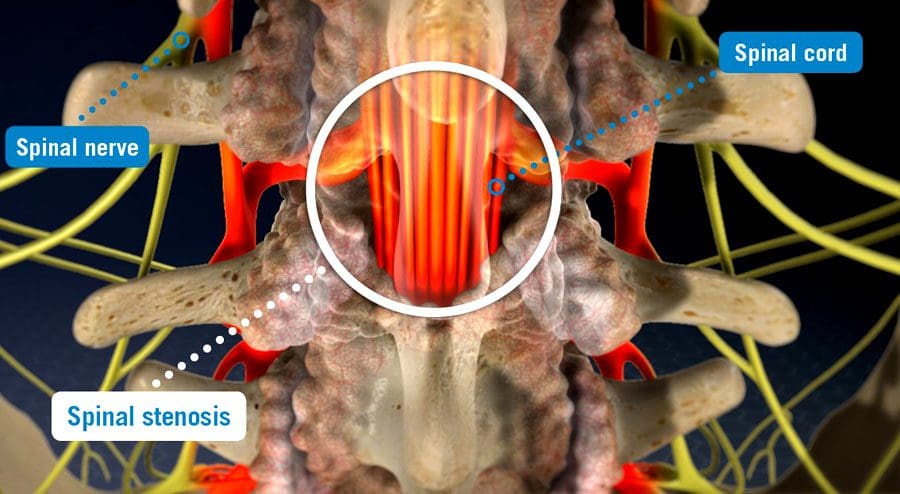
Spinal stenosis is when space somewhere along or within the spine begins to narrow, closing off the ability of normal/comfortable movement and nerve circulation. It can affect different areas, including the cervical/neck, lumbar/low back, and, less commonly, the thoracic/upper or mid-back regions causing tingling, numbness, cramping, pain, muscle weakness, or a combination in the back, leg/s, thighs, and buttocks. There can be various factors causing the stenosis; correct diagnosing is the first step, and where a spinal stenosis MRI comes in.
Spinal Stenosis MRI
Stenosis can be challenging to diagnose as it is more of a symptom/complication than a condition, often caused by herniated discs, bone spurs, a congenital condition, post-surgery, or after an infection. Magnetic resonance imaging/MRI is a common test used in diagnosis.
Diagnosis
A healthcare professional, like a chiropractor, physical therapist, spine specialist, or physician, will begin with understanding symptoms and medical history.
A physical exam will be conducted to learn more about the location, duration, positions, or activities that decrease or worsen the symptoms.
Additional tests include muscle strength, gain analysis, and balance testing to help better understand where the pain is coming from.
To confirm a diagnosis, imaging will be required to see what is going on.
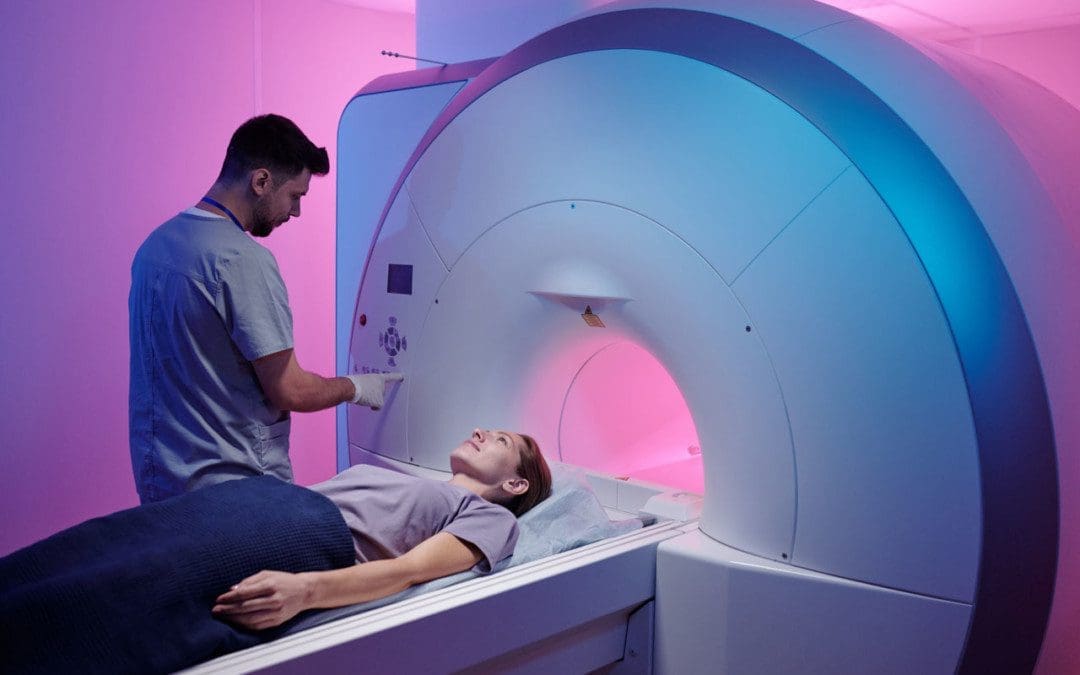
An MRI uses computer-generated imaging to produce images that show bone and soft tissues, like muscles, nerves, and tendons, and if they are compressed or irritated.
A healthcare professional and MRI technician will go over the safety requirements before the imaging.
Because the machine uses powerful magnets, there can be no metal on or in the body, like implanted prostheses or devices that include:
A different imaging test may be used if an individual cannot have an MRI like a CT scan.
An MRI can range from several minutes to an hour or longer, depending on how many positions are necessary to isolate the injured area and get a clear image. The test is painless, but sometimes individuals are asked to maintain a specific position that could be uncomfortable. The technician/s will ask if there is discomfort and offer any help to make the experience as easy as possible.
Treatment
Not all cases of stenosis cause symptoms, but there are treatment options that a healthcare professional can recommend.
Conservative care is the first recommendation that includes chiropractic, decompression, traction, and physical therapy.
Treatment increases muscle strength, improves range of motion, improves posture and balance, decreases discomfort symptoms, and incorporates strategies to prevent and manage symptoms.
Prescription medications could be part of a larger treatment plan.
Surgery could become an option in more severe cases where conservative care is not working.
Spinal Stenosis
References
Database of Abstracts of Reviews of Effects (DARE): Quality-assessed Reviews [Internet]. York (UK): Centre for Reviews and Dissemination (UK); 1995-. Diagnosis of lumbar spinal stenosis: an updated systematic review of the accuracy of diagnostic tests. 2013. Available from: https://www.ncbi.nlm.nih.gov/books/NBK142906/
Ghadimi M, Sapra A. Magnetic Resonance Imaging Contraindications. [Updated 2022 May 8]. In: StatPearls [Internet]. Treasure Island (FL): StatPearls Publishing; 2022 Jan-. Available from: https://www.ncbi.nlm.nih.gov/books/NBK551669/
Gofur EM, Singh P. Anatomy, Back, Vertebral Canal Blood Supply. [Updated 2021 Jul 26]. In: StatPearls [Internet]. Treasure Island (FL): StatPearls Publishing; 2022 Jan-. Available from: https://www.ncbi.nlm.nih.gov/books/NBK541083/
Lurie, Jon, and Christy Tomkins-Lane. “Management of lumbar spinal stenosis.” BMJ (Clinical research ed.) vol. 352 h6234. 4 Jan. 2016, doi:10.1136/bmj.h6234
Stuber, Kent, et al. “Chiropractic treatment of lumbar spinal stenosis: a review of the literature.” Journal of chiropractic medicine vol. 8,2 (2009): 77-85. doi:10.1016/j.jcm.2009.02.001
IFM's Find A Practitioner tool is the largest referral network in Functional Medicine, created to help patients locate Functional Medicine practitioners anywhere in the world. IFM Certified Practitioners are listed first in the search results, given their extensive education in Functional Medicine