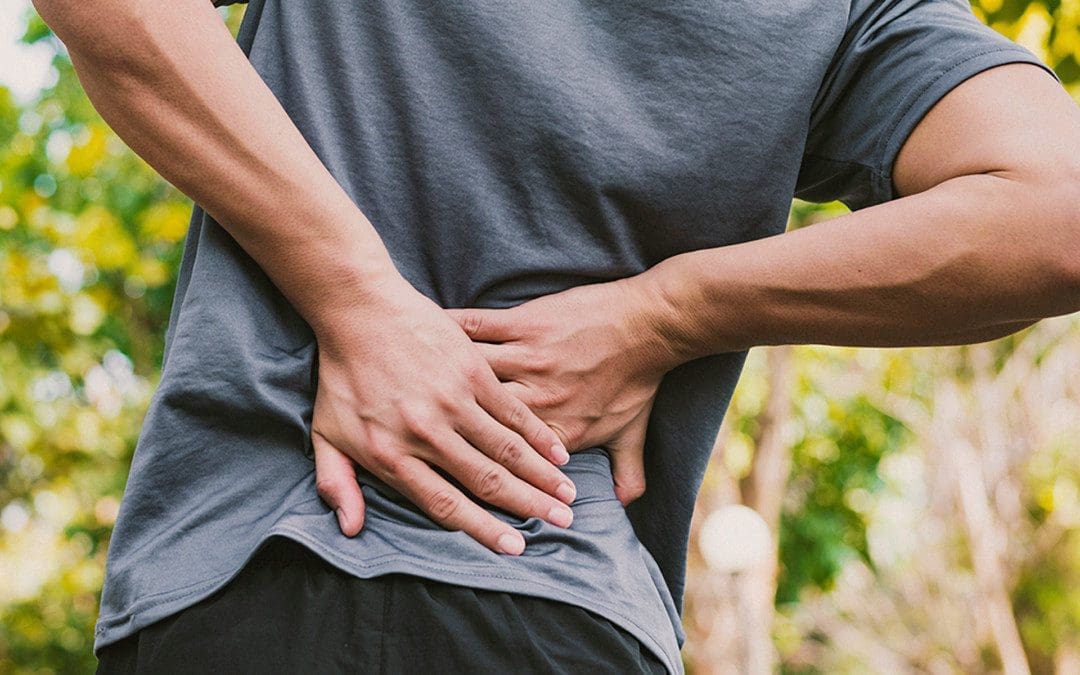
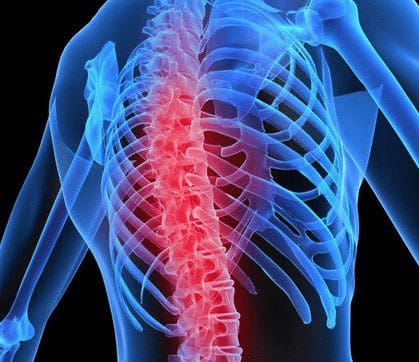
Claudication is muscle pain that presents when the body is active and stops when the body is at rest, also known as intermittent claudication. Individuals typically report dull aching, cramping, tingling, and/or numbness. Vascular claudication is caused by circulatory problems like poor blood circulation and peripheral artery disease. Still, spinal conditions can also cause neurogenic claudication caused by problems with the spine and nervous system.
Neurogenic Claudication
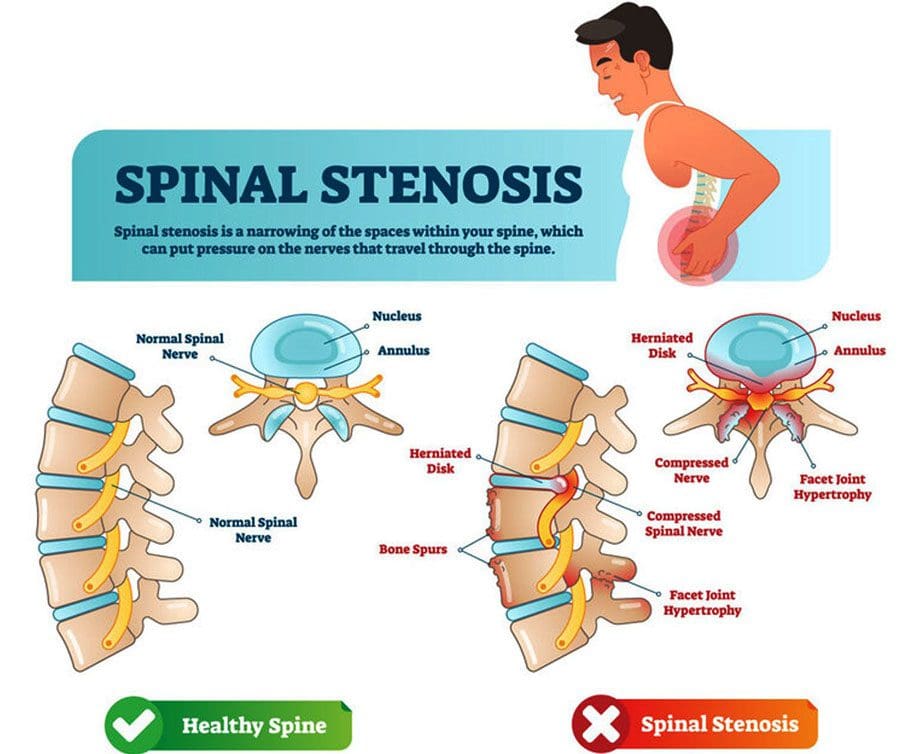
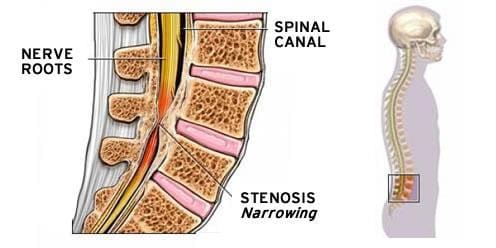
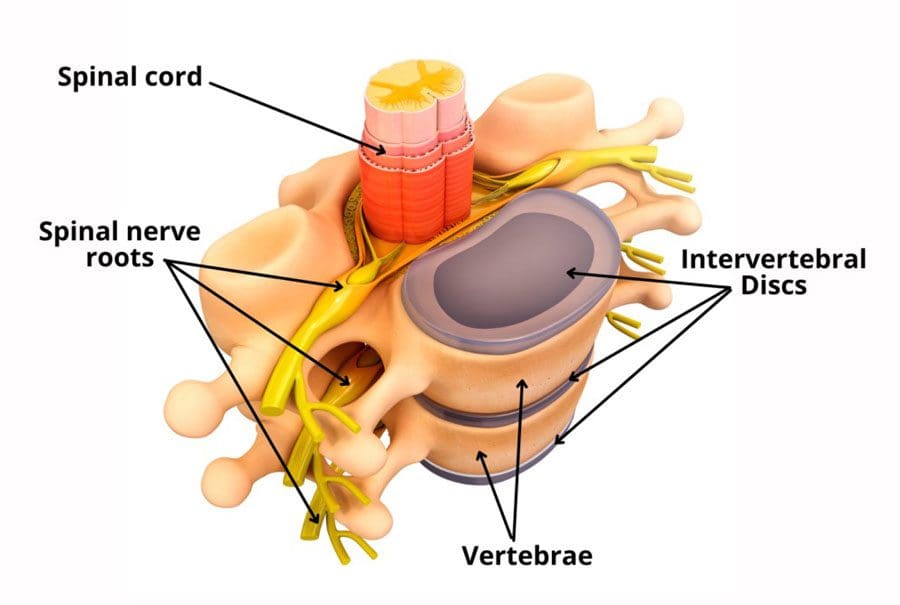
Sciatica is the usual suspect when thigh, hip, buttock, calf, or total leg pain or other sensations are present; however, it could be spinal stenosis with neurogenic claudication. Spinal stenosis is sometimes called pseudo claudication, a narrowing of the space around the low back, which can put pressure on the spinal cord directly and compress the blood vessels around the spine, cutting off oxygen-carrying blood. Pain can start in the lower back and circulate down the legs and cause weakness, tingling, or numbness in the legs and feet. The most common areas of spinal compression include:
The foramen are the openings on the sides of the spine where nerves exit and connect to the peripheral nervous system.
The narrowing can occur in any of these areas, with the most common cause being lumbar spinal stenosis brought on by lumbar degenerative disease.
Symptoms
The most common symptoms of neurogenic claudication include:
Pain in the lower extremities, including the buttocks, thighs, and calf, only manifests with activities like walking or standing around.
Pain that shows up equally on both sides.
There is no pain when sitting or not walking around.
Radiculopathy or nerve pain that radiates down an affected limb. Sciatica is a typical example.
However, the symptoms of claudication and radiculopathy are different.
Claudication will be felt all along the length of the nerve.
Radiculopathy pain is more localized to the buttock, thighs, and calves and can get worse with activity and is generally present even when at rest.
Treatment
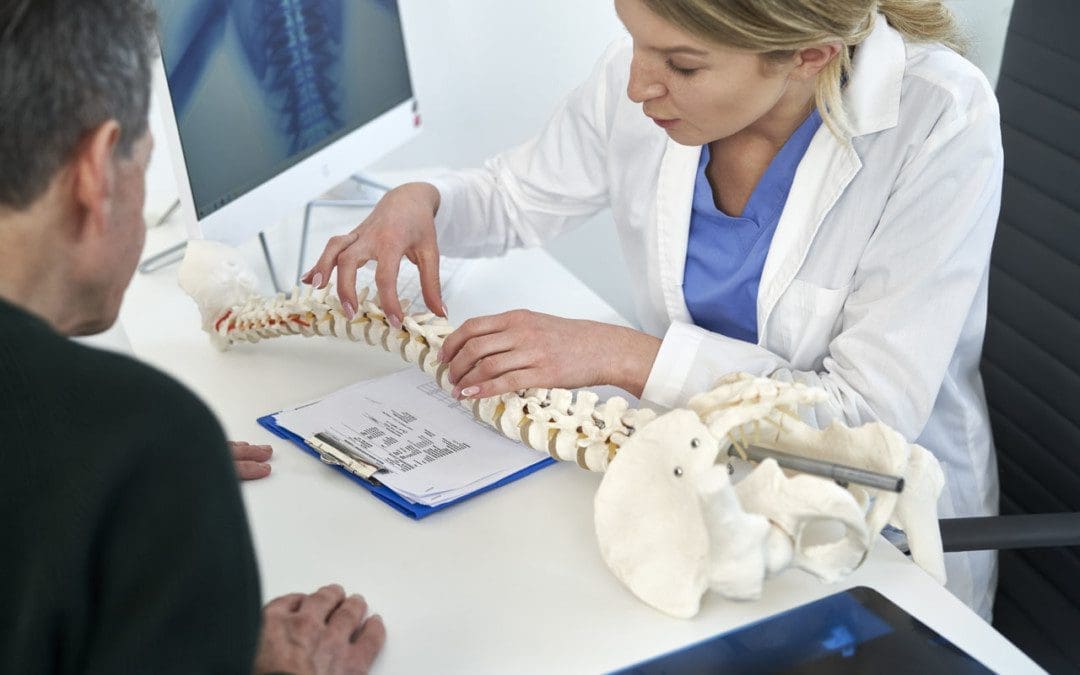
Non-surgical treatment of neurogenic claudication includes medication to help control pain, chiropractic manual therapy, non-surgical spinal decompression, physical rehabilitation therapy, and steroid shots to reduce inflammation. A doctor will recommend stretching, strengthening exercises, and types of activities to help improve the body’s ability to support itself. This could include swimming, walking, and stationary cycling. However, conservative treatment might not be an option for individuals with more severe cases. If conservative treatment options don’t work, surgery could be recommended. A healthcare provider can help explain treatment options. Successful outcomes have been seen in cases that are diagnosed and treated early.
Non-Surgical Spinal Decompression Chiropractor
References
Colak, Ahmet, et al. “A less invasive surgical approach in the lumbar lateral recess stenosis: a direct approach to the medial wall of the pedicle.” The European spine journal: official publication of the European Spine Society, the European Spinal Deformity Society, and the European Section of the Cervical Spine Research Society vol. 17,12 (2008): 1745-51. doi:10.1007/s00586-008-0801-z
Munakomi S, Foris LA, Varacallo M. Spinal Stenosis And Neurogenic Claudication. [Updated 2022 Feb 12]. In: StatPearls [Internet]. Treasure Island (FL): StatPearls Publishing; 2022 Jan-. Available from: https://www.ncbi.nlm.nih.gov/books/NBK430872/
The spine is located in the back of the body, ensuring that it’s standing, on the move constantly, and resting when needed. This S-shaped curve helps protect the spinal cord from various injuries and helps transmit the signals from the brain and throughout the rest of the body. When injuries start to affect the spinal cord, it can lead to many chronic issues affecting the spine, neck, and lower back. Fortunately, there are available treatments that help alleviate spinal problems in the body, therefore providing relief for the individual. Today’s article emphasizes spinal stenosis, how it affects the spine, and how decompression can help restore the spine for many suffering individuals. Patients are referred to qualified, skilled providers who specialize in spinal decompression therapy. We go hand in hand with our patients by referring them to our associated medical providers based on their examination when it’s appropriate. We find that education is valuable for asking crucial questions to our providers. Dr. Jimenez DC provides this information as an educational service only. Disclaimer
Can my insurance cover it? Yes, it may. If you are uncertain, here is the link to all the insurance providers we cover. If you have any questions or concerns, please call Dr. Jimenez at 915-850-0900.
What Is Spinal Stenosis?
Have you felt radiating pain traveling along your back? How about muscle weakness in certain parts of your body? Do you feel weird sensations on your legs, neck, or lower back? These are signs that you could be encountering spinal stenosis along your spine, causing these symptoms. Research studies have defined spinal stenosis as a frequent condition in the cervical and lumbar portions of the spine that compressed the nerve roots connected to the spinal column. Spinal stenosis usually occurs when a person has experienced traumatic injuries and degenerative changes that affect the spinal canal either with mechanical force or spinal issues like disc herniation. Additional information has found that when many people are suffering from spinal stenosis, it can become progressively worse if it is not treated beforehand and can cause symptoms affecting the spine. Some of the signs that spinal stenosis can cause to a person depending on how severe it has affected their spine; which can include:
Radiating pain goes from dull to electric-shooting pain depending on the area in which spinal stenosis occurs.
Pins and needles sensations run from the legs, arms, or neck that occasionally flare-up.
Numbness that affects the arms and legs
Muscle weakness reduces the motor functions of the legs and arms while causing coordination problems to the person.
How Does It Affect The Spine?
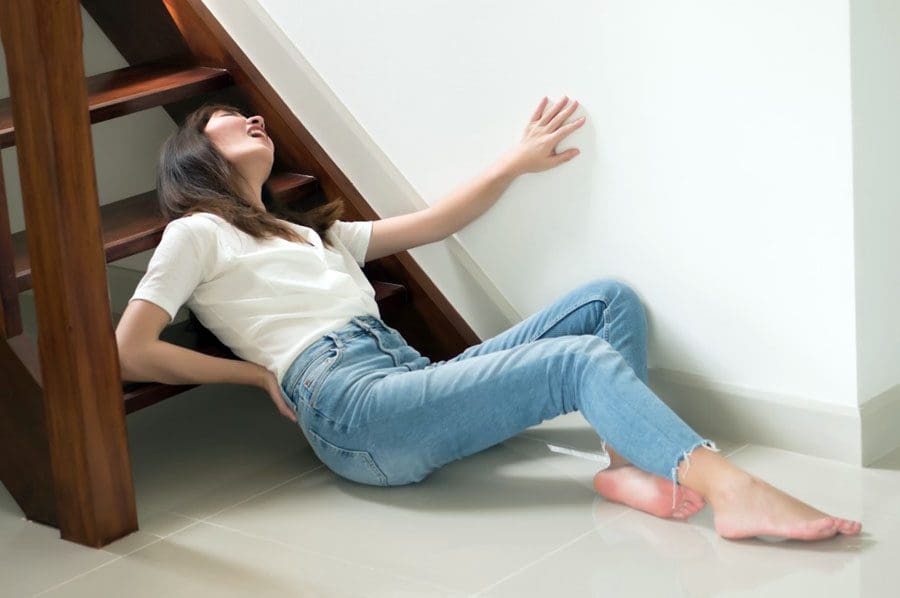
Since spinal stenosis causes nerve root compression and narrowing of the spinal canal, it can affect many people dealing with excruciating pain along their spine. Research studies have shown that when spinal stenosis affects the spine, it causes degeneration of the spinal discs between the spinal joints to become unstable, hypermobile, and even hypertrophy. What this does is that it reduces the spinal canal, causing intermittent neurogenic claudication, which makes a person lose their balance and fall. Additional research has shown that when intermittent neurogenic claudication is associated with spinal stenosis, it affects the nerve roots through mechanical compression. This results in factors like venous congestion, diminished arterial blood flow to the spine, and even decreased nerve root impulse conduction to the spinal column. All is not lost as there are available treatments for many people who suffer from spinal stenosis.
An Overview On Spinal Stenosis-Video
Have you been feeling various pains that range from dull to excruciating along your back? Do you feel muscle weakness located in the arms or legs? Or have you been experiencing weird tingling sensations that cause numbness to your arms or legs? These are symptoms of spinal stenosis and can affect your overall health while causing you pain. Fortunately, spinal decompression might be the answer that you are seeking. The video above explains the causes of spinal stenosis and how to treat them non-surgical. Spinal decompression helps the spinal column gently move and stretch the spinal discs back to their position and restore their original functionality. This will cause the spinal canal to be relieved and alleviate the symptoms affecting the spine’s motor functions. Not only that, but many suffering individuals will notice that other issues like back, neck, and leg pain are reduced in their bodies. Spinal decompression for alleviating spinal stenosis has given many beneficial factors for people that need relief. This link will explainhow spinal decompression offers impressive results for many individuals who suffer from spinal stenosis or other spinal issues.
How Decompression Help Restore The Spine
With many treatments available for relieving spinal stenosis, research shows that non-surgical treatments like physiotherapy and spinal decompression can help reduce the pain symptoms caused by spinal stenosis and help improve the functionality back to the legs and lower back. Decompression does to the spine because it uses mechanical and manual traction to help loosen the stiff muscles and cause tension to reset the spinal discs back in place. Additional research has also shown that laminectomy, a form of surgical decompression, has been used to alleviate spinal stenosis by releasing the neural structures affected along the spine. With these treatments, many suffering individuals will feel much better and slowly regain their sense of purpose in the world without being in pain.
Conclusion
The spine helps the body protect the spinal cord while keeping it standing straight. When some injuries or issues affect the spine, it can lead to spinal problems like spinal stenosis. Spinal stenosis occurs when the nerve roots are compressed and narrow the spinal canal. The symptoms that spinal stenosis causes to the body can affect the sensory and motor functions to cause numbness and various pain ranging from dull to sudden sharp pain. Therefore, with decompression therapy, many individuals will feel relief from spinal stenosis as the spinal column becomes wider and allows the spinal discs to return to their proper position. Many people who use decompression treatments will feel much better and notice that their functionality is coming back, so they can keep on moving.
Estefan, Martin, and Gaston O Camino Willhuber. “Laminectomy.” In: StatPearls [Internet]. Treasure Island (FL), StatPearls Publishing, 1 May 2022, https://www.ncbi.nlm.nih.gov/books/NBK542274/.
Lee, Seung Yeop, et al. “Lumbar Stenosis: A Recent Update by Review of Literature.” Asian Spine Journal, Korean Society of Spine Surgery, Oct. 2015, https://www.ncbi.nlm.nih.gov/pmc/articles/PMC4591458/.
Lurie, Jon, and Christy Tomkins-Lane. “Management of Lumbar Spinal Stenosis.” BMJ (Clinical Research Ed.), British Medical Journal Publishing Group, 4 Jan. 2016, https://www.ncbi.nlm.nih.gov/pmc/articles/PMC6887476/.
Munakomi, Sunil, et al. “Spinal Stenosis And Neurogenic Claudication.” In: StatPearls [Internet]. Treasure Island (FL), StatPearls Publishing, 12 Feb. 2022, https://www.ncbi.nlm.nih.gov/books/NBK430872/.
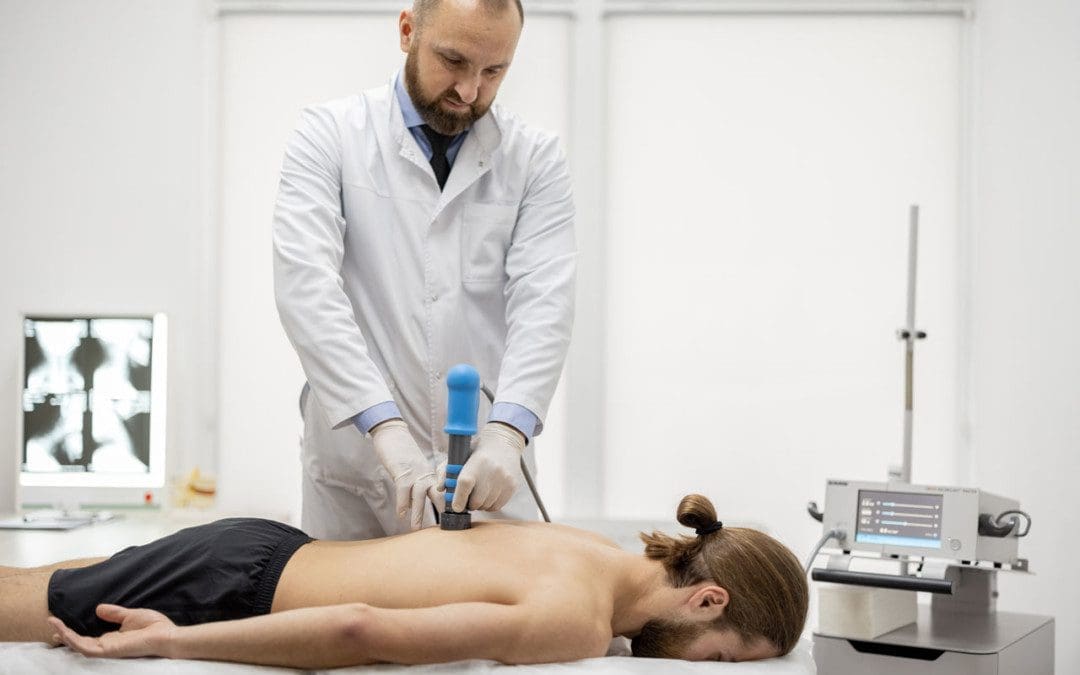
Injury Medical Spinal Decompression: Spinal decompression therapy/treatment can be surgical or non-surgical, with differences in the procedure, recovery time, and results. Individuals who experience compression-related problems can have severe and prolonged spinal conditions that can lead to various health issues. Individuals experiencing persistent or chronic neck, back, or leg pain should know the differences between surgical and non-surgical spinal decompression. Spinal decompression aims to relieve pressure on the discs and reduce stress on the nervesto eliminate the pain associated with compression on the spine,restoring optimal circulation and improving spinal function.
Surgical Procedure
It is invasive, must be performed by a surgeon, and can have a recovery time of up to 6 weeks.
Surgery is usually suggested as a last resort after alternative therapies have not succeeded or when the compression is so severe that surgery is the only option.
Surgical spinal decompression is directed towards removal to reduce pressure instead of adjusting or stretching the discs.
In cases of severe nerve compression, surgery can be an effective option.
Risks include infection, damage to the spinal cord, and blood clots.
Types of Spinal Decompression Surgery
Types of surgeries; spinal fusion could be necessary to stabilize the spine. Common types of back surgery:
Discectomy
This procedure removes a portion of the disc to relieve pressure on nerves.
Laminotomy
The procedureremoves a small portion of the bone or a section of the bony arch to increase the size of the spinal canal and relieve pressure.
Laminectomy
The procedureremoves theentire bony arch or lamina to increase the size of the spinal canal and relieve pressure.
Foraminotomy
This procedure removes bone and other tissue to widen the openings for the nerve roots to pass through.
The procedure removes a vertebral body along with discs.
Injury Medical Spinal Decompression
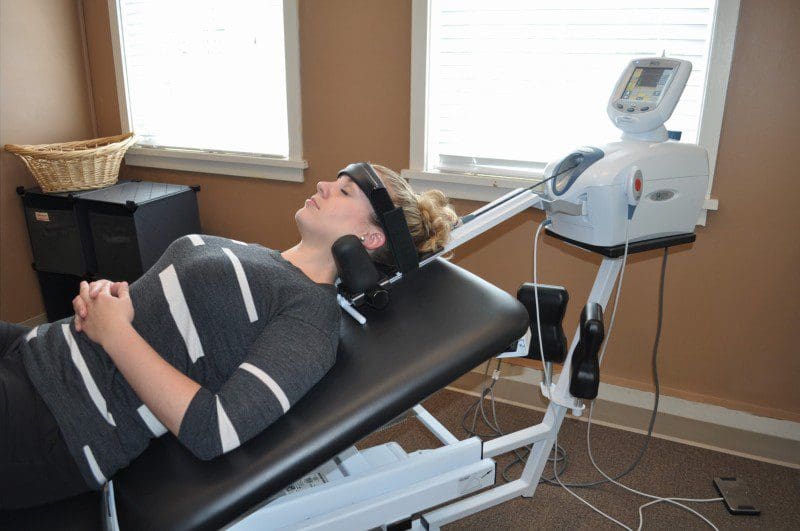
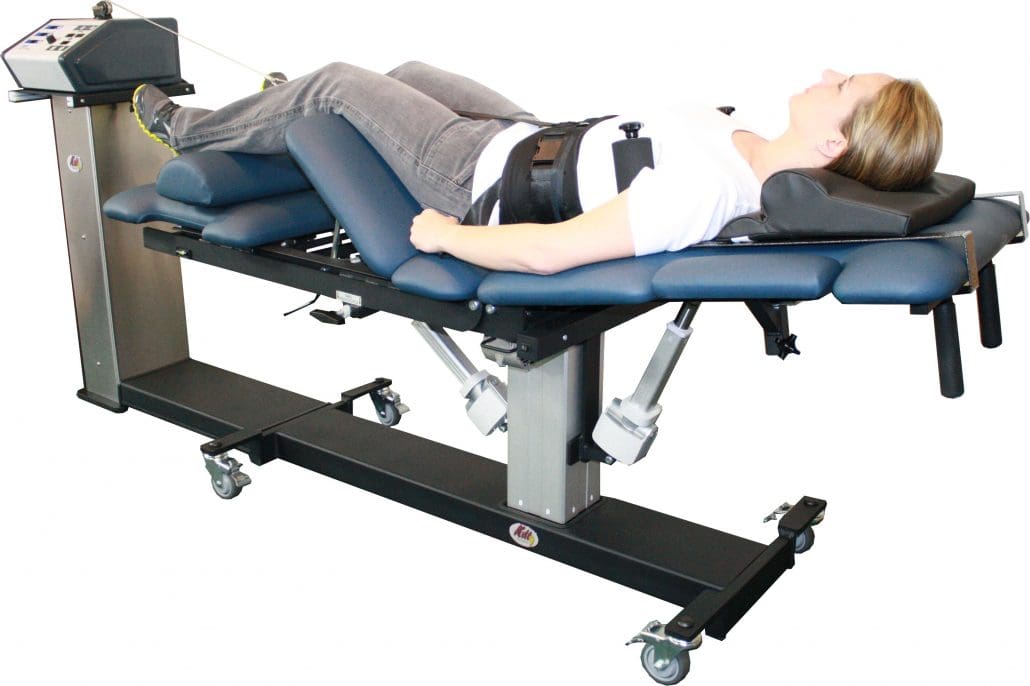
Surgery for a damaged/injured spine is not always necessary. Treatment regimes vary depending on each individual’s medical condition. Non-surgical motorized spinal decompression is a non-invasive back treatment that uses a mechanized decompression table to slowly and gently stretch the spine. The therapy gradually relieves the pressure on the compressed nerve root/s resulting in reduced or complete alleviation of pain.
Oxygen, water, and nutrients circulate abundantly, promoting healing as the discs re-hydrate, and are re-nourished, improving and enhancing spine function. Individuals can enjoy increased levels of mobility, strength in the spine and muscles, and more flexibility.
Descompresión Espinal Con La DRX9000
References
American Spinal Decompression Association: “Spinal Decompression Therapy.”
Daniel, D.M. Chiropractic and Osteopathy, 2007.
Macario, Alex, and Joseph V Pergolizzi. “Systematic literature review of spinal decompression via motorized traction for chronic discogenic low back pain.” Pain practice: the official journal of World Institute of Pain vol. 6,3 (2006): 171-8. doi:10.1111/j.1533-2500.2006.00082.x
O’Hara K, editor. Decompression: a treatment for back pain. Vol. 11. National Association of Healthcare Professionals; 2004. pp. 1-2.http://www.naohp.com/menu/publications/mccu/bibliography.htm#10 [Google Scholar]
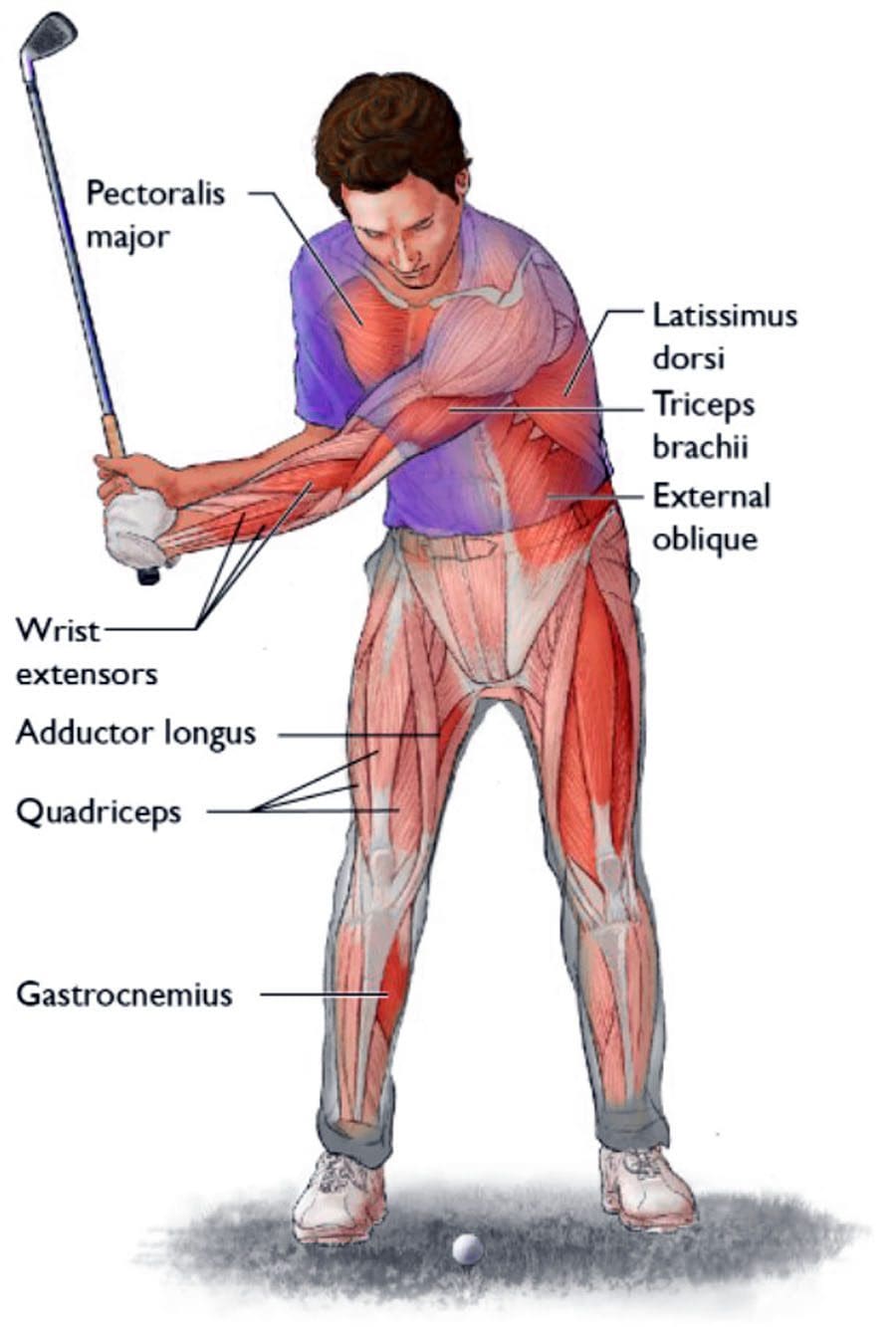
Golfing Back Injuries: Golf is an enjoyable game that can be played at all ages. It involves the foundation of the body’s range of motion, the spine. Because of the repetitive nature of a golfer’s unique swing, the repetitive rotating/twisting of the spine slowly degrades the integrity of the spinal discs causing them to bulge, herniate, or rupture. The slightest shift causing misalignment can leave the spine vulnerable to further injury. Non-surgical motorized decompression combined with chiropractic musculoskeletal adjustments can restore and maintain optimal health.
Golfing Back Injuries
Golfing involves muscle memory. Going through the walk, bending to tee the ball, recoiling for the swing, swinging and following through, walking to the hole, and bending down to retrieve the ball are all repetitive motions that can lead to:
Soreness
Inflammation
Back, hip, leg, and foot pain.
Strains
Other injuries to the muscles and discs.
The bending and twisting are the least tolerated motions by the spine. More than half of injuries sustained involve the back and/or neck. Having the spine correctly aligned is vital to retaining accuracy, power, and injury prevention. Common injuries include:
Sacroiliac Joint/SI Joint Dysfunction
The sacroiliac joint is located between the spine and the hip. Symptoms of sacroiliac joint pain include:
Low back pain.
Hip pain
Pain in the buttocks.
Pain radiating down the legs.
Groin pain
Pelvis pain
Burning sensation in the pelvis.
Numbness and weakness in the pelvis and legs.
SI Joint Pain Causes
The sacroiliac joint requires supported stability when transferring a load from the torso to the legs, specifically during the swing.
If there is compression, misalignment, or weakness, the motion will begin to wear away this stability and leave the sacroiliac joint open to further injury.
Sacroiliac joint injuries often occur from minor multi-incidents and not one major trauma.
With time the SI joint becomes misaligned, exposing the cartilage between joints, causing inflammation known as Sacroiliitis.
Facet Joint Syndrome
The facet joints are located between two vertebrae, allowing the ability to bend and twist.
Healthy facet joints have cartilage all around them, allowing the vertebrae to move smoothly in all directions.
Facet joint syndrome causes pain between the vertebrae.
Facet Joint Syndrome Causes
The leading cause of facet joint syndrome is excessive and repetitive swing movement.
Misalignment can expose and irritate the joints, causing pain, swelling, and inflammation.
Multi-micro-traumas and not one major trauma are often the cause of injury/s.
Muscle spasms are common.
Symptoms
Highly reduced range of motion
Muscle pain
Numbness
Weakness
Cervical Facet Syndrome affects the neck, shoulders, arms, and hands.
Lumbar Facet Syndrome affects the buttocks, legs, and feet.
The treatment is computer-controlled to provide gentle and painless decompression.
The therapist enters the program cycle.
The decompression table goes through brief moments of pulling and relaxing.
The spine’s bones are stretched slowly and methodically.
As the vertebrae are separated, a vacuum is formed, pulling the gel-cushion center of the disc back inside, removing the pressure on the spinal nerves and alleviating pain and disability.
The vacuum also draws oxygen and nutrients into the injured and degenerated discs to optimize healing.
DRX 9000
Long Term Success
References
Cole, Michael H, and Paul N Grimshaw. “The Biomechanics of the Modern Golf Swing: Implications for Lower Back Injuries.” Sports medicine (Auckland, N.Z.) vol. 46,3 (2016): 339-51. doi:10.1007/s40279-015-0429-1
Dydyk, Alexander M., et al. “Sacroiliac Joint Injury.” StatPearls, StatPearls Publishing, 4 August 2021.
Hosea, T M, and C J Gatt Jr. “Back pain in golf.” Clinics in sports medicine vol. 15,1 (1996): 37-53.
Lindsay, David M, and Anthony A Vandervoort. “Golf-related low back pain: a review of causative factors and prevention strategies.” Asian journal of sports medicine vol. 5,4 (2014): e24289. doi:10.5812/asjsm.24289
Smith, Jo Armour, et al. “Risk Factors Associated With Low Back Pain in Golfers: A Systematic Review and Meta-analysis.” Sports health vol. 10,6 (2018): 538-546. doi:10.1177/1941738118795425
The body goes through many different scenarios when it can twist, turn, bend, and move without any pain that can affect it, while the spine ensures that the body stays upright. When a person has a pulled muscle or suffers from an injury, their back will suffer the most as back pain is considered standard for many individuals and the most expensive. Many individuals who suffer from back pain will go to their primary physicians to alleviate their back pain symptoms and get out of work to recover from their back injury. When the back gets injured from an accident or a pulled muscle, the spine also gets affected as it can lead to spinal inflammation. Luckily, some treatments can help alleviate back pain and spinal inflammation, and decompression therapy can be the answer. Today’s article will take a look at spinal inflammation, how it can affect the back, and how decompression therapy can help with spinal inflammation. By referring patients to qualified and skilled providers specializing in spinal decompression therapy. To that end, and when appropriate, we advise our patients to refer to our associated medical providers based on their examination. We find that education is the key to asking valuable questions to our providers. Dr. Alex Jimenez DC provides this information as an educational service only. Disclaimer
Can my insurance cover it? Yes, it may. If you are uncertain, here is the link to all the insurance providers we cover. If you have any questions, please call Dr. Jimenez at 915-850-0900.
What Is Spinal Inflammation?
Have you ever felt your lower back become hot and tender to the touch in certain areas? How about the excruciating pain that feels better after switching positions to alleviate the pain? Or how about your spinal disc is compressed, and it causes you to be in constant pain? This is due to spinal inflammation, and it can cause a variety of back and spinal issues in the individual, causing them a type of pain. Inflammation in the body can be both beneficial and a significant problem for the body as it can come in two forms: acute and chronic. Acute inflammation can help heal the affected area, lasting a few minutes to a few hours. Chronic inflammation can cause various issues that can cause a person to be in constant pain. For the spine, inflammation is caused by back pain and can make a person’s life miserable. When degenerative and inflammatory diseases affect the spine, research studies have stated that chronic inflammation can contribute to intervertebral degeneration and cause the production of inflammatory mediators in the spine.
When the spinal cord gets injured, it can cause significant complications for the individual and affect their mobility. Research studies have found that the inflammatory process from a spinal cord injury can destroy neuronal and glial cells on the spine, cause damage to expand in the spine, and cause paralysis of the spine. The inflammatory cytokines from the immune system will cause toxic metabolites to cause further tissue damage to the spinal cord. Other research studies have also found that when the spinal cord has suffered from an injury, inflammation can cause the spinal cord to be provoked and changes within the spine.
How Does It Affect The Back?
Since spinal cord injuries cause spinal inflammation, they can affect the back. The spine’s main job is to make sure that the back can function when it is in motion with any injuries. When the spinal cord gets injured, it does affect the back causing chronic issues. Research studies have shown that pain usually occurs in the lumbar spine when a person suffers from back pain, and inflammation can be associated with ankylosing spondylitis. Inflammatory back pain is defined as inflammatory pain found on the axial spine and the sacroiliac joints, causing radiating pain from the lower back to the buttocks and causing muscle stiffness.
Low Back Decompression Therapy-Video
Are you feeling any muscle tenderness in your lower back? How about radiating pain from the lower back to the buttocks? Or is chronic inflammation affecting your back? If you are experiencing any of these, why not try decompression therapy? Decompression therapy allows many individuals suffering from low back pain to feel instant relief. Decompression utilizes traction on the spine through gentle stretching and allows the beneficial nutrients to come and repair the compressed discs. This will allow the spine to relax and take the pressure off the nerve roots and increase the disc height. Decompression therapy can help alleviate back pain symptoms and reduce inflammation in the body. If you want to learn more about decompression therapy, this link will explain its benefits and how it can alleviate symptoms caused by spinal inflammation.
How Does Decompression Help With Spinal Inflammation?
Many non-surgical treatments help many individuals suffering from low back pain and joint inflammation. Some of these treatments include chiropractic adjustments, massages, and physical therapy. However, spinal decompression therapy is one non-surgical treatment that helps alleviate low back pain. Spinal decompression therapy is defined as a gentle stretching of the spine. Research studies have stated that adjusting the direction angle of the traction can provide negative pressure on the intervertebral discs, causing relief to the spine and lowering the inflammatory markers that are causing pain. Spinal decompression therapy allows the compressed spinal discs to decompress and increase their height in the spinal column. Other research studies have found that when herniated discs start to cause inflammatory responses to the low back, decompression therapy can stretch the herniated disc, causing them to release the pressure off the nerve root and reduce the inflammatory responses.
Conclusion
Overall, inflammation can affect the back in two ways. It can be beneficial in its acute form or harmful in its chronic condition. When inflammation is established, it can cause low back pain and spinal issues that hinder a person’s quality of life. Many individuals who suffer from inflammation become miserable and try to find ways to alleviate the pain. Luckily decompression therapy allows many suffering individuals to feel instant relief from inflammatory low back pain. Decompression therapy uses negative pressure on the spine, allowing it to be decompressed and taking the pressure off the nerve root that’s causing the person to be in pain. Incorporating decompression therapy as part of a person’s wellness journey can bring their sense of belonging back to their lives.
References
Choi, Jioun, et al. “Influences of Spinal Decompression Therapy and General Traction Therapy on the Pain, Disability, and Straight Leg Raising of Patients with Intervertebral Disc Herniation.” Journal of Physical Therapy Science, The Society of Physical Therapy Science, Feb. 2015, https://www.ncbi.nlm.nih.gov/pmc/articles/PMC4339166/.
Fleming, Jennifer C, et al. “The Cellular Inflammatory Response in Human Spinal Cords after Injury.” Brain : a Journal of Neurology, U.S. National Library of Medicine, Dec. 2006, https://pubmed.ncbi.nlm.nih.gov/17071951/.
Kang, Jeong-Il, et al. “Effect of Spinal Decompression on the Lumbar Muscle Activity and Disk Height in Patients with Herniated Intervertebral Disk.” Journal of Physical Therapy Science, The Society of Physical Therapy Science, Nov. 2016, https://www.ncbi.nlm.nih.gov/pmc/articles/PMC5140813/.
Lassiter, William, and Abdallah E Allam. “Inflammatory Back Pain – Statpearls – NCBI Bookshelf.” In: StatPearls [Internet]. Treasure Island (FL), StatPearls Publishing, 21 Nov. 2021, https://www.ncbi.nlm.nih.gov/books/NBK539753/.
Molinos, Maria, et al. “Inflammation in Intervertebral Disc Degeneration and Regeneration.” Journal of the Royal Society, Interface, The Royal Society, 6 Mar. 2015, https://www.ncbi.nlm.nih.gov/pmc/articles/PMC4345483/.
Zhang, Ning, et al. “Inflammation & Apoptosis in Spinal Cord Injury.” The Indian Journal of Medical Research, Medknow Publications & Media Pvt Ltd, Mar. 2012, https://www.ncbi.nlm.nih.gov/pmc/articles/PMC3361863/.
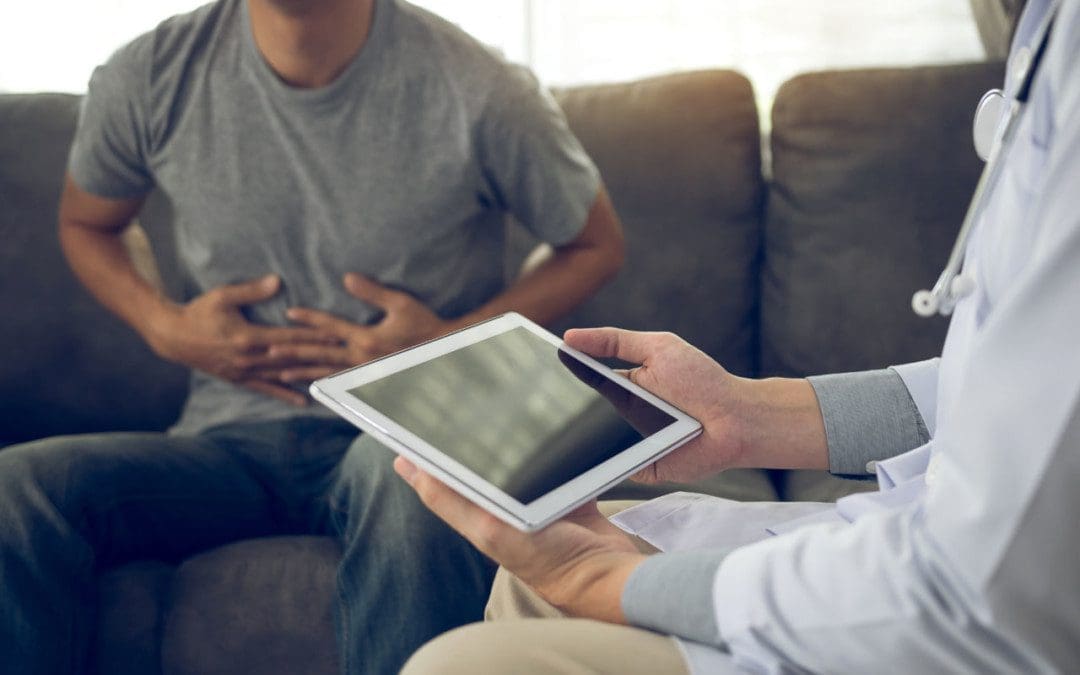
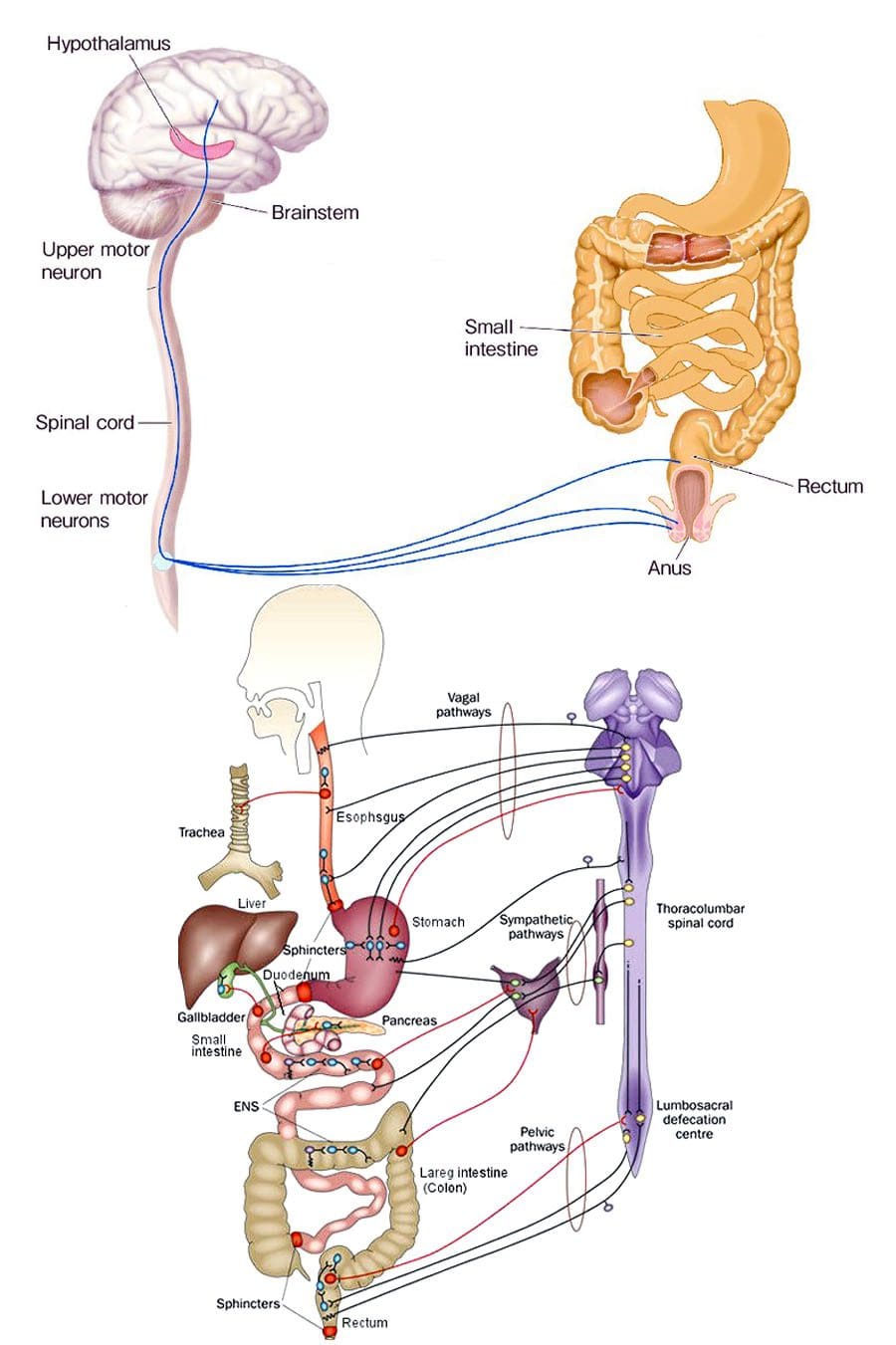
Spinal decompression and Digestion. No one wants to worry about stomach issues. A rich and unhealthy diet can cause digestive issues, stomach pain, and back pain. This can turn into a severe chronic condition; studies have found links between spinal problems and gastrointestinal tract symptoms, which include:
Abdominal pain that radiates.
Constipation.
Difficulty controlling bowel movements.
Diarrhea.
Nausea.
Vomiting.
Chiropractic treats the spine that is essential to the function of the central nervous system, which is responsible for digestion. When the nervous system is not functioning correctly, the other systems begin to malfunction. Chiropractic manual and motorized spinal decompression can help with digestion by releasing trapped gas from joints while improving blood circulation that is natural and non-invasive.
Spinal Decompression and Digestion
Spinal alignment and digestion are closely connected. The nerves in the thoracic and lumbar regions affect digestion. When the spine is out of alignment, it stresses the nerves. Nerves that are pinched or constricted are inhibited/disrupted from sending the proper signals to the digestive system. This can lead to new or worsening digestive problems. Spinal conditions that can cause digestive issues:
Herniated discs
Ankylosing spondylosis
Spinal cord injuries
Tumors
Studies have found that digestive issues, including discomfort, heartburn, and bloating, have decreased with regular chiropractic and spinal decompression and decreased constipation and irregular bowel movements. This comes from chiropractic reactivating the body’s natural ability to heal itself.
Increased Circulation
When the spine gets decompressed, it opens up the spine to circulate fluids throughout the body.
This flushes the lymphatic system, increasing the immune system’s function.
Increasing the circulation also provides additional oxygen and nutrients to the brain, improving signaling, memory, and concentration.
Improved Digestion
Poor posture compresses the abdomen and cramps the space the gastrointestinal tract needs to process food properly.
Decompressing the spine and correcting posture allows room for the muscles to contract, expand, and properly circulate waste.
Bowel Program
Treatment focuses on preventing further injuries and helping improve the individual’s quality of life. A doctor, chiropractor, health coach, or nutritionist can recommend a bowel program to help retrain the body to maintain regular bowel movements. These programs are personalized to the individual’s specific condition that takes into account:
Level of the spine injury or condition
Food and drink intake
Bowel movement pattern
Digestive problems
General health
Individual preferences
A bowel program sets up the timing of food intake, fluid intake, medications, and techniques to help bowel movements. The objective is to prevent spontaneous bowel movements, help pass stools regularly, and empty the rectum daily.
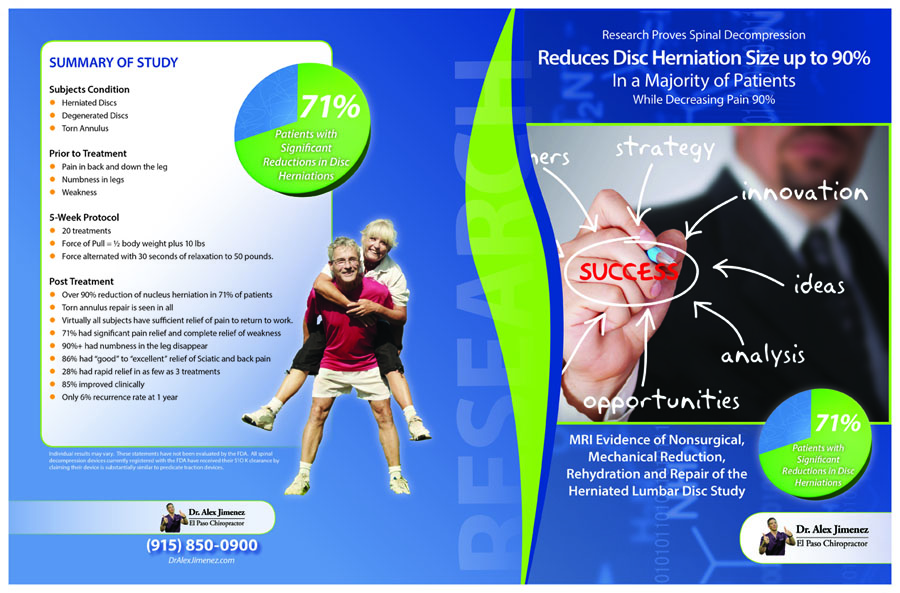
Spinal Decompression Reduced Disc Herniation UP To 90%
DRX9000 Decompression Treatment
References
Browning, Kirsteen N, and R Alberto Travagli. “Central nervous system control of gastrointestinal motility and secretion and modulation of gastrointestinal functions.” Comprehensive Physiology vol. 4,4 (2014): 1339-68. doi:10.1002/cphy.c130055
Holmes, Gregory M, and Emily N Blanke. “Gastrointestinal dysfunction after spinal cord injury.” Experimental neurology vol. 320 (2019): 113009. doi:10.1016/j.expneurol.2019.113009
Kehl, Amy S et al. “Relationship between the gut and the spine: a pilot study of first-degree relatives of patients with ankylosing spondylitis.” RMD open vol. 3,2 e000437. 16 Aug. 2017, doi:10.1136/rmdopen-2017-000437
Lara, Francisco Javier Pérez et al. “Chronic abdominal syndrome due to nervous compression. Study of 100 cases and proposed diagnostic-therapeutic algorithm.” Journal of gastrointestinal surgery: official journal of the Society for Surgery of the Alimentary Tract vol. 19,6 (2015): 1059-71. doi:10.1007/s11605-015-2801-8
Spinal stress can affect nerve health. Neuropathy happens when disease or damage is sustained in the nerves that transmit messages from the brain through the spinal cord to the whole body. The source of the damage can be inside the spine, where a herniated disc could be squeezing the nerves, impeding or completely blocking blood circulation until deterioration begins to disease or damage nerve receptors. Removing the pressure from the spine and reversing the stress on the nerves can be done through manual or motorized spinal decompression.
Spinal Stress and the Nerves
The peripheral nervous system is comprised of three types of nerves that are directly influenced by the central nervous system, each with a distinct function which is why there is a wide range of symptoms associated with neuropathy. The types of nerves include:
Sensory nerves receive sensations from the skin like heat, cold, pleasure, and pain.
Spinal nerves contain sensory and motor fibers giving them sensory and motor functions. The spinal nerves receive sensory messages from the skin, internal organs, and bones. Any disruption from a bent, crushed, or entangled nerve group will not allow proper blood circulation and message transmission, causing delayed responses, tingling, numbness, and pain. If left untreated, it could cause permanent damage that can lead to chronic pain. Decompression therapy accelerates healing as it floods the spine with blood, oxygen, and nutrients.
Peripheral nerves originate from the spinal cord and extend a network of lines throughout the body called dermatomes. Injury to one dermatome can radiate/spread out to other dermatomes and the peripheral areas like the hands and feet. Once communication with the brain is compromised, results can lead to sensations like numbness and severe pain. Several factors can result in peripheral neuropathy, including:
Gordon, Tessa. “Peripheral Nerve Regeneration and Muscle Reinnervation.” International journal of molecular sciences vol. 21,22 8652. 17 Nov. 2020, doi:10.3390/ijms21228652
Menorca, Ron M G et al. “Nerve physiology: mechanisms of injury and recovery.” Hand clinics vol. 29,3 (2013): 317-30. doi:10.1016/j.hcl.2013.04.002
Wang, Mark L et al. “Peripheral nerve injury, scarring, and recovery.” Connective tissue research vol. 60,1 (2019): 3-9. doi:10.1080/03008207.2018.1489381
IFM's Find A Practitioner tool is the largest referral network in Functional Medicine, created to help patients locate Functional Medicine practitioners anywhere in the world. IFM Certified Practitioners are listed first in the search results, given their extensive education in Functional Medicine