For many individuals with low back pain, how does spinal decompression alleviate muscle stress as part of initial treatment?
Introduction
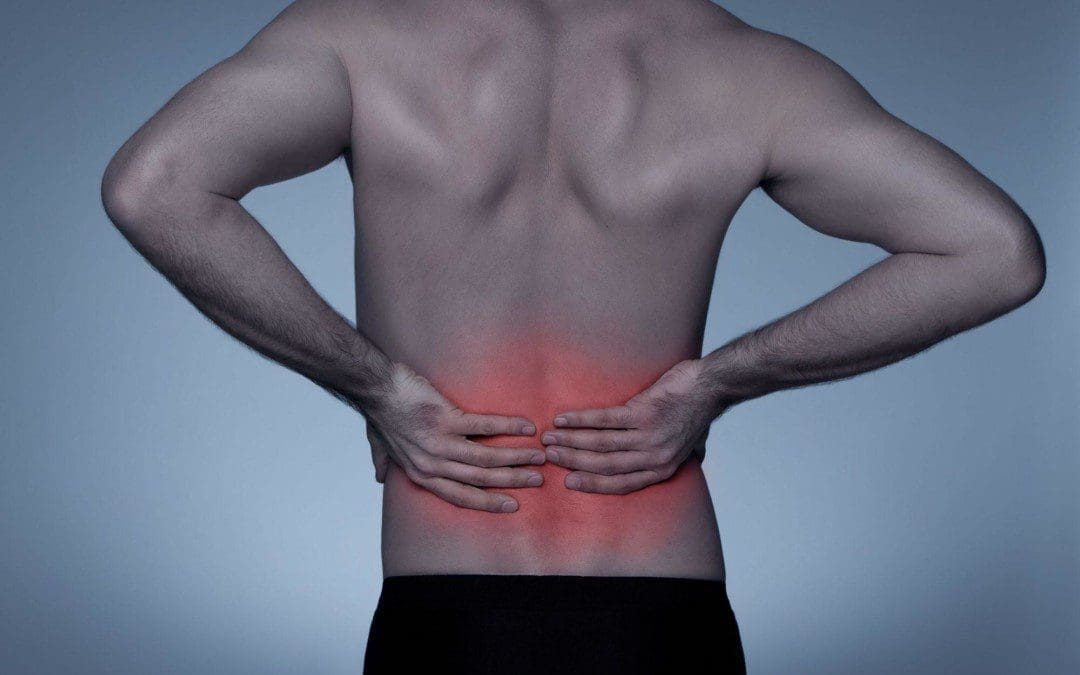
Many working individuals know that low back pain is a common problem that causes them to go to their primary doctor to get examined and miss out on work. Low back pain is a multifactorial musculoskeletal condition that causes overlapping risk profiles to affect the body’s lower extremities. Low back pain can correlate with musculoskeletal disorders like sciatica, abdominal pain, leg pain, and DDD (degenerative disc disease). It can range from acute to chronic, depending on the severity the individual is dealing with when it comes to pain. At the same time, low back pain can be non-specific or mechanical as the surrounding muscles, soft tissues, joints, and ligaments are affected and dealing with symptoms of muscle strain, unwanted pressure on the joint, causing stress, and muscle aches. Since the body and the spine naturally age, it causes more stress on the lower back as individuals begin to hunch over more when walking or carrying heavy objects, which causes more strain on the back muscles, leading them to a life of disability. Luckily, non-surgical treatments have become more available to reduce the effects of muscle stress associated with low back pain and alleviate the pain-like symptoms in the lumbar spine. Today’s article focuses on how numerous factors can cause muscle stress to the lower back and how spinal decompression can reduce its effects while alleviating low back pain. At the same time, we work hand-in-hand with certified medical providers who incorporate our patient’s information to treat and mitigate muscle stress on the lower back. We also inform them that non-surgical treatments like spinal decompression can help alleviate residual pain-like symptoms associated with low back pain and help them return to their daily activities. We encourage our patients to ask profound questions while seeking education from our associated medical providers about their pain-like issues. Dr. Alex Jimenez, D.C., incorporates this information as an educational service. Disclaimer
How Factors Cause Muscle Stress To The Low Back
Do you feel gradual or consistent pain in your lower back after carrying a heavy object from one location to another? Are you constantly taking medication for your low back pain to finish the workday? Or do you feel pain in your sciatic nerve that gets aggravated when you are in motion, and you feel relief when resting? Around the world, many people have dealt with low back pain and its associated symptom at some point. Since low back pain can be either specific or non-specific, pain can come from spinal issues that cause referred pain to a different body location or normal repetitive factors that cause discomfort to the surrounding soft tissues, muscles, and ligaments. Some symptoms correlating with low back pain include progressive motor or sensory issues, urinary retention, abnormal neurologic issues, spinal misalignment, or soft tissue abnormalities. (Will, Bury, & Miller, 2018) When many working individuals are dealing with non-specific low back pain, the surrounding soft tissues and muscles can become weak and overworked, which causes overlapping risk profiles and results in the development of low back pain.
Many working individuals with demanding jobs, whether physical or sedentary, will often strain their lumbar region from lifting/carrying heavy objects or being hunched over constantly at the computer. When a person continues to put repetitive stress on the surrounding muscles, it can cause chronic pain over time and become a major cause of work loss. (Becker & Childress, 2019) Low back pain can cause the individual to be more stressed since they are missing out on work. Low back pain can also be due to lumbar instability from the intervertebral disc and surrounding muscles and ligaments under constant pressure. (Hauser et al., 2022) Since the body and spine age over time naturally, many individuals dealing with low back pain will begin to feel their joints and muscle structures loosen over time, leading to musculoskeletal symptoms that prevent the spine from destabilizing. This can cause the individual to limit their ability to participate in daily activities and even reduce their quality of life. Luckily, non-surgical treatments can reduce the effects of low back pain while revitalizing the lumbar region so many people can continue their daily activities pain-free.
From Injury To Recovery-Video
When treating and reducing low back pain, many pain specialists like chiropractors and massage therapists can incorporate non-invasive treatments to ease low back pain. Non-invasive treatments like chiropractic care and spinal decompression can help reduce muscle stress on the lumbar region with mechanical or manual spinal manipulation and help relieve the affected lumbar area. Now spinal decompression and chiropractic care have a wonderful relationship as they use negative pressure on the intervertebral disc to increase nutrient flow back to the spine and help kick-start the body’s natural healing process. (Schimmel et al., 2009) These treatments are not only non-invasive, but they are also safe and cost-effective while being customizable to the person’s pain. The video above explains how these treatments can reduce soft tissue injuries and the effects of musculoskeletal pain on the lumbar region.
Spinal Decompression Reducing Muscle Stress From Low Back Pain
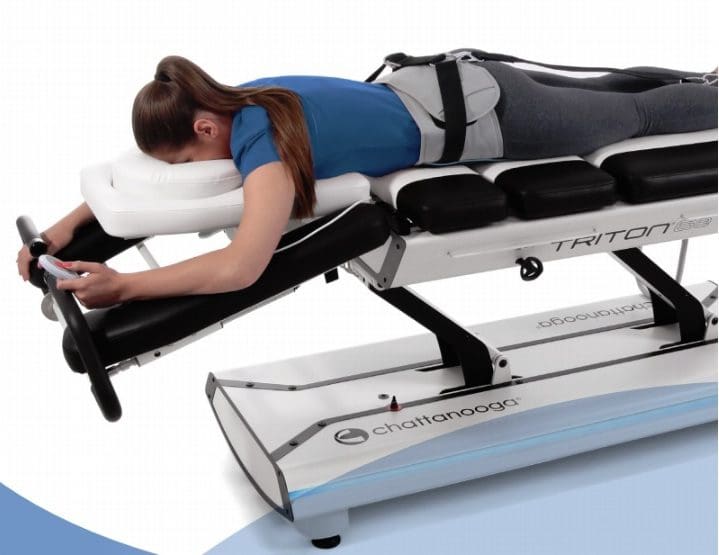
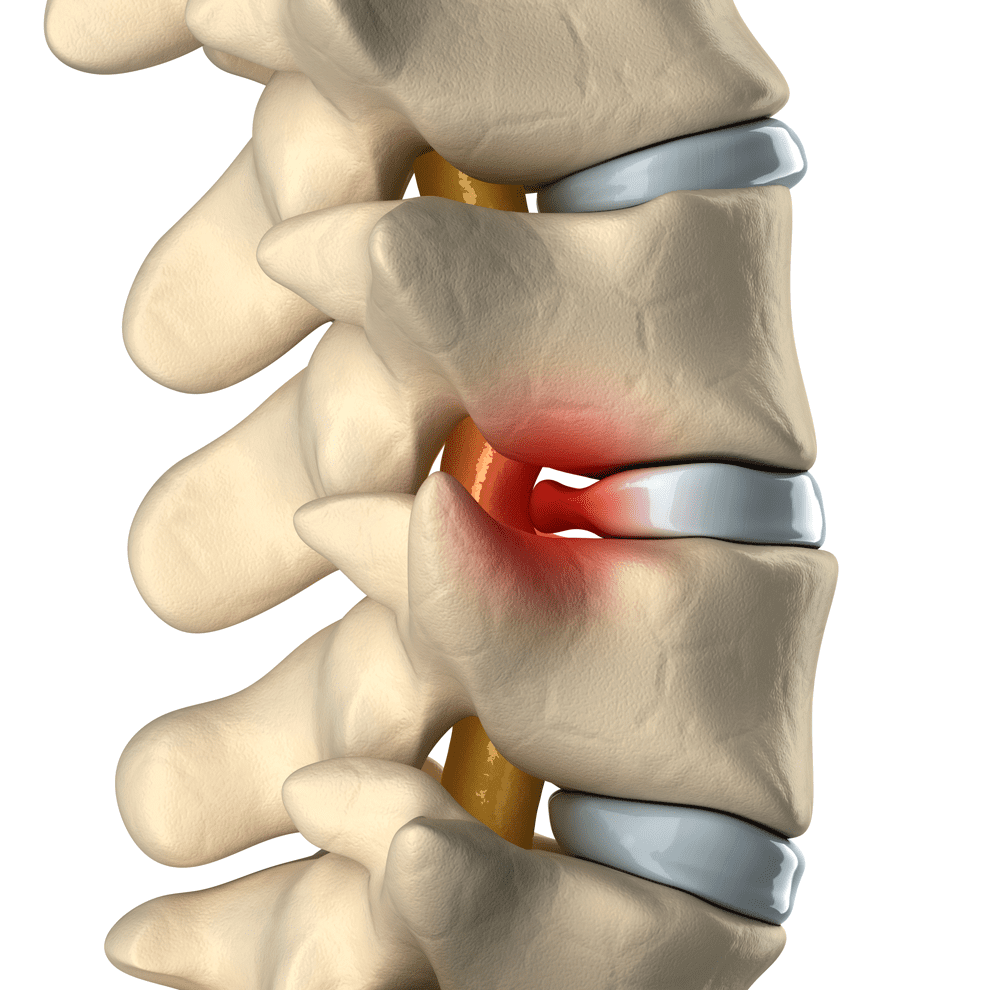
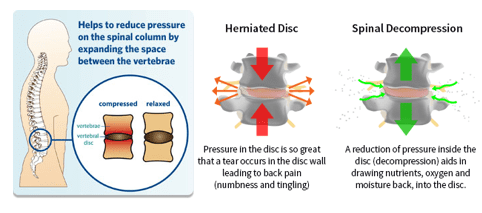
Non-surgical treatments like spinal decompression are incorporated into a person’s personalized health plan to reduce the effects of low back pain. Spinal decompression uses gentle traction on the spine to diminish the compressive load on the intervertebral disc to reduce herniation while stretching the lumbar spinal muscles and ligaments to decrease muscle spasms. (Sari et al., 2005) When individuals start to feel relief in their lower back due to spinal decompression as they begin to feel general improvement in the lumbar region. (Borman, Keskin, & Bodur, 2003) Since spinal decompression uses gentle traction on the spine, this gentle force can relieve radicular symptoms associated with the lower extremities. (Krause et al., 2000) Additionally, the effects of spinal decompression can be a positive experience for many individuals dealing with low back pain. (Pellecchia, 1994) When it comes to reducing low back pain, utilizing non-surgical treatments like spinal decompression can help improve mobility back to the individual and reduce the pain they were experiencing before. When people begin to think about their health and wellness, they can experience relief from the pain and get back to normalcy.
References
Becker, B. A., & Childress, M. A. (2019). Nonspecific Low Back Pain and Return To Work. American Family Physician, 100(11), 697-703. https://www.ncbi.nlm.nih.gov/pubmed/31790184
Borman, P., Keskin, D., & Bodur, H. (2003). The efficacy of lumbar traction in the management of patients with low back pain. Rheumatol Int, 23(2), 82-86. https://doi.org/10.1007/s00296-002-0249-0
Hauser, R. A., Matias, D., Woznica, D., Rawlings, B., & Woldin, B. A. (2022). Lumbar instability as an etiology of low back pain and its treatment by prolotherapy: A review. J Back Musculoskelet Rehabil, 35(4), 701-712. https://doi.org/10.3233/BMR-210097
Krause, M., Refshauge, K. M., Dessen, M., & Boland, R. (2000). Lumbar spine traction: evaluation of effects and recommended application for treatment. Man Ther, 5(2), 72-81. https://doi.org/10.1054/math.2000.0235
Sari, H., Akarirmak, U., Karacan, I., & Akman, H. (2005). Computed tomographic evaluation of lumbar spinal structures during traction. Physiother Theory Pract, 21(1), 3-11. https://www.ncbi.nlm.nih.gov/pubmed/16385939
Schimmel, J. J., de Kleuver, M., Horsting, P. P., Spruit, M., Jacobs, W. C., & van Limbeek, J. (2009). No effect of traction in patients with low back pain: a single centre, single blind, randomized controlled trial of Intervertebral Differential Dynamics Therapy. Eur Spine J, 18(12), 1843-1850. https://doi.org/10.1007/s00586-009-1044-3
Can decompression relieve intervertebral disc stress from individuals dealing with lumbar issues, restoring spinal mobility?
Introduction
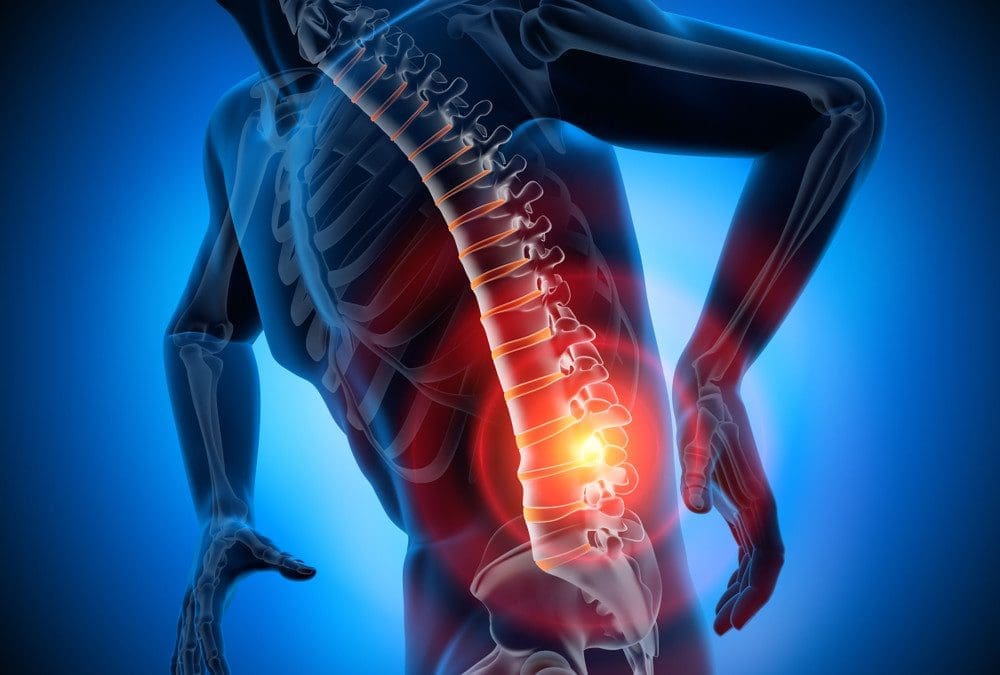
The spine’s intervertebral disc acts like a shock absorber to the spine when axial overload is placed on the spine. This allows many individuals to carry, lift, and transport heavy objects without feeling discomfort or pain throughout the day. It is crucial that the spine not only stays functional but also provides stability and mobility for the intervertebral discs to allow these motions. However, as the body ages naturally, so do the intervertebral discs, as they lose water retention and begin to crack under pressure. To this point, the intervertebral discs start not to be functional as normal or traumatic actions cause pain-like issues to the spine and can lead to a life of disability. When repetitive motions cause unwanted pressures, the intervertebral discs become compressed and, over time, can lead to pain-like spinal issues. At the same time, the surrounding muscles, tissues, ligaments, and joints start to get affected in the lumbar region, which then leads to low back pain conditions associated with the lower extremities. Today’s article looks at intervertebral disc stress, how it affects spinal mobility, and how treatments like spinal decompression can restore spinal mobility while reducing intervertebral disc stress. At the same time, we work hand-in-hand with certified medical providers who use our patient’s information to treat and mitigate pain-like symptoms associated with intervertebral disc stress. We also inform them that non-surgical treatments like decompression can help mitigate pressure on the spinal discs. We also explain to them how decompression can help restore spinal mobility to the body and how the treatment can be added to their routine. We encourage our patients to ask essential and important questions while seeking education from our associated medical providers about their pain. Dr. Alex Jimenez, D.C., incorporates this information as an educational service. Disclaimer
Intervertebral Disc Stress
Have you been experiencing radiating pain shooting down to your legs that is making it difficult to walk? Do you often feel muscle aches and strains from holding heavy objects that you have to lean your back a bit to relieve the pain? Or do you feel pain in one location in your body that travels to a different location? Many of these pain-like scenarios are correlated with intervertebral disc stress on the spine. In a normal healthy body, the intervertebral disc has to take on the spinal load when the body is in an abnormal position without pain or discomfort. However, as the body ages naturally, the intervertebral discs degenerate over time, and the intradiscal pressure within the spinal disc cavity decreases. (Sato, Kikuchi, & Yonezawa, 1999) To that point, the body and intervertebral discs begin to become stiff over time, causing the surrounding muscles, ligaments, and tissues to be overstretched and ache when unwanted pressure starts to cause musculoskeletal issues to develop over time. At the same time, degeneration and aging have a causal relationship, which causes dramatic changes to the composition and structure of the spinal disc. (Acaroglu et al., 1995) These changes cause stress on the intervertebral disc, which then causes the spine to be less mobile.
How Does It Affect Spinal Mobility
When the intervertebral disc is dealing with mechanical stress from unwanted pressure, as stated earlier, it can develop into dramatic changes to its composition and structure. When people are dealing with spinal mobility issues, it causes segmental instability, which then causes influence the entire lumbar motion of the spine and causes the intervertebral disc to be highly stressed and cause disability. (Okawa et al., 1998) When high ‘stress’ is concentrated within the intervertebral discs, over time, it can cause musculoskeletal pain to the lumbar spine, leading to further disruption to the lower extremities. (Adams, McNally, & Dolan, 1996) When there is degeneration within the intervertebral disc associated with mechanical stress, it can affect the spine’s mobility function. For working individuals, it can have a huge impact on them. When dealing with stress correlated with the intervertebral discs, individuals will develop low back pain problems that can cause a huge burden when they are getting treated. Low back pain associated with intervertebral disc stress can cause a socioeconomic risk factor for lumbar pain and disability. (Katz, 2006) When dealing with low back problems, people will find temporary remedies to continue working while dealing with the pain until they have to be admitted for treatment. This causes an unnecessary stress factor for the individual because they would have to take time off work to feel better. However, it is important to get treated for intervertebral disc stress early on before more issues begin to occur, as there are non-surgical treatments that are cost-effective and safe to restore spinal mobility.
Why Choose Chiropractic-Video
When it comes to treating low back pain associated with intervertebral disc stress, many individuals try out many home remedies and treatments to alleviate the pain. However, those at-home treatments provide temporary relief. Individuals who are experiencing spinal mobility issues can find the relief they are looking for by incorporating non-surgical therapies into their daily routines. Non-surgical treatments are cost-effective and can provide a positive outcome to many individuals as their health and wellness plans can be personalized. (Boos, 2009) This allows the individual to finally find the relief they seek and create a positive relationship with their primary doctor. Non-surgical treatments can also be combined with other therapies to relieve the individual’s pain further and reduce the chances of the problem returning. Treatments like chiropractic care, massage therapy, and spinal decompression are some non-surgical treatments that can help mitigate intervertebral stress and restore spinal mobility. The video above explains how these treatments can find the root cause of the problem and address the issues in a safe and positive environment.
How Decompression Relieves Intervertebral Disc Stress
Non-surgical treatments like spinal decompression can help with reducing the intervertebral disc stress that is causing low back pain issues in the lumbar region. Spinal decompression uses gentle traction on the spine to reduce the stress on the intervertebral disc. Spinal decompression allows many people to reduce their chances of going to surgery for their pain and, after a few sessions, have the pain intensity decreased significantly. (Ljunggren, Weber, & Larsen, 1984) Additionally, spinal decompression can create negative intradiscal pressure in the spinal column by allowing the nutrients and fluids to rehydrate the affected disc while promoting the body’s natural healing process. (Sherry, Kitchener, & Smart, 2001)
Decompression Restoring Spinal Mobility
Spinal decompression can also help restore spinal mobility to the lumbar region. When pain specialists incorporate spinal decompression into their practices, they can help by using various techniques to restore joint mobility. When pain specialists start to use these different techniques on the individual’s body, they can help stretch out the surrounding muscles, ligaments, and tissues that were affected around the spine and help restore mobility to the joint. (Gudavalli & Cox, 2014) Combined with spinal decompression, these techniques allow the individual to be more mindful of their bodies and alleviate the pain they have been dealing with for a while. By incorporating decompression as part of their routine, many individuals can return to their activities pain-free without worrying.
References
Acaroglu, E. R., Iatridis, J. C., Setton, L. A., Foster, R. J., Mow, V. C., & Weidenbaum, M. (1995). Degeneration and aging affect the tensile behavior of human lumbar anulus fibrosus. Spine (Phila Pa 1976), 20(24), 2690-2701. https://doi.org/10.1097/00007632-199512150-00010
Adams, M. A., McNally, D. S., & Dolan, P. (1996). ‘Stress’ distributions inside intervertebral discs. The effects of age and degeneration. J Bone Joint Surg Br, 78(6), 965-972. https://doi.org/10.1302/0301-620x78b6.1287
Boos, N. (2009). The impact of economic evaluation on quality management in spine surgery. Eur Spine J, 18 Suppl 3(Suppl 3), 338-347. https://doi.org/10.1007/s00586-009-0939-3
Gudavalli, M. R., & Cox, J. M. (2014). Real-time force feedback during flexion-distraction procedure for low back pain: A pilot study. J Can Chiropr Assoc, 58(2), 193-200. https://www.ncbi.nlm.nih.gov/pubmed/24932023
Katz, J. N. (2006). Lumbar disc disorders and low-back pain: socioeconomic factors and consequences. J Bone Joint Surg Am, 88 Suppl 2, 21-24. https://doi.org/10.2106/JBJS.E.01273
Ljunggren, A. E., Weber, H., & Larsen, S. (1984). Autotraction versus manual traction in patients with prolapsed lumbar intervertebral discs. Scand J Rehabil Med, 16(3), 117-124. https://www.ncbi.nlm.nih.gov/pubmed/6494835
Okawa, A., Shinomiya, K., Komori, H., Muneta, T., Arai, Y., & Nakai, O. (1998). Dynamic motion study of the whole lumbar spine by videofluoroscopy. Spine (Phila Pa 1976), 23(16), 1743-1749. https://doi.org/10.1097/00007632-199808150-00007
Sato, K., Kikuchi, S., & Yonezawa, T. (1999). In vivo intradiscal pressure measurement in healthy individuals and in patients with ongoing back problems. Spine (Phila Pa 1976), 24(23), 2468-2474. https://doi.org/10.1097/00007632-199912010-00008
Sherry, E., Kitchener, P., & Smart, R. (2001). A prospective randomized controlled study of VAX-D and TENS for the treatment of chronic low back pain. Neurol Res, 23(7), 780-784. https://doi.org/10.1179/016164101101199180
General health, diet, exercise, and lifestyle are important, but the importance of the spinal structure is often forgotten. The spine, or backbone, is the body’s central support structure that holds the body together, supports its weight, and protects the nervous system. It connects different parts of the musculoskeletal system to help sit, stand, walk, twist, and bend. When the spine is misaligned, injured, and/or damaged, it can lead to various health issues, from chronic conditions to organ dysfunction. Chiropractic spinal structure restoration benefits overall health and can help relieve symptoms and restore mobility, flexibility, and function.
Spinal Structure Restoration
Chiropractic care goes beyond relieving muscle or joint pain and discomfort. Although injury rehabilitation is a primary reason for going to a chiropractor, it is in its ability to reset and rebalance the body. Just like a vehicle or piece of equipment that needs regular maintenance, tune-ups, rotation, and realignment, chiropractic provides these benefits.
Improved Range of Motion
As the body ages or suffers from injuries or illnesses, the body’s mobility and flexibility decrease, which causes stiffness and a limited range of motion.
When the spine is not aligned correctly, it can cause restrictions in the range of motion.
Chiropractic techniques improve joint function, correct misalignments, and strengthen and stabilize the spine, improving mobility and flexibility.
Spinal structure restoration improves joint mobility and flexibility.
The improved range of motion helps relieve muscle tension, stiffness, and pain.
Improved Posture
Spinal misalignment typically leads to posture problems, neck and back pain, headaches, and other health issues.
Correcting the spinal structure will:
Correct posture.
Reduce the risk of health issues.
Provide more energy.
Enhance mental clarity.
Improve sleep.
Restore mobility.
Increase athletic and physical performance.
Pain and Discomfort Relief
Misalignments can cause nerve irritation, inflammation, and muscle tension, leading to chronic pain in various areas, like the neck, back, shoulders, and hips.
Chiropractic is a natural and non-invasive treatment that can help manage pain and discomfort without medication.
Specifically addresses the underlying cause of the pain rather than just the symptoms, resulting in long-lasting relief.
Chiropractic combines traditional techniques, such as adjustments, decompression, and traction, with advanced elements and a personalized approach.
Adjustments and customized spinal traction setups alleviate pain and restore proper function to the spine.
When the spine is properly aligned, the central nervous system’s electrical signals can travel more effectively.
Increased Nerve Function
Spinal misalignment can interfere with nerve function, leading to other musculoskeletal issues.
Chiropractic releases compressed, tangled, or trapped nerves and restores nerve circulation, improving nerve function.
Enhanced Musculoskeletal Performance
Individuals can benefit from chiropractic care, especially those involved in physically demanding occupations that place repeated stress on the body.
Chiropractic can help prevent injuries, improve alignment and balance, reduce inflammation, and speed recovery.
Spinal correction includes traction that targets and releases specific muscle groups and ligaments and stimulates detoxification that can enhance musculoskeletal performance.
Immune System Function
Spinal misalignments can disrupt immune system function.
The system relies on proper communication between the brain and immune organs.
Chiropractic improves nerve function and reduces spine and back stress, allowing the system to function optimally.
By taking a holistic and personalized approach to spinal structure restoration, individuals can prevent the development of chronic health conditions and improve their quality of life.
Quick Patient Initiation Process
References
American Academy of Orthopaedic Surgeons. Spine Basics. (https://orthoinfo.aaos.org/en/diseases–conditions/spine-basics/) Accessed 12/08/2020.
American Chiropractic Association. Back Pain Facts and Statistics. (https://www.acatoday.org/Patients/What-is-Chiropractic/Back-Pain-Facts-and-Statistics/Back-Pain-Facts-and-Statistics) Accessed 12/08/2020.
Fernández-de-Las-Peñas, César, and María L Cuadrado. “Physical therapy for headaches.” Cephalalgia: an international journal of Headache vol. 36,12 (2016): 1134-1142. doi:10.1177/0333102415596445
InformedHealth.org [Internet]. Cologne, Germany: Institute for Quality and Efficiency in Health Care (IQWiG); 2006-. What are the organs of the immune system? [Updated 2020 Jul 30]. Available from: https://www.ncbi.nlm.nih.gov/books/NBK279395/
Izzo, Roberto, et al. “Biomechanics of the spine. Part I: spinal stability.” European Journal of Radiology vol. 82,1 (2013): 118-26. doi:10.1016/j.ejrad.2012.07.024
Jenkins, Hazel J et al. “Current evidence for spinal X-ray use in the chiropractic profession: a narrative review.” Chiropractic & manual therapies vol. 26 48. Nov 21 2018, doi:10.1186/s12998-018-0217-8
McHardy, Andrew, et al. “Chiropractic treatment of upper extremity conditions: a systematic review.” Journal of Manipulative and physiological therapeutics vol. 31,2 (2008): 146-59. doi:10.1016/j.jmpt.2007.12.004
Sharrak, Samir. and Yasir Al Khalili. “Cervical Disc Herniation.” StatPearls, StatPearls Publishing, Aug 29, 2022.
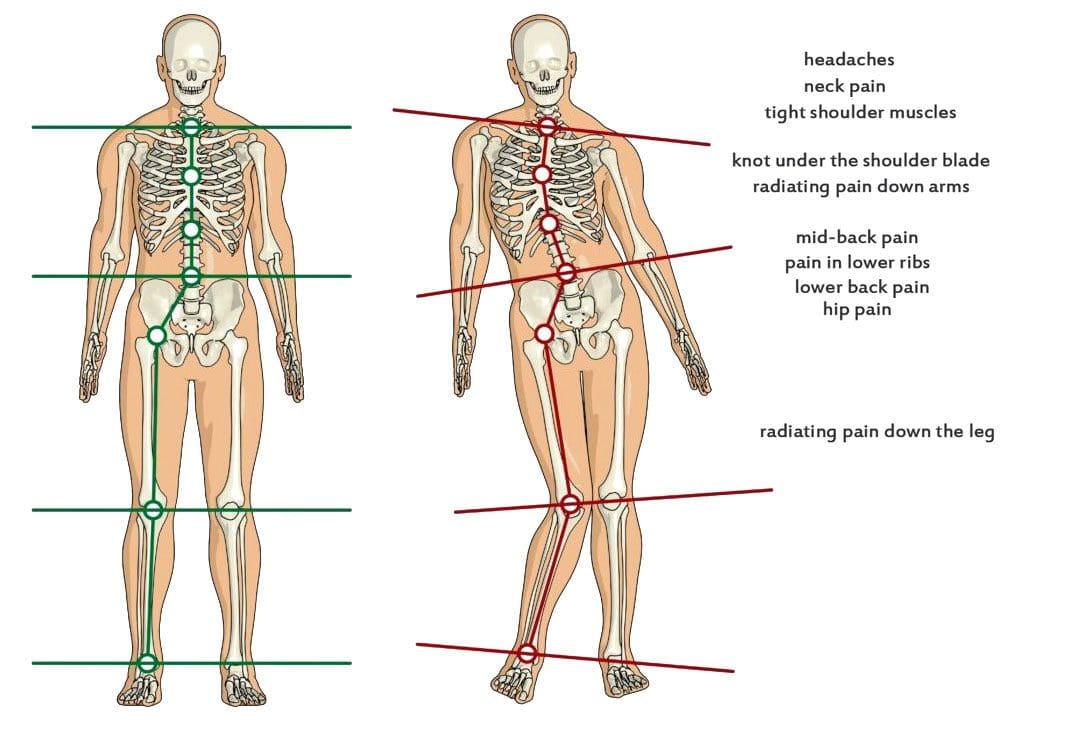
As humans, there are a variety of stressors experienced daily. Stress collects in various body areas, most commonly the upper back, jaw, and neck muscles. Stress leads to tension in the muscles. The built-up tension can cause the spinal bones to shift out of alignment, irritating the nerves between the spinal bones. A cycle begins as increased nerve tension causes the muscles to continue to contract/tighten. The extra muscle tension continues to pull the spinal bones out of alignment, making the spine stiff and less flexible affecting posture, balance, coordination, and mobility, causing the spine to become further unstable. Chiropractic treatment at regular intervals is recommended to help realign and maintain proper position.
Why The Spine Goes Out of Alignment
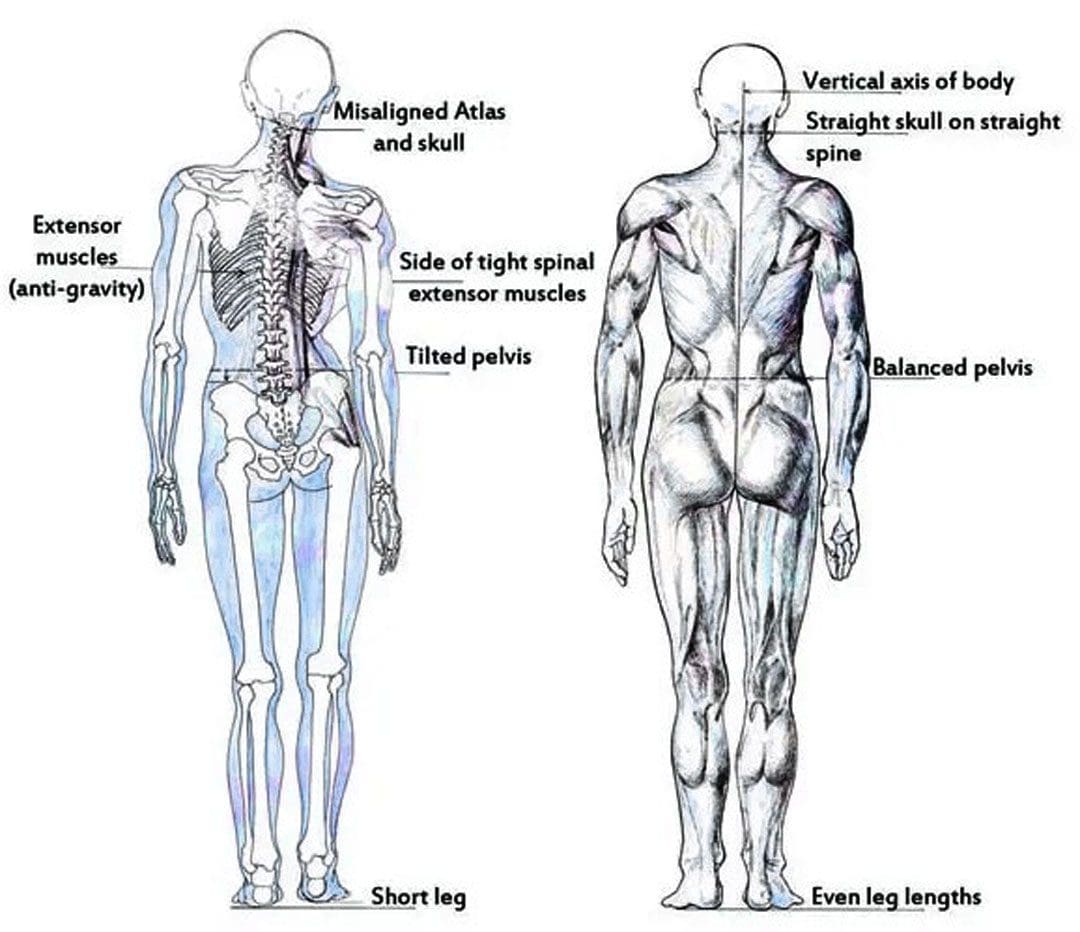
The nerves in the body are intricately linked to the spinal cord, and small distortions in the alignment can cause nerves to misfire and malfunction. When the spine goes out of alignment, the nervous system/brain and nerves get stuck in a stressed or tense state. Even a minor misalignment can cause a series of discomfort symptoms to travel throughout the body.
Causes
Causes of misalignment that creates tension in the nerves and muscles include:
A chiropractor will feel/palpate the spine to see if the bones are in alignment, move well, or are out of alignment and not moving correctly or moving at all.
Posture Exam
If the head, shoulders, and hips are uneven or the shoulders and head are pulling forward, the spinal bones are out of alignment/subluxations.
Balance and Coordination
Unhealthy balance and coordination can indicate the brain, nerves, and muscles are malfunctioning by spinal misalignment.
Range of Motion
A loss of spinal movement flexibility can show tension in the nerves, muscles, and misalignments.
Muscle Test
Loss of strength in a muscle can indicate the nerve signals are weak.
Orthopedic Tests
Tests that put the body in stressful positions focus on what tissue/s may be injured and the causes.
X-rays
X-rays look for abnormalities, dislocations, bone density, fractures, hidden/invisible injuries, and infections.
Injury Medical Chiropractic and Functional Medicine Clinic provide personalized treatment plans. These specific therapies are made to generate long-term spine benefits. Spinal manipulation, deep tissue massage, MET, and other manual therapy techniques, combined with exercise, help get the bones moving properly, the muscles functioning correctly, and the spine back into proper form. Treatment relieves muscle spasms, tension, and joint dysfunction, increases circulation, and retrains the muscles to remain relaxed.
The Natural Way to Heal
References
Ando, Kei et al. “Poor spinal alignment in females with obesity: The Yakumo study.” Journal of Orthopaedics vol. 21 512-516. 16 Sep. 2020, doi:10.1016/j.jor.2020.09.006
Le Huec, J C et al. “Sagittal balance of the spine.” The European spine journal: official publication of the European Spine Society, the European Spinal Deformity Society, and the European Section of the Cervical Spine Research Society vol. 28,9 (2019): 1889-1905. doi:10.1007/s00586-019-06083-1
Meeker, William C, and Scott Haldeman. “Chiropractic: a profession at the crossroads of mainstream and alternative medicine.” Annals of internal medicine vol. 136,3 (2002): 216-27. doi:10.7326/0003-4819-136-3-200202050-00010
Oakley, Paul A et al. “X-Ray Imaging is Essential for Contemporary Chiropractic and Manual Therapy Spinal Rehabilitation: Radiography Increases Benefits and Reduces Risks.” Dose-response: a publication of International Hormesis Society vol. 16,2 1559325818781437. 19 Jun. 2018, doi:10.1177/1559325818781437
Shah, Anoli A, et al. “Spinal Balance/Alignment – Clinical Relevance and Biomechanics.” Journal of biomechanical engineering, 10.1115/1.4043650. 2 May. 2019, doi:10.1115/1.4043650
Spring allergies are reactions by an individual’s immune system to flowering buds, blooming trees, pet dander, weeds, etc. When coming into contact with the allergen, the immune system’s reaction can inflame the skin, sinuses, airways, or digestive system. The severity of allergies varies from person to person. The spine and brain communicate with various body parts, including those that affect the immune system and how the body reacts to allergens. Chiropractic adjustments for allergy treatment can help regulate histamine and cortisol levels and offer spring allergy tips for prevention.
Spring Allergy Tips
An allergy occurs when the body’s immune system sees a substance as harmful and overreacts (inflammation). The immune system produces substances known as antibodies. A lack of communication between the spine, brain, and other parts of the body can lead to lower immunity meaning the body has a harder time reacting to stressors.
Symptoms
Symptoms vary, but the most common include:
Itchy, red, and watery eyes
Nasal congestion
Sneezing
Runny nose
Itching nose
Post-nasal drip
Coughing
The recommended way to determine whether or not seasonal allergies are causing symptoms is to visit a primary care physician and undergo allergy testing. A physician may recommend an allergist for further evaluation to identify specific allergies.
Prevention
Reduce exposure to triggers
Try to stay indoors on windy days.
Wind and dry air can make allergy symptoms worse.
Closing windows can help keep pollen from blowing inside.
Remove clothes worn outside and shower to rinse pollen from your skin and hair.
Wear a dust mask when lawn mowing, weed pulling, and doing other chores.
Don’t hang laundry outside; pollen can stick to clothes, sheets, and towels.
Seasonal allergy signs and symptoms can flare up with a high pollen count. Certain steps can help reduce the exposure:
Check local TV, radio, or the internet for pollen forecasts and levels.
If high pollen is forecasted, take allergy medications before symptoms begin.
Close doors and windows when pollen counts are high.
Try to avoid outdoor activity when pollen counts are highest.
Indoor Air Quality
Various products can help remove allergens from the air in the home:
Use air conditioning in the house and car when applicable.
Use high-efficiency filters and follow regular maintenance schedules for heating and air conditioning.
Vacuum all floors regularly with a cleaner that has a HEPA filter.
Chiropractic
Chiropractic treatment is highly effective in relieving allergy symptoms and even stopping allergies at their source. The treatments restore balance, so the body is ready to combat allergies. When the spine is out of alignment (which can occur from the coughing and sneezing), it impacts the nervous system, leading to various problems, including allergies and immune system malfunction. A chiropractor can relieve the stress on the nervous system by realigning the spine, taking the pressure off nerves, and allowing the immune system to function at optimal levels. And it makes it easier for the body to fight off infections while recognizing allergens as harmless.
Food Allergies, Hypersensitivity, and Intolerances
References
Balon, Jeffrey W, and Silvano A Mior. “Chiropractic care in asthma and allergy.” Annals of allergy, asthma & immunology: official publication of the American College of Allergy, Asthma, & Immunology vol. 93,2 Suppl 1 (2004): S55-60. doi:10.1016/s1081-1206(10)61487-1
Bruton, Anne, et al. “Physiotherapy breathing retraining for asthma: a randomized controlled trial.” The Lancet. Respiratory medicine vol. 6,1 (2018): 19-28. doi:10.1016/S2213-2600(17)30474-5
Bruurs, Marjolein L J et al. “The effectiveness of physiotherapy in patients with asthma: a systematic review of the literature.” Respiratory medicine vol. 107,4 (2013): 483-94. doi:10.1016/j.rmed.2012.12.017
Common seasonal allergy triggers. American College of Allergy, Asthma & Immunology. https://acaai.org/allergies/allergic-conditions/seasonal-allergies. Accessed March 10, 2022.
Jaber, Raja. “Respiratory and allergic diseases: from upper respiratory tract infections to asthma.” Primary care vol. 29,2 (2002): 231-61. doi:10.1016/s0095-4543(01)00008-2
Wu, Shan Shan et al. “Rhinitis: The Osteopathic Modular Approach.” The Journal of the American Osteopathic Association vol. 120,5 (2020): 351-358. doi:10.7556/jaoa.2020.054
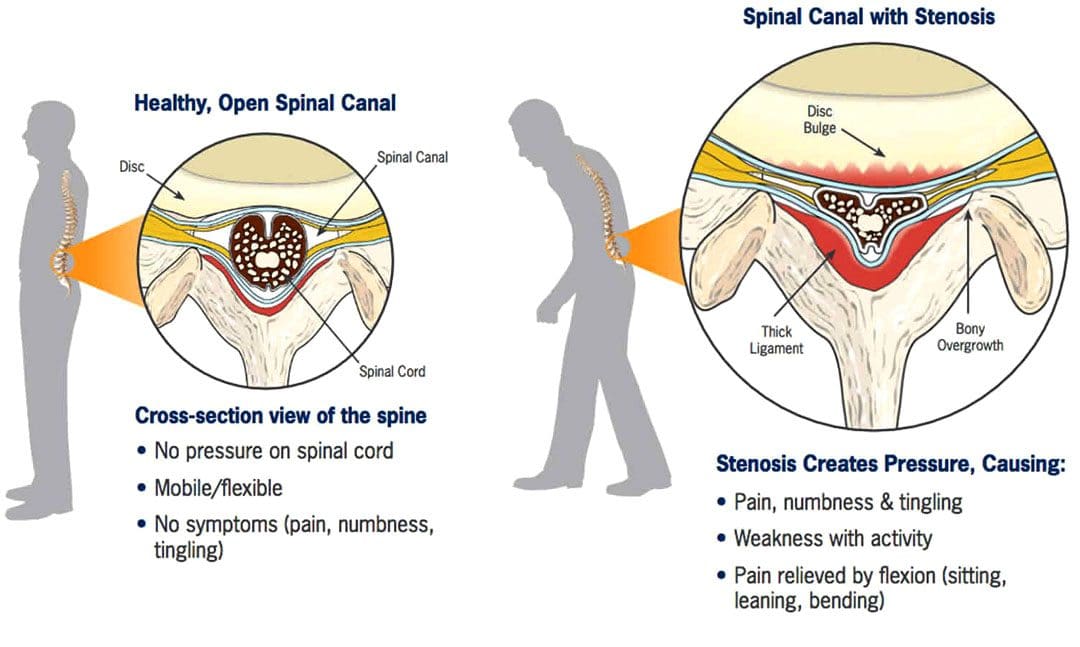
Spinal Stenosis Walking Issues:Stenosis means a narrowing. Spinal stenosis can happen in any spine region, but the neck and lower back are the most common locations. The spinal canal becomes narrower and can cause the nerves to become compressed, pinched, and irritated and can extend from the lumbar spine through the hips, buttocks, legs, and feet. Individuals with lumbar spinal stenosis may have difficulty walking caused by sensations of discomfort like numbness, electrical shocks, and pain, requiring the need to lean forward to relieve pressure and symptoms. Additionally, symptoms are likely to worsen the longer the walk. Chiropractic treatment can treat spinal stenosis because it corrects and re-aligns the spine, thus reducing pressure on the spinal cord, joints, and nerve roots.
Spinal Stenosis Walking Issues
The spine is made up of interlocking vertebrae. The regions are cervical, thoracic, lumbar, and sacral bones with a foramen opening. These openings form the protective tunnel/spinal canal surrounding the spinal cord. The spinal cord is a group of nerves that run through the tunnel. The narrowing suffocates the nerves supplying the lower extremities that can influence walking activity.
Symptoms
There may be no symptoms with early lumbar spinal stenosis. Most individuals develop symptoms gradually and may begin to notice them while walking or standing. These can include:
Lower back pressure sensations when standing upright or walking.
Leg numbness, tingling, weakness, burning, and/or cramping.
Muscle weakness.
Persistent pain in the back, hips, buttocks, or legs while walking.
Difficulty lifting the top part of the foot – known as drop foot.
Loss of sensation in the feet.
A weak foot that drops/slaps down when walking.
Loss of sexual ability.
In more serious cases, severe numbness, bladder problems, and inability to stand.
Individuals begin to lean forward when symptoms start, bringing relief by reducing the pressure on the nerves. However, constantly leaning forward leads to other posture and health problems.
Diagnosis
A doctor or chiropractor will ask questions about symptoms and medical history and perform a complete physical examination to diagnose lumbar spinal stenosis. During the physical examination, a healthcare provider will look for signs, such as loss of sensation, weakness, and abnormal reflexes.
Tests:
X-rays of the lumbar spine may show bone growths called spurs that push on spinal nerves and/or narrowing of the spinal canal.
Imaging tests – A CT or MRI scan can provide a detailed look at the spinal canal and nerve structures.
Other studies include – bone scans, myelogram, which is a CT scan that uses a color dye, and EMG, which is an electrical test of muscle activity.
Chiropractic Treatment
Chiropractic care combined with physical therapy is a tried-and-true treatment for spinal stenosis. A chiropractic treatment plan can include targeted and passive exercise programs. Targeted exercises involve strengthening the core and back muscles. Passive treatments include hot and cold therapy, massage, decompression, and electrical stimulation. The objective of chiropractic therapy is to:
Strengthen muscles in the core and legs
Correct posture and body mechanics.
Improve mobility.
Maintain ability to perform day-to-day activities.
Recommend stretches.
Educate on how to keep the spine and back muscles safe.
Train on using devices like a back brace, cane, or walker properly.
Advise about shoe inserts and splints.
Suggest work and home environment modifications, such as ergonomics and cushions.
Chiropractic Relief
References
Conway, Justin, et al. “Walking assessment in people with lumbar spinal stenosis: capacity, performance, and self-report measures.” The spine journal: official North American Spine Society journal vol. 11,9 (2011): 816-23. doi:10.1016/j.spinee.2010.10.019
Lurie, Jon, and Christy Tomkins-Lane. “Management of lumbar spinal stenosis.” BMJ (Clinical research ed.) vol. 352 h6234. 4 Jan. 2016, doi:10.1136/bmj.h6234
Macedo, Luciana Gazzi, et al. “Physical therapy interventions for degenerative lumbar spinal stenosis: a systematic review.” Physical therapy vol. 93,12 (2013): 1646-60. doi:10.2522/ptj.20120379
Tomkins-Lane, Christy C et al. “Predictors of walking performance and walking capacity in people with lumbar spinal stenosis, low back pain, and asymptomatic controls.” Archives of physical medicine and rehabilitation vol. 93,4 (2012): 647-53. doi:10.1016/j.apmr.2011.09.023
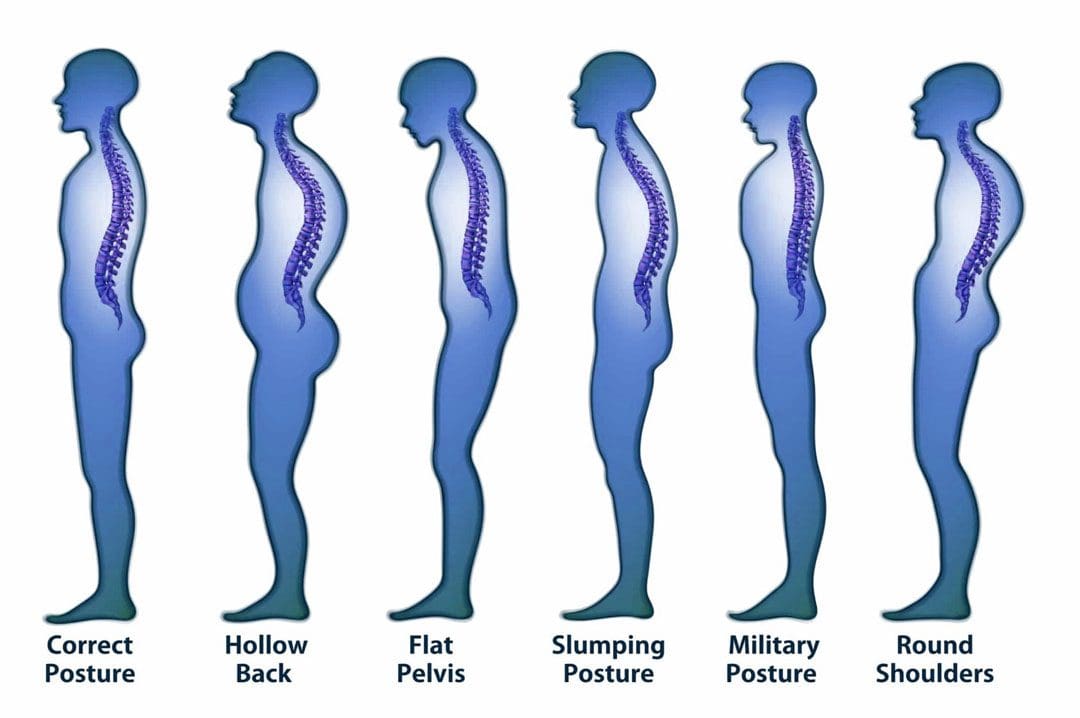
Unhealthy posture and slouching incorrectly position the body unnaturally, adding chronic strain on the muscles and ligaments. For example, when sitting or standing at a workstation, individuals start to relax by slumping forward because it feels comfortable; however, they don’t realize that their shoulders are hunching over, and their neck is in an awkward forward position. For every inch the head moves forward, its weight on the neck and upper back muscles increases by 10 pounds. Individuals that stay in this position for a long time often experience neck soreness, tension in the shoulder muscles, and low back discomfort. Chiropractic care, massage, and decompression therapy can realign the spine to its natural position and train individuals to maintain a healthy posture.
Slouching
Posture is the body’s position in space, the relationship of the body’s parts, head, torso, and limbs to each other. Maintaining the natural lumbar curve in the low back is essential to preventing posture-related discomfort symptoms. This natural curve works as a shock absorber, helping to distribute weight along the length of the spine. The most common causes for slouching posture are:
Repetitive motions or tasks can cause physical and mental fatigue, causing individuals to relax their core muscles.
Combined with the repetitiveness, individuals also begin implementing unhealthy movements because it makes the job easier.
Often individuals want to finish their work tasks, and even though they can feel their muscles and body stiffening and tightening up, they continue to work through the discomfort and don’t take a quick break to move around and stretch.
Stressful situations can cause muscle tension.
Carrying heavy bags, purses, backpacks, etc.
Weight fluctuation.
Pregnancy.
Spine
Muscles move the skeletal system and provide resistance against movement.
The musculoskeletal system comprises soft tissue structures that provide active and passive spinal stabilization.
The spine has natural curves to distribute weight/loads evenly.
The cervical and lumbar spine have a lordosis or forward curve.
The thoracic spine and sacrum have a kyphosis or backward curve.
They help to mitigate the forces exerted on passive stabilizing structures like the ligaments, joint capsules, and intervertebral discs.
A prolonged seated or standing position fatigues the muscles that stabilize the spine from the forces of gravity and body weight. When the tired muscles no longer provide stability, the spine must rely on the passive structures of the musculoskeletal system for support. Without the support, the spine gradually loses its natural cervical and lumbar curves and becomes more kyphotic or slouched. Slouching can provide relaxation and relief to the fatigued muscles; however, repetitive or prolonged stress to the passive structures can result in discomfort and injury to those tissues. This is how nerve compression, ligament inflammation, and disc herniations start.
Symptoms of Unhealthy Posture
Head that leans forward or backward.
Headaches.
Jaw pain.
Poor circulation.
Rounded shoulders.
A decline in breathing efficiency.
Muscle fatigue – Certain muscles can change in length, becoming short and tense or long and weak.
The advantages of practicing healthy posture include the following:
Prevents abnormal wear on the joints.
Lessens stress on the ligaments.
Prevents muscle strain and fatigue.
Prevents the spine from becoming misaligned.
Prevents back aches and soreness.
Reduces the risk of chronic diseases or conditions.
Helps maintain fitness and overall health.
Chiropractic Realignment
Our approach starts by correcting the physical problems caused by slouching, which involves chiropractic adjustments, therapeutic massage, and non-surgical decompression therapy. The objective is to fix the root cause to ensure that the treatment lasts and maintains neuromusculoskeletal health.
Examination
The initial assessment looks at an individual’s posture and a physical evaluation to identify the root cause.
When muscles become weak, over or underused, or suffer injury, others tighten or tense up.
A chiropractor looks at how an individual stands from behind and from the sides, noting issues like uneven shoulders, arched back, twisted pelvis, or other symmetry issues.
Treatment
Massage will increase circulation and reduce tension.
Muscle release and relaxation for any overactive muscles.
A chiropractor will perform slow joint movements.
Targeted stretches and strength exercises will correct imbalances, maintain flexibility, and strengthen the core muscles.
Postural training will help individuals learn to use proper body mechanics and to listen to their bodies.
Impact of Stress
References
Defloor, T, and M H Grypdonck. “Sitting posture and prevention of pressure ulcers.” Applied nursing research: ANR vol. 12,3 (1999): 136-42. doi:10.1016/s0897-1897(99)80045-7
Fortner, Miles O et al. “Treating ‘slouchy’ (hyperkyphosis) posture with chiropractic biophysics®: a case report utilizing a multimodal mirror image® rehabilitation program.” Journal of physical therapy science vol. 29,8 (2017): 1475-1480. doi:10.1589/jpts.29.1475
Katzman, Wendy B et al. “Age-related hyperkyphosis: its causes, consequences, and management.” The Journal of orthopedic and sports physical therapy vol. 40,6 (2010): 352-60. doi:10.2519/jospt.2010.3099
Korakakis, Vasileios, et al. “Physiotherapist perceptions of optimal sitting and standing posture.” Musculoskeletal science & practice vol. 39 (2019): 24-31. doi:10.1016/j.msksp.2018.11.004
Snijders, Chris J et al. “Effects of slouching and muscle contraction on the strain of the iliolumbar ligament.” Manual therapy vol. 13,4 (2008): 325-33. doi:10.1016/j.math.2007.03.001
Yoong, Nicole Kah Mun et al. “Commercial Postural Devices: A Review.” Sensors (Basel, Switzerland) vol. 19,23 5128. 23 Nov. 2019, doi:10.3390/s19235128
IFM's Find A Practitioner tool is the largest referral network in Functional Medicine, created to help patients locate Functional Medicine practitioners anywhere in the world. IFM Certified Practitioners are listed first in the search results, given their extensive education in Functional Medicine




 Why The Spine Goes Out of Alignment



 Slouching






