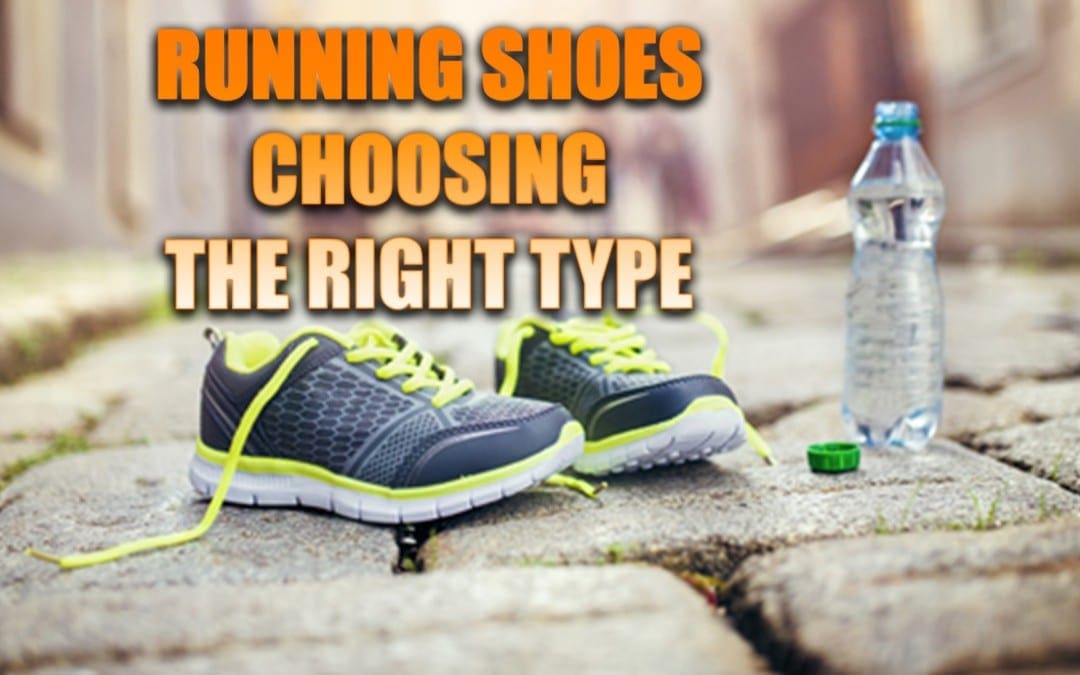
Individuals on their feet all day regularly experience back problems and discomfort symptoms. Wearing unstable shoes that are flat with no arch support with little or no shock absorption or the wrong type of shoe for gait can cause biomechanical issues that can cause back discomfort and lead to chronic back pain. Athletic running shoes are recommended for lower back pain because they are well-cushioned and designed to help absorb the impact of walking or running. They also have proper arch and ankle support to maintain foot position for correct posture. What to look for in running shoes to help relieve back pain and keep the back injury free?
Athletic Running Shoes
Shoes that don’t have enough cushioning can cause inflammation in the back muscles from the lack of impact absorption. The best athletic running shoes for back pain relief are stiff, supportive, and well-cushioned. When selecting shoes for back pain, the most important factors to consider are:
Stiffness of the sole.
Quality support and cushioning.
Proper and comfortable fit.
Shoe Type
Athletic running shoes are available in various types of support for all foot types.
Consider foot structure and gait when selecting shoes.
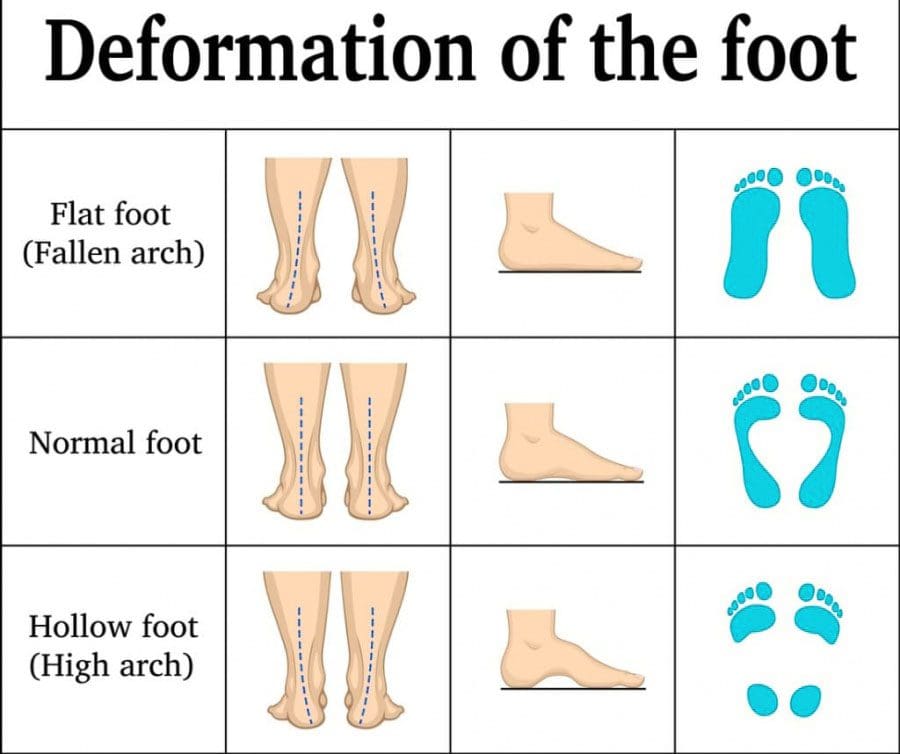
Flat and high-arched feet can cause muscle imbalances, which increase pressure on the back, hips, legs, knees, ankles, and feet.
The grooves and patterns increase friction and provide grip to the person while walking or running.
Durability
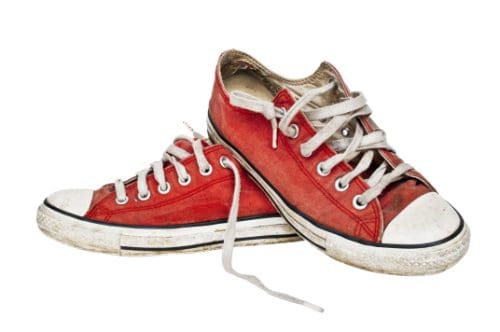
Wearing worn-out shoes with inadequate cushioning and shock absorption can increase the risk of back problems.
Depending on the uses, shoes can wear out in three months or less.
It is important to replace shoes when the cushioning wears out.
Look for high-quality material that doesn’t wear down quickly.
Improve Whole-Body Wellness
References
Anderson, Jennifer, et al. “A narrative review of musculoskeletal problems of the lower extremity and back associated with the interface between occupational tasks, feet, footwear, and flooring.” Musculoskeletal care vol. 15,4 (2017): 304-315. doi:10.1002/msc.1174
American Podiatric Medical Association. Which Running Shoe is Right for You?
Hong, Wei-Hsien, et al. “Effect of shoe heel height and total-contact insert on muscle loading and foot stability while walking.” Foot & ankle international vol. 34,2 (2013): 273-81. doi:10.1177/1071100712465817
National Institute of Arthritis and Musculoskeletal and Skin Diseases. Back Pain: Diagnosis, Treatment, and Steps to Take.
National Institute of Neurological Disorders and Stroke. Low Back Pain Fact Sheet.
Sciatica is a very common and painful issue. Keeping it in check can be difficult especially with various causes that can generate flare-ups. Individuals managing sciatica need to pay attention and be vigilant of the negative activities/movements that could cause symptoms to reappear. A few common causes include:
Excessively tight-fitting pants
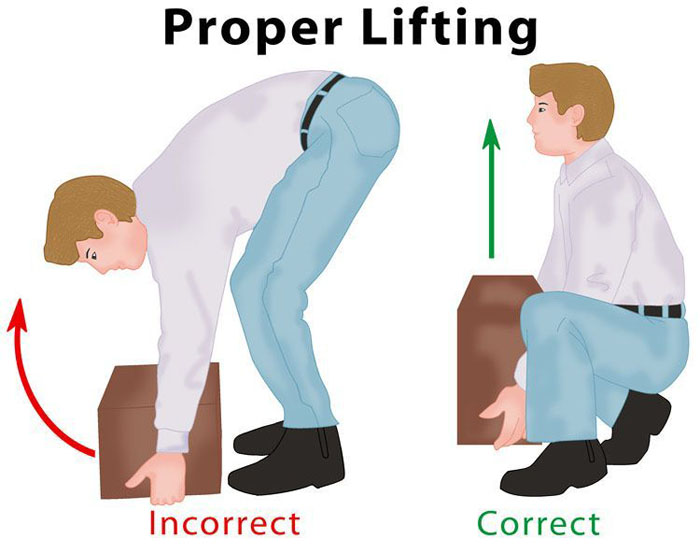
Improperly lifting heavy objects
Poor posture
Weight gain
Not stretching out
Wearing the wrong shoes
Knowing what not to do is just as effective for helping sciatica flare-ups as knowing what is best.
Sciatica Causes
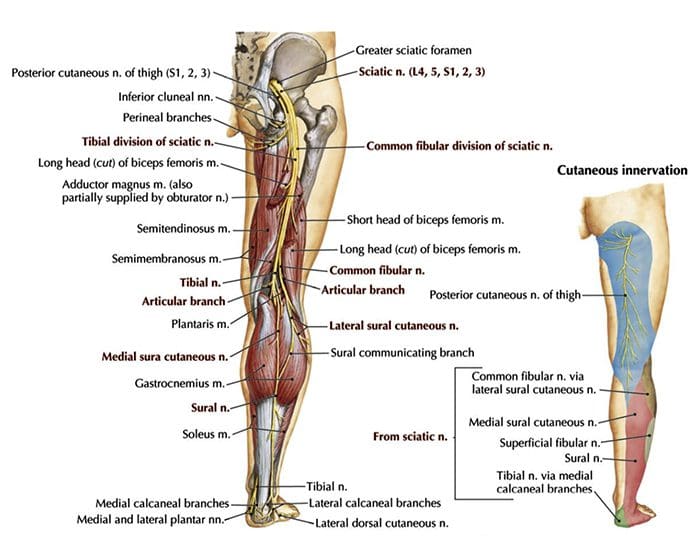
The sciatic nerve is the longest nerve. It comes out the spine through the pelvis, down the leg to the foot. There is one sciatic nerve on each side of the body, and either can become irritated, injured, and inflamed. However, it�s rare that both are irritated at the same time. The underlying causes can vary. Most of the time the cause is a herniated disc that presses against the nerve, causing the pain. Even though this happens in the lower back, an individual might only feel pain in the buttocks and the back of the leg. Other causes of sciatic nerve pain include:
What makes sciatica worse depends on the underlying cause. For most, this is a herniated or bulging disc that presses against the nerve. With this type of case, any increase in pressure on the discs can worsen the symptoms. Sitting down in fact puts more pressure on the spinal discs, worsening the pain. Lying down can also worsen symptoms. When the pain is peaking, lying down for a little while can help, but for too long can worsen symptoms. Standing with a neutral spine, and walking around a bit, can help with nerve pain relief and the healing process.
Improper/Poor Posture
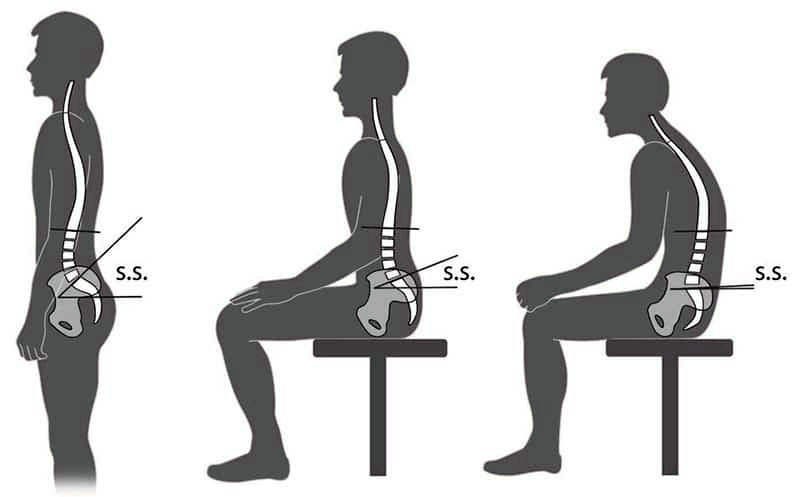
Poor posture, especially the rounding of the lower back. This usually happens when sitting. The rounded low back becomes a bad habit that individuals think will help with the pain. This can cause a flare-up. The spine has a natural S-curve and the more an individual can maintain that natural curve, the better off they will be.
Weight Gain
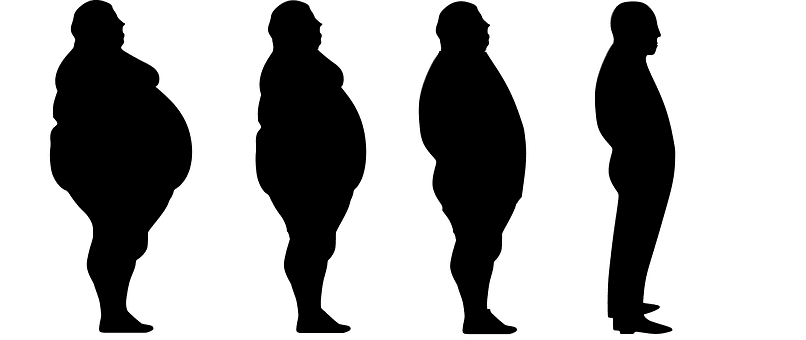
Too much weight can cause flare-ups with added stress/pressure on the spine, especially the low back. Maintaining a healthy weight will help relieve the added pressure, however, many who experience sciatica have trouble exercising. This is where a physical therapist and chiropractor can assist an individual with customized exercise and diet programs to overcome this obstacle. Eating is a way that individuals deal with pain, anxiety, and depression. But weight gain and poor health can worsen sciatica. Individuals that are overweight tend to experience more inflammation throughout the body, making sciatica even worse.
Stretching
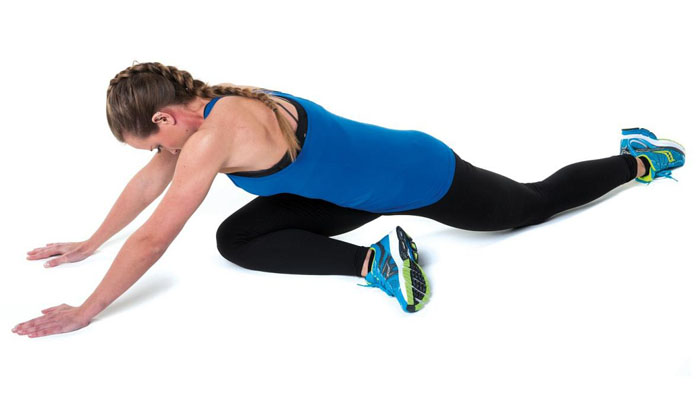
Not stretching, especially as the body gets older tightens the muscles, ligaments, and tendons. And stretching improperly can injure these areas. There are recommended and non-recommended stretches for individuals dealing/managing sciatica. Stretches that require bending the low back can place added pressure on the lumbar spine, causing sciatica flare-ups.
Lifting Heavy Things
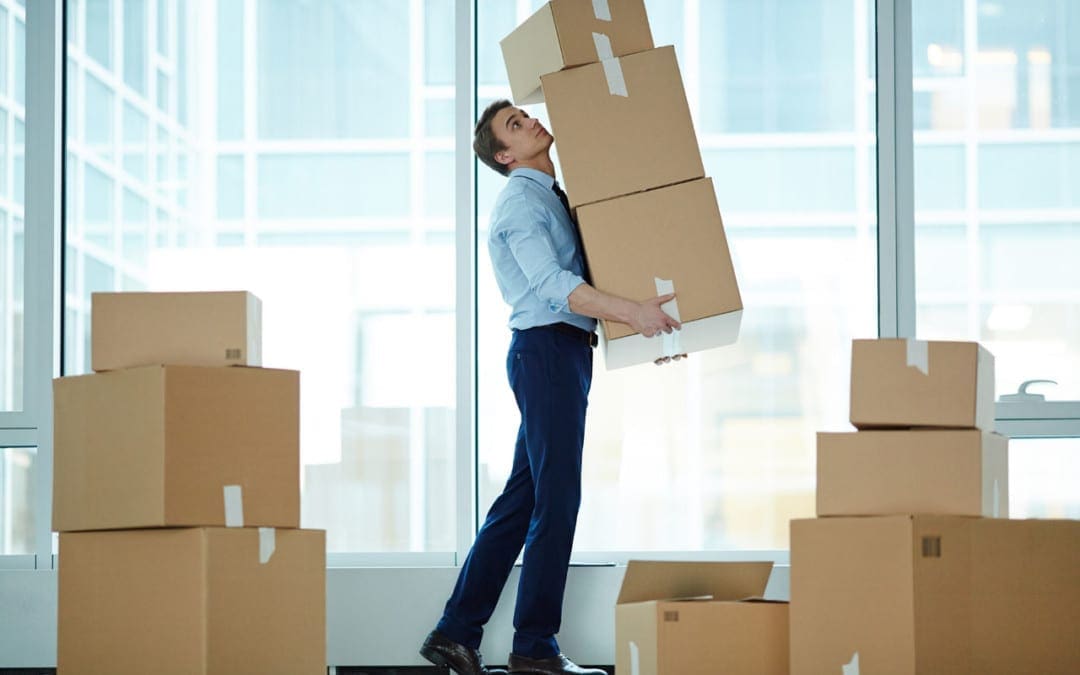
Lifting and improperly lifting heavy objects can worsen sciatica. This has to do with the rounding of the low back. Any time the spine is taken out of its natural S-curve, there is undue pressure on the joints and discs. When lifting heavy objects in this position the problem is worsened. When possible avoid lifting anything heavy while dealing with sciatica. It�s healthy to stay active, but there is no need to do intense workouts at home or the gym, especially heavy lifting.
Tight Pants
Tight pants can contribute to sciatica. Whether shorts, jeans, or skirts, wearing overly-tight, form-fitting pants should be avoided until the sciatica is gone. And even after it is not recommended to wear overly tight-fitting clothing, as this can cause blood and nerve circulation problems.
Shoes
Like tight pants, the wrong shoes without adequate support can cause flare-ups. For example, high heels force weight distribution to the front of the feet. For the body to compensate, it�s normal to push the pelvis and hips forward. When the body is in this position for a long time it starts to place stress on the hamstrings, which will exacerbate sciatica. Shoes without adequate support place added stress on the feet, which gets transferred up the leg to the hamstrings. Customized shoe inserts designed especially for individuals with sciatica can help in preventing symptoms.
Improvement
Sciatica takes time to heal. Avoiding making it worse and taking all the steps to help it heal, can bring the body back to normal within 2 weeks. For most, it takes around 4 weeks for the pain to go away. This depends on various factors. For example, if sciatica develops during pregnancy, it could take longer to get rid of the pain. One sign that shows improvement is called centralization meaning the pain is moving out of the leg and into the spine. This is a good sign that the individual is on the right track.
Body Composition
Meal Planning
The convenience of food delivery is wonderful, but remember that frequently eating food prepared away from home increases the risk of weight gain and obesity. Restaurants tend to serve oversized portions and prepare meals with excessive calories, sodium, and sugar. The benefit of eating from home is that individuals have more control over the ingredients and cooking methods used to prepare the food. It helps to plan meals and snacks in advance to make sure they are balanced. Here are the types of foods that should be included in a balanced meal plan:
A variety of whole fruits
Non-starchy vegetables – leafy greens, red and orange veggies
Starchy vegetables – potatoes, green peas, legumes, winter squash
Grains, with the goal to make at least � from whole-grain sources
Low-fat or fat-free dairy milk, yogurt, cheese
Protein from various sources – lean meats, seafood, eggs, nuts & seeds, and soy products
Healthy cooking oils – olive oil or canola oil
Nuts and nut butter
Fresh or frozen fruits
Dried herbs and spices
Dr. Alex Jimenez�s Blog Post Disclaimer
The scope of our information is limited to chiropractic, musculoskeletal, physical medicines, wellness, and sensitive health issues and/or functional medicine articles, topics, and discussions. We use functional health & wellness protocols to treat and support care for injuries or disorders of the musculoskeletal system. Our posts, topics, subjects, and insights cover clinical matters, issues, and topics that relate and support directly or indirectly our clinical scope of practice.*
Our office has made a reasonable attempt to provide supportive citations and has identified the relevant research study or studies supporting our posts. We also make copies of supporting research studies available to the board and or the public upon request. We understand that we cover matters that require an additional explanation as to how it may assist in a particular care plan or treatment protocol; therefore, to further discuss the subject matter above, please feel free to ask Dr. Alex Jimenez or contact us at 915-850-0900. The provider(s) Licensed in Texas& New Mexico*
References
Sciatica. MedlinePlus. https://medlineplus.gov/sciatica.html. Accessed November 29, 2018.
Sciatica Sciatic Nerve Pain During Pregnancy. babyMed. https://www.babymed.com/pregnancy/sciatica-pain-during-pregnancy. Updated on August 29, 2018. Accessed November 29, 2018.
Shiel WC. Degenerative Disc Disease and Sciatica. MedicineNet. https://www.medicinenet.com/degenerative_disc/article.htm#what_are_the_symptoms_of_radiculopathy_and_sciatica. Last reviewed August 10, 2018. Accessed November 29, 2018.
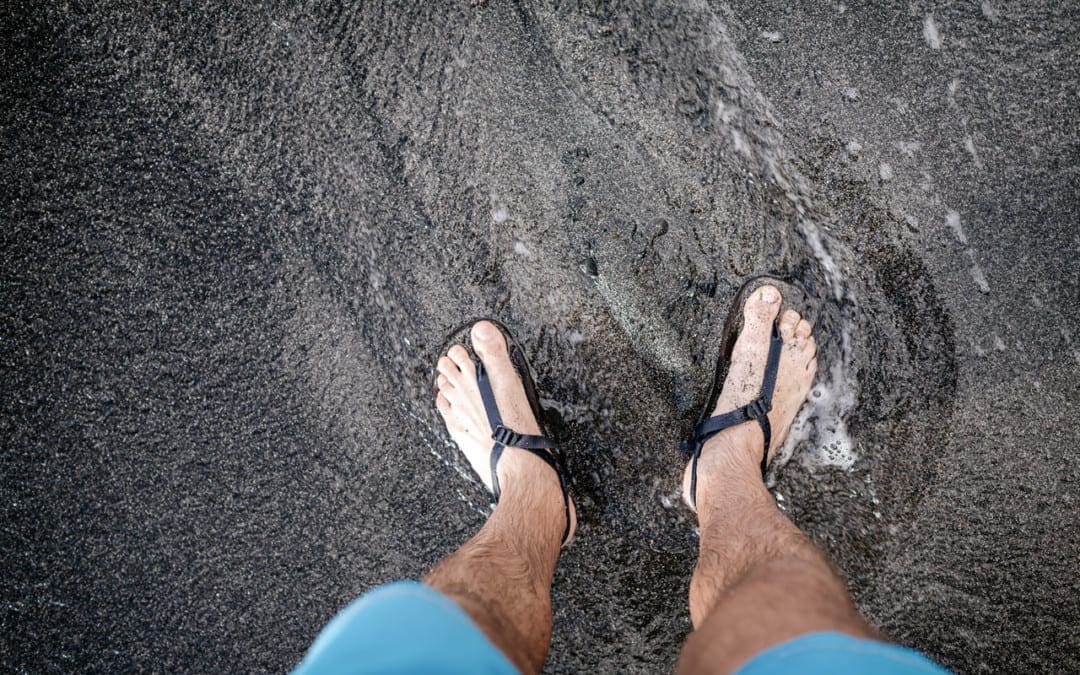
Summer footwear, although light and comfortable can lead to low back pain. Individuals with low back pain conditions/issues should opt for custom flip-flops or sandals. A few tips on how to choose the right summer footwear and avoid back pain. With the temperature going up we’re all ready to take out the shorts, t-shirts, and flip-flops or sandals. That’s when back pain can flare-up.
There are a variety of things that can generate back pain like improper posture, muscle spasms, and various medical issues. However, everyday shoe choices can also impact the spine and cause back pain. NCBI studies backed by podiatrists have found that unstable shoes, e.g., cheap flip-flops, and sandals can cause low back pain. �
�
�
Improper footwear allows biomechanical abnormalities affecting the feet to be compounded and worsened. This leads to increased pain in the knees, hips, and lower back. Accurately fitted shoes and orthotics are some of the best footwear for lower back pain. While flip-flops and sandals unless they are orthotic based offer little to no support.
�
Summer Footwear Back Pain
Like any type of mechanical system, if there is something wrong in one area, other problem issues begin to arise in other areas. It is the same with the body. If there is an issue with the feet it can affect the knees and hips, rising up to the spine causing back pain.
Summer shoes can worsen any of these underlying issues that often individuals don’t even know they had until they see a doctor for their back pain. This usually begins with the foot type. Those with flat feet tend to force the muscles and tendons in the feet to work more leading to tendinitis.
Arches that have fallen or droppedand remain unsupported can lead to arthritis development in the knees and the wearing down of the medial meniscus. Knees that do not function properly place added stress on the hips and lower back. This can lead to disc degeneration of the intervertebral discs. �
�
Foot Arch Type
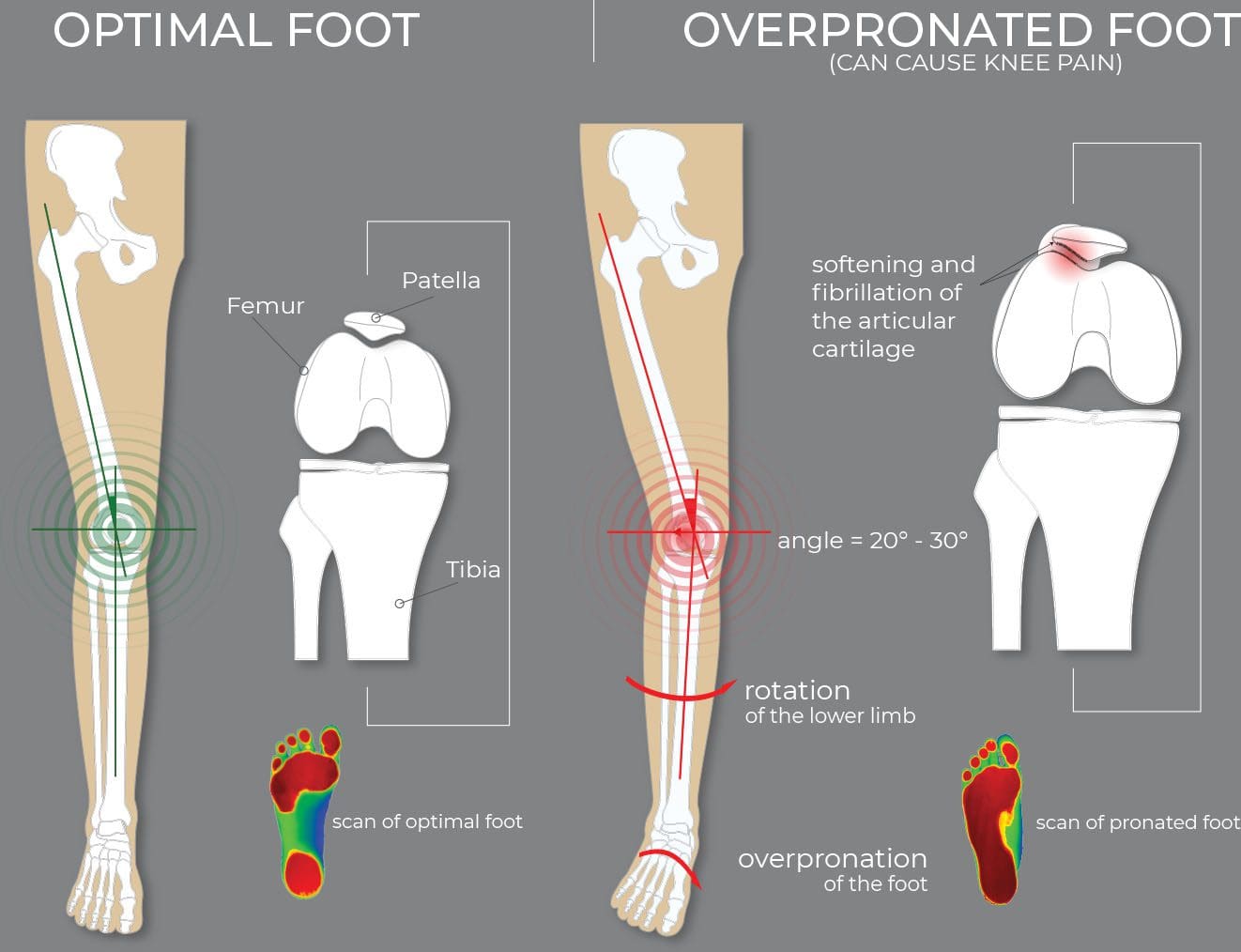
Anatomical anomalies like fallen arches/flat feet and high arches can cause back pain differently. Hyperpronation happens in flat feet causing the arches to collapse. This places more pressure on the inside of the legs and knees, which creates more imbalance in the hips and low back. �
�
Hyper supination happens in high-arched feet causing the arches to rise. This places the pressure on the outside of the legs and knees, leading to muscle imbalances on the outside of the legs along with the hips and low back. Wearing unsupportive shoes like flip-flops, sandals, and heels for a long time, can cause back pain or make an existing condition worse. �
�
Either flat feet or high-arched feet left untreated can lead to long-term injuries and extended/over wear and tear of the spine’s vertebrae and intervertebral discs. Summer footwear choices can influence discomfort and back pain.
�
The Right Shoes
Summer footwear that doesn’t generate back pain doesn’t mean that you have to throw out the flip-flops. Look for shoes or flip-flops that are highly durable, sturdy, that don’t bend in the middle, and only at the toes.
For those with flat feet look for sufficient arch support to prevent hyperpronation. Pay attention to the details of the shoes/flip-flops/sandals. For example, added cushion, or ankle support could mean the difference between pain and relief. There are sandals that have ankle straps to keep the feet in place. This prevents the feet from slipping out, provides better stability during walks, and can help prevent tendinitis. �
�
It is better to avoid anything with a heel, especially sandals or flip-flops that have a heel/high lift. These force the individual to shift their center of gravity forwardforcing the arching of the spine when standing. This position definitely contributes to back pain.
�
Customized Footwear
Customized flip-flops or sandals that won�t cause any back pain are available with the help of a podiatrist or a chiropractor that helps and works with podiatrists. 3D-scans can be done to make fully-customized flip-flops that support the arches based on the scan. �
�
Excessive Foot Pronation and Custom Foot Orthotics
�
Dr. Alex Jimenez�s Blog Post Disclaimer
The scope of our information is limited to chiropractic, musculoskeletal, physical medicines, wellness, and sensitive health issues and/or functional medicine articles, topics, and discussions. We use functional health & wellness protocols to treat and support care for injuries or disorders of the musculoskeletal system. Our posts, topics, subjects, and insights cover clinical matters, issues, and topics that relate and support directly or indirectly our clinical scope of practice.*
Our office has made a reasonable attempt to provide supportive citations and has identified the relevant research study or studies supporting our posts. We also make copies of supporting research studies available to the board and or the public upon request. We understand that we cover matters that require an additional explanation as to how it may assist in a particular care plan or treatment protocol; therefore, to further discuss the subject matter above, please feel free to ask Dr. Alex Jimenez or contact us at 915-850-0900. The provider(s) Licensed in Texas& New Mexico*
Sciatica is not only caused by a spinal injury, although this is the primary cause, sciatica can also surprisingly be caused by your clothes and shoes. Sciatica is defined as symptoms that include back, leg, and foot pain caused by the compression of the sciatic nerve. Other symptoms can include shootingelectrical rays of pain, weakness, and numbness from your low back all the way down your legs into your feet.
Because of the intensity, many assume it has to be something serious like a work/car accident, sports injury or severe trauma. All of this can lead to sciatica, but there are also everyday things that we do daily that can also cause it. Here are some lesser-known ways of developing sciatica.
Items in Your Back Pocket
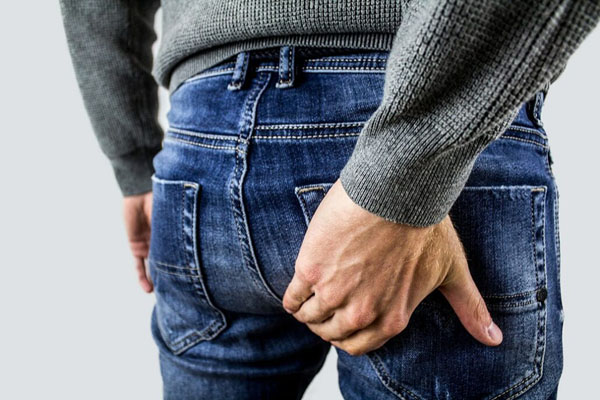
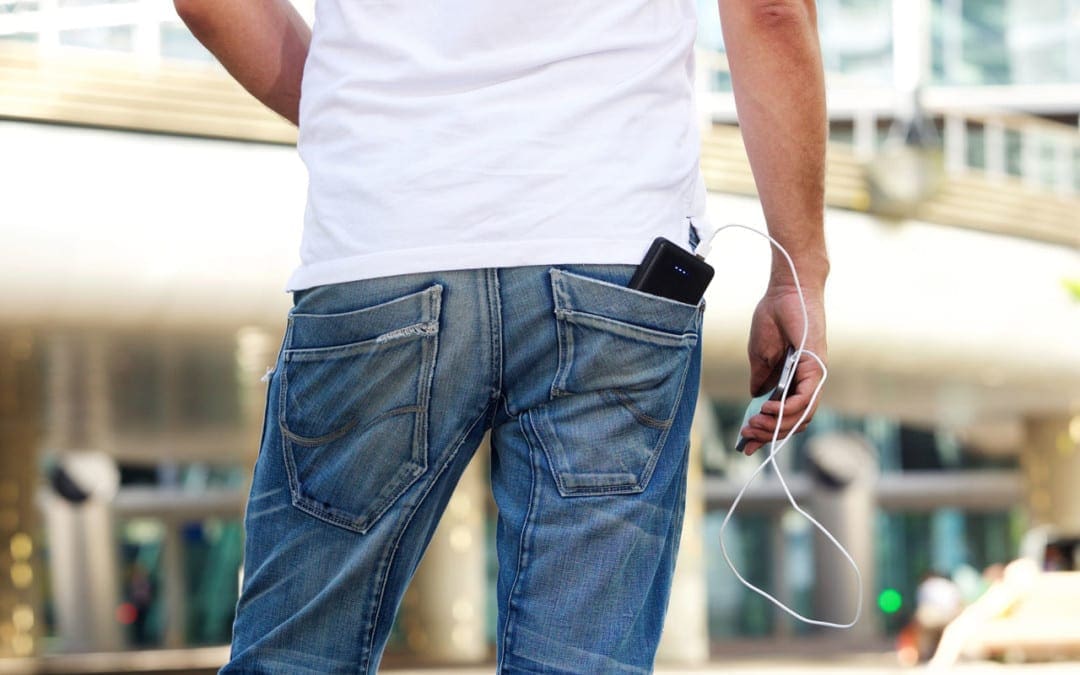
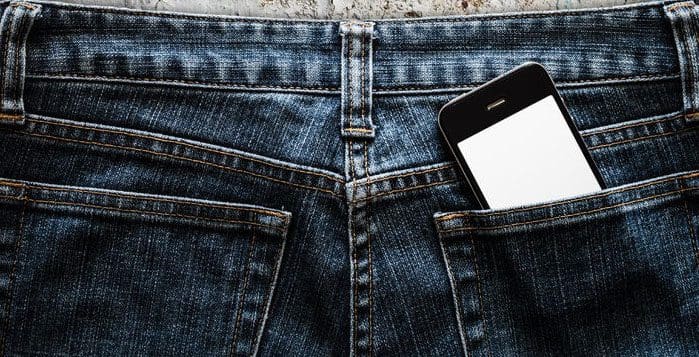
Many of us put our phones or wallets into our back pockets. When we carry these items in our pocket and then sit down on them, this can become a gradual trigger to sciatica. When we sit with these items begin to irritate the piriformis muscle. The sciatic nerve is right underneath this muscle and can get compressed. This cause has not been defined by the medical community, but a few names floating around include (back-pocket sciatica and cell-phone sciatica).
Wearing High Heels
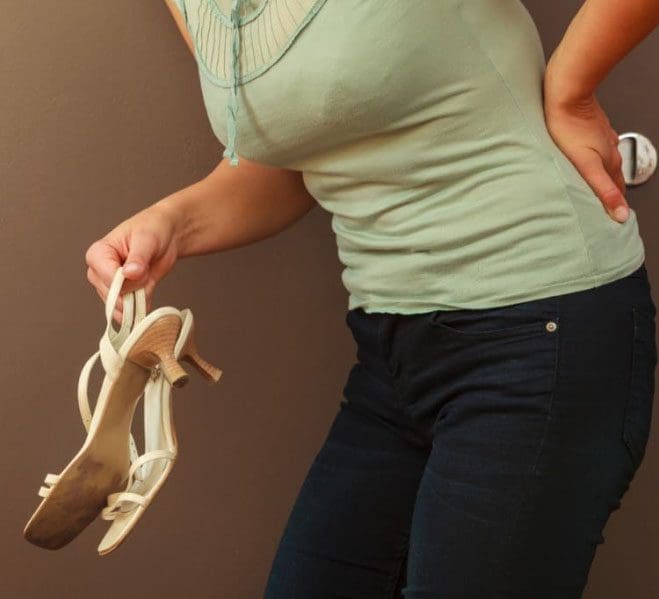
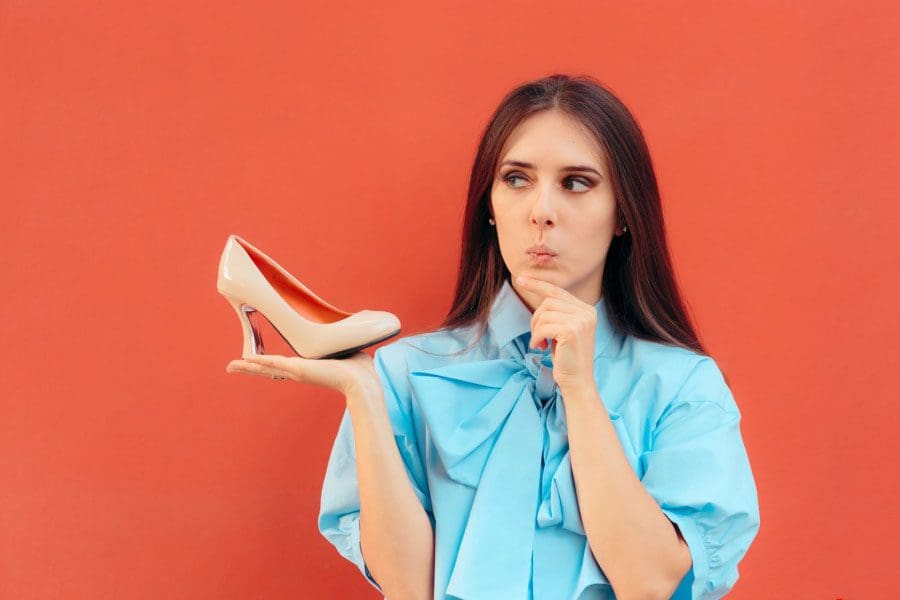
High heels push your weight forward and so your body wanting to remain upright responds by flexing the hips to keep you straight. The risk of sciatica happens when this flexing at the hips stretches the hamstrings that can irritate the sciatic nerve running alongside the hamstrings. And besides sciatica high heels can cause a bevy of other spinal problems.
Wearing Tight Jeans and Underwear
Overly tight-fitting pants and underwear might look and feel great, however, they can also contribute to sciatic nerve pain. Wearing tight clothing is not bad but realize that wearing this type of clothing every day will start to compress the muscles, ligaments, and nerves. Mix it up with clothing that allows you to move freely. If your clothing cuts off circulation absolutely do not wear it. And when it comes to tight pants, change postures and don’t stay in the same position for too long, especially sitting.
Excess Weight
Research has found an association between being overweight and having sciatica.�Excess body weight puts stress on your spine. This added pressure combined with sedentarism can cause spinal disorders that include sciatica. Being able to maintain a healthy weight will greatly reduce your risk of developing sciatica symptoms.
The Impact of Sciatica
Even if just gradual weakness develops down your leg or a sudden burst of pain comes and goes, do not ignore it and make an appointment with your doctor or chiropractor to understand the issue and underlying cause/s and set up a preventative treatment plan before it gets out of hand. There are many sciatica treatments/therapies to reduce or eliminate low back and leg pain. Your doctor/chiropractor will work with you to develop a custom sciatic preventive exercise treatment plan.
Severe *Sciatica”* Pain Relief | El Paso, Tx (2020)
NCBI Resources
A study cited by the health magazine�Prevention found that sixty percent of sciatica sufferers who failed to get relief from other treatments found their symptoms improved after chiropractic care. Please contact our chiropractic team today to schedule an appointment if you are experiencing symptoms of sciatica. We are ready to help you feel better and get back on your feet again.
If you�ve been experiencing lower back pain and can�t seem to pinpoint the cause, try looking down � at your feet. What kind of shoes are you wearing? Your shoes can have a tremendous effect on your spine, causing back pain. While this is traditionally considered to be a �female issue,� some men�s shoe styles are unsafe as well. Take a look at the most common culprits and find out how you can be safely shod.
The Truth About High Heels
Wearing high heels puts your body in a position that is very similar to walking on a ramp. It causes your calf muscles to stay in a constantly flexed position and increases fatigue throughout the lower body. What�s worse, though, is that high heels cause your entire posture to change, they:
Thrust your chest forward
Push your lower back forward
Tilt your pelvis up so the spine and hips are out of alignment
Put excessive pressure on the knees
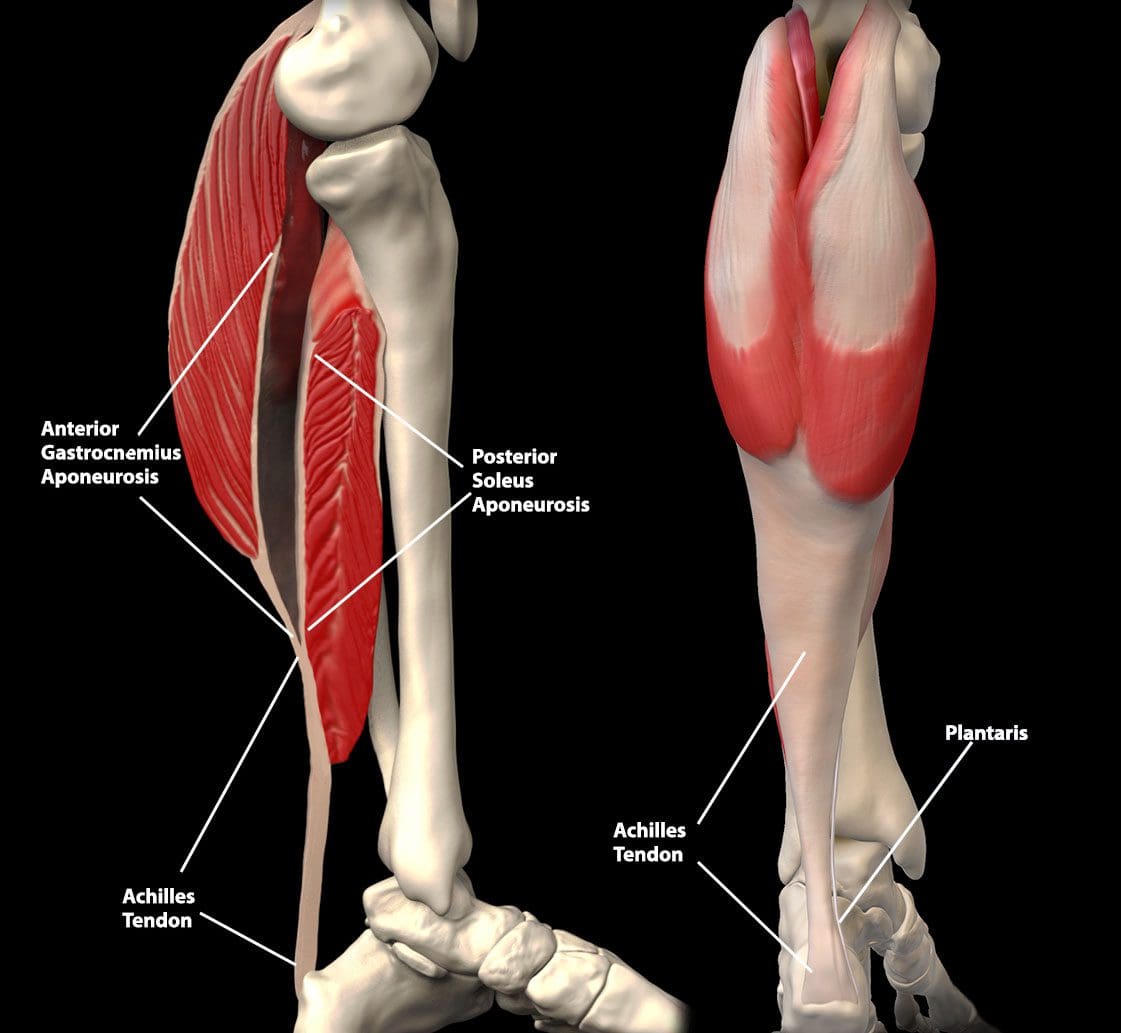
Tendons get thicker and calf muscles get shorter
Shift your weight to the balls of your feet with increased downward force pressure
Extended regular wear can actually cause your anatomy to change
Wearing high heels for even a few hours can cause lower back pain. Wearing them regularly can have a detrimental effect on your body. This does not take into account the increased risk of falls and twisted ankles.
Why Flip Flops are a Flop
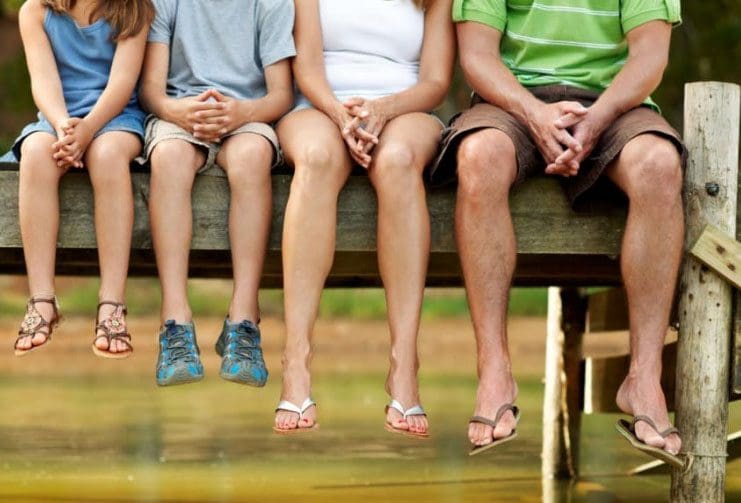
Flip flops are a popular summer shoe. They are easy to slip on and take off, they�re cool and fairly comfortable. Most even stand up to getting wet without damage. However, you may be sacrificing your safety and spine health for choosing these easy to wear shoes.
The biggest problem is, they do not offer any ankle or foot support � none at all. The cushioning is minimal at best and they aren�t really secure on your foot. All of this leaves you vulnerable to trips and falls � a leading cause of injury and death in the United States. It also leaves you vulnerable to back pain and spinal injury.
There are several problems with wearing flip-flops, especially on a regular basis:
You have to unnaturally shorten your stride
You have to curl or pinch your toes to keep your shoes on while you walk
Your foot contacts the ground in an unnatural way that causes your leg to rotate slightly
All of these things put pressure on your spine, causing unusual strain on your hips, knees, feet, and lower back. It can cause muscular pain and strain, but it can also cause misalignment of your spine.
So, are Flat Shoes Better?
When compared to high heels, flat shoes are much better, especially when it comes to posture. Flats keep your spine pretty straight and your calf muscles are relaxed. They also help to distribute your body weight more evenly through your whole foot as opposed to pushing it to the balls of the feet. However, not all flat shoes are created equal. For instance, flip flops are flat, but we know that they are bad for your body, so be careful when choosing your flat footwear.
Throughout the course of the day, your foot naturally expands. Go shoe shopping in the afternoon to get a more accurate fit.
Get your feet measured every time you buy shoes.
Always try on new shoes, walk around in them and stand.
When determining length and width, do it while standing.
Look for shoes that provide foot support and have arch support.
Don�t get shoes that are too wide or too narrow � or too long or short.
Look at both size and width. Going up a half a size may not necessarily mean a shoe is wide enough if the shoes you are trying on pinch.
Speaking of size, let it be a guide, not a rule. Gauge your shoe size by your comfort, not a number.
Feel the insides of the shoes, along the heel and down to the toe to make sure that there are no seams, tags, or anything else that will affect your comfort or rub your foot.
Check the shoe for sturdiness and soundness. Is the sole thick? Does the sole adhere well to the shoe (no gaps or loose spots)? Is the shoe made from durable, quality material?
Shoes are not accessories, they are tools that help protect much more than just your feet. Wear them well.
Sports Injury Rehabilitation Chiropractor | El Paso, Tx (Best)
Running Shoes: Feet are important. By the time the typical American reaches the age of 50, they will have walked 75,000 miles.
Runners put even more miles on their feet, and stress. Your feet are your foundation. A problem with your feet can throw your entire body out of balance. That is why when it comes to running shoes, it is important to find the right type. This guide will help you find the running shoes that are right for you.
Running Shoes
Before You Shop
Know the type of runner you are.
Different types of running require different features in shoes.
Some questions to consider:
Do you run or jog?
What surface do you run on � asphalt, treadmill, or trails?
A larger person will not move and run the same way a thin, wiry person does. An overweight person will put more stress on their feet � and shoes.
Know your running style.
The way you run, the motion of your stride and how your foot strikes the ground has great bearing on the type of running shoe you need. When your foot comes in contact with the ground, what hits first? Does the inside of your forefoot hit first? The center of your heel? The outside of your heel? Where your foot first hits is where you really want the cushion.
Know what injuries you may have sustained from running.
Plantar fasciitis, shin splints, tendonitis, and blisters are a few common injuries can be reversed or improved when you wear running shoes that fit properly.
Know the type of arch you have.
Whether you supinate (foot rolls to the outside) or pronate (foot rolls to the inside) is determined, at least in part, by the shape of your arch. While supinators are rare, quite a few people over pronate. This can be the source of injuries due to overuse.
When You Shop
Give it the 360-degree test.
When people try on shoes they typically check for fit in the toe box, but look no further than that. When you try on running shoes, you do need to make sure you have adequate space in the toe box, but you also need to check that your entire foot fits on the shoe�s platform.
Give your foot enough space.
The upper should have enough room but should not be loose. It shouldn�t squeeze your foot either though. It should fit well with no pinching or binding.
Shop later in the day.
Throughout the day your feet swell. When you run they also swell so when you shop for shoes, going when your feet are the largest will help ensure that you get the most accurate and more comfortable fit possible.
Bring your old running shoes along when you shop.
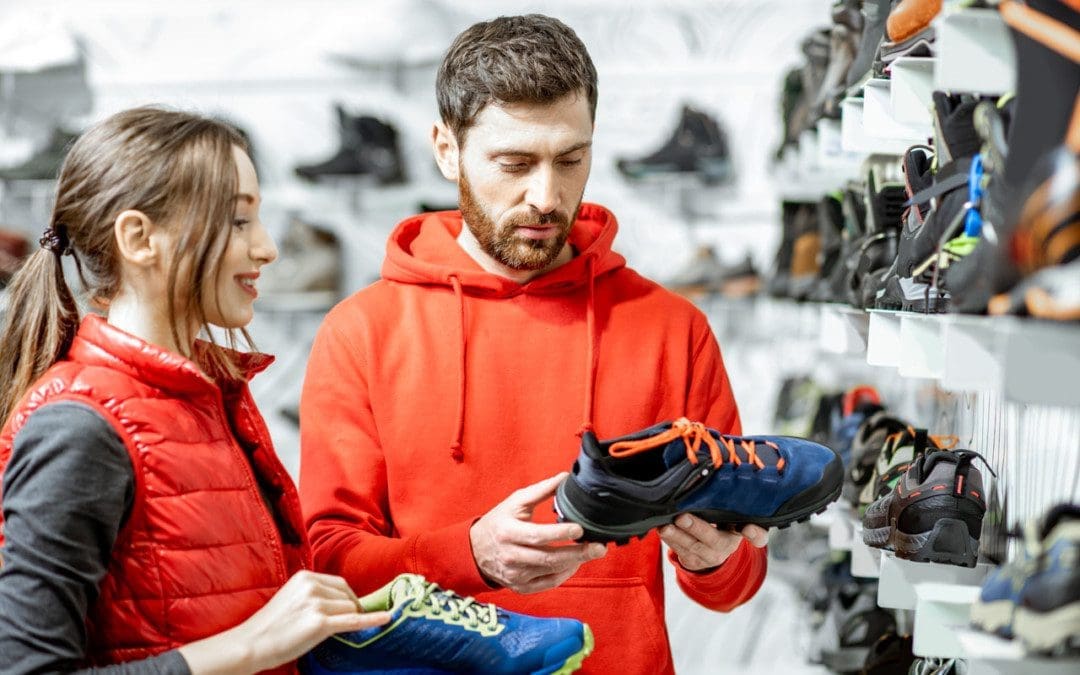
Having your old shoes with you when you shop will help the sales person determine what kind of running shoe you need. They can look at the wear on the shoe to see your running patterns and help you find a shoe that works best for you.
Get your foot measured.
As you age your feet actually change; they can expand or flatten. Don�t every assume your shoe size, get your foot measured every time. A comfortable fit is dependent upon wearing the right size shoe. You also need to keep in mind that shoe sizes may differ from brand to brand.
Dress for the run.
When you are shopping for a new pair of running shoes, dress as you would when you run. Don�t show up wearing flip flops or when you are dressed for the office. Definitely don�t show up without socks.
Forget the latest trend or what�s fashionable; think functionality.
There are plenty of sharp looking shoes, but that doesn�t mean they are the right running shoe for you. Go for fit and functionality first and fashion second.
Take them for a test drive.
Once you have settled on a pair or two, try them both on and try them out. Many stores that specialize in running shoes have a treadmill or area where runners can try their shoes. That is the only way you can tell for shoe if the shoe is right for you.
IFM's Find A Practitioner tool is the largest referral network in Functional Medicine, created to help patients locate Functional Medicine practitioners anywhere in the world. IFM Certified Practitioners are listed first in the search results, given their extensive education in Functional Medicine

 Athletic Running Shoes