The sciatic nerve is the largest nerve in the human body and its main function is to connect the feet to the CNS. The painful symptoms associated with sciatic nerve pain, or sciatica, can tremendously affect a person's quality of life.
Sciatica, or sciatic nerve pain, is caused by the compression of the sciatic nerve, which runs from the low back, down each leg, and into the feet.
Dr. Alex Jimenez focuses on the diagnosis, treatment, and prevention of a variety of health issues associated with the musculoskeletal and nervous systems.
Chiropractic care is an alternative option that utilizes spinal adjustments and manual manipulations to safely and effectively correct any spinal misalignments, or subluxations, which may be causing painful symptoms like sciatic nerve pain or sciatica. Dr. Jimenez is the non-surgical choice.
El Paso Back Clinic
We are blessed to present to you El Paso�s Premier Wellness & Injury Care Clinic.
As El Paso�s Chiropractic Rehabilitation Clinic & Integrated Medicine Center,�we passionately are focused on treating patients after frustrating injuries and chronic pain syndromes. We focus on improving your ability through flexibility, mobility and agility programs tailored for all age groups and disabilities.
We want you to live a life filled with more energy, positive attitude, better sleep, less pain, proper body weight and educated on how to maintain this way of life.
I assure you, I will only accept the best for you�
If you have enjoyed this video and we have helped you in any way, please feel free to subscribe and recommend us.
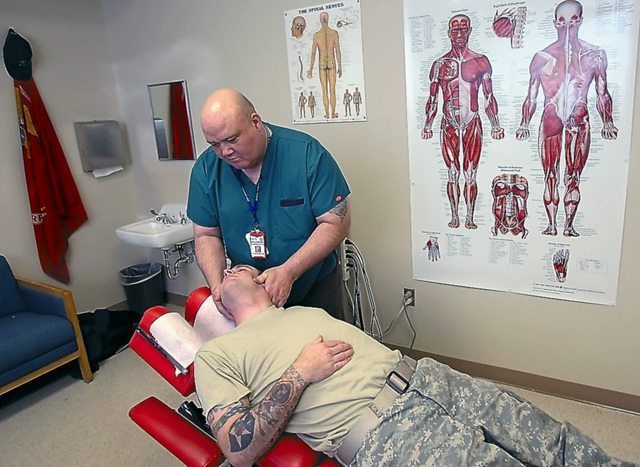
Our military members put their bodies through tremendous stress every day. Add to that minor to serious trauma and there is a strong case for chronic pain. This pain affects our veterans and soldiers on a daily basis, and interferes with their normal activities and impacts their ability to perform their regular jobs.
Too often, doctors dismiss the pain as �something you just have to live with� and write prescriptions for narcotics that impair and incapacitate the patient. There are better ways to manage a good bit of the chronic pain that members of the military live with each day. We'll explore one way, mainly chiropractic, in today's article.
Chronic Pain & Military Members
The regular demands of being a soldier, coupled with the stress that is prevalent, particularly among active duty military personnel, can create a perfect storm of sorts for chronic pain. When they are advised to tough it out or arrive at that option on their own, they usually do not get the medical attention they need. This can lead to exacerbation of the issue, compelling the soldier to seek treatment only when the pain is severe, or the condition is serious.
Single event trauma is all too common in this arena and plays a large part in the pain they experience, as does surgeries to correct injuries or trauma. However, the cumulative stress can have a detrimental effect on not just the condition and the pain, but the patient�s perception of the pain. In other words, it can cause them to experience the pain more acutely and have greater difficulty in managing it.
These issues are a part of the military and they aren�t likely to change. A chiropractor can help military personnel manage their pain, prevent injury, and regain flexibility and range of motion. It can be a solution that makes all the difference.
Alternative Treatments To Combat An Epidemic
Right now in the United States, opioid abuse has become an epidemic, yet doctors can rarely find viable alternatives that don�t have the dangerous and uncomfortable side effects � and that are not addictive. In truth, painkiller use is a growing problem with veterans and active military alike, mainly due to issues with substance abuse.
While their medications do relieve pain, the cost is just too great in many cases. Many people who take these pain pills report that they would live from pill to pill, their lives revolving around their next dose. That is why chiropractic is such an attractive option.
Chiropractic For PTSD
Post-traumatic stress disorder (PTSD) is a common condition among active military and veterans. Studies have found that complementary and alternative medicine (CAM) is very effective in treating PTSD.
Matter of fact, chiropractic care has received very high marks in this area. Typically, it involves combining chiropractic with some conventional approaches in an effort to bring relief to the patient.
Through specific spinal manipulations called vestibular rehabilitation treatment (VRT), the body is brought back into balance. This technique has been proven very effective among individuals who have brain injuries that are combat related. In one study, patients who received VRT for two weeks reported a significant decrease in PTSD symptoms, including depression and anxiety.
An Army report recommended the use of alternatives to pain drugs, including chiropractic care, massage, and acupuncture.
Chronic Pain & Chiropractic Care
Chiropractic care is a highly effective way to manage chronic pain and help speed healing from injuries. It is safe, non-invasive, and does not require any medication.
The chiropractor will use specific spinal adjustments and other techniques to bring the body back into alignment. A balanced body heals faster and experiences less pain.
The patient may also receive recommendations regarding lifestyle changes and dietary advice from their chiropractor which can help speed up the results and bring them to a place of less pain or no pain much faster.
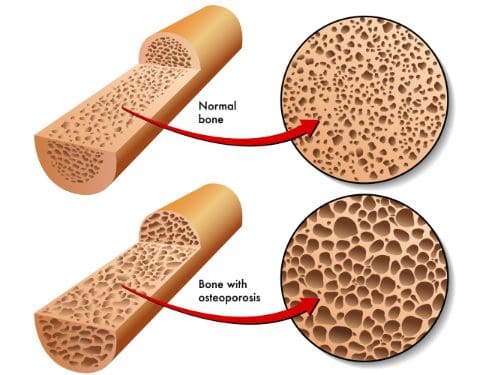
Osteopenia and osteoporosis, two very similar conditions, that are defined as decreased bone density, but osteopenia is far less. However, it is still a problem due to an increase of breaking a bone because of bone fragility.
Symptoms
Osteopenia usually doesn't cause symptoms unless a bone is broken. However, some patients who present with osteopenia complain of dull back pain.
Symptoms associated with osteoporosis include the following:
Back pain, caused by a fractured or collapsed vertebra
Loss of height over time
A stooped posture
A bone fracture that occurs much more easily than expected
The causes and those at risk?
Women (primarily small-boned Caucasian and Asian) are most at risk for both conditions, primarily those who are age 65 or older as well as women who are postmenopausal. However, men can also be affected.
Anyone who meets any of the criteria for being at risk for either of the bone conditions should be evaluated. Often, catching the conditions early can make a significant difference in the effects that they have on the body and in some cases, can even be arrested so that they don�t progress.
Some of the common causes of both conditions include:
Lifestyle habits
Smoking
Insufficient calcium
Sedentary lifestyle
Excessive alcohol consumption
Vitamin D deficiency
Carbonated beverages
Medical Situations
Bulimia, anorexia, and other eating disorders
Estrogen deficiency in women
Certain hormone imbalances
Overactive thyroid
Certain treatments including radiation and chemotherapy
Low testosterone in men
Medications including anti-seizure, hydrocortisone, and steroids
Health issues
Tumors
Cystic fibrosis
Crohn�s disease
Digestive issues
It should also be noted that certain types of diets, particularly those that advocate extremely low fat, or no fat can also cause problems. Vitamin D is necessary for calcium absorption in the body, but vitamin D is a fat-soluble vitamin meaning the body requires some fat in order to make use of it. When there is inadequate fat, the vitamin cannot be absorbed and in turn, calcium cannot be absorbed.
A family history of osteopenia, osteoporosis, or low bone mass can increase a person risk by 50% to 85%.
A Diagnosis
Bone mineral density (BMD) tests are used to diagnose both osteopenia and osteoporosis by measuring the calcium levels in bone. This type of test can also provide an estimate of how much at risk a person is for bone fractures.
This test is painless and non-invasive. It is usually performed on the heel, shin bone, wrist, spine, finger, or hip.
Two common types of these tests are radiographs, a standard diagnostic tool for osteopenia, and Dual Energy X-ray Absorptiometry (DEXA). A DEXA scan is essentially a low energy x-ray so patients are not exposed to as much radiation as they would be if they had a regular x-ray. The results are attained by comparing the score (measurements were taken) to scans of individuals who do not have the condition.
Once the score is measured and compared, it is assessed using a chart that identifies the level or risk:
+1.0 to -1.0 - Normal bone density
-1.0 to -2.5 - Low bone density
-2.5 or higher - At risk for osteoporosis
What Treatments Is Available?
As with most conditions, prevention is the most effective treatment. If you have a family history or fall under any of the risk factors, there are things you can do to minimize the effects or prevent the conditions completely.
Your chiropractor can talk to you about lifestyle changes, exercise, and diet as well as supplements that you can take. Chiropractic adjustments can also be effective for many patients with osteopenia and osteoporosis as long as the chosen technique is a low force technique like Activator.
Many patients find these natural treatments preferable to any medications that may be prescribed. The most important thing you should do, though, is get a bone density test if you are in an at-risk category, are a woman who is postmenopausal or age 65 or older.
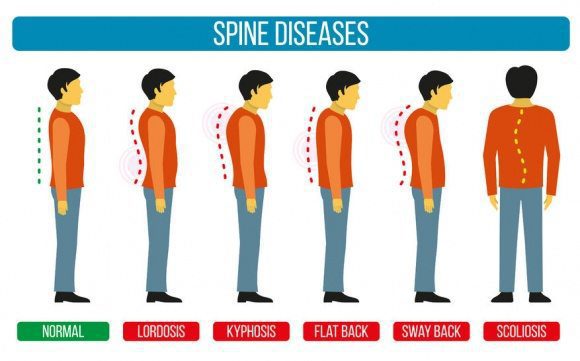
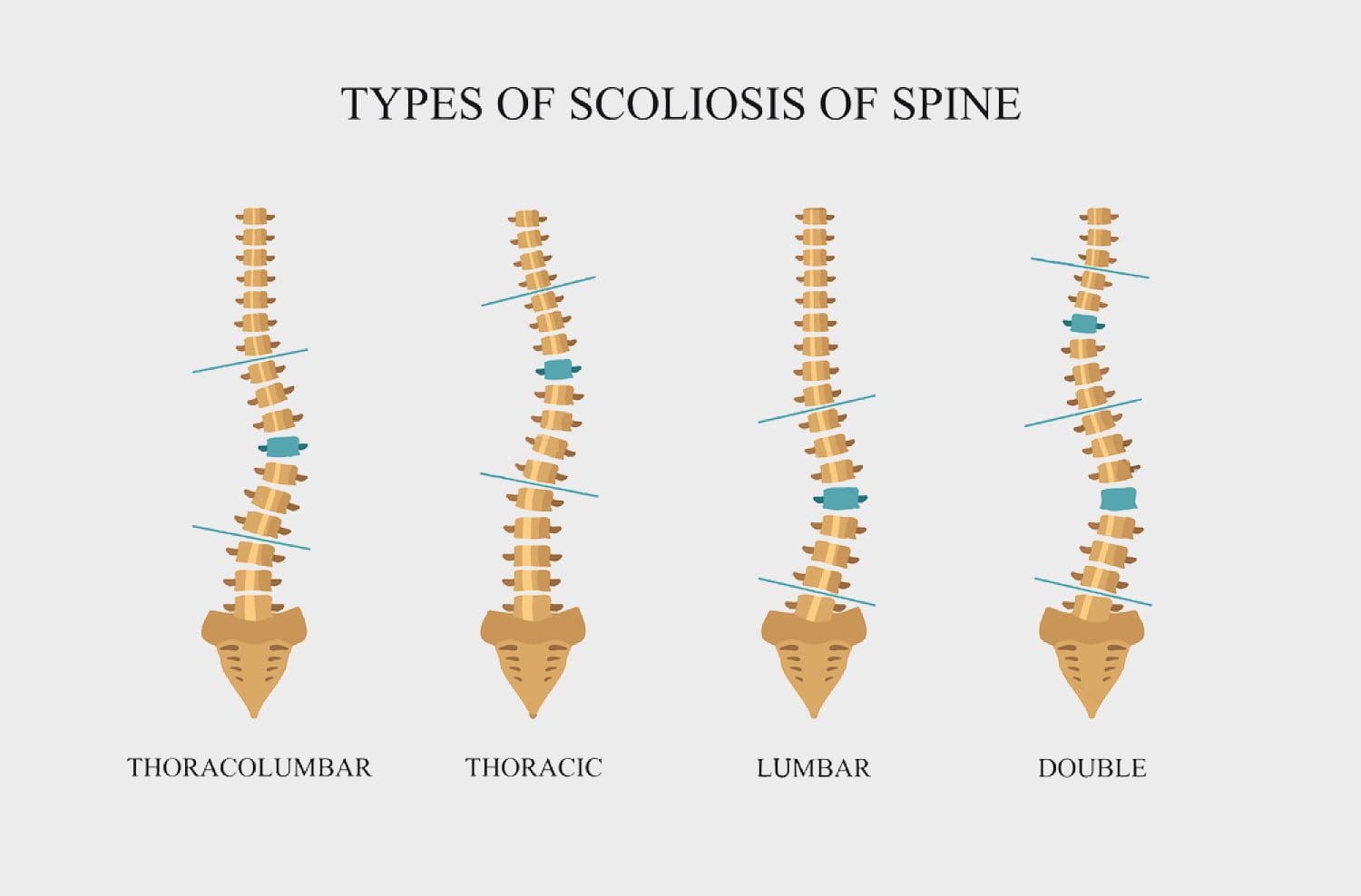
Sometimes there are abnormalities of the spine and it causes a misalignment of the natural curvatures or some curvatures may be exaggerated. These unnatural curvatures of the spine are characterized by three health conditions called lordosis, kyphosis, and scoliosis.
It is not intended to be naturally bent, twisted, or curved. The natural state of a healthy spine is somewhat straight with slight curves running front to back so that a side view would reveal them.
Viewing the spine from the back, you should see something completely different � a spine that runs straight down, top to bottom with no side to side curves. This doesn�t always happen though.
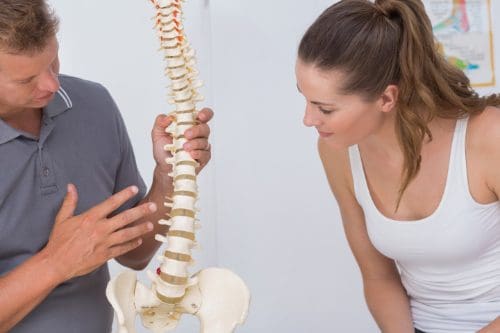
The spine is comprised of vertebrae, small bones that are stacked on top of each other with impact cushioning discs between each one. These bones act as joints, allowing the spine to bend and twist in a variety of ways.
They gently curve, sloping slightly inward at the small of the back, and again slightly at the neck. The pull of gravity, combined with body movement, can put a great deal of stress on the spine and these slight curves help absorb some of the impact.
Different conditions for different types of spinal curvatures
Each of these three spinal curvature disorders affects a certain area of the spine in a very specific way.
Hyper or Hypo Lordosis � This spinal curvature disorder affects the lower back, causing the spine to curve inwards or outwards significantly.
Hyper or Hypo Kyphosis � This spinal curvature disorder affects the upper back, causing the spine to bow, resulting in that area rounding or flattening abnormally.
Scoliosis � This spinal curvature disorder can affect the entire spine, causing it to curve sideways, forming a C or S shape.
What are the symptoms?
Each type of curvature exhibits its own set of symptoms. While some symptoms may overlap, many are unique to the specific curvature disorder.
Lordosis
A �swayback� appearance where the buttocks stick out or are more pronounced.
Discomfort in the back, typically in the lumbar region
When lying on a hard surface on the back, the lower back area does not touch the surface, even when attempting to tuck the pelvis and straighten the lower back.
Difficulty with certain movements
Back pain
Kyphosis
A curve or hump to the upper back
Upper back pain and fatigue after sitting or standing for long periods (Scheuermann�s kyphosis)
Leg or back fatigue
The head bends far forward instead of being more upright
Scoliosis
Hips or waist are uneven
One shoulder blade is higher than the other
The person leans to one side
What are the causes?
Many different health issues can cause the spine to become misaligned or to form a spinal curvature. Each of the spinal conditions mentioned is affected by different conditions and situations.
Lordosis
Osteoporosis
Achondroplasia
Discitis
Obesity
Spondylolisthesis
Kyphosis
Kyphosis
Arthritis
Tumors on or in the spine
Congenital kyphosis (abnormal development of the vertebrae while the person is in utero)
Spina bifida
Scheuermann's disease
Spine infections
Osteoporosis
Habitual slouching or poor posture
Scoliosis is still a bit of a mystery to doctors. They are not certain what exactly causes the most common form of scoliosis that is typically seen in children and adolescents. Some of the causes that they have pinpointed include:
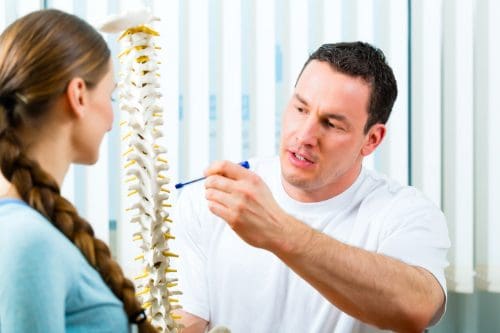
There are screenings available for both children and adults to identify any spinal curvatures in their early stages through your chiropractor. Early detection of these disorders is crucial in identifying them before they become too serious.
Personalized Spine & *SCIATICA TREATMENT* | El Paso, TX (2019)
Sciatica is a set of symptoms characterized by pain which extends down the length of the thighs from the spine. When a disk herniation compresses a nerve along the lumbar spinal column, approximately 90 percent of sciatic nerve pain, or sciatica, develops. Pregnancy and piriformis syndrome are common causes of sciatica.
Chiropractic care is a treatment option which focuses on the treatment of injuries and/or conditions associated with the nervous and musculoskeletal system, an alternative option. Patients explain how Dr. Alex Jimenez has helped them achieve pain relief through chiropractic care. Edgar M. Reyes and Truide Torres highly recommend Dr. Alex Jimenez as the non-invasive choice for sciatica.
El Paso Back Clinic
We are blessed to present to you El Paso�s Premier Wellness & Injury Care Clinic.
As El Paso�s Chiropractic Rehabilitation Clinic & Integrated Medicine Center, we passionately are focused on treating patients after frustrating injuries and chronic pain syndromes. We focus on improving your ability through flexibility, mobility and agility programs tailored for all age groups and disabilities.
We want you to live a life filled with more energy, positive attitude, better sleep, less pain, proper body weight and educated on how to maintain this way of life.
I assure you, I will only accept the best for you�
If you have enjoyed this video and we have helped you in any way, please feel free to subscribe and recommend us.
Piano players will sit or stand at a piano or keyboard, often in the same position for hours. A clarinet player must keep their head, neck, and jaw in a precise position in order to play properly. A guitarist must sit for long periods while holding the guitar in a certain position while moving their fingers over the frets in a very precise manner.
In other words, musicians put their bodies through some vigorous training. They practice for hours a day and engage their bodies in repetitive motions for long periods of time.
It's no wonder that many musicians complain of headaches, migraines, carpal tunnel, clicking jaw, numbness in the fingers, and back and neck pain!
Some of this pain can be debilitating and make it more difficult for them to perform their normal activities. Many live with chronic pain.
There was a time when these conditions were considered to be just a part of playing an instrument and the musician would push through the pain. However, many are turning to chiropractic and are enjoying not only a pain-free life but improved performance as well.
The Way Playing an Instrument Affects the Body
Some doctors liken musicians to athletes � instrumental athletes. They do have very similar practices such as practicing for hours a day so that they can perfect their abilities and skills. And like athletes, they also experience certain break downs within the body.
Posture is a common malady as the musician may stand or sit a certain way in order to play their instrument. This prolonged activity can lead to imbalances in the spine, pelvis, and other parts of the body.
When the body is not in balance, it cannot function as it should. Organs are affected and other the body may try to make accommodations for the imbalance which only exacerbates the problem.
This is further compounded each time the musician plays their instrument because by doing so they are consistently underworking and overworking certain muscles. This can lead to further imbalance.
The muscles that are worked, the ones used to play the instrument, get shorter, tighter, and stronger as scar tissue forms. By contrast, the underworked muscle groups stay underdeveloped and get weak. This muscular imbalance puts a great deal of stress on the spine and other joints in the body like the fingers, wrists, and elbows
They may also experience Repetitive Strain Injury or RSI. This condition is often quite painful and is concentrated in the soft tissues, nerves, tendons, and muscles.
These areas may become painful or inflamed when performing repetitive activities, pressing against hard surfaces, vibrations, awkward sustained positions, and forceful exertions. This causes the body to become out of alignment but also impacts the function of the skeletal system, nervous system, and muscular system.
Chiropractic
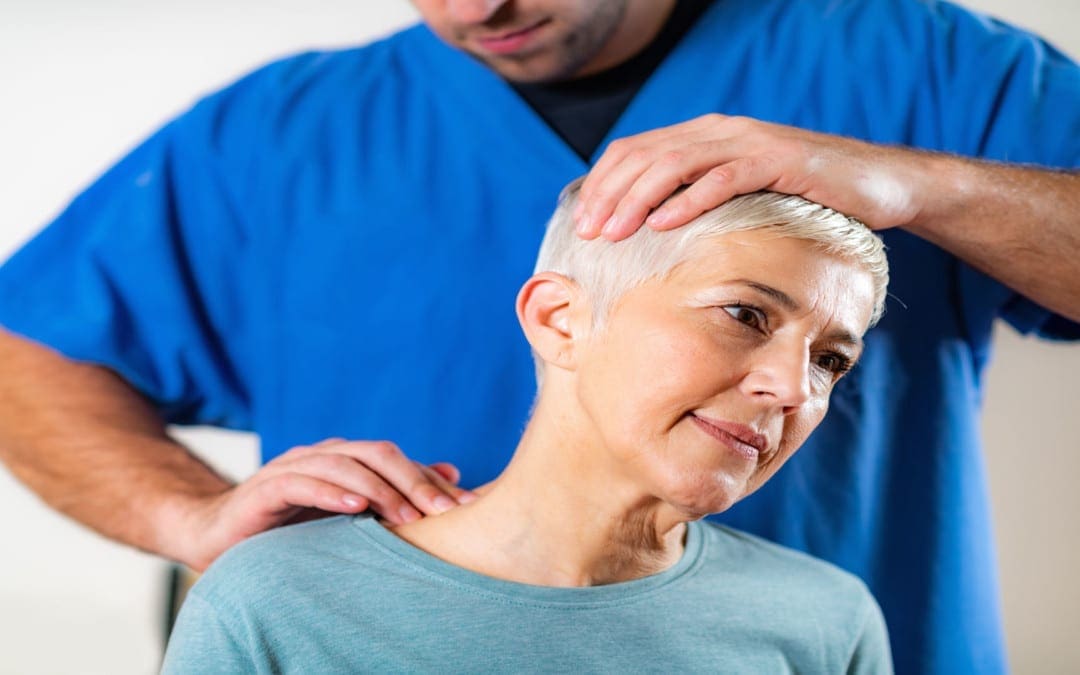
Chiropractors are very good for musicians because the can assess misalignments in their spine and make adjustments. When proper original alignment is stored to the body, it begins to function properly. This leads to a decrease in pain and other symptoms that may be experienced due to the long hours of playing an instrument.
Musicians also benefit from chiropractic because it can make them better at what they do. When the pain is decreased or eliminated and the other symptoms are relieved, it is easier to play.
When the spine is in proper alignment and the body is balanced, the musician will experience a boost in energy, their muscles will not fatigue as quickly, and their muscles will be more relaxed. With all those benefits, it�s no wonder that chiropractors and musicians make beautiful music together.
When seasons change, you may notice some pain in your joints. Fortunately, there is chiropractic care that can help. When people hear chiropractic care they usually think of spine problems and back pain. This is true, but chiropractic medicine treats many conditions other than spine pain.
Chiropractic can be used for joints all over the body, including ankles, knees, shoulders, hips, and wrists. It is a natural, whole-body approach to health care and wellness as a very effective way to manage chronic joint pain such as arthritis, or joint pain due to injury.
What Causes Joint Pain and Immobility?
There are several reasons that a joint may become painful and immobile. Injury or trauma to the joint, such as a fall, being hit while playing sports, or being involved in a car accident, can cause injury. Microtrauma occurs due to a repetitive use injury such as working on an assembly line or using a computer all day, can also cause damage resulting in pain.
Sometimes an inflammatory diet can cause problems and stress can also certainly be a factor. Stress affects the entire body, including its chemicals and hormones that can lead to joint damage or weakness, making you more prone to injury.
Finally, age may be a factor. As we get older, our bodies don�t hold up like they once did. This can mean joint pain and decreased range of motion. The colder months can instigate pain in the major joints, including the knees, back, hips, and shoulders.
Why does Cold Weather Exacerbate Joint Pain?
The short answer to this is that researchers aren�t really sure. One of the most popular theories is that low-pressure systems typically accompany the cooler temps. The lower pressure can cause the tissues in already sensitive joints to expand, creating a perfect environment for inflammation including aches, tenderness, decreased range of motion, and swelling.
Other factors that may also affect joint pain in cooler weather are low-level dehydration, a sedentary lifestyle, and depression or �the blues.� Low-level dehydration is more common than you may think; most people do not have adequate water intake.
Sodas don�t count as hydration and this can be a real problem. Generally, people don�t hydrate as much when the weather is cool � or not as much as they did during the warm summer months.
When the weather cools down people become less active, especially if there is snow and ice on the ground. Lack of exercise can lead to serious joint troubles.
Depression can also impact your entire body, including your joints. Many people suffer from Seasonal Affective Disorder or SAD. Doctors believe that it occurs because of the shorter days and generally darker skies during the winter months. Depression and anxiety have strong ties to chronic pain as a whole, including joint pain.
How Chiropractic Helps Relieve Joint Pain
Chiropractic provides an all-natural, holistic approach to health care and pain management. It does not use medications or invasive medical procedures.
The chiropractor usually begins by aligning the spine, which is called an �adjustment.� This brings the body back into alignment so that it can function more efficiently and with less pain. The patient may also be given recommendations on lifestyle changes, dietary adjustments, exercise, and supplements.
When the body is aligned, the entire system is balanced. This allows the body to work at a more optimal rate. As a result, the range of motion improves and the pain is decreased or even completely eliminated.
IFM's Find A Practitioner tool is the largest referral network in Functional Medicine, created to help patients locate Functional Medicine practitioners anywhere in the world. IFM Certified Practitioners are listed first in the search results, given their extensive education in Functional Medicine