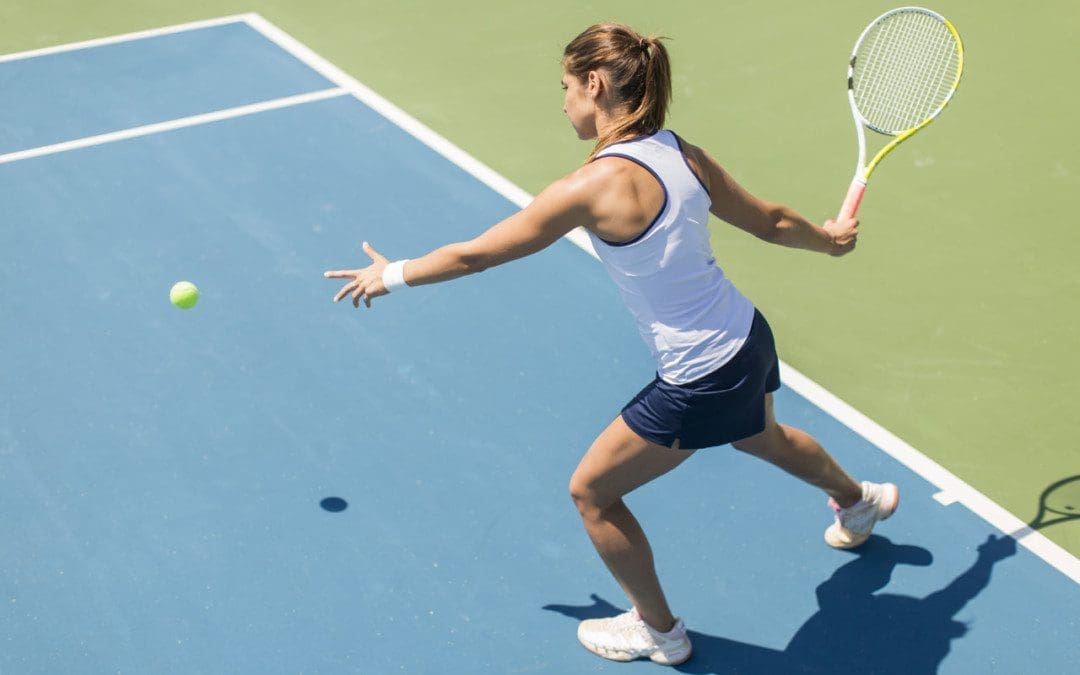
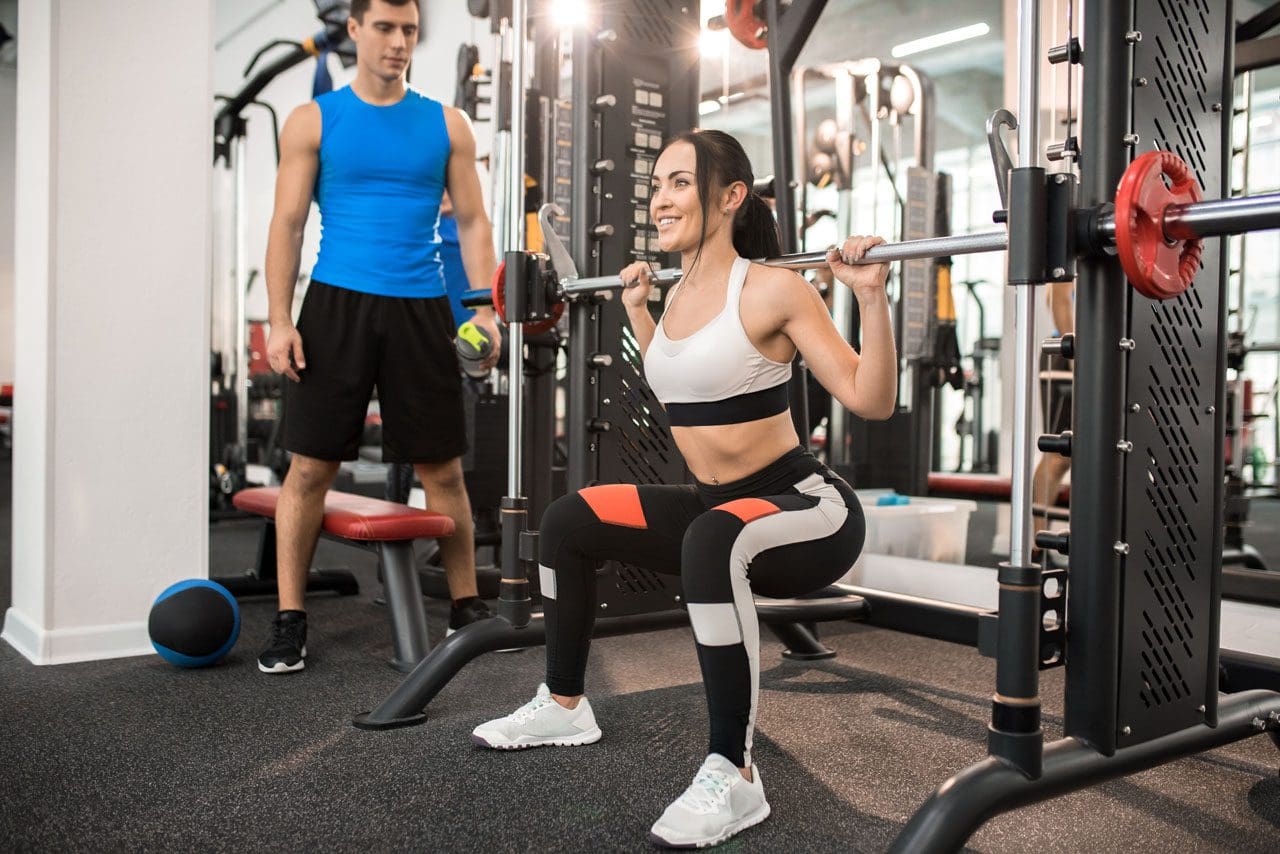
Tennis requires strength, power, and endurance. Can combining tennis weight training into a player’s fitness regimen that is broken up into phases achieve optimal results?
Tennis Weight Training
In professional sports that utilize weight lifting, the training is often broken up into seasonal phases. (Daniel S Lorenz, Michael P Reiman, John C Walker. 2010) Each phase consists of specific objectives that contribute to and build upon the previous phase. This is known as periodization. Tennis is played year-round indoors and outdoors. This is an example of a tennis weight training program to build up strength.
Pre-Season
In the early pre-season, players prepare to rebuild their strength after a break.
The emphasis is on building functional strength and some muscle.
Late Pre-Season
In late pre-season, players workout to get ready for the start of the season.
Here, the emphasis is on building maximum power.
In Season
In season, regular practice, play, and competition get underway and players are in top condition.
In this phase, strength and power maintenance is the focus.
Season Break
This is when players need to relax for a while.
However, players need to keep active if they want to maintain some level of fitness.
The emphasis is on rest and recovery with the maintenance of light activity, like cross-training and light gym workouts.
Research has shown that taking a break from serious strength training does help the body recover and rebuild. (Daniel Lorenz, Scot Morrison. 2015)
This is a three-phase all-around program.
The first phase concentrates on building basic strength and muscle
The second phase on power delivery.
Players who play year-round can continue with the power program once they build the basics.
Players who take a break for longer than six weeks should start again with the strength program.
Pre-Season – Phase One
Strength and Muscle
The focus is on lifting heavy weights, but not going full force to begin training the nervous system to work with the muscle fibers.
Some muscle building or hypertrophy/building muscle size will happen during strength development.
Strength is the foundation for the power development phase.
Exercises:
Duration: 6-8 weeks
Workout Days: 2-3, with at least one day, however, two are recommended between sessions.
Reps: 8-10
Sets: 2-4
Rest between sets: 1-2 minutes
Barbell squat, dumbbell squat, or sled hack squat
Romanian deadlift
Dumbbell bent-over row
Dumbbell triceps extension or machine pushdown
Cable wood chop
Lat pulldown to the front with a wide grip
Reverse crunch
Things to Remember
Use the Proper Weight
Adjust the weight so that the last reps are heavy but don’t cause a complete failure.
Balance the Lower Half
The posterior chain of the hips, the gluteals/buttocks, the upper legs, and the abdominals are of equal importance and require equal attention. (Eline Md De Ridder, et al., 2013)
Squats and deadlifts build strength and power in this region.
Follow Proper Form
For upper body exercises like the dumbbell press, lat pulldown, and wood chops the proper form needs to be followed.
Keep the forearms in a vertical plane with the upper arms.
Do not extend excessively at the bottom of the movement.
Remember to protect the vulnerable shoulder joint.
Listen to The Body
Strength training is physically and mentally challenging.
Individuals who are not able to recover from a session with only one rest day are recommended to move the program to two sessions per week.
Muscle soreness or delayed onset muscle soreness – DOMS – is normal, however, joint pain is not.
Monitor arm and shoulder reactions during this phase.
Stop if any joint pain or discomfort is felt.
Late Pre-Season – In-Season – Phase Two
Power
Power is the ability to move the heaviest loads in the shortest time and is the combination of strength and speed. In this phase, the player builds on the strength developed in phase one with tennis weight training that will increase the ability to move a load at high velocity.
Power training requires lifting weights at high velocity and with explosiveness.
The body needs to rest adequately between repetitions and sets so that each movement is done as fast as possible.
The number of sets can be less than phase one because there is no point in training at this level when the body is fatigued.
Exercises
Duration: Ongoing
Days per week: 2
Reps: 8 to 10
Sets: 2-4
Rest between repetitions: 10 to 15 seconds
Rest between sets: at least 1 minute or until recovered
Barbell or dumbbell hang clean
Cable push-pull
Cable wood chop
One arm cable raises
Medicine ball push press
Medicine ball standing twist with a partner or alone – 6×15 repetitions fast and recover between sets.
Reminders When Preparing For the Season
Recovery Time
In power training, it’s important that the body has relatively recovered for each repetition and set so that the individual can maximize the movement.
The weights should not be as heavy and the rest periods sufficient.
Push When Possible
Rest is important, at the same time, the player needs to push through reasonably heavy loads to develop power against significant resistance.
When doing medicine ball twists, do a full set at maximum, then sufficiently rest before the next one.
If doing the medicine ball exercises alone, use a lighter ball and keep the ball in your hands while twisting.
In Season – Phase Three
When the season begins training does not stop in order to help maintain strength and power.
Strength and Power Maintenance
Alternate phase one and phase two for a total of two sessions each week.
Every fifth week, skip weight training to achieve optimal recovery.
Key Points
Things to keep in mind during the season.
Avoid Overscheduling
Avoid strength training on the same day when practicing on the court.
If the weight training has to be both on the same day, try to separate the workouts into morning and afternoon sessions.
Plan Time
Rest completely from strength training one week out of every six.
Light gym work is fine.
During the season, use intuition when it comes to working out at the gym.
Individuals with limited time, stick to court skills training instead of tennis weight training.
Off Season
If there is an off-season, this is the time for emotional and physical decompression and full-body recovery.
For several weeks, forget about weight training and do other things.
Stay fit and active with cross-training or other physical activities but keep it light to prevent injuries.
It is recommended to consult a coach, trainer, sports chiropractor, and/or physical therapist to develop a program specific to an individual’s needs, fitness goals, and access to resources.
Spine Injuries In Sports
References
Lorenz, D. S., Reiman, M. P., & Walker, J. C. (2010). Periodization: current review and suggested implementation for athletic rehabilitation. Sports health, 2(6), 509–518. https://doi.org/10.1177/1941738110375910
Lorenz, D., & Morrison, S. (2015). CURRENT CONCEPTS IN PERIODIZATION OF STRENGTH AND CONDITIONING FOR THE SPORTS PHYSICAL THERAPIST. International journal of sports physical therapy, 10(6), 734–747.
De Ridder, E. M., Van Oosterwijck, J. O., Vleeming, A., Vanderstraeten, G. G., & Danneels, L. A. (2013). Posterior muscle chain activity during various extension exercises: an observational study. BMC musculoskeletal disorders, 14, 204. https://doi.org/10.1186/1471-2474-14-204
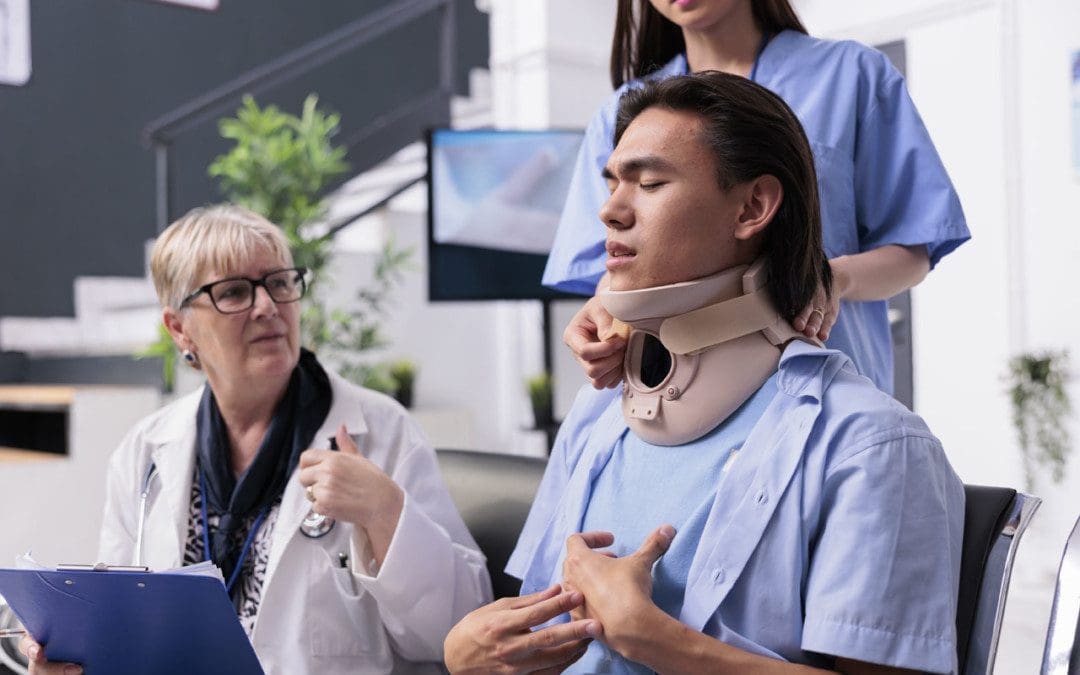
Individuals who have suffered cervical acceleration-deceleration/CAD more commonly known as whiplash, can experience headaches, and other symptoms like neck stiffness, pain, fatigue, and shoulder/neck/back discomfort. Can non-surgical and conservative treatments help alleviate the symptoms?
Cervical Acceleration – Deceleration or CAD
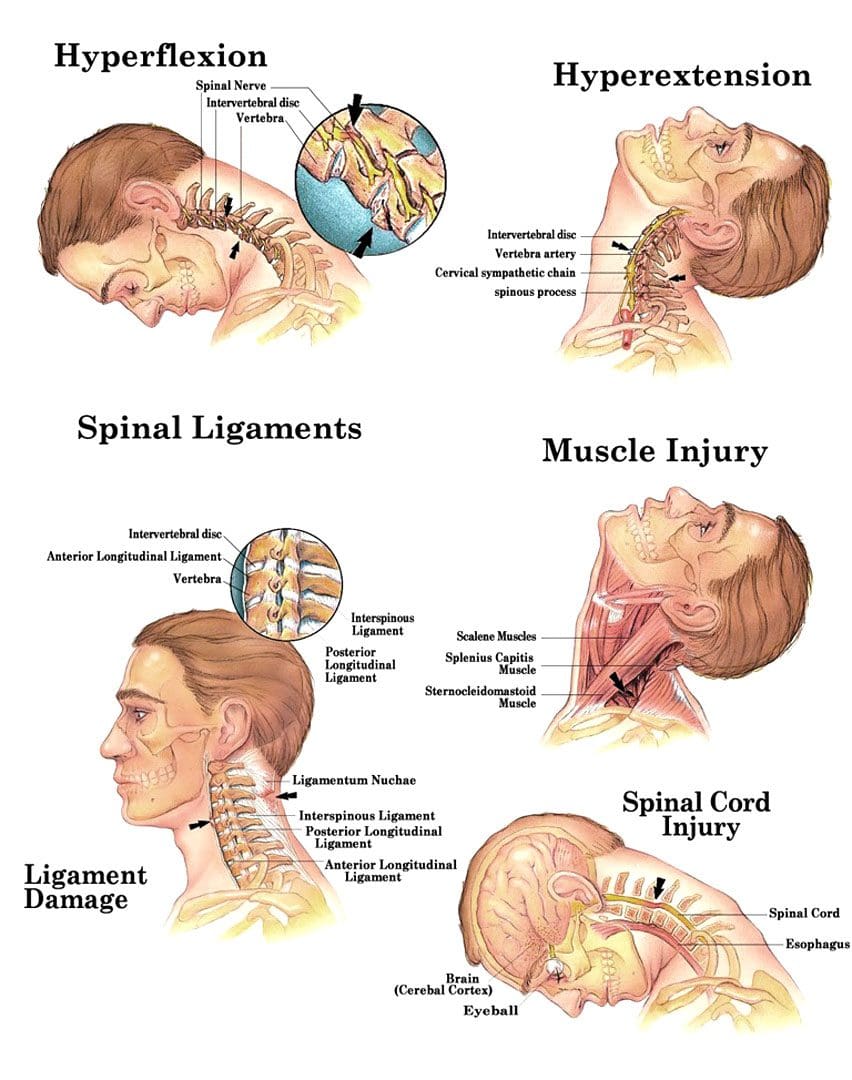
Cervical acceleration-deceleration is the mechanism of a neck injury caused by a forceful back-and-forth neck motion. It happens most commonly in rear-end vehicle collisions when the head and neck whip forward and backward with intense acceleration and/or deceleration causing the neck to flex and/or extend rapidly, more than normally, straining and possibly tearing muscle tissues and nerves, ligaments, dislocation of spinal discs and herniations, and cervical bone fractures.
For symptoms that do not improve or worsen after 2 to 3 weeks, see a healthcare provider or chiropractor for further evaluation and treatment.
Whiplash injuries strain or sprain the neck muscles and/or ligaments, but can also affect the vertebrae/bones, disc cushions between the vertebrae, and/or the nerves.
Whiplash symptoms can present right away, or after several hours to a few days after the incident, and tend to worsen in the days after the injury. Symptoms can last a few weeks to a few months, and can severely limit activity and range of motion. Symptoms can include: (National Institute of Neurological Disorders and Stroke. 2023)
Pain that extends into the shoulders and back.
Neck stiffness
Limited neck motion
Muscle spasms
Numbness and tingling sensations – paresthesias or pins and needles in the fingers, hands, or arms.
Headaches – A whiplash headache usually starts at the base of the skull and can vary in intensity. Most individuals experience pain on one side of the head and toward the back, though some can experience symptoms all over their head, and a small number experience headaches on the forehead or behind the eyes. (Monica Drottning. 2003)
The headaches can become aggravated by moving the neck around, especially when looking up.
Headaches are often associated with shoulder pain along with sensitive neck and shoulder muscles that when touched can increase pain levels.
Whiplash headaches can lead to chronic neck-related headaches known as cervicogenic headaches. (Phil Page. 2011)
It is also important to rest your neck area following the injury.
A cervical collar can be utilized temporarily to stabilize the neck, but for long-term recovery, it is recommended to keep the area mobile.
Physical activity reduction until the individual can look over both shoulders, and tilt their head all the way forward, all the way back, and from side to side without pain or stiffness.
Non-steroidal anti-inflammatories – NSAIDs – Ibuprofen or Naproxen.
Muscle relaxers
If symptoms do not improve, a healthcare provider may recommend physical therapy and/or stronger pain medications. For whiplash headaches that last for several months, acupuncture, or spinal injections may be recommended.
Neck Injuries
References
National Institute of Neurological Disorders and Stroke. Whiplash Information Page.
Drottning M. (2003). Cervicogenic headache after a whiplash injury. Current pain and headache reports, 7(5), 384–386. https://doi.org/10.1007/s11916-003-0038-9
Page P. (2011). Cervicogenic headaches: an evidence-led approach to clinical management. International journal of sports physical therapy, 6(3), 254–266.
Are treatments more successful when patients know key terms that describe their back pain and associated conditions?
Nerve Pain Types
When individuals need to better understand their spine diagnosis, being able to distinguish between key terms can make a significant difference in understanding the development of a personalized treatment plan. Terms that describe back pain and various associated conditions can include:
Sciatica
Radiating and Referred pain
Radiculopathy
Radiculitis
Neuropathy
Neuritis
Causes of Back Pain
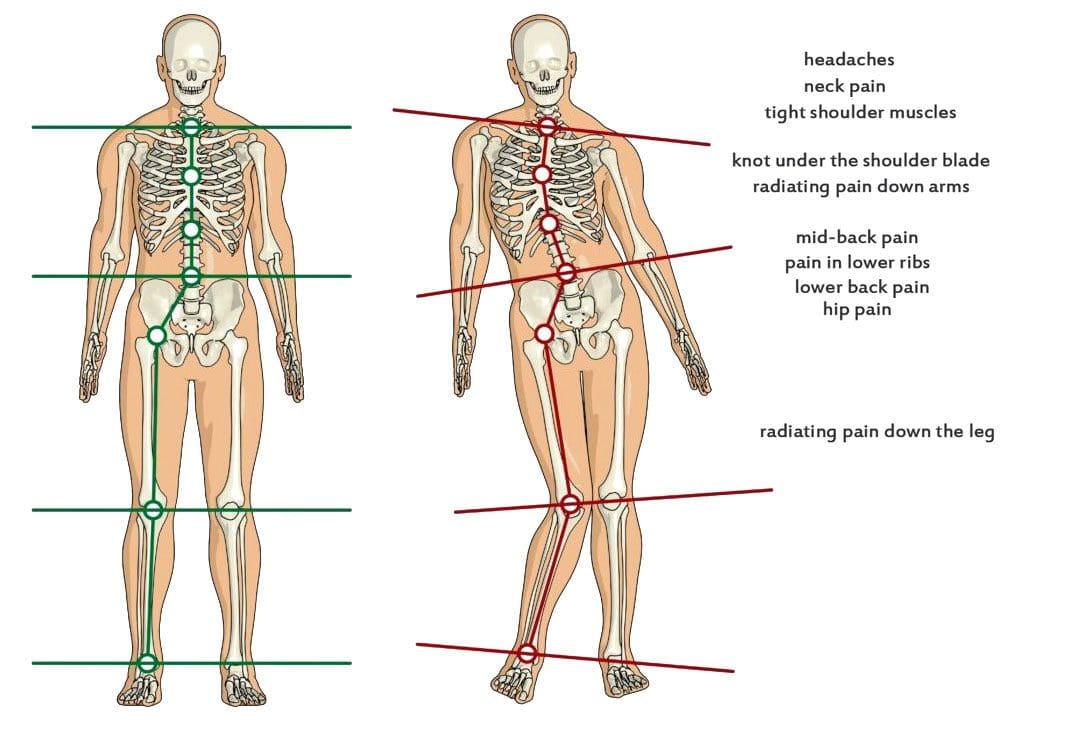
Back pain symptoms are most commonly caused by the continued practice of unhealthy/poor posture and overcompensated and weakened muscles. Even for individuals that exercise regularly, the movement choices that are made throughout the day can disrupt the way the muscles, tendons, ligaments, and fascia function to maintain proper body alignment.
Injuries to, and conditions of, the structures of the spinal column like the bones, discs, and nerves, are generally more serious than posture problems and soft tissue-related pain.
Depending on the diagnosis, structural problems can cause symptoms related to nerve compression, irritation, and/or inflammation. (Michigan Medicine, 2022)
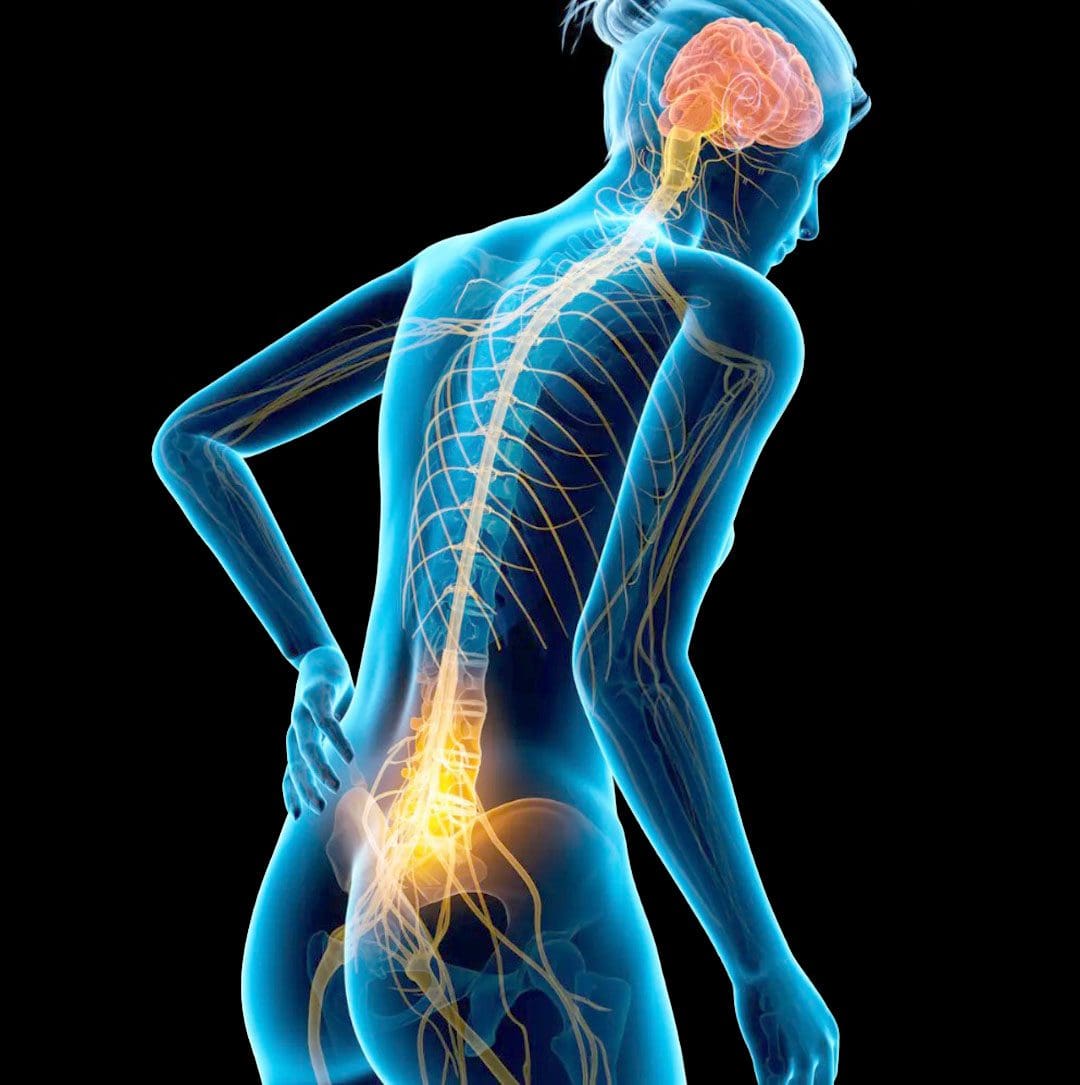
Spine and Nervous System
The peripheral nerves extend out to the extremities with sensation and movement capabilities.
Nerve roots exit the spinal canal which is part of the peripheral nervous system.
The branching of nerves from the spinal cord and exit out of the foramina occurs at every level of the spine.
Terms
There are different medical terms when getting a spine diagnosis or going through the treatment process.
Radiculopathy
Radiculopathy is an umbrella term, describing any disease process that affects a spinal nerve root and is something that’s happening to the body.
When a healthcare provider informs you that your pain is due to radiculopathy, a number of more specific diagnoses, clinical signs, and symptoms may be included as part of the description.
Common causes of radiculopathy include herniated disc/s and spinal stenosis.
Less common causes can include a synovial cyst or tumor that presses on the nerve root. (Johns Hopkins Medicine, 2023)
Radiculopathy can occur in the neck, low back, or in the thoracic area.
Often, radiculopathy is brought on by some form of compression of the nerve root.
For example, extruded material from a herniated disc can land on a nerve root, causing pressure to build.
This can cause symptoms associated with radiculopathy, including numbness, weakness, pain, or electrical sensations. (Johns Hopkins Medicine, 2023)
Even though there’s a spinal nerve root on either side of the spinal column, injury, trauma, or issues stemming from degeneration affect the nerves in an asymmetric fashion. Degenerative changes, known as normal wear and tear, typically occur in this fashion. Using the previous herniated disc example, the material that leaks from the disc structure tends to travel in one direction. When this is the case, the symptoms tend to be experienced on the side where the nerve root makes contact with the disc material, but not the other side. (American Association of Neurological Surgeons, 2023)
Radiculitis
Radiculitis is a form of radiculopathy but it is about inflammation and not compression. (Johns Hopkins Medicine, 2023)
Radicu– refers to the spinal nerve root.
The suffix – itis refers to inflammation.
The word refers to a spinal nerve root that is inflamed and/or irritated rather than compressed.
In disc herniations, it is the gel substance that contains various chemicals that is inflammatory.
When the gel substance makes contact with nerve roots, an inflammatory response is triggered. (Rothman SM, Winkelstein BA 2007)
Radiating or Referred Pain
Radiating pain follows the path of one of the peripheral nerves that transmit sensory information like heat, cold, pins and needles, and pain.
Referred pain is experienced in a different area of the body that is away from the pain source which tends to be an organ. (Murray GM., 2009)
It can be brought on by myofascial trigger points or visceral activity.
An example of referred pain is symptoms in the jaw or arm when an individual is having a heart attack. (Murray GM., 2009)
Radicular
The terms radicular pain and radiculopathy tend to get confused.
Radicular pain is a symptom of radiculopathy.
Radicular pain radiates from the spinal nerve root to either part or all the way down the limb/extremity.
However, radicular pain does not represent the complete symptoms of radiculopathy.
Radiculopathy symptoms also include numbness, weakness, or electrical sensations like pins and needles, burning, or shock that travels down the extremity. (Johns Hopkins Medicine, 2023)
Neuropathy
Neuropathy is another umbrella term that refers to any dysfunction or disease that affects the nerves.
It’s usually classified according to the cause, like diabetic neuropathy, or the location.
Neuropathy can occur anywhere in the body – including the peripheral nerves, the autonomic nerves/organ nerves, or nerves that are located inside the skull and innervate the eyes, ears, nose, etc.
Peripheral nerves are the long, thin strands that supply sensation, feeling, and movement impulses to all areas of the body located outside the central nervous system.
Piriformis syndrome is where a tight buttock/piriformis muscle constricts the sciatic nerve, which runs underneath. (Cass SP. 2015)
Chiropractic
Chiropractic adjustments, non-surgical decompression, MET, and various massage therapies can relieve symptoms, release stuck or trapped nerves and restore function. Through the treatments, the chiropractor and therapists will explain what is happening and why they are using a specific technique. Knowing a little about how the neuromusculoskeletal system operates can help the healthcare provider and the patient in developing and adjusting effective treatment strategies.
Sciatica During Pregnancy
References
Michigan Medicine. Upper and Middle Back Pain.
American Academy of Neurological Surgeons. Anatomy of the Spine and Peripheral Nervous System.
Johns Hopkins Medicine. Health Conditions. Radiculopathy.
American Association of Neurological Surgeons. Herniated Disc.
American Academy of Orthopaedic Surgeons. OrthoInfo. Cervical Radiculopathy (Pinched Nerve).
Rothman, S. M., & Winkelstein, B. A. (2007). Chemical and mechanical nerve root insults induce differential behavioral sensitivity and glial activation that are enhanced in combination. Brain Research, 1181, 30–43. https://doi.org/10.1016/j.brainres.2007.08.064
Murray G. M. (2009). Guest Editorial: referred pain. Journal of applied oral science: Revista FOB, 17(6), i. https://doi.org/10.1590/s1678-77572009000600001
American Academy of Orthopaedic Surgeons. OrthoInfo. Carpal Tunnel Syndrome.
Bostelmann, R., Zella, S., Steiger, H. J., & Petridis, A. K. (2016). Could Spinal Canal Compression be a Cause of Polyneuropathy? Clinics and practice, 6(1), 816. https://doi.org/10.4081/cp.2016.816
Cleveland Clinic. Mononeuropathy.
American Association of Neurological Surgeons. Glossary of Neurosurgical Terminology.
National Institutes of Health. U.S. National Library of Medicine. Medline Plus. Peripheral Nerve Disorders.
Cleveland Clinic. Spinal Stenosis.
Cass S. P. (2015). Piriformis syndrome: a cause of non-discogenic sciatica. Current sports medicine reports 14(1), 41–44. https://doi.org/10.1249/JSR.0000000000000110
Chiropractors are neuromusculoskeletal system specialists that rehabilitate injuries, retrain healthy body posture, massage and relax the muscles to detoxify and rejuvenate tissue health, and realign the spine to restore the nervous system to optimal function. It is a form of complementary medicine that focuses on the relationship between the body’s neuromusculoskeletal structures, addressing injuries, conditions, and ailments that cause the systems to malfunction and restoring them into harmony.
Chiropractors are licensed healthcare professionals who use various forms – hands, special instruments, or combination – of pressure to manipulate the body to relieve pain and discomfort symptoms from various injuries and conditions and improve overall health. Chiropractic is often used in conjunction with traditional medical care to treat health conditions that affect nerves, muscles, and bones. Chiropractic clinics often have a team of specialists that work and counsel patients on:
Developing healthy movement habits.
Diet and nutrition adjustments like an anti-inflammatory diet to reduce inflammation flare-ups.
Exercise and stretches to maintain chiropractic adjustments, retrain and strengthen the body.
Modifications to home, school, and work behaviors to prevent worsening injuries or causing new injuries.
Conditions Treated
Chiropractic therapeutic medicine treats any kind of muscle, bone, or joint pain or dysfunction and conditions affecting the nervous and musculoskeletal systems. The most common reasons for seeing a chiropractor include:
Musculoskeletal pain anywhere in the body – the head and jaws, shoulders, elbows and wrists, hips, pelvis, and the knees and ankles.
Trigger points.
Compressed, injured, and/or damaged nerves.
Neck pain.
Headaches.
Lower back pain.
Herniated discs.
Sciatica.
Joint pain and dysfunction.
Arthritis.
Rehabilitation after vehicle, work, and sports accidents and collisions.
Effective Treatment
Chiropractic therapeutic adjustments are the most common alternative treatment option in the United States and are considered an effective treatment option for all ages, including both children and adults.
It’s important to inform a primary care physician about any pain being experienced, whether recent or chronic that lasts more than three months.
Individuals should receive a screening before chiropractic treatment to ensure that their injury or condition will benefit from chiropractic adjustments.
If chiropractic care is not appropriate for the injury or condition, the chiropractor will refer the individual to another healthcare specialist.
Many individuals feel almost immediate relief from symptoms after a treatment session as well as soreness for 24 hours.
The goal of chiropractic is to restore health over the long term, rather than to relieve symptoms short term.
Benefits
Increased Blood and Nerve Circulation.
Improved Blood Pressure.
Range of Motion Improved.
Improved Balance.
Increased Sleep.
Reduced Headaches.
Increased Energy.
Improved Digestion.
Improved Immune Function.
Enhanced Physical/Athletic Performance.
Allergy Symptoms Reduced.
Improved Asthma Management.
Healthier Pregnancy.
Scapular Winging
References
Hadler, N M. “Chiropractic.” Rheumatic diseases clinics of North America vol. 26,1 (2000): 97-102, ix. doi:10.1016/s0889-857x(05)70123-x
Lefebvre R, Peterson D, Haas M. Evidence-Based Practice and Chiropractic Care. (https://www.ncbi.nlm.nih.gov/pmc/articles/PMC3716373/) J Evid Based Complementary Altern Med. 2012;18(1):75-79. Accessed 4/25/2022.
Margach, Russell W. “Chiropractic Functional Neurology: An Introduction.” Integrative medicine (Encinitas, Calif.) vol. 16,2 (2017): 44-45.
Moore, Craig, et al. “The management of common recurrent headaches by chiropractors: a descriptive analysis of a nationally representative survey.” BMC neurology vol. 18,1 171. 17 Oct. 2018, doi:10.1186/s12883-018-1173-6
Nahin, Richard L et al. “Insurance Coverage for Complementary Health Approaches Among Adult Users: United States, 2002 and 2012.” NCHS data brief ,235 (2016): 1-8.
U.S. Department of Health and Human Services. Chiropractic: In Depth. (https://www.nccih.nih.gov/health/chiropractic-in-depth) Accessed 4/25/2022.
General health, diet, exercise, and lifestyle are important, but the importance of the spinal structure is often forgotten. The spine, or backbone, is the body’s central support structure that holds the body together, supports its weight, and protects the nervous system. It connects different parts of the musculoskeletal system to help sit, stand, walk, twist, and bend. When the spine is misaligned, injured, and/or damaged, it can lead to various health issues, from chronic conditions to organ dysfunction. Chiropractic spinal structure restoration benefits overall health and can help relieve symptoms and restore mobility, flexibility, and function.
Spinal Structure Restoration
Chiropractic care goes beyond relieving muscle or joint pain and discomfort. Although injury rehabilitation is a primary reason for going to a chiropractor, it is in its ability to reset and rebalance the body. Just like a vehicle or piece of equipment that needs regular maintenance, tune-ups, rotation, and realignment, chiropractic provides these benefits.
Improved Range of Motion
As the body ages or suffers from injuries or illnesses, the body’s mobility and flexibility decrease, which causes stiffness and a limited range of motion.
When the spine is not aligned correctly, it can cause restrictions in the range of motion.
Chiropractic techniques improve joint function, correct misalignments, and strengthen and stabilize the spine, improving mobility and flexibility.
Spinal structure restoration improves joint mobility and flexibility.
The improved range of motion helps relieve muscle tension, stiffness, and pain.
Improved Posture
Spinal misalignment typically leads to posture problems, neck and back pain, headaches, and other health issues.
Correcting the spinal structure will:
Correct posture.
Reduce the risk of health issues.
Provide more energy.
Enhance mental clarity.
Improve sleep.
Restore mobility.
Increase athletic and physical performance.
Pain and Discomfort Relief
Misalignments can cause nerve irritation, inflammation, and muscle tension, leading to chronic pain in various areas, like the neck, back, shoulders, and hips.
Chiropractic is a natural and non-invasive treatment that can help manage pain and discomfort without medication.
Specifically addresses the underlying cause of the pain rather than just the symptoms, resulting in long-lasting relief.
Chiropractic combines traditional techniques, such as adjustments, decompression, and traction, with advanced elements and a personalized approach.
Adjustments and customized spinal traction setups alleviate pain and restore proper function to the spine.
When the spine is properly aligned, the central nervous system’s electrical signals can travel more effectively.
Increased Nerve Function
Spinal misalignment can interfere with nerve function, leading to other musculoskeletal issues.
Chiropractic releases compressed, tangled, or trapped nerves and restores nerve circulation, improving nerve function.
Enhanced Musculoskeletal Performance
Individuals can benefit from chiropractic care, especially those involved in physically demanding occupations that place repeated stress on the body.
Chiropractic can help prevent injuries, improve alignment and balance, reduce inflammation, and speed recovery.
Spinal correction includes traction that targets and releases specific muscle groups and ligaments and stimulates detoxification that can enhance musculoskeletal performance.
Immune System Function
Spinal misalignments can disrupt immune system function.
The system relies on proper communication between the brain and immune organs.
Chiropractic improves nerve function and reduces spine and back stress, allowing the system to function optimally.
By taking a holistic and personalized approach to spinal structure restoration, individuals can prevent the development of chronic health conditions and improve their quality of life.
Quick Patient Initiation Process
References
American Academy of Orthopaedic Surgeons. Spine Basics. (https://orthoinfo.aaos.org/en/diseases–conditions/spine-basics/) Accessed 12/08/2020.
American Chiropractic Association. Back Pain Facts and Statistics. (https://www.acatoday.org/Patients/What-is-Chiropractic/Back-Pain-Facts-and-Statistics/Back-Pain-Facts-and-Statistics) Accessed 12/08/2020.
Fernández-de-Las-Peñas, César, and María L Cuadrado. “Physical therapy for headaches.” Cephalalgia: an international journal of Headache vol. 36,12 (2016): 1134-1142. doi:10.1177/0333102415596445
InformedHealth.org [Internet]. Cologne, Germany: Institute for Quality and Efficiency in Health Care (IQWiG); 2006-. What are the organs of the immune system? [Updated 2020 Jul 30]. Available from: https://www.ncbi.nlm.nih.gov/books/NBK279395/
Izzo, Roberto, et al. “Biomechanics of the spine. Part I: spinal stability.” European Journal of Radiology vol. 82,1 (2013): 118-26. doi:10.1016/j.ejrad.2012.07.024
Jenkins, Hazel J et al. “Current evidence for spinal X-ray use in the chiropractic profession: a narrative review.” Chiropractic & manual therapies vol. 26 48. Nov 21 2018, doi:10.1186/s12998-018-0217-8
McHardy, Andrew, et al. “Chiropractic treatment of upper extremity conditions: a systematic review.” Journal of Manipulative and physiological therapeutics vol. 31,2 (2008): 146-59. doi:10.1016/j.jmpt.2007.12.004
Sharrak, Samir. and Yasir Al Khalili. “Cervical Disc Herniation.” StatPearls, StatPearls Publishing, Aug 29, 2022.
Sports activities will result in aches, pains, and injuries that need to be examined by a doctor or specialist for proper diagnosis and treatment. Finding the right sports injury specialist can be one of the most difficult parts of dealing with an injury. The following may help when deciding if a sports chiropractic specialist can help.
Sports Injury Specialist
Sports medicine is the study and practice of medical principles related to the science of sports:
Injury prevention
Injury diagnosis and treatment
Nutrition
Psychology
Sports medicine focuses on the medical and therapeutic aspects of sports physical activity. These individuals can be physicians, surgeons, chiropractors, physical therapists, or providers who regularly work with athletes. Athletes often prefer providers with athletic treatment experience.
Doctor To See First for a Sports Injury
Individuals that belong to an HMO or PPO may find that their primary care physician is the first doctor to see for injury.
A family doctor may not be a sports medicine specialist but may have the expertise to deal with the injury.
Minor musculoskeletal injuries like acute sprains and strains respond well to immediate standard treatments like rest, ice, compression, and elevation.
Individuals with complicated overuse or training injuries, chronic conditions such as tendonitis, or who require surgery will be referred to a specialist.
Family Doctor Treatment
Nearly all family practice physicians can diagnose and treat various sports-related injuries.
Other non-traditional methods to treat conditions and illnesses.
Some may have specific experience in treating sports-related injuries.
Finding the Right Specialist
It is important to find a doctor who can design a treatment plan to heal and rehabilitate the injury properly and get the athlete back to their sport quickly and safely. Medicine is science and art, and injury treatment should be personalized to specific goals of healing and performance. When selecting a healthcare provider to treat injuries or provide advice, personal recommendations from trusted sources are recommended to screen providers. As well as asking other athletes, local teams, gyms, athletic clubs, and healthcare organizations can direct individuals in the right direction. If you can’t find a confident recommendation, look for a certified sports medicine physician online or call the clinic. When calling the office, questions to think about include:
What is your treatment specialty?
What experience do you have treating athletes?
What special training do you have in sports injury care?
What degrees and certifications do you have?
How I Tore My ACL
References
Bowyer, B L et al. “Sports medicine. 2. Upper extremity injuries.” Archives of physical medicine and Rehabilitation vol. 74,5-S (1993): S433-7.
Chang, Thomas J. “Sports Medicine.” Clinics in podiatric medicine and surgery vol. 40,1 (2023): xiii-xiv. doi:10.1016/j.cpm.2022.10.001
Ellen, M I, and J Smith. “Musculoskeletal rehabilitation and sports medicine. 2. Shoulder and upper extremity injuries.” Archives of physical medicine and Rehabilitation vol. 80,5 Suppl 1 (1999): S50-8. doi:10.1016/s0003-9993(99)90103-x
Haskell, William L et al. “Physical activity and public health: updated recommendation for adults from the American College of Sports Medicine and the American Heart Association.” Medicine and science in sports and exercise vol. 39,8 (2007): 1423-34. doi:10.1249/mss.0b013e3180616b27
Sherman, A L, and J L Young. “Musculoskeletal rehabilitation and sports medicine. 1. Head and spine injuries.” Archives of physical medicine and Rehabilitation vol. 80,5 Suppl 1 (1999): S40-9. doi:10.1016/s0003-9993(99)90102-8
Zwolski, Christin, et al. “Resistance Training in Youth: Laying the Foundation for Injury Prevention and Physical Literacy.” Sports Health vol. 9,5 (2017): 436-443. doi:10.1177/1941738117704153
Automobile accidents and collisions can cause knee and ankle injuries in various ways. Automobile crashes are considered high-energy collisions versus slip and fall traumas which are generally low-energy. However, a 30mph or under-collision can have serious and detrimental effects on the knees and ankles. The sudden forces can cause the knees to collide with the dashboard or push the feet and legs into the body, generating intense pressure and compressing the bones, muscles, and ligaments damaging soft tissues and bone structures from the impact. The Injury Medical Chiropractic and Functional Medicine Clinic Team can rehabilitate, realign, strengthen, and restore function to individuals with minor to severe auto collision injuries.
Knee and Ankle Injuries
Musculoskeletal motor vehicle crash/collision injuries affect the body’s movement. The impact can pull, tear, crush, and smash bones, muscles, tendons, ligaments, discs, and nerves. These injuries restrict the range of motion and can cause pain and sensation symptoms. The National Accident Sampling System reports 33% of injuries sustained during vehicle collisions are to the lower extremities.
Despite the knees and ankles having soft tissues that absorb and distribute the energy’s impact, the forces from the collision often happen instantly and unexpectedly, causing the individual to tense up, which overwhelms the structures.
Even panic stepping on the brake pedal can cause injury to the ankle and foot.
A passenger’s reflex of trying to resist forces can experience foot, ankle, and knee injuries from bracing off the vehicle’s floorboard.
Automobile collisions can cause strains, sprains, fractures, and dislocations.
Torn, Strained, or Sprained Knee
If the foot becomes planted on the floorboard while the body continues to move forward or sideways, the force can travel into the knee, causing twisting or shearing.
Depending on the injury type, the impact strength can damage different ligaments.
The ligaments resist forces that push the knee inwards/medially and outwards/laterally and slightly resist rotational forces.
When any of these ligaments are damaged, swelling, pain, and limited ranges of motion can result.
Putting weight on the affected leg can be difficult.
In some cases, the ligaments tear completely, necessitating surgical repair.
Once the individual can engage in mild activity, they can begin a rehabilitation program to restore function.
Recovery times vary based on the location and severity of the injury.
Fractured Knee or Ankle
When a fracture occurs in a joint, like the knees or ankles, surgical procedures may be necessary to repair the broken bone/s.
Broken bones can result in simultaneous damage and/or inflammation of the connective tissues that can cause the muscles to contract/tighten or atrophy during the recovery and healing phases.
Joints and bones are kept healthy with moderate movement and weight-bearing.
Fractures require immobilization of the affected area.
A physical therapy rehabilitation program can begin when the brace or cast comes off.
Targeted exercises and resistance will strengthen and stretch the joint to improve flexibility and promote healing through improved circulation.
Torn Meniscus
The meniscus is a C-shaped area of cartilage that rests between the thigh and shin bones.
It acts as a shock absorber.
The meniscus can become torn, resulting in pain, stiffness, and loss of motion.
This injury can heal independently with the right rest and therapeutic exercises.
A chiropractic auto collision specialist can diagnose the severity of the tear and provide the recommendations needed to rehabilitate and strengthen the knee.
If the tear is severe enough, surgery may be required.
Strained or Sprained Ankle
Strained tendons and sprained ligaments can result from the ankle being subject to tremendous force.
Strains and sprains vary in severity.
Both indicate that the connective tissue has been damaged or stretched beyond normal limits.
They can present with pain, inflammation, and problems moving the affected area.
With proper medical attention and rehabilitation, recovery is possible.
Torn Achilles Tendon
The Achilles tendon connects the calf muscle to the heel and is necessary for walking, running, physical activity, and bearing weight.
If the tendon gets torn, surgery will be required to reattach the muscle and tendon.
After recovery, the individual can begin physical therapy to work the tendon and muscle, slowly building strength and range of motion.
It is critical to do this with the supervision of an expert in musculoskeletal rehabilitation to avoid re-injury or developing new injuries.
Chiropractic Treatment
Any musculoskeletal motor vehicle injuries can result in intense pain that worsens with activity, inflammation, swelling, redness, and/or heat in the affected area. This is why correctly diagnosing the injury is essential if the condition is to be properly and thoroughly treated. A physical examination will vary based on the individual’s state and can include:
Strength assessment
Range of motion
Reflexes
Other variables to determine the underlying issues.
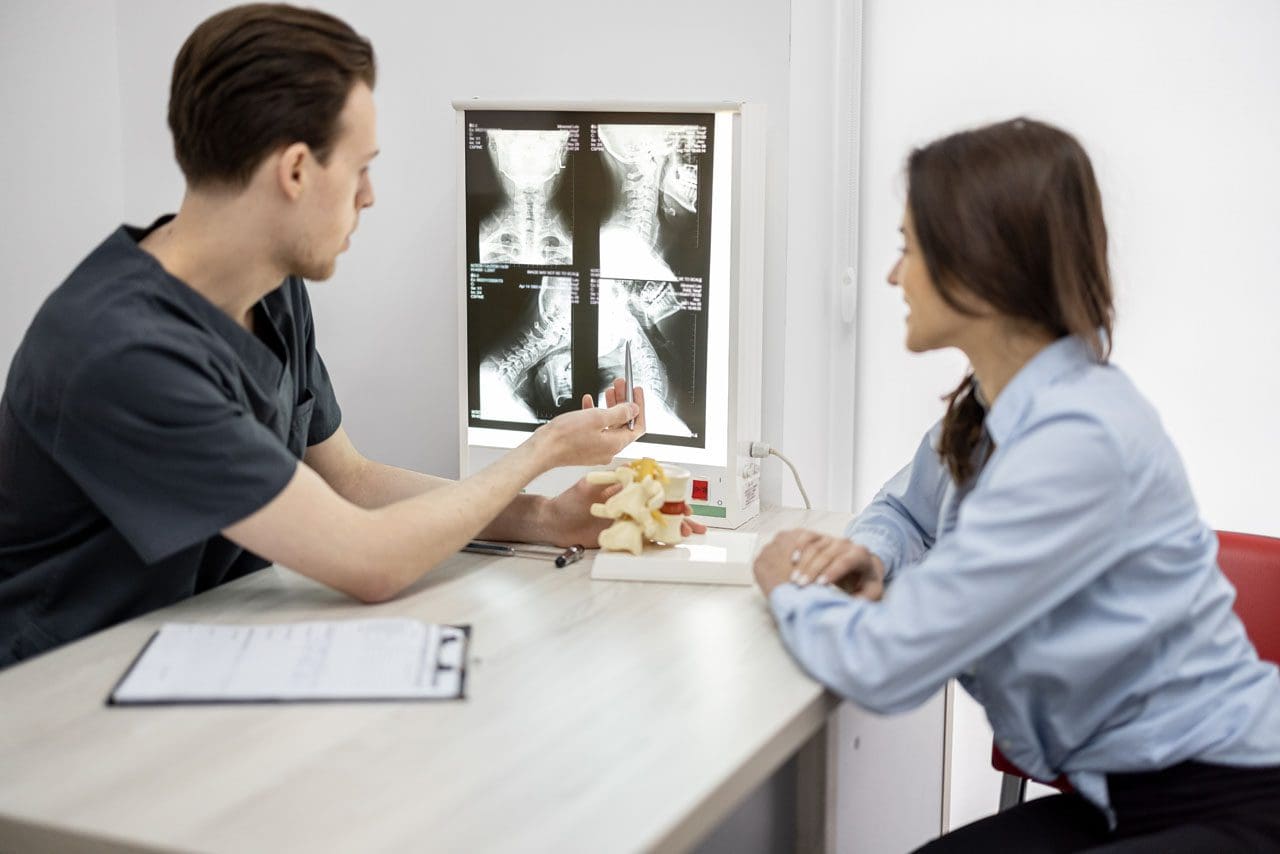
Diagnostic imaging such as X-rays, MRIs, and CT scans can help identify and clarify injuries’ extent, nature, and location and rule out problems.
A qualified healthcare professional will combine the data with medical history to develop an accurate diagnosis. Our ability to effectively treat accident individuals is based on applying clinical expertise in musculoskeletal diagnosis and care. Our medical team takes a practical approach to help individuals quickly heal from musculoskeletal injuries using the latest treatments possible. When you meet with one of our professionals, you will feel relaxed and confident that you have come to the right place.
From Injury To Recovery
References
Dischinger, P C et al. “Consequences and costs of lower extremity injuries.” Annual proceedings. Association for the Advancement of Automotive Medicine vol. 48 (2004): 339-53.
Fildes, B et al. “Lower limb injuries to passenger car occupants.” Accident; analysis and prevention vol. 29,6 (1997): 785-91. doi:10.1016/s0001-4575(97)00047-x
Gane, Elise M et al. “The impact of musculoskeletal injuries sustained in road traffic crashes on work-related outcomes: a protocol for a systematic review.” Systematic reviews vol. 7,1 202. 20 Nov. 2018, doi:10.1186/s13643-018-0869-4
Hardin, E C et al. “Foot and ankle forces during an automobile collision: the influence of muscles.” Journal of biomechanics vol. 37,5 (2004): 637-44. doi:10.1016/j.jbiomech.2003.09.030
Li, Wen-Wei, and Cheng-Chang Lu. “Knee deformity following a motor vehicle accident.” Emergency medicine journal: EMJ vol. 38,6 (2021): 449-473. doi:10.1136/emermed-2020-210054
M, Asgari, and Keyvanian Sh S. “Crash Injury Analysis of Knee Joint Considering Pedestrian Safety.” Journal of biomedical physics & Engineering vol. 9,5 569-578. 1 Oct. 2019, doi:10.31661/jbpe.v0i0.424
Torry, Michael R et al. “Relationship of knee shear force and extensor moment on knee translations in females performing drop landings: a biplane fluoroscopy study.” Clinical biomechanics (Bristol, Avon) vol. 26,10 (2011): 1019-24. doi:10.1016/j.clinbiomech.2011.06.010
IFM's Find A Practitioner tool is the largest referral network in Functional Medicine, created to help patients locate Functional Medicine practitioners anywhere in the world. IFM Certified Practitioners are listed first in the search results, given their extensive education in Functional Medicine