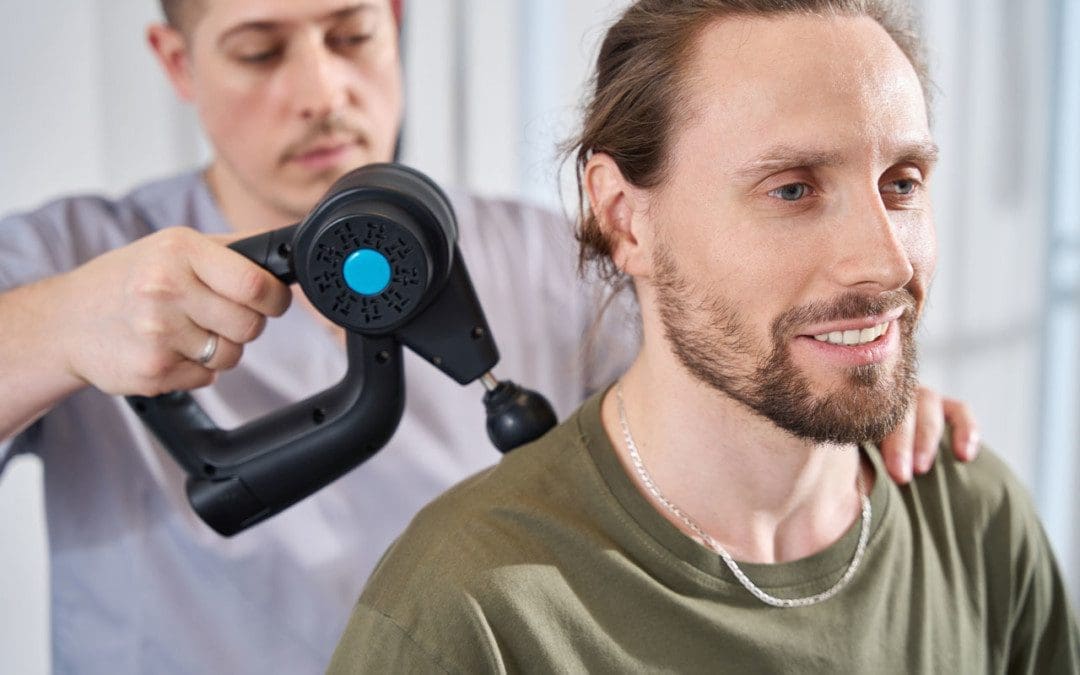
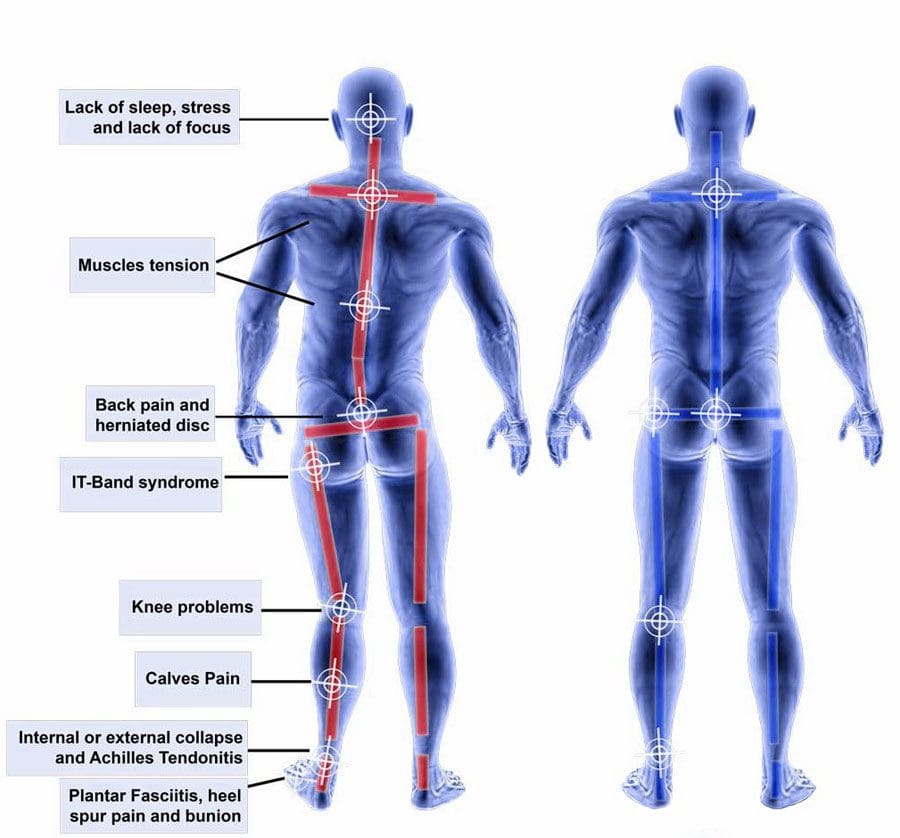
When the body is correctly aligned, the shoulders are the same height, and face forward. Uneven shoulders are when one shoulder begins to raise higher than the other. It usually starts with a slight difference but can turn into a more severe imbalance causing discomfort, tightness, and pain in the neck, shoulders, hips, and back. Chiropractic treatment can bring the body back into balance and alignment through various techniques and therapy modalities.
Misaligned Uneven Shoulders
Several factors can lead to uneven shoulders. Misalignments can be caused by:
Often the shoulder on the dominant side tends to be slightly lower.
Constantly using one hand or side for everything.
Carrying a heavy bag on the dominant shoulder.
Structural issues or muscular skeletal imbalances in other areas of the body.
For example, if the ankle or hip gets injured, it can cause an individual to bring their body out of alignment to adjust to how they position themselves and move. Other common causes include:
Overuse of the shoulders
Tight upper back muscles
Unhealthy posture
Uneven hips
Pinched nerve
Weak muscles
Flat feet
Sedentary lifestyle
Varying leg length
Osteoporosis
Scoliosis
Shoulder injuries
Incorrect sleeping position or sleeping on one side
Sports like tennis, golf, and baseball have an increased risk of causing misaligned, uneven shoulders and posture imbalances.
Symptoms
Uneven shoulders can result in discomfort, tightness, and stiffness in the neck, shoulders, and lower back.
Continued tightness and pulling in the higher shoulder.
A chiropractic massage and functional medicine team will bring the shoulders back into normal alignment.
Therapeutic myofascial release massage will release tension, relax the muscles, and increase flexibility.
Chiropractic adjustments
Spinal decompression therapy
Stretches and muscle-building exercises to balance the shoulders.
Lifestyle adjustment instructions for switching shoulders when carrying bags, using armrests, using the phone, using a mouse, and using ergonomic chairs.
Posture training includes learning to stay aware of one’s posture throughout the day when standing or sitting and completing regular activities.
Learning to use the non-dominant arm to balance the workload.
Incorporating relaxation, meditation, and breathing techniques to relieve stress, tension, and tightness.
Shoulder Pain Treatment
References
Burbank, Kelton M et al. “Chronic shoulder pain: part I. Evaluation and diagnosis.” American family physician vol. 77,4 (2008): 453-60.
Foroozan Mahmoodi et al. The effect of corrective exercises on the pain and degree of uneven shoulder deformity https://rsr.basu.ac.ir/article_625_en.html
Mayo Clinic Staff. (2017). Stress management. mayoclinic.org/healthy-lifestyle/stress-management/in-depth/relaxation-technique/art-20045368
Mitchell, Caroline, et al. “Shoulder pain: diagnosis and management in primary care.” BMJ (Clinical research ed.) vol. 331,7525 (2005): 1124-8. doi:10.1136/bmj.331.7525.1124
Pu Chu, Eric Chun, and Kevin Hsu Kai Huang. “Bridging the gap between observation and brace treatment for adolescent idiopathic scoliosis.” Journal of family medicine and primary care vol. 6,2 (2017): 447-449. doi:10.4103/jfmpc.jfmpc_52_17
Practicing improper/unhealthy postures throughout the day can severely fatigue the mind and body. Children’s postural health is vital to their overall health and energy levels to perform tasks, school work, and play. An unhealthy posture causes the body to lose its ability to dissipate forces evenly and correctly. Symptoms like soreness, pain, tightness, and irritability can begin to present, which is the body’s way of letting the individual know something is off. When the body is in proper alignment, the spine disperses body weight correctly and efficiently. Chiropractic adjustments can effectively counter the unhealthy posture effects, and simple postural exercises can strengthen the body, increasing healthy posture habits.
Children’s Posture Health
Healthy posture is more than simply sitting and standing up straight. It is how the body is positioned, meaning the head, spine, and shoulders, and how it moves unconsciously like a walking gait. An uneven gait or awkward body position can indicate a problem and cause long-term consequences to a child’s health.
Challenges
Kids and children are constantly hunched, slumped, and slouched over device screens. This constant awkward positioning adds weight to the spine, increasing the pressure, which can cause issues ranging from headaches, mild neck pain, low back pain, and sciatica. Severe health effects from poor posture include:
Shoulder problems.
Chronic pain.
Nerve damage.
Difficulty breathing from prolonged hunching-over.
Spinal joint degeneration.
Vertebral compression fractures.
Poor alignment of the muscles begins to restrict postural muscles from relaxing correctly, making the muscles stay stretched or slightly flexed, causing strain and pain. As a child’s body grows, practicing unhealthy postures can drive continued awkward positioning, abnormal spine growth, and an increased risk for arthritis later in life.
Chiropractic Adjustments
A chiropractor will check for any imbalances, like a hunched back, one shoulder higher than the other, or a pelvic tilt/shift. Through a series of adjustments, chiropractic releases the muscles, relieves pressure on ligaments, allows the postural muscles to relax and realign to their proper position, prevents further muscle overuse, strain, abnormal joint wear, and helps reduce fatigue by conserving/utilizing energy as the muscles are functioning correctly and efficiently.
Exercises
Simple postural exercises can help maintain children’s postural health.
Place hands next to the chest so that they are underneath the shoulders.
Gently press the chest upward.
Keeping the legs on the ground.
Look straight ahead.
They only take a few minutes, but the objective is consistency. Doing the poses for one week won’t immediately change unhealthy posture habits. It is developing consistent healthy postural habits that generate improvement. They should be done at least three times weekly to build strength and endurance.
Kids and Chiropractic
References
Achar, Suraj, and Jarrod Yamanaka. “Back Pain in Children and Adolescents.” American family physician vol. 102,1 (2020): 19-28.
Baroni, Marina Pegoraro, et al. “Factors associated with scoliosis in schoolchildren: a cross-sectional population-based study.” Journal of epidemiology vol. 25,3 (2015): 212-20. doi:10.2188/jea.JE20140061
da Rosa, Bruna Nichele et al. “Back Pain and Body Posture Evaluation Instrument for Children and Adolescents (BackPEI-CA): Expansion, Content Validation, and Reliability.” International journal of environmental research and public health vol. 19,3 1398. 27 Jan. 2022, doi:10.3390/ijerph19031398
King, H A. “Back pain in children.” Pediatric clinics of North America vol. 31,5 (1984): 1083-95. doi:10.1016/s0031-3955(16)34685-5
When the body goes through intense trauma like a car, truck, crash, or accident, the trauma can slip, bulge, herniate, or rupture the spinal fluid-filled discs that can extrude from the disc space, causing the nucleus pulposusto tear through the annulus fibrosus and compress the nerve roots causing pain. Depending on the severity and force of the crash or accident, a herniated disc can cause the vertebrae to push into the spinal canal, where it can compress, irritate, and/or injure the spinal cord, which can lead to other health issues. Nerve impingement from a herniated disc can also cause numbness and tingling in the hands, arms, legs, and feet. A chiropractic spine disc herniation decompression treatment plan can heal the herniation, realign the spine, stretch the muscles and joints, and rehabilitate the body back to top form.
Spine Disc Herniation
Symptoms of Herniation
Signs and symptoms depend on the spinal area and whether the disc is rubbing or compressing a nerve. Pain is often described as a sharp or burning sensation. A herniated disc usually affects one side of the body.
Pain Presents When Sitting Down – sitting causes a significant strain on the lower spinal discs. When sitting, the pain experienced can worsen.
Arm or leg pain – Depending on the herniated disc, pain can spread to other surrounding areas.
For a lower herniation, this could be the buttock, thigh, calf, and foot.
For a herniated disc in the neck region, pain can be felt in the shoulder and arm.
Pain can present in the arm or leg when coughing, sneezing, or moving into certain positions.
Numbness or tingling – presents from the compressed nerves and spreads as the average blood/energy flow is disrupted.
Muscle Weakness – the affected nerves that support the spinal muscles can lose normal strength causing awkward postures and fatigue.
A herniated disc can be present without symptoms – individuals won’t know unless spinal imaging is ordered.
Sciatica Sensations – the damaged nerve roots affect the ability to function correctly and can cause burning pain, numbness, weakness, and tingling along the front and/or back of the thigh, leg, and/or foot. This can result from direct compression or chemical irritation from a leaked out herniated disc that causes inflammation around the nerve root area.
Chiropractic Injury Care
When a disc herniates, it inhibits the body from communicating and healing itself. To activate proper communication from the brain to the rest of the body, chiropractors perform spine disc herniation decompression which clears the neural system and opens the lines of communication.
Spine Disc Herniation Decompression
Nonsurgical spinal decompression gently stretches the spine to relieve pressure and heal the herniated disc. It is a safe procedure considered a natural alternative compared to surgery or pharmaceutical approaches. Spinal decompression therapy:
It is safe for all ages
It is non-invasive
Sessions take between 30 to 45 minutes, depending on the individual and the injury that could require multiple sessions.
Offers a quicker recovery time
It is performed on a computer-controlled table customized to the individual’s specific needs and injuries.
A treatment plan can expedite the recovery process, rehabilitate and strengthen the whole body, and help avoid minimally invasive spine surgery.
Neurosurgeon DRX9000
References
Atlas, Steven J et al. “The impact of disability compensation on long-term treatment outcomes of patients with sciatica due to a lumbar disc herniation.” Spine vol. 31,26 (2006): 3061-9. doi:10.1097/01.brs.0000250325.87083.8d
Dydyk AM, Ngnitewe Massa R, Mesfin FB. Disc Herniation. [Updated 2022 Jan 18]. In: StatPearls [Internet]. Treasure Island (FL): StatPearls Publishing; 2022 Jan-. Available from: https://www.ncbi.nlm.nih.gov/books/NBK441822/
Gane, Elise M et al. “The Impact of Musculoskeletal Injuries Sustained in Road Traffic Crashes on Work-Related Outcomes: A Systematic Review.” International journal of environmental research and public health vol. 18,21 11504. 1 Nov. 2021, doi:10.3390/ijerph182111504
Scuderi, Gaetano J et al. “Symptomatic cervical disc herniation following a motor vehicle collision: return to work comparative study of workers’ compensation versus personal injury insurance status.” The spine journal: official journal of the North American Spine Society vol. 5,6 (2005): 639-44; discussion 644. doi:10.1016/j.spinee.2005.04.007
Spinal decompression and Digestion. No one wants to worry about stomach issues. A rich and unhealthy diet can cause digestive issues, stomach pain, and back pain. This can turn into a severe chronic condition; studies have found links between spinal problems and gastrointestinal tract symptoms, which include:
Abdominal pain that radiates.
Constipation.
Difficulty controlling bowel movements.
Diarrhea.
Nausea.
Vomiting.
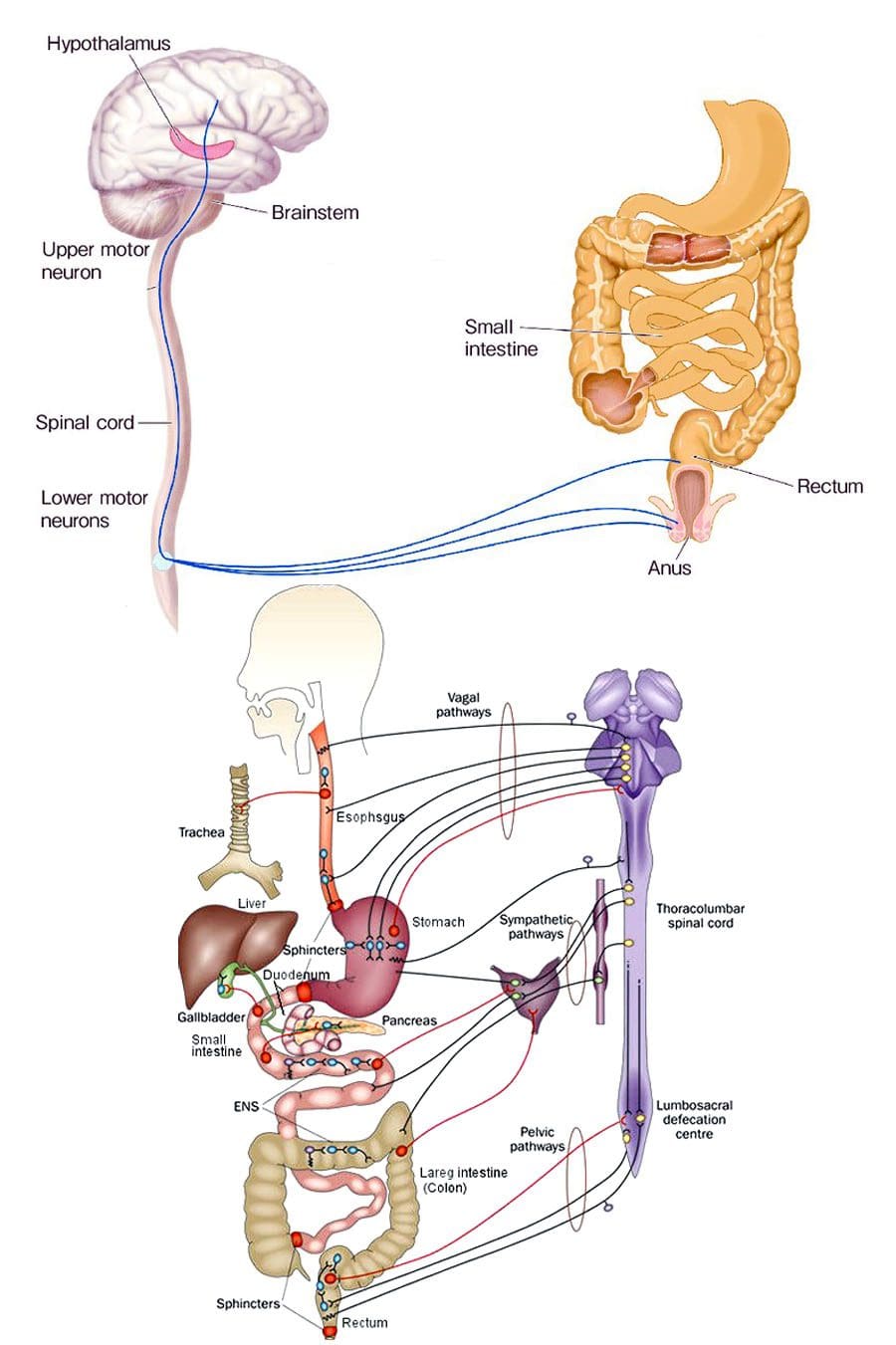
Chiropractic treats the spine that is essential to the function of the central nervous system, which is responsible for digestion. When the nervous system is not functioning correctly, the other systems begin to malfunction. Chiropractic manual and motorized spinal decompression can help with digestion by releasing trapped gas from joints while improving blood circulation that is natural and non-invasive.
Spinal Decompression and Digestion
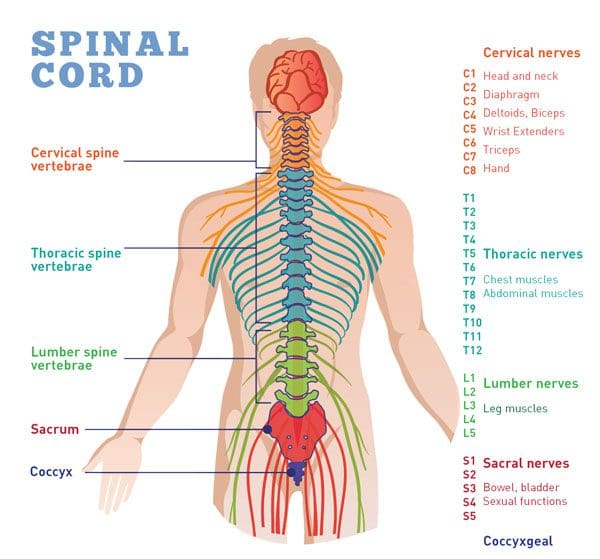
Spinal alignment and digestion are closely connected. The nerves in the thoracic and lumbar regions affect digestion. When the spine is out of alignment, it stresses the nerves. Nerves that are pinched or constricted are inhibited/disrupted from sending the proper signals to the digestive system. This can lead to new or worsening digestive problems. Spinal conditions that can cause digestive issues:
Herniated discs
Ankylosing spondylosis
Spinal cord injuries
Tumors
Studies have found that digestive issues, including discomfort, heartburn, and bloating, have decreased with regular chiropractic and spinal decompression and decreased constipation and irregular bowel movements. This comes from chiropractic reactivating the body’s natural ability to heal itself.
Increased Circulation
When the spine gets decompressed, it opens up the spine to circulate fluids throughout the body.
This flushes the lymphatic system, increasing the immune system’s function.
Increasing the circulation also provides additional oxygen and nutrients to the brain, improving signaling, memory, and concentration.
Improved Digestion
Poor posture compresses the abdomen and cramps the space the gastrointestinal tract needs to process food properly.
Decompressing the spine and correcting posture allows room for the muscles to contract, expand, and properly circulate waste.
Bowel Program
Treatment focuses on preventing further injuries and helping improve the individual’s quality of life. A doctor, chiropractor, health coach, or nutritionist can recommend a bowel program to help retrain the body to maintain regular bowel movements. These programs are personalized to the individual’s specific condition that takes into account:
Level of the spine injury or condition
Food and drink intake
Bowel movement pattern
Digestive problems
General health
Individual preferences
A bowel program sets up the timing of food intake, fluid intake, medications, and techniques to help bowel movements. The objective is to prevent spontaneous bowel movements, help pass stools regularly, and empty the rectum daily.
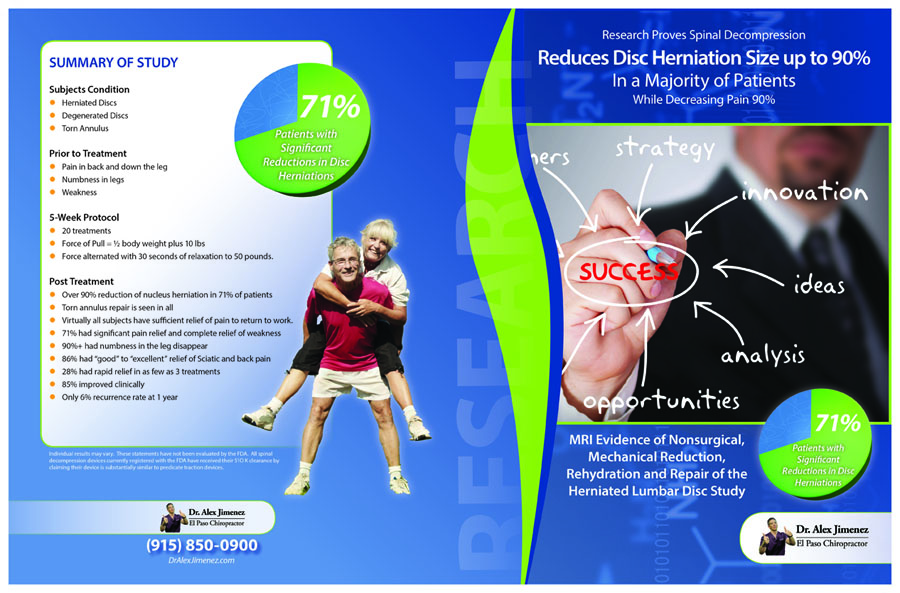
Spinal Decompression Reduced Disc Herniation UP To 90%
DRX9000 Decompression Treatment
References
Browning, Kirsteen N, and R Alberto Travagli. “Central nervous system control of gastrointestinal motility and secretion and modulation of gastrointestinal functions.” Comprehensive Physiology vol. 4,4 (2014): 1339-68. doi:10.1002/cphy.c130055
Holmes, Gregory M, and Emily N Blanke. “Gastrointestinal dysfunction after spinal cord injury.” Experimental neurology vol. 320 (2019): 113009. doi:10.1016/j.expneurol.2019.113009
Kehl, Amy S et al. “Relationship between the gut and the spine: a pilot study of first-degree relatives of patients with ankylosing spondylitis.” RMD open vol. 3,2 e000437. 16 Aug. 2017, doi:10.1136/rmdopen-2017-000437
Lara, Francisco Javier Pérez et al. “Chronic abdominal syndrome due to nervous compression. Study of 100 cases and proposed diagnostic-therapeutic algorithm.” Journal of gastrointestinal surgery: official journal of the Society for Surgery of the Alimentary Tract vol. 19,6 (2015): 1059-71. doi:10.1007/s11605-015-2801-8
With a growing belly and changes in connective tissue, many pregnant women are unable to stay comfortable. A pregnancy chiropractor is safe and effective in helping manage pain in the back, hips, legs, joints and establish pelvic balance. This can provide the baby with space to grow and move throughout the pregnancy and lead to faster, easier labor and delivery. Relief and better symptom management are possible with a pregnancy chiropractor.
Chiropractic Is Safe During Pregnancy
Before engaging in any treatment during pregnancy, consult a doctor. For the most part, non-invasive chiropractic is considered safe for healthy, low-risk pregnancies and even higher-risk pregnancies once cleared by a doctor. Because pregnant women cannot take medications or undergo other invasive treatment options for pain, chiropractic treatment is recommended for sore, tight muscles, irritability, and pain management.
How A Pregnancy Chiropractor Can Help
What a chiropractor can offer includes:
Restore pelvic balance.
Improve mechanics for standing, sitting, and walking that could otherwise cause pain.
Pain management through therapeutic massage and adjustments.
Optimize the pelvic position to allow for an easier birth; evidence indicates a shorter labor time thanks to an optimal pelvic position.
Clinic Appointment
The pregnancy chiropractor begins with an initial consultation. Here the patient asks questions, discusses any concerns, along with a full assessment of medical history. They will suggest various treatment options to restore the body to its optimal balance. The chiropractor will continually monitor the patient to tailor the treatments to their specific needs and achieve the most relief.
Body Composition
Impact of Breastfeeding and Body Composition
It turns out that breastfeeding and weight loss are showing that there could be a relationship. A study suggested that breastfeeding could eliminate weight gain during six months. These findings are corroborated by another study comparing body fat loss between exclusively breastfeeding and mixed feeding mothers. The researchers found that exclusively breastfeeding promotes more significant body fat loss than mixed feeding among mothers during the first 12 weeks after childbirth. A weight loss of approximately about a pound per week between 4 and 14 weeks after delivery in overweight, lactating women who were exclusively breastfeeding showed no adverse effect on the growth and development of their newborns.
References
Bernard, Maria, and Peter Tuchin. “Chiropractic Management of Pregnancy-Related Lumbopelvic Pain: A Case Study.” Journal of chiropractic medicine vol. 15,2 (2016): 129-33. doi:10.1016/j.jcm.2016.04.003
Borggren, Cara L. “Pregnancy and chiropractic: a narrative review of the literature.” Journal of chiropractic medicine vol. 6,2 (2007): 70-4. doi:10.1016/j.jcme.2007.04.004
Weis, Carol Ann et al. “Chiropractic Care for Adults With Pregnancy-Related Low Back, Pelvic Girdle Pain, or Combination Pain: A Systematic Review.” Journal of manipulative and physiological therapeutics vol. 43,7 (2020): 714-731. doi:10.1016/j.jmpt.2020.05.005
Inflammation is the body’s response to infection, injury, or irritation. It causes swelling, redness, pain and sometimes causes the affected area to be unable to function. Acute inflammation happens after spraining the ankle or getting a mosquito bite and is the body’s method of preserving itself. This type of inflammation helps remove harmful irritants and pathogens, so healing ensues, along with healthy beneficial swelling that disappears with time. Chronic inflammation is when the body generates a stronger-than-necessary inflammatory response from an imbalanced immune system or a condition that causes the immune system to attack healthy tissue. Certain foods, lack of sleep, and constant stress increase the risk of developing chronic inflammation. Chiropractors are known for their expertise in stretching the muscles, ligaments, tendons, and adjusting/realigning joints and bones. Chiropractic treatment can also affect inflammation positively.
Inflammation Affects Health
When inflammation presents, there is significant potential that disease is also present in the body. Inflammation is a natural response to restore the body to homeostasis or balance. White blood cells and other immune cells are sent to the area to ward off invading bacteria, viruses, debris, etc., and reduce or defeat the infection. For some individuals, inflammation occurs within their body regularly and reappears repeatedly. This can be caused by injuries that never completely healed, frequent strains, and injuries from a weakened musculoskeletal system. Inflammation can also come from infection, irritation, the production of diseased cells, or allergies. Organs and tissues can be inflamed for a long time and can cause damage to the cells that comprise those regions of the body. This can lead to:
Thinning and weakening of organ walls and tissues.
Decreased organ function.
The overall deterioration of the body’s systems and wellness.
Causes
Some common diseases and conditions that create chronic inflammation are:
Asthma
Chronic peptic ulcers
Tuberculosis
Rheumatoid arthritis
Periodontitis
Ulcerative colitis
Crohn’s disease
Sinusitis
Active hepatitis
Risk Factors
Certain risk factors that can increase the likelihood of inflammation are:
Stress is one of the leading causes of illness and disease in the body and contributes significantly to inflammation. Organs and tissues can also become inflamed under pressure. When stress kicks in, chemical reactions occur, causing the release of the hormone cortisol. Cortisol is initially an anti-inflammatory hormone, but a prolonged release can eventually create a dysfunctional cycle of widespread inflammation. Chronic stress can cause inflammation throughout the body. Usually, the body’s weakest or most strained region will suffer the most effects of overall inflammation. Even after the stress reduces or is resolved, the inflammation effects can continue to linger. Inflammation can:
Decrease organ function
Strain tissues
Strain ligaments
Force bones and joints out of alignment and subluxation.
Cause decreased efficiency and performance of the body’s systems and organs.
Chiropractic Affects On Inflammation
When the body is out of alignment, it can compress tissues, muscles, and ligaments. Chiropractic works primarily on the skeletal structure and the nervous system. The nervous system plays an essential role in regulating immune response, which creates or decreases inflammation in the body. When the bones and joints are out of alignment, they cause strain on the nervous system and the immune system, often triggering an immune response. Chiropractic adjustments of the bones and joints reset and rejuvenate nervous system function. Realignment of the spine, including neck, shoulders, arms, pelvis, hips, knees, and feet, enhances nerve circulation and alleviates abnormal immune system function. To begin relieving inflammation from injury, misalignment, stress, and strain on the body, consult and see how chiropractic affects inflammation.
Body Composition
Dietary Fats
There are four main types of dietary fats listed on food labels:
These are not to be confused with adipose tissue/stored fat in the body. These four fats have different physiological effects once they are digested. Some are beneficial, and some can negatively impact health and are recommended to be taken in moderation.
Saturated vs. Unsaturated fats
Fats are made up of chains of carbon atoms with a carboxyl group COOH at one end and methyl groups CH3 at the other end. Carbons are attached to each other and to hydrogen atoms. The way the carbons are chained differentiates saturated and unsaturated fats and impacts how the body processes them. Unsaturated fats have one or more double bonds between the carbon atoms, and foods rich in unsaturated fats are usually liquid at room temperature, like olive oil. Saturated fats contain no double bonds and are generally solid at room temperatures, like butter and cheese.
References
Arulselvan, Palanisamy et al. “Role of Antioxidants and Natural Products in Inflammation.” Oxidative medicine and cellular longevity vol. 2016 (2016): 5276130. doi:10.1155/2016/5276130
Hannibal, Kara E, and Mark D Bishop. “Chronic stress, cortisol dysfunction, and pain: a psychoneuroendocrine rationale for stress management in pain rehabilitation.” Physical therapy vol. 94,12 (2014): 1816-25. doi:10.2522/ptj.20130597
Pahwa R, Goyal A, Bansal P, et al. Chronic Inflammation. [Updated 2021 Sep 28]. In: StatPearls [Internet]. Treasure Island (FL): StatPearls Publishing; 2021 Jan-. Available from: https://www.ncbi.nlm.nih.gov/books/NBK493173/
Getting dizzy can happen, usually after standing up too fast or staring at an optical illusion then looking away. The unsteadiness can be troubling but is minimal when compared to vertigo symptoms. Vertigo is a symptom rather than a condition that causes dizziness combined with a spinning sensation, even when an individual stands completely still. Vertigo can make everyday life a debilitating nightmare:
It causes individuals to feel nauseous.
It makes it difficult to walk.
It interrupts vision and hearing.
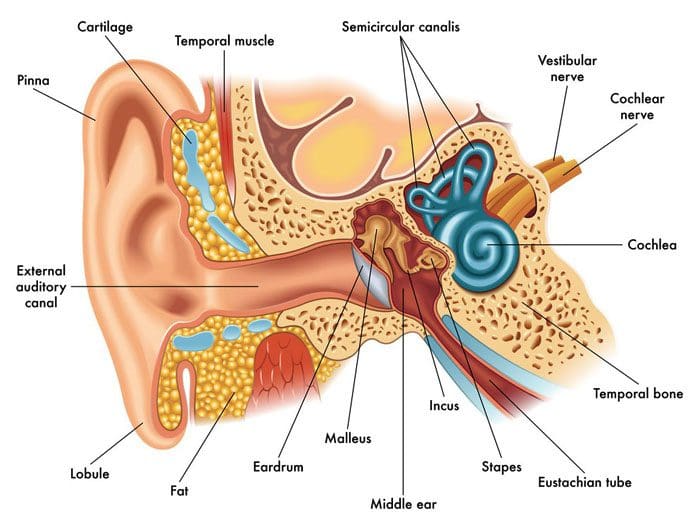
Vertigo symptoms usually begin with a communication issue with the inner ear and brain. This neurological connection involves the spinal cord, which chiropractic can treat and cure. A chiropractor will implement the necessary techniques to help alleviate vertigo symptoms.
Causes
The most common signs and symptoms are dizziness accompanied by a spinning sensation. Vertigo symptoms can also include:
Vertigo is a common symptom in individuals that have gone through trauma to the neck and/or head. A disturbance/interruption occurs in the nerve pathways in the spinal column. Disruption, injury, or damage to the vestibular system/inner ear also causes vertigo symptoms. Other causes include:
Ear infections
Pressure changes
Movement of particles within the inner ear
Chiropractic Treatment
Chiropractic treatment can cure vertigo symptoms through various exercises and spinal adjustments. When nerve signals don’t transmit correctly, it can cause a feeling of dizziness along with the other symptoms. Adjustments or manipulations help alleviate the symptoms by allowing nerve energy to circulate properly. Spinal adjustments realign the joints and vertebrae in the cervical spine. This opens the nerves pathways and allows for clear communication.
A common type of vertigo is known as benign paroxysmal positional vertigo or BPPV. This is the movement of particles around the inner ear. These particles come from otolith organs. The particles break loose and fall into other parts of the vestibular labyrinth. This alters the center of balance and can cause dizziness. A chiropractor may use the Epley maneuver, which maneuvers the head into different positions. A chiropractor will recommend specific exercises at home to benefit the vestibular system and its communication with the brain.
Body Composition
A Common Cold
The common cold, aka upper respiratory tract inflammation. It is the most common infectious respiratory disease. It is called this because of the effects on the nose and throat. According to the Center for Disease Control and Prevention, an adult will catch 2–3 colds a year. A cold-causing virus enters the respiratory tract directly when an individual inhales droplets or direct skin contact from an infected person. Cold symptoms include:
Runny nose
Stuffy nose
Sneezing
Coughing
Headaches
Body aches
The duration of a cold differs, but most individuals with a healthy immune system recover in 7–10 days. However, individuals with compromised immune systems, asthma, or COPD have an increased risk of developing serious illnesses like bronchitis or pneumonia. Quickly recovering from a cold requires boosting the immune system with proper rest, a nutritious diet, and drinking plenty of water.
References
Collins, Matthew E, and Tom M Misukanis. “Chiropractic management of a patient with post-traumatic vertigo of complex origin.” Journal of chiropractic medicine vol. 4,1 (2005): 32-8. doi:10.1016/S0899-3467(07)60110-4
Dalby, B J. “Chiropractic diagnosis and treatment of closed head trauma.” Journal of manipulative and physiological therapeutics vol. 16,6 (1993): 392-400.
Sajko, Sandy S et al. “Chiropractic management of benign paroxysmal positional vertigo using the Epley maneuver: a case series.” Journal of manipulative and physiological therapeutics vol. 36,2 (2013): 119-26. doi:10.1016/j.jmpt.2012.12.011
IFM's Find A Practitioner tool is the largest referral network in Functional Medicine, created to help patients locate Functional Medicine practitioners anywhere in the world. IFM Certified Practitioners are listed first in the search results, given their extensive education in Functional Medicine