Individuals are tired of feeling sick. Many doctors prescribe medications to just control the symptoms of the various ailments.
Headaches
Migraines
Nausea
Fatigue
Acid reflux
Asthma
Allergies
Chiropractic care combined with Health coaching will:
Bring the body back into balance
Restore optimal circulation
Detox the body
Increase immune system response
Tired Nervous System
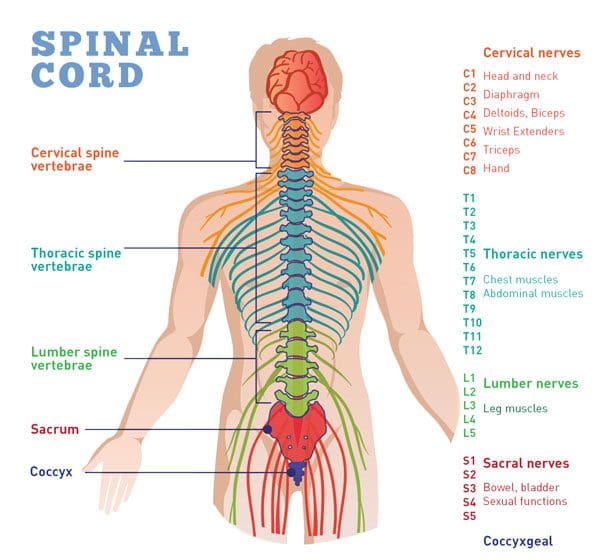
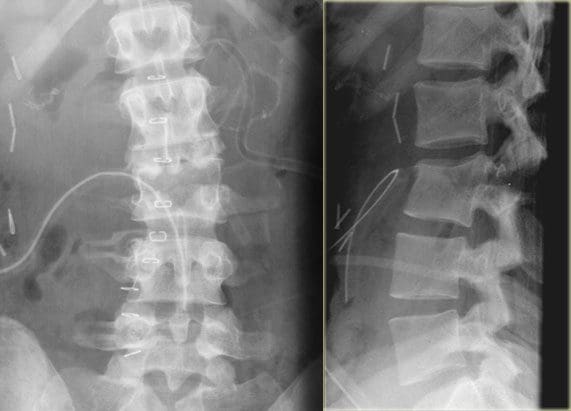
Many of these problems are rooted deep within the nervous system. This system controls pain, movement, organ function, and action/reaction in the body and needs consistent maintenance to continue to operate at an optimal level. Chiropractors are trained to detect nerve interference brought on from spinal misalignment. Chiropractic along with body scanning/imaging can detect nerve interference, and help identify any issues.
Nerve Interference
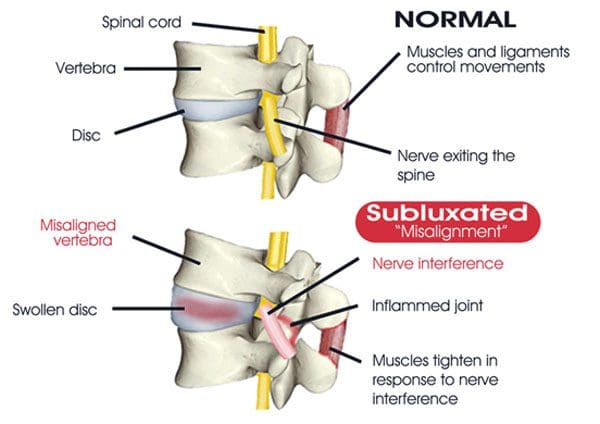
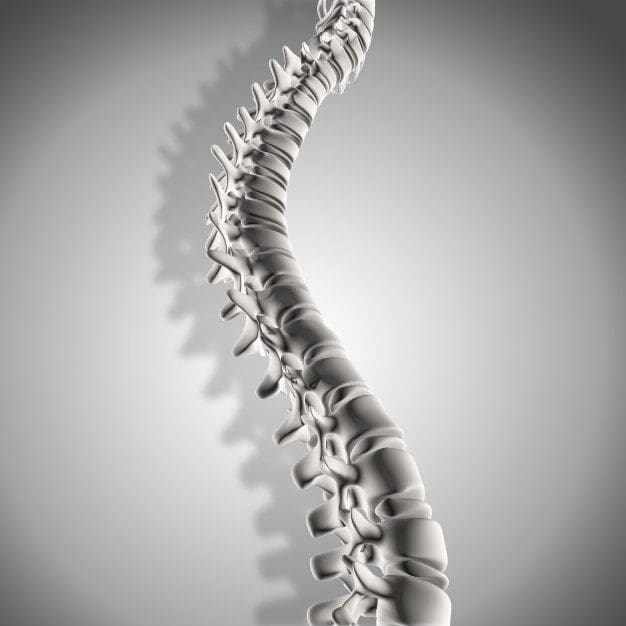
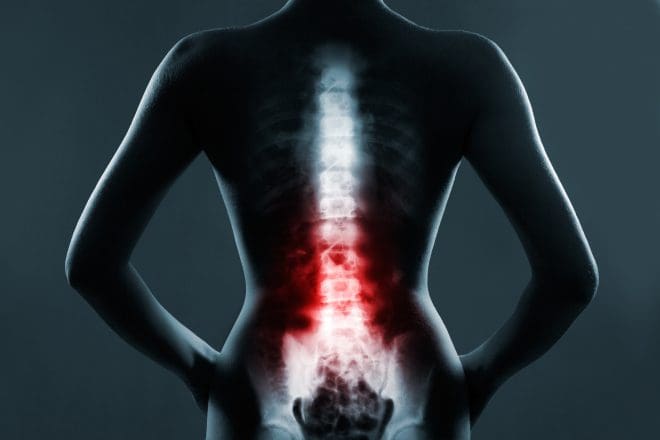
Nerve interference along the spine can lead to being tired, weakness, pain, discomfort, organ dysfunction, and disease if it is not addressed by a professional chiropractor. The interference can be a result of poor postural habits that have caused the spine to misalign. This places added and dangerous pressure on the delicate nerves flowing throughout the spine.
Chiropractors can determine the root cause back to the region of the spine that is causing any type of impediments. Spinal rehabilitation and realignment will restore the spine back to health eliminating nerve interference. As the body is realigned health coaching recommendations that include diet, supplements, and learning healthy habits will enhance chiropractic maintenance. The end result is a healthy energetic body free of disease, dysfunction, and pain.
Body Composition
Body composition is a way of breaking down the body into components, which are: fat, protein, minerals, and body water. It describes an individual's accurate weight and provides a new perspective on overall health than traditional methods. Proper body composition analysis will show changes in fat mass, muscle mass, and body fat percentage.
The scope of our information is limited to chiropractic, musculoskeletal, physical medicines, wellness, and sensitive health issues and/or functional medicine articles, topics, and discussions. We use functional health & wellness protocols to treat and support care for injuries or disorders of the musculoskeletal system. Our posts, topics, subjects, and insights cover clinical matters, issues, and topics that relate and support directly or indirectly our clinical scope of practice.*
Our office has made a reasonable attempt to provide supportive citations and has identified the relevant research study or studies supporting our posts. We also make copies of supporting research studies available to the board and or the public upon request. We understand that we cover matters that require an additional explanation as to how it may assist in a particular care plan or treatment protocol; therefore, to further discuss the subject matter above, please feel free to ask Dr. Alex Jimenez or contact us at 915-850-0900. The provider(s) Licensed in Texas& New Mexico*
References
Stochkendahl, Mette Jensen, et al. �Can chiropractors contribute to work disability prevention through sickness absence management for musculoskeletal disorders? - a comparative qualitative case study in the Scandinavian context.� Chiropractic & manual therapies�vol. 26 15. 26 Apr. 2018, doi:10.1186/s12998-018-0184-0
Westerterp, Klaas R. �Exercise, energy balance, and body composition.��European journal of clinical nutrition�vol. 72,9 (2018): 1246-1250. doi:10.1038/s41430-018-0180-4
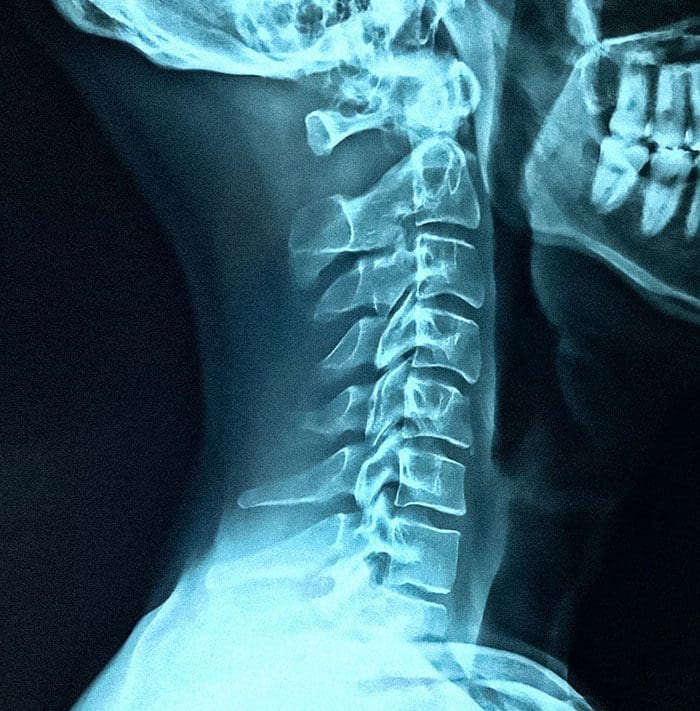
Most individuals go about their lives without thinking about poor posture and spinal misalignment, not to mention the spinal health problems/conditions that are associated with misaligned vertebrae. Most spinal misalignments come on as a result of:
Poor posture habits
Unhealthy diet
Destructive lifestyle choices
Sudden misalignments caused by accident/s or injury/s
Sudden misalignments can be associated with a direct cause that an individual can recognize increased symptoms and injury. It�s the long-term spinal misalignment that can become dangerous if left untreated and out of alignment. This is when it is time to see a chiropractor for an immediate spinal realignment.
Body Posture Mechanics
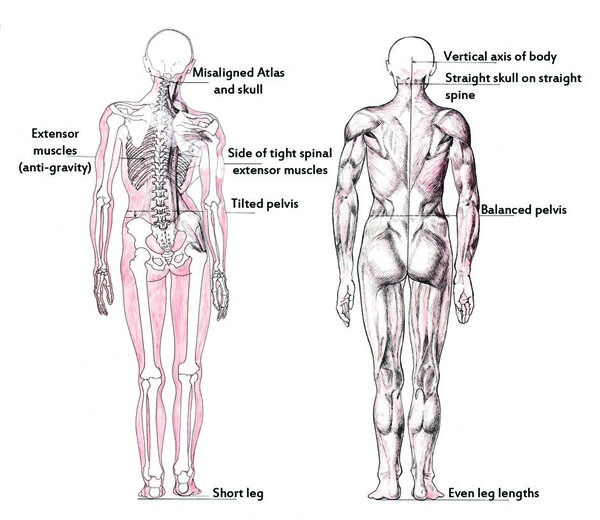
Poor posture along with poor body mechanics contributes to spinal misalignment. This creates unnecessary and consistent pressure on the:
Muscles
Ligaments
Joints
Discs
The pressure also causes a stretching of the nerves in the neck and low back. These nerves are responsible for transmitting, muscle expansion/contraction signals, vital information, and energy to the body's organs. Any nerve interference will diminish the energy/blood flow to the limbs and organs. This can lead to disease and other major health complications like:
Chronic pain
Decreased mobility
Joint stiffness
Slouched posture
Reduced range of motion
Discomfort when sitting, standing, and lying down
Permanent joint/bone deformity/s
Broken bones, specifically in the spine
Most individuals do not recognize the gradual or long-term health problems linked to the spinal misalignment. Often the signs and symptoms are very subtle, so do not raise a cause for concern. The most direct symptoms of poor posture and spinal misalignment include:
Sore/stiff neck or back
Low energy
Tiredness/fatigue
Headaches
Back muscle spasms
Joint pain
Numbness
Tingling
Altered sensations
In addition to the symptoms, individuals should realize that underlying health conditions could also be linked to poor posture and spinal misalignment. If any of these symptoms are presenting see a chiropractor for an examination and proper diagnosis. These symptoms can be masked with pain killers, mattresses, or caffeinated drinks. However, these will not realign the spine to its proper form.
Chiropractic Lower Back Treatment
Dr. Alex Jimenez�s Blog Post Disclaimer
The scope of our information is limited to chiropractic, musculoskeletal, physical medicines, wellness, and sensitive health issues and/or functional medicine articles, topics, and discussions. We use functional health & wellness protocols to treat and support care for injuries or disorders of the musculoskeletal system. Our posts, topics, subjects, and insights cover clinical matters, issues, and topics that relate and support directly or indirectly our clinical scope of practice.*
Our office has made a reasonable attempt to provide supportive citations and has identified the relevant research study or studies supporting our posts. We also make copies of supporting research studies available to the board and or the public upon request. We understand that we cover matters that require an additional explanation as to how it may assist in a particular care plan or treatment protocol; therefore, to further discuss the subject matter above, please feel free to ask Dr. Alex Jimenez or contact us at 915-850-0900. The provider(s) Licensed in Texas& New Mexico*
References
Veintemillas Ar�iz, M T et al. �Changes in spinal alignment.� �Alteraciones de la alineaci�n vertebral.��Radiologia�vol. 58 Suppl 1 (2016): 115-27. doi:10.1016/j.rx.2016.01.007
Weightlifting and chiropractic go hand in hand as a perfect team. Everyone in some way can utilize weightlifting, whether it's for general exercise, strength training, rehabilitation, bodybuilding, looking and feeling good, spinal health matters. When the spine and the body's central nervous system work in harmony, muscle function is at its optimum.
Many individuals consider health care to be a reactionary function. The proverb if it's not broken, then don't fix it, is an approach currently being applied to various health conditions. Only after an individual exhibits or feels ailment symptoms is when they'll see a medical professional. Weightlifters are thought to be generally more in tune with their bodies. But they are no different in that many do not seek medical attention until symptoms present.
Bodybuilding involves lifting heavy weights while maintaining proper posture and balance. Weightlifters, athletes, and fitness enthusiasts know that balance includes a healthy diet and combining fitness training with a positive mindset. Individuals involved in exercise/fitness regimens know that the muscles need time to recover and build new tissue.
Weightlifters, athletes, and overall fitness enthusiasts are discovering chiropractic medicine and its benefits. Fear of the unknown is usually the biggest reason for people not seeing a chiropractor. But for athletes, weightlifters, etc., not seeing a chiropractor, they're usually worried they will have to stop training/competing for a while. Whatever the reason/s for not seeing a chiropractor, here are five for seeing one that everybody and every bodybuilder should know.
Chiropractic Mind and Muscle
Distractions in weightlifting will almost always result in an injury. The mind and body need to be balanced when working out. Just adding more weight or doing more repetitions will not create the best bodybuilder. Professional weightlifters know that it's not about working harder but working smarter. This is where chiropractic enters the picture.
All the body's muscles connect to joints or the spine. The joints and spine must be properly aligned for the muscles to work in proper balance. In today�s world, it's all about the quick fix. Whether it's a pill for whatever or fast food, however, some things need time and proper care to flourish. Chiropractic and bodybuilding are two of those things.
A Spinal Shift Makes WeightLifting Harder
When the spine is not aligned, the muscles on one side of the body are forced to work harder than the other side. This is a perfect injury set-up. An example is doing bench presses with one foot firmly on the ground, with the other using only the toes. That is the picture when the spine is out of alignment. Working out with an uneven foundation opens the doors to injury/s.
A chiropractor can discuss the best bodybuilding routine that will get results, give diet/supplement recommendations, and advice on proper lifting techniques, as well as stretches and flexibility exercises. They see the changes in the body before any pain is felt. Based on this, they can decrease the potential for injury.
Minor Injuries Lead to Severe Injuries
Many weightlifters believe if they feel pain after a workout, it means it was a good workout and is considered a sign that the muscles worked to the maximum. However, this is not always true. Microtrauma injuries are not always detected because they can hide behind minor muscle pain after a heavy workout.
Microtrauma injuries are small tears in the connective tissue and the fibers of the muscle itself. These micro-tears can cause swelling that is not seen but can be felt. This type of trauma needs proper recovery time to heal. And if treatment is not sought out, it can increase the risk for severe injuries later. These include:
Ruptured ligaments
Joint function loss
Fractures
Bodybuilders who receive regular chiropractic adjustments also benefit from having one-on-one discussions about strength, diet, power, or pain they're experiencing and get sound advice/recommendations. The chiropractor will know the difference and will know how to prevent further injury.
Weightlifting and Maximum Potential
Professional weightlifters understand that a combination of natural approaches and utilizing these resources will bring optimal results. Bodybuilders, athletes, and fitness lovers are utilizing chiropractic to stay healthy, fit, and aligned. It is a perfect team, fitness, and chiropractic.
Weightlifting makes the body stronger. This comes from the added stress on the bones, muscles, and joints, which causes them to adapt. However, there is also an added strain that can misalign the spine and pinch the nerves. Pinched nerves cause lower levels of muscle strength and the development of scar tissue. Individuals might not be aware as this condition does not always cause pain.
Chiropractic involves adjusting the spine back into its natural, proper position. This allows the muscles to achieve maximum potential. Protein supplements and powders can also help. Chiropractic relieves the stress that occurs from weightlifting and releases the subluxations. Regular chiropractic prevents injuries, helps injuries heal quickly, and allows for continued training with modifications depending on the patient's case.
Alleviating Pain and Preventing Injury
The muscles function and perform based on the signals sent and received through the central nervous system. When an injury occurs to the muscles, ligaments, tendons, or other body areas, inflammation and swelling occur. Inflammation is not all bad and is a good sign that the body has been injured, needs attention, and deals with the injury.
But communication needs to be relayed for this to happen. When the joints in the spine are out of place or are not moving properly, the information can be scrambled or cut off. This can make it feel as if everything is fine, when there should be pain or when something hurts in one area when the pain is located in another area. Chiropractic restores function to joints, re-aligns the spine, and improves range of motion. This opens up the communication lines completely and allows the body to heal on its own.
Frequently Asked Questions
How soon can I go back to lifting? It depends on the individual case, but most go back to training the following day if there are no injuries. However, discuss the matter with a doctor.
Can a chiropractor adjust a big muscular individual? A chiropractor knows how to manipulate the body to don't have to be stronger than the individual, no matter their size.
Can I adjust myself? Chiropractors are trained doctors that know where to apply specific movement and pressure to a joint that is causing problems.
Do I need chiropractic because my back doesn't hurt? An individual does not have to be hurt to benefit from chiropractic. Chiropractic can be utilized to improve performance and as a preventative treatment.
Can chiropractic help with difficulty sleeping after workouts?Tension and stress, as well as tight muscles, are irritating to the central nervous system. Hot baths can help relax the muscles. Chiropractic helps release tension, relieve stress, leading to a better night's sleep.
The information herein is not intended to replace a one-on-one relationship with a qualified health care professional, licensed physician, and is not medical advice. We encourage you to make your own health care decisions based on your research and partnership with a qualified health care professional. Our information scope is limited to chiropractic, musculoskeletal, physical medicines, wellness, sensitive health issues, functional medicine articles, topics, and discussions. We provide and present clinical collaboration with specialists from a wide array of disciplines. Each specialist is governed by their professional scope of practice and their jurisdiction of licensure. We use functional health & wellness protocols to treat and support care for the injuries or disorders of the musculoskeletal system. Our videos, posts, topics, subjects, and insights cover clinical matters, issues, and topics that relate to and support, directly or indirectly, our clinical scope of practice.* Our office has made a reasonable attempt to provide supportive citations and has identified the relevant research study or studies supporting our posts. We provide copies of supporting research studies available to regulatory boards and the public upon request.
We understand that we cover matters that require an additional explanation of how it may assist in a particular care plan or treatment protocol; therefore, to further discuss the subject matter above, please feel free to ask Dr. Alex Jimenez or contact us at 915-850-0900.
Spinal Cord Injuries Are Not Only Caused by Trauma
When people think of spinal cord injury/s or SCI’s, traumatic events like a major auto accident, hard fall, severe sports injury or intense work injury come to mind. It is true that auto accidents are the leading cause, however, non-traumatic accidents and diseases like a spinal tumor can also cause spinal cord injuries.
These types of injuries involve damage to the spinal cord that can temporarily or permanently affect its functionality. Spinal cord injuries are divided into 2 categories: traumatic and non-traumatic. Even with non-traumatic injuries the impact or severity is not lessened and the aftermath can have a devastating effect on a person�s life.
Spinal Cord Injury Trauma
Vehicle crashes: Motor vehicle accidents are the leading cause of traumatic spinal cord injuries, and they account for 40% of all SCI’s.
Falls: Falls are the second cause of traumatic spinal cord injuries, and they account for 32% of injuries.
Violence: Violent acts, like gunshot wounds or a stabbing cause around 14% of spinal cord injuries.
Spinal cord injuries occur more in men than women with 80% of cases affecting men.
Although people of all ages can experience SCI, there are activities/events that increase the risk that affects different age groups more than others. An example is high-impact actions like motor vehicle accidents and sports injuries occur more in young adults. Conversely, spinal cord injuries caused by a fall happens more in adults over age 60.
Regardless, SCI occurs more in the neck or cervical spine. Around 60% of cases involve the neck, followed by the mid-back or thoracic spine that averages to around 32% of injuries. Although most people experience low-back pain, only 9% of spinal injuries occur in the low back and tailbone or lumbosacral spine.
Understanding SCI Trauma
Damage to the spinal cord not only affects the area where the point of impact occurred. The primary injury can also damage cells, dislocate the vertebrae and cause spinal compression. It can also trigger secondary injuries, that cause a series of biological changes. This can happen within weeks or months after the injury.
The secondary injury cascade processes:
Glial cells along with the nerve cells in the spinal cord begin to die. These cells provide nutrients and other support to the nerve cells in the central nervous system. This consists of the brain and spinal cord.
The blood vessels in the spinal cord lose their ability to function, and this reduces the blood supply to the cord. When the blood supply becomes inadequate it is called ischemia. Blood vessel injuries expose the cord to inflammatory cells that in turn cause swelling. When the spinal cord becomes inflamed the spinal cord gets more and more compressed. If this happens�the initial injury progressively worsens.
This changes the cord�s structure and its normal operation. The secondary injury cascade can interfere with the cord�s ability to heal itself. This means an individual could experience permanent nerve pain and dysfunction.
Non-traumatic SCI
Spinal cord damage does not only happen with traumatic events. An SCI can also be caused by non-traumatic diseases in the spine. Tumors are the leading cause, but infections and degenerative disc disease can also cause serious damage.
Non-traumatic SCI’s happen more than traumatic based ones. �The incidence of traumatic SCI in North America comes to around 54 cases per one million people. With the incidence of non-traumatic SCI is around 1,227 cases per million people.
Healthy Spinal Cord Injury Outcomes
Spine researchers are making great strides in developing optimal protective and regenerative treatments to improve spinal cord health after these injuries occur.
Currently, innovative medical, surgical, cell-based and alternative treatments are furthering the medical community�s understanding of SCI’s. This is dramatically improving the quality of life and creating positive futures for individuals who experience these injuries.
Car Accident Injury Rehabilitation | El Paso, Tx (2020)
NCBI Resources
The muscles in the back keep the spine moving and functioning properly.�When the spine or�abdominal muscles are�weak this creates a higher probability of a back strain or injury. Having strong, healthy spine muscles are important because they function in maintaining correct posture, which in some cases, causes chronic back pain because of poor posture.
If�only one part of the body is�strengthened like the back is not enough. Therefore strengthening the rest of the body is a must. These include the body�s core and leg muscles. Total body strength will reduce back pain and can help perform regular activities, like�lifting heavy objects much easier, with more confidence and with a lesser probability of injury.
Chiropractic believes that optimal health comes from having a healthy nervous system, particularly a healthy spinal column.
Time, work, school, and everyday living means movement. And like anything that moves over and over again, at some point it’s going to get stuck or slip out of place. When the spine’s vertebrae become misaligned, pressure begins to press on the nerves that come out of the spinal cord. This is called a chiropractic subluxation and requires chiropractic realignment.
Chiropractors use a variety of techniques to mobilize the spinal discs so they can move freely along with returning them back�into place and in their proper positions.
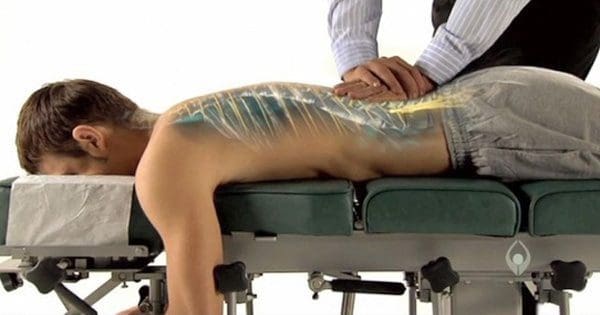
These techniques are called spinal manipulations/adjustments.
During an adjustment, the vertebra is released or set free from the misaligned position and put back into the proper position in the spine’s column.
Adjustments allow the body to heal and maintain homeostasis.
Chiropractors are trained in a variety of adjustment techniques
Some are done by hand
Some use of specialized instruments
Ultrasound in physical therapy, treatment of shoulder muscles
Every patient is different, therefore a chiropractor will go through various treatment options with the patient, to choose the best technique and treatment plan for the patient’s condition.� Ask the chiropractor which technique they will be doing and how it works.
Adjustment Techniques
Chiropractors use�the following:
Toggle Drop
Using crossed hands a chiropractor presses down firmly on the areas that need adjusting and realignment. With a precise and quick thrust, the chiropractor adjusts the spine. This improves mobility in the vertebral joints.
Motion Palpation
This technique determines if the vertebrae are�freely�moving and with normal motion.
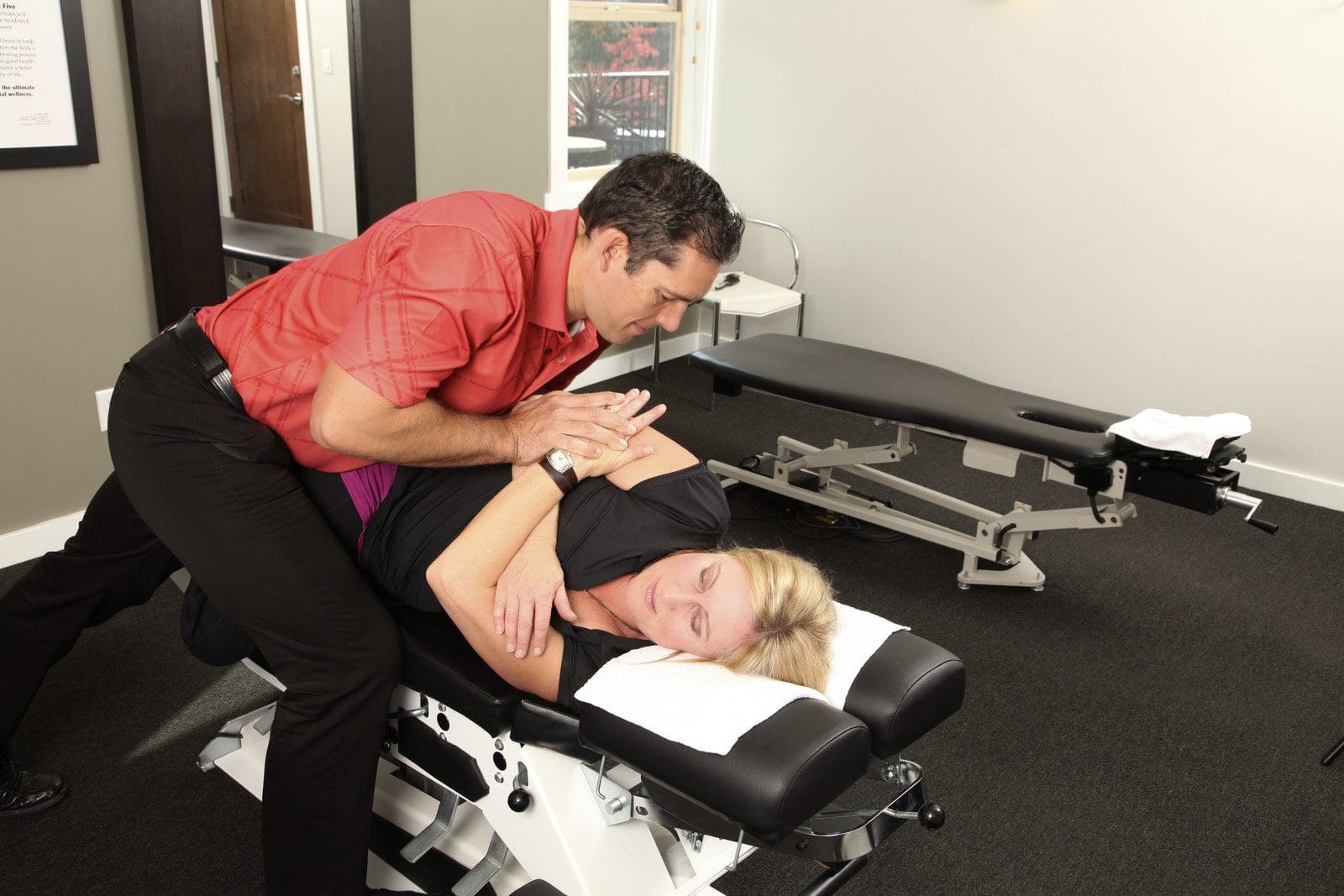
Lumbar Roll
The patient is on their side when the chiropractor performs a quick and precise thrust to the misaligned vertebra, that returns them to their proper position.
Treating Female Patient�s Spine
Release Work
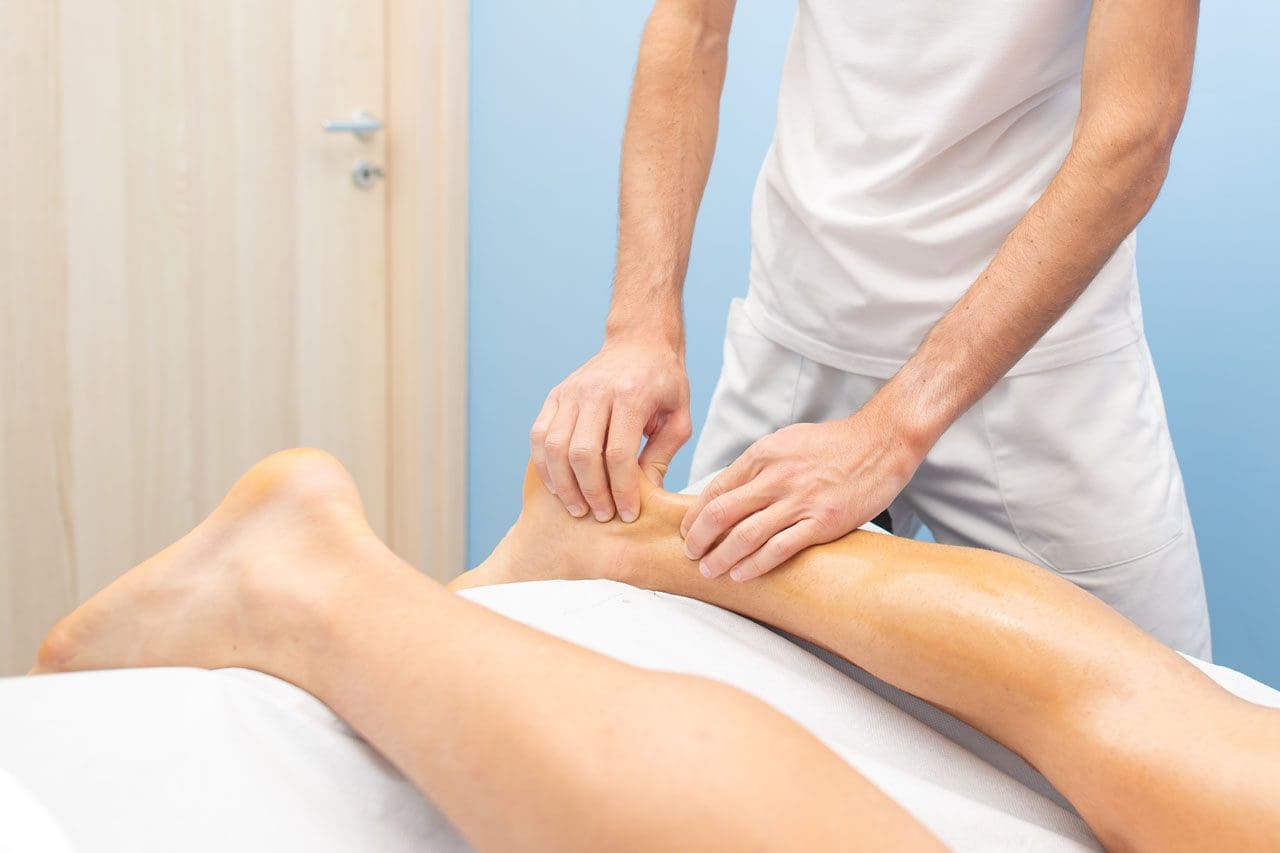
Gentle pressure is applied with the fingertips which separate the vertebrae and opens them up.
Physiotherapist during an Achilles tendon treatment but the same technique applies to the spine
Table adjustment
Here a specialized table is used that drops incrementally with the adjustment. The chiropractor applies a quick thrust at the same time the table drops. This allows for lighter adjustments without twisting and turning that go with manual adjustments.
Instrument adjustments
This is considered the gentlest method of�spinal adjustment.
The patient lies on the table and the chiropractor uses an activator instrument to perform the adjustment/realignment/s.
TENS, Transcutaneous Electrical Nerve Stimulation in Physical Therapy. Therapist Positioning Electrodes onto Patient’s Lower Back
A chiropractic adjustment can be a great way to improve multiple areas of the body, along with improving overall health with non-invasive treatment. Dr. Jimenez has teamed with the top surgeons, clinical specialists, medical researchers and premiere rehabilitation�providers to bring El Paso the top clinical treatments to our community.��Providing high non-invasive protocols is our priority.
Severe *Sciatica”* Pain Relief | El Paso, Tx (2020)
NCBI Resources
The nervous system, which consists of the�(spine/nerves/brain)�is the central headquarters of the body.�Subluxation removal helps the body function at its optimum level. Chiropractic adjustments�reduce pressure on the nerves and ease the flow of communication and signals going back and forth.
Your health is easily one of the most important things in your life. When your health is good, you feel better, are more productive and generally happier. When your health is not good, it becomes difficult to accomplish even the smallest tasks�and your mood and ability to enjoy life suffer. Fortunately, there are some simple steps you can take to lead a healthier life. Read on to learn some of the most important tips for healthy living!
3 Tips for Healthy Living
Magnified Healthy Living word illustration on white background.
1. Keep the body’s alignment with regular chiropractic.
Many times people are unaware of how to move in the best way for their bodies. Poor movement patterns can lead to injuries, which make it impossible to stay as active as you like. If you start to notice any pain caused when you move�like when adopting a new exercise routine�stop doing what you are doing and consult with your chiropractor. Chiropractors are trained to identify movement problems and help correct them. Your chiropractor should be able to help you find a way to exercise that does not cause pain or lead to injury.
2. Keep track of your health.
It is important to get an accurate assessment of your current health on a regular basis. The goals you set for the future will be much more easily achieved if you know where you are starting from. Some of the ways you can keep track of your health include:
Maintain a relationship with your doctor, dentist, and chiropractor. Preventative healthcare is more effective and less expensive than waiting for something to go wrong. By keeping regular appointments with your doctor, dentist, and chiropractor, you can get valuable feedback on your current state of health. They can also help you catch potential problems early on.
Keep a diary of your exercise, diet, and mood. The diary does not have to be complicated or overly detailed. You just need a clear picture of how much you are exercising, what kinds of exercises you are doing, what food you are eating and how you are feeling.
3. Basics�a healthy diet and regular exercise.
Good health is built on a foundation of diet and exercise. The goal is to improve and maintain a regimen where you eat healthily and exercise regularly over the long-term. You do not have to do anything drastic, either. You will have an easier time making changes if you start small and gradually shift towards a lifestyle that you think is best for you.
Some points to remember:
The perfect diet for one person may not be perfect for another, but there are some basics that work well for the vast majority of people. A diet focused on whole foods, including plenty of vegetables, fruits, and whole grains, is ideal. Repeated studies have shown that a Mediterranean style diet is healthy and easy to maintain, making it a good place to start if you are new to healthy eating.
Take baby steps. Extreme shifts in diet can be mentally exhausting and difficult to maintain. Drastic changes in exercise habits risk injury and are also hard to maintain. Focus on taking small, incremental steps to reach your goals.
Contact Us Today to Set up an Appointment
If you would like a personalized plan for improving your health, please contact us. One of our chiropractic team members is ready to assist you!
Reduce *PLANTAR FASCIITIS PAIN* with Custom Foot Orthotics | El Paso, TX (2019)
Foot pronation is the natural movement which occurs during foot landing while walking or running. Foot pronation also occurs while standing, and in this instance, it is the amount in which the foot rolls inward toward the arch. Foot pronation is normal, however, excessive foot pronation can cause a variety of health issues, including bad posture.
Plantar fasciitis: A Perspective In Functionality
Plantar fasciitis is the inflammation of the plantar fascia or aponeurosis. Which can be caused by trauma, e.g. jumping/running activity, or more from longstanding stretching of pronated feet.
The pain of plantar fasciitis is commonly at its worst when getting out of bed in the morning.
The initial steps cause a painful stretching of the tissue after hours of being in a shortened position.
As a person sleeps, the feet naturally go into a position of plantarflexion and shorten down in a relaxed.
Mild relief is common after moving about for a while.
Treatment options
Treatment options for plantar fasciitis include:
Reduced activity
Cryotherapy
Ultrasound
Taping
Massage
Chiropractic
Orthotics
If the patient is capable of walking without an antalgic gait, look to see how much foot flare occurs during the gait cycle.
Rule of thumb for foot flare:
Both feet should be pointing in the general direction you are walking toward.
Any deviation from a line directly in front involving one foot more than the other is a red flag for dysfunction in the kinetic (moving) chain and may be a contributing factor in the syndrome.
Foot flare is a compensation mechanism to help balance a wobbly pelvis.
If this is detected, remove shoes and socks and look at the medial arch.
Gentle care
Direct palpation of the plantar fascia may reveal painful thickened muscle, especially along the medial longitudinal arch.
This thickened muscle is the result of repetitive tear and repair process.
With the foot relaxed, grasp the toes and gently pull them up into passive dorsiflexion.
Gentleness is essential; as this motion stretches the irritated plantar area.
It often presents with fixations or subluxations of the bones of the feet.
The collapse of any of the three arches of the foot sets the stage for joint fixation.
Mobility & function
Mobility is life to a joint, so don�t overlook the benefit of adjusting the subluxations or fixations of the lower extremity.
Once the acute phase of plantar fasciitis is under control, you can address the factors that contributed to the condition.
Most of the time patients need arch structure to be supported in an optimal functioning position.
Custom-made orthotics support all three arches of the foot provide the necessary support to reduce the tension on the plantar fascia by blocking the excessive pronation stretches.
Improvement through non-invasive treatment
Improvement of muscle function of the kinetic chain through massage or other forms of muscle management can improve muscle compliance, or the ability of the muscle to contract and relax.
Chronic muscle tension creates joint dysfunction and can lead to inflammation in the plantar fascia.
A massaging or mechanical chiropractic compression down the length of the plantar fascia can restore flexibility to that tissue.
Roll the foot over a golf ball or similar device for the purpose of restoring fascia flexibility can have profound effects on foot pain and function.
Patient tolerance is the key to any technique used, so try to understand that the chiropractor/physical/massage therapists are trying their best to bring relief, increasing the pressure and the length of any intervention.
Plantar or Neural
Feet are important. When you consider what your feet go through, taking 8,000 steps over the course of a day, according to the�Illinois Podiatric Medical Association�(IPMA), it�s easy to see how 75 percent of all Americans will have some type of�foot pain�at some point in their lives.�Plantar fasciitis is a common and very painful foot condition that can become chronic if not treated. It is also a condition that responds very well to chiropractic care. As it Reduces Stress in the Plantar Fascia�� When a ligament is inflamed or stressed the tissue can develop very small tears that cause the pain of plantar fasciitis. Chiropractic adjustments made to the heel and foot take the pressure off of the plantar fascia, allowing it to relax.
NCBI Resources
The SMART approach is a guide for setting realistic goals and attaining them. It is an acronym that outlines a success-focused�strategy for goal setting:
Specific
Measurable
Accountable
Realistic
Timeframe
Each step will bring you closer to achieving your goals and improve your health.
As people grow into adults, maintaining normal flexibility gets to be much more challenging and losing flexibility can result in a lot of pain to the musculoskeletal system.
Unfortunately, many of us do not retain flexibility throughout the day, even when attempting to be active. Many jobs are largely sedentary, and even leisure activities keep us stuck in one place. In order to remain functional, joints and muscles need to be used, which means they need to be properly stretched without being overworked. The balance is often very delicate, fortunately, chiropractic adjustments increase flexibility.
Chiropractic’s Role in Flexibility
Most adults are not concerned with being able to twist like a pretzel, however, they do want to be able to maneuver through daily life without a lot of pain. One of the main things accomplished in most chiropractic visits is that the chiropractor will look for misalignments in the spine and seek to correct them with a combination of chiropractic adjustments and exercises.
Adjustments
When the spine is misaligned it can affect many different areas of the body including flexibility. Someone who is not flexible will have a limited range of motion (ROM) and treatments are designed to improve this and restore natural posture.
But being flexible is about more than moving better. When the body is stiff, even simple movement results in pain because it is blocked by the misalignment. When this is adjusted/corrected, blood flow improves and the process of improving flexibility becomes less taxing.
Nutrition
There is more to a chiropractor’s day than correcting misalignments in the spine. Chiropractic is holistic in nature and in order to be truly successful, it relies on the patient to be a cooperative participant in treatment. Giving nutritional advice is a big part of this.
While advice can vary from patient to patient, generally, when a person struggling with flexibility adds protein and fatty acids into their diet it can help joints and muscles to be properly nourished. People should also monitor their intake of processed and pre-packaged foods as these can contribute to inflammation.
Training Exercises
Because of many factors in our lives, as well as the effects of aging, people’s range of motion inevitably decreases as time goes by, especially if nothing is purposefully done to maintain it. Flexibility exercises are commonly strongly suggested by chiropractors as they strive to help their patients with range of motion (ROM) and flexibility issues.
In many cases, such as those where someone is suffering from tendinitis or bursitis, the truly therapeutic exercises are resistive exercises. These, however, are limited, unless a higher level of flexibility is achieved.
Flexibility programs are implemented in order to make a given joint have a wider level of extensibility, which may be achieved by either traditional static stretching or Proprioceptive Neuromuscular Facilitation (PNF) techniques, which incorporates a slow reversal hold.
Working with a chiropractor on a regular basis for help in gaining flexibility can help assure that a patient moves forward at an appropriate pace that is in line with their age and fitness level. This will help them achieve a higher level of success in their chosen sport or similar activity, and/or become more productive in their daily lives while experiencing less pain.
*FIX BAD POSTURE* with Custom Orthotics | El Paso, TX (2019)
Proper Posture
Your spine does more than keep your body upright: it�s the brain that communicates to the rest of the body. Posture even affects your emotional well-being, including self-confidence!
Poor posture takes a serious toll on health. Here are a few of the negative results:
Muscle soreness
Subluxations
Blood vessel constriction
Nerve constriction
As the years go by the problems worsen, which results
Maintaining proper posture involves sitting, standing, and lying down properly. Here is an excerpt from the American Chiropractic Association website on how to:
Sit the right way
Keep your feet on the floor or on a footrest, if they can’t reach the floor
Don’t cross your legs. Your ankles should be in front of your knees
Keep a small gap between the back of your knees and the front of your seat.
Your knees should be at or below the level of your hips.
Bear your weight primarily on the balls of your feet.
Keep your knees slightly bent.
Keep your feet about shoulder-width apart.
Let your arms hang naturally down the sides of the body.
Lie down the right way
Find the mattress that is right for you. While a firm mattress is generally recommended, some people find that softer mattresses reduce their back pain. Go with your comfort
Sleep with a pillow. Special pillows can help with postural problems resulting from a poor sleeping position
Avoid sleeping on your stomach
Healthy Feet Equals A Healthy Spine
The feet are complex structures which function�to provide protection and support to the body in relation to the spine and head posture. The feet are essential towards balancing the body�s entire weight, allowing it to walk, run, stand, and, jump. Consequently, foot complications may cause severe issues throughout the spine, hips, knees, and ankles if left untreated.
Gait & Chronic Postural Pain
Chiropractic care can be effective for treating injuries or conditions such as plantar fasciitis, Achilles tendonitis, and ankle sprains, among others. Foot health is essential towards establishing the body�s proper support and balance, together with a proper spinal posture. In the presence of foot complications, chiropractic treatment can be used to achieve long-lasting health.
NCBI Resources
Flexibility is a critical component of keeping your body fit and healthy. Research shows that people who are more flexible are better able to reach their�optimum fitness level. It can also help to prevent injury and reduce your risk of conditions like arthritis and other�chronic diseases.�They also have a better range of motion and mobility as they age.
IFM's Find A Practitioner tool is the largest referral network in Functional Medicine, created to help patients locate Functional Medicine practitioners anywhere in the world. IFM Certified Practitioners are listed first in the search results, given their extensive education in Functional Medicine