For individuals experiencing pelvis pain symptoms and associated problems, can integrating pelvic floor physical therapy exercises help with treatment and prevention?
Pelvic Floor Physical Therapy
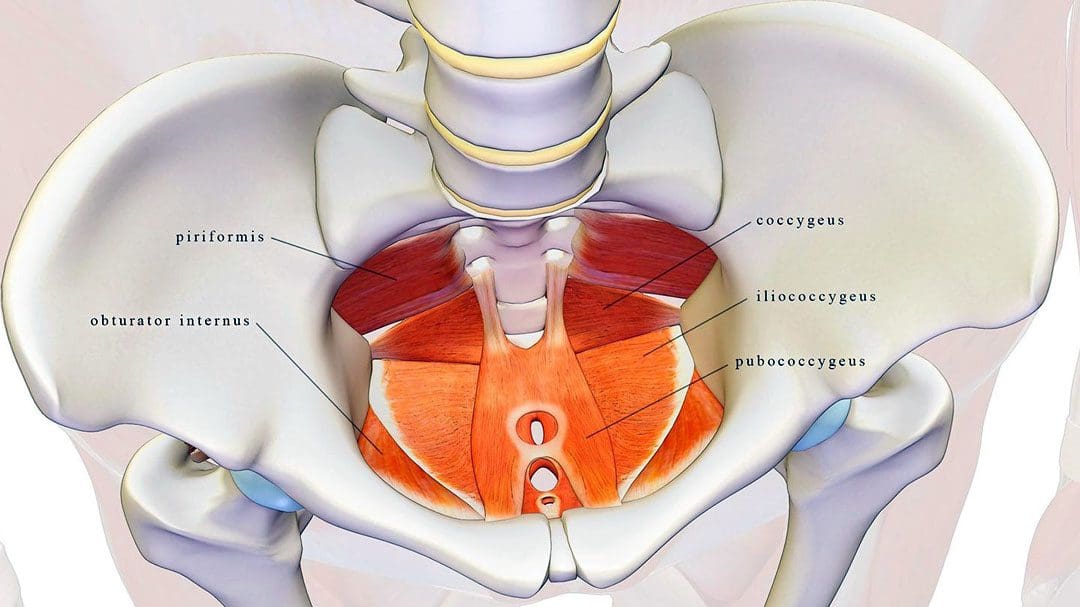
The pelvic floor muscles are located at the base of the pelvis and protect the pelvic organs like the vagina, cervix, uterus, bladder, urethra, and rectum. (U.S. Food and Drug Administration. 2019)
When the muscles fail to function correctly, individuals can experience symptoms like:
Painful intercourse
Prolapse – when an organ or tissue drops or shifts out of place.
Urinary incontinence
Constipation problems
These conditions are common in pregnant individuals or older women.
These symptoms can be treated with pelvic floor physical therapy to alleviate discomfort. Pelvic floor physical therapy can help women and individuals with vaginas:
Alleviate issues like painful sex, urinary leakage, and prolapse.
In physical therapy, individuals work on breathing, relaxation, and lengthening and strengthening techniques to train their muscles to function optimally.
Causes of Pelvic Floor Issues
Pelvic floor dysfunction tends to happen with age, during pregnancy, or in combination with events like the postpartum period and menopause, which can lower hormone levels.
Individuals who are pregnant are especially prone to pelvic floor issues but might not know they have a problem.
The pregnancy weight of a uterus can pressure and strain the muscles.
If left untreated, these symptoms can worsen over time.
Pelvic Floor Physical Therapy
An individual will meet with a specialist to discuss symptoms and undergo a physical examination that includes:
Pelvic floor exam.
Evaluation of posture, mobility, and core strength.
Once the initial exams and evaluation are complete, the practitioner will go over pelvic floor exercises and provide a treatment plan.
Recommended exercises vary based on symptoms but focus on relaxing, stretching, and/or strengthening muscles.
Muscle Relaxation
To relax the muscles, a therapist may recommend breathing exercises.
For pregnant individuals, this means timing breaths with contractions.
For individuals experiencing constipation, breathing exercises can help the body relax and reduce strain.
Stretching Muscles
Stretching can help relieve muscle tightness and stiffness.
A therapist may help stretch the pelvic floor through various therapy modalities.
This type of physical therapy can help loosen tight muscles or help gently reset dislocated organs back into place.
Strengthening Muscles
After the pelvic floor is loose and relaxed, the focus typically switches to strengthening the muscles.
Strength work may target abdominal muscles or the pelvic floor muscles themselves.
With time, commitment, and targeted treatment, individuals can use pelvic floor physical therapy to loosen tissues, strengthen muscles, and restore function.
Sartori, D. V. B., Kawano, P. R., Yamamoto, H. A., Guerra, R., Pajolli, P. R., & Amaro, J. L. (2021). Pelvic floor muscle strength is correlated with sexual function. Investigative and clinical urology, 62(1), 79–84. https://doi.org/10.4111/icu.20190248
Raizada, V., & Mittal, R. K. (2008). Pelvic floor anatomy and applied physiology. Gastroenterology clinics of North America, 37(3), 493–vii. https://doi.org/10.1016/j.gtc.2008.06.003
Soave, I., Scarani, S., Mallozzi, M., Nobili, F., Marci, R., & Caserta, D. (2019). Pelvic floor muscle training for prevention and treatment of urinary incontinence during pregnancy and after childbirth and its effect on urinary system and supportive structures assessed by objective measurement techniques. Archives of gynecology and obstetrics, 299(3), 609–623. https://doi.org/10.1007/s00404-018-5036-6
Individuals spend around one-third of their life sleeping or resting. Every person has their own preferred sleeping position. However, not all sleep positions are comfortable and supportive to the body, especially the spine. Individuals that sleep on their side or stomach that experience back pain might want to consider switching to sleeping on their back. Changing preferred sleeping positions can seem impossible, however, learning to sleep on your back is possible with a little training and adjustment period.
Learning To Sleep On Your Back
After side sleeping, back sleeping is the second most common position. Individuals that are stomach or side sleepers that suffer from:
Learning to sleep on your back is recommended because its health benefits can potentially solve all these problems and more.
Adapting this sleeping position can help maintain proper spinal alignment.
Relieves waking up with tension headaches.
Relieve sinus problems.
Individuals that are not natural back sleepers understand how difficult it is to force oneself to adapt to a new sleeping position. There are ways to condition the mind and body to fall and stay asleep on your back, resulting in healthy rest. These include:
A Pillow Under The Knees
It may help to place a supportive pillow under the knees.
The knees should be slightly bent and feel comfortable.
Check to make sure that the neck and spine feel comfortable and are in alignment.
Make adjustments as needed.
A Pillow Under The Low Back
In the beginning, switching to back sleeping can increase discomfort in the low back.
Placing a pillow under the lower back can help.
Using too large or thick a pillow could create added discomfort.
Try a few different pillows to find what works best and feels right.
Pillow Surround
Individuals that are active sleepers and tend to roll onto their side or stomach soon after falling asleep, can place pillows around the midsection and hips.
A small barrier of pillows around the body can assist in learning to sleep on your back.
The pillows help prevent the body from rolling.
It’s recommended to place pillows closely against either side of the body.
Using the pillows as an enclosure will force the body to remain in a neutral position throughout the night.
Sleeping On The Right Pillow
Individuals will want to make sure they are using the right sleeping pillow.
In addition to supporting the spine’s alignment, a quality pillow will also support the neck.
The recommended pillow for back sleeping should cradle the head and ensure it stays elevated.
A pillow that is too flat or too thick can cause the head to become unlevel with the body leading to:
Neck and upper body pain
Restricted airflow, which may cause you to snore or suffer from sleep apnea.
Digestive issues like acid reflux and heartburn.
Consider a pillow that’s made out of some type of memory foam to assist with learning to sleep on your back.
The thickness and hugging sensation can help to stay on the back and prevent inadvertently flipping over.
Sleeping On The Right Mattress
A positive back sleeping experience begins with the right mattress. There are so many mattress types to choose from. It is recommended to consider the materials, the firmness level, and the size. For comfortably sleeping on your back, the firmness level is essential.
Consider the positioning of your spine.
The objective is to keep the spine as straight as possible, which is achieved with the proper firmness.
A mattress that is too firm will create unwanted pressure and tension on the shoulders and the pelvic region.
A mattress that is too soft will cause the hips to sink, throwing spinal alignment off and causing back pain symptoms.
A medium-firm mattress is recommended.
Memory foam is a great option for learning to sleep on your back.
Memory foam cradles the natural curve of the body, and hugs the body during sleep, which helps avoid accidentally rolling onto your side or stomach.
Memory foam mattresses with integrated gel can provide cooling and ventilation to keep the body refreshed throughout the night.
A medium-firm memory foam mattress will make sure the body stays straight, with the proper cushioning around the pelvis and hips.
Training To Sleep On Your Back
References
Anderson, Ngaire H et al. “Association of Supine Going-to-Sleep Position in Late Pregnancy With Reduced Birth Weight: A Secondary Analysis of an Individual Participant Data Meta-analysis.” JAMA network open vol. 2,10 e1912614. 2 Oct. 2019, doi:10.1001/jamanetworkopen.2019.12614
Desouzart, Gustavo, et al. “Effects of sleeping position on back pain in physically active seniors: A controlled pilot study.” Work (Reading, Mass.) vol. 53,2 (2015): 235-40. doi:10.3233/WOR-152243
Khan, Bashir Ahmad, et al. “Effect of bed head elevation during sleep in symptomatic patients of nocturnal gastroesophageal reflux.” Journal of Gastroenterology and Hepatology vol. 27,6 (2012): 1078-82. doi:10.1111/j.1440-1746.2011.06968.x
Portale, G et al. “When are reflux episodes symptomatic?.” Diseases of the esophagus: official journal of the International Society for Diseases of the Esophagus vol. 20,1 (2007): 47-52. doi:10.1111/j.1442-2050.2007.00650.x
Skarpsno, Eivind Schjelderup, et al. “Sleep positions and nocturnal body movements based on free-living accelerometer recordings: association with demographics, lifestyle, and insomnia symptoms.” Nature and Science of Sleep vol. 9 267-275. 1 Nov. 2017, doi:10.2147/NSS.S145777
Surdea-Blaga, Teodora, et al. “Food and Gastroesophageal Reflux Disease.” Current medicinal chemistry vol. 26,19 (2019): 3497-3511. doi:10.2174/0929867324666170515123807
Postural dysfunction happens when unhealthy postures are practiced and maintained for prolonged periods. This can occur in any sitting, standing, or lying down position and is a major factor in musculoskeletal injuries. Injuries related to poor posture are normally caused by overuse that builds up over time. When the body starts to go out of alignment, the muscles must work harder to compensate, which further strains the body. This stress can lead to soft tissue injury and excess joint wear and tear. These injuries start as minor aches and pains in the short term. However, if left untreated, they can lead to chronic conditions. Injury Medical Chiropractic and Functional Medicine Clinic can rehabilitate the body to optimal function and provide postural training.
Postural Dysfunction
Posture is how the skeleton and muscles hold the body in a healthy position while standing or sitting, affecting breathing, muscle growth, and mobility. Practicing healthy posture means:
The bones are properly aligned.
The muscles, joints, and ligaments function correctly.
The organs, like the stomach, kidneys, and GI tract, are in the right position and can work efficiently.
The nervous system can operate at its full potential.
This allows the body to have:
More energy.
More room for the lungs to expand.
Experience less stress.
Alleviate muscle fatigue.
Achieve physical fitness.
Imbalance Causes
Unhealthy body positioning causes imbalances in muscle strength that pull the body out of alignment. This leads to muscles becoming tight/shortened and others becoming weak/lengthened, and it can also cause internal organ problems. For example, individuals that slump excessively cause the abdomen to compress, crowding the stomach and intestines, which leads to digestive issues. Postural dysfunction can be caused by the following:
Stress and strain from day-to-day activities.
Job responsibilities that involve sitting/standing for long periods and/or repetitive tasks like bending, lifting, reaching, twisting, etc.
Unhealthy driving position.
Non-supportive footwear.
Joint stiffness usually of the neck, upper and lower back, and hips.
Sedentary habits.
Lack of physical activity and exercise.
Muscle tightness.
Muscle weakness.
Weakened core stability.
Inadequate or failed post-surgical recovery.
Effects
Decreased blood circulation resulting in fatigue.
Overuse Injuries.
Breathing difficulties.
Balance issues.
Knee pain.
Joint misalignment.
Increased strain on the spine.
Compression of discs and joints.
Neck pain.
Lower back pain.
Less space for nerves to move due to compression.
Nerve problems.
Piriformis syndrome.
Shoulder impingement.
Chiropractic Rehabilitation
Chiropractic treatment for postural dysfunction provides adjustments, massage and decompression therapy, targeted stretching and exercises, retraining movement patterns, and nutritional and health coaching. Personalized treatment plans can include the following:
Targeted stretches and exercises to maintain posture correction.
Fix Posture
References
Korakakis, Vasileios, et al. “Physiotherapist perceptions of optimal sitting and standing posture.” Musculoskeletal science & practice vol. 39 (2019): 24-31. doi:10.1016/j.msksp.2018.11.004
Lee, Yongwoo, and Ki Bum Jung. “Effect of Physiotherapy to Correct Rounded Shoulder Posture in 30 Patients During the COVID-19 Pandemic in South Korea Using a Telerehabilitation Exercise Program to Improve Posture, Physical Function, and Reduced Pain, with Evaluation of Patient Satisfaction.” Medical science monitor: international medical journal of experimental and clinical research vol. 28 e938926. 27 Dec. 2022, doi:10.12659/MSM.938926
Shih, Hsu-Sheng, et al. “Effects of Kinesio taping and exercise on forward head posture.” Journal of back and musculoskeletal rehabilitation vol. 30,4 (2017): 725-733. doi:10.3233/BMR-150346
Snodgrass, Suzanne J et al. “Relationship between Posture and Non-Contact Lower Limb Injury in Young Male Amateur Football Players: A Prospective Cohort Study.” International journal of environmental research and public health vol. 18,12 6424. 14 Jun. 2021, doi:10.3390/ijerph18126424
Zhao, Mingming, et al. “Driver posture monitoring in highly automated vehicles using pressure measurement.” Traffic injury prevention vol. 22,4 (2021): 278-283. doi:10.1080/15389588.2021.1892087
The legs are important for standing and motion. Various problems can affect any part, including the bones, tendons, joints, blood vessels, and connective tissues of the entire leg, foot, ankle, knee, or hip. Common problems include unbalanced/unevenness, muscle sprains and strains, joint dislocations, nerve compression, and fractures. These issues can benefit from chiropractic leg adjustments to relieve the symptoms, realign the body, restore mobility, strengthen the muscles, and prevent further complications.
Leg Adjustments
The legs are composed of two major sections: upper and lower. The ball-and-socket hip joint connects the upper portion, with only one bone comprising the upper leg, the femur, the largest bone in the body. The lower leg goes from the knee to the ankle and is composed of two bones, the fibula, and the tibia.
The tibia makes up the knee together with the base of the femur.
The fibula starts from the knee joint and is connected to the tibia.
Muscles
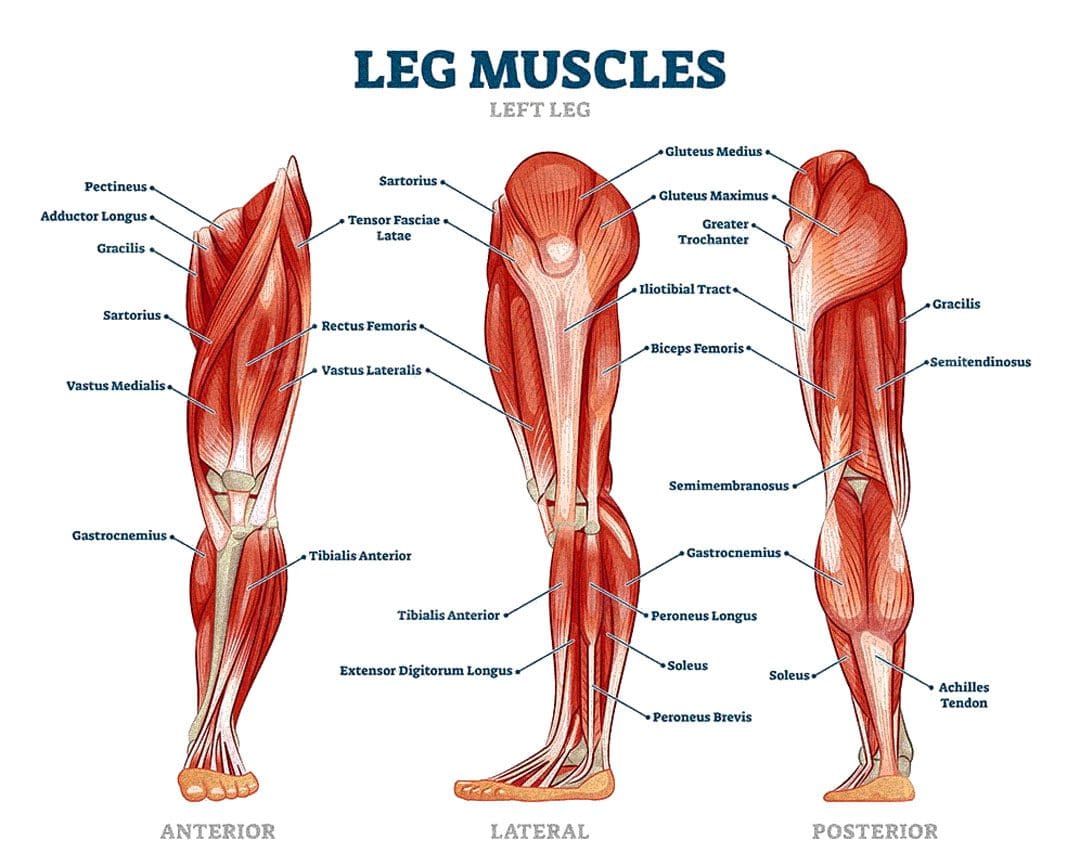
The leg muscles support standing and sitting, carry the body’s weight, and provide movement. Several muscles in the upper and lower legs work together to enable walking, running, jumping, flexing, and pointing the toes.
Upper Leg
The upper leg muscles support the body’s weight and movement. Their jobs include:
Anterior muscles: These muscles stabilize the body and help with balance. They also allow:
Bending and extension of the knees.
Flexion of the thigh at the hip joints.
Rotation of the legs at the hips.
Medial muscles assist in hip adduction – moving the leg toward the body’s center. They also allow flexion, extension, and rotation of the thigh.
Posterior muscles help move the leg from front to back and rotate at the hip socket.
Lower Leg
Anterior muscles are in the front/anterior part of the lower leg and help lift and lower the foot and toe extension.
Lateral muscles run outside the lower leg and stabilize the foot when walking or running. They also allow side-to-side movement.
Posterior muscles: These muscles are in the back of the lower leg. Some are superficial (close to the skin surface), and some sit deeper inside the leg. They help:
Flex and point the toes.
Jump, run and push off.
Lock and unlock the knee.
Maintain a healthy posture by stabilizing the legs.
Stand up straight by supporting the arch of the feet.
Causes
There are different causes of leg discomfort symptoms. Age, work, physical activity, sports, and misalignments can all cause leg issues to develop.
Musculoskeletal
Musculoskeletal system injuries, conditions, and disorders are related to the bones, muscles, tendons, and ligaments. This includes bruising, tendonitis, muscle strain, overuse, and fractures can all lead to musculoskeletal issues.
Neurological
Neurological symptoms are related to a problem with the nerves and the nervous system. Damaged and pinched nerves can contribute to leg issues.
Vascular
If there are blood vessel issues, it can also lead to leg symptoms. Depending on the cause, leg symptoms can vary from moderate to severe and may be non-stop or come and go.
Chiropractic care is a proven way of reducing swelling and discomfort throughout the body. Chiropractic leg adjustments help release restrictions and misalignments. This results in increased mobility of the joints, decreased inflammation, and improved function. A chiropractic adjustment on the leg is known as a long-axis distraction adjustment. This adjustment is designed to open the affected joint in the direction the chiropractor pulls. They can adjust their contact to open the femur from the acetabulum of the pelvis, the knee joint, the ankle joints, and the low back. This encourages proper joint space and motion in the affected areas, promoting healthy movement and space and allowing more nutrient flow and pressure removal from the surrounding nerves to help with symptom relief.
Hip Long Axis Distraction
References
Binstead JT, Munjal A, Varacallo M. Anatomy, Bony Pelvis, and Lower Limb, Calf. (https://www.ncbi.nlm.nih.gov/books/NBK459362/) [Updated 2020 Aug 22]. In: StatPearls [Internet]. Treasure Island (FL): StatPearls Publishing; 2021 Jan-. Accessed 12/29/2021.
Eid K, Tafas E, Mylonas K, Angelopoulos P, Tsepis E, Fousekis K. Treatment of the trunk and lower extremities with Ergon® IASTM technique can increase hamstrings flexibility in amateur athletes: A randomized control study. Phys Ther Sport. 2017;28:e12. doi:10.1016/J.PTSP.2017.08.038
Jeno SH, Schindler GS. Anatomy, Bony Pelvis, and Lower Limb, Thigh Adductor Magnus Muscles. (https://www.ncbi.nlm.nih.gov/books/NBK534842/) [Updated 2020 Aug 10]. In: StatPearls [Internet]. Treasure Island (FL): StatPearls Publishing; 2021 Jan-. Accessed 12/29/2021.
McGee S. Stance and gait. In: McGee S. Evidence-Based Physical Diagnosis. 3rd ed. Philadelphia, PA: Elsevier Saunders; 2012:chap 6.
Ransom AL, Sinkler MA, Nallamothu SV. Anatomy, Bony Pelvis, and Lower Limb, Femoral Muscles. (https://www.ncbi.nlm.nih.gov/books/NBK500008/) [Updated 2020 Oct 30]. In: StatPearls [Internet]. Treasure Island (FL): StatPearls Publishing; 2021 Jan-. Accessed 12/29/2021.
It is a common scenario, whether sitting or standing when we need to bend down or forward, and suddenly there is a sharp sting on one side of the low back. The sensation can cause the knees to buckle. So we stand up slowly to assess the condition and realize it is almost impossible to stand completely straight and even harder to bend forward. So we sit back down to try and relieve the pressure. It helps a little, but the injury has caused the back muscles to spasm and get tighter and tighter. When we try to get up, there can be one big or several mild to severe electrical shock sensations traveling through the back. A severely over-rotated vertebrae could be the cause and require chiropractic care, massage, and/or decompression therapy.
Over Rotated Vertebrae
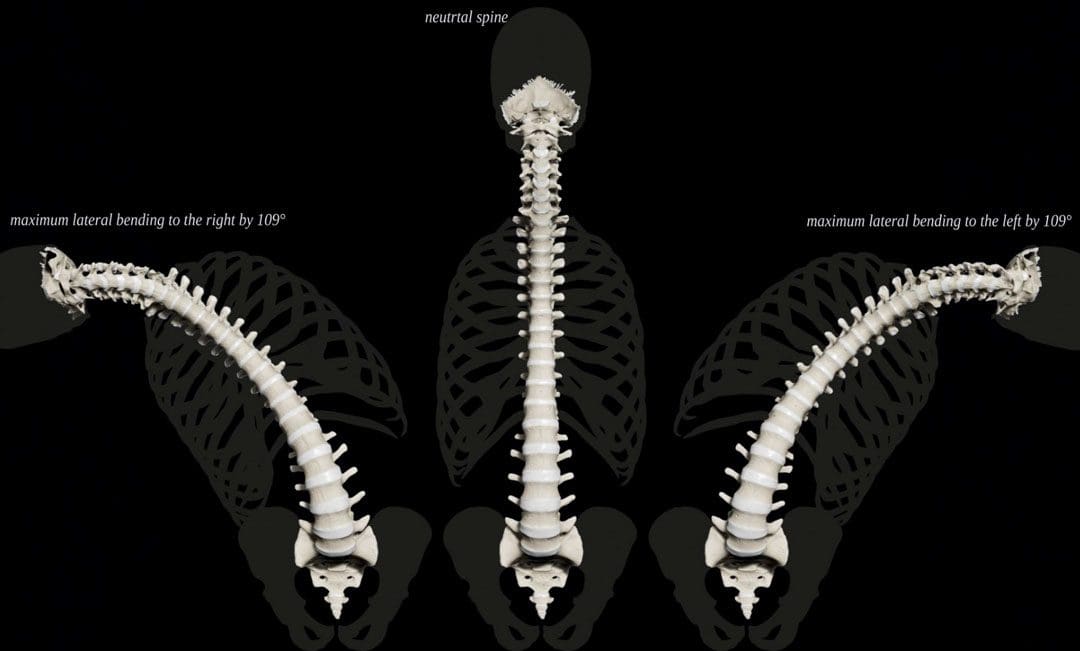
The spinal column is made of 26 interconnected vertebrae. When in motion, each vertebra moves, and as the torso rotates, the spine must rotate as well. The spine can move in several ways, including:
Bending
Rounding forward.
Extending or arching backward.
Twisting
Tilting sideways uses some of the same muscles when twisting.
Although the spine can move in various directions, there are limits to how far it can and should go. For example, when bending forward to lift an object, an individual can unknowingly over-extend and over-rotate vertebrae. This is where the risk of injury increases. A rotational injury of the spine occurs when the torso turns too far, and the spinal cord can’t handle it. This can stretch the ligaments in the spine to the point of snapping, causing the facet joints to dislocate. Ligament strains and facet dislocations are two of the most common rotational spine injuries.
Complications
An over-rotated vertebrae injury can also lead to complications that include.
Chronic Pain
Spinal nerve damage can lead to chronic pain conditions.
Mobility Problems
Mobility problems are common following an injury of the spine.
This comes from damage to the nerves that innervate the legs, causing weakness and coordination problems.
Pressure Ulcers
Numbness following a spine injury can cause individuals not to notice pressure ulcers developing.
These can lead to infections and could require hospitalization.
Individuals accumulate tension and/or weakness in the oblique abdominal muscles and other trunk muscles that can lead to chronic tightness and weakness, affecting movement and decreasing the range of motion.
Chiropractic Treatment Plan
Depending on the time and severity of the injury, a personalized treatment plan may consist of the following:
Chiropractic mobilization to release the spasms and reset the spine.
Rest
Facet Syndrome Treatment
References
Janssen, Michiel M A, et al. “Pre-existent vertebral rotation in the human spine is influenced by body position.” The European spine journal: official publication of the European Spine Society, the European Spinal Deformity Society, and the European Section of the Cervical Spine Research Society vol. 19,10 (2010): 1728-34. doi:10.1007/s00586-010-1400-3
Kruger, Erwin A et al. “Comprehensive management of pressure ulcers in spinal cord injury: current concepts and future trends.” The Journal of spinal cord medicine vol. 36,6 (2013): 572-85. doi:10.1179/2045772313Y.0000000093
Passias, Peter G et al. “Segmental lumbar rotation in patients with discogenic low back pain during functional weight-bearing activities.” The Journal of bone and joint surgery. American volume vol. 93,1 (2011): 29-37. doi:10.2106/JBJS.I.01348
Shan, X., Ning, X., Chen, Z. et al. Low back pain development response to sustained trunk axial twisting. Eur Spine J 22, 1972–1978 (2013). https://doi.org/10.1007/s00586-013-2784-7
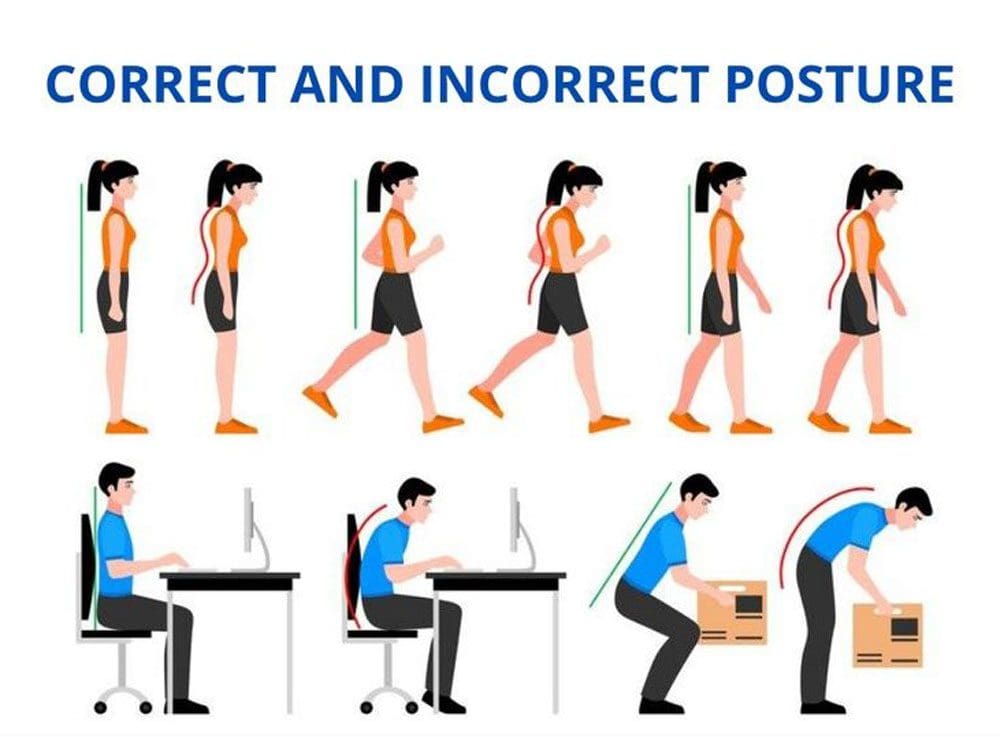
Healthy Posture Guidelines: Posture is how an individual holds their body. Healthy posture is when minimal stress is applied to the joints. Maintaining and holding your body correctly can prevent pain, injuries, and other health problems. Faulty postures and musculoskeletal imbalances often precipitate painful conditions in the spine and extremities. However, unhealthy postures do not always present with discomfort and pain symptoms that can go unnoticed for years. This leads to chronic stress and advanced wear of the joints. Injury Medical Chiropractic and Functional Medicine Clinic can realign the spine, relieve symptoms, and restore flexibility, mobility, and function.
Healthy Posture Guidelines
There are two types of posture:
Dynamic Posture
This posture is when the body moves, like walking, running, or bending to pick up something.
Static Posture
This posture is when the body is not moving, like sitting, standing, or sleeping.
Both are important, and the key is the spine’s position. The spine has three natural curves: neck, mid, and low back. Correct posture maintains the curves with the head above the shoulders, and the top of the shoulder should be over the hips.
Unhealthy Positioning
Postural faults include:
Forward head positioning
Rounded shoulders
Loss of the normal lordosis curve in the lower back.
Early warning signs of postural problems may include:
The inability to sit or stand for a prolonged period.
Stiffness when getting up from a chair after sitting.
Feeling of physical exhaustion at the end of the day.
Muscle imbalances.
Loss of normal flexibility.
Symptoms of discomfort.
Affected Health
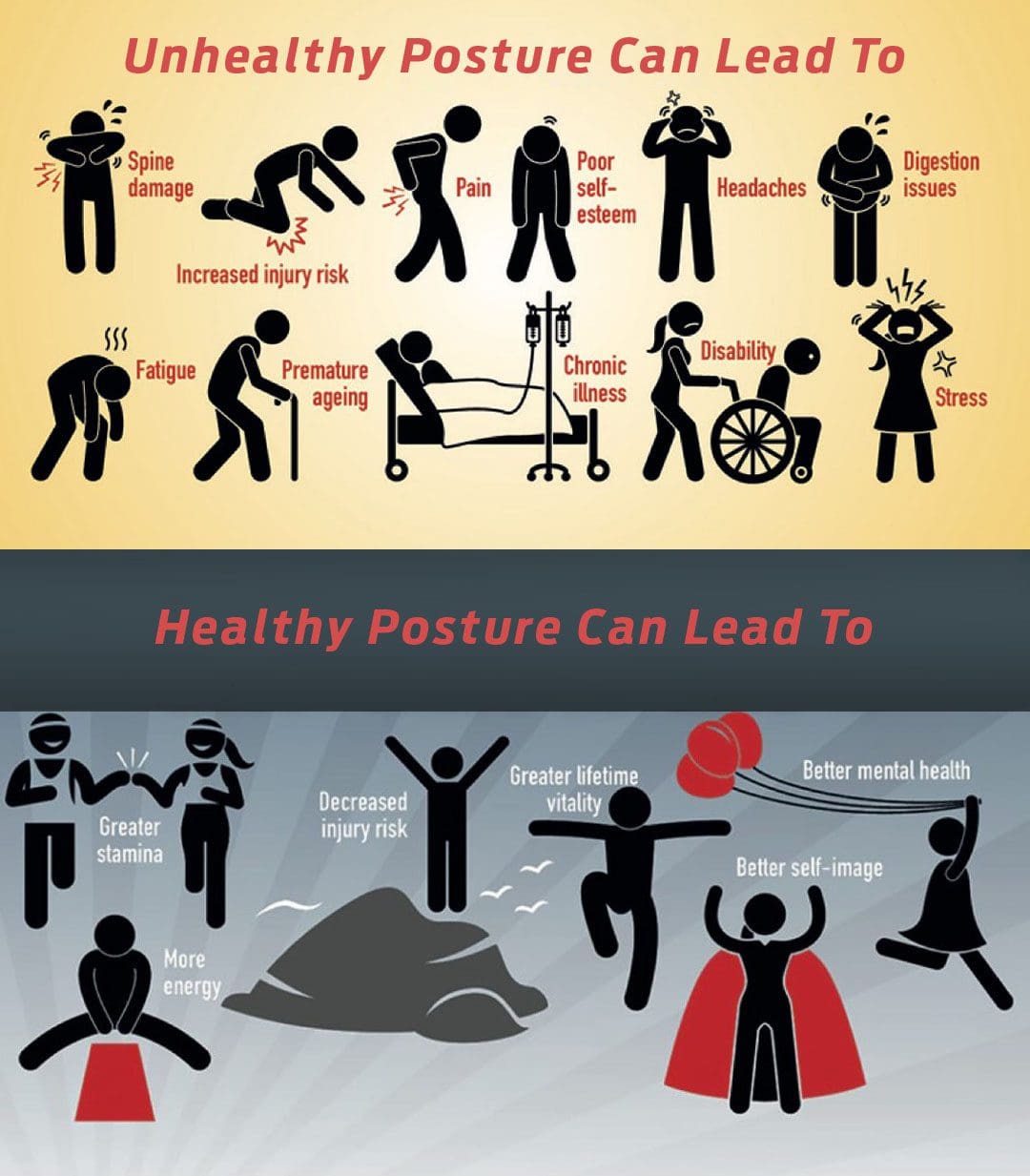
Unhealthy posture can affect overall health and includes:
Misaligned musculoskeletal system.
Decreased flexibility.
Neck, shoulder, and back pain.
The advanced wearing down of the spine making it more fragile and susceptible to injury.
Affected joint movement.
Affected balance.
Increased risk of falling.
Digestion problems.
Potential breathing problems.
Improvements
Be mindful of your posture during everyday activities, like walking, watching tv, washing dishes, etc.
Maintain Physical Activity
Certain exercises like yoga, tai chi, and other classes focusing on body awareness can help develop healthy posture habits.
Exercises that strengthen the core muscles around the back, abdomen, and pelvis.
Maintain Healthy Weight
Extra weight can weaken the abdominal muscles, cause problems for the pelvis and spine, and contribute to back pain.
Wear Comfortable Shoes
High heels, for example, can throw off the body’s balance and force unhealthy walking movements.
This puts added stress on the muscles and affects posture.
Proper Height
Make sure workstations are at a comfortable height, whether sitting in front of a computer, making dinner, or eating.
Chiropractic Care
Chiropractors and physical massage therapists specialize in evaluating and treating musculoskeletal dysfunction and identifying and screening for postural dysfunction. Healthy posture can have an immediate effect on health that include:
Proper alignment of bones and joints.
Reduced wear on the muscles and joints.
Reduced stress on ligaments.
Decreased risk of back injury.
Increased energy.
Improved digestion.
A chiropractic team will massage and relax the muscles reducing tension, adjust and realign the spine, increase joint movement, and ease the individual into a healthy posture. The team will also provide careful rehabilitation exercises and nutritional recommendations to maintain a healthy posture.
Custom Foot Orthotics
References
Carini, Francesco, et al. “posture and posturology, anatomical and physiological profiles: overview and current state of the art.”Acta bio-medica : Atenei Parmensis vol. 88,1 11-16. 28 Apr. 2017, doi:10.23750/abm.v88i1.5309
Creze, Maud, et al. “posture-related stiffness mapping of paraspinal muscles.”Journal of anatomy vol. 234,6 (2019): 787-799. doi:10.1111/joa.12978
Korakakis, Vasileios, et al. “physiotherapist perceptions of optimal sitting and standing posture.”Musculoskeletal science & practice vol. 39 (2019): 24-31. doi:10.1016/j.msksp.2018.11.004
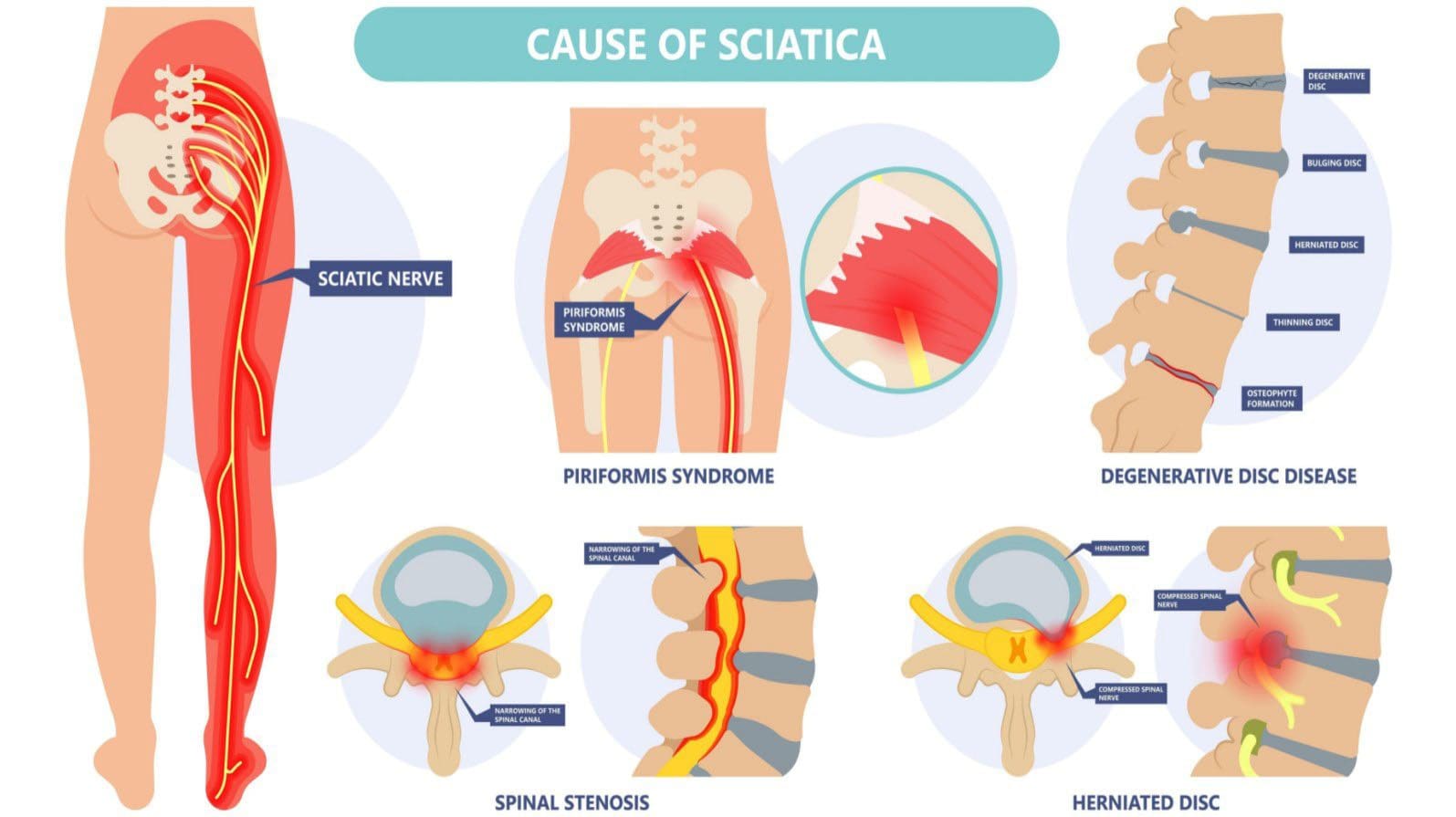
Sciatica is common and affects up to 40% of the general population. Different types include acute, chronic, alternating, and bilateral sciatica. The sciatic nerve comprises three specific nerve roots in the lower back. The three nerves originate in the L4 and L5 vertebrae and the sacrum, just below the vertebrae. The nerve then branches off and runs through the back of each thigh. Injury, compression, or irritation of these nerves can cause various symptoms, including numbness, tingling, electrical shooting pain, and muscle spasms in the low back, the leg, and the foot. Chiropractic care can realign the spine, relax the muscles, release compression and relieve sciatica.
Acute, Chronic, Alternating, and Bilateral Sciatica
Acute
Acute pain can be brought on by sudden irritation to the nerves that have become pinched, compressed, or a combination.
Causes a constant burning or shooting sensation through the low back, buttocks, down the leg, and possible hip discomfort.
It becomes worse when sitting.
It can cause immediate and short-term pain lasting for 1-2 weeks.
Chronic
Chronic sciatica can last for months or years on and off or continuously.
It can be caused or worsened by inflammatory conditions like rheumatoid arthritis, injuries, infections, and spinal misalignment issues.
It can resolve but will come back without treatment or lifestyle and activity adjustments.
Bilateral
Sciatica typically takes place in one leg; it has been known to be bilateral and experienced in both legs.
This type of sciatica is rare but can occur from degenerative changes in the vertebrae and/or the discs at several spinal levels.
If there is pain in both legs, it is likely not a herniation but degenerative changes like spinal stenosis.
The symptoms can range from infrequent to irritating to severe and debilitating.
Weakness may be felt in the leg and foot, or a feeling of heaviness, making it difficult to lift the foot off the floor.
Alternating
Alternating sciatica affects both legs alternately. It is usually connected to bilateral sciatica that switches sides.
This type is rare and can result from degenerative problems in the sacroiliac joint, the joint connecting the spine to the hips, or sacroiliac arthritis.
Spinal Sources
Sciatica occurs when L4, L5, and/or S1 nerve roots are affected.
L4 Nerve Root
Pain in the hip, thigh, inner medial areas or the knee, and the calf.
Weakness in the thigh and hip muscles.
Reduced knee-jerk reflex.
Loss of sensation around the calf.
L5 Nerve Root
Pain in the buttock and the outer area of the thigh.
Weakness in the buttock and leg muscles.
Difficulty moving the ankle and lifting the big toe upward.
Loss of sensation between the big toe and the second toe.
S1 Nerve Root
Known as classic sciatica.
Pain in the buttock, back of the calf, and side of the foot.
Fatigue in the buttock and foot muscles.
Difficulty and discomfort raising the heel off the ground or walking on tiptoes.
Loss of sensation in the foot’s outer side, including the third, fourth, and fifth toes.
Chiropractic care can directly address the root cause of the problem, treat the cause, and alleviate the symptoms. Chiropractic manipulation is recommended by the American College of Physiciansas a first line of treatment for back pain before medication, muscle relaxants, injections, and surgery. Treatments to address sciatic nerve impingement:
Ice/Cold Therapy
Reduces inflammation and swelling.
Prepares the patient for massage and adjustments.
Therapeutic Tissue Massage
This therapy promotes muscle relaxation and lessens the muscle spasm/recoil response.
Ultrasound
Soothing heat created by sound waves penetrates the muscles, increases circulation, and relaxes the muscles to alleviate spasms, stiffness, and pain.
Transcutaneous Electrical Nerve Stimulation/Tens Unit
A muscle stimulation machine applies electrical impulses to relax the muscles and untangle muscle knots.
Spinal Manipulation
This process realigns the spine to move properly and restores vertebral health.
Stretches and Exercises
This ensures treatment will last once treatment has or is coming to an end.
Spinal Decompression
Pulls and stretches the body to release any compression on the nerve roots and infuse circulation back into the discs.
The pressure is taken off the sciatic nerve, and routine adjustments will retrain the muscles to maintain their re-alignment. The duration of treatment will vary based on the root cause of sciatica. Each treatment plan is tailored to the individual patient’s situation.
Severe and Complex Sciatica Syndromes
References
Davis D, Maini K, Vasudevan A. Sciatica. [Updated 2022 May 6]. In: StatPearls [Internet]. Treasure Island (FL): StatPearls Publishing; 2022 Jan-. Available from: https://www.ncbi.nlm.nih.gov/books/NBK507908/
Hernández C.P., Sanchez N., Navarro-Siguero A., Saldaña M.T. (2013) What is Sciatica and Radicular Pain?. In: Laroche F., Perrot S. (eds) Managing Sciatica and Radicular Pain in Primary Care Practice. Springer Healthcare, Tarporley. https://doi.org/10.1007/978-1-907673-56-6_1
Kumar, M. Epidemiology, pathophysiology and symptomatic treatment of sciatica: A review. nt. J. Pharm. Bio. Arch. 2011, 2.
Ngnitewe Massa R, Mesfin FB. Herniation, Disc. [Updated 2018 Oct 27]. In: StatPearls [Internet]. Treasure Island (FL): StatPearls Publishing; 2019 Jan-. Available from: https://www.ncbi.nlm.nih.gov/books/NBK441822/
Ombregt L. The dural concept. In: A System of Orthopaedic Medicine. Elsevier; 2013:447-472.e4. doi:10.1016/b978-0-7020-3145-8.00033-8
Witenko, Corey, et al. “Considerations for the appropriate use of skeletal muscle relaxants for the management of acute low-back pain.” P & T : a peer-reviewed journal for formulary management vol. 39,6 (2014): 427-35.
Wright R, Inbody SB. Radiculopathy and Degenerative Spine Disease. In: Neurology Secrets. Elsevier; 2010:121-130. doi:10.1016/b978-0-323-05712-7.00007-6
IFM's Find A Practitioner tool is the largest referral network in Functional Medicine, created to help patients locate Functional Medicine practitioners anywhere in the world. IFM Certified Practitioners are listed first in the search results, given their extensive education in Functional Medicine






 Leg Adjustments


 Healthy Posture Guidelines